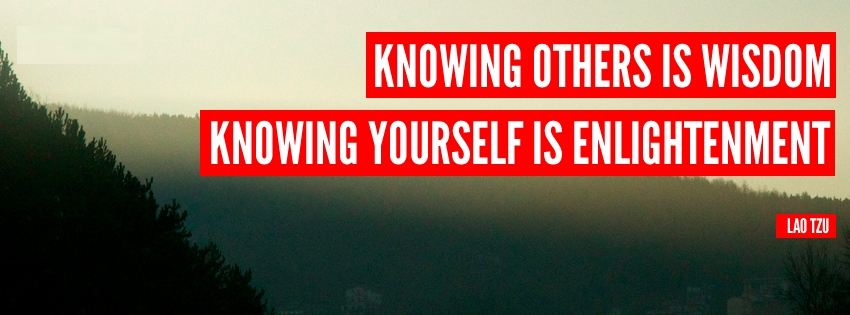
The translation of Ahaṁ Brahmāsmi. Don’t worry, it isn’t my ego talking.
I was reminded of this thanks to this fantastic episode on Lex Fridman’s podcast – with Joscha Bach.
I remember it was a while back when I first heard the postulation that Adam & Eve hurriedly covering themselves after eating the apple was an allegory for humans first developing consciousness about themselves. Joscha extends this and talks about how the Bible, specifically Genesis 1, has sections on the mind systematically creating a a game design that helps interact with the world. In his own words,
” where it’s being described that this creative spirit is hovering over the substrate and then is creating a boundary between the world model and sphere of ideas, earth and heaven, as they’re being described there, and then it’s creating contrast and then dimensions and then space, and then it creates organic shapes and solids and liquids and builds a world from them and creates plants and animals, give them all their names. And once that’s done, it creates another spirit in its own image, but it creates it as men and women, as something that thinks of itself as a human being and puts it into this world. And the Christians mistranslate this, I suspect, when they say this is the description of the creation of the physical universe by a supernatural being. I think this is literally a description of how in every mind a universe is being created as some kind of game engine by a creative spirit, our first consciousness that emerges in our mind even before we are born and that creates the interaction between organism and world. And once that is built and trained, the personal self is being created and we only remember being the personal self, we no longer remember how we created the game engine.”
This is basically the development of consciousness. And we cannot remember the time we made it. The game engine is the universe we keep building until we are no longer around.
And the Bible is not alone in this. Remember Samudra Manthan from Hindu mythology, it is full of symbolism. An individual in this world seeking immortality. Transcendence. The mountain Mandara represents the human mind and the manthan is its churning in the vast collective consciousness. The devas and asuras obviously are the positive and negative influences. Vishnu’s koorma avatar (turtle) which stabilises the mountain during the churn point to how we should try to focus our mind. (on God, but I will abstain from that part :D)
Halahala, the emergent poison that Shiva swallows (earning him the name Nilkanth) shows how we must confront our inner demons . From Kamadhenu to Airavata to Kalpavriksha, there are all sorts of distractions that are possible. Dhanvantari appearing with the amrit symbolises the importance of health. The amrit is what allows you to merge with the collective consciousness and thereby in a sense become immortal.
Ok, snap. I don’t think I will get there. In The Flavours of Death, I had posted an excerpt from Simone de Beauvoir’s The Coming of Age
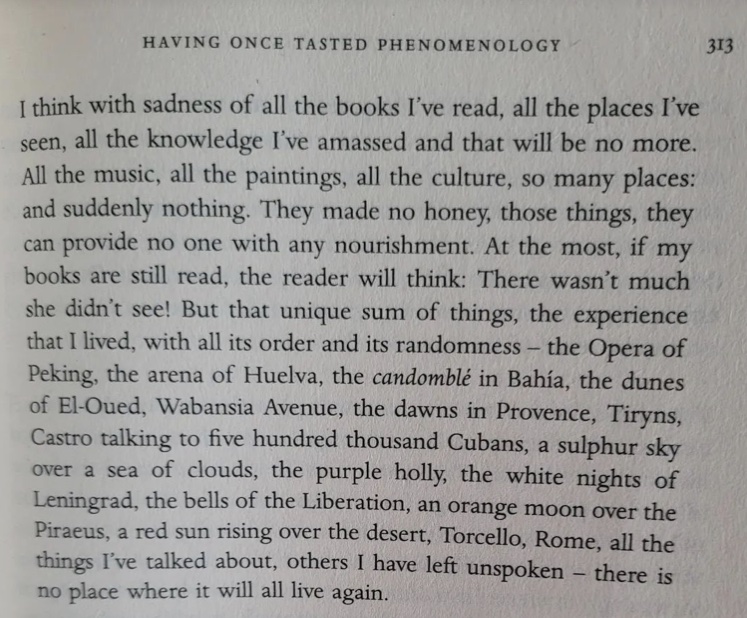
…’there is no place where it will all live again’. And that’s just it. Outside of photos, notes like these or maybe conversations with friends, the universe that was created in my mind will no longer exist when I die. It dies with me. And thus Ahaṁ Brahmāsmi. The universe that I made with all its affections and peeves and desires and animosities and fears and longings and expectations, disappears when I take my final breath. I will not be around in the aftermath to feel that sadness, but I am here now, and I do feel the twinge.
Aham bummed asmi ? #okbye