Tag: The Immortals of Meluha

  • The Immortals of Meluha

    Amish

    The first of the Shiva trilogy. The book takes a historical view of Hindu mythology and looks at the Hindu God Shiva as a human who through this actions got elevated to the pedestal of Mahadev – the God of Gods. Set from 1900 BC onwards, it tracks Shiva’s journey from Mount Kailash in Tibet to the land of the Sapt Sindhu inhabited by the Meluhans, who see him as ‘Neelkanth’, the incarnation that will help them triumph over evil. ‘Evil’ to them are their neighbours, the people of ‘Swadeep’.

    The book is very fast paced and tells a good story. It also has a sprinkling of philosophy, especially towards the end that lends it some (relative) gravitas. Though the book shows no dearth of imagination in bringing a reality perspective to a lot of things we consider myth, what I felt it lacked was a certain finesse of prose, a factor that made it seem corny at regular intervals. But that won’t stop me from picking up the other two books, and that sense of intrigue is what makes the book a good read.

  • Only time will tell…

    My reading list during the Sikkim trip consisted of “The Immortals of Meluha” and “Chasing the Monk’s shadow”, fiction and non fiction respectively. Sometime during the trip, I completed the former, the latter was completed long after the trip.

    The first book is a work of fiction that treats Shiva, the Hindu god, as a real person and tries to look at mythology through a historical perspective. The second is a journal of a person who retraces (almost) the epic journey of Xuanzang (the latest spelling of the person we learned about as Hiuen Tsang in school). One myth, one history. One is a possibility, the other ‘factual’.

    The first, about a Tibetan tribal chieftain who is looked upon by a civilisation as the messiah promised in their legends. The second, a monk with an insatiable thirst for India.  In this age of rapid advances in communication, it was quite an experience to be transported to a time when people got news years or even decades after it happened. A monk who starts a journey based on a certain information, only to realise that while he was traveling towards his destination, things had changed – kings deposed, lifestyles changed, faith forgotten….

    The passage of time gives us a bird’s eye view of what happened then, allowing us to dwell on the possibilities of how/if Gods were created, to interpret snippets of information gleaned from remnants of a life, what it must’ve been like. From our vantage point, we see patterns, lifelines almost crossing each other, tantalisingly close, with the possibility of drastically changing the flow of events that transpired later. All this, after patiently sifting through the layers that have been added over the years.

    I wonder if, thanks to the way we consume and share information, later archaeologists will have a reverse problem, of having to go through mounds of information- multiple perspectives to separate facts from opinions. Or maybe, it has always been like that, and the sands of time have a way of burying it randomly. It is quite humbling to think of the possibility of Iceland’s volcano being a footnote in history, because it so happened that what survived was a casual, unaffected post which treated it as a minor news, as opposed to the anguished post of someone whose plans went awry, all thanks to it.

    Another reminder that history and beyond is just a perspective we get from what survived.

    until next time, time consumes too 🙂

  • Sikkim Day 4 – Seven Sisters and the Houses of Lachen

    Before we left Gangtok, we thought we’d take another shot at the rope-way. We reached there, sharp at 9.30 -opening time, and as should be expected from any self respecting government run set up, they claimed that routine maintenance would ensure that it opened only by 10.30.

    We couldn’t wait, for this was the day we began our journey to North Sikkim…with a driver who went by several names.. and surnames – Bhutia, Denzongpa. In turn, he was confused by our itinerary, until we told him, we’d pay extra for our trip to Zero Point later.

    httpv://www.youtube.com/watch?v=ItOVTAtJY30

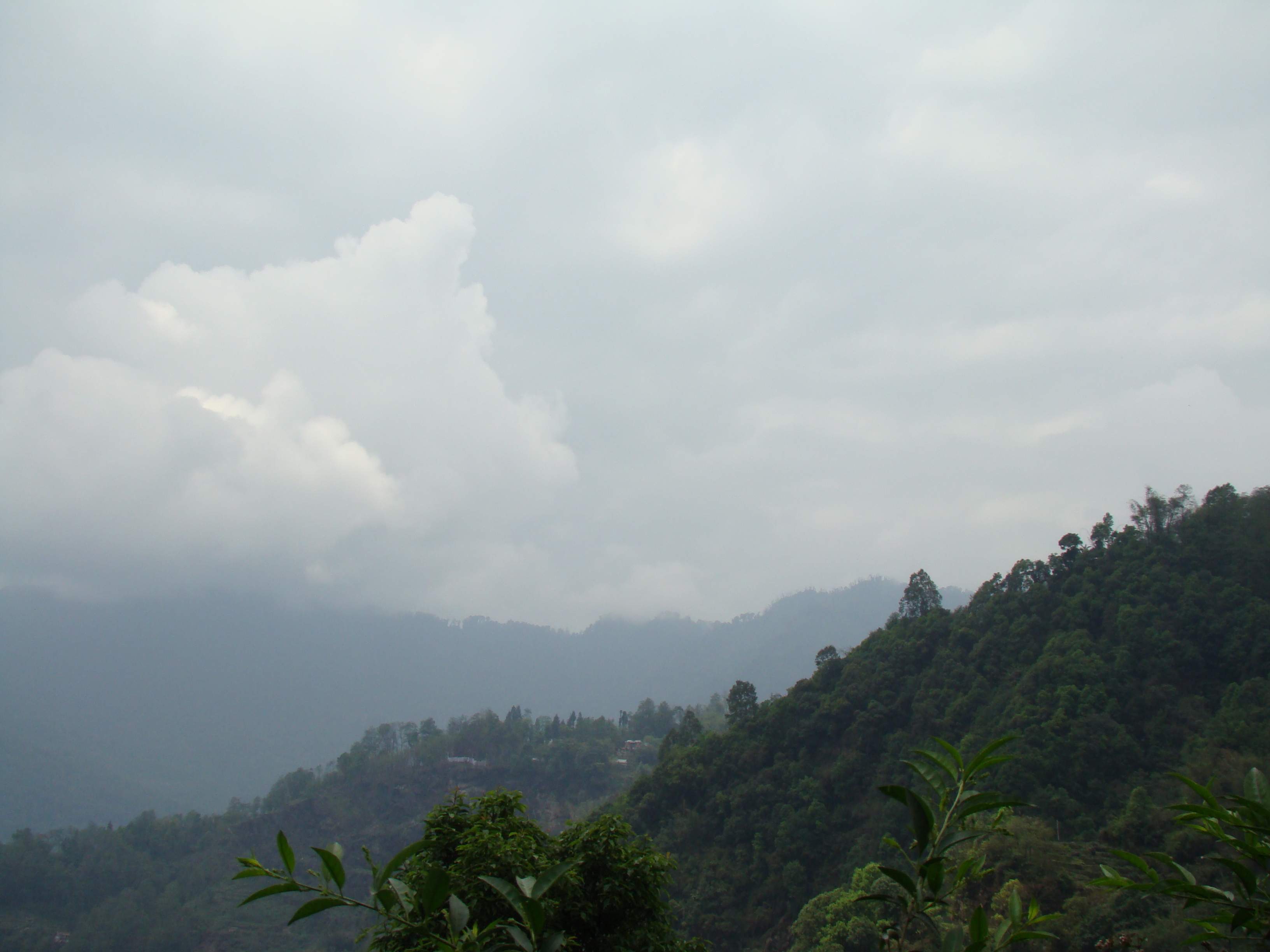
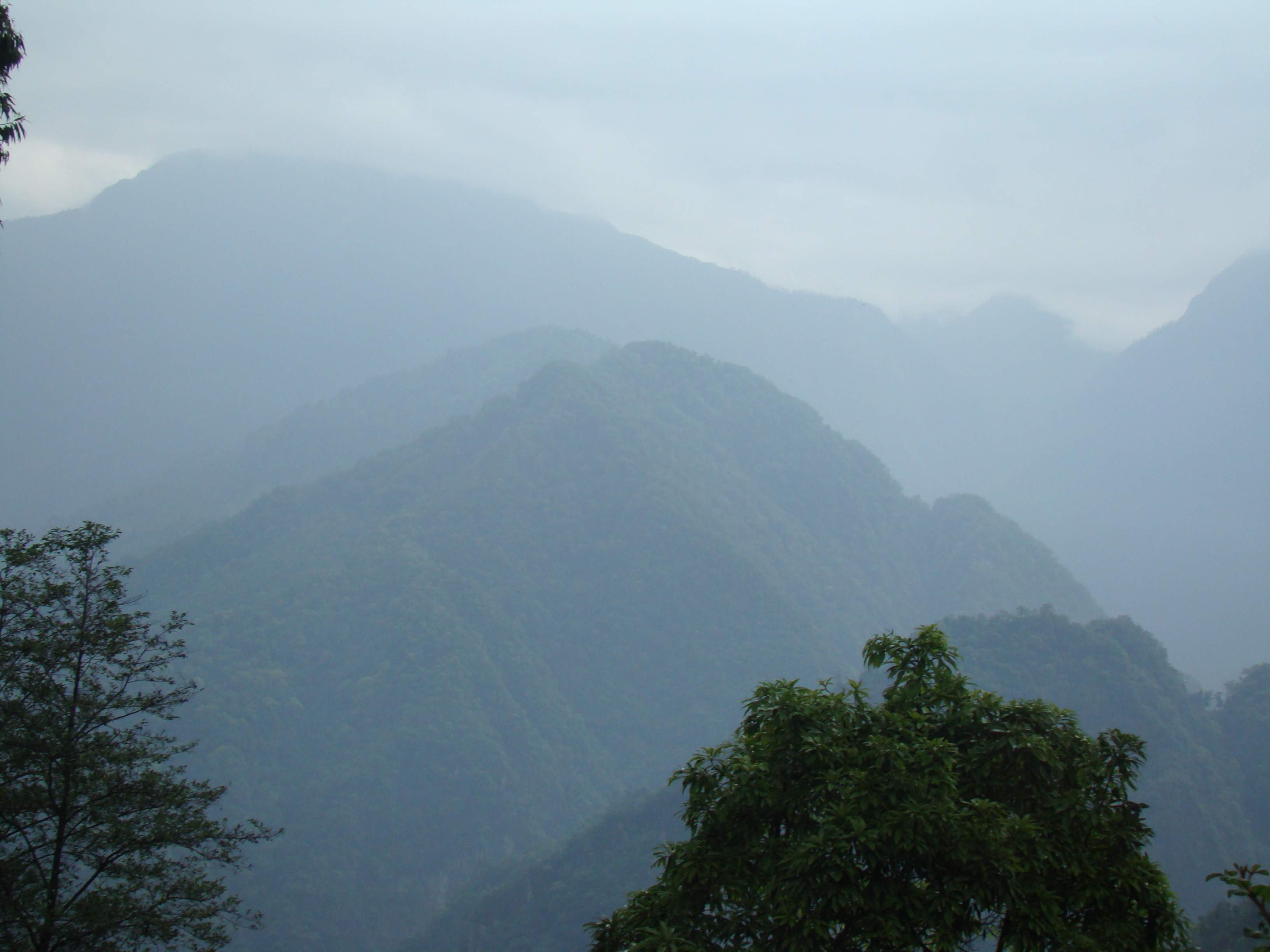
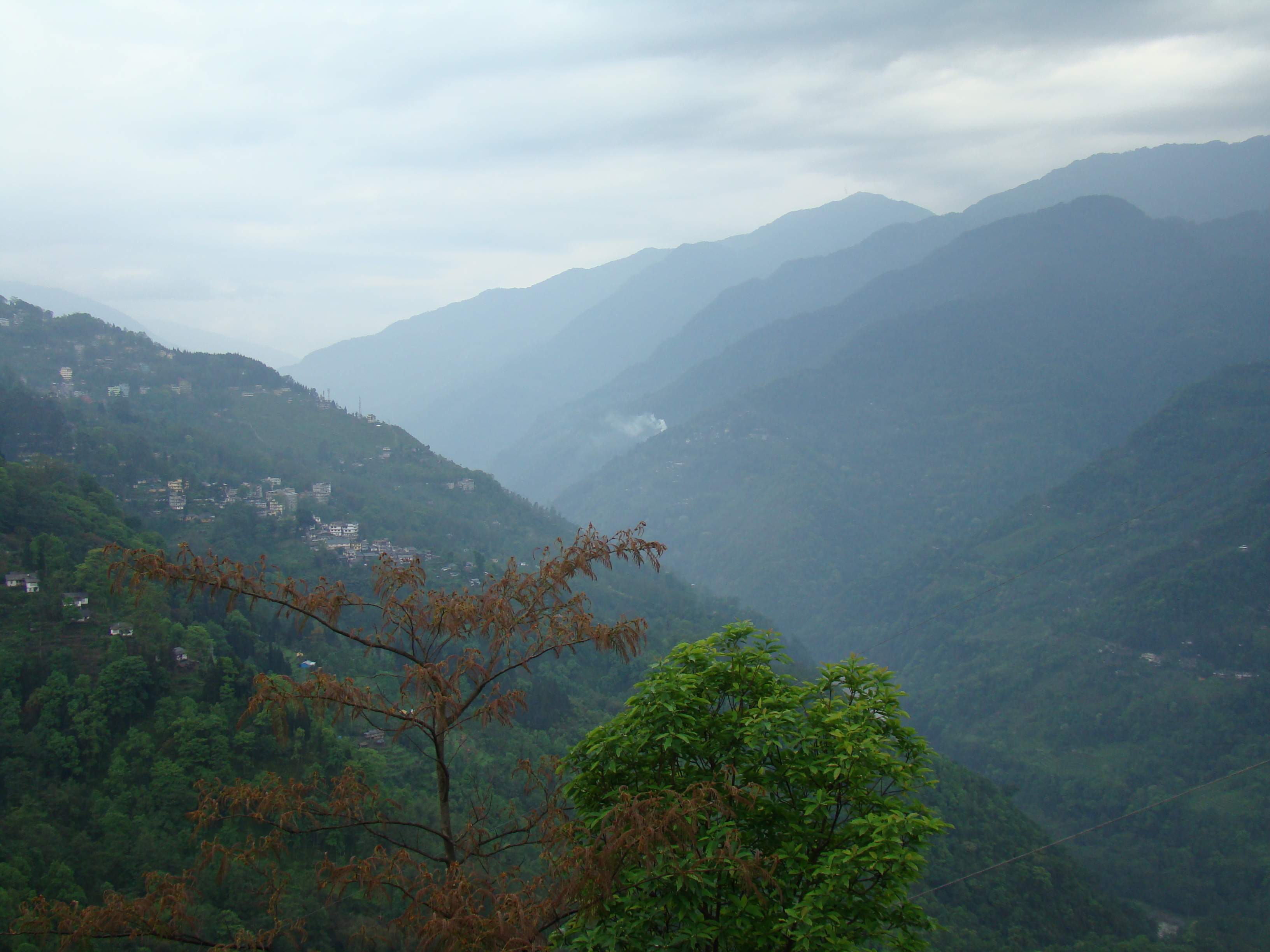
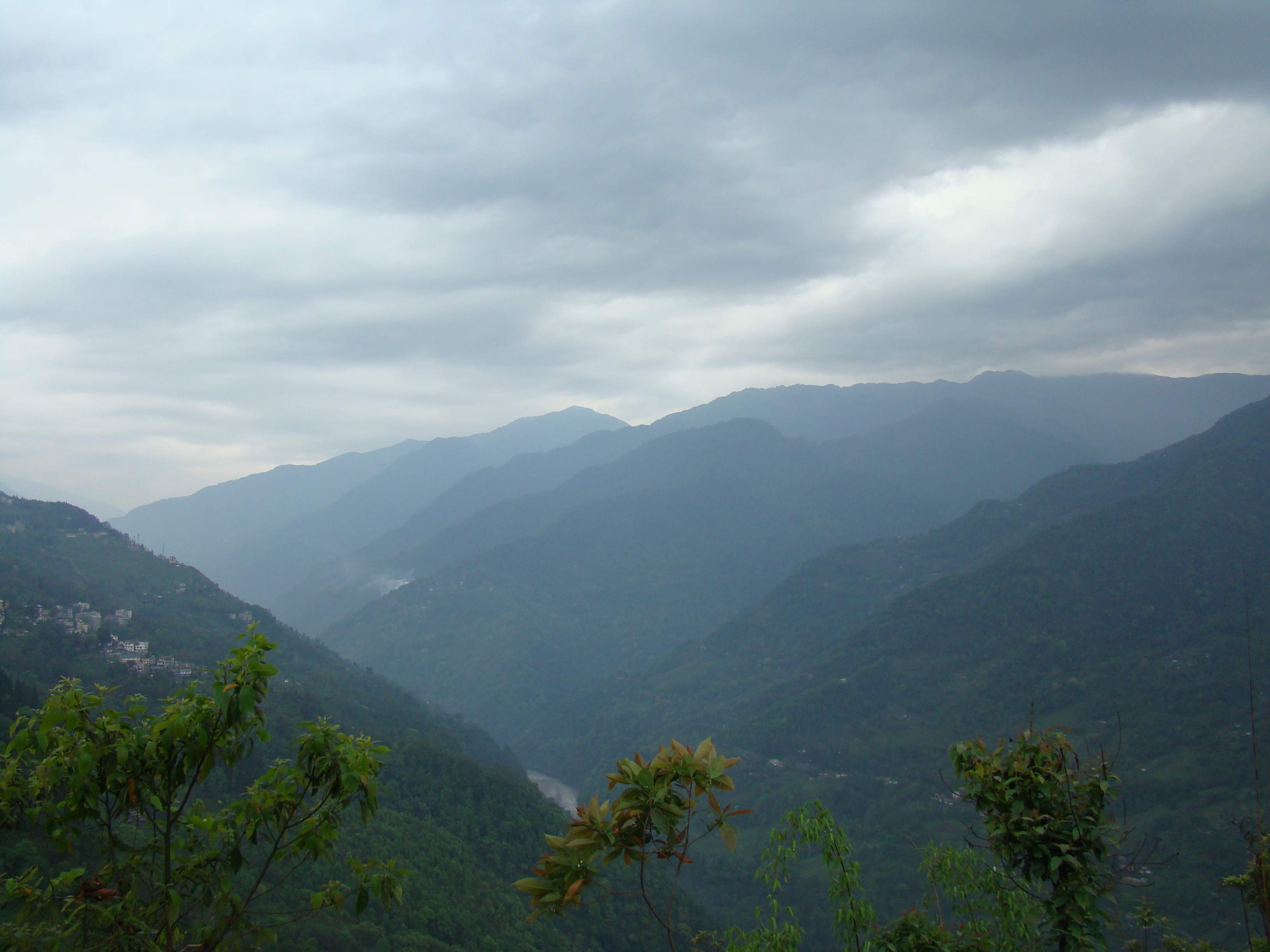
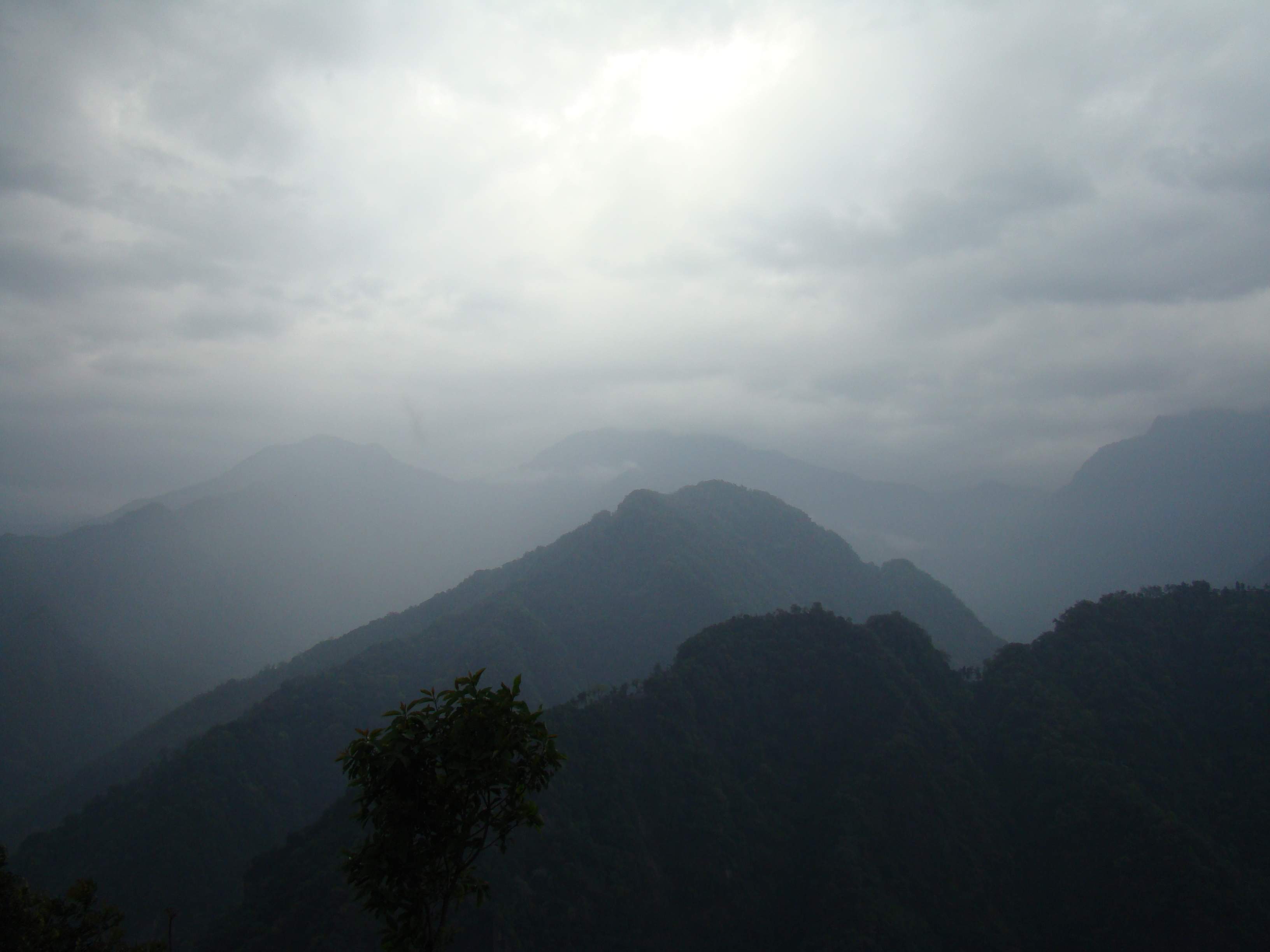
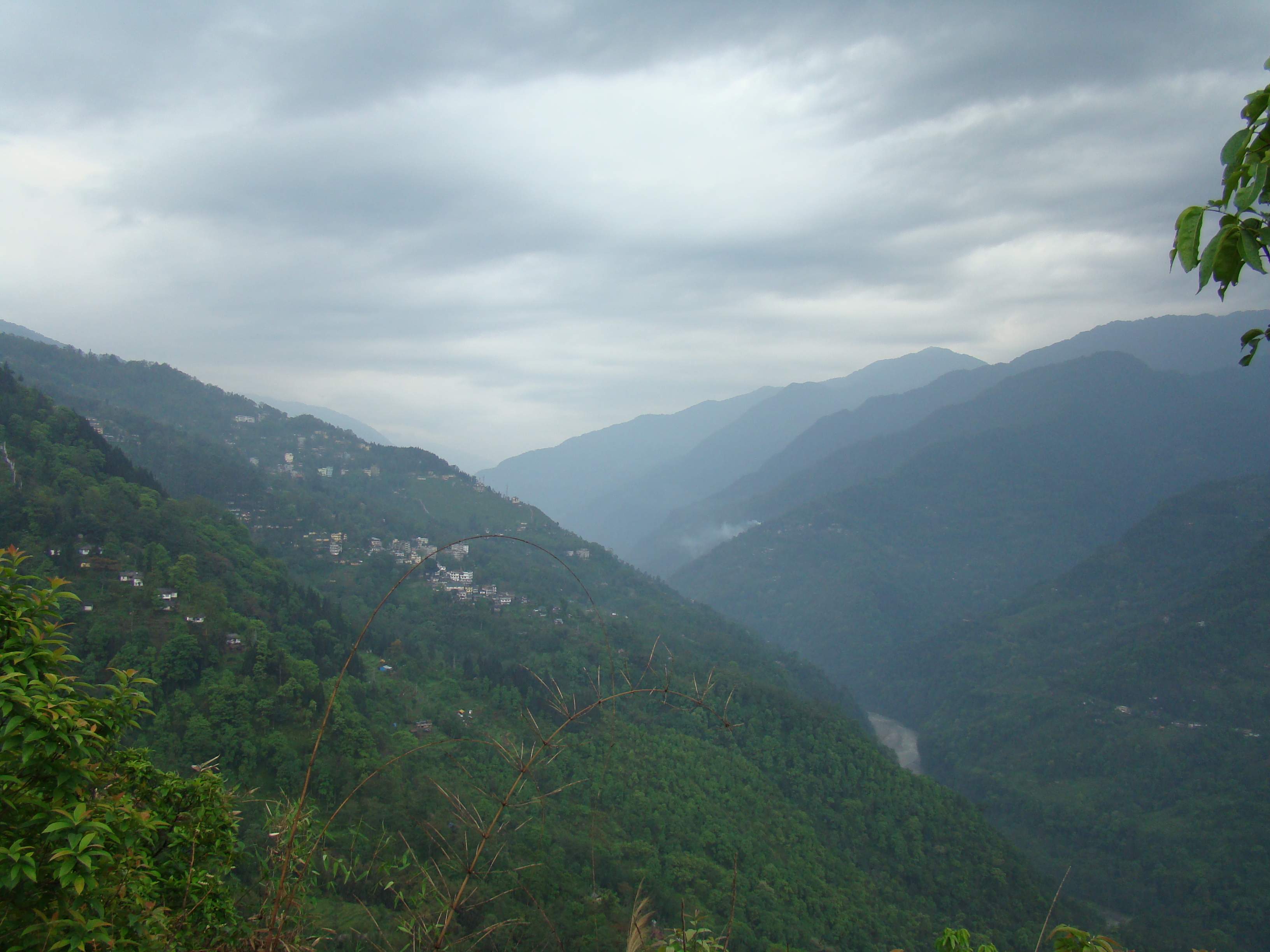
    The first stop was Tashi view point, from where, on cloudless days, one could see Kanchenjunga. Dark clouds loomed in the horizon, literally, and we saw the gurudwara at Gangtok, less that 10km away through a telescope, for Rs.10. And from there began the ‘Bone Awareness Drive’. The roads, which even on their best days, wouldn’t offer much solace, were more like rivers thanks to the rain. The Mahindra Maxx waded and bounced across them, introducing us to new sights and hitherto undiscovered bones at every turn. D reminded me that we could end up with a Wonderla experience. My back wished I was back in the hotel bed, but the scenic view made up for all of this.
    1

    The rain meant that the tourist’s attraction was more for the toilets provided at the scheduled tourist stops. The next stop was the ‘Seven Sisters’ waterfall. Our own waterfalls cost us Rs.2 each, the dowry has to be paid for, after all, I grumbled.

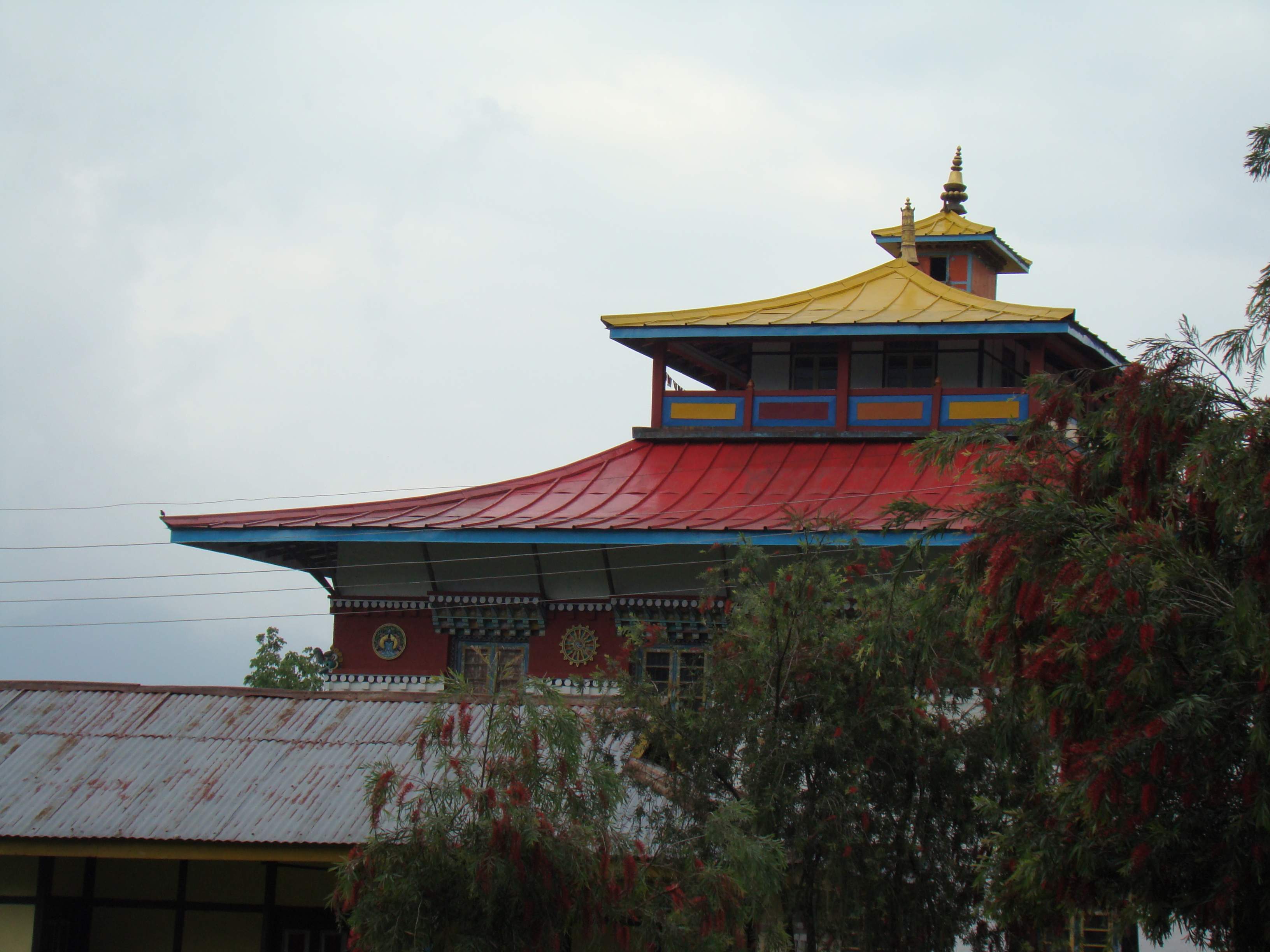
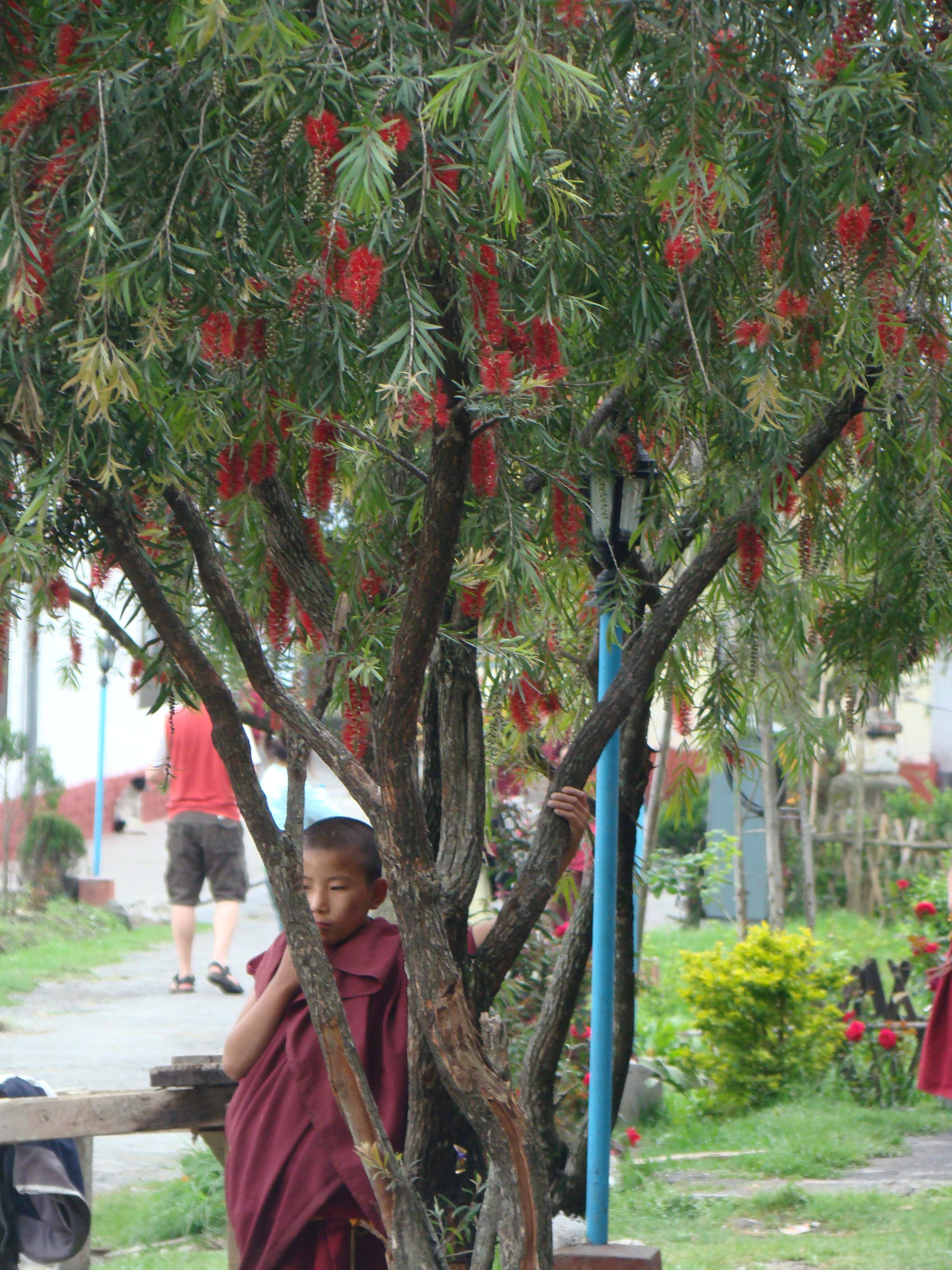
    Phodong monastery was relatively more peaceful, with monks munching away at the local version of Lays. This guy seemed to have some food for thought though.

    3 2

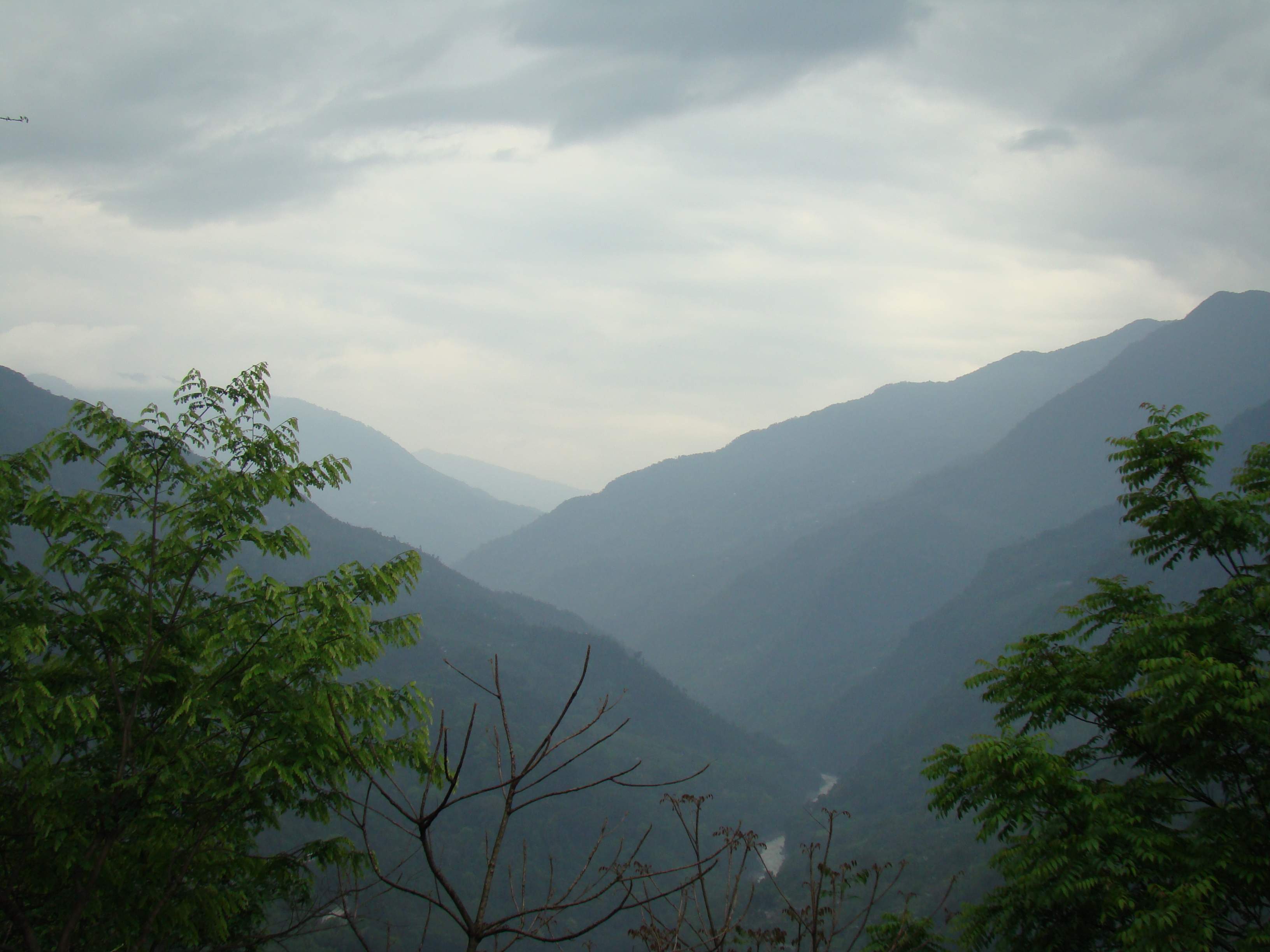
    We had lunch at the Hotel Kanchendzonga, so named because they took a fancy to it, not for any view. Simple, but effective meal. Mangan was the next break, but the erm, tourist attraction was the garage, where our driver had a few repairs done on the brakes. Then came the Naga falls. Falls count anywhere as tourist attractions, it seemed, judging by the crowds, though the roads practically served as waterfalls anyway. We got lucky at the Singhik view point, beating the rain by a few minutes. Amazing view.

    4 5 6 7 8 9

    By the time we reached Chungthang, it was 6.30. From there the road split – left to Lachen, and right to Lachung. We’d left Gangtok for Lachen, so we began the climb with the fast setting sun as our companion. The 30 km took us about 2 hours.

    The driver discussed how tourists were spoiling Sikkim’s ecosystem by littering and not even acknowledging the ubiquitous garbage disposal bins. From there we moved on to philosophy, the pace of life and respect for human lives in cities, and how even cows were now contemplating why they were crossing the road at night. The last one was important, because they chose to do so in the middle of the road, and narrow roads meant we had to coax them to finish the job and then contemplate. Horn vs. horn.

    Lachen had homestays disguised as hotels. We reached there at about 8.30, and had a simple meal, right in the kitchen, followed by sleep in a strictly functional room (with clean loos) I stretched out and completed ‘The Immortals of Meluha’, while D woke at 2.30 and chose to retch, such was her gall.