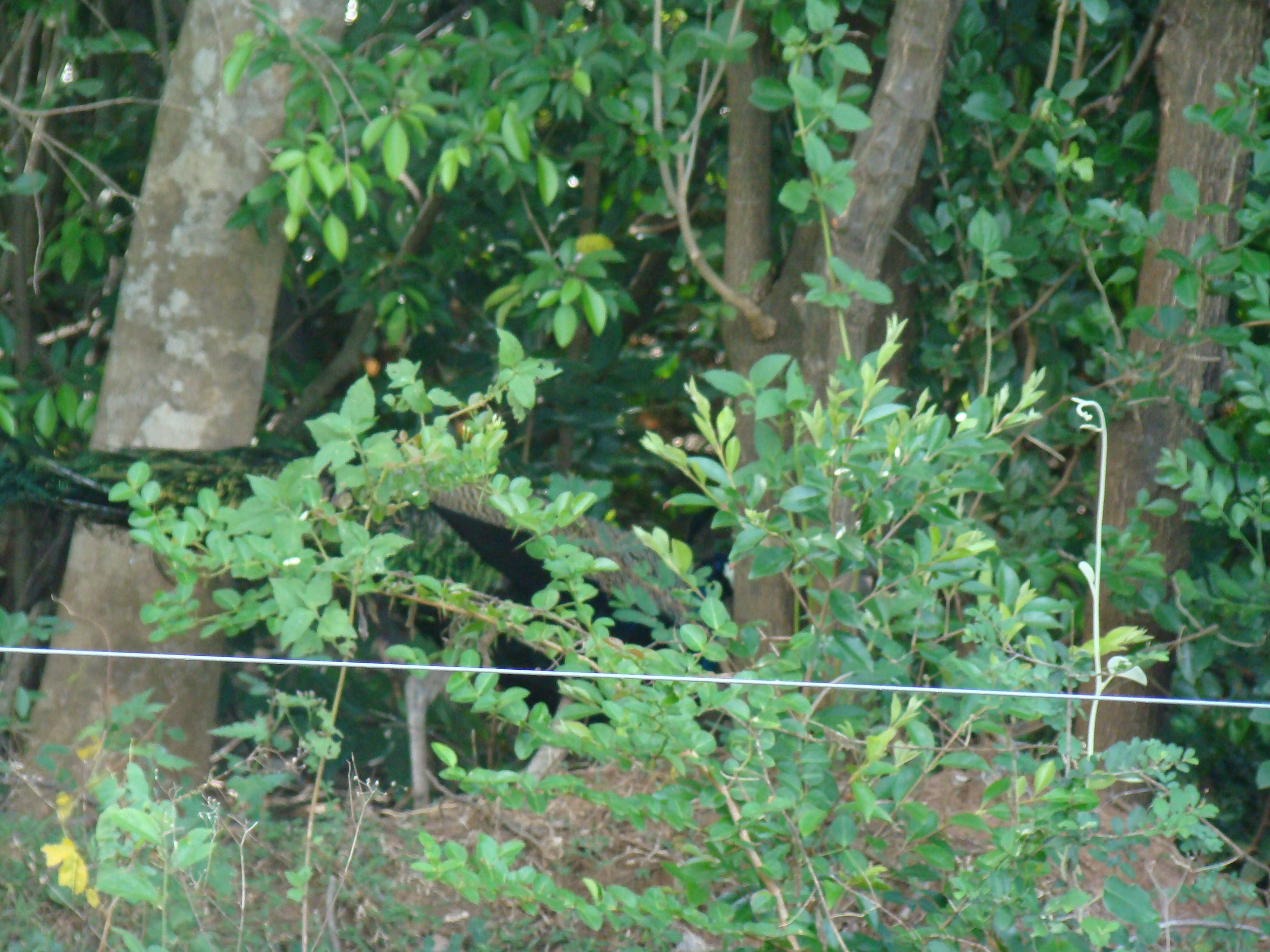
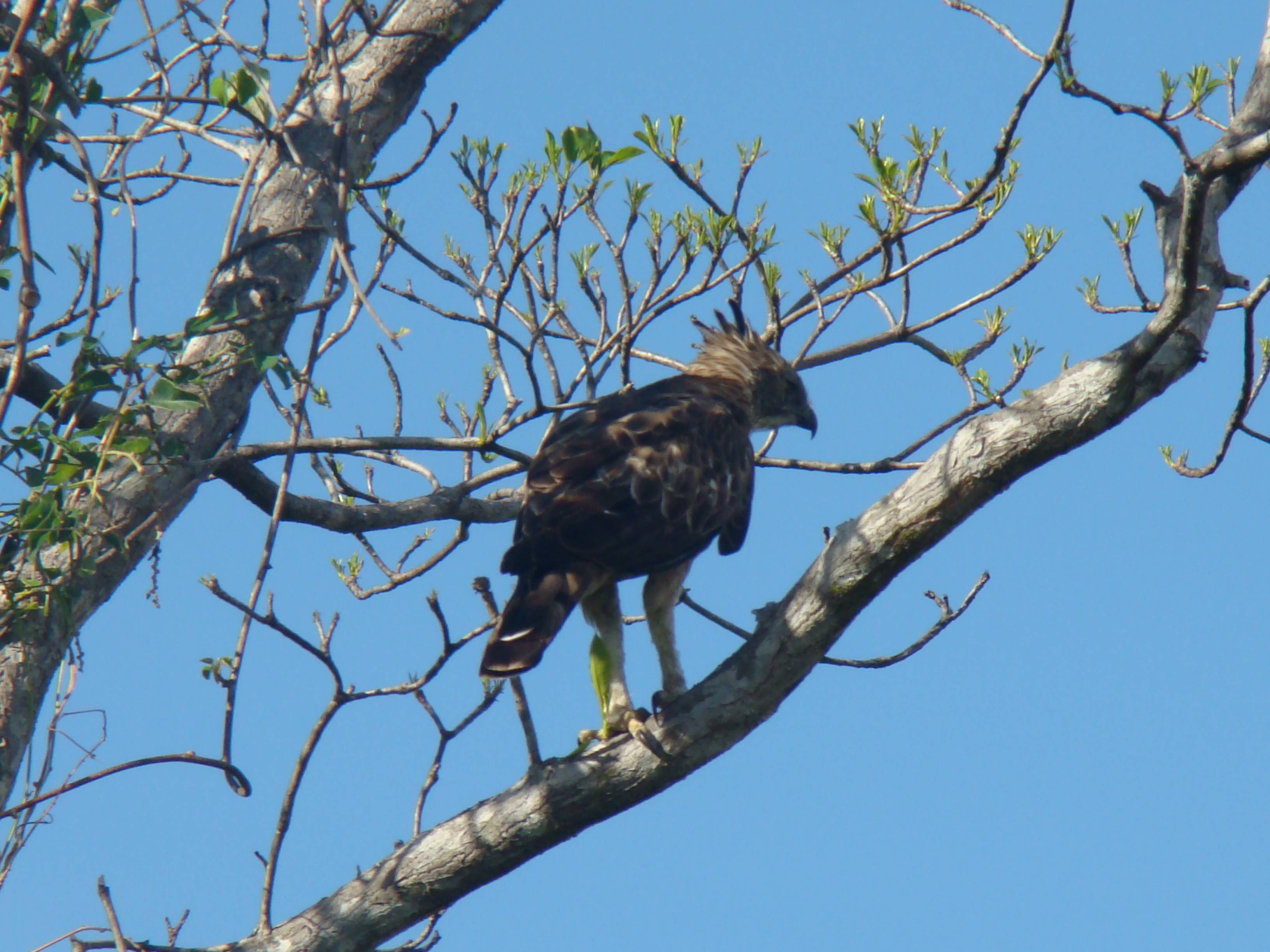
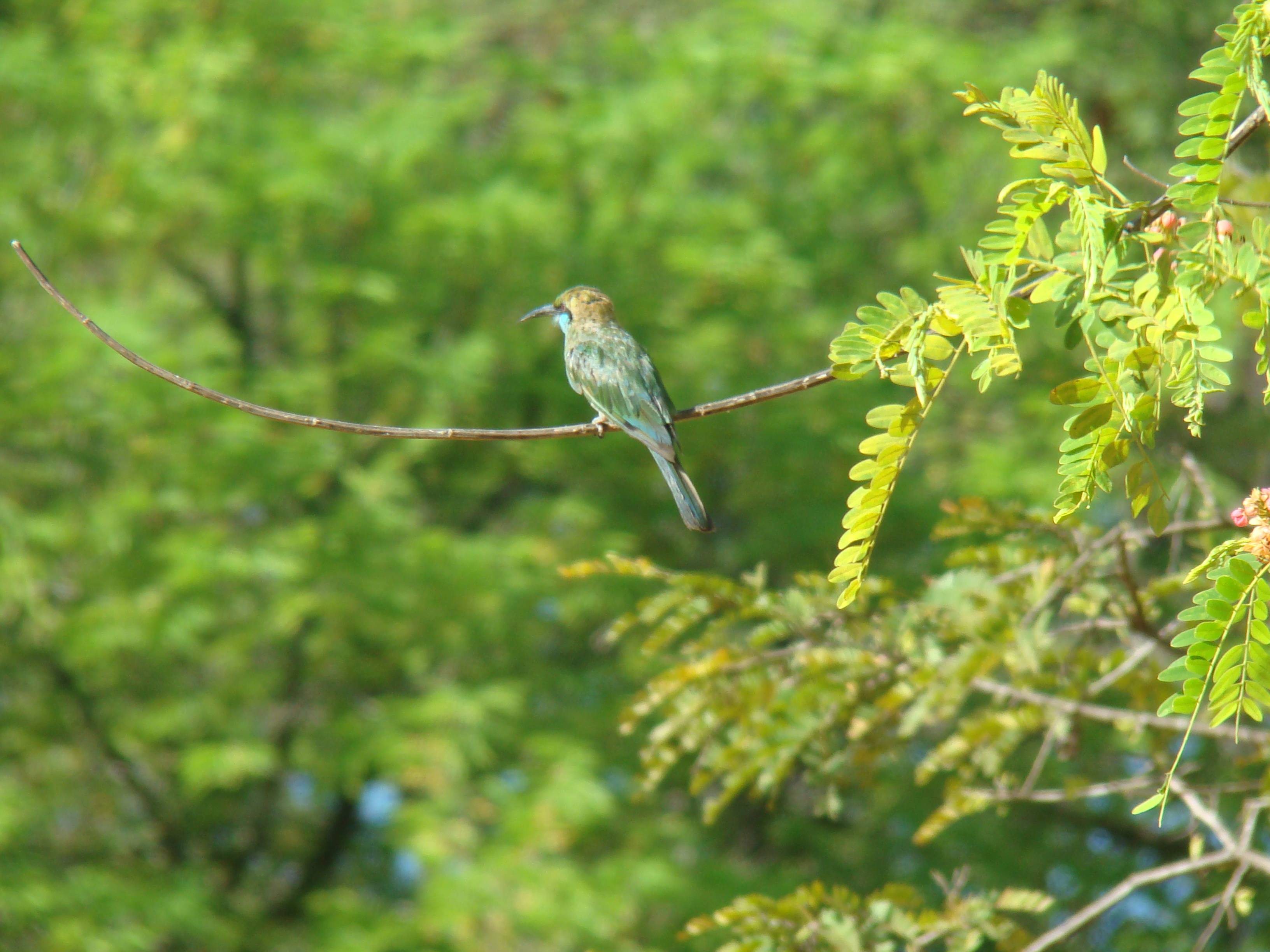
After another hearty breakfast, we started out for Sigiriya, which we’d heard was quite an uplifting experience. It was only half an hour away, and we almost got a peacock to pose on the way. Our consolation prizes were a hawk-eagle and a bee eater.

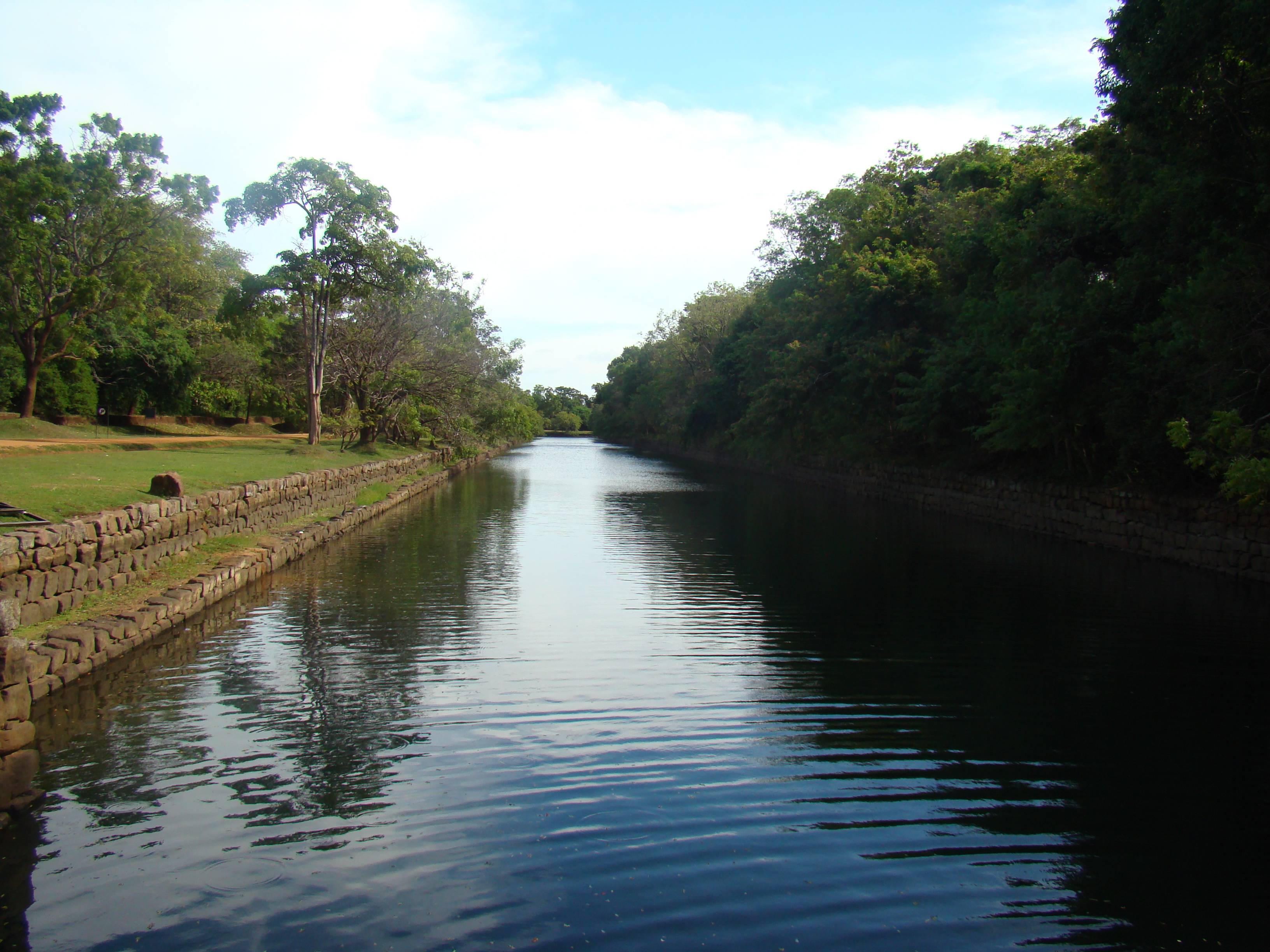
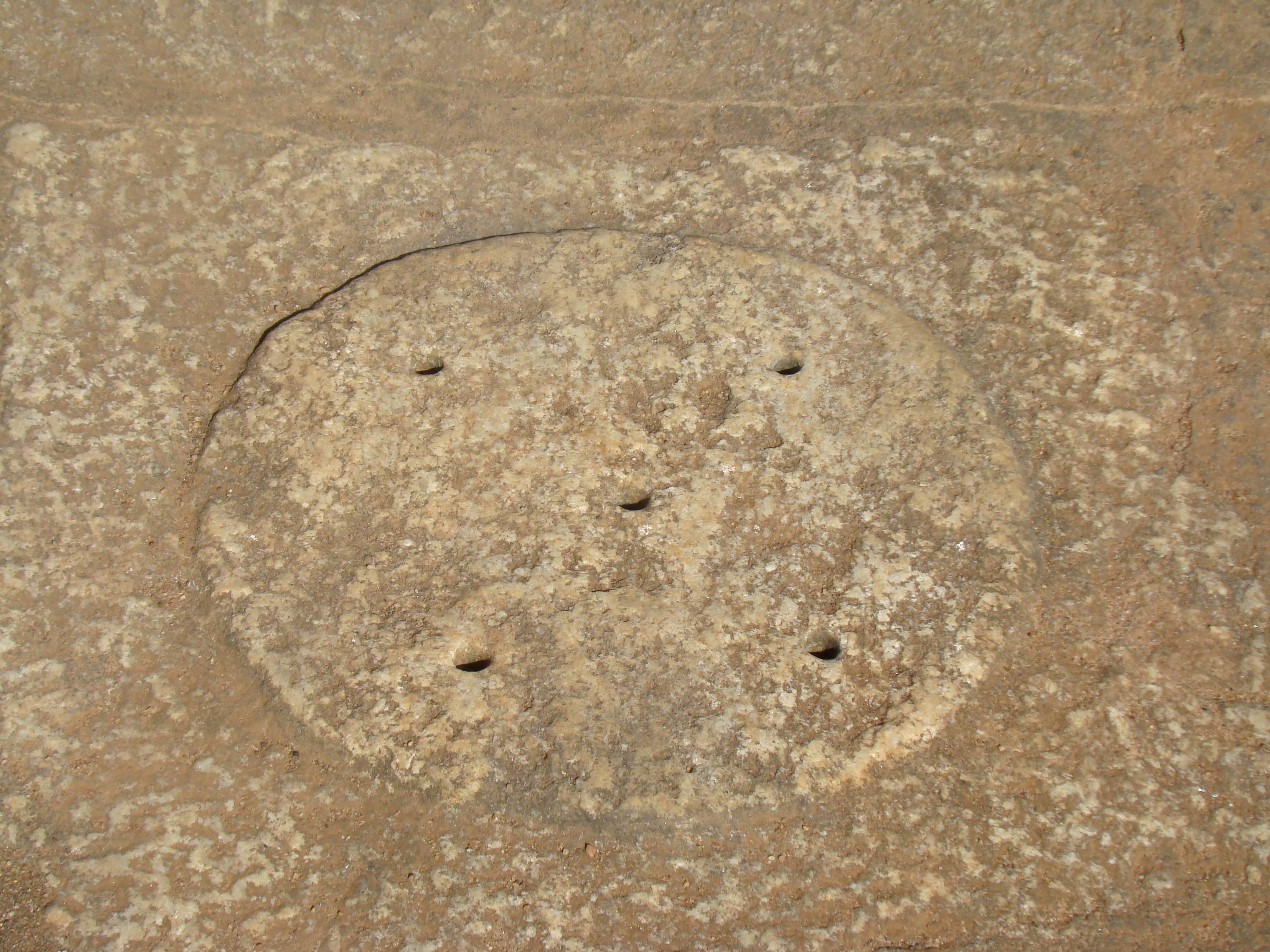
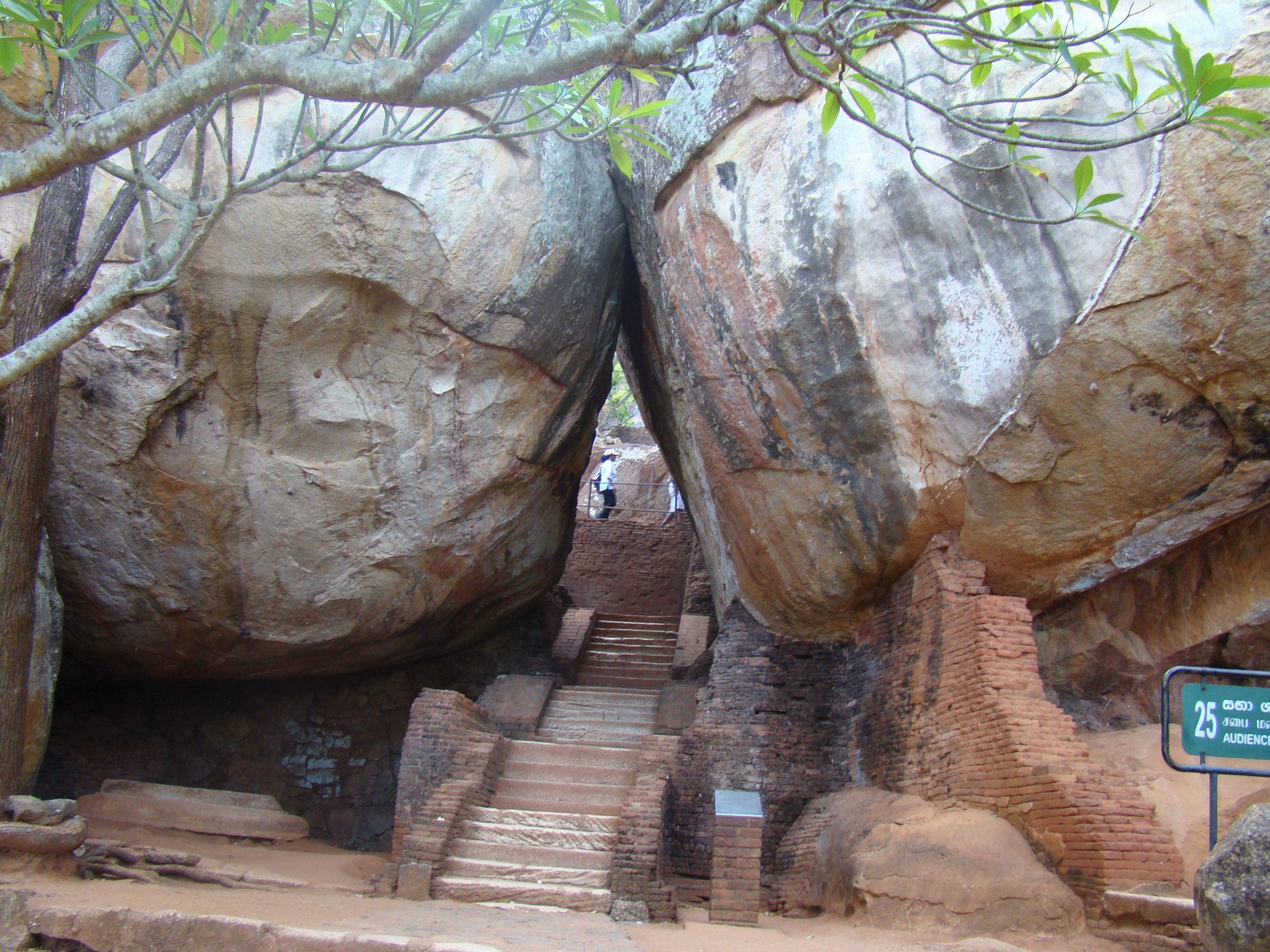
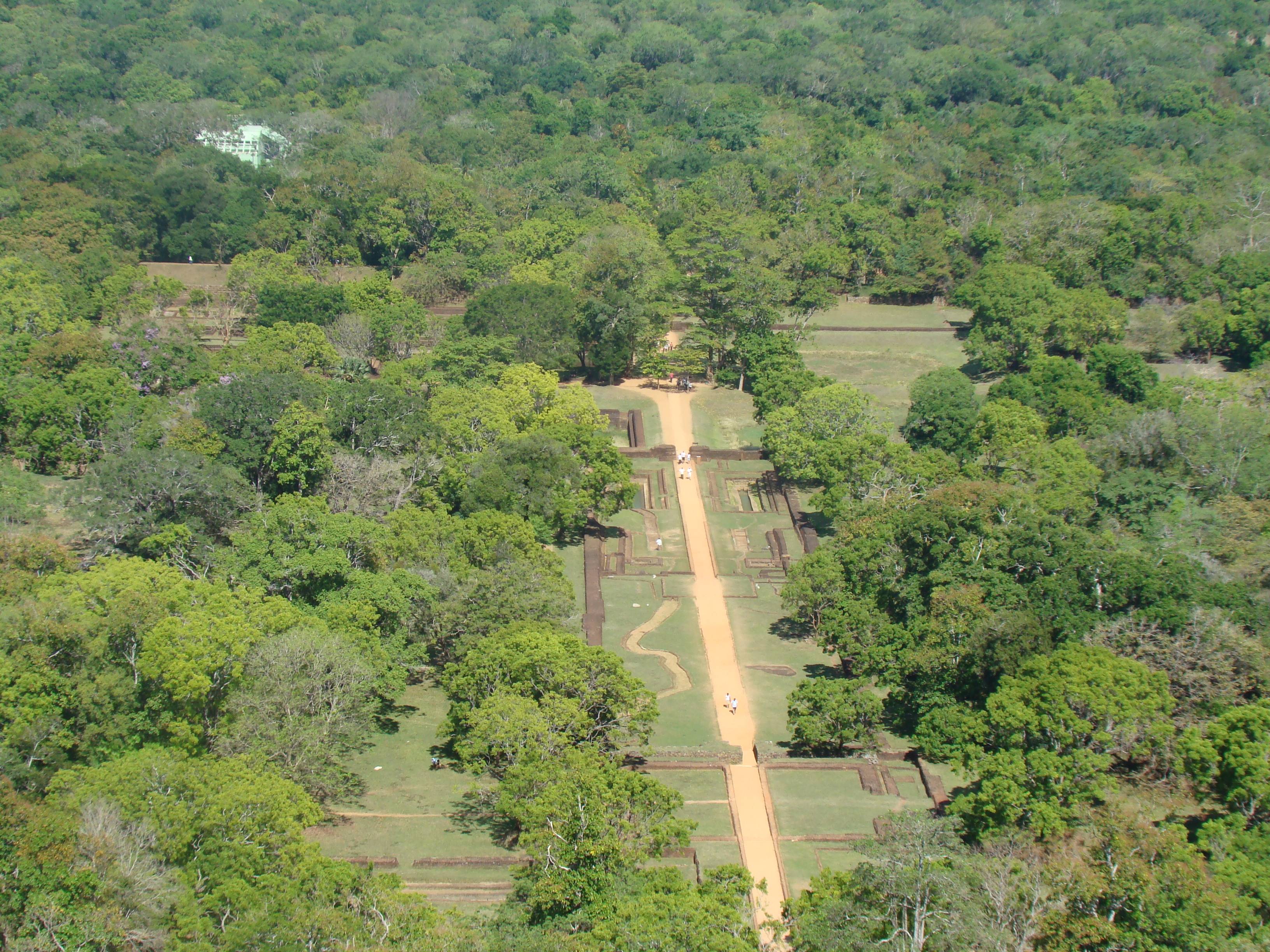
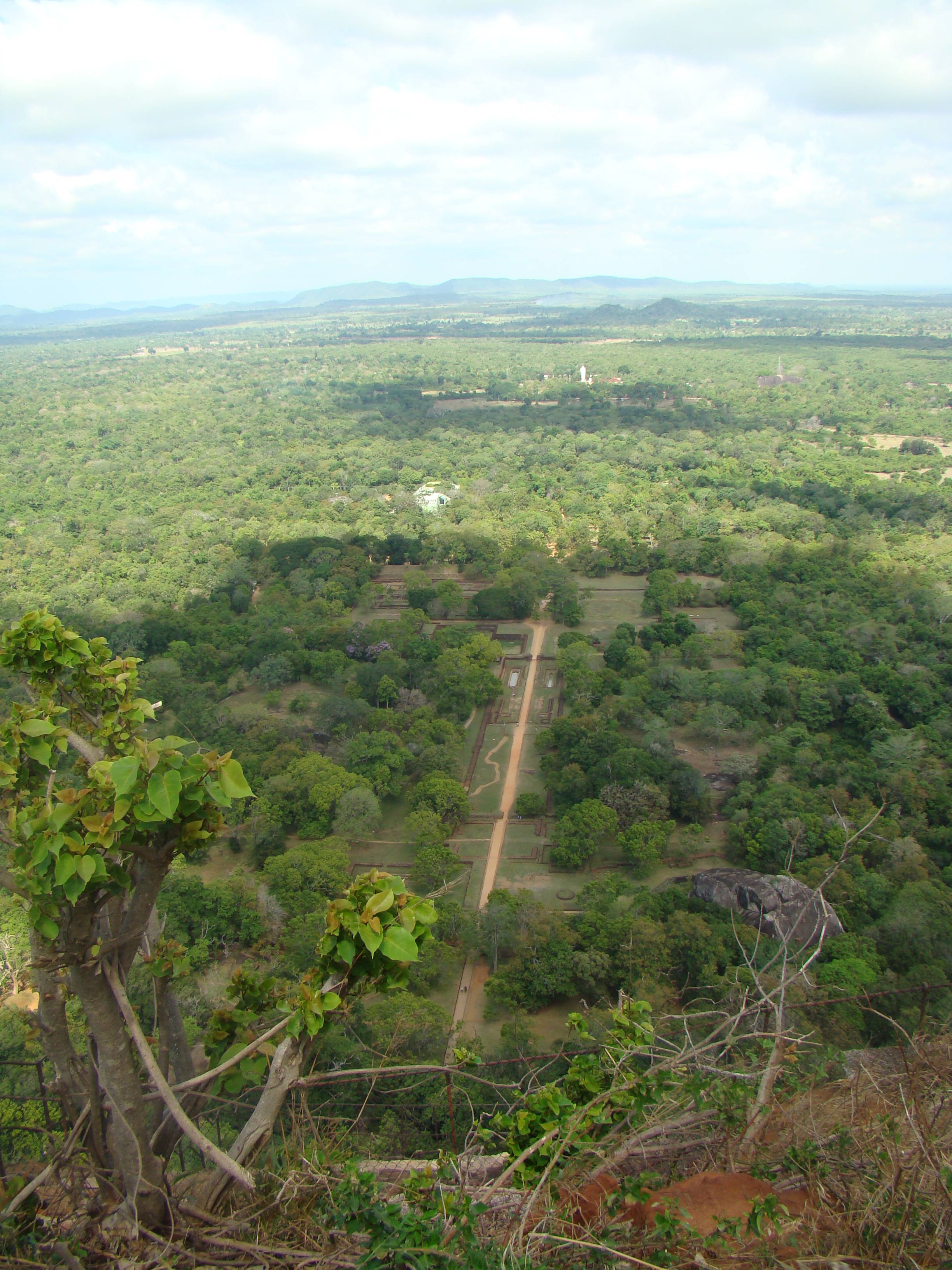
At Sigiriya, we got ourselves a specialist guide, recommended to us by our own guide, who I said would be sleeping while we climbed. We posed by the inner moat, which allegedly had crocodiles. This high security was because our friend King Kashyapa (from yesterday’s Habarana reference) had much to fear. Allegedly, the only good thing he seems to have done is building this magnificent place. The gardens are at three levels – water, boulder and terraced.A few snaps from the first two. The hole-stone is actually a fountain, which still works, the architecture using only the water’s own force to push it up.
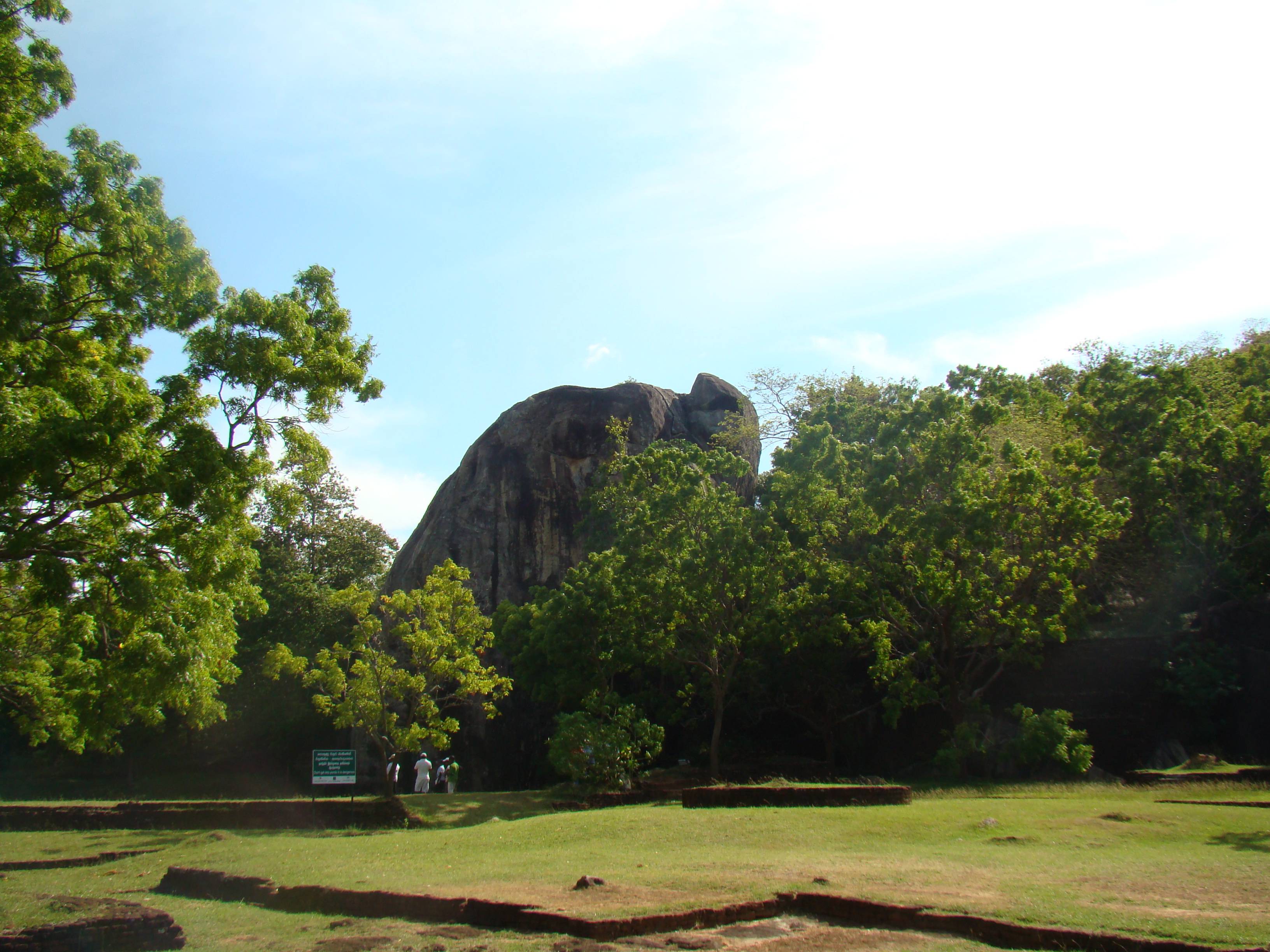
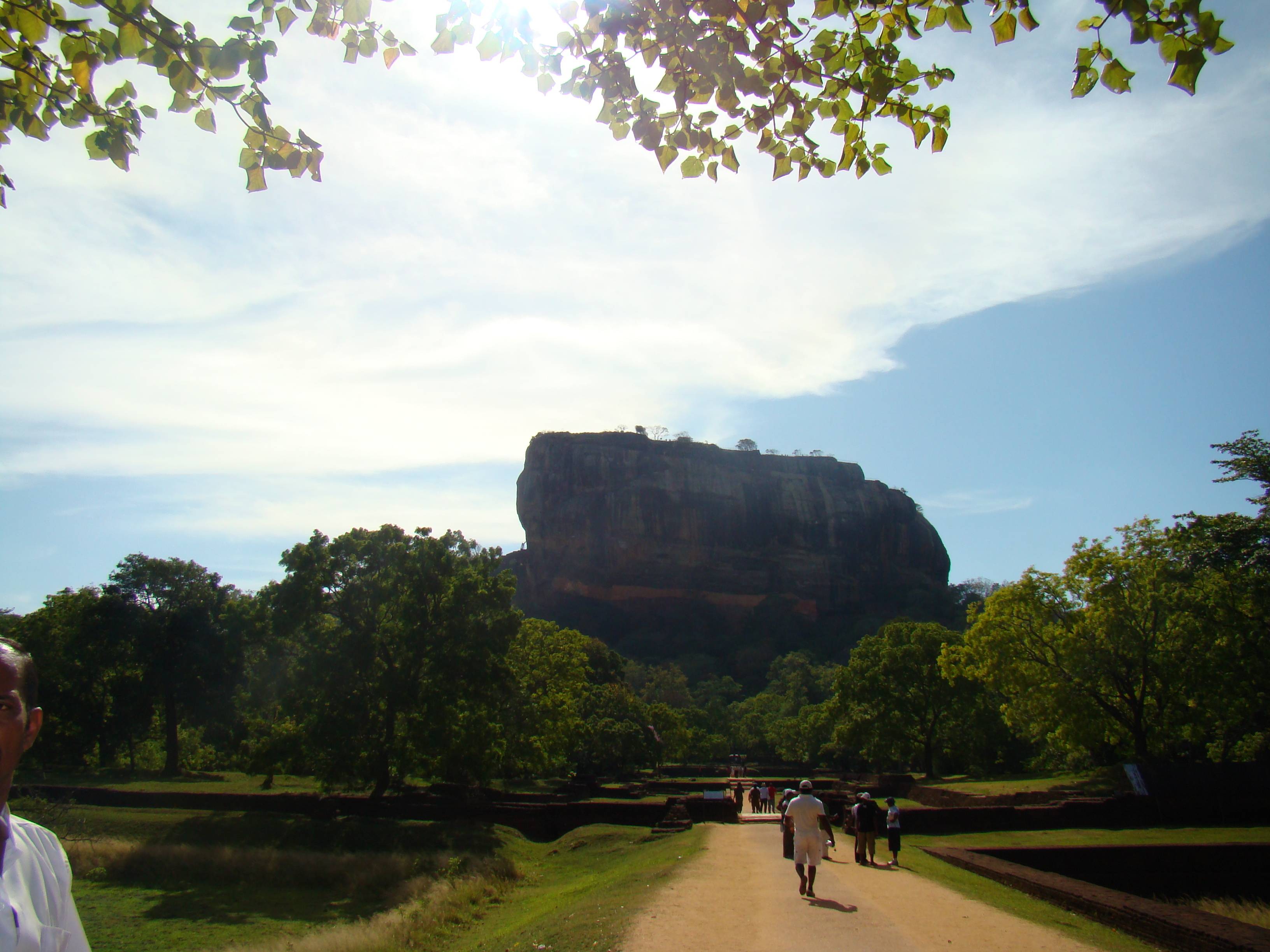
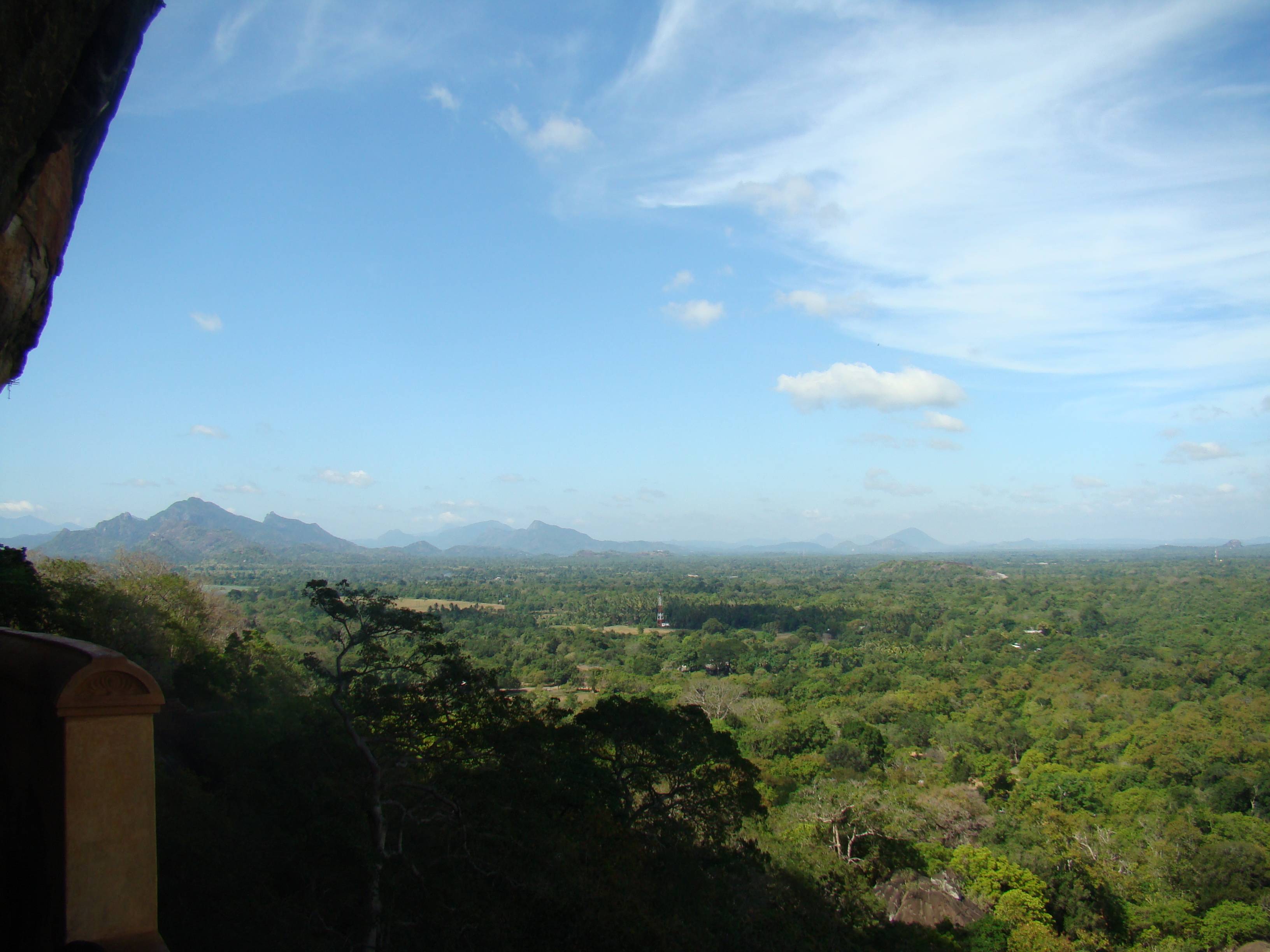
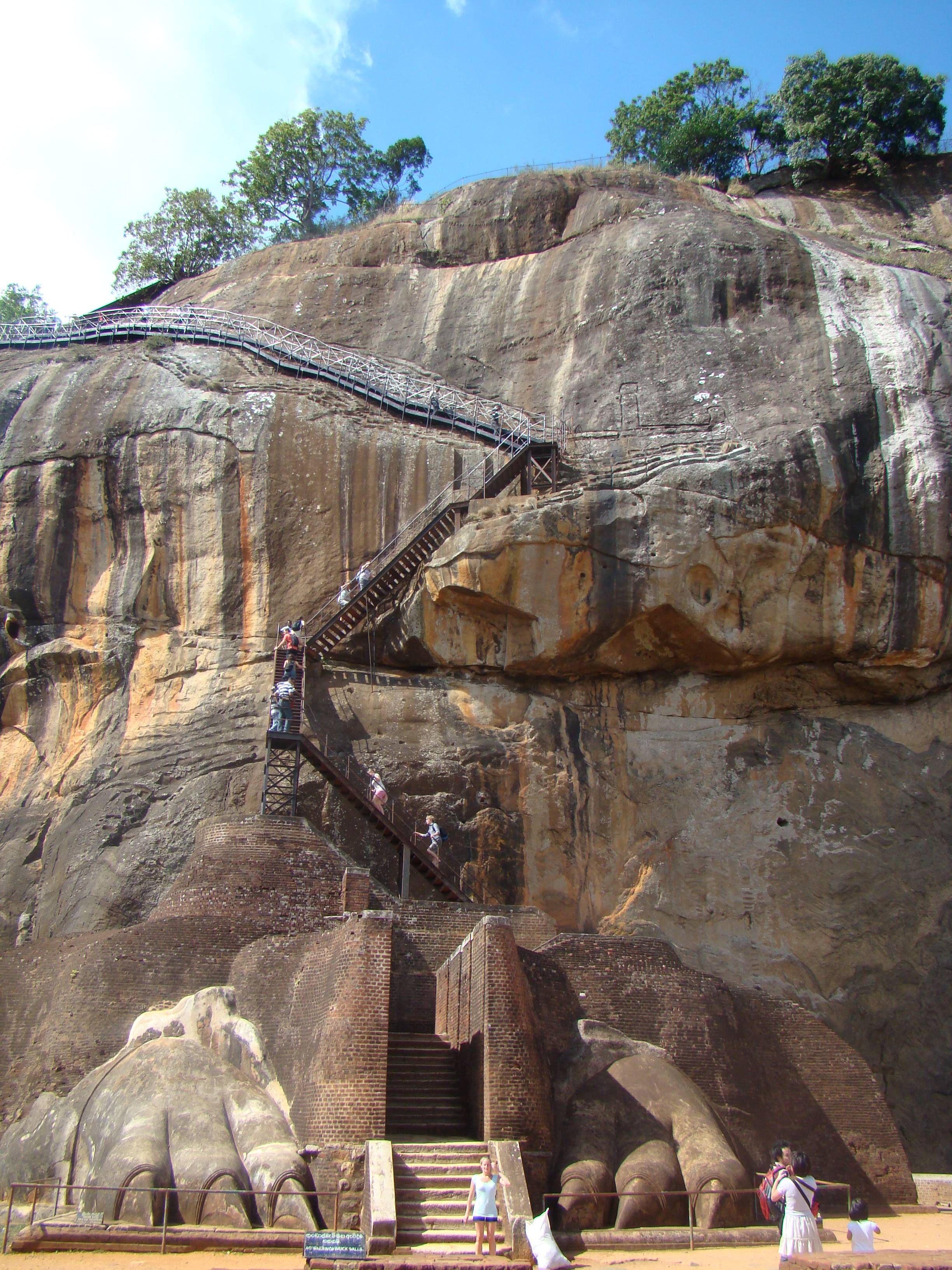
The first view of the Sigiriya Rock is awe inspiring and scary at the same time, the latter because you have to climb it. Right till the very top, braving shaky looking spiral steps, small and steep staircases, with many a pause in between to catch the breath, and the magnificent views. Since the pictures don’t do full justice, I tried a video too.
httpv://www.youtube.com/watch?v=bZJ-vH_2RbM
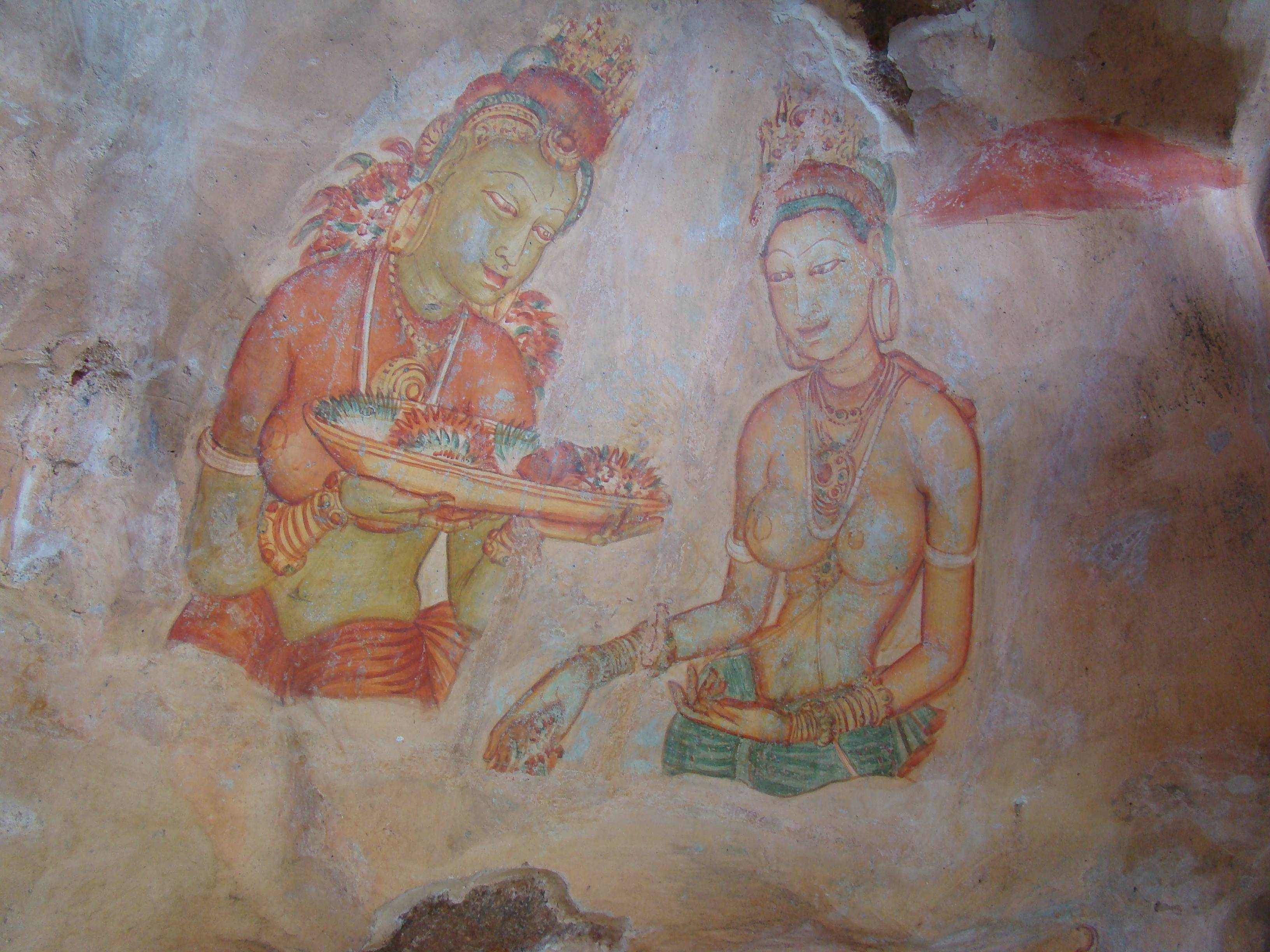
The first big stop is to watch the slightly NSFW frescos – of the 500 concubines our friend Kashyapa kept in his palace, and quite apparently, many of them roamed about topless. From the frescos its easy to see that all sorts of races and nationalities had a representation in his palace. We then climb down a spiral stairway to reach the next attraction.
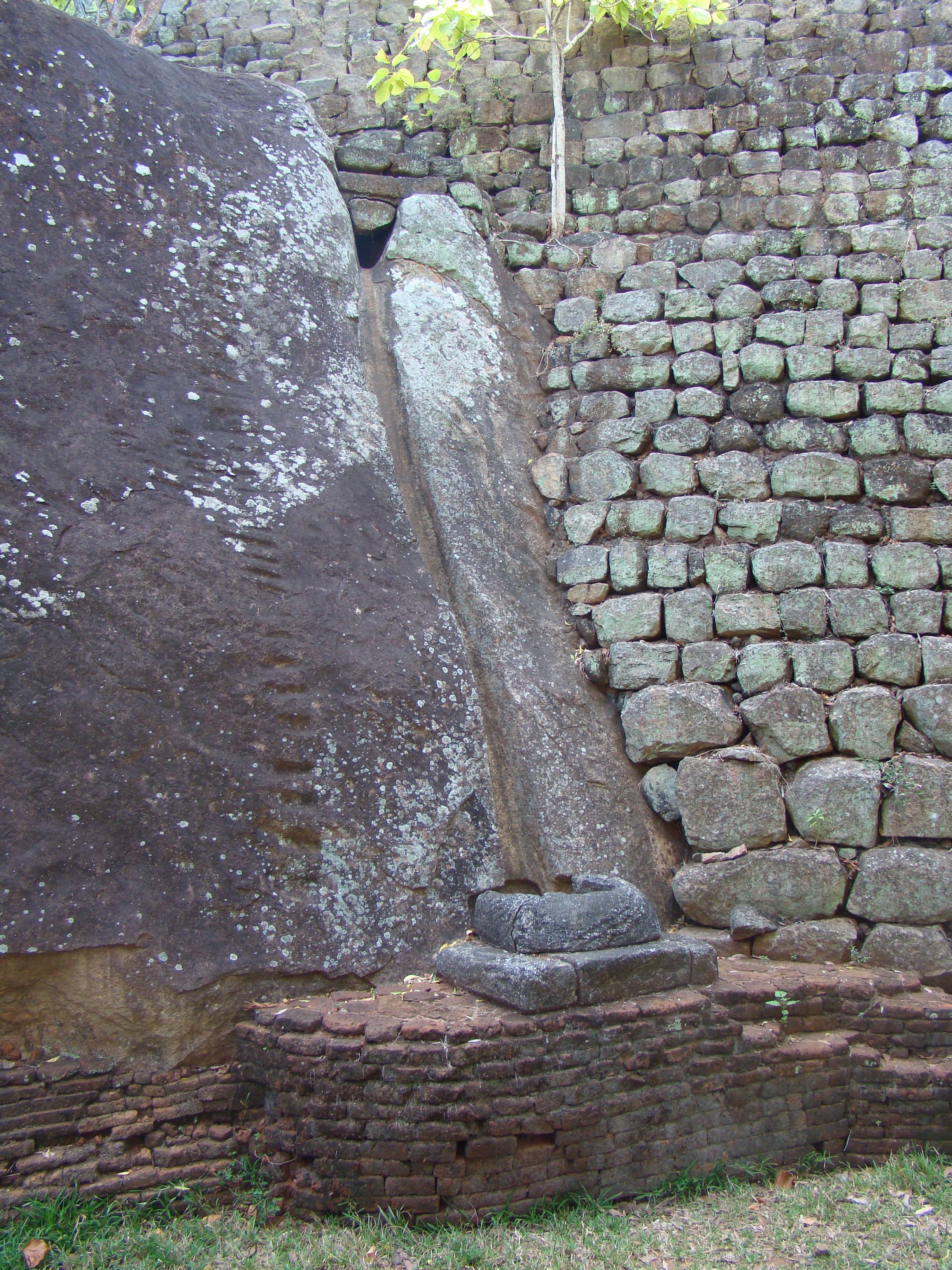
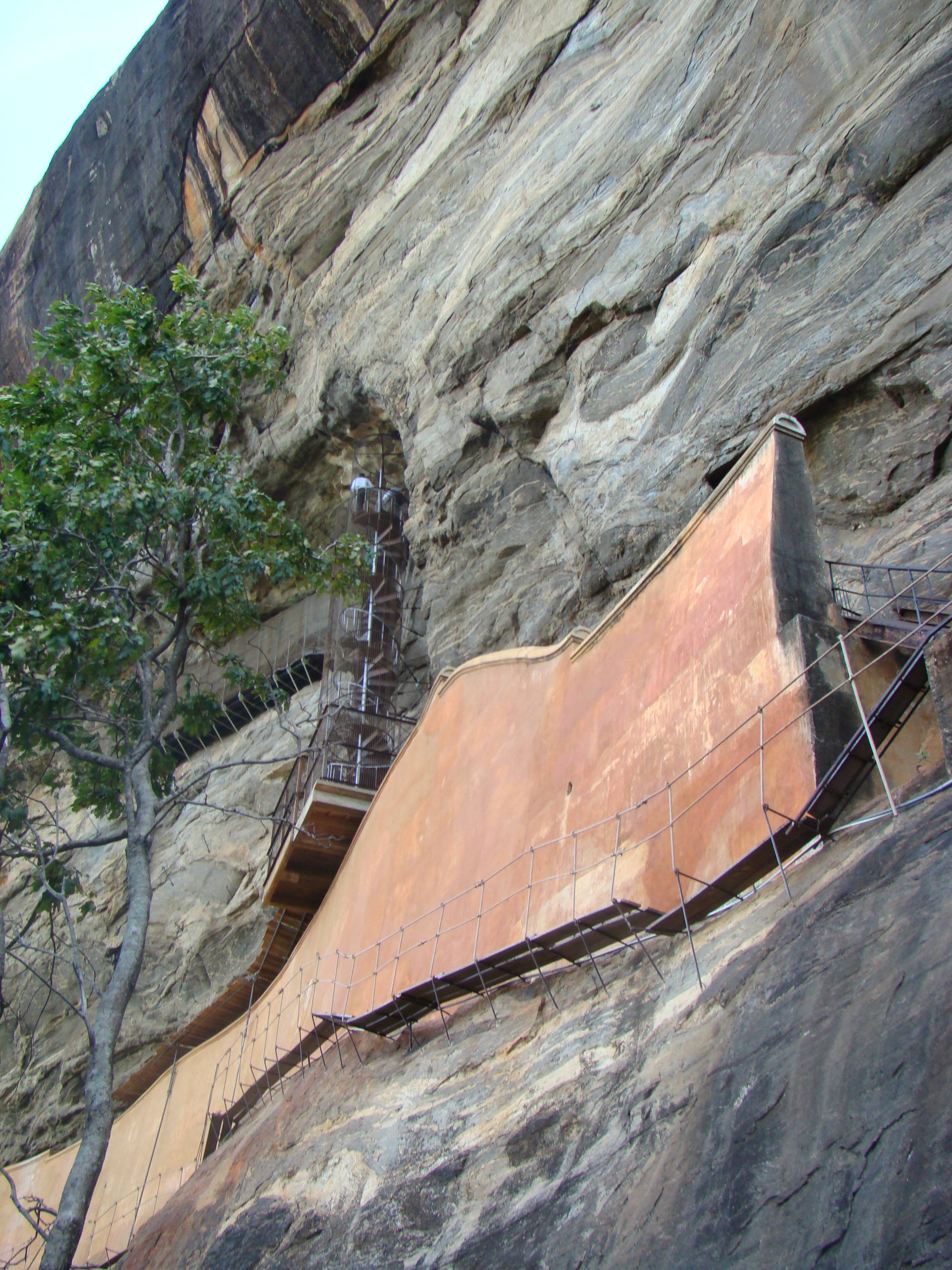
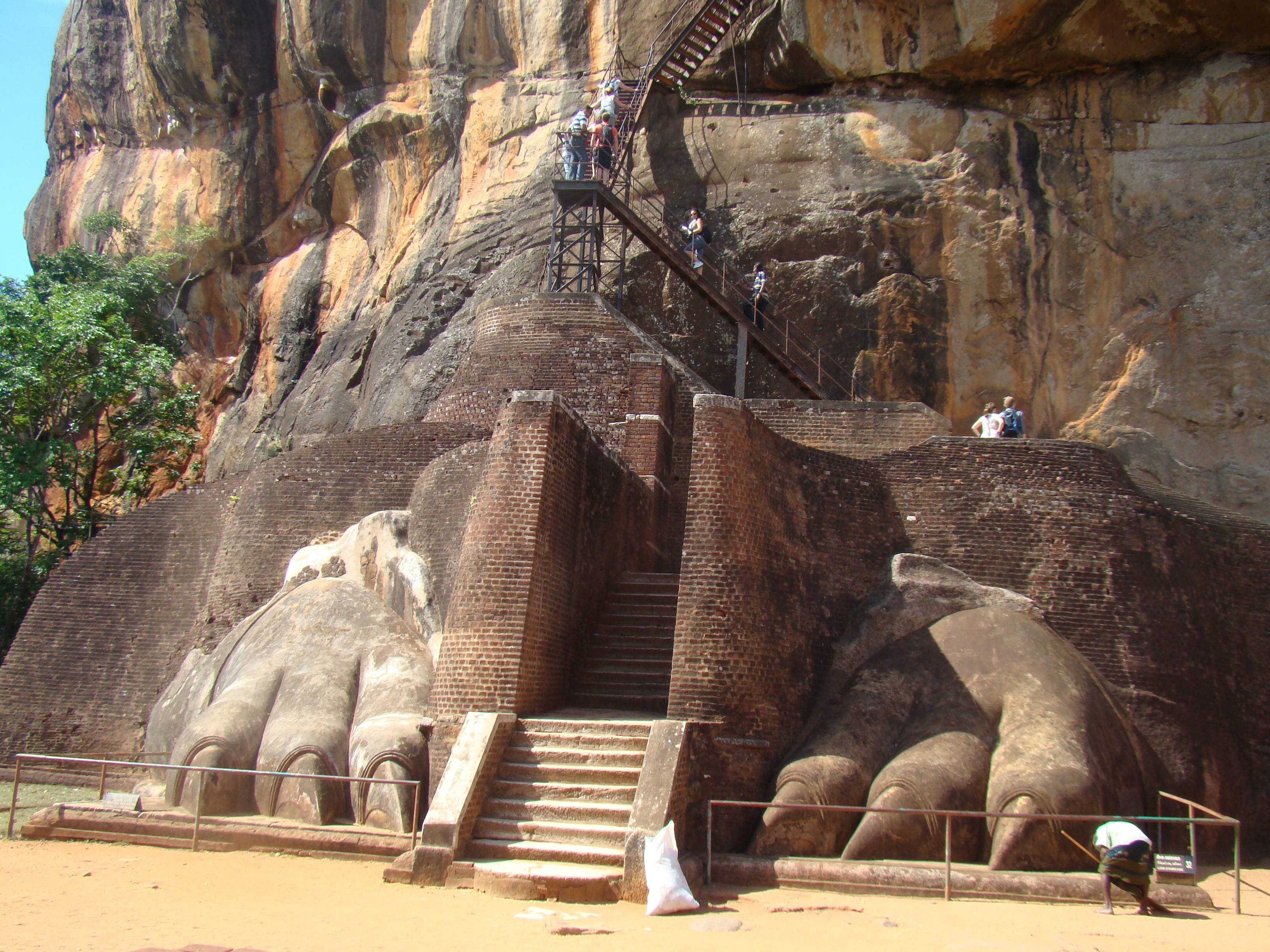
The next stop is the Mirror Wall, so called because of its shiny surface. Several generations, unfortunately, chose this place to proclaim their love. Thankfully, there are no heart signs, though someone did practice their English alphabet. This is what it looks like from the outside.And then we climb again, until we reach the lion’s paws, where the last stage starts.
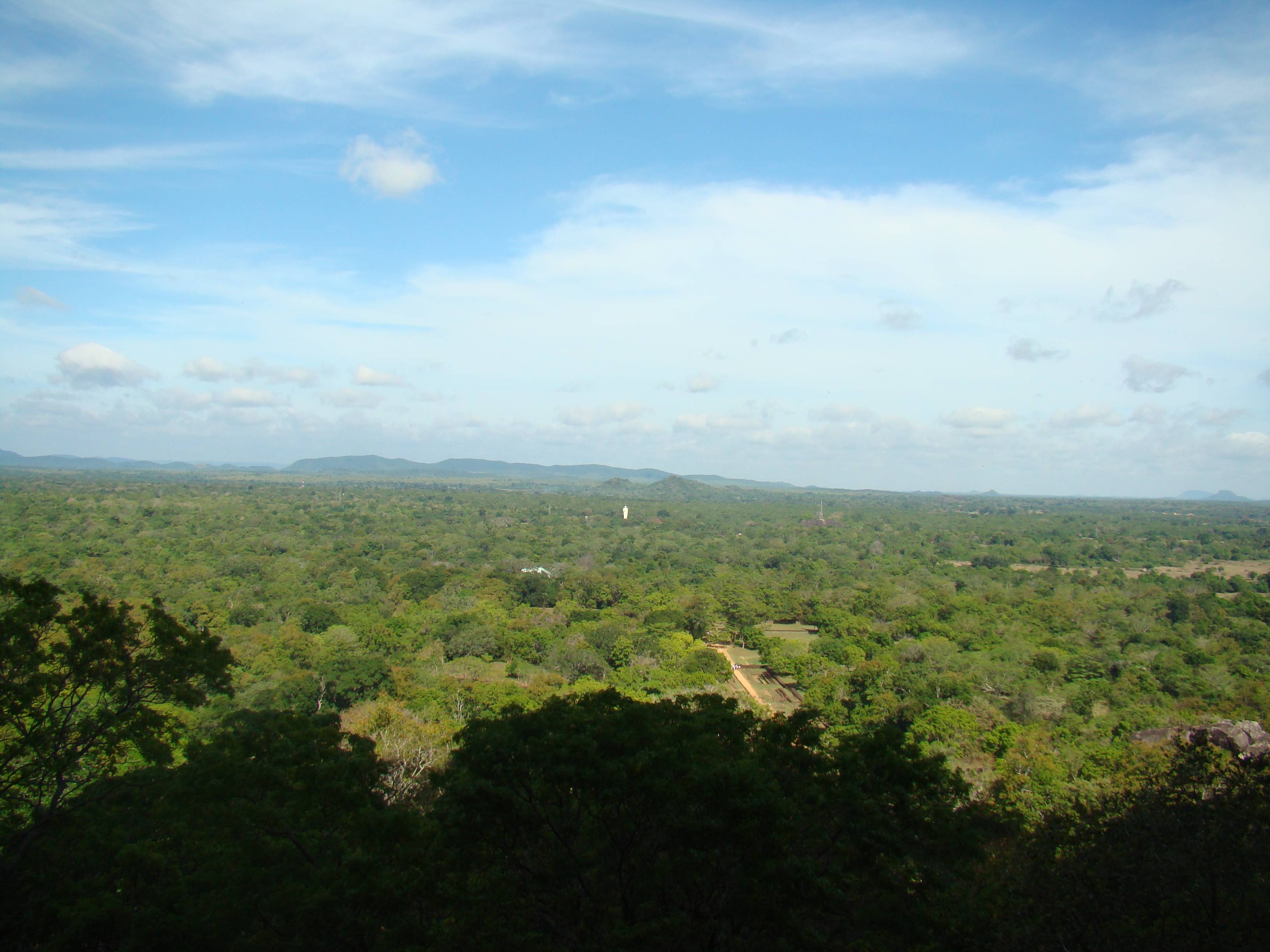
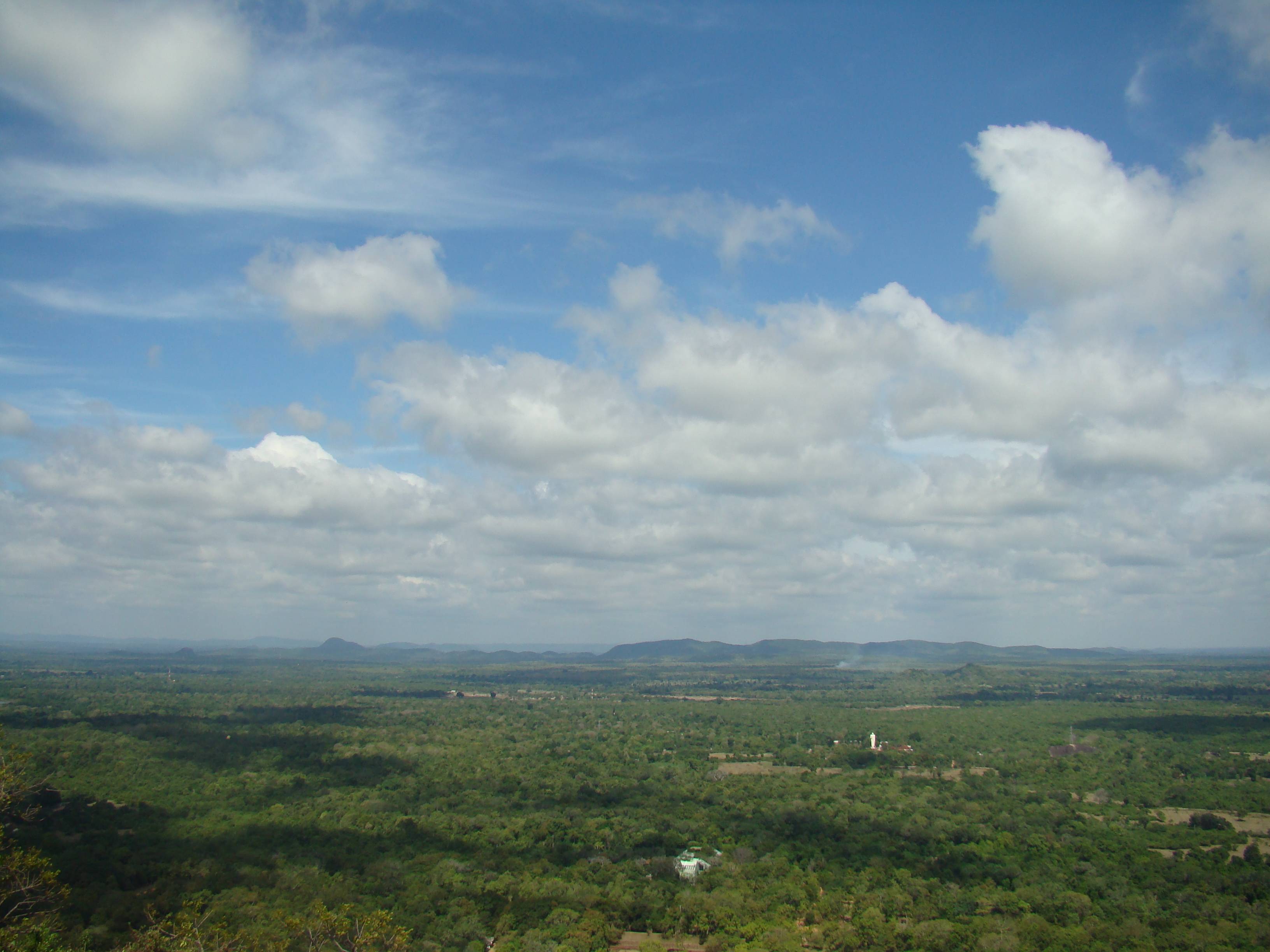
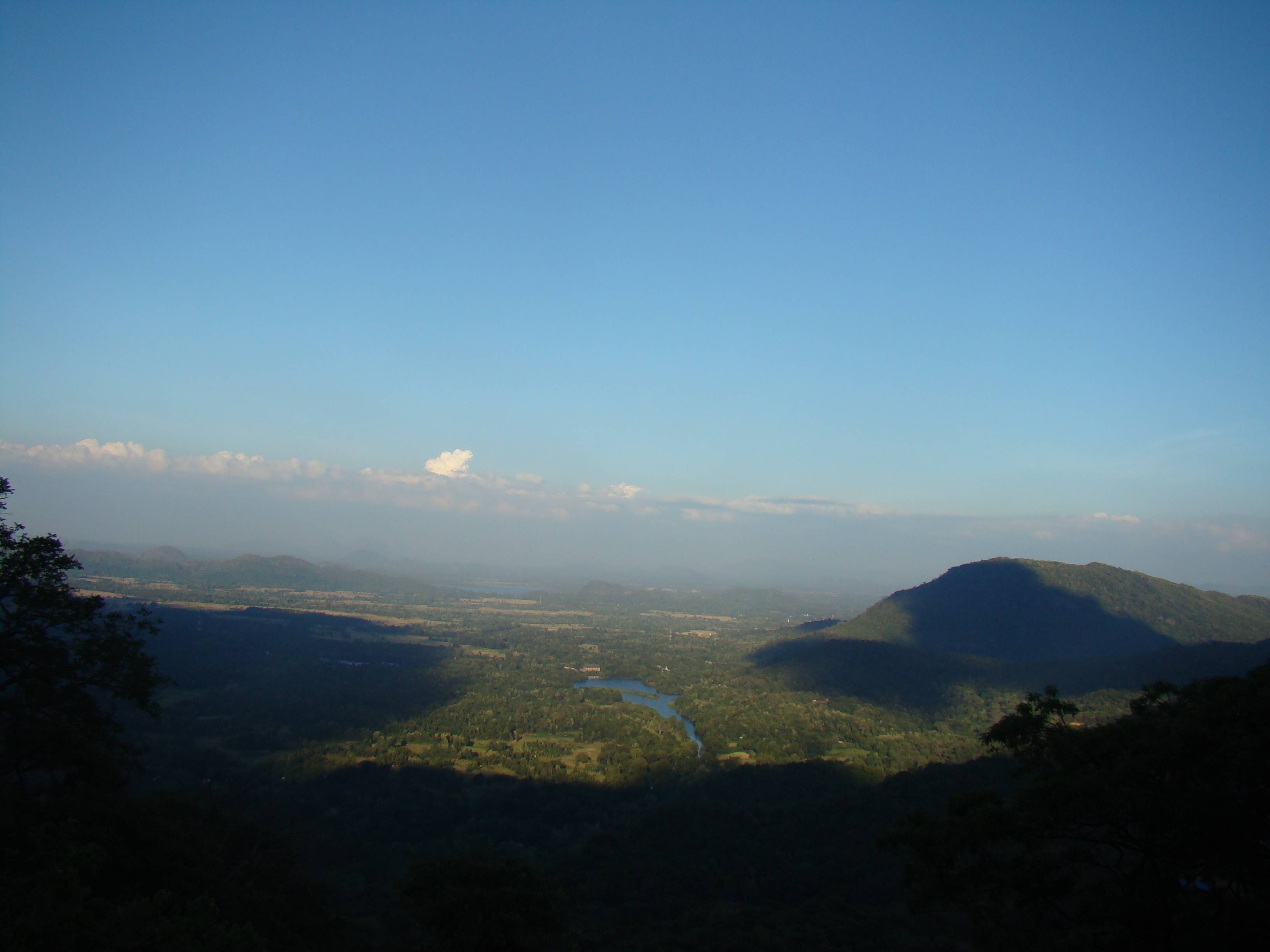
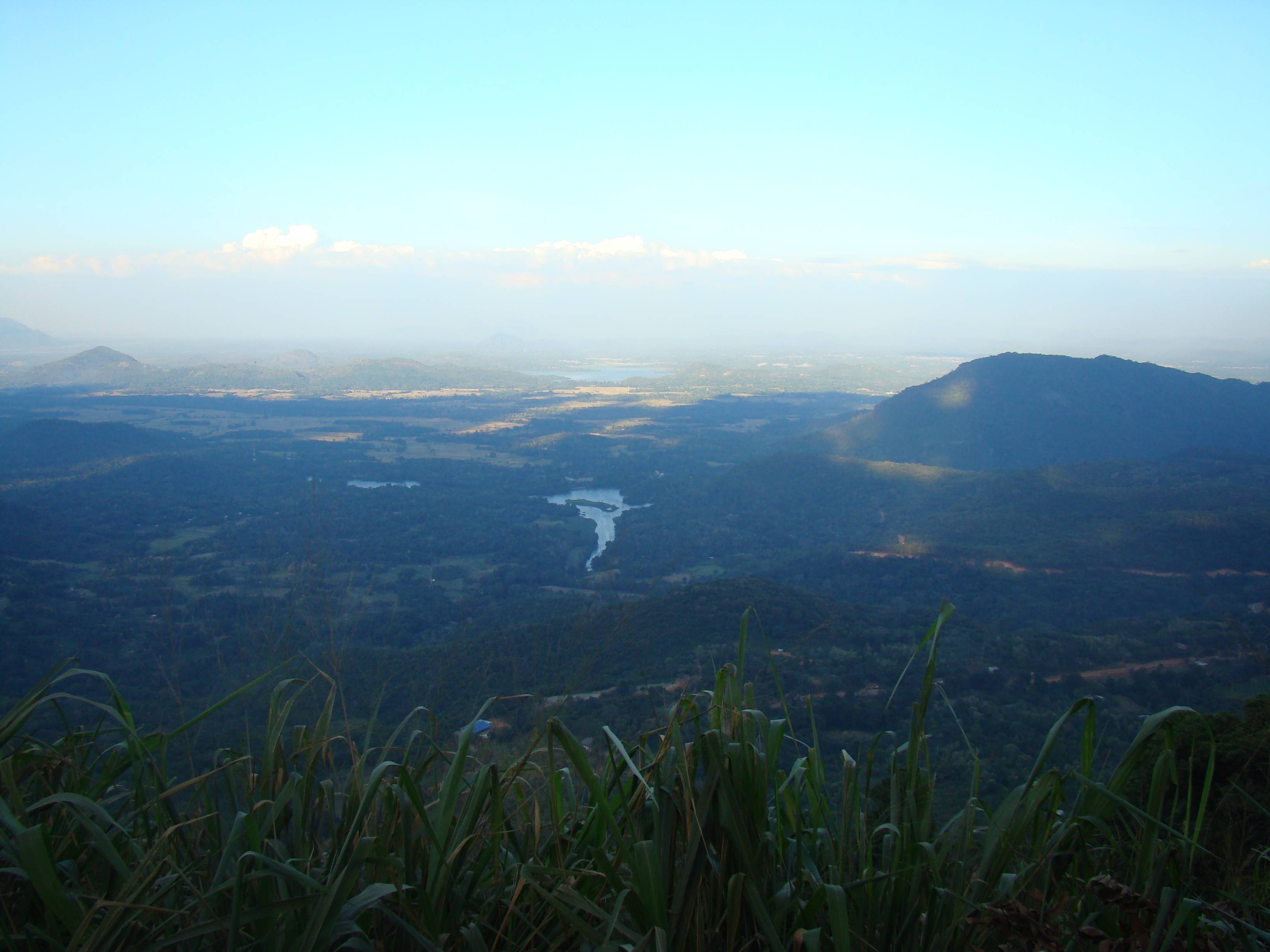
This is quite a hellish climb, especially if you have a problem with heights. The only solace is the breathtaking view from the top. And like most climbs, this one manages to give you a satisfaction at the end that’s difficult to describe.
httpv://www.youtube.com/watch?v=Fcv8NohJeXc
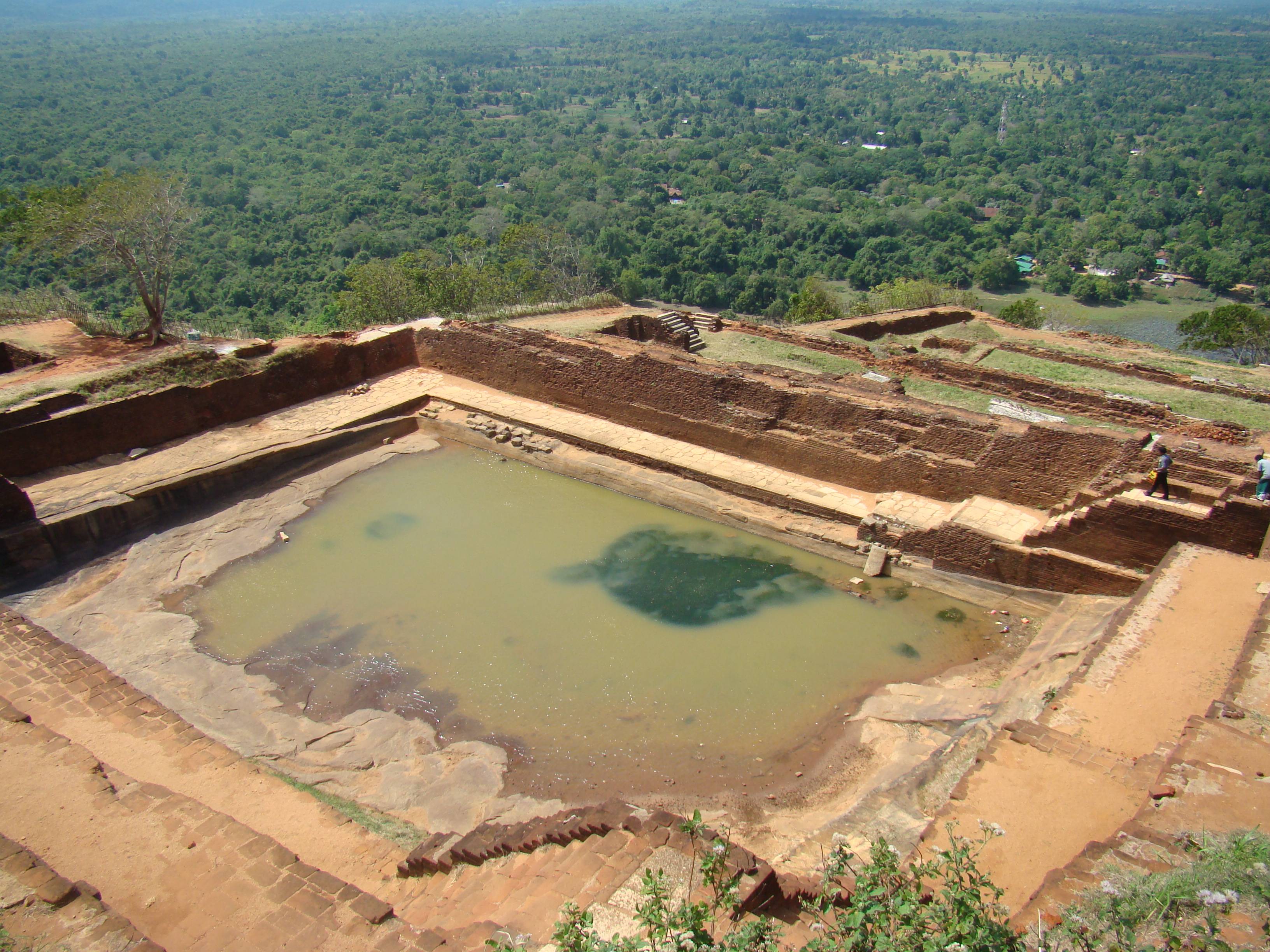
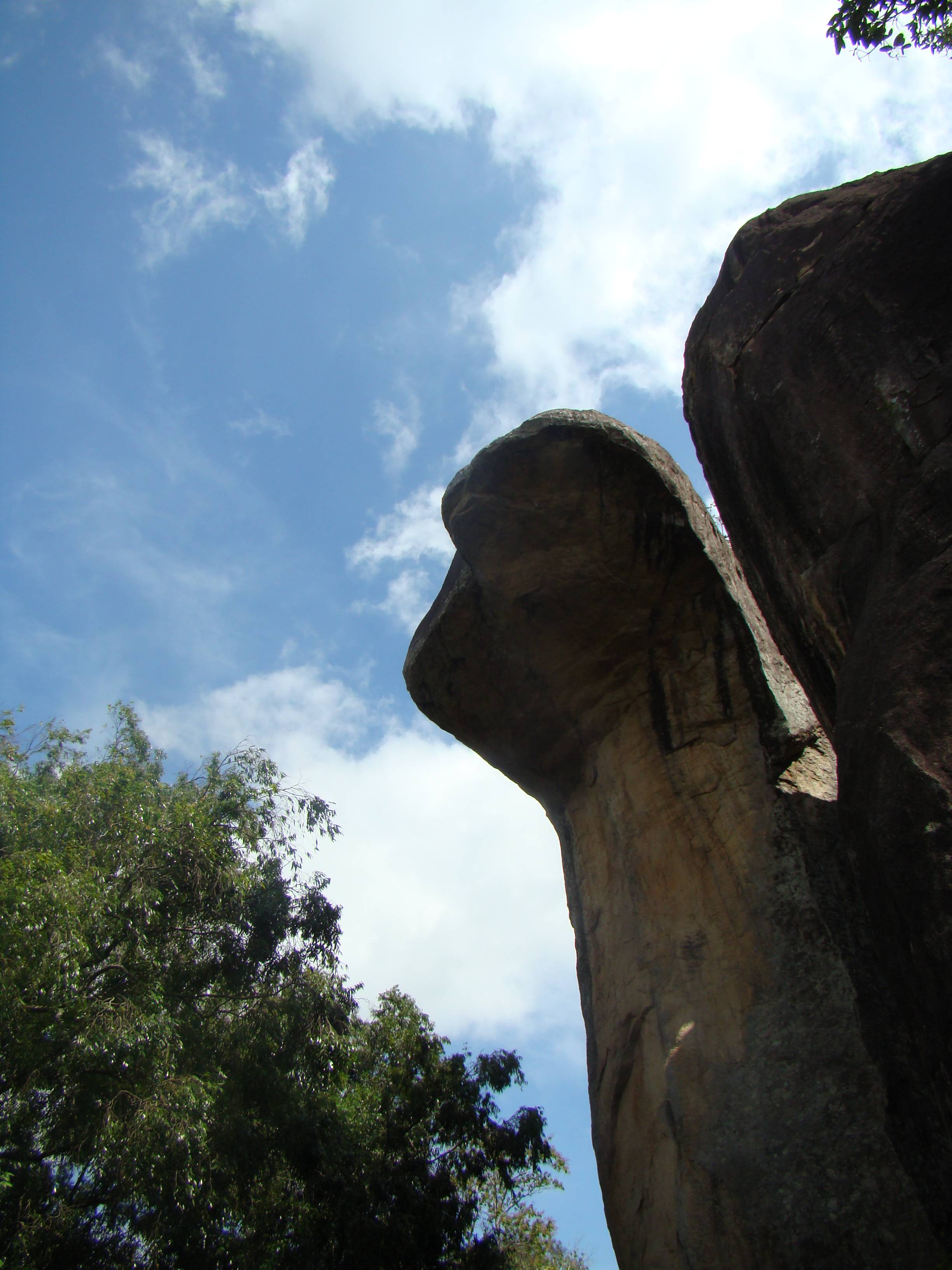
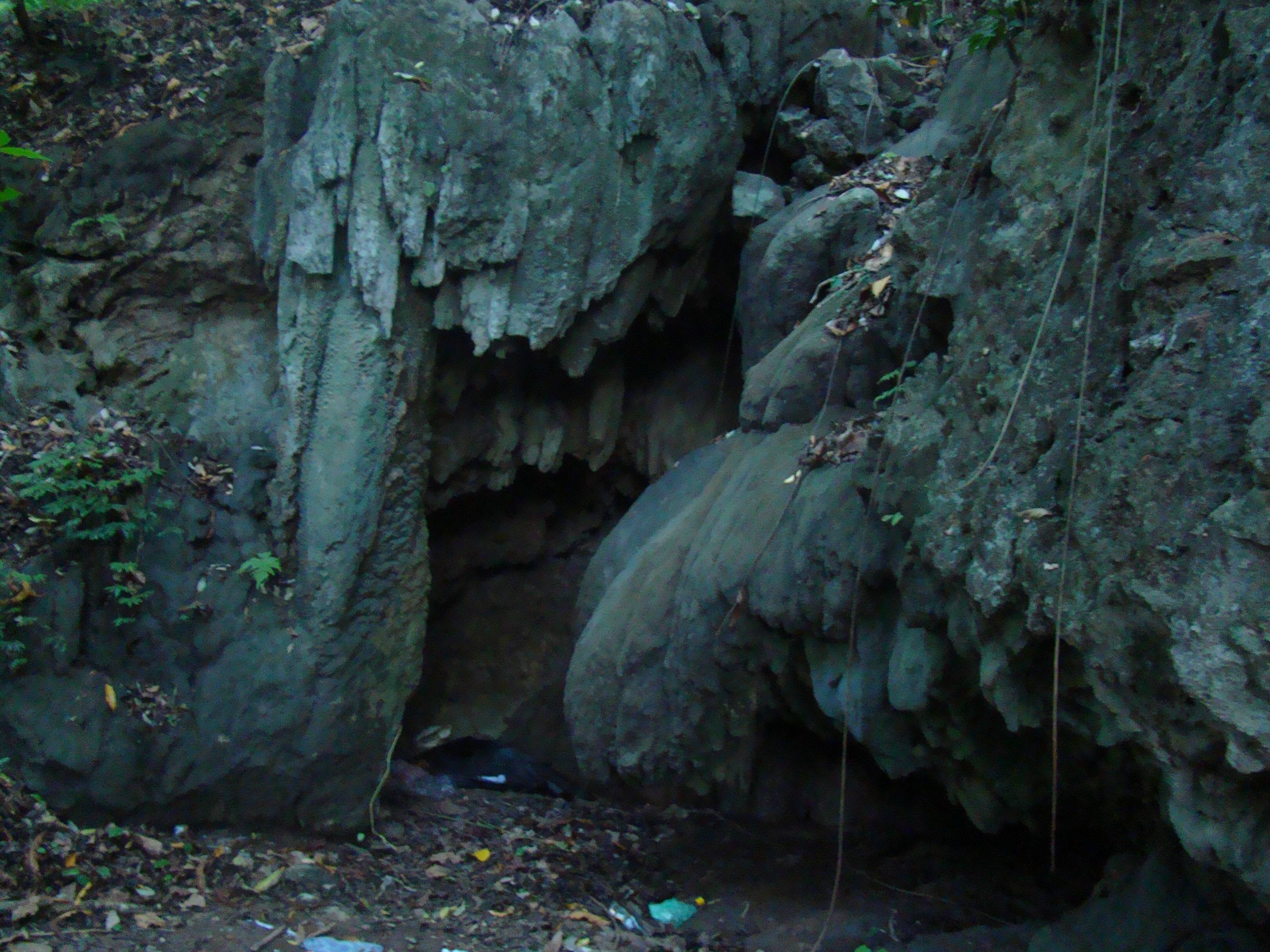
On the way down, we saw among other things, Kashyapa’s swimming pool, throne, and the Cobra Hood cave, although I did think the last one looked straight out of ‘Planet of the Apes’.
When we got back, our original guide told us that he had found out the route to my principal agenda of this vacation – some Ramayana sites. We eagerly got in, and in half an hour got completely lost. We also realised that the guide had assumed that a visit to these places knocked out Dambulla from our plan. It was now a long detour, so we moved on. The place was pretty scenic though, and offset our irritation quite a bit. But the wandering also meant that though we did visit Laggala, Dunuvila, Weragantota and Yahangala, we never actually located the exact sites, which required treks. In case you plan to do this, double check that your operator knows these sites very well. Ours obviously didn’t, mostly because these sites are not in the regular tourist’s itinerary.
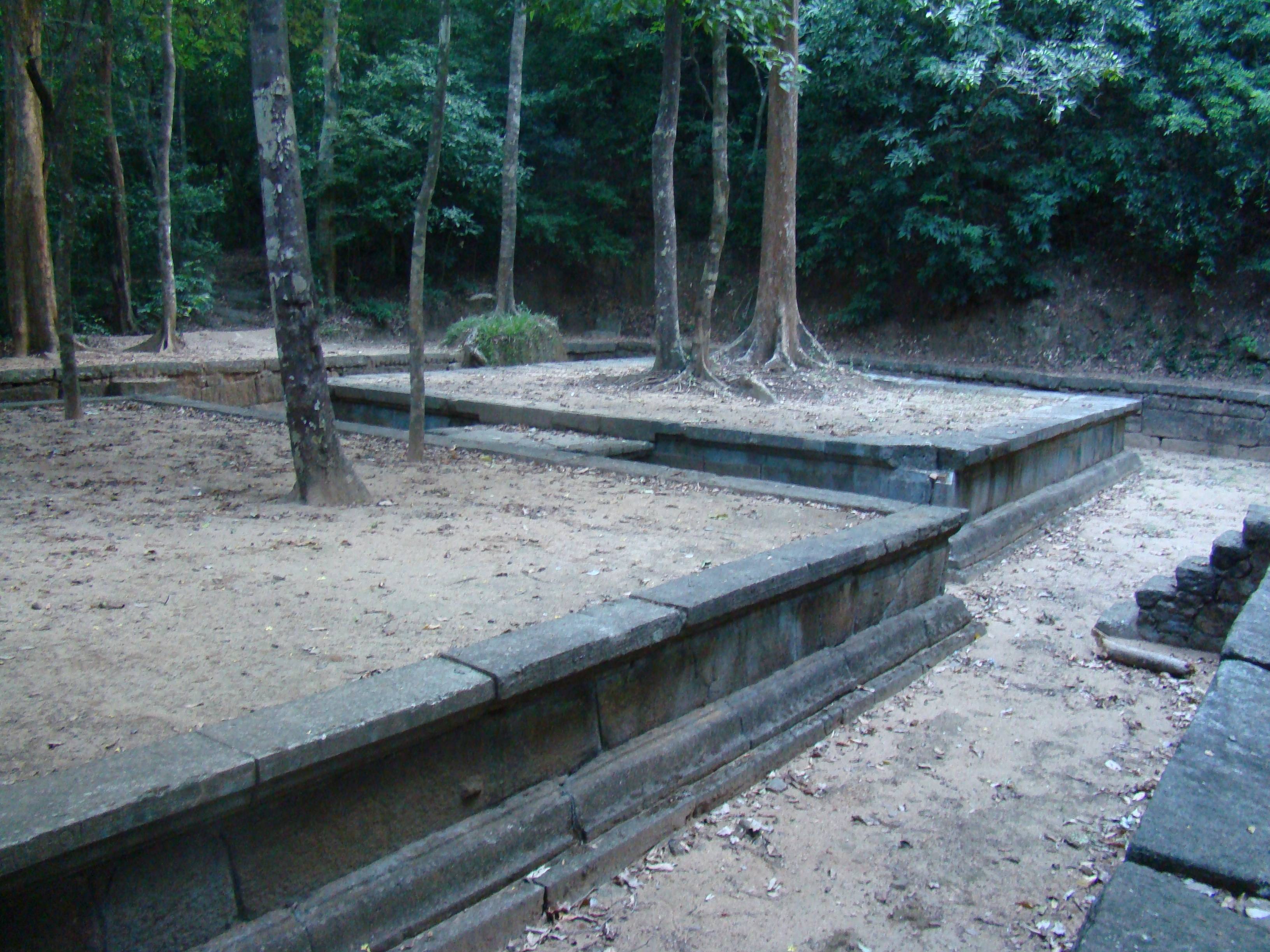
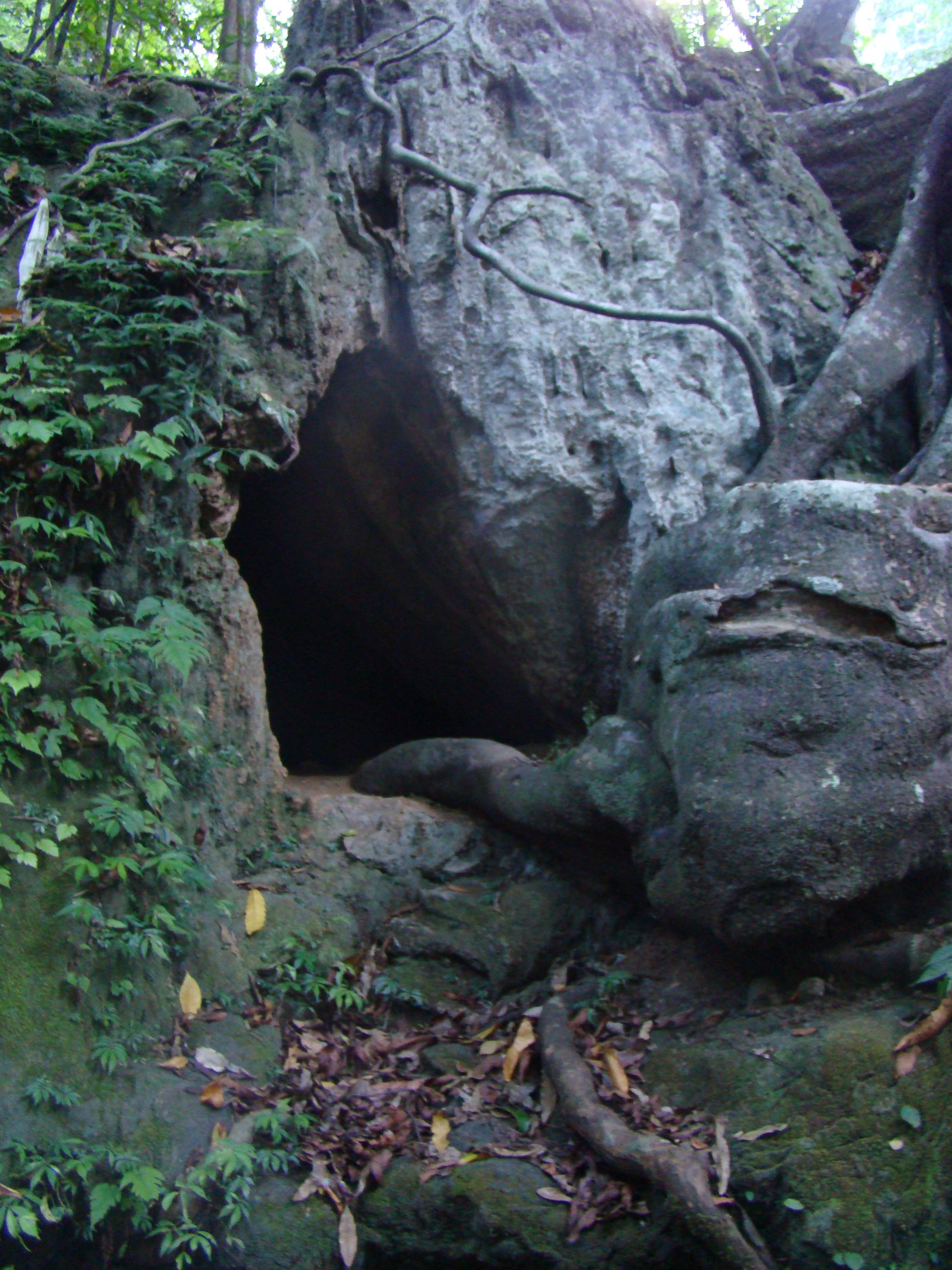
The redemption came in the form of Sita Kotuwa, her first temporary prison. This place was also used by Buddhist monks later. Its easy to understand why. Its quite a trek, and a slippery one at that. But in the end, we safely reached our destination. And then we had a stroke of luck. The caretaker of this archaeological site told our guide that the caves used by Ravana and Sita were a walkable distance away, but the path was very slippery and it would be tough. But we were more than happy to see them. And see we did! When epic meets reality, its indescribable. Epic awesomeness.
It surprised me that Ravana made a stop here, when his principal areas seemed closer to Ella. Ella is situated quite in the interior, and it means that unlike the comics’ depiction, it wasn’t on the seaside and it required a long trek to reach Lanka’s capital. From the stories floating around, the Pushpak seemed to have developed a problem. Gurulapotha had a repair centre, and was nearby, hence the stop. It was all real, in some form!!! I have promised myself an exclusive Ramayana trip.. someday!
The guest house there was a really sad story. A typical old government place that you would encounter in mofussil India. Hardly anyone visited and revenue was minimal. No facilities, they said, the new traveler lists air-condioners, internet and a television in the room as mandatory. They gave us milky tea and said that a few Indians had visited a few weeks back. The Lankans, I was beginning to realise, are doing a lot for the Buddhist heritage structures, and the later kings, but no one seemed interested in Ravana. I wondered if it was because of Hindus being a minority – 7%.
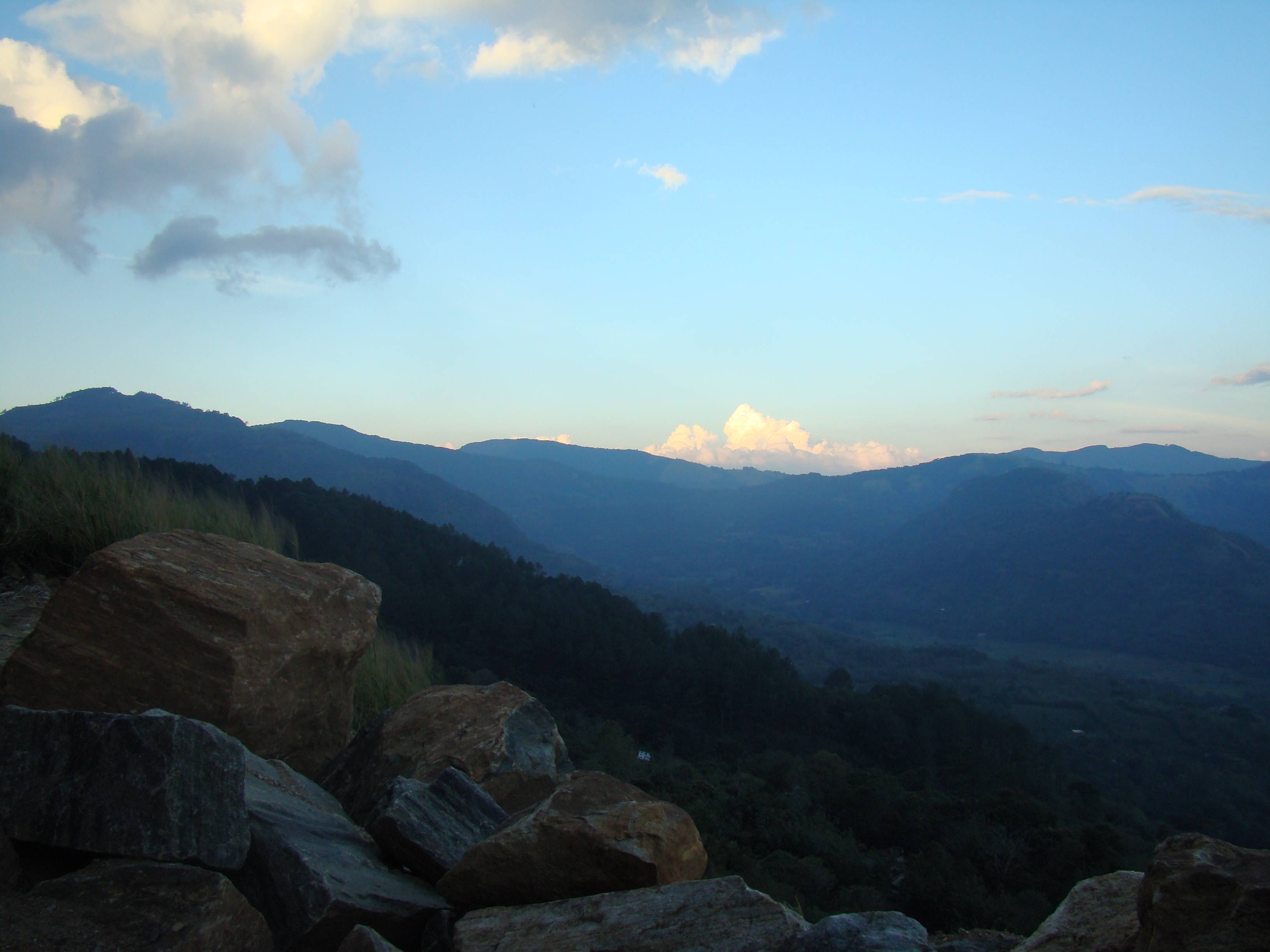
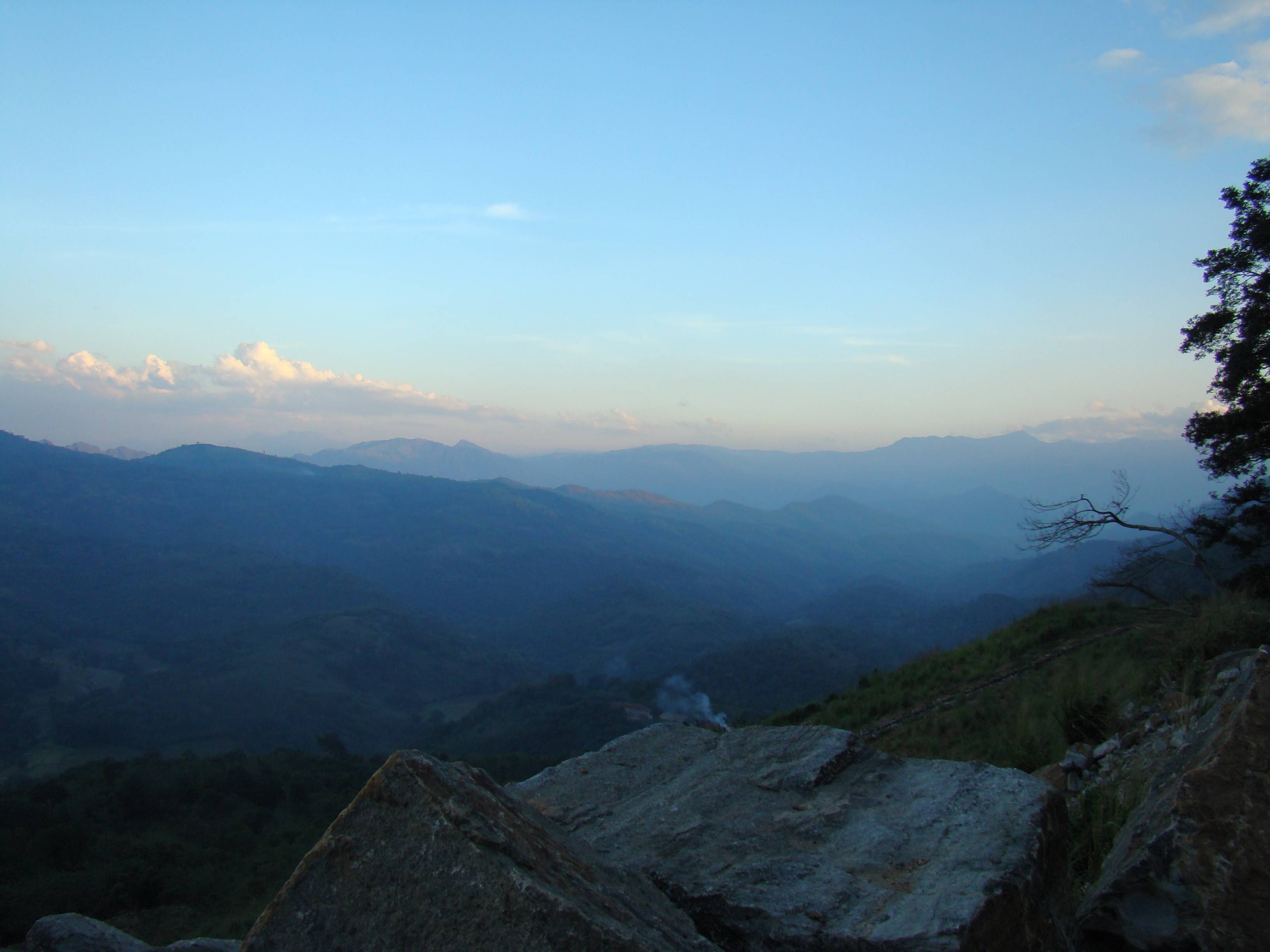
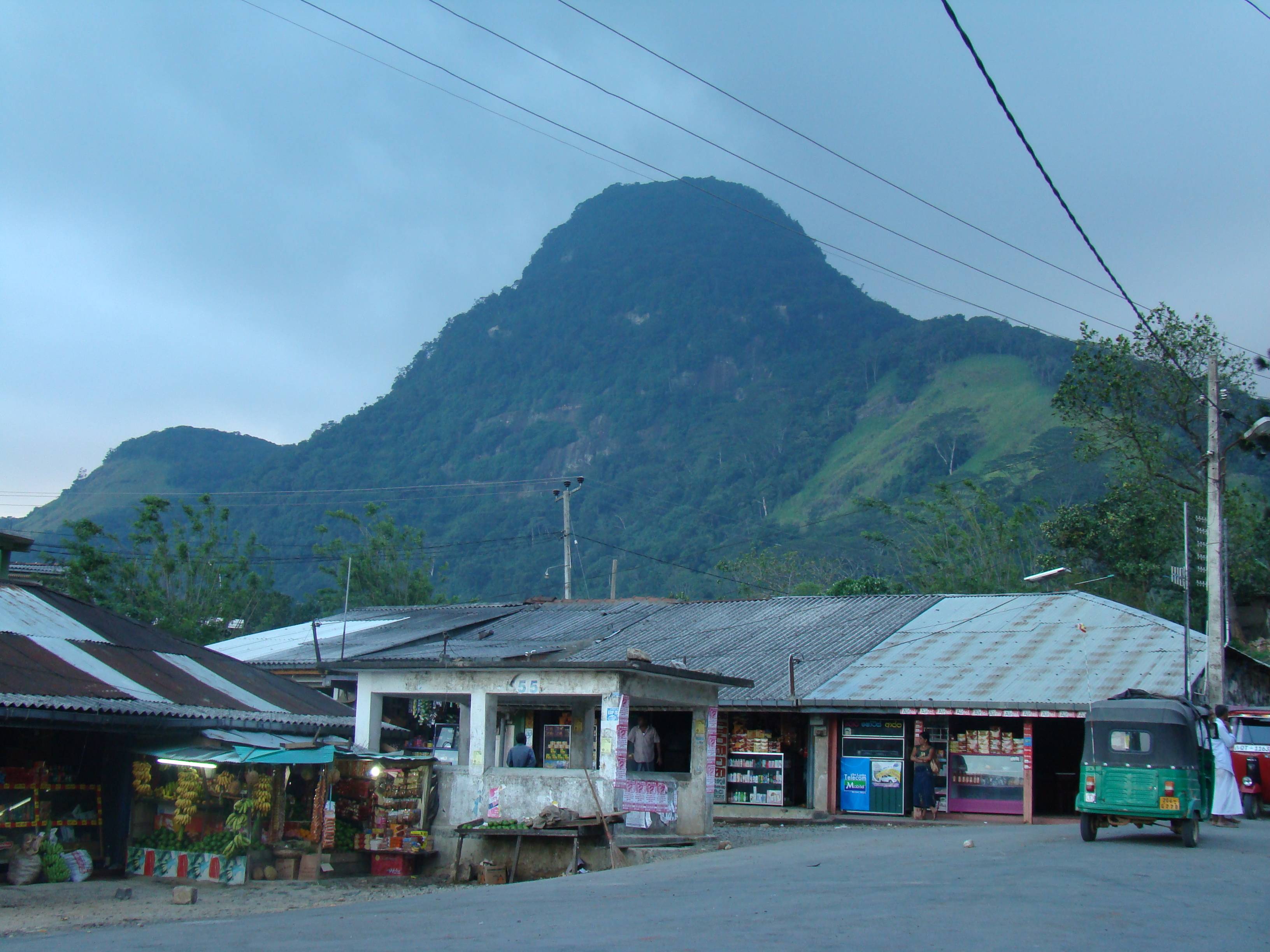
We took the road to Kandy, curves and vista all the way, discussing car manufacturers and shopping options with our guide, and even Bangalore’s metro, once we realised that our guide was a ground technician with SriLankan Airlines earlier, and had gone on a Tokyo – Osaka bullet train.
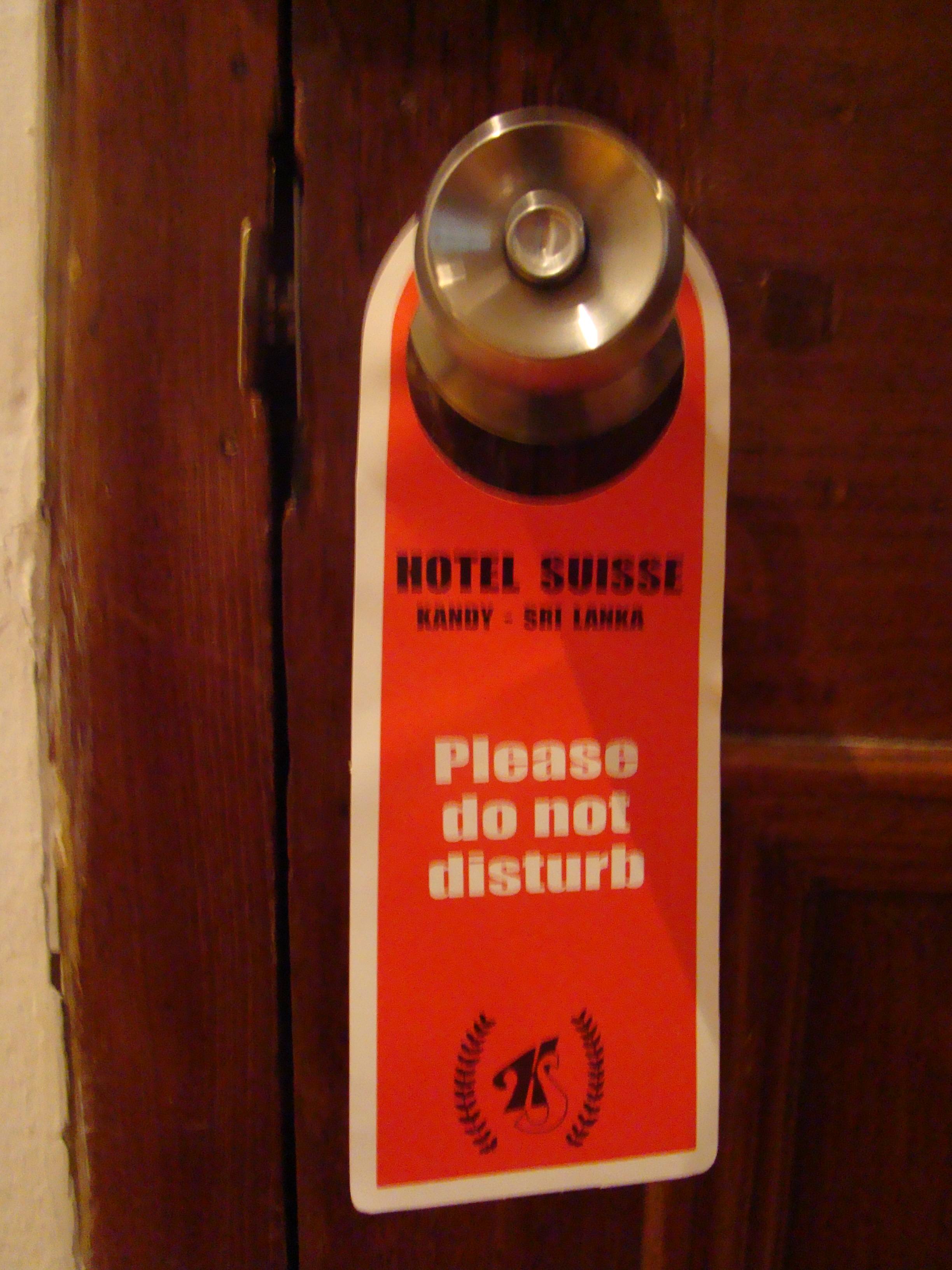
The Hotel Suisse at Kandy had a huge colonial hangover, but nothing to complain about. This was easily the most tiring day of the vacation, and in the end, our feelings were best expressed by
Coming up – Day 3. And in case you missed them, here are Days 0 and 1.