Tag: Shashi Tharoor

  • The Non Fiction Collection: Twenty Years Of Penguin India

    Celebrating Penguin’s twenty years in India, this book has a collection of 46 non-fiction works, (chapters from published works) and since there’s no specific theme that links every one of them, I’ll just list my favourites. Devdutt Pattanaik’s Myth = Mithya is probably the best way to begin the book with its premise of creation (as per Hindu mythology) and its take on the complementary forces at play in the universe. Gita Piramal’s “the old fox” gives us the ringside view of the Ambani – Goenka war that played out in the eighties. Humra Quraishi’s “from Kashmir” offers us a glimpse of today’s Kashmir, and the life of the people there, a far cry from the times when Kashmir was described as heaven on earth. Vikram Seth’s “From Heaven Lake”, in addition to its vivid description of travel in China, shows in its last page a snapshot of the human condition that remains unchanged across the globe. Amrita Shah’s “Launching Into Space” is one of those reads that take across time, and space, with its chronicling of the early days of India’s space research programme. Khushwant Singh’s “Village in the Desert” is a very personal recollection of the author’s own childhood in a village that now stands in Pakistan, and shows how people across the line really can go beyond the lines drawn on a map. Sanjay Suri’s “Near Mrs.” (that title is a good example of the humour involved) is a brilliantly funny respite from the serious content in the rest of the book, involving a bride-search in London.

    Roopa Swaminathan’s “Extras” is a poignant piece of writing on the life of extras who come to Mumbai/Chennai with the hopes of becoming the next star, but who find that their life has passed them by even as they clung on to hope. Giles Tillotson’s Jaipur Nama has an account of the East India Company’s activities in the context of Rajasthan. Even as Mark Tully’s “No Full Stops in India” gives an excellent perspective on ‘development’ in India, Pavan K Varma’s “Being Indian” has a fantastic take on how India’s own way of getting things done still survives. Abraham Verghese’ “My Own Country”, while set in the US, touches upon, among other things, the idea of a home.

    Pinki Virani’s “Home as hell” informs us about sickening cases of child abuse in India. John Wright’s “Indian Summers” gives us a behind-the-scenes look as well as a non-Indian’s perspective on the game that unites India, even as S. Hussain Zaidi’s “Black Friday” shows how communal forces and the merchants of terrorism try to break this unity.

    There are also very interesting pieces like the Veerappan based “Face to Face” by Sunaad Raghuram, former PM Narasimha’s Rao’s version of what happened at Ayodhya in 1992.

    The book also had quite a few excerpts from works that are already my favouries – Mishi Saran’s “Chasing the Monk’s Shadow”, Shashi Tharoor’s “India: from Midnight to the Millennium” and Arundhati Roy’s “The Algebra of Infinite Justice”.

    The book is a few years old, and some of the works, even more so, but they are in some ways, timeless pieces too. I read them because they not only give me clues on interesting books to read, but also offer me a glimpse of worlds that I probably might not travel to in the course of my normal reading journey.
  • Speech Disorders

    Arundhati Roy’s ‘God of Small Things’ is a book I found underwhelming. It could’ve been my maturity as a reader, or the hype that surrounded the book then, but all said and done, Ms.Roy was not an author who influenced me. Unlike a certain Mr.Tharoor, an author I deeply admire, and whose books (mostly) have given a lot of perspective, even the works of fiction.

    But when he had this to say about Roy – commenting that she’d gone too far to the left and her writing about Gandhians with guns, I wasn’t sure whether I could agree, and I asked on Twitter (not to him) whether his stance is necessitated by his political affiliations. A feeling that was mirrored when I read this post by Anil Thakraney. To give you a background on Anil, I think his insightful (inciteful isn’t a word, or it would’ve fitted well too) articles and interviews are amazing, and his posts often find resonance with me, because the issues he talks about and the way he talks about them gives  abundant perspective. I don’t think Anil is compelled by any external force, a possibility that can’t be ruled out in the case of Tharoor. And so I wondered, why I wasn’t in agreement.

    Could I’ve been possibly influenced by her articles on tribals that were written a year back – Outlook (which caused the first wave of outrage) and Washington Post (about the outrage) or even this excellent post titled “The Economics, Politics and Ethics of non violence” or just the history. It was human, and I could identify with the view on  the human sacrifices that are made for the sake of progress. A purely bystander perspective.

    Or did it only play a marginal role when I considered Roy’s latest remarks on Kashmir? How can you be objective when on one side, she writes a moving article on why young boys are pelting stones and on the other side, you have almost an entire nation outraged? It doesn’t help that its fashionable to hate Roy, and even more fashionable to support her.

    So in the end, I’d go beyond the freedom of speech debates and the notional boundaries. I only say notional because, if we look at a larger timeframe, the transience of these boundaries will be more evident. Empires of the past, in their time, would have thought that their boundaries were unassailable, even by time. But they are history. One of the ideas that have remained unchallenged for long is that of the nation state, maybe its time that came up for an overhaul.

    A mass of humanity that make up a nation state makes laws that are agreeable to the majority. That’s the way civil societies have been built. The fun part is that, in most cases, the majority are mere bystanders with a notional stake. So at some point, the minority is pushed to such an edge that they’re forced to retaliate. What is only an inconvenience to the majority is a matter of survival and basic rights for the minority.

    And three people do it, three, can you imagine, three people walking in singin a bar of Alice’s Restaurant and walking out. They may think it’s an organization. And can you, can you imagine fifty people a day,I said fifty people a day walking in singin a bar of Alice’s Restaurant and walking out. And friends they may thinks it’s a movement.

    (Alice’s restaurant by Arlo Guthrie)

    Meanwhile, for some, these boundaries might be sacrosanct, some might believe that Roy is doing it just for the popularity. But, even from the armchair, the hurt sentiments of the first and the (alleged wrong) intention of the second pale when compared to the human condition.

    until next time, longish posts are charged with sedation? 😉

    PS: Found later that Shoma Choudhury has articulated this well

    httpv://www.youtube.com/watch?v=nuXFIfb7cnY

  • Sikkim Day 3 – Tea, Gangtalk, and the legend of Pawan Chamling

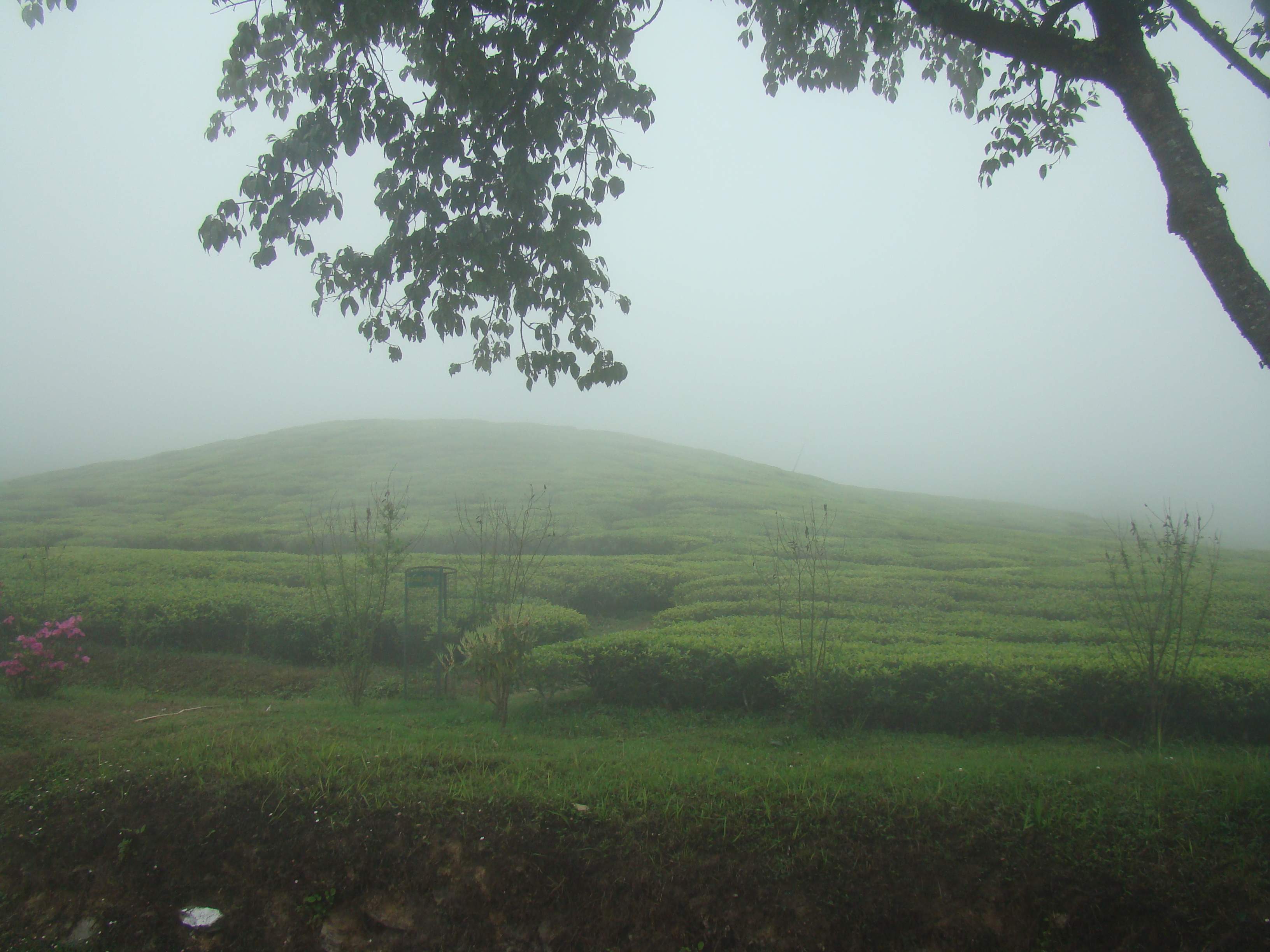
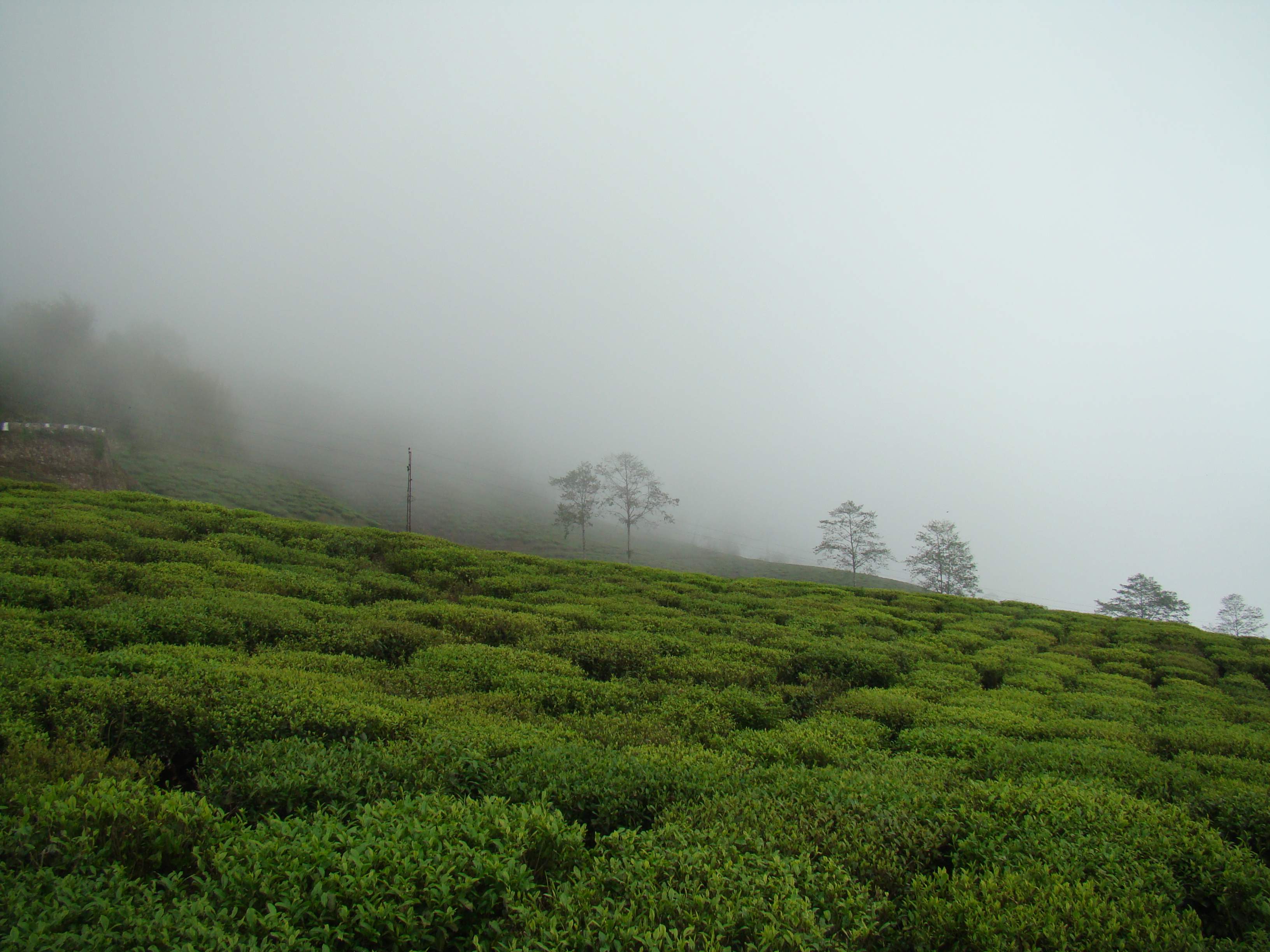
    The alternate plan we chose consisted of the tea estates in South Sikkim, and the Padmasambhava statue in Namchi. Our driver was the same, and that’s when we figured that we still didn’t know his name. Our expectations of a unique local name evaporated at the mention of ’Prakash’. We followed the same route as the day before, this time though, Prakash offered a lift to some lady friend/relative of his. The sign on the road that said ‘Welcome to Nathula and the old Silk Route’ seemed to be mocking us.

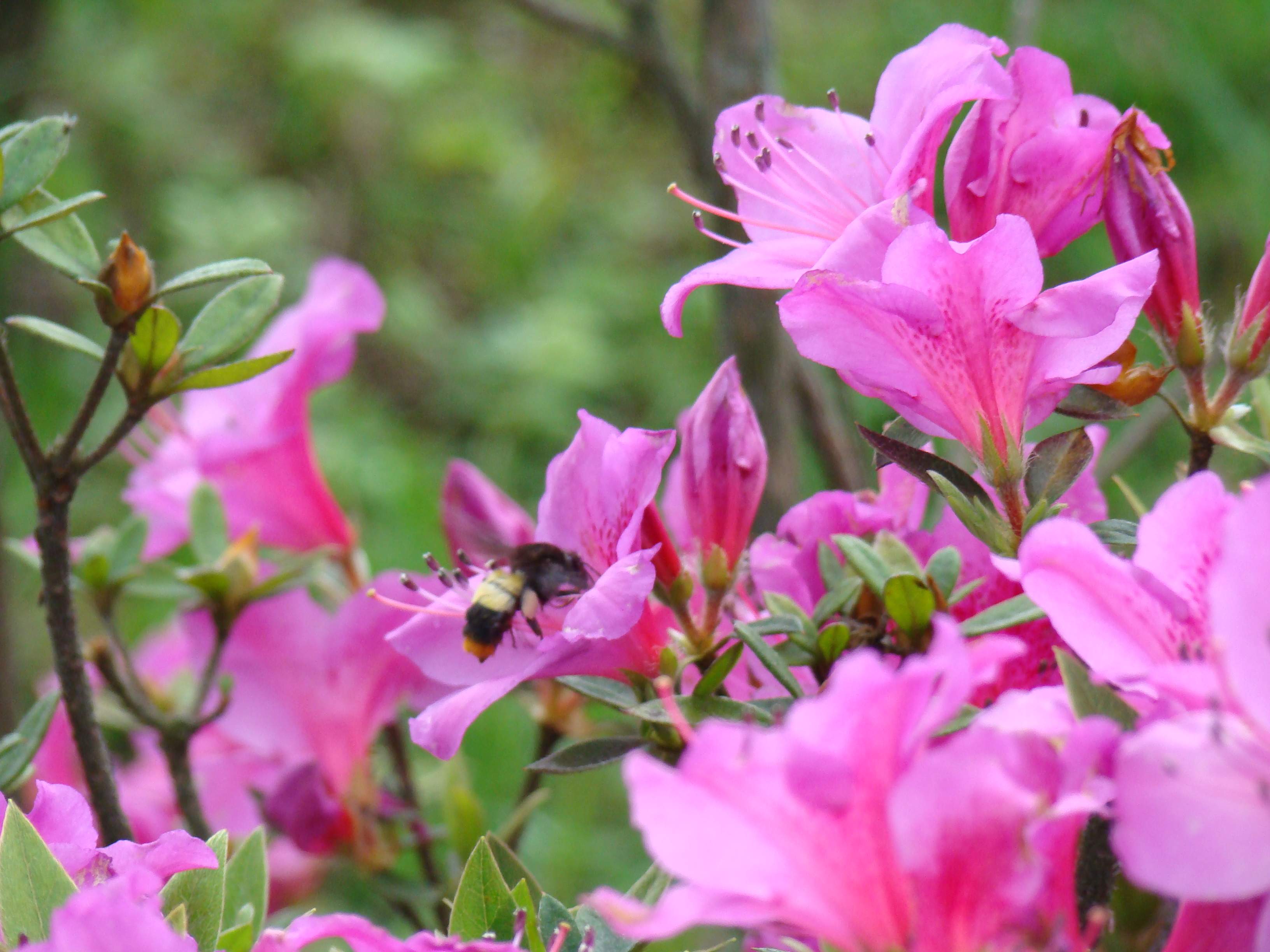
    The tea estates were actually more peaceful than Rumtek, as we watched the workers, laden with baskets, moving slowly.

    1 2

    httpv://www.youtube.com/watch?v=s7OdfkZfmsA

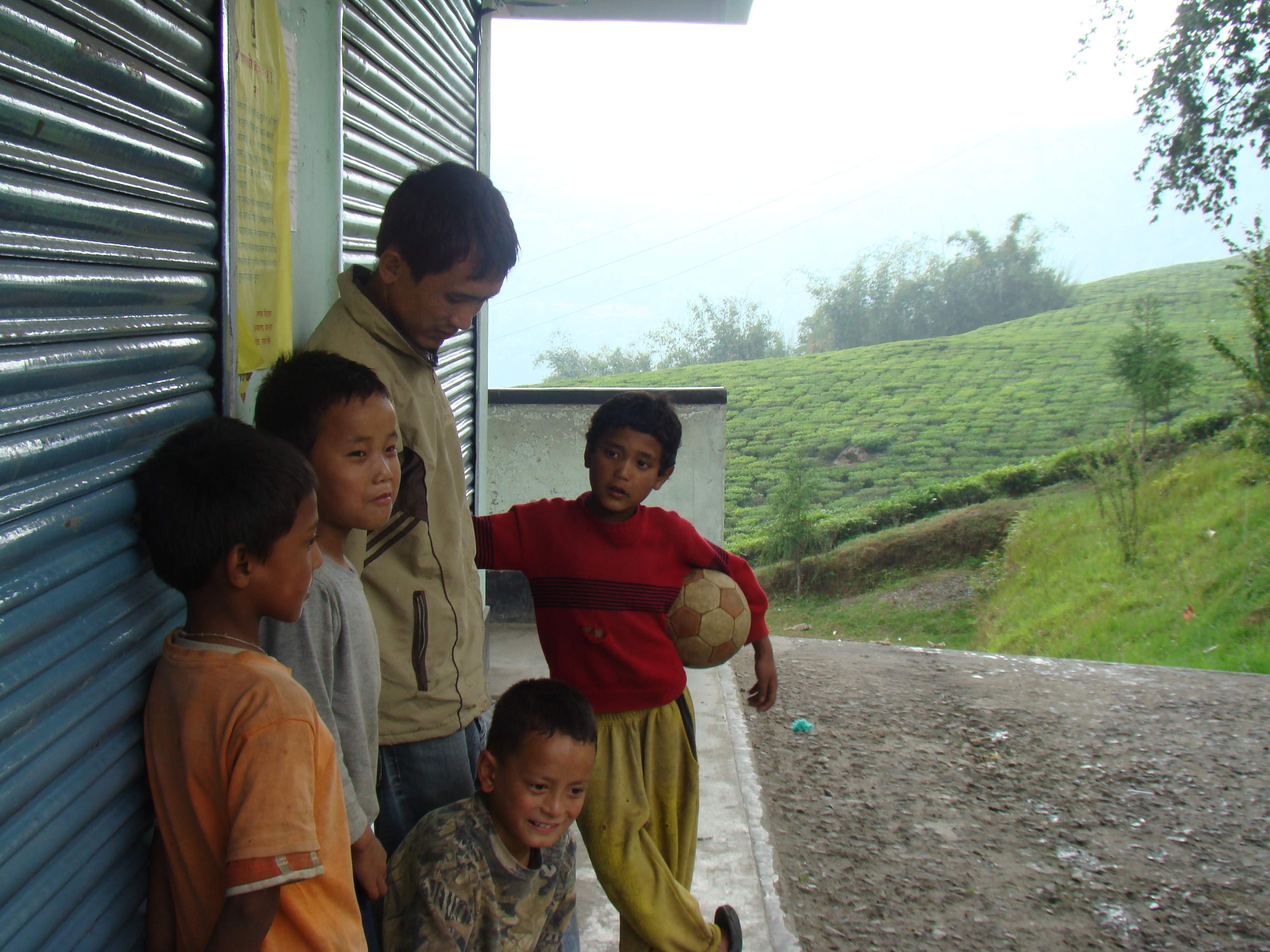
    The rain insisted on greeting us again, and the tea estates and Namchi were shrouded in mist, just before the clouds opened. The kids didn’t seem too unhappy about having to stop their football game though. 🙂 The break meant that I even tried my hand at doing what  I’ve seen Twilight Fairy and Ashu Mittal do amazingly well.

    6 5

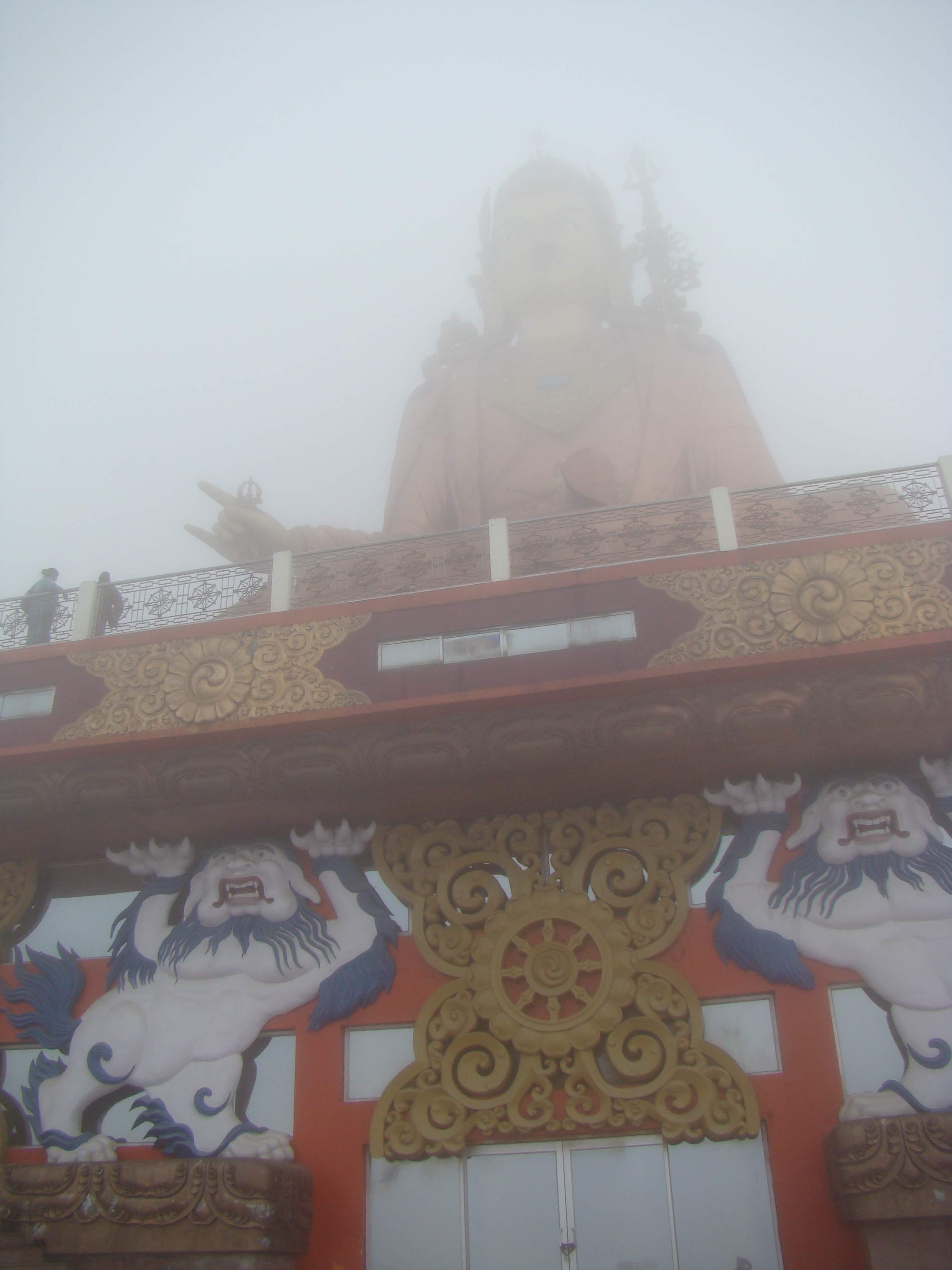
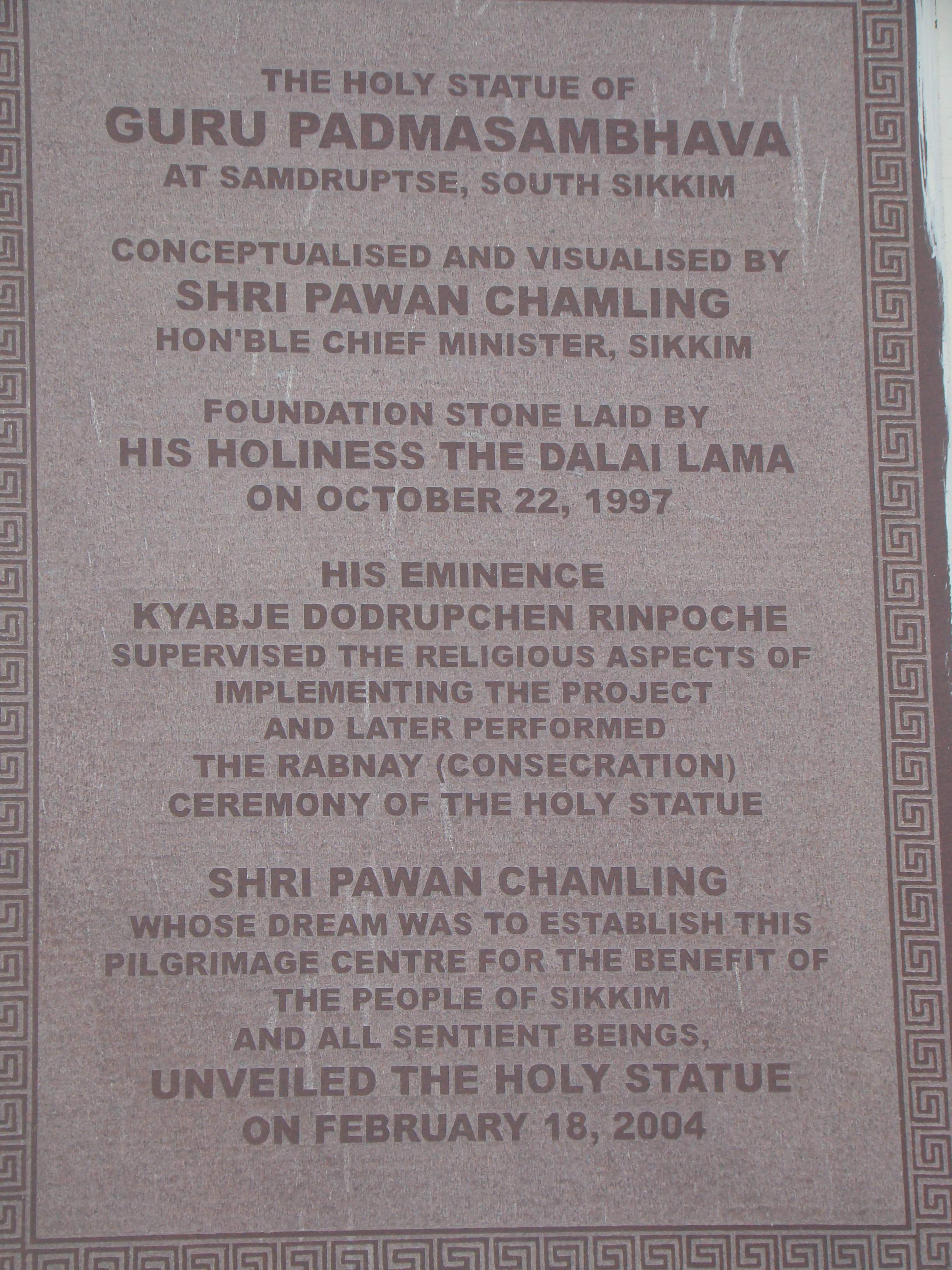
    Meanwhile, the mists meant that even the tall, all seeing statue couldn’t have had a view worth talking about. Pawan Chamling made his first appearance as the man who had conceptualised the entire statue idea. Thankfully, he didn’t do a Mayawati. Thereafter, we would behold this name on many bridges and other constructions. To borrow an old Escotel ad line “Only the rain covers Sikkim more than Pawan Chamling does”

    3 4

    We arrived late at Gangtok, at about 3, and were famished. We decided to drop in at Gangtalk. Though we initially got a seat inside, we managed to shift to one that offered a good view of MG Marg. By the time we got our food, it was almost 4. It turned out that they had other burning issues to tackle in the kitchen, literally. We spent our time looking at the Bollywood posters on display – Teesri Manzil, Guide, and hey, Karz. I looked at D, and she glared back. There was a raucous group at the neighboring table. A kitty party, we thought, and points were being given for the most absurd cackle that could be generated. If ever a ‘Gangtok Times’ were launched, this crowd would probably populate Page 3. My prayers, Gangtok. The meal was redeemed by a superb Khwa Sye (sic). (Khao Soi) The owners were quite apologetic about the delay, and we saw the scene enacted at many other tables. We were the last set, it meant we had a longer chat. They promised that if we returned for dinner, they would redeem themselves.

    We had planned to catch the ropeway in the evening. We reached there at 4.40, and learned that though the information that it was open till 5 was right, ticket sales stopped at 4.30. We trudged back, to a place where I clicked ’the bull in the china shop’, even as D bought herself a nice handbag, and finally ended up across the street  (from Gangtalk) at Baker’s Café. Mostly for the MG Marg view. We were lucky enough not to get a seat that offered the view, because the other side had an even more splendid view.. of the mountains.

    7 8

    Surrounded mostly by foreigners and giggly high school girls, yet another music related nostalgic journey was triggered as I listened to ‘The Power of Love’ and ‘I want to know what love is’. The girls seemed to be enjoying it much, and I wondered whether these songs would always appeal to an age in life and stand the test of time, despite other entrants in the music scene.

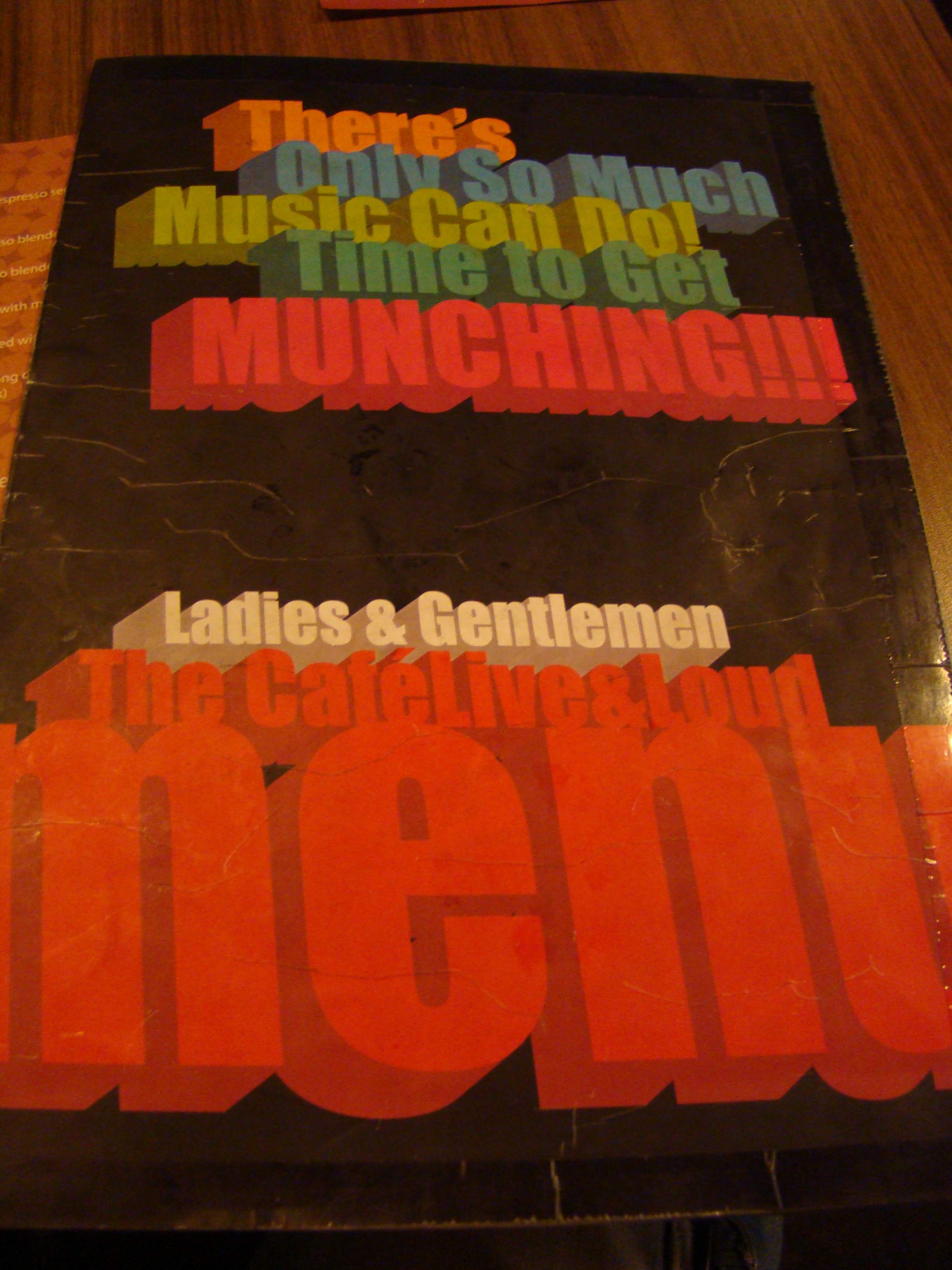
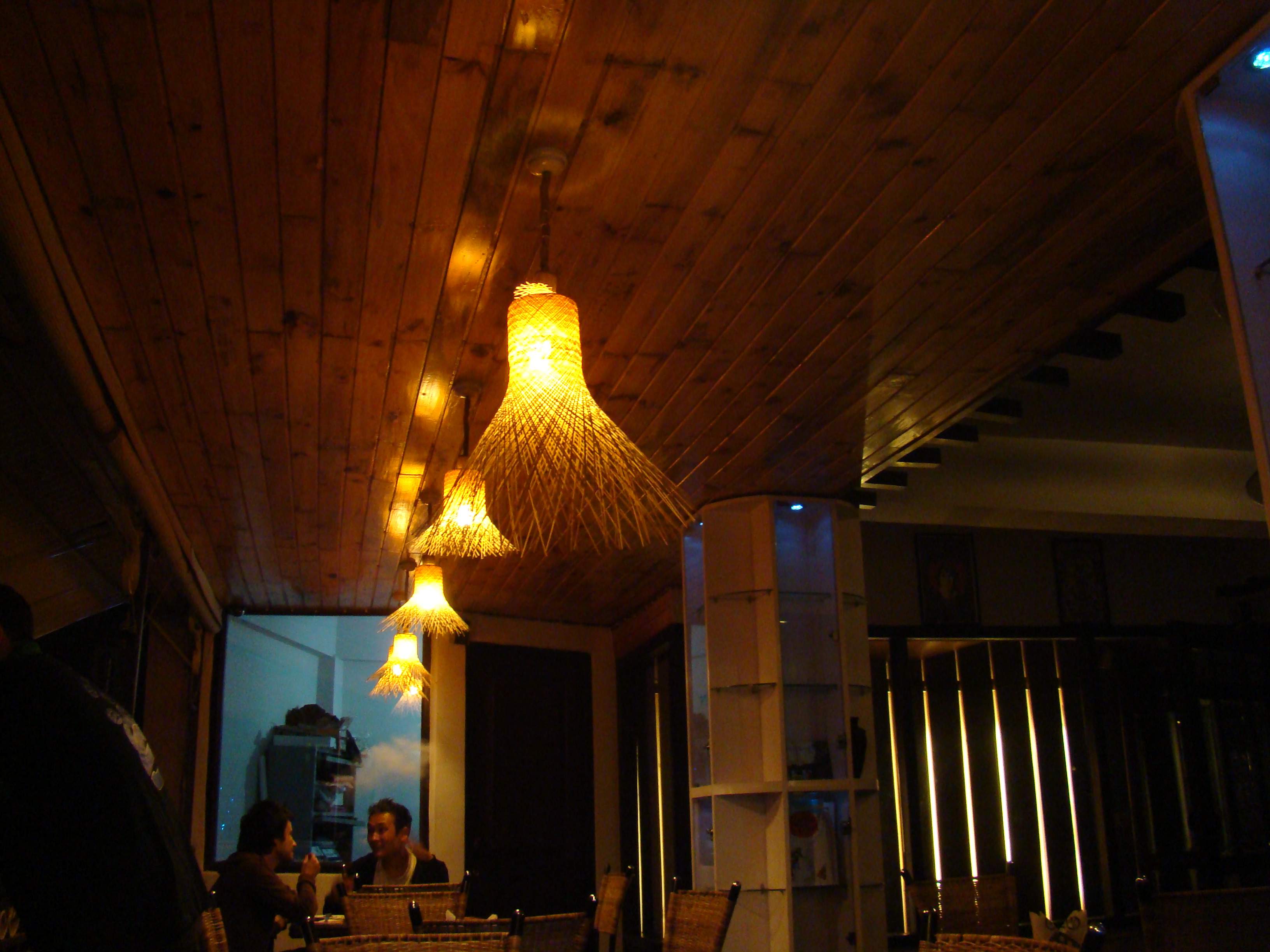
    We arrived at Mintokling, struggling for breath, and caught glimpses of  poor Shashi Tharoor also struggling to retain his post. Dinner was at Café Live & Loud, and the chilly pork was awesome. Another place with a great ambiance. They’ll probably remember me too, when they get their internet bill.

    9 10 11

    Reciprocally, D would remember them later at night too, as her cheese pizza retraced its path. I wondered if she  had sampled the massively popular, Danny Denzongpa owned ‘Hit’ beer  (he also owns an alcohol brand called ‘He-Man’) when I was looking at the ‘pure’ Gujarati restaurant across the road.

    12

    For now, we hit the bed.

    13

  • People, Organisations, Media

    Shashi Tharoor. Sachin Tendulkar. The connection is not just the initials, but also VISA. Get it? 😀 So, anyway, Tharoor’s tweets (again) created a minor ‘controversy’ and I observed a few interesting tangential stories.

    Tharoor’s boss commented that such issues ” should be sorted out within the four walls of the two ministries”. So there was a good debate online and offline on how, as an elected representative, his responsibility was to the public, and whether the government, like many private organisations, might have some sort of non-disclosure norms. Tharoor, while having to go by official policy, had a view on his own and was expressing it. It reminded me of communication policies in organisation and a post recently on gaping void titled “If your boss tells you ‘our brand must speak with one voice’, quit.” The point to note is that SM Krishna is not a stranger to Twitter, but his usage of it was as a platform during the elections. A bit like an organisation using social media as a broadcast platform with least strategic intent. Tharoor, on the other hand, uses it in a completely different manner, and uses it well, IMO.

    I doubt that this is the last ‘Twitroversy’ that Tharoor will find himself in, because I sense his larger agenda in this – forcing transparency on a system which clearly lacks it. (Generalising) In some ways, the similarity (of the government’s functioning) with organisations is quite evident. So, you could say that Tharoor is a pioneer in India’s version of government 2.0. But the internet with rife with stories, usually with bad endings, of employees talking about their employer. Facebook and Twitter have contributed largely to  this too. No, that’s not a warning of any sorts, I think this trend will only increase, and the endings will have to change. Employees would have contractual obligations, but as organisations move towards social business design, the nature of these also would have to change. In India, where the net is yet to achieve (mass) maturity, a member of the government working towards transparency in what can be called ‘THE system’ is bound to have an effect on culture. The other effect of transparency I am looking forward to is accountability. As Seth Godin says ‘Put a name to it’. I think accountability will have a huge role to play in Social Business Design, and the faster organisations adopt it, as opposed to seeing employees as army ants following a diktat, the better it will be for all concerned.

    I also saw a debate on Times Now, which, to me,  exposed the difference in the way bureaucrats and even old journalists see Twitter, as opposed to the users of the service, in this case represented ably by Prem Panicker. Someone commented on Twitter that the media creates these controversies around Tharoor because he has moved a layer between the government and public. I’d agree to a certain extent, because though India’s internet penetration is still in single digits, even media houses realise its the future. The media, print or television has seen itself as the ‘middle man’ and services like Twitter are just ripping away that fabric. Meanwhile, Vir Sanghvi (on Twitter) commented that “If Shashi Tharoor said same things to journos he would be hailed as frank. When he tweets he is called irresponsible” To me, this is another manifestation of the same sentiment.

    Ironically, Tharoor, a few minutes before the controversy started had tweeted about the future of journalism – about the influence of stringers and bloggers, but the need for educated and knowledgeable editors as well. I read recently about the rise of TMZ, and the new form of reportage. The way I see it, along with transparency and accountability, there will be a variable trust factor in the reader’s mind for every source. The source might be an individual, a group, an organisation, a company, the trust factor and context will dictate the relationship. Even as individuals like Tharoor become ‘media’ in themselves thanks to (in this case) Twitter, newspapers and organisations will have to work out very quickly on how to adapt to this change in status quo.

    until next time, mediators 🙂

    PS. Shorter posts and an announcement – next week 🙂

    PPS: True to style, Jyoti Basu virtually ‘died’ yesterday, on Twitter.

  • Shashi Tharoor, a real account… of the Bangalore Tweetup

    1

    And that would explain why, when I saw the invite for a tweet up, it was an easy exception to make to my otherwise steadfast stance against tweet ups and reserve a place to meet the Minister of Status. 😀

    That’s in spite of generally having some harmless fun at his expense on a regular basis – from his non-accommodating stance on the 5 star stay to the now famous gaai-rights issue (actually wrote a couple of solidarity tweets on the latter to make up for the others)

    2

    3

    4

    5

    He even featured in the Andaman travelogue. The good part – popularity in Andaman, and erm, the bad part. So that roughly explains my attitude towards the politician and twitterer.

    The seeming flippancy in that attitude  perhaps belies the enormous amount of admiration and respect I have for the author. The Great Indian Novel is probably my all time favourite work, simply because its satire and humour work on multiple levels. The more layers you can unravel through lateral thought and associations made, the more gems you can find. As my About page would indicate, I love wordplay, jest like that. TGIN, in my book, is THE benchmark, not just for wordplay and humour, but for the sheer imagination and brilliance that connected two seemingly disconnected streams almost seamlessly.

    These days, I see around me, in the real world, politicians who can talk drivel for hours, boring the audience to premature death. I also see, in virtual world, authors and celebrities struggling with the expectations raised by their audience on real-time platforms – the result often being repeats of old jokes, terrible wordplay,  banality, and a general discomfort stemming from the heightened interaction.

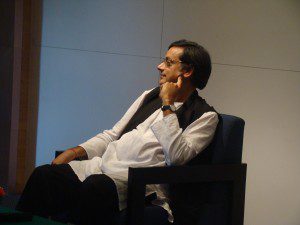
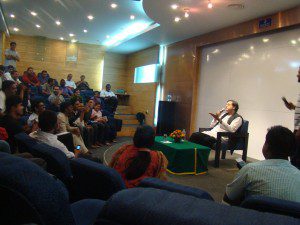
    The tweet up. There was a palpable energy in the place, and the place almost exploded when the organisers announced that the much anticipated message had come from upstairs, and they were ready to start… serving coffee and biscuits. We came back after getting our coffee, and waited inside the audi for Mr.Tharoor, disappointed at not being allowed to bring our coffee in, but then in he came, in black and white, and made our woe seem insignificant, with his coughing. Hmm, I couldn’t be sure, but the front row possibly had coffees. (#9). And so I sat, flanked by two other Mallus – Nikhil, and Balu (who’d made it a point to arrive after Shashi Tharoor, just so we understood who was more busy 😉 ) wondering how a favourite, whose work I worshiped, would fare.

    DSC02273 DSC02281

    As you can see, he was favouring the right, and the centre, until a lady seated behind me forced him to answer a question from our side. I wondered aloud if he always ignored the left thus, but though my neighbours heard it, sadly he didn’t. I’d have loved a repartee. I noted that we had similar workplace issues, as Twitter was banned in the MEA too. Meanwhile, our friend Nikhil, (who claims he was) one of the voters who elected Mr.Tharoor to the parliament, had a political googly question for him. But he managed to answer it satisfactorily too.

    1 2

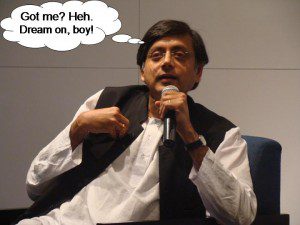
    He talked about occasions when he was asked to explain Twitter to his colleagues, and the advice to him to stop tweeting if he valued his political career. But as he said, he doesn’t like being told he can’t do something. He explained his twitter habits – following, answering questions on Twitter, and the balance he has to maintain while sharing with the world a minister’s life. He was asked about his writing plans, to which he answered that the current job keeps him too busy to write, and not just to write, but to create that space in the mind, which can be populated with people and instances that have nothing in common with his daily life. So for now, The Great Indian Novelist is reduced to the limitations of a git (great indian twitterer) 😉 – 140 char.

    And thus, thankfully, he didn’t disappoint, and i sat, listening in rapt admiration, as the man displayed his ease with the language, bringing a smile and making us LOL, with witty answers to even the most banal of questions. Yes, there were quite a few of those too. But thankfully there were the opposite kind too, which got him to talk about the working of his ministry, and future plans. I could throw in erudite, polished, confident and similar adjectives as descriptions for him, but a master craftsman is usually beyond adjectives. (as anyone who saw that jaw-dropping 175 would vouch for)

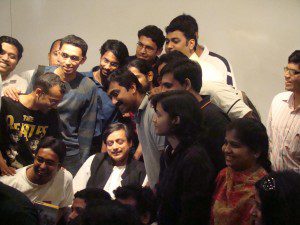
    Though he had arrived a bit earlier than announced at the venue (the twitvite said 3, when the actual time was 3.30, but the reason for that is easy to guess, so I wouldn’t complain), we still had only an hour, and it passed very quickly.  But it was undoubtedly, fun!! So, finally everyone posed for photos,

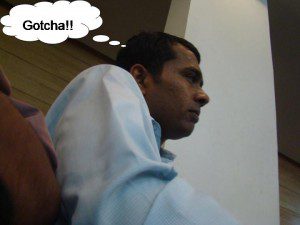
    DSC02285(guy in grey-blue striped t-shirt, asked the best questions)
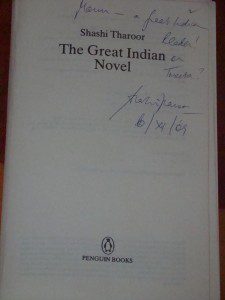
    and somewhere in between I accomplished the other thing I’d come for. 🙂 🙂

    DSC02289

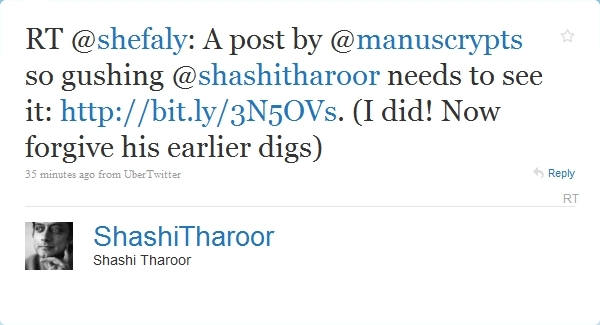
    until next time, end of gushy Tharoor post 😉

    (HUGE) UPDATE

    ST RTs !!

    1