Jessie Inchauspé
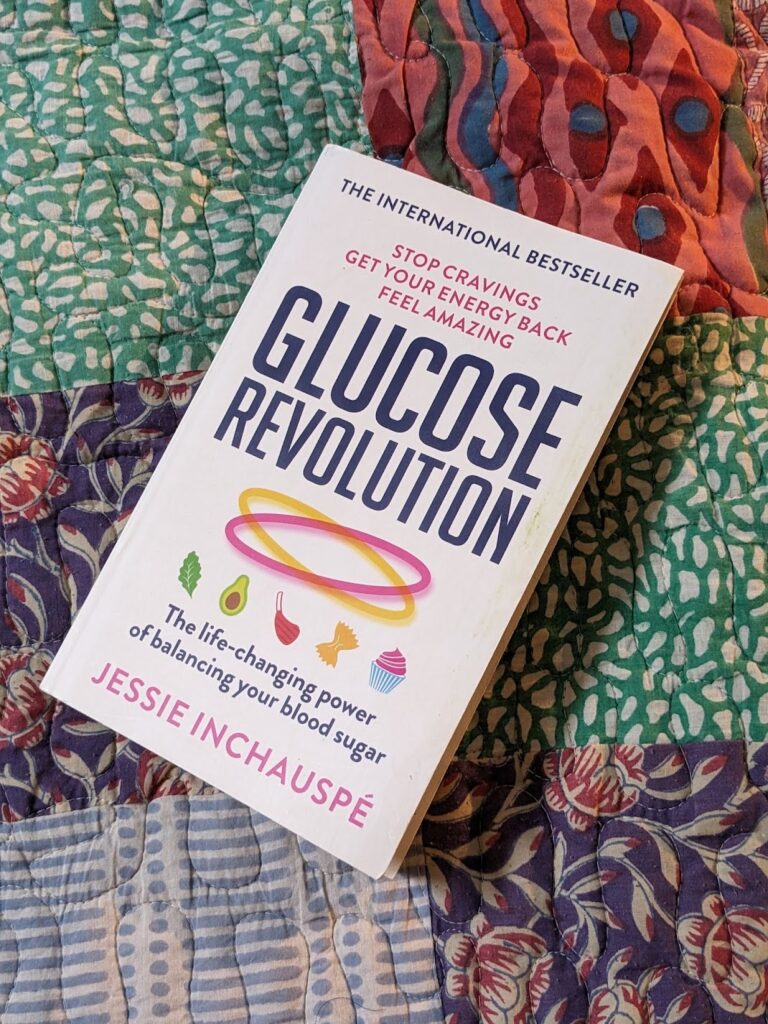
Glucose Revolution is another one of those books that I wasn’t even aware of, but came in via a referral, and I believe will actually make a difference in my life. Jessie Inchauspé, also known as Glucose Goddess, does a fantastic job of showing a way out of the clutches of glucose imbalances which are an underlying cause of many health issues – from cardiovascular diseases to PCOS to acne and even mood swings.
The reason why I loved this book are many. One, it’s not just a lot of theory. She combines lived experiences (of herself and others in the community), scientific research, and experiments (to validate) to show how it works. Two, she layers that with the overall science behind why they work that way. Three, she does so in the most accessible manner. And finally, she doesn’t just point out the problems, she also provides solutions and paths to address them.
The book is divided into three parts. The first explains the origins of glucose and why it is important. While we colloquially call them all carbs, glucose, fructose, sucrose, starch, fibre are all varied forms and have different impact.
The second describes how dysregulated glucose levels and glucose spikes affects us in the short-term and the long-term. From hunger pangs at one end to worsened cognitive function at the other. During glucose spikes, the mitochondria quickly get more glucose than they need, some glucose gets converted into fat, and more importantly, molecules called free radicals are released into our system. When there are too many of these, it results in oxidative stress, a driver of heart disease, Type 2 diabetes etc. Glucose also glycates other molecules, damaging them forever. Wrinkles, cataracts etc.
The combination of all these result in inflammation, and chronic inflammation is the source of most chronic illnesses we get.
When we have excess glucose in our body, the pancreas sends out insulin to store it and keep it out of circulation. Liver, muscles and conversion into fat are the three ways it is done. That last bit is how we gain weight. The stored glucose is used when mitochondria needs it, and when glycogen (the glucose in the liver and muscles) gets diminished, our fat reserves come into play. But this cannot happen when insulin is high. (read notes for more on this) There are explanations for why and how each kind of disease related to this happens.
Part 3 is a set of ten (simple) hacks to flatten the glucose curves (reducing glycaemic variability). The first and most useful hack is the order of eating your meal. Veggies (fibre) first, proteins and fats next, and starch/carbs last. Fibre reduces the action of alpha amylase, the enzyme that breaks starch into glucose, it slows down gastric emptying, and creates a mesh which makes it difficult for glucose to get into the bloodstream. My second favourite hack was #7 – drinking apple cider vinegar before eating sweets. Acetic acid in vinegar temporarily inactivates alpha amylase.
Glucose Revolution is a fantastic book because of its actionable insights and the accessibility. Highly recommended. Having said that, I have also recently read some critique which you might want to consider before picking it up.
P.S. My own experience after nearly a year of trying this is that first, I got an immediate reduction of HbA1c from 6.3 to 5.9 and was able to sustain it for about 8 months. Since then, it has gotten back to 6.3 but there are many variables and I am still trying to eliminate them one by one.
Notes
1. Any food made from flour has starch
2. We like sweetness because back in the Stone Age the taste of sweetness signalled foods were safe (there are no foods that are sweet and poisonous). It gives us a dopamine hit.
3. Mitochondrial stress causes cells to lose their smooth shape. The lining becomes bumpy and fat particles get stuck more easily. LDL (B) does exactly this. If an when cholesterol gets oxidised (happens when more glucose, fructose, insulin are present), it creates plaque. Triglycerides become LDL (B). A good measurement is triglycerides/HDL. If it’s less than 2, great
4. Insulin treatment brings down glucose temporarily but is harmful in the long run.
5. Sugar is sugar, whether it comes from fruit or table sugar. Relatively the first is better.
6. Similar story with whole grains. Dark bread/ seed breads are relatively better.