Tag: culture

  • Kochi Chronicles – Part 2

    ….continued from Part 1

    Much as Willingdon Island has remained unchanged, Cochin itself has a completely different story to tell. As I’ve mentioned before, each time I visit, I am presented with a new landmark and a demise of an older one which belonged to an earlier era.

    For lunch, we decided to go to a trusted old timer – Tandoor. At Chillies (1st Floor) they serve an excellent Andhra meal. It’d been a while since I tried the Chicken Biriyani, so I chose to have that while D and the other M hogged the meals. No meal in Tandoor is complete without their special Kadai Chicken, so we shared a half plate. Amazing as it has always been.
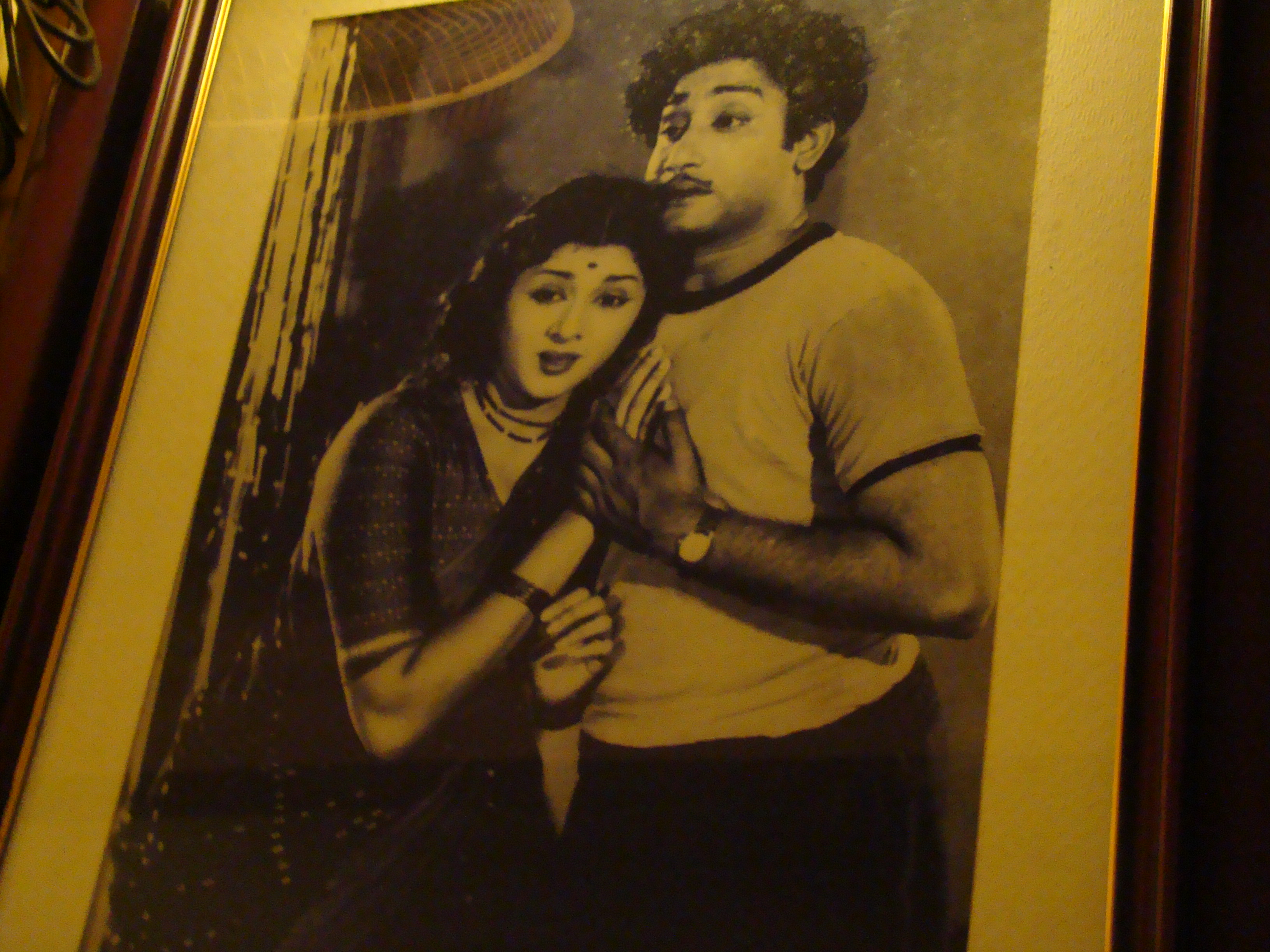
    Chillies hasn’t changed a bit though Tandoor downstairs keeps changing the decor. A dimly lit ambiance that somehow manages to freeze time. Helped by the huge photos from a long gone era. (the owner is related to the Travancore Sisters, so you can find many like these featuring them and MGR/Sivaji Ganesan)

    The plan for the afternoon was ‘Beautiful‘. A movie we missed in Bangalore. We watched it at Padma, one of the several ‘feminine’ theaters Cochin is famous for. Most of them have survived, though the multiplexes have begun their march. Beautiful lived up to its name, and I loved the way they have quietly, but wonderfully shot the city and Fort Kochi in the movie. The day before, the other M had asked us to note a house in Fort Kochi – the one that had been featured in the movie.

    In the evening, I met a friend whom I knew from Bangalore. K suggested the Cocoa Tree on MG Road, a place that has consistently ticked me off whenever I have visited, but is still a fave hangout for many in Cochin. She had moved to Cochin only a while back and I quizzed her on her first impressions. A city in transition, we both agreed, and something that reminded her of Bangalore a couple of decades ago.

    To me it was still a small ‘town’, where most people still knew most other people. I probably bored her, talking of old landmarks and routes to school, and how the skyline has changed since then. I told her that I’d never felt a Cochin culture, something I could sense strongly in Trivandrum, Kozhikode, Trichur etc. Cochin has always been Kerala’s big city, changing too fast to have crafted an identity beyond that. She showed me the photo of her house with an awesome balcony view. Once again, I began thinking of where my final home would be. Oh yes, it would be fun to walk the roads as an old man – to walk past the Public Library, where I have spent so many hours, the CISF grounds whose pitch has seen many of my ‘spin experiments’, the school and its surrounding areas which has seen me transition from walking to cycles to a motor vehicle, Foreshore Road, where a dimly lit university computer room hosted my first forays into the internet, and so many many others. But would they be the same? A thought that crossed my mind when I walked back home, seeing familiar faces that had grown older, same people, doing the same things, even as time passed by. A mirror of a different sort.
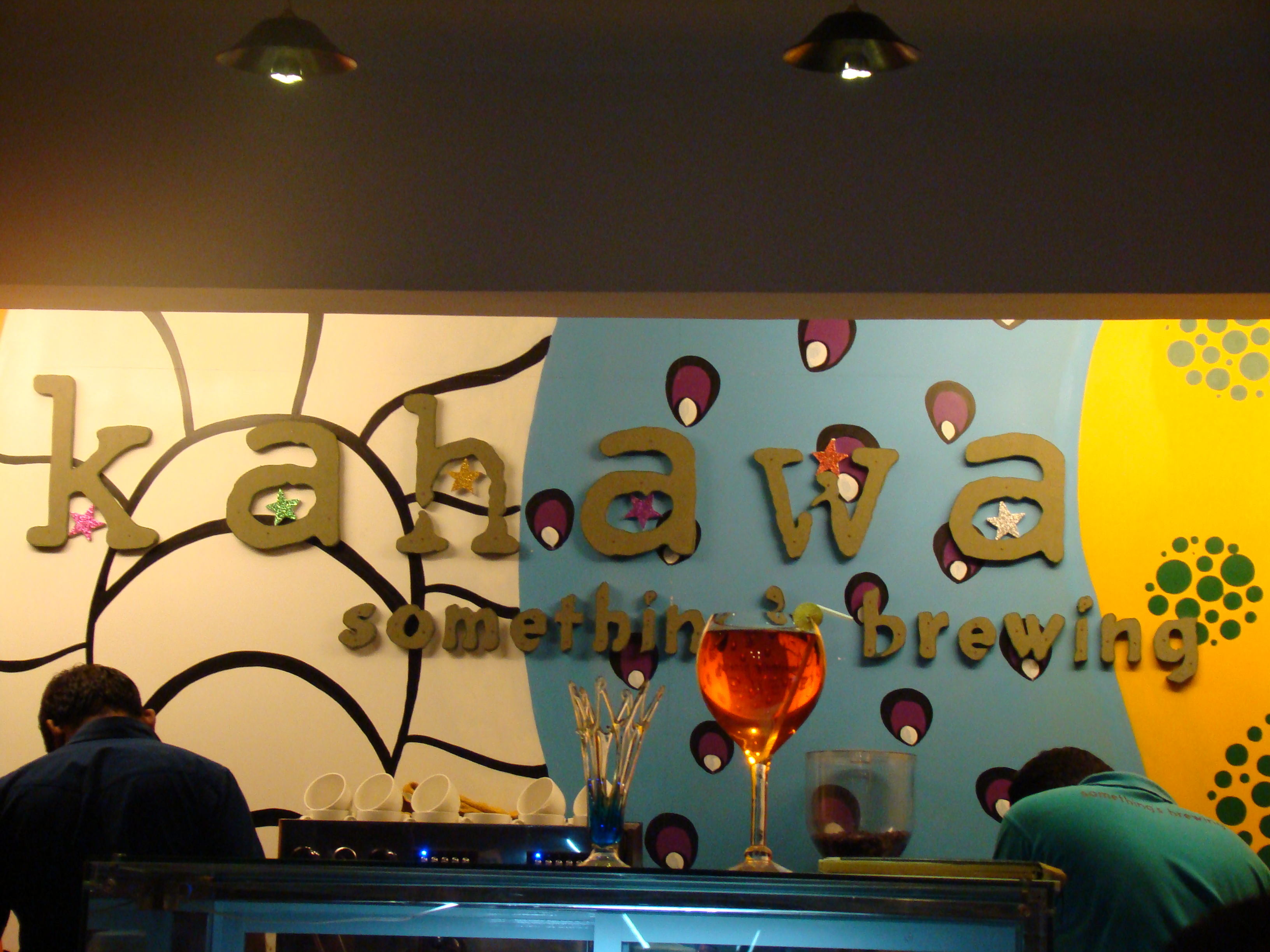
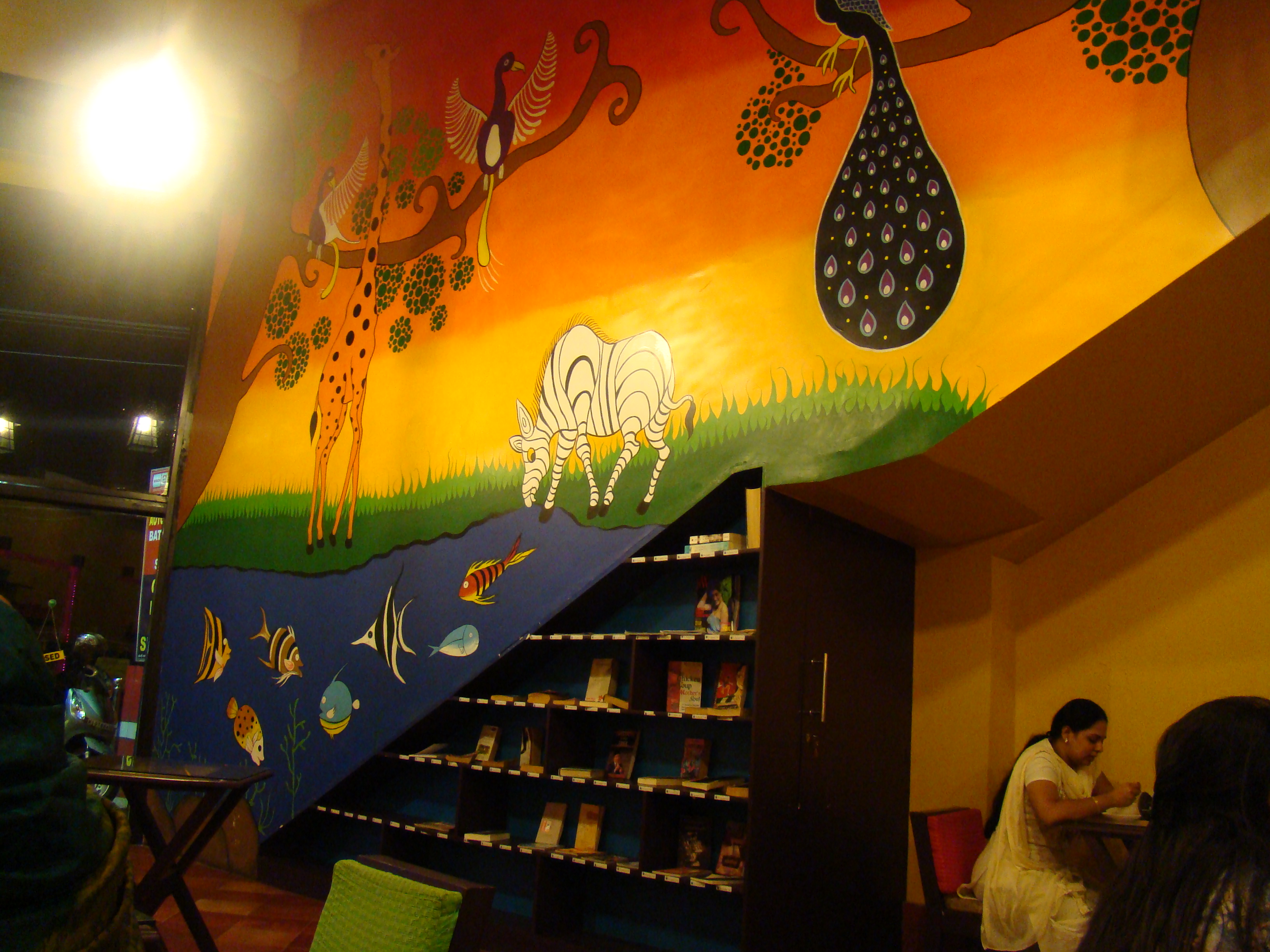
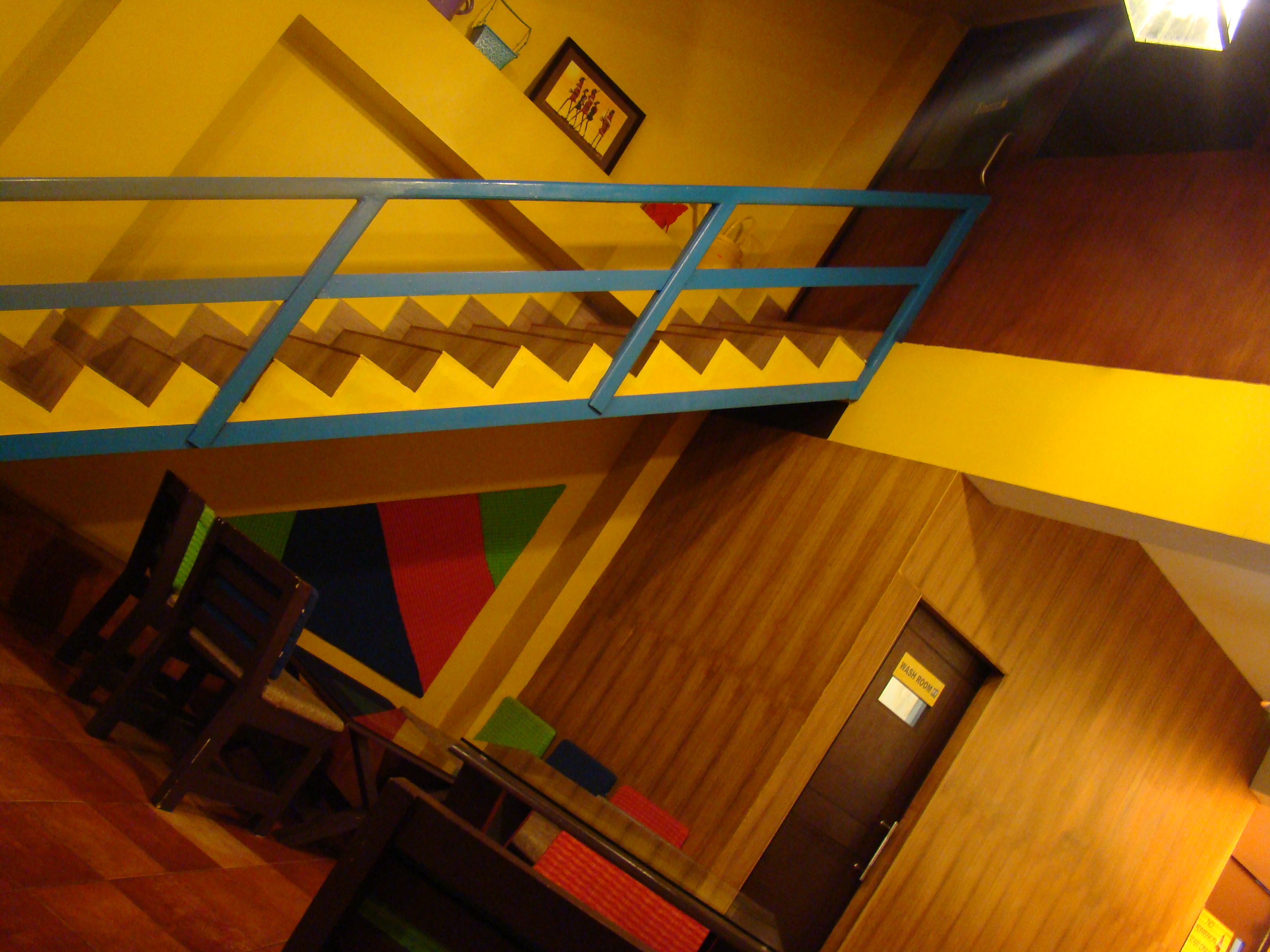
    Dinner was at Kahawa, the owners were the other M’s friends. A coffee shop+ with a distinct character. Hand painted wall art, a book lending mechanism ( a tie up with another of their friends) and reasonably decent food. They also have a section upstairs which is opened on days that Manchester United has a match on. Also available are group discounts and discounts for the Mayor on Foursquare. 🙂


    We tried the Mango Italian Soda, which could have done a better job with the fizz. The Choco Chiller was significantly better and so was the Mint Hot Chocolate.
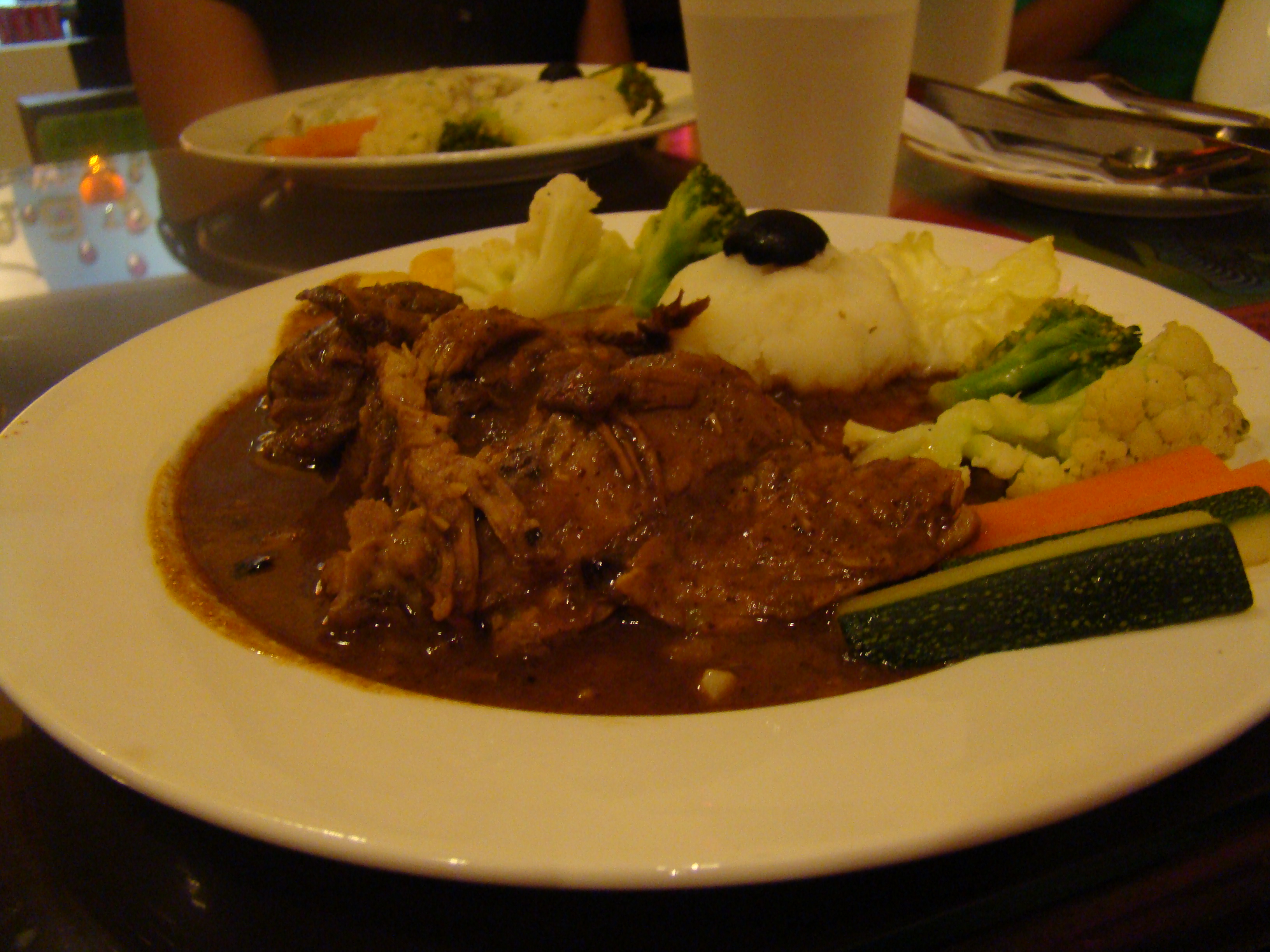
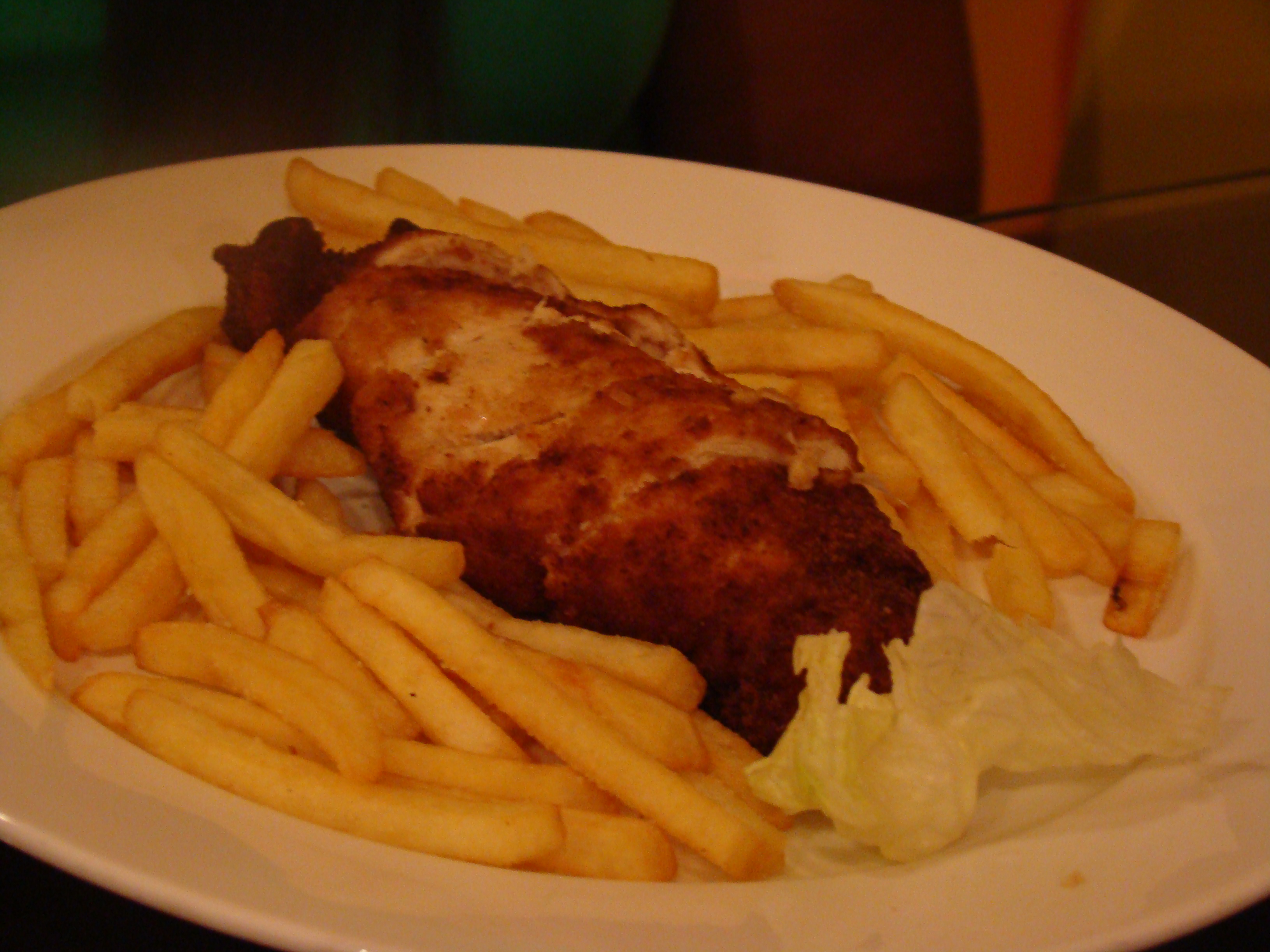
     

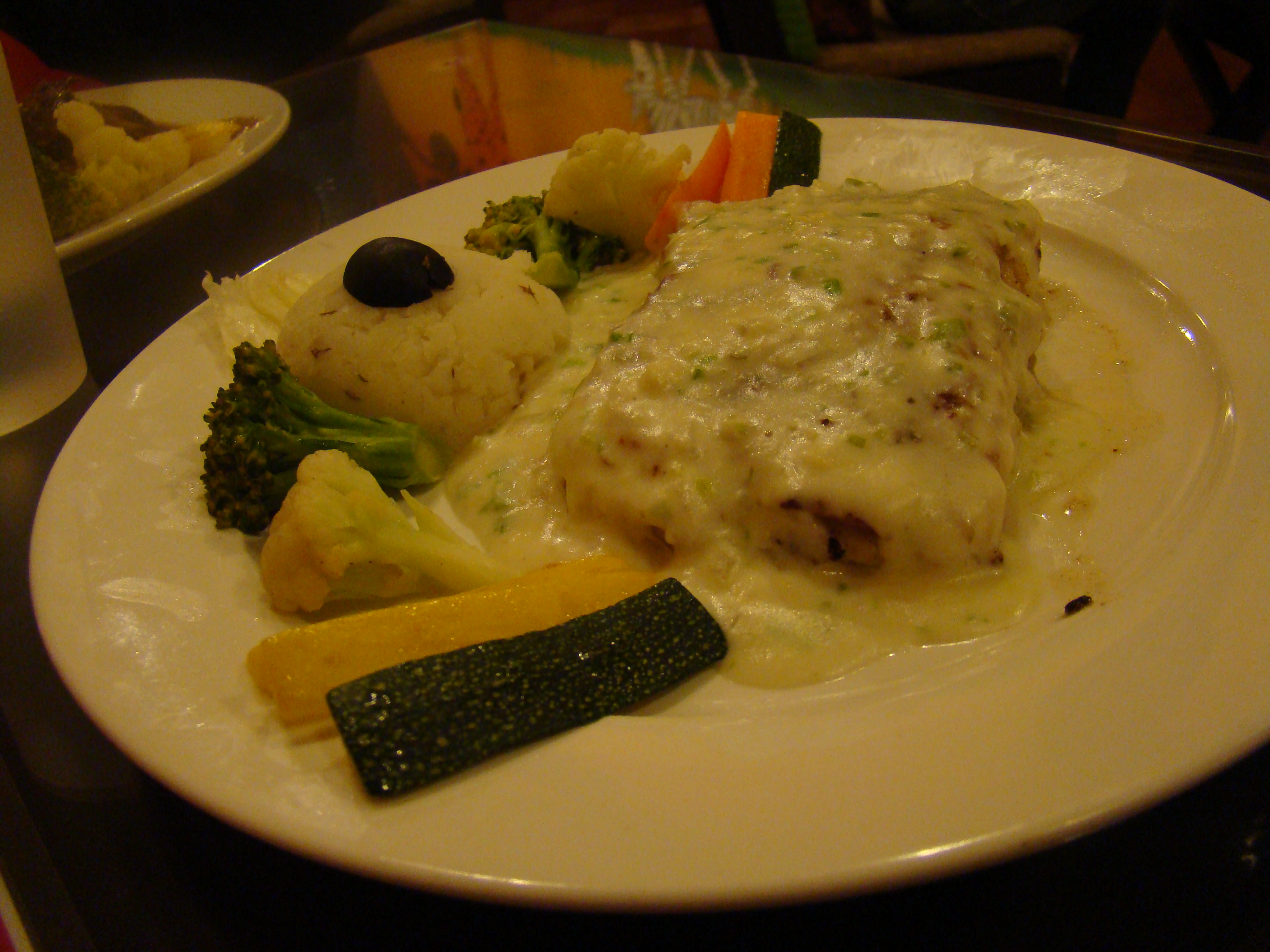
    In the main course, K had recommended the mashed potato and Meat Sauce, but the Roast Pork was too tempting. But sadly, it just about passed muster, as did the Chicken a la Kiev. The best dish was the Grilled Fish with Mornay Sauce. Once again D was the one who got lucky! There were a few options for dessert, but nothing that we really fancied.

    Before we left for the airport, we stopped at Malabar Chips – banana chips for Bangalore. Familiar faces, though they didn’t recognise me. Except for one person. 🙂 I wondered if this was the idea of home – a place that you can come back to after several years and still be  recognised, a place that thus gives you a sense of belonging.

    As we passed the North Bridge, we saw the first signs of the Kochi Metro construction. There was a line that stayed with me long after ‘Beautiful’ – “Maturity is the loss of innocence” It probably is true of cities too, and I wondered if it was only incidental that there were huge hoardings of a TOI launch on Feb 1st.

    We detoured through the University, and though the place shows small signs of transformation every time I visit, there are parts of it that refuse to change. Islands in time. Places where I could stand and travel back in time, because the settings were the same, all I had to do was remember. But I had a flight to catch, and a journey to end.

    until next time, timed travel
  • Branded Spikes

    While waiting for the cognitive teardown of the immensely viral Kolaveri (like this Angry Birds one) in the form of either ‘What we can learn from’ or ‘How to craft videos like’ posts and also wondering how long it would take my Twitter timeline to move back from RIP to make-fun-of when a celebrity dies, I read this very interesting post titled “The New Patterns of Culture: Slow, Fast & Spiky” (via)

    It offers fantastic perspectives on creation and consumption patterns of culture, and digital’s weighty role in the changes being wrought. The limited ‘spotlight’ options of an earlier era (mainstream media) now have to co-exist with platforms and mechanisms that are open to most. ‘Scale is no longer a guarantee of stability.‘ Consequently, attention is the more coveted prize. Another related phenomenon is that ‘Change no longer happens all at once for everyone‘. I remembered ‘IsItOld‘ when I read this. 🙂 I sense quite a few concepts agglomerating here. Small ideas, which I haven’t written about for a while now, and transmedia storytelling, for starters, and a reversal of polarity. (the last via Neil Perkins post, linked to earlier)

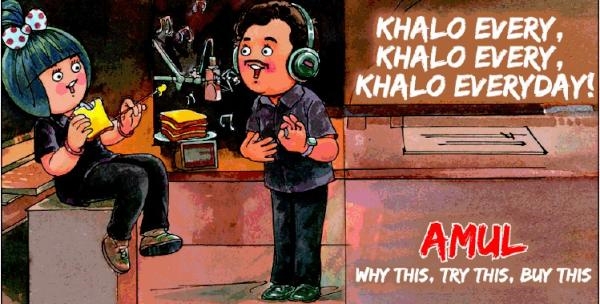
    Brands have always been using popular culture. One brand that I can immediately think of is Amul, and yet, I almost missed their Kolaveri ad. (via) Yes, not the greatest, but decent. The point here is that while they got the creation right, the distribution is still iffy. And that’s another challenge. Popular culture is more complex than ever before. With the abundance of content and platforms, keeping a watch on the long tail of culture, prioritising according to the audience-fit and then distributing it is not going to be an easy task.

    I have always liked (and hence, borrowed with credit in presentations) the analogy of bonfires and fireworks to social media and advertising. (respectively) The implications of this are not just in standard brand advertising but also in branded content. Brands now have to think of how the long-term story and the spikes can work together and ideally, complement each other, even while figuring out what role advertising and branded content play in each. Despite the seeming fit of social media to spikes, I wonder whether we will, in the medium term, see a role reversal – ‘mass’ media providing spikes and the internet dealing with the long term story, before settling into shared roles.

    until next time, get a spike mike

  • All hands on deck

    Since tis still the season of predictions and ‘looking forward to in 2011’, and because I brought up the subject of brand agencies reshaping themselves for the future, I thought I’d share with you three of my favourite decks of insights from the many that I managed to scan in the last few weeks.

    We’ll begin with JWT’s ‘100 Things to Watch in 2011’. (via Surekha on Reader) While there are many things in this that you might already think is a trend, what I liked about it is its thinking outside of any specific prisms – brands, technology etc, but still managing to capture the  essence of trends in human behaviour, culture, consumption, the shifts happening therein, and thus, a good reckoner for marketers.

    The second one I’d like to share is Edelman’s ‘Digital Trends to Watch in 2011’. Though there are a few commonalities with the JWT deck, this seems more focused. While this is definitely quite a sensible thing to do from a client perspective, I missed the “completely out of the blue, but damn, why didn’t I think of it?” moments that I usually associate with its creators. But that’s just a testament to my high regards for Armano and Rubel, more than anything else. What I liked most about this was the trend + best practice combining, that layering gives excellent perspective.

    The last one I’d like to share is Rohit Bhargava’s ’15 Marketing & Social Trends to watch in 2011′ (via Gauravonomics). There might be some overlap with the other two, but again, the idea of examples with each trend makes it a must-read, in addition to the overall quality of insights.

    While its easy to see that there are commonalities in these, I also noticed an interesting thread of thought that  resonated most with me.

    ‘There’s an app for everything everywhere’ is perhaps the underlying theme in #3 (Apps Beyond Mobile), #7 (Ubiquitous Social Computing, more specifically its best practice) and #9 (Appification of the web) in the JWT, Edelman and Rohit presentations. We then move on to ‘production of consumable content and experiences across platforms’  that connects #93 (Transmedia Producers – faint connection), #4 (Transmedia storytelling) in the JWT and Edelman presentations respectively. And at last, we move on to how it can scale which is brought out through #3 (Developer engagement) in Edelman’s presentation and #7 (Crowdsourced innovation) and #11 (Employees as heroes) in Rohit Bhargava’s presentation.

    While I may not endorse a brand strategy only basis tools, the ‘appification’ across platforms actually throws open the door for marketers to not just satisfy their ‘short head’ consumers in better ways, but explore the ways to reach the ‘long tail’. It allows them to blend or distribute their ‘story’ across platforms and if done well, raise the interest level of their consumers. And an agency or brand manager cannot do it alone. While the idea of crowdsourcing is looked down upon by many, there are enough examples to show that if targeted well and executed with clarity, it can deliver results. More importantly, here, the ‘crowd’ is not consumers, but developers who can re-create the brand’s experience on multiple platforms, and employees who can create a human story that will resonate with others.

    If these possibilities for 2011 don’t excite you, I’ll try again next week, but I really don’t have any more of these awesome presentations to back me up.

    until next time, slide rules!

  • Place and Time

    After Facebook announced its plans to use its social graph to become the mayor of Location (via Places API, deals) and also become the ubiquitous sign in on the mobile platform, Mahendra, Arjun Ram and I had an interesting discussion on Twitter. It started because Arjun and I were wondering when Facebook Places would come to India, but also moved on to the impact of these announcements on Foursquare and even Google.

    Now in terms of world domination plans, Google is hardly a sitting duck and has been trying to gain a foothold in ‘social’ for a while now, with little success to report so far. But Android has been making huge strides and that should be some consolation. In our twitter discussion, I mentioned that what Facebook had done with this horizontal approach to the mobile platform (OS/hardware independent and just dependent on you being online) is a parallel to what Google did with Android, except this is a way more compelling move.

    Towards the end of our chat, I wondered whether, a couple of years later, we’ll be speaking the same way about Facebook as we are about Google now. Its difficult to imagine how, especially when Facebook’s strategy is about adding a social element to every online activity. Like I said, i have no clue on what the frontier might be, but then again, at one point, I did think, perhaps naively that Google had world domination all sorted out.  That was until Facebook started its march.

    Sometime back I’d written about whether every era has an organisation which best captures the culture that would enable success in the era. The time between eras is fast shrinking – IBM, Microsoft, Google, Facebook (?) (no, i haven’t forgotten Apple, just ignoring it) and I eagerly await the next breakout star. But I’m also trying to see if there’s something that connects the dominant forces – something that is not unique and not dependent on the time they were the gold standard in.

    Two posts I read recently gave me some understanding of why Facebook seems to be advancing faster. “Google’s real problem – GTD?” (Getting Things Done) at GigaOm and “Facebook and Google” at Piaw’s blog. Both pointed to cultural differences and the way the organisations deal with human resources. And so I wonder, is it inevitable that culture changes with scale, and how much can it change before things go downhill? Is there a way to stem that ‘rot’? I read a post about Amazon recently, that shows how Amazon deals with the various companies it acquires. More on ‘culture’ next week.

    until next time, search..social..surprise 🙂

  • Culture Bridges

    There was much excitement when I saw that much talked about presentation that somehow seemed connected to Google Me and Google’s approach to social. But the sounds made recently by Darth Scmidt don’t really give cause for delight.

    While it doesn’t make sense to talk ill of something even before launch, the ‘social layer’ does sound underwhelming. It doesn’t help that Mark Zuck recently hinted that ‘social is not a layer you can add’. ( What is interesting though is he also said in the interview “We’re trying to build a social layer for everything”) He should know about what works in ‘social’, because whether you love or hate Facebook, it is definitely a creation (and creator) that demands respect, on various parameters.

    Somewhere towards the end of his post titled ‘The Forever Recession‘, Seth Godin, while talking of the ‘recession of an industrial age with its imperfect market communication’ paraphrases Clay Shirky and states that ‘every revolution destroys the last thing before it turns a profit on a new thing’.

    I thought about this statement in the context of Google and Facebook, and also remembered an earlier post at GigaOm which showed the difference  between the way Facebook and Google work. And that prompted me to wonder whether every age has a unique organisational and workforce culture that best fits it, and the entity that grasps it, succeeds.

    This is not just a Google-Facebook question, but one that I’d consider across domains and categories. The leader in an earlier era would try to capture that culture mojo and would most likely fail because it tries to add to what it has been doing so far, where a start from scratch is what is warranted. The interesting part is also that the time between ‘revolutions’ seems to be consistently decreasing, so how do brands and organisations carry their success across?

    until next time, a revulsion for revolutions?