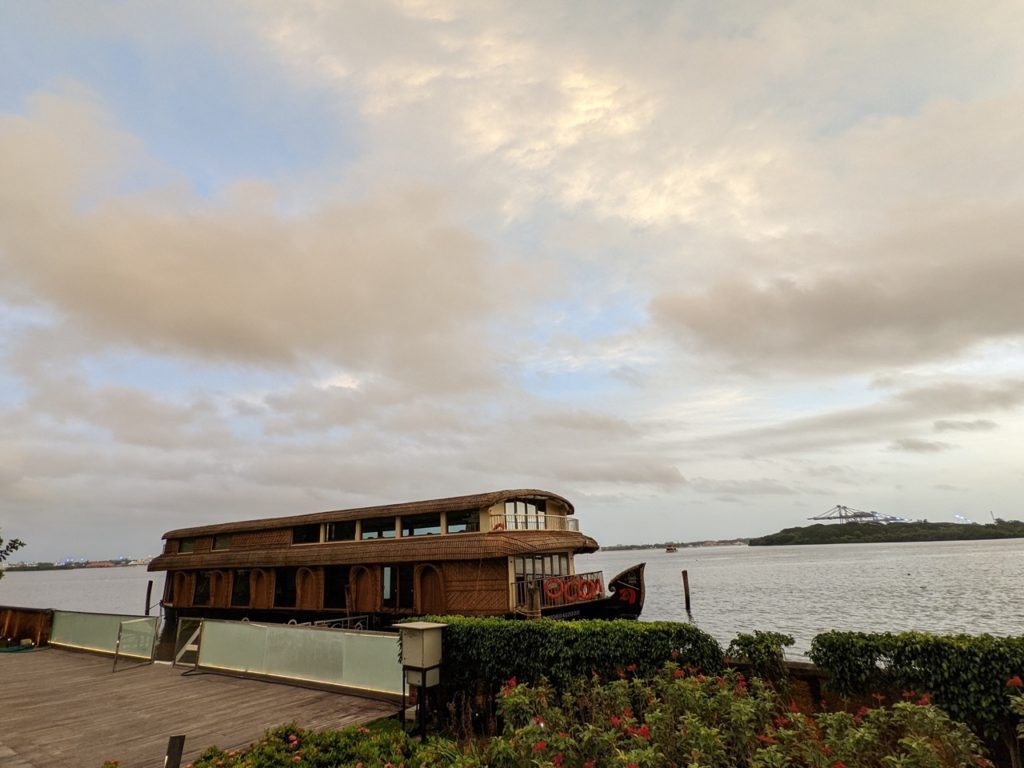
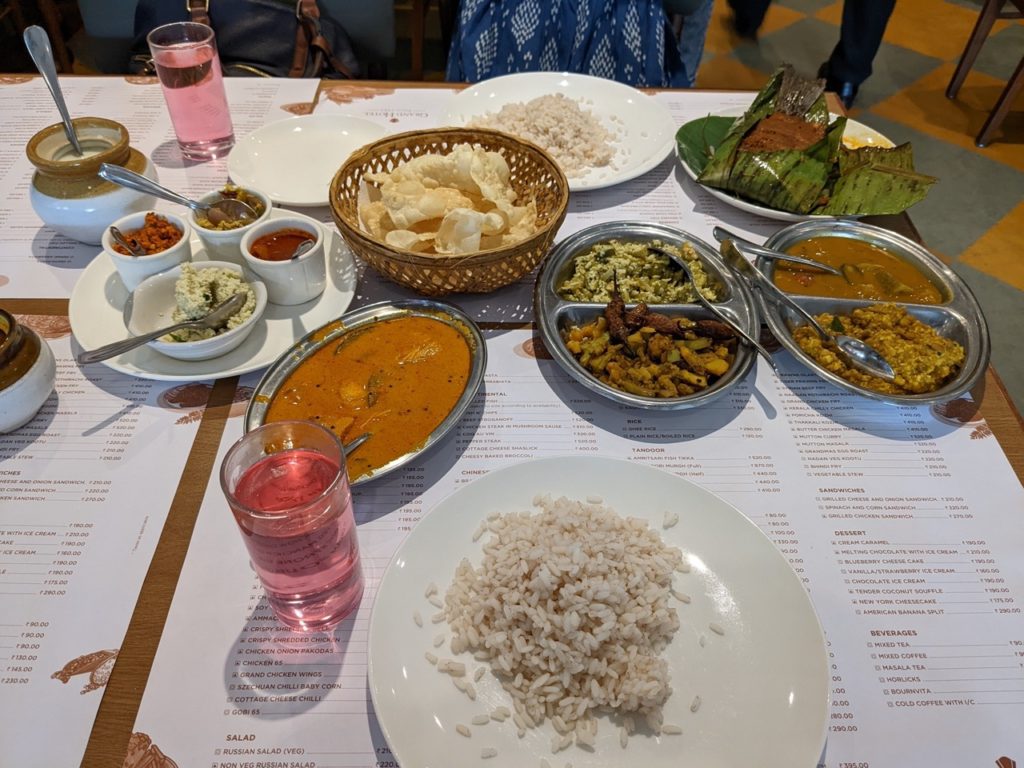
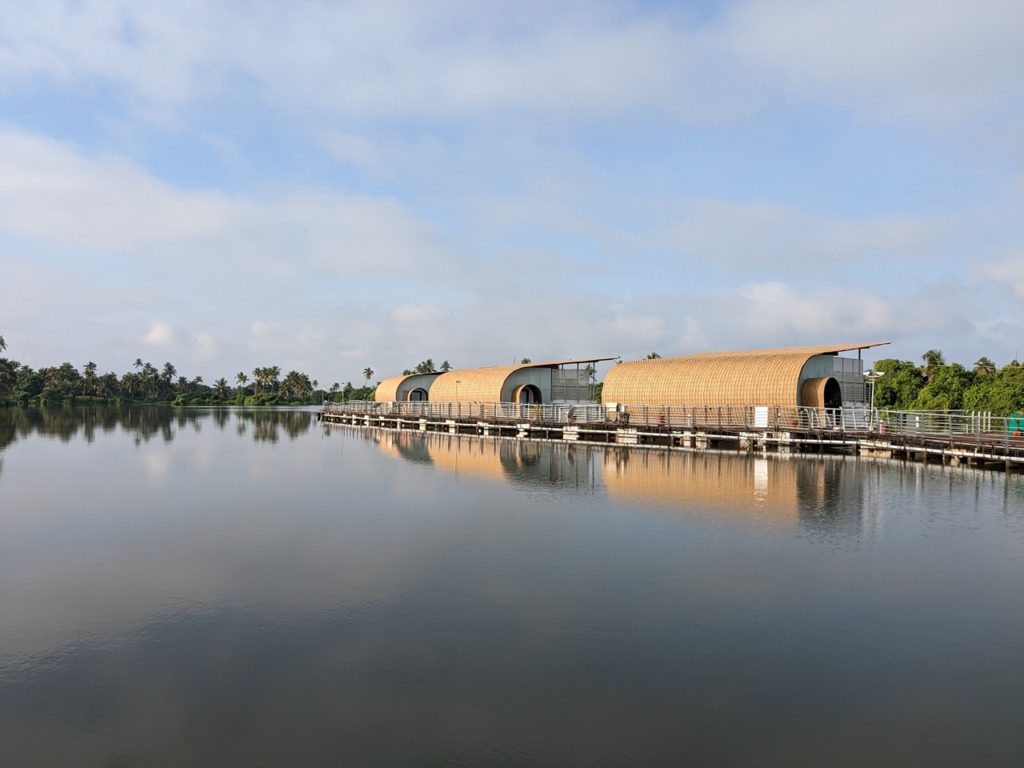
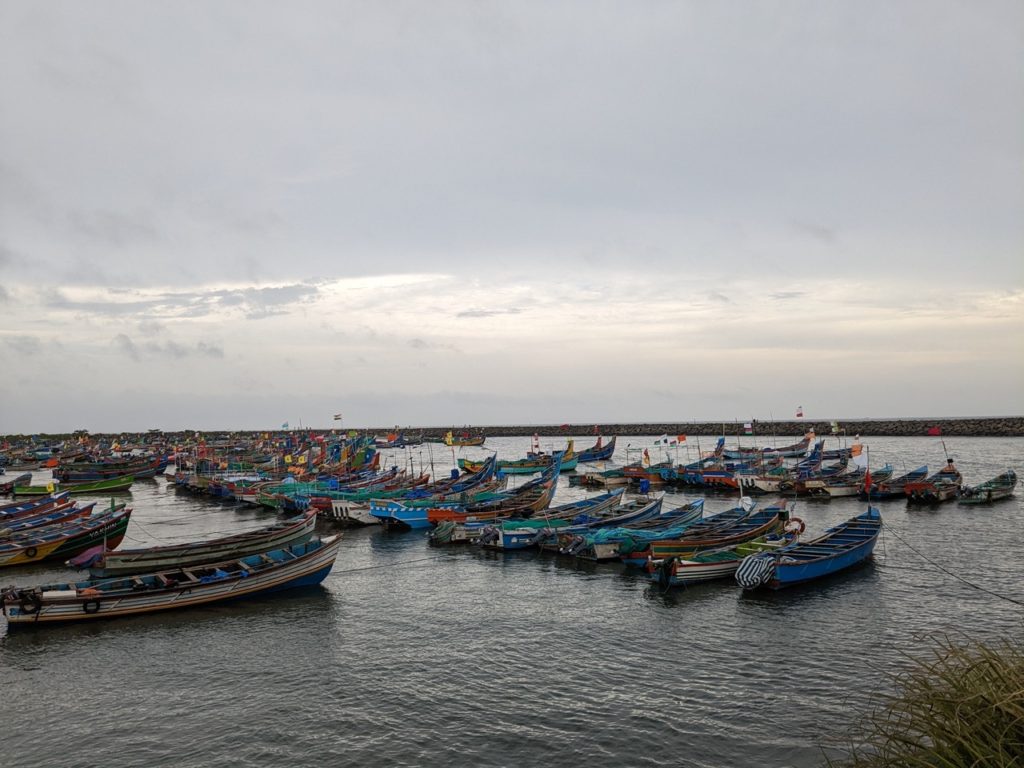
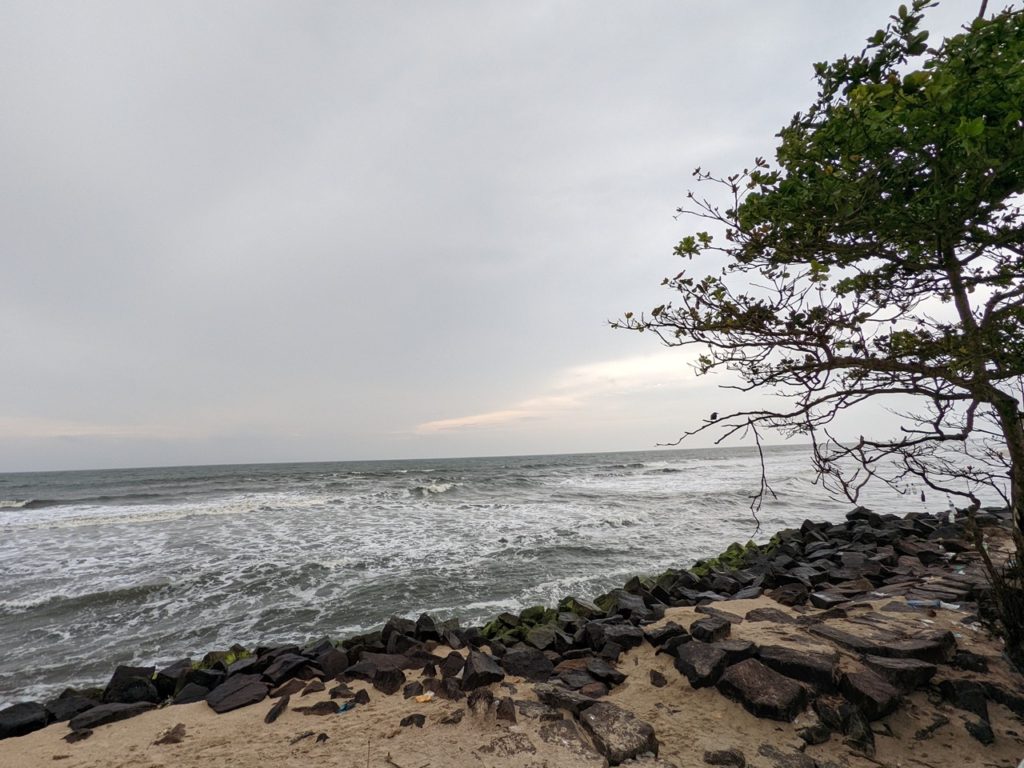
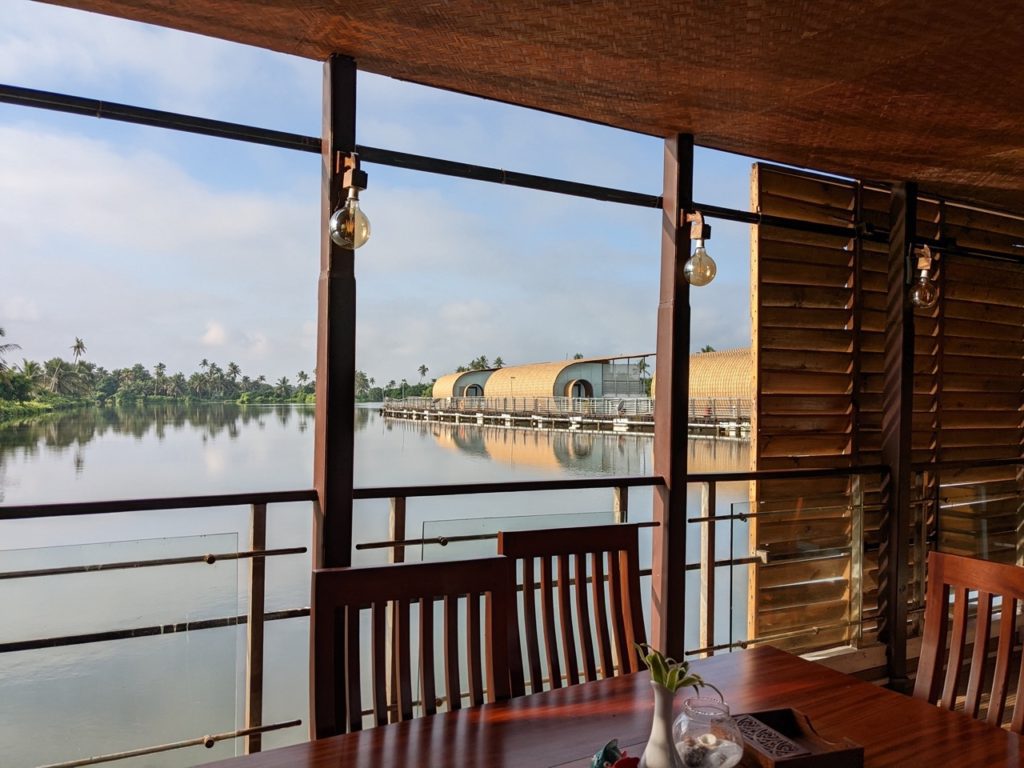
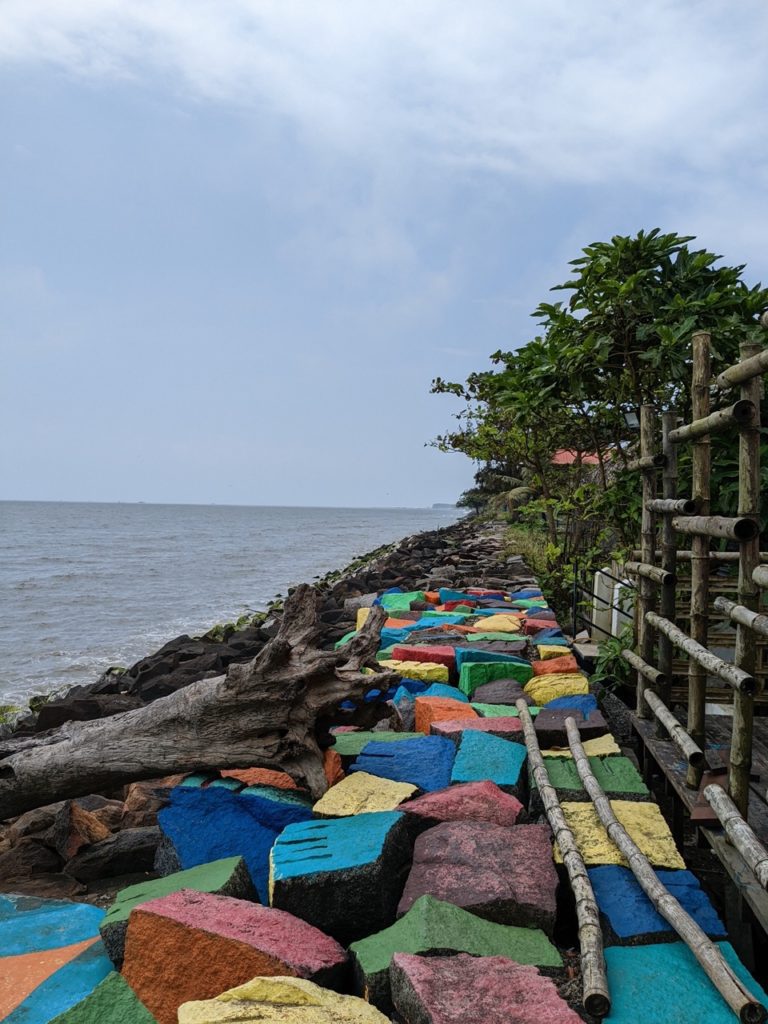
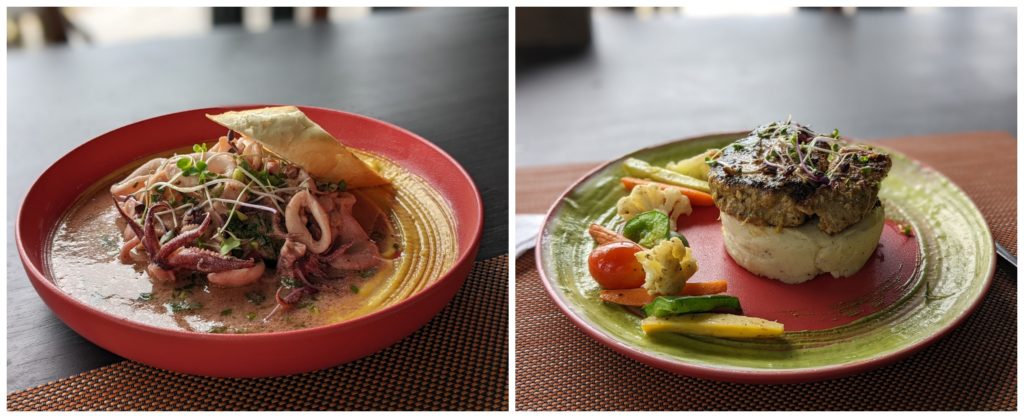
Kumbalangi, as made famous in Kumbalangi Nights! The second time we play tourists in Cochin.
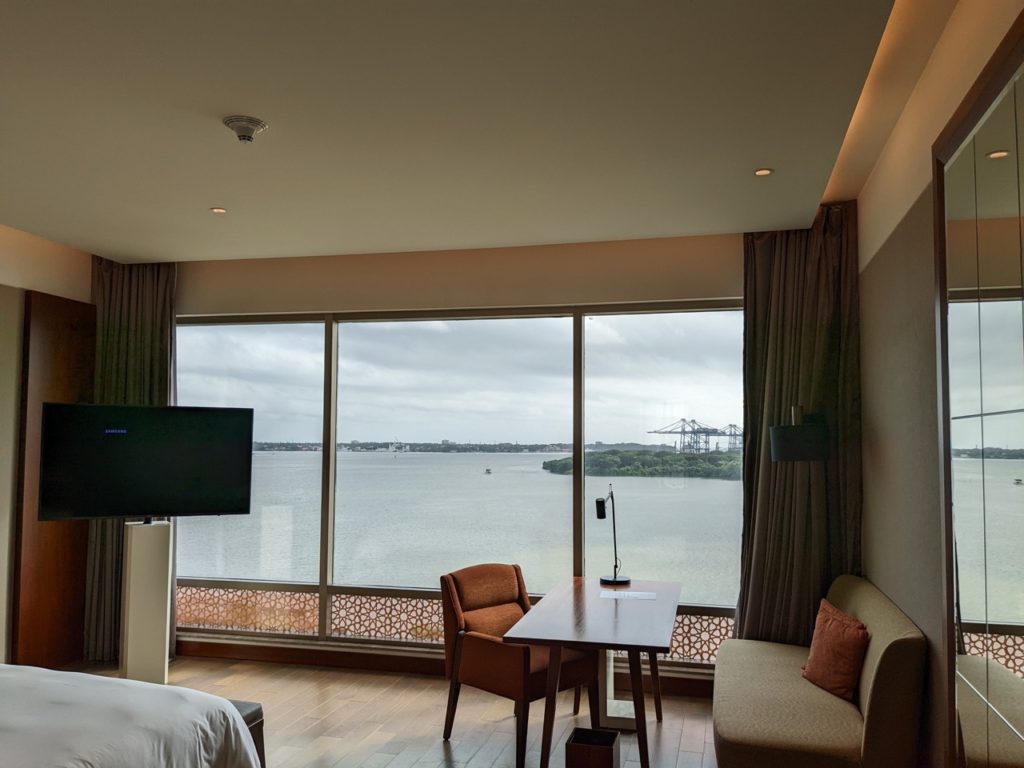


Tip: Choose the city side view for a change

For local cabs, call JJ Tours and ask for Vivek.
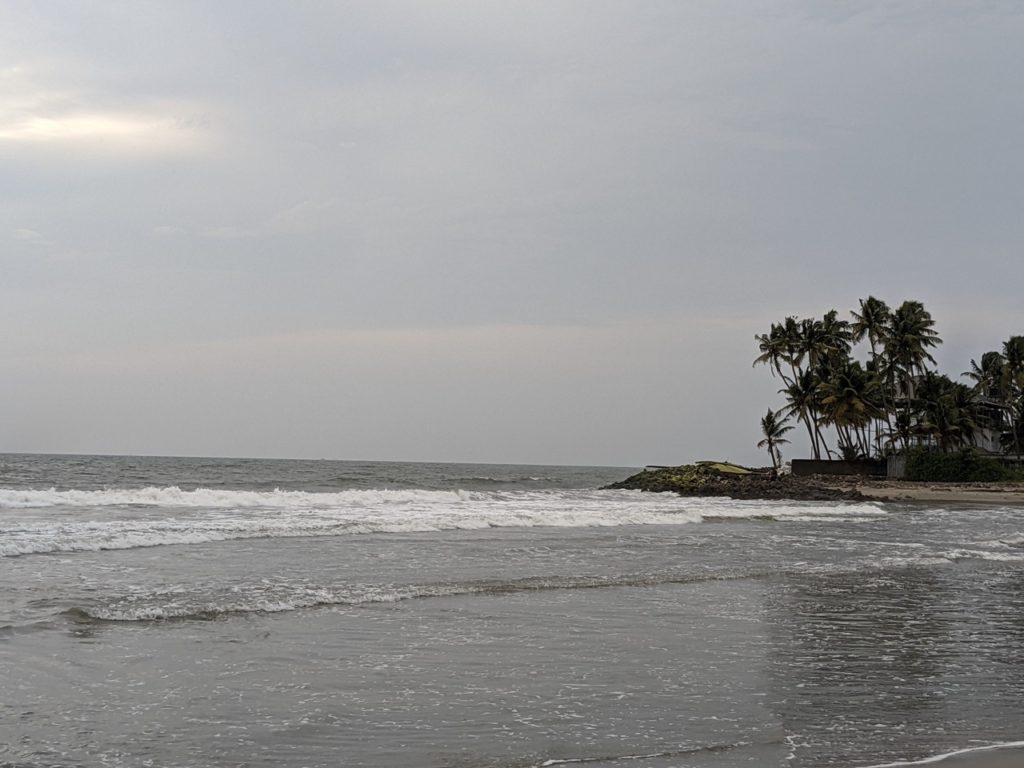

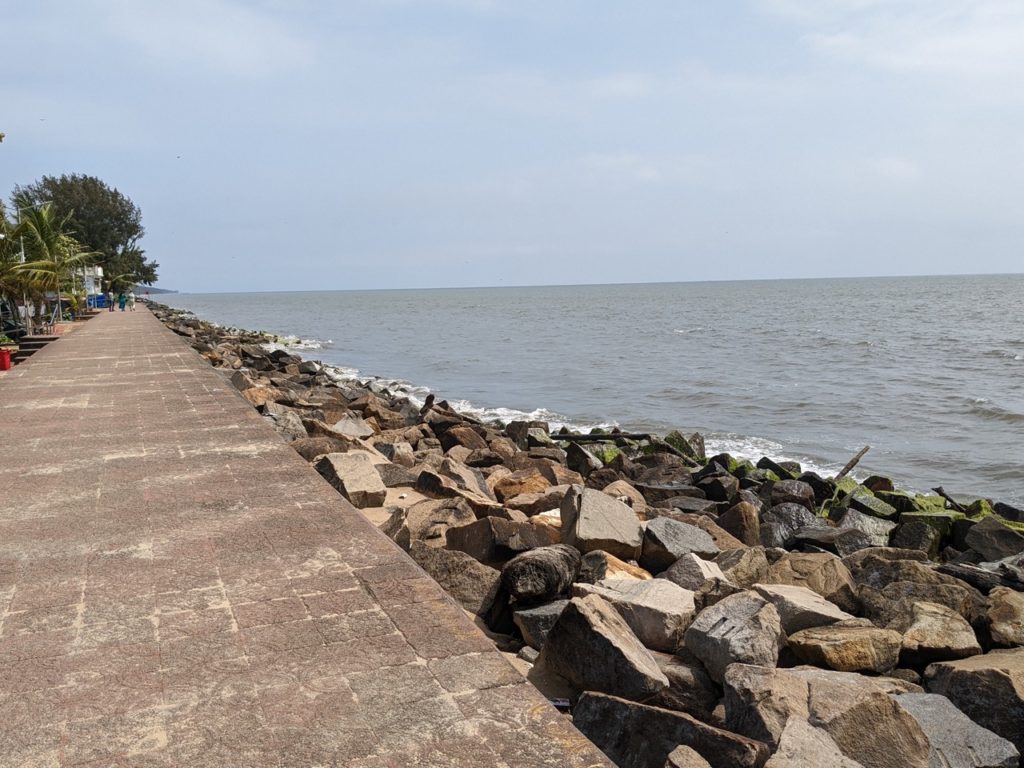
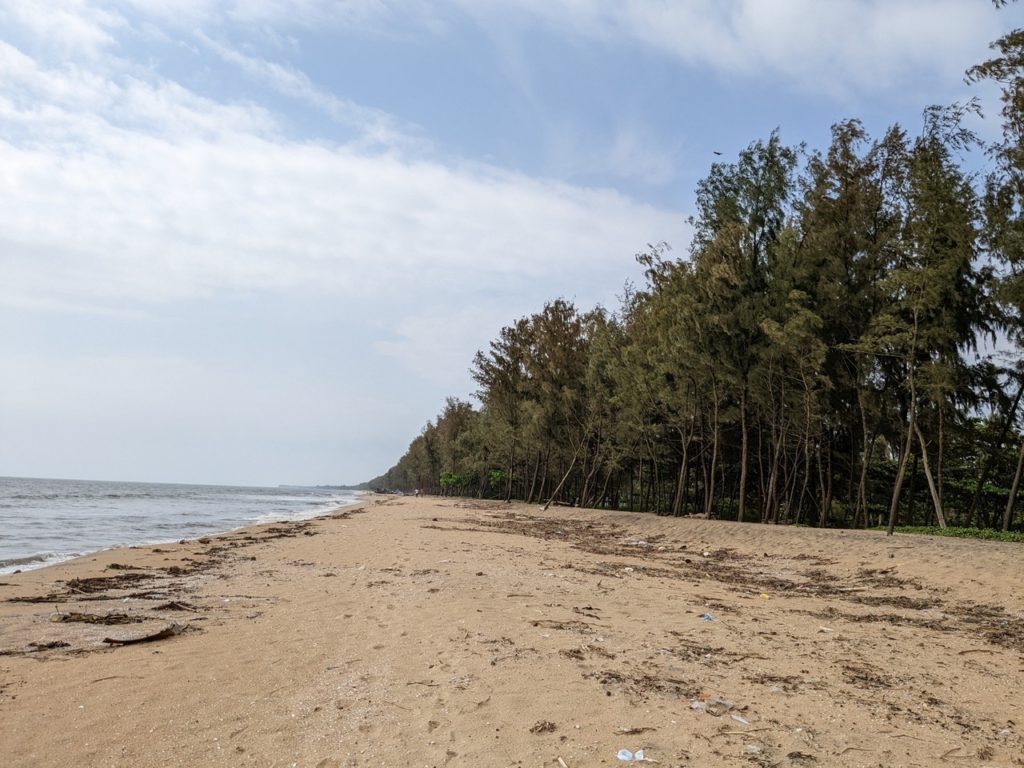
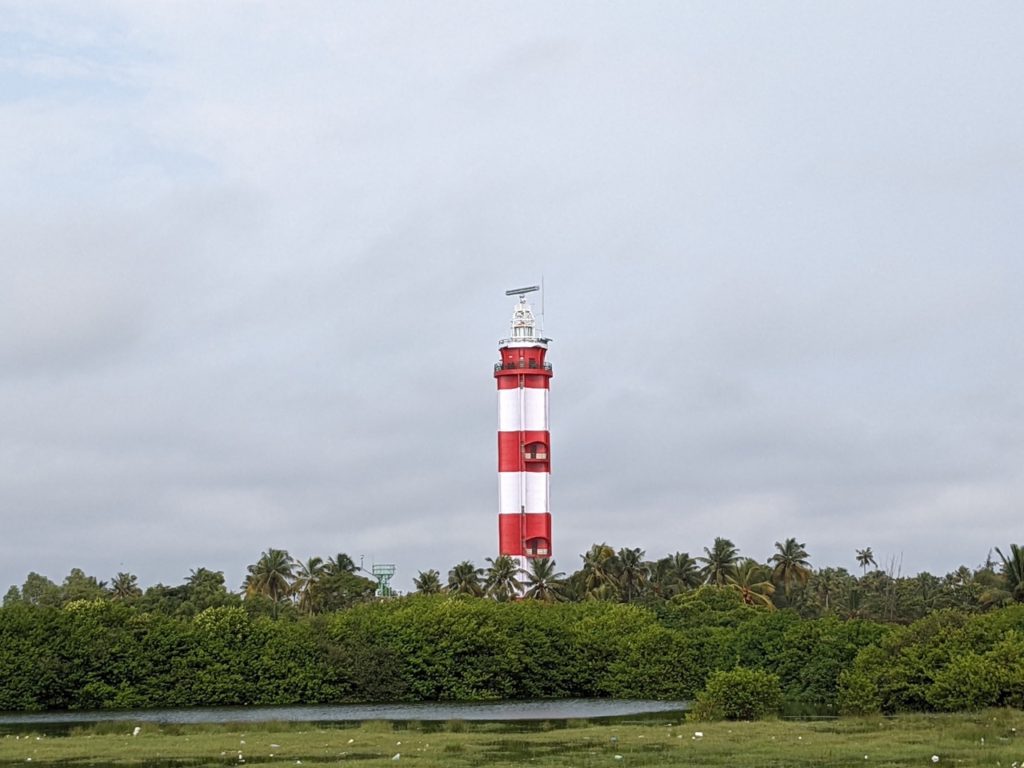
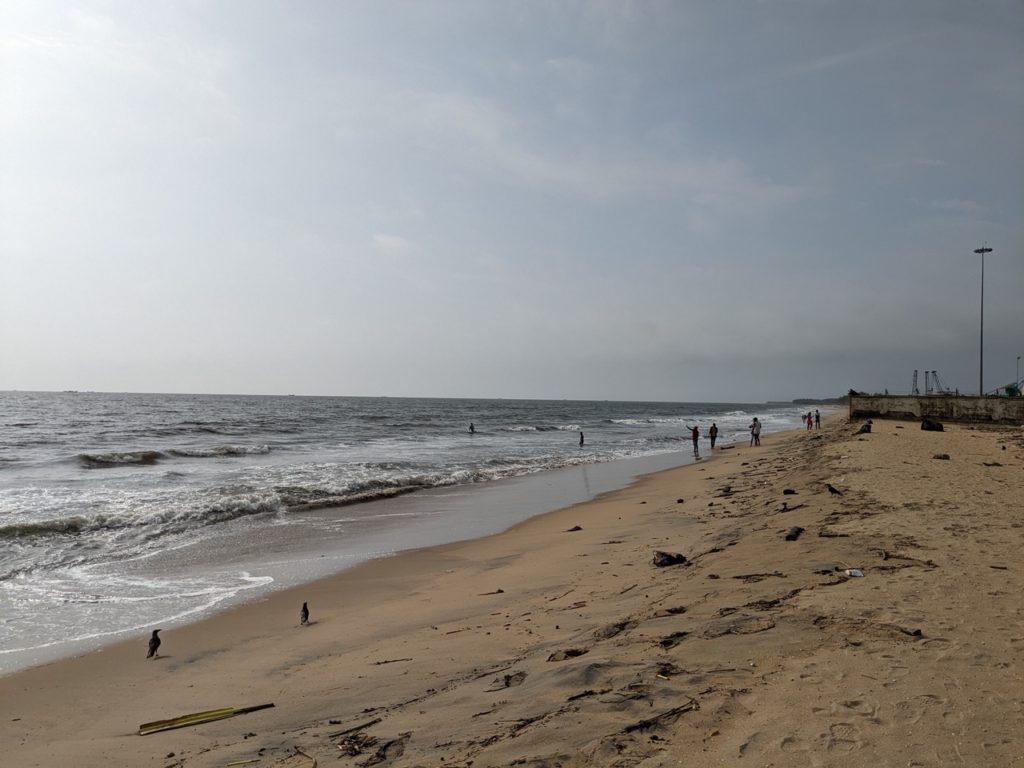
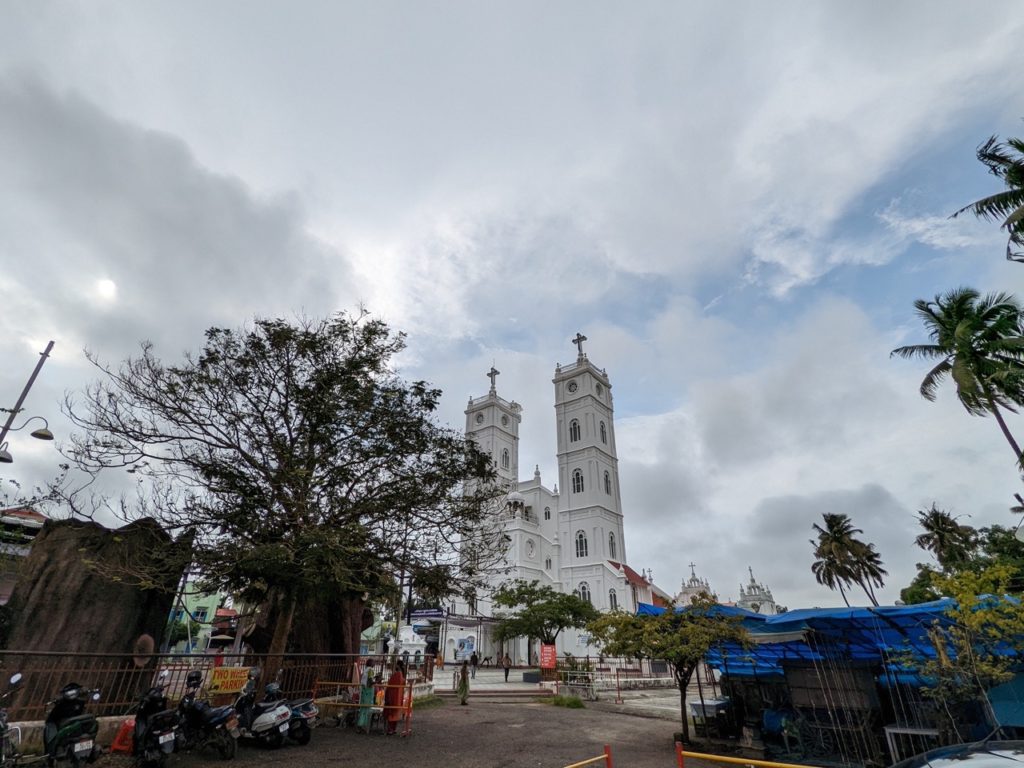
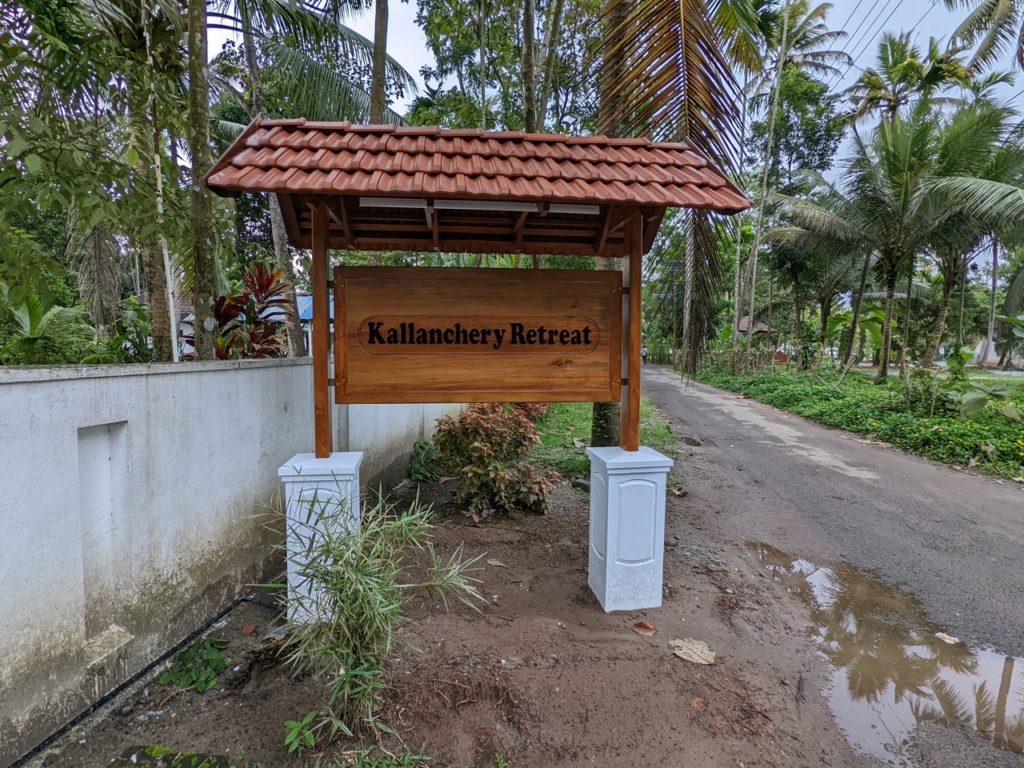
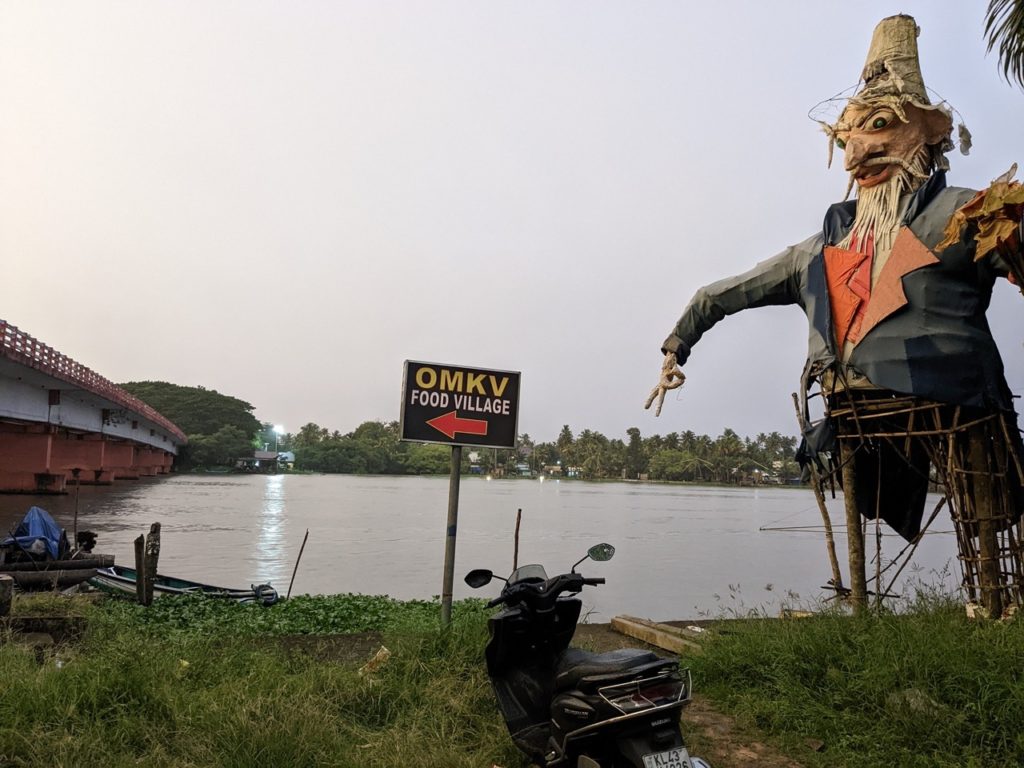
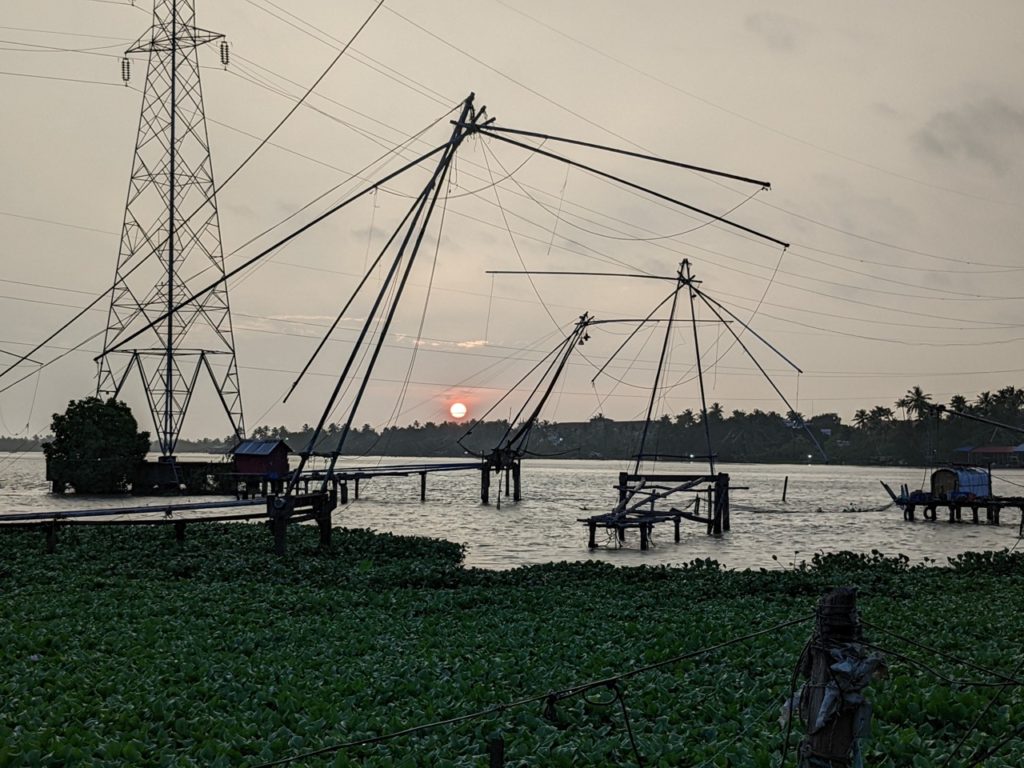
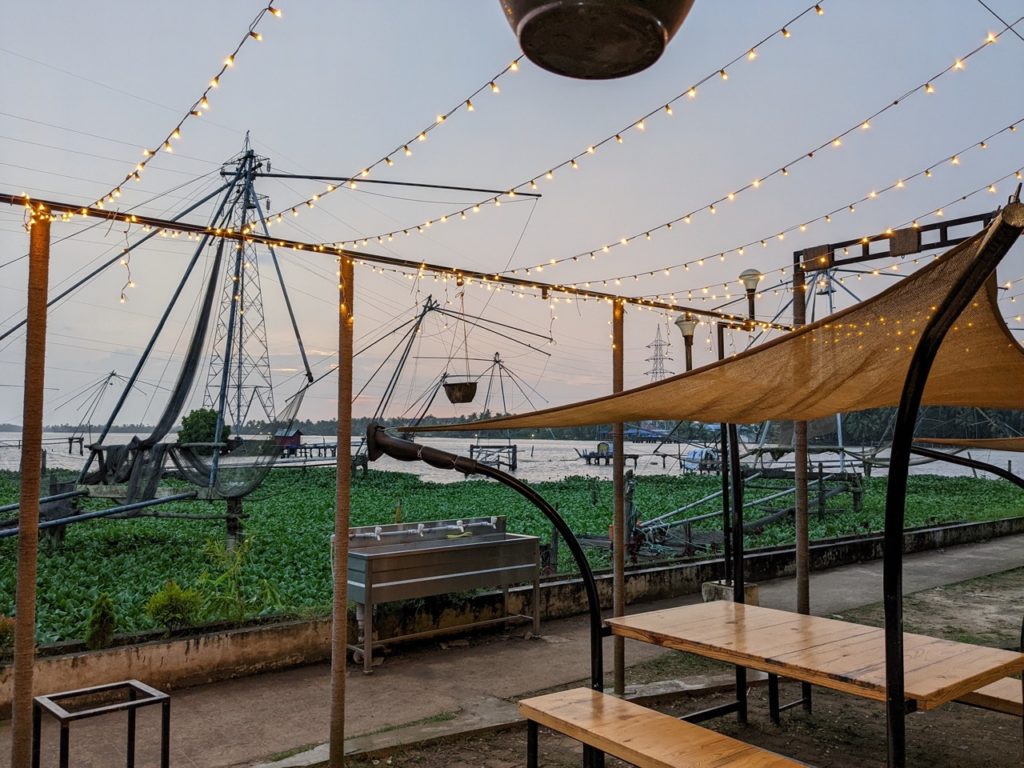
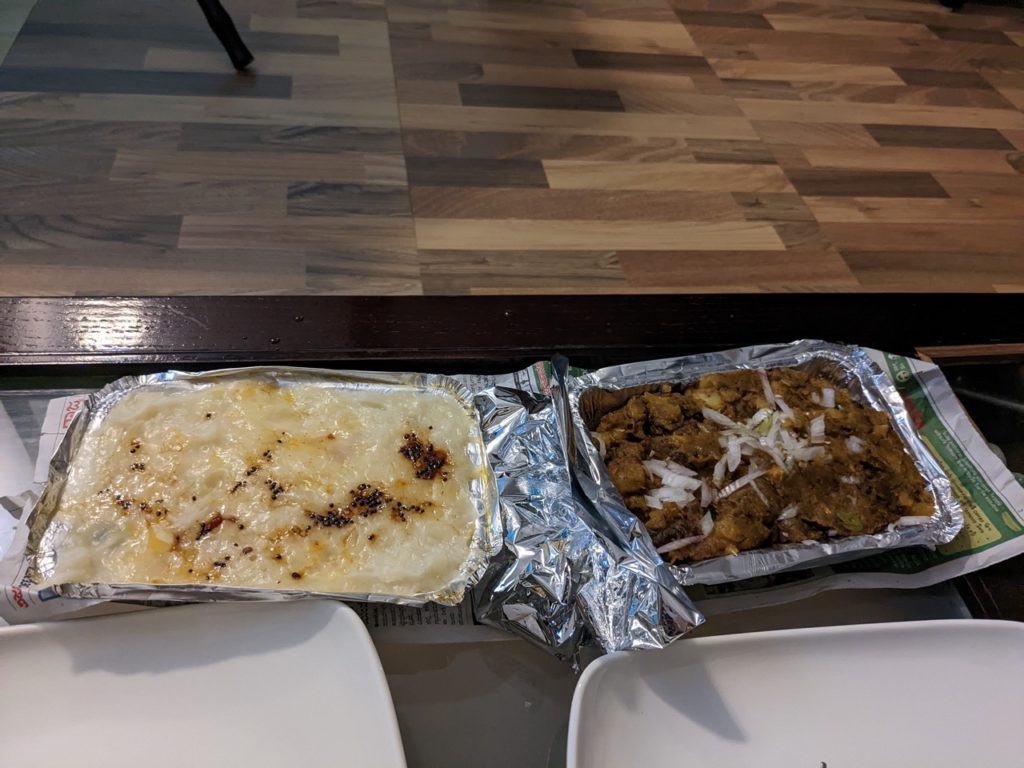
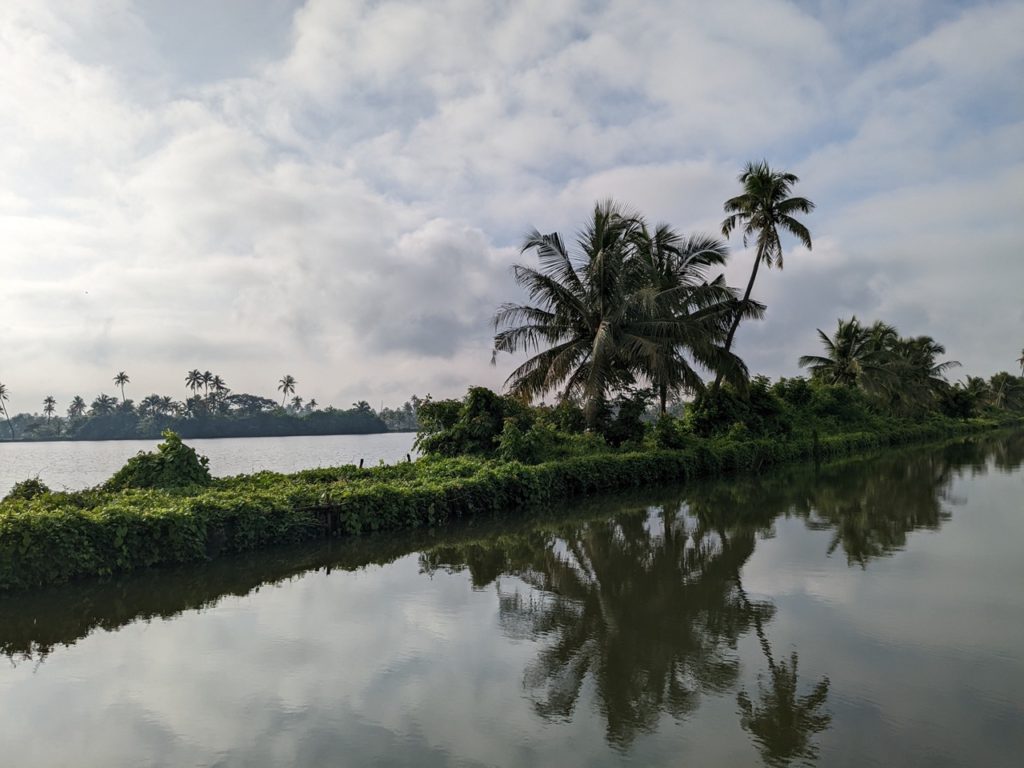

Kumbalangi, as made famous in Kumbalangi Nights! The second time we play tourists in Cochin.
Anna Sherman
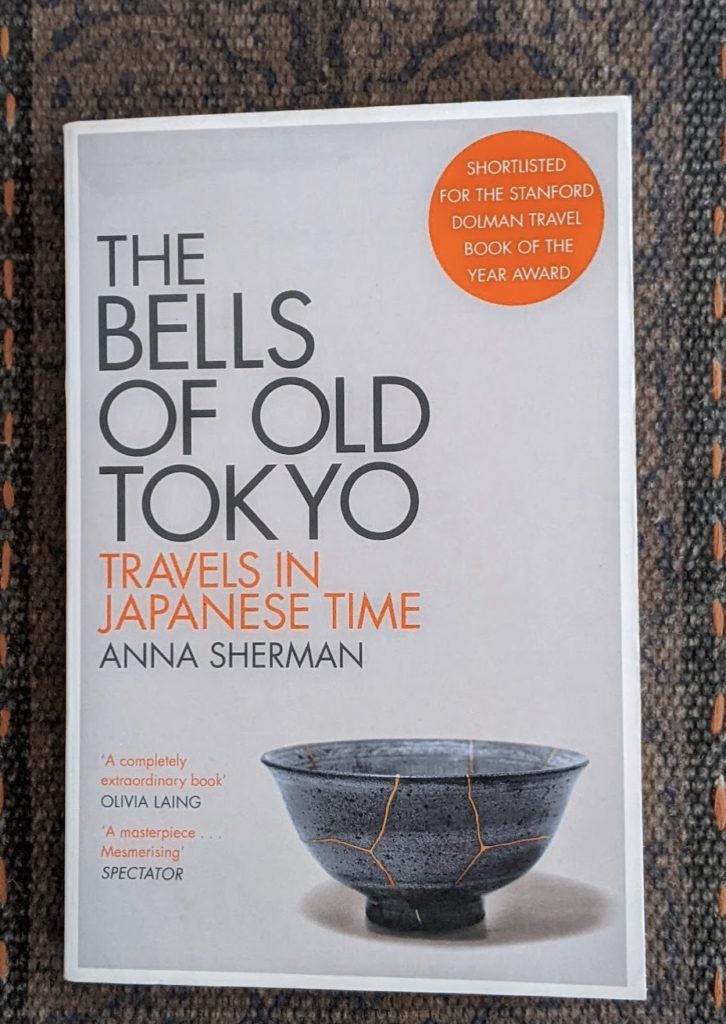
I don’t know if I (sub)consciously avoided travelogues since 2020 because I would miss travel even more. But irrespective of that, there was something very poignant about the title itself, so I just had to pick it up. The good news is that it lived up to its promise. Anna Sherman does in this book what my favourite books about places do – let me travel in time and space.
The second part of the title – Meditations on Time and a City – gives a very good idea of the book’s focus. It talks about both the changes in Edo (before it came to be called Tokyo) with time, as well as its changing relationship with time itself. Like many other concepts, the Japanese have many words for time according to the context. Before its citizens started using manufactured devices to tell time, Edo’s time was told by the ringing of bells. At first, there were three, but by 1720, as the population touched a million, six more were added. And these bells are what the narrative follows.
With each, there are stories attached. Origin stories of the locality and the bell, and its journey through times good and bad – victories, wars, earthquakes, fires and so on. Nihonbashi – the Zero Point has its prison stories (prisoners let out during a fire would voluntarily return because they’d be found and killed otherwise). Asakusa has its beauty and murder story. Akasaka has the smallest bell, and love-hotel rooms which cater to any and all fetishes, with protocols that outsiders will find difficult to understand. Mejiro is home to the stone that honours the rebel samurai Chūya Marubashi. Nezu has a fascinating tale of clockmaking and how time shifted from personal to shared, and ‘the idea of time became mechanical.’ Ueno, where the battle in 1868 marked the end of the Tokugawa shogunate. A few months later, Edo would start making way for Tokyo. Where the bell-ringer knows he is probably the last of his kind. Kitasuna, where more than 700,000 bombs landed on 9-10 March 1945, and caused the deaths of more people than in Hiroshima and Nagasaki.
The book did a fantastic job of transporting me to the time and place. The words somehow gave me a visceral feeling of the place, the emotions of the different people who lived there, their daily existence, the events they have gone through, and sometimes I tended to see the place as a person too – changing, shifting, sometimes slowly and sometimes suddenly. It was like walking through the lanes. The one thing that I wish the book also had was maps so I could also get a better directional sense of where these places are.
I think, after this book, when I do visit Tokyo (Edo), I will see it through new eyes and old stories.
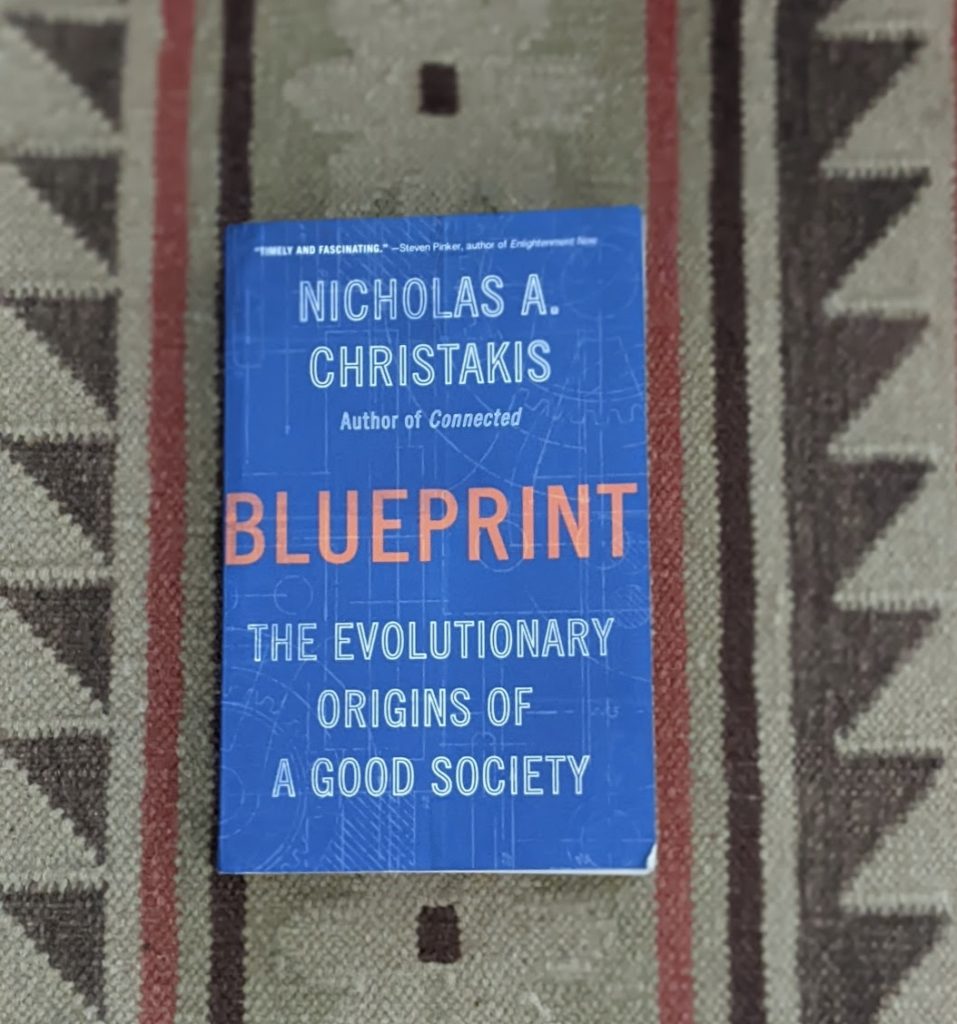
Nicholas A. Christakis
I had hoped to begin the year with a book that broadens my thinking, and Blueprint most definitely does. It is in different ways related to two books that I read recently – Behave, and The Dawn of Everything. The former was about why we behave the way we do, starting from neurotransmitters and hormones right back to evolution even before we became a species. The latter was about why our linear way of seeing the evolution of humanity is inherently flawed, and how that is increasingly being proved by archaeological evidence. Blueprint is about how our genes affect not only our bodies and behaviours, but also the ways in which we make societies. It also does a fantastic job of (granularly) showing how all this is evolution at play from a time far before we became a species.
There is another way in which Blueprint resembles Behave. The first hundred pages don’t do justice to the rest of the book. While it was the complexity in the latter, in this it’s the seeming simplicity. From the preface onwards, there is a focus on balancing a couple of diverse ideas – the universality of our shared inheritance and the uniqueness of the culture we have built and the individuals we are. The objective in the early part of the book is to illustrate the “social suite” inherent in all societies – having and recognising individual identity, love for partners and offspring, friendship, social networks, cooperation, preference for one’s own group (in-group bias), (only) mild hierarchy, and social learning and teaching. So irrespective of the origins of any particular society, it follows a blueprint that evolution has provided. There are examples in intentional, unintentional (say, shipwrecks) and artificial (experiments). Having said that, one should also be conscious of context emergence – the collective having a set of properties that might be different from the components. (an excellent example is carbon atoms creating both graphite and diamonds). An interesting point on the environment humans face – the one thing that does not vary is the presence of other humans, and this has a big impact on how we have evolved.
With this base, he moves to how our species came to prefer pair-bonding (an internal state – loving one specific mate), after cycles of polygyny and monogamy (external state and behaviour) – either “ecologically imposed” or “culturally imposed”. At a basic level, ‘the evolutionary psychology of both men and women is to exchange love for support.’ And genes ‘affect an individual’s attraction to, and choice of, particular partners.’ Pair bonding formed the basis of attachment which then spread outwards from immediate family and kin to friends and groups. An interesting exception is the Na tribe in Tibet (10000+) in which permanent relationships between a couple are forbidden. Some of their arrangements reminded me of the Sambandhams in Kerala’s matrilineal communities.
In uncertain environments, friendships work great for mutual aid and co-operation, and that’s how it probably started – as a survival hedge. Kin after all, could be completion for family resources, and sometimes kin are not sufficient for large group activities like a hunt, either in terms of numbers or skills. Additionally, because of their attention to us, our friends also make us feel engaged and wanted, something relevant today as well. And this ‘social shell’ allows us to weather difficult circumstances.
A crucial factor in ensuring non-kin co-operation is recognising and remembering individuals is important. It’s interesting to see this skill present in many primates, as well as elephants and Cetaceans. And it’s not just this skill, but reflections of emotions, cognition, morality, and other attributes like friendship, cooperation, and transmission of knowledge by social learning. The many stories of elephants are a treat.
The next part is what I found most interesting. Organisms manipulating the inanimate material around them. Christakis calls it an ‘exophenotype’ (Richard Dawkins called it an ‘extended phenotype’ earlier). Similar to birds building nests, spiders spinning webs and snails making shells. There are some mind-blowing examples of parasites that do this – fungi creating zombie ants, and snail flukes. In our case, the social suite is an exophenotype – an expression of genes outside of our bodies. And thus, our genes could affect other people too. Like animals manipulate physical objects, we affect the social environment around us!
And that is how the last sections focus on culture, and how ideas and technologies are created, and then passed on to the next generation. Genes and culture now work together on evolution. A great example is of the discovery of fire, change in eating habits, and thus a shift in the kind of dental and gastric mechanisms we have. As we gain control of the environment through our ‘culture’ (includes technology), the impact of genes might start dipping. I thought of both language and money as exophenotypes because of (respectively) the unique ability to transfer knowledge and become a universal currency that is increasingly an end and not the means, but they weren’t a part of the narrative. I was especially intrigued because he also mentions that it takes strong cultural forces to suppress the tendencies of our social suite. He does cover religion, technology and sees AI and CRISPR as phenomena that could have a massive impact.
The blurb tries to pitch the book as a solution to the current polarised environment, but I didn’t see a lot of that. What it does is show how a blueprint to create a good society indeed exists. That’s what made us the dominant species on the planet. What remains unanswered is whether we can still cooperate for our common good. It’s a fascinating read, and the numerous fantastic examples make it scientifically robust and supremely insightful.
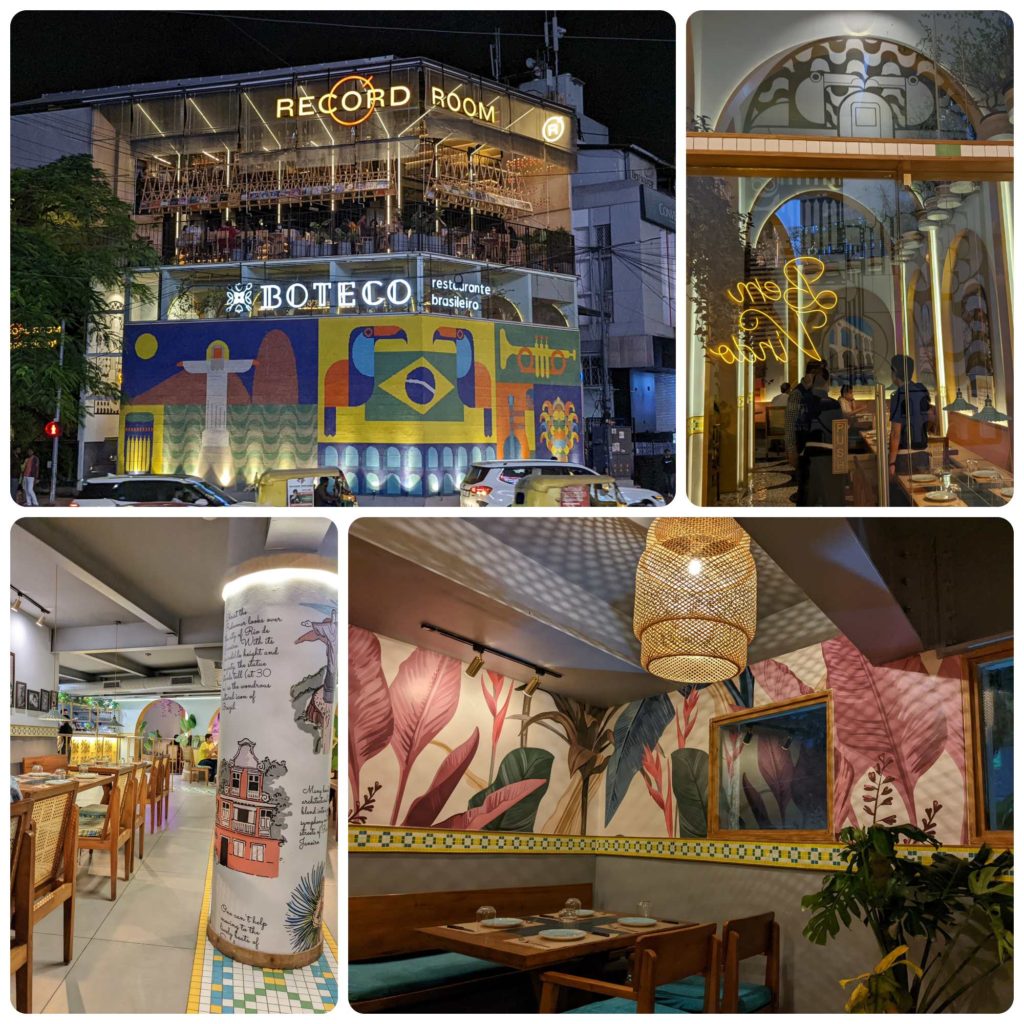
We put off our visit by a few months because of two reasons. One, Boteco had replaced Permit Room, one of our favourite places, and I was in mourning. Two, given the mortality rates of restaurants in Bangalore, we were waiting to see if it’d survive at least a quarter. It did, and because we heard good things, and also since Commissariat Road is slightly farther off than Rio even by Whitefield standards, we decided to use the low-traffic Independence Day weekend to make the trip. Worked well, because we walked in at 6.50PM for a 7PM reservation, and given old habits, blamed the traffic.
The murals outside as well as the ones on the pillars inside the restaurant all scream Brazil. Christ the Redeemer, the flag, the arches, Copacabana beach, the music and the mosaic all do a lot to create the ambience and feel of a Rio neighbourhood. The plants, some of the wall designs, and the colours also add a tropical touch. All I missed was my youth, when I used to shamelessly walk around inside restaurants and click pics. These days, we are both subdued and discreet. Sigh.
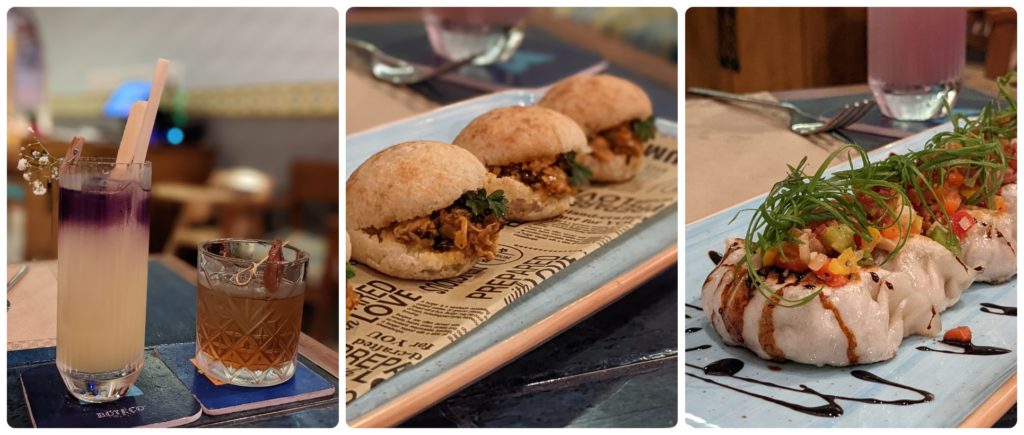
D got herself a Summer Punch, so we could get a taste of Cachaça – a distilled spirit from fermented sugarcane juice. The cocktail also had lime, Butterfly Pea Flower Tea and pickle brine – altogether a refreshing drink. I went for a Fig-Ure Me Out, which, as expected, turned out to be a fig version of the Old Fashioned.
Everything was a must-try since the cuisine was unique, so we had to be very choosy. We began with the Pão de queijo – cheese bread made with tapioca flour and Dutch Gouda cheese. We tried it with a spicy chicken filling, which was moderately spicy and quite tasty. The Roasted Belgian Pork Belly Dumplings had to be tried. The pork, though advertised as spicy, wasn’t, but between the caramel drizzle, and the veg garnish, this wasn’t too bad.
The mains contest finally boiled down to the house special Meatloaf and the Feijoada. Since the latter was the national dish of Brazil, we decided to go for it. The Brazilian version of the originally Portuguese dish is made with black beans. But more importantly, it has pork, pork sausage and bacon. Its look was reminiscent of a mini Khow suey though the taste obviously was vastly different. Served with rice, and an almost tricolour set of condiments, and yes, the orange, we quite liked this though our palate considered it to be on the bland side.
The dessert options were limited, and we tried the Quindim – the Brazilian coconut and egg custard. Again, the flavours were subtle, but we didn’t mind. Middle age!
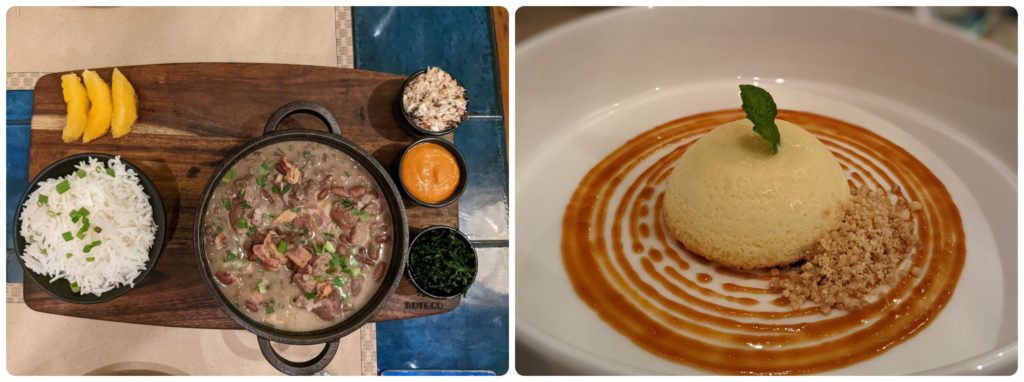
The portion sizes were actually the right size for us, though this was something we saw lots of murmurs against in reviews. After we saw the giant dessert plate coming towards us, followed by the quick realisation that most of it was white space, I can understand the sentiment. But this isn’t an all-you-can-eat establishment. That too is understandable.
What I didn’t understand though was the service being totally unapologetic about giving us the wrong bill. Brazil is the fifth largest country in the world, but portraying an SRK attitude of “bade bade deshon mein...” is quite a put off. The (correct) bill left us lighter by Rs.4000. There aren’t a lot of options for this cuisine in Bangalore, so you might as well give it a shot.
Boteco, 16/3, Ground Floor, Commissariat Road, opp Garuda Mall Ph: 08792045444