• Gawky Goose

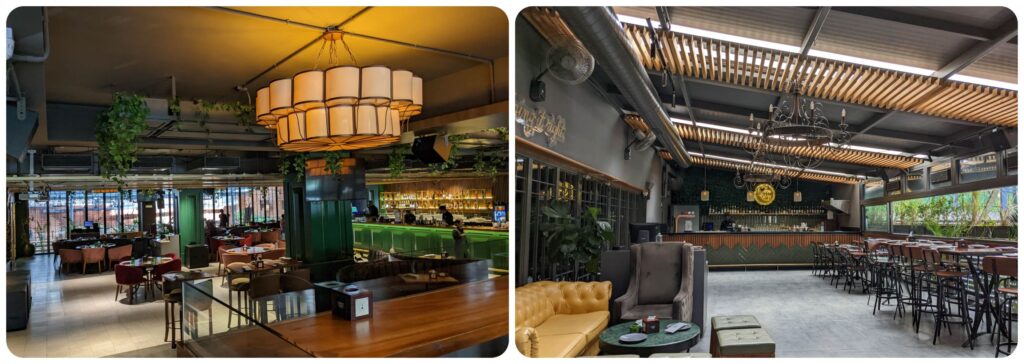
    We have almost stopped travelling to Bangalore for food, but since my first visit with the office crowd went reasonably well, and we had to find a meeting point half way, the Irish-themed Gawky Goose on Wind Tunnel Road seemed like a good option. It’s a fairly large space with three distinct sections. While the central section has predominantly plush settings with sofas and wing chairs, the two others are outdoor and al-fresco and more like a regular bar. The good part is that none of them really feel congested. And on weekend afternoons, there is a pleasant vibe.
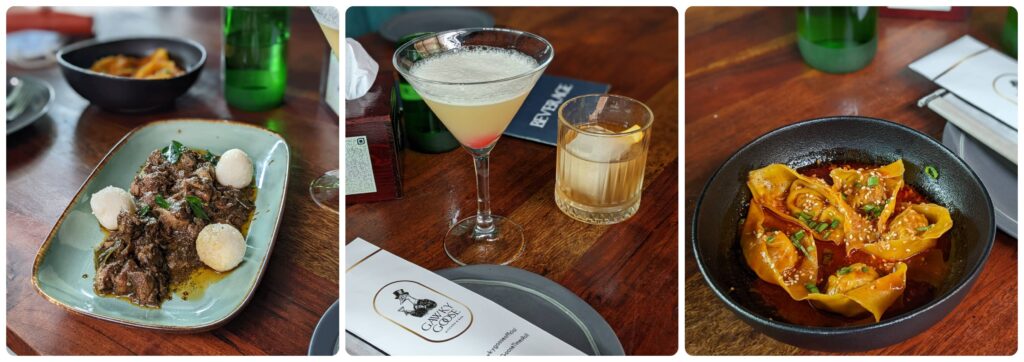
    We began with my regular Old Fashioned and a Brandy Sour for D. The only gripe with this was the pricing – quite high for a 30ml. However, since they had an offer running, we hardly paid anything for it!

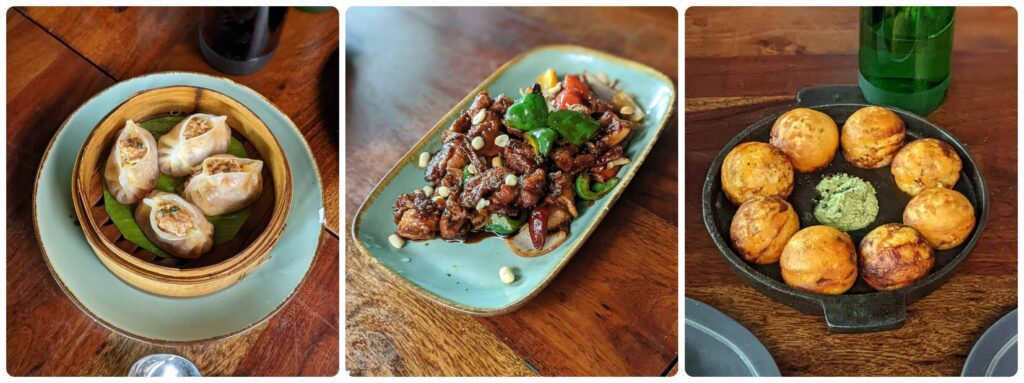
    The food menu is pretty expansive and has a whole lot of cuisines. We began with the Coorgi (sic) Pork that was superbly cooked and had just the right amount of spice. It came with soft Kadambuttu that complemented the taste very well. Up next was the Dan Dan Chicken and Water Chestnut Dim Sum, which had excellent spicy sauce and dim sums with great texture.
    Since the first round of dim sum worked, we ordered Chicken & Basil for the kids, and that was a success too. The Kung Pao Chicken was sweet and spicy with Hoisin sauce and Shaoxing sauce, a good break from the flavours thus far. And finally, we tried the Ghee Roast Chicken-stuffed Paddu. I am not a Paddu fan but this I was happy with. I did wonder whether they could have been more experimental than the standard chutney.
    We were reasonably stuffed, and tried only a couple of mains. The Spicy Chicken Diavola lived up to its name and the devil-style sauce, though the usual jalapeños were ditched in favour of peri peri sauce, pepper confit, chilli flakes and a topping of arugula. And finally, to calm everything down, we ended with a Grilled Chicken Breast, with red wine jus, Bok Choy and what someone called man-made-cauliflower – broccoli!

    A meal for two would be in the Rs.2000-2500 range. The service is prompt, and it’s worth mentioning that they employ at least two visually-impaired folks. That’s worth a clap. The food was quite good, and if it weren’t for the distance, we’d probably drop in again. If you’re looking for something a little different from the vanilla Indiranagar watering holes, this one is it.

    Gawky Goose, #77, Wind Tunnel Road, Murugeshpalya Ph: 9901787273

  • The Stranger in the Woods: The Extraordinary Story of the Last True Hermit

    Michael Finkel

    Michael Finkel begins the book with a quote attributed to Socrates – “How many things there are that I do not want.” It’s a perfect start because the subject of the book – Christopher Knight – eschewed everything that was non-essential to himself back in 1986, the year that Chernobyl happened, when he was twenty. In his first road trip, he drove till he nearly ran out of gas. “I took a small road. Then a small road of that small road. Then a trail off that.” And then he disappeared for the next twenty-seven years, in the woods of “the maine land of New England”, Maine. Living less than three miles from society, and yet inhabiting a world that was only his. 

    He ‘raided’ camps for his food, fuel, entertainment and other requirements. Books were a weakness – spy novels and science fiction to Ulysses, his favourite was ‘The Rise and Fall of the Third Reich’. Never extravagant, he only took what he absolutely needed, and felt deeply guilty about that. Reactions to him ranged from a deep admiration for the life he chose to hatred for the feeling of insecurity he created among residents. Eventually, he came to be known as the hermit. One whom no one could track, because he didn’t even leave footprints. He tried not to even give a hint that the place had been robbed, even refitting doors if it came to that! Though sensors and surveillance tools became more efficient, he managed to evade them. A camp for the disabled was ‘his private Costco’, and that’s where he was finally caught. 

    He didn’t really know why he chose to do this, but he was an introvert who found interactions with society and its rules tedious. Hermits are usually of three types – protesters, pilgrims, and pursuers. Japan has a million of the first kind – hikikomori – dubbed the lost generation. Most religions have the second kind. The third are the most modern, and they seek ‘alone time’ for what they want to do -from artistic freedom to self discovery. 

    Knight left because ‘the world was not made to accommodate people like him.’ ‘It wasn’t so much a protest as was a quest; he was like a refugee from the human race. The forest offered him shelter.‘ His plan was to eventually die in the forest. After he was apprehended, he spent some time in prison. In his own way, he tried to adjust. But he just couldn’t socialise, even his meetings with the author were awkward and full of silence. When the author saw him last, in court, after he had been living with his family for a while, he seemed compliant, where once he had been full of defiance. ‘He had seen the bottomless nonsense of our world and has decided, like most of us, to simply try to tolerate it‘. 

    I found the book deeply poignant. There is something noble about a person whose response to the way of the world was to quietly withdraw from it. Twenty seven years is a long time to survive outdoors, especially in a geography whose winters are cruel. And yet, that’s where he found peace. 

    Favourite quote: Not till we have lost the world do we begin to find ourselves ~ Henry David Thoreau

  • Picture abhi wonky hai

    I had a lot of fun using a business and brand framing to look at the Pan-India vs Bollywood debate. Thank you Guru for pushing me to do this.

    Trailer

    The world is fighting many existential crises – climate change, rising inequality, real and virtual viruses. That’s why it’s imperative that we discuss the one thing that offers us escape from all this. No, not the metaverse, but Bollywood. And its own existential crisis. I tried unsuccessfully to fob it off as Bollywood getting on the quiet quitting bandwagon but got unamused looks. So here goes – a simplistic take on it.

    More

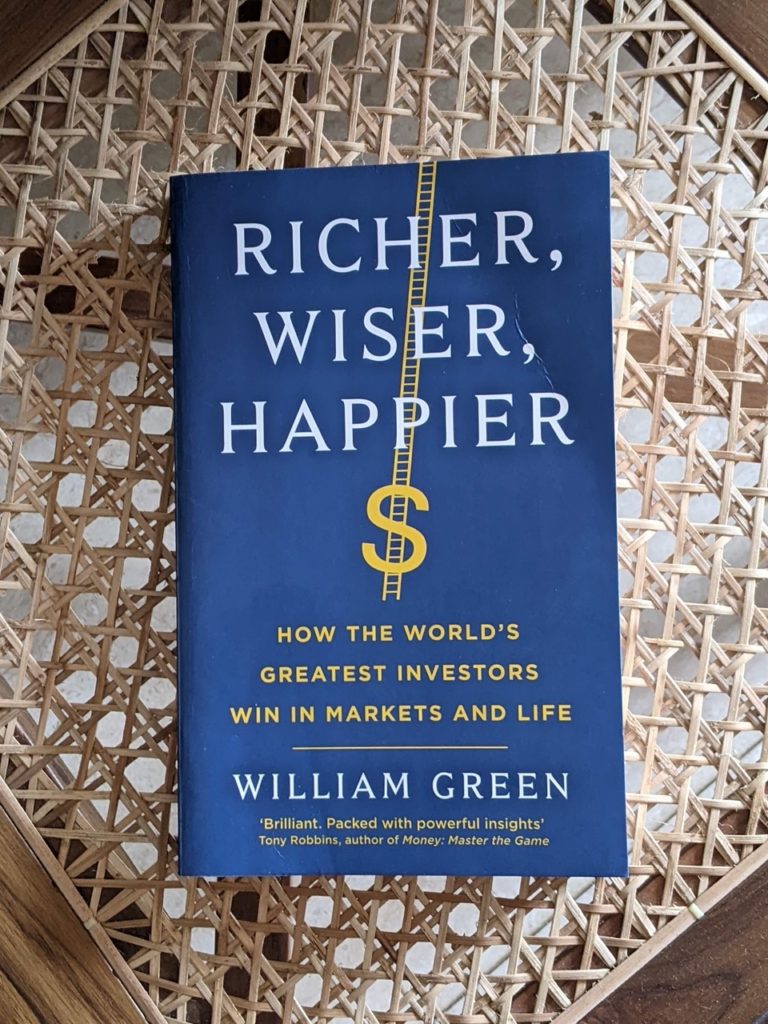
  • Richer, Wiser, Happier: How the World’s Greatest Investors Win in Markets and Life

    William P. Green

    As a journalist and for this book, William Green interacted with over forty marquee investors – from Warren Buffett and Charlie Munger to Jack Bogle, Sir John Templeton, Howard Marks, Nick Sleep & Qais Zakaria, and many others whom I encountered for the first time. With access to not just their behaviour and rituals, but even their homes, relationships and deepest philosophies, Green is able to glean insights and synthesise them into great lessons for investing, and to some extent, life. 

    There are fantastic stories – Mohnish Pabrai’s relentless cloning, John Templeton’s cold remorseless discipline (in evaluations of others and self), his willingness to be lonely, and that amazing ‘short’ during the dot-com boom and bust when he was in his late eighties(!), Howard Marks’ lessons of humility from Japanese Buddhism, Eveillard’s view on not depending on the kindness of strangers (amen), McLennan’s appreciation for entropy being the ironclad rule of the universe, Greenblatt’s preference of a sensible and good enough strategy over an optimal one, Tom Gayner’s approach of small, incremental advances over long stretches of time, Geritz’s ‘price of a hotel room’ heuristic in a country she’s considering for investments, Kahn’s prudent thoughts on preserving wealth, and Munger’s principles for avoiding idiocy, and his seminal lesson to Buffett- ‘It’s far better to buy a wonderful company at a fair price than a fair company at a wonderful price.’ And yes, omnipresent is the towering godfather whose influence is visible in many conversations – Benjamin Graham.

    Their philosophical inspirations range from Vivekananda and Buddha to Marcus Aurelius and Epictetus to Robert M. Pirsig (Zen and the Art of Motorcycle Maintenance). The great truths, as Green mentions, are deceptively simple, but few have the wisdom, the focus, and the nerve to create and apply their philosophy, while subtracting everything else, over extended periods of time. 

    After I finished reading, I wondered whether there is an over-indexing on richer, then wiser, and only then happier. Why is this important? While money definitely is not a guarantor of happiness, and people can be wise and happy even while not being rich, both wisdom and happiness have its own mindset play and a line of thinking and doing, to achieve it. It isn’t that it doesn’t get a mention. Many investors do bring up their philosophical inspirations and the books they read, in addition to fitness, mental health, family and relationships, ‘purpose’, but the focus is clearly on investing. In my case, I have realised that I need to be financially secure for me to get (what I currently think is) my gateway to happiness – freedom, from the opinion of others, and time (which they use to read). This is interestingly a common point that I share with at least a couple of investors. That’s encouraging!

    Favourite quotes
    Hope is not a method‘ ~ Jeffrey Gundlach 
    Nothing is easier than self-deceit. For what each man wishes, that he also believes to be true.’ ~ Demosthenes

  • Kochi Chronicles – Part 4

    Kumbalangi, as made famous in Kumbalangi Nights! The second time we play tourists in Cochin.

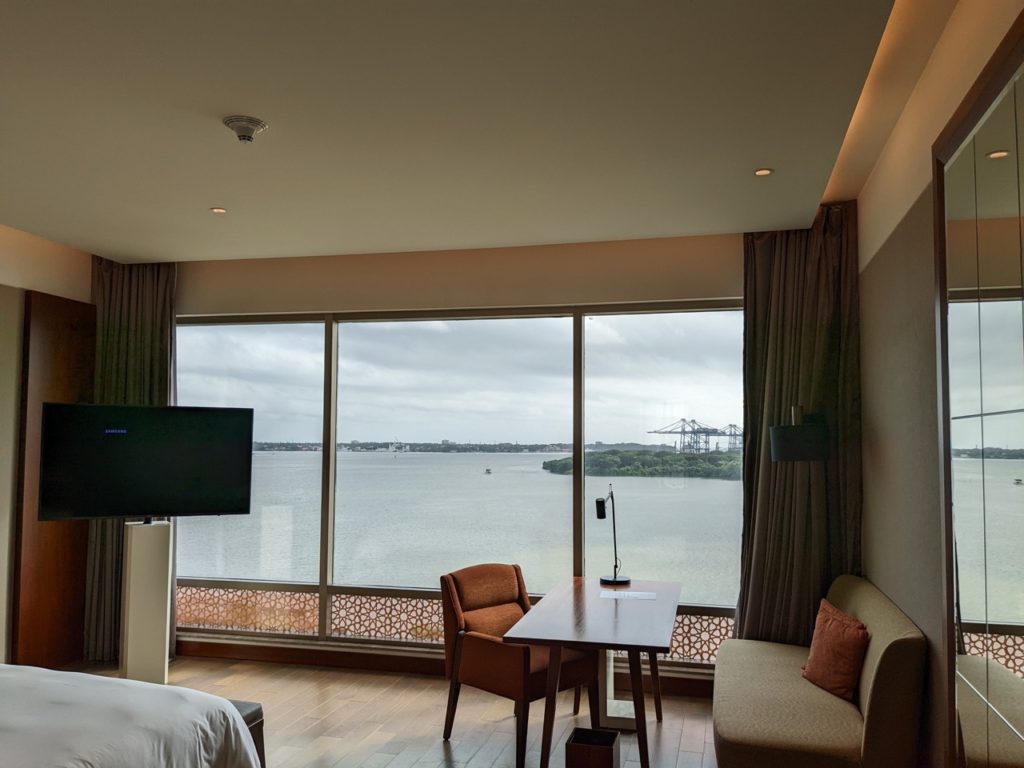
    Grand Hyatt. We had to see the place after Jayasurya’s Sunny. What a view!
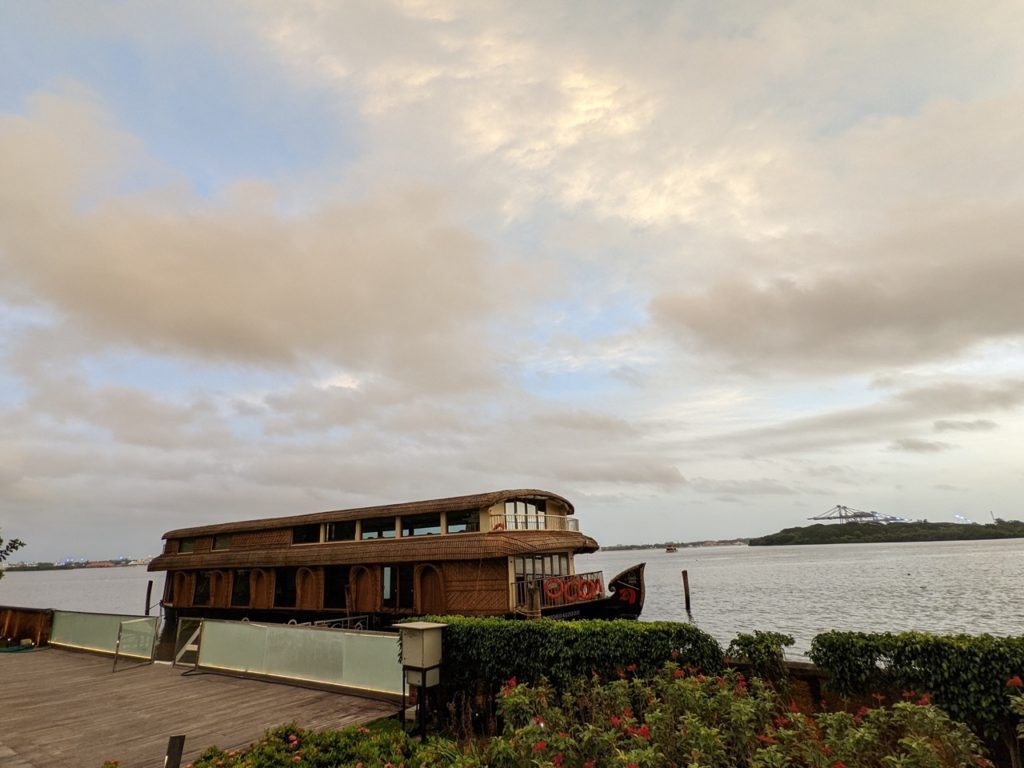
    They have a sunset cruise, but we were told that that the boat was ‘unwell’!
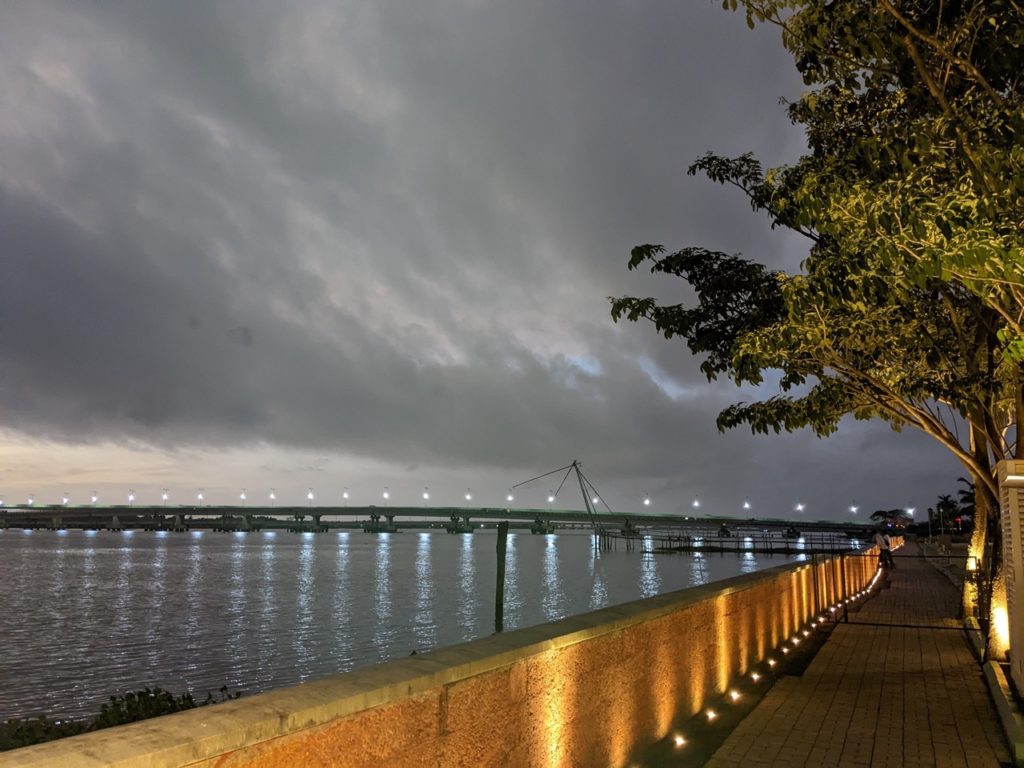
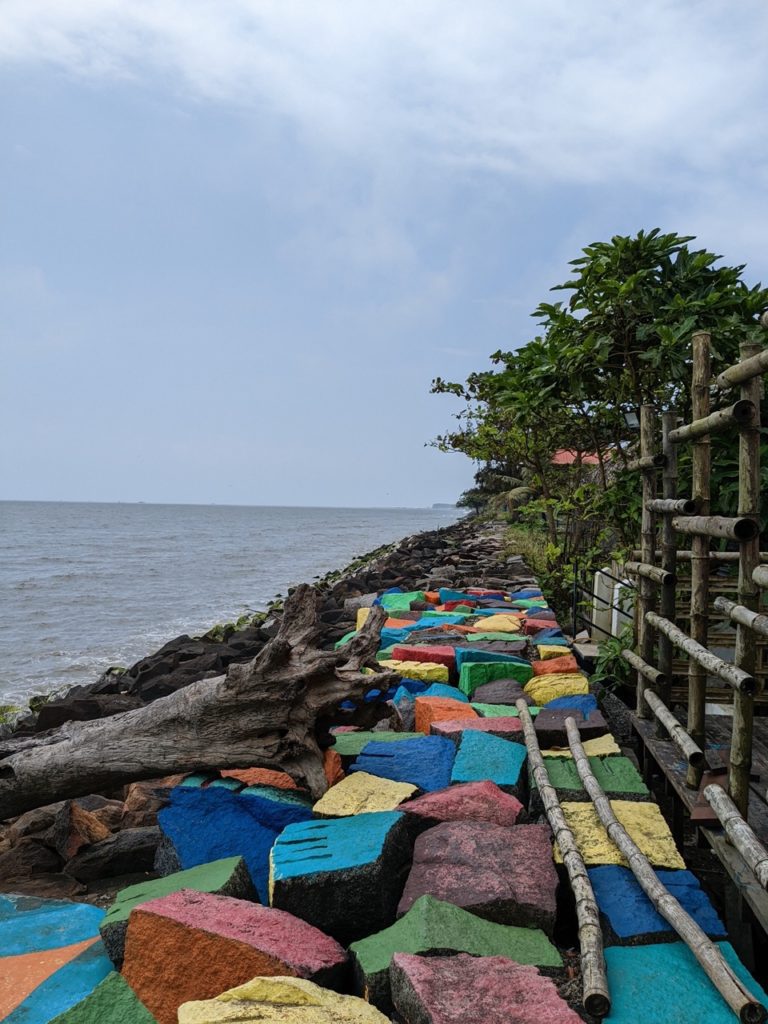
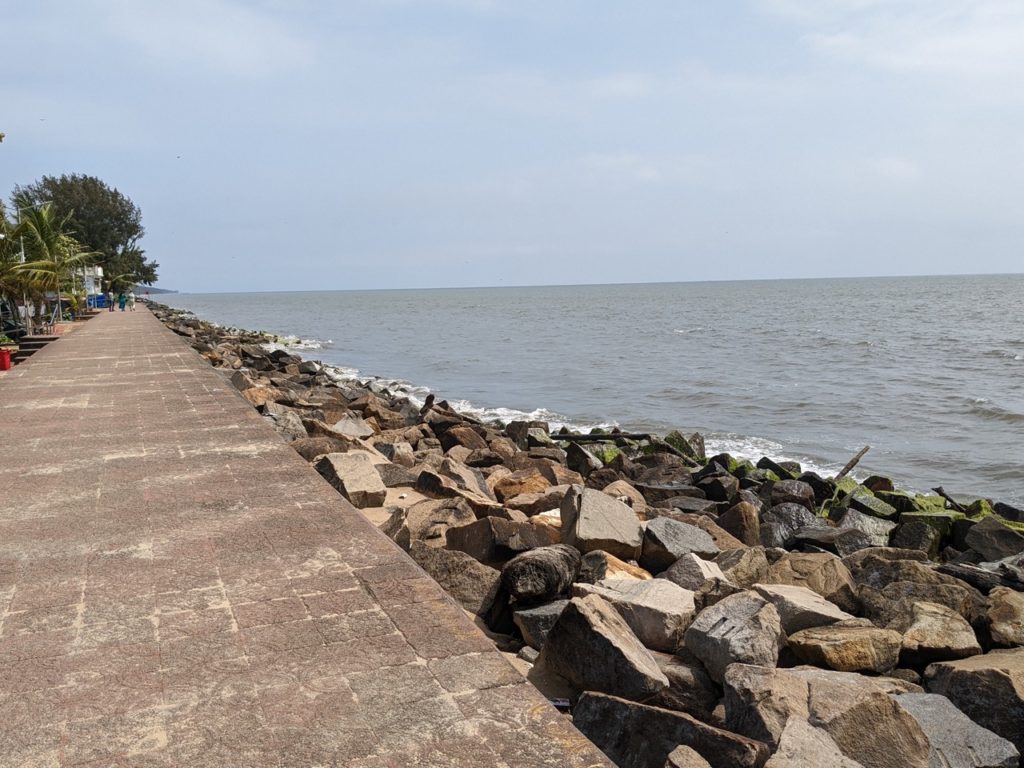
    But the fantastic views along the walking path made up for it.
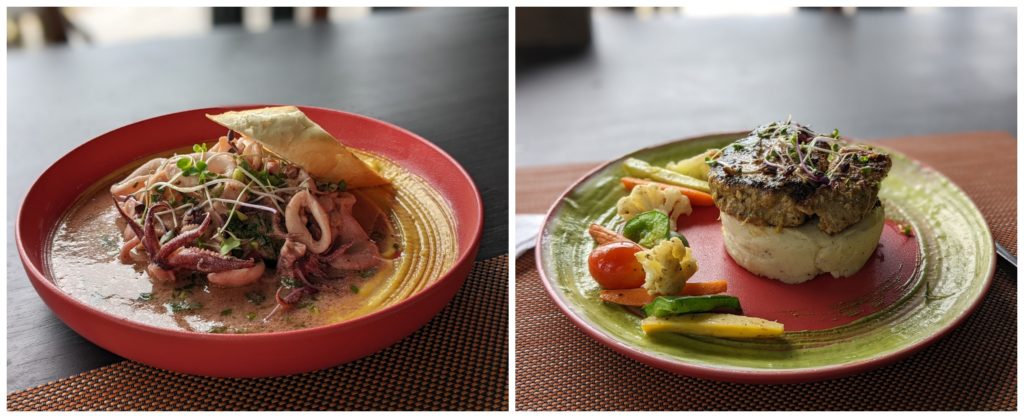
    Dinner at Colony Clubhouse & Grill at the hotel. Surprisingly good food!
    Tip: Choose the city side view for a change
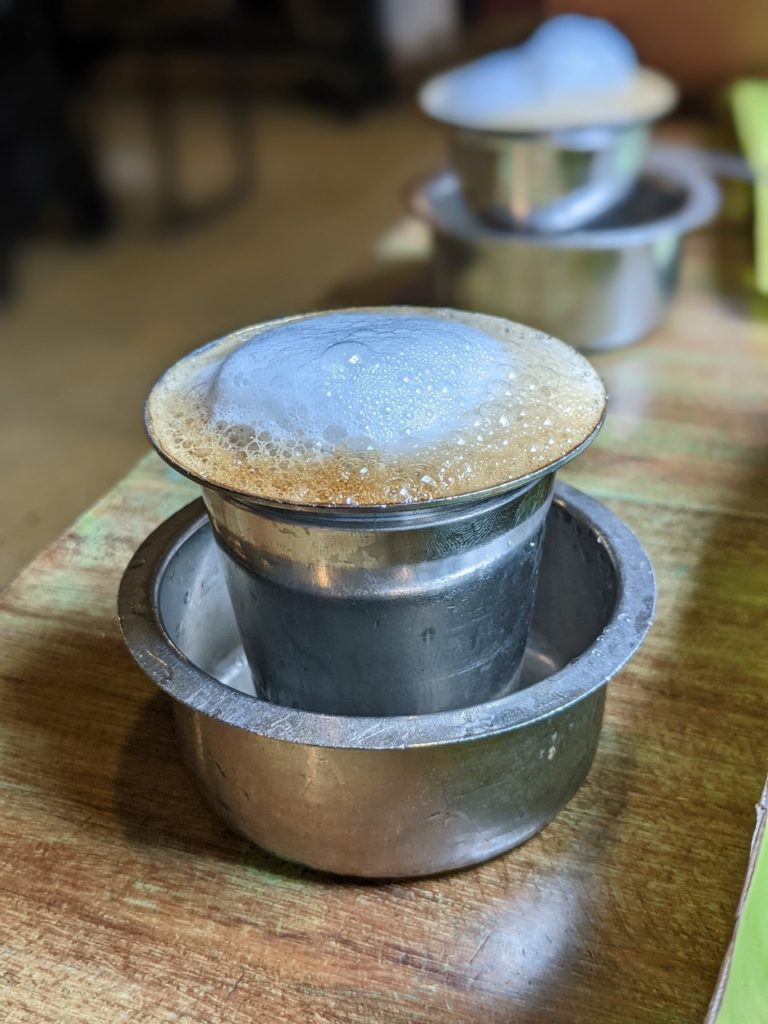
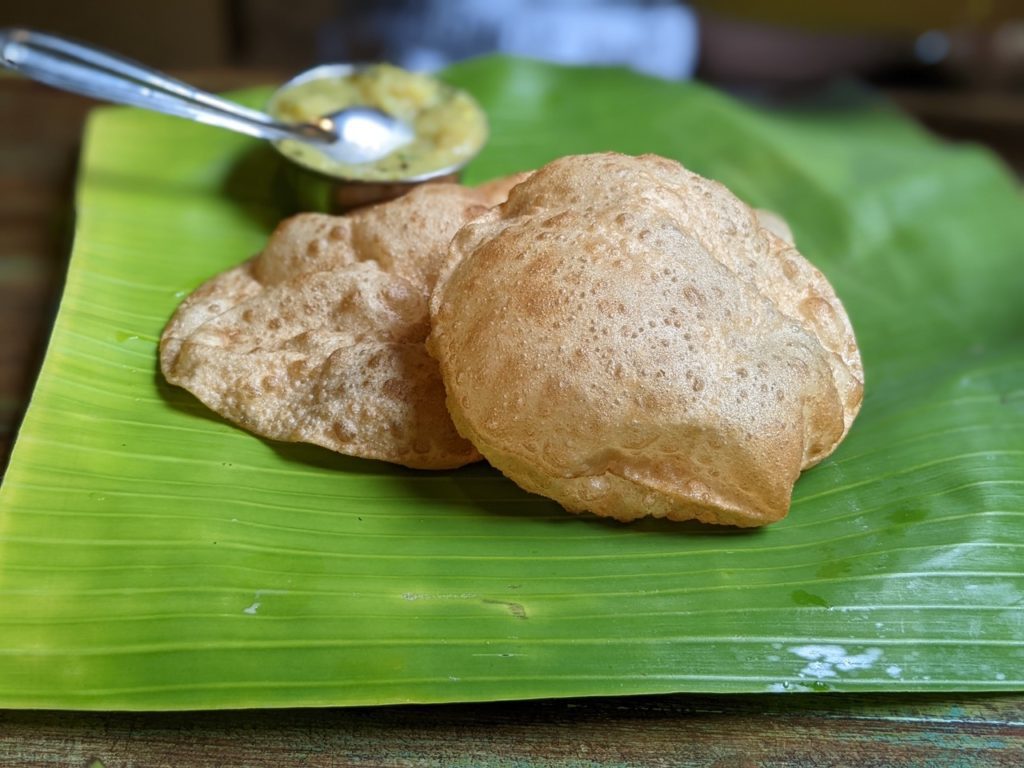
    Breakfast at Gokul Oottupura, behind the Siva temple. Now a regular part of the itinerary.
    There’s something about Puri Bhaji in Kerala 😀 By the way, their dosa chilli chutney is amazing.
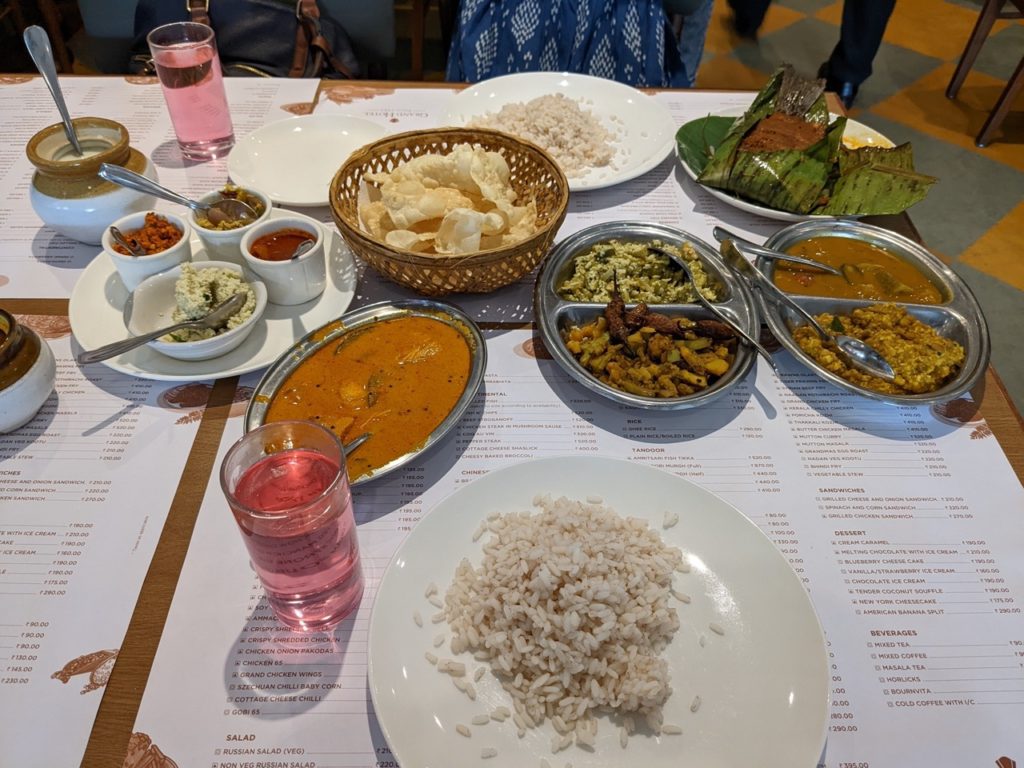
    Fish curry meals at The Grand is another fixed part of the itinerary.
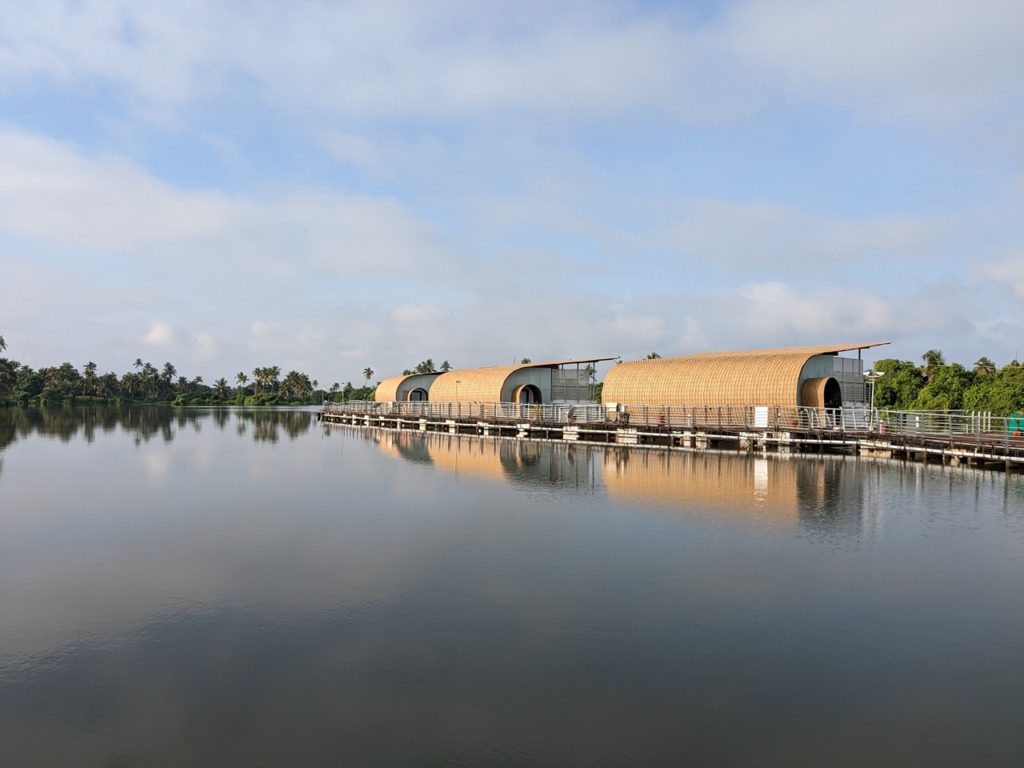
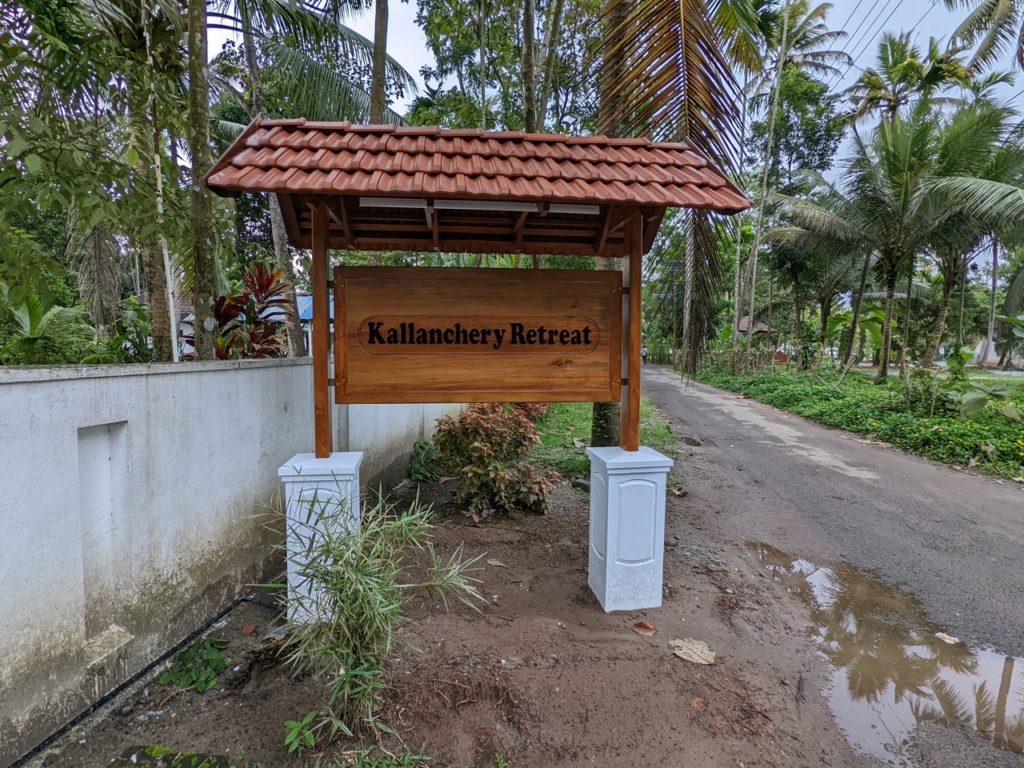
    Welcome to the Aquatic Island Resort, Kumbalangi
    It’s all ‘floating’, and the bedroom is below the waterline. No, you don’t get to see it as you might in a submarine.
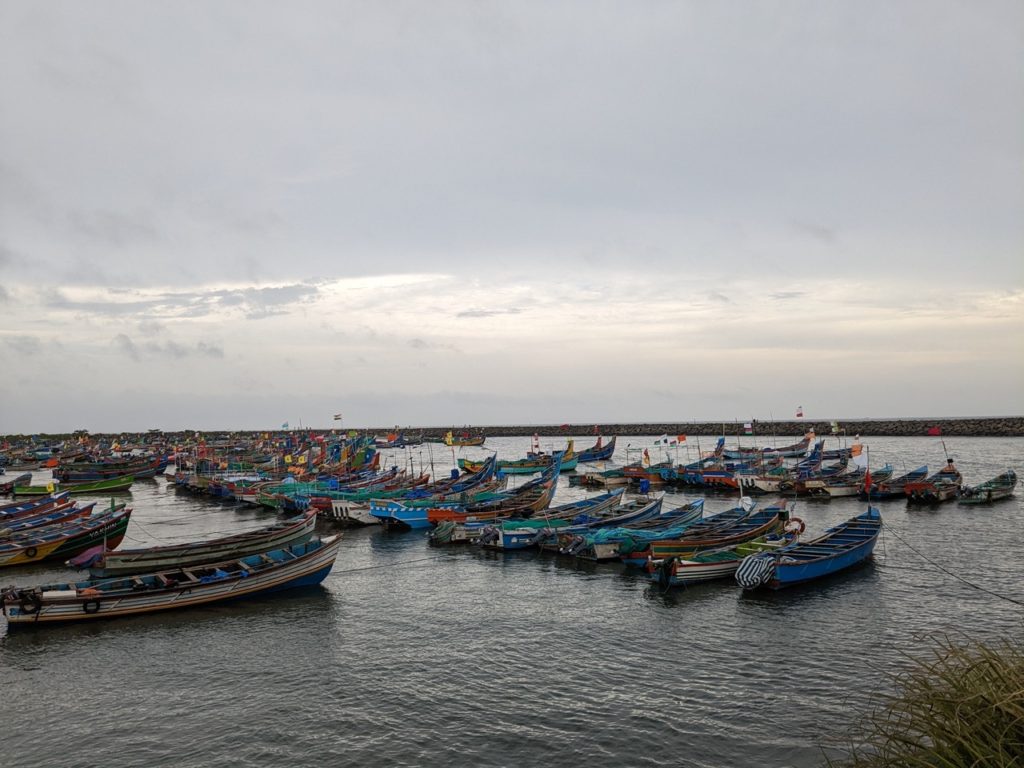
    First stop – Chellanam harbour. Less than 30 mins away. Walk the causeway there.
    For local cabs, call JJ Tours and ask for Vivek.
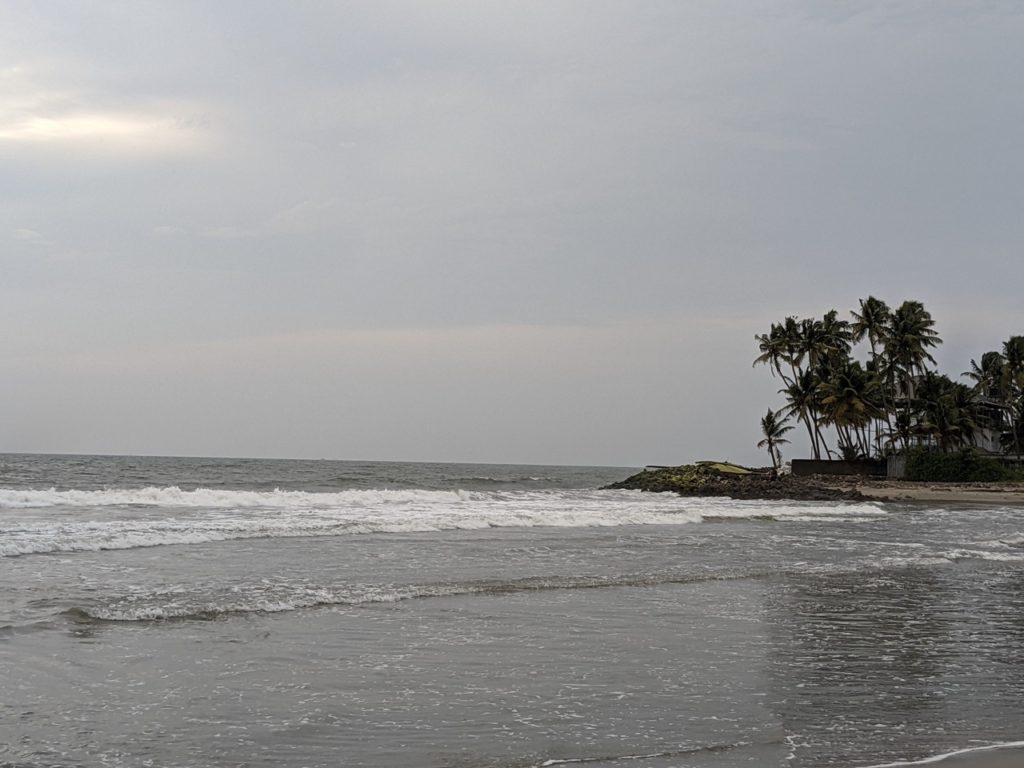
    Puthenthodu beach. In the evening, you can watch the Beach Soccer League in full flow! 🙂
    Cross the district border to reach Andhakaranazhi in Alleppey. Vivek’s suggestion. Quiet, with only locals around.
    Images never do justice. Anjilithara Road is just a mud track at one end, but the sereneness is out of the world. 5 mins walk from the resort.
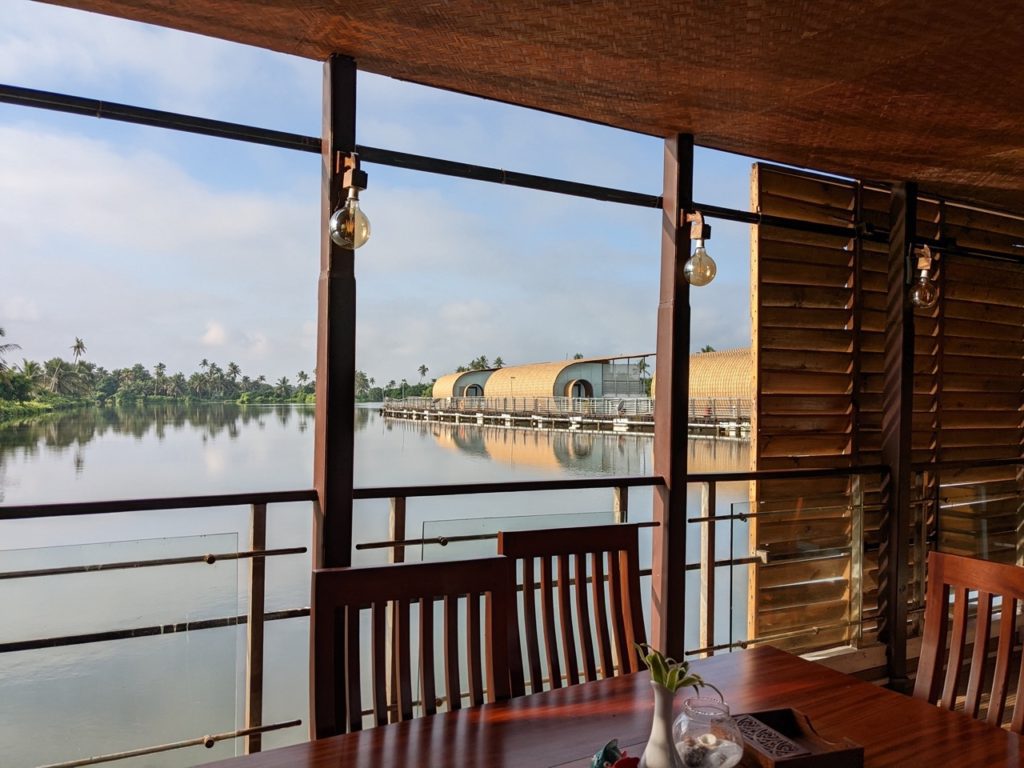
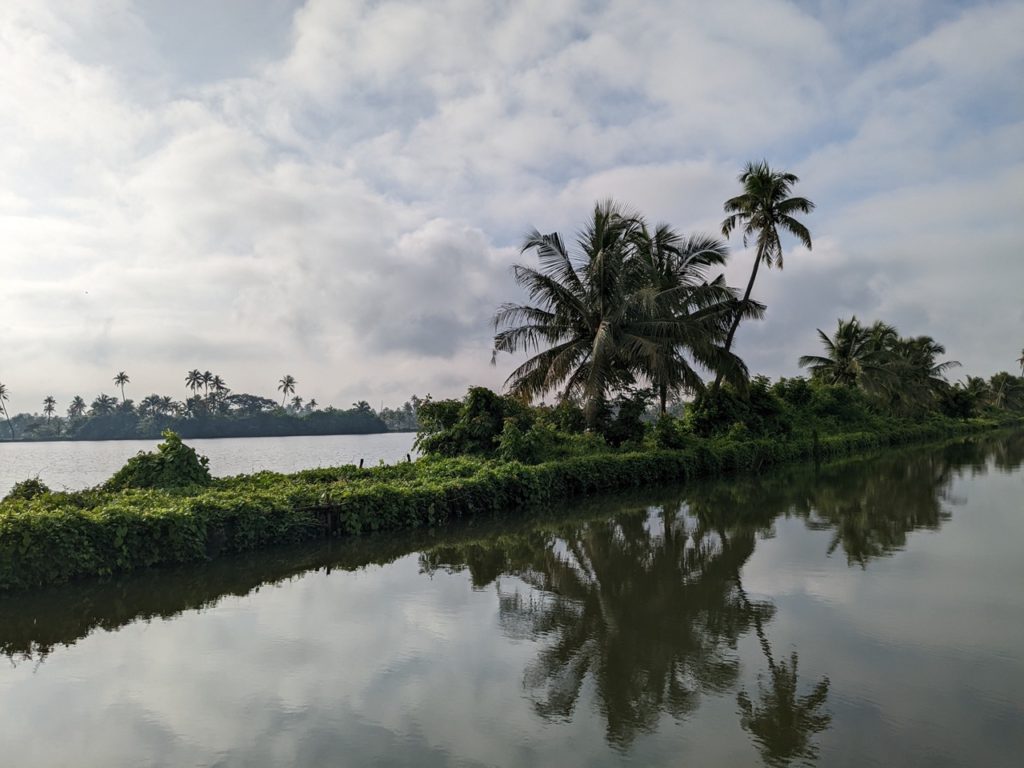
    The breakfast view from the resort restaurant.
    Cherai for lunch. This is Chilliout. Funny name, but clean and pretty!
    Not to mention, great seafood. Squid and tuna.
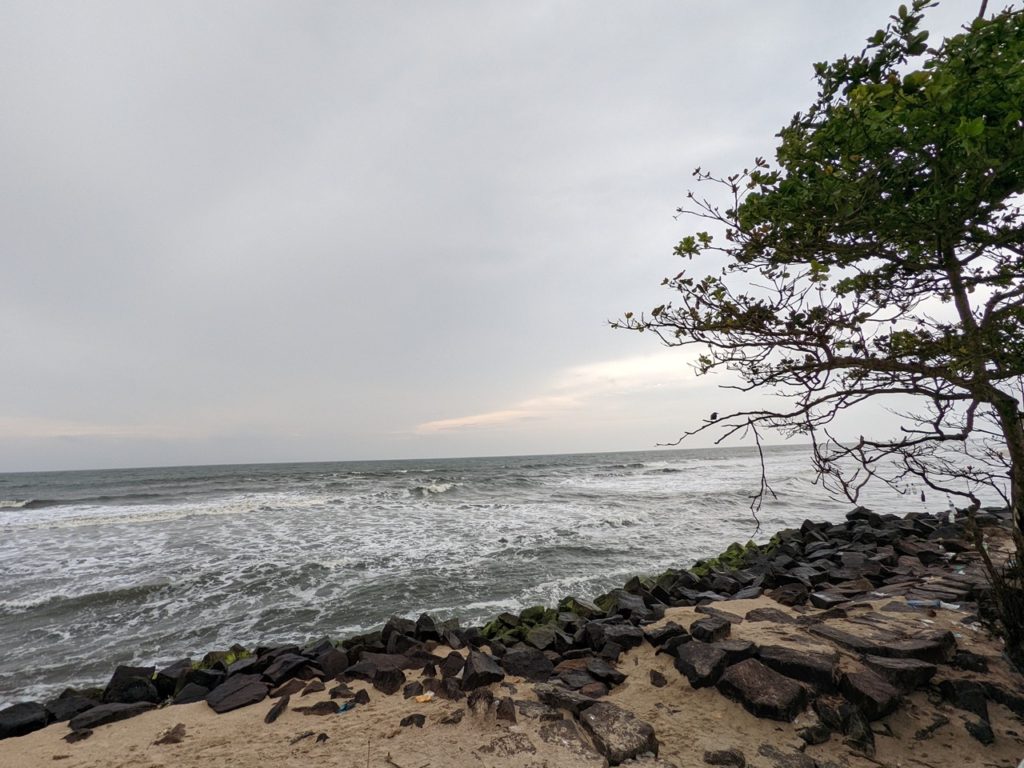
    Cherai beach seemed surprisingly not much to talk about. This is high tide, but…
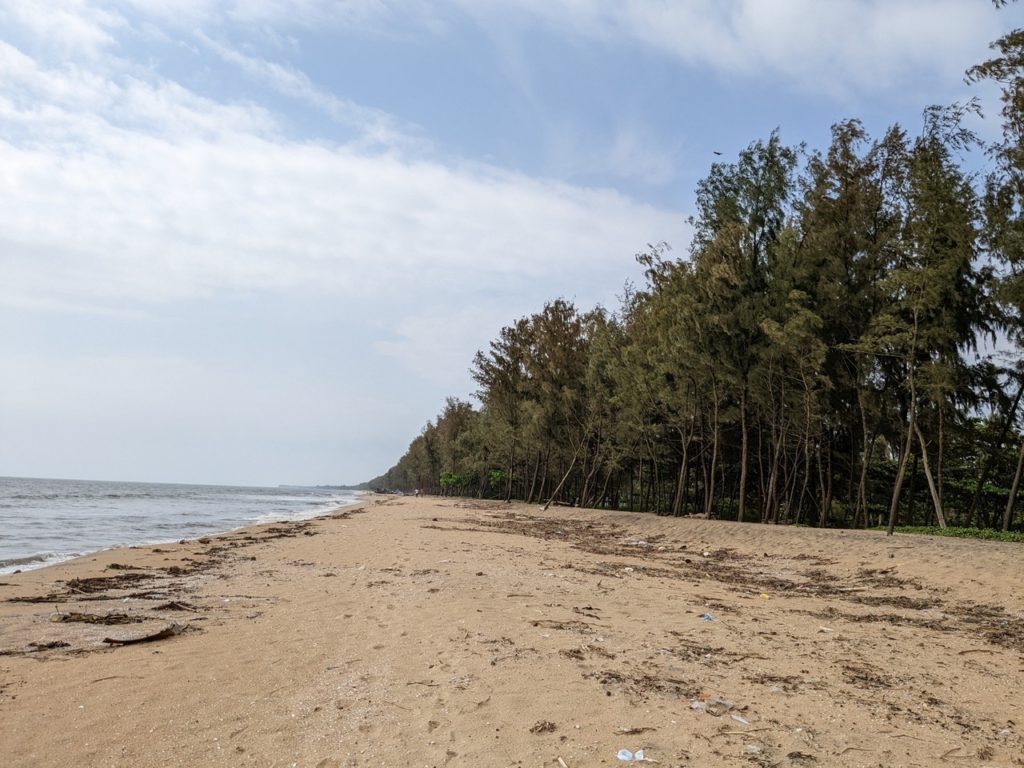
    Kuzhuppilly on the other hand, was lovely. Stretching indefinitely, and full of erm, love birds!
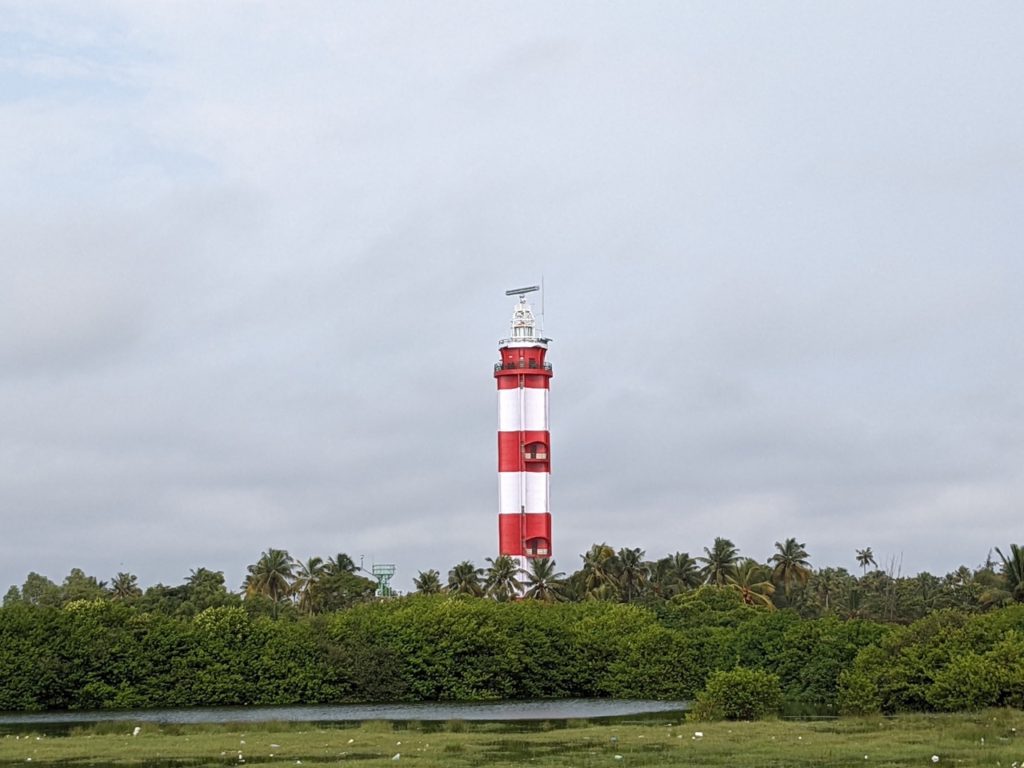
    The Vypin lighthouse as seen from the Puthuvype beach
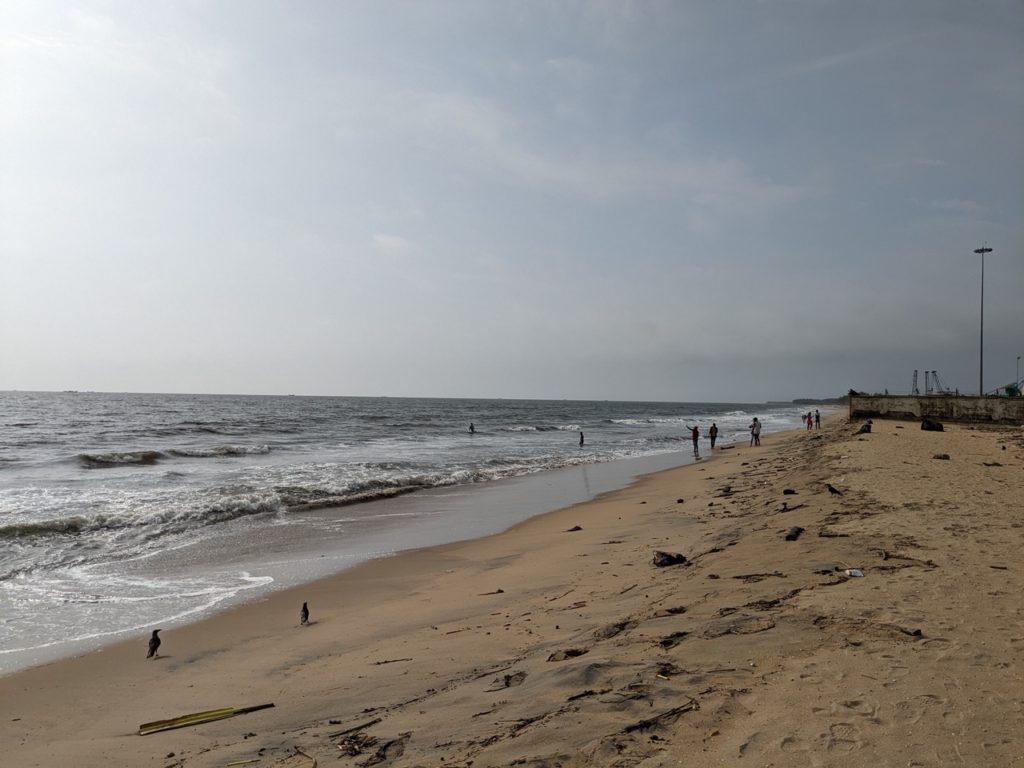
    Puthuvype beach. Unfortunately not very well maintained.
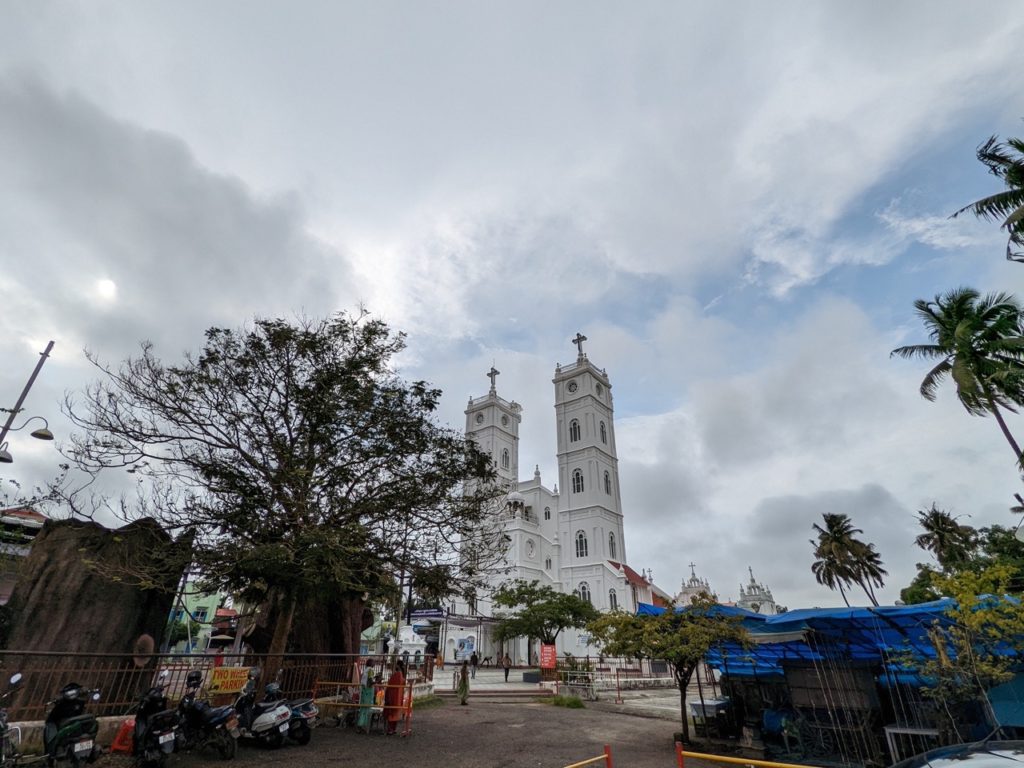
    The National Shrine Basilica of Our Lady of Ransom (I kid you not) aka Vallarpadam Basilica 
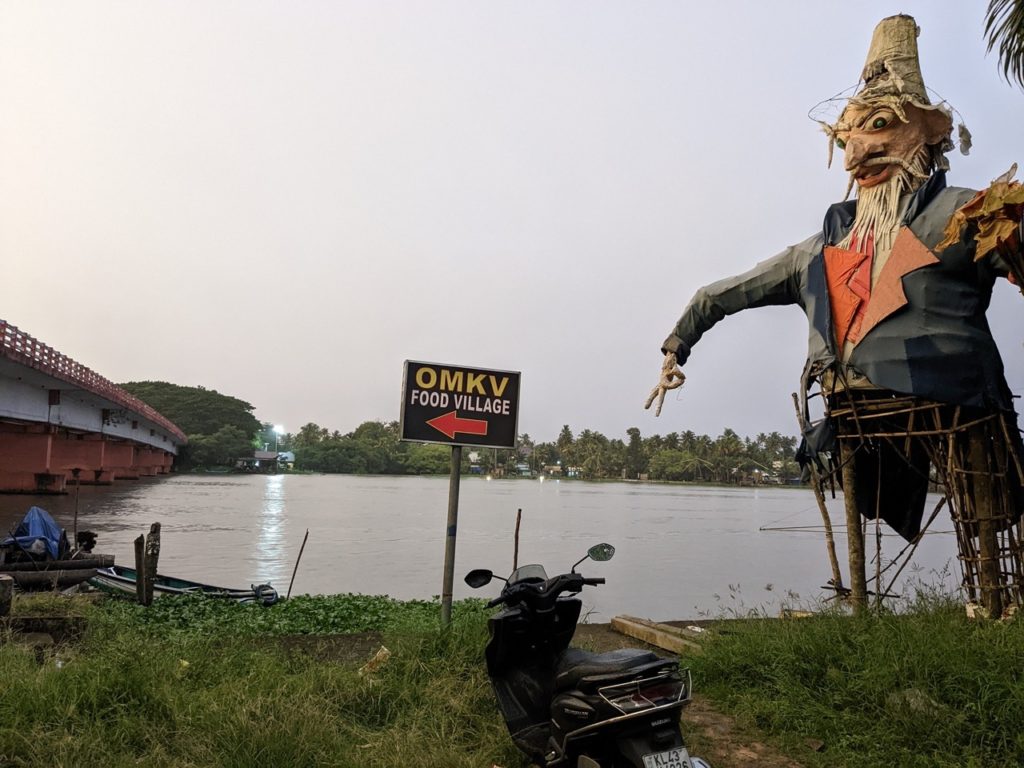
    Remember this, from Kumbalangi Nights?
    If you know what OMKV stands for, you might drop in only for that kick!
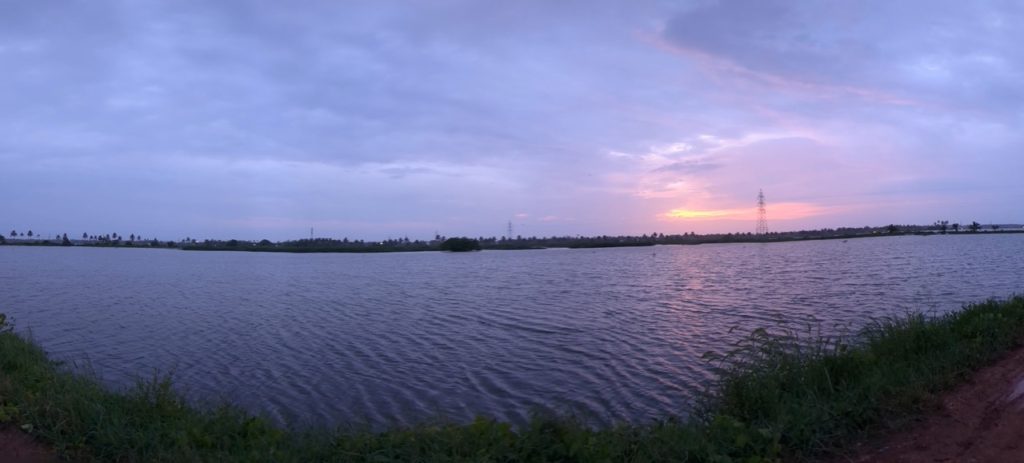
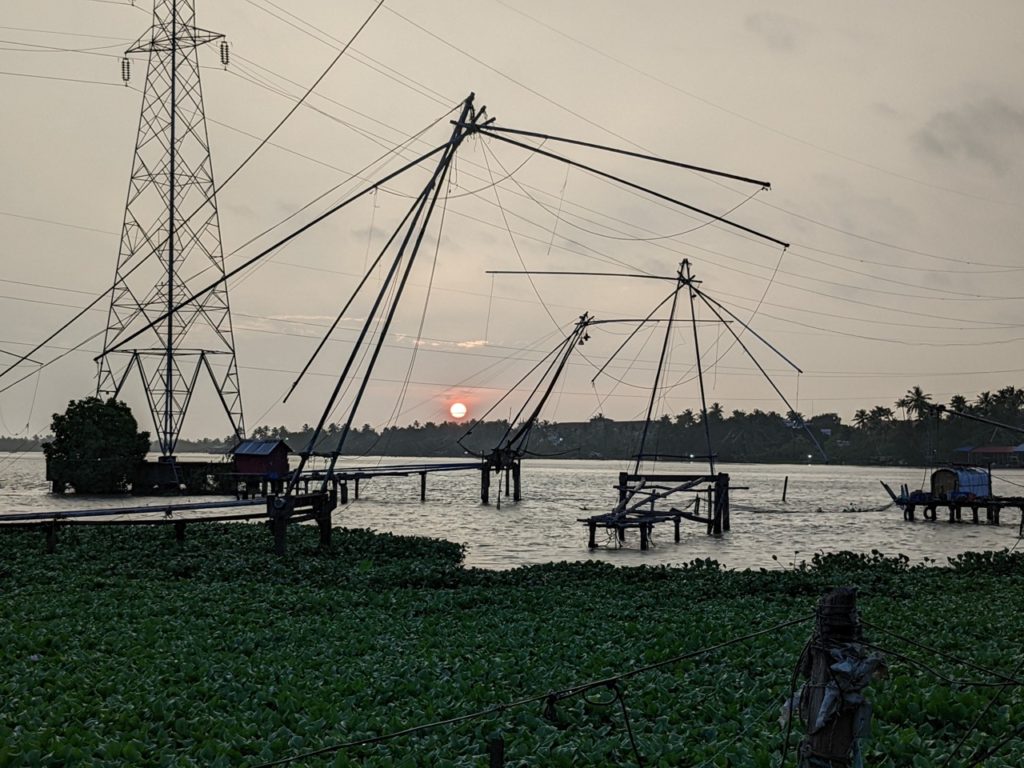
    But you also have a beautiful sunset view here.
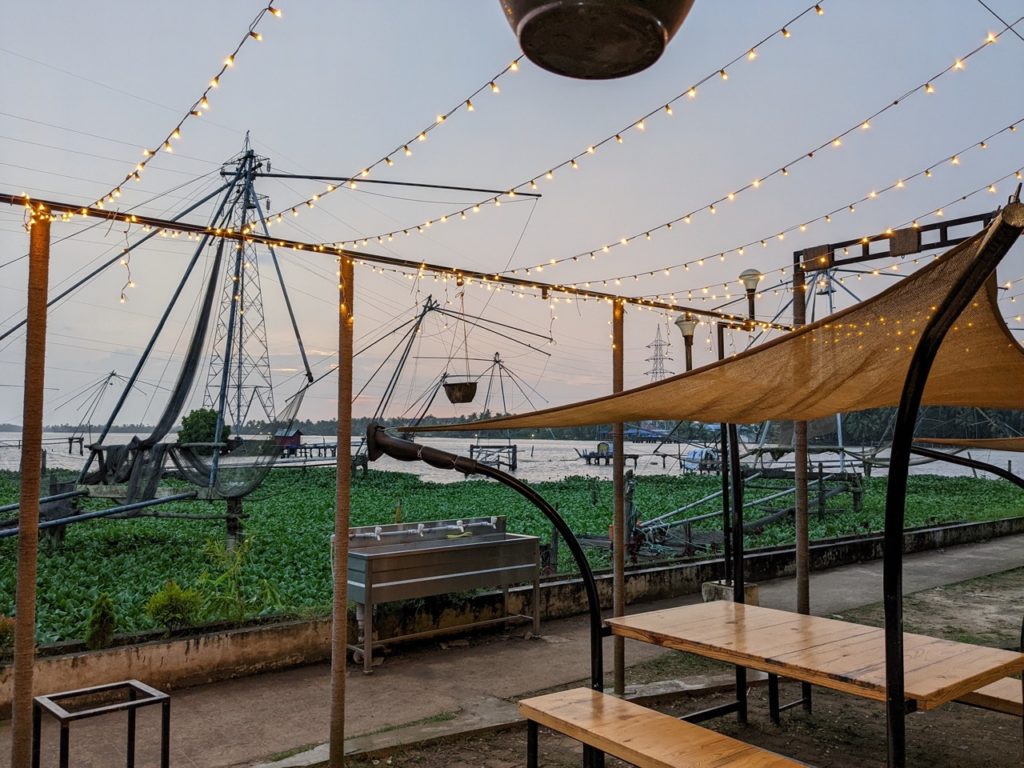
    One that you can enjoy while you eat absolutely local stuff.
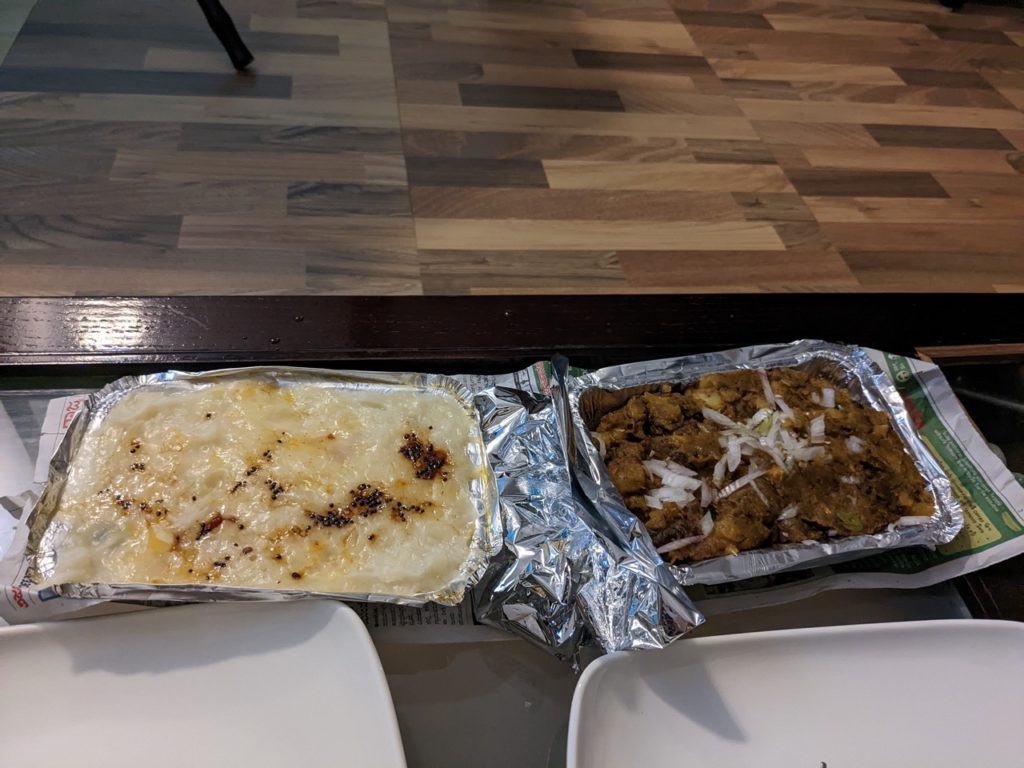
    The Pal kappa was so-so, but we loved the kappa (beef) biriyani
    It’s hard to say goodbye, but we’ll be back in a bit