This review was first published in Bangalore Mirror, where some wise desk person also called it soul food. Sigh. This is a less maligned version. Peace, love and Tandoori Chicken. Tandoori Hippie is on the 4th floor of the Mother Earth building on Intermediate Ring Road. (map) They also run a lounge bar called Loveshack on the floor above. There’s valet parking, so you won’t have to wander about like hippies for that.
The chairs in the reception area immediately grab your attention because each of them is unique – including a barber’s chair! The restaurant is divided into several sections – an alfresco area that offers an excellent view of the Ring Road, a second area which offers an excellent view of the day’s cricket match thanks to a giant LCD screen, and a third, more private area which offers an excellent view of various spices. A saxophone, a trumpet, an old radio, a gramophone, a grandfather clock and many such trinkets vie for your attention as you make your way inside into a bright ambiance that’s at once rustic and hip. All part of what they call ‘Fun dining’.
Despite the decor, the hearth is Tandoor, and only the soul is hippie. A couple of shorbas, and some salads make an appearance before we get into the meat of the menu. There are quite a few kebabs to choose from, including seafood. The main course offers some options for the vegetarians as well, in addition to the standard non veg Tandoori dishes. Tandoori Hippie has a lunch buffet and in the evenings, a Chai Bar that serves chaats, samosas, golas etc. They have a decently stocked bar, with a few cocktails too. We tried a Passion Martini and found it to be quite good.
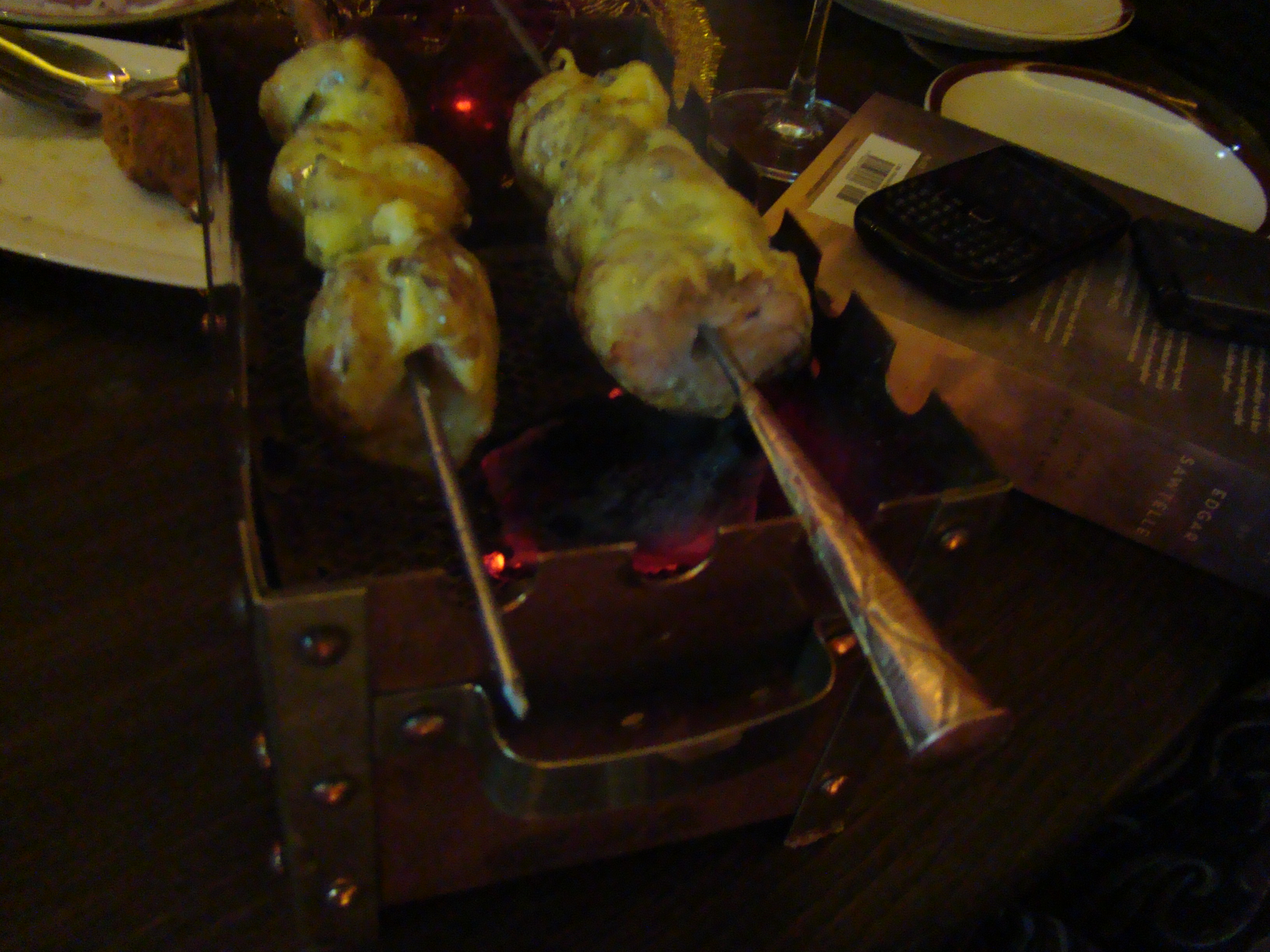
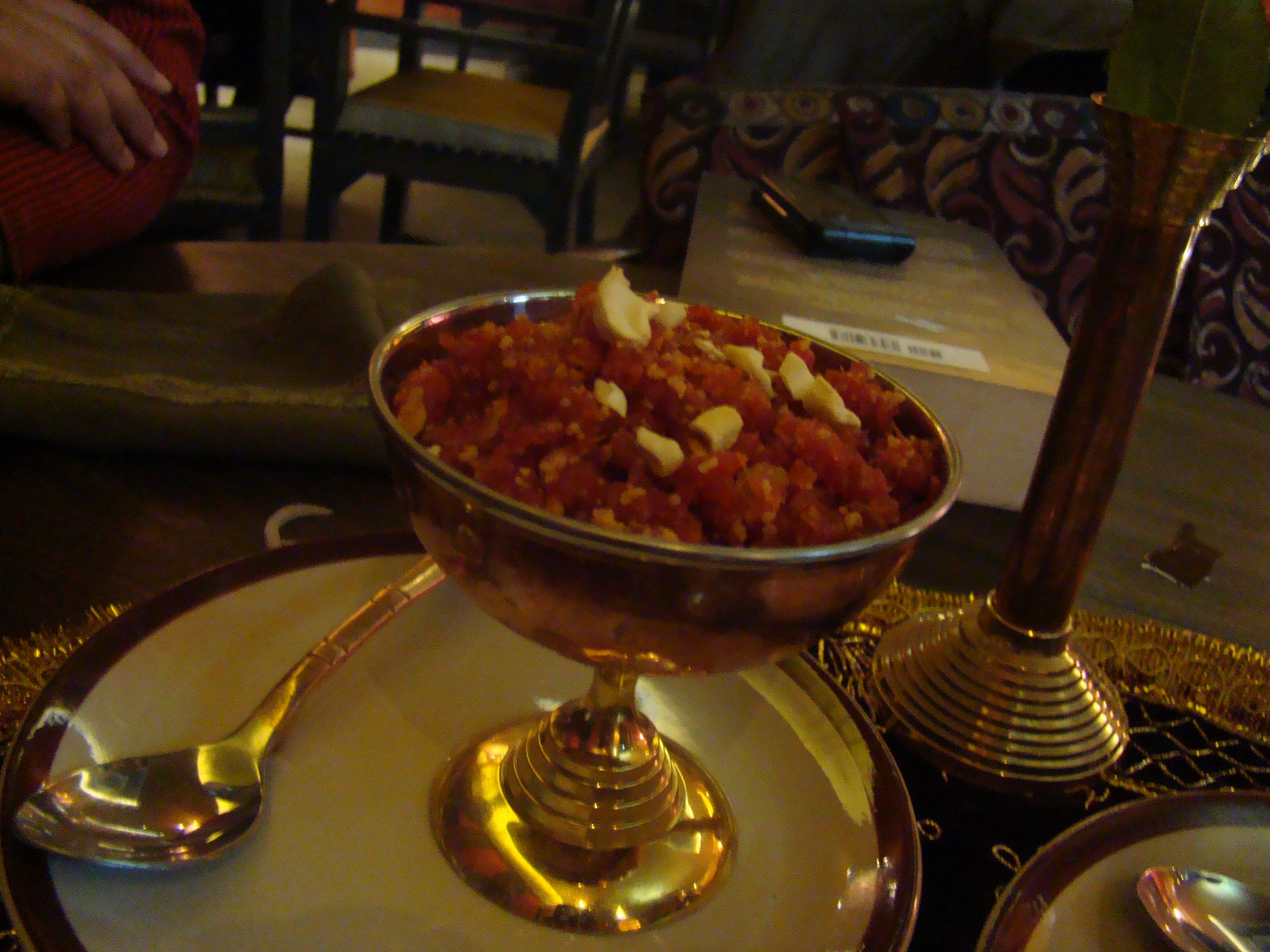
 The special Zafrani Lassi, though priced a tad high, is excellent and quite filling. The flavourful and succulent Kastoori Kebab served on the seekh, as well as the Lahori Seekh Kebab, with just the right texture, are both good starters to try. The Achari Paneer Tikka was quite bland, and completely lacked the flavour it’s supposed to have. Among the main course dishes, the Macchi Hara Masala was quite a disappointment thanks to the spinach invasion and overly salty fish. The Aloo Chutneywala, with its unique gravy makes a good dish for vegetarians. They also did a good job with the Gosht Rogan Josh and the Hyderabadi Murgh Biriyani, the latter as pleasing to the olfactory system as it was to the palate. Desserts are available on paper, but do check their availability before reserving stomach space. The poor guy in charge of the table enthusiastically asked us to ignore the menu and reeled out a few options he insisted we try. But it turned out to be quite a sad affair as we were told that the Rajbhog and Cham-Cham we’d ordered were over, after confirming availability. The Phirni we got was actually sour and the Rasgullas way too rubbery. The Gajar ka Halwa was the saving grace among the desserts.
But despite some delay in getting the main course dishes, specially the biriyani, and the dessert mix-up, the earnestness of the service has a way of winning you over. On the cost front, for Rs.1000, you could share a lassi, a starter, a couple of non-veg main course dishes, a few rotis and a dessert.
Though the menu sticks to the tried and tested Tandoor fare, the ambiance and enthusiastic service staff give this place a uniqueness that warrants a visit. It would be great if the mash-up in the name could be translated onto the menu too.
Tandoori Hippie, #541-543, Mother Earth Building, 4th Floor, Amarjyoti Layout, Intermediate Ring Road, Domlur – 70 Ph: 41500787