So there I was, walking up from Apollo Clinic in Koramangala, towards Forum, and what do I see? A standee with a Veekes and Thomas menu! Having heard so many good things about the JP Nagar outlet, and having been guilty of sheer laziness, I decided to redeem myself by dropping in there the very next weekend. To be noted that I ignored even the rain gods. Veekes and Thomas is on the same road as Oyster Bay, Sultans of Spice etc – the JNC Road, and is opposite Mani’s Biriyani on the first floor. Here’s the map. Two wheelers will find space near Lazeez Express and the more well wheeled ones can try the parking lot near Empire.
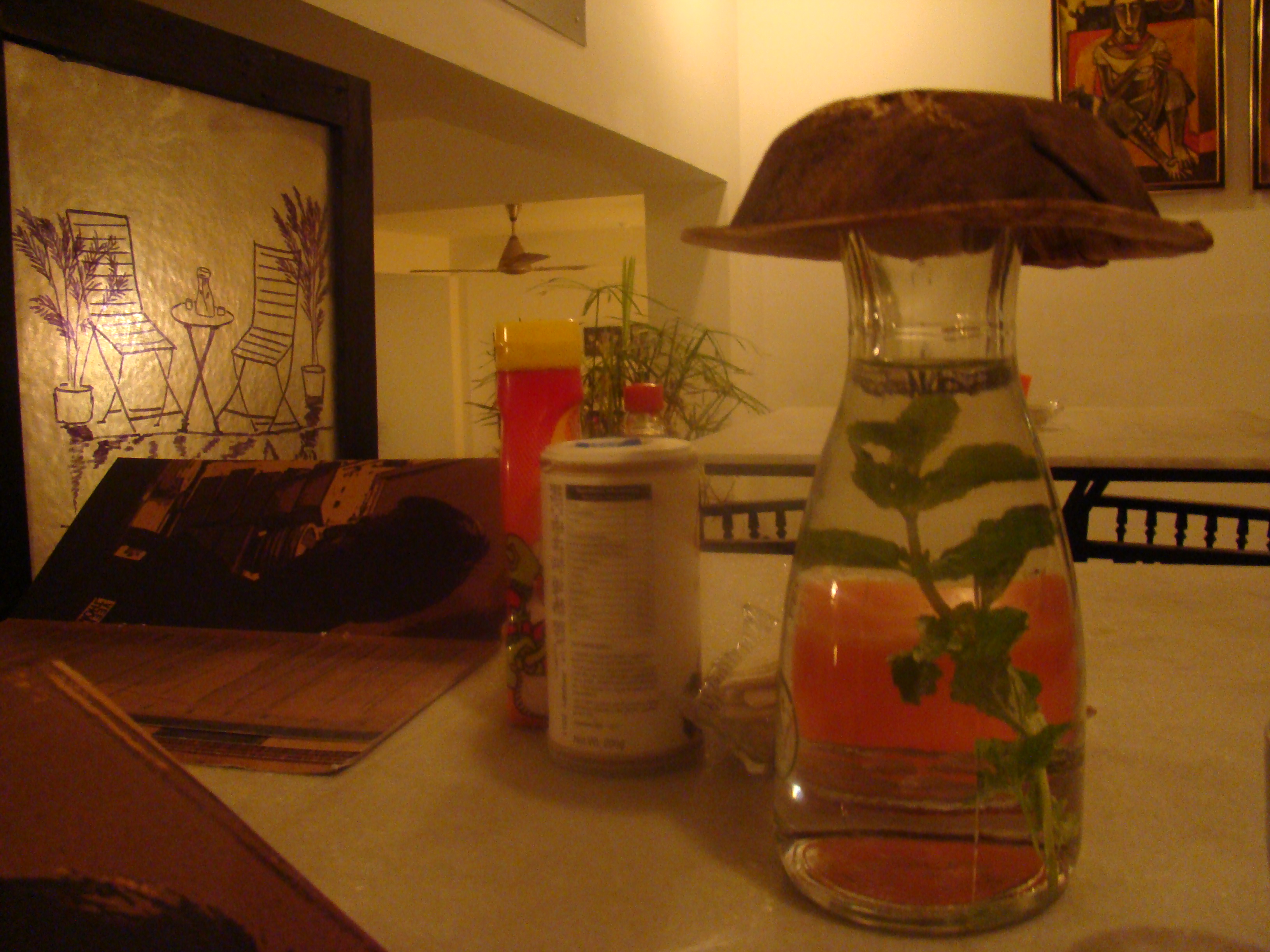
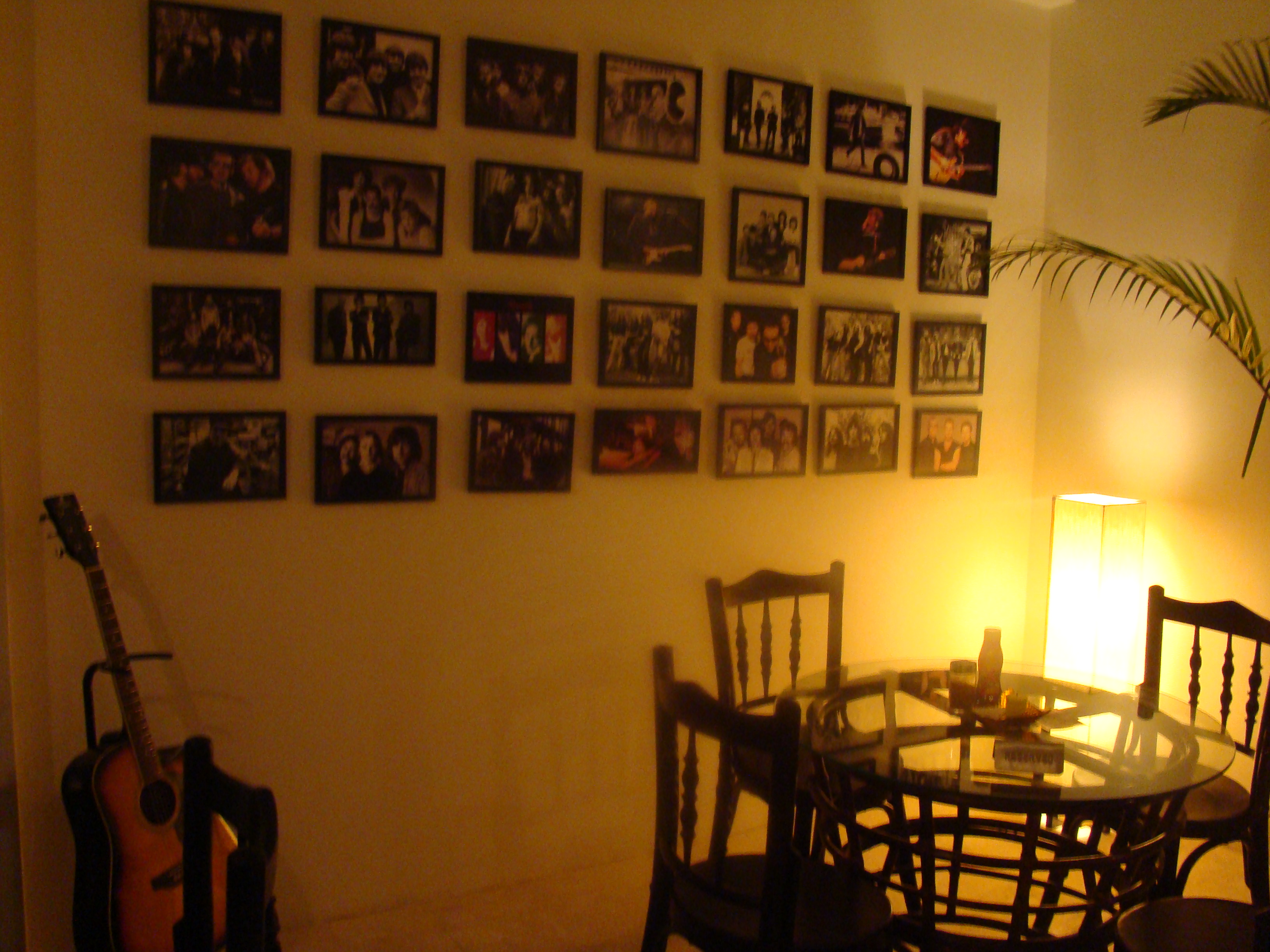
 A single flight of stairs and you’re transported to one of the coziest places you can find in Koramangala, spread across two floors and three rooms. It’s quite obviously a house converted into a restaurant, and a job well done. Music has a huge presence, not just frames adorning the wall, but Floyd, Dire Straits etc playing in the background.
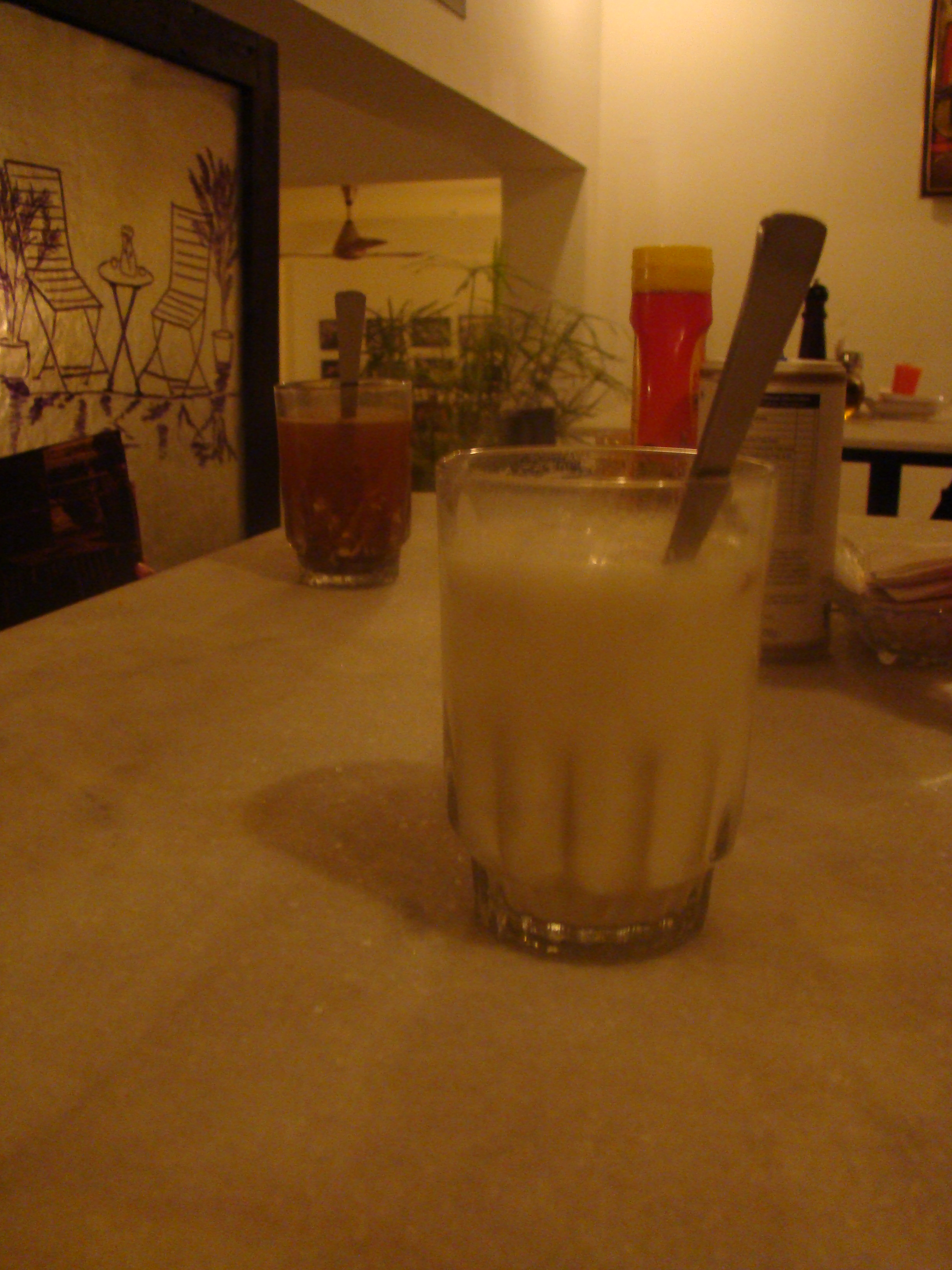
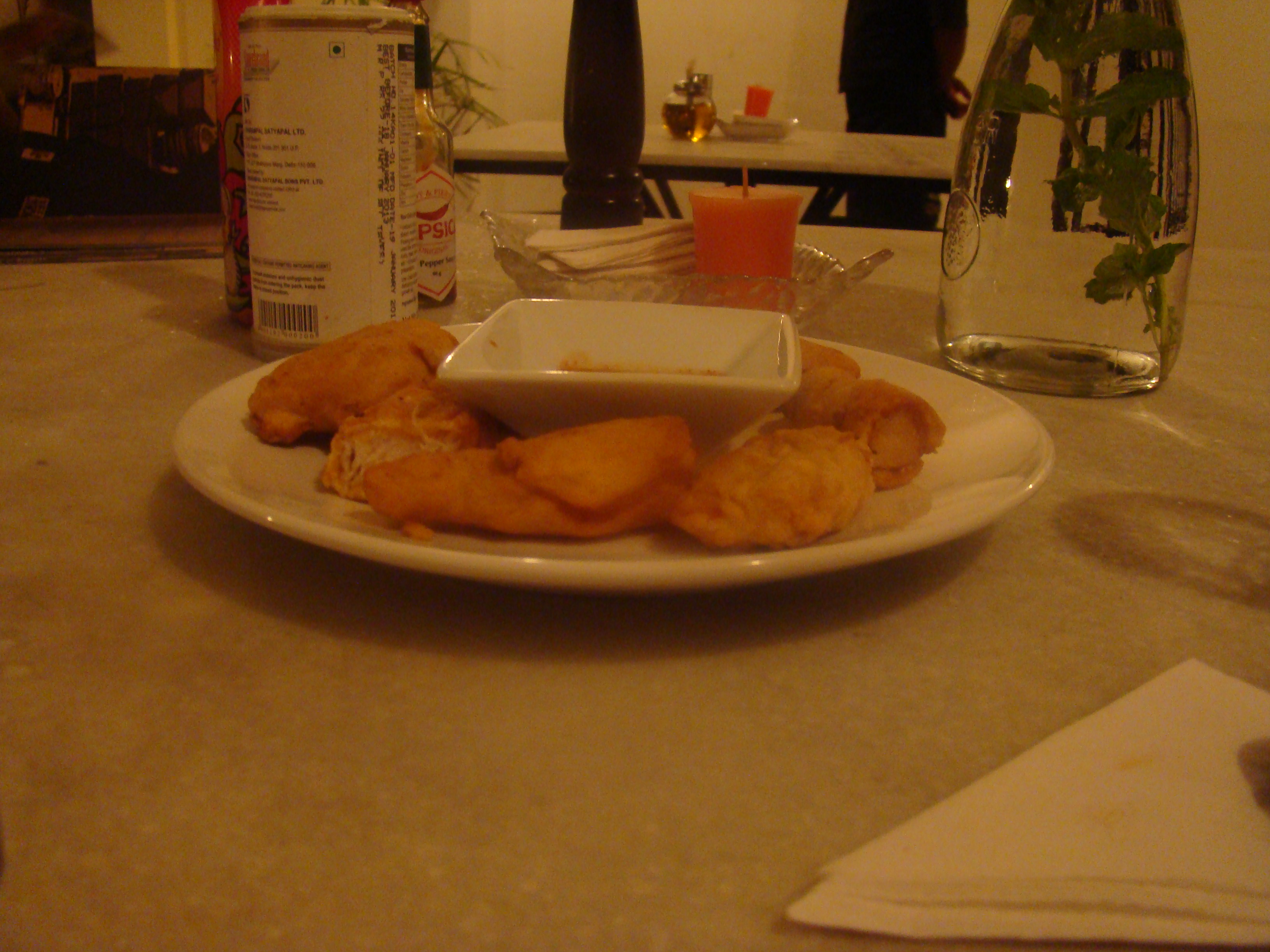
And now that you have leaned back in your chair and are relaxing to the music, we can finally get to the food. In addition to the regular menu, you might also find a couple of specials on the whiteboard. We decided to start with a couple of soups – French Onion and a Sauteed (?) Mushroom soup. They are served in chai glasses and that means we don’t need to do the by-two routine and can actually try out two soups! I liked the Mushroom soup but that’s because of a bias towards creamy soups. D liked the French Onion soup’s flavours too. We also tried a starter – Southern Fried Chicken Strips with a BBQ dip. The dip turned out to be spicy and excellent and complemented the chicken very well.
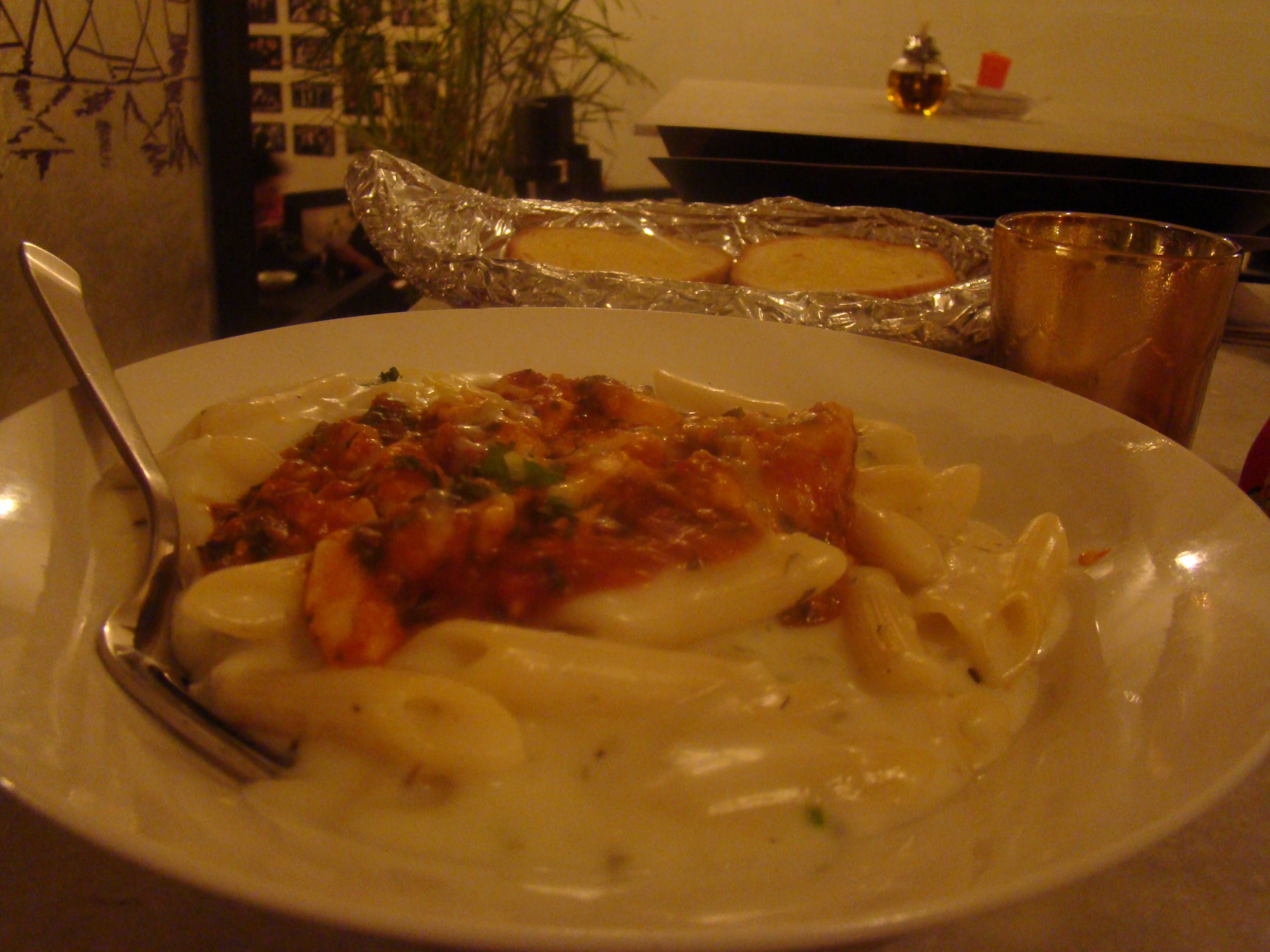
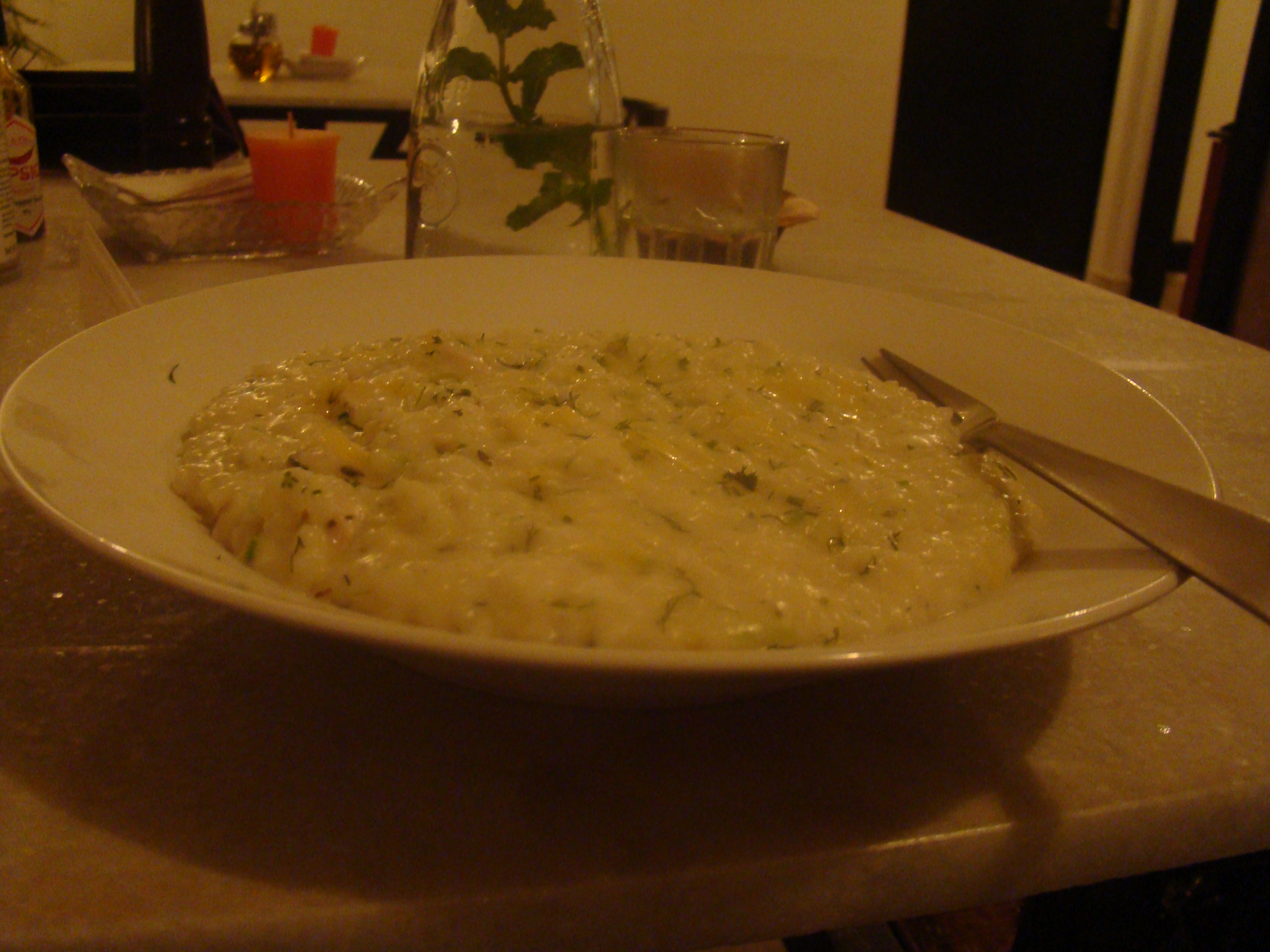
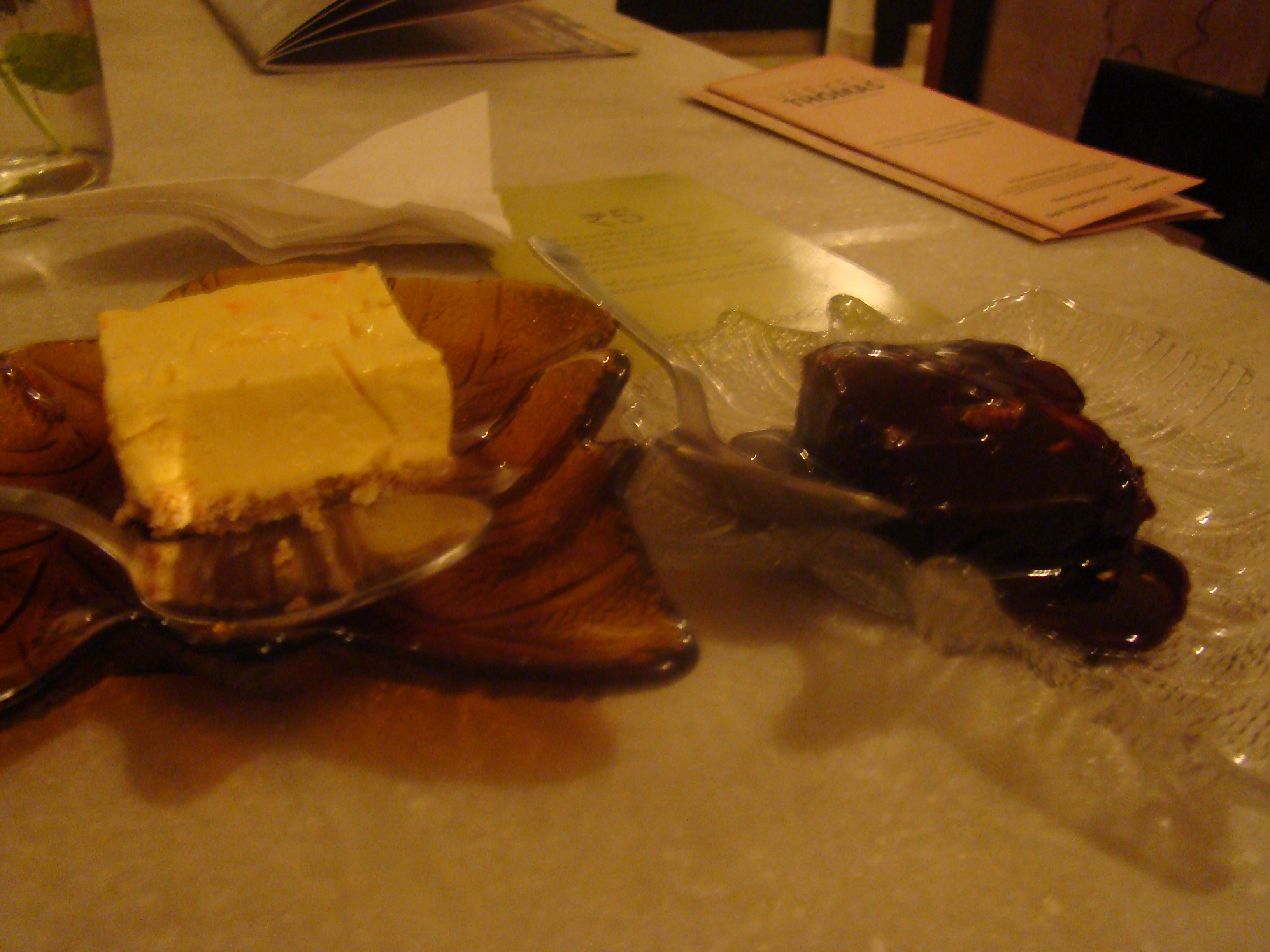
For the main course, we had the Cilantro Chicken in White Sauce and a Lemon Butter Chicken Risotto. The former was easily the winner with the spicy chicken, chilli flakes and the creamy soya sauce coming together very well. The lemon flavour in the Risotto was quite underplayed and therefore a bit on the bland side. It also seemed to have some other flavour involved – dill? For dessert, I asked for a Chocolate Brownie and D got herself a Mango Cheese Cake. The brownie was good though I’d have liked some thicker chocolate sauce. The cheese cake was actually better.
All of the above cost us just over Rs.550. Smaller soup and dessert portions means that we can try more dishes. The main course/starter dishes portions are standard but the prices more reasonable than what I’ve found elsewhere. They have nailed the consumer understanding – “Indians loving Armani at Rs.99” 🙂 We got around to talking with the manager and she wondered whether getting people in during evenings would be tough. I am sure that with the location, they’ll do well so long as they deliver good food, and told her as much. For now, they have an excellent ambiance, superb food and a very friendly service staff. There is somehow a simple elegance in the entire offering. Thanks to that and their stated philosophy, I am quite a fan and will be a repeat customer for sure. 🙂
I later did a review for Bangalore Mirror and that can be seen here.
Veekes and Thomas, 5th Block Jyoti Nivas College Road, (opposite Cuppa) Koramangala, Ph: 80959 85000