This week’s stories include Zynga’s Adventure World, IPO, Newscorp’s Noah’s Ark; Groupon’s IPO, Facebook’s Daily Deals, Yelp, Apple’s patent wars, Facebook’s iPhone app; Twitter’s Bing deal, Google’s shutdowns, acquisition of Zave networks.
[scribd id=64353228 key=key-7shc7673fs33ls19m55 mode=list]
-
Onashamsakalmadi
Considering that Kannada is to be made compulsory in Bangalore, this is how Bangalore Malayalis will wish each other henceforth. For those unaware of the Onam backstory, check out my reasonably legit version or the RGV rendition.
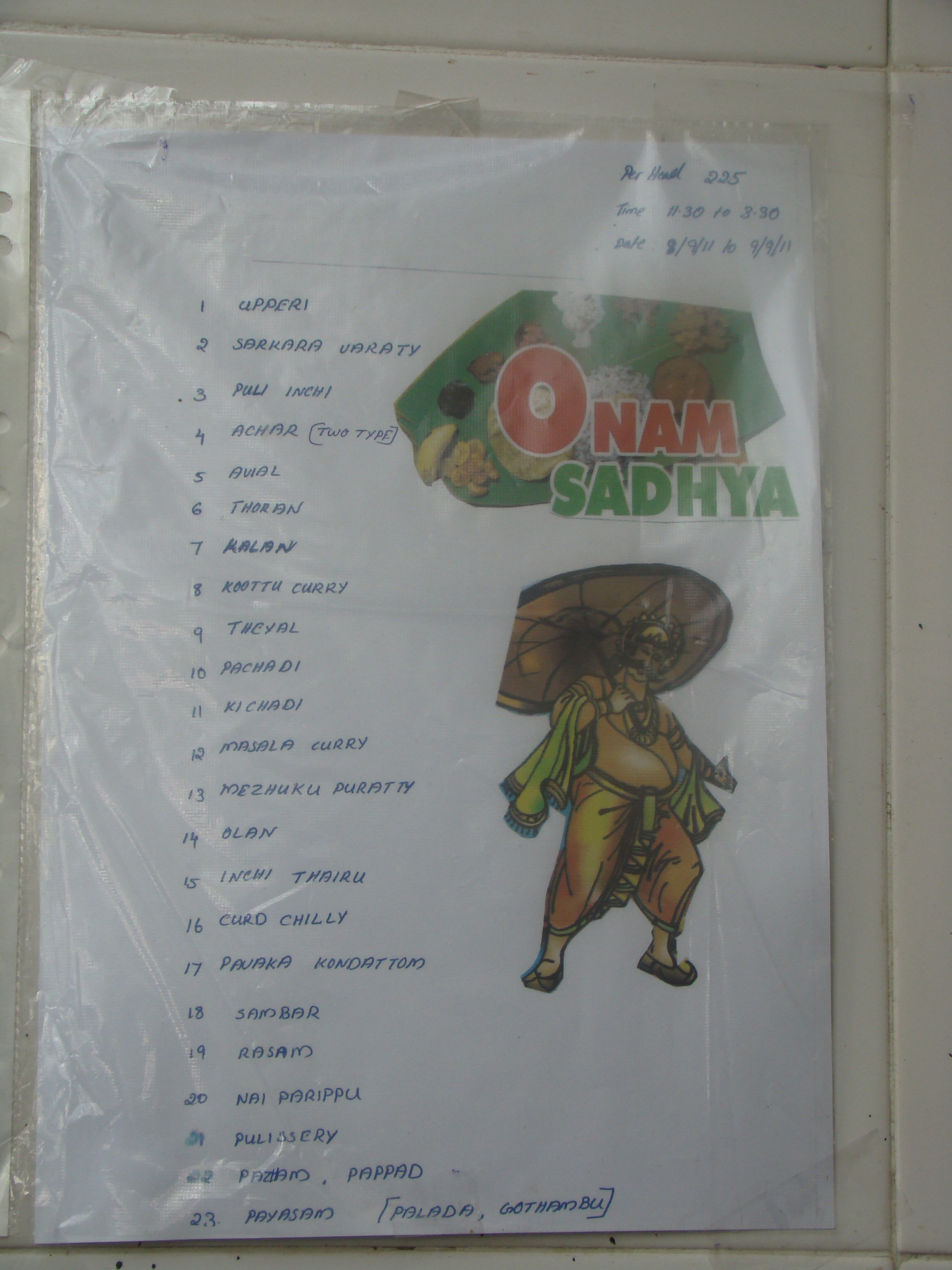
After a search across media platforms for sadya options, and basis last year’s not-so-great experience at Little Home (which has gone down drastically these days) it was a toss between Ente Keralam and the new kid on the 5th Block, Koramangala – Cafe Malabari. Since I read on the FB group that getting reservations at Ente Keralam would be difficult, the choice became easy. As per the information given, the sadya would start at 11.45-12 and cost Rs.225.
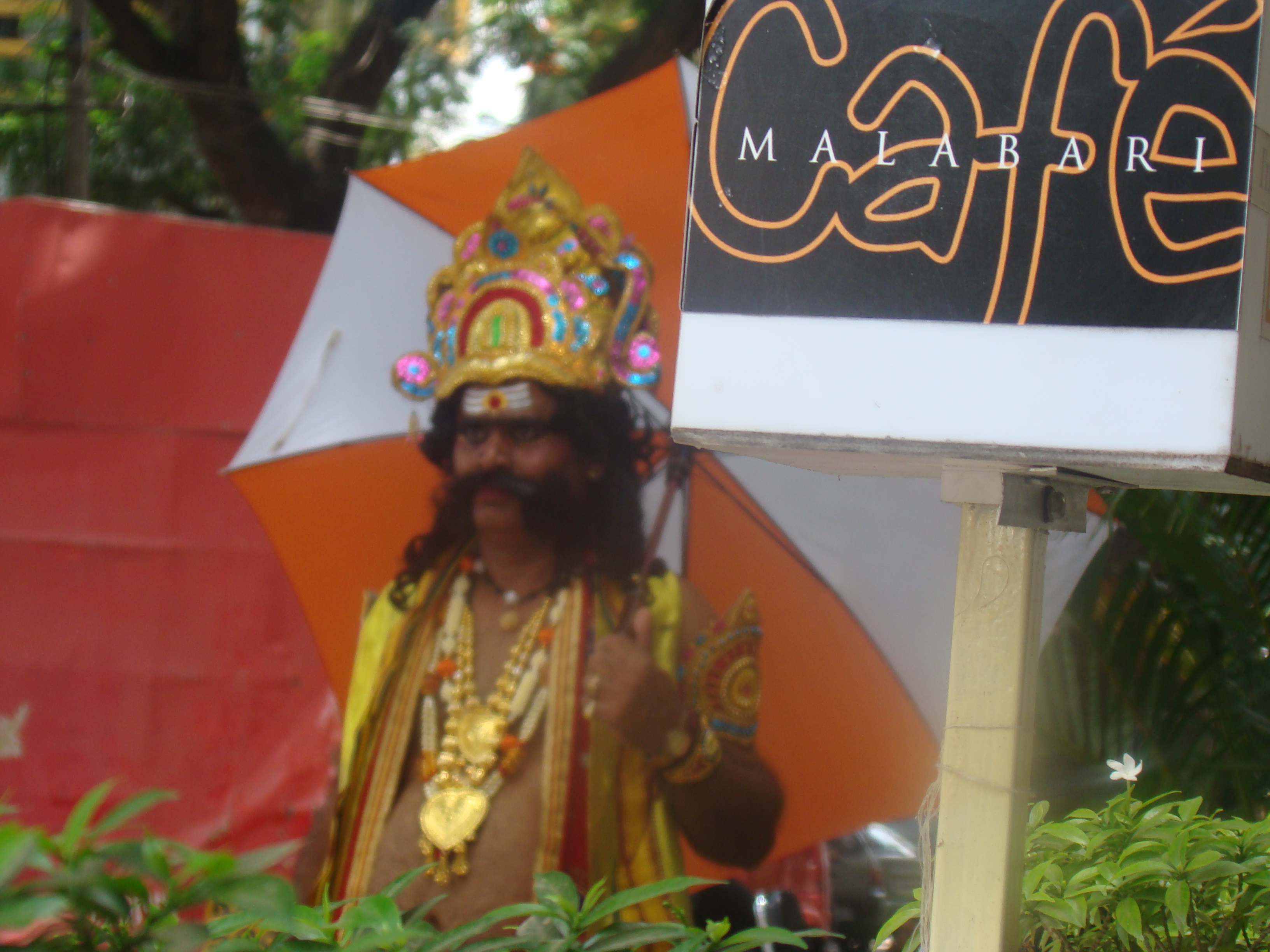
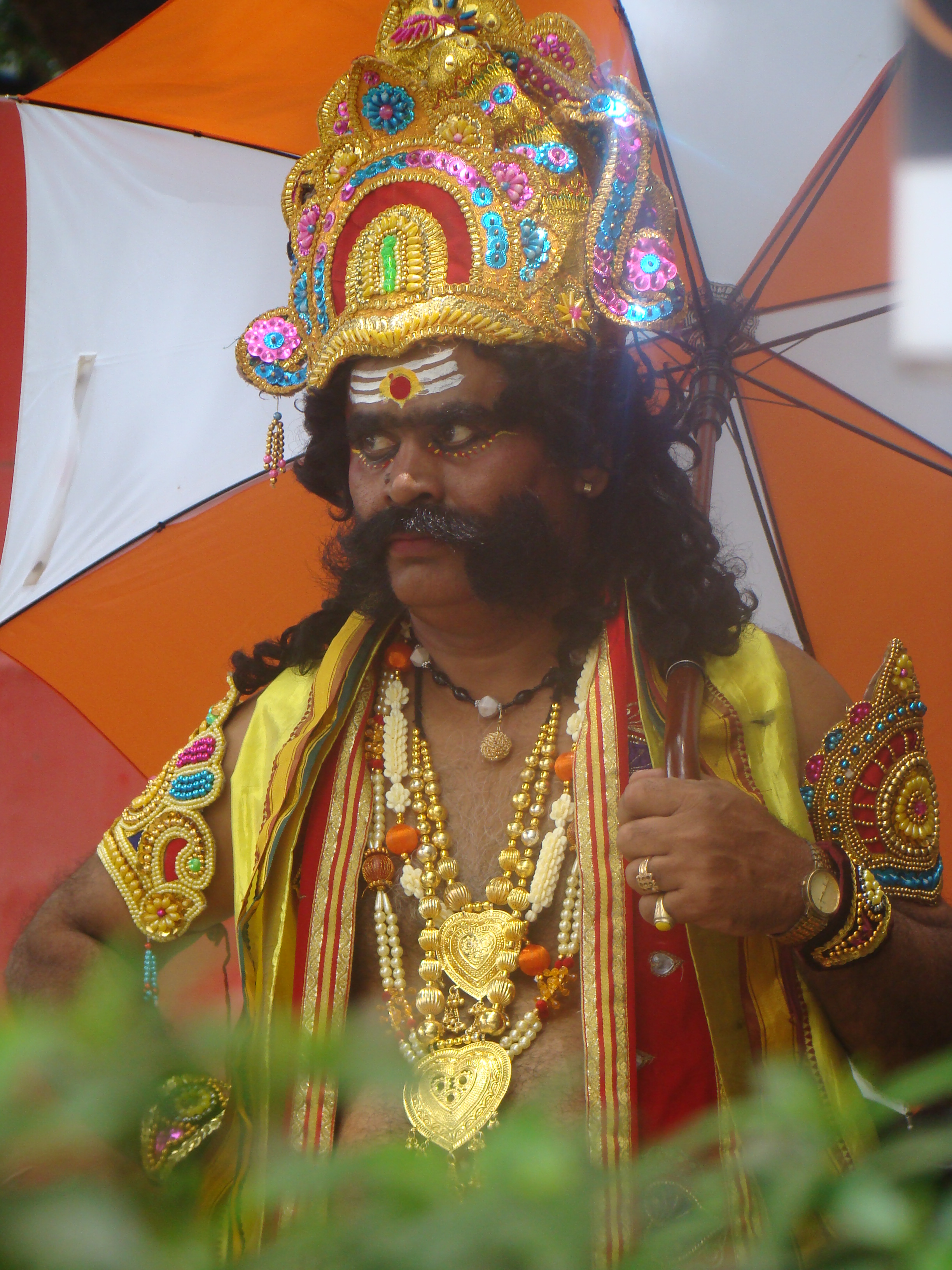
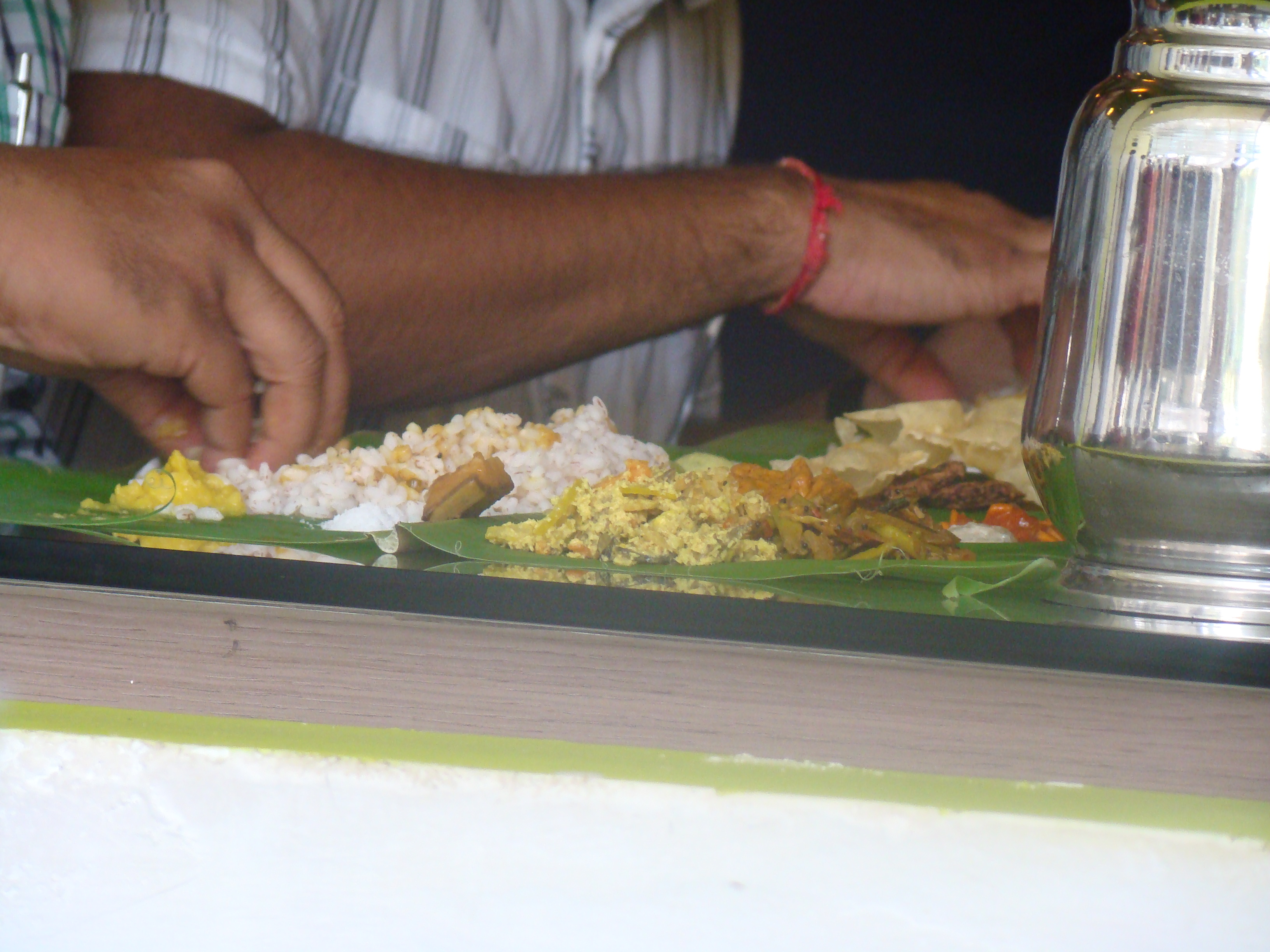
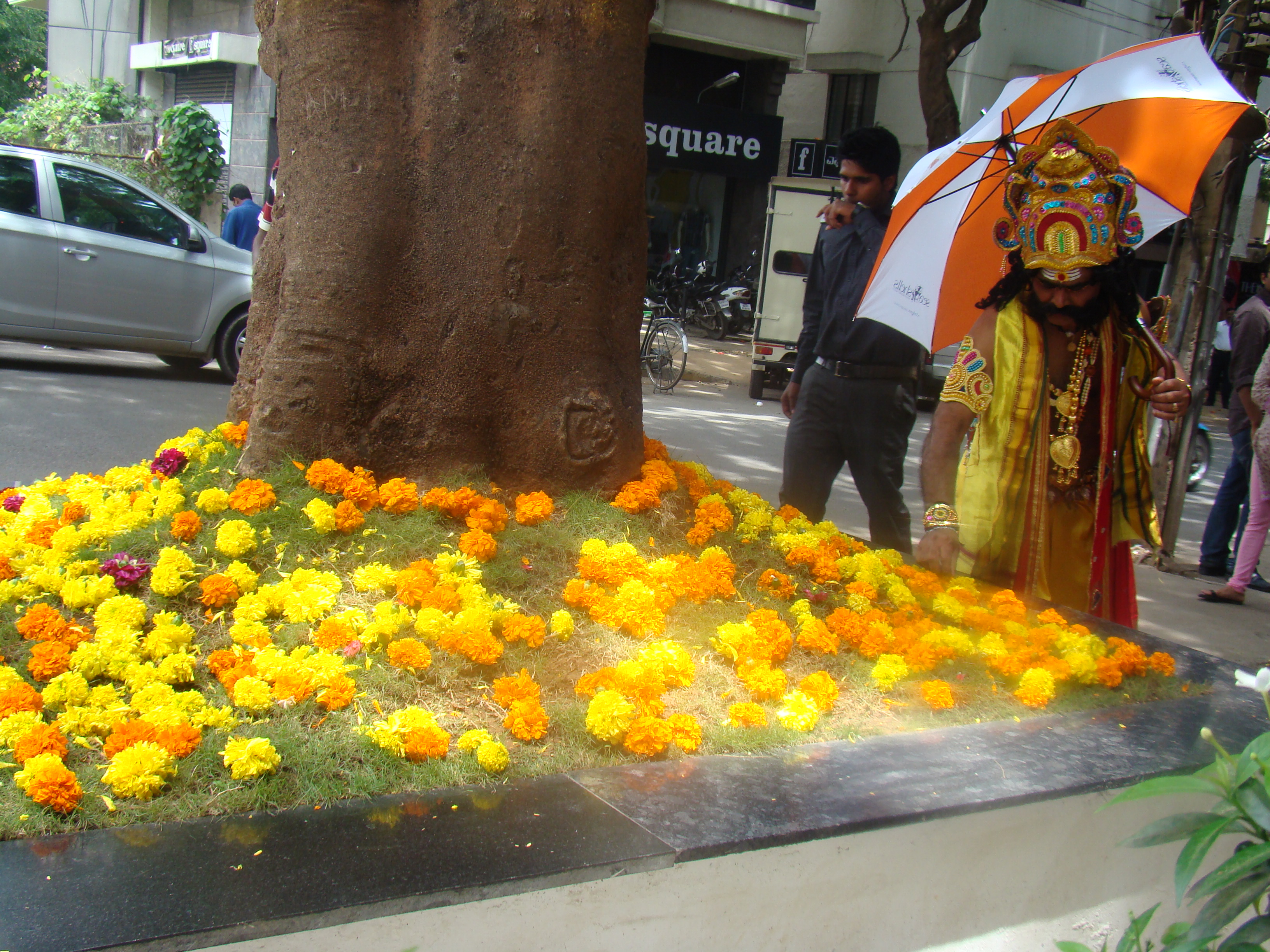
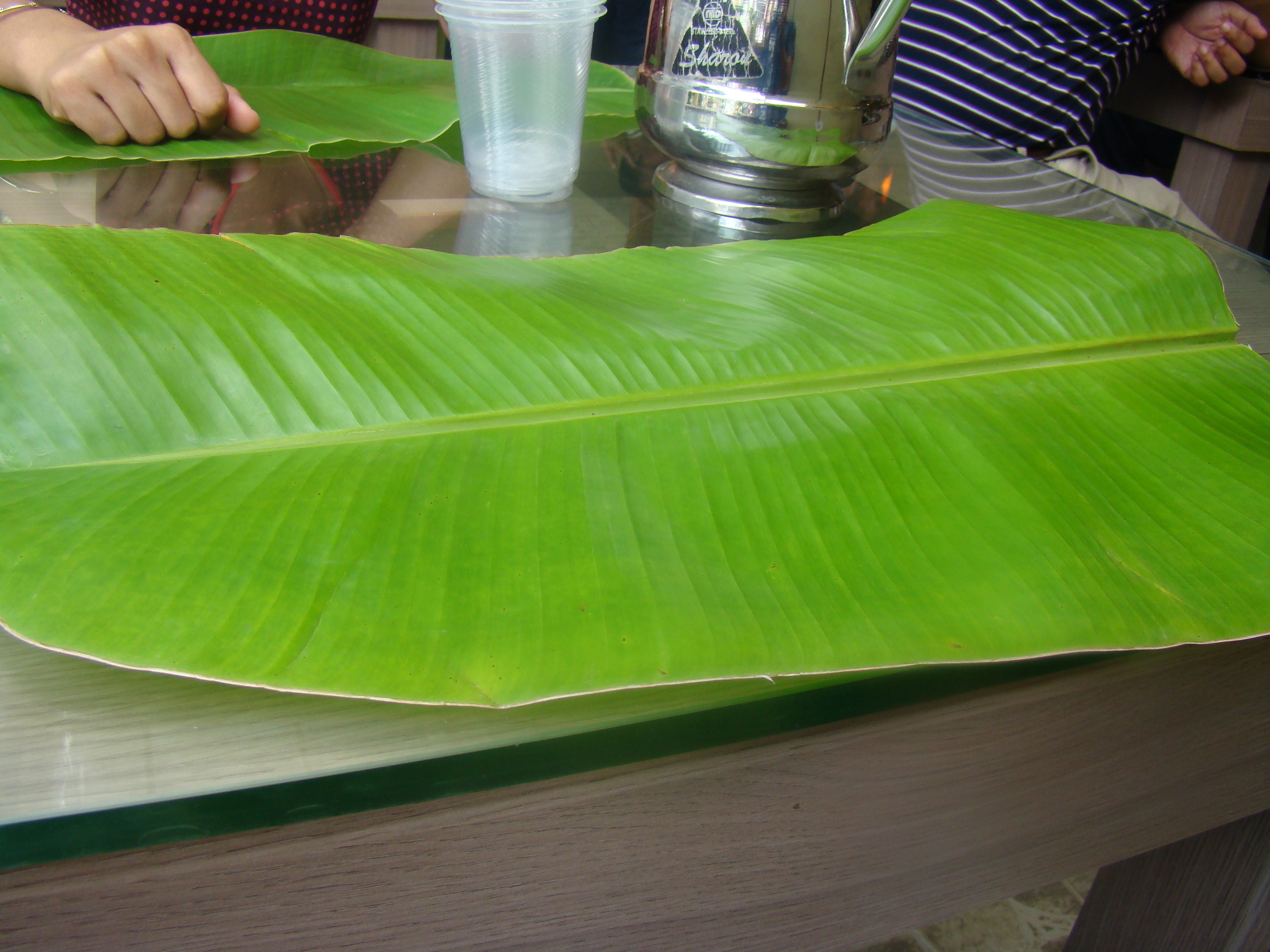
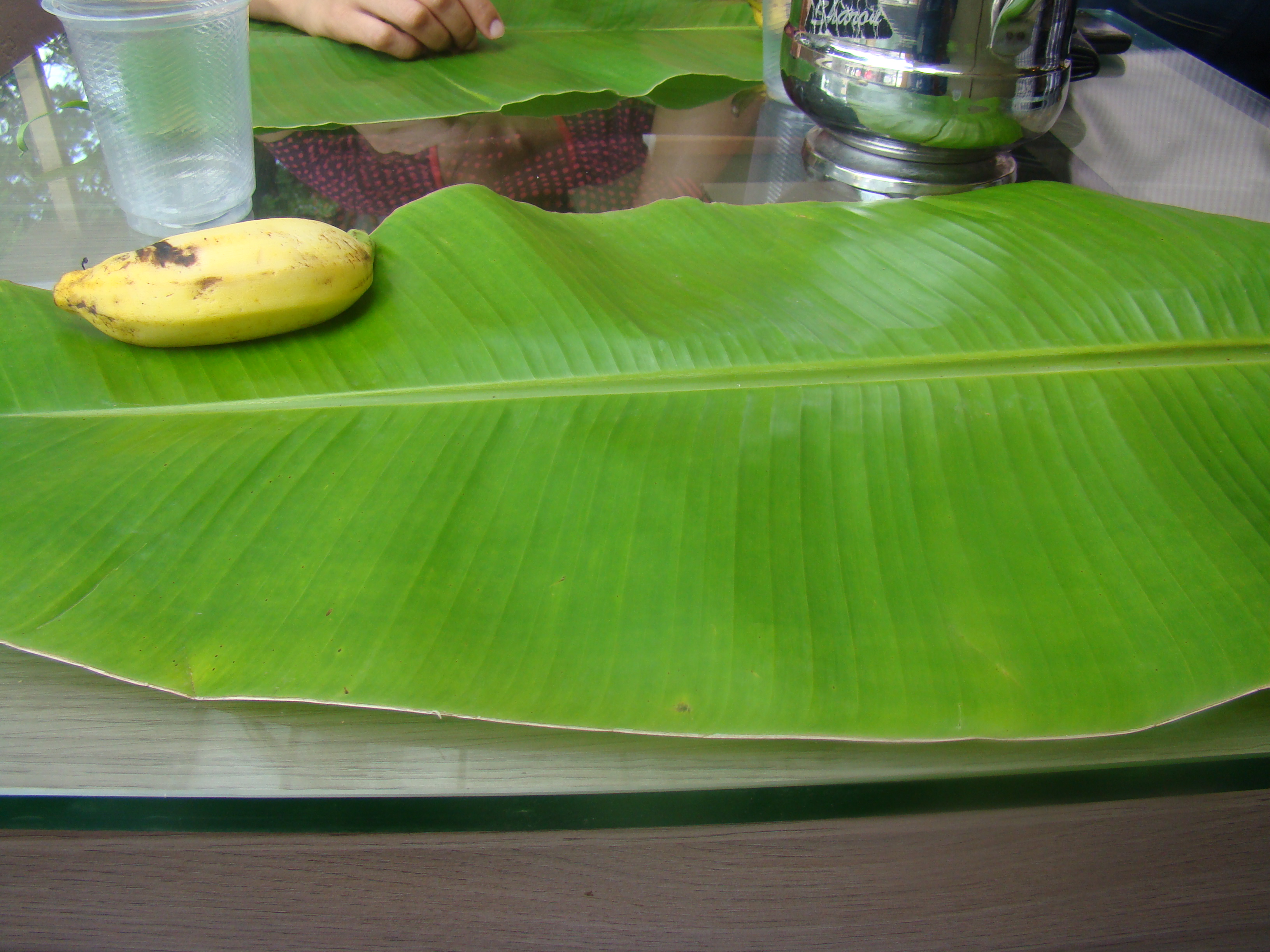
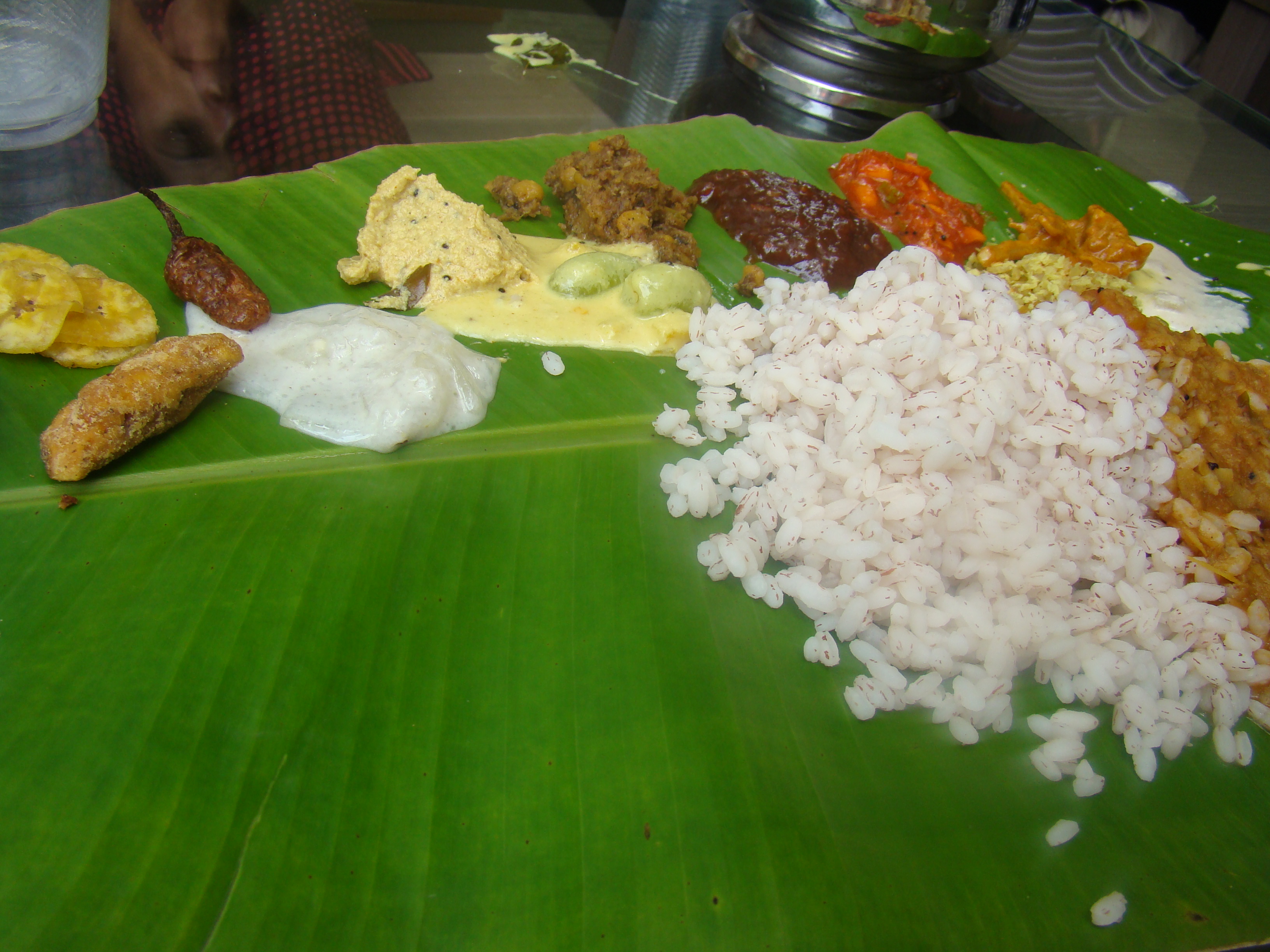
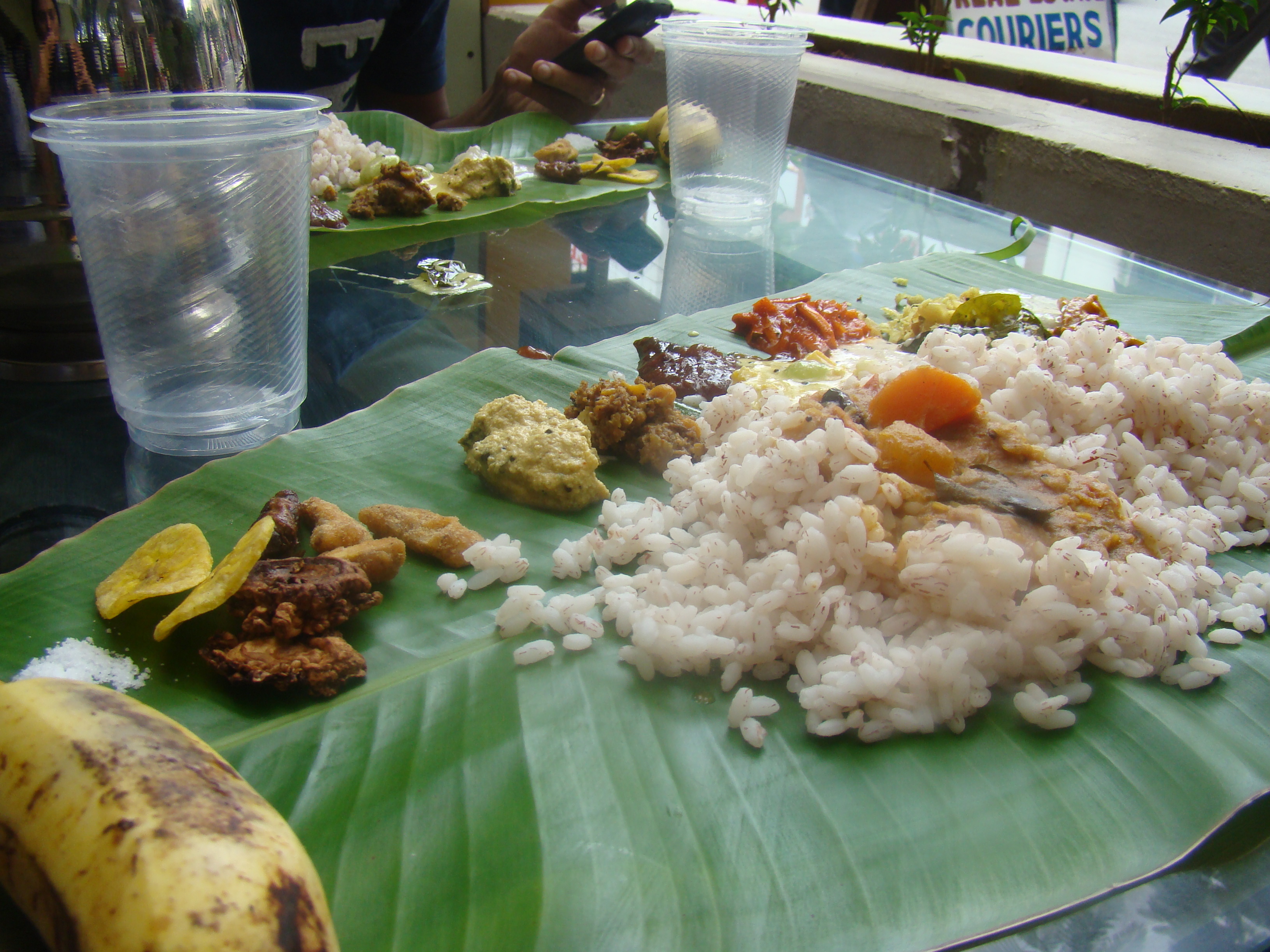
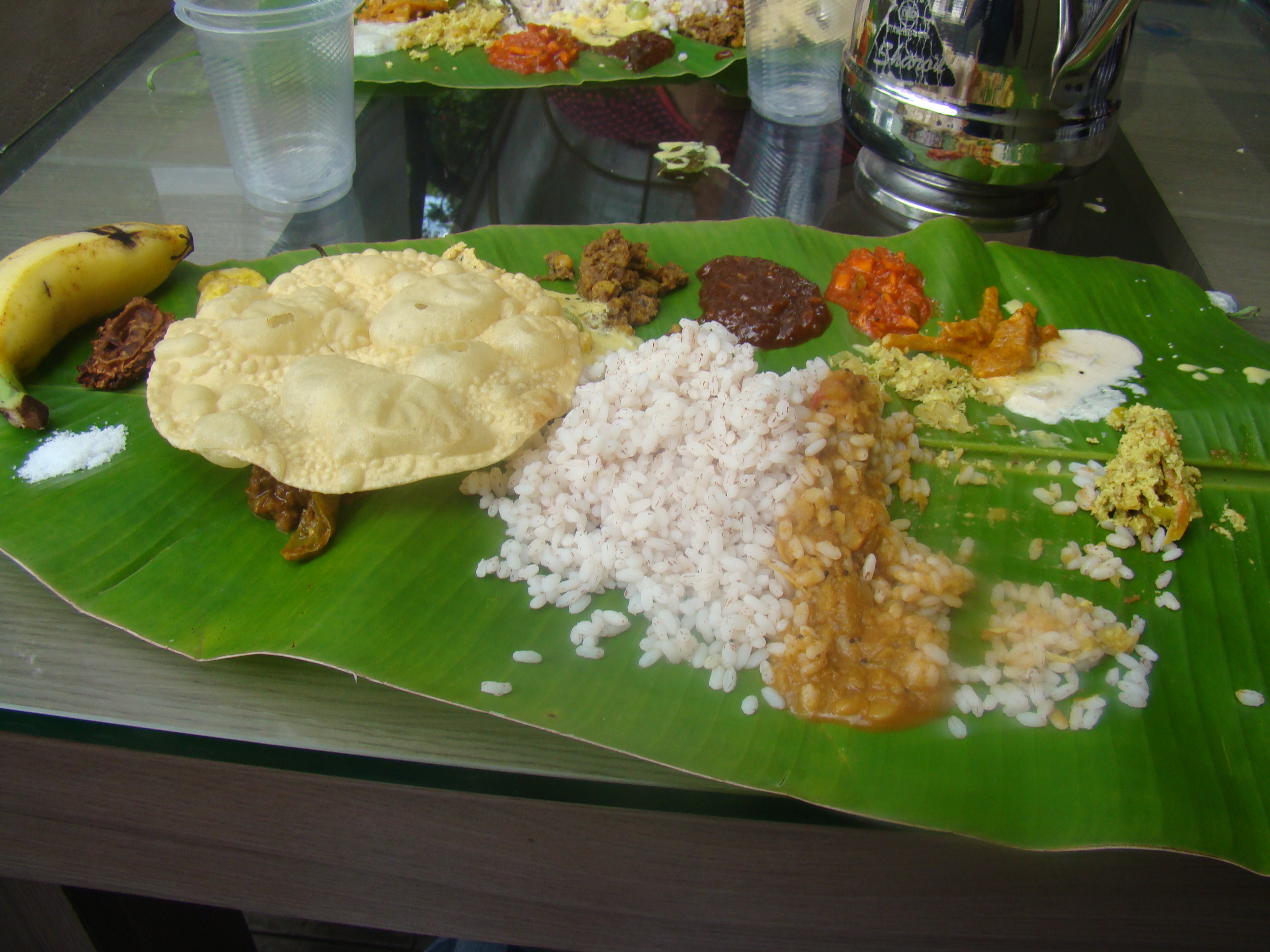
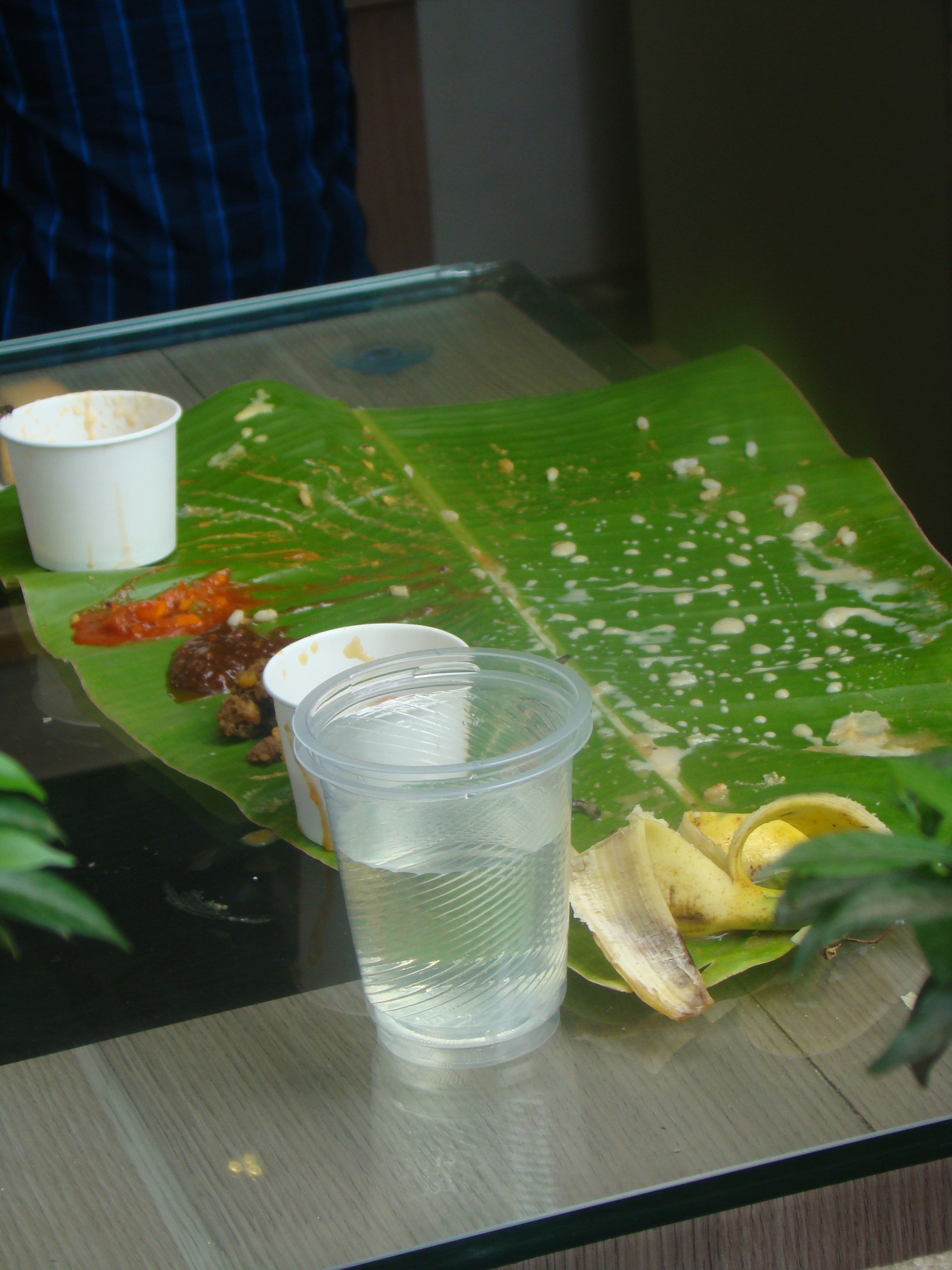
 We landed there just after 12, and on hindsight, just in time. A Yakshagana – Mahabali mashup was on hand to welcome everyone. The umbrella is definitely this season’s collection! 🙂 After we got the coupons and barely got the seats – the ones facing the road, the rush started and pretty soon, they even took off the banner advertising the sadya.We had to sit for a while watching others polish off their sadya, and Maveli inspecting the arboreal ‘pookkalam’. Finally we were set to begin, as we got the sadya infrastructure in place.After a smaller wait, all the pieces began falling into place. Out of the twenty three listed items, we only missed two, and that’s not a bad deal at all, considering the massive rush.The one big snag was that because of a tissues distribution failure, I had to keep my clicking finger away from sampling any of this, until I could get a final shot and could then concentrate solely on eating. I gave up after the sambar made its entry. After three rice rounds, and two payasams, there seemed to be only a couple of survivors. The banana peel doesn’t count!
In a coconutshell, Cafe Malabari did a good job. If they survive the Koramangala restaurant wars, I’ll do a repeat next year. The funniest part of the entire experience was Mahabali shouting out ‘Sold Out’ to the crowd outside. 🙂
I wish we could add an ഓണകോഴി (chicken) to the mix. Meanwhile, I do have a concept for next year, based on the beer lunch. Will need to talk to the Kerala Beverages Corporation for this though – ഓണാശംസകളള് 🙂
until next time, as a fellow mallu said, Mahabelly 🙂
-
TaxiGuide.in
TaxiGuide.in is an online car rental booking service that allows you to search, compare and make an online reservation of cars on rent/hire in 77 Indian cities. In conversation with co-founder Ashok Ananthakrishnan
[scribd id=63958354 key=key-27hhilv5qmfjxfi3q19f mode=list]
-
The Wish Maker
Ali Sethi
Ali Sethi’s debut novel would have been just another coming of age novel, if it were not for the milieu it is set in, and the characters that make up the narrative. Zaki Shirazi lands in Lahore for the marriage of his childhood companion Samar. As the house is caught up in the wedding, the book goes through the life of three generations of women – each layer peeled back to reveal another.
Samar, who lives with her Daadi, away from her own parents, and in the company of her cousin’s son, Zaki, though they are close enough in age to be cousins themselves. The adventures, and misadventures of childhood, fleeting friendships soon forgotten, adolescence, crushes, rivalries, booze and hash have all been well captured and the generation that has grown up with video cassettes, ‘dedication’ audio tapes, the beginning of cable television – Kevin Arnold etc will be able to identify with this.
Zaki’s mother, forced to bring up her son on her own, after her fighter pilot husband dies in a crash, has an uneasy relationship with her mother in law and tries to balance the needs of her young son with her own need of having an identity, as a journalist (who staunchly supported Benazir Bhutto only to feel let down and then become pragmatic) and magazine editor.
And finally Zaki’s grandmother (Daadi) who has a strong influence on everyone who lives in the house, and her relationship with her sister, and the people who live with her.
In the course of their lives, we get to see glimpses of Pakistan’s turbulent history, and present – from Partition to the hanging of Zulfikar Bhutto to the reigns of Benazir Bhutto, Nawaz Sharif and Musharraf. Through different characters, the author also manages to give us snapshots of the cultural/religious/social landscape.
Ali Sethi lets Zaki and a few other characters meander a little outside of the structure he has built, but much of it adds to their depth, a reason for why they are the way they are. There is clearly an element of autobiography in the book, and what I would have really liked is for the author to dwell on the relationship between Samar and Zaki in the present and if/how it has changed with time. Perhaps the only glimpse he offers is in the last line of the book, and that was a bit disappointing especially since the author has created many interactions between Zaki and the other characters to portray the changes/constant nature of bonds.
Poignant at times, wistful a bit, and humorous once in a while, this is a good read if only to show how similar we are in many ways to those across the border.
Psst, a small milestone, this happens to be post #900 Thanks for reading 🙂