[scribd id=71875503 key=key-13i32ebqtll53hvgznm2 mode=list]
-
Biryani Pundits
Sometime back, while on a Natural Ice Creams (map) expedition in Koramangala, we found that an iconic Koramangala food spot had gone missing – Sonakshi Sharma’s Family Restaurant. In its place was Biryani Pundits. Though we did visit soon after, missing out on the Biryani among other small things, I decided to wait for an official review in Bangalore Mirror before I published it here.
It’s located in Koramangala 1st Block, near Sichuan. Usually it’s easier to park in Indiranagar and take an auto, but you can try your luck in one of the side lanes. You’ll have to climb a flight of narrow stairs to get to the seating area.
Take a look at the menu on Zomato. If you’re up to it, you can mix and match with the Chettinad, Tandoori, North Indian, and Biryani that’s available. There are also value-for-money priced, ‘legit’ combinations available. As you’ll notice, the menu doesn’t have a starter section, but there are more than enough items in the ‘Fry’ ‘Tandoori’, and ‘Daily Specials’ section that can serve the purpose quite well. In fact, with Quail 65, Prawn Sukka, Crab Soup, Fish Cutlets etc listed among the day’s specials, there was much lip smacking. Unfortunately, none of the items in that section were available, and that left about a dozen ‘Fry’ and a few Tandoori options.
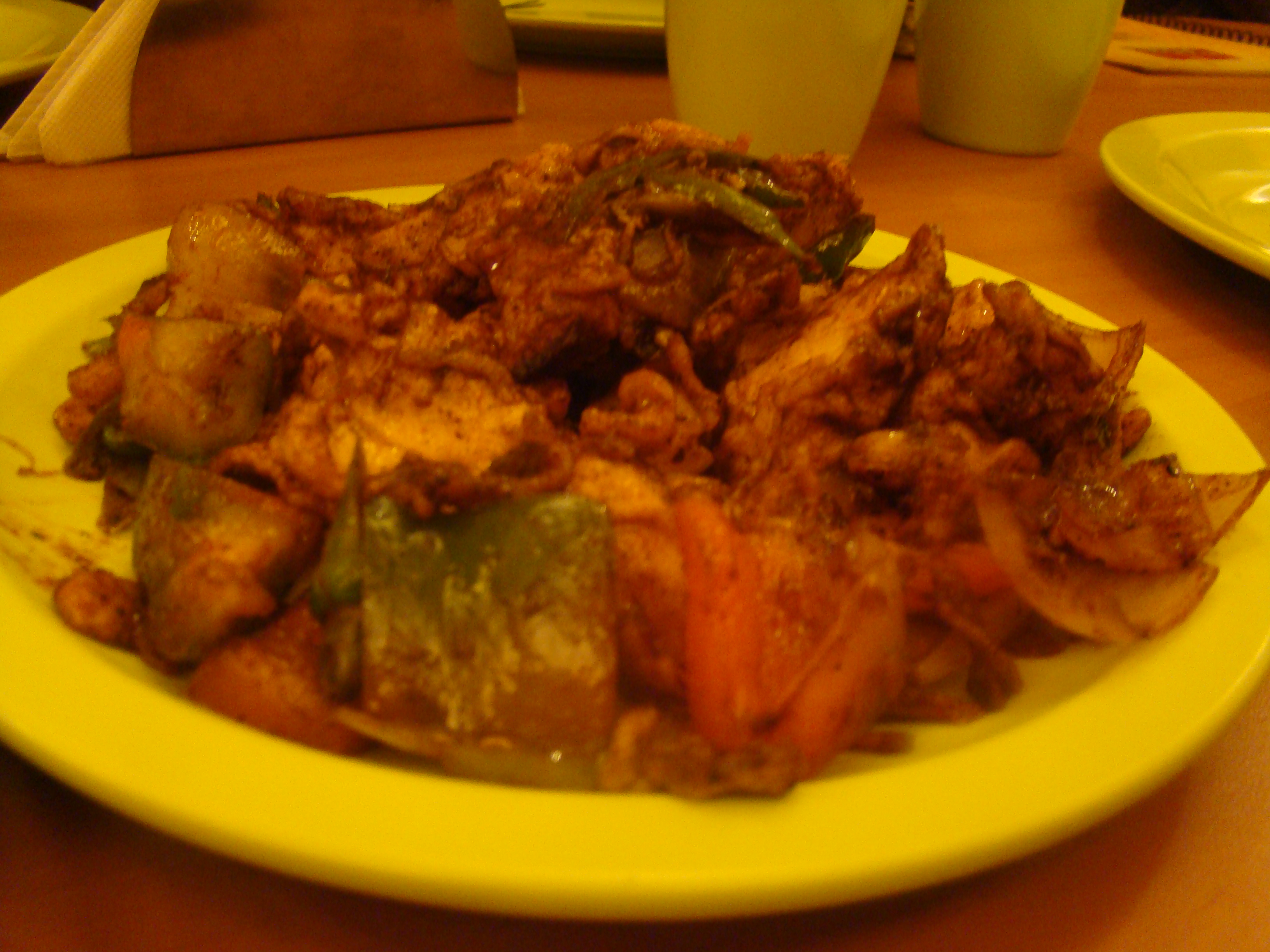
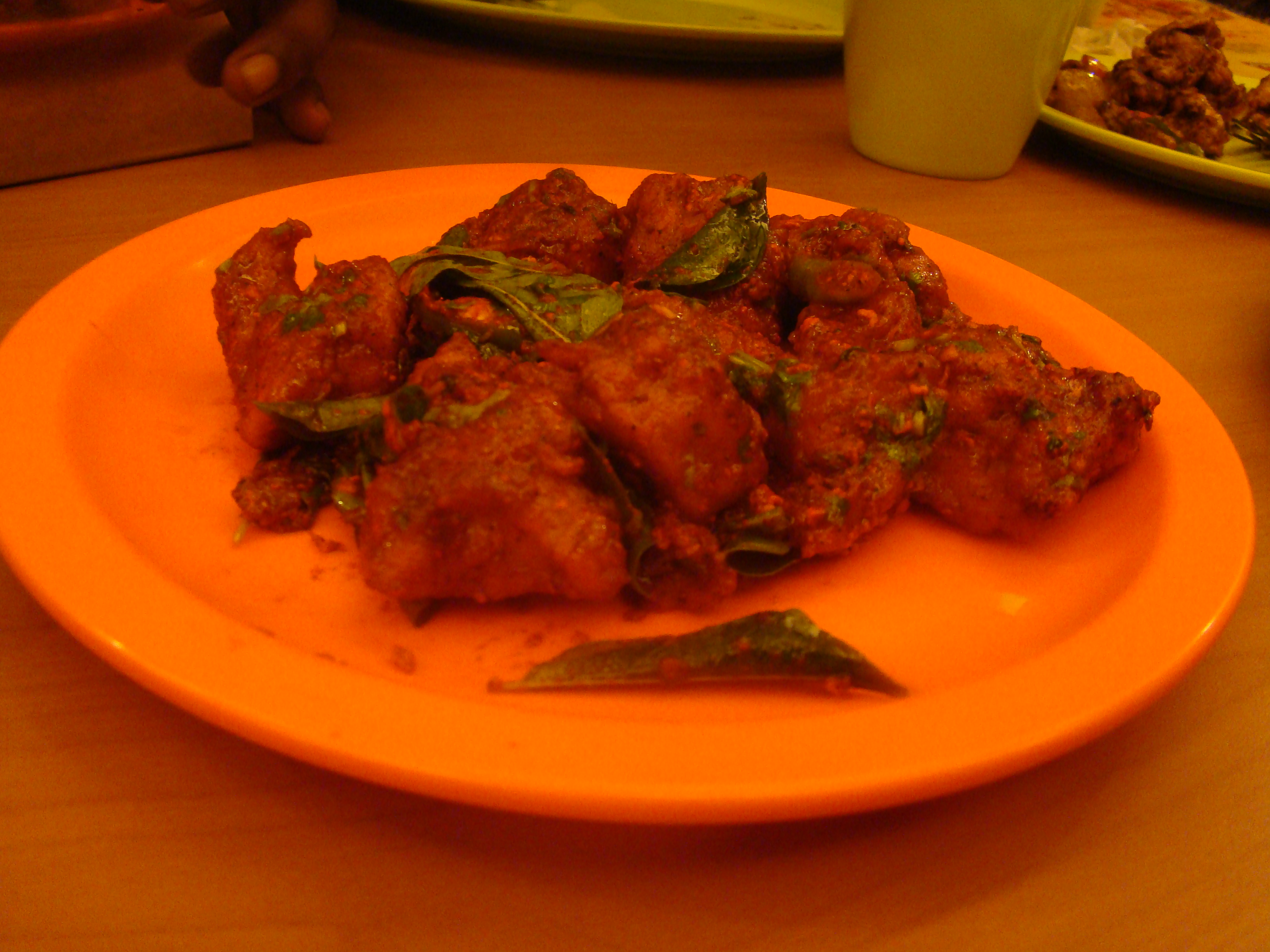
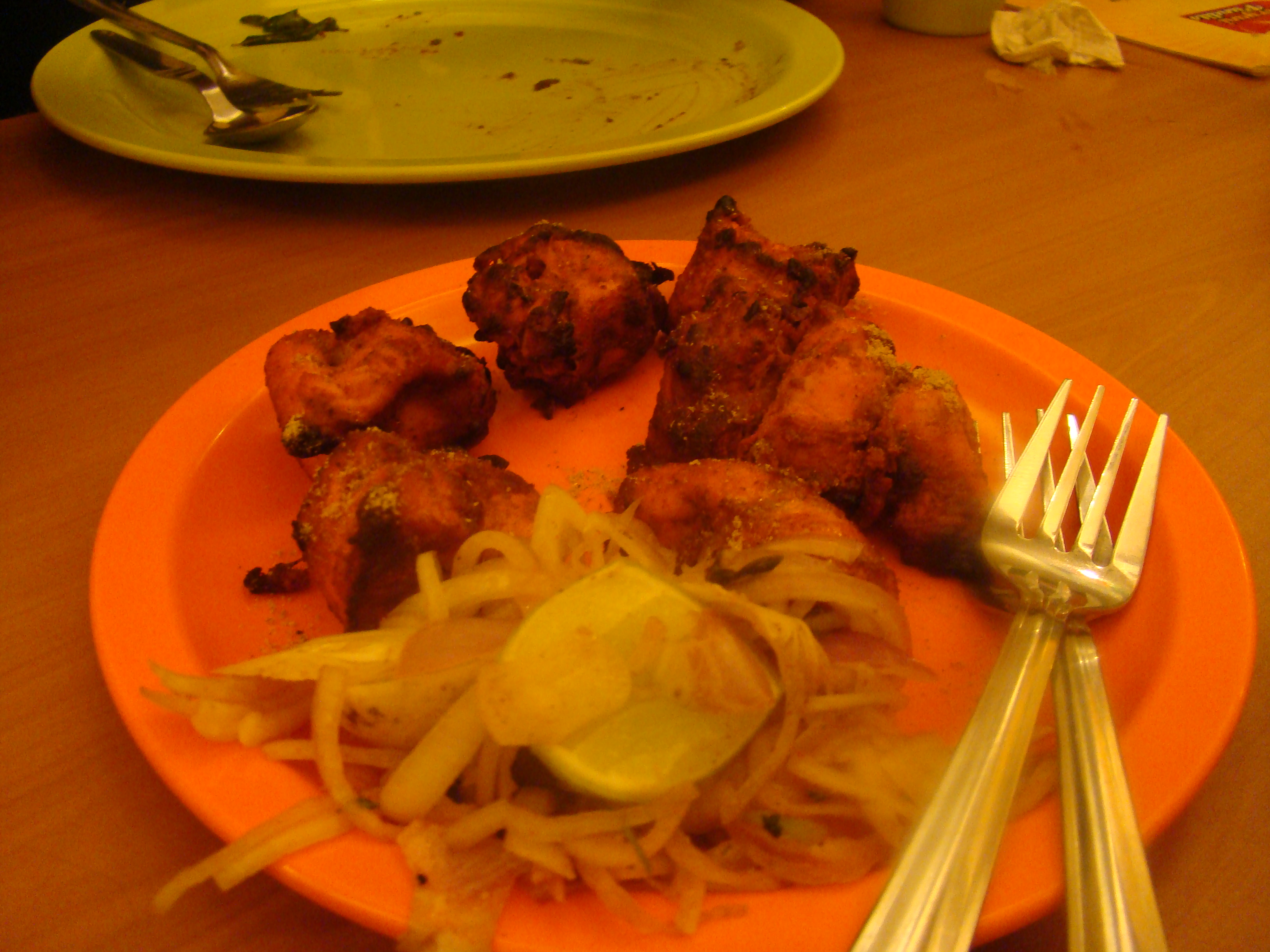
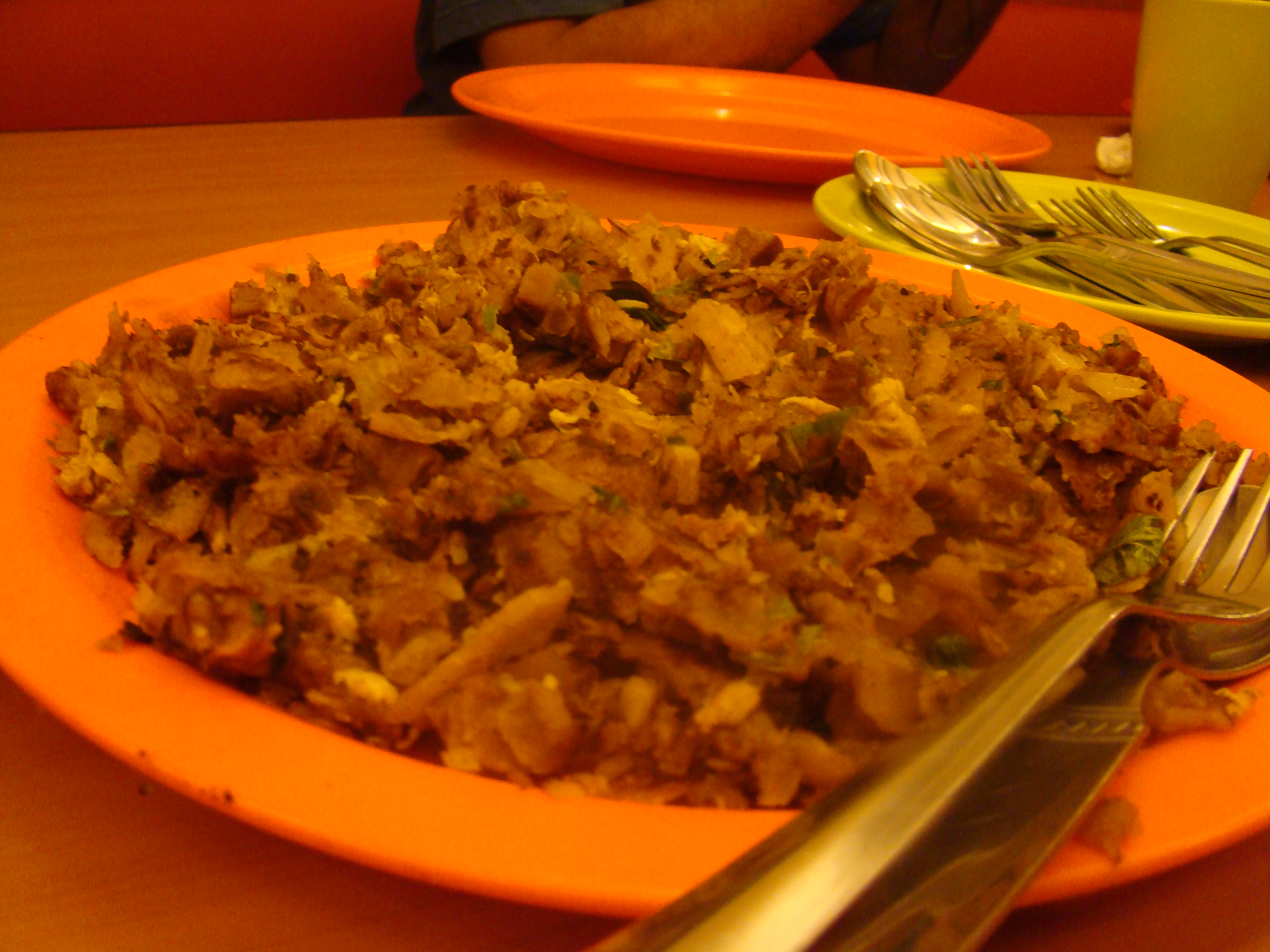
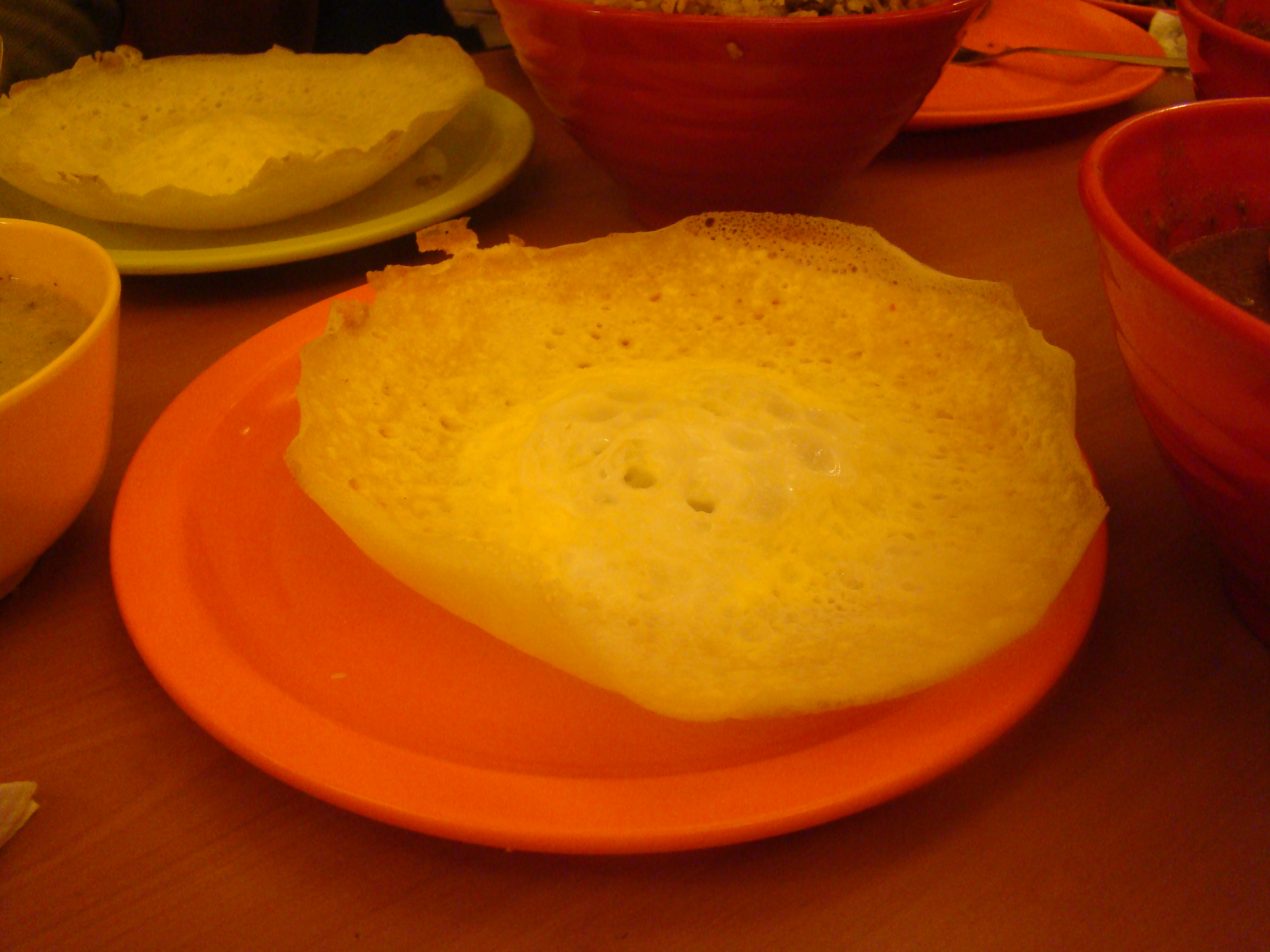
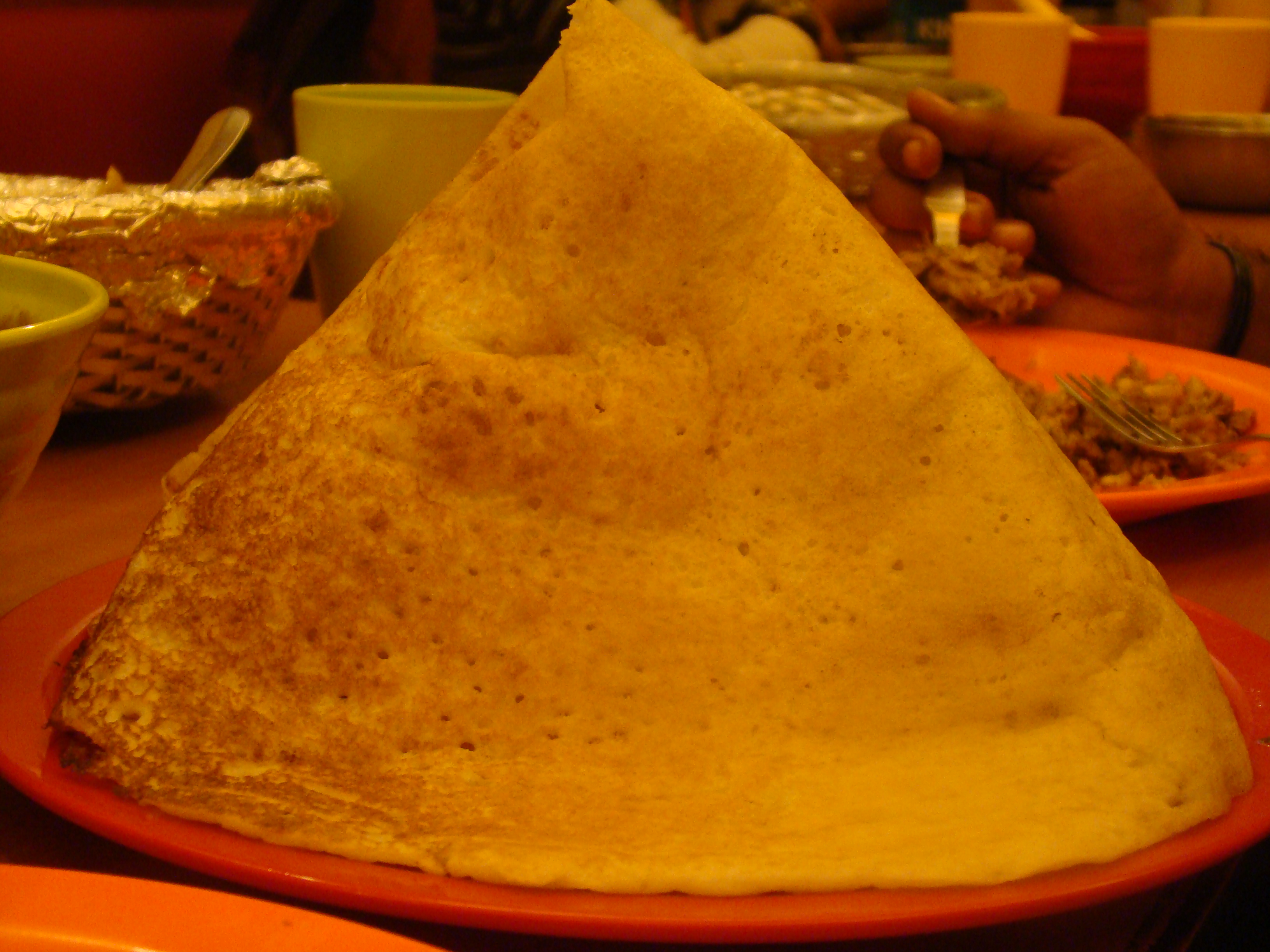
 The Chicken 65 was the pick of the starters, boneless, succulent and quite spicy thanks to a chilli paste. The Lamb Liver Liver Fry was just a shade below, and though the masala couldn’t be termed spicy, it had a flavourful zing to it, helped by the green chillies. The Pundits Special Chicken just about passed muster with a masala that seemed to be a ‘ghee roast’ wannabe, but without the ghee or the texture. The Paneer Chilly turned out to be a disappointment and the least spicy, with the Paneer in a guest appearance and corn flour and capsicums hogging the limelight. Though the chicken was tender, the Chicken Tikka Boneless was quite bland, despite peppery attempts.The Chicken Wheat Parotta Koththu is quite famous as a street food and Biryani Pundits does a good job with it, not being stingy with the chicken, and with a slightly spicy and consistent masala featuring ginger garlic, chilli and turmeric flavours. The Lamb version was not so fortunate with the masala, as some portions were too salty. But here too, it needs to be mentioned that there was an ample proportion of meat. One of the drawbacks of an enthusiastic service was that they brought the entire set of dishes at the same time, despite the order having things like appams , Wheat Parottas and Biryani, which really need to be served hot. I expected the egg appam to have an unbroken yolk, but that was not to be. However, it did a good job otherwise, making a good combination with the Lamb Curry , which was the only item that redeemed the main course. The meat was tender and juicy and the gravy, while not overly spicy, had a piquancy about it that made it a favourite. The Chicken Pepper Masala was a also quite a dud, with no sign of the pepper. The Wheat Kerala Parotta obviously lacks the fluffiness of its maida counterpart, but is still a safe bet. The same can’t be said of the Veg Lbabdar, which somehow tasted all wrong. An extremely dominant tangy flavour made the dish quite unpalatable. Much was expected from the Special dosa, priced higher than the egg appam, but it was just a roast dosa, which could barely hold on to its crispiness. But the biggest disappointment was the Pundits Special Chicken Biryani, special because it used kababs, but the masala made only a fleeting appearance. Also mildly irritating was having to ask for the raita and the brinjal chutney that were supposed to be given along with the dish. And when they did appear, it didn’t make much of a difference either. The other disappointing aspect was the non availability of dishes. To feature items like ‘Lamb Head Masala’ and ‘Quail Biryani’ on the menu and not have it is gross injustice, and enough to convert carnivores into cannibals.
The menu does not have a dedicated section for desserts either, and our only hope was the ‘traditional sweet’ promised with the biryani. That turned out to be another item we had to ask for, and when it did arrive, the jamun was a tad too sweet and syrupy.
For a restaurant that has Biryani in its name, Biryani Pundits have quite a way to go before their offering delivers some dum. Some of their dishes are quite good, but the unavailability of items doesn’t really help their cause.
Biryani Pundits, No:1018, 1st Main, 80 feet Road, Koramangala. Ph: 8880050001
-
Death of an echo chamber
The BBH Labs Blog has a very interesting post based on a research that reexamines one of the most debated topics even in the hyper-connected era – the echo chamber. From the research abstract “We propose a trade-off between network diversity and communications bandwidth regulates access to novel information because more diverse network structure increases novelty at a cost of reducing information flow” I am yet to read the research completely, but the post gives me enough fodder for now, because it asks “where does one find the most novel information per unit time?”
For a lot of people that I know virtually, the answer would be Twitter. My relationship with Twitter has had several kinds of highs and lows over 4 years. For the last few months, it has been a constant though, and is a very limited relationship. Somewhere in the journey, Twitter became too crowded for me.
Thankfully there was another ‘social network’ that has been my bedrock for a long while now, and that is my answer for the question asked earlier – Google Reader. Reader is not a network that has grown exponentially for me. My network there does not exceed a dozen, and without referring to it, I can name the people I connect with, and why.
I rely on Mahendra to give me the latest news and best perspectives in tech. Ditto with Prasoon, whose “Share with note” gives me the money-shot notes in posts I should, but am too lazy to read. 🙂 Surekha keeps me up-to-date on media and PR news that I wouldn’t otherwise know about. Balu – despite being an NRI now – unearths India-specific tech posts I’d ordinarily have missed, and gives me vicarious experiences of the world of gaming. Gautam John provides mouth-watering food posts and news/views on India/Wiki that everyone should know about and have a considered view on. Vedant gets quoted in many blog posts that I write – on this blog and the personal one – as the source of the work that started a thought in my head. There’s Josh Rutner, who must be reading a zillion posts to discover the insane stuff he shares. Rahi is a relatively new connection, and I have to thank her for some of the best blog posts get to read these days. Anand somehow has a way of bringing to my notice posts that I missed in their first run, and I silently thank him each time. Just when I think Patrix has gone away from Reader, he shares an excellent post that grabs my attention. My network on reader would notice a name that’s conspicuous by its absence – and that happens to be my favourite Reader buddy – Roshni. If she has shared it, it has to be read, because one way or the other, the piece will deliver! That, ladies and gentlemen, is my Reader network, and that long paragraph would explain why I was shattered when Google decided to get evil with Reader.
The BBH Labs post, and the research has this to say about strong ties – those who know you well know what type of information is novel for you. Over a period of time, the network and I have grown to know each other very well indeed. Once upon a time I had a theory that once everyone figured out everyone else’s sources on Reader, shares would become unimportant and I’d never discover anything new. I was obviously stupid, and guilty of hugely underestimating my network because they were constantly filtering and building new sources to learn, and help me learn. It made Reader the best echo chamber I ever had, and this post is so that I, and the web, remember it, always. “Oh oww, Oh oww, Oh oww.”
until next time, MAAR – Mark All As Read
-
Timestamps
Thanks to the weird processes of online tax filing, I had to go to a real post office sometime back, and realised that I hadn’t visited one in at least 8 years! That’s the time we have been in Bangalore. I clearly remember frequenting the one near home in Cochin, and the one in Goa, housed within the GIM building. But 8 years is a long time. The Rs.5/ Rajiv Gandhi stamp was something I’d never seen before and told me how out of touch I was.
Like many others, I too used to list ‘collecting stamps’ as a hobby. I remember the last time I was in Cochin, I fished out the briefcase that has been the caretaker of my stamp collection for many many years now. The collection had a much humbler residence in its early days, when I was in school. I only realised later that Dad had an interest too and can now imagine how horrified he must have been when he found that foreign stamps could be bought from stationery stores. Fake stuff, but good enough for ‘exchanges’ at school.
The circular Singapore one, triangles, ‘diamonds’, Malaysian butterflies. There was even a ‘3D’ one, from Bhutan apparently! The circle, a few triangles and the butterflies were original, I think. 🙂 Later, a grand uncle, who could actually lay claim to serious philately gave me his entire collection which included a lot of first day covers and half/1 anna (currency not hazare) envelopes. Priceless stuff!
That’s around the time when dad gave me the briefcase, though I can’t remember why. It used to be the one he carried to office, and was special because it had a number lock! Yes, it was fancy then. Along with albums, the entire collection had a new home. After a few years, it was ignored, thanks to the many other interests that made their way into life. Many years later, I chanced upon the briefcase, and realised I had forgotten the code! I somehow remembered it, but became paranoid about it and gave the briefcase a makeover, one that can now be described as a Ghajini theme. All over its wonderful brown exterior, the number now exists – in various sizes and colours, courtesy the magic of permanent markers!
And that’s how I found it in the room, coated with a layer of dust, and safe behind a bookshelf, housing those tiny pieces of paper that allowed messages to travel over distances. Mobiles, email, social networks and evolution of self and others, all have contributed to the demise of a snail mail culture that included among other things, pen friends and chain mails, a glimpse of the person through his/her handwriting and the sheer joy of a mail waiting for you when you reach home.
And with that, perhaps a related hobby is also forced to breathe its last. This generation will probably be among the last to know of post offices and a hobby called philately. I wonder what the legacy of the stamp collection is. Maybe the briefcase is just like the other baggage that I own, a friend who reminds me of an earlier era, whose story and context end with me.
until next time, a briefcase history
-
Weekly Top 5
[scribd id=71111753 key=key-a4p0puy0ty9e3nve6xr mode=list]