Eco friendly bags that also doubles up as an advertising medium, that’s AdBag. In conversation with founder Rohit Mukherjee
[scribd id=78868188 key=key-296kjwh6654jr4ydil42 mode=list]

[scribd id=78416383 key=key-2ms65njjmb3iuck27qcy mode=list]
The last Thai dine out didn’t really work for us, though it was at a (now former) favourite. The cuisine is a preferred one, and thus was seeded the idea to Thai up the loose ends. And that took us to the city within the city. Soul City in UB City (map), located within the Oakwood Service Apartments, right next to Shiro.
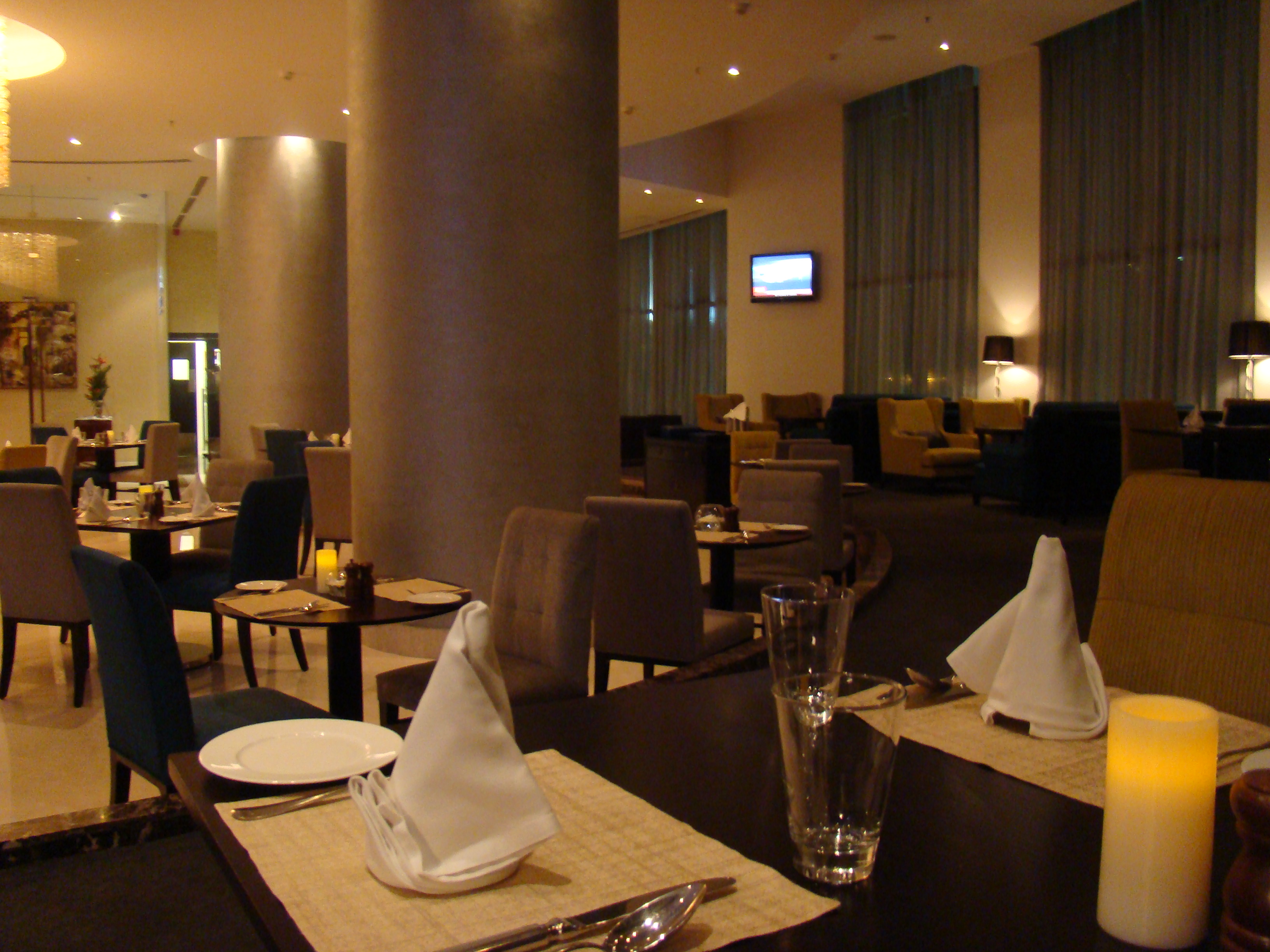 Tastefully done interiors, and since we were early, we got the choice of seats. There are TVs too, in case you really run out of conversation topics. The windows are curtained, though I’d have loved to watch the skyline! In addition to this menu, (courtesy Zomato) they also have a well stocked bar. From the menu, the idea is all about good food without categorising it into specific cuisines or dining experiences. Not a bad thought at all, and it meant that we got representation from Thai, Vietnamese, Chettinad, Moroccan and many more cuisines in the menu.
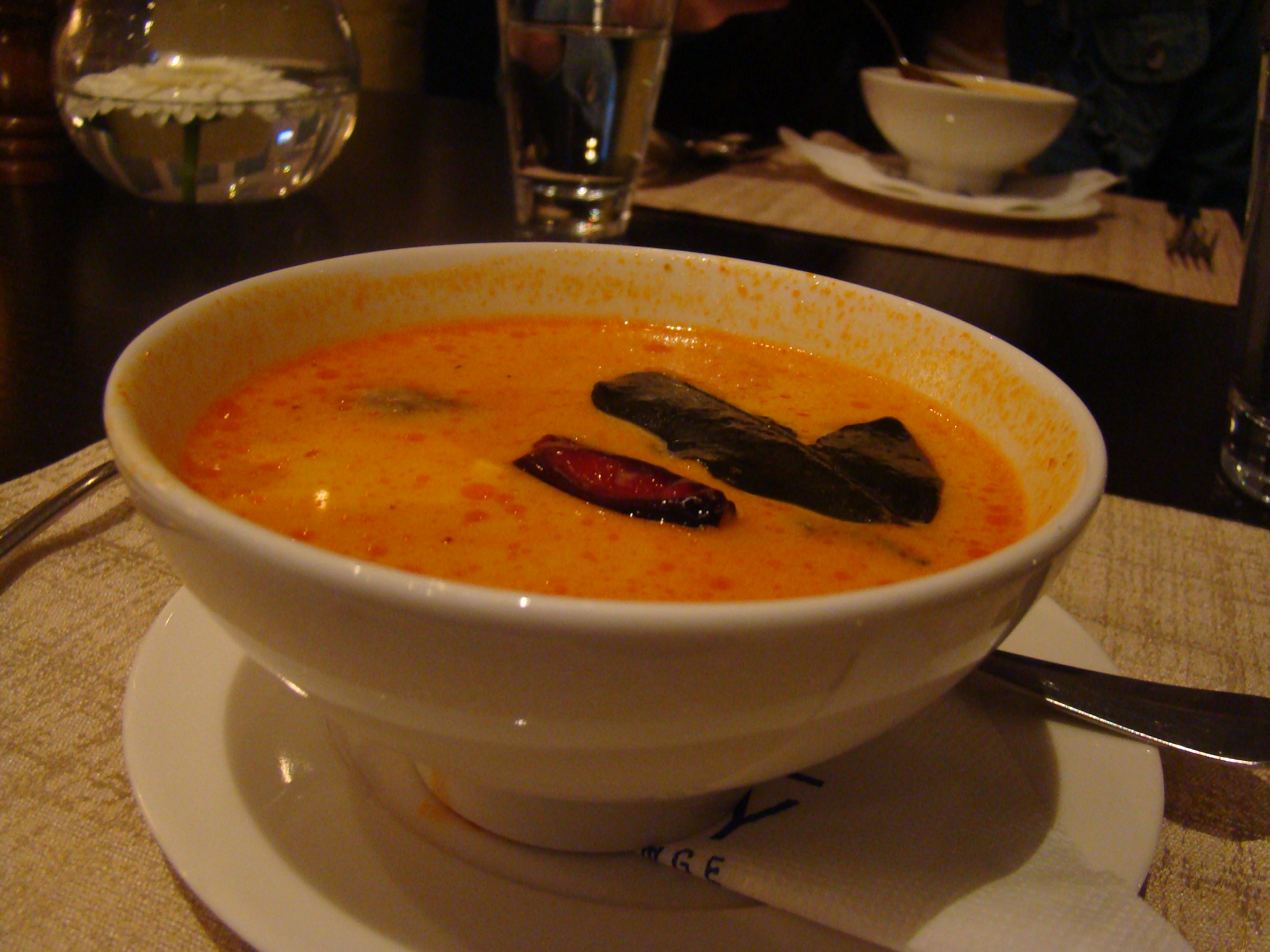
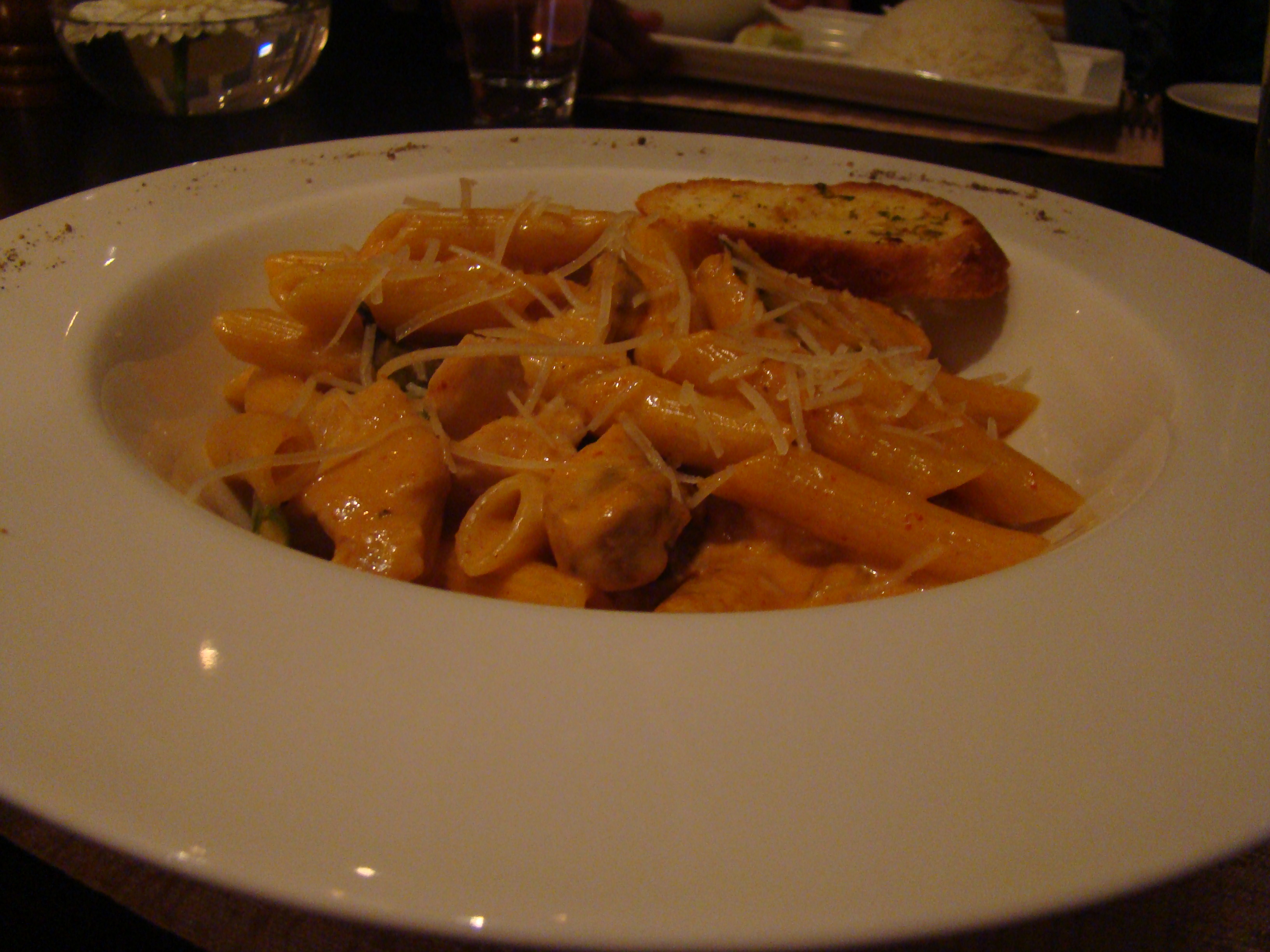
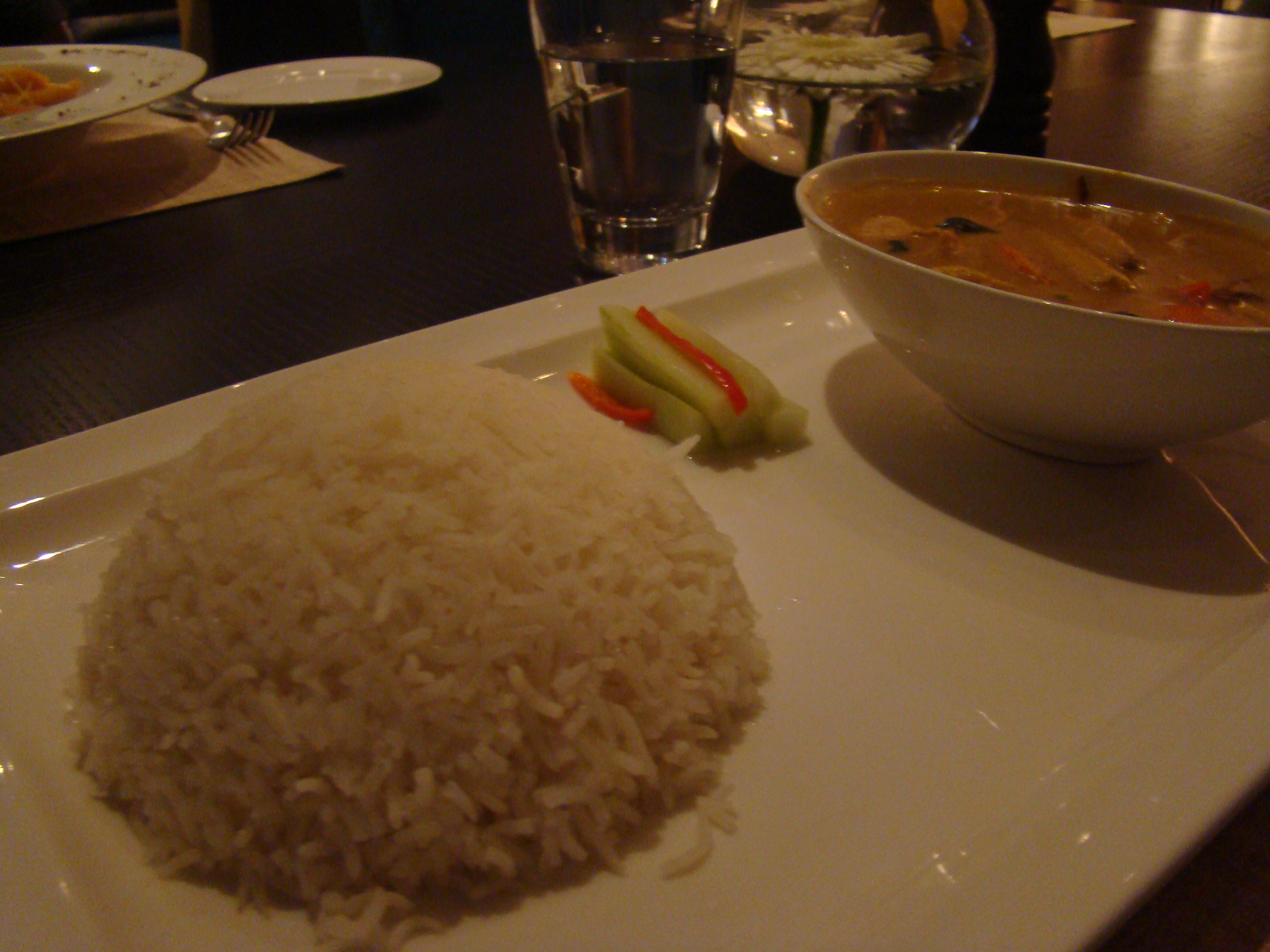 Not the regular modus operandi, but we started with a vegetarian soup – a case of coconut milk scoring over chicken. The Tom Kha Taohu was a spicy soup, and the tofu and mushrooms ensured that we didn’t miss the fowl play. I’d have liked it to be a tad thicker but that is probably just greed. The coconut milk theme continued in the main course too. We ordered the Penne with Red Curry Coconut Sauce and Gang Kua Subparod. (Chicken) The Penne dish was actually a veg dish. but they were nice enough to add chicken on request. The red curry coconut sauce was extra good thanks to the cheese and the mild spice made it a fantastic dish! The Gang Kua Subparod was very good too, again coconut based curry served with rice, but the fruity flavour (pineapple) that it is supposed to have was completely missing.
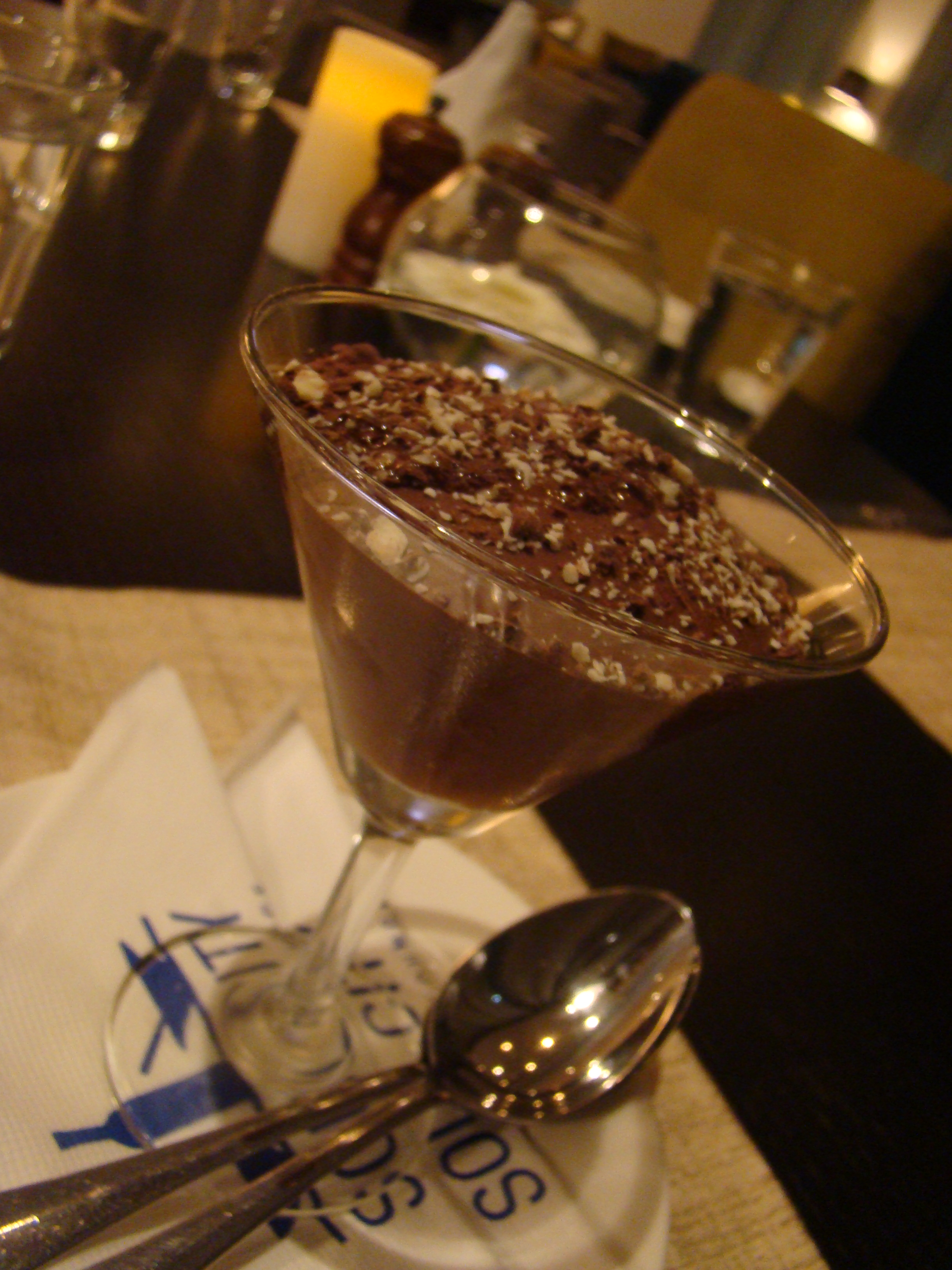 We would’ve liked to order a starter too, but the reason we skipped that was the desserts section. I wouldn’t say it was a really tough call, but the Banana and Chocolate Pancakes were quite tempting too. However, in the presence of a higher chocolate power, it had to lose. The Chili Chocolate Mousse did look quite good, but turned out to be a bit of a disappointment, since the chili was totally missing. What replaced it was a vague tart flavour that also took away from the chocolate. 🙁
All of the above cost us about Rs.1250. Despite the anti-climax, the service was quite helpful and prompt. The overall experience was quite positive, and we’ll definitely drop in again to listen to music that reminded me of mixtapes – R Kelly, Cyndi Lauper, Dido….
Soul City, Oakwood Premier Prestige, UB City, Vittal Malya Road Ph: 22348888