• Clear Blue Oceans

    The last week, I encountered a few ‘brand response scenarios’ – two of them in which I was directly involved, and one where I was just an onlooker. Since this is an area where I also spend considerable time, as part of my job, I thought I’d share some perspectives too.

    The first one involved a hotel booking. After reading excellent reviews on TripAdvisor and skimming through a well made website, I decided to send them a mail. For 2 days I received no response. I noticed that they were on twitter, and send them an @ message. No response from there too, though they continued to update with promos and news shares. In the meanwhile, I also sent a mail to an alternative id given on the site. After more than a week, I got a response, by which time, I had already booked another place, which responded in less than 24 hours. A deal of about Rs.25000.

    We bought a new television from a retail chain after seeing an offer in the newspaper. As the regular story goes, they delayed (from their committed time) by more than 48 hours and (uncharacteristically and quite reluctantly) I made a huge scene at their outlet. In the meanwhile, I also posted on their FB wall (as a response to the image of the ad which had lured me) and sent them an @message on Twitter. The FB response took more than 48 hours and asked me to send a mail to a certain id. The product had been delivered by then, and I told them that. The next day, a tweet response followed, asking me what the problem was. 😐 No deal lost, but no love lost either.

    In ‘Who Cares?‘, Godin talks about exactly these kind of scenarios, and from there I quote, “Caring, it turns out, is a competitive advantage, and one that takes effort, not money.” The third scenario is an excellent example of this at work.

    Much has been written about it already, so you can read the posts, linked to below, to understand what the Cleartrip Hurry Algorithm ‘controversy’ was all about. This isn’t the first time I have regarded Cleartrip’s approach with admiration, and for good reason. This time, not only did they thank @jackerhack who pointed them to a blog post that trashed the new initiative, they also responded to that post and wrote a post of their own clarifying what they were trying to do, not just on the post itself, but also in the comments section where many people raised questions. Cleartrip has set such high benchmarks in this regard that all of the above are now standard fare expected from them, and I probably wouldn’t have written a post. 🙂 But once again, they went further. A week after this incident, a new post announced a redesigned feature that not only solved the problem the users had with it, but made it even better with more information. The result? An update on the very post that had complained in the first place. #win

    Cleartrip was listening, but then so are a lot of other companies. The difference here is caring enough to respond (externally) and creating an organisational will (internally) that works on a user problem and solves it. Not one time, but as a process.

    until next time, know response…
  • Kochi Chronicles – Part 2

    ….continued from Part 1

    Much as Willingdon Island has remained unchanged, Cochin itself has a completely different story to tell. As I’ve mentioned before, each time I visit, I am presented with a new landmark and a demise of an older one which belonged to an earlier era.

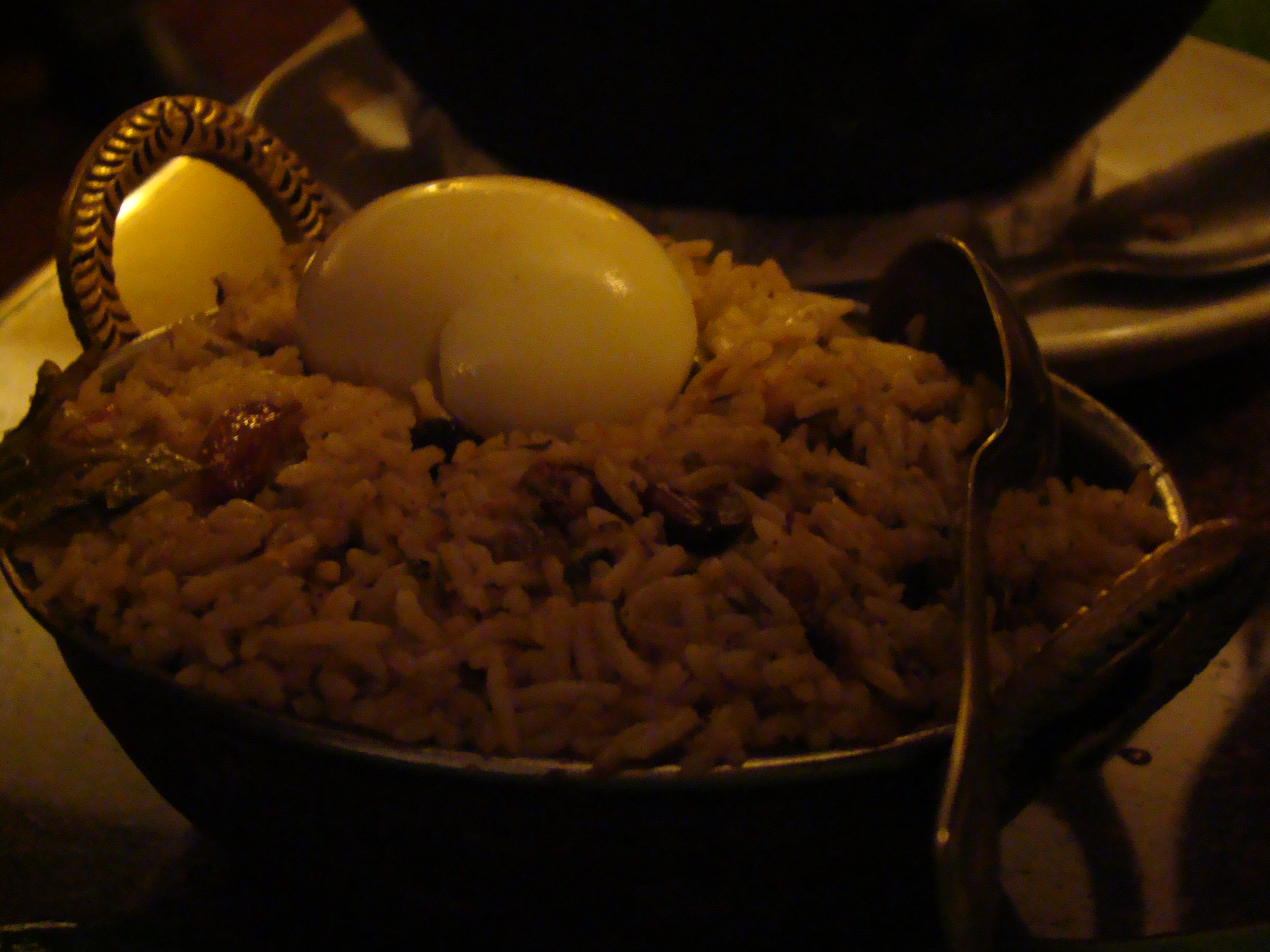
    For lunch, we decided to go to a trusted old timer – Tandoor. At Chillies (1st Floor) they serve an excellent Andhra meal. It’d been a while since I tried the Chicken Biriyani, so I chose to have that while D and the other M hogged the meals. No meal in Tandoor is complete without their special Kadai Chicken, so we shared a half plate. Amazing as it has always been.

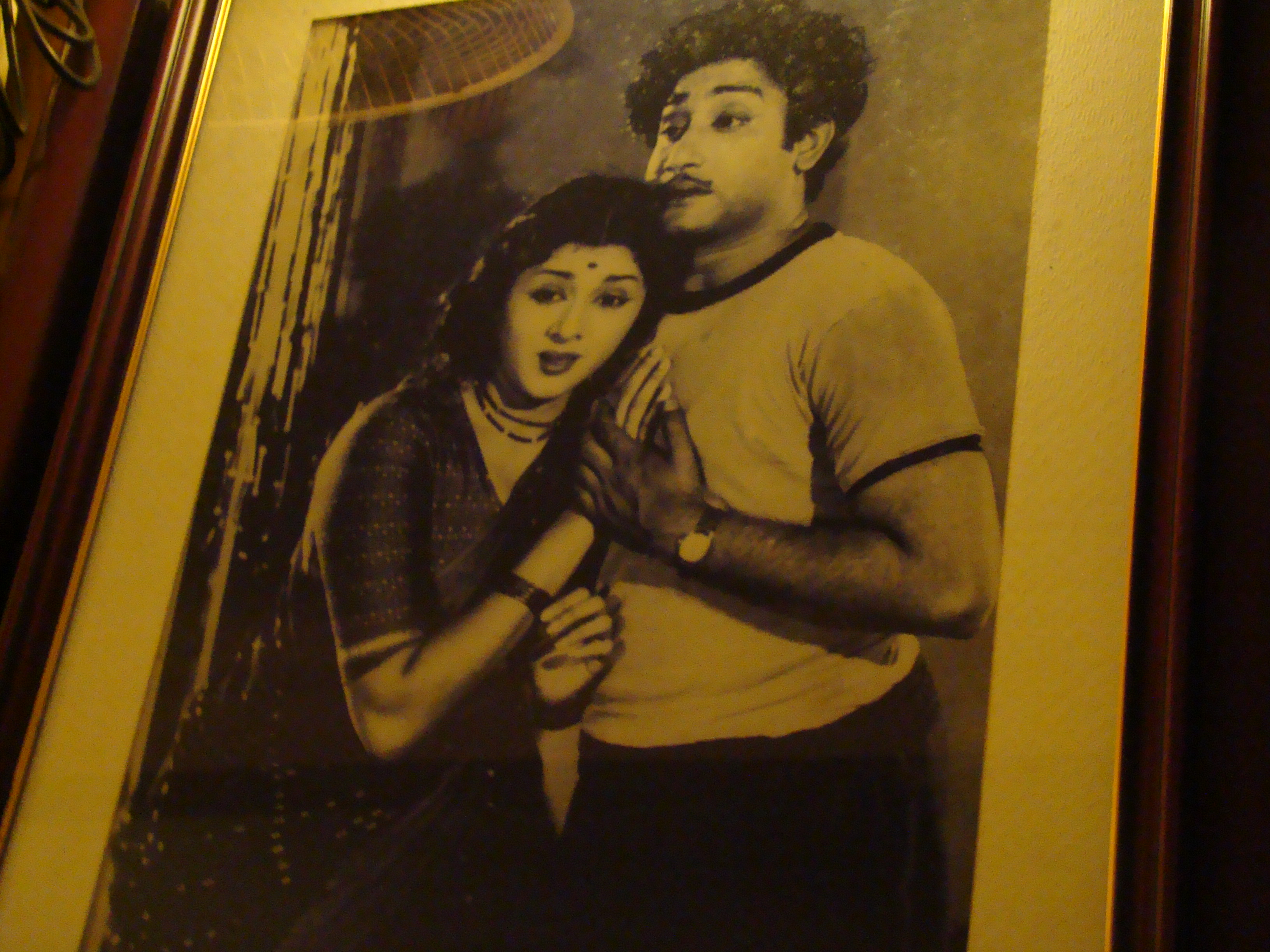
    Chillies hasn’t changed a bit though Tandoor downstairs keeps changing the decor. A dimly lit ambiance that somehow manages to freeze time. Helped by the huge photos from a long gone era. (the owner is related to the Travancore Sisters, so you can find many like these featuring them and MGR/Sivaji Ganesan)

    The plan for the afternoon was ‘Beautiful‘. A movie we missed in Bangalore. We watched it at Padma, one of the several ‘feminine’ theaters Cochin is famous for. Most of them have survived, though the multiplexes have begun their march. Beautiful lived up to its name, and I loved the way they have quietly, but wonderfully shot the city and Fort Kochi in the movie. The day before, the other M had asked us to note a house in Fort Kochi – the one that had been featured in the movie.

    In the evening, I met a friend whom I knew from Bangalore. K suggested the Cocoa Tree on MG Road, a place that has consistently ticked me off whenever I have visited, but is still a fave hangout for many in Cochin. She had moved to Cochin only a while back and I quizzed her on her first impressions. A city in transition, we both agreed, and something that reminded her of Bangalore a couple of decades ago.

    To me it was still a small ‘town’, where most people still knew most other people. I probably bored her, talking of old landmarks and routes to school, and how the skyline has changed since then. I told her that I’d never felt a Cochin culture, something I could sense strongly in Trivandrum, Kozhikode, Trichur etc. Cochin has always been Kerala’s big city, changing too fast to have crafted an identity beyond that. She showed me the photo of her house with an awesome balcony view. Once again, I began thinking of where my final home would be. Oh yes, it would be fun to walk the roads as an old man – to walk past the Public Library, where I have spent so many hours, the CISF grounds whose pitch has seen many of my ‘spin experiments’, the school and its surrounding areas which has seen me transition from walking to cycles to a motor vehicle, Foreshore Road, where a dimly lit university computer room hosted my first forays into the internet, and so many many others. But would they be the same? A thought that crossed my mind when I walked back home, seeing familiar faces that had grown older, same people, doing the same things, even as time passed by. A mirror of a different sort.

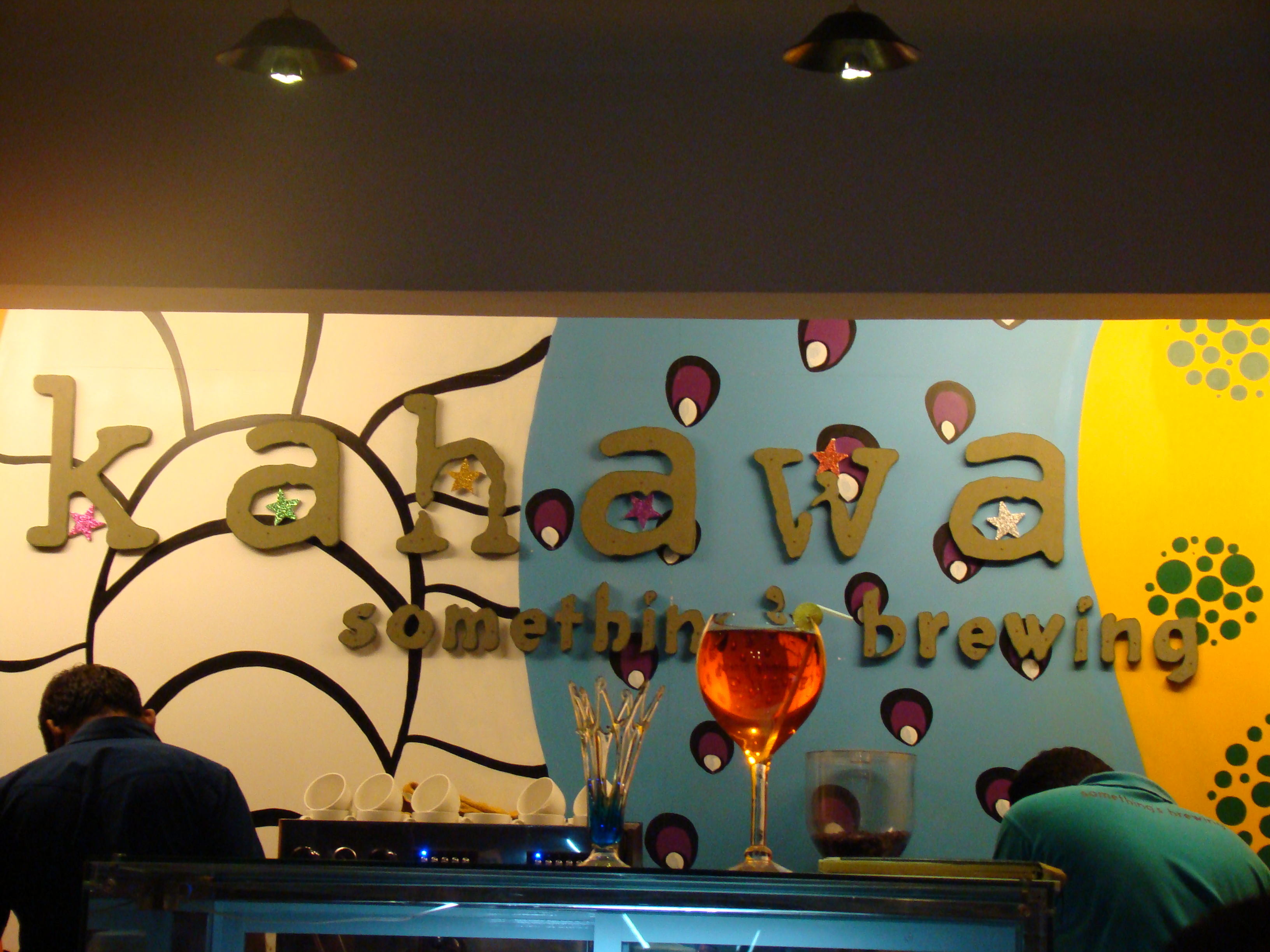
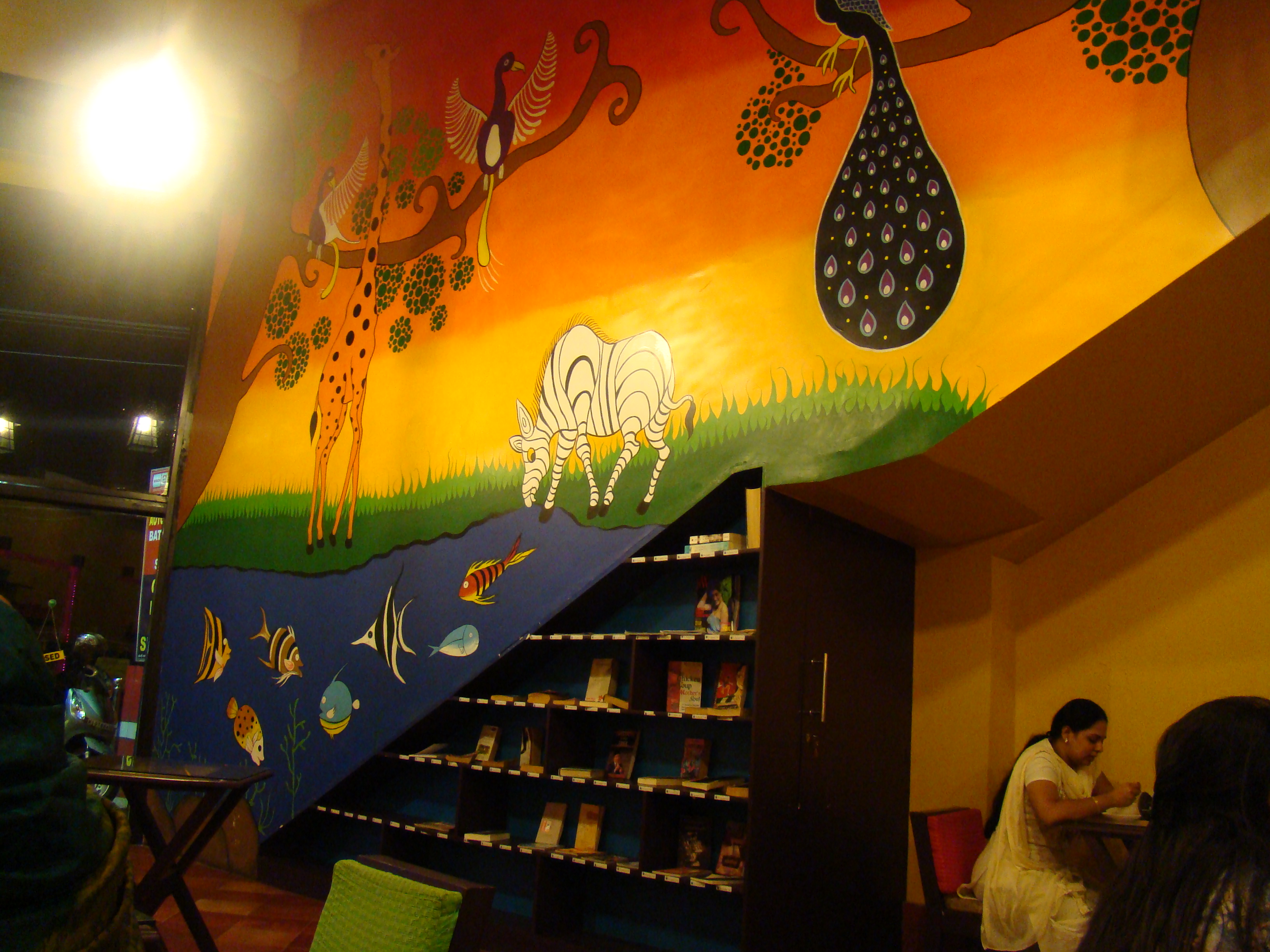
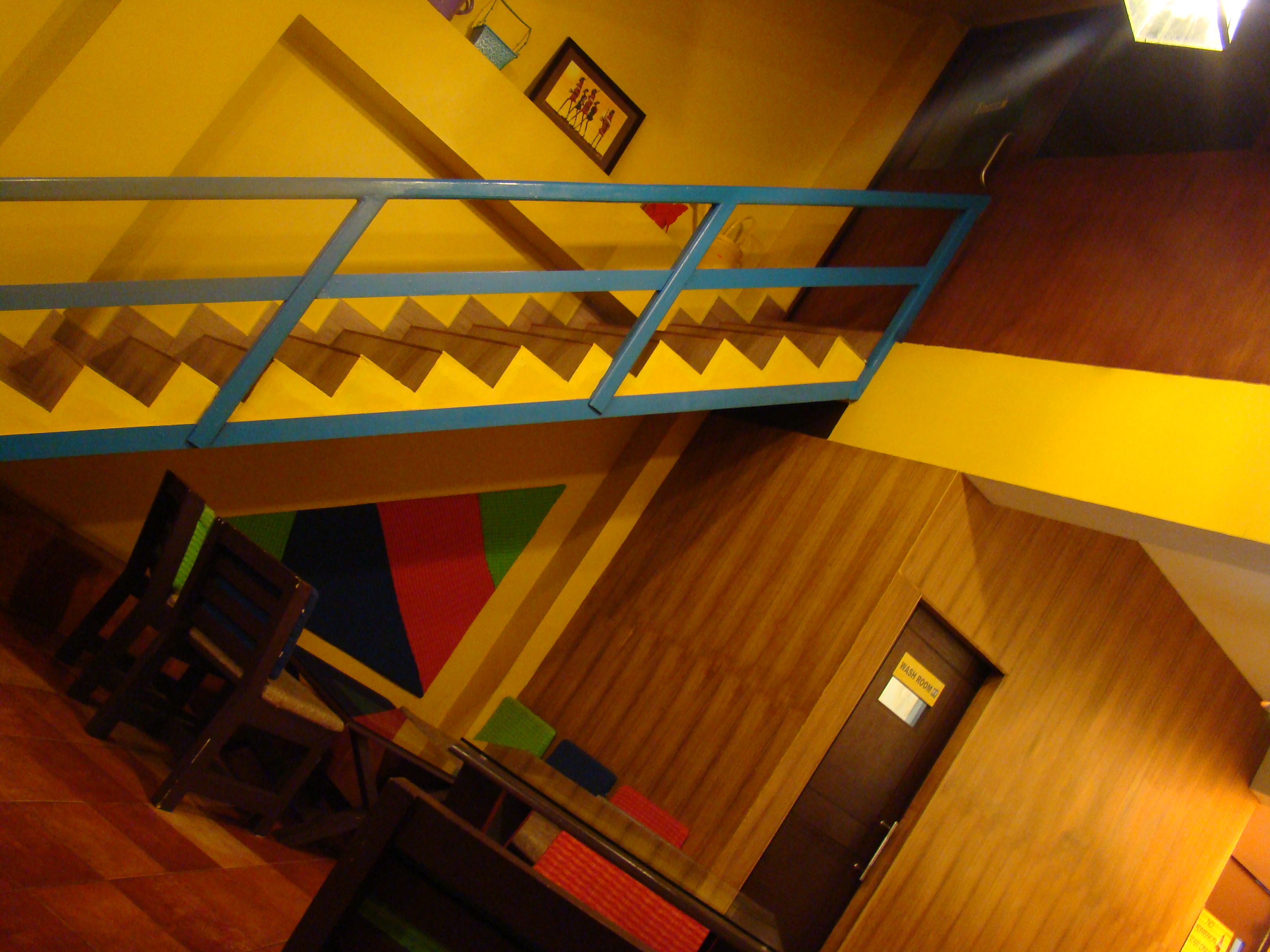
    Dinner was at Kahawa, the owners were the other M’s friends. A coffee shop+ with a distinct character. Hand painted wall art, a book lending mechanism ( a tie up with another of their friends) and reasonably decent food. They also have a section upstairs which is opened on days that Manchester United has a match on. Also available are group discounts and discounts for the Mayor on Foursquare. 🙂


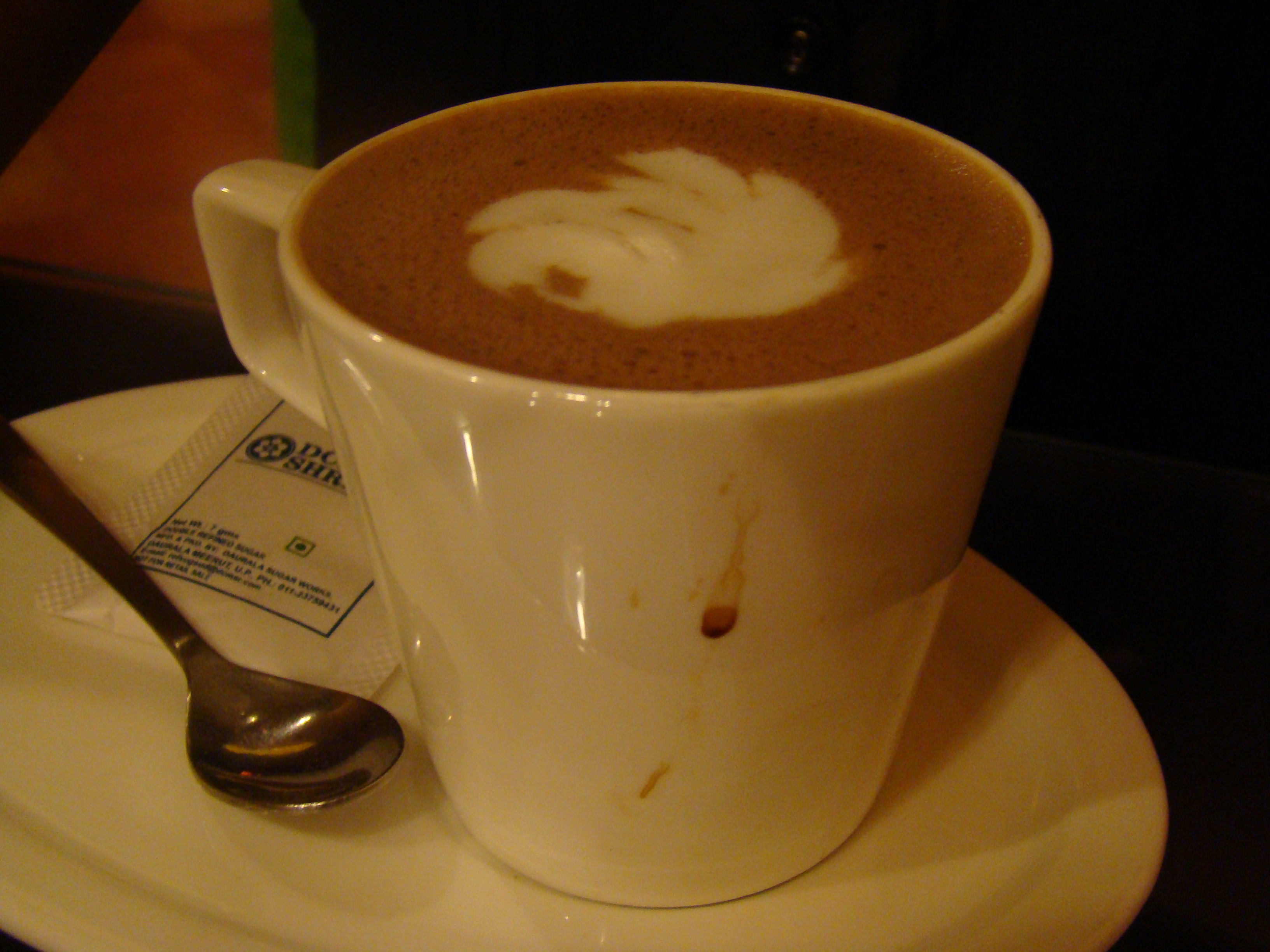
    We tried the Mango Italian Soda, which could have done a better job with the fizz. The Choco Chiller was significantly better and so was the Mint Hot Chocolate.


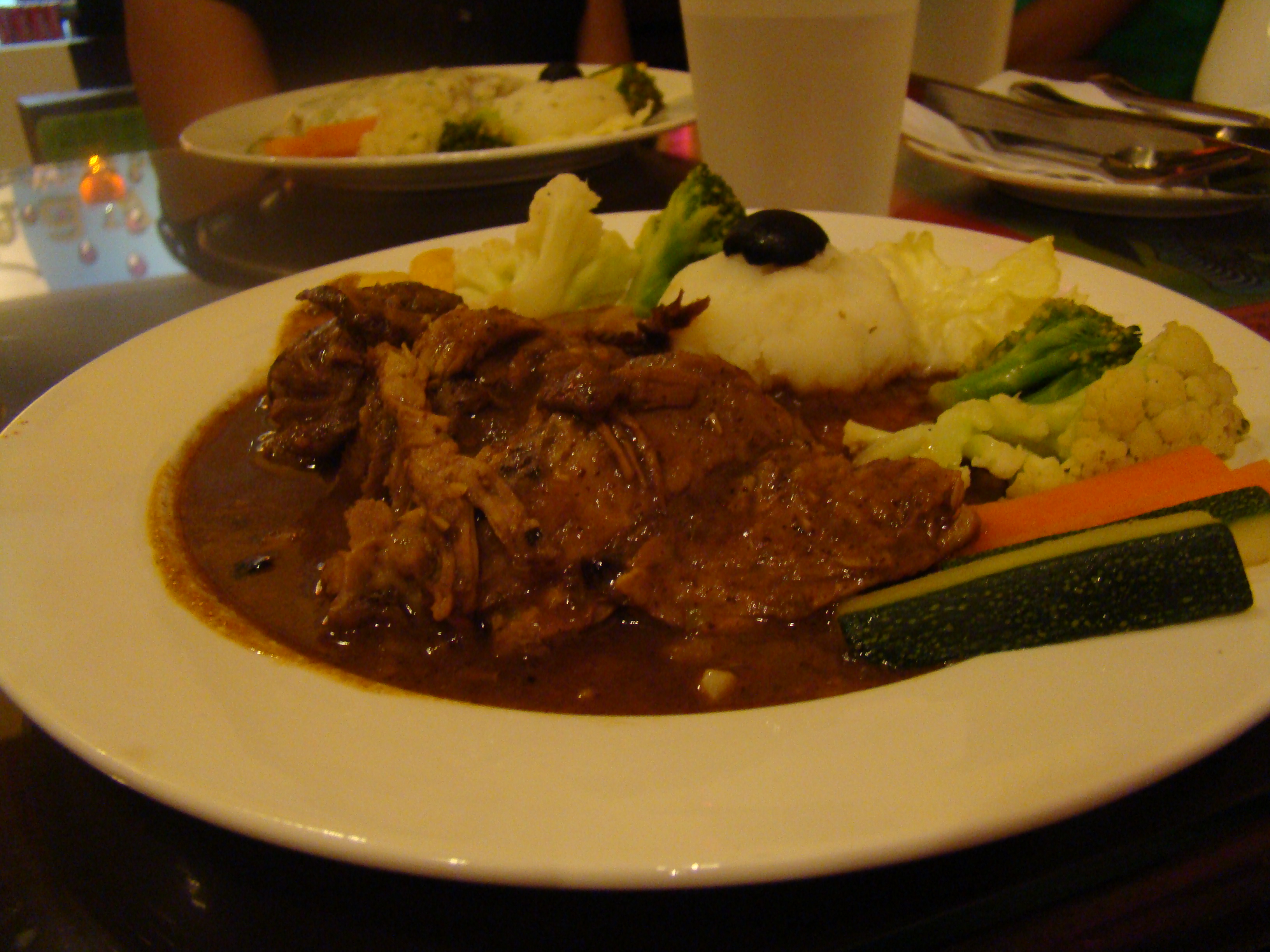
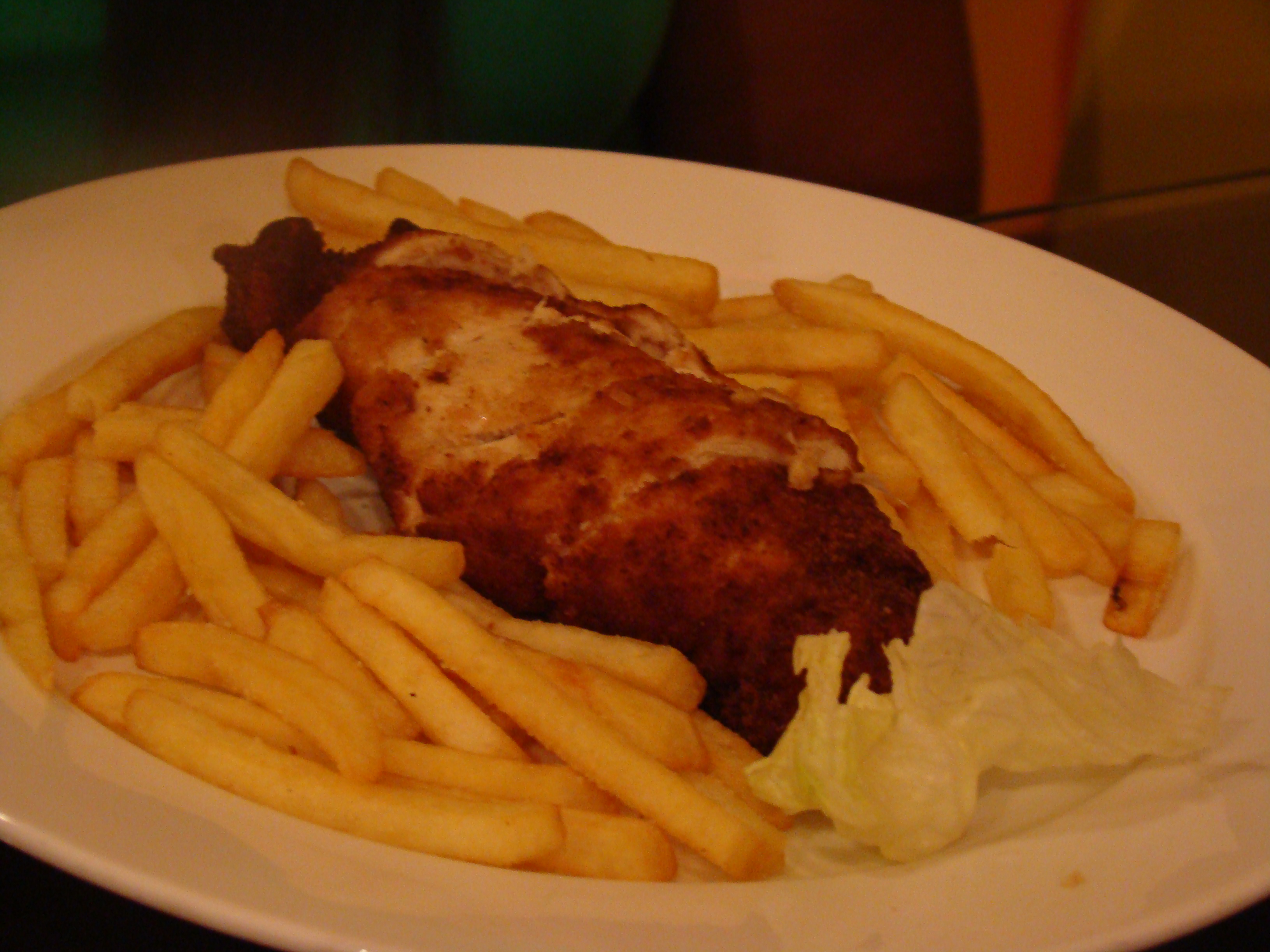
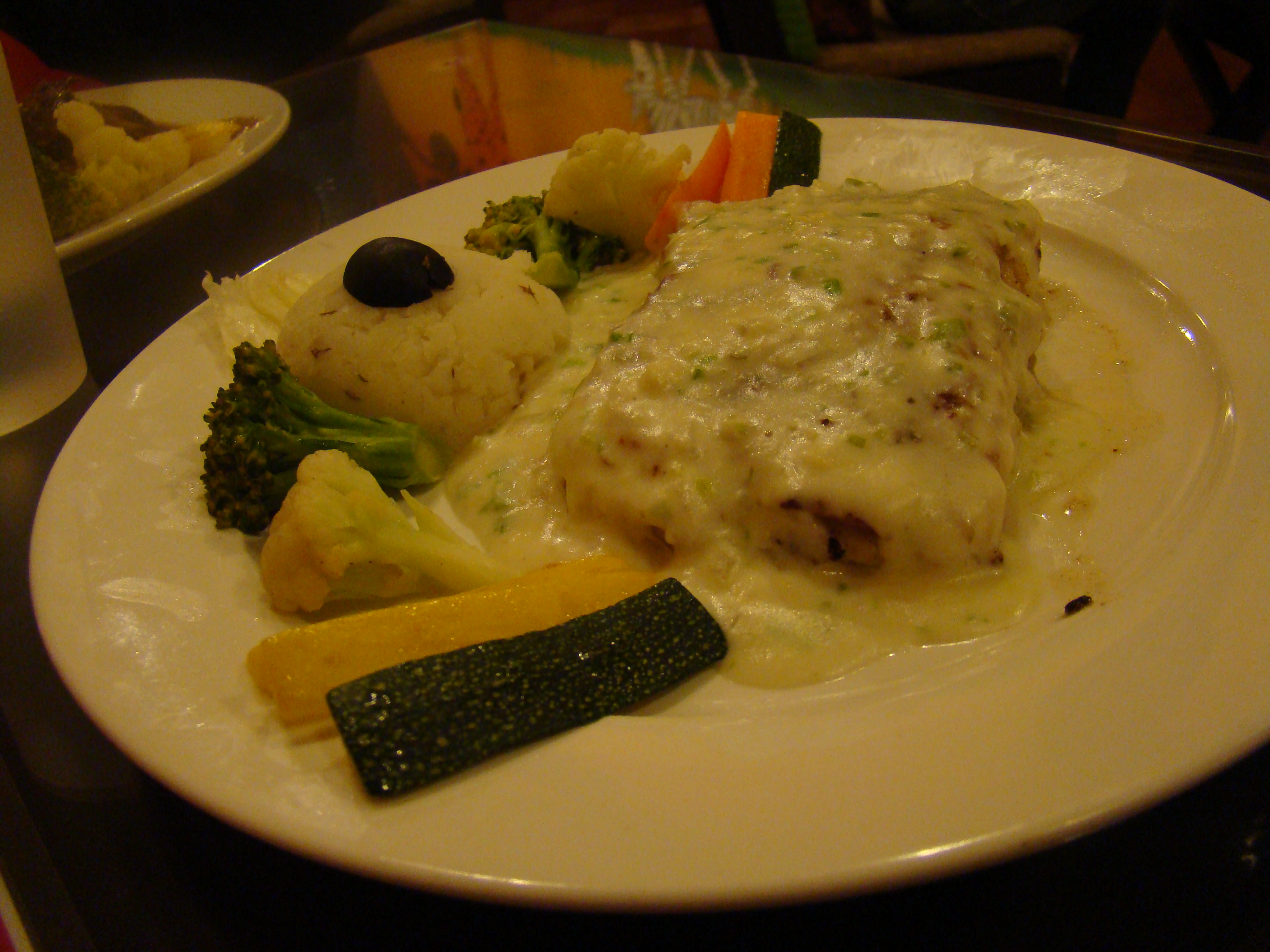
    In the main course, K had recommended the mashed potato and Meat Sauce, but the Roast Pork was too tempting. But sadly, it just about passed muster, as did the Chicken a la Kiev. The best dish was the Grilled Fish with Mornay Sauce. Once again D was the one who got lucky! There were a few options for dessert, but nothing that we really fancied.

    Before we left for the airport, we stopped at Malabar Chips – banana chips for Bangalore. Familiar faces, though they didn’t recognise me. Except for one person. 🙂 I wondered if this was the idea of home – a place that you can come back to after several years and still be  recognised, a place that thus gives you a sense of belonging.

    As we passed the North Bridge, we saw the first signs of the Kochi Metro construction. There was a line that stayed with me long after ‘Beautiful’ – “Maturity is the loss of innocence” It probably is true of cities too, and I wondered if it was only incidental that there were huge hoardings of a TOI launch on Feb 1st.

    We detoured through the University, and though the place shows small signs of transformation every time I visit, there are parts of it that refuse to change. Islands in time. Places where I could stand and travel back in time, because the settings were the same, all I had to do was remember. But I had a flight to catch, and a journey to end.

    until next time, timed travel

  • A Far Horizon: A Novel

    Meira Chand

    Meira Chand mixes recorded history with fiction – her own interpretation of events, to create an interesting tale. Set in 1756, the book deals with the events that led to the Black Hole of Calcutta, and suggests that the official numbers and incidents might have been exaggerated by John Holwell, whose account has been debated on. In addition to people who have been mentioned in that account, Meira Chand has added several characters which manage to give the story multiple perspectives.

    It also manages to give the reader a view of the conditions that existed during the time that the East India Company traded in Bengal, and at a time when its relations with native rulers as well as other nationals were still to evolve into a concrete form. But the divide between the British and Indians had been well set and is represented by ‘White Town’ and ‘Black Town’. The book also shows the contempt with which both sides held each other.

    But a siege by the new ruler of Bengal Siraj-ud-Daulah changes the scenario completely as the inhabitants of Black Town stop serving the Britishers but are soon forced to take refuge in the Fort they’d earlier abandoned.

    In addition to the Nawab, his courtiers and the intrigue involved, and the Company men – Governor Drake, his wife and Chief Magistrate Holwell, there are many characters of mixed breed, most important of whom are three generations of women – Jaya, her daughter Rita and Rita’s daughter -Sati, through whom the goddess Durga/Kali manifests herself.

    Though the premise is interesting, the pace seems to sag towards the middle. Meira Chand’s vivid descriptions of the towns, their inhabitants and the Hoogly river that witnesses them all, are worth a mention.

  • Spentacorp

    Spentacorp is a one-stop shop for corporates, providing marketing collateral, merchandise and gifting solutions. In conversation with co-founder Ravi Varadarajan

    [scribd id=80377716 key=key-16a60e3mtx2v6a7gomx4 mode=list]

  • Social + e-commerce ≠ Social Commerce

    The last 2 editions of Kuliza’s Social Technology quarterly impressed me with the breadth of perspectives as well as the understanding of the subject that the authors displayed. So when I was asked if I could contribute to the third edition, it was a pleasure.. and a challenge. The result is on Page 25, but if you are interested in social platforms, I’d advise you to sink into your chair and start from Page 1 🙂

    until next time, get social?