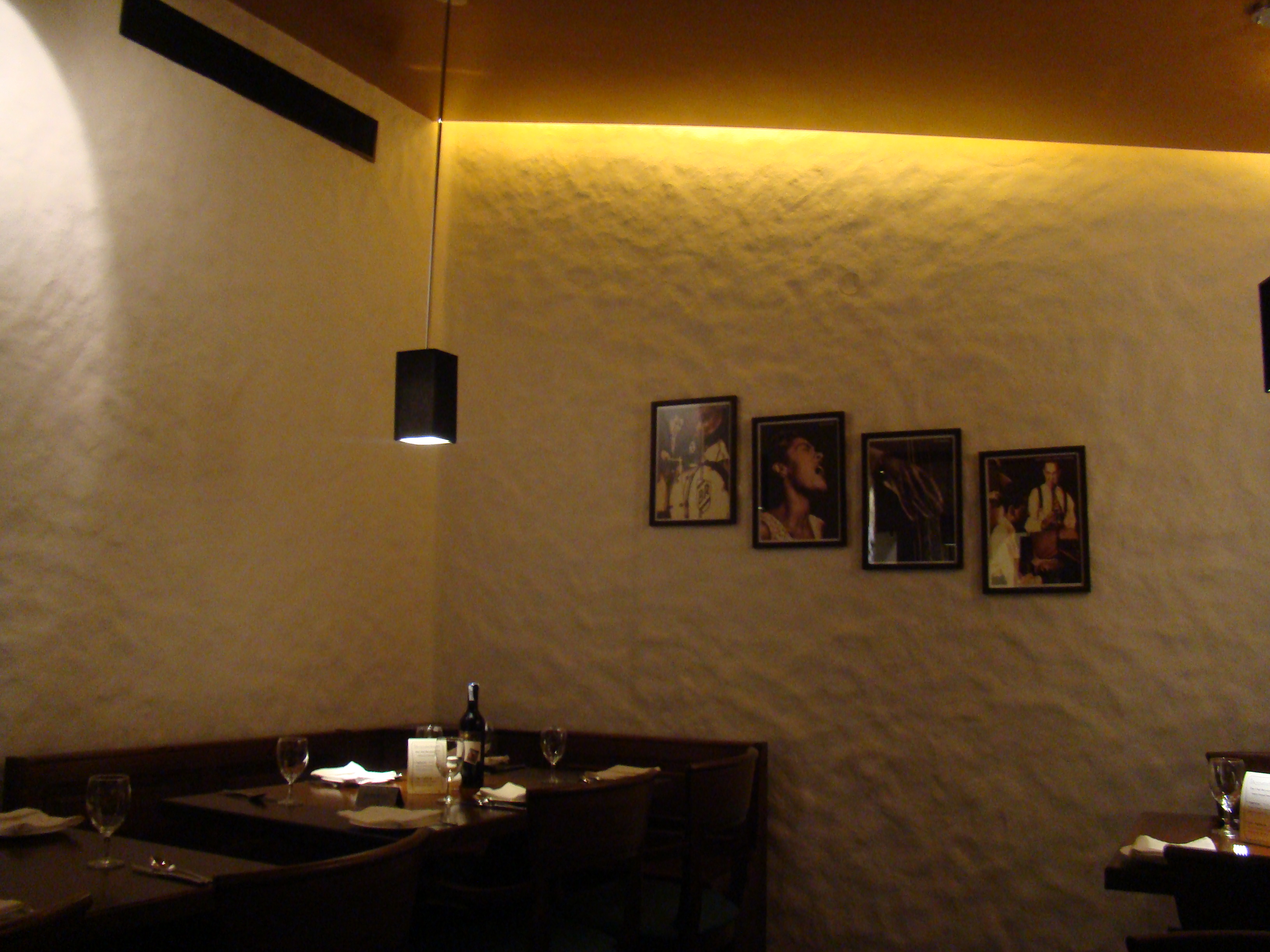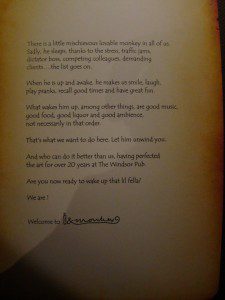
 D wanted to write this post owing to the title, but my super power is admin rights for this blog. Ha! A rainy, slushy Bangalore night tried to make a monkey out of us, but we stuck to our plan, though it did mean that we looked like wet monkeys when we arrived at the restaurant on 12th Main Indiranagar. (on the left, when coming from the Sony Center signal on 100 feet Road) Parking – 12th main and those side lanes, you should be fine. If I’m not mistaken, this building used to be the former cricketer Prasanna’s house! Not surprising, the owners would want this to be a money spinner too, like their other venture – Windsor Pub. 😉 We had a reservation, and I didn’t say this aloud so we managed not be thrown out, wet shorts and all. 🙂 Classy lighting, well placed tables and foot tapping music makes for a great ambiance in spite of the mandatory LCD screens.
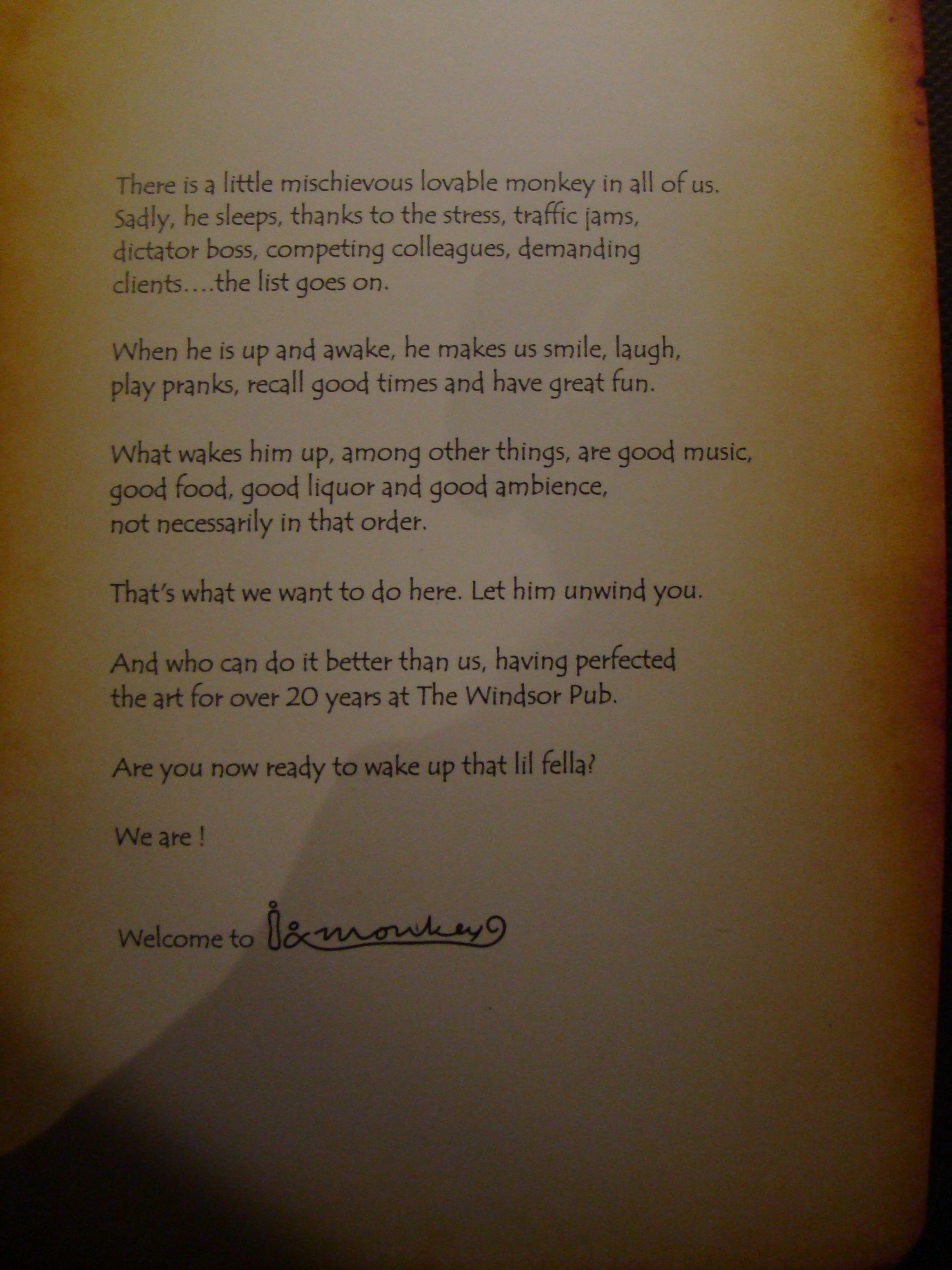
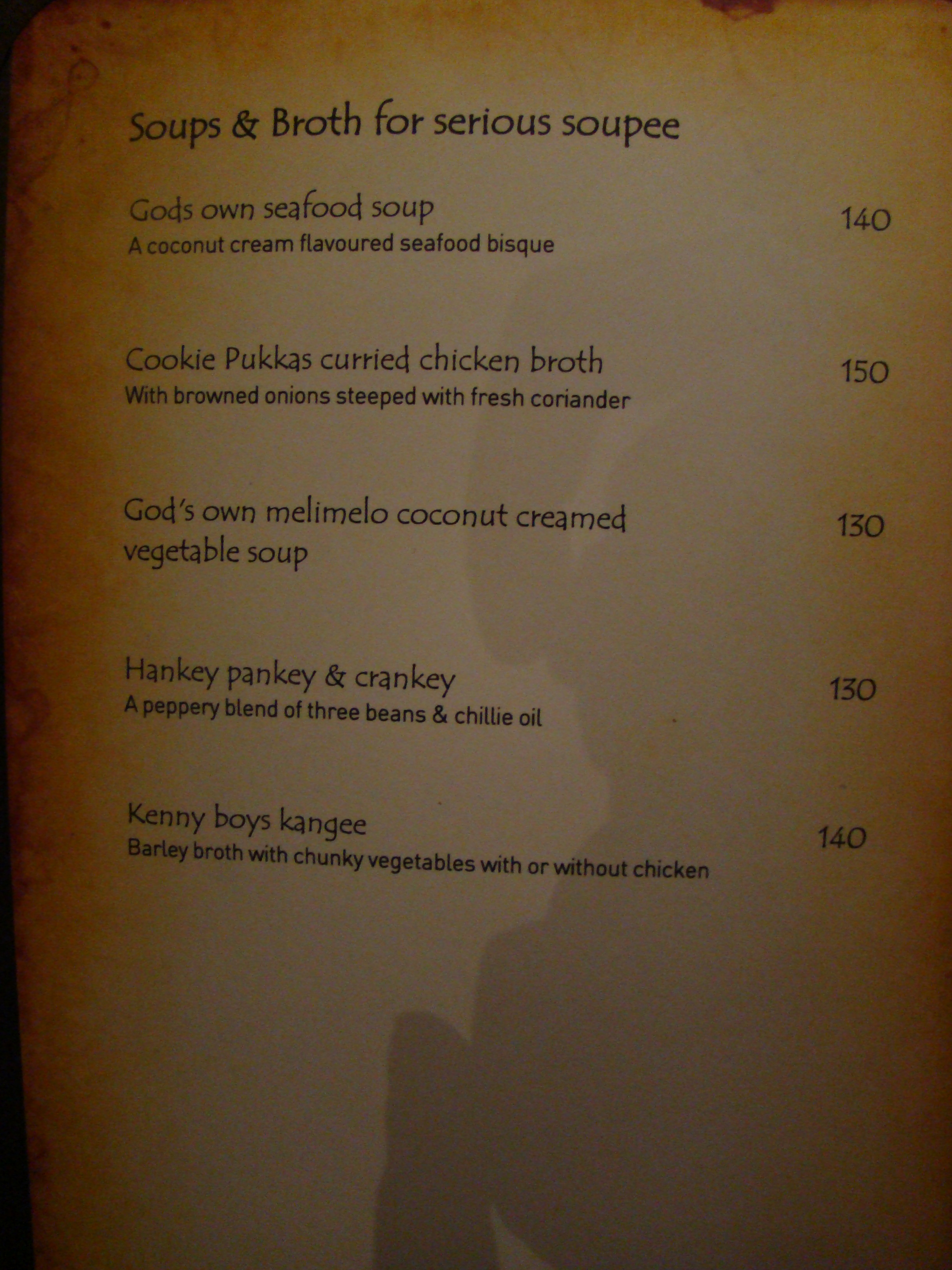
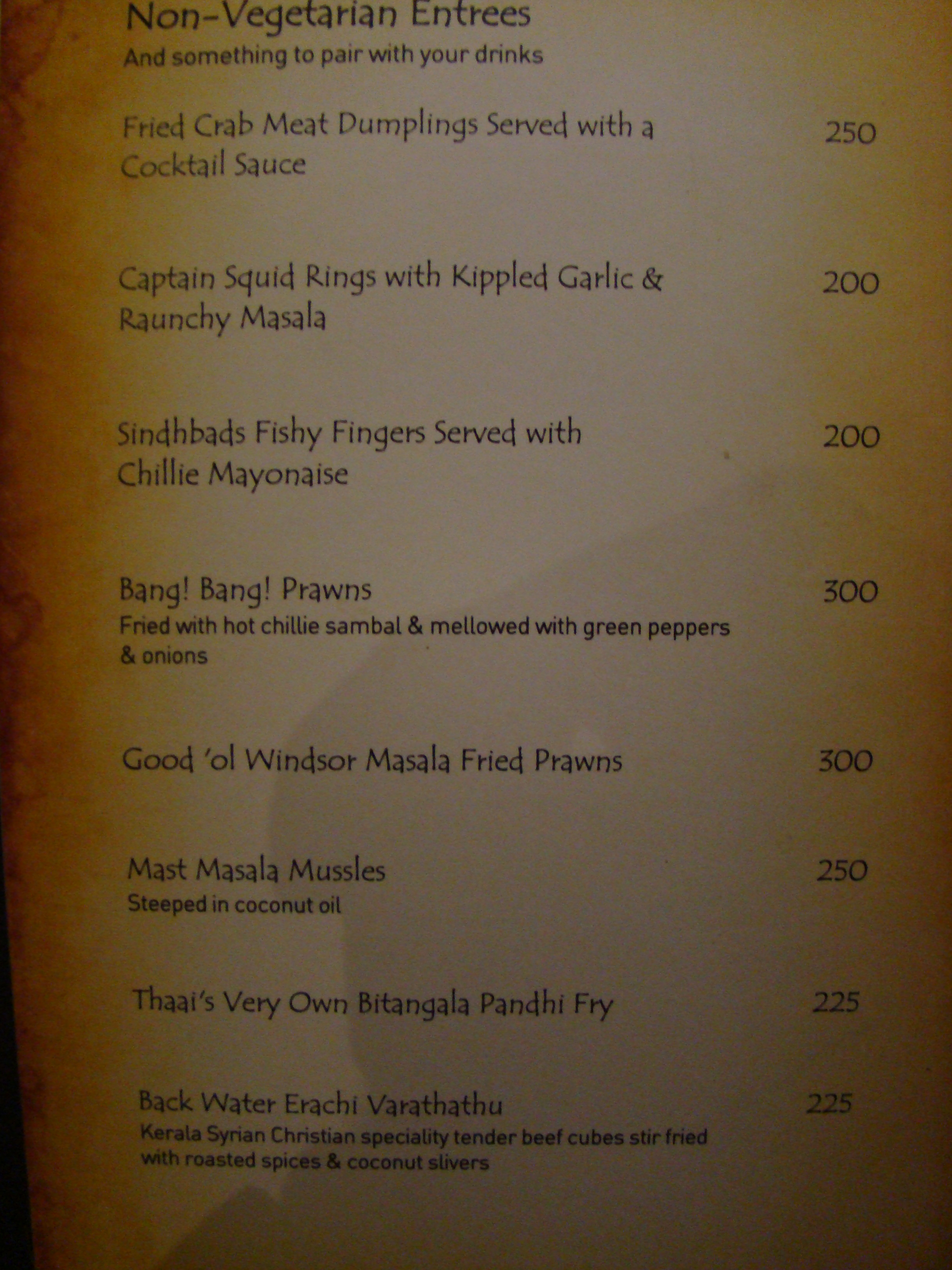
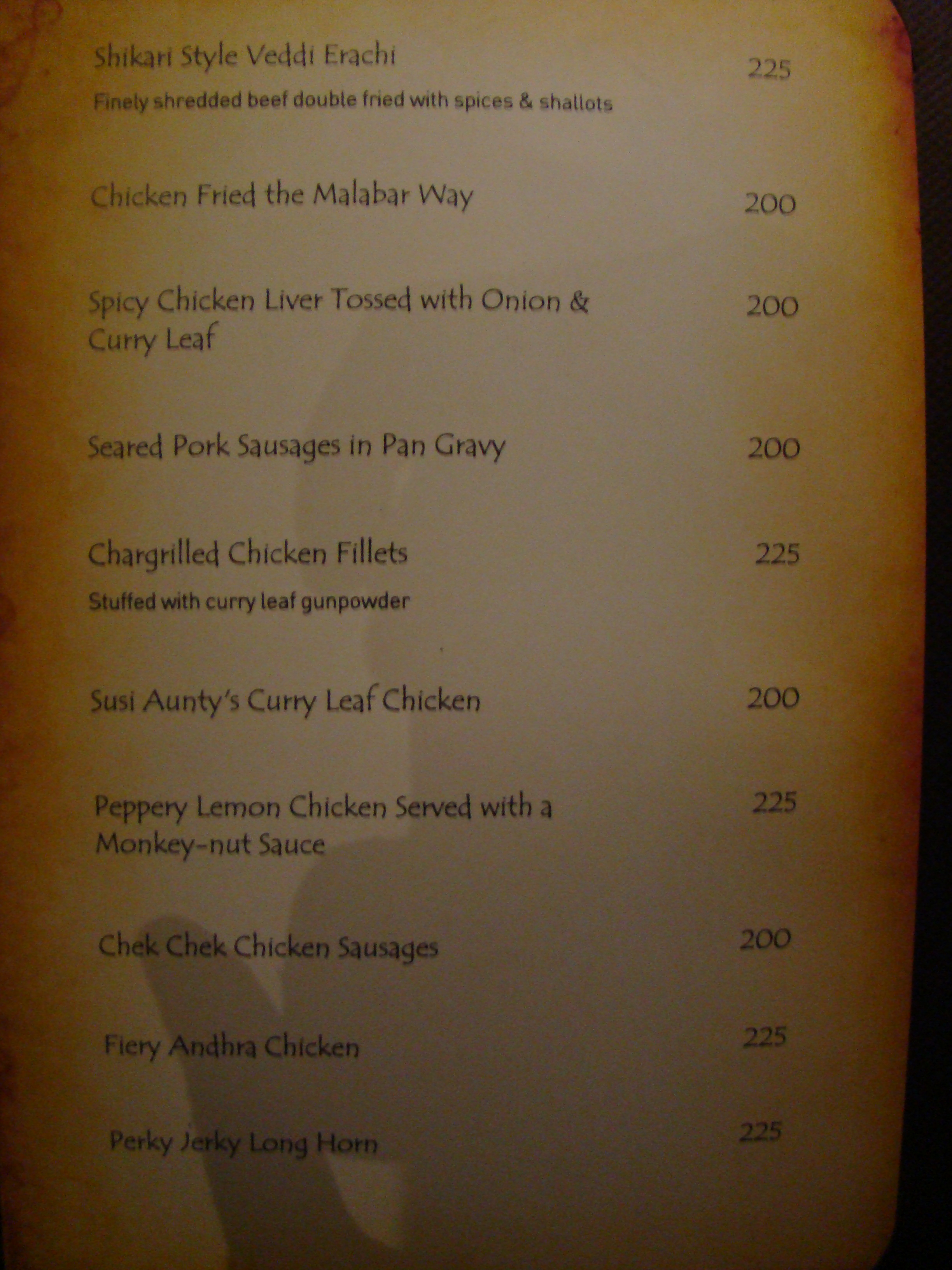
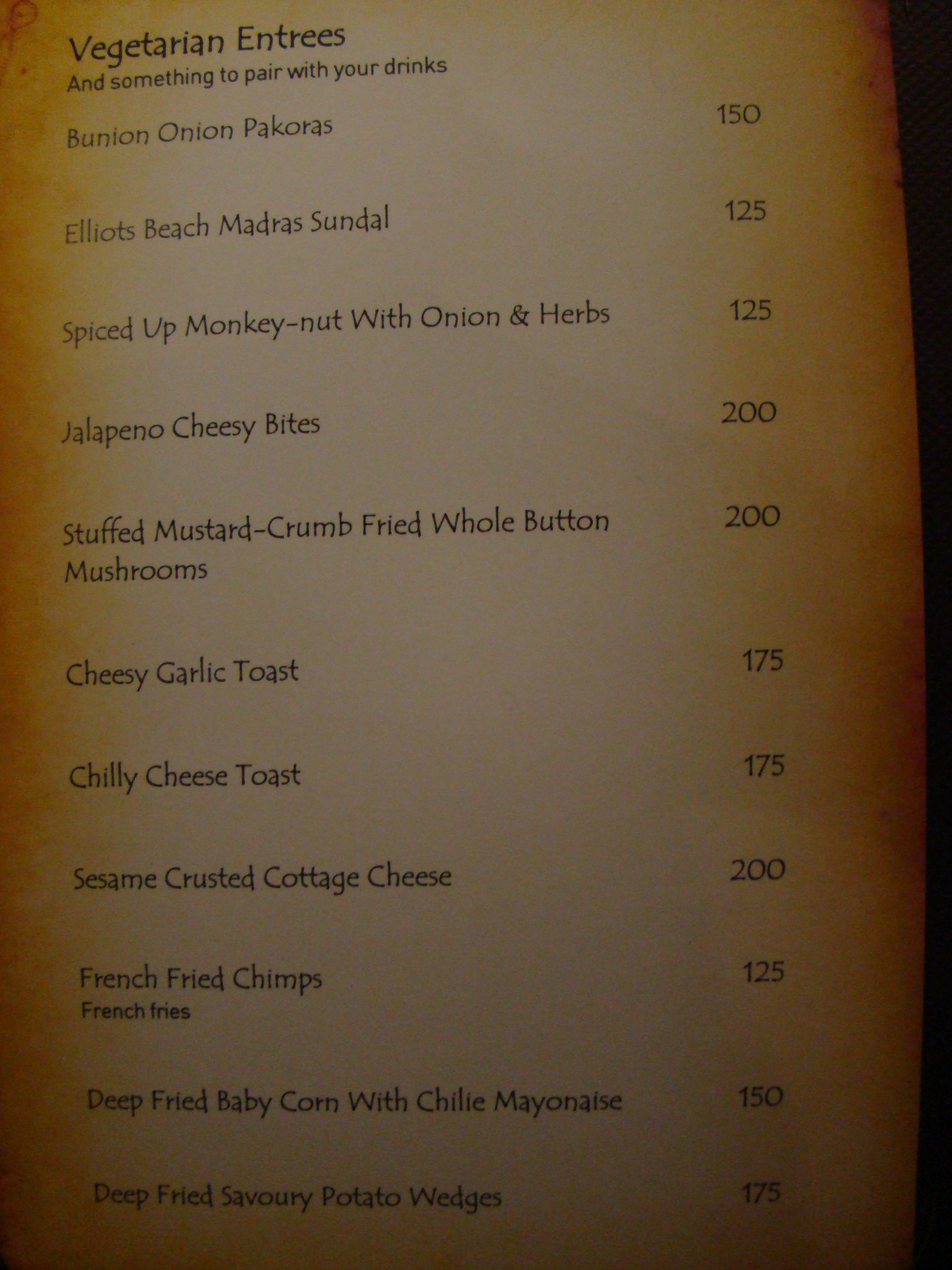
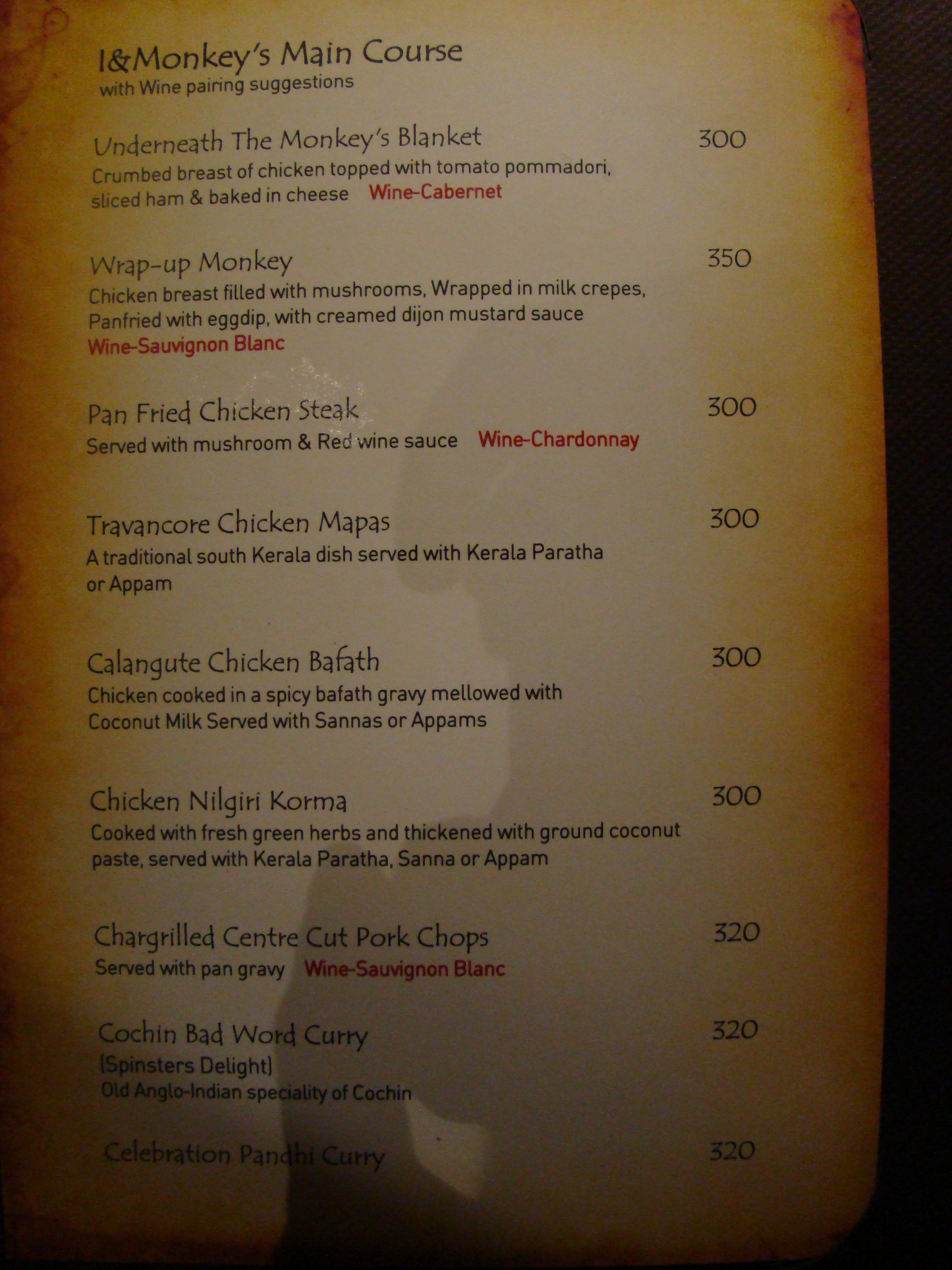
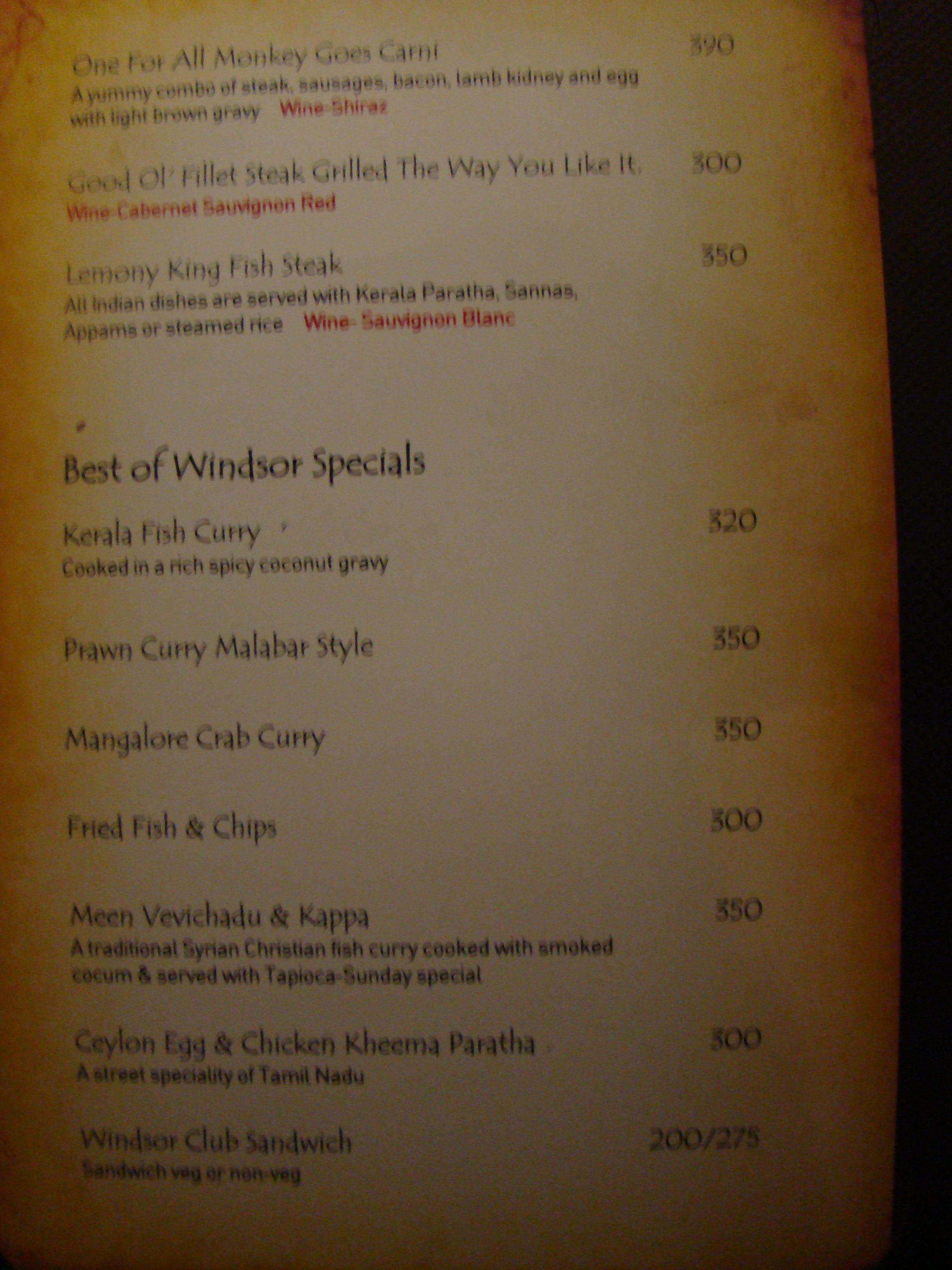
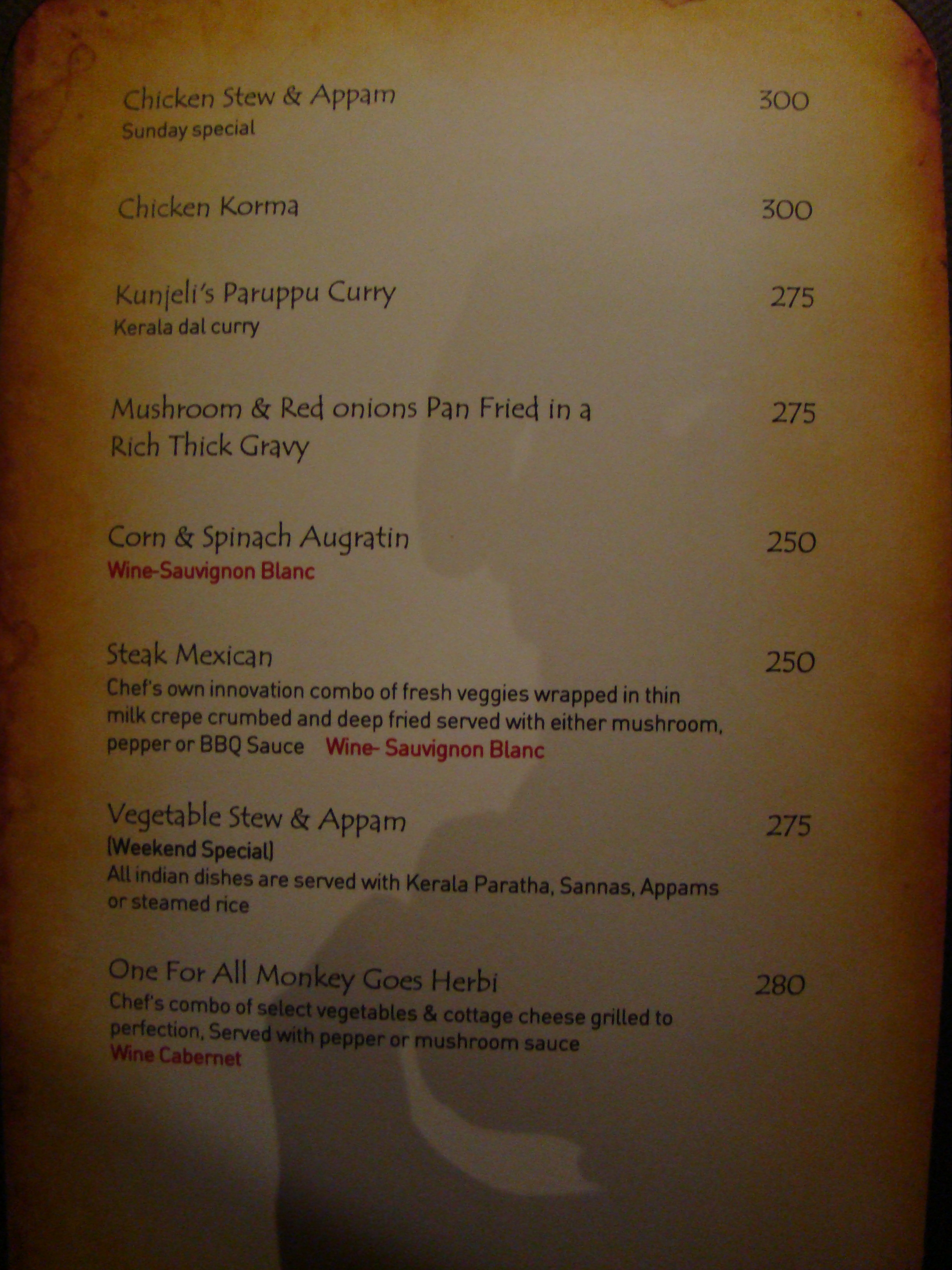
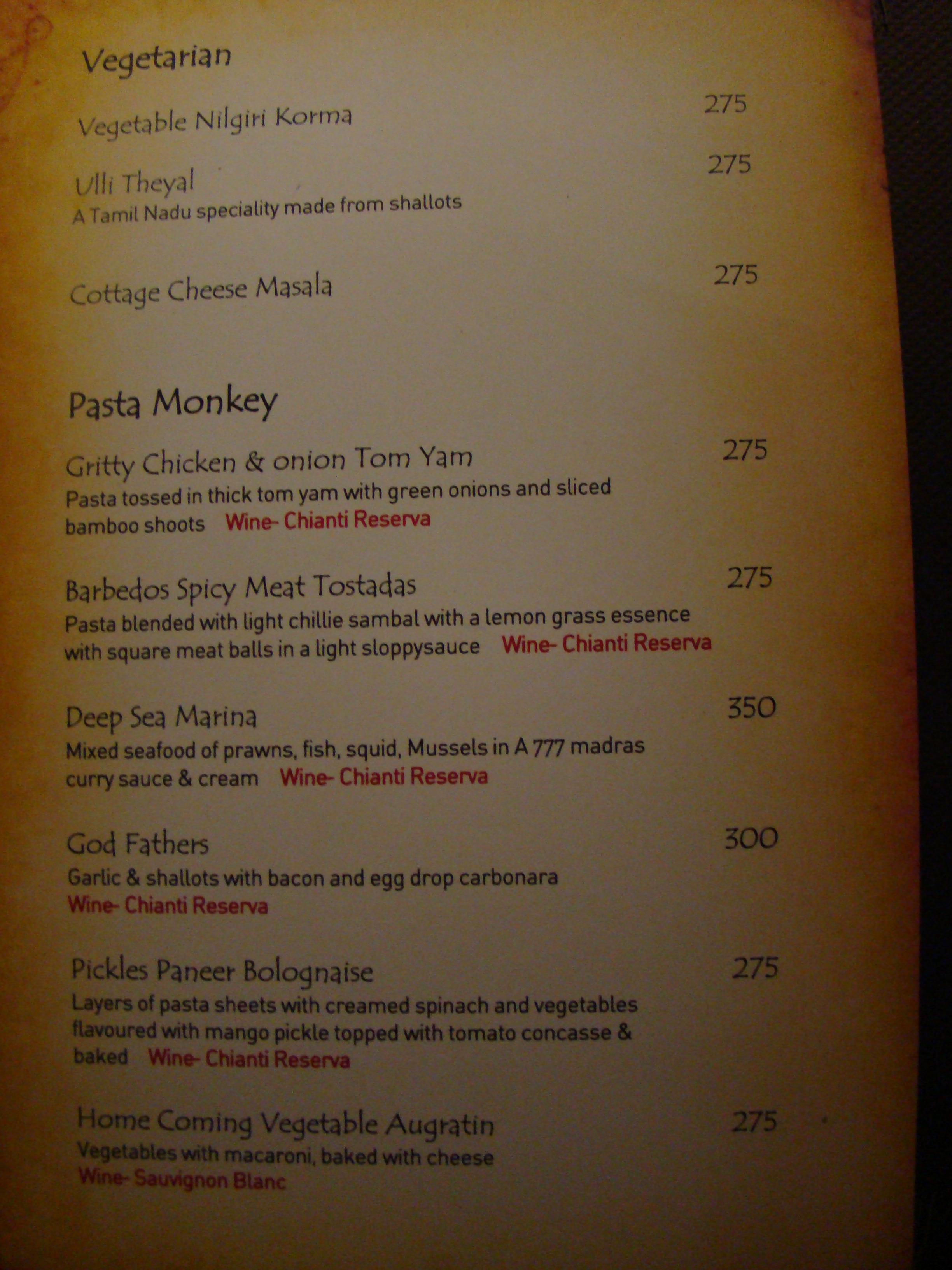
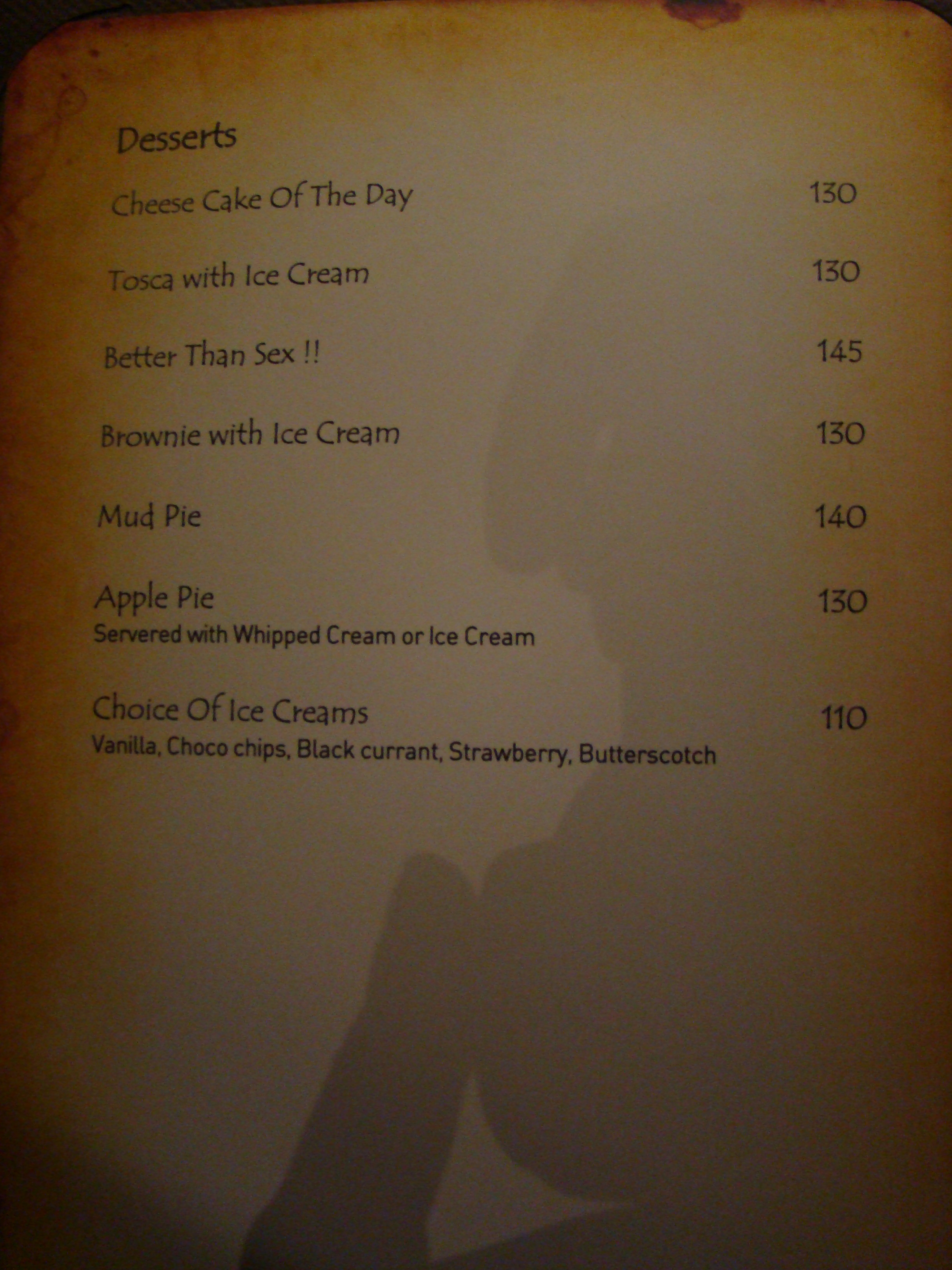
Thanks to the reviews we read online, we had a rough idea of what we wanted, though we couldn’t find a menu online. I managed to take a few snaps of the menu, something I’d promised myself I wouldn’t (and rely on Zomato) But there seems to be some perception that the menu is limited. The snaps would prove otherwise. (click for larger image) They also have a well stocked bar and an extensive wine list.
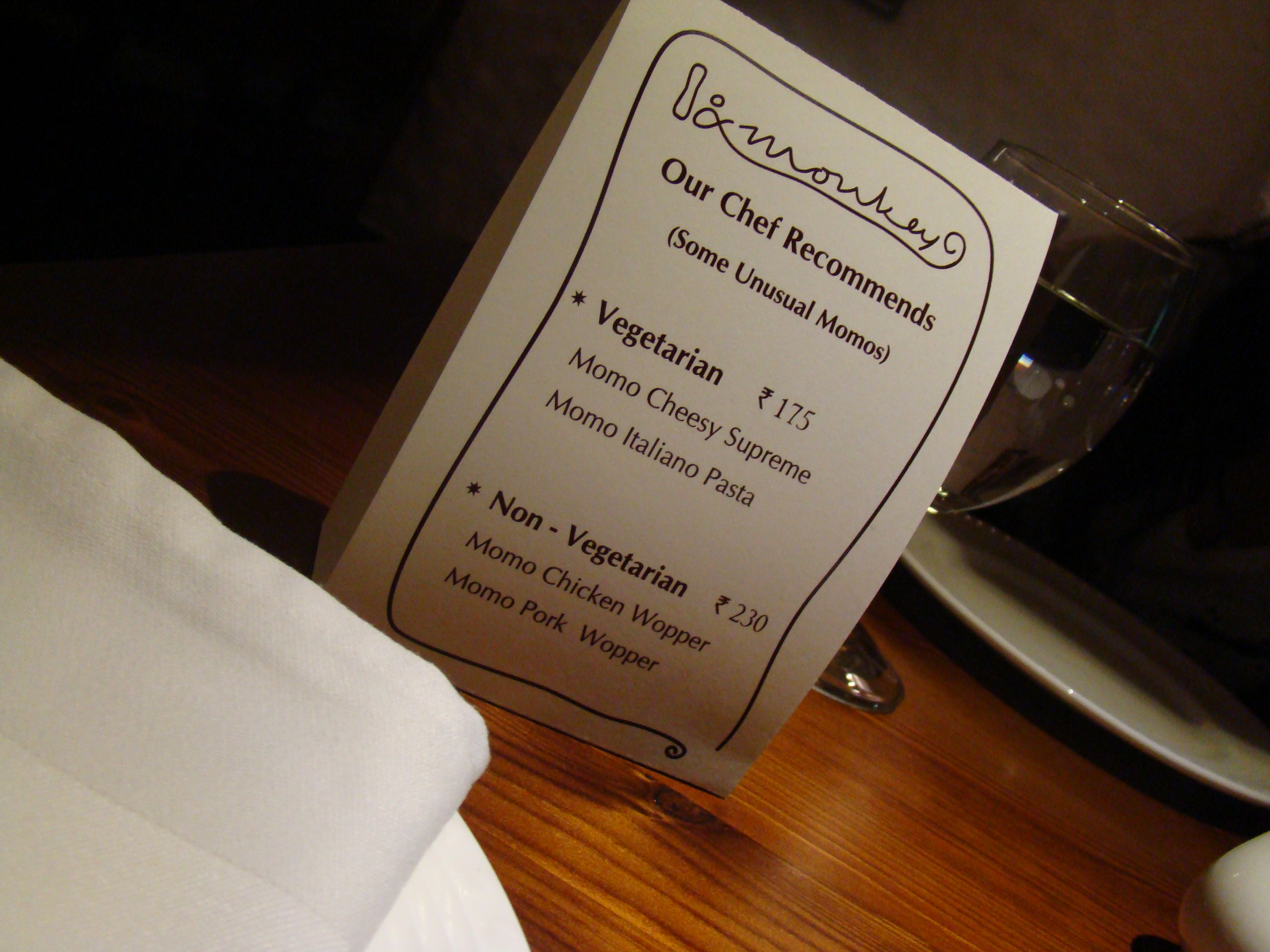
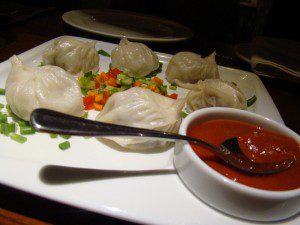
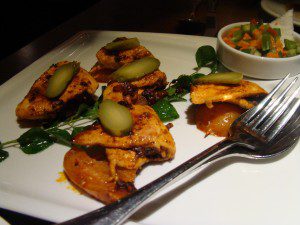
Though we were drowning under the choices, we asked for a special (not on the regular menu, seems to be a week’s special) – Momo Pork Wopper and very uncharacteristically, and greedily added a second starter – Chargrilled Chicken Fillets. The latter was only because the one we really wanted – the Shikari Style Veddi Erachi was not available. They offered us a close equivalent but that was a more regular dish, so we passed. The pork momos were quite tasty and steamed well, though we’d have liked the sauce to be a bit more spicy. The chicken fillet also had a ‘gunpowder’ filling, which actually ended up adding more texture than spice to the mix. But it’s worth a shot. 🙂
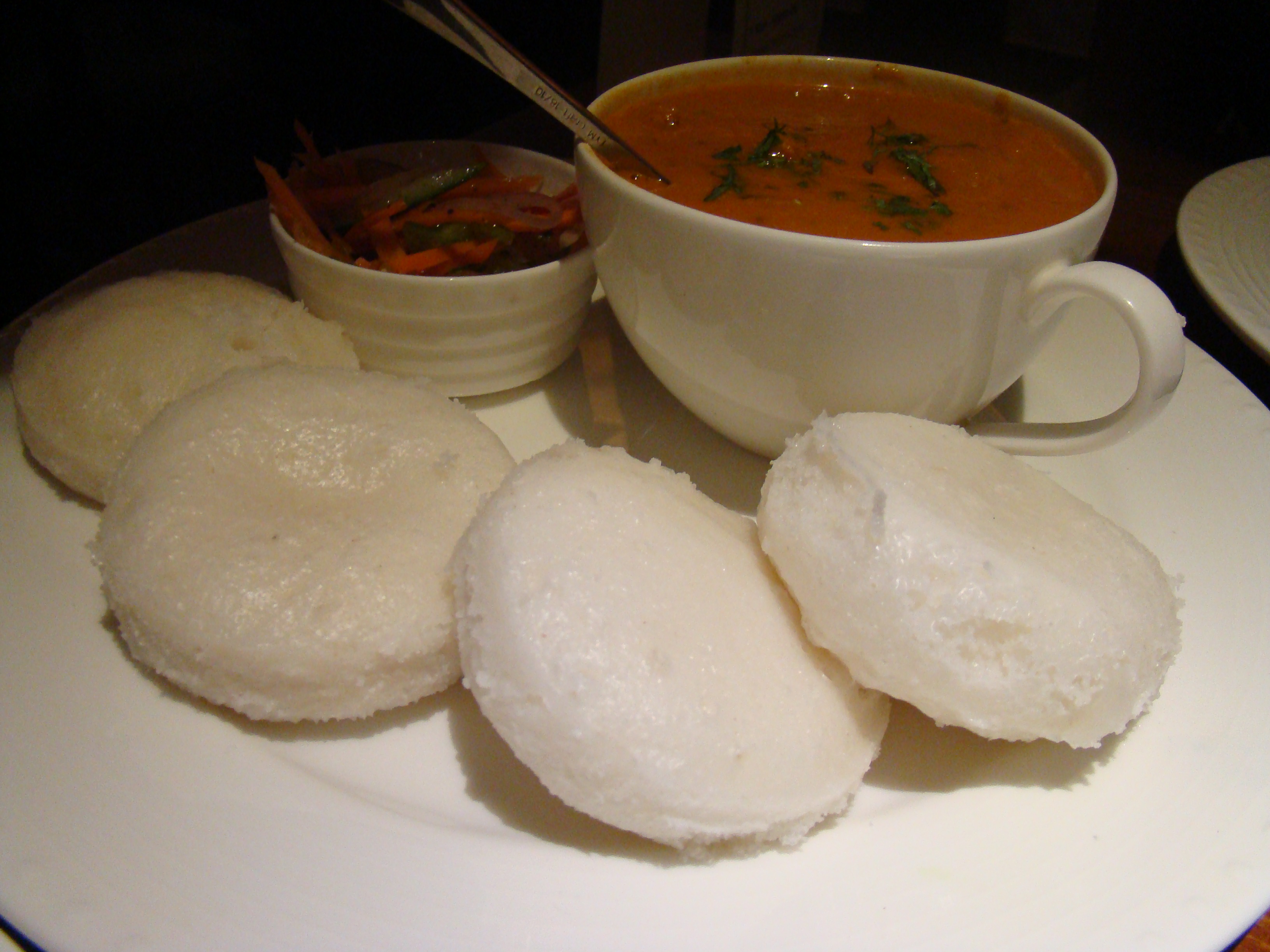
For the main course too, we were spoilt for choice, and it was quite fun to read some of the dish names too – goes well with the quirky name of the restaurant. After much deliberation, we decided to order the Calangute Chicken Bafath. It comes with appams/sannas and as you can see, we chose the latter. The sannas turned out to be quite good, and the gravy, mildly spicy, turned out to be one of the coconut milk based ones that we have a strong liking for. There are many many more dishes which, at least on paper, sound really good, so while this one was quite good, I’d urge you to be adventurous. 🙂 We debated desserts, but there was nothing that really made us sit up and take notice.
The service is helpful, but does tend to go a bit overboard. For instance, in our feedback form, we said more dessert options would be great. The person who took the order immediately came back and started an extensive survey on what we’d like!
The meal cost us just over Rs.950, inclusive of service charge and tax. Slightly on the higher side, but worth the occasional visit.
I & Monkey, 968, 12th Main, HAL 2nd Stage, Indiranagar, Ph: 40923656