First appeared in Bangalore Mirror.
Brunton Road holds a special place in my heart. My first office in Bangalore was there. So it was a neat coincidence that those who accompanied me for the review were my friends from that office. 🙂
But before we lose ourselves in nostalgia, here’s how to get there. The location raised our collective eyebrows. They will soon have valet parking, and there’s enough space for 2 wheelers around. We arrived on a night they were having an expat party, so one half of the restaurant was reserved for that. We still managed to find a decent table and thanks to the party, got ourselves some awesome live music. Now, on to the menu. They also have wines and mocktails.
When a place is named Portland Steakhouse & Café, you’d be pardoned for skipping the first few pages of the menu and jumping straight to the steaks section. But then, if your focus wavers for a moment, and you glance at what’s written beside the ‘Steaks’ heading, you’ll notice a hat tip that’s a clue to the establishment’s origins. “A tribute to Haroon”- even if you’re a neo Bangalorean, there’s a strong likelihood that you’d recognise the name Haroon Sulaiman Sait from The Only Place. I learned later that Portland Steakhouse & Café is run by Sabiha, his daughter, and her husband Maqsood Mohamed. Once the connection was established, I began looking for some similarity in the ambiance, especially the iconic check tablecloth, but there was none. However, there is an unmistakable sense of charm and hospitableness to the place.
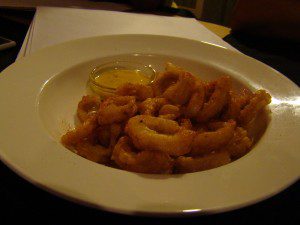
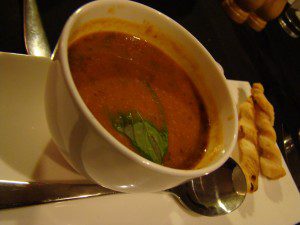
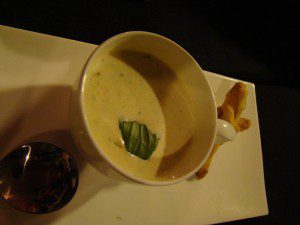
But on to the food! The Fiery Chicken arrived first – chicken strips marinated in Cajun spices, with peppers – moderately spicy though a tad oily. The Batter Fried Calamari came next, and though it got the crispness right, the greasiness just overpowered everything else. We were saved by the Chili Con Carne soup, a beef, vegetable and bean stew served with twisted breadsticks. A wonderful dish, its tang provided just the bite that our palates needed. The Clam Chowder soup followed and though the clam flavour itself was subtle, the creaminess was much appreciated. The veg representation was the next to appear – the Jalapeno–Jack Mushroom Dommies. The jalapeno presence was limited to the dip and the dish itself wasn’t really inspiring. What we were really waiting for, given the number of PMOs (People of Malayali Origin) at the table, was the Beef Strips in Lettuce Wrap. This was when the service faltered first, and it seemed as though they had forgotten about this order. Thankfully, when it did arrive, it was well worth the wait. With spicy and well cooked meat, we didn’t even miss the dip we were promised in the menu.

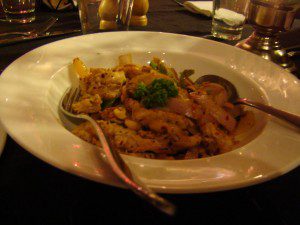
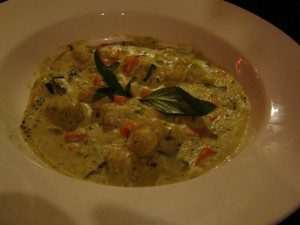
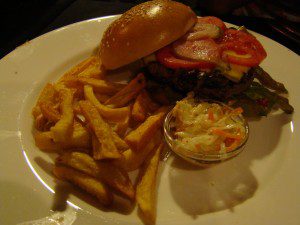
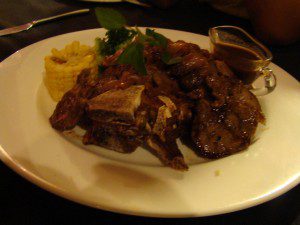
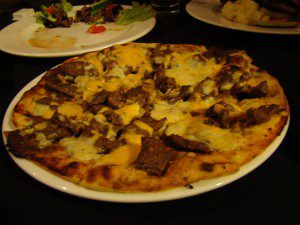
By the time we were ready for the main course, the expat party was in full swing, and we bore the brunt of it with a longer-than-average waiting time. The Signature Portland Beef Burger hosted a perfect patty and I completely enjoyed it. The Herbed Gnocchi had slightly chewy dumplings but the scrumptious pesto sauce made up for it. The Spicy Beef Ragu Spaghetti was good enough to be hoarded and taken as a doggy pack! The Porterhouse steak had slightly inconsistent meat (we had asked for medium rare) but together with the mashed potato and the red wine reduction sauce was excellent enough for us to appreciate the dish. The last to arrive was the much anticipated Shivaji Nagar Curried Beef Pizza. But that literally left a bitter taste in the mouth, and we discussed quite a few unsavoury possibilities of what the Shivaji Nagar connection could be as we waited for the desserts.
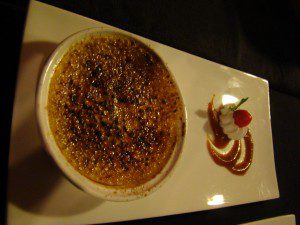
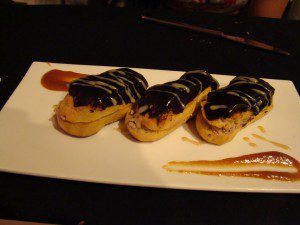
We decided against the dessert platter options, and asked for the Crème Brulee, Bread and Butter Pudding and Profiteroles with Chocolate sauce. The Cream Brulee was very well made, and everyone’s favourite, though I thought the soft, butter-rich pudding with its sprinkling of dry fruits was a strong contender. The Profiteroles were more éclair shaped, and despite the chocolate filling and sauce, was not good enough to be in the reckoning.
For about Rs.1600, you could share a soup, a non veg starter, a couple of non veg main course dishes and a dessert. (Inclusive of taxes) It’s only been a couple of months since the restaurant began operations and it obviously has its small share of teething troubles. Though the service missed a few steps courtesy the expat party, it really couldn’t take away much from the overall experience, especially after Maqsood stepped in for damage control. But given the pedigree and experience of the management, these would be temporary. An excellent, inviting ambiance and largely superb food means that this should be your port of call soon.
Portland Steakhouse & Café, No:1, Brunton Road 1st Cross, Bangalore Ph: 25593405