• PhilosoRapture

    In one of the slides in the presentation I shared last week, I had touched upon institutional realignment, and ‘health’ as one of the drivers. But the origins of this thought go back at least 4 years to The Man..the machine, and  Life…streamers, and the subject of immortality and the path to it – the augmented human – have since then made several appearances here – ‘The Immortal’s Reality‘, ‘Back to Eternity‘,  ‘Your Next Avatar‘, and Remember the Feeling to name a few. As I read these posts recently, I realised (again) that the possibility of the current version of the human being just another step in evolution is a humbling one.

    On one hand, I remembered the story of Yudhishtira and the Yaksha, and the answer to a part of Question 9. The Yaksha asks, ‘What is the greatest wonder?‘ and Yudhishtira answers “Day after day countless people die. Yet the living wish to/think they will live forever. O Lord, what can be a greater wonder?” On the other hand, I also read that Google (which shares its first two letters with God) has invested in a company that will work on combating aging and disease. Google is not the first company to attempt this, and scientists are already figuring out how to reverse ageing, but it does have the Ray Kurzweil advantage. (also read) This is promising to be a fight to the death! 🙂

    On the same day that the Google article was published, my favourite thinker on the subject – Scott Adams – posted an article on our ‘choice’ of immortality- one was the Google way of doing away with aging, the second was we would be able to transfer our mind to robots, and the last was transferring our minds into virtual worlds. I am inclined towards the augmented human route – body parts getting replaced one by one, until we become a ‘Ship of Theseus‘ and a perfect example of the paradox. But one way or the other, it seems as though we’re destined to be immortal. The funny thing is that despite that, the question would remain – ‘what is life and why do we exist?’ I wonder if an eternity would be enough to answer it. Or probably, our state of consciousness would be such that we wouldn’t feel this urge for an answer. After all, according to my 500th photo on Instagram,

    Clipboard02

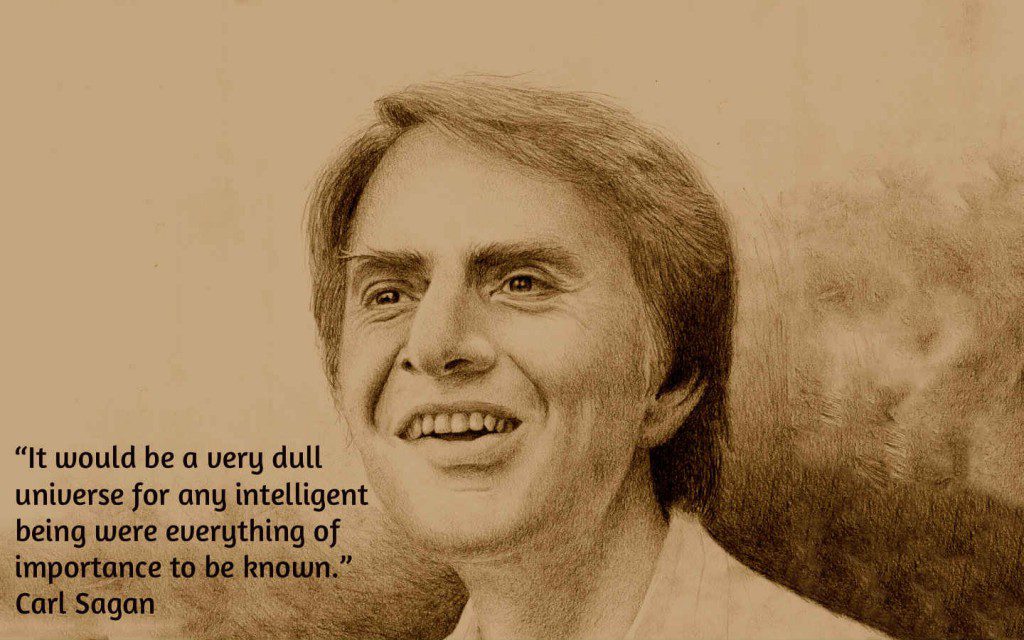
    The end of death is probably the end of philosophical questions as well. Whether that is a good thing is an open question. Or not. After all, Carl Sagan did say “I think if we ever reach the point where we think we thoroughly understand who we are and where we came from, we will have failed.” 🙂

    until next time, cogito ergo hmm

    P.S. Not a big fan of donuts, but a fantastic take on the subject of life and its context – http://imgur.com/K6EKeRW

  • Prost

    Prost is only a short walk away from our house, but we delayed a visit, not just because of the fairly discouraging reviews, but also because their microbrewery had probably the most delayed start ever!  Some casual browsing recently on Zomato informed me that the craft brew was ready! So were we!

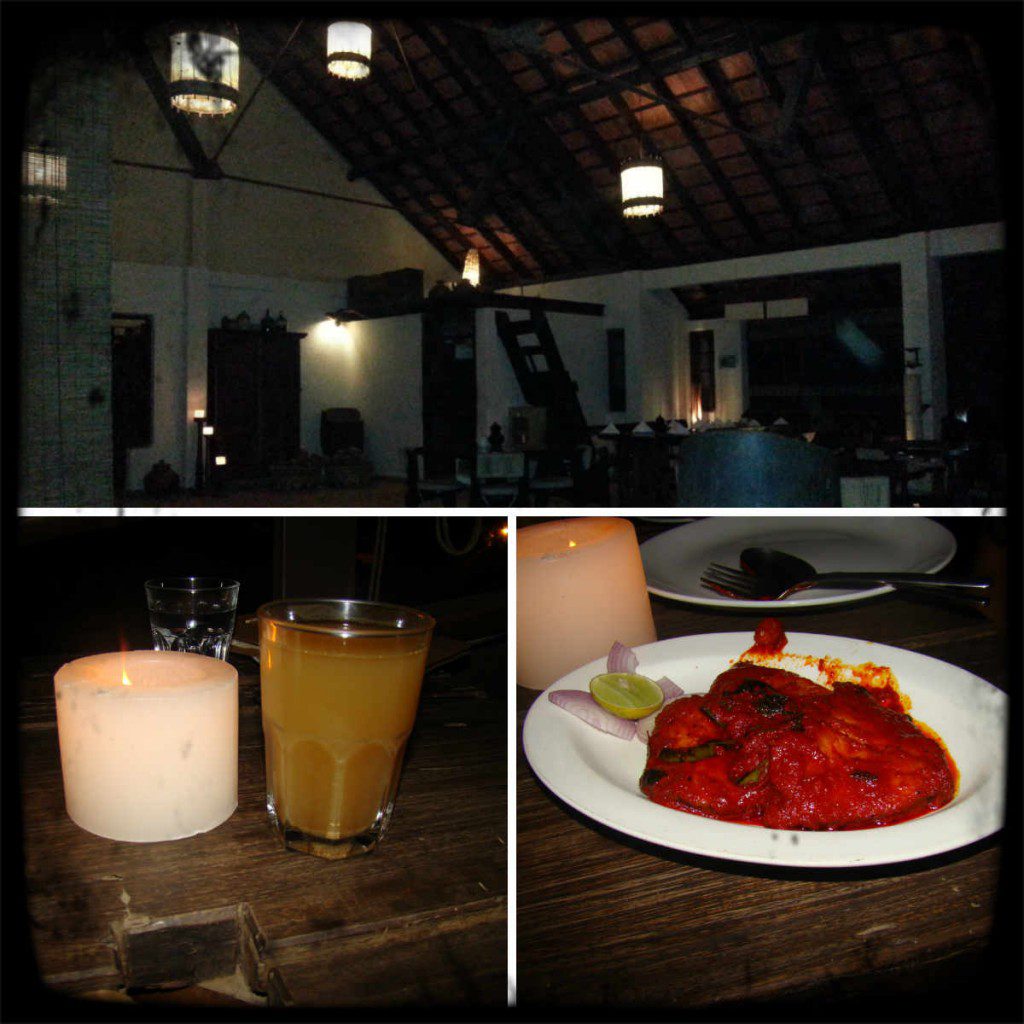
    This is the same premise where bon South used to be, on the way from 1st Block Koramangala towards Sony World. (map) They have valet parking. The place has a very industrial feel to it (maybe a hat tip to its German name?) but some sections, specially the ones upstairs, offer alternatives. We chose the smoking section upstairs that faces the road, it has some comfortable non-bar seat ways to park oneself. We noticed that the brewery smell was fairly strong as we checked out the menu. Since beer was a big factor in the visit, we first ordered the Cider Rider and Spinner, and then the Bangalore Bolt a while later. The Cider did have a mild fruity flavour, though the apple-ness of it is arguable. The Spinner, which I had ordered for the hint of lemongrass and ginger, was more wheat beer than ale. It only disappointed because of the expectations set by the description, otherwise it is quite a decent drink. The Bangalore Bolt was standard wheat beer and doesn’t disappoint. 500 ml is the minimum quantity. Hic.

    In the appetisers section, they have this neat half plate concept. We can order half plates of specific dishes and would have to pay the cost of the higher priced full plate. We ordered half plates of Sugarcane Chicken and Meatball Poppers. The Sugarcane Chicken was quite unique, with sugarcane skewers and mildly flavoured chicken that was complemented superbly by the Vietnamese spicy, tangy dip. The Meatball Poppers – with minced pork and tenderloin – was quite fantastic, and again, had a bbq dip that worked very well.

    collage1

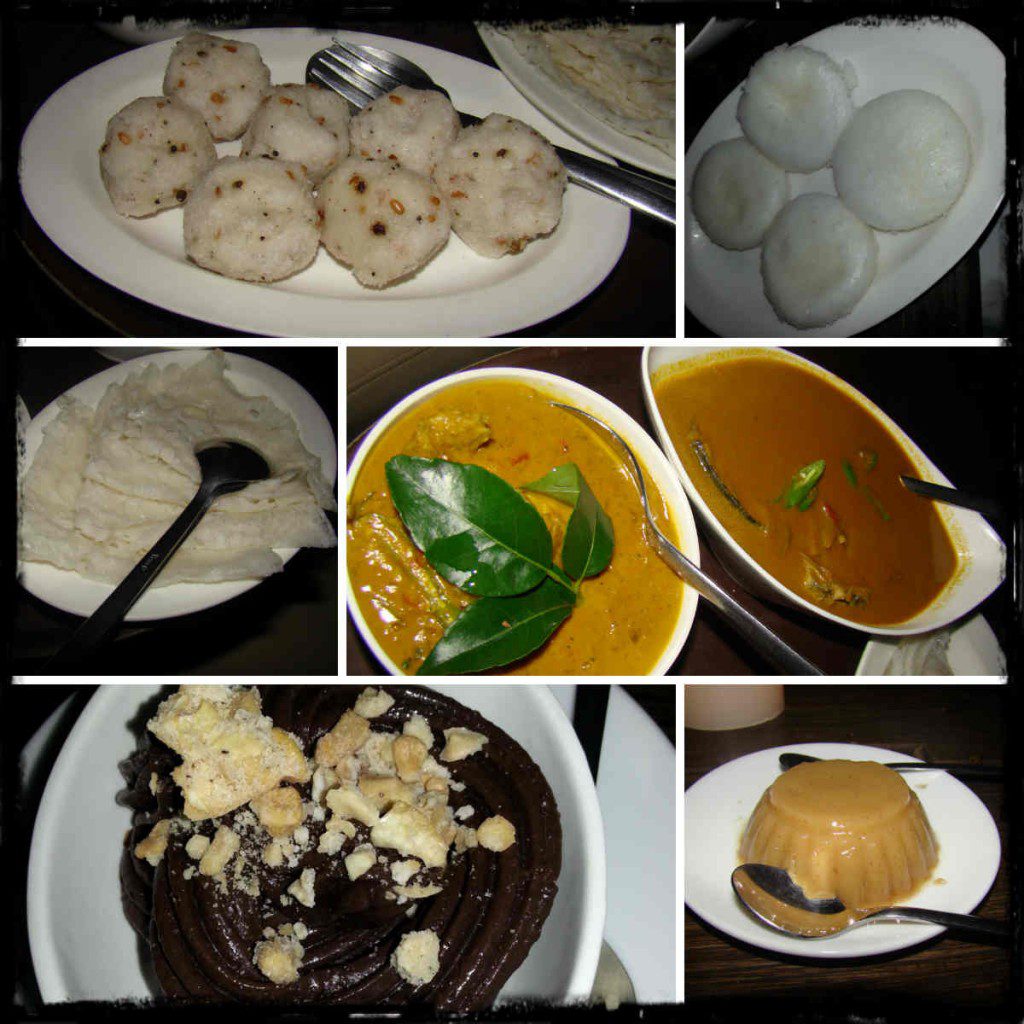
    We had quite a debate on the next round of dishes – whether we should order one more set of half plates or one full plate starter and a main course dish or two full plates. Massive analysis over beer on a Sunday! Beef won anyway, but unfortunately wasn’t available. So we asked for a Chicken Topper and a Crackling Stuffed Fish. The Chicken topper consists of open mini burgers with spicy chicken mince. Quite decent with a mayo dip. The stuffed fish was very good – tending towards bland but well cooked. For desserts, we asked for the Chocolate Decadence, expecting some monster levels of chocolate, but it  was rather tame. Not bad, just normal.

    collage2

    All of the above cost us just over Rs.1800 including taxes. The service was prompt and helpful, and on a Sunday afternoon, it was not really crowded. After all those negative reviews, I think our expectations were minimal. But it wasn’t so bad, and we’ll definitely drop in again.

    Prost, 749, 10th Main, 80 Feet Road, 4th Block, Koramangala Ph: 25534989

  • The evolution of work and the workplace

    I spent Rajinikanth’s birthday  at Jaipur, all thanks to one of my favourite bloggers – Kavi, who, in his official avatar, invited me to his organisation’s annual HR conference. The theme of the conference was Evolve Connect Enhance, and I can honestly say that many of my perspectives were enhanced during discussions about the real  implications and challenges for organisations, brought about by radical changes in the business environment.

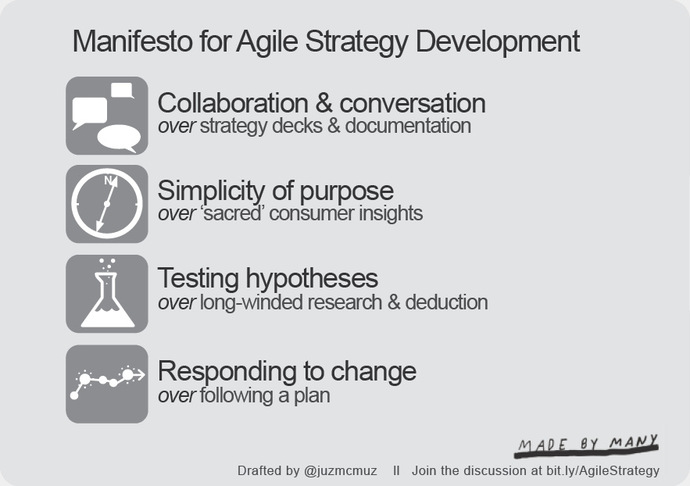
    For now, I’ll let the talk do the talking!  (transcript below the ppt) Do comment with your thoughts!


    Final Talk Points by manuscrypts


    until next time, work it out

  • Himalaya

    Michael Palin, Basil Pao (Photographer) 

    Michael Palin’s amazing journey across the whole length of the Himalayas, beginning in Pakistan and ending in what was once known as East Pakistan, and covering on the way India, Nepal, Tibet, a small part of China, and Bhutan. What really comes through is the range of perspectives the author gains and shares with us through the journey itself, but more importantly, through the people he meets.
    Isolated tribes beyond Peshawar who would seem to be living in a different era altogether, the dangerous sports they indulge in, probably a minor sport compared to the inherent dangers of their frontier life, the second highest mountain in the world that intimidates by its sheer presence, the first glimpse of a river that spawned a civilisation, the fading yet glorious remnants of Mughal architecture in Lahore, the current power that resides in Rawalpindi, the modern planned fusion architecture in Islamabad and meeting with Imran Khan all give us a peek into what makes Pakistan.
    The influence of Tibet and Buddhism in Mcleodganj, a meeting with the pragmatic spiritual leader – the Dalai Lama, the beauty of Dal Lake where an aging houseboat owner tries to keep everything afloat (literally too), a sense of peace that the beauty of the place provides even while being a hotbed of violence, Ladakh, the famous roadsigns (Better Mr.Late than Late Mr.) and Thikse monastery – before he leaves for Nepal.
    The chill of being present when a person is abducted by the dreaded Maoists in Nepal, spending time with a man who has scaled Everest twice! (the second time napping on the summit while his team caught up with him), a chopper ride that offers a glimpse of how civilisations have grown, realising the cultural difference in viewing death, on the banks of a river and on to Tibet.
    The Everest base camp and hearing the stories of Mallory for the first time, the slow conversion of Lhasa into a state sponsored tourist attraction, while simultaneously encouraging the dominance of Chinese culture. Into China proper – a matrilineal society in Yunnan, with the face being an ex-model who found fame across the globe, Naxi music and a touch of the supernatural in Lijiang, an earthquake prone area which is trying to balance modernity and old ways of life, packaged minorities (with imported faux actors) and a village where you can keep one leg in Burma and one in China.
    Nagas comfortably living as Christians. A duo traveling on a train in Digboi – one, the offspring of a sahib and a teaplanter and the other, the granddaughter of the sahib’s sister. A celibate sect devoted to Vishnu with an all male Ramlila cast.
    Bhutan and its unique Gross National Happiness index, where a king tries to pace the steps towards modernity in a country which is still in ‘unison with the earth’.
    The ship breaking industry at Chittagong that’s on a slow decline, the pragmatic acceptance of bribes, the crowded Dhaka and its secular brand of Islam, a steamer ride towards the Sunderbans and a final adventure as part of filming a sunset.
    These are a few of the many instances and places in a book that spans 125 days of travel. Sometimes the author comes across scenarios – places and cultures that have remained unchanged for centuries, even as the world outside moves at a dizzy pace. The diary style of writing gives you a feel of traveling with the author, the photographs helping us visualise the people and the places, and the musings helping us go beyond the actual chronicling. A very good read!
  • Emotion as a Service

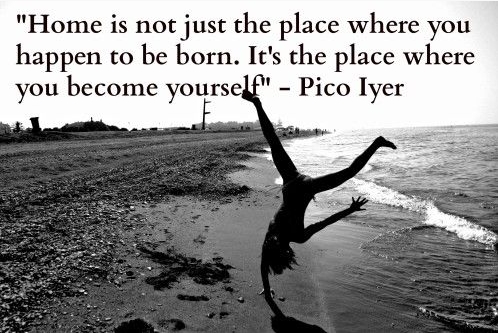
    More than a year back, I had written about institutional realignment and had briefly mentioned the institutions of marriage and parenting. ‘The currency of relationships‘ made me think of this, and family – immediate and extended – as a societal construct/contract/ institution, and probably even as a tradition. Where we are born, and whom we are born to, are apparently out of control, but we do have an illusion of control courtesy the choices we make as we go along. Thanks to these choices, our lifestyle and our perspectives may follow a trajectory that is totally different from the circumstances and people we grew up with/in. This is not just about the people from our childhood/youth, but is a continuous process through life. Each of us find our own ways to deal with the constant flow of people through our lives. These are again choices, and like most choices involves some amount of sacrifice and bring with them their own set of consequences.

    Clipboard02

    I loved that Goethe paraphrase, because I think it sums up our relationships very well. At the risk of sounding cynical, (or receiving a ‘speak for yourself’ comment) I’d say that we’re increasingly becoming selfish as a species. I have always had the notion that most relationships are contextual, and it would be difficult to scale our emotions/feelings for others for an indefinite time frame. Yes, I do acknowledge there are exceptions, but that’s what they are – exceptions. Do a quick test and find out how many people across your life you’re still in touch with – bouts of nostalgia not included?

    It is with all this as the backdrop that I read Scott Adams’ “The Future of Marriage“. It articulates very well a thought that had crossed my mind earlier. (Of course, he obviously explores it way better than I could have) He deconstructs the institution of marriage and argues that marriage made sense “when the world was inefficient. You married a person nearby who could provide most of your important needs while hoping your lesser needs could also somehow be met.” Now, he says, the internet has allowed us to have a barter economy of relationships. In other words, a virtual spouse comprised of a dozen separate relationships. He tempers everything by saying that in the future, marriage may be one of the many options available. By sheer coincidence, and in a different context, I came across this quote attributed to Steve Macone “A tradition is a habit whose logic has faded“.

    I thought about this in the context of the expectations I had mentioned in the ‘currency of relationships’ post. If the institution of marriage can have a barter economy, why not other relationships? After all, isn’t every relationship a barter at its core? It’s just that we are rarely comfortable with voicing our expectations in the case of an emotional ‘transaction’, quantitatively or qualitatively. (generalising) Parents expect their children to look after them when they are old, in return for bringing you up; relatives expect you to return the favours they once did for you, and so on.

    So who knows, maybe our pace of life and our need to be (seen as) fair in all our relationships will conspire to form a barter ecosystem that offers emotion as a service. It is possible that an alternate path to prosperity might take us in a different direction, but in the era of the quantified self and the augmented human, when we slowly transition our selves into the cloud, maybe ‘Emotion as a Service’ (like)  is not an impossibility. What do you think?

    until next time, a qualified self