Category: Religion

  • Lankan reams – Day 3 – Kandy

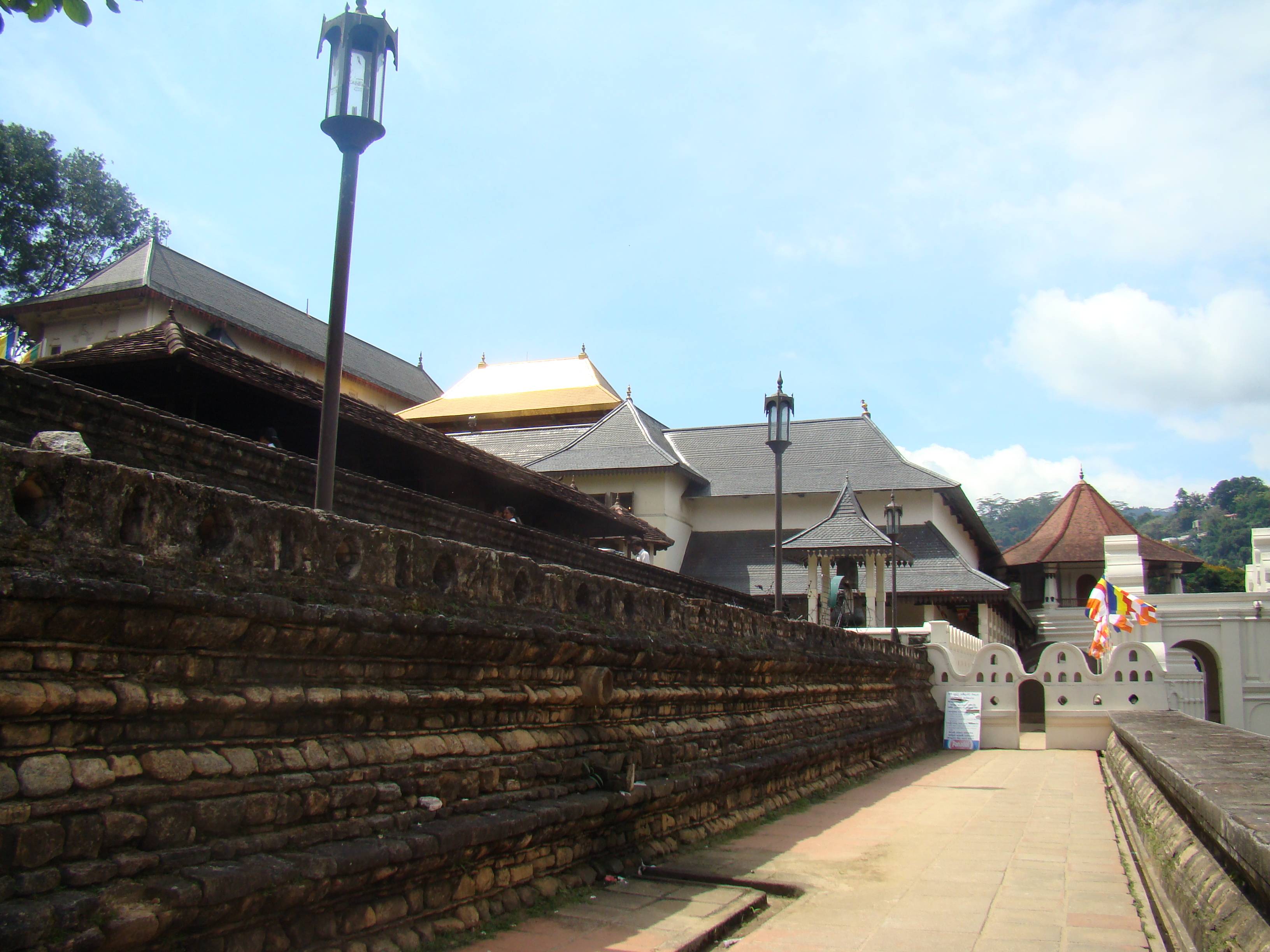
    After two days of early starts, this one was more relaxed, since the only agenda for the day was the Tooth Relic Temple. Okay, and some hazy culinary plans. Breakfast was a pleasant affair, largely because I got to have Milk Rice and chicken curry with some amazing onion based chutneys! Breakfast, imagine! Sigh.

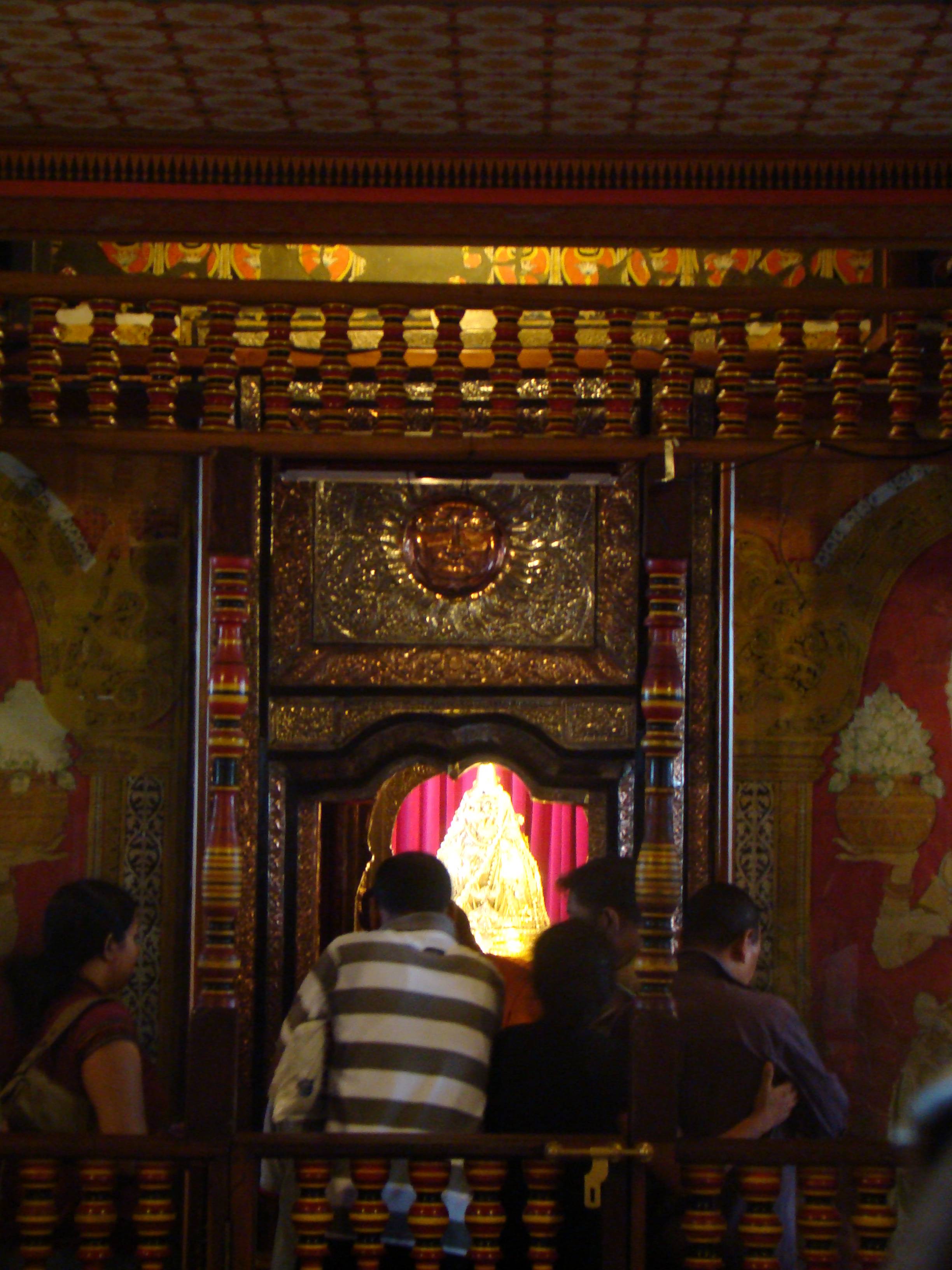
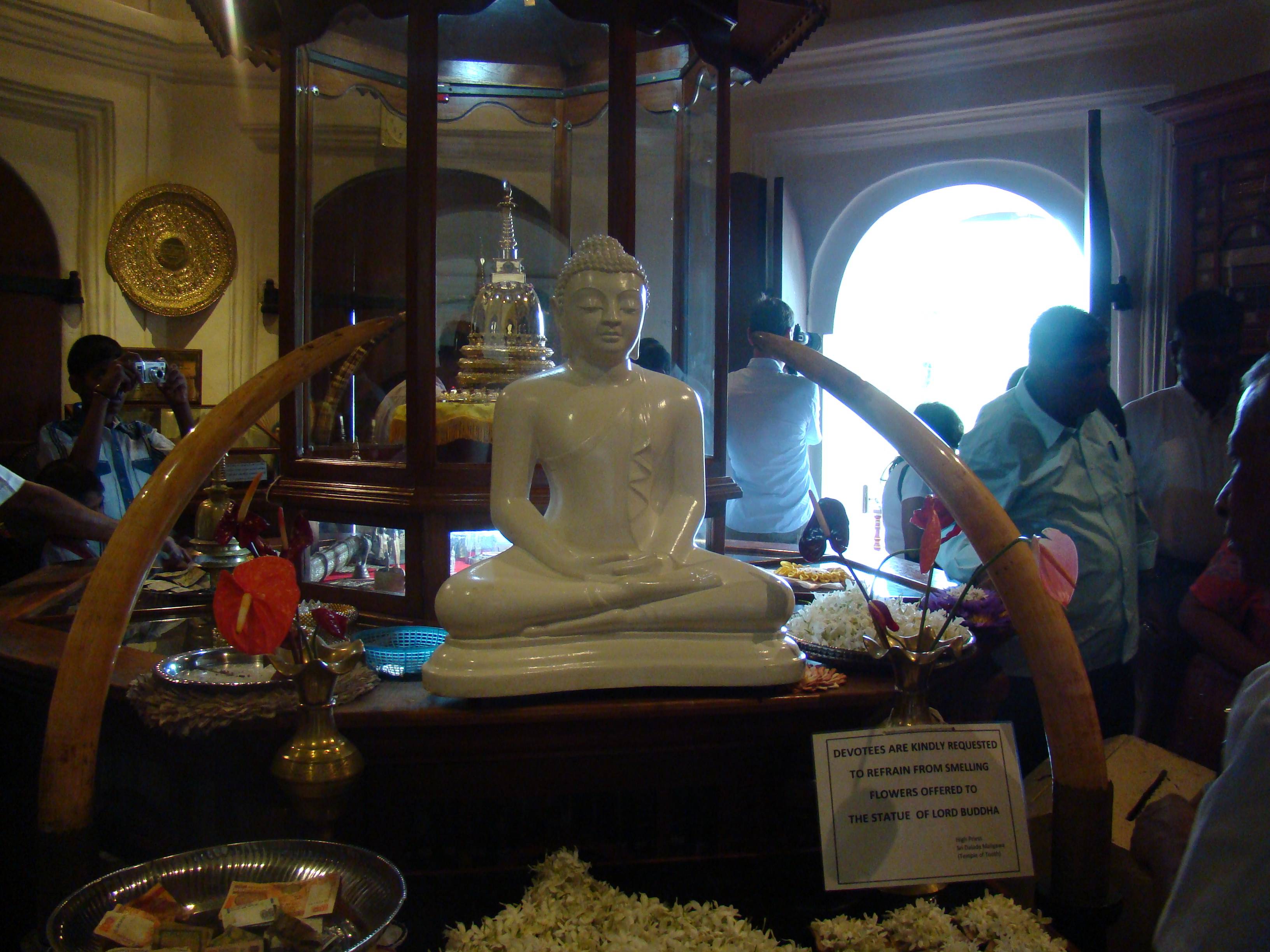
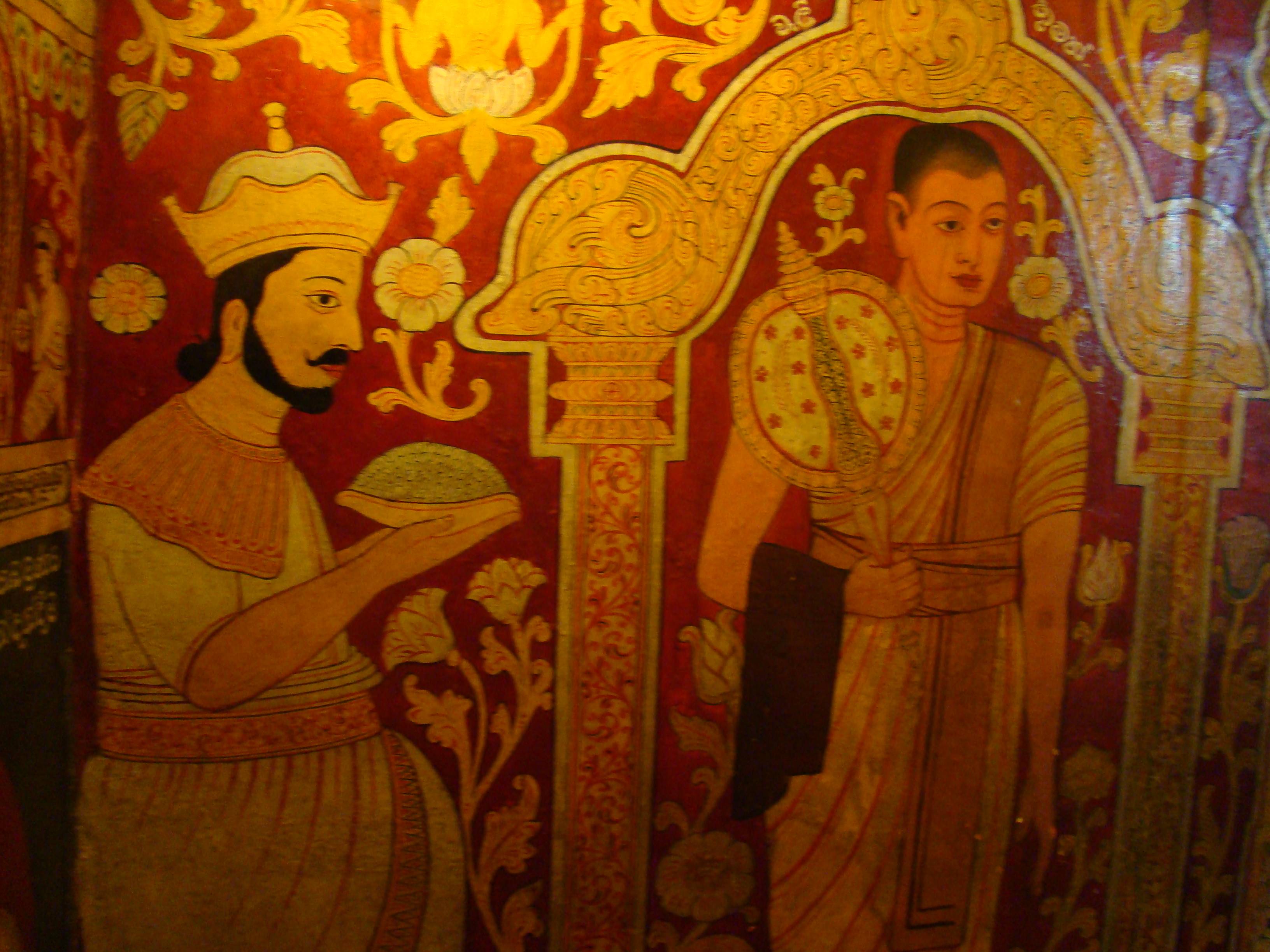
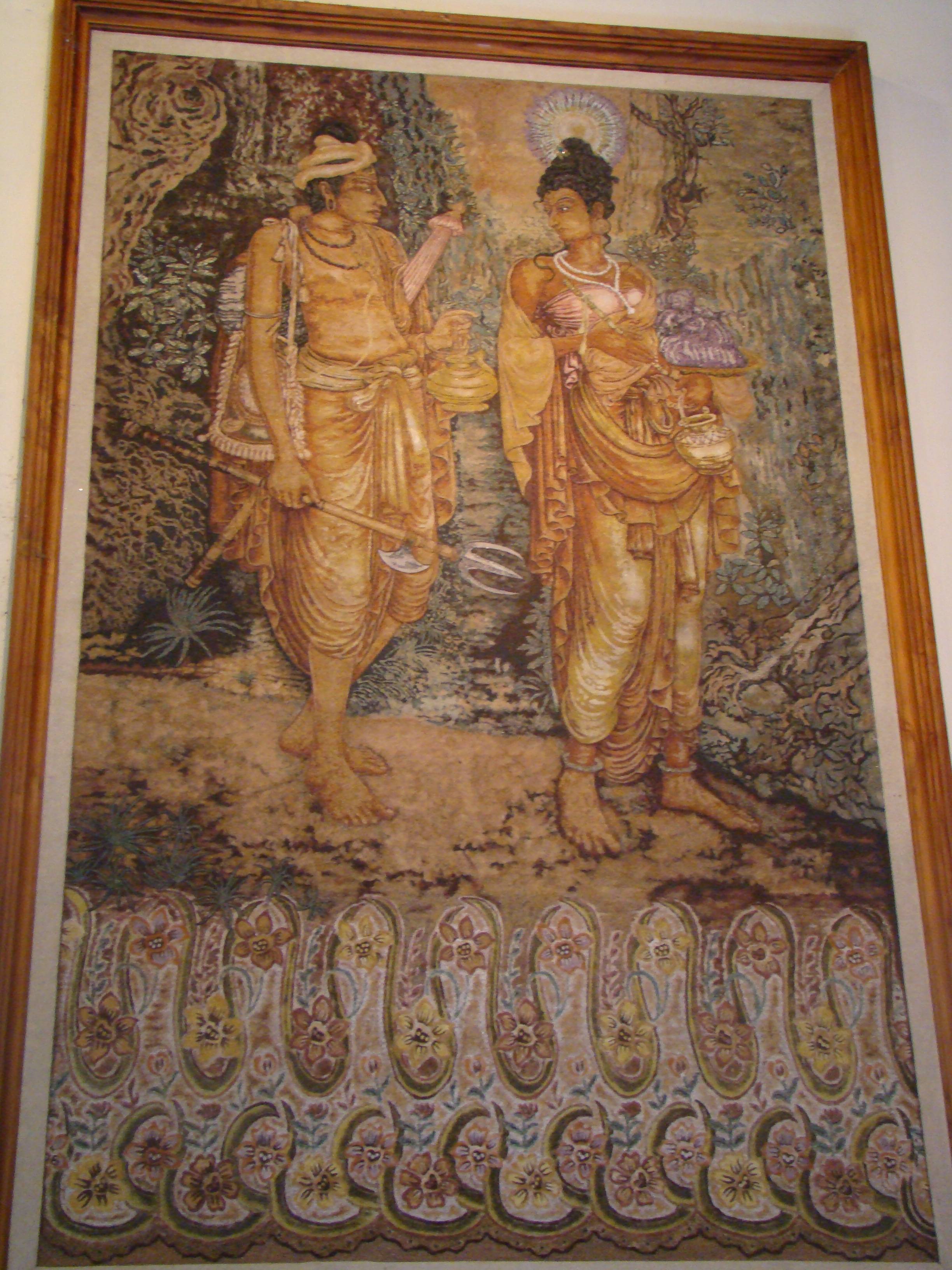
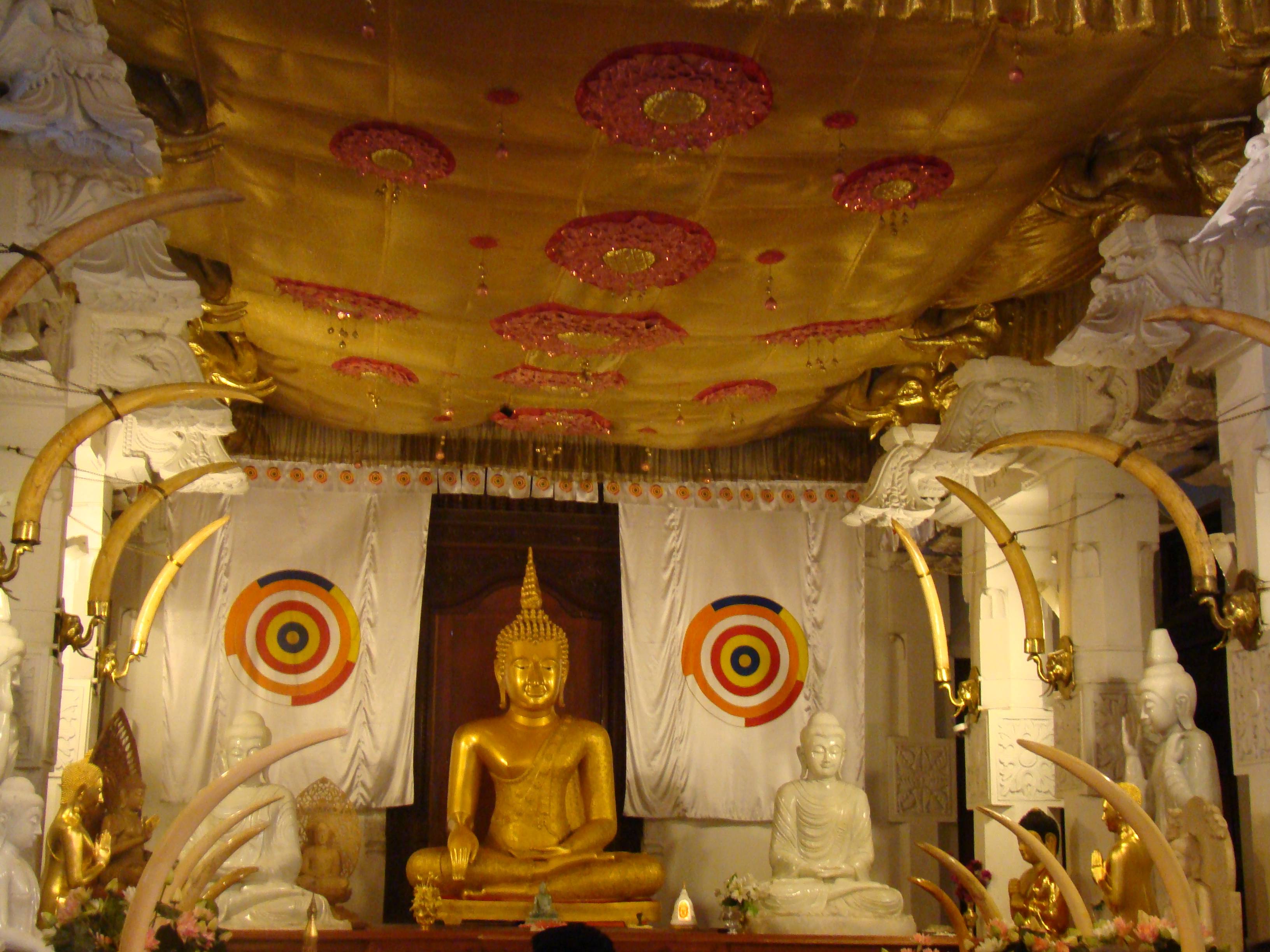
    The Tooth relic Temple is probably why Kandy is known as the heart of Buddhism in Lanka. There seemed to be three prayers that were open to the public – Dawn, Morning and Dusk. Security was quite high. The LTTE had done of their suicide bomb acts here too.

    The word ‘temple’ is used rightly, because considering the rush, it was like say Guruvayoor or Sabarimala, in India. To me, this place nailed Buddhism clearly as a religion. I somehow doubt that was what the Buddha had in mind. So, like most religions, interpretations rule, and when you disagree, you form a new sect. ‘Ahimsa’ is interpreted enough to allow non-vegetarianism, just another way of life. I like to believe in one’s own notion of faith,  but it was difficult to miss the fact that a tooth was being worshiped. It also struck me that Buddhism in Lanka was a sort of passed on faith. The Buddha never went to Lanka and Buddhism came to Lanka long after the Buddha died. Perhaps it is because I am an Indian Hindu and used to ‘owning’ my gods that this thought came to me. Anyway, thanks to my high expectations of Buddhism, its Lanka version and the ochre / bright orange clad monks didn’t command the respect their counterparts in Leh did. Cameraman was on auto-mode.
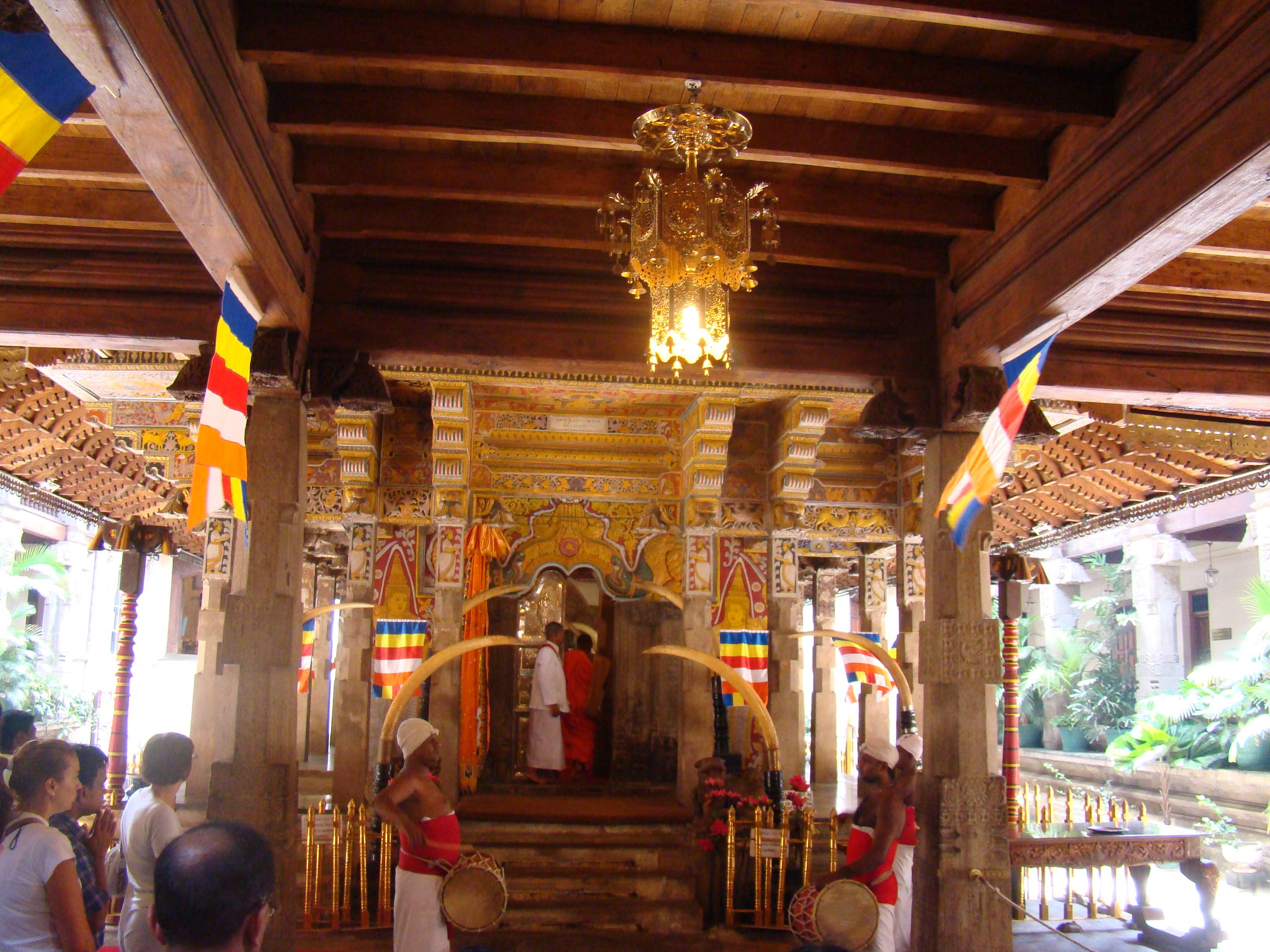
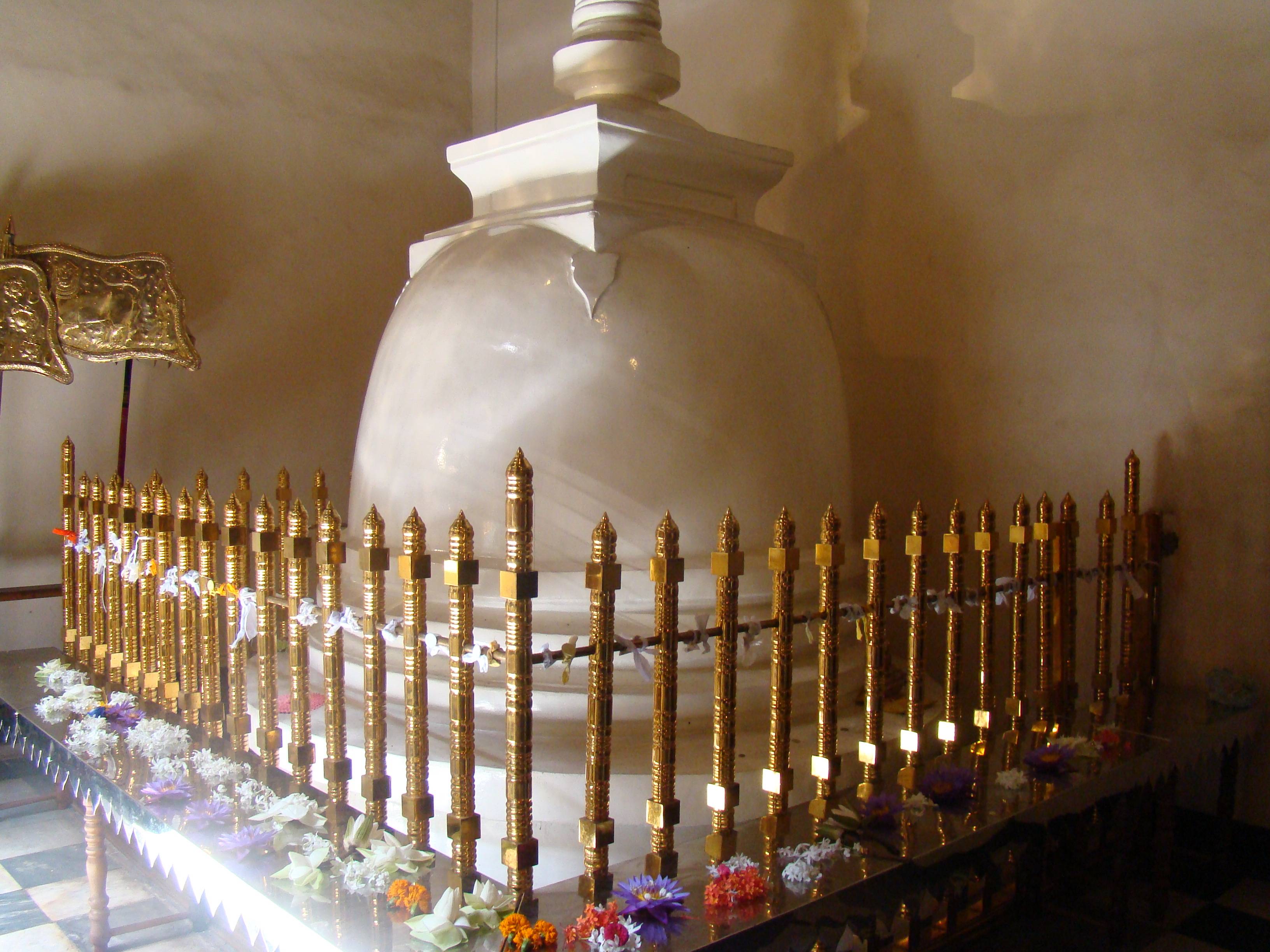
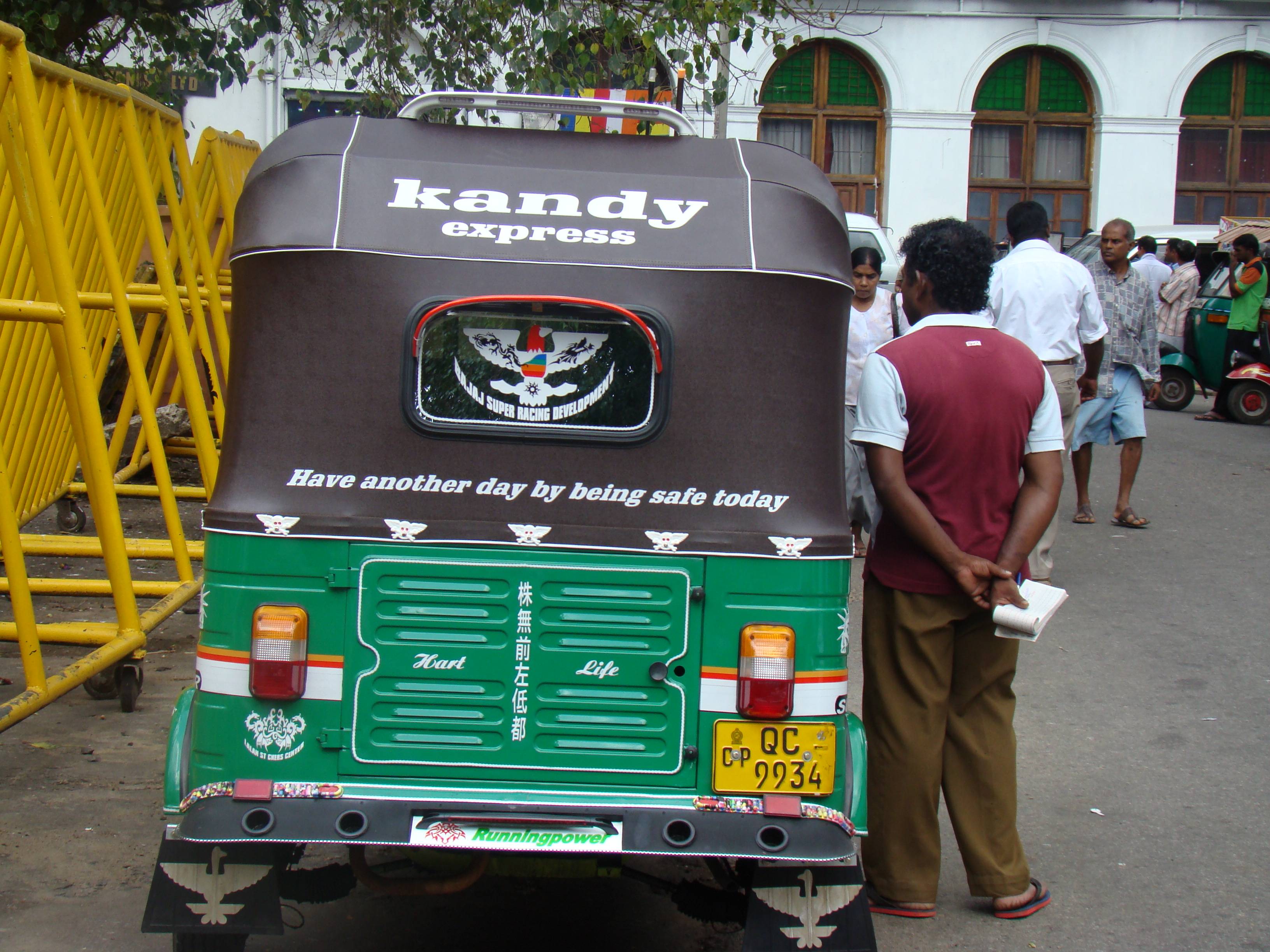
    Though we didn’t take the Kandy Express, we managed to climb up the hill and visit two tourist shopping destinations the guide recommended. The first was a Batik store, where they showed us the entire process after which D went into a shopping frenzy. She was revived much later, after we’d also finished the wood workshop and gallery. If you’re willing to suffer a little on the ‘authenticity’ retail  setting, you’d actually find the Odel ( a retail chain) store in Colombo a better place to buy knickknacks.
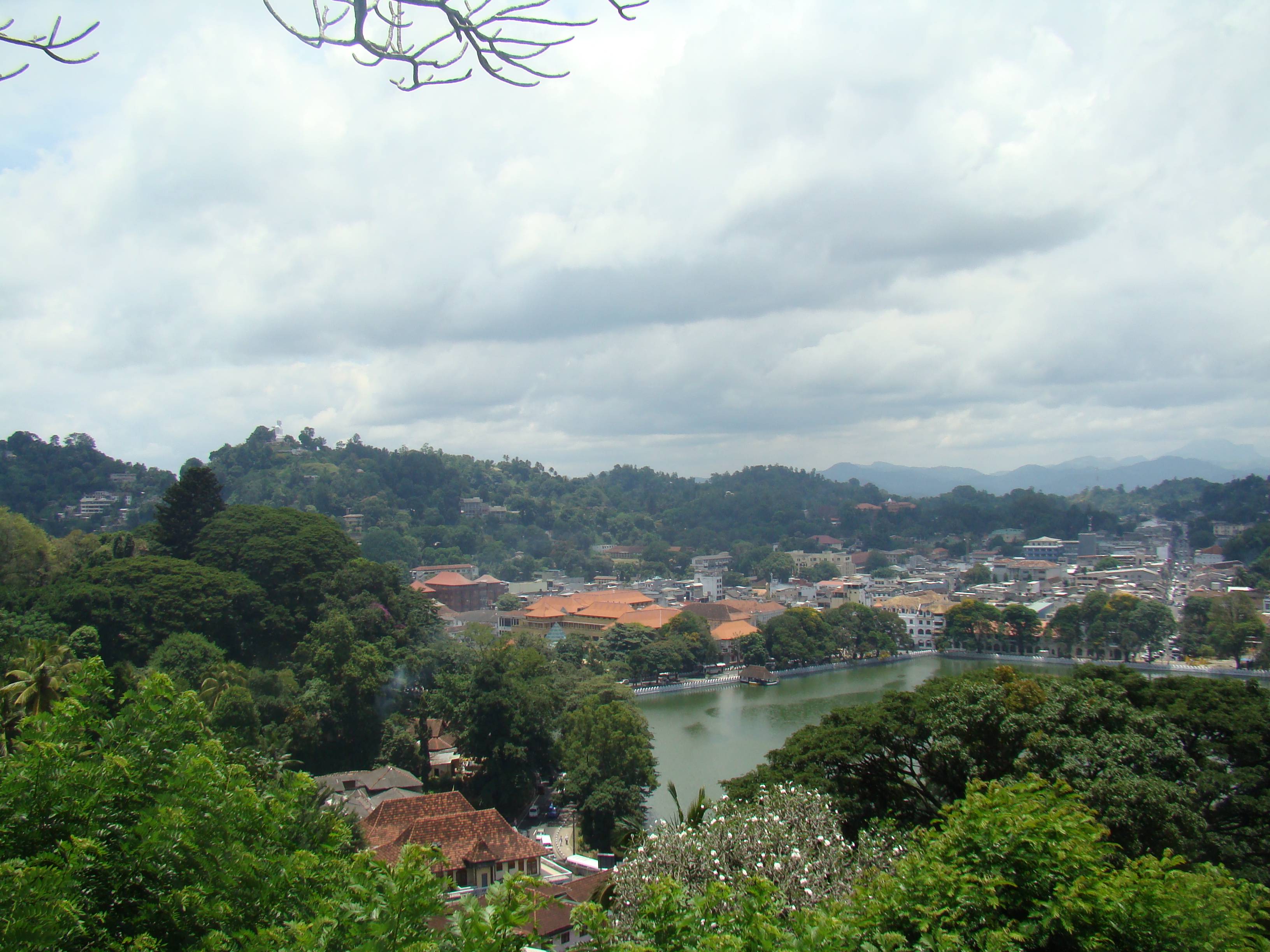
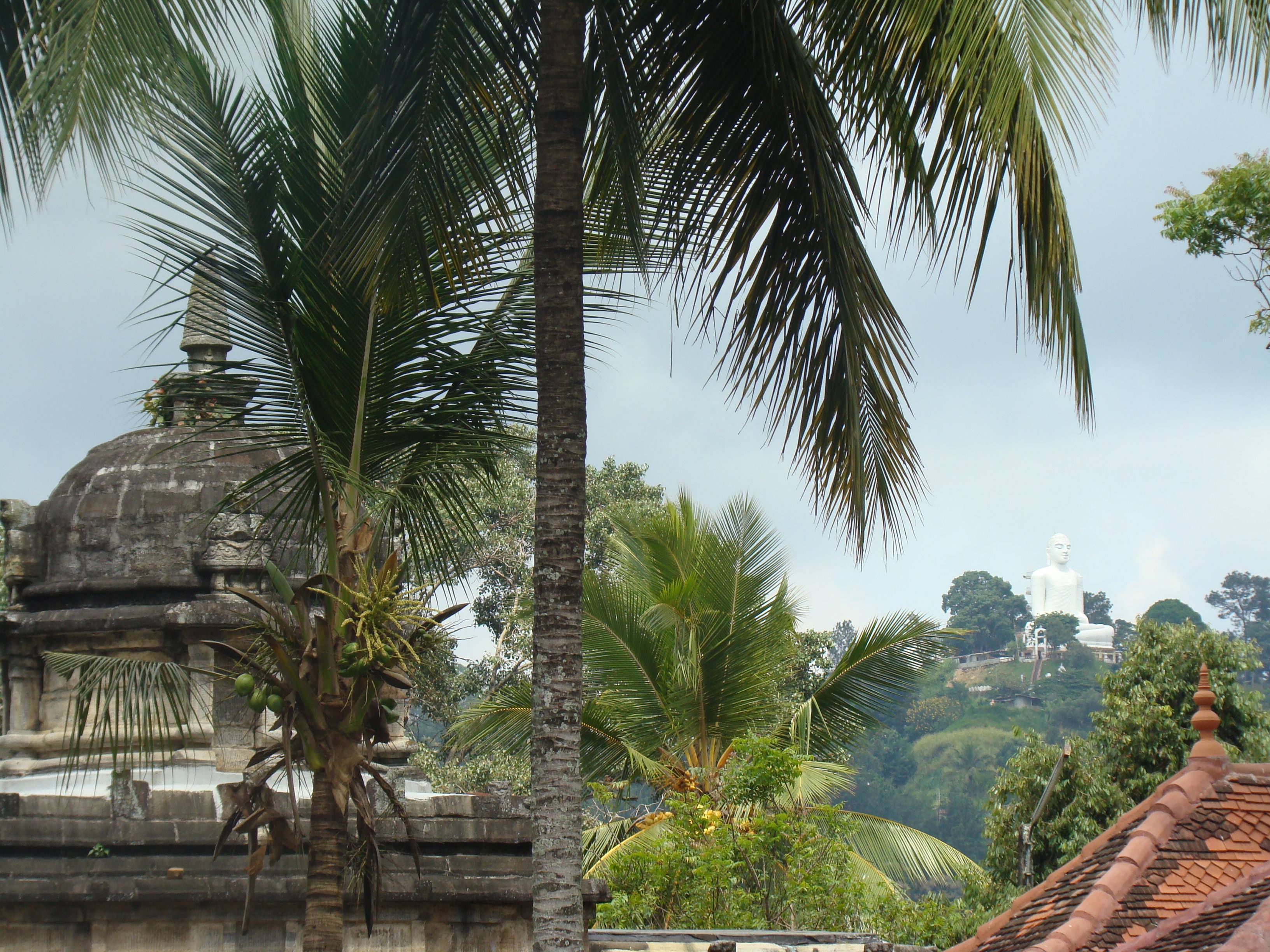
    Arthur Seat offered a splendid view of Kandy city. We had lunch at a place called Oak Ray – strictly ok, and then moved on to a jewelry store to learn about gems. My eyes were opened wide, not from amazement, but to prevent them from closing. To be fair, the gemstone mining process was interesting. Siesta mode is auto activated whenever I’m on vacation!
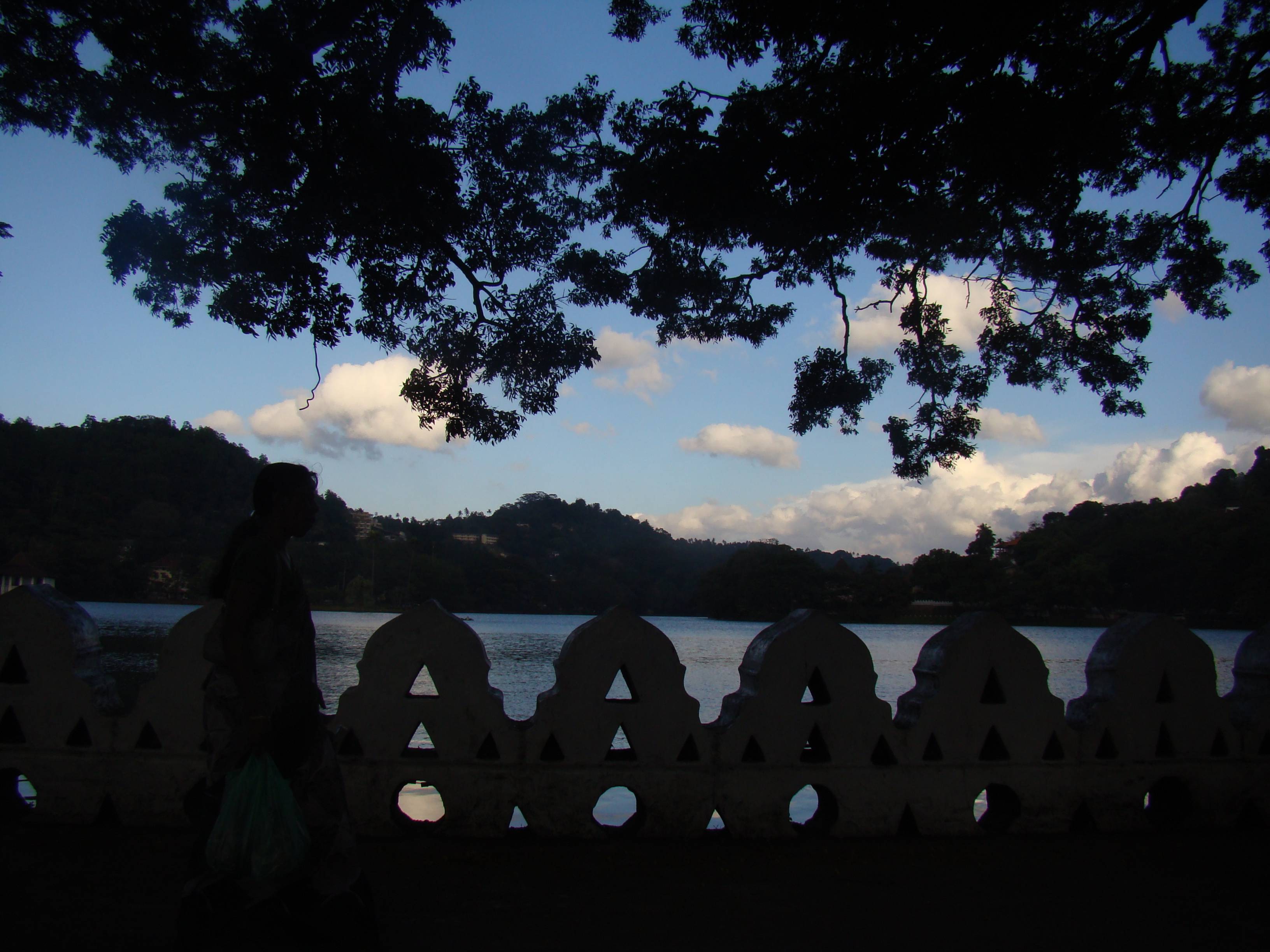
    In the evening, we decided to walk a bit. Kandy reminded me a little of Trichur, where almost everything of note is located near that massive round. In this case its the Kandy lake. The mango juice at Bakehouse, touted on travel wiki as phenomenal was a few notches south of ordinary!! We also roamed inside the open market, but it was just like any other. The Kandy lake is really a pretty picture at night, and we sat on a non-bird-toilet bench and watched life pass by, passing comments, noticing the co-existence of Lankan and Indian sari wearing styles and scoffing at people sporting umbrellas in the twilight.
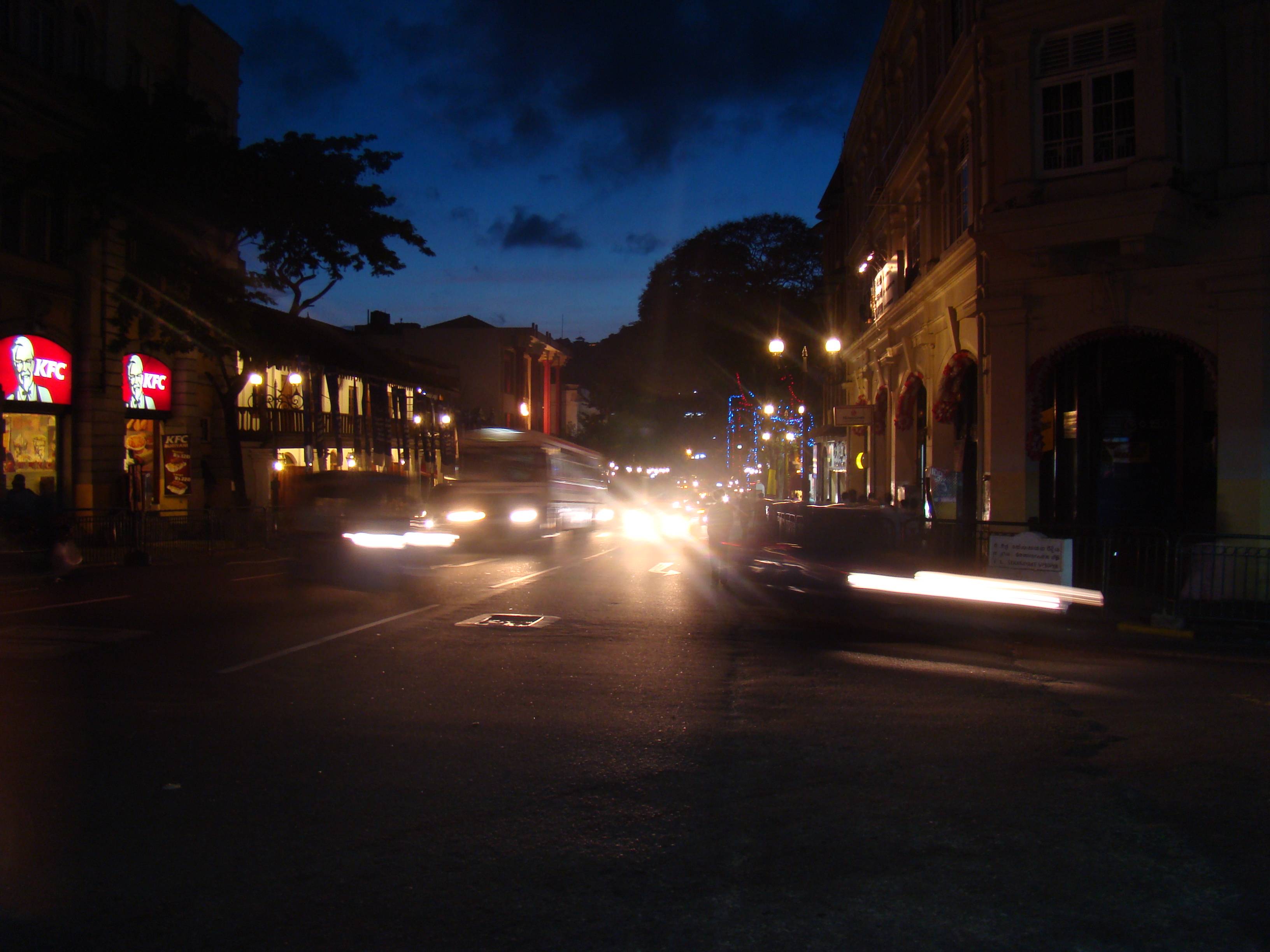
    When it was time for dinner, we were in a quandary. The Lyon’s cafe was highly recommended in travel wiki, as was Devon. We didn’t like the setting of the former much and the Captain’s Table restaurant in the latter semmed to serve only Indian and Chinese. We finally climbed up to ‘The Pub’ above Bakehouse, and watched Kandy life pass by as Bakehouse redeemed itself with a fabulous dinner. We also tasted Lankan Arrack (made from coconut) via a cocktail called Elephant’s Kiss. It was quite bad, and D wasn’t thrilled when I wondered whether there had been a typo – after all K and P are pretty close on the keyboard! Everyone – Kandy people, D, crows – had their revenge when a large splotch of fresh crow shit was discovered on the back of my tee.

    Star World and Masterchef were sorely missed, and we went to sleep early, since the next day required a transformation from city and zen to beachbumming.

    Next up Day 4. Click for Days 0, 1 and 2.

    PS: Thia also happens to be Post # 800 on this blog. Thanks for reading. 🙂
  • Moth-eaten

    The Mothman Prophecies, a 2002 film (based on a 1975 book, which is supposedly based on real events!) starring Richard Gere, is about a town that has several people experiencing paranormal events. Gere tries to get to the bottom of it, and as part of his research meets an expert on the subject. There is an interesting conversation between Gere’s character – John Klein, and the expert – Alexander Leek. The snips that interested me –

    Alexander Leek: If there was a car crash ten blocks away, that window washer up there could probably see it. Now, that doesn’t mean he’s God, or even smarter than we are. But from where he’s sitting, he can see a little further down the road.

    ………………….

    Alexander Leek: In the end it all came down to just one simple question. Which was more important – having proof, or being alive? Trust me. I turned away years ago, and I’ve never looked back.

    John Klein: Didn’t you need to know?

    Alexander Leek: We’re not allowed to know.

    …………………..

    Alexander Leek: Their motivations aren’t human.

    John Klein: Alright, then. What do they want?

    Alexander Leek: I have no idea. What you really want is to know… why you?

    …………………..

    John Klein: I think we can assume that these entities are more advanced than us. Why don’t they just come right out and tell us what’s on their minds?

    Alexander Leek: You’re more advanced than a cockroach, have you ever tried explaining yourself to one of them?

    …………………

    Now, I’m sure conversations similar in meaning to these have appeared in other movies or books, but that doesn’t make this any less interesting. Though in this context, the entity being discussed was more alien, the discussion could still apply to what we consider God, or for the sake of discussion here – a creator. (architect for Matrix fans) Humour me, and forget evolution for a while.

    Leek nailed it when he said the ‘Why me’ part. The search is that – ‘what am I doing here, really’ though the question manifests itself in many other ways – meaning, purpose, secrets of the universe, life and death etc. Sometimes the argument that one is not meant to know is quite compelling. I read an article a few days back in the TOI, coincidentally, written by one Jonathan Leake. To quote

    Some of the greatest mysteries of the universe may never be resolved because they are beyond human comprehension, according to Lord Rees, president of the Royal Society.
    Rees suggests that the inherent intellectual limitations of humanity mean we may never resolve questions such as the existence of parallel universes, the cause of the big bang, or the nature of our own consciousness.
    He even compares humanity to fish, which swim through the oceans without any idea of the properties of the water in which
    they spend their lives.

    I wonder if that also applies to the ‘God’ question. But when the unexplainable happens, when I sit there awed by the stars in the night sky, when I pause for a moment and try to figure about where this is all going, and the inevitability of it all, it is frustrating not to find any answers.

    Meanwhile, I’m not sure how much of research has been done on the cockroach’s brain (can’t open this completely 😐 ). But sources on the net say that its brain is ‘spread around its body‘, and the question of whether it has emotions is unresolved. Unfortunately for us humans, it is known that we have an ego, and can’t understand why all of it can’t be explained to us. We’re the chosen ones, isn’t it? And we need closures, we’re uncomfortable otherwise. And so the search must continue, irrespective of the result.

    Is it the gods who put this fire in our minds, or is it that each man’s relentless longing become a god in him?” ~ Virgil, Aeneid

    until next time, roach ka lafda 😉

  • Back to eternity

    Despite being a Star Trek fan, I happen to think that Time is the final frontier, at least in the horizon that I can see. I find it quite intriguing that, though it might be looked on as a tool for tracking, I can perhaps not account for most of my lifetime. I don’t mean the large picture, I haven’t lost it totally yet, but specific minutes. Take for example, the last hour and account for all the thoughts that rushed in. I would find it difficult.

    If you close your eyes, and allow your breath to be the only meter, the perspective of time undergoes a shift. Meditate a bit, and its easy to see. Easy to see that even the measurement of time – years to seconds and beyond is our  construct. But it is so ubiquitous and enmeshed in our lives that it seems as though it is a constant and only we change. It requires dramatic events for us to pause and note the passage of time. Kahlil Gibran has said, ‘Perhaps time’s definition of coal is the diamond”

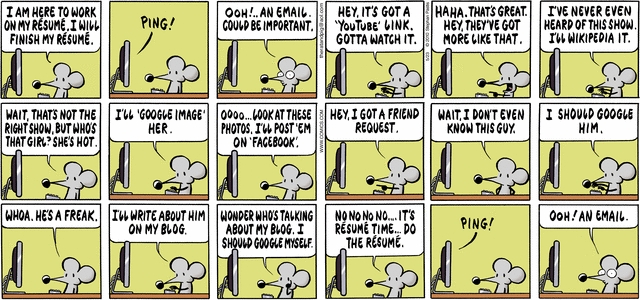
    Meanwhile, I wonder if all the information about those unaccounted for minutes is stored somewhere in my brain, and is just not deemed enough to be of any priority for me, and hence seems inaccessible. The tools that consume me these days – most specifically Twitter, and more recently, Foursquare, also help me keep track of what I’ve been up to, and when it works the same way for everyone is when there is an information deluge, and that seems to be something we find difficult to handle. Something that we have discussed before. There is a toon I found (here) that correctly describes the way a lot of us seem to be functioning now

    Clipboard01

    And in another example of how man is shaping his own evolution, I read about companies like Lifenaut, which  ultimately aim to create humanoid robots powered by a backup of the original human’s brain. (via @pkaroshi) The first step is to create a digitised version – an avatar, and give it enough data for it to mimic the original human. It makes me wonder whether we will be able to create ‘consciousness’.

    And that makes me think a bit more – by the time, we are technologically advanced to create it, will we have forgotten what consciousness is? Which also begs the question whether we have ever understood it at all, when we are not even mindful of the minutes of our lives? How does one define it? So many reactions which seem pre-programmed when one thinks of it, actions and reactions more out of habit than any conscious choice being exercised.

    So yes, with all of the work happening at a rapid pace, (do read) I think its more ‘when’ than ‘if’ – that we will become immortal, and time, from a future point of view, will become immaterial, because the future will be infinite. But we still may not be able to undo what we did a minute back. Where does that leave us? To quote Pico Iyer (from Abandon) “God has to be understood in the context of everything that is not Him”. But that is a different discussion, I guess. Its only that with every advancement that humanity makes, and in that process also usurps things once attributed to divinity, I begin to wonder where that leaves our versions of God?

    until next time, time.ly links 🙂

    PS. I tweeted sometime back, even if you never read an Asimov work, or never plan to, this is one that you should read. The Last Question.

  • When Man was God…

    A few days back, I read this amazing article ‘Why everything you’ve been told about evolution is wrong‘, thanks to Surekha. Though it begins by rubbishing ‘creation by God’, it thankfully moves soon enough into Darwin’s theory of evolution and the epigenome (the protective package of proteins around which DNA is wrapped), which plays a role in deciding which genes get to express themselves in a creature’s traits and how much. It talks further of how a change in the surrounding environment for even a relatively small time can affect the way genes express themselves in future generations. This raises a question mark on the ‘random mutation + environment filtering’ basis of Darwin’s theory, and suggests that the environment had a hand in creating those ‘random’ traits. Lifestyle alters heredity.

    (Kindly read the remainder of the post before confronting your grandparents)

    I don’t have a hard stance against anything to do with God/faith, because I find around me many things that are not really explained, many dimensions which we haven’t been able to crack. Maybe, we will, in the future, but that doesn’t mean I will be arrogant about science now. There are so many wonderful things around me that awes my mind because of the mix of complexity and simplicity, that I like to have faith in a system/being at a higher level.

    But the article made me think about the way we have reached where we are, and our concepts of God and evolution. And that’s how I wondered whether man was ‘God’ at some far off point, and had some fun. A half-ass thought. For this scenario I’m accommodating both versions – i.e. God created man in his image OR nature threw up enough random genes to create a version of man with super powers.

    So at some point a long way back, we have a set of humans on the planet, all of them with superpowers – lifespan, various controls over elements etc, and thanks to that, a complete disregard for everything around them. The system (God or evolution/epigenome) realises this is a bad thing and starts turning down the super powers slowly. Or maybe they fought amongst themselves and turned off each others’ powers, until only a few had them. Their lifestyle tampered with their heredity. In later generations, they appeared in patches, say in a few  who are now known as rishis/sadhus/saints. These generations however, knew that earlier beings had superpowers and begin to regard them as Gods. They also began to fear the power of nature as they experienced calamities and lost things and people that were dear to them. Man now thinks that he should be beyond the control of nature. Technology  makes its entry and is man’s weapon against everything that nature can throw at him.

    Where does it go from here? Maybe nature is working to a plan – pushing man to increasingly rely on technology until the point he can no longer think for himself. And then attack man with all it has got when he’s at his most vulnerable.

    until next time, a 20:20 vision we might never have 🙂

  • Relative..reality

    For some strange reason, I’ve read Pankaj Mishra’s books in reverse order..well, almost. I read The Romantics first, a long time before, and it remains a book I’m very attached to. Its a good book, but I’ve never figured out the exact reason for this strange bond, in spite of making a rare exception and reading it a second time. Maybe it was the time I first read it (a stage of life) or its characters or its title, someday I hope to know, it will tell me a bit more about myself, perhaps. But meanwhile, from The Romantics, I was lured straight to ‘Temptations of the West‘. A few months later, I read ‘An End to Suffering‘, which served as a kind of introduction to Buddhism for me, as Mishra mapped it on to his own spiritual evolution. I finally completed his first book, ‘Butter Chicken in Ludhiana: Travels in small town India’ more recently. Though its title would indicate so, calling it a travelogue would be a gross injustice, as it also manages to recreate the India of the 90’s. So, yes, it is a travelogue, but like many of its ilk, it works in space and time. No, this is not really a review. 🙂

    I’m quite glad that I read his books in the order I did. If I read it earlier, I might have been irritated by the cynicism in the book. But having read his later books, I felt almost as though I was with him, as his thoughts and personality evolved. The book gives you loads of nostalgia triggers – from Baba Sehgal’s ‘Main bhi Madonna’ (i still remember the Magnasound casette cover :D) to mentions of Nonie and Mamta Kulkarni, it draws upon tiny incidents of those forgotten days.

    Many of you may not be able to associate at all with those three people mentioned above, for me, they bring back an era, their importance is relative. I even wondered whether, in future, we will have nostalgia townships, like we have the amusement parks now. The 70s, 80s, 90s re-created in terms of people, music, movies, fashion and all the elements of pop culture that can be attributed to an era. So, when you have those nostalgia pangs, you can call a few friends and take a vacation to bring back a period in your life. 🙂

    A common theme struck me as I ‘moved’ through the book’s pages. Mishra mentions Murshidabad looking towards Calcutta in hope, for job prospects and a better life in general. In many people’s perception, Kolkata is perhaps the worst of the metros on those terms. He writes about the ‘immense cultural vacuum of North india’, and ‘looking towards Bengal for instruction’, and the decline of Allahabad and Benaras. But I realised that for me, those two places were perhaps teeming with culture and history. Again, in Murshidabad, he talks to a person who considers the Babri Masjid as just another mosque, while a nation still burns at regular intervals – the repercussions of an act long ago. The common theme is the relative nature of these things – they means different things to different people, all relative versions of the same thing equally real, when considered from each point of view.

    I remember thinking about progress during my Andaman visit. I saw it in its current state, and can visualise it in the years to come, as tourism becomes a larger factor in the scheme of things, and the changes it will invariably bring in, into a way of life. To quote from the book we’ve been discussing

    Civilisation, however, is on the move, and as E.M.Cioran remarks, nothing more characterises the civilised man than the zeal to impose his discontents on those so far exempt from them.

    When the tourist money flows into the system, it will help the locals afford many things that they perhaps didn’t have access to. But even those who do not wish to change might be sucked into this new way of life because it would be a question of survival. Were they better off and happier before all this happens to them? I don’t know, because after all, even happiness is so relative now.

    Objectivity –  based on observable phenomena and uninfluenced by emotions or personal prejudices, and not the result of any judgments made by a conscious entity. But everything is relative. Things not seen from one’s own perspective don’t seem to matter, and objectivity’s definition would suggest “no one’s perspective”. Maybe that’s why we don’t care for it much anymore?

    until next time, time, space and relativism