Category: Flawsophy

  • Mirror Images

    I came across this passage while reading Kiran Desai’s “The Inheritance of Loss”. The context is of a young girl, who, because of a new found romance suddenly becomes conscious of herself.

    “But how did she appear? She searched in the stainless-steel pots, in the polished gompa butter lamps, in the merchants’ vessels in the bazaar, in the images proffered by the spoons and knives on the dining table, in the green surface of the pond. Round and fat she was in the spoons, long and thin in the knives, pocked by insects and tiddlers in the pond; golden in one light, ashen in another; back then to the mirror; but the mirror, fickle as ever, showed one thing, then another and left her, as usual, without an answer.”

    I found that I could also identify with it in the context of our encounters with the social platforms around – Orkut, Twitter, Facebook, LinkedIn.. and how slowly the ‘Like’ and RTs seem to be defining the interactions and affecting even perceptions and understanding of the self. Its not as though people and comments never existed before, but the sheer mass of people we come into contact with, thanks to the social platforms is unprecedented. Through the conversations and responses, we see a bit of ourselves, a self colored by the other person’s perceptions. As the voices around us continue to increase, at some point, is there a danger of losing touch with what we really are? Yes, you could ignore or be selective, but then we’d just get back to an objectivity argument.

    “The biggest danger, that of losing oneself, can pass off as quietly as if it were nothing; every other loss, an arm, a leg, five dollars, a wife, etc. is bound to be noticed.”

    I read that, thanks to @aanteadda‘s share on Twitter – an excellent take on the Ramayana,(do read it) and in a completely different context – that of dharma, it happened to arrive around the same place. Rama, having lived his entire life by what he considered his dharma, is distressed by what he must do with Sita after the end of the war with Ravana, irrespective of what he personally wants. The author thinks that this is Rama’s tragedy, and that of every person who lives by ‘impartial and abstract principles’, which don’t take into account ‘individuals as persons,’ and can’t see the difference between a situation and a personal situation’, and it can only lead to the destruction of the self.

    And so I wondered, whether its people, or a moral code that one follows, whatever dictates what we do, is there really a difference – between the reflections from others and ourselves? Is there one right answer for what should define us and the way we live. I think not.

    We must prioritise, I guess, based on what we think will give us happiness, and just like this neat article on addiction (the internet in particular) ends, “we will increasingly be defined by what we say no to”, all thanks to an abundance of choices, from within and without.

    until next time, you always have a choice, but do you always want a choice?

  • Recycling Gods

    Sometime back, I’d written a post about super powered individuals who later came to be known as Gods, and how technology is perhaps taking us closer and closer to these versions of gods. And sometime back, Vimoh too wrote a very thought provoking post on the evolution of Hindu gods, and how, over a period of time, important Vedic gods like Indra, Varuna, Agni etc have lost their importance to a newer set who rose to prominence according to the stage of our civilisation – Ganesha, Saraswati, whose ‘hidden’ characteristics were brought to light. An evolution from gods “that govern the elements of nature to gods that govern abstract concepts of the mind”. He also hypothesises that  in the future, the list will be further transformed when man realises that the universe is more of a network than a hierarchy and when he finds himself at par with the highest of gods and the lowest of forms, he will realise his divinity.

    I’ve always wondered whether the original set of gods was a small number and as needs arose, historical characters were pushed into divinity, their stories exaggerated, and for later generations they served as gods. The original triumvirate – Brahma, Vishnu and Shiva have remained more or less a constant in their importance, though Brahma lost out in terms of places of worship.  But the evolution of gods is something I completely agree with.  As our needs changed and the things we could control changed, it was perhaps inevitable that the things we attributed to them would change. More importantly, they also changed with out interpretations of good and evil. Since our gods have always been close to us, their character and behaviour also reflected this change in ethos.  Huffington Post says they’re now pop culture, through Bollywood movies, for example. But yes, they were always more human, and ‘approachable’ anyway.

    It does bring up a point though. I wonder how our current depiction of Hindu Gods would affect how later generations perceive them. The modern retelling, which sometimes adds layers hitherto absent. Imagine a future generation treating Ramanand Sagar’s Ramayana the way we treat the vedas now simply because earlier sources may not stand the test of time. If they saw Sippy’s Mahabharat and also saw Jha’s Rajneeti, would they be able to grasp the parallel? Or would they miss it because they haven’t ‘lived’ with the gods like we have? ‘Sita’ in the television series was ‘Deepika’, the actress, who has also played other roles in serials and movies. So, without a context, it might be just another role she did. There is a reason I’m thinking this way. Any of the gods could be just a role play – incarnations/manifestations – different roles in different contexts at different times. We rely on certain images and certain texts which are possibly incomplete in their current form. And thus rises the question that invariably gets asked in such discussions – who created who?

    Each age fills up the void of its unknown with its own versions of God or his opposite number. Like Vimoh states at the end of his post, the future explorer will be an amalgamation – with knowledge from many disciplines. For now, we pursue the mystery from among the tools we choose based on our interest, bias, and faith – science, religion, philosophy, and so on. The question is, will we ever reach a point when everything is known, and the God shaped hole would be finally filled with our knowledge. Maybe that’s the point when the current Brahma gets irritated and presses the ‘Delete All’ button, and the Brahman starts with the next Brahma. 🙂

    until next time, divine grapevines 🙂

  • Lankan reams – Day 3 – Kandy

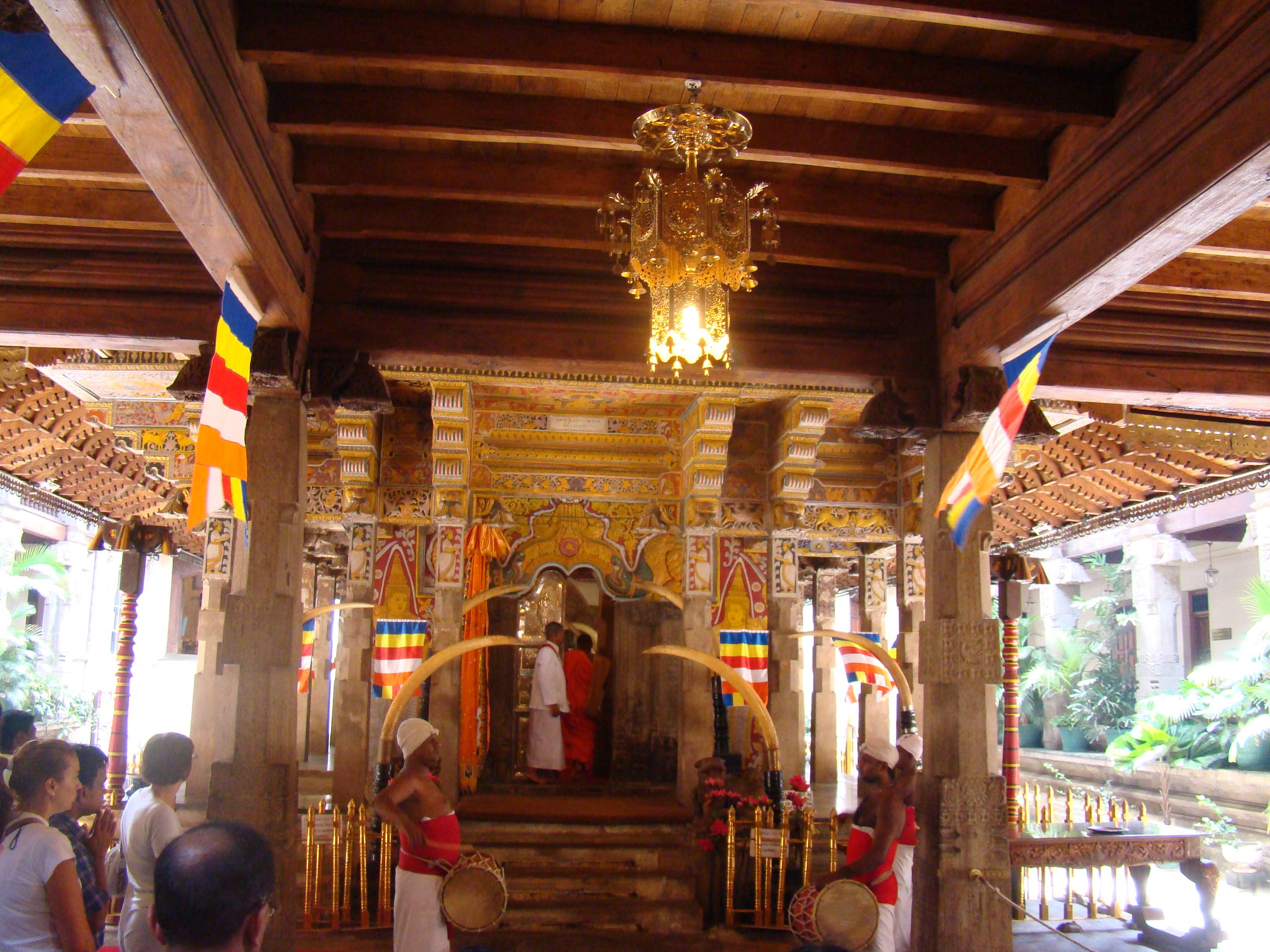
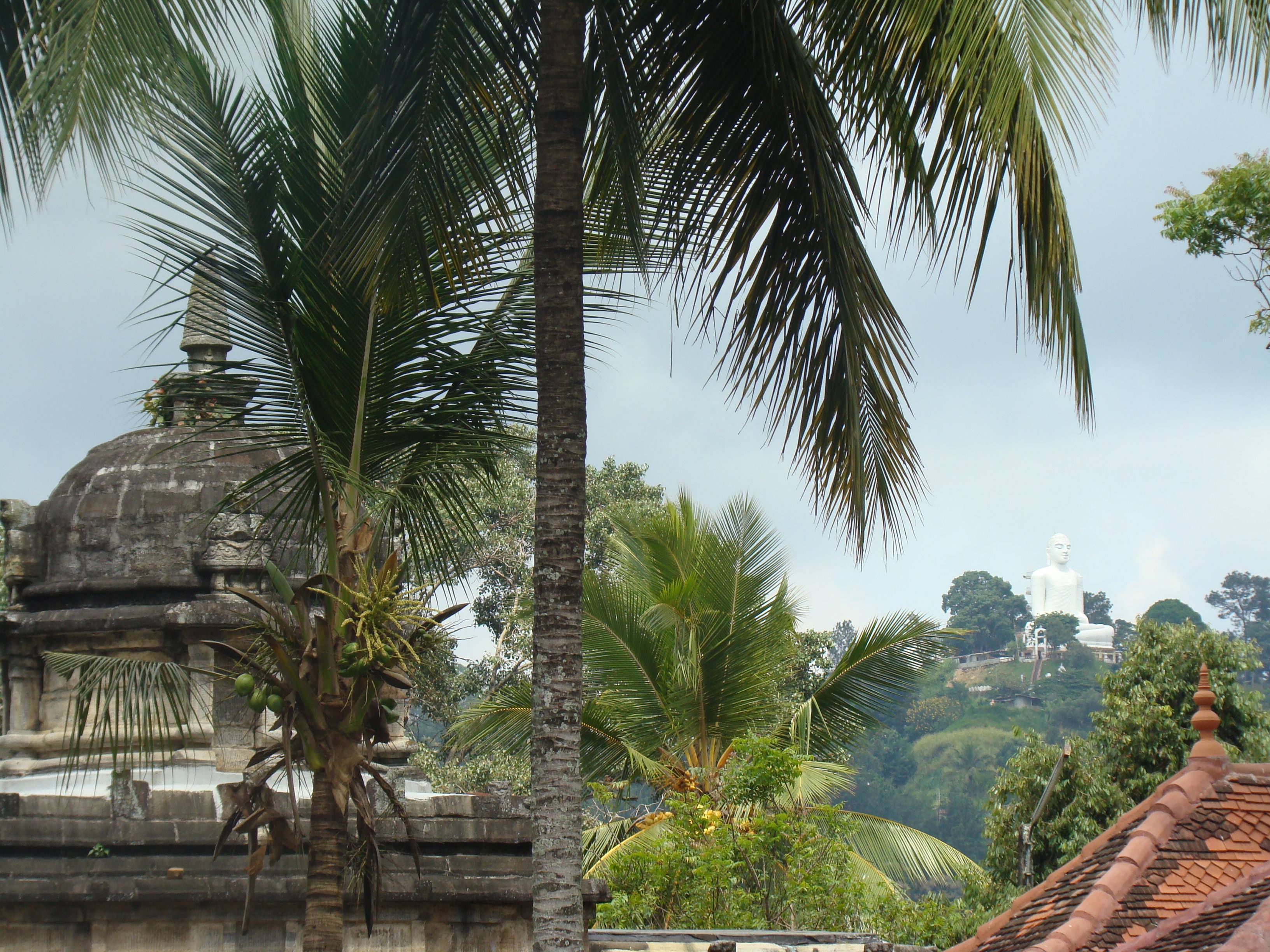
    After two days of early starts, this one was more relaxed, since the only agenda for the day was the Tooth Relic Temple. Okay, and some hazy culinary plans. Breakfast was a pleasant affair, largely because I got to have Milk Rice and chicken curry with some amazing onion based chutneys! Breakfast, imagine! Sigh.

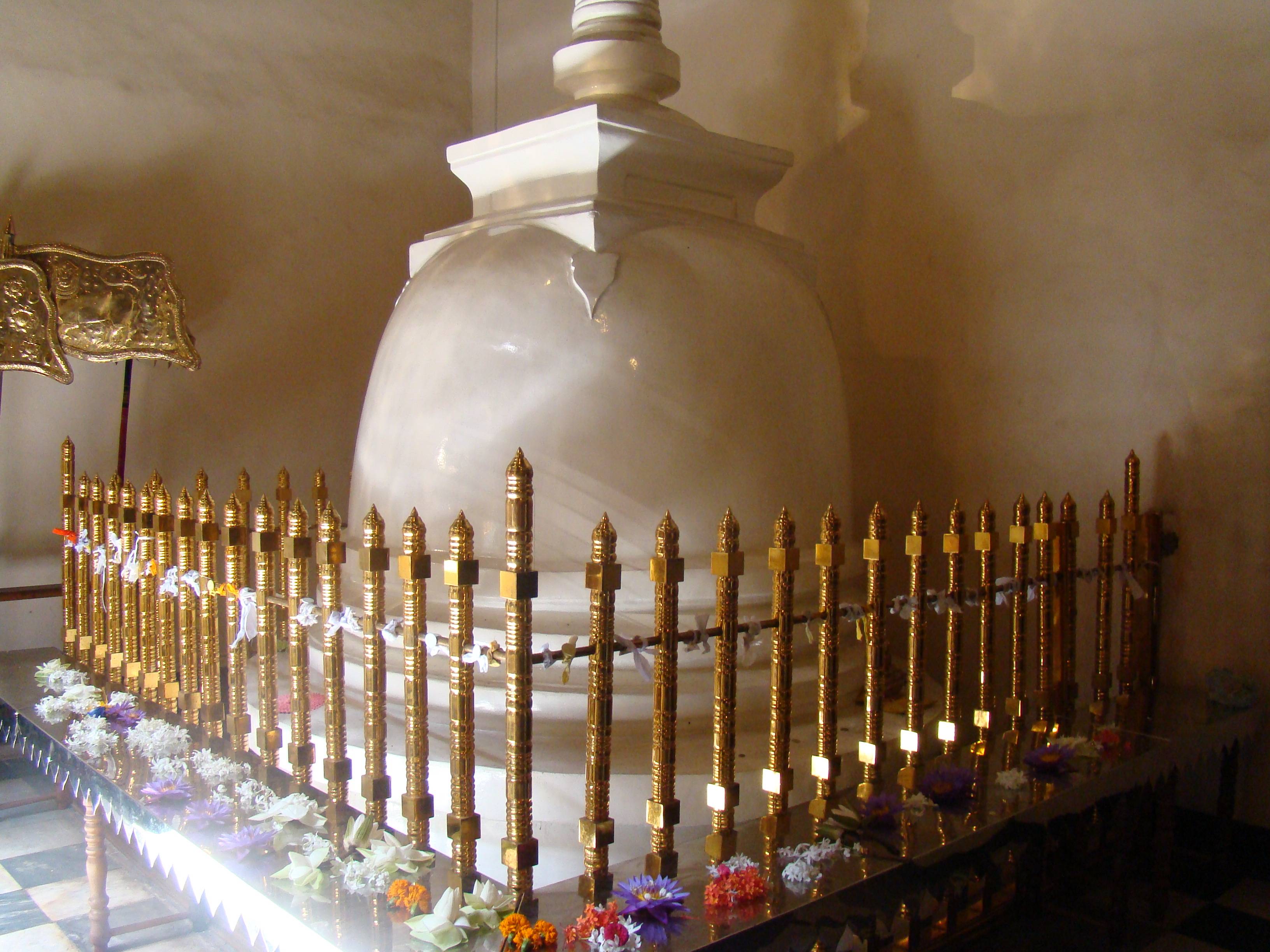
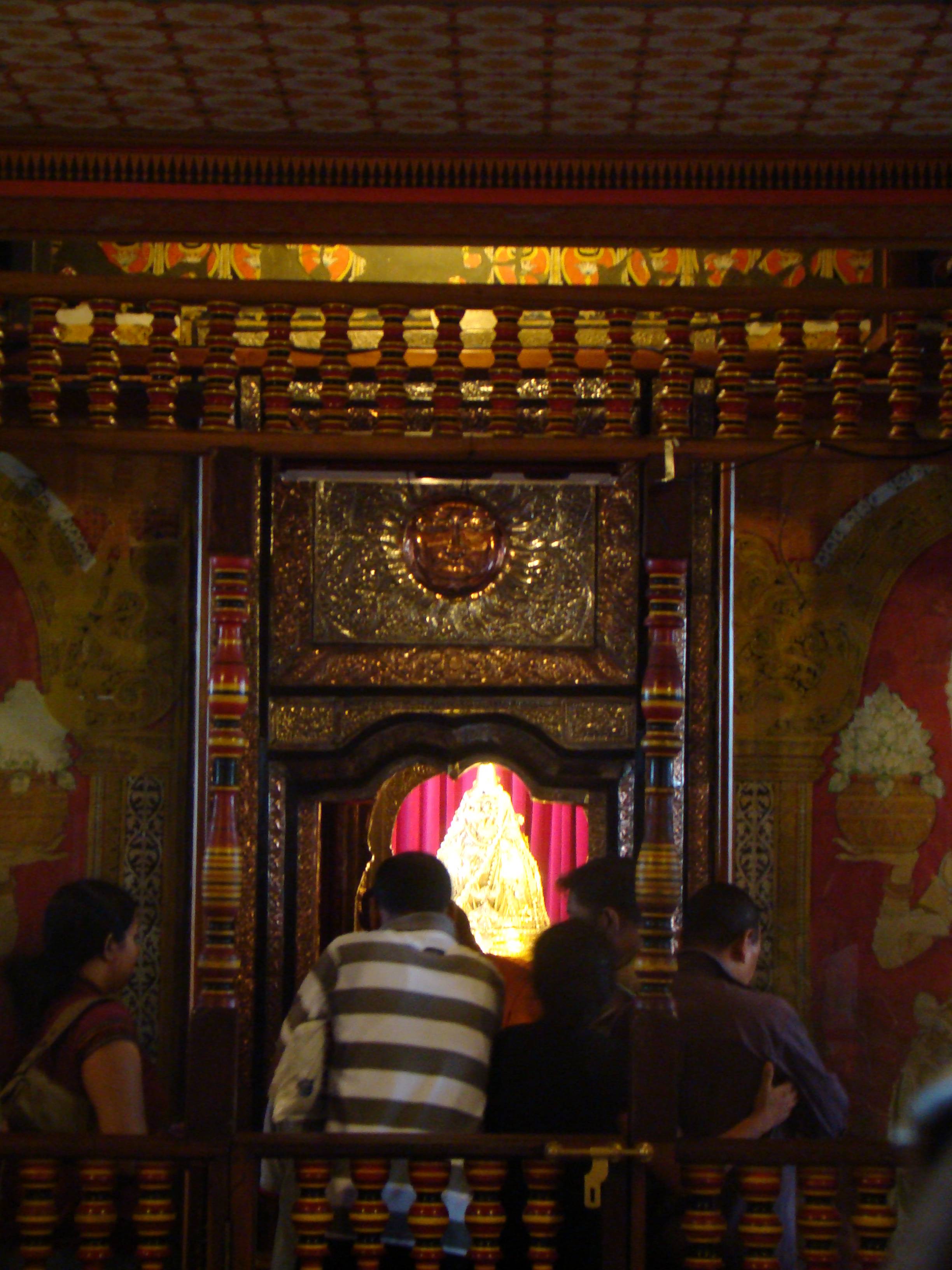
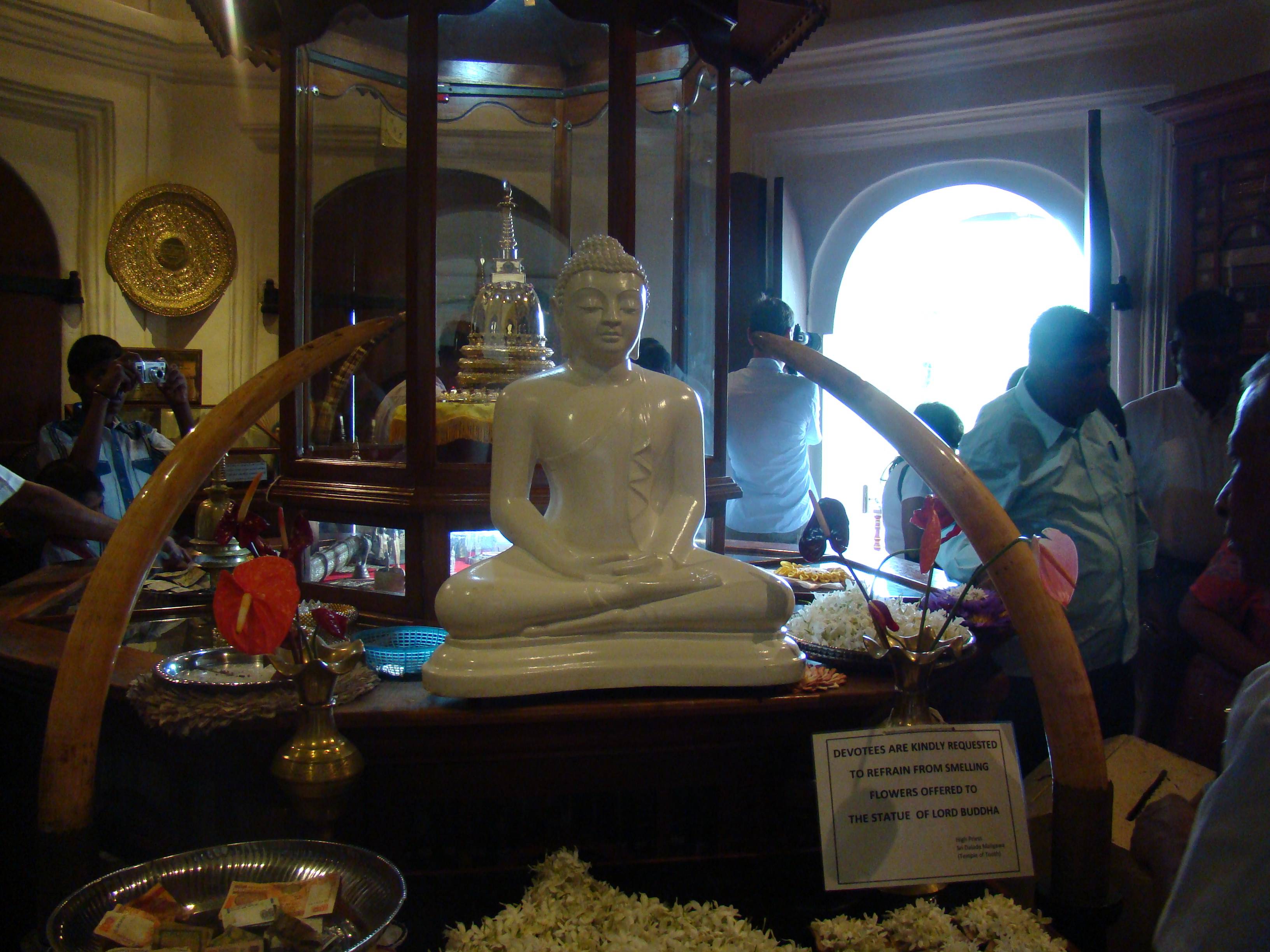
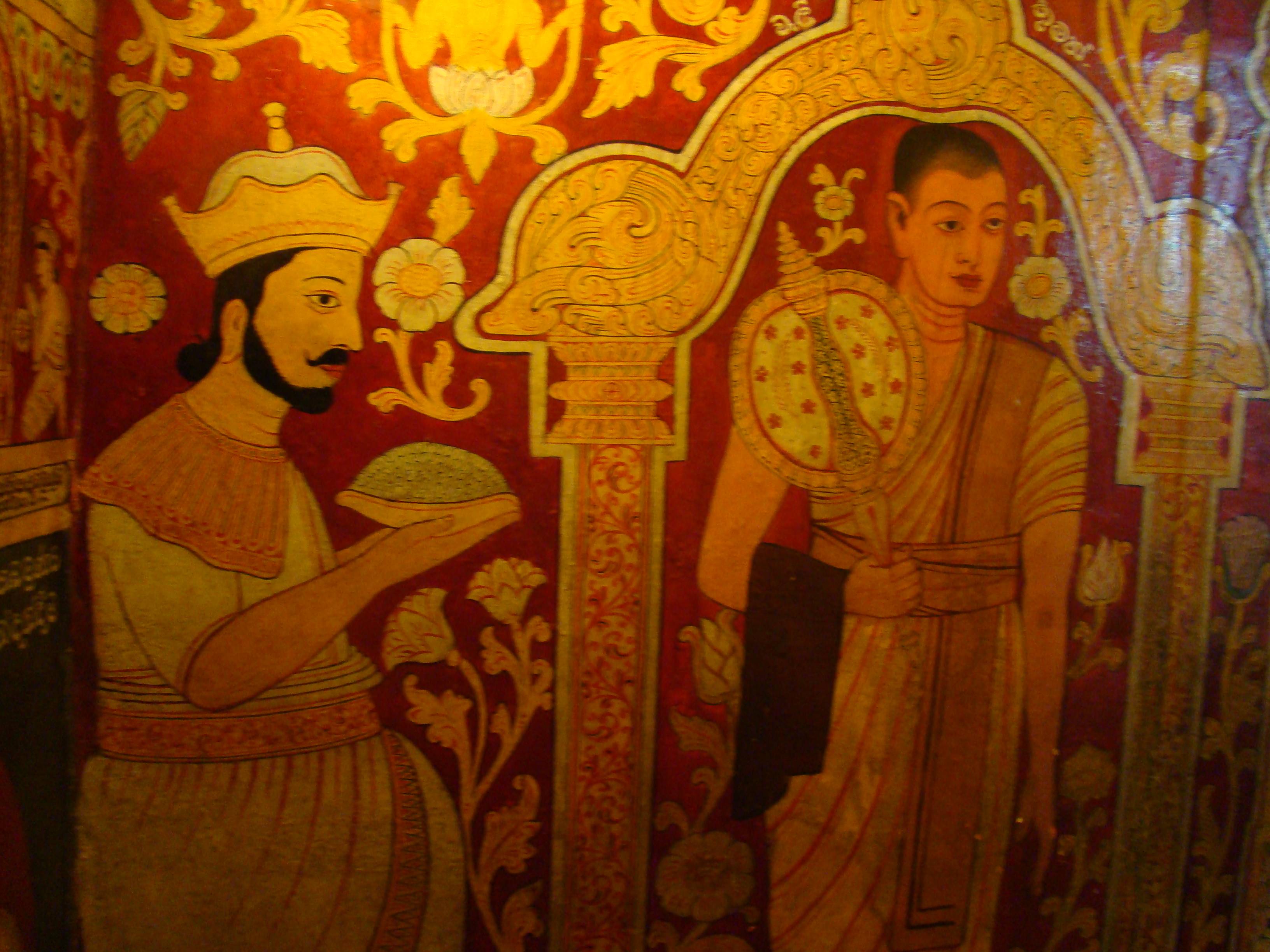
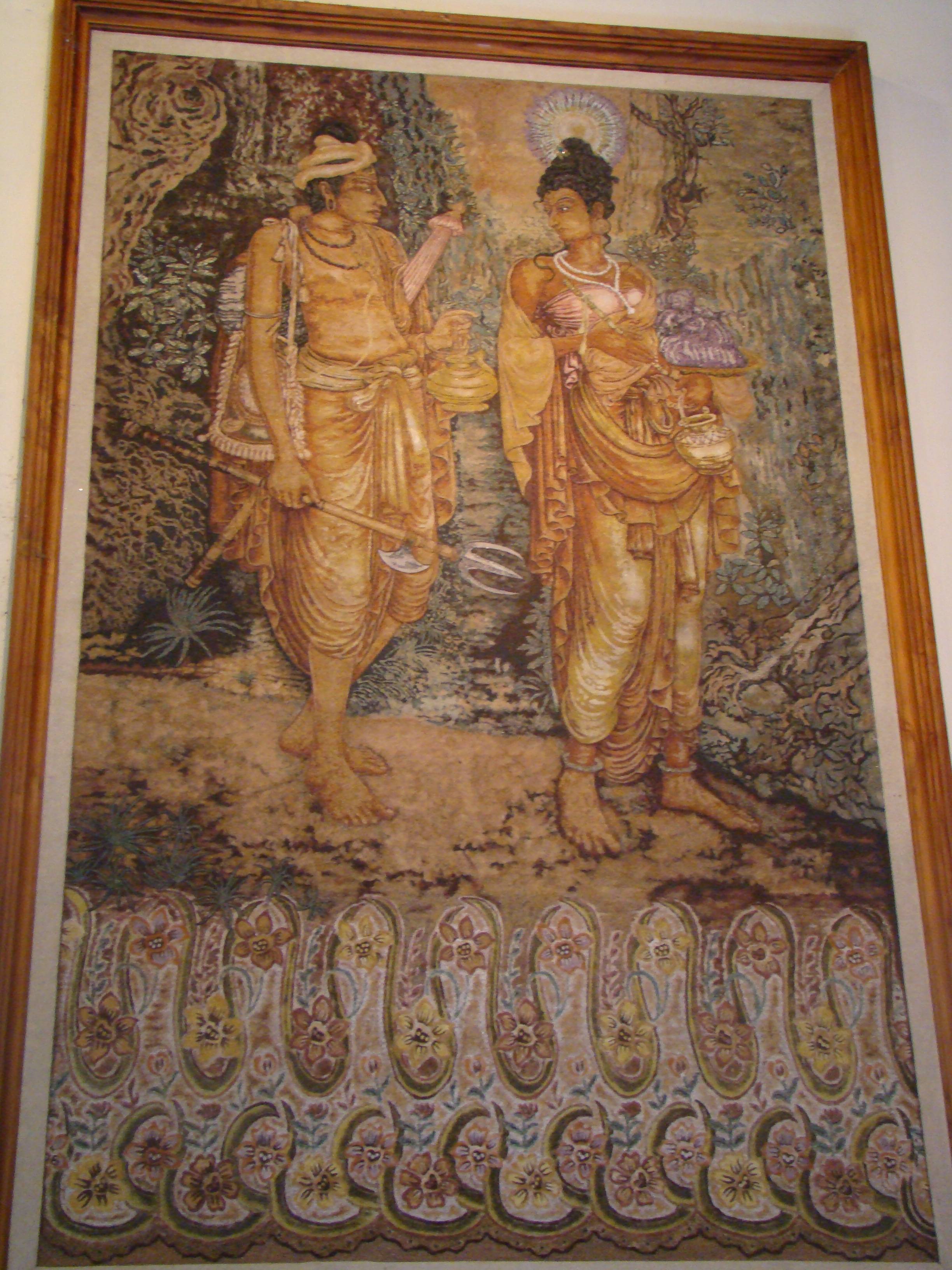
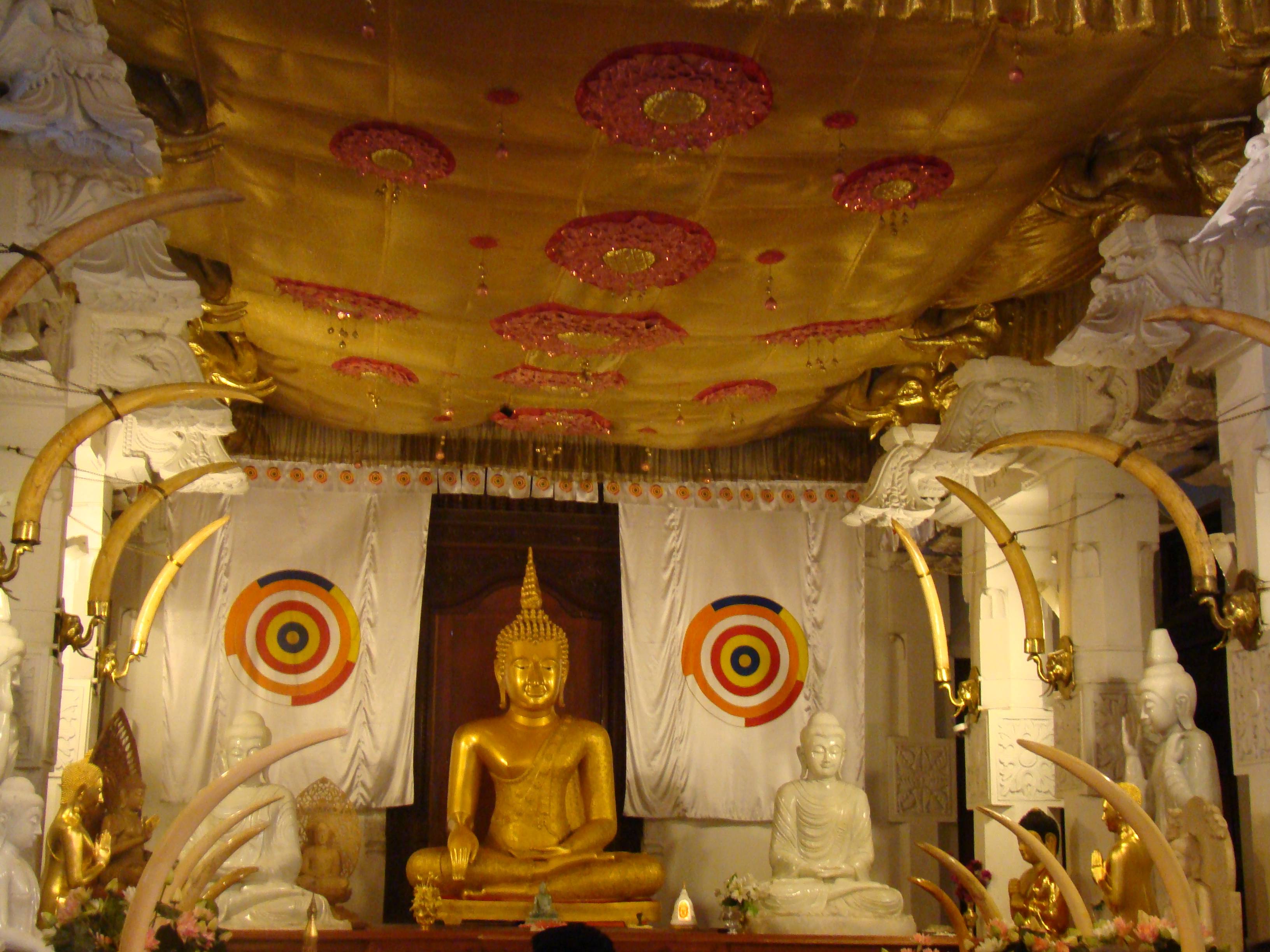
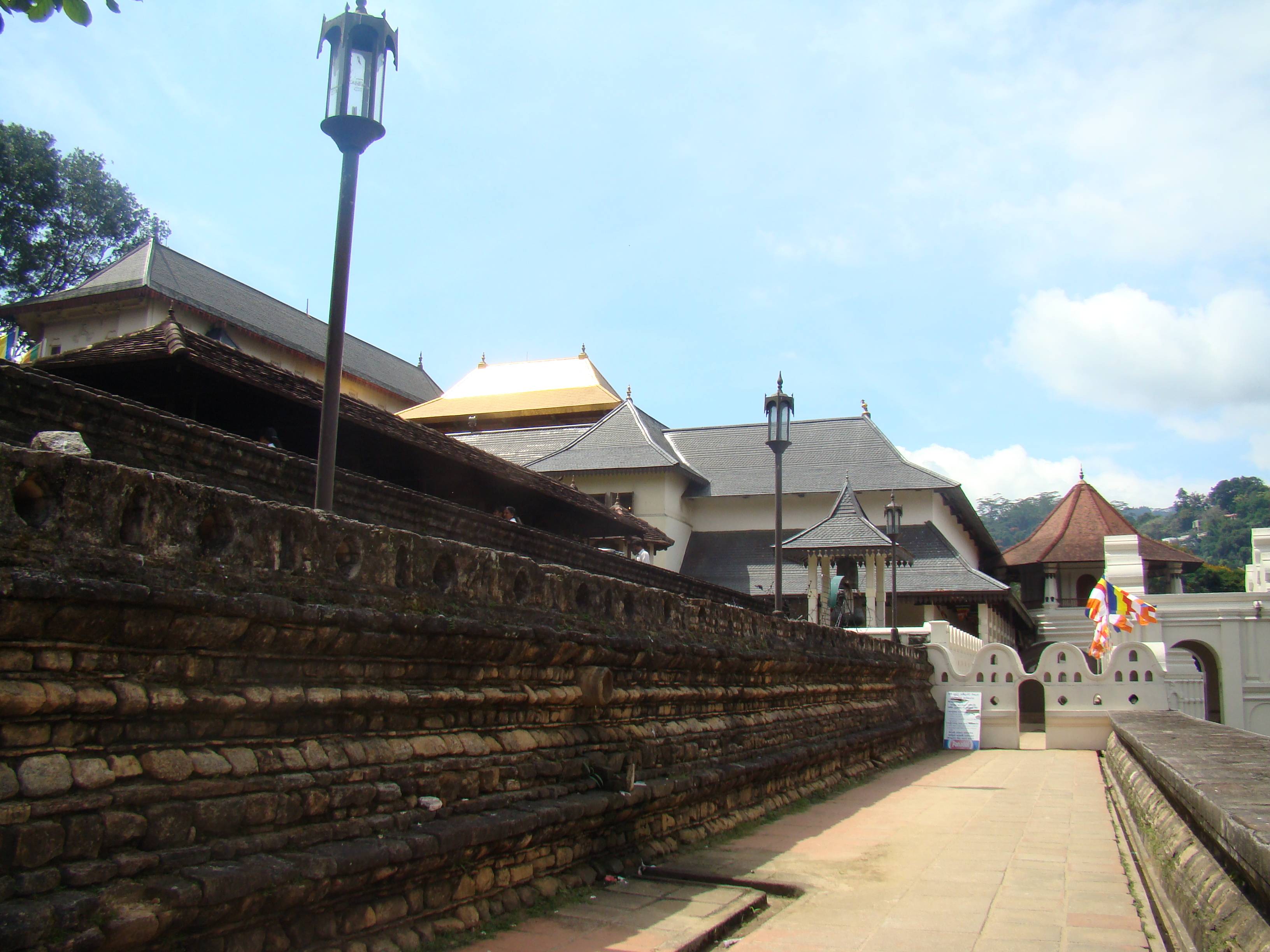
    The Tooth relic Temple is probably why Kandy is known as the heart of Buddhism in Lanka. There seemed to be three prayers that were open to the public – Dawn, Morning and Dusk. Security was quite high. The LTTE had done of their suicide bomb acts here too.

    The word ‘temple’ is used rightly, because considering the rush, it was like say Guruvayoor or Sabarimala, in India. To me, this place nailed Buddhism clearly as a religion. I somehow doubt that was what the Buddha had in mind. So, like most religions, interpretations rule, and when you disagree, you form a new sect. ‘Ahimsa’ is interpreted enough to allow non-vegetarianism, just another way of life. I like to believe in one’s own notion of faith,  but it was difficult to miss the fact that a tooth was being worshiped. It also struck me that Buddhism in Lanka was a sort of passed on faith. The Buddha never went to Lanka and Buddhism came to Lanka long after the Buddha died. Perhaps it is because I am an Indian Hindu and used to ‘owning’ my gods that this thought came to me. Anyway, thanks to my high expectations of Buddhism, its Lanka version and the ochre / bright orange clad monks didn’t command the respect their counterparts in Leh did. Cameraman was on auto-mode.

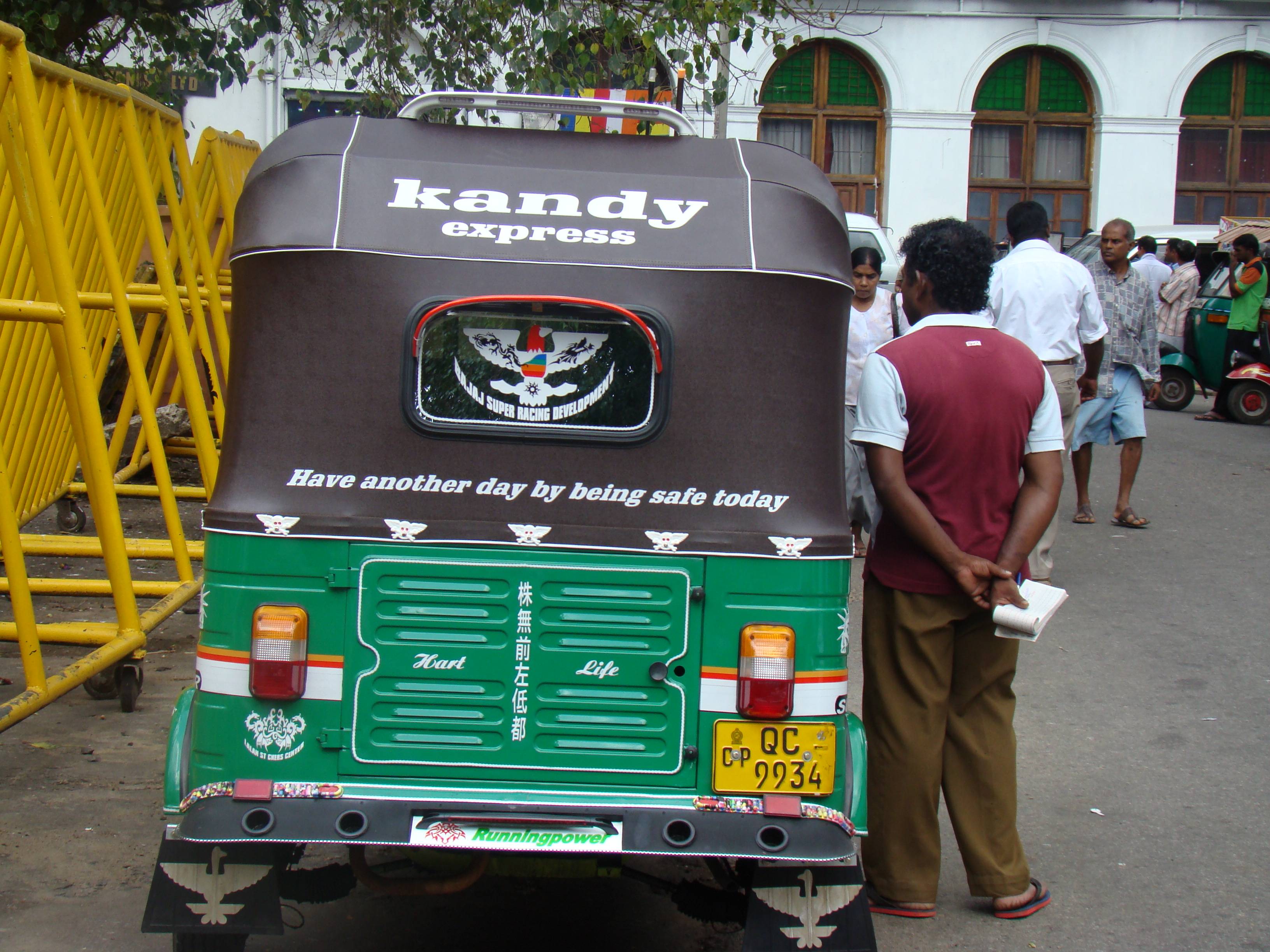
    Though we didn’t take the Kandy Express, we managed to climb up the hill and visit two tourist shopping destinations the guide recommended. The first was a Batik store, where they showed us the entire process after which D went into a shopping frenzy. She was revived much later, after we’d also finished the wood workshop and gallery. If you’re willing to suffer a little on the ‘authenticity’ retail  setting, you’d actually find the Odel ( a retail chain) store in Colombo a better place to buy knickknacks.

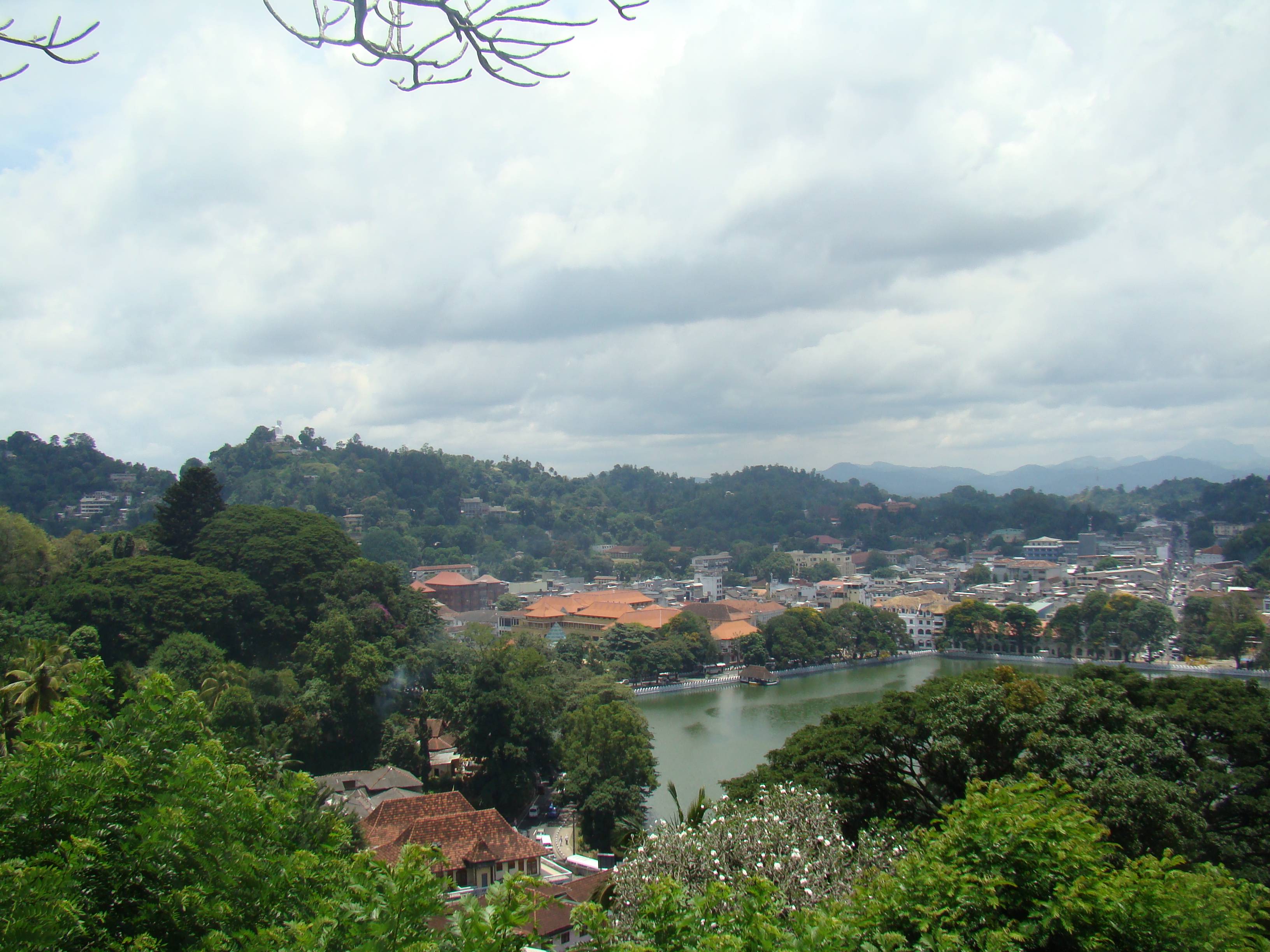
    Arthur Seat offered a splendid view of Kandy city. We had lunch at a place called Oak Ray – strictly ok, and then moved on to a jewelry store to learn about gems. My eyes were opened wide, not from amazement, but to prevent them from closing. To be fair, the gemstone mining process was interesting. Siesta mode is auto activated whenever I’m on vacation!

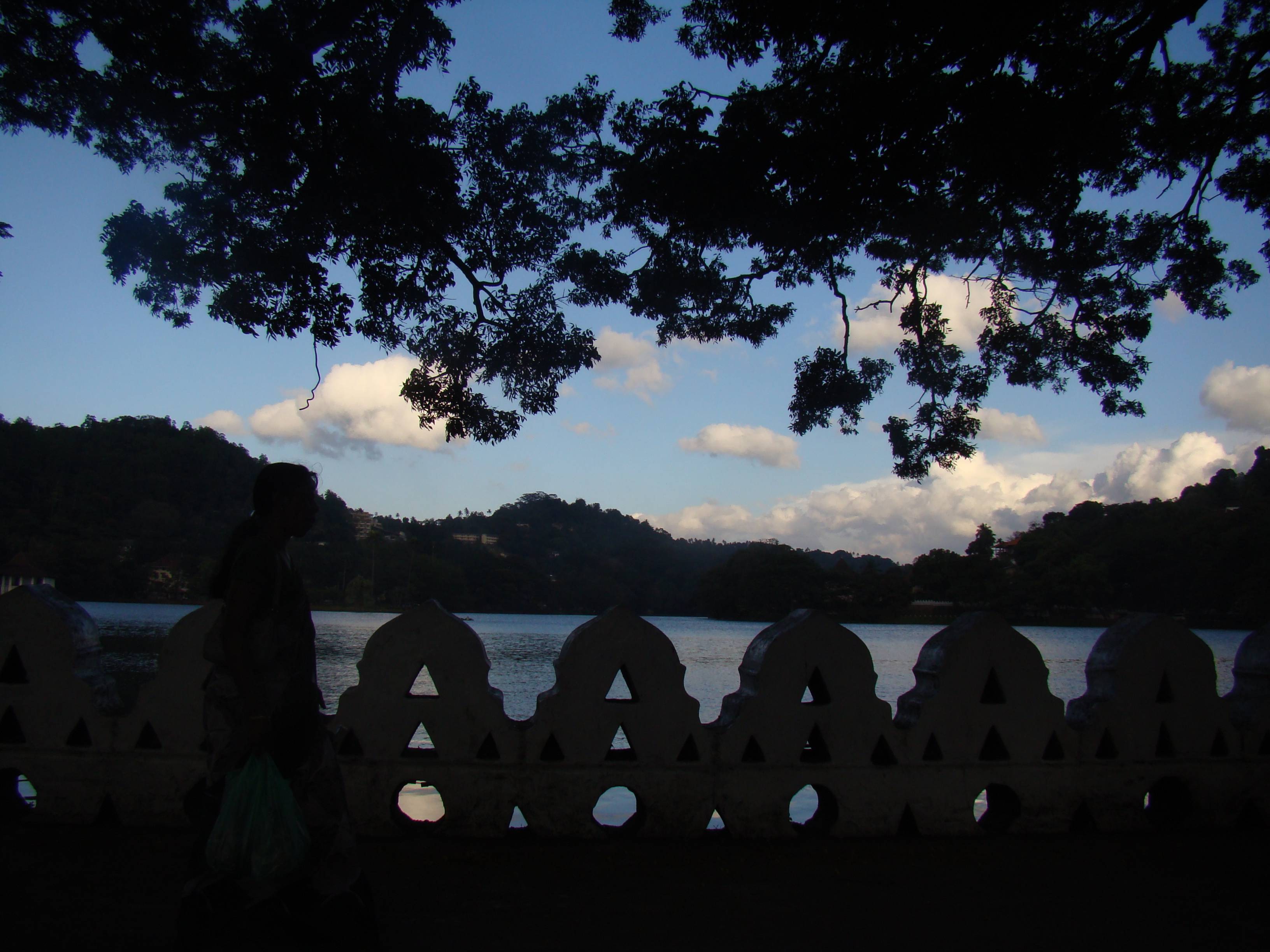
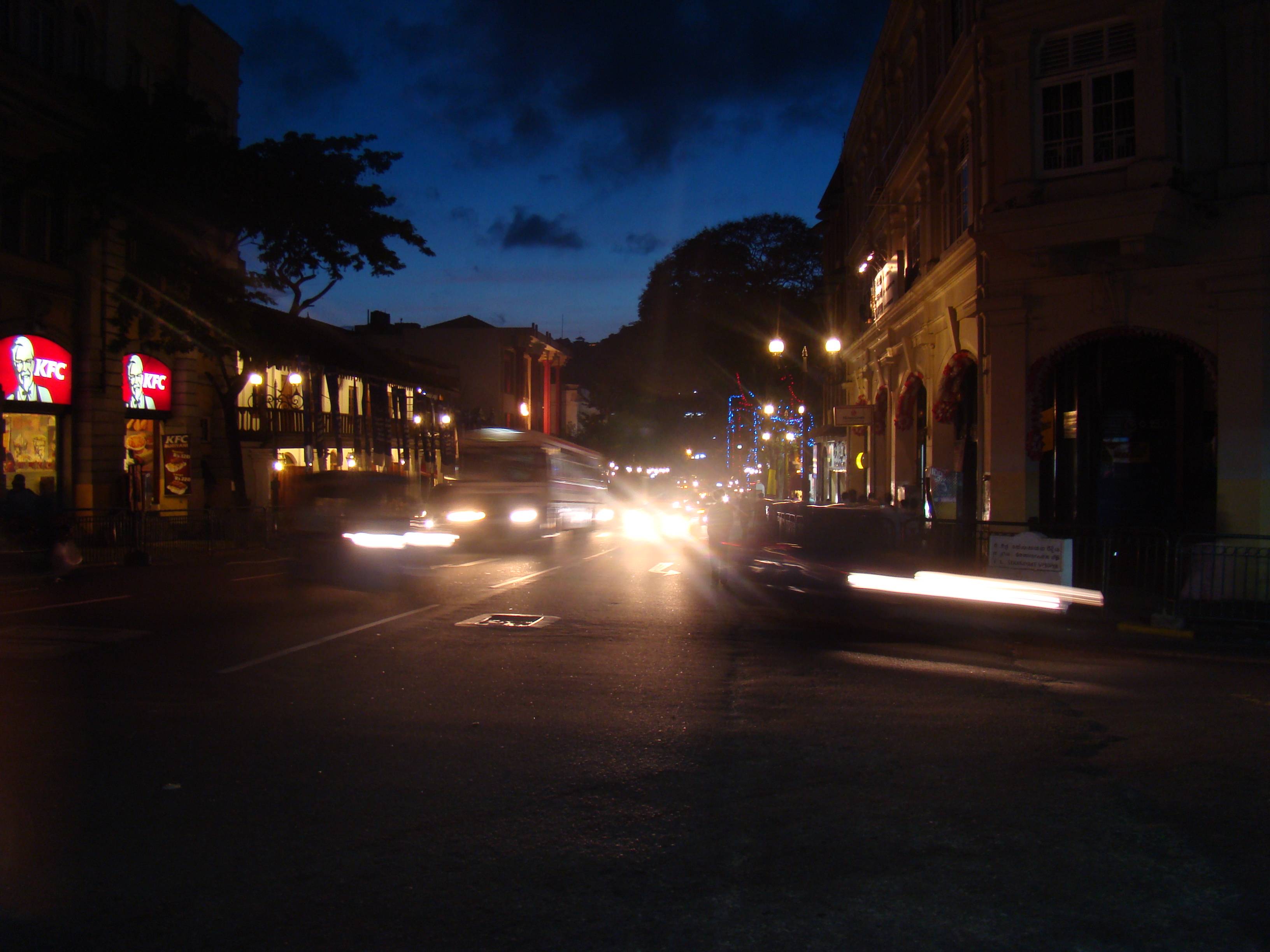
    In the evening, we decided to walk a bit. Kandy reminded me a little of Trichur, where almost everything of note is located near that massive round. In this case its the Kandy lake. The mango juice at Bakehouse, touted on travel wiki as phenomenal was a few notches south of ordinary!! We also roamed inside the open market, but it was just like any other. The Kandy lake is really a pretty picture at night, and we sat on a non-bird-toilet bench and watched life pass by, passing comments, noticing the co-existence of Lankan and Indian sari wearing styles and scoffing at people sporting umbrellas in the twilight.

    When it was time for dinner, we were in a quandary. The Lyon’s cafe was highly recommended in travel wiki, as was Devon. We didn’t like the setting of the former much and the Captain’s Table restaurant in the latter semmed to serve only Indian and Chinese. We finally climbed up to ‘The Pub’ above Bakehouse, and watched Kandy life pass by as Bakehouse redeemed itself with a fabulous dinner. We also tasted Lankan Arrack (made from coconut) via a cocktail called Elephant’s Kiss. It was quite bad, and D wasn’t thrilled when I wondered whether there had been a typo – after all K and P are pretty close on the keyboard! Everyone – Kandy people, D, crows – had their revenge when a large splotch of fresh crow shit was discovered on the back of my tee.

    Star World and Masterchef were sorely missed, and we went to sleep early, since the next day required a transformation from city and zen to beachbumming.

    Next up Day 4. Click for Days 0, 1 and 2.

    PS: Thia also happens to be Post # 800 on this blog. Thanks for reading. 🙂

  • Race Trace

    Anything is possible when you are young. Then you get older and the thing about getting older is that you don’t need everything to be possible anymore, you just need some things to be certain.

    For some reason, this line from Brick Lane (movie) stayed with me. Age might be a number, but we are alive for a finite time frame, and therefore it has its own significance. I think, more than age itself, it is to do with motivation. There does seem to be some relationship between age and motivation levels. Of course that’s quite a generic and simplistic statement, since there are many subjective factors that play important roles.

    At different stages we’ve different short term purposes. What these then also manage to give are specific motivations. From getting good grades to the bigger car to the fancy vacation and everything in between. Sometimes they serve as motivation and sometimes as means to the motivation. To reach somewhere or to remain somewhere. Sometimes we run the world’s race, sometimes we run our own.  In both cases, there is a certain amount of hard work that goes into the race. We can bring luck into this context, but I wouldn’t still like to trivialise the effect of one’s efforts. Like I wrote a while back, in the context of my friend R, it is difficult to grudge a person his success when you realise the toil that has gone into it. I read this excellent speech delivered by Yahoo co-founder Jerry Yang delivered about a year back, which dwells on efforts and doing what you love.

    But I’ve also seen that sometimes the efforts are made and the results don’t show. Maybe it has to do with the direction or the efforts themselves or maybe its to do with perseverance. What does one, them motivate the self with? I’ve also noticed, from experience,  that when one resets one’s ‘race’, and tries to figure out a purpose outside the parameters of routine and conditioning, motivation is quite a tough job.  A bit like trying to find an answer to a question you don’t clearly know. Motivation is after all, dependent on the purpose. Thankfully, there’s something else that Hugh MacLeod has captured beautifully.

    unfulfilled potential

    The mind can will itself to be free of others’ expectations, but can it hold its own against the ego, which has expectations of the self. The fear – if that goes, what motivation exists? Except for the need ‘for some things to be certain.’ And that somehow is existing, and not living?

    until next time, track shuffle?

  • Collective bargain

    “The way they speak about dinosaurs now, a few years later, that’s how they will talk about the mill workers”, says a character in City of Gold, a Hindi film by Mahesh Manjrekar, adapted from a play by Jayant Pawar. Its based on the Great Bombay Textile Strike. A decent movie, with some great performances and with its share of stark realty, though parts of the second half had a Bollywood melodrama hangover. I guess the response at the multiplexes (many of which are ironically what the mills gave way to) wasn’t really great either. But it was a story that had to be told.

    The subject has interested me earlier too. To be precise, in 2005, my last official trip to Mumbai. The office was at Peninsula Center, and when I looked out through the windows, I could see a few chimneys. I wondered enough to come back and read up a bit. I was curious because amidst the RGV underworld flicks and the contemporary images I had of Mumbai, this seemed to be a part of history that had never figured in conversations. A legacy that seemed to be buried in the collective consciousness.

    A single movie might not really be enough to cover the individual lives that were affected, though it does try to portray a microcosm. But as the line in Frost/Nixon goes “You know the first and greatest sin of the deception of television is that it simplifies; it diminishes great, complex ideas, stretches of time; whole careers become reduced to a single snapshot.”

    Though it is said in a different setting, and context, the connect I sensed was legacy. How a person is perceived by a later generation. Artists have their paintings, actors/directors/crew have their movies, politicians, sportsmen/women have their auto/biography/memoirs, authors have their books, musicians have their music, they have a better chance at being remembered by a larger number of people, long after they’re gone, a better chance than us, the commons. A  collective’s legacy would be the place and time they lived in  – the larger picture, their collective actions, the people who became popular, the events that shaped the future. What happens if a collective chooses not to remember, or chooses to remember only parts? Who does it matter to then?

    until next time, decadent chronicles