Taylor Pearson wrote an excellent primer on blockchain a while ago. While explaining why blockchain matters, he quoted something by Alfred North Whitehead
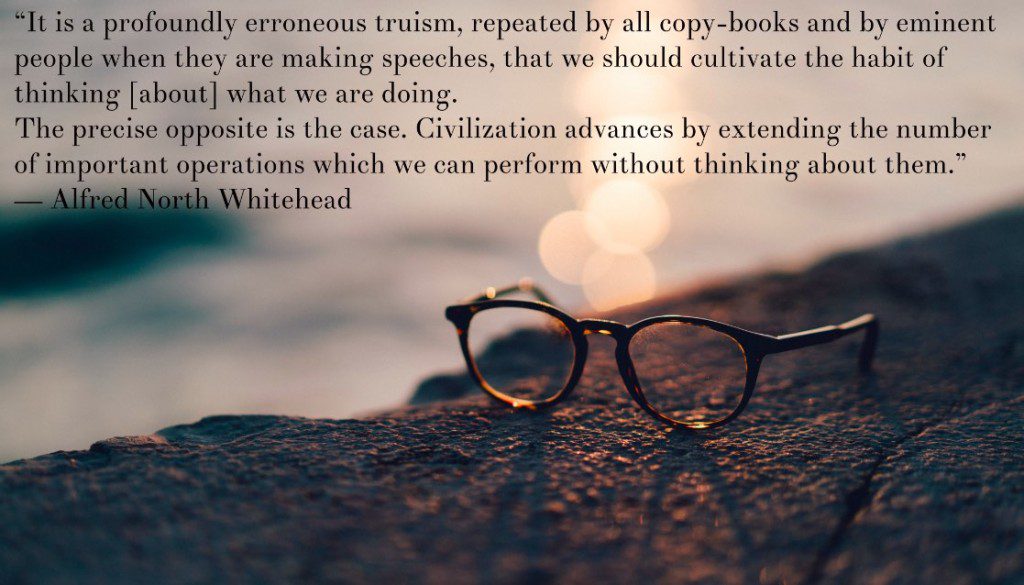
Photo by Joshua Newton on Unsplash

Taylor Pearson wrote an excellent primer on blockchain a while ago. While explaining why blockchain matters, he quoted something by Alfred North Whitehead
Photo by Joshua Newton on Unsplash
A couple of months ago, I attended an event on brand building. The gentlemen who presented had a lot of experience between them – agency and client side, as well as across domains ranging from baby care to FMCG to jewelry to auto to e-commerce. The attendees were all from new economy companies. During his talk, one of them pointed out that though digital offered the capability to target an audience of one, brand communication was better done keeping in mind a larger base. To elaborate, while the product might work for many user personas, brand building would be focused on specific buyer personas.
A lady in the audience asked a version of the question I wanted to ask. Precisely because digital gives us the capability to target an audience of one, shouldn’t brand communication follow? In other words, shouldn’t all user personas be buyer personas? The speaker stuck to his original point, his contention being that communication needs to be for an audience and not each individual. This is a topic I have spent quite some thinking time on, and have simplified into the 3 points below. (more…)
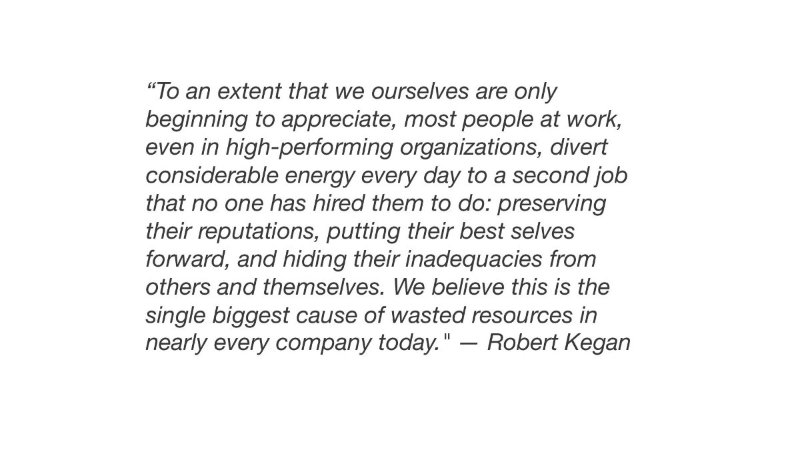
I caught this in the Farnam Street newsletter, and went about looking for the source. An HBR article from 2014 titled Making Business Personal, which also writes at length what and how certain organisations overcome this.
In many beer fueled conversations, I have heard the sentiment of “quitting my job and doing something I am passionate about.” While I see merit in that line of thought, these days I also end up playing party-pooper by asking if he/she has a business model in mind, especially since the ‘passion’ is more often than not from the usual suspects list – digital photography, cooking/baking, writing, travel and so on. To clarify, unlike funded startups this model doesn’t even have to scale, but in the medium-long term, the revenue has to be greater than expenditure. That’s a requisite for survival in the world, unless one has alternate sources of income.
I saw a meeting of worlds when I noticed yet another job listing that demanded the person to be “passionate about digital marketing“? As someone who has been working in the domain since 2004, I have seen a version of this phrase appear in many job descriptions. I could replace digital marketing with startups, consumer insights, programming and so on, the question remains the same. (more…)
The dynamics of ‘work’ have been changing for a while now, so much that when I think about writing on the subject, my thinking almost seems outdated! Not surprising, GigaOm’s post from a year ago – How the great generational shift is causing transformation in the very nature of employment – shows as many as six generations active in the workforce these days! Each of them with different world views, attitudes, priorities and approaches to work. But given that I’m trading one demographic number for another in a couple of days, I thought it an appropriate time to share a few observations based on my recent experiences. Since I had written earlier on the challenges faced by my generation in The Future of Work and The Entrepreneur & the Professional, this post focuses on a younger workforce. Millennials, if you are into labels.
The first two points set the context. I mention these two because I think they have a direct link to the worldview, attitudes and behaviours of the emerging workforce towards work, and their life in general. They serve as the backdrop for me to observe the 15+ people I have managed in the last 4-5 years. (more…)