My surname is very unobtrusive. It is present in all my official documents. It’s absent in my signature, and when I am casually giving my name in say, a form, I stop at my middle name, which exists courtesy Kerala’s matrilineal ethos. The surname’s modest behaviour is apt for the person it represents.
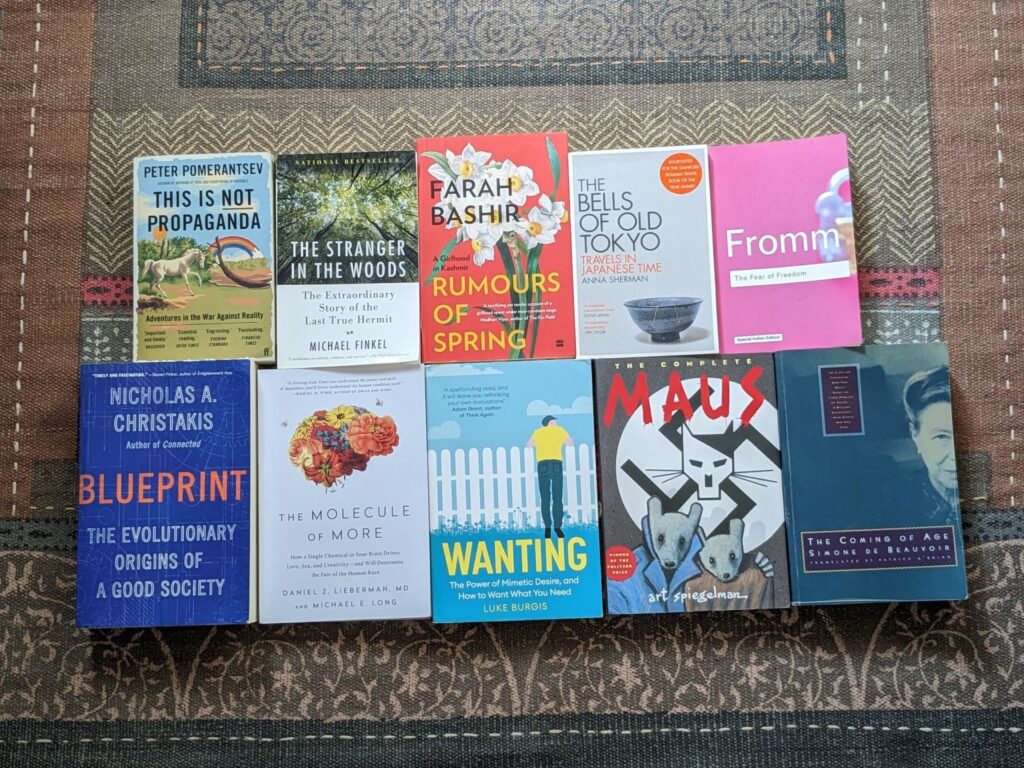
As I was telling D one day, books are probably the only constant in my life. The earliest ones I have is from the 80s – Amar Chitra Katha. The books I read and the person I am have a correlation, though it’s difficult to establish the direction of causation. And so, continuing from 2019, 2020, and 2021, we have this year’s list. The shortlisting gets tougher as the years go by, so I will add my other favourites on the theme in [these]! From the 56 books I read this year…
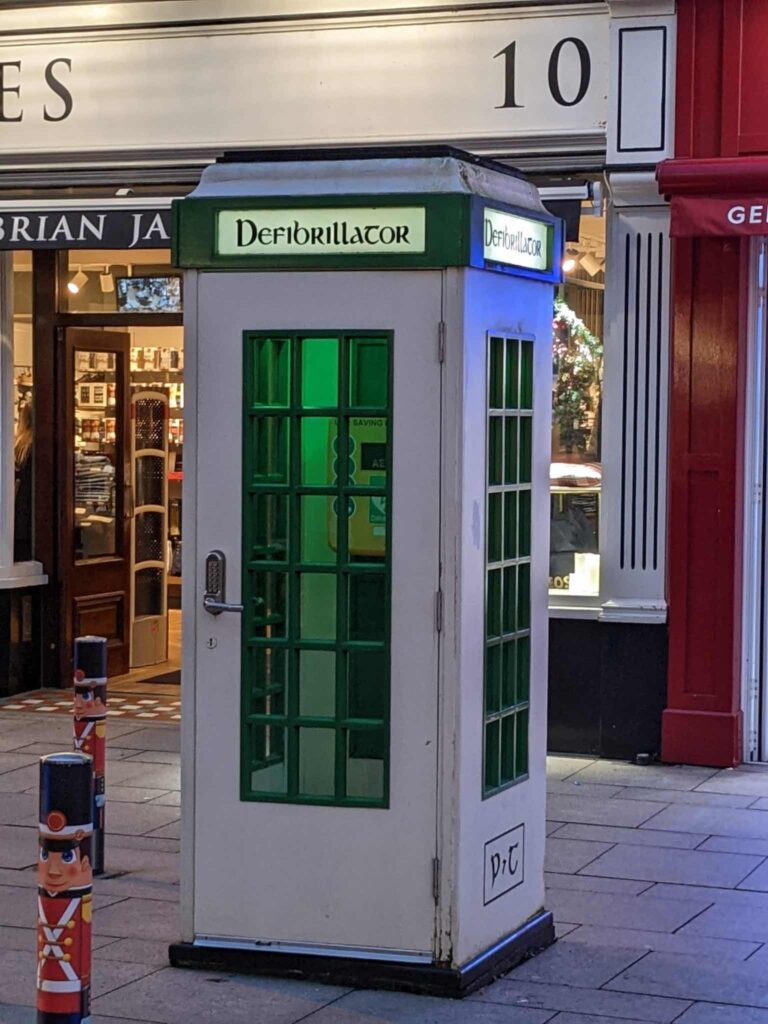
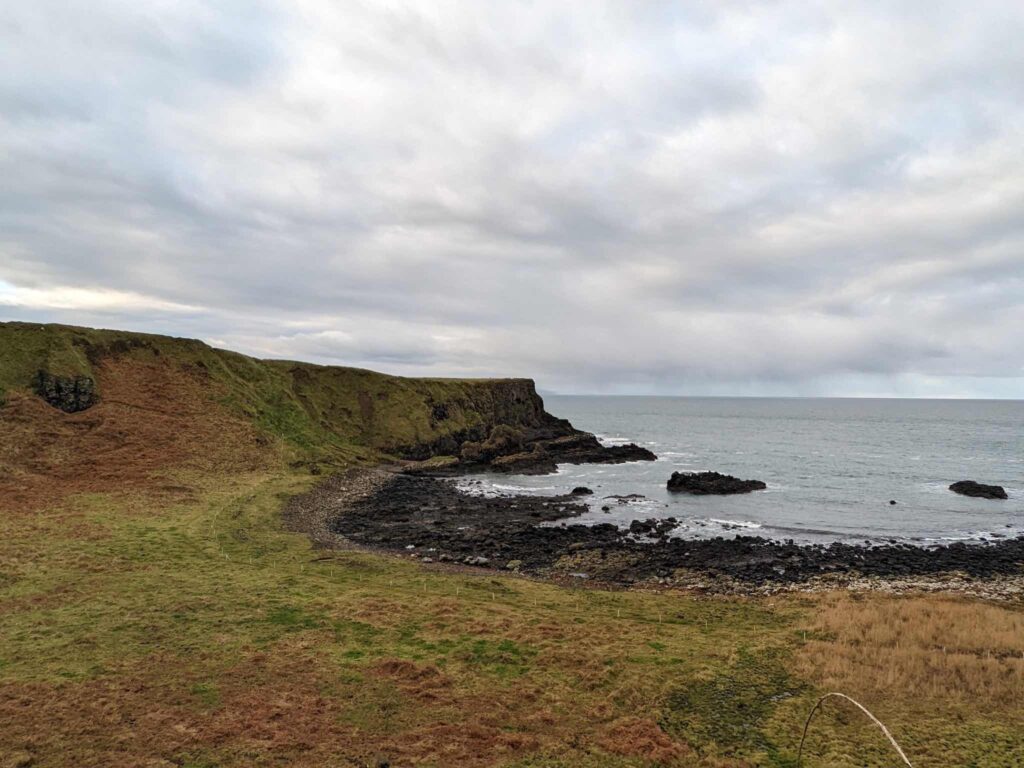
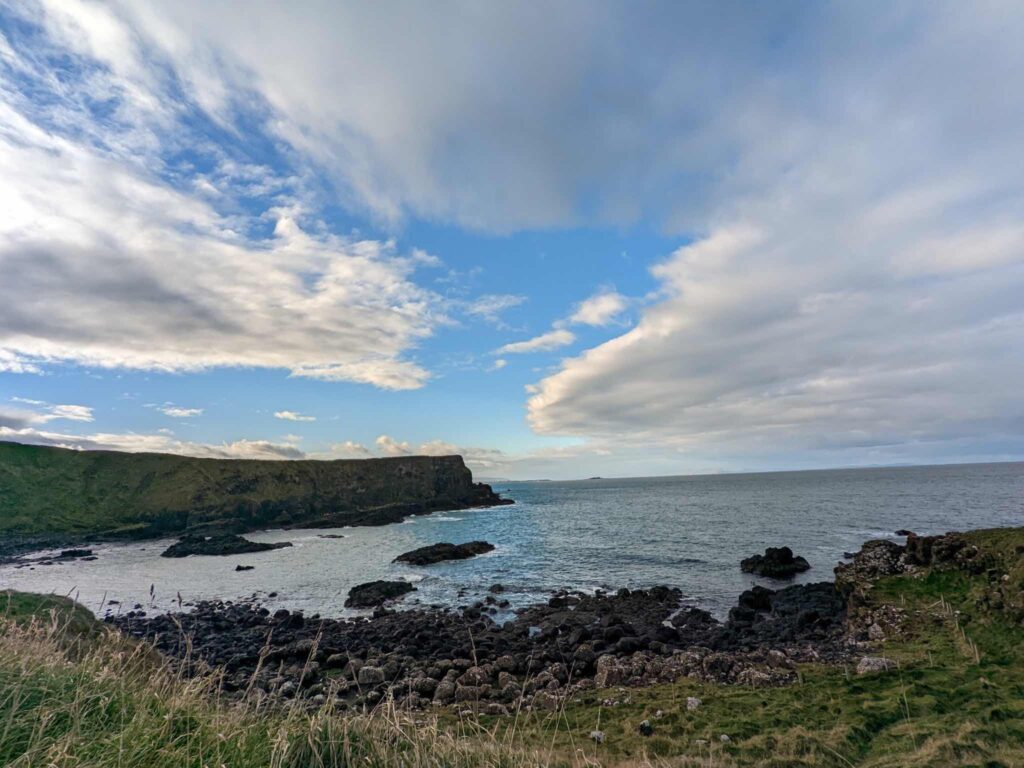
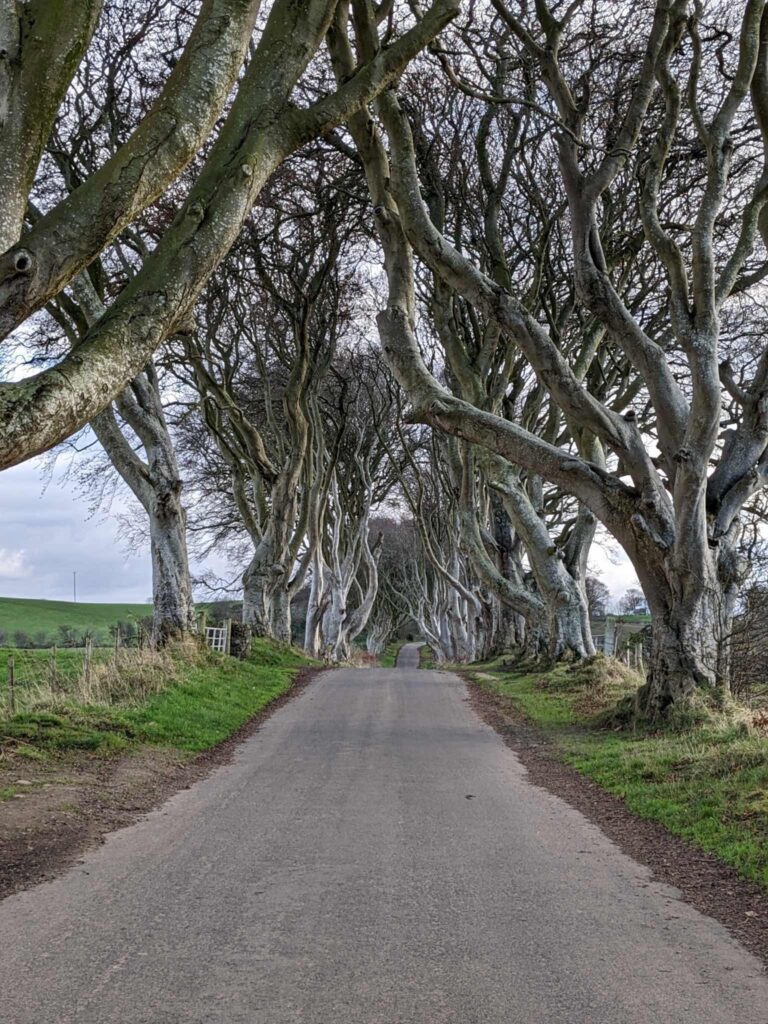
We spent very little time in Dublin after our first day, and made day trips to The Cliffs of Moher + Galway (Wild Rover Tours), The Ring of Kerry + Killarney (Railtours Ireland – part train, part coach), and Belfast Titanic + Giant’s Causeway + Dark Hedges (Finn McCools Tours).
See/Do
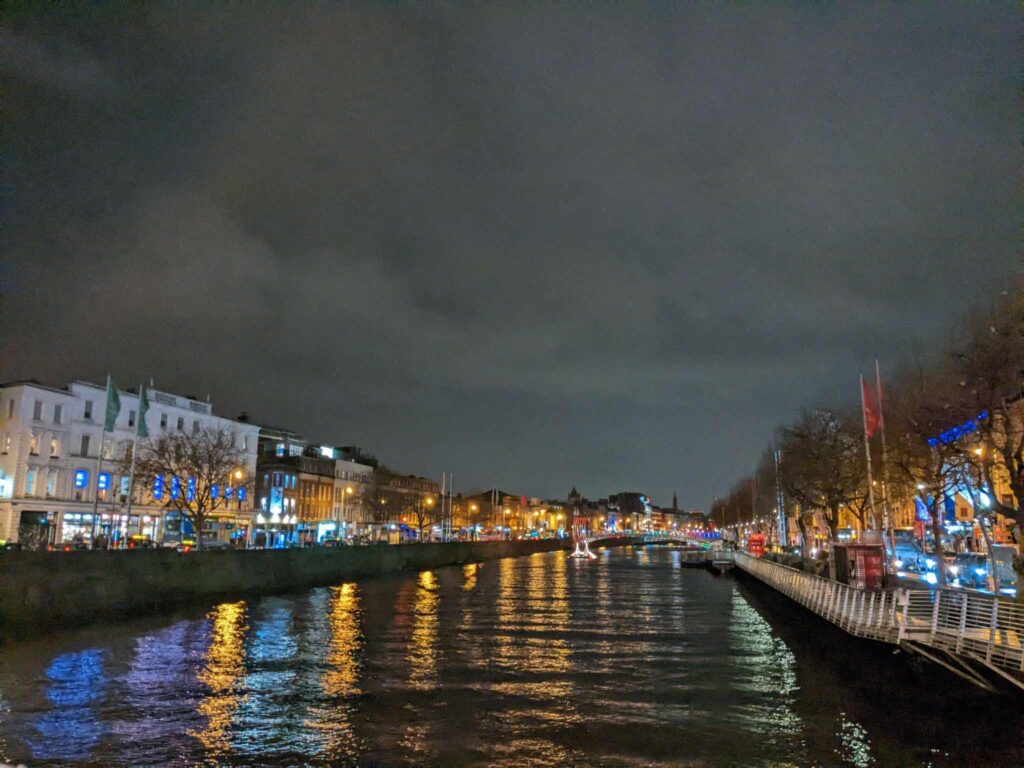
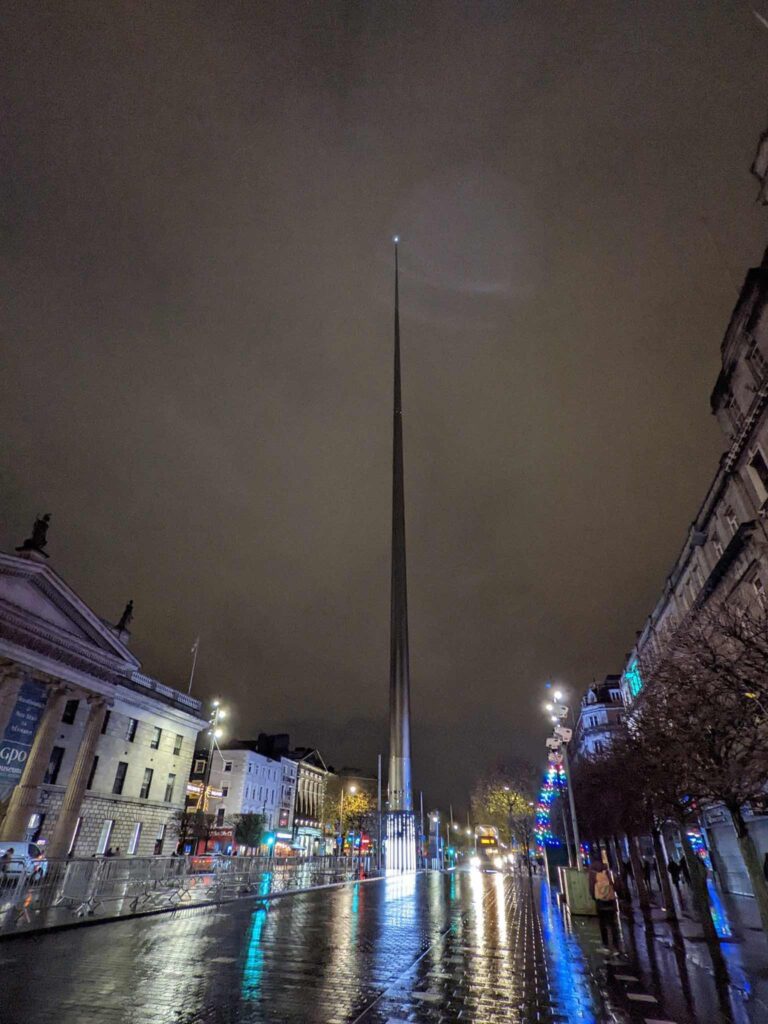
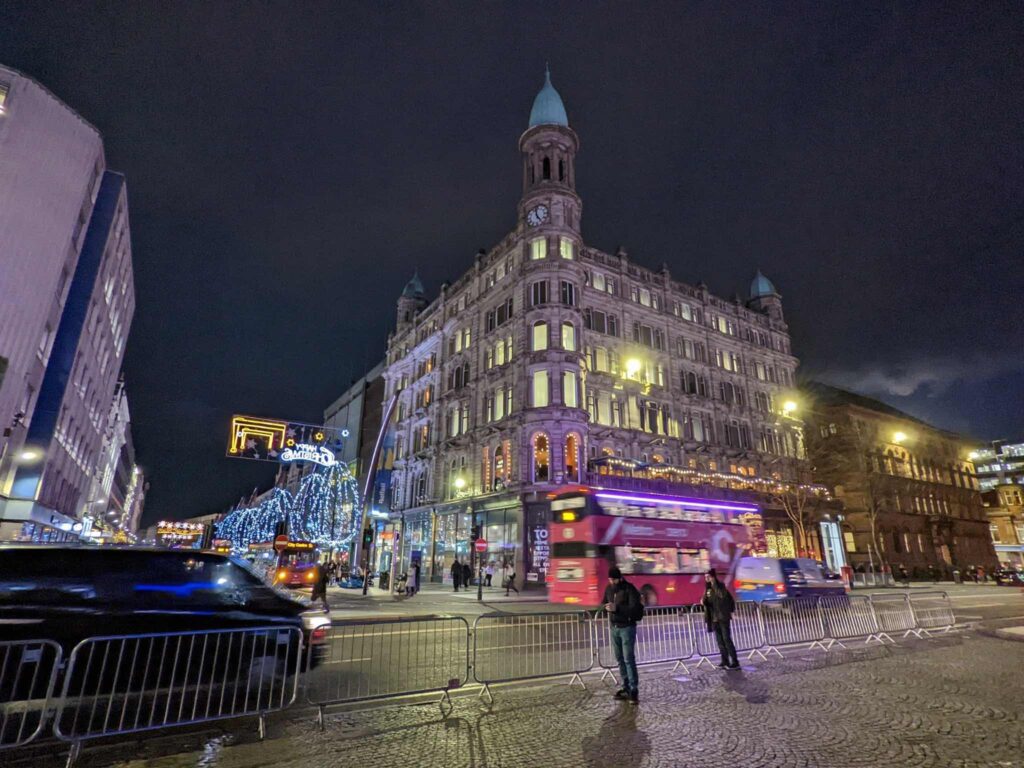
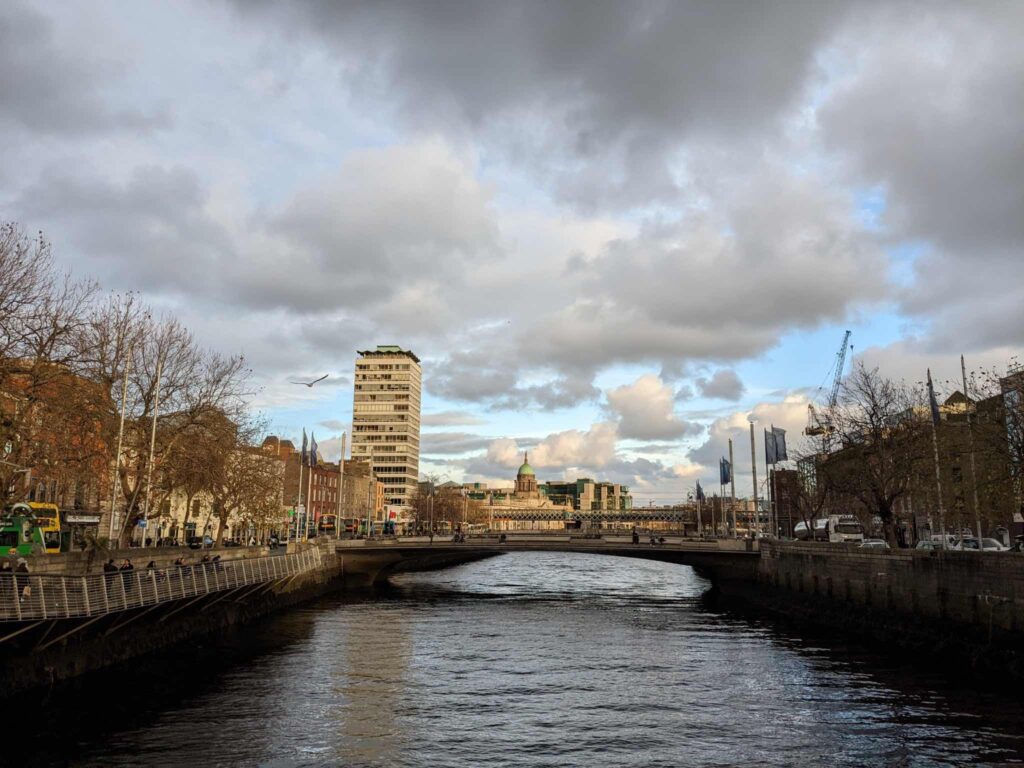
When the lights go on in DublinOfficially The Spire. Unofficially Stiffy on the Liffey!
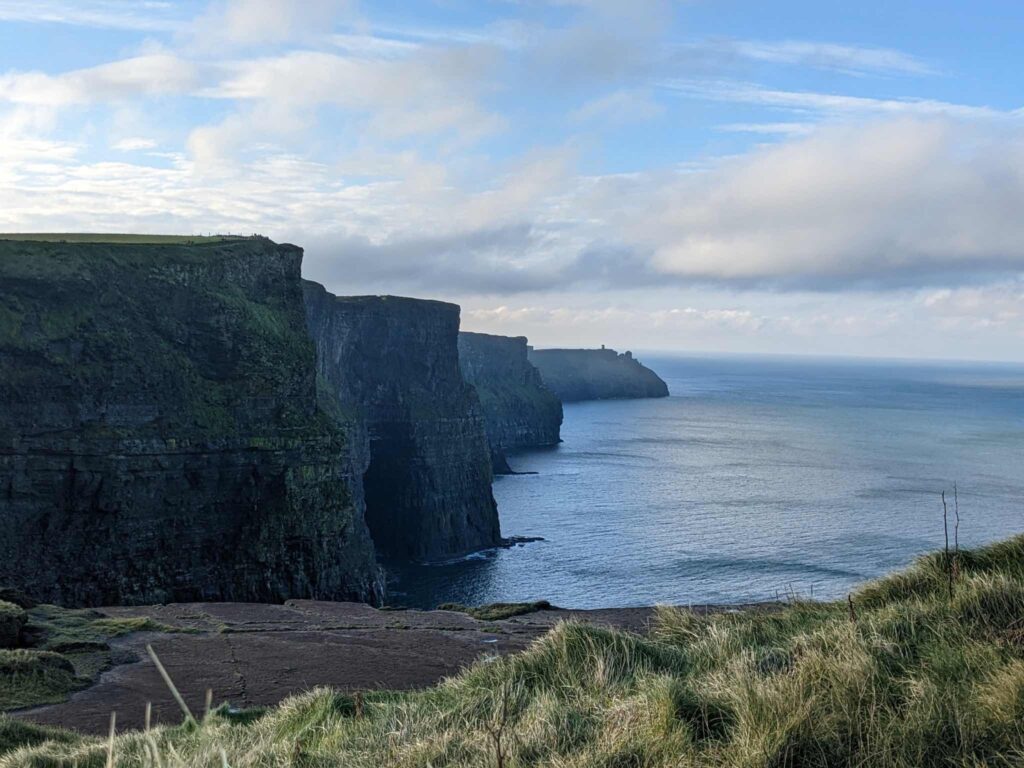
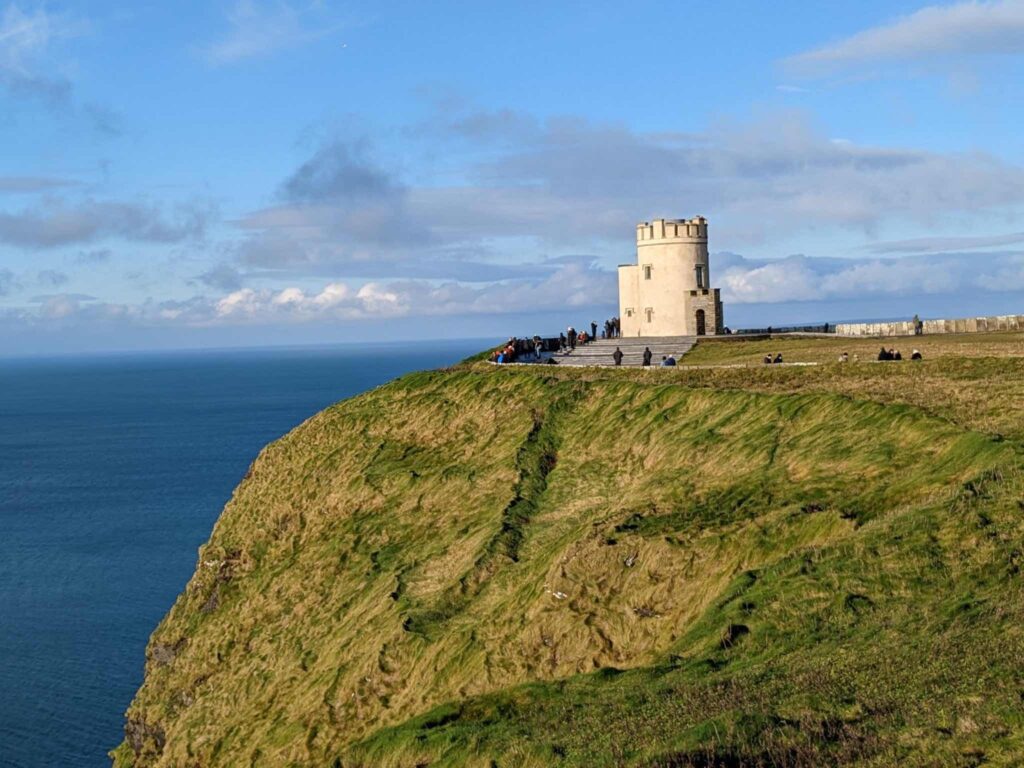
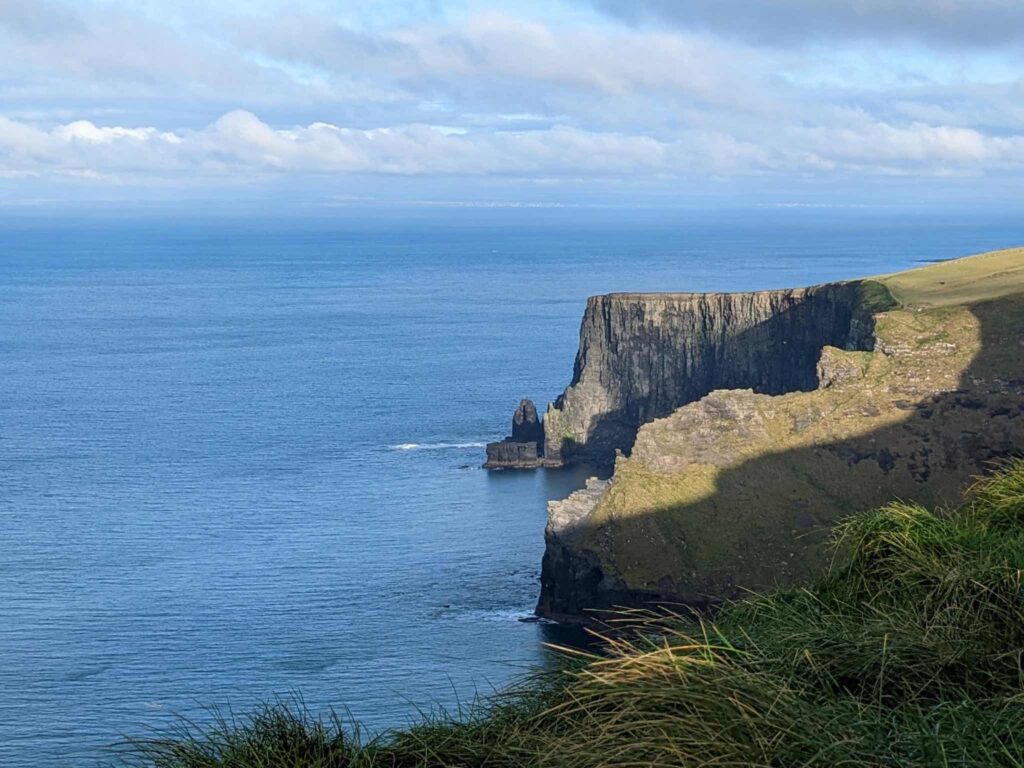
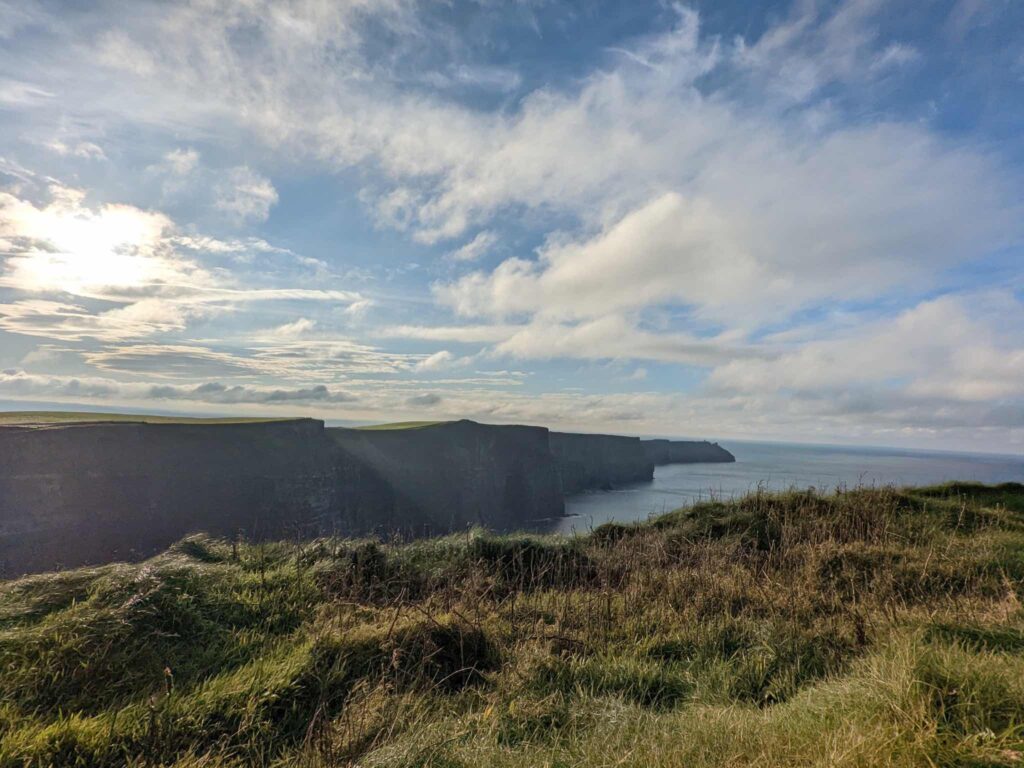
The Cliffs of Moher
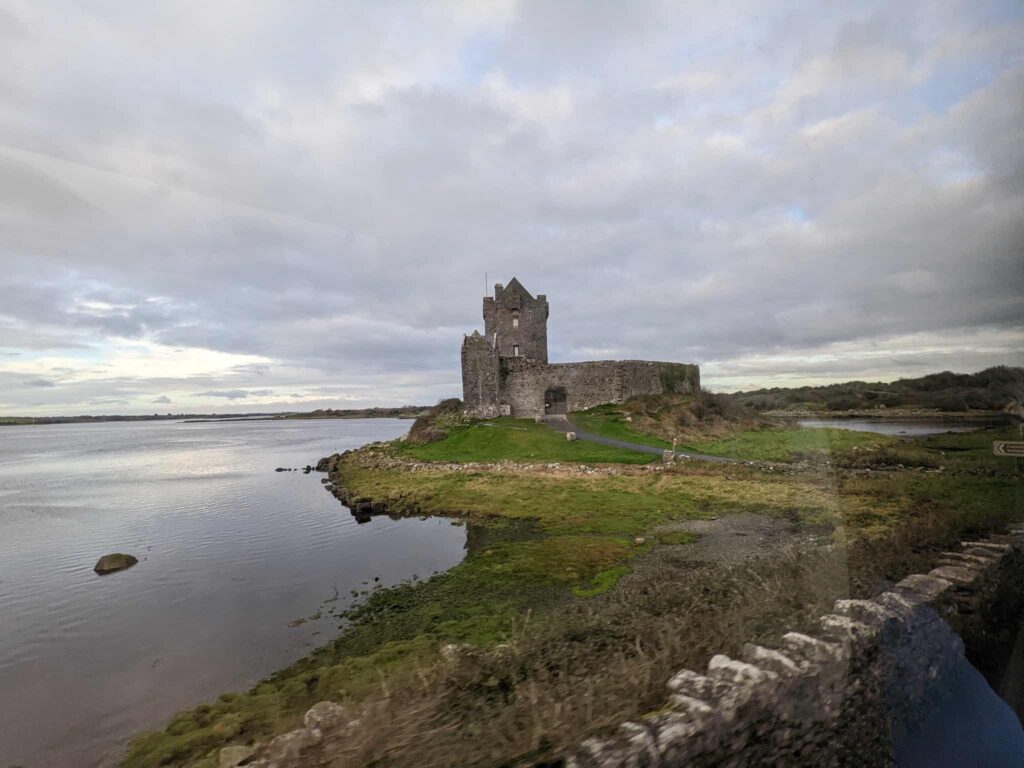
Quite breathtaking. You can take short or long walks along the cliffs. O’Brien’s Tower Beyond the tower…Repeat, because it never gets boring!Dunguaire Castle?
Galway
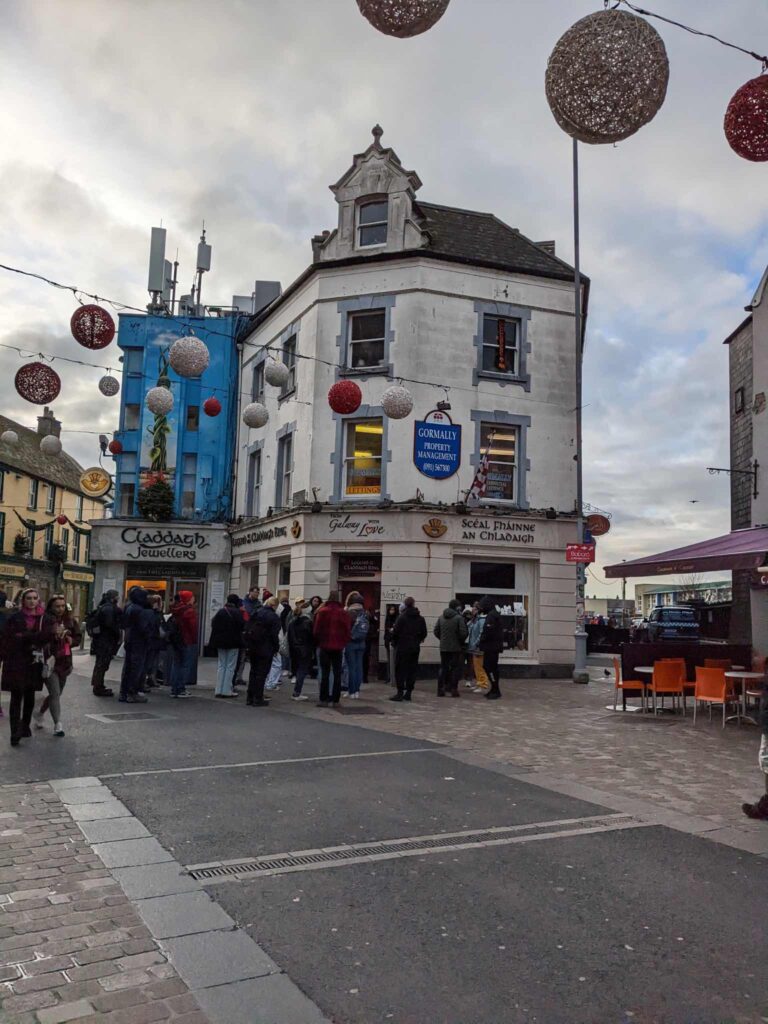
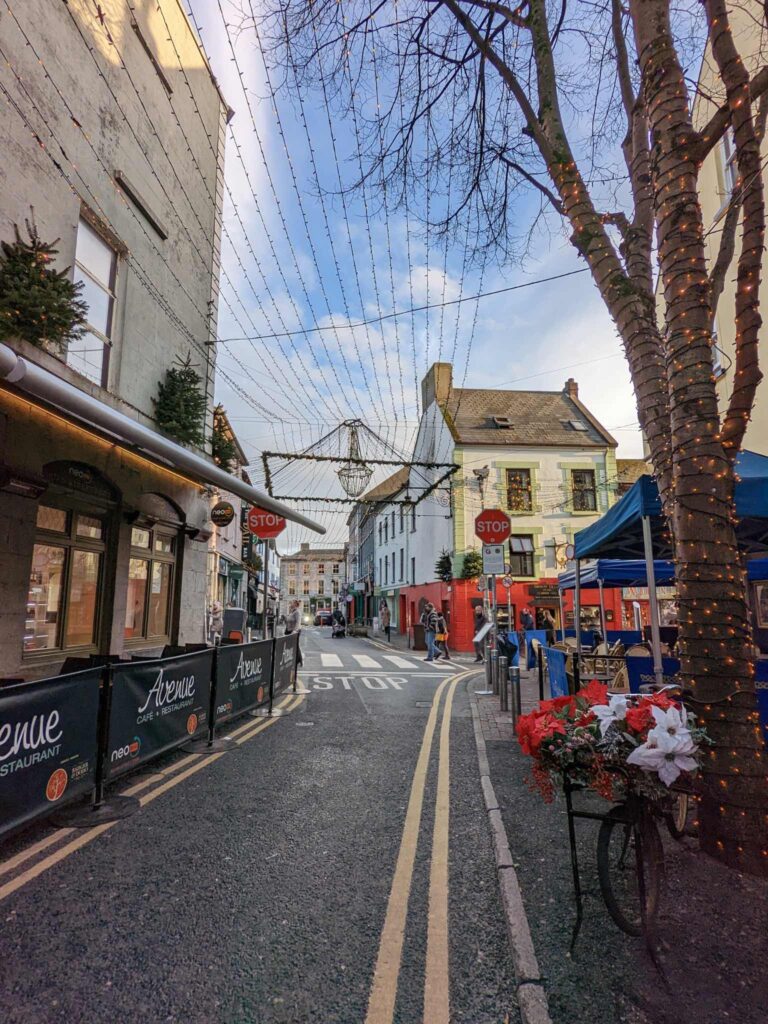
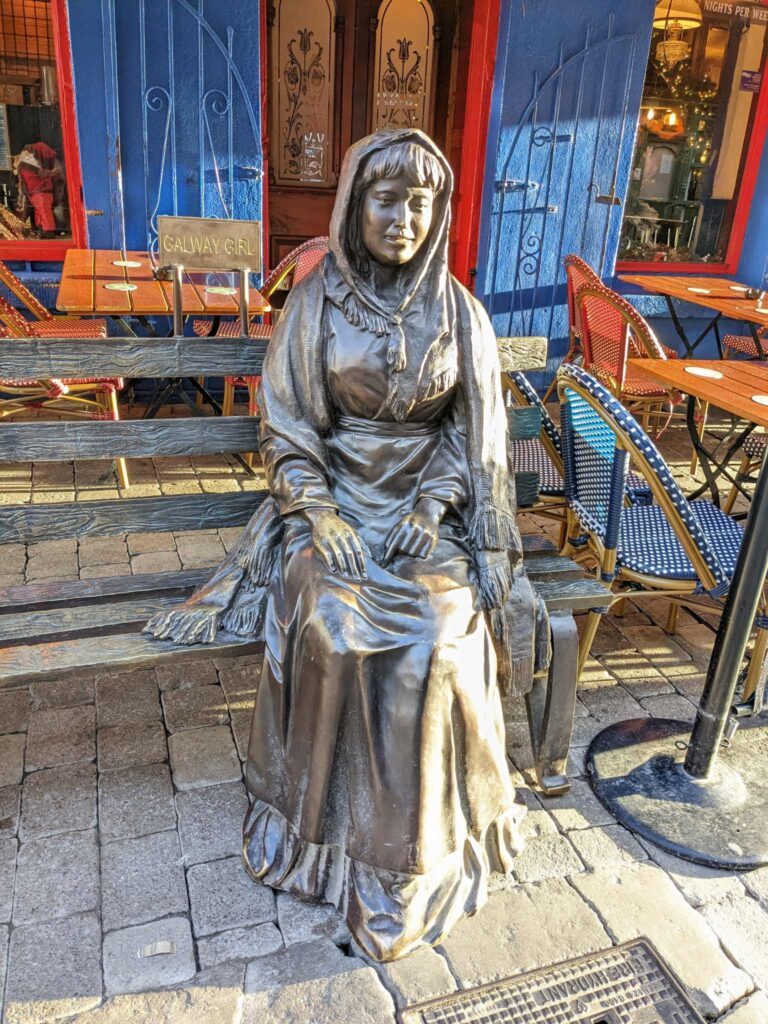
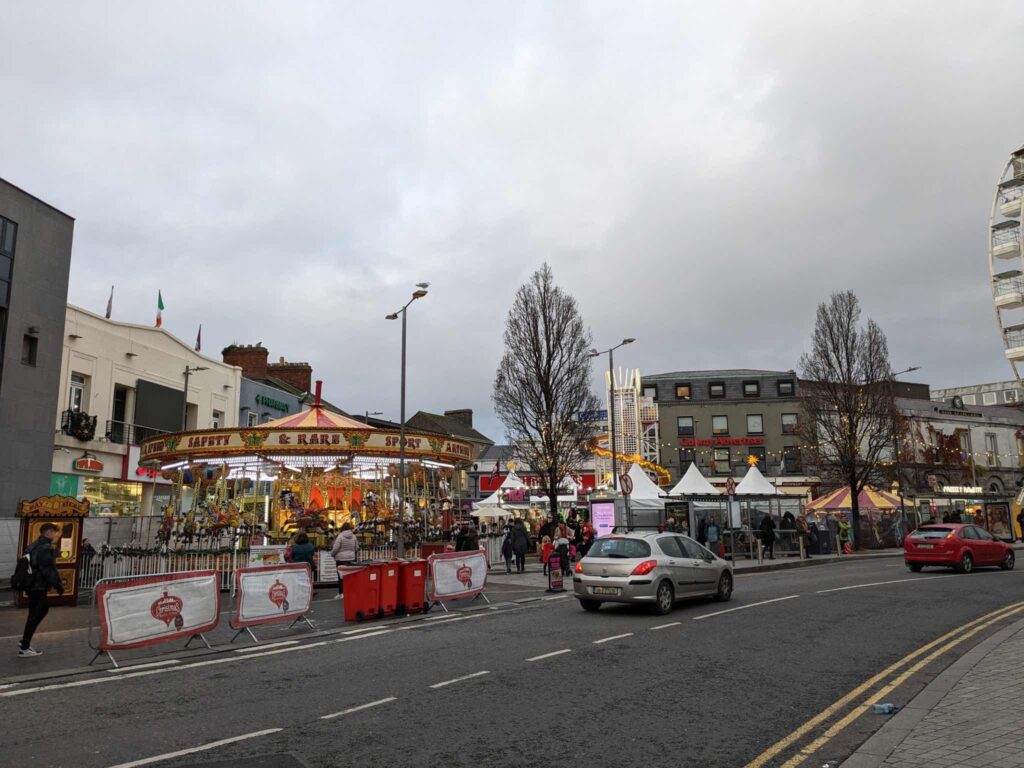
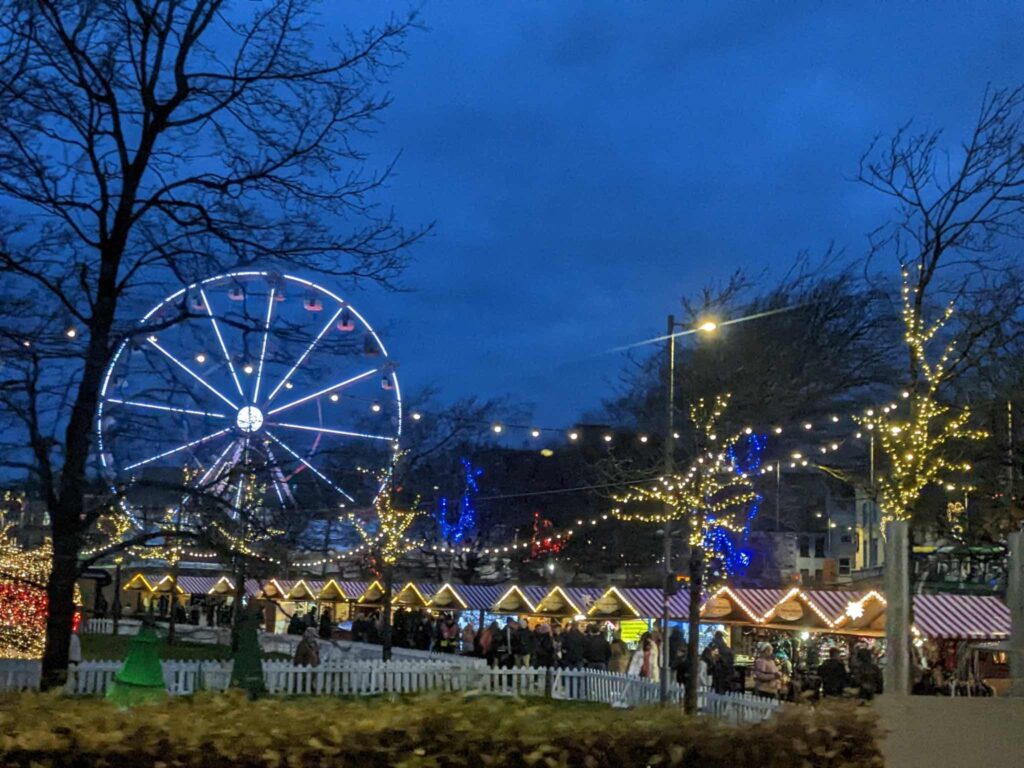
We spend a few hours walking around GalwayA pretty, pretty place it was.The Galway Girl, in personGalway had a charming Christmas MarketThings were just getting started when we visited
Ring of Kerry
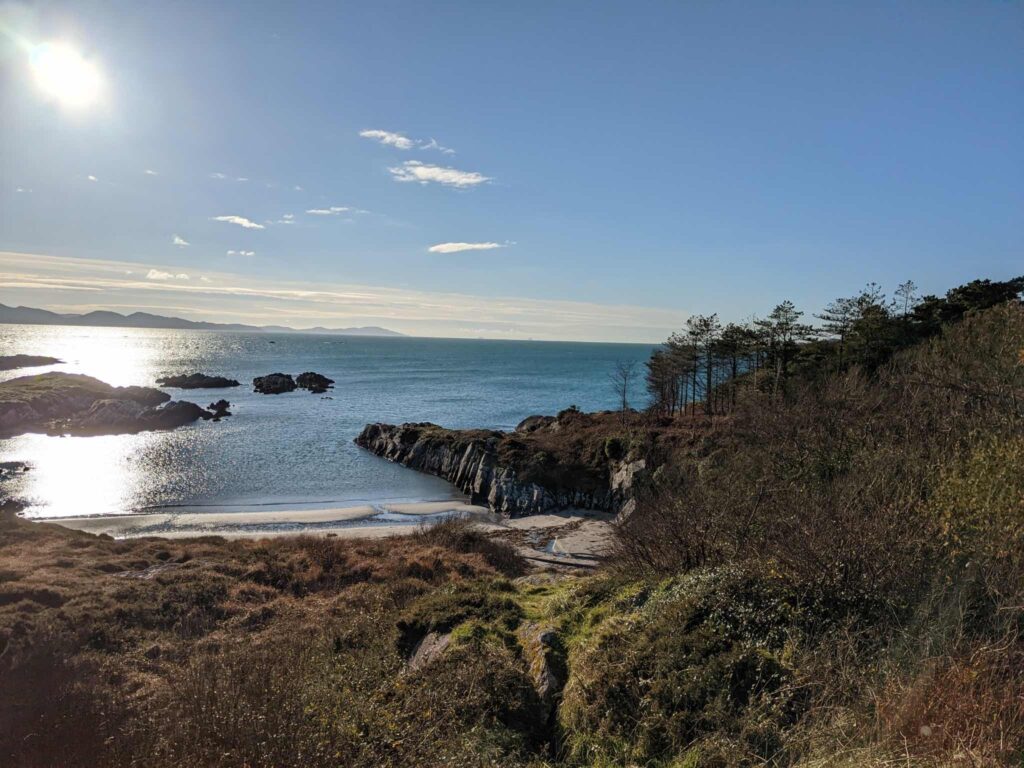
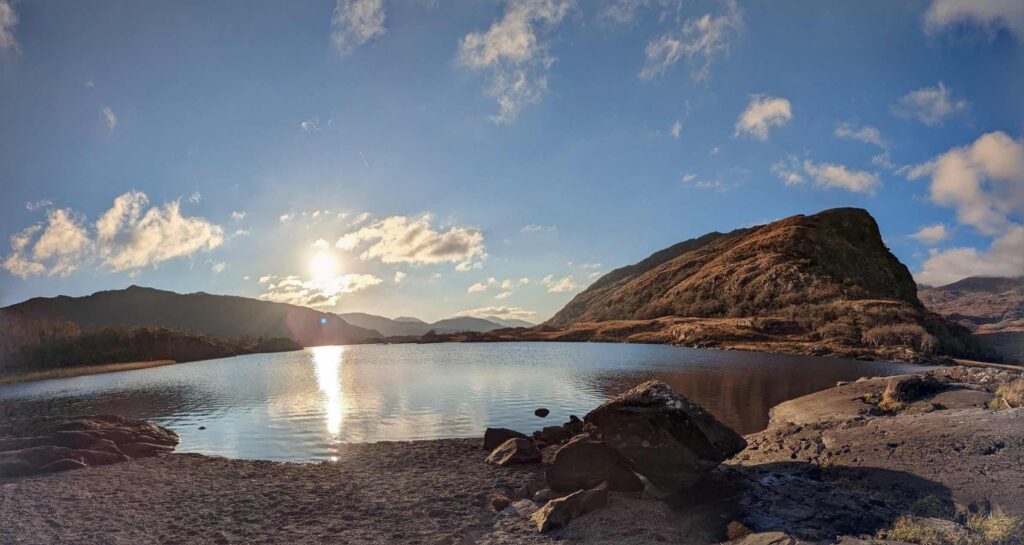
This entire landscape (McGillyciddy Reeks, Dingle Bay, Kenmare Bay, the Killarney National Park, Ladies View, the lakes, as well as the villages – Glenbeigh, Waterville, Sneem) is extraordinarily beautiful in a way that the camera really couldn’t capture. It also seemed a little underdeveloped (relatively) from a tourism perspective, and that’s a good thing.
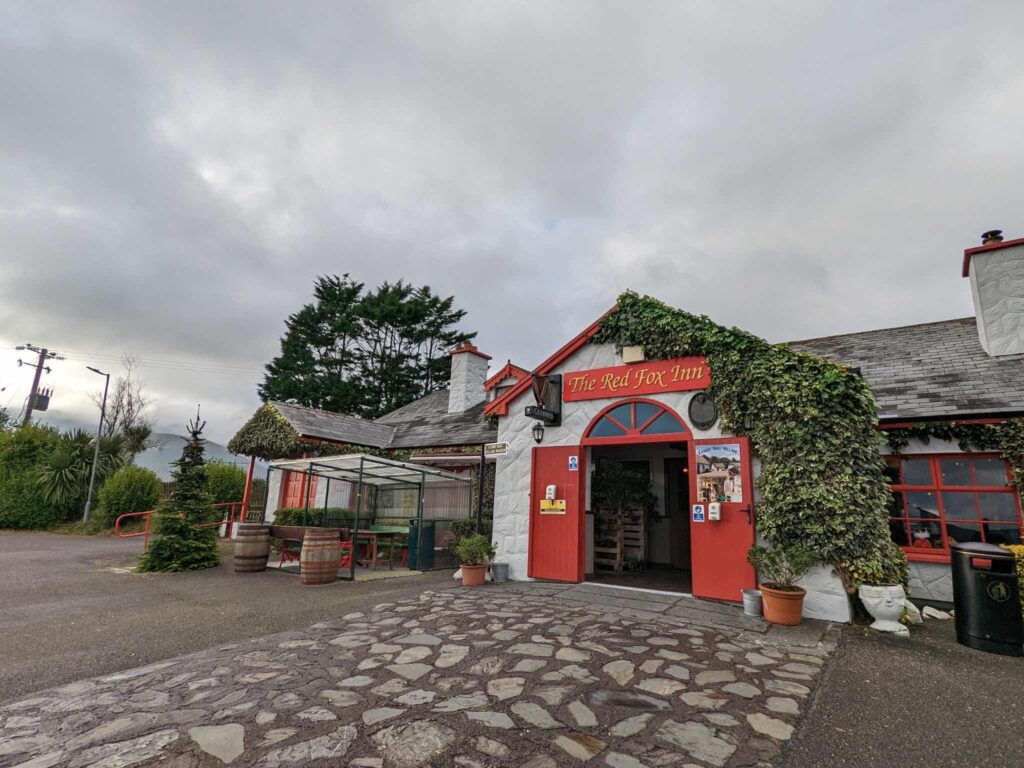
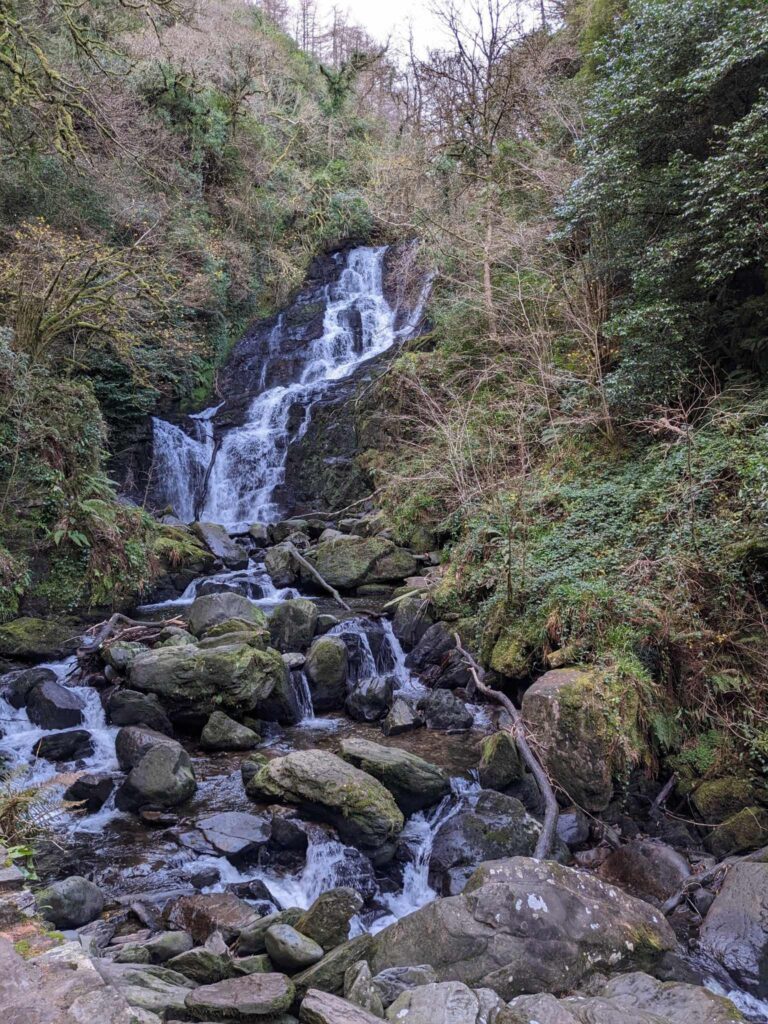
The Red Fox Inn, situated right next to the Kerry Bog Village Museum, the first attraction in the Ring of Kerry tour. Waterville BayWhitestrand. There was a postcard at every turn.Around Upper Lake, KillarneyTorc Waterfall
Killarney
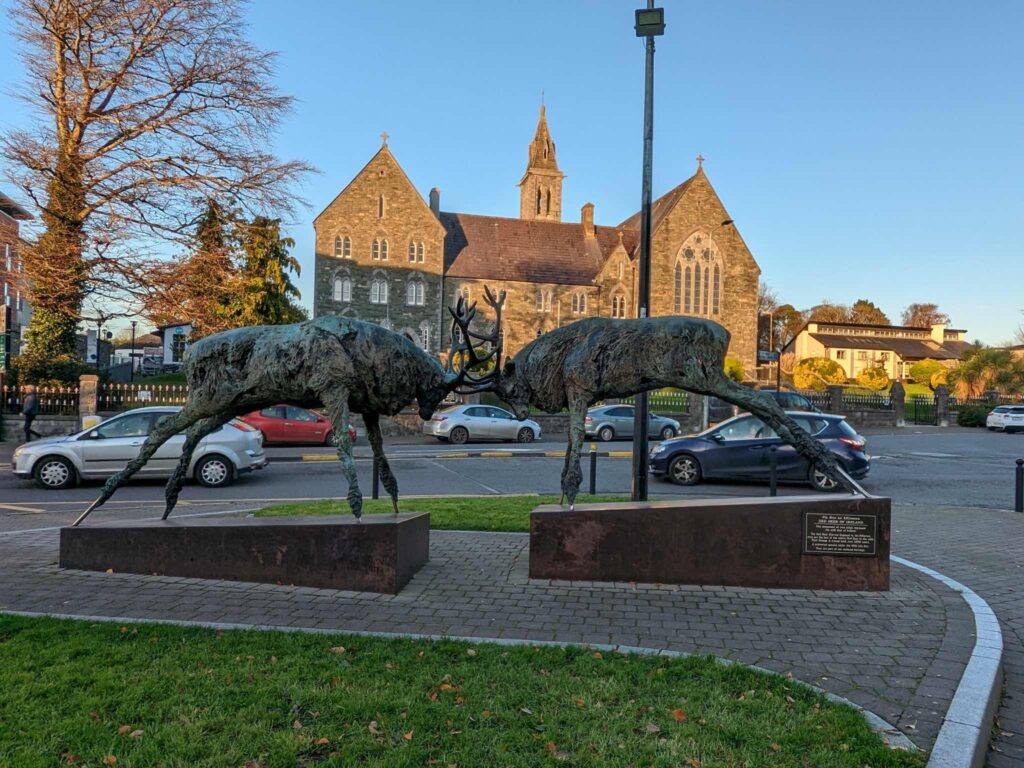
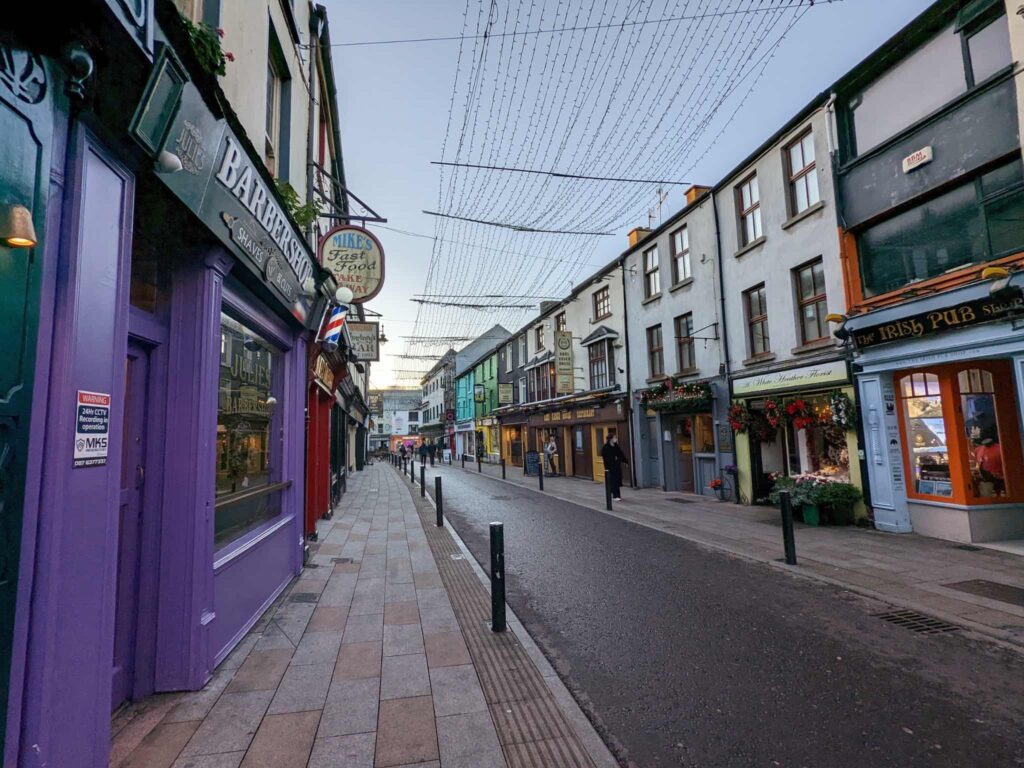
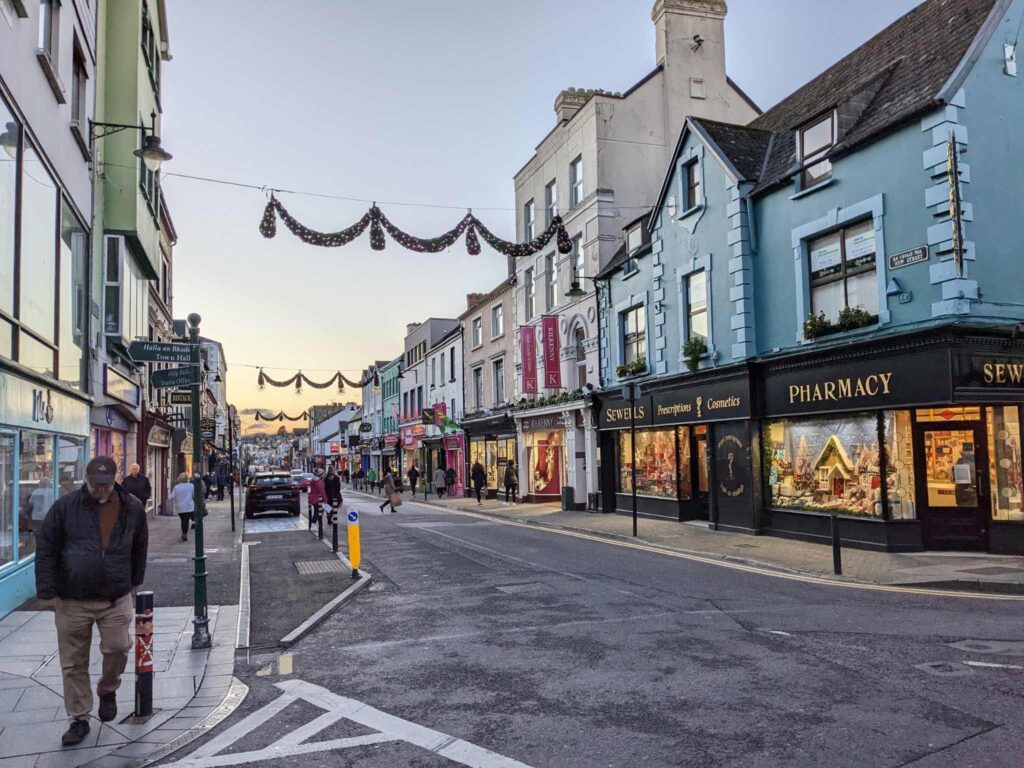
Killarney is another quaint town that we just wanted to hug! It plays host to the citizenship ceremonies – the final step to becoming a ‘natural’ resident of Ireland.Just so colourful and pretty! Everything you need, packed into a few streetsI thought a famous time machine had malfunctioned, but apparently this is a health initiative.
Giant’s Causeway
There is a rugged beauty to this place.That’s a UNESCO World Heritage Site you’re looking atDifficult to recognise it, but this is Dark Hedges, famous in another world as King’s Road. #GoTGracehill House, built around 1775
Belfast
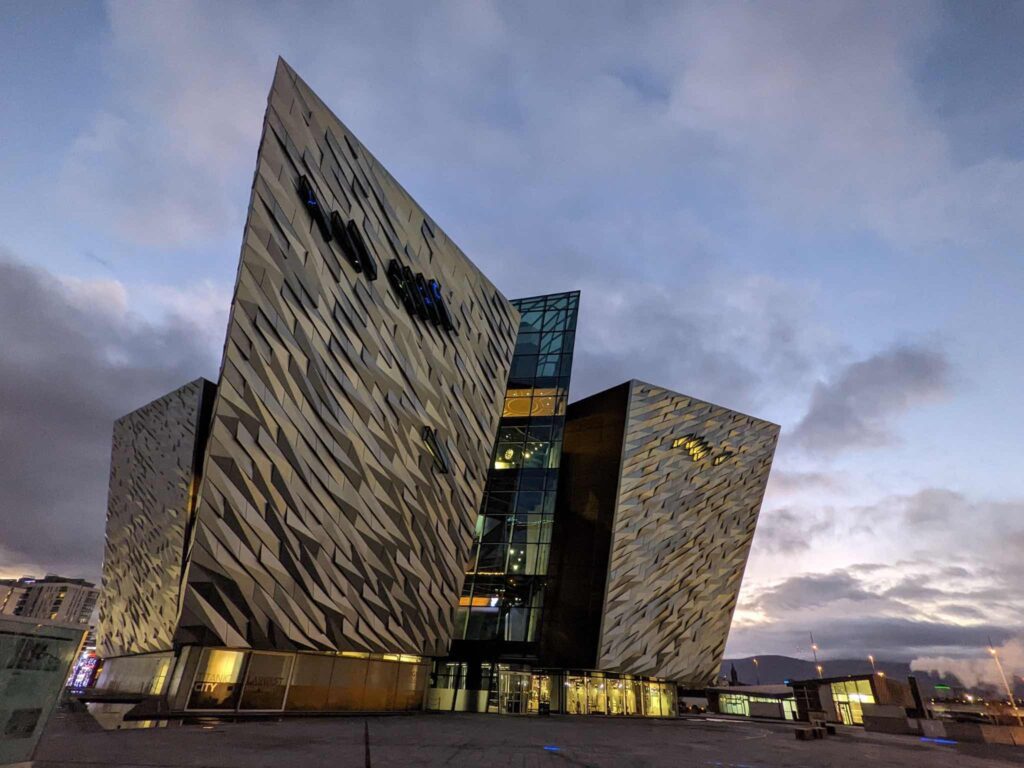
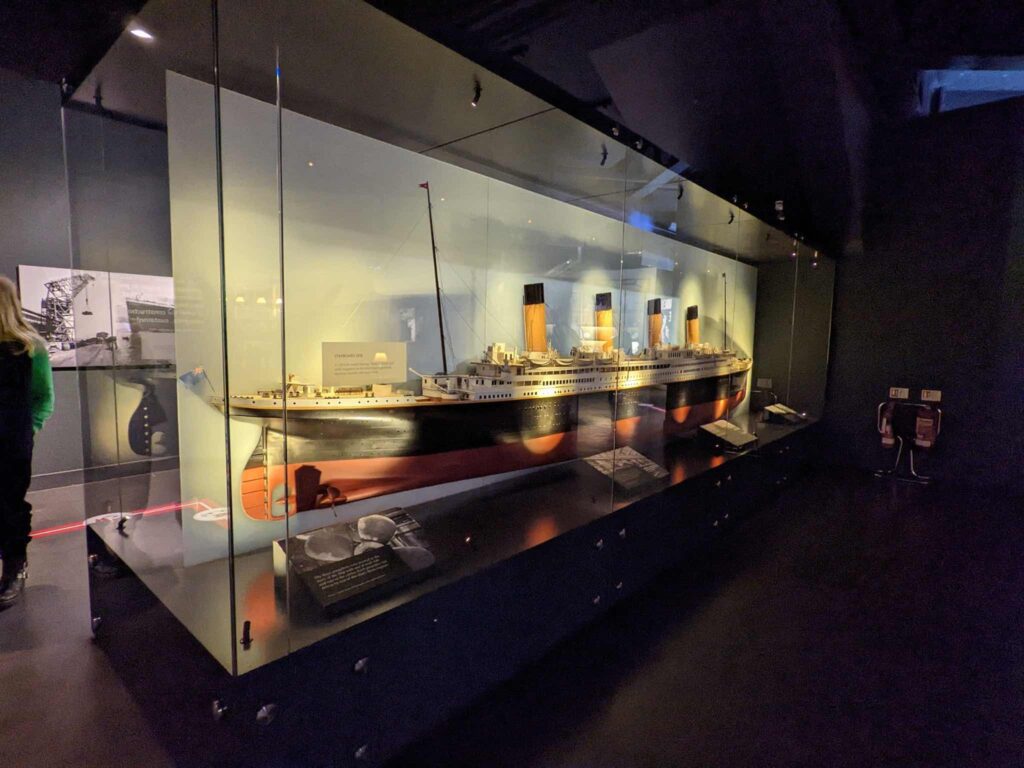
The most bombed hotel in the world.Titanic Belfast, the place where the ship was builtNow a museum. While that’s done well enough, I admit to being a little queasy about converting a tragedy into ‘Disneyland’. Belfast reminded us more of Glasgow than Dublin.
Eat/Drink
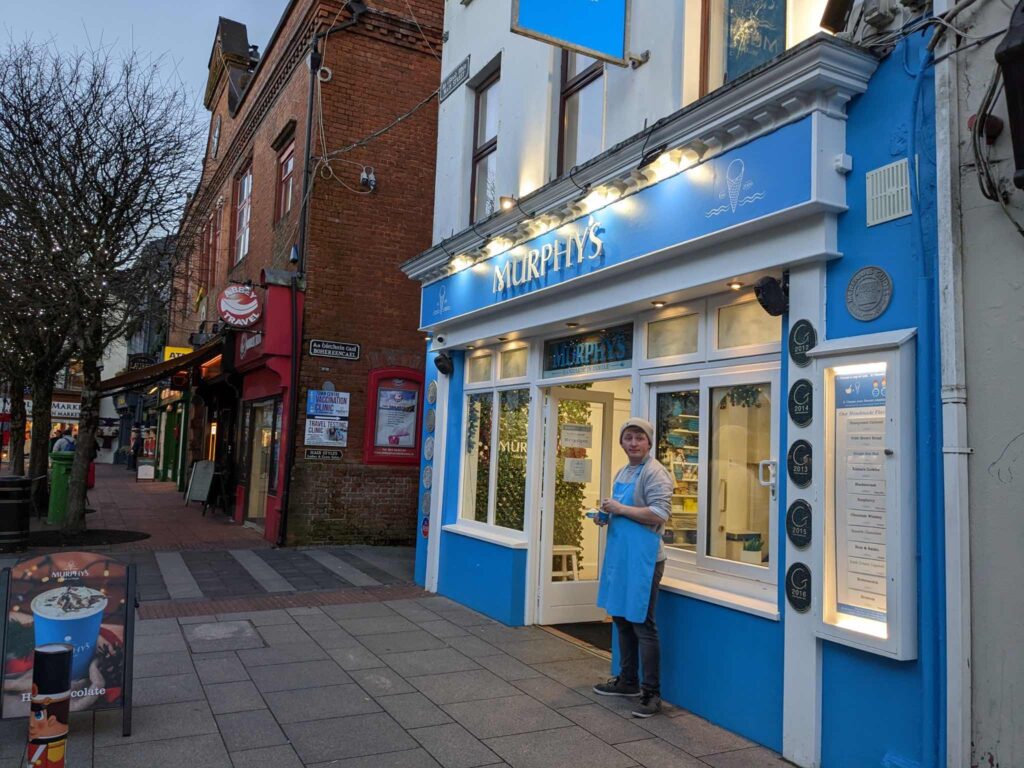
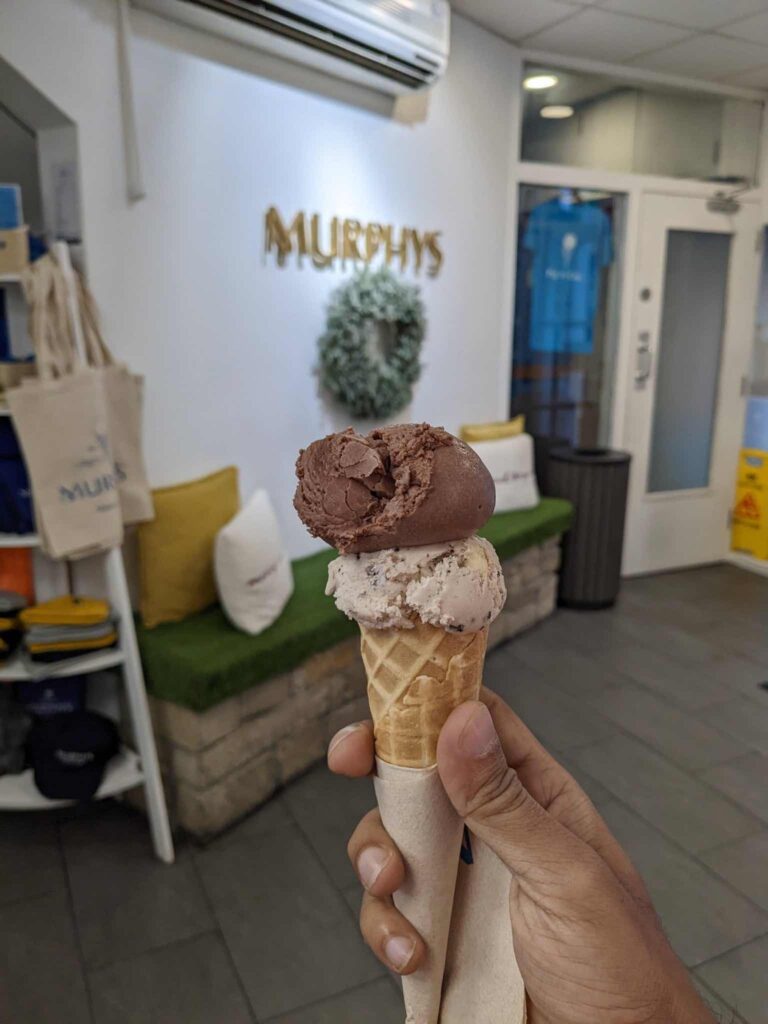
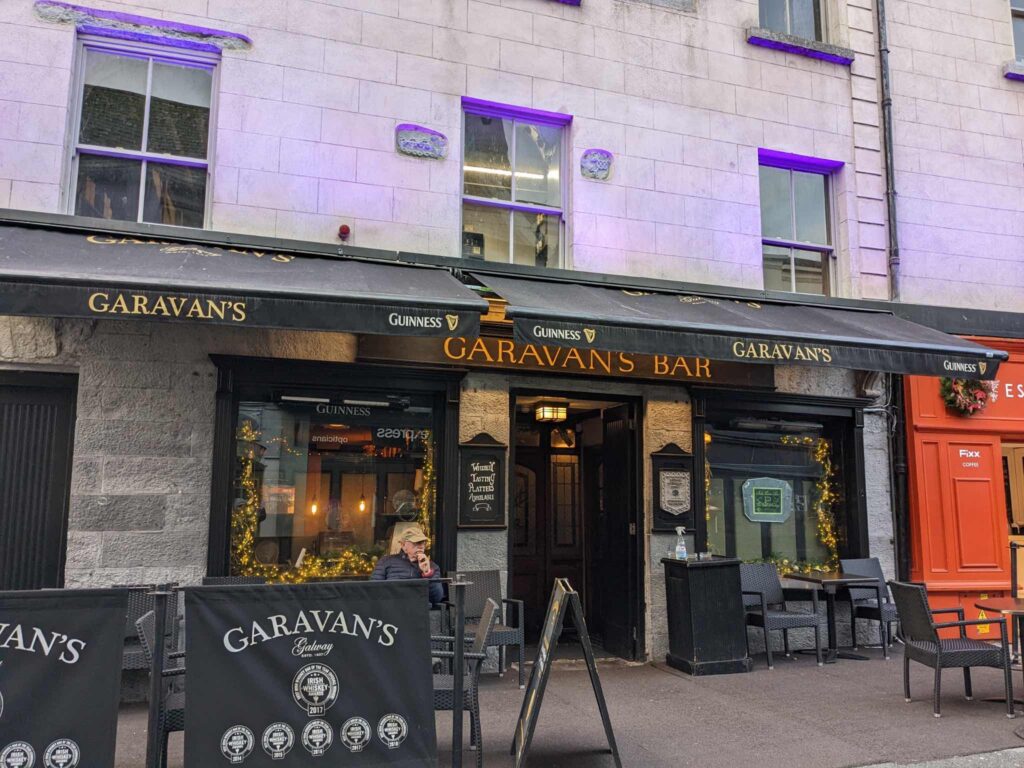
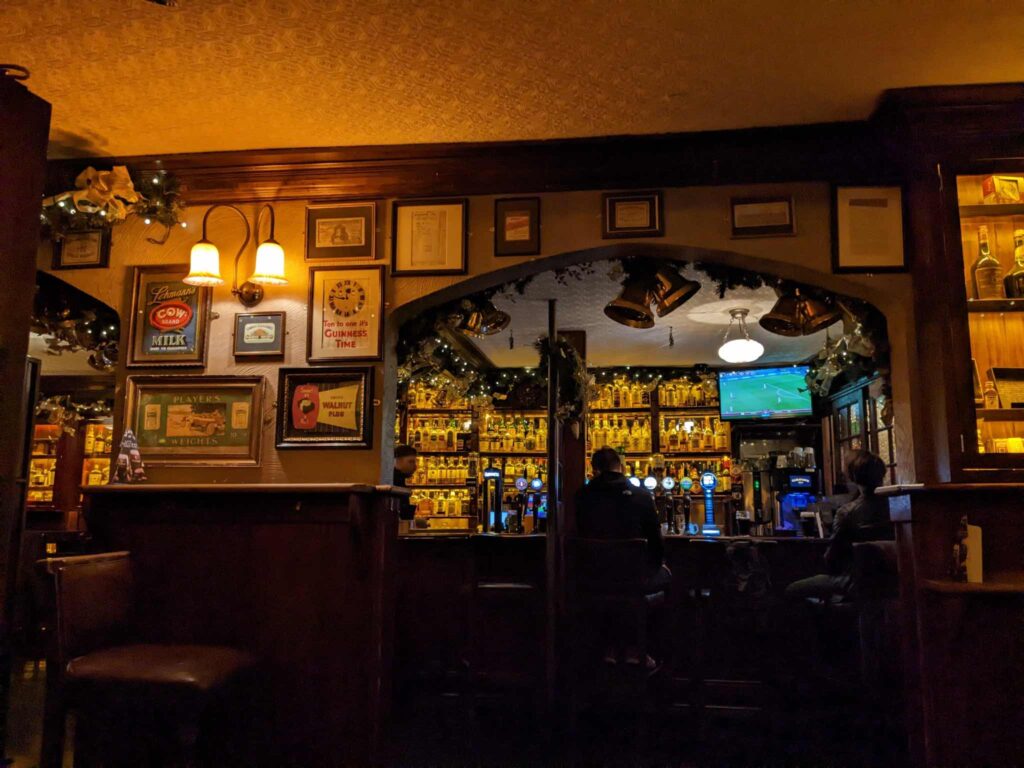
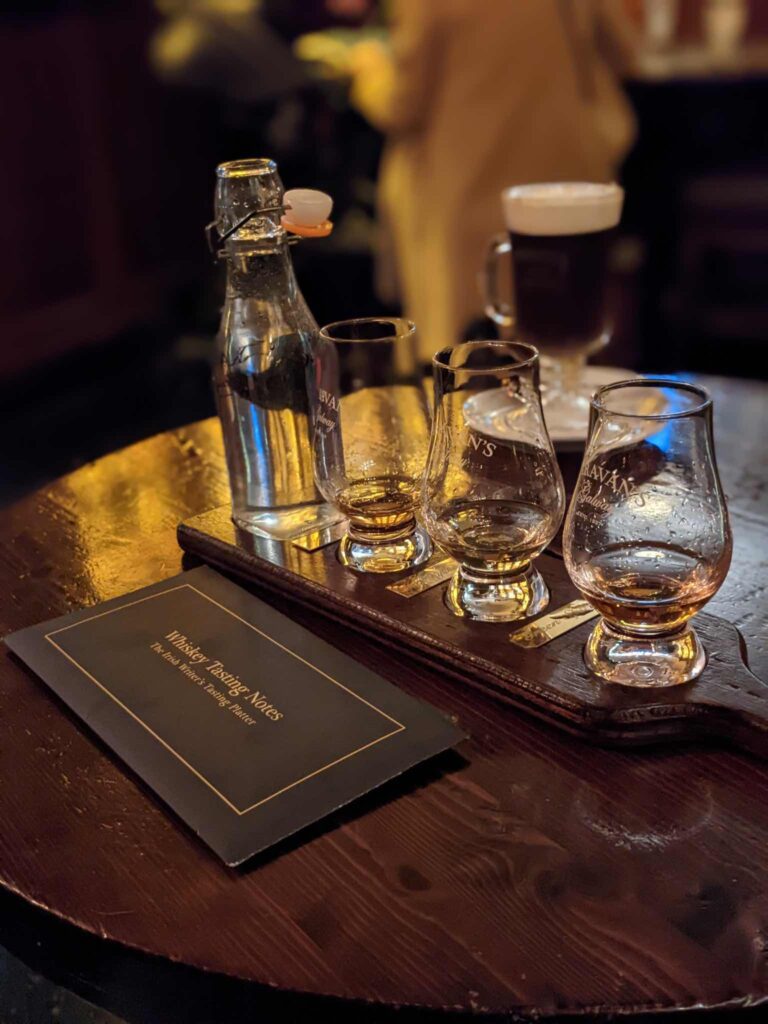
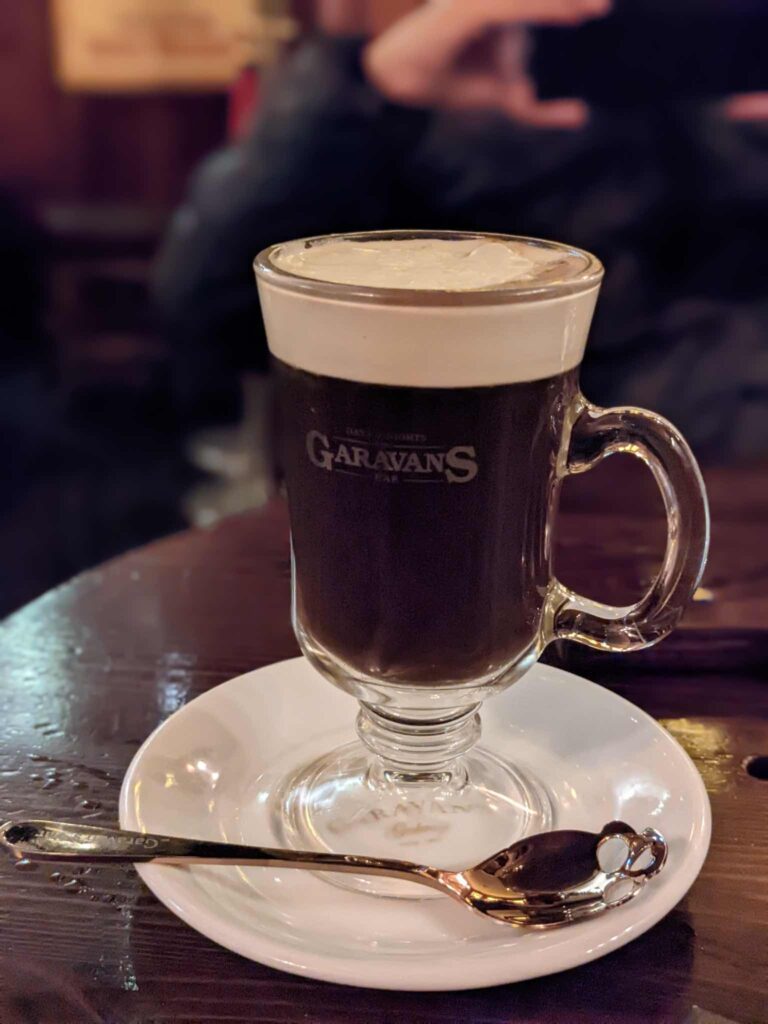
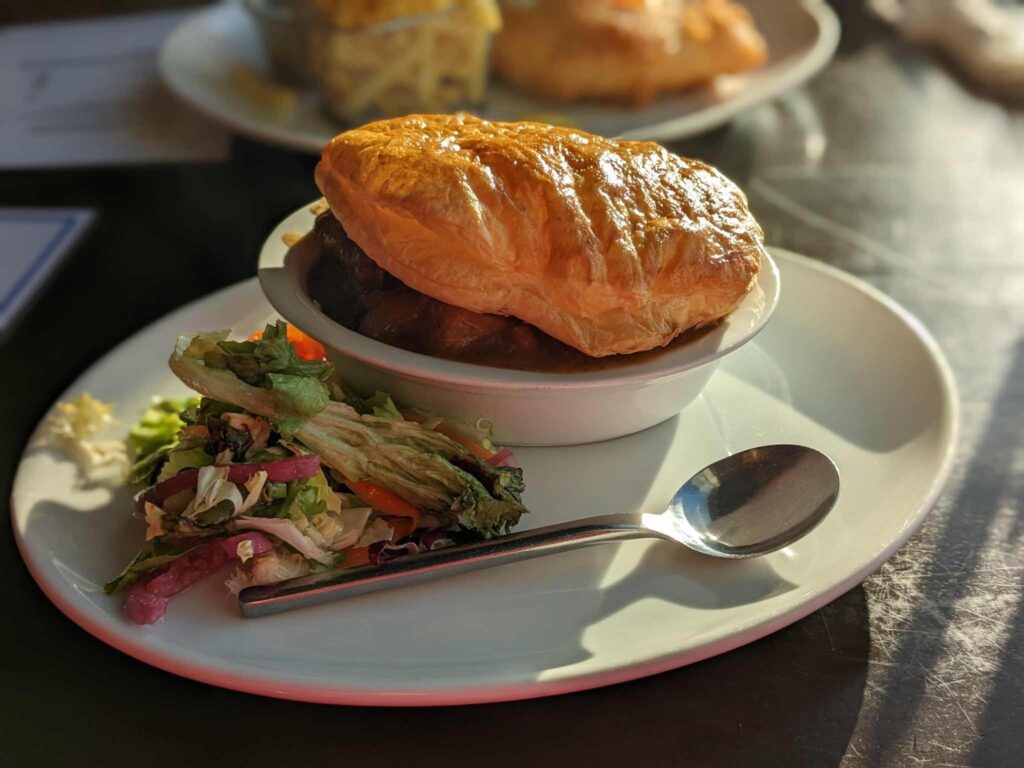
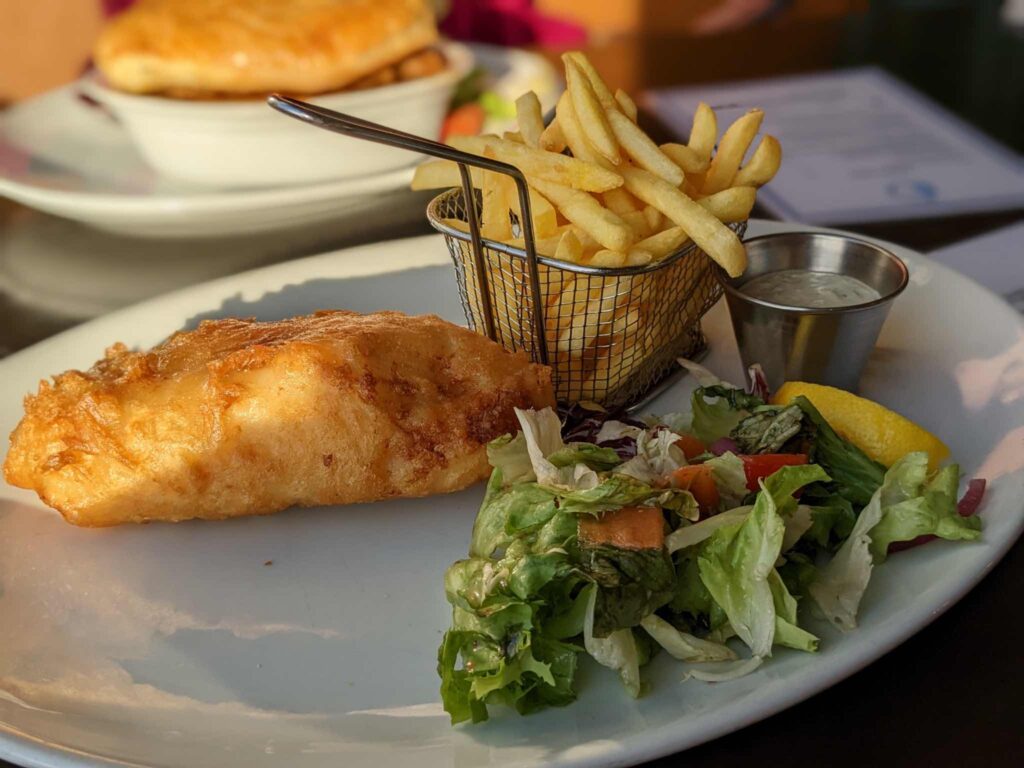
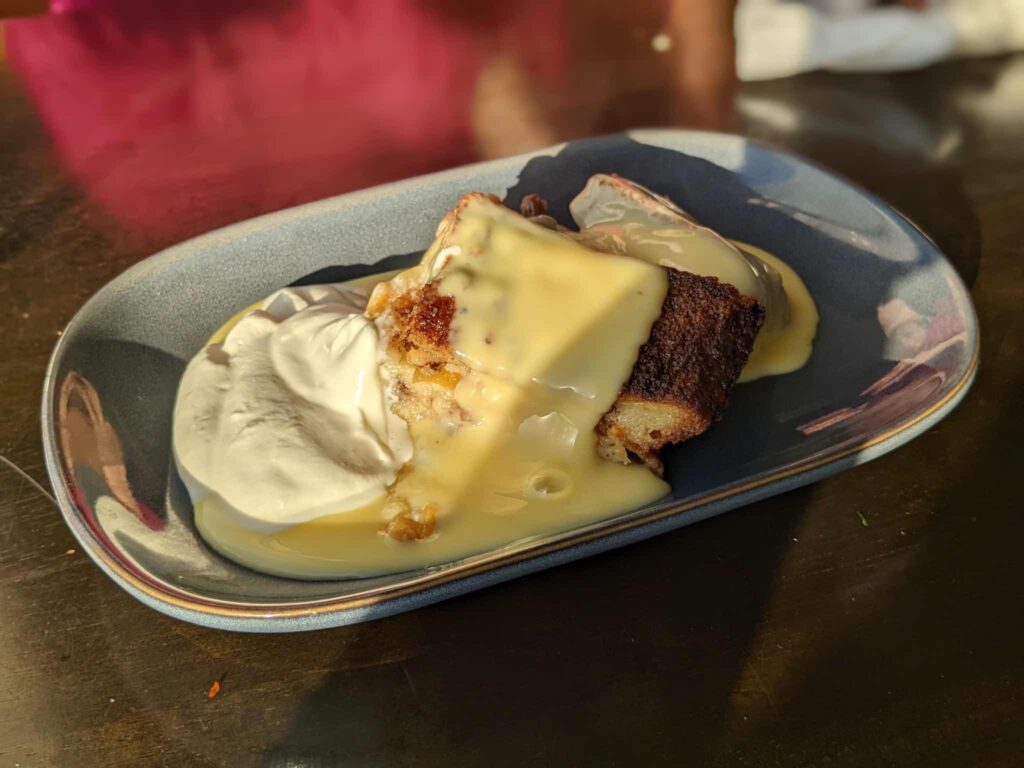
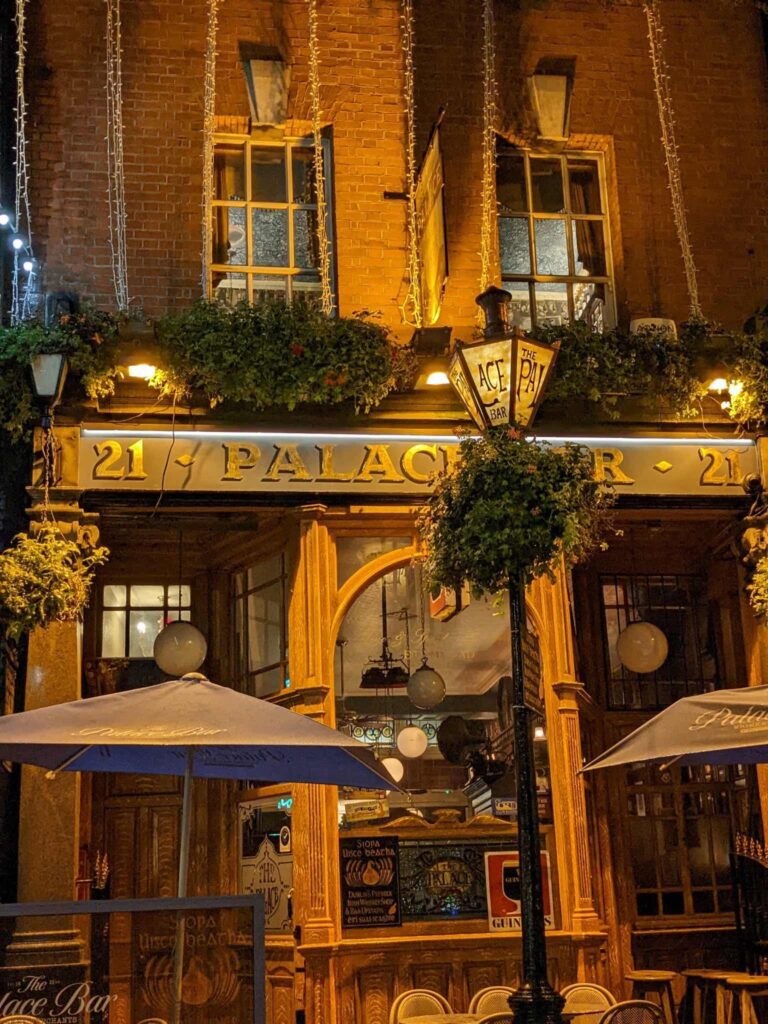
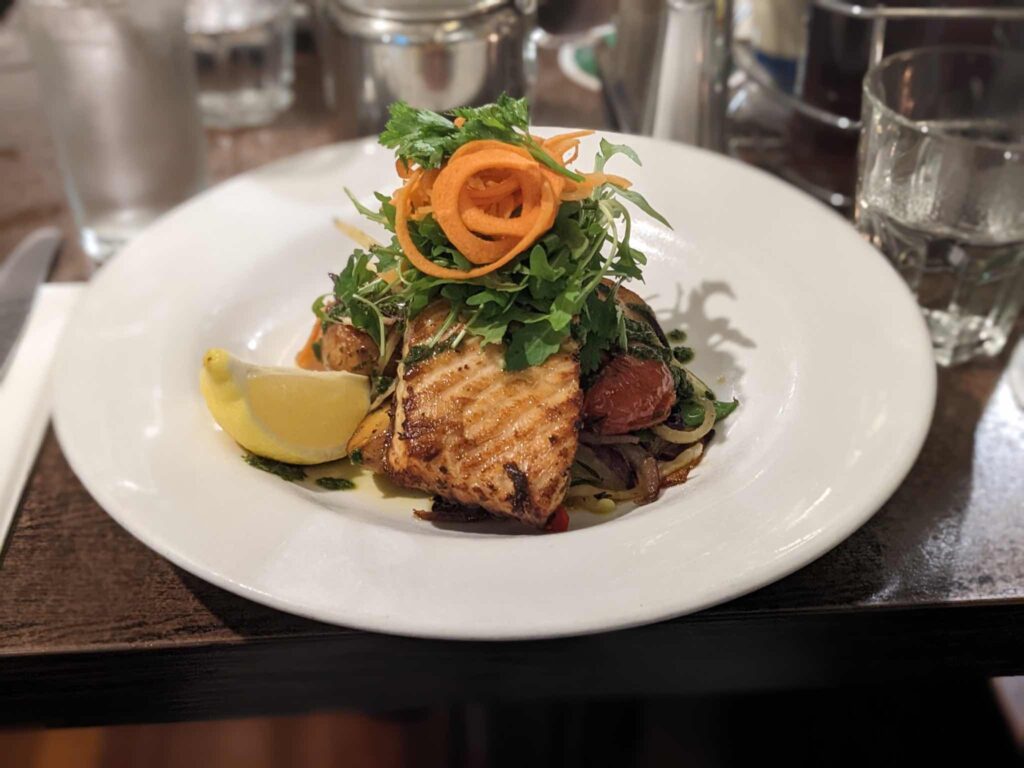
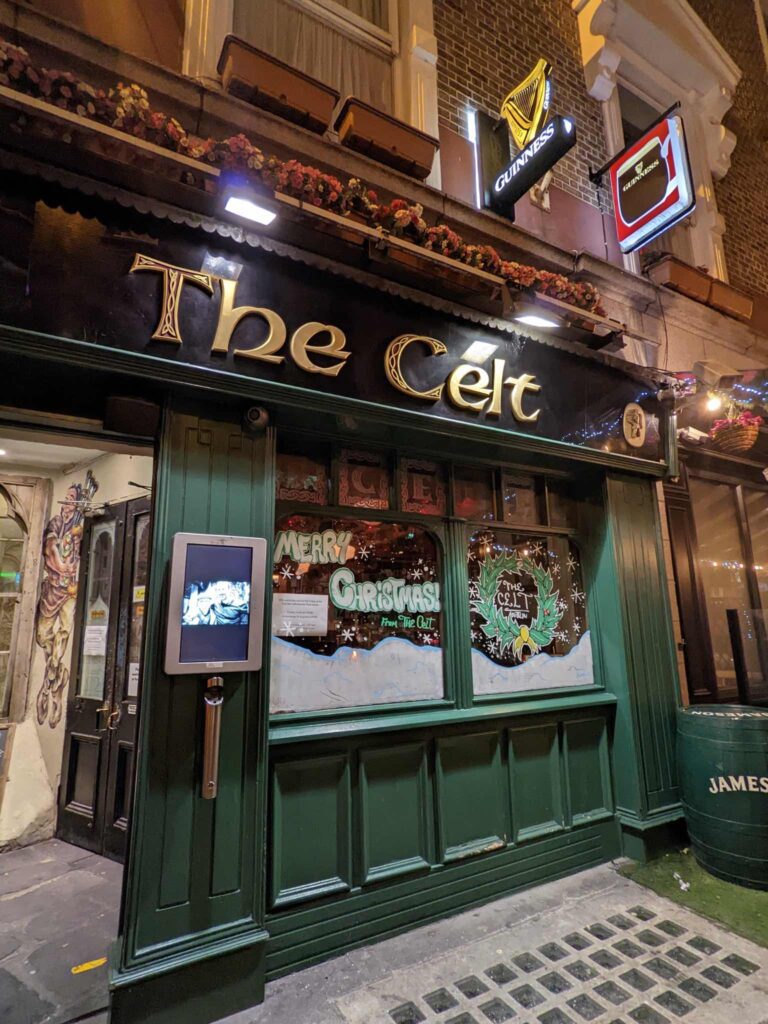
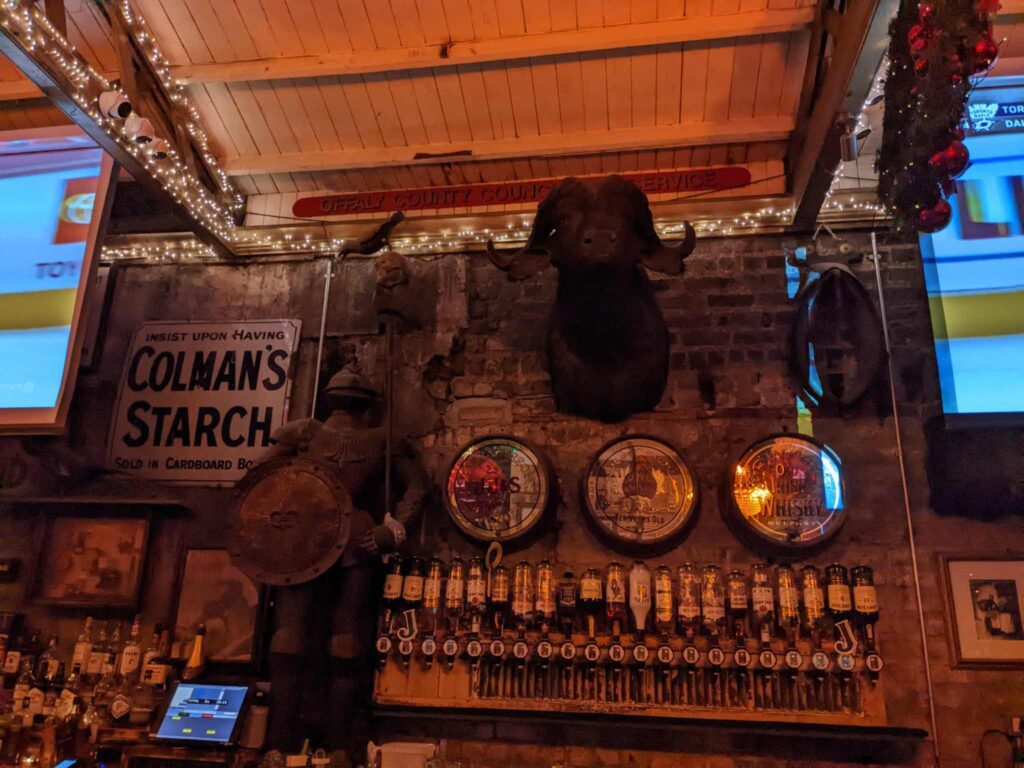
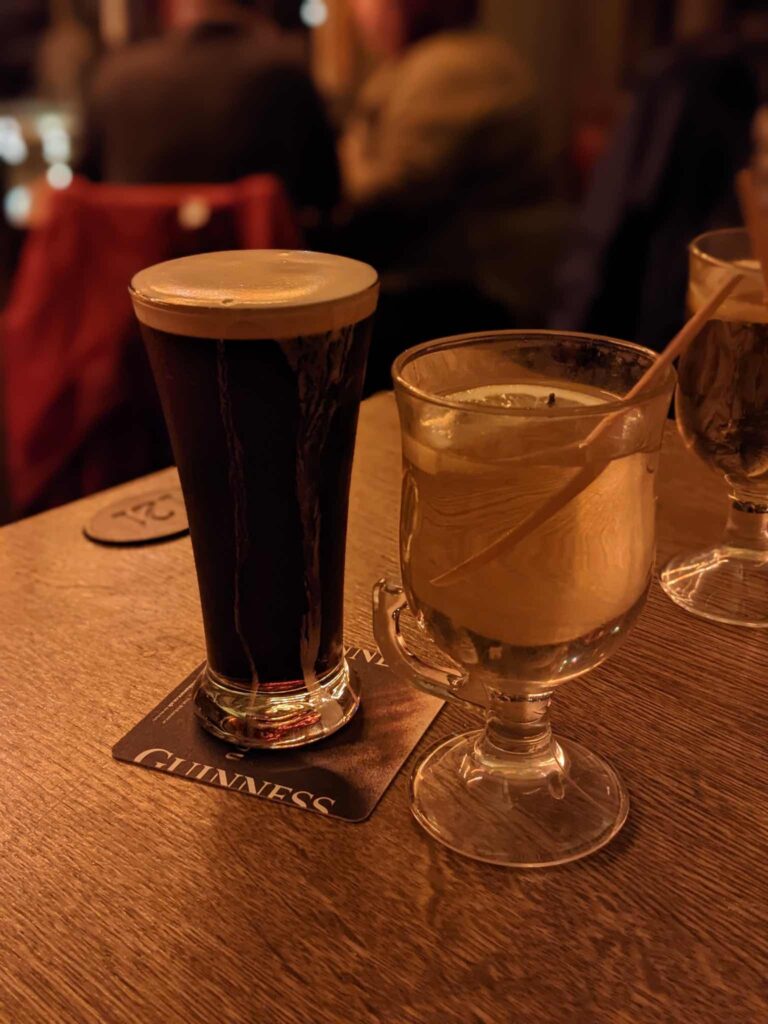
Some great Ice-cream to be had at Murphy’s. This was shot in Killarney.But we had the ice-cream in Galway. This is Whiskey Chocolate. Recommended by our guide for whiskey tastingA good old-fashioned pubHelped me choose the whiskey to buy. D tried the Irish Coffee but wasn’t very impressed. But then, she is neither a whiskey person, nor a coffee person. I think it has its uses. The place we stopped at for lunch during the Ring of Kerry tour. Somewhere between a pie and a stewFish and Chips need no introThe homemade pudding that we absolutely loved.If whiskey is your thing, then a visit to Palace Bar is in your interestSalmon in DublinOur last dinner in Dublin. This was recommended by all the guides as the local hangout. Absolutely loved the vibe and the service. This place is an absolute TARDIS. You would never be able to guess the amount of space it has from the outside. Just goes on and on! What better way to end than a Guinness and an Irish Hot Whiskey.
I thought Ireland had a raw, unspoilt beauty to it, which stands in contrast to the finesse that Scotland’s landscape has somehow acquired. If we do visit again, and we do want to, we would spend a few days each in its smaller towns.
We reached Dublin via Glasgow, and though the Ryan Air lady tried to give us a scare by ‘wondering’ if our UK visa was enough for Ireland, it turned out ok. Asking for a BVIS category specifically in your UK visa application is a good idea. We had pre-booked Aircoach to take us to the Holiday Inn Express on O’Connell Street (the stop is right outside the hotel) and the room was ready when we reached (lucky!), so we got straight into the thick of things, armed with a Flexi tram ticket for the day.
See/Do
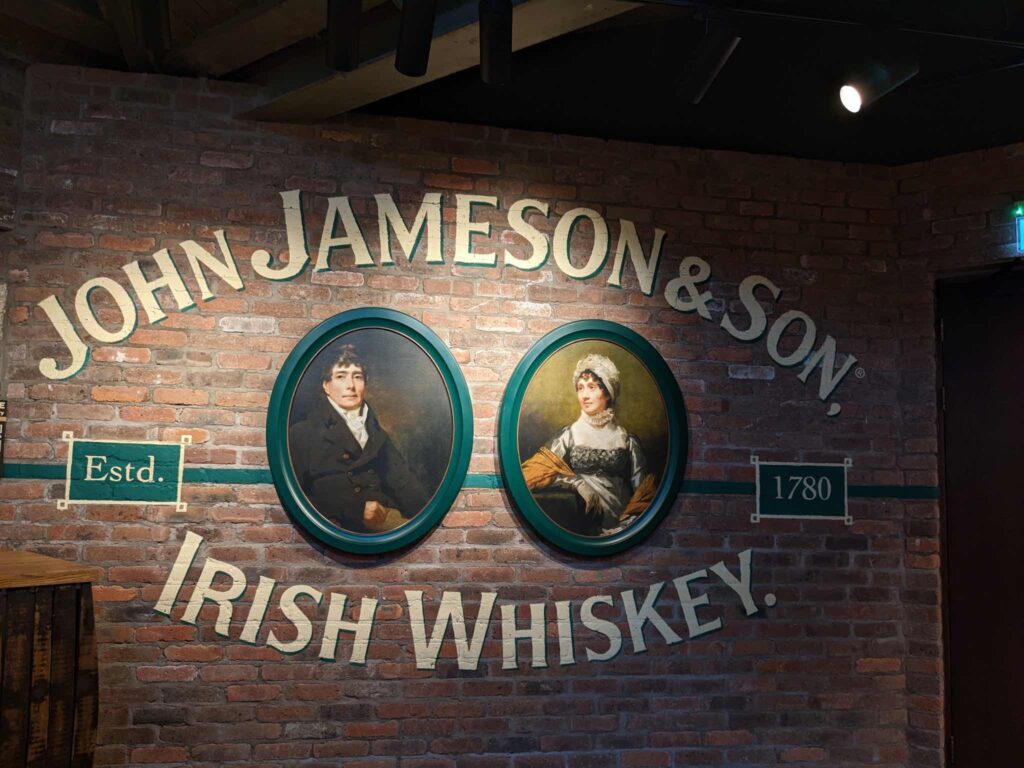
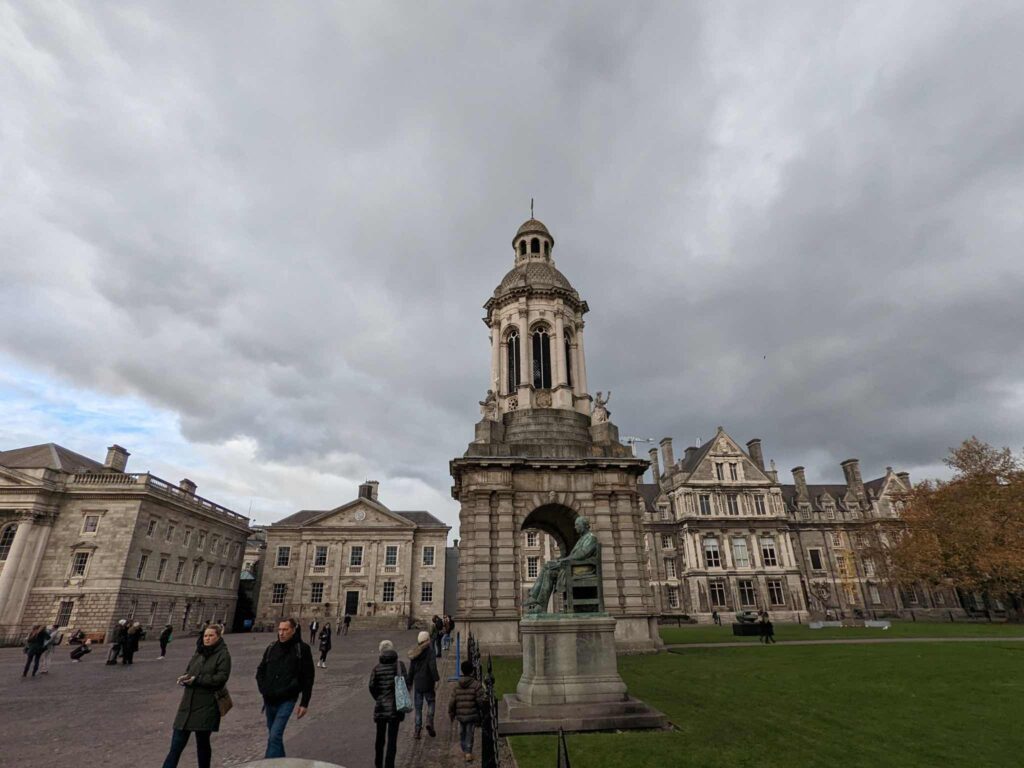
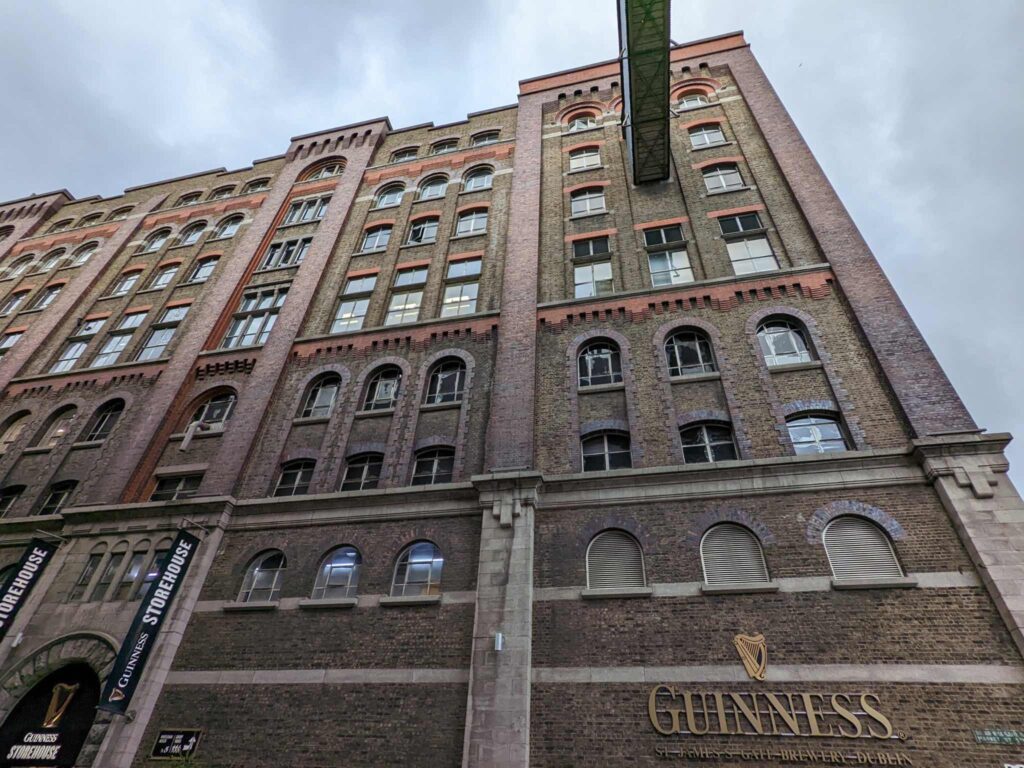
The Jameson Distillery Bow St. tour is the right way to say hello to Ireland. Coincidence that we visited on the death anniversary of John Jameson! Going drunk to college has always been a dream. So we went to Trinity College soon after!A path we would take at least once day Guinness Storehouse. This should be your view from the ground when you get out 🙂
Rock of Cashel
We used Dublin as a base and did day trips to different places. Our first trip was with Paddywagon Tours.
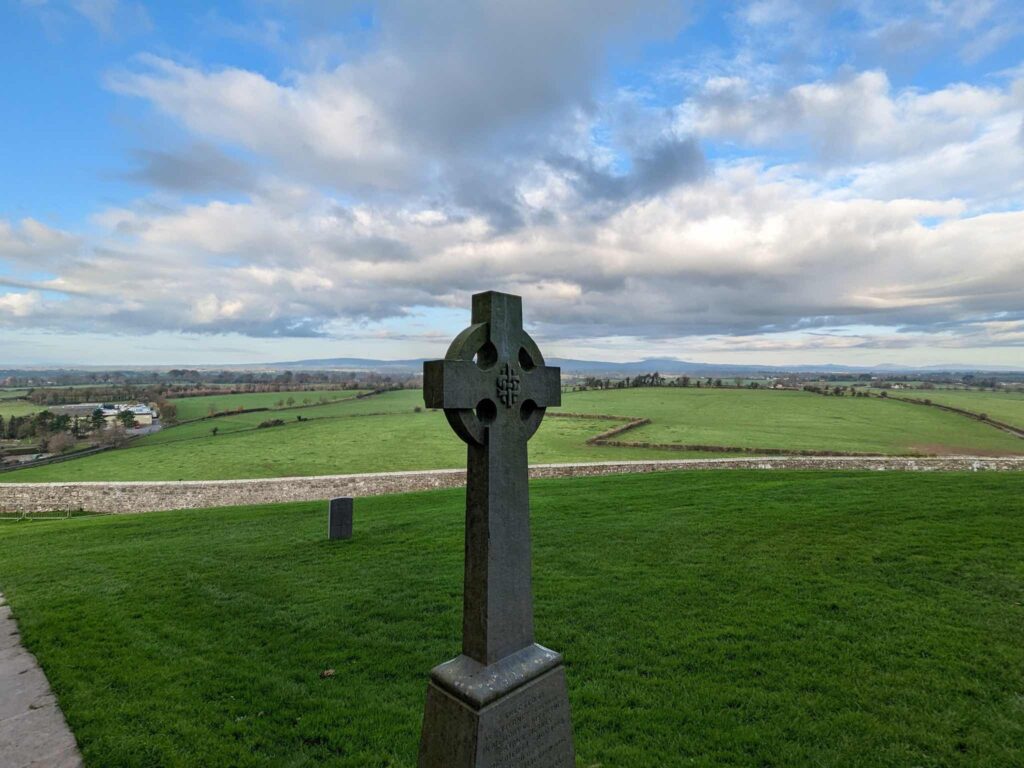
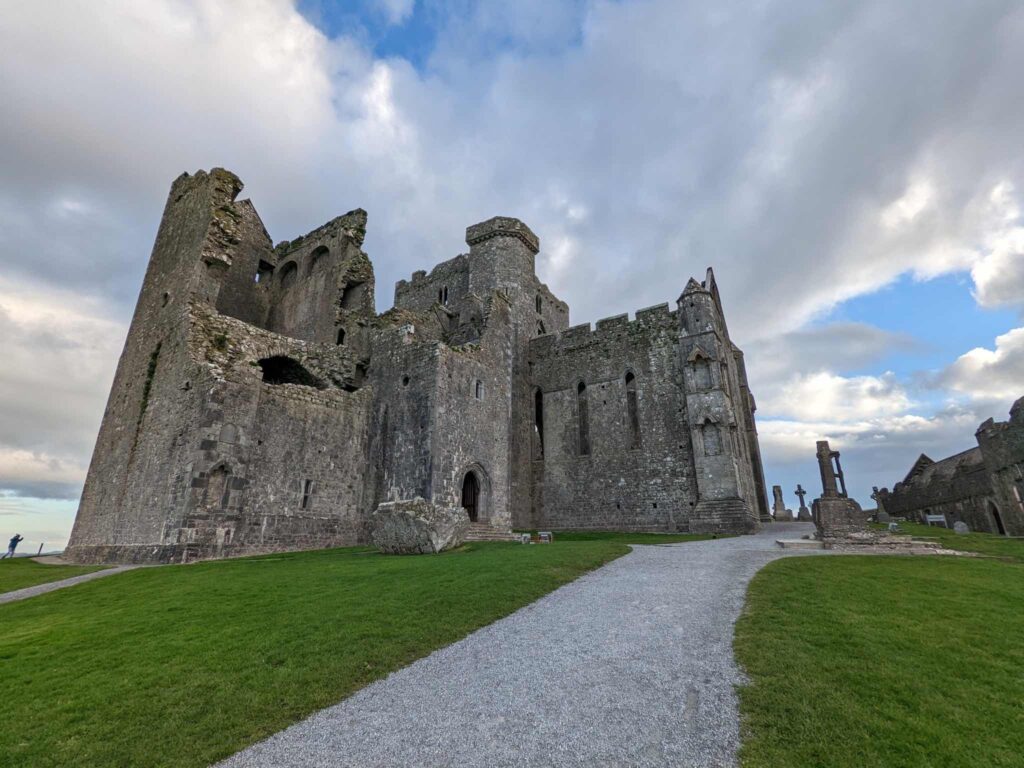
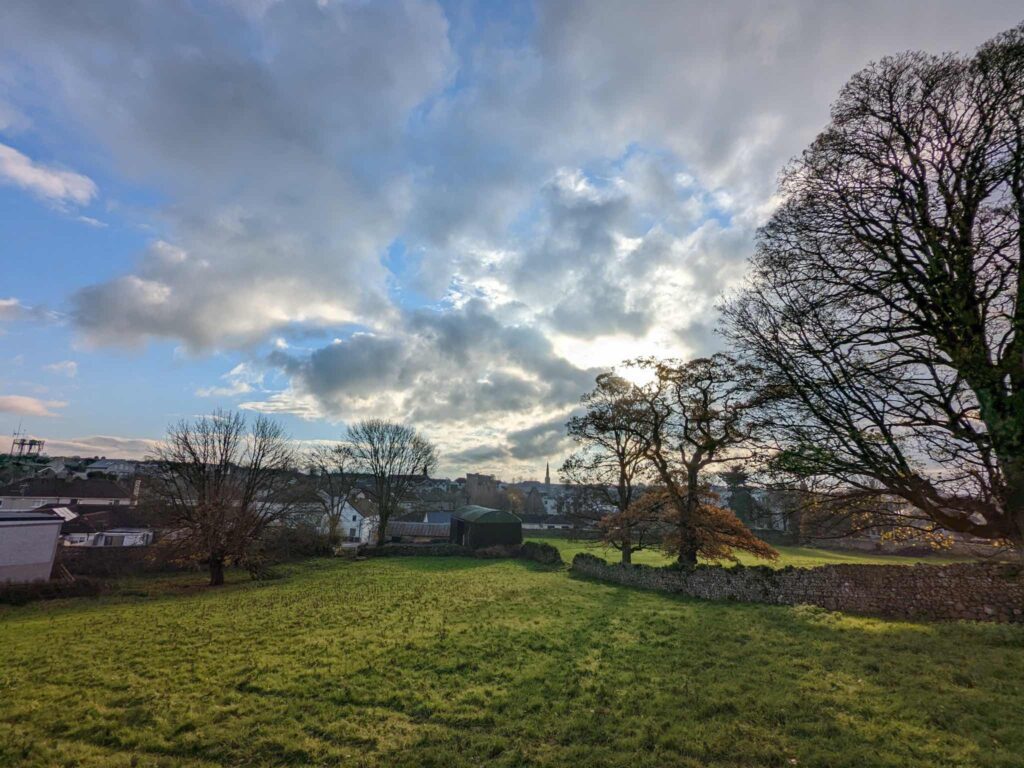
The Irish High Cross, and a lovely viewAlso known as Cashel of the Kings and St. Patrick’s Rock,The neighbourhood is picturesque too
Blarney’s Castle
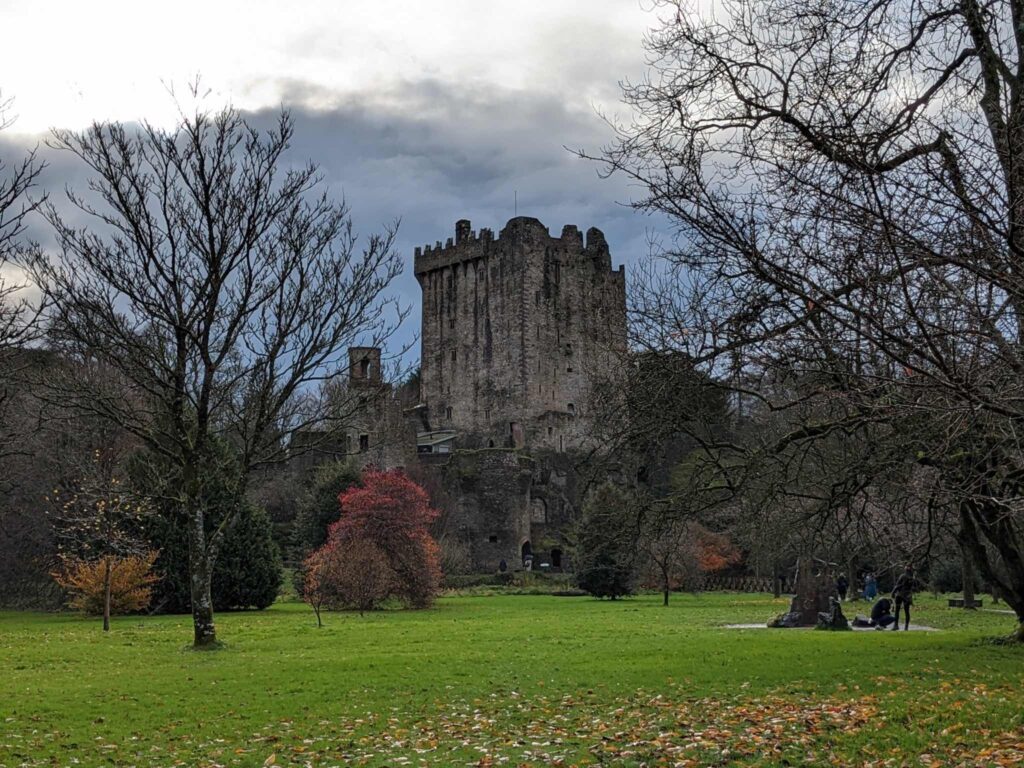
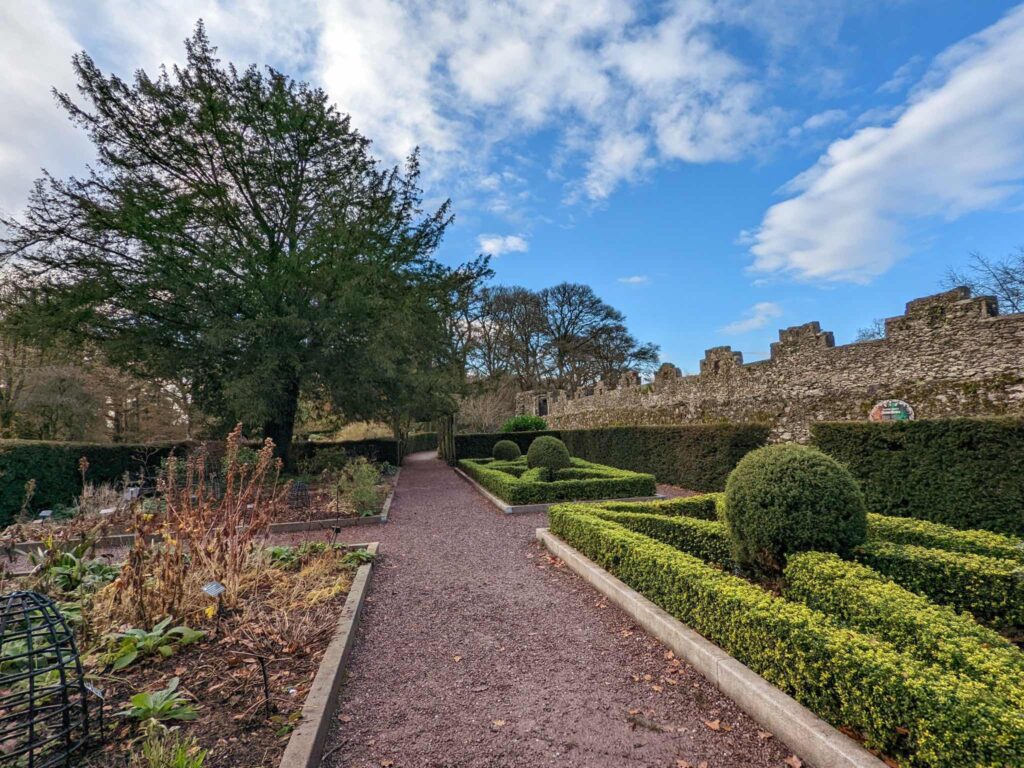
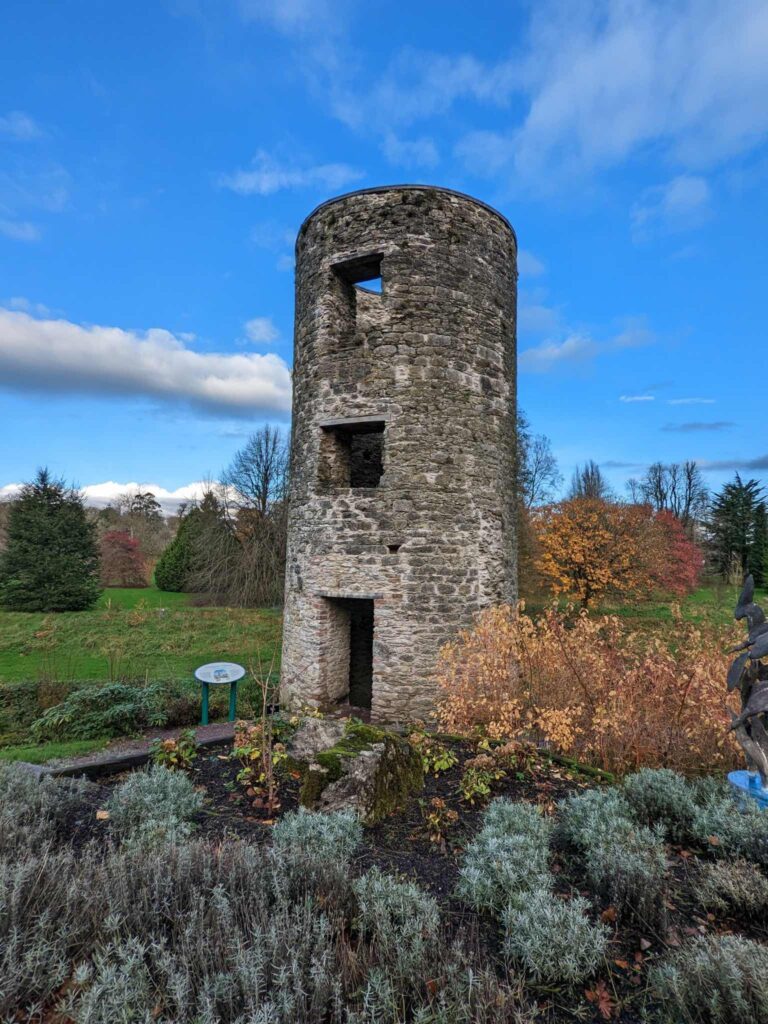
The first view of the castle. Kissing the Blarney’s stone is supposed to give you the gift of the gab, but though we were within kissing distance, we skipped! Ireland’s winter palette is out of this world!Blarney’s Castle is like a fairytale treasure hunt. The tour guide gave us a map and we spent all our time trying to catch the different spots. This was The Seven SistersIf a fairy popped up, I wouldn’t be surprised. The place is magical.Poison Garden. After this D tried to see the Fern Garden and we lost track of each other! These three window towers are all over the place.
Cork
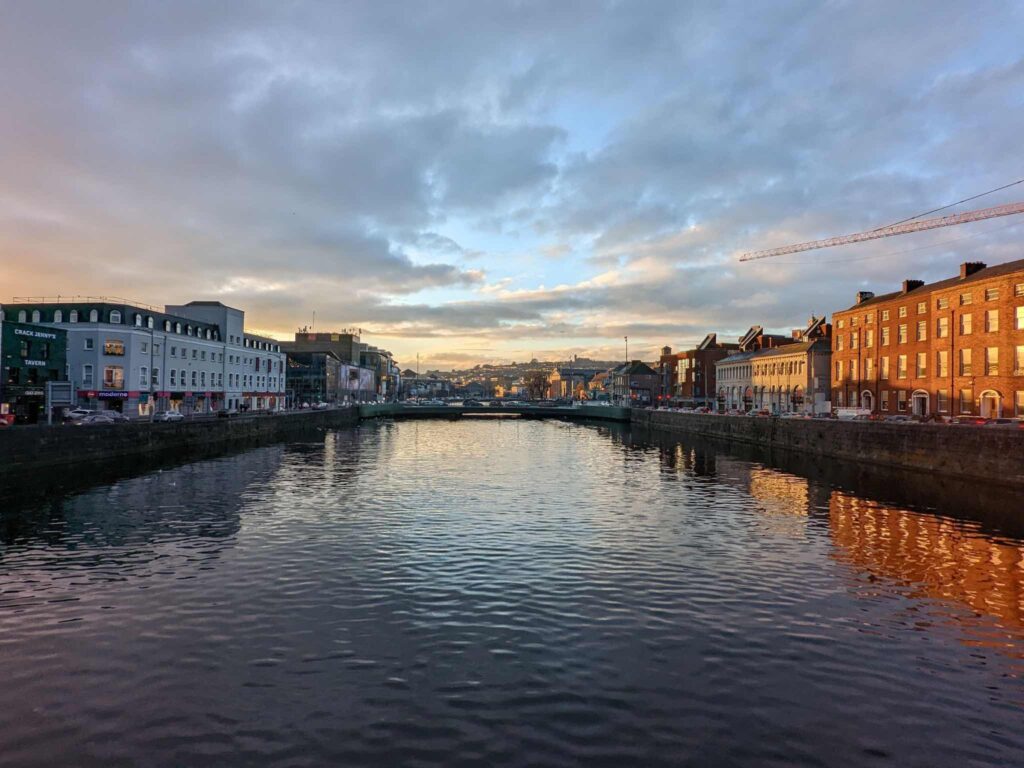
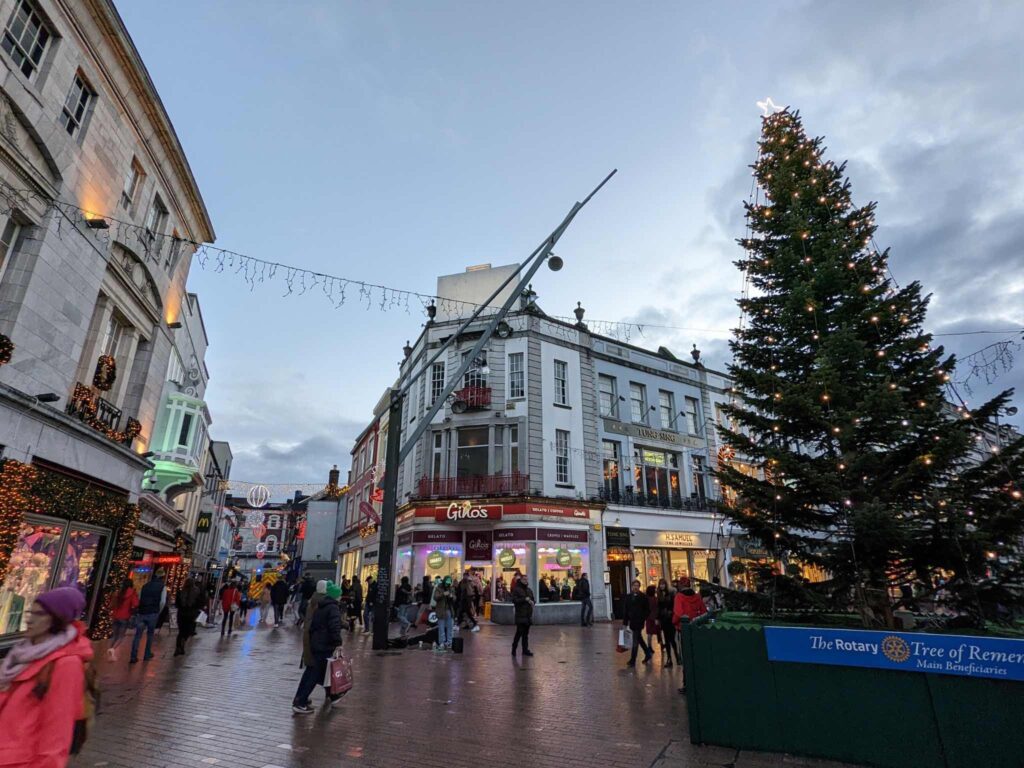
Cork has a lovely small-town charm that was soon to become a signature of many places in Ireland. When we visited, it was all set for Christmas.
Eat/Drink (Dublin)
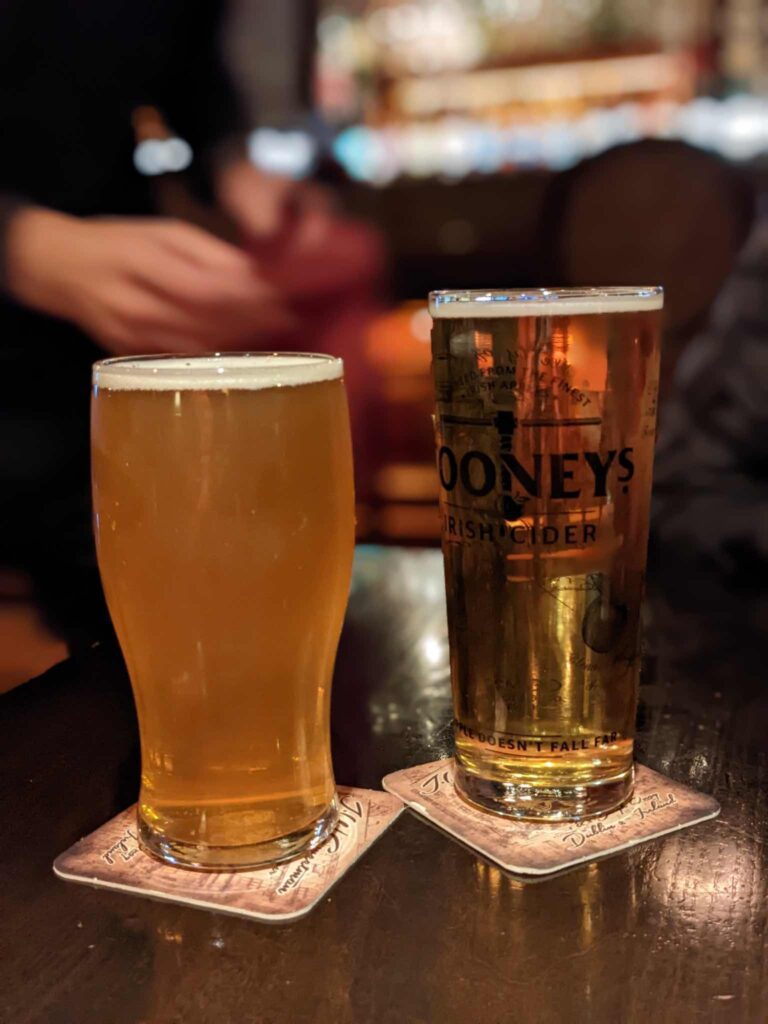
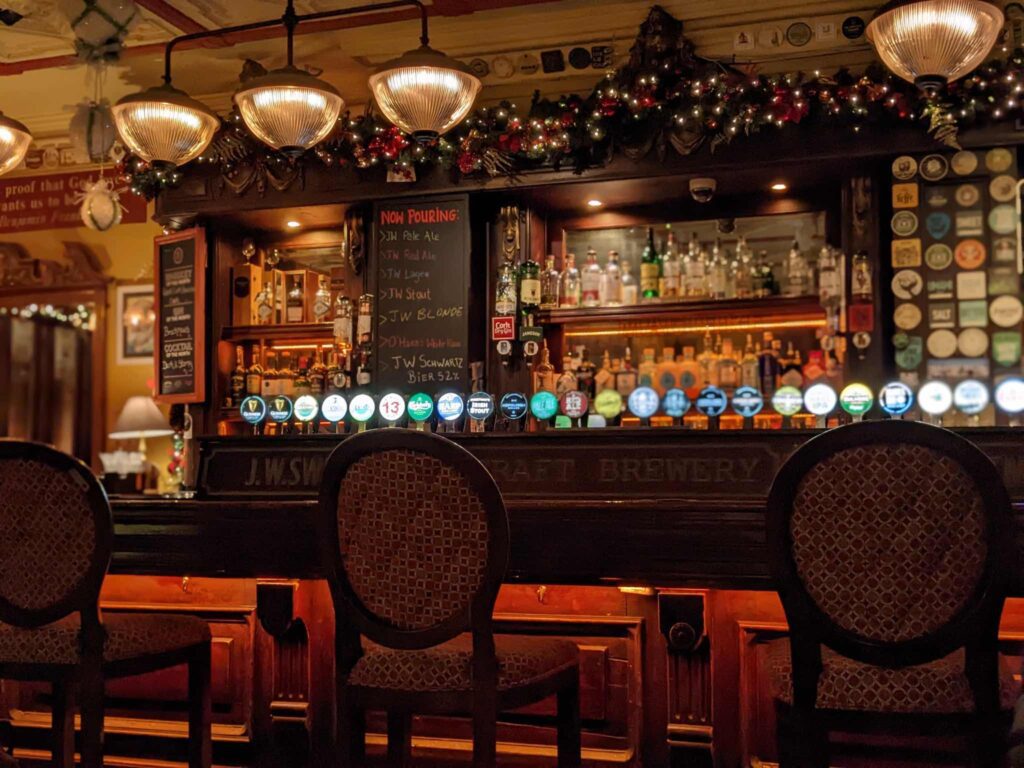
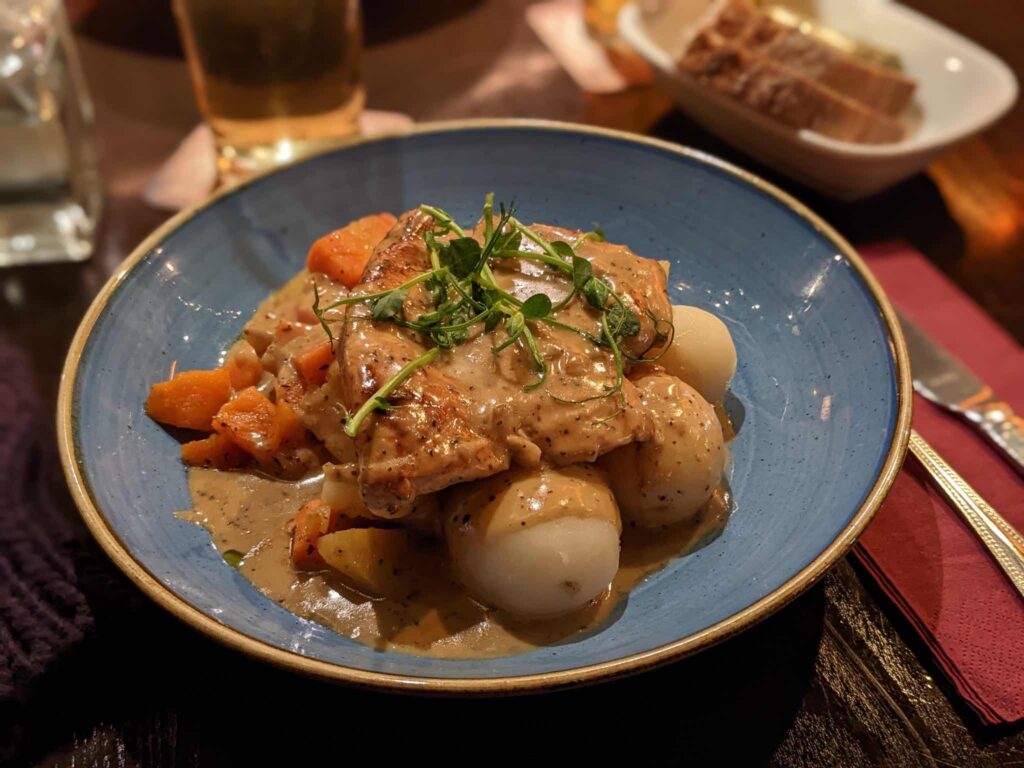
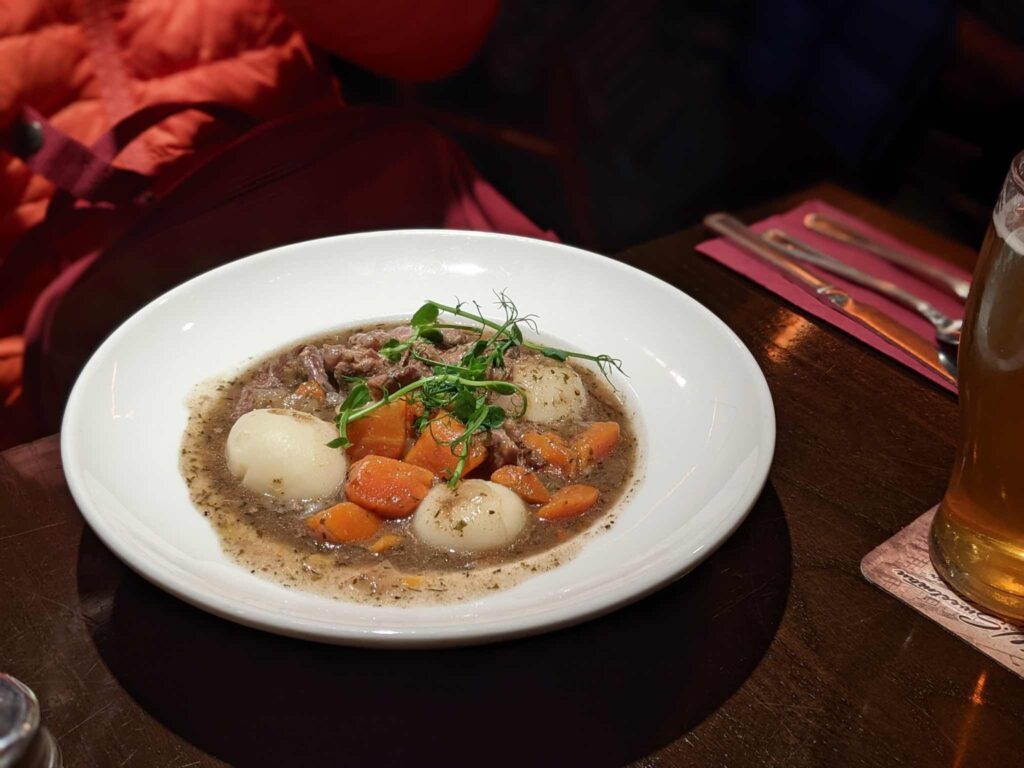
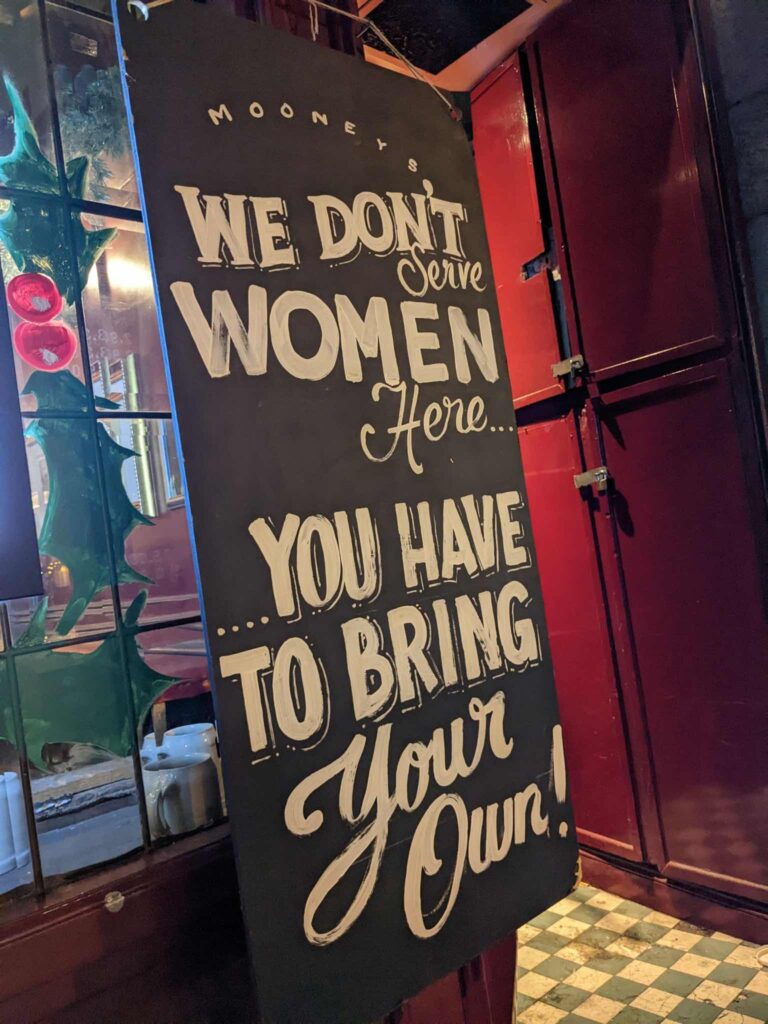
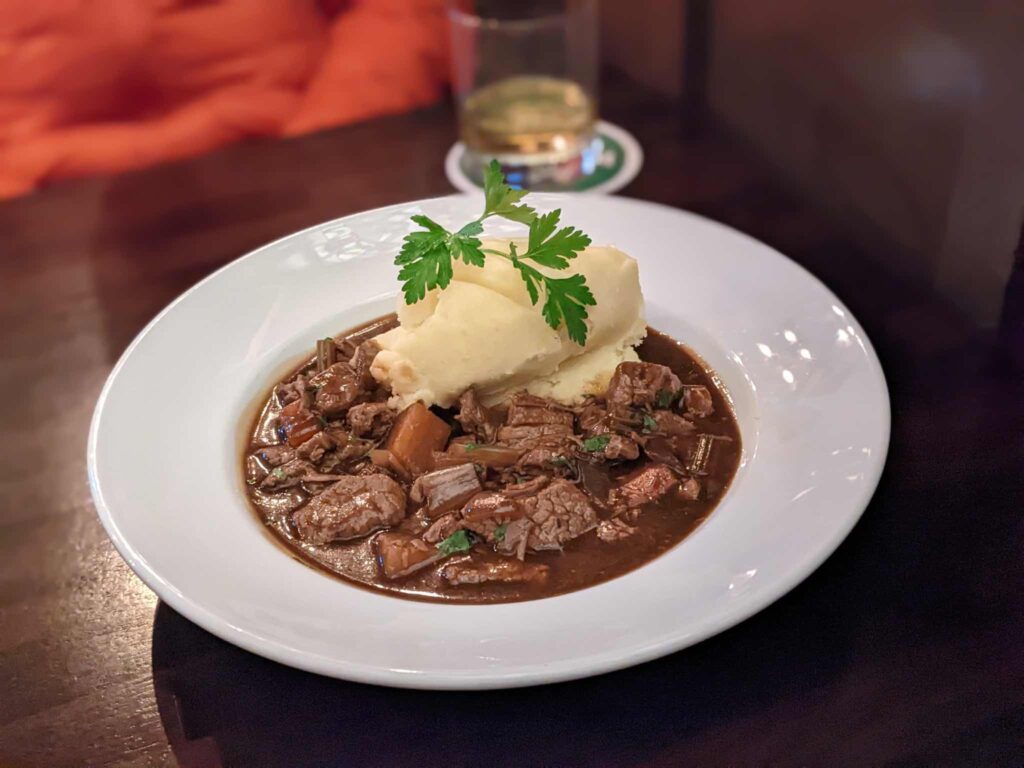
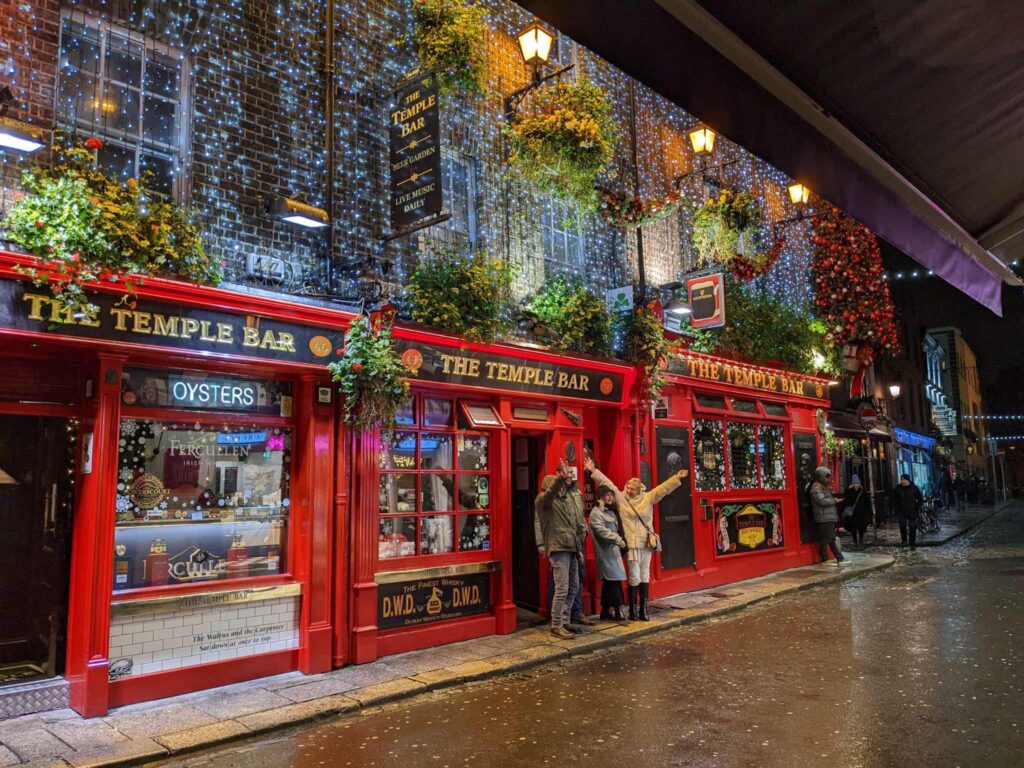
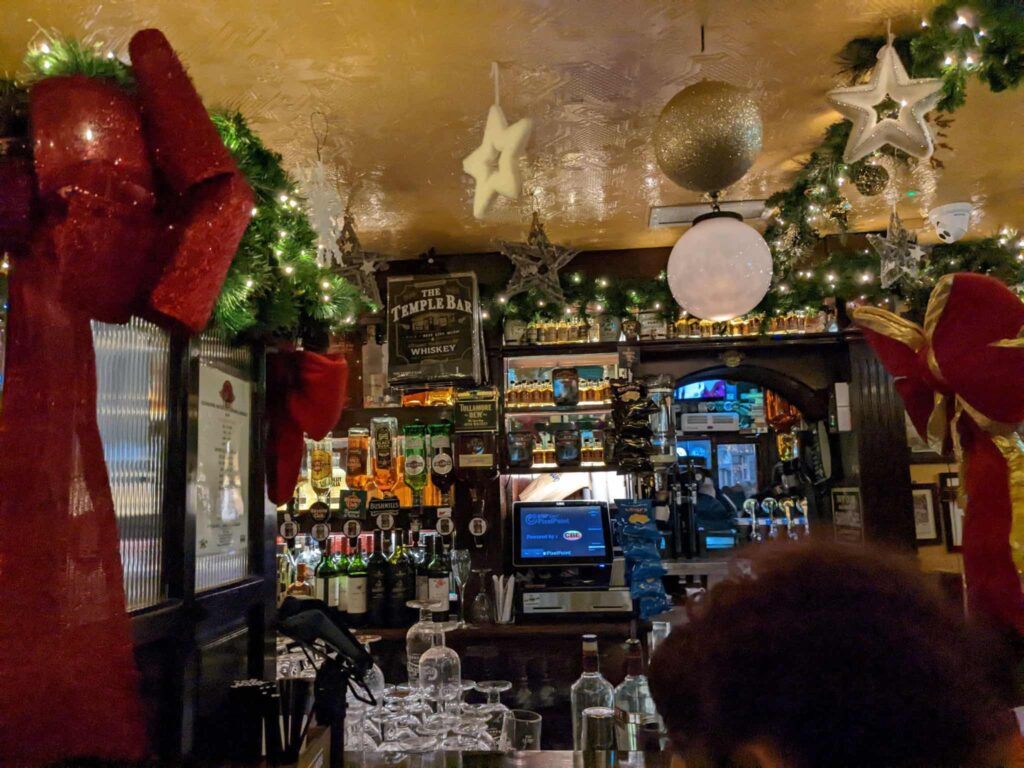
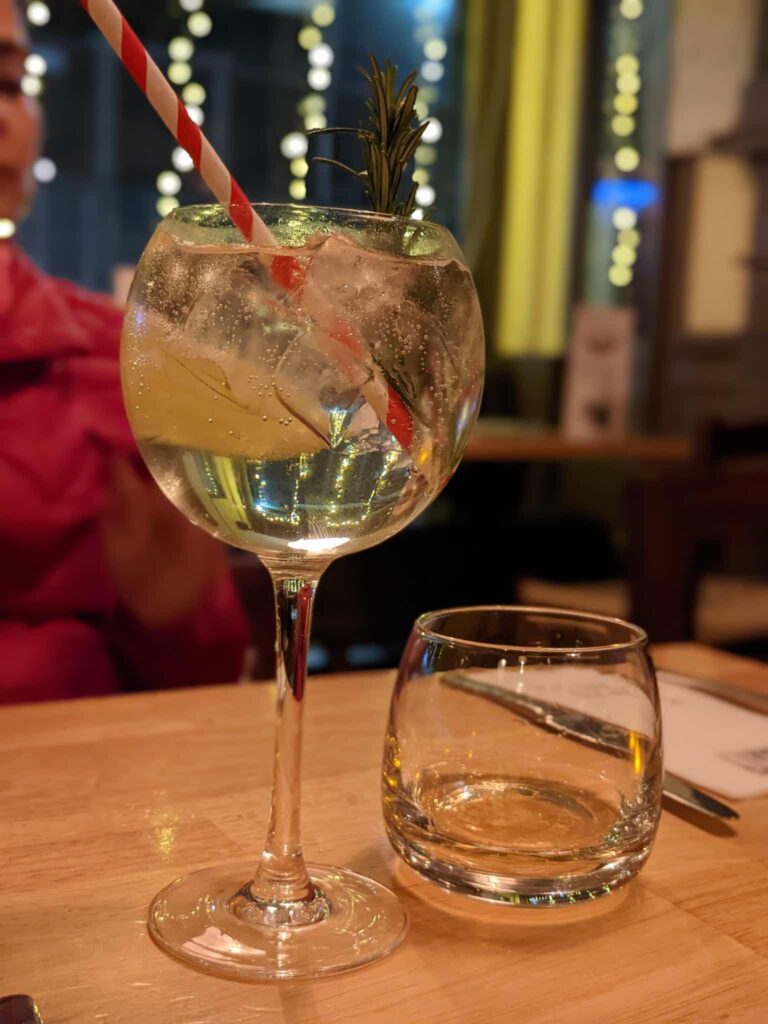
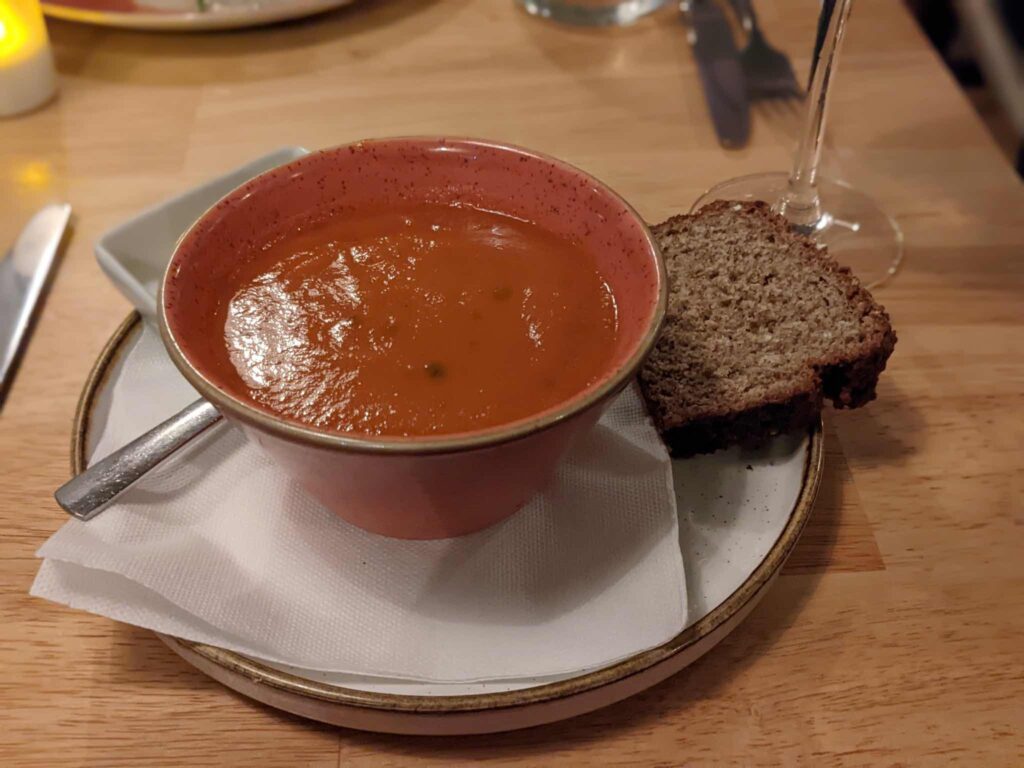
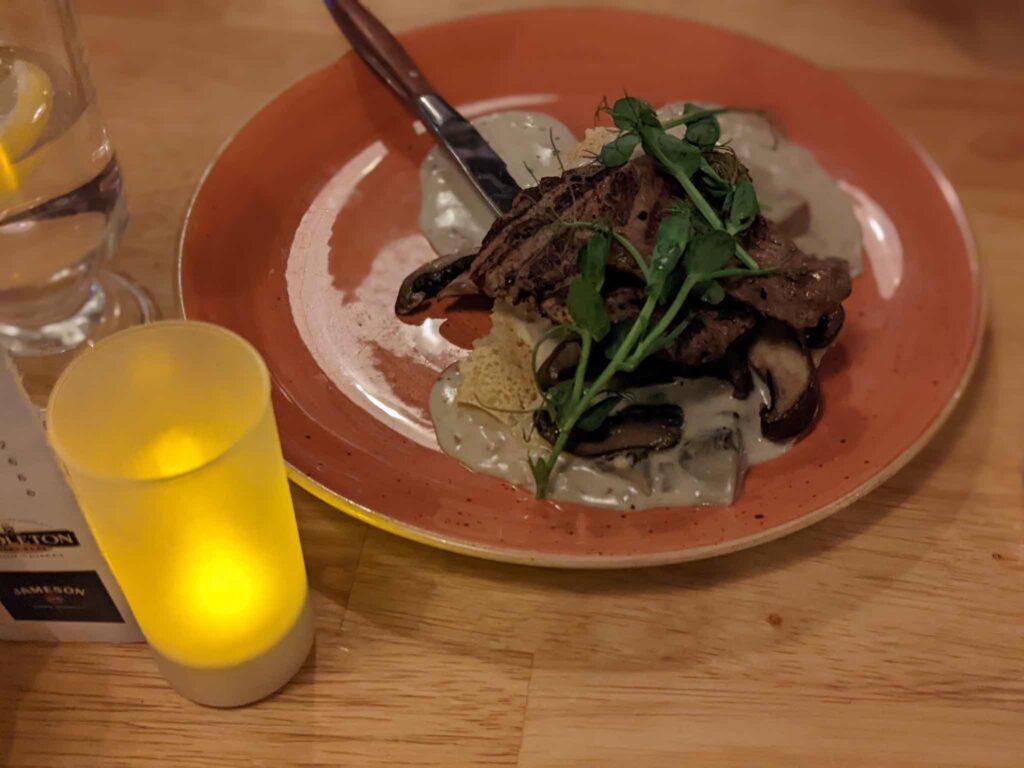
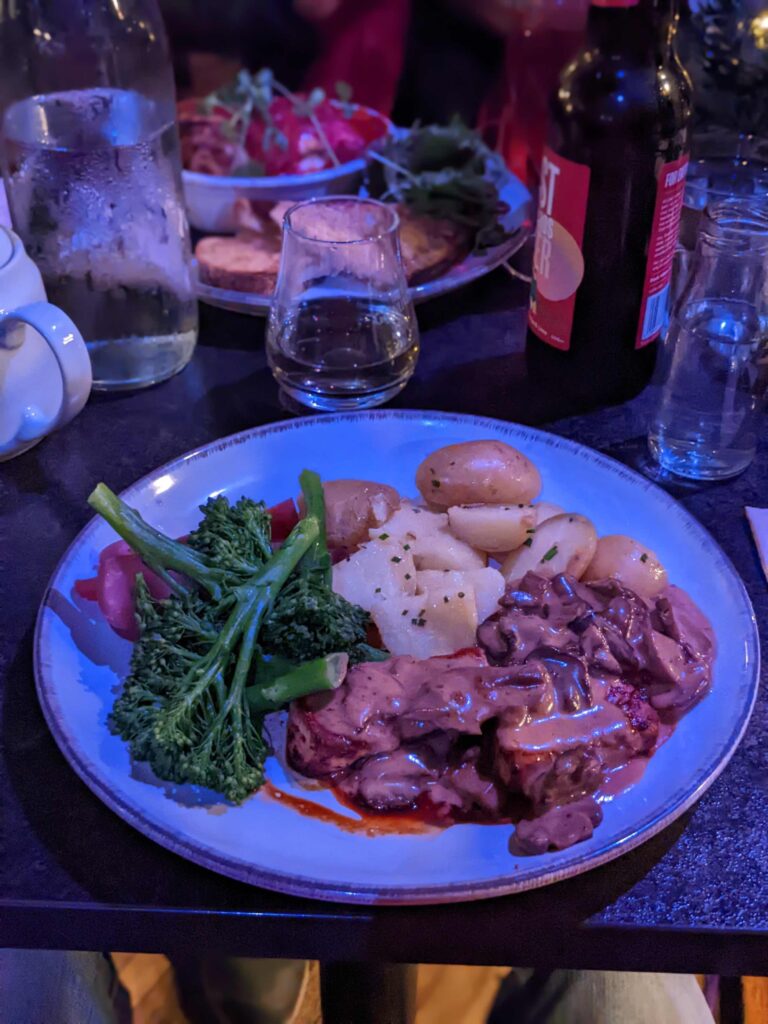
After our bookmarked places turned snooty, D found this wonderful place – JW Sweetmans, where we began with a cider and a golden ale. Now that’s a bar! Whiskey ChickenThe first of our Irish stewsMooneys was a small place near the hotel. And we tried a different version of the stew. The Temple Bar. Might as well call it a temple given the crowds! Everything is priced higher in this part of town.A peek inside The Temple BarAnother favourite spot in Dublin for the great food, drinks, and most importantly, the service. A little note for the warm water and the warmth. Highly recommended. D had a Bertha Gin, and I tried the first of many local whiskeys. This was Teeling, and the one that I chose to finally buy after sampling many others in later days. For a change, I loved the Tomato Soup. This is a Gaelic Boxty. Irish FilletBeef, Teeling Irish Whiskey, Black Pepper & MushroomCream Sauce, on Boxty Pancake
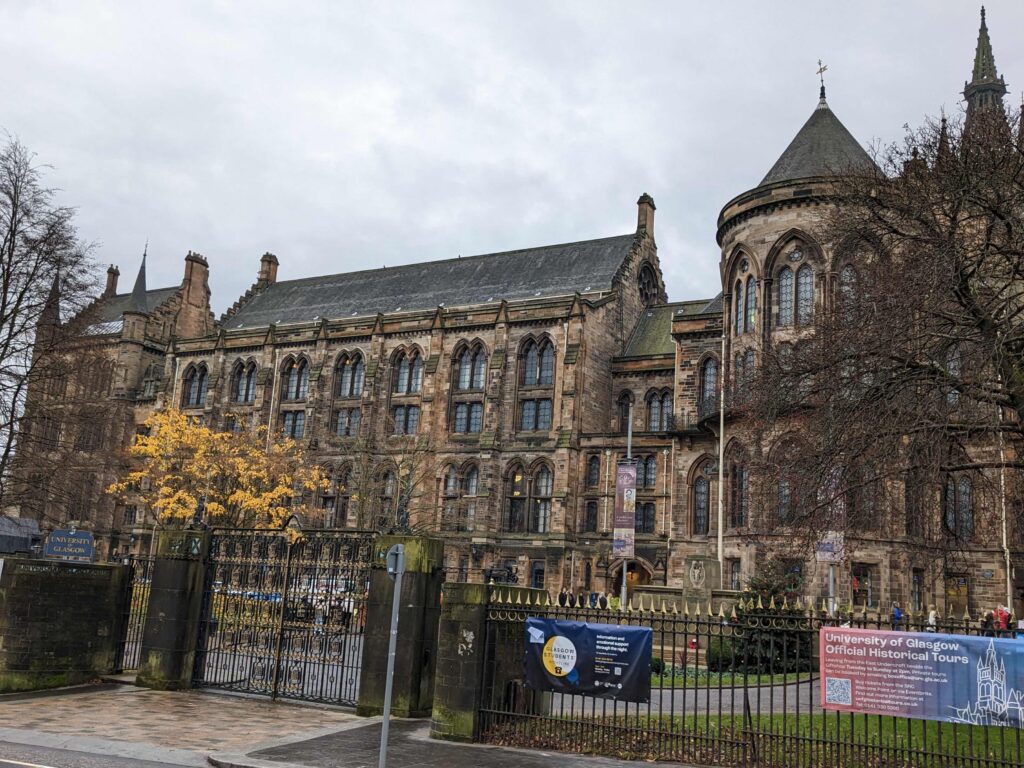
Glasgow was the last of our Scotland destinations, and our primary interest here was the street art. Unlike Edinburgh which had a historical character to it, Glasgow, or at least the parts we visited had a standard city vibe. The only exception was probably the university premises. As usual, we explored the city on foot, but found the First Day pass (bus) pretty useful when the distance was too long.
Stay
We stayed at the Motel One on Oswald Street, which was close to the station, main streets, and had a bus stop right in front. While their entire play seemed to be on design, we found quite a few things off – the check-in rush, the room design in terms of space utilisation, the design of the breakfast area, and the breakfast itself. Thankfully, the time spent here was low enough for this not to be a major irritant.
Our overall reaction to Motel One, Glasgow
See/Do
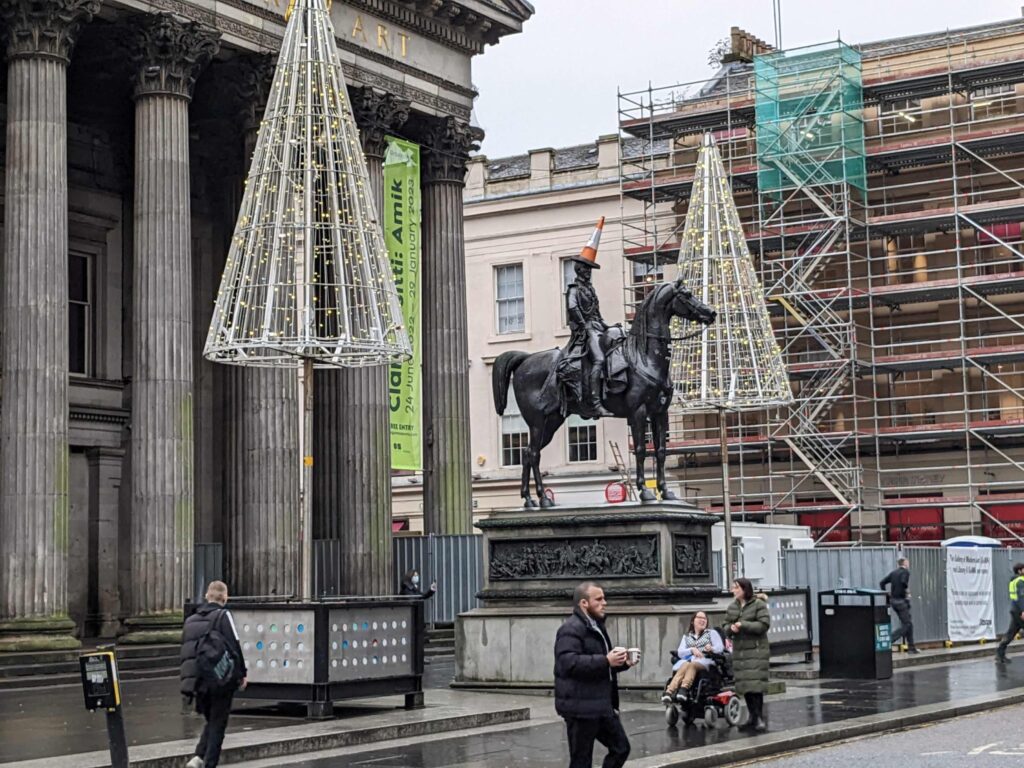
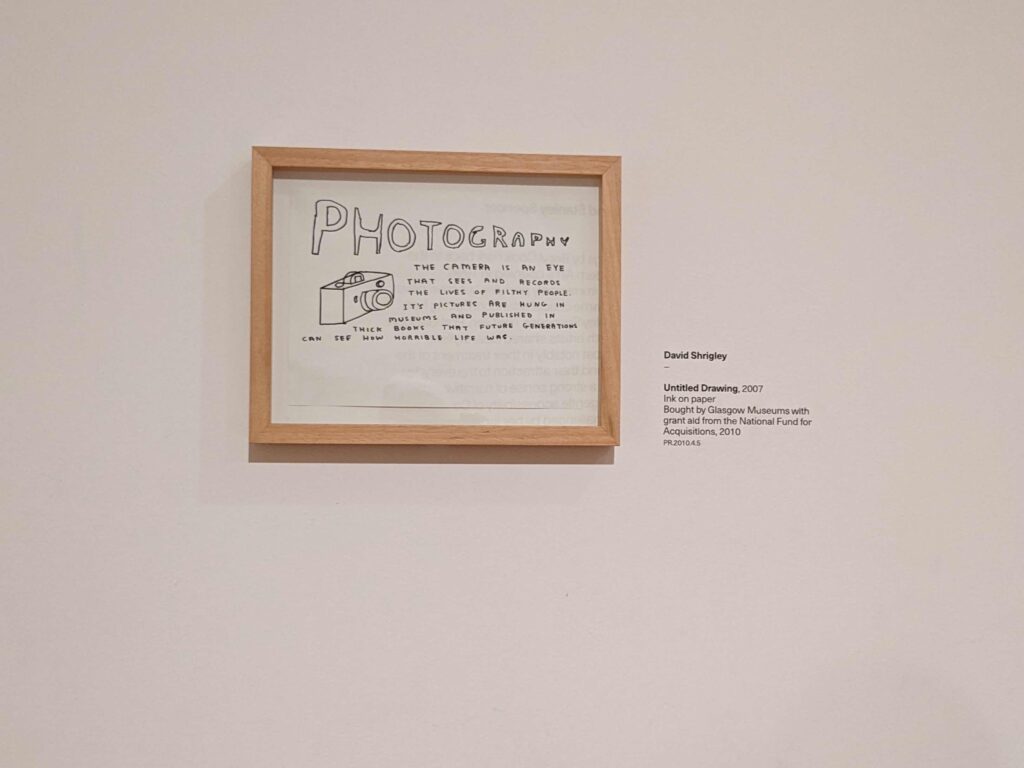
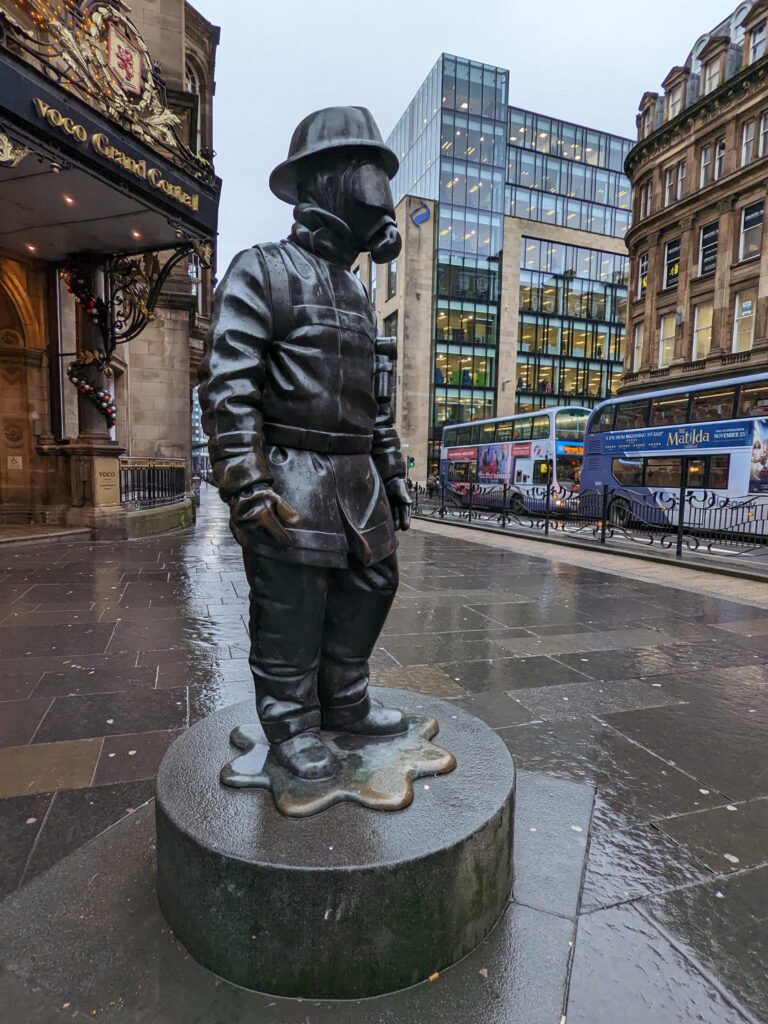
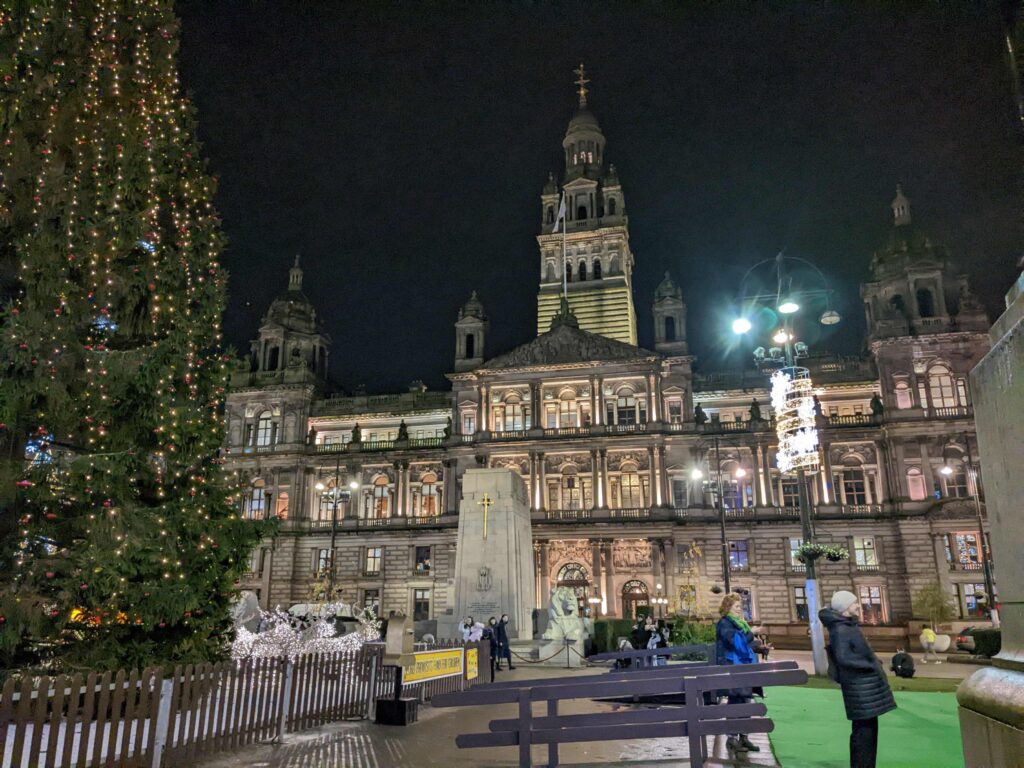
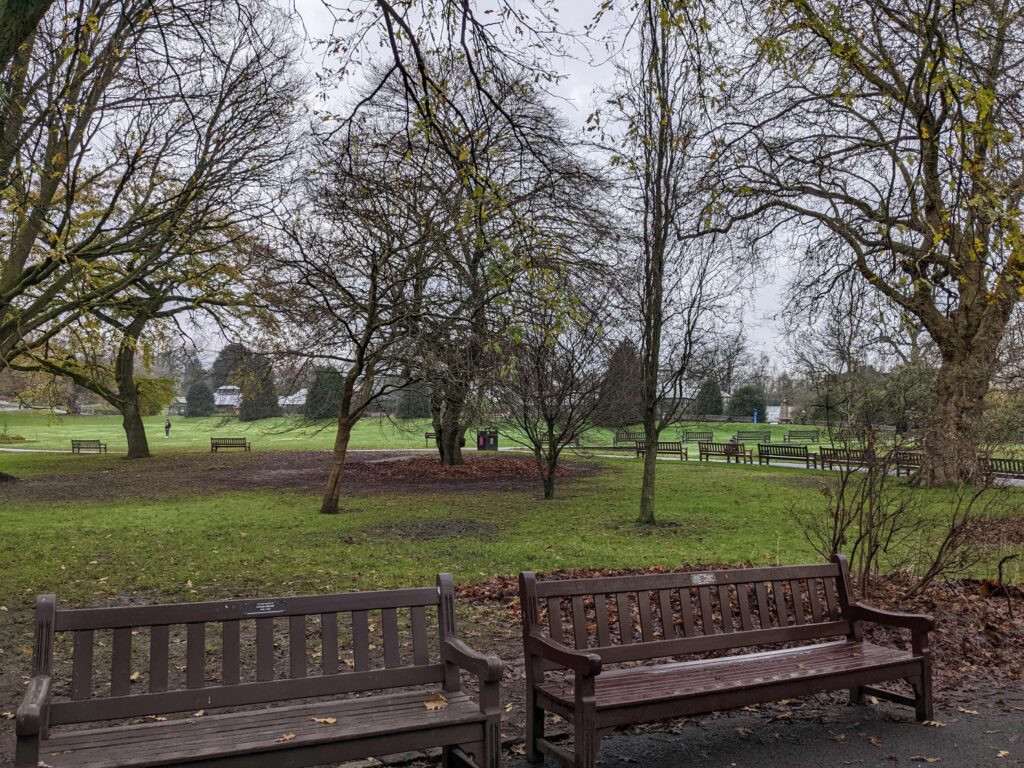
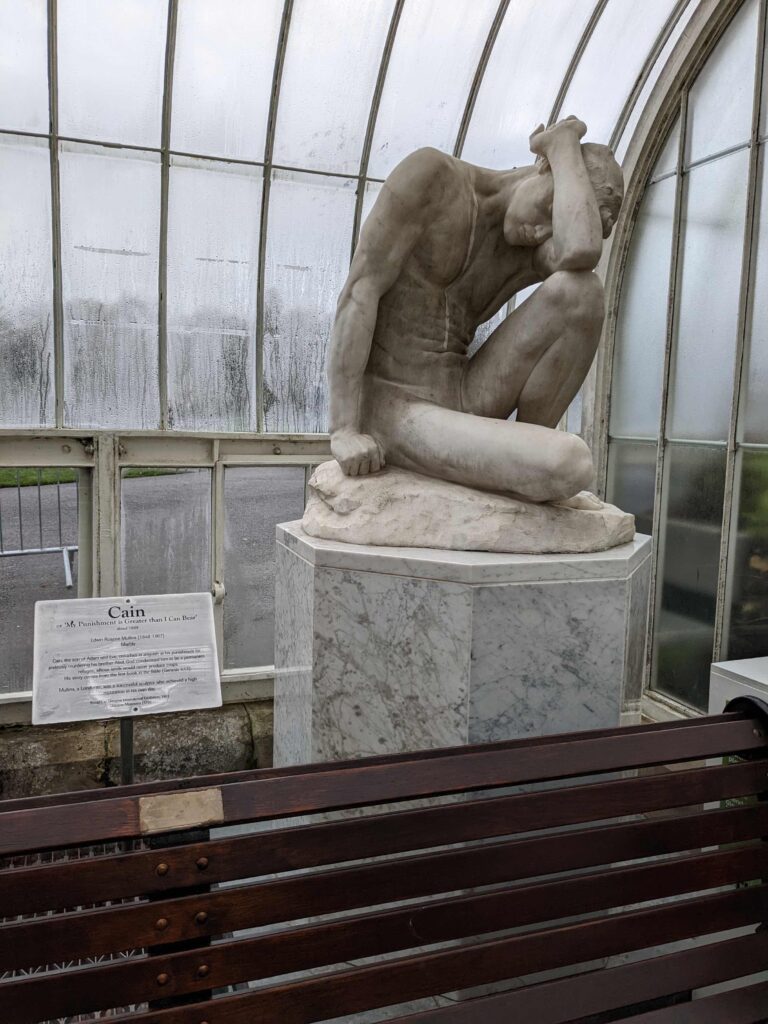
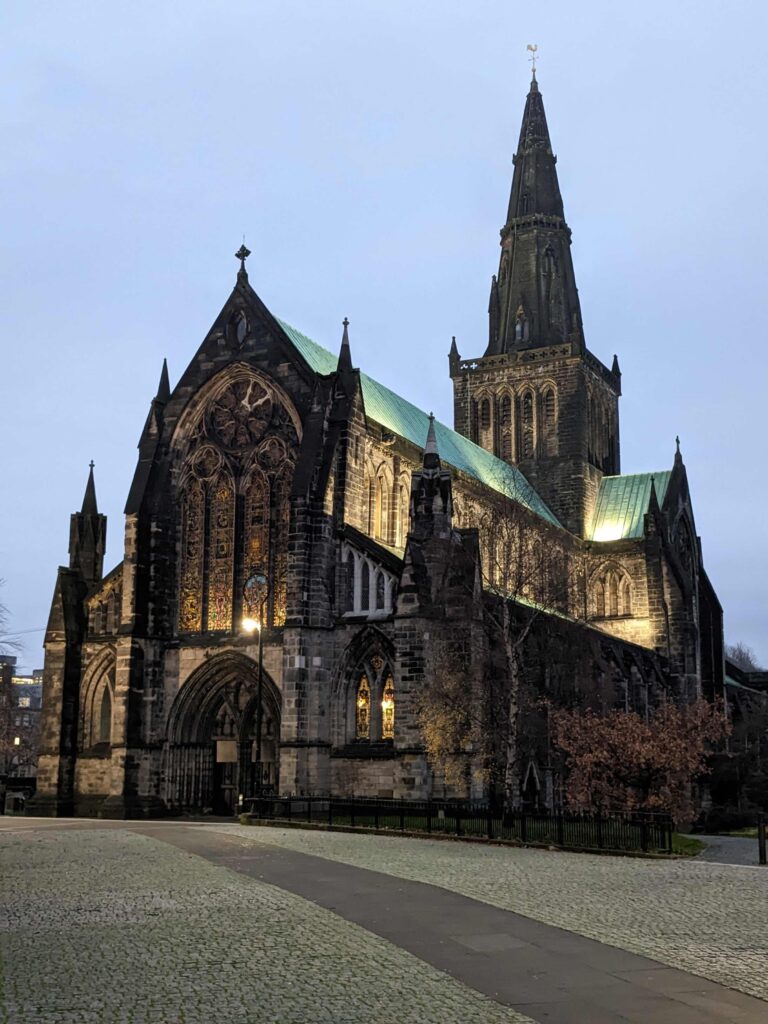
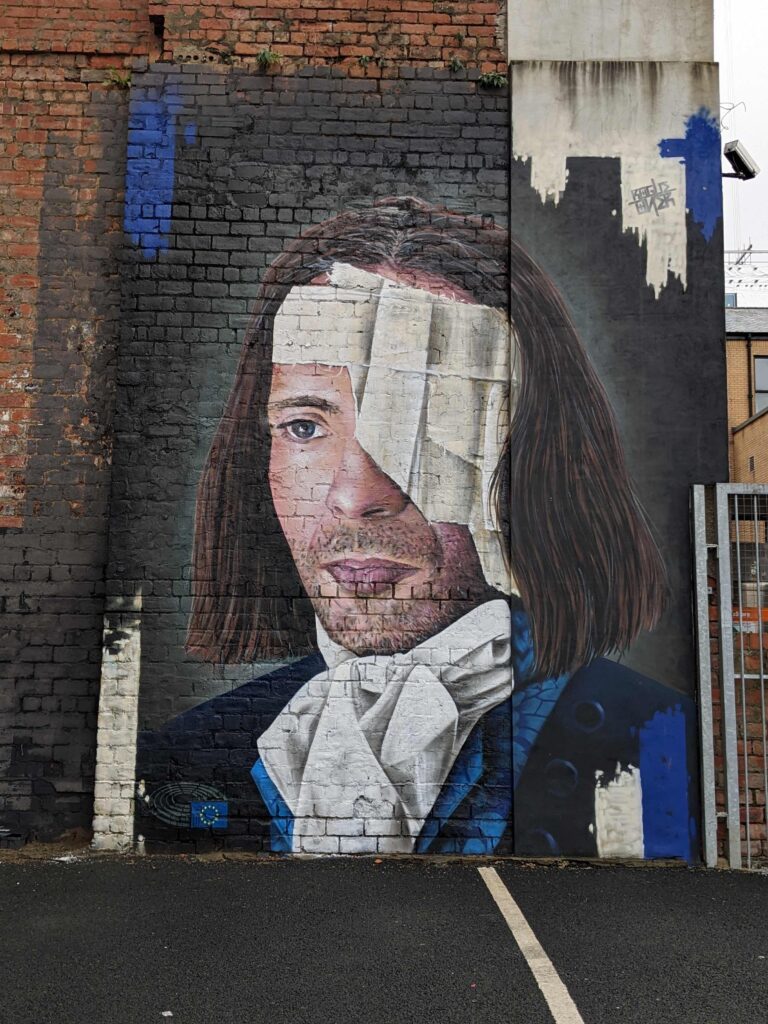
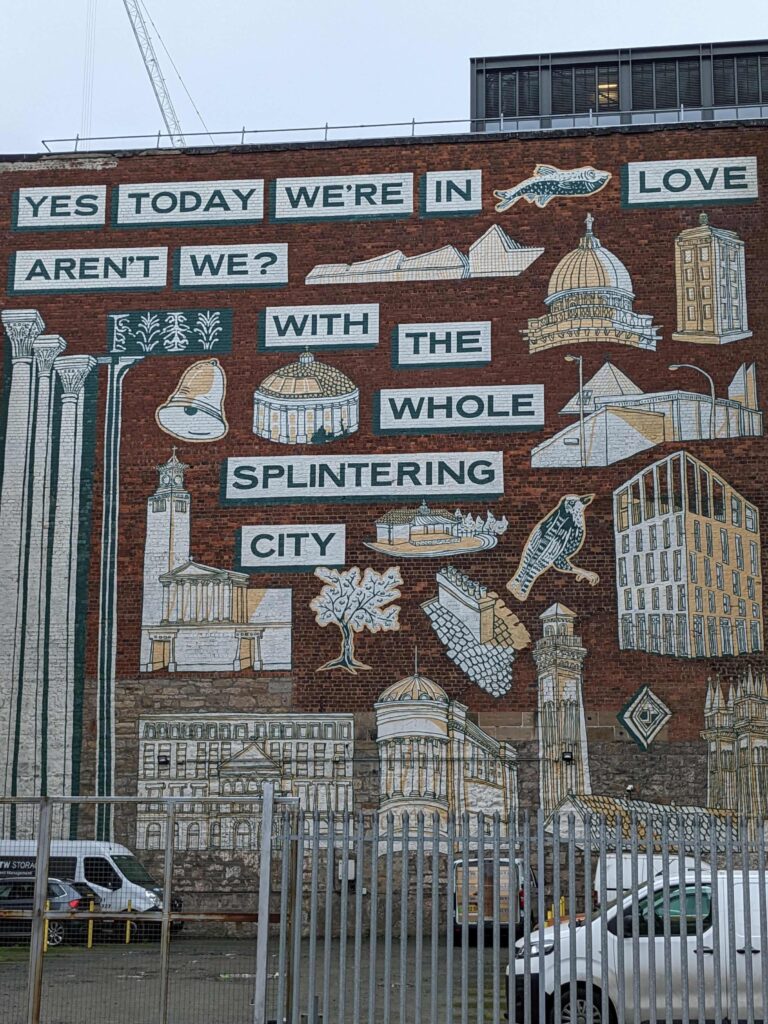
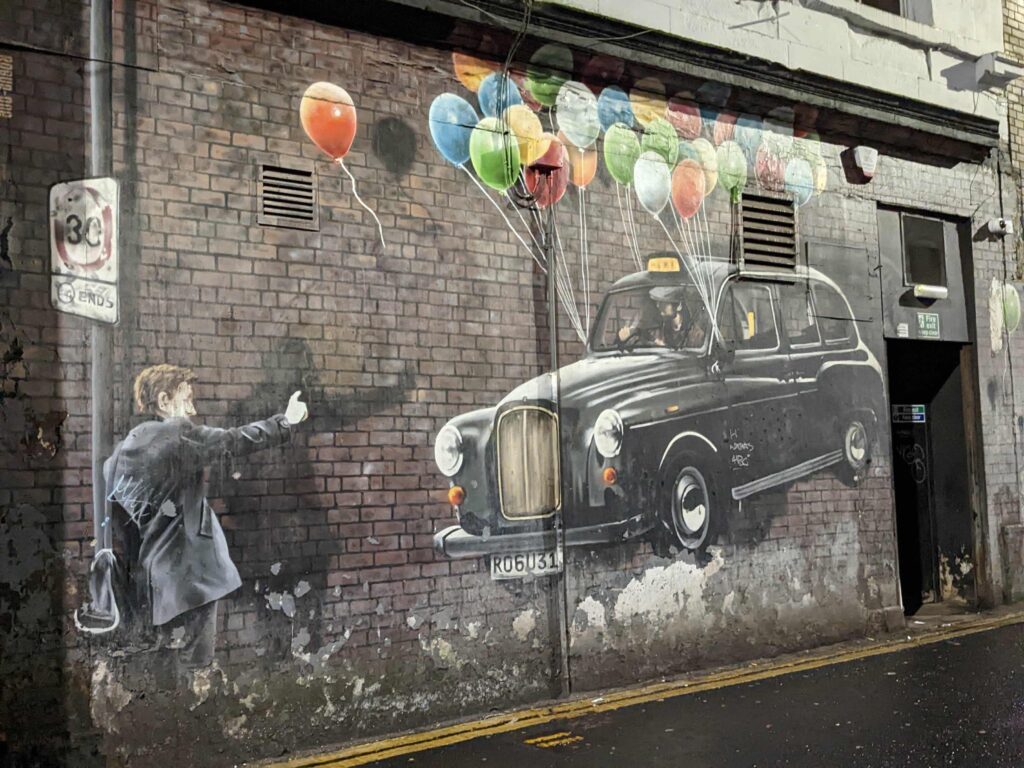
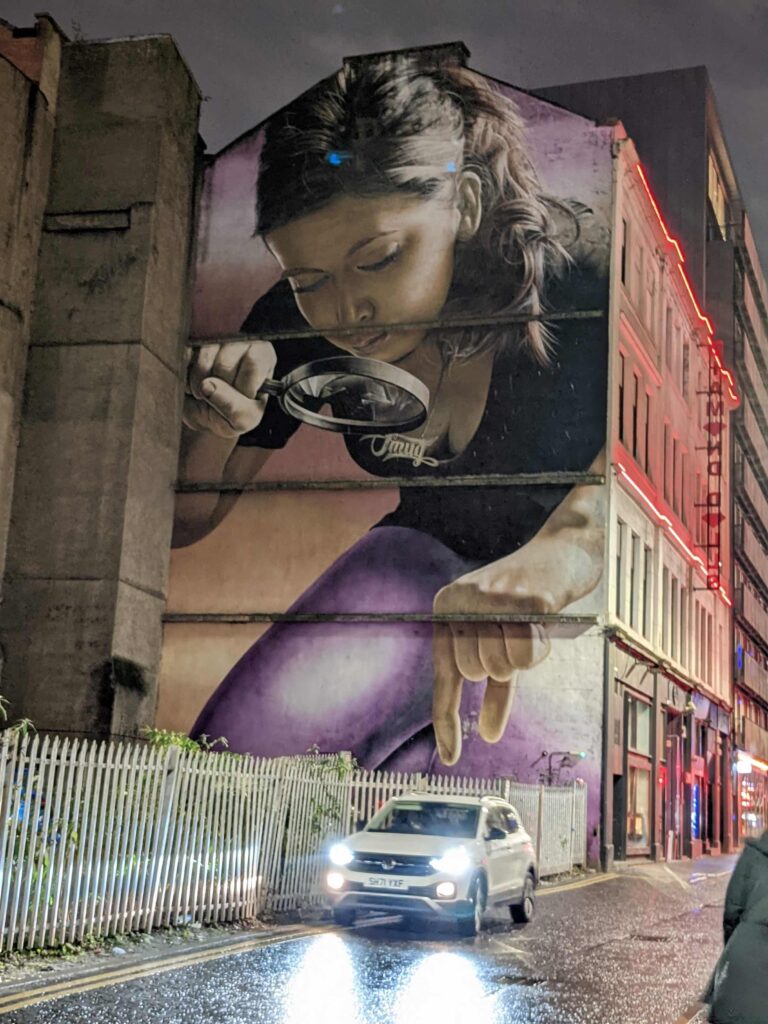
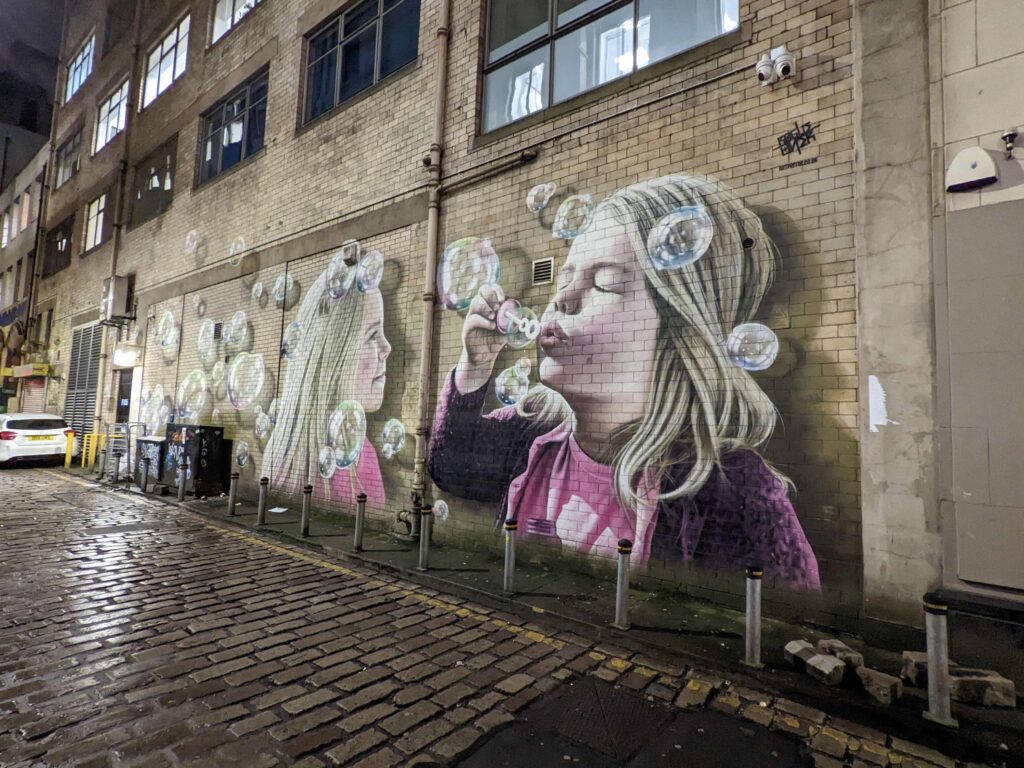
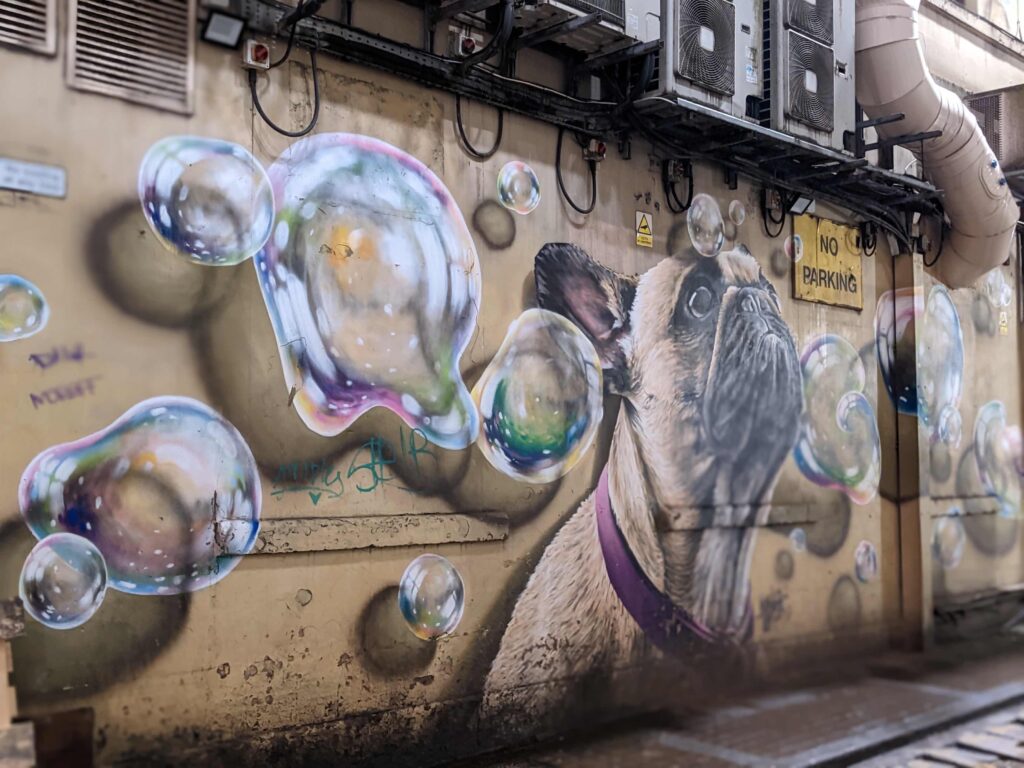
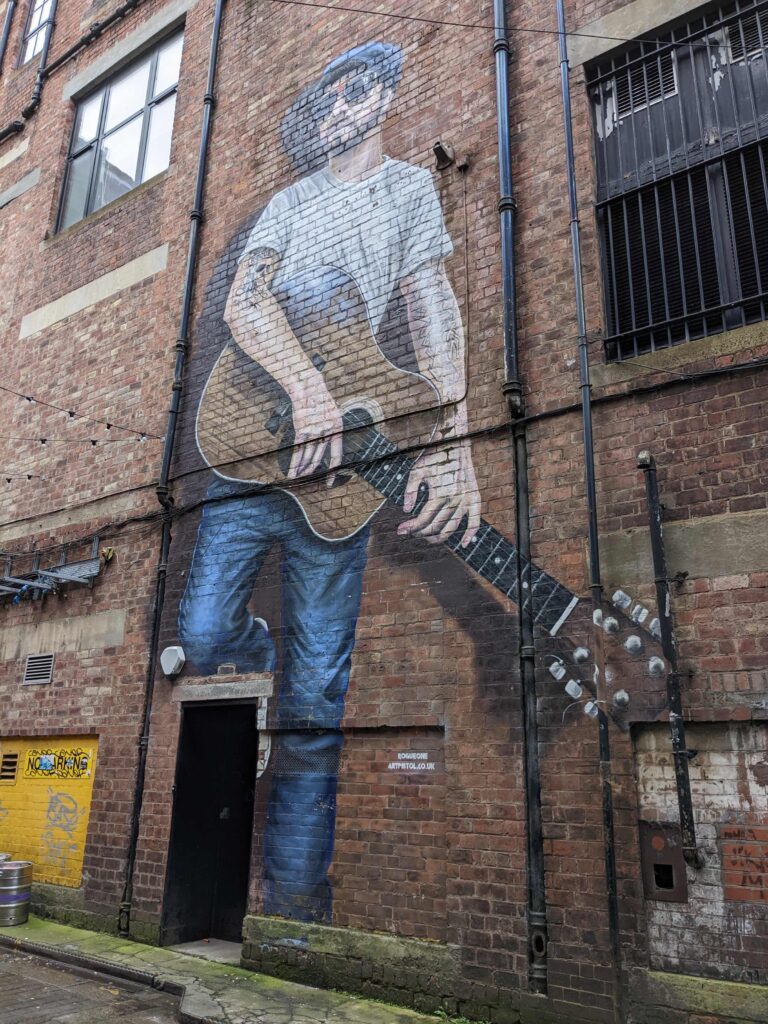
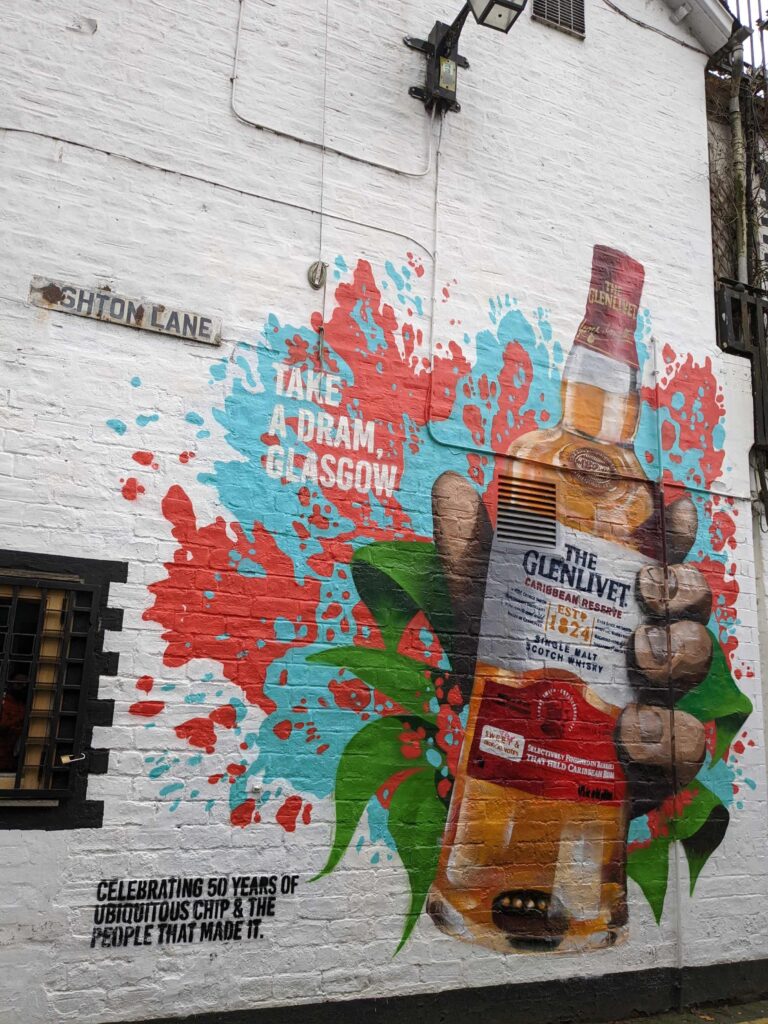
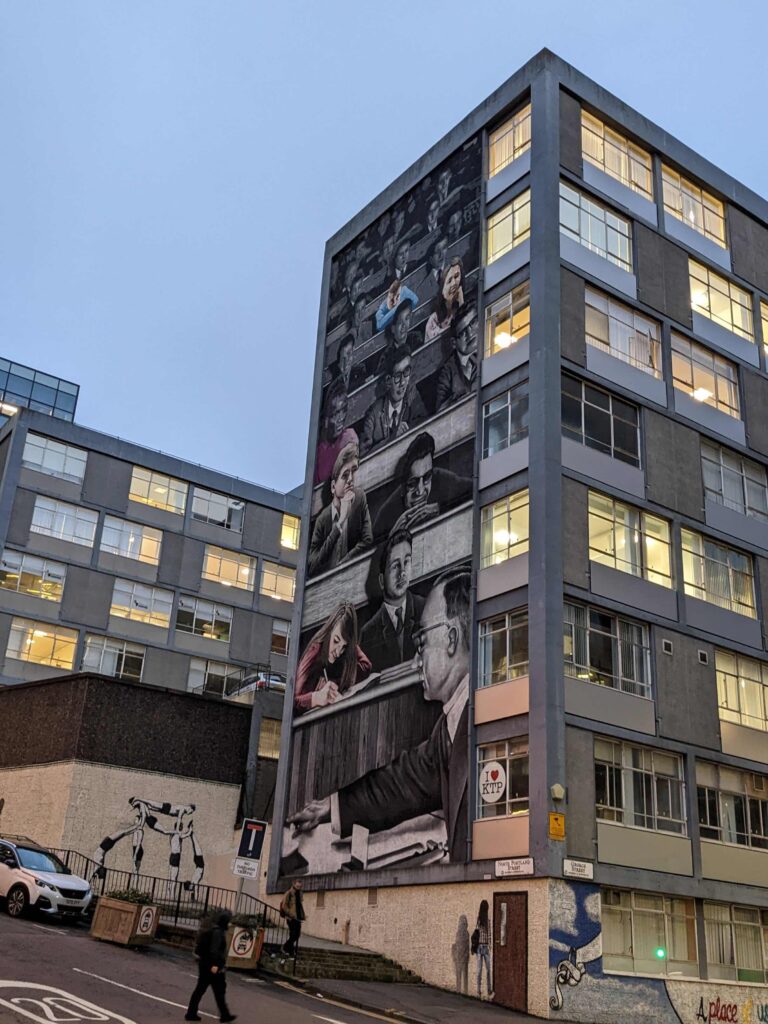
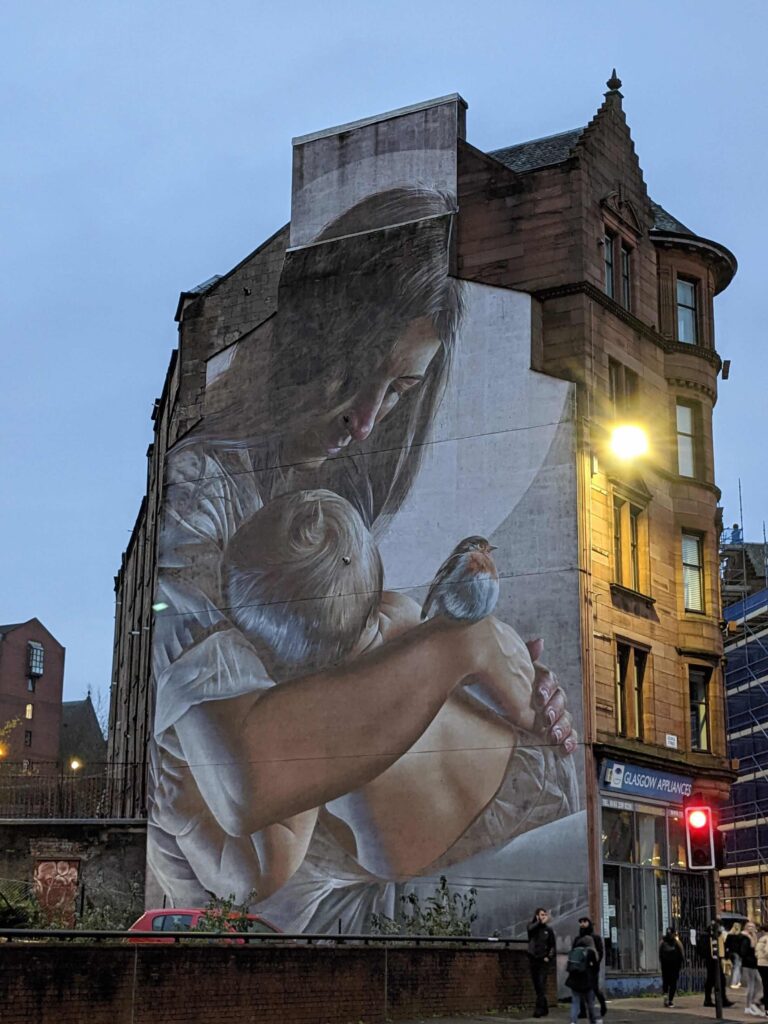
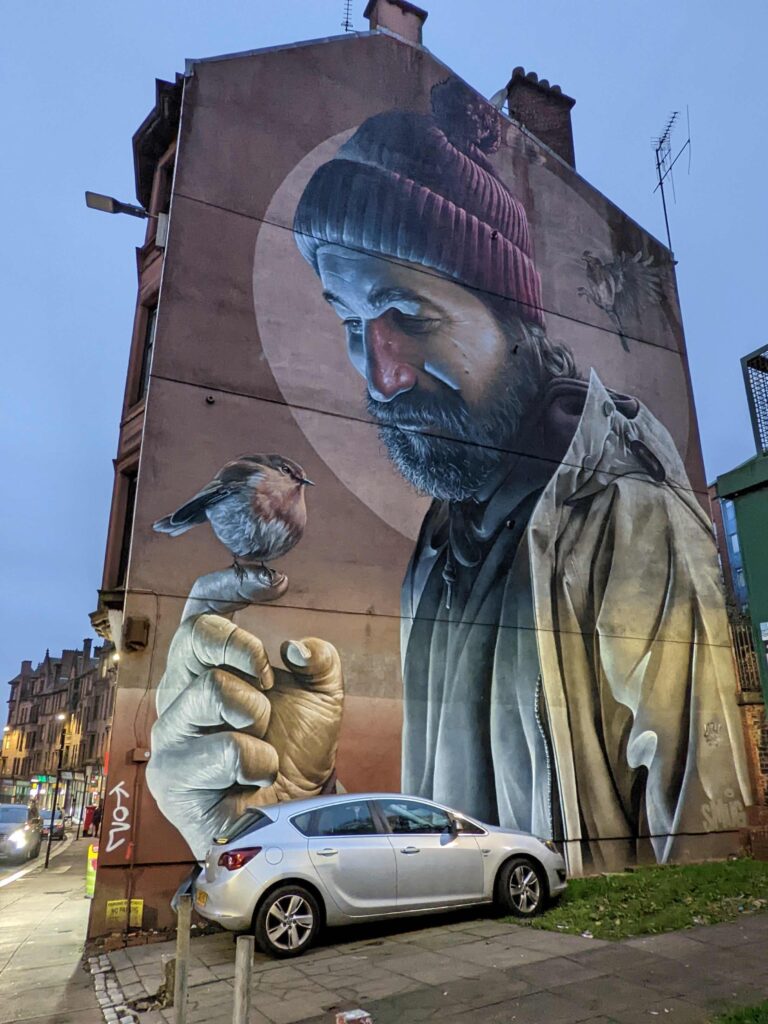
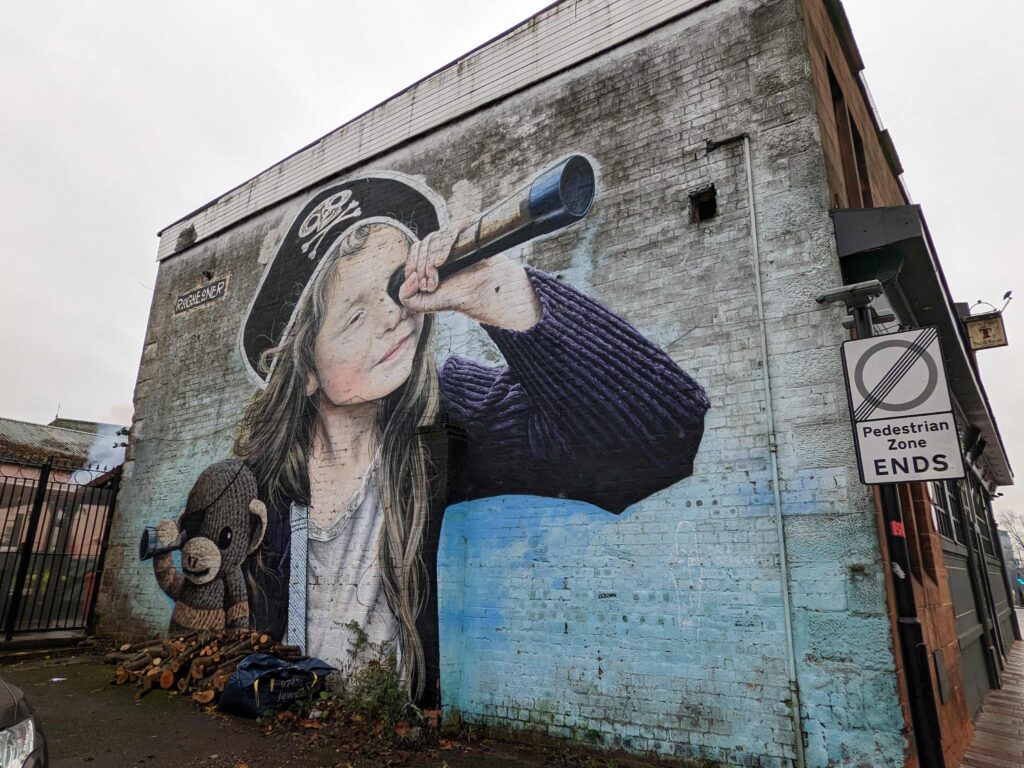
The Duke of Wellington (right in front of the Gallery of Modern Art) continues to be decorated with a traffic cone, despite every effort by the city authorities. An interesting install at the Gallery of Modern ArtThe Citizen Firefighter statue on Gordon StreetGlasgow was dressed up for Christmas already. There were multiple markets – St.Enoch, George Square, Sauchiehall Street… The Botanical Gardens just made us sigh a lot, just thinking about the quality of life. At the Kibble Palace. A good representation of me on the first working day after the vacation!The University of GlasgowInside the Hungarian Museum. Mild Dracarys feel.A stroll along the Kelvin Walkway will help you finish your quota of sighsThe Glasgow Cathedral. Closed by the time we got here. We were also too late to catch the Necropolis view. Street Art (the first of our favourite dozen) Thomas MuirToday we’re in love, aren’t we?World’s Most Economical TaxiHoney, I Shrunk the Kids (I liked how the car fit right in!)Bubbles (Part 1)Bubbles (Part 2)The MusicianTechnically not street art, but I thought they did a good hat tip to the genre. (The Ubiquitous Chip is also apparently a great place to dine)(part of) Strathclyde UniversitySt.Enoch and childSaint MungoBarras Pirate
Eat/Drink
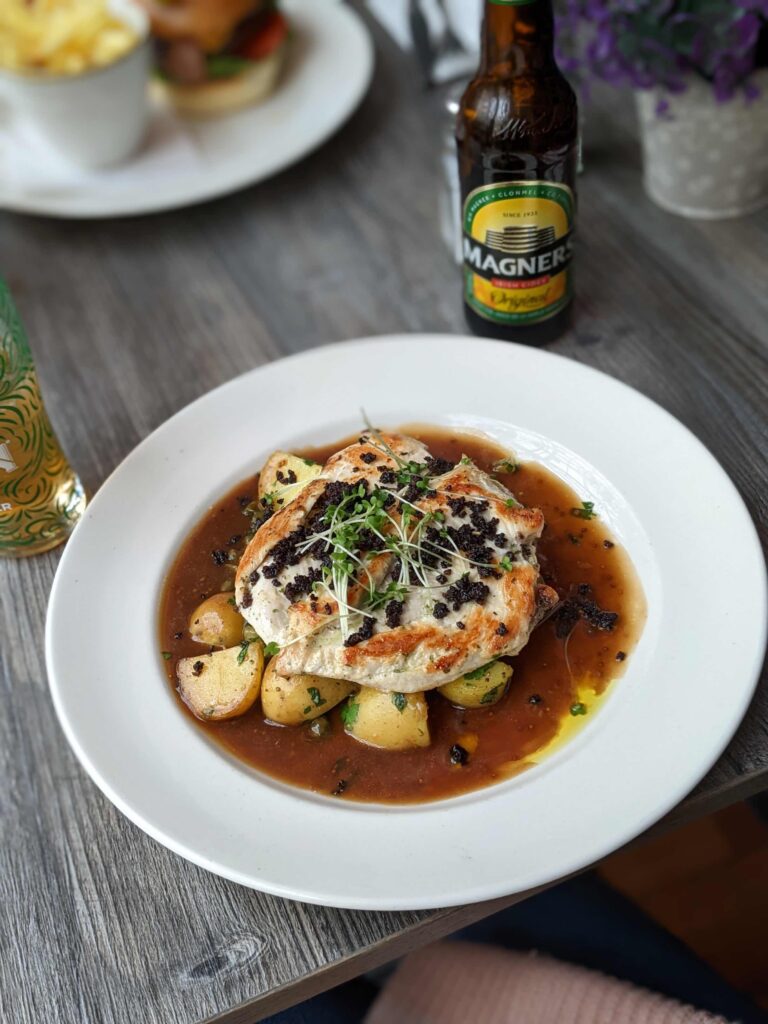
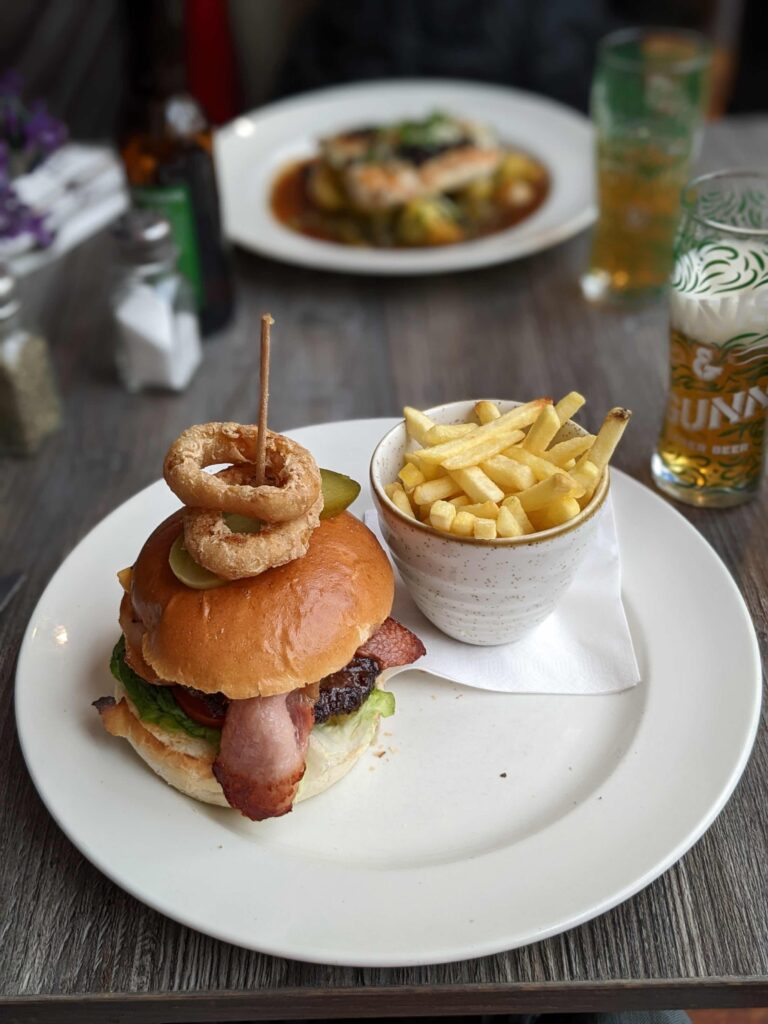
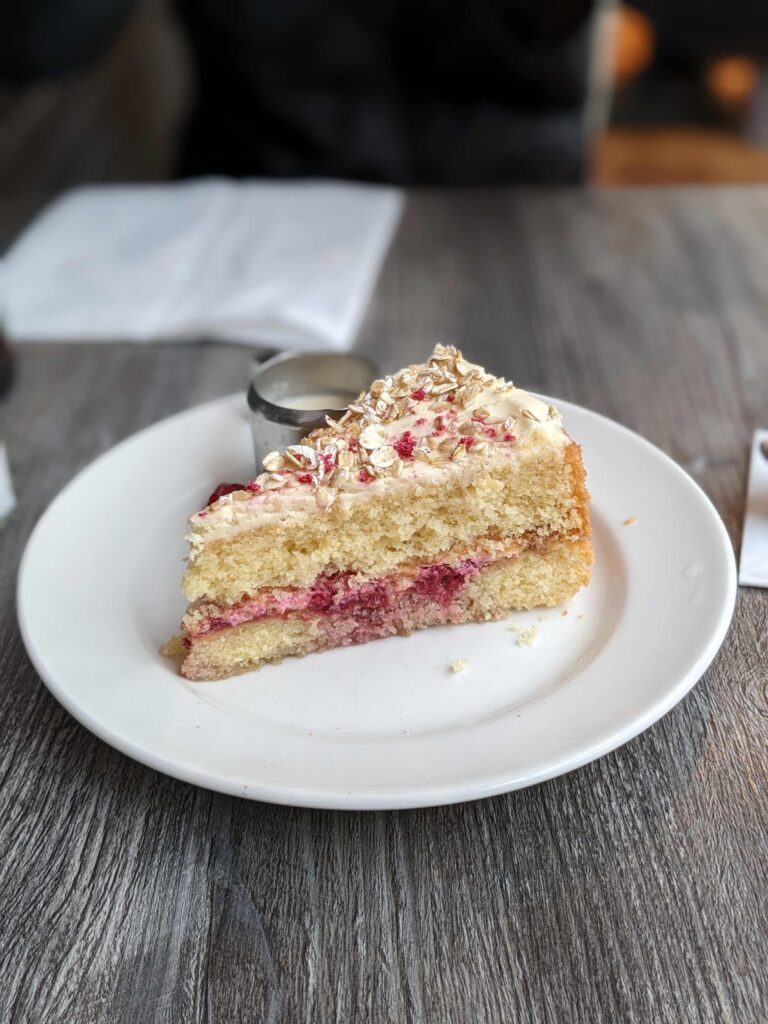
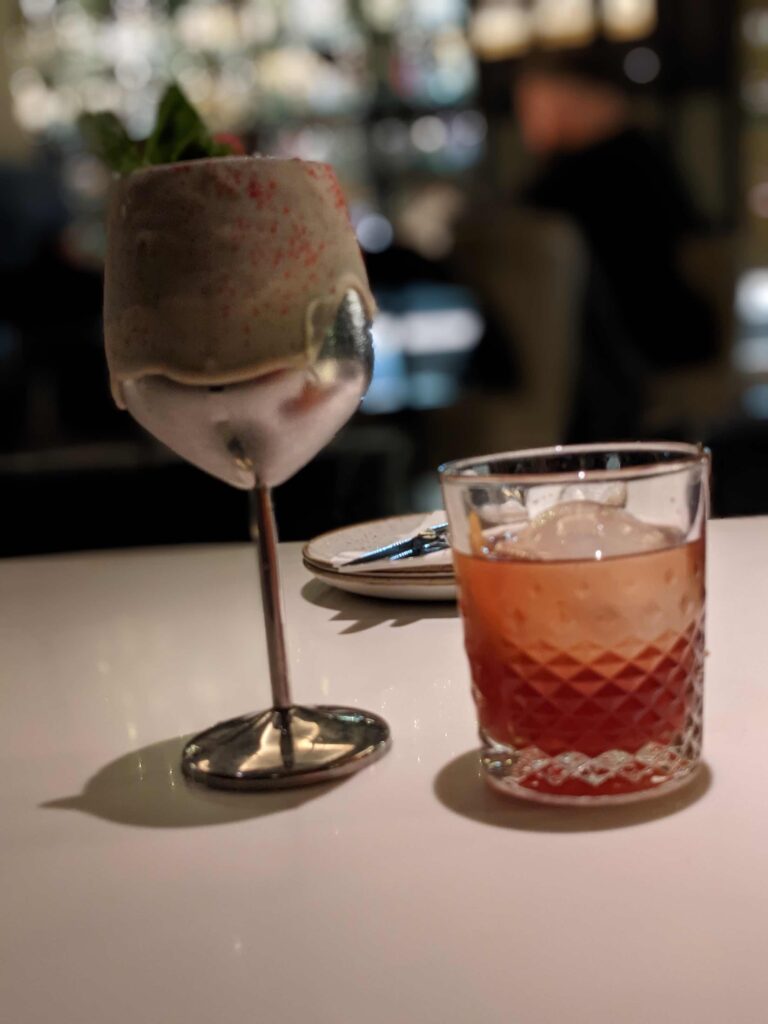
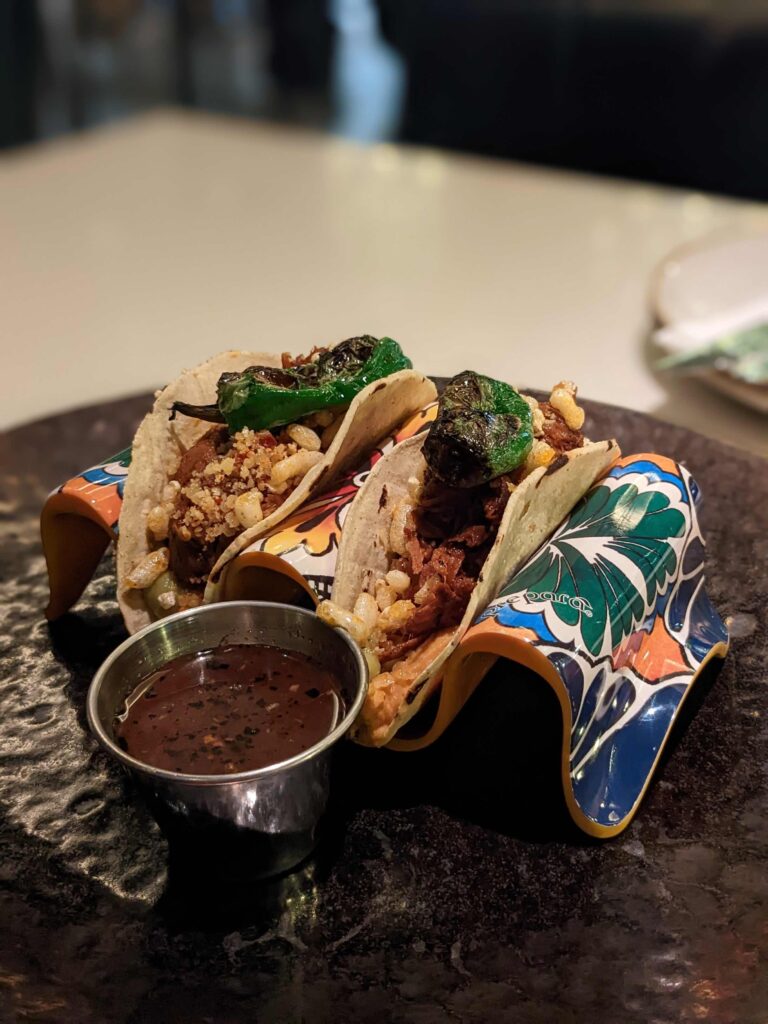
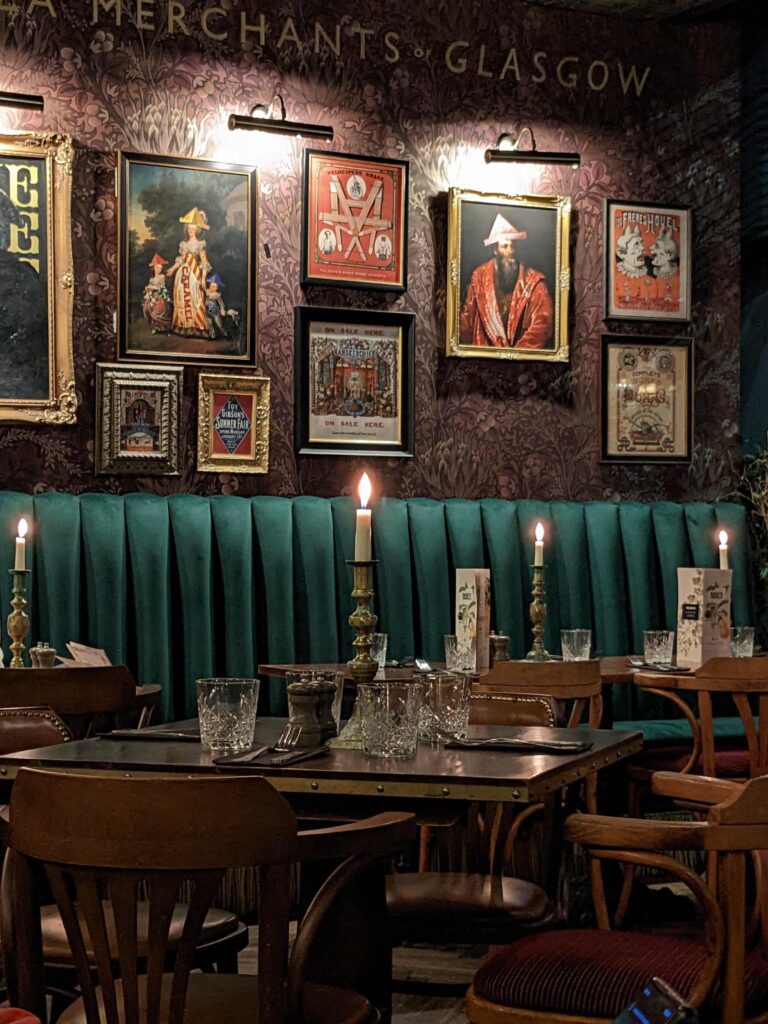
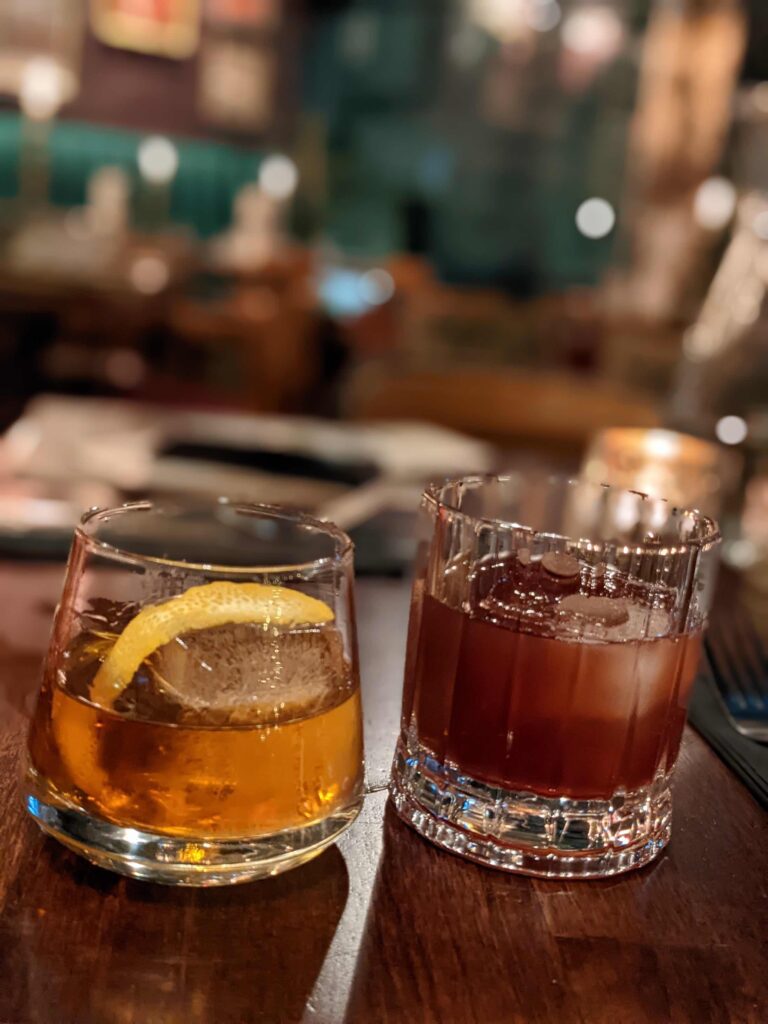
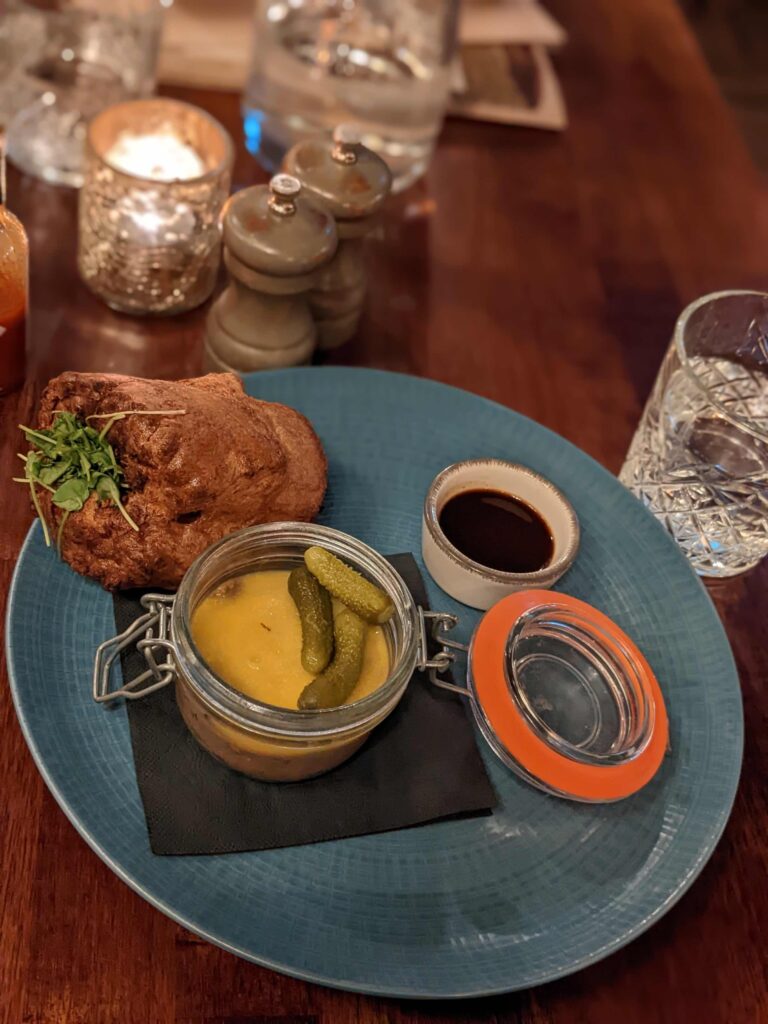
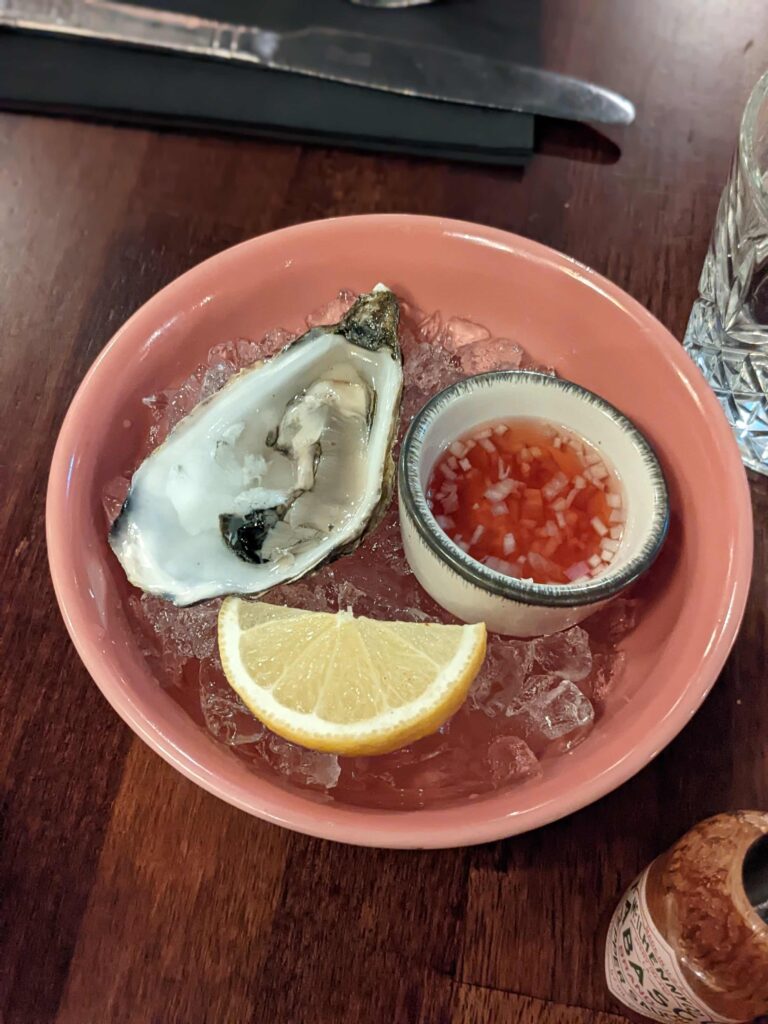
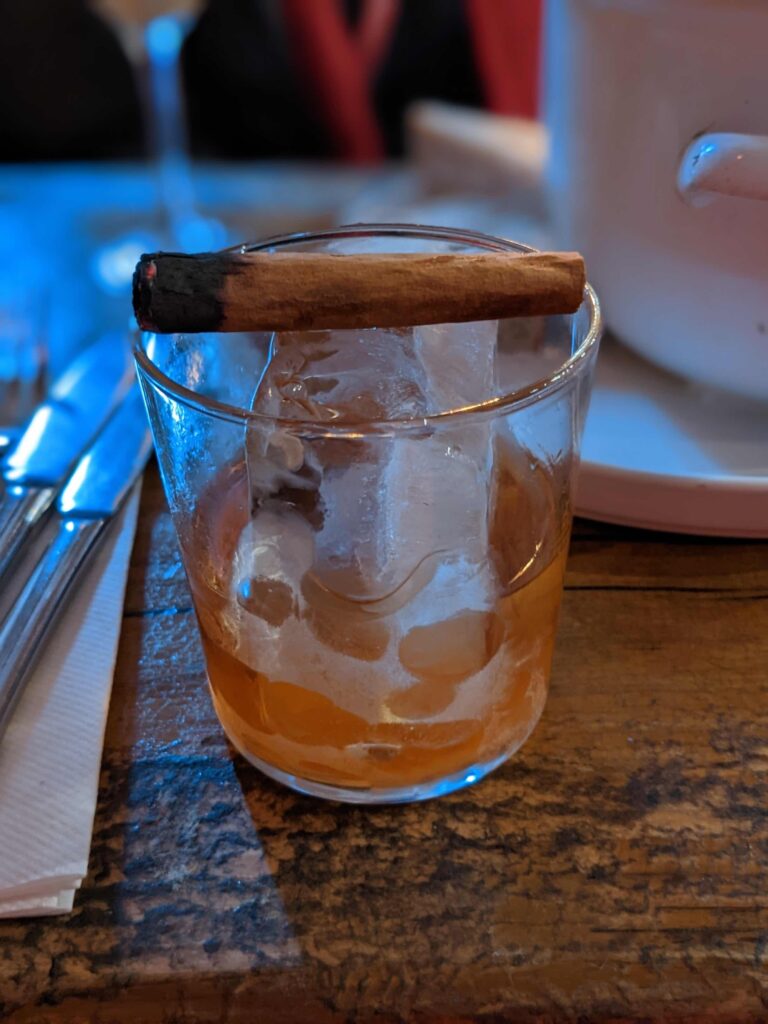
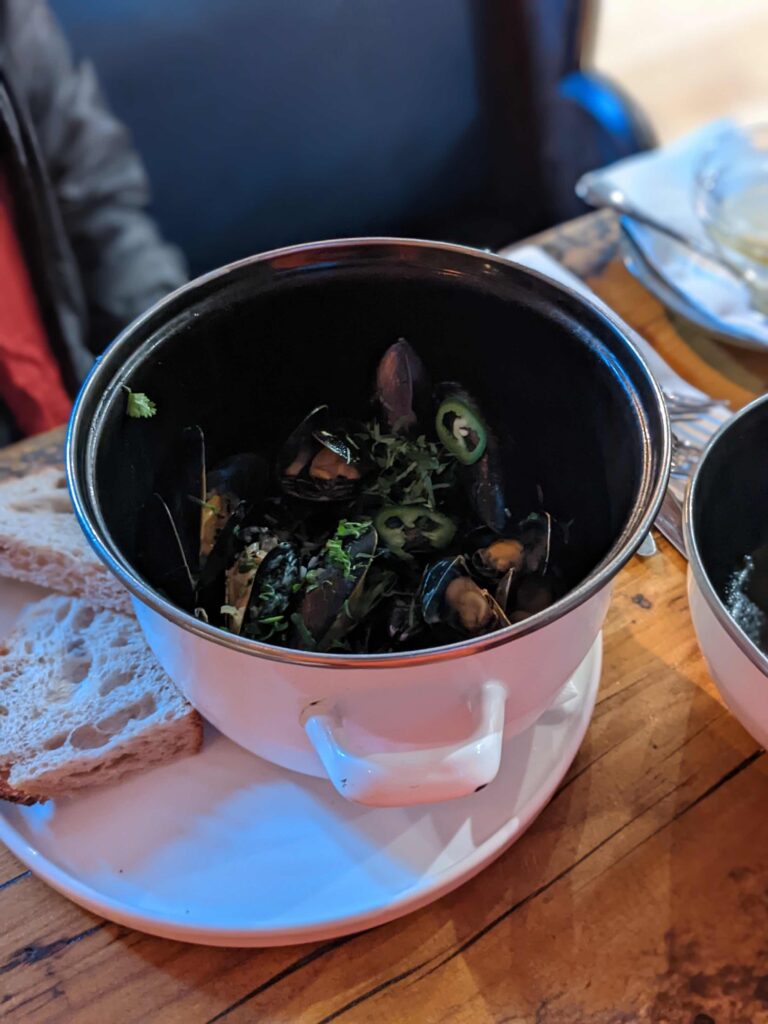
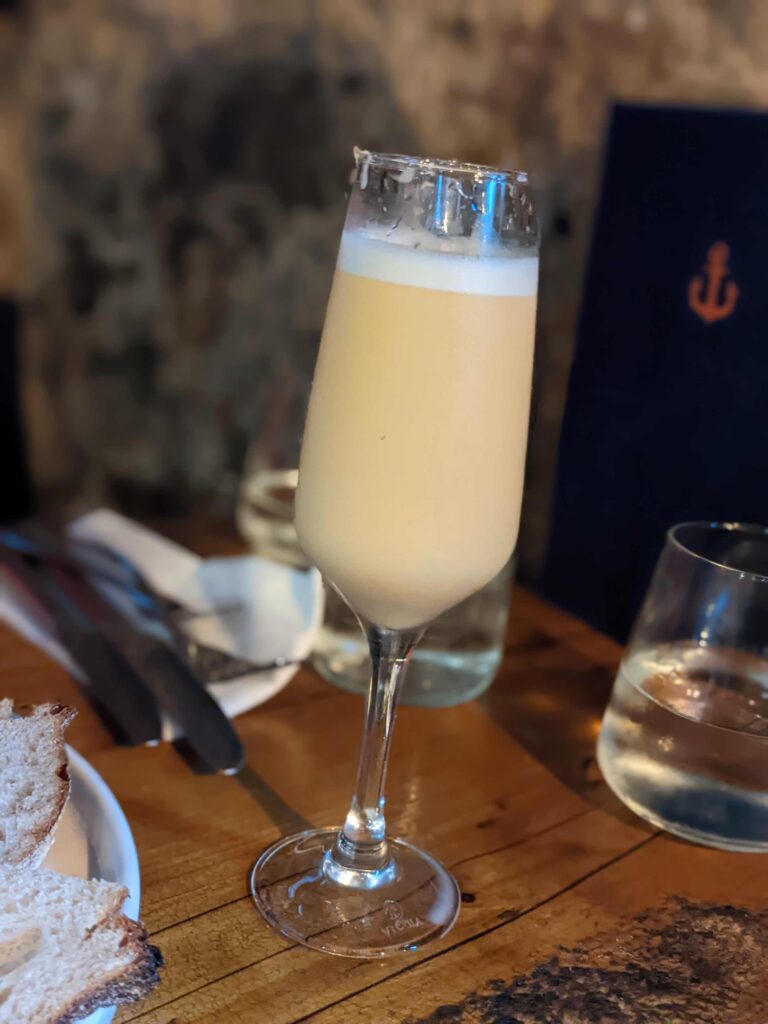
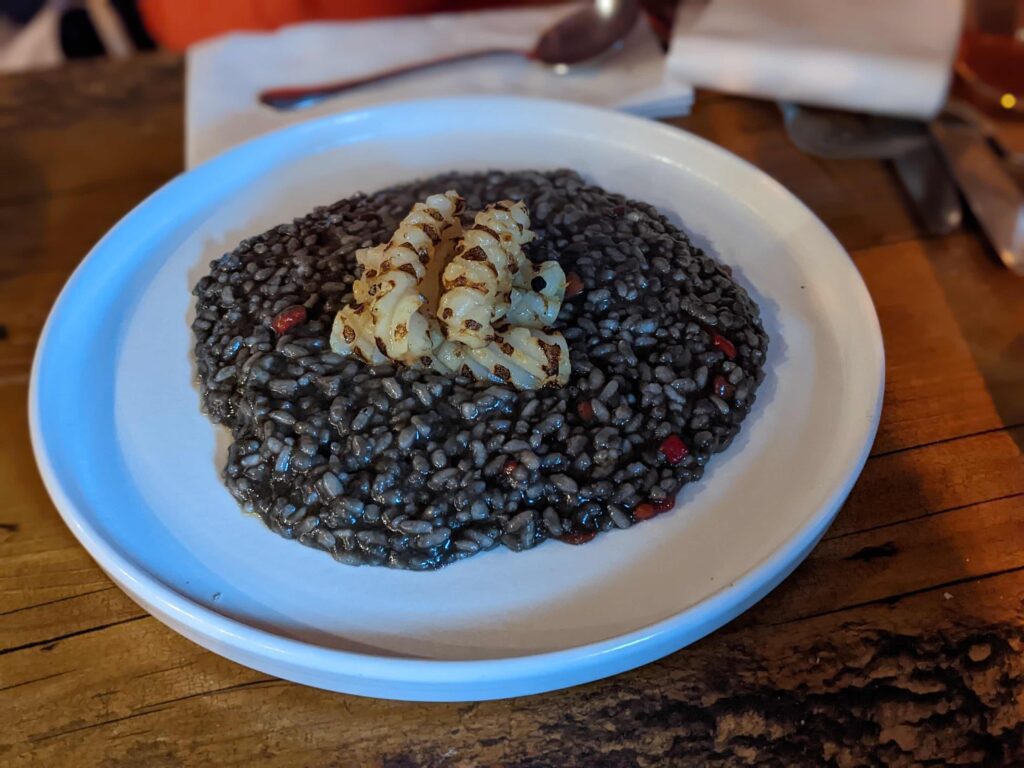
Garlic & Thyme Chicken Breast @ CranachanCranachan Burger (beef with haggis fritter)The cake version of the traditional dessert named Cranachan (what we came for!)The Spiritualist is a go-to place if you’re in the mood for some genuinely innovative cocktails. D had a Raspberry Beret (which arrived in a white chocolate covered glass!) while I tried their Smoking Old FashionedPork Carnitas TacosThe Duke’s Umbrella became a favourite, for a fantastic mix of old world charm + new age aesthetic and serviceAn Old Fashioned for me, and a Dark Chocolate Negroni for DPotted Beef & BaconCumbrae Oyster‘Winston’ at The Finnieston, another favouriteA fantastic Shetland Mussels in Coconut Broth The Impersonator for DSquid Ink RisottoPork Medallions at Mharsanta, who managed to find us a table despite the weekend rush.