Author: manuscrypts

  • 2 States: The Story of My Marriage

    Chetan Bhagat

    When Khanna & Iyer met Ek Duje ke Liye. Chetan Bhagat’s works have never been literary classics, relying more on a racy story, wit, and an interesting enough plot. Sadly, this one works only the first count.

    The plot is an oft repeated one – the love story of a Punjabi guy and a Chennai girl, who meet each other at IIM, and whose parents are opposed to their relationship. I found the depiction of the stereotypes obnoxious, and I’m neither Punjabi nor Tamilian. Making sure that there are digs aimed at both sides and having a disclaimer at the start that you only take digs at your own, doesn’t change the godawful way of depicting the ways of life of two communities. It definitely isn’t a substitute for wit. If the idea was to change the North-South relationship’s status quo, really sorry, but it only strengthens the stereotypes, and adds a few ones too. Sample this

    “They sounded like long wails, as if someone was being slowly strangled” on Carnatic Music.

    I finished the book, because I hate leaving books halfway, and thanks to a perverse wish to see the new depths being explored. I was extremely disappointed with the book, more so because I have always defended the author, and asked why books always have to be literary masterpieces, and can’t be just good entertainers. Chetan Bhagat had so far ensured that his books were entertainers, perhaps this one would deliver too, if you can say goodbye to your sensibilities and sensitivity for 267 pages.

  • Alibaba

    The name conjures up the vision of a medieval Arabic story, and its indeed a restaurant that (also) serves Arabic cuisine. And just like the treasure, it makes itself very hard to find. Since we knew the rough location, we asked around until we reached there. Here’s a map for you. When coming from Coles road on Mosque road, take a left at the junction where Mosque Road meets MM Road (immediately after Empire Hotel). Then, Alibaba is at the corner of the first road to the left, on the first floor. The Charminar Kabab Centre opposite it is easier to notice. Parking is not much of a problem.

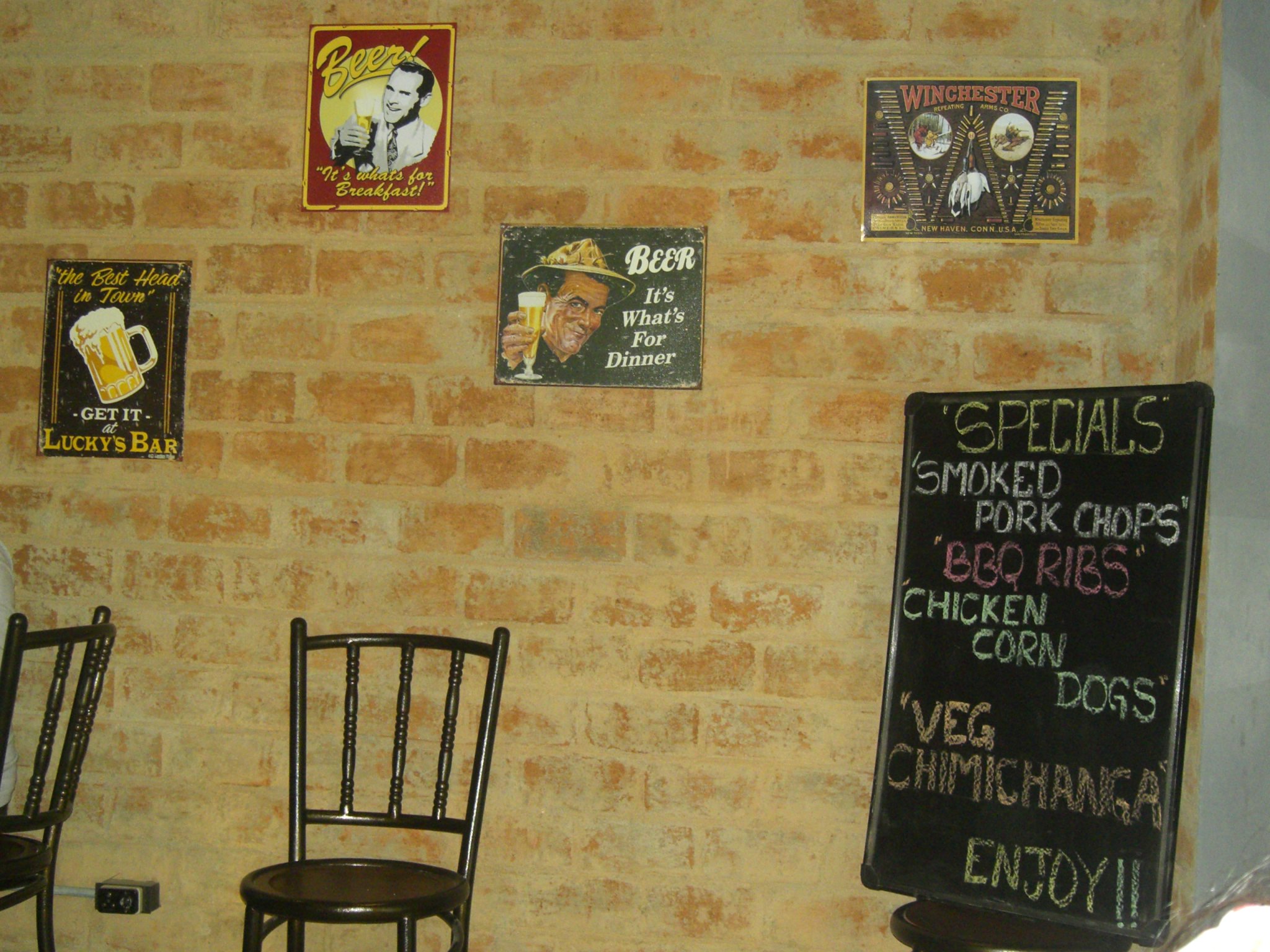
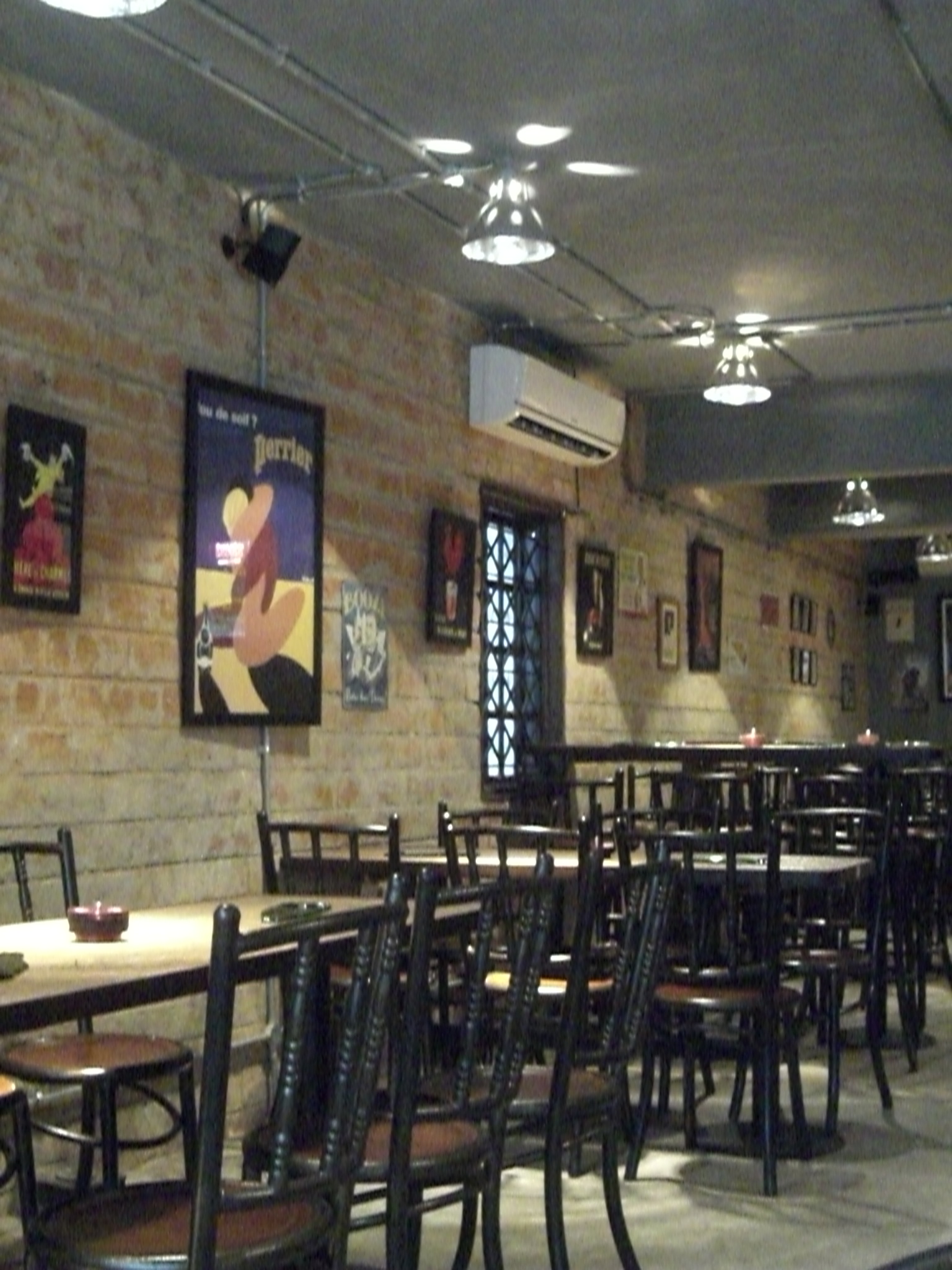
    We got there late, well after 8, and were worried that we wouldn’t find a place. But the place started filling up only around 9. Its dimly lit, but the decor has a certain charm that deserves a special mention. There are red curtains,  lots of dark wood – right from the main door, sheeshas, and Moroccan lamps. I read somewhere that the seating capacity is exactly 40, and that some of the furniture  pieces are actually renovated bits and pieces from Navayathi furniture, including window frames, wooden chests and sewing machines! The seating is quite comfortable, but try not to take the stools without a backrest. Or maybe I was just wondering what exactly I was sitting on 😉

    CIMG1250Alibaba serves Bhatkali, Arabian and Persian cuisines. The link to the menu is right here. But that really doesn’t do justice to the extremely unique menu ‘card’. Its a bit like holding history in your hands, literally. Click on it, and read it, before you start reading the actual menu. It will tell you about Bhatkal, the Navayaths, their culture, their dialect and the evolution of their cuisine. Its not as though as i require a special reason to like food, but I’ve always liked the idea of giving a historical and cultural context to the food quite fascinating.

    What it also does, is add to the desire of trying out as many samples as is possible from the different cuisines that makes up the fusion. With limited numbers – two to be precise, that is quite a difficult task. But try we did.

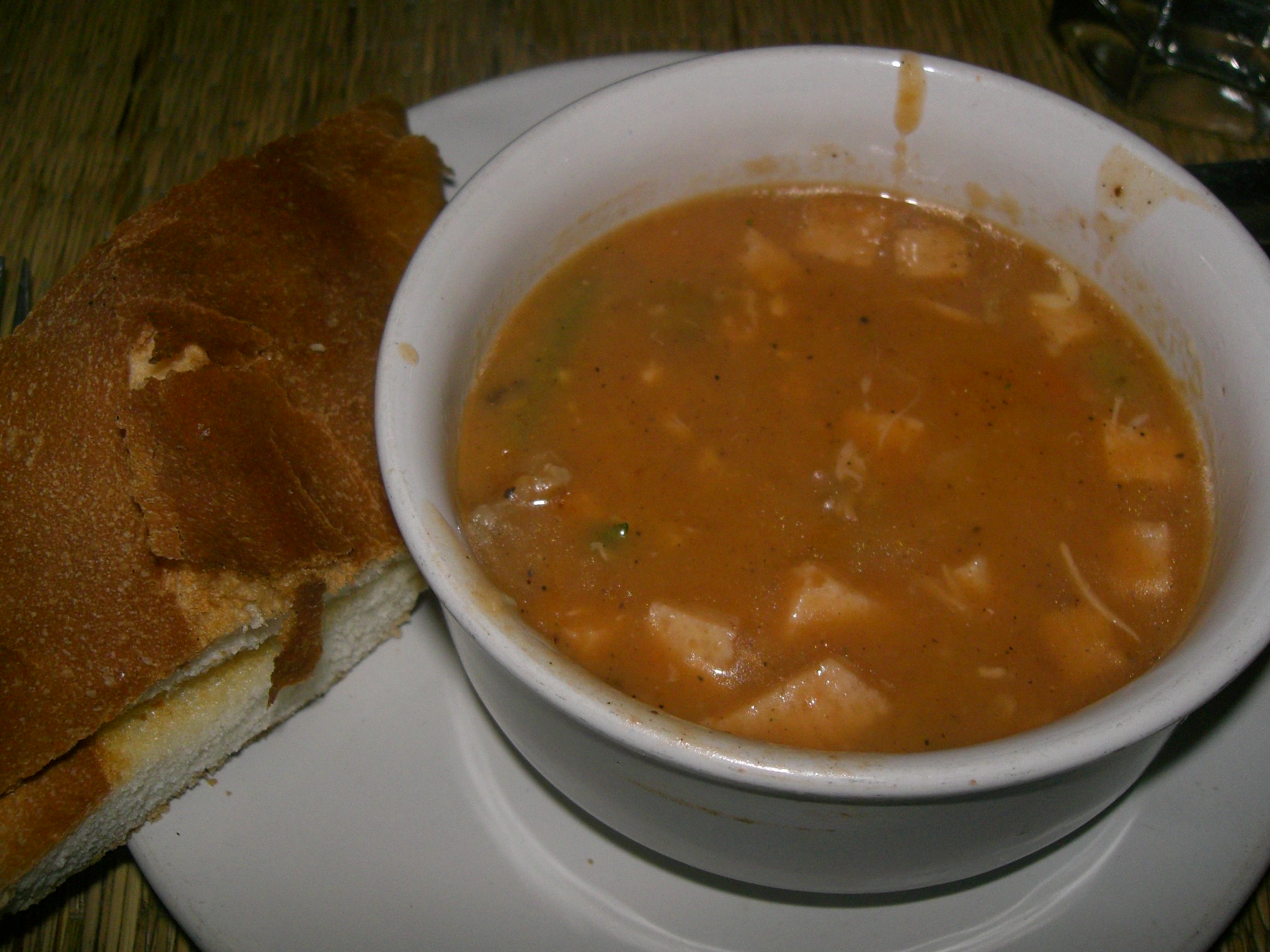
    CIMG1251We chose the Joo soup, “Chicken cubes, carrot, oats, garnished with parsley”, from the Persian cuisine. Little did we know that it was an old acquaintance. I not-so-fondly remembered the ‘sambar’ from Sufi – Soup-e-Jo! We also missed the chicken cubes. Not really a great start, but we’d traveled quite a bit to get here and refused to be easily let down.

    CIMG1254 CIMG1256

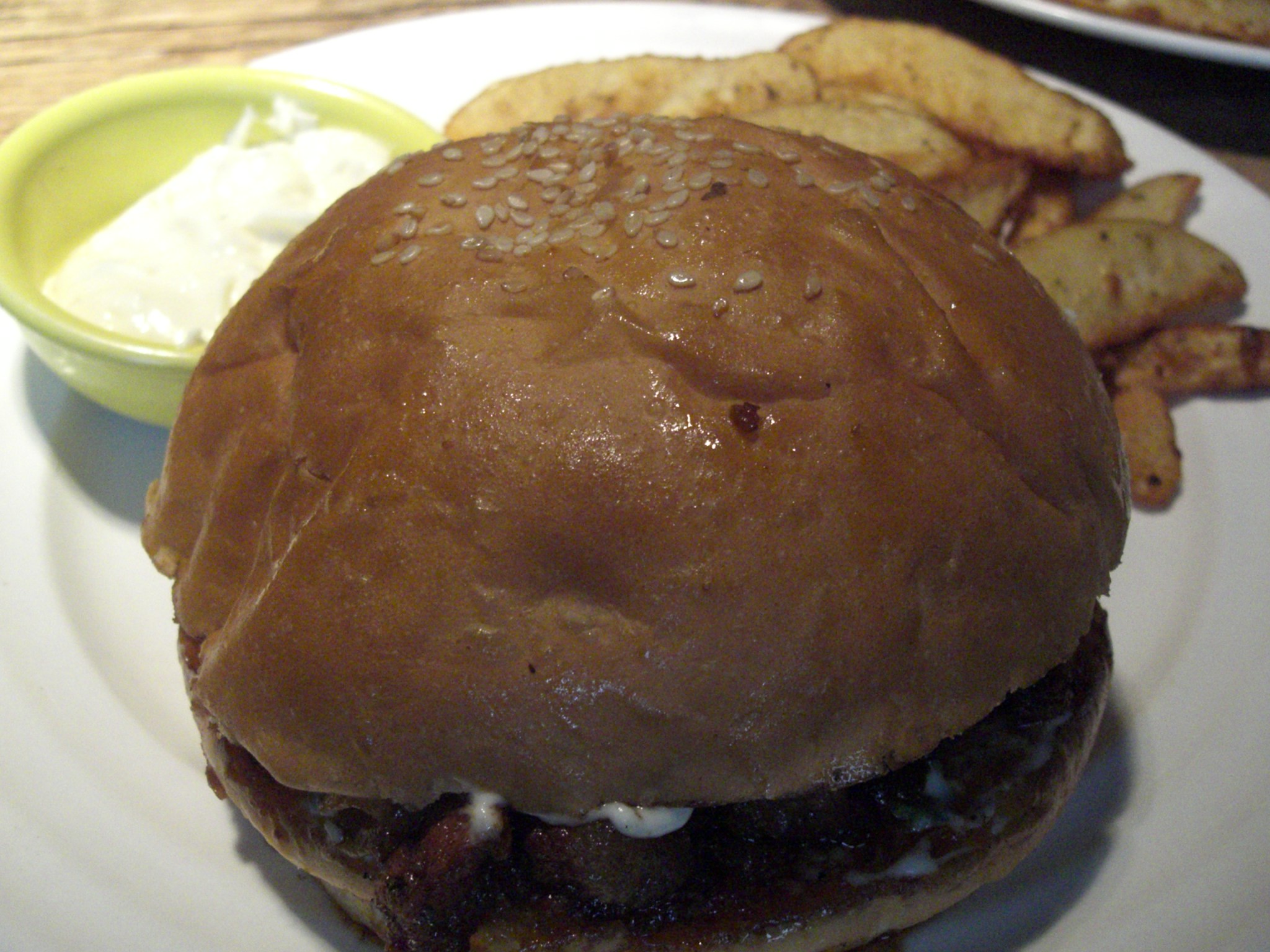
    Next up was the Alibaba Special kebab “Chef’s special grilled chunks of boneless chicken and lamb”. That took quite a while and after a lot of fidgeting, we were told that it would be delayed. We were worried whether this was turning into a Arabian-Persian tragedy, but thankfully we got the chicken skewer in a couple of minutes. Very succulent stuff, but we were left to wonder whether the lamb had met with some alternate unfortunate fate. But just as we were about to enquire, the lamb skewer arrived. The vegetables in this were a bit burnt, but really, who cared, because the lamb was fine. Actually very good. Usually, this is served together, but apparently the lamb takes a while longer than the chicken to be convinced, so be prepared to wait a bit if you’re ordering this. The dish is a bit on the bland side, but tasty enough to give a try. If you’re a larger group, it might be a good idea to order other kababs too while you’re waiting for it, ones that will require less time. The service is very helpful and will help you with the choices.

    CIMG1258CIMG1259

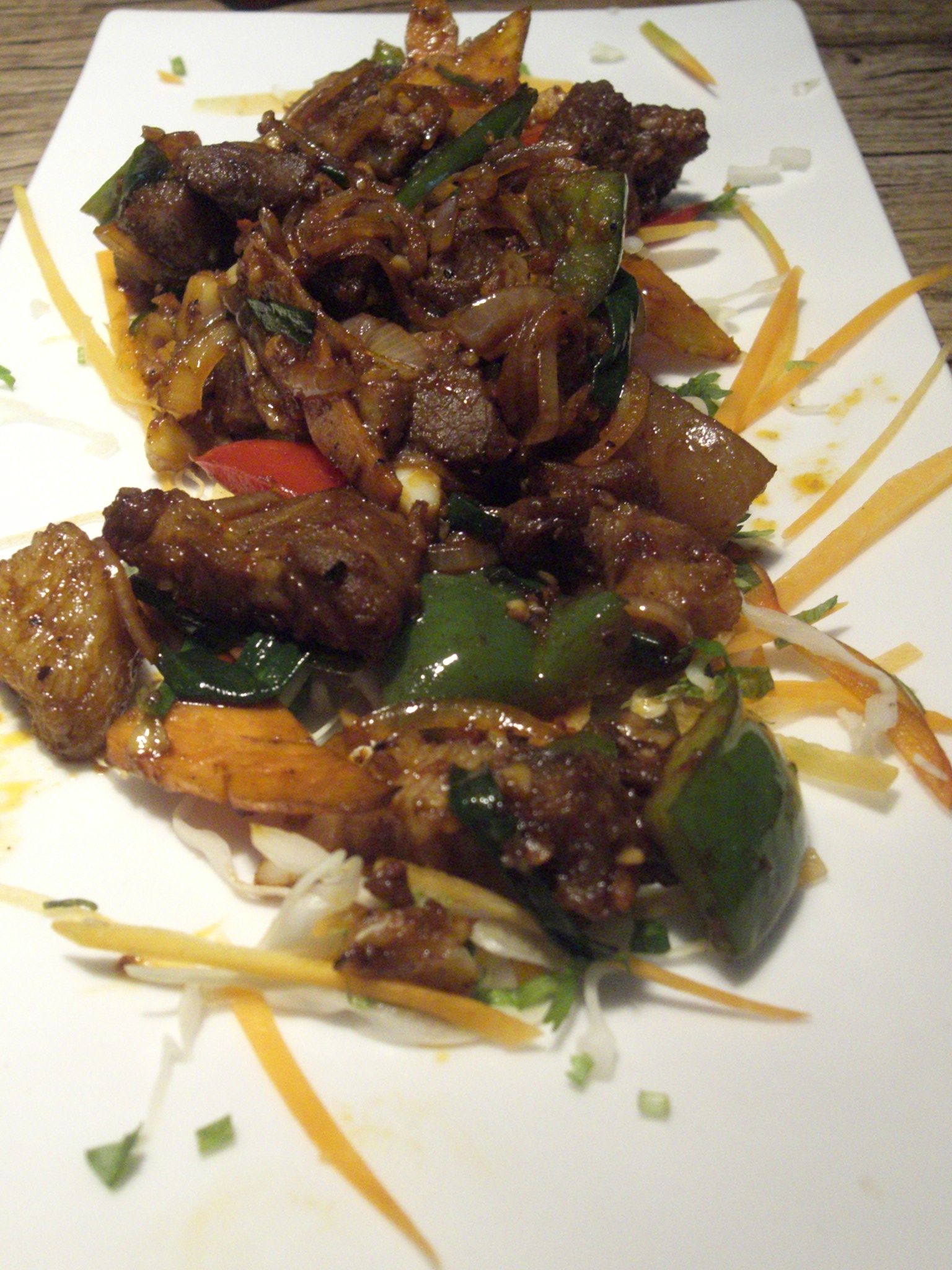
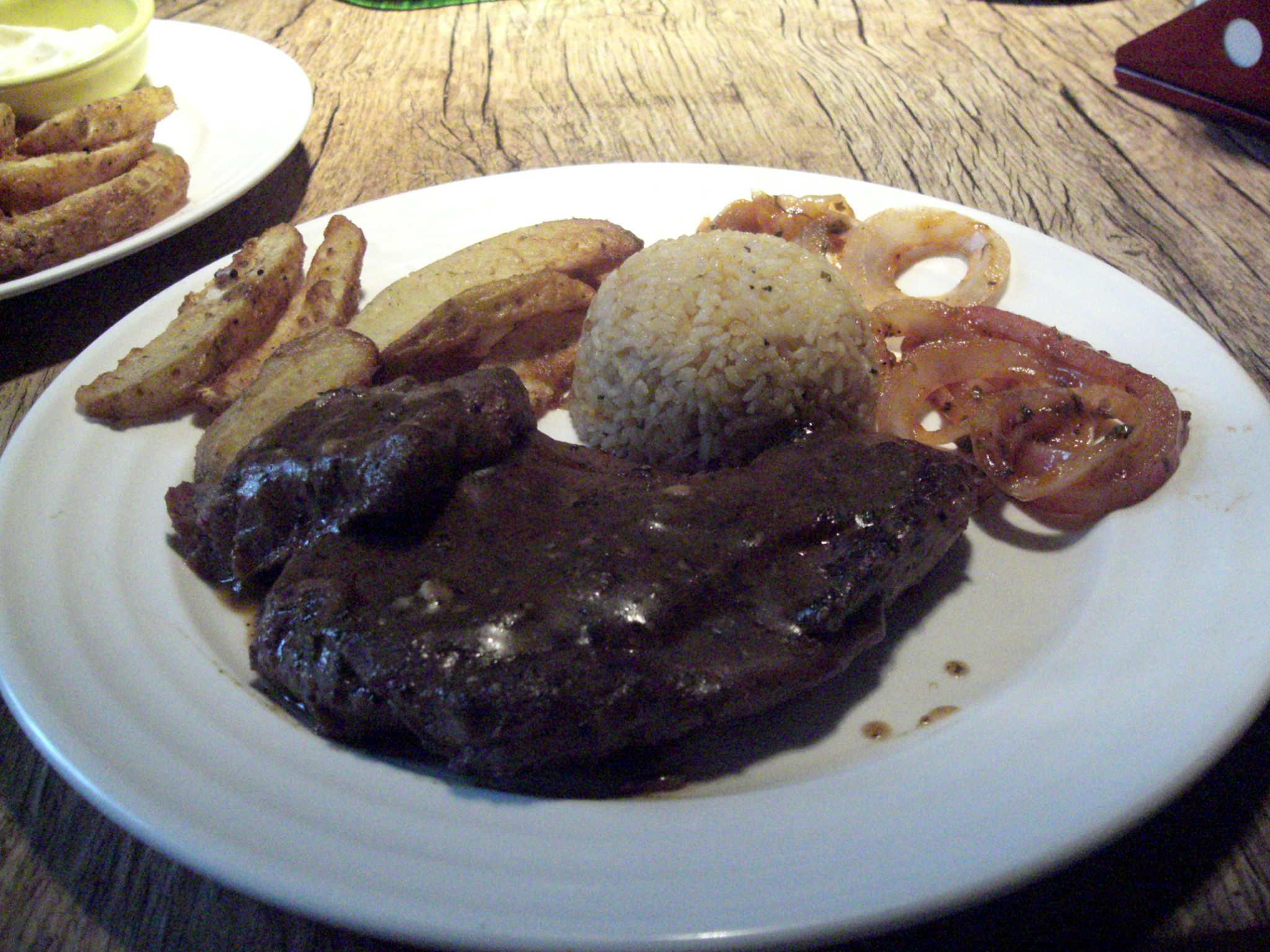
    We decided to start the main course with Bhatkali cuisine – the Sharwa Maas, “Chicken/Mutton pieces cooked with authentic green chilli masala”. We chose the chicken version after a longish debate on whether to go for the Sharwa Maas or the Laun Miriya Maas (the red chilli version). Glad that we did. If you like spicy food, this dish is a must have. Its really tasty and while the green chilli masala does make a solid presence, it actually goes well beyond that and makes an excellent combination with the Gawa Poli, “Traditional Bhatkally Roti prepared with Wheat”. Actually the khubus too, which we’d ordered just to check it out.

    CIMG1260

    CIMG1262

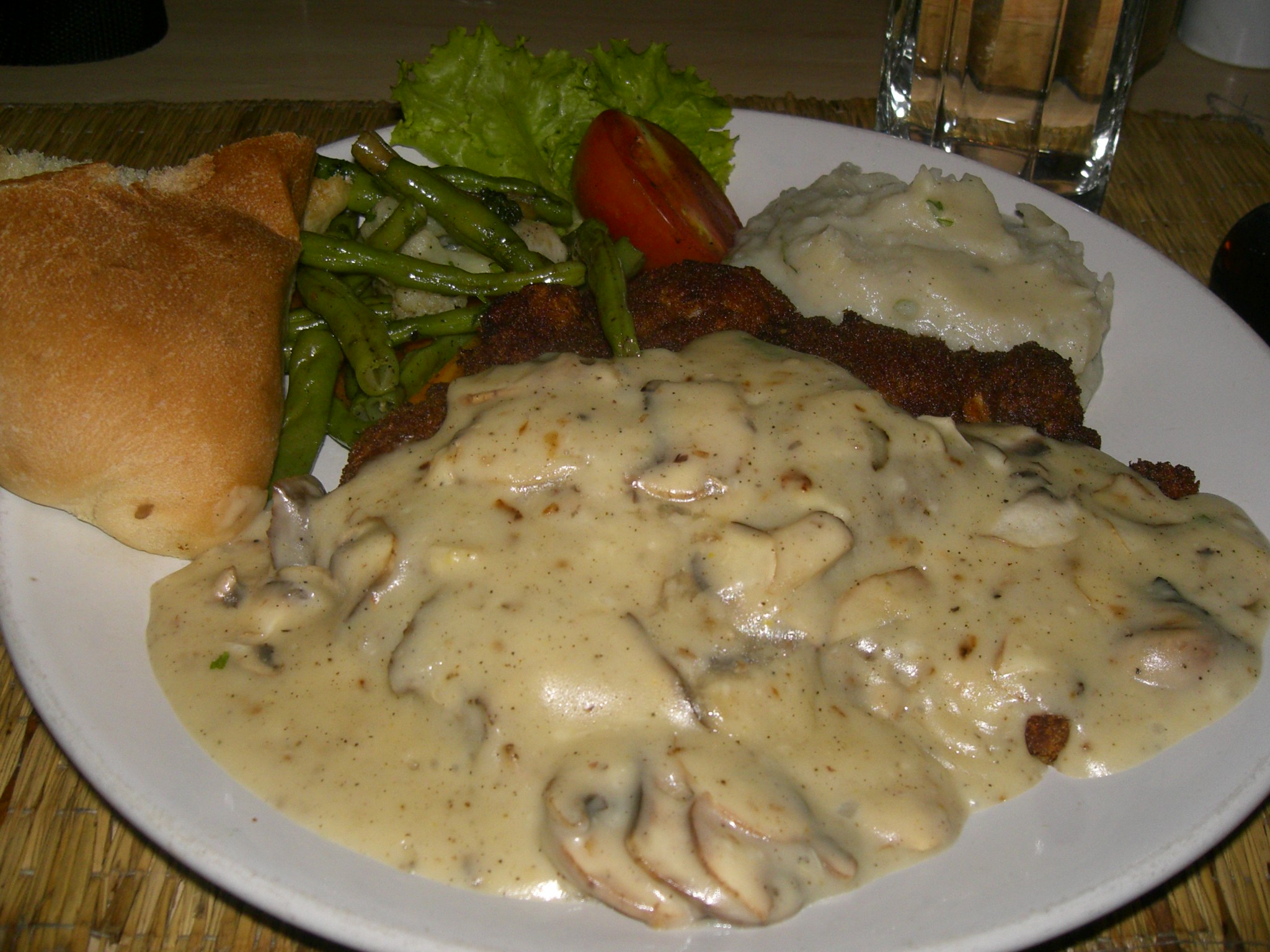
    Up next was the Dajaj Machboos, “Middle Eastern Spiced Chicken served with Basmati Rice”. We asked for a half plate, but the guy who took our order told us that it would be too much and suggested two small portions. It turned out strange because the two ‘portions’ cost us more than the half plate (?!) But that doesn’t take away from the awesome rice. The masala was good too, and not really greasy, just like the rice, but it preferred the rice’ company over the chicken. Well, so long as we’re having it all together. D quite liked the tomato chutney provided with the dish, but i still hadn’t gotten over the earlier chicken dish. I think it’ll go with anything, it was that good!!!!

    CIMG1265I was quite stuffed, but the desserts section did a mind-over-matter trick and I ordered a Shaufa Pana Pudding, “An exotic Bhatkali Pudding flavoured with Dil leaf Syrup”. The greenish color did scare me a little, but that vanished as soon as i tasted it. Excellent pudding with a very unique flavour, almost like a subtle mouth freshener. Must try.

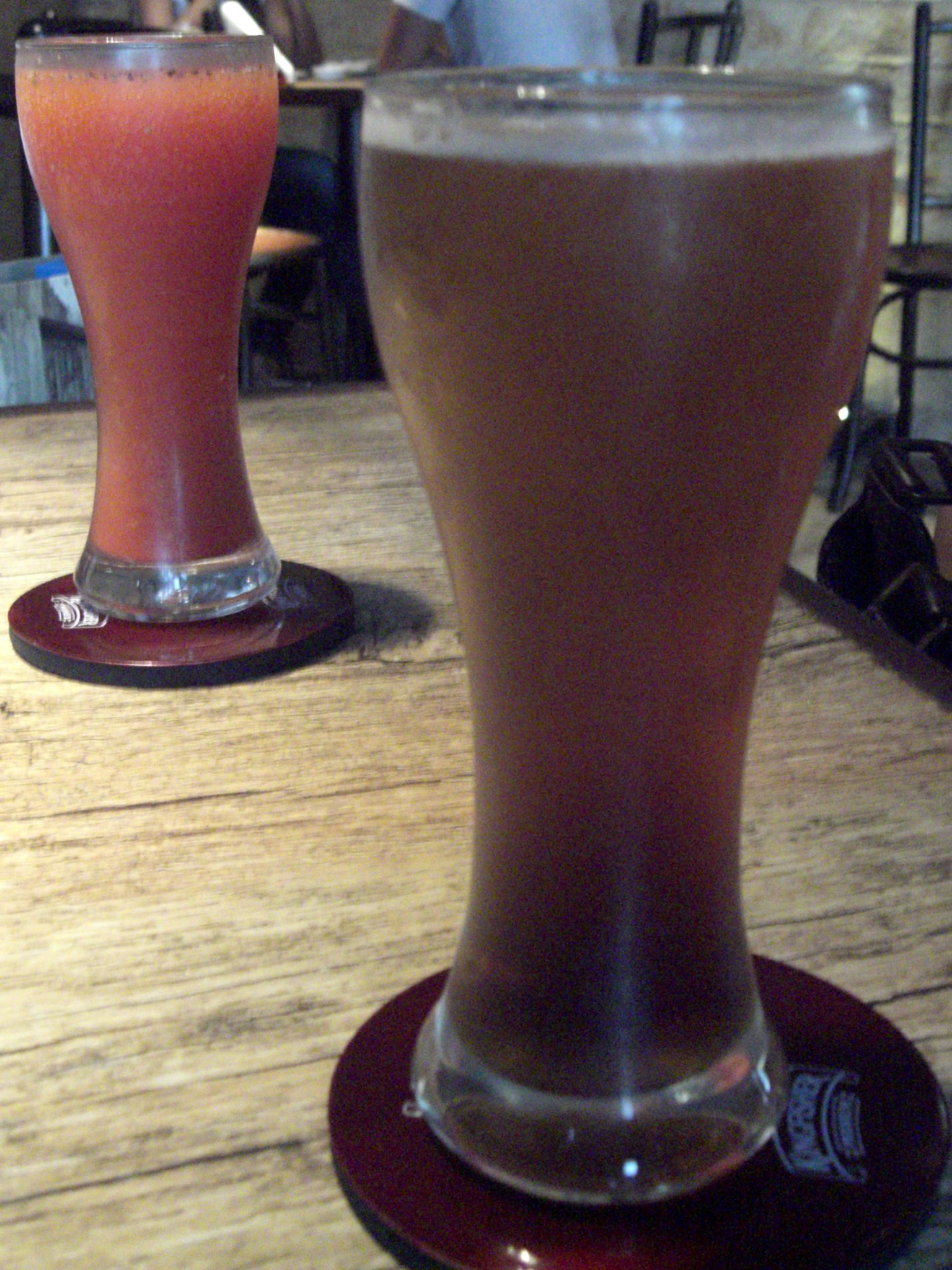
    CIMG1264Meanwhile D ordered a Saudi Champagne, which is a mocktail made mostly of apple soda, but with a twist of lime. It also has tiny apple bits floating on top. from the little I was allowed to have, great stuff.

    All of the above cost us, including a 5% service charge, just over Rs.900. The service is quite good, and helpful, despite a few communication lapses. This place is a must visit, for a distinctly unique cuisine, decor and value-for-money fare that won’t cost you a treasure. 😉

    Alibaba, #69, 1st Floor, MM Road, Frazer Town Ph:40917163

    PS. This week, the blog takes a break 🙂

    Menu and Photos at Zomato

  • Storied

    The best thing about buying second hand books is that they might contain stories. No, I haven’t completely lost it, I meant additional stories. Messages, notes on the side, bookmarks from previous owners – they’re all stories. Stories that give you a tiny glimpse of the person who wrote it, or the person it was meant for. The last one I saw – in Pico Iyer’s ‘Abandon’, was very interesting. It said

    Dearest A****,

    Though this seems, and is the last day at C-72, I promise that its the first day and a nev be start to the best days of our life together.

    Yours

    S*******

    30/Aug/03

    I thought there was an amazing sense of romance in that little note. A story from almost seven years back. I wonder why A sold the book. Did they break up? Maybe she didn’t like this genre? Maybe they shifted, and there was no way to carry this. It was an empty page, A could’ve torn it off, she didn’t. Maybe she didn’t have time, maybe she didn’t care.  Maybe she didn’t remember. Maybe, God forbid, something happened, and S didn’t want any memories? Maybe  she returned it to S after they split, and he sold it. Maybe S never gave it to A, and instead sold it because some memory was too painful? Now you see the possibilities? But, to quote from the book itself “We are no greater than the height of our perceptions”.

    I’d only started on the book, but it had already given me a thought. “The death of the author is a way of talking about the death of God. The world itself becomes a poem whose author disappeared long ago.” So the poet dies, the poem remains, the artist dies, the art remains, the author dies, the book remains, God dies, his creation remains, to be interpreted and shaped by us, the ones who see and experience it, limited by the ‘height of their perception’. Maybe the creation was never completed? Like the stories that remain in the head, never to be told. Like the pages that fill the waste baskets. Like the blog’s draft folder? 🙂

    Meanwhile, on the next page of the book, there is a signature now, dated 10/04/10. He thinks he won’t sell any of his books.. ever. But then, stories have a way of twisting themselves in time. 🙂

    until next time, home pages 🙂

  • Butter Chicken in Ludhiana: Travels in Small Town India

    Pankaj Mishra

    If one were to go by the title, Pankaj Mishra is hardly the person who can be trusted to write about the “national bird of khalistan”, after all he’s a complete vegetarian, but then this book is about ‘travels in small town India’. From Kanyakumari and Kottayam to Ambala and Murshidabad and Gaya to Mandi and Udaipur and many many more small towns across the length and breadth of India, this is quite a wonderful account of a transforming India..and Indians.(set in 1995)

    While there is an unmistakable cynicism that runs through many accounts, it does not really take away much from the conversations with a wide array of people – their fears, their hopes and aspirations, and how they cope with the changes around them. Television viewing habits, consumerism, big dreams, all figure as a framework for the author to show the ‘progress’ that Indians seem to be making as far as lifestyles go. ‘Progress’, because the author doesn’t seem to be entirely pleased with these changes, and the effects on existing ways of life, but since we also see them through the eyes of the people the author meets, the book manages to retain some objectivity.

    While some would say there is an aimlessness to the travels, I’d say that despite the differences in locales and attitudes, there is a common thread that runs through the book – of humans, their reactions to change, and how in many ways, a lot of things remain unchanged, despite what the superficial would indicate.

    The book worked for me in many ways – I could find glimpses of ‘The Romantics’ (a later work of fiction from the same author, which happens to be a favourite) as his travels take him to Banaras. It also brought about some nostalgia, as it is set in the early 90s, and the changes that the author talks about are something that anyone in the their teens (or even older) during that time, can identify with. These, and the wry humour – especially the part where he’s mistaken for a potential groom by Mr.Sharma in Ambala – that surfaces occasionally, took it many notches above a general travel book..

  • Watermark

    Sometime back, while trying recollect the name of a Chinese restaurant in Koramangala which existed circa 2003, I got stuck. Despite different mashups of the various terms used typically for Chinese restaurant names, nothing sounded right. It was a small mom-and-pop joint and since the net didn’t then feature all the resources it has now, I was well and truly stumped. It was quite disappointing since we’d had many a meal there. It didn’t help that I have this ‘thing’ about remembering such places, events and people. I feel as though I have betrayed them in some way. Yes, weird, thank you. :p  The book, for once, couldn’t help either. I finally got the answer by checking with a friend who’d been in Koramangala long enough. Once I got the name, I even managed to get an image on the net – Szechuan Garden. 🙂

    A few days later, I watched Pakal Nakshatrangal, a movie about a script writer – director played by Mohanlal. The narrative is from the perspective of his son, an author, who writes his father’s biography, and in the process tries to solve the mystery of his death. The movie begins with the demolition of ‘Daffodils’, the cultural hub of the previous era’s intellectuals and the scene of Mohanlal’s many exploits. There is a sequence in which a television newsreader reports this and we can see different people viewing it from different places reminiscing about their experiences there. A group of people connected by a place.

    A place or an event in that place – that means something to a set of people – something only they share. And when they cease to exist, the memory disappears. Its as though whatever they shared never existed. A bit like the Garden State quote that I often end up using “Maybe that’s all family really is. A group of people who miss the same imaginary place.”

    It reminded me of another Malayalam movie I’d seen a while back. Kerala Cafe, an anthology of ten short movies, with the place – Kerala Cafe, a coffee shop in a railway station, serving as the connection. But more than that entire movie, I remembered my favourite – Island Express, written and directed by Shankar Ramakrishnan. (Part 1, 2, seems unedited, and has incomplete subtitle help!!) [Spoiler] The story is about several people who were in some way affected by the Perumon tragedy in 1988, and their meeting at the fateful place a couple of decades later. Its narrated by Leon, who  lost a lot himself, but makes a photo-book of it after seven years of efforts. I realise that Leon’s phrase, that remained with me long after the movie, is what this thought is all about.

    As time passes, and life moves on, some of us are left holding the memories of these places, sometimes by choice, sometimes because we have no other choice, and sometimes by chance. But there’s no doubt about the transience of it all. Its after all, a matter of time. Perhaps the entire idea of a lifestream – the things I share here, and everywhere else is all about the phrase that Leon uses – ‘a memory with a watermark’.

    until next time, memories without shelf-lives