Author: manuscrypts

  • Reference Groups for Heroes

    Scott Adams had a very interesting post ‘The Comparison Advantage‘, in which he writes about status related stress when “media is changing our reference group. We’re continuously bombarded with stories about people who are fabulously successful.” I’d add that social media is also a big culprit. According to him, the cure is  “to make sure you’re near the top of at least one reference group in your life.”

    With some difference, this is a thought that had crossed my mind long before I read this. But before we get to that, an interesting thing happened. A couple of posts (in Google Reader) after the above, I came across a post by Nilofer Merchant on HBR Blogs titled “Be Your Own Hero“. Completely contradictory? No. But related and yet different perspectives? Yes. This author asks us to junk the ‘Hero Narrative’ and pushes us to be our own hero by following our own passions and not trying to emulate anyone – a “clarity of purpose” for oneself. One of the proposed mantras is also “I shall not obsess over others’ success”, in addition to doing our bit to co-create the future.

    And now we can come back to my thought. I can relate to Nilofer’s views because that was what led me to leave a cubicle and explore the path of being employed by myself. One and a half years gave me an immense amount of learning, one of which was that even with a well thought out ‘personal purpose’ in hand, it was difficult for me to stop comparing. It really didn’t help that the gestation time for it was quite high, and a ‘need it now’ attitude, probably heightened by social media, also played its part.

    After much thought, I jumped back into a cubicle, before which I rewrote the ‘personal purpose’, in which I attempted to factor in the statustics. Putting a full stop to comparison is a long journey, and I’m already on it. An insight (humour me 😉 ) I had while thinking about the ‘compare feature’ was that so far I had been dependent on one of my identities heavily. Mostly it was my work visiting card. So, when comparing, I wasn’t really acknowledging the other things that I was doing, and doing reasonably well. And that is where I mash Nilofer’s ‘personal purpose’ with Scott Adams’ ‘reference group’. I don’t need to top any of my reference groups, but I need them so that my ‘personal purpose’ is balanced between various activities and relationships. That way, I don’t have to kill myself for not blazing a new trail independently. The cubicle job allows me to work on the things I like to work on; the blogs, social platforms and columns allow me to explore other avenues of interest and gives me a sense of worth, and when I need a hug, there’s D and friends and family. I try to make conscious decisions on each of these, keeping the others in mind. Multiple identities, multiple reference groups, all part of the personal purpose. Early days, but the signs are good.

    until next time, try id out 🙂

  • And Thereby Hangs a Tale

    Jeffrey Archer

    The good news is that Lord Archer still has that amazing gift of storytelling, the bad news is that the twists seem to have been blunted a bit. Its probably the sheer amount of content that we encounter, or the tendency to predict the author’s twist, or the way reality beats fiction these days, but compared to the author’s earlier works, this one didn’t induce the jaw-dropping.

    It’d be tempting to say that since 10 of the 15 works are based on real life, the scope for the twist is limited by facts. Indeed, the way the author unfolds the story, the pace he sets are all vintage Archer. But even the remaining 5, while interesting enough, fall short of the author’s high standards of twists.

    My favourites would be “Blind Date” for the sensitivity displayed, “Where there’s a will” for the subtle variation in a done-to-death plot, “Double Cross’, again for a subtle twist well delivered, and “The Undiplomatic Diplomat”, for a strong plot and a superb ending. The India story – “Caste – off”, which I remember him mentioning (that he had got an idea for a story) when he visited Bangalore for ‘The Prisoner of Birth’ tour, is precisely that – typically Indian, and that perhaps, is why, it didn’t appeal much to me. 🙂

    Having said all of that, the book is still a good read simply because Archer still hasn’t lost his mastery over words.

  • < /life > < death >

    So, ‘Oh Wow. Oh Wow. Oh Wow‘ has now been pretty much immortalised. I began to wonder about last words and coincidentally came across this article around the same idea.  As the article states, Steve Jobs “managed to bring the same sense of wonderment to death as he did to life.”

    Few people, I’d think, would like to dwell on their mortality. I am not sure if it was because this topic was playing in the background (in my mind), but I began noticing a lot of deaths recently. Some old, some middle aged, and famous enough in some context to appear in a newspaper. There were important death anniversaries too. There was also the death of a 25 year old, who could technically be termed a 2nd degree  connection. Jobs knew it was coming, and had probably prepared himself for it. But the deaths I read about happened either after a few days in hospital, or a few hours, or were accidents.

    I wondered how many are prepared for their death, let alone ready with their last words. The 25 year old, from what I read and heard, would just have had enough time to mourn himself and the utter meaninglessness of it all! At least, that was my first thought – so, so early. Set to start his first job next month, life was just about to begin for him. Until a terminal disease strikes or the actual time of death, does anyone even understand the implication of mortality? What would be the last thought playing in the head? Probably we only have enough time to think “Oh my god (non-atheists), I’m about to die”. Some would have their loved ones around, some not. Some might go blank, some would want to say something and they may or may not have the ability to do so. Some would ask a higher power for more time, some might be thankful that it’s all ending. Does the life actually flash before one’s eyes? If so, is that preparation for something else?

    Why did Jobs use those words? Had he only just realised how much he had changed the world? Was it wonderment at the thought that irrespective of what one achieved, this was the equaliser? That this was how it would end, for everyone. Or was it just the awe of everything that he understood as life, coming to an end? Or did he see something else that caused the wonderment – a glimpse of what lay beyond?

    It is often said that the best way to live life is to live in the moment. Does it also include death? Death of the moment? Death of the ‘me’ in that moment?

    until next time, live long and prosper 🙂

  • A Taste of Rampur

    The Koramangala version was one of the first restaurants reviewed here, and the review of the Indiranagar version first appeared in Bangalore Mirror.

    The restaurant is located right after the flyover when coming from Koramangala, above Bombay Store. (map) Don’t try the U immediately after the flyover – there are cops waiting for you. 🙂 Two-wheelers can be parked right next to it, and more wheels will be taken care of by valet parking.

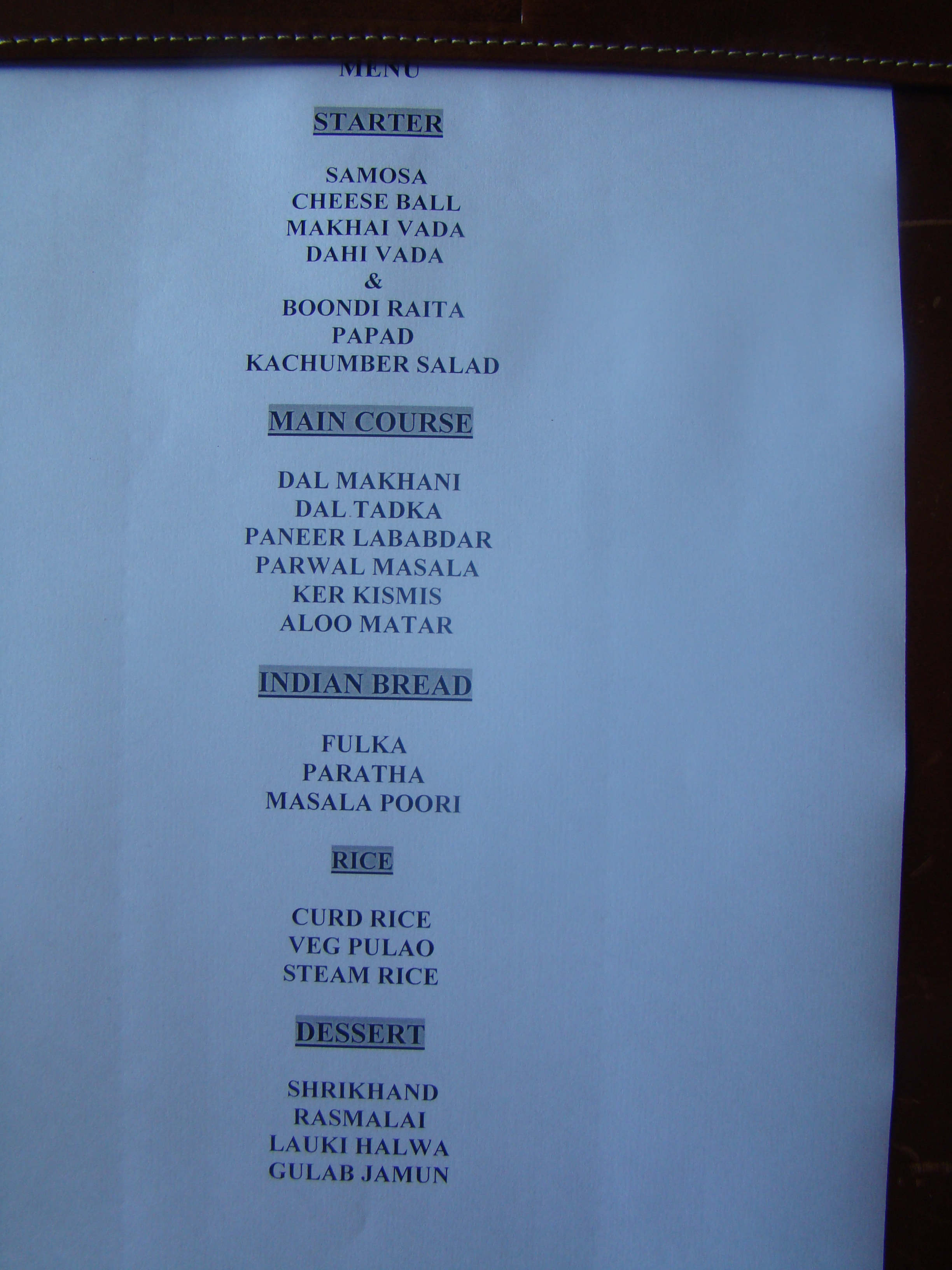
    As per the restaurant’s own description, Rampur is a princely state in the upper regions of Uttar Pradesh, which has been influenced by Afghan Rohillas, Mughals, Rajputs as well as the British, in addition to its homegrown Nawabs. But Bollywood is probably a bigger influencer since Jaya Prada has been beating the royalty in elections regularly. Apparently, the food still owes much of its allegiance to its Nawabi heritage – ‘rich’, and cooked in ghee. That and the fact that it had a bias towards non-vegetarian delicacies were key factors in prompting a visit. With a gigantic hookah, swords and a shield, fez worn by the staff, and comfortable seating, some of the place’ character is indeed reflected in the restaurant itself. You can find the menu at Zomato. The beverages menu is quite exhaustive, and includes wines, champagnes and mocktails too.

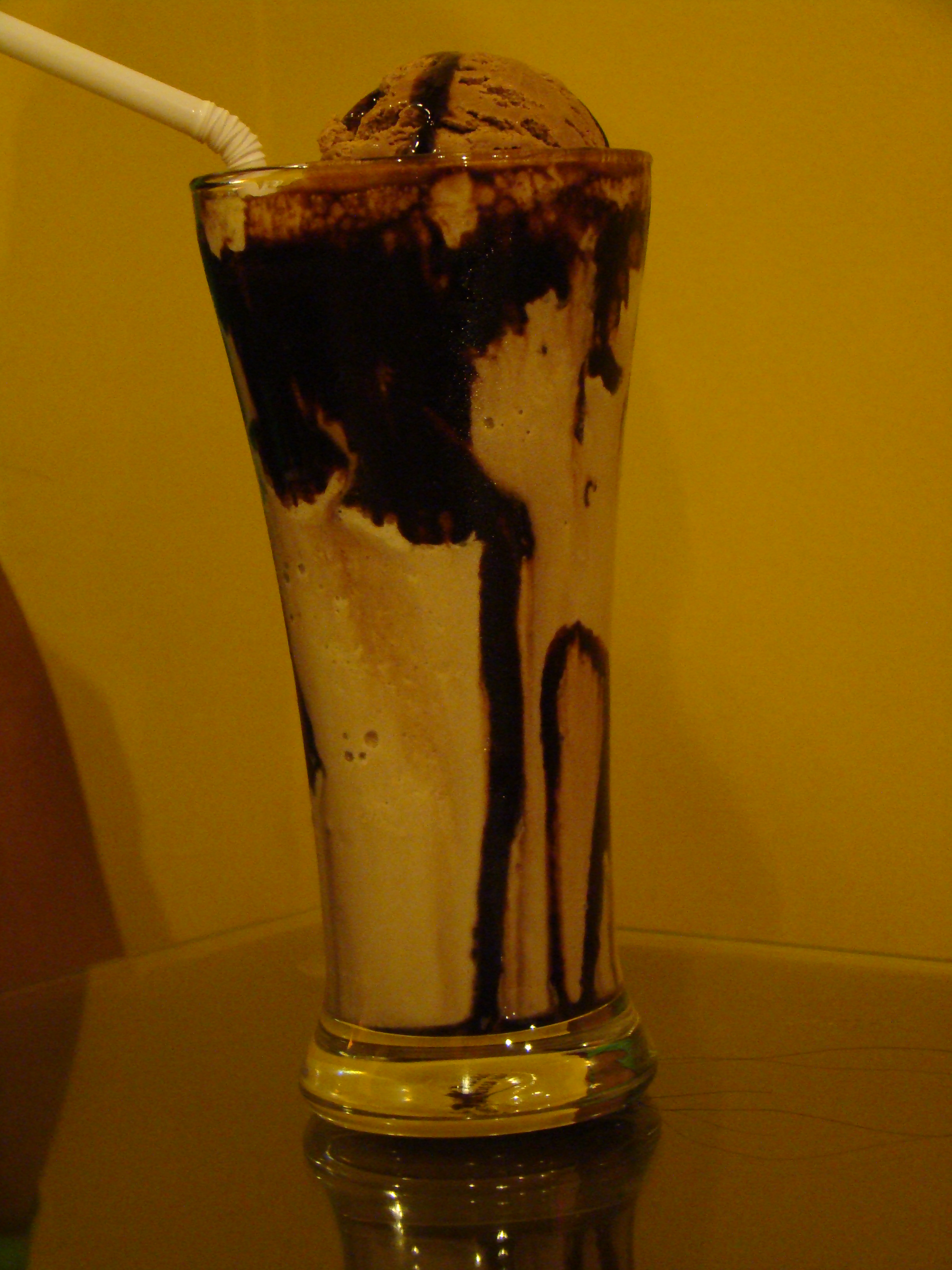
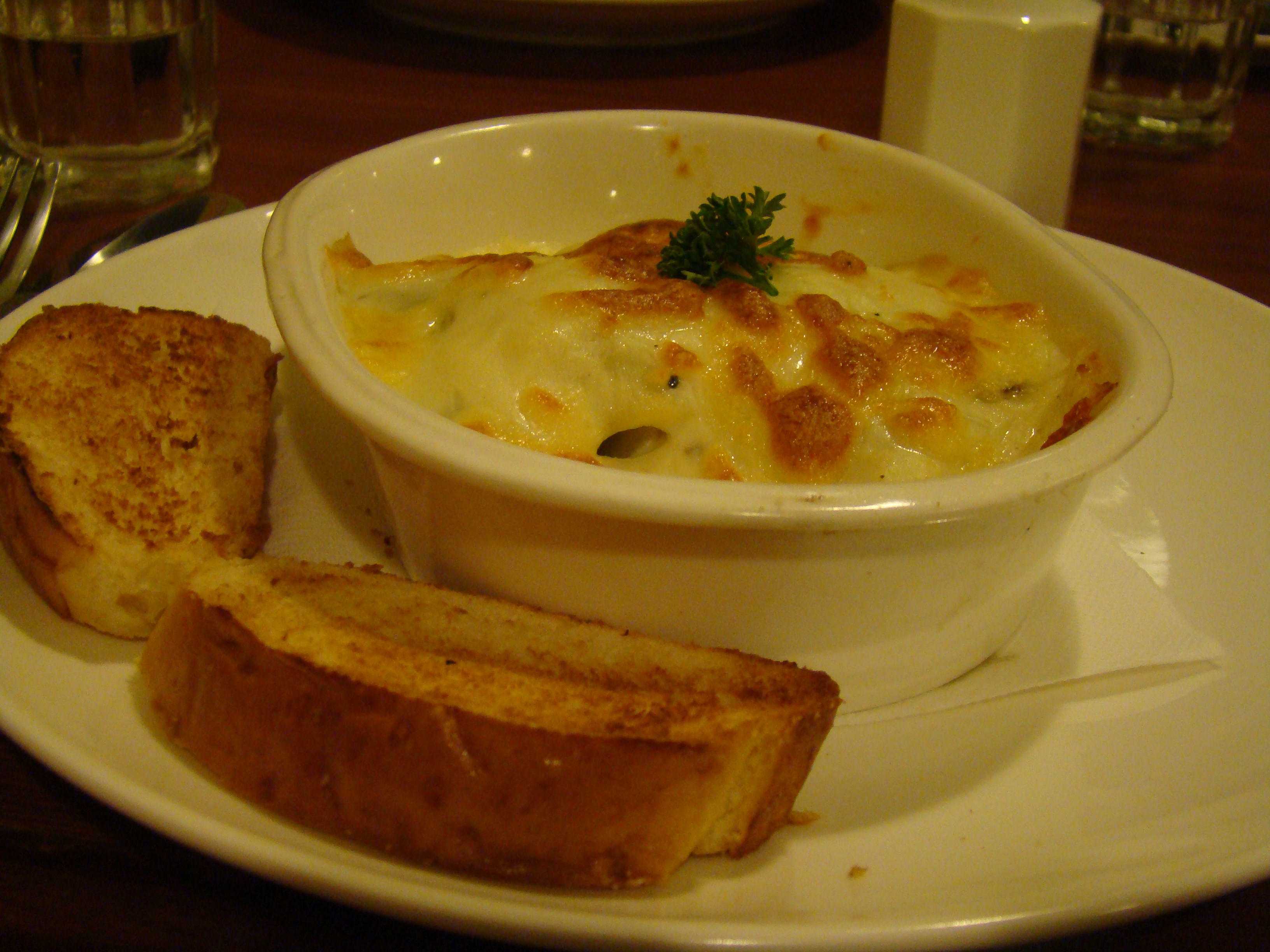
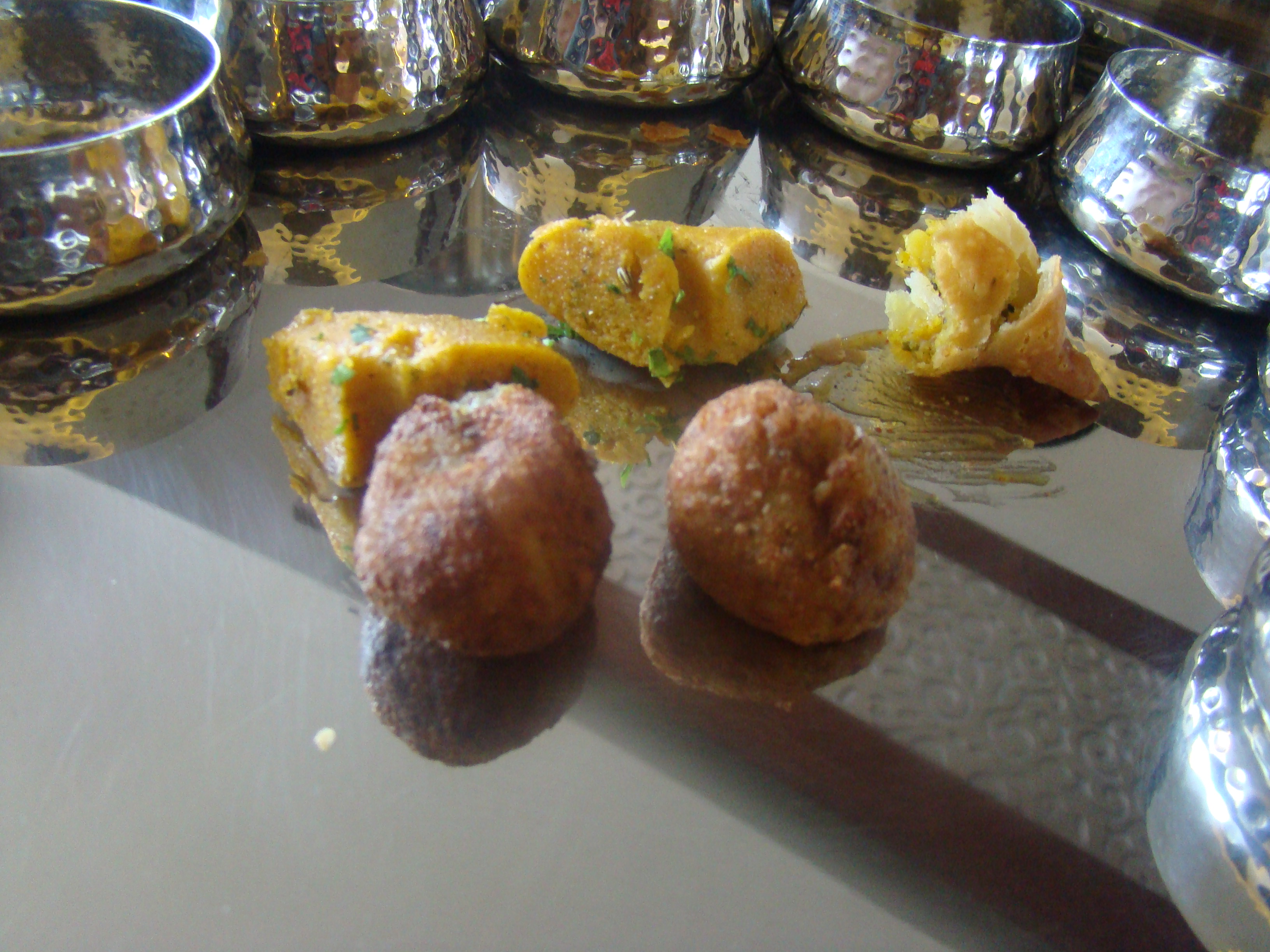
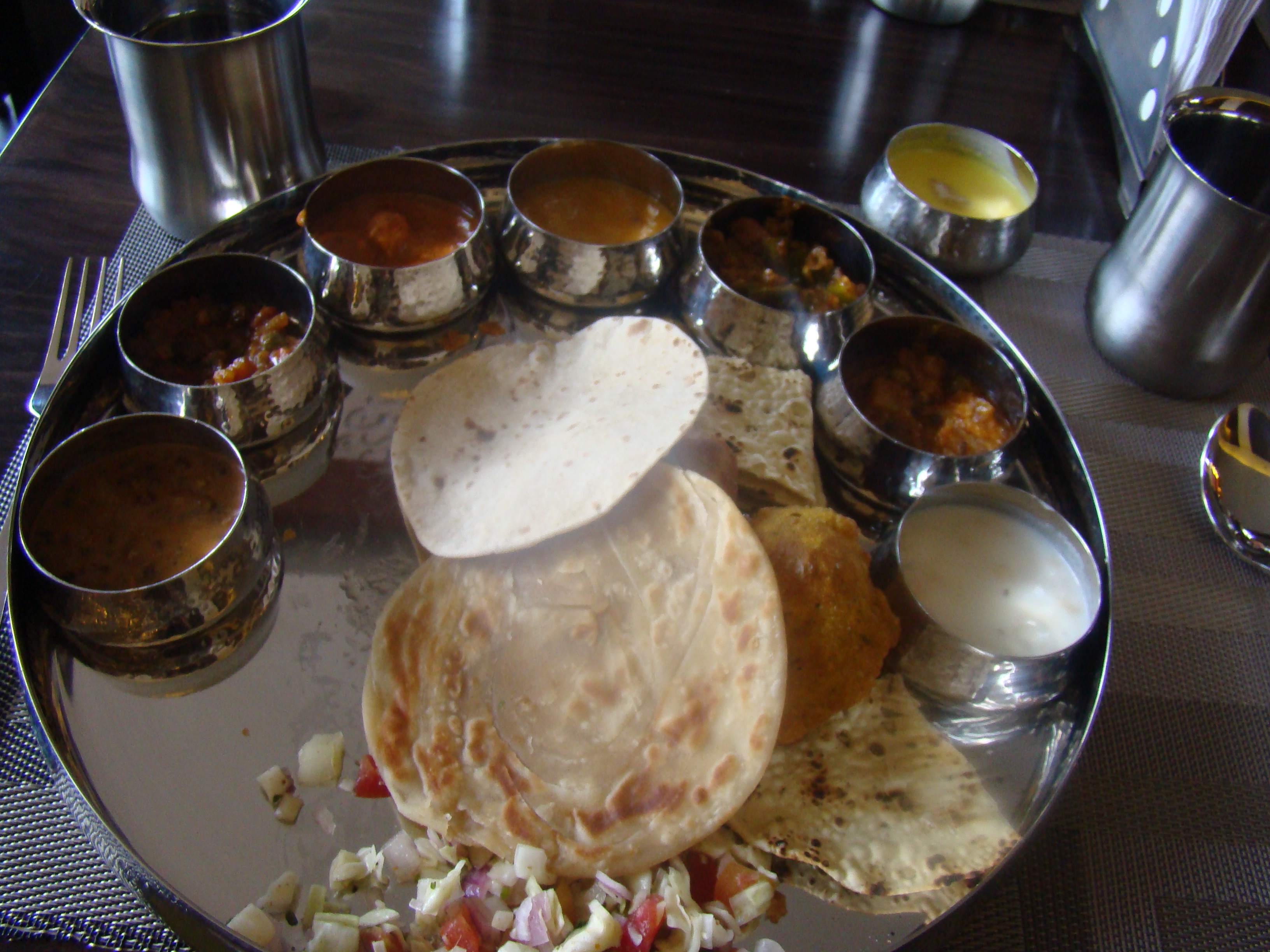
    When life gives you a lime, it might not be a bad idea to add some chaat masala, and that’s what makes a Nimbu Pani Rampuri, which would’ve been quite good if not for the dominant masala flavour. The Mix Vegetable Shorba was thick, creamy and a decent start to the meal. It was definitely a few notches higher than the Murgh Badami Shorba, a thin soup which the Badam didn’t deem worthy enough for an extended presence. The best of the starters was the Bhune Hue Subzi ke Sheek Kabab, mildly spicy and coarse, in terms of texture. The fish didn’t seem to have bought into the concept of Mahi Sarson ka Tikka. Not only was it unevenly cooked, it also suffered from a dominance of mustard and an absence of any other flavour. The Galowti (sic) Kabab was much better fare and though it wasn’t at ‘melt in the mouth’ levels, it did get pretty close.

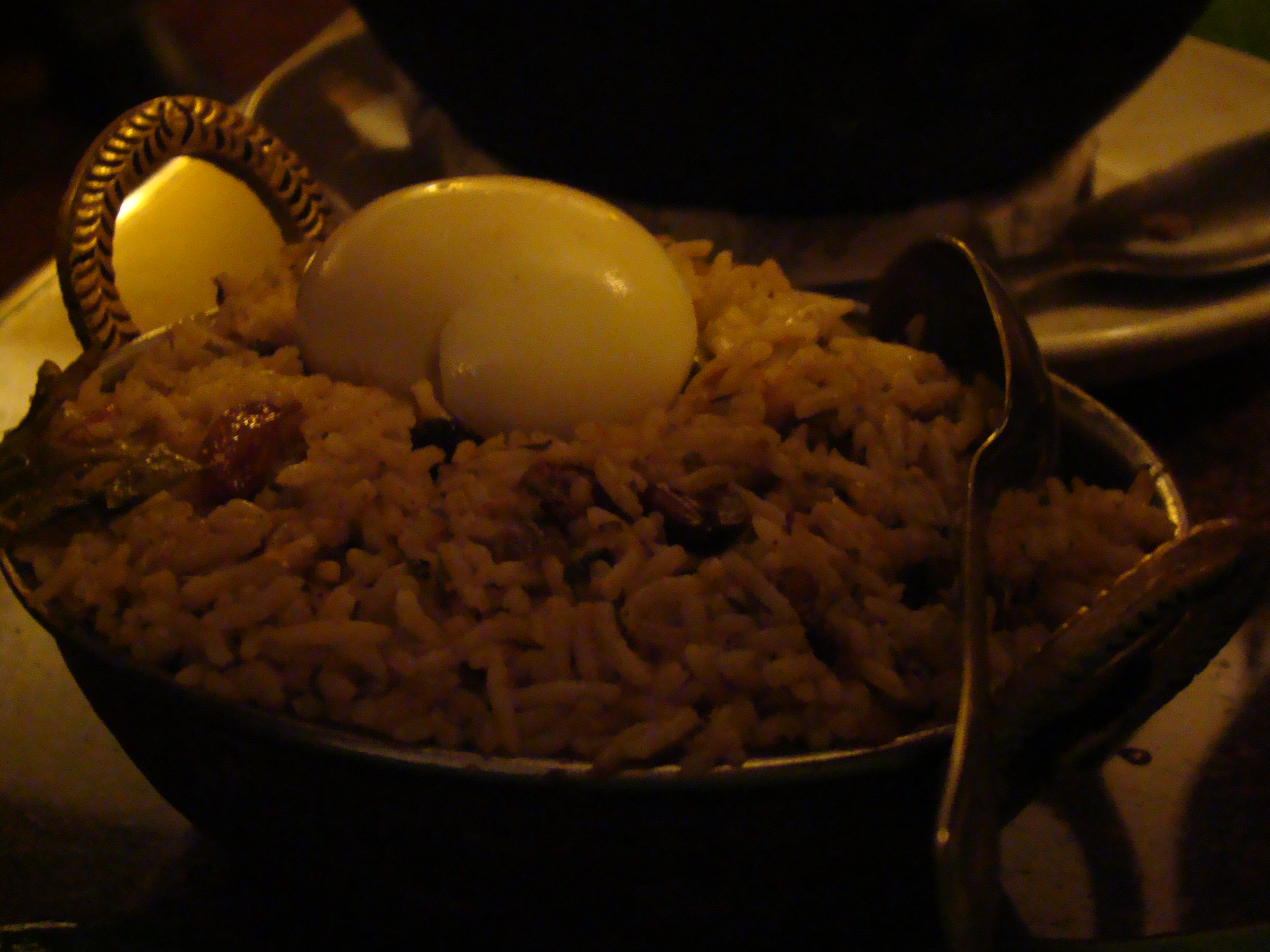
    The veg dominance continued in the main course too, with the Rampuri Dal Tadki wali – mixed dal, smooth and mildly spicy – becoming the favourite. The Paneer Lababdar came a close second with its thick consistency and creamy flavour. The Gosht Kundan Kaliya did sound like a Bollywood movie remix, but proved a fairly good dish with tender meat and a mildly spicy gravy with a dash of turmeric. We weren’t that fortunate with the Murgh Makkan Rampuri which had a tasty gravy but was spoiled by the chicken itself – hard and bland. There was unfortunately nothing khaas about the Rampuri Kaas Paratha, and the Taftan, in addition to being slightly burnt, lacked the saffron-cardamom flavours that make it special. The Ulta Tawa ka Paratha was relatively the best of the breads, though it did skimp on the ghee. The Murg Dum Biriyani also did not live up to expectations, and though the chicken was good, and the portion size large, the overly sticky and flavourless rice let it down. It needs to be mentioned that none of the dishes were really ‘heavy’, but considering the Ram’pure’ desi ghee proposition that the restaurant claims, that’s not really a good thing.

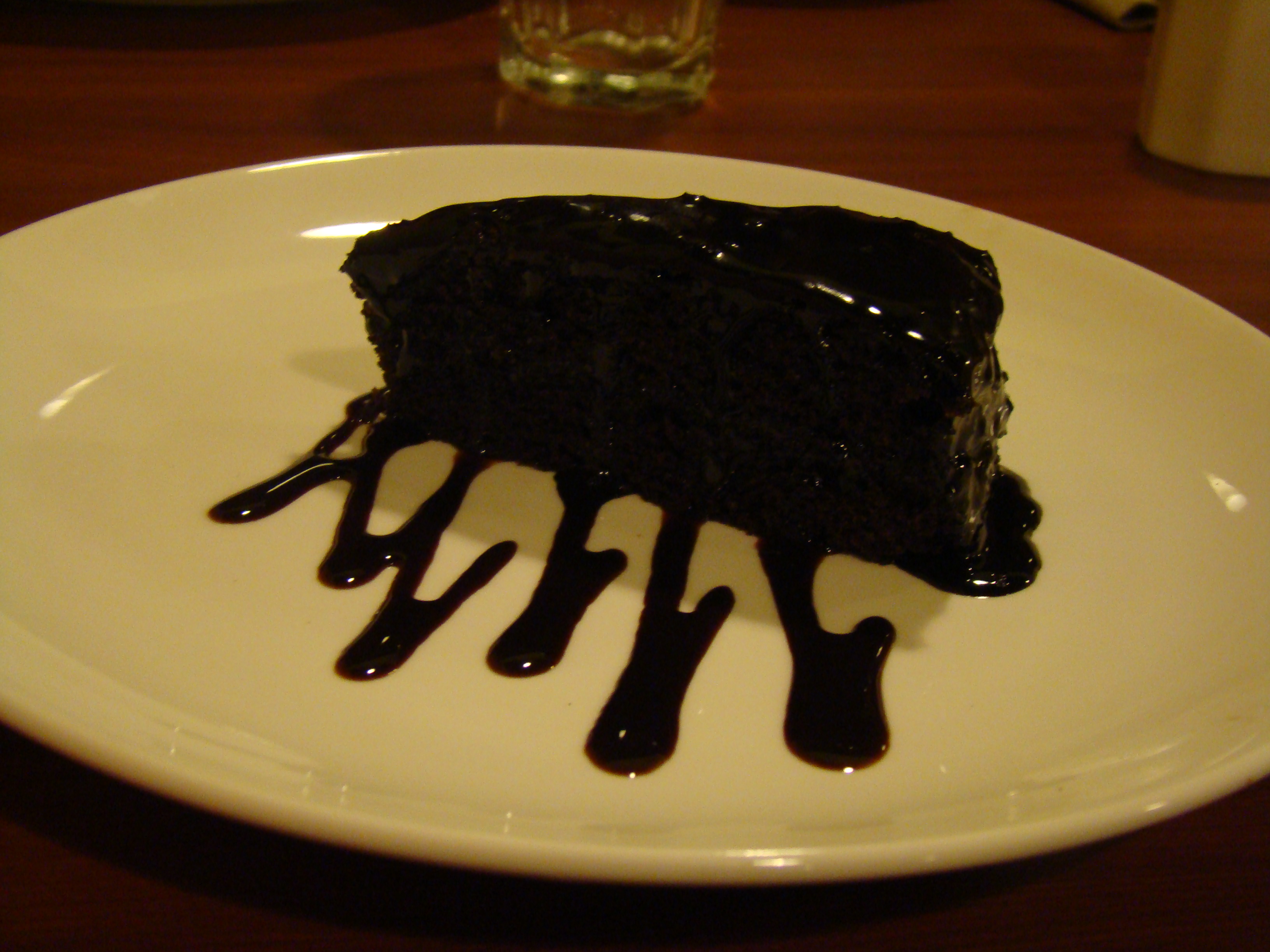
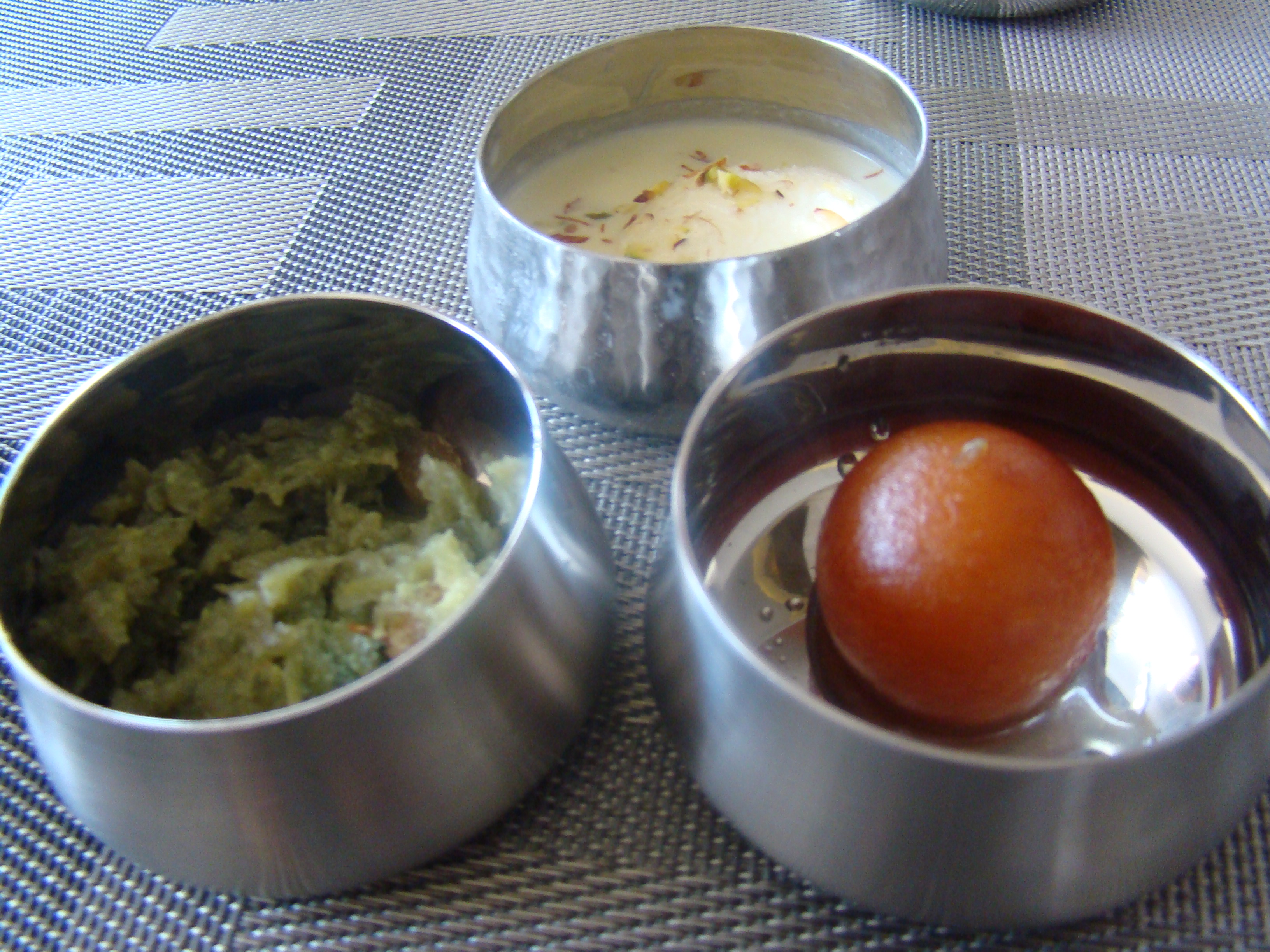
    The spectre of dessert unavailability that seems to be following me around refused to let go here too, though its presence was limited to the Kesar Rasmalai and the Shahi Tukda. The soft Kesar Gulab Jamoon was the best of the lot though the Kesar itself couldn’t attend. The Matka Kulfi wasn’t so bad either though it could’ve been sweeter. The Phirni was quite insipid, and the Rampur ka Sewian was completely ignored, after the first tasting.

    A meal for two would cost roughly Rs.1200, and they also have lunch and dinner buffets available on weekdays and weekends. The restaurant’s self proclaimed bias for non veg dishes fell flat on its face with the veg dishes clearly upstaging them. There seemed to be a focus on the buffet, which could explain the service staff trying to nudge us towards it, as well as the average delivery of the a la carte offering.

    A Taste of Rampur, #4031, 1st Floor (aboveBombay Store),100 Ft Road, Indiranagar, HAL 2nd Stage, Ph: 080 42156000

  • God in the details

    Sometime back, Vedant shared a video on Reader – a Punjab village in 1925. It reminded me of how little of documentation we have as we go further back in time. I could see two factors in this – documentation itself didn’t happen because it was not an easy process, and storage mechanisms that were used then haven’t really endured.

    These days, we do a lot of documentation, on the web and offline – pictures, videos, text, creating a lifestream that at this point, looks to be durable, because as each technology gets replaced by another, we are also building means to transfer the data captured. My own lifestreaming experiments have been on for quite a while now. New tools like foursquare only add to it, and I find that I can actually recollect a lot from this information.

    I’m inclined to believe that data capture itself will only get better with time, though the reactions to it will definitely be varied. But it did set me thinking. In the enterprise, the more the data, the more we are able to glean information and knowledge about things, people, behaviour, preferences and so on. Do you think, even at a theory level, that if we actually had data of all humans over a really long period of time, we will be able to crack the profound questions that we haven’t found an answer for – why do things/people exist the way they do, the complete effects of one’s action/inaction, the purpose of life itself? Will this data help us unlock dimensions that have been closed to us thus far? Like I’ve asked before, how would that affect our God constructs?

    until next time, data and daata 😀

    Bonus link: Your place in the 7 billion