Author: manuscrypts

  • A Far Horizon: A Novel

    Meira Chand

    Meira Chand mixes recorded history with fiction – her own interpretation of events, to create an interesting tale. Set in 1756, the book deals with the events that led to the Black Hole of Calcutta, and suggests that the official numbers and incidents might have been exaggerated by John Holwell, whose account has been debated on. In addition to people who have been mentioned in that account, Meira Chand has added several characters which manage to give the story multiple perspectives.

    It also manages to give the reader a view of the conditions that existed during the time that the East India Company traded in Bengal, and at a time when its relations with native rulers as well as other nationals were still to evolve into a concrete form. But the divide between the British and Indians had been well set and is represented by ‘White Town’ and ‘Black Town’. The book also shows the contempt with which both sides held each other.

    But a siege by the new ruler of Bengal Siraj-ud-Daulah changes the scenario completely as the inhabitants of Black Town stop serving the Britishers but are soon forced to take refuge in the Fort they’d earlier abandoned.

    In addition to the Nawab, his courtiers and the intrigue involved, and the Company men – Governor Drake, his wife and Chief Magistrate Holwell, there are many characters of mixed breed, most important of whom are three generations of women – Jaya, her daughter Rita and Rita’s daughter -Sati, through whom the goddess Durga/Kali manifests herself.

    Though the premise is interesting, the pace seems to sag towards the middle. Meira Chand’s vivid descriptions of the towns, their inhabitants and the Hoogly river that witnesses them all, are worth a mention.

  • Kochi chronicles – Part 1

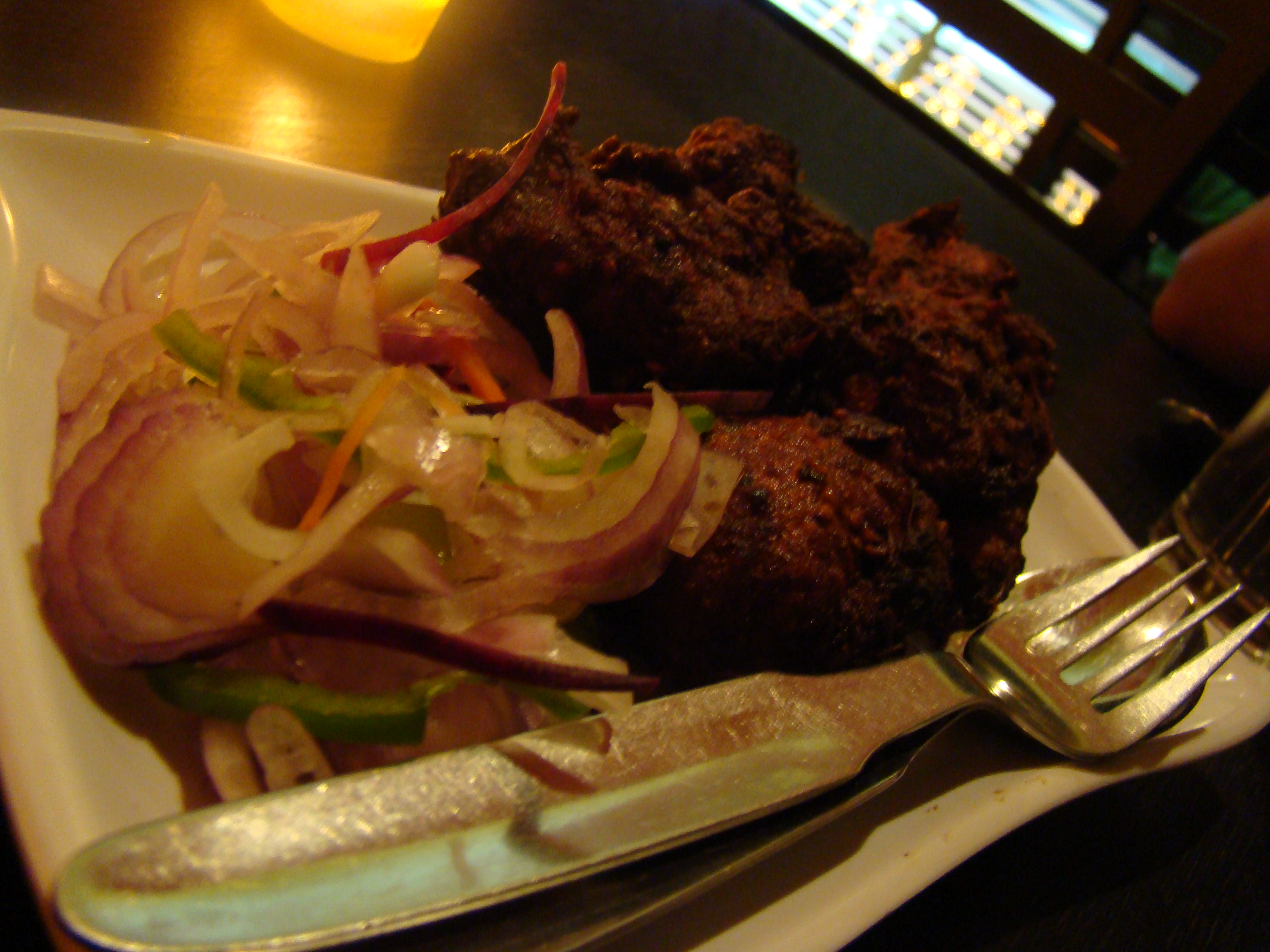
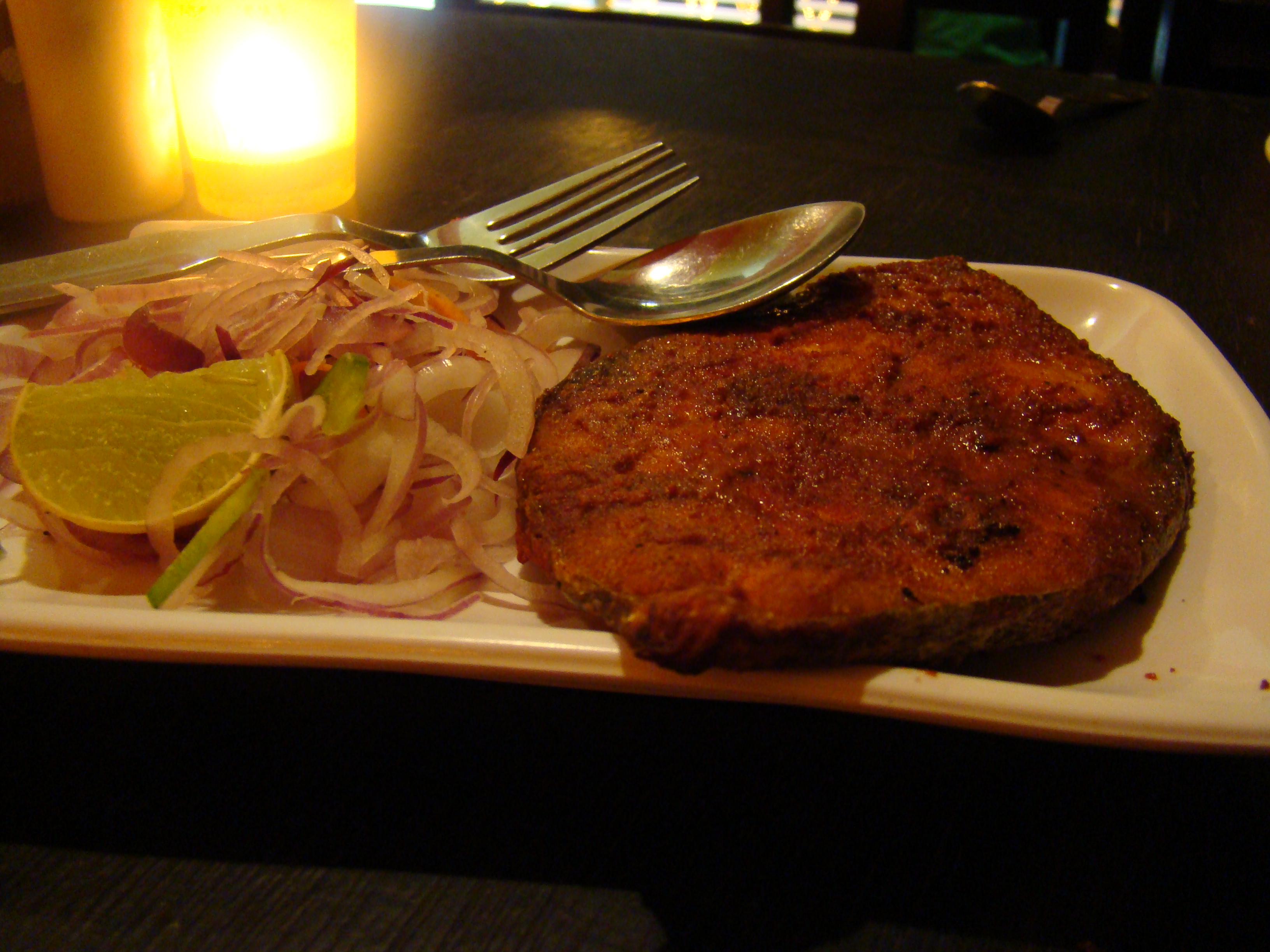
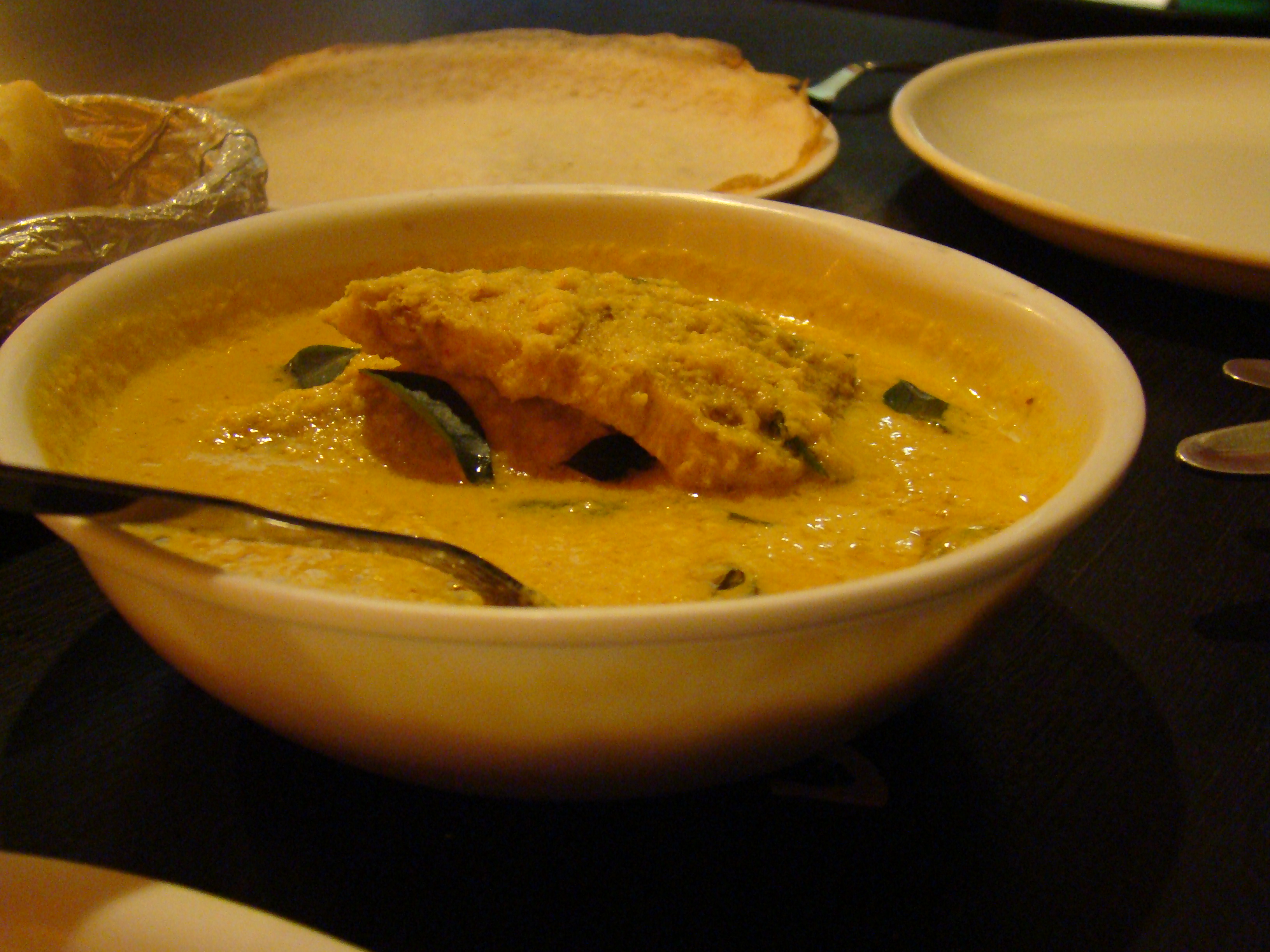
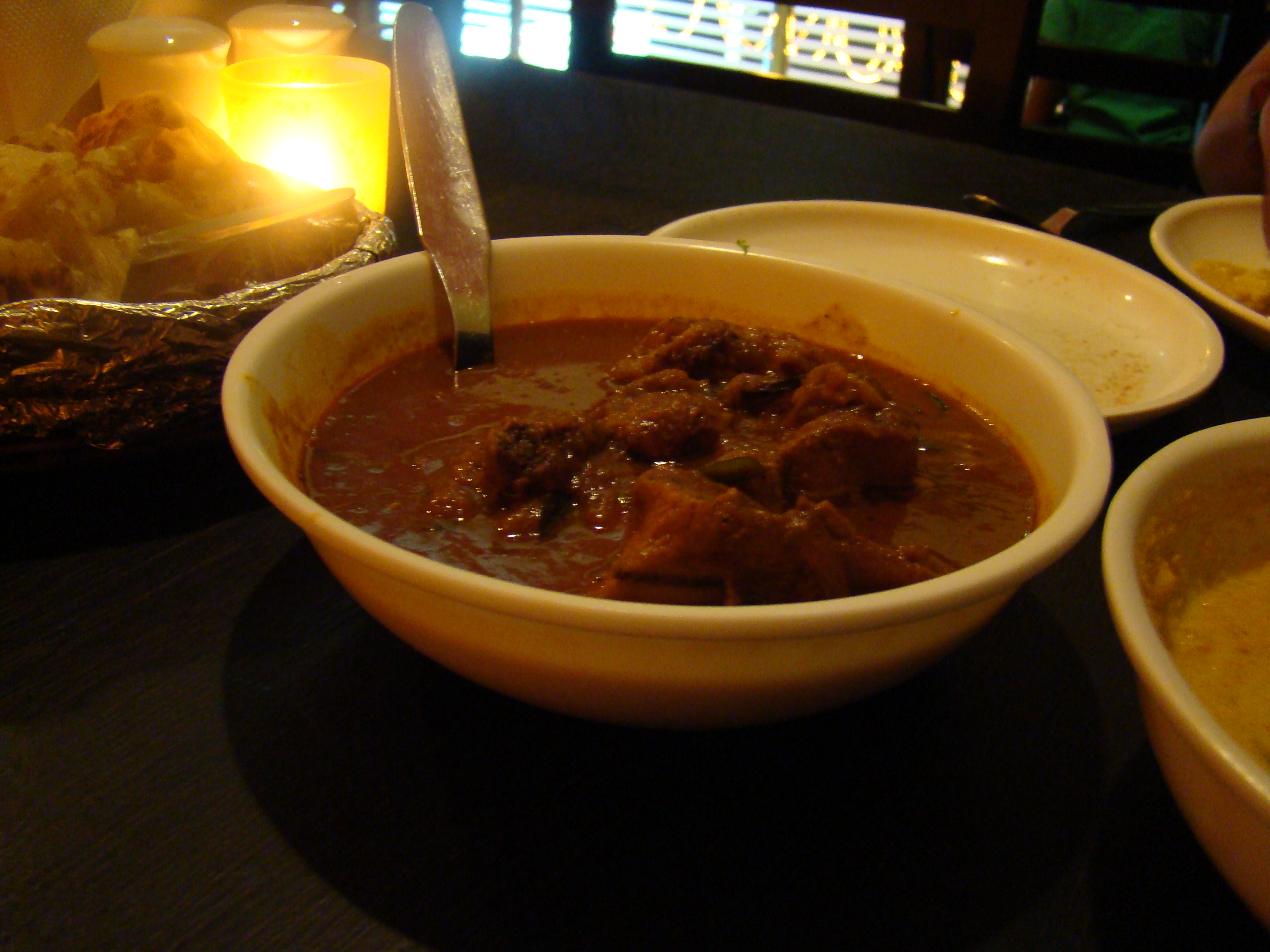
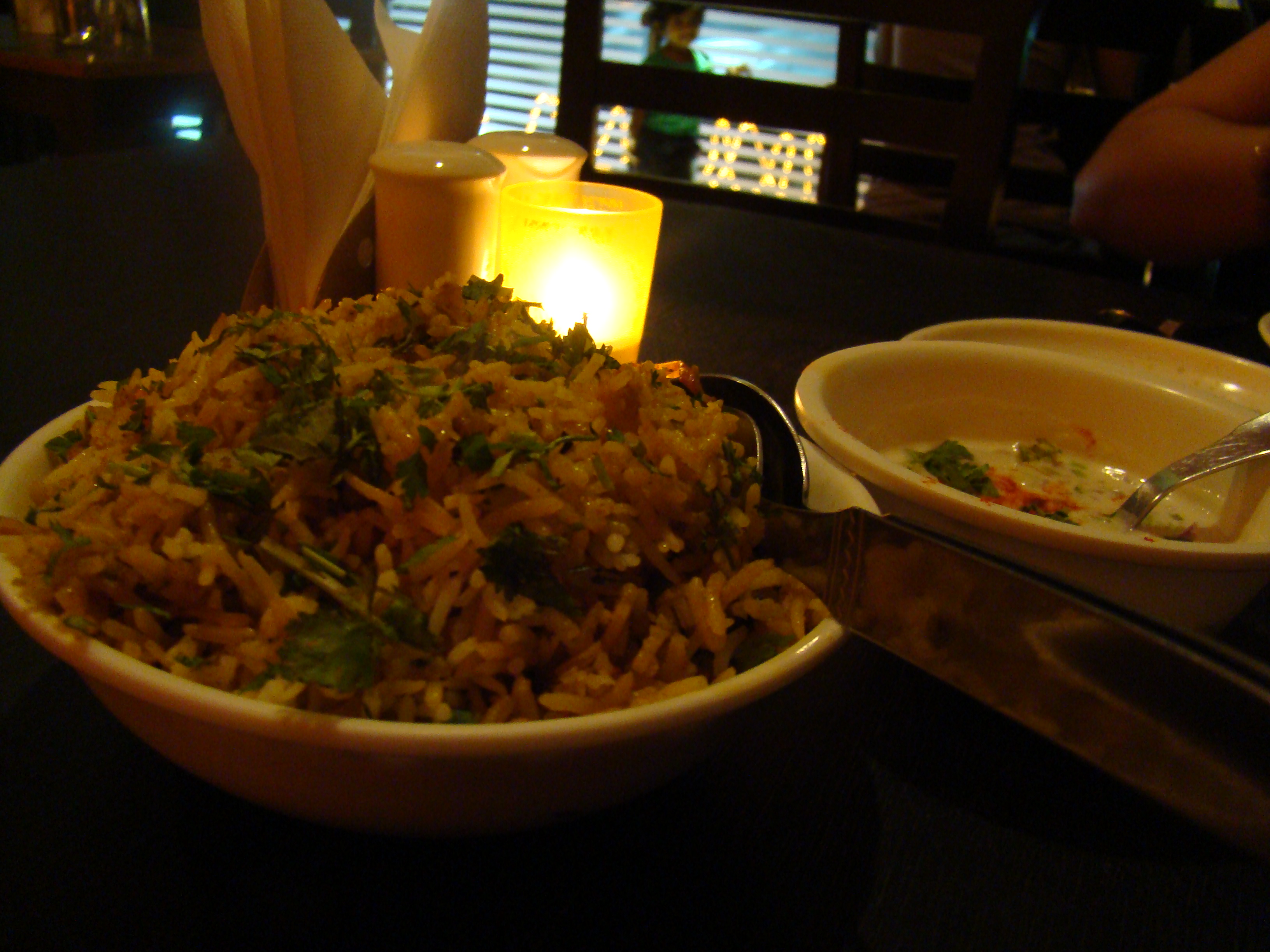
    It looks as though the cosmos reads my posts, well almost. The 2 hour bus ride to Cochin was spent near the window seat, close enough to see the night lights. Especially at the stadium where the Kerala Strikers were trouncing their Bollywood opponents in the CCL, and the collective star power was only eclipsed by the floodlights, which dominated the sky. Dinner was the must-have dish on every Cochin trip, from a restaurant which I used to frequent, but whose special dish I discovered much later thanks to a distant relative. The restaurant has shifted since, but thankfully, the dish survived the trip. 🙂

    A trip to a hospital which has been witness to many childhood exploits was the first agenda of the next day. The backbone apparently had its own growth agenda, the tangential perks of a daily face to monitor relationship with the computer. Reminders of mortality too, but a trip I was looking forward to was scheduled for later in the day, and that dispelled the morbid thoughts.

    Despite living in Cochin for more than two decades, Fort Kochi and Mattancheri had always been faraway places for me. My connection to them, for a long time, had been that they used to be the final destinations of the buses I used to travel in. Whenever I saw someone take a ticket to these places, I used to look at them curiously. A “where do you live, what happens there, what is it like – living there” look. Later, I had quite a few school friends who used to live there, and I knew the names of the localities they lived in and talked about – Cherlai, Kappalandimukku… 🙂 I had a friend in college too, my regular travel companion, who lived in Pandikudy.

    But it was only much later, when I started working in Cochin, that I actually visited these places. Despite frequent biriyani trips, I could never master the lane mazes there. An era before Google Maps. And despite the familiarity these trips created, these places, especially Fort Kochi, never lost the little bit of magic it held for me. The last time I visited the place was around 4 years back – part of an official trip, and as a ‘tourist’. 🙂

    This time, the other M, my sister, a regular visitor, kept teasing D in front of shops with “Madam, you want Kerala sari?” We went by the synagogue, the Police History Museum, visited Jew Town, and watched the backwaters from a cafe + curios outlet which charged tourists for window shopping. At Fort Kochi, a walk along the Chinese fishing nets was mandatory, and on the wall nearby, someone had painted his expression of the Mullaperiyar controversy. A refreshing iced tea + chocolate cake at the Kashi Gallery+Cafe later, we were on our way back.


    But there was one stop left before we got back home. One of my favourite areas in all of Cochin – Willingdon Island. Island, which has always remained the same. From Cochin’s old airport, which was returned to the Navy a long time ago, to the shipping container yards, the KV School grounds, the shipping offices, warehouses past their glory days and now in disrepair, and buildings which seem to tell us stories of another time.  The world has changed, and yet they remain, like a living snapshot of another era. These are the places where I learned to drive a car, where numerous hours were spent convincing people to buy broadband internet, where endless cups of tea were consumed dreaming about the future. Time on Island has always stood still for me. We stood by the sea, watching the Vallarpadam container terminal come up, the Rainbow Bridge, Bolgatty and so on, as ferries carried people home.

    Cochin might be a big city in the making, but it sleeps early, for now. Even as we got out for dinner, at just after 8, most shops were closed/beginning to close, and traffic was minimal. We had dinner at 14 Avenue, which served some excellent pasta and cannelloni. The best way to end the day is with good chocolate cake, and that’s exactly what we did.

     
    The thing with hometowns is that there are many streets and places which activate memories. It is as though they are always waiting for me, to share a common story, to ask me if I remember, to tell me what has happened since, and if I will pass by to see them the next time I visit. Though our paths have separated since, each road has shared a journey with me, and every time I step on them, I step out of myself and think of the younger me who walked these roads.

    until next time, walk on

  • The Great Indian Thali

    The review first appeared in Bangalore Mirror though I’m still trying to figure out the headline. 

    TGIF is an acronym that’s familiar in the dining-out context, and that’s probably why TGIT made us do a double take. We noticed it during our monthly check on The Elegant Elephant – just to see if it’s open. Not.

    So, TGIT. Nope, not Tuesday, not Thursday, but The Great Indian Thali. Located on the busy 80 ft Road in Koramangala, (map) in the building that is now a mini Church Street with El Tablao, Barbeque Factory and the soon-to-be-launched Resto-bar & Grill. Yes, there’s valet parking. And guess what, all the restaurant owners have a mallu connection. Keramangala rises. Bwahahaha.

    While many a restaurant in Bangalore serves a North Indian and/or South Indian thali, or even a region specific version, TGIT clearly has ‘Mile food mera tumhara’ in mind. But they do plan to have a monthly region-specific special with guest chefs soon. Meanwhile, you can lounge on low seating, or functional or high chairs as you watch the traffic snarls below and contemplate if Curd Rice and Paneer Lababdar do have a future together, and what theme links Zindagi Na Milegi Dobara and Bryan Adams.

    The prix fixe (set) menu features four starters and the samosas that were served first turned out to be the hot favourites. A crispy exterior with a standard but mildly spicy and non greasy filling and complemented by the imli chutney meant that everyone asked for a second helping. The Dahi vada – soft and fluffy vadas in a faintly tangy curd, was equally popular. We also got the not-so-commonly-found Makhai vada – made with corn ground to a paste, and though the snack was not in the same league as the ones preceding it, its uniqueness makes it a dish worth trying out. Its blandness can be offset by the chilli chutney that’s provided. The cheese balls were the most debated dish, as a few of us found it well worth gobbling up, especially with the mint chutney, but discerning palates detected that the cheese was not really fresh.

    In the main course, the Ker Kismis, a Rajasthani specialty made of desert berries was a dish that found favour with everyone. The different texture provided by the berries and the occasional sweetness rendered by the kismis made it a singularly unique offering. The Paneer Lababdar was a close second and was taken down a notch by the slightly hard paneer, though the mildly spicy gravy did its best to make up. The Parwal Masala, made with unpeeled point gourd was another dish that used its texture to good effect. The Shrikhand, though classified as a dessert, made an appearance, probably to serve as a combination with the Masala Puri. But it proved to be too diluted and though the masala puri got the flavour right, the combo didn’t really work out. None of the other main course dishes – Dal Makhani, Dal Tadka, Aloo Matar – managed to leave an impression. The Fulka proved to be too thick and the Pulao rice needed some more cooking. The curd rice just about managed to stay true to character.

    Since it was a prix fixe menu, there was no danger of desserts not being available. The soft Gulab Jamun did a splendid job and got the sweetness of the syrup just right. The Rasmalai continued to be another dependable source of sugar based joy. The Lauki Halwa was a unique option and though it was a tad heavy and greasy, we thought it was an acceptable part of the halwa’s character. And yes, there was paan in a wrapper.

    The prix fixe menu is priced at Rs.328+tax on weekdays and Rs.382+tax on weekends. With the starters and desserts doing an excellent job, the meal began and ended well. The main course was a bit of a disappointment. Considering that one can have as many servings of preferred dishes, the pricing is quite justified. With a few unique dishes mixing it up with favourites from across the country, TGIT does seem to have a reasonably good offering when you’re in the mood for vegetarian fare.

    The Great Indian Thali, Lotus – 612/1, 80 feet Road, 4th Block, Koramangala Ph: 08065471151

    PS: Yes, it’s a veg restaurant, and you can stop laughing!

  • The Veteran

    Frederick Forsyth

    The book is quite a departure from the regular thrillers that Forsyth is famous for, but that doesn’t take away anything from the quality of the work. It consists of five stories, which showcase the research that characterises Forsyth’s works. I’d actually have taken these for Jeffrey Archer’s work for the quality of the ‘twists’, and sometimes, even the wit.

    ‘The Veteran’ and ‘The Art of the Matter’ are renditions of the concept of justice, with the latter giving us quite a few insights about the art world and its inhabitants. ‘The Veteran’ would seem an open-and-shut mugging case and the trial that follows, but develops layers as it proceeds. There is something very satisfying about this story as well as the last one. In ‘The Miracle’, a tourist couple on their way to experience the Palio horse race in Siena, come across a stranger and his tale of the supernatural. ‘The Citizen’ involves a drug enforcement officer and a range of characters who are involved in a drug trafficking episode.

    ‘Whispering Wind’, the last story is considerably larger than others, and while the average ‘Bollywood’ viewer would find the concept familiar, it is still a great story based on ‘The Battle of the Little Bighorn’, the amount of detailing takes it up several notches.

    ‘The Veteran’ might be named after the first story or perhaps the expertise that key characters in all five stories exhibit. The most endearing aspect of this book is how it marries clinical descriptions and detailing with stories that exude warmth and humanity. That, and the excellent endings make this a great read.

  • Never Discount Art

    While he lived, they made fun of his art. After an entire life bemoaning the fact that he sucked at art, he finally bled to a slow painful death. But then, his art became immortal, as did he. Suddenly everyone wanted a stake in his works. Of course, you all must know his name – Drawcula.

    until next time, arty stick stake 😀