The review was first published in Bangalore Mirror.
Indiranagar suddenly seems to have caught this second wind, as far as new restaurants go. Suddenly there’s a spate of new restaurants, and on one building, (the same as Girias – map) if you manage to go higher than ‘High on Thai’, you’ll find Khaaja Chowk. Valet parking available, and there’s reasonable space for 2 wheelers nearby.
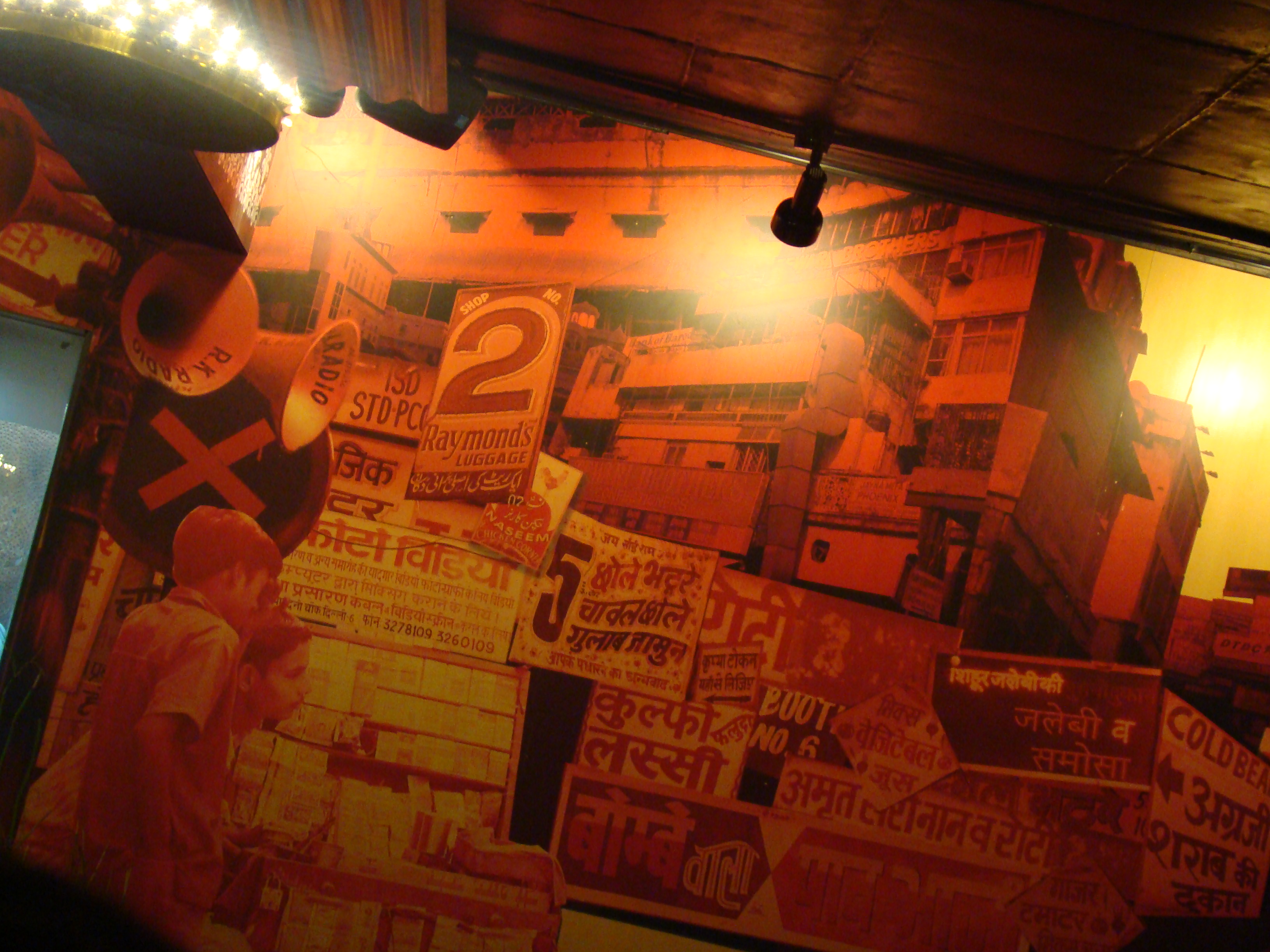
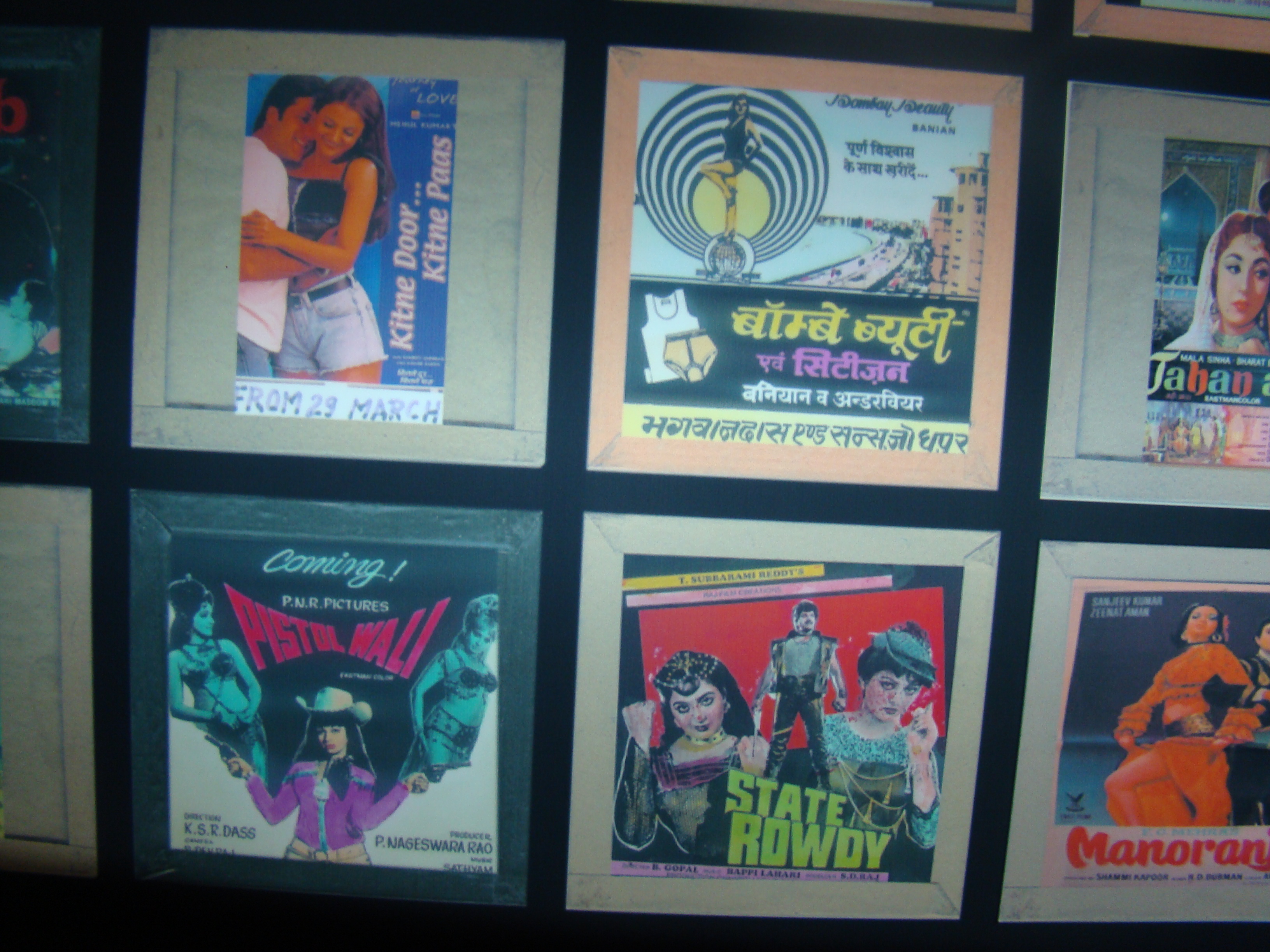 Kitschy chic makes for a good oxymoron, and I’d probably use the décor of Khaaja Chowk as its poster child. Posters are exactly where we’ll start, the ones I was caught gaping at, and then clicking away furiously. If you love Bollywood as I do, there’s no way you’d miss the chance to capture micro posters of ‘Shaitan Mujrim’, ‘Pistol Wali’ and so on! Or you could take a step back and walk up the last flight of stairs that lead to the restaurant on the third floor, its walls adorned with framed retro matrimonial columns, lottery tickets and matchbox covers!
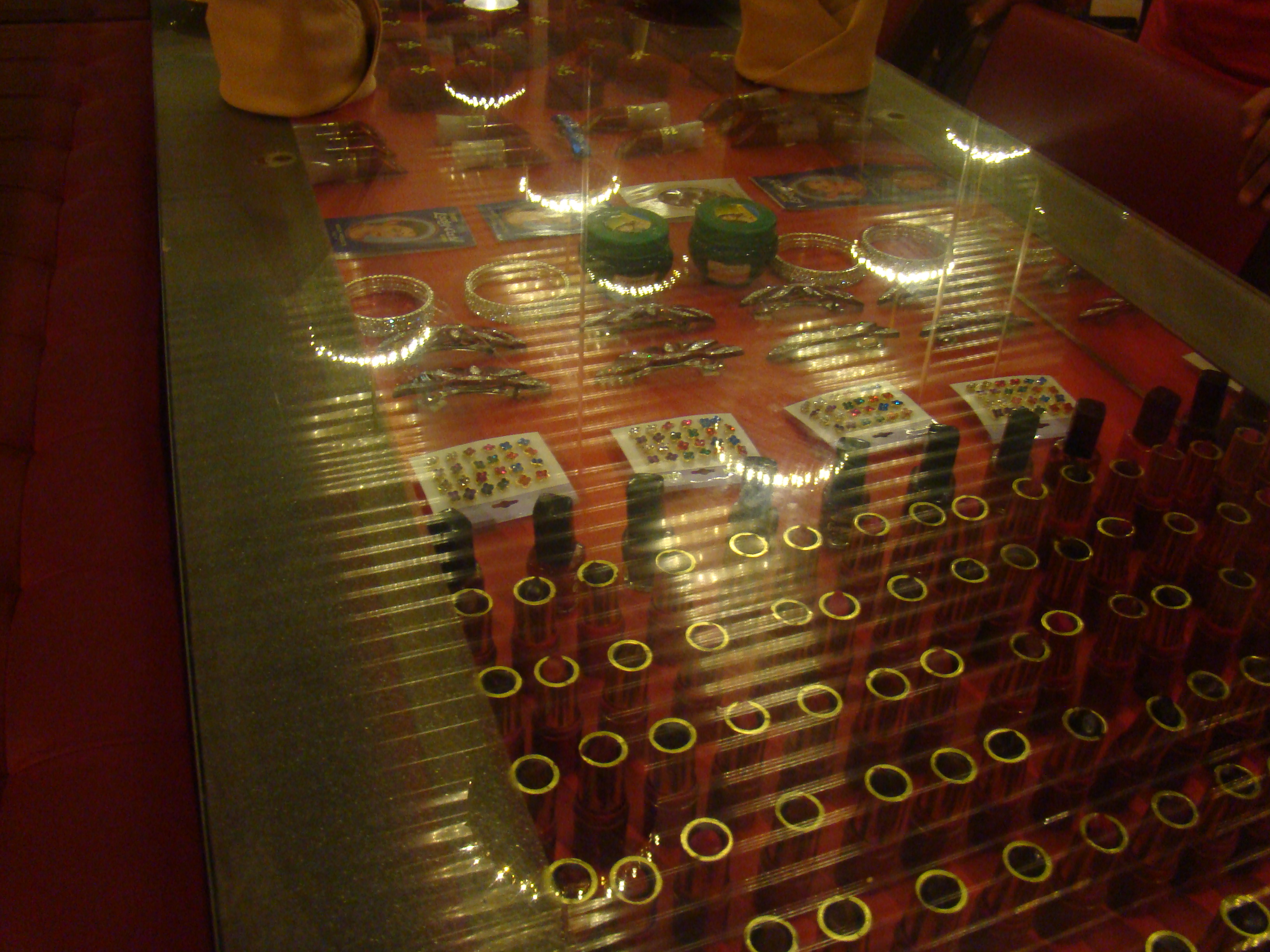
There’s no escape once you’re inside either! Internet darlings like ‘Child Bear’ and ‘Lick-her-Shop’ take their rightful place alongside more to-the-point shop hoarding graphics like ‘Angrezi Sharab ki Dukaan’. You’d also want to check out that special table with bindis, clips and nail polish sets under a glass top. The auto rickshaw tables deserve a special mention, perfect for a group of 4, though we didn’t sit there because it was quite late and feared whether we’d finally be asked to pay one-and-a-half times the bill. The person to thank for all the above is Vikram Nair, who started the chain of restaurants several years ago in Gurgaon and brought it to Bangalore a month and a half back. Interesting trivia is that his sister is Mira Nair, no, not a namesake, the filmmaker herself.
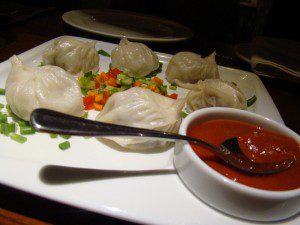
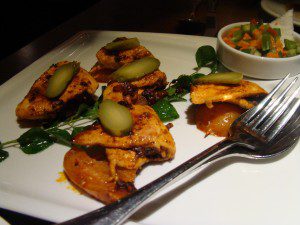
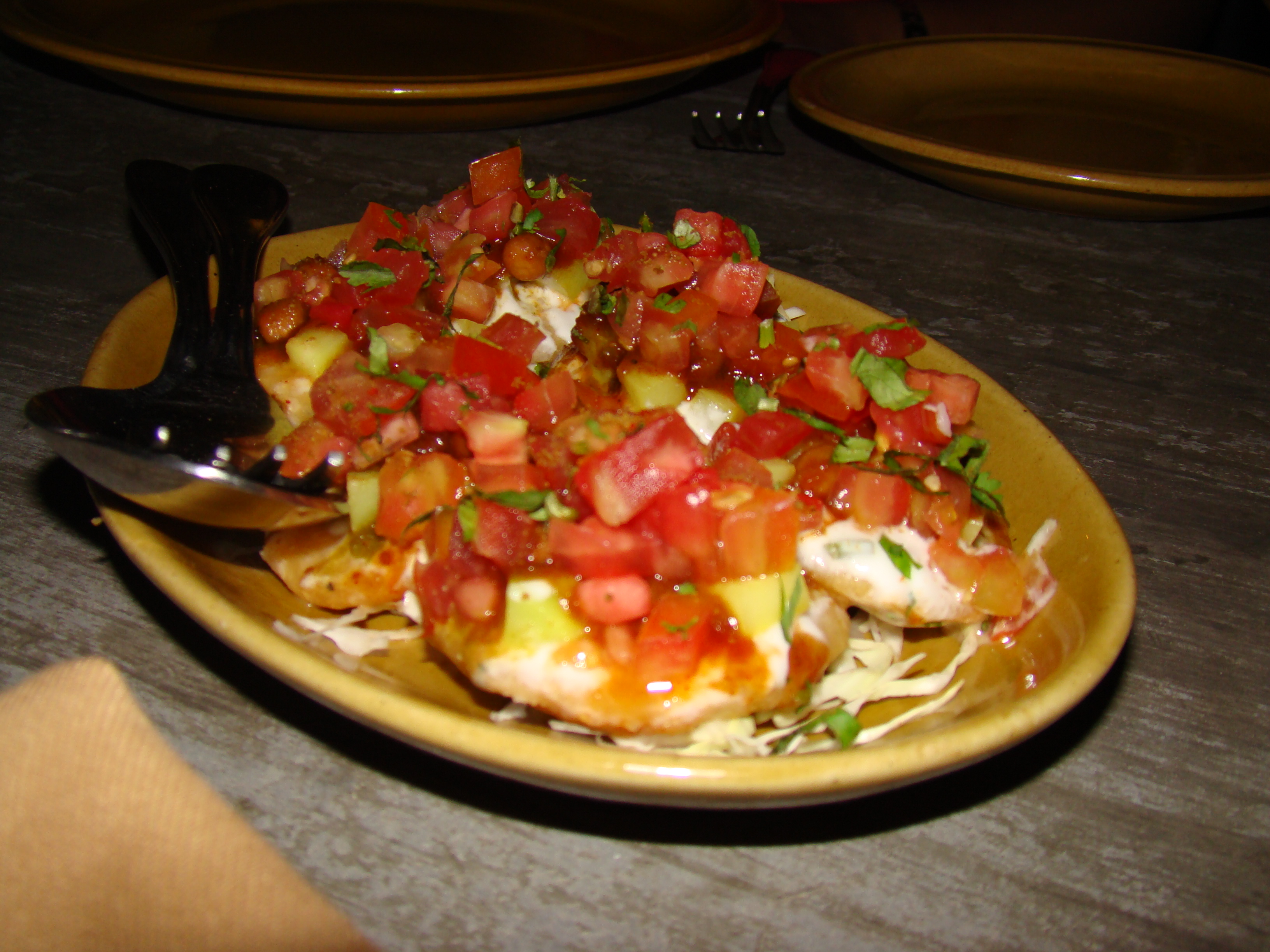
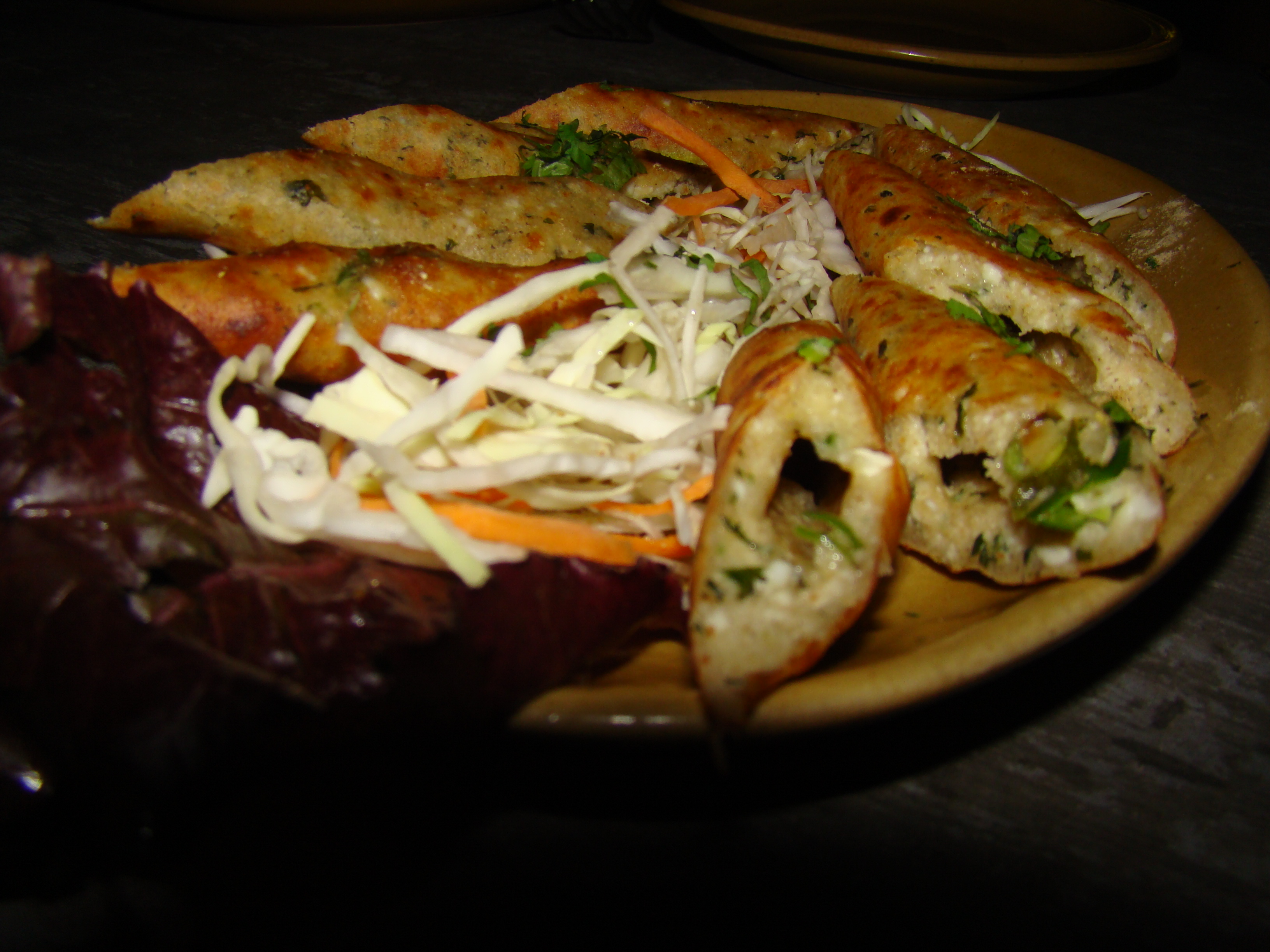
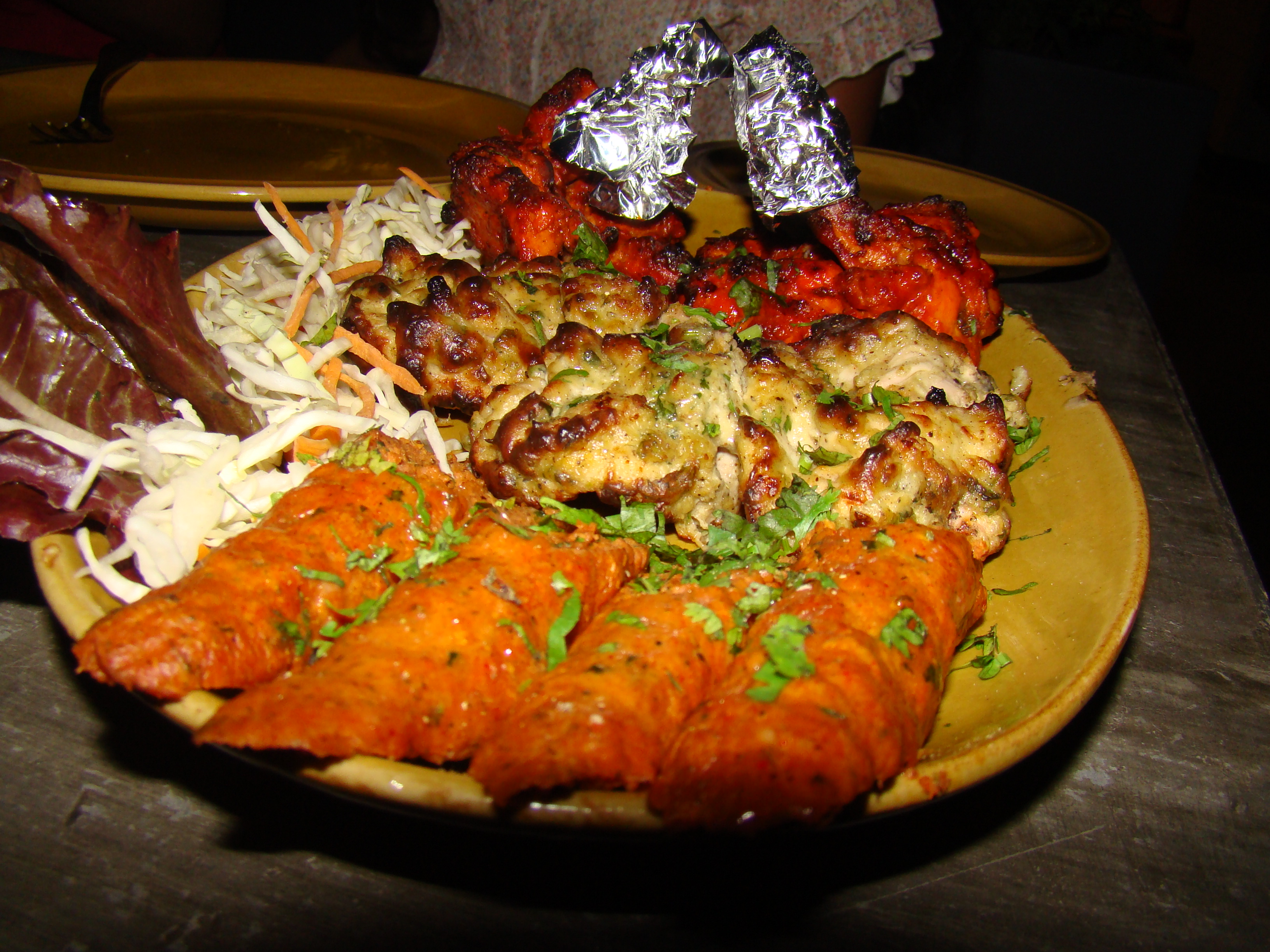 It was difficult to get the visual treat to take a backseat, but we finally managed to get down to business with a Cheese Chilli Seekh Kabab, a Khaaji ki Chaat and a Non Veg Kabab Platter. The chaat turned out to be standard papdi chaat fare, save the sev, and with a cabbage signature! The chilli dominated the Cheese Chilli kabab and the cheese was relegated to the background in terms of flavour, but is highly recommended if you don’t mind some spice. The non veg platter consists of Chicken Banno Kabab, Chicken Burrah Kabab and Mutton Seekh Kabab. The Burrah Kabab was the best of the lot, mildly spicy and juicy. The Seekh lost out only because it was slightly crumbly, though its flavours were just right. The Banno Kabab was subtle to the point of being bland, and was the least favourite. We also tried a sweet lassi to wash it all down, but that was quite a disappointment, mostly thanks to the sour curd! The other drink we tried was the Virgin Mary Masala – standard tomato juice and Worcestershire sauce but with a green chillies and masala desi twist that made the drink special.
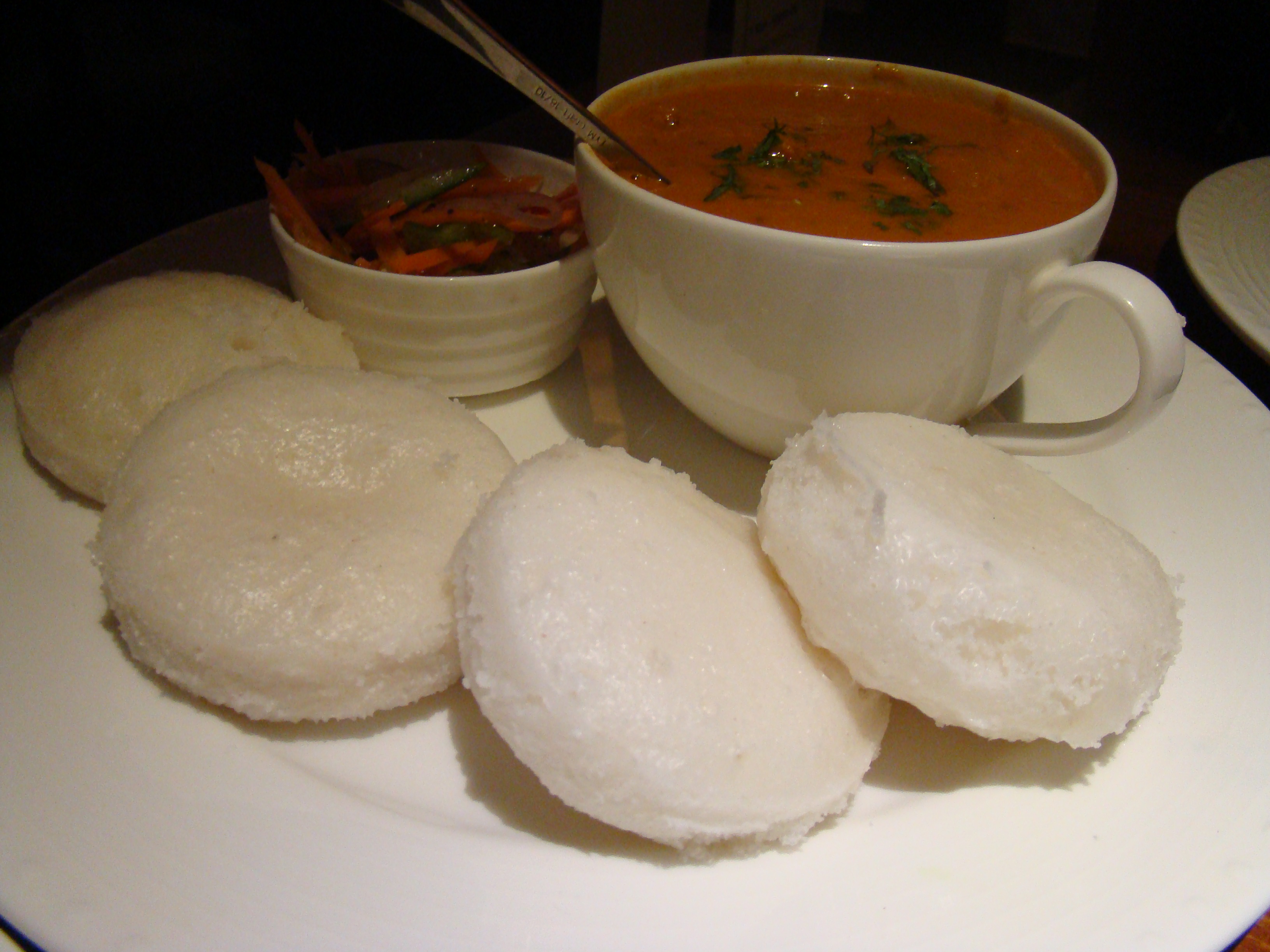
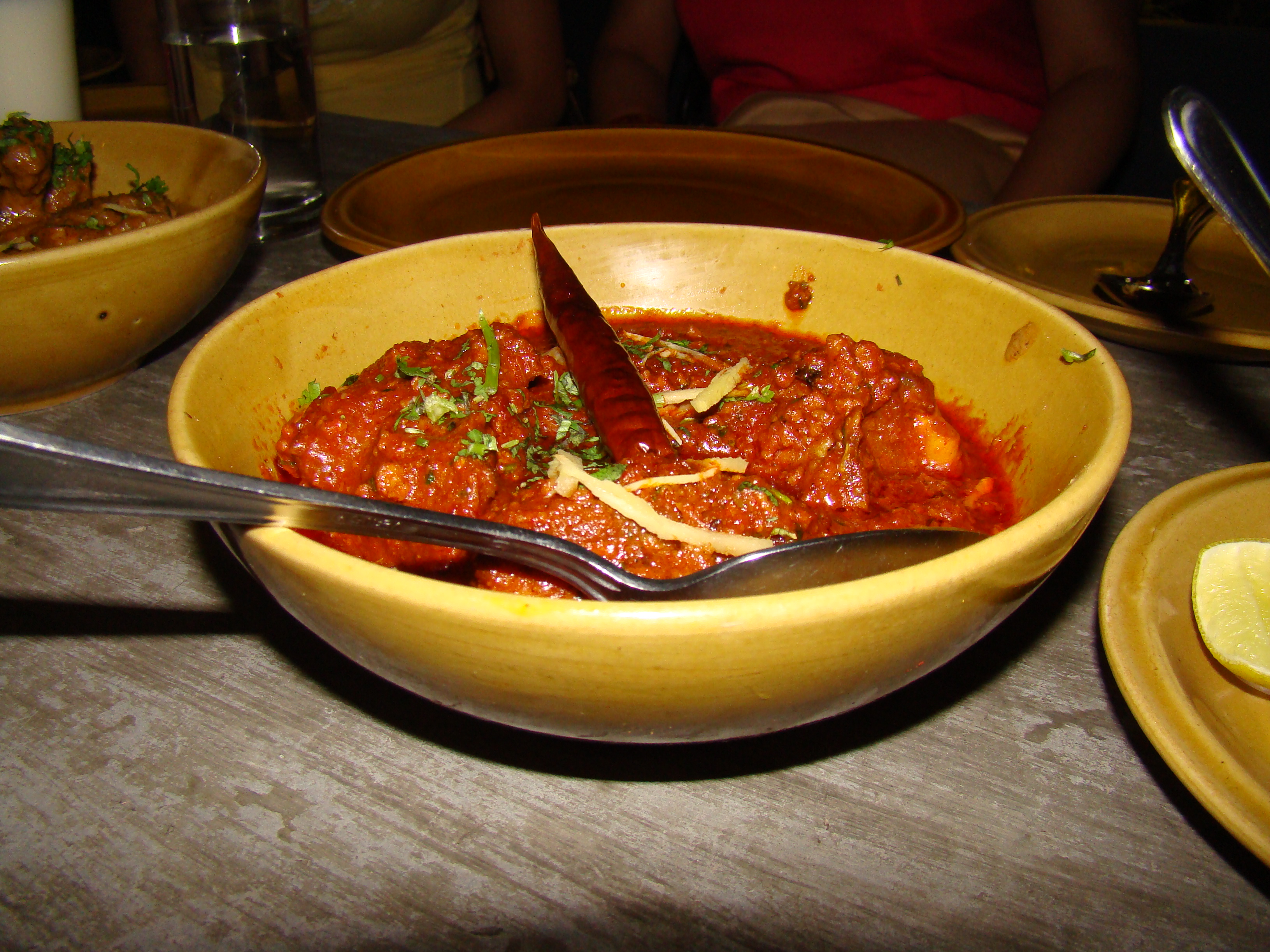 The menu seems a toned down version of the one available at other outlets of the chain. Quite surprisingly for the crowd involved, the dish that became an instant favourite was a vegetarian one – the Makhmali Kofta curry, a white cashew based gravy that was mildly spicy and creamy and had koftas that just smoothly slide down. The Chicken Chengezi is not as fiery as its name makes it out to be and is supposed to be only mildly spicy. It was exactly that, but had a slight tan (for a dish supposed to be made in milk and cream) and was missing the boiled egg. However, it was well cooked and quite tasty. The Rara Gosht was the least impressive – the gravy was too greasy for our liking and the meat was unevenly cooked, actually mostly rubbery. The naans were standard and if you like spice, you might want to try the Rogni Naan. The Matka Biryani – Chicken came late to the party but got a good response – subtle flavours, not greasy and succulent chicken pieces.
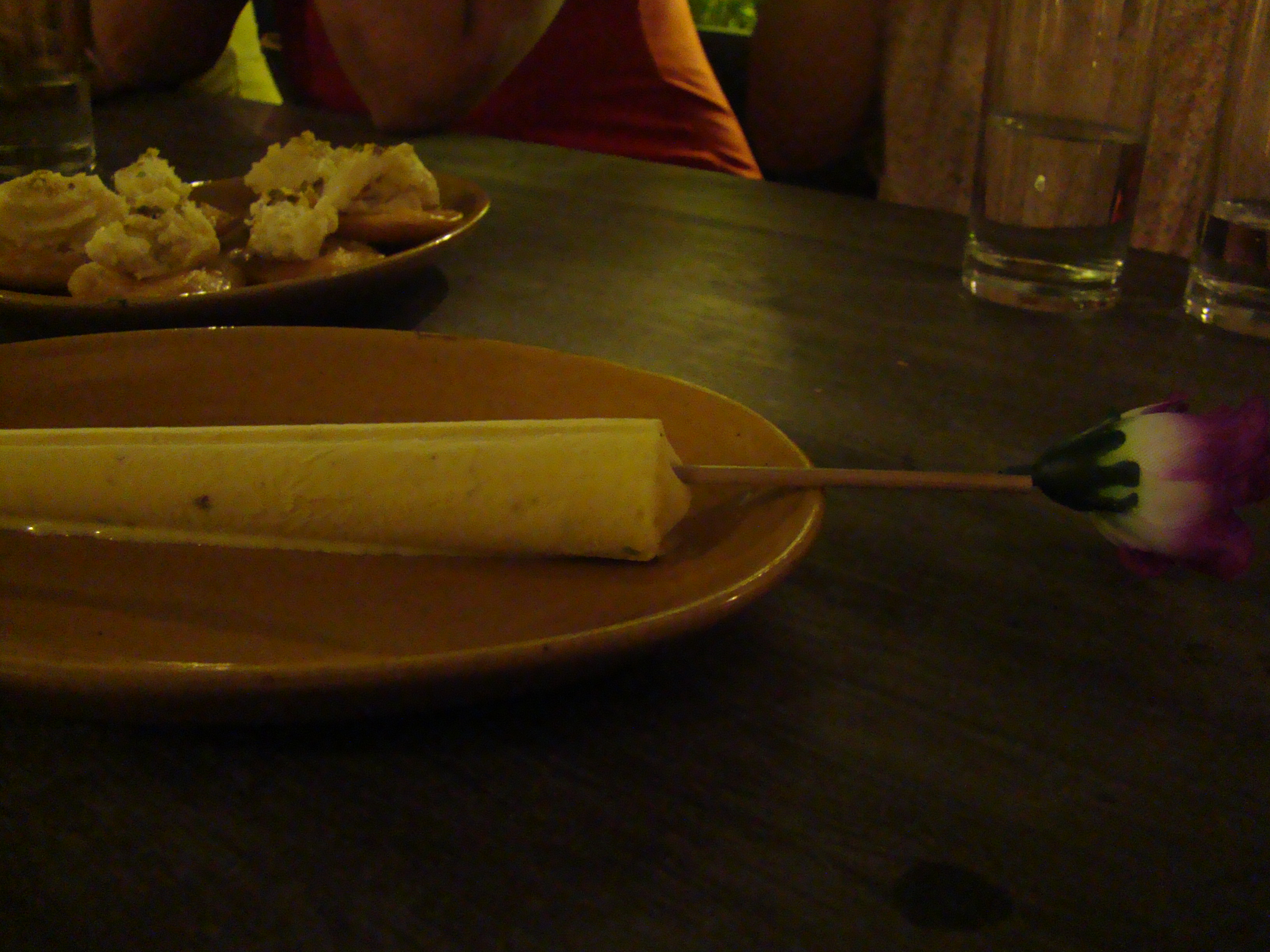 The Rabri Khaaja and the Rocket Kulfi were the standout items in the menu, so we decided to test them out. The Kulfi’s flowery presentation needs a special mention and it also turned out reasonably well, though quite subtle. We liked the Rabri Khaaja more though, thanks to its combination of a crunchy base and a malai based topping.
A mocktail, a lassi, a non-veg starter, a couple of naans, a veg and non-veg dish for the main course, and a shared kulfi would cost approx 1,200 inclusive of taxes. We had perfect weather for an under-the-sky meal, and all the seating options –even the ones inside – have their own charm, in addition to the unique overall ambiance. Add to it, the serendipity of rediscovering 90s Bollywood songs, and we have a box office winner. The only villain in the piece was the tardy service once the place got crowded. Which reminds me, it’s probably a good idea to reserve in advance, the place does get crowded. The meal started and ended well, though the main course could have been better. For all of this, you should definitely drop in at least once. If not a chakka, at least a chauka is guaranteed.
Khaaja Chowk, No-276, 100 feet Road, HAL 2nd Stage, Indiranagar, Ph: 080- 40920585