“When the student is ready, the teacher will appear.” That played out well in this context. I remember seeing this (image below) in a Farnam Street newsletter a while back and it validated something I had been doing for a while. In any situation, can I place myself such that circumstance/environment doesn’t cause a decision I’ll regret? Because, to quote from Ozark, “People make choices. Choices have consequences.”
Optimising for this is the reason behind almost everything I had built as a muscle – planning, granular detailing, specific scenario planning, constantly aiming for predictability (or at least optionality), the people I let in and how much, and deliberation on what I do. And that mindset, I told D recently, is probably coming in the way of the life I want to lead.
A little more of context setting before we address that. This is where the master appears – in the form of this post. If we go by the image below (from the post), I am successful and on that line dividing miserable and happy. Just to clarify, there is no ‘reaching the top’ in my case. I define (my) success as being able to say ‘I have enough’ on wealth, health and relationships, and can still retain my curiosity.
At this point, I have the Marshmallow mind (context), and the post accurately describes my conundrum.
So you do the work. You sacrifice. And because you’re sacrificing while others are out having fun, success becomes more and more important to your identity. You slowly forge the chains that can keep you up there, in that top left quadrant, in which you thought only other people could get stuck. But that pivot to living a fulfilled life doesn’t happen. Marshmallow Mind has become too powerful. And Marshmallow Mind lives in the future...Marshmallow Mind tricks us into believing that the rewards for delayed gratification compound forever. They don’t. Eventually, they turn into a trap whose escape requires a radical break with our old identity. As Buffett put it, “the chains of habit are too light to be felt until they are too heavy to be broken.”
The Marshmallow mindset affects the way I react to things, because the muscles are a habit now. And layered on that is a self image. It’s time for some mellowing. As Tim Ferriss says in this phenomenally good conversation with Gabor Mate, sometimes, you need life to save you from what you want to give you what you need. I think life has done its bit in terms of multiple kinds of losses, gains, and lessons.
But the challenge is that my system will resist the learning! More about that in another post, citing another fantastic podcast. For now, the plan is something that I heard in that podcast, where the guest’s daughter’s karate teacher says, “Get your butterflies in flying formation”, because what I seek is “the rapture of being alive“.
P.S. Seems I caught this a couple of years ago, I now need to take some concrete actions 🙂
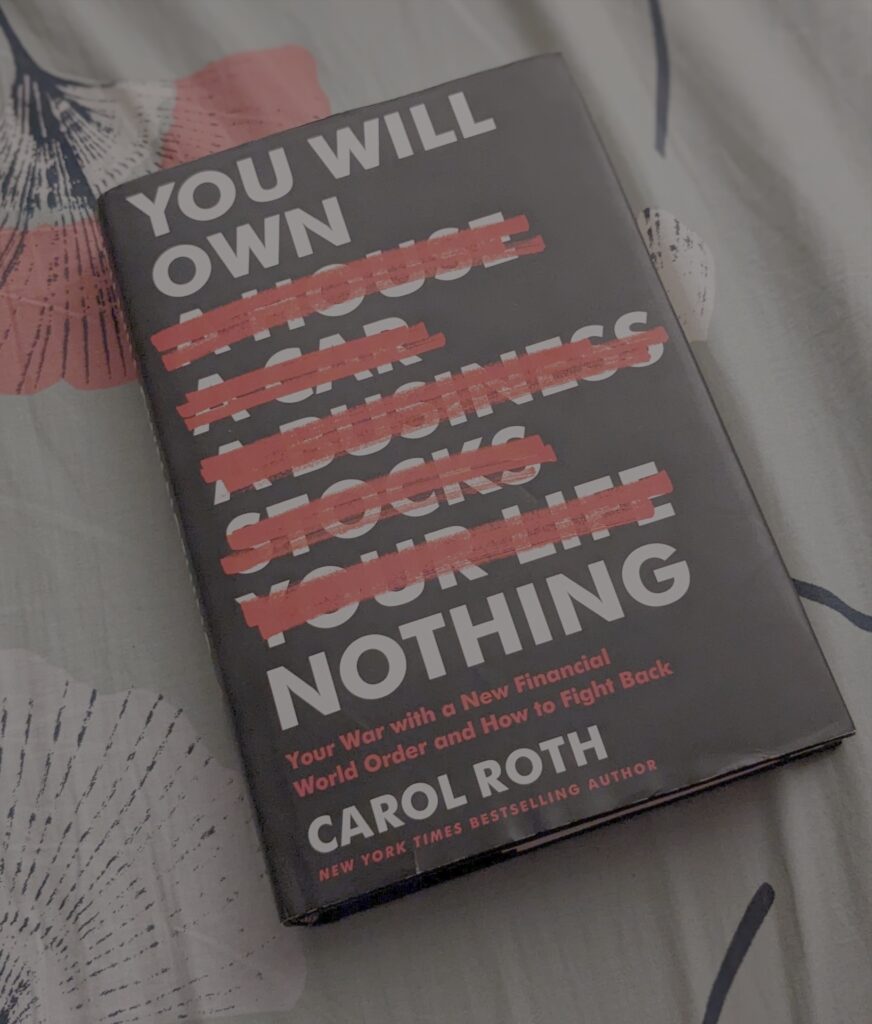
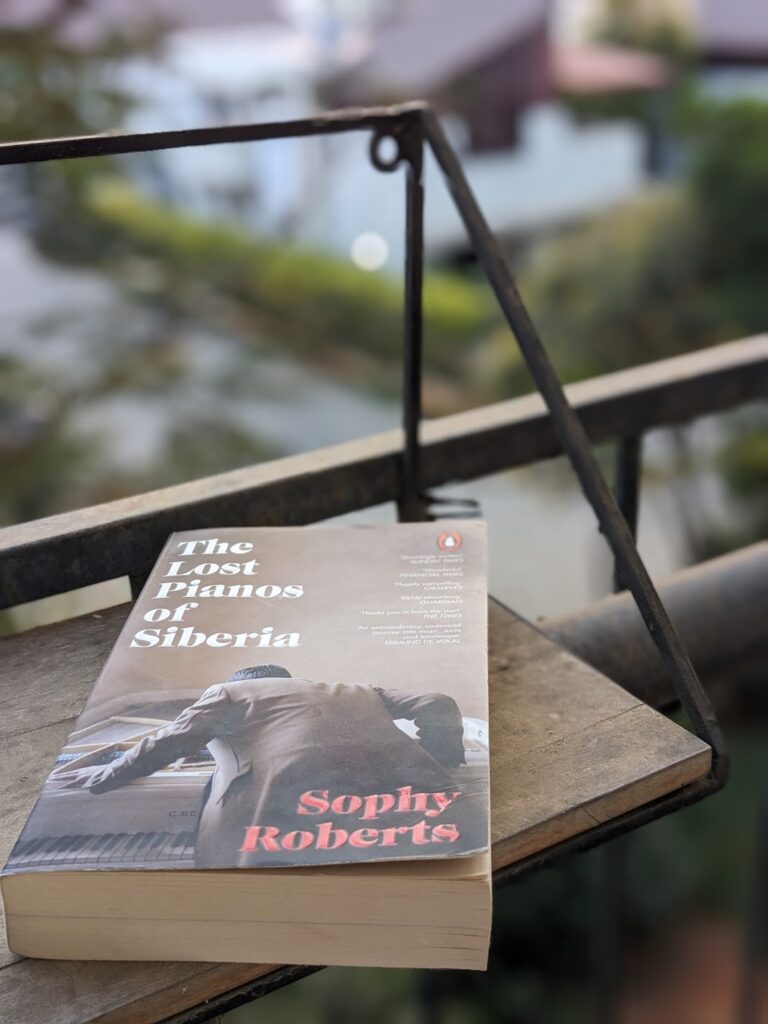
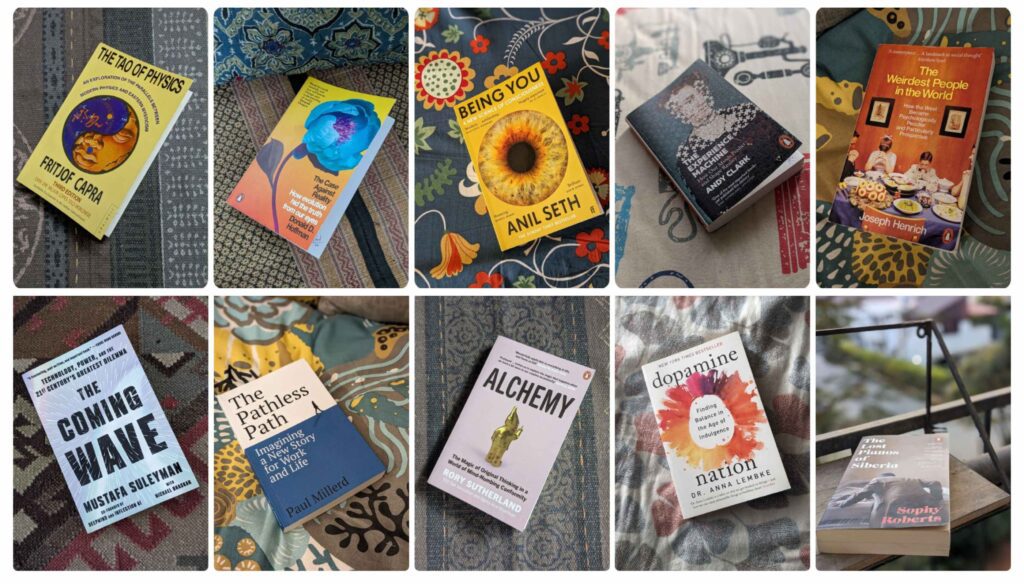
A book that made it into my recommendations list in 2022 was ‘The Molecule of More‘ by Daniel Z. Lieberman & Michael E. Long. That book, as I wrote in my review then, made a complex subject very accessible and even entertaining, with interesting experiments, real-life scenarios and very less jargon. And it got me interested in the subject. I discovered Dopamine Nation thanks to a podcast, where Dr. Anna Lembke gave a very lucid explanation of the relationship between pleasure and pain.
Dopamine Nation is divided into three sections – The Pursuit of Pleasure, Self-Binding, and The Pursuit of Pain. Each of these is further divided into three chapters giving the book a structure that is easy to follow. In her introduction, she writes about the overwhelming amount of stimuli around us and calls the smartphone ‘the modern-day hypodermic needle delivering digital dopamine for a wired generation.’ So how does one find balance in this age of indulgence? A big risk-factor in addiction is ease of access and across digital and reality, that has very less mediation. ” I was struck by how much hotel rooms are like latter-day Skinner boxes: a bed, a TV, and a minibar. Nothing to do but press the lever for a drug”. A dopamine economy or ‘limbic capitalism’ (David Courtwright).
Continuing this thought, she writes about how we run from pain. She throws light on how “the pursuit of personal happiness has become a modern maxim, crowding out other definitions of the “good life”. Even acts of kindness towards others are framed as a strategy for personal happiness. Altruism, no longer merely a good in itself, has become a vehicle for our own ‘well-being’”.
To illustrate the pleasure-pain balance, she imagines our brain having a balance – a scale with a fulcrum. When we experience pleasure, dopamine is released in our reward pathway and the balance tips to the side of pleasure. (the first in a packet of chips) But the problem is that the system wants homeostasis. The self-regulating system now starts functioning. Meanwhile, with repeated exposure to the pleasure, the initial deviation of the scale towards pleasure becomes weaker and shorter, and the response from the self regulation gets stronger and longer. This is neuroadaptation. Now you need the second chip from the packet, and the more you eat, the bigger the craving and more the irritation if you don’t get it. You consume the chips though it no longer gives you pleasure, just to avoid the pain. It doesn’t end there. The biggest paradox is that hedonism leads to anhedonia, the inability to enjoy pleasure of any kind. The good news is that abstinence can lead to a natural homeostasis.
In short, “science teaches us that every pleasure extracts a price, and the pain that follows is longer and lasting and more intense than the pleasure that gave rise to it. With prolonged and repeated exposure to pleasurable stimuli, our capacity to tolerate pain decreases, and our threshold for experiencing pleasure increases.”
In the Self-Binding section, she charts out the escape path with an acronym for dopamine – data, objectives, problems, abstinence, mindfulness, insight, next steps, experiment. Broadly, abstinence can be aided by space (physically creating barriers to access, or even reminders), time (restricting consumption to a certain time, or only as a reward) and by finding meaning in something, to replace the pull of the craving. In the last chapter of this section, she points out how anti-depressants can actually go beyond their call of duty and limit the ability to experience the full range of emotions. Making us a person different from our natural self. A difficult trade-off.
I found the third section of Dopamine Nation very interesting on two counts. One, a new idea in the first chapter of this section. What if we reverse the pain-pleasure balance by pushing on the side of pain? “With intermittent exposure to pain, our natural (self regulating) hedonic set point gets weighted to the side of pleasure, such that we become less vulnerable to pain and more able to feel pleasure over time”. Cold water baths is an example used. So are extreme sports. Obviously too much of anything will result in addiction.
Two, some excellent connections in the second chapter of this section, titled Radical Honesty, which also touches upon the trend of ‘disclosure p0rn’. The connection is on a favourite topic of mine – scarcity and abundance mindsets. The author’s hypothesis is that truth-telling engenders an abundance mindset, and lies, a scarcity mindset. She explains this both in terms of us feeling more confident about the world when people around us tell the truth, as well as how when resources are (perceived to be) scarce, people are more invested in immediate gains. I connected this to something I read in The molecule of more – the two kinds of activities we do. Agentic, formed for the purpose of accomplishing a goal and orchestrated by dopamine, vs affiliative, formed for the pleasure of interaction, driven by oxytocin, vasopressin and others more interested in the here and now. The connection I made? Scarcity mindset – Lies – Agentic activities – Dopamine pathways for quick rewards. I am still thinking of direction and causality, but I intuitively sense a thread.
In essence, I found Dopamine Nation a very interesting read. And if you’re intrigued by behaviour – yours or others’ – I think this will be an engaging read for you as well. Best paired with the book I mentioned in the beginning.
We had many gastronomic reasons to go to Forum Rex Walk, but we finally decided on Pangeo because we found the dishes interesting. The journey of a thousand calories begins with a Metro trip. These days, we time our exit from our hamlet of Whitefield to the city in such a way that we get a reasonably peaceful metro ride. The fun part was that thanks to the maze that Forum Rex Walk is, we first sat down at Ouro, which is on the same floor. D and I both looked around and felt it looked different from the images we had seen, and then realised… 🙈
Pangeo has a bit of everything in terms of seating spaces – the standard big screen, a bit of open sky, and cozy corners. We arrived early but the place was already quite crowded, so it’d be a good idea to reserve a spot.
D chose the Strangest Things. No, that’s the name of the drink. A gin-based cocktail, which she liked. And I started seeing a strange thing that I have since then observed in many other places – calling the drink Old Fashion! I tried it despite the name-mangling, but I have had better.
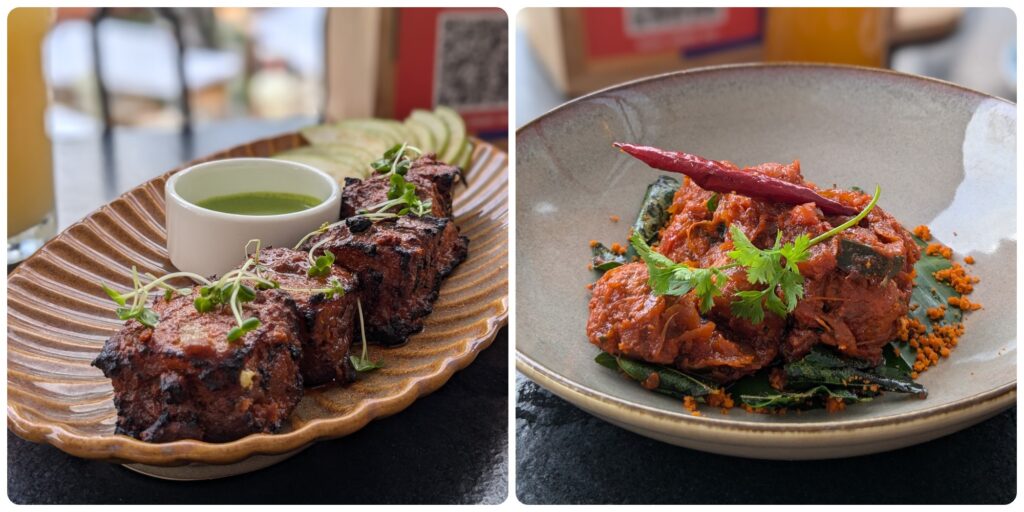
Since we have charcoal now in everything from toothbrush to water, we decided to try the Charcoal Chicken Dumpling. I am not sure the charcoal made any difference, but the chilli infusion made it a decent dish.
When there is Bheja Fry, attack! This one was served on phyllo pastry, and was quite spicy. We really liked it.
The Loaded Polo Wonton had minced chicken and cheese in a wonton cup. Great texture mix, excellent cheese, and helped us cool our tongue after the spice bomb.
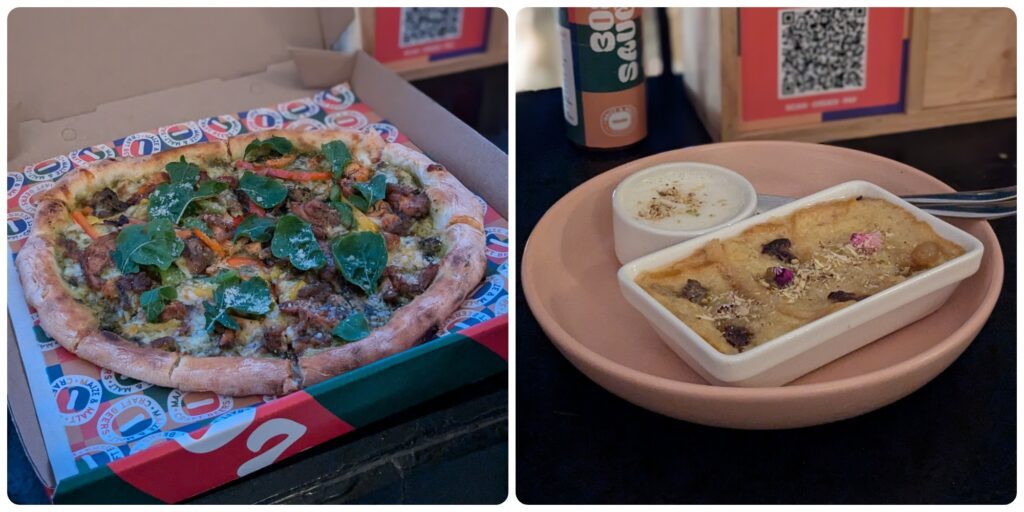
We were a bit wary of the Naga Chilli Pepperoni but it turned out to be quite tame in term of spice.
D is a recent convert to Baileys, so when we found a Baileys Tiramisu, we had to get it. The Tiramisu was excellent in itself but the Baileys at the bottom meant that there is a nice kick to it as well. Well worth a shot.
The bill came to a little over Rs.4500, which given the location, is believable. There’s no dearth of variety in the menu, the ambience was good, and the service was decent, if not great. If you’re in the vicinity, maybe drop in.
Strange Rites is another book I discovered only thanks to a podcast. I found it a fascinating exploration of how the (almost) post-religion United States is evolving. Folks who call themselves Christians have been steadily decreasing, and ‘Nones’ who claim no affiliation to any organised religion is the fastest growing group. One-third of millennials (and one fourth of all adults) have no affinity to religion. Tara Isabella Burton tries to find out who (or what) is filling the God-sized hole.
She begins with her personal experience at the McKittrick Hotel, home to the British theatre company Punchdrunk’s production – Sleep No More, an experiential phenomenon that she describes as “equal parts video-game, voyeurism and religious pilgrimage”. It’s a retelling of Macbeth but every part of it is subject to interpretation by the performers and the audience, with the latter also having the option to be part of the ‘play’.
This serves as a preview of the world of SoulCycle, Korean beauty routines, Gwyneth Paltrow’s juice cleanse, Crossfit, Internet fan fiction, Headspace, and so on. A long list of options from which people can mix their own religious cocktail of spiritual, philosophical, aesthetic and experiential dimensions. It influences not just individual lifestyle but societal politics too.
The author broadly classifies the non-affiliated into SBNRs (Spiritual but not religious), Faithful Nones (who hunger for something larger than themselves) and Religious Hybrids (who practice a portion of their religion, and supplement it with things outside it). All of them (and us) are looking for what religion originally delivered – meaning, purpose, community, and ritual.
She then spends a chapter on the war that has been fought on religion within America – the institutional (centred around Church and society) vs the intuitional (centred around the person). And that progression and the heterogenous mixes that happened reflects in the changes in culture and mindset within society during the 60s, 70s and so on.
And thus, while the new forms of religion aren’t new, the author cites three factors that makes this era different and likely to stick around – the absence of wider demographic pressure, the power of consumer capitalism, and the rise of the internet. While millennials are caught between their lack of belief in their parents’ religion and the political conservatism on societal issues, capitalism finds a way in, helping them create identities and tribes. It will sell us meaning, brand our purpose, custom-produce community, tailor-make rituals and commodify our humanity. That includes a spiritual entrepreneurship course at the Columbia Business School!
This new age version of religion (spiritualism) has an interesting parallel – the role that the printing press and the spread of mass literacy played for Protestantism is what the internet is doing today for new age movements. From Yahoo Groups for The X Files and Xena to Harry Potter and World of Warcraft, people were no longer bound to their geography to find their tribe. Fan fiction boomed. The author cites two watershed moments which show how ‘fans’ started taking ownership – the call for Rowling to step away from the Harry Potter universe after her fall from grace, and Gamergate, when there was a backlash against a section of gamers who wanted video games to address the interests and concerns of minority players. Though it wasn’t the first of its kind, the movement was the first to get into a large cultural conversation. Many of the players on the reactionary side (against the demand) would later become alt-right/alt-lite celebs.
Another evident phenomenon is wellness culture, which focuses on self improvement and commoditises self care. It has the fandom and the ‘theology’ of purpose and meaning to back it. The philosophy of SoulCycle, Goop etc have their roots in New Thought, one of America’s earliest spiritual traditions that blended liberal Christianity with Transcendentalism, and the path includes folks like Norman Vincent Peale (The Power of Positive Thinking), and the discourse in the contemporary era even included self care as a revolutionary act against Trump’s America! The other phenomenon that the author brings up is the revival and rise of witchcraft. The number of adherents are over a million. Here too, Trump served as a nemesis, with the larger narrative connecting the rituals of witchcraft to a higher social and spiritual purpose – dismantling toxic and oppressive structures associated with patriarchy, white supremacy and other unjust hierarchies.
Another massive shift is in social-sexual identities. Though swapping, kink etc existed in the 1900s, many interests and groups were in the closet are now lifestyles accepted by the mainstream. A key role was played by the internet in transforming the modes and rituals of these communities too, accelerating access and consumption. Simultaneously monogamy is receiving a pushback. The 1970s and 80s were the peak time for divorces in the US, that means children growing up then have a fairly dismal view of marriage.
74% of American millennials now say that “whatever is right for your life or works best for you is the only truth you can know”. While fandom, wellness, witchcraft, sexual utopias all play out, are there organising thoughts that can take the place of religion? The author works out three of them. The first is ‘social justice culture’ – a progressive mix of self care, moral determination through lived experience, and a fight against racism, sexism and other forms of bigotry and injustice. The second is a Silicon Valley based version who work towards an optimised self. Libertarian techno-utopians, rewriting biology and society through ‘hacking’. Despite their cosmetic differences, both groups have much in common. They both have a disdain towards society’s mores, maxims and rules. And both seek self actualisation. And yes, both are viable consumer categories for capitalism. Wokeness, self care and more!
However it is the third that the author considers the most viable contender, and the most dangerous. Authoritarian, reactionary, materialist, and one that valourises submission to a higher political or biological truth. They find spiritual and moral meaning in primal, masculine images of heroes past. Yes, mostly white. They believe that biological determinism, gender binary, and natural hierarchies are what leads to progress. Not progressivism and political correctness. Jordan Peterson is one of the high priests, and r/TheRedPill forum is an active shrine of the movement. They provide a sense of brotherhood. Meme magic in 4chan, Pepe and Kekism all were connected to the Donald Trump campaign. Many mass shootings and other acts of violence are by graduates of this school of thought.
Religion and politics have been connected throughout history, but is remarkable to watch the narrative in the contemporary era unfold as the author connects the pieces and lights up the path that got us to where we are. But then again, to learn of something and to learn from something are two different things. In my favourite reads of 2023, and highly recommended if you have any interest in modern society and/or religion/ and/or culture.
Notes 1. In 1890, a businessman Elijah Bond patented a “talking board” for mass use. That’s the Ouija board. 2. Apparently Fifty Shades of Grey started out as fan fiction – based on Twilight’s lead characters!
One of the things I spend a lot of time reflecting on is my own OS or wiring, and its updates. In a recent conversation with D, courtesy a college reunion (25 years!) I realised that I have very, very few friends from school and college whom I stay in touch with. Why was that, I wondered.
I don’t have many memories of my first school – Std 1 and 2. I remember the uniform vividly, and the prizes I won. I have forgotten what they were for though. I have a flood of memories about my second school – Std 3 to 7. Probably because I think they were my best days. I was almost always ranked first in class, I sang, recited poetry, was part of the quiz team, and even played hockey! What I remember most was how accommodating the teachers were when I had to miss classes for practice and competitions. Many of them actively encouraged me to pursue the things I showed some interest and talent in.
And it went beyond that. There was something in the people I knew then. I remember how once, there was some competition in a different school, and G, my classmate and biggest competitor for the first rank in class, hadn’t advanced to the final round and yet stayed back so she could drop me at home. I shifted schools after 7th because we were moving to a different part of town. Immediately after my exams, I also had a minor surgery. R, my Hindi teacher, visited me in the hospital with her husband. What I remember most, thus, is the kindness.
I have to admit that I don’t think I repaid it much. After I had shifted schools, I participated in some competition, now representing my new school. My old teachers were there too, and being the uber shy idiot I am, I didn’t even acknowledge them. How bad they must have felt!
I didn’t like my new school at all. Somehow I just didn’t fit in. They prioritised academics at the cost of everything else, and there was very little space for the other things I enjoyed. While I made a few friends, the camaraderie I had in my other school just wasn’t there. On hindsight, maybe mom’s illness was also playing on my mind.
I think it also had to do with the kind of neighbourhoods I lived in. Before we shifted, we lived in a university campus. Largely egalitarian – people working in the same place, living in similar quarters, earning within the same range, enjoying the same facilities and so on. When we moved to the city, the house itself was one of the smallest in the street, though I don’t think I paid it that much attention. The inequalities in general were bigger, something that reflected in the kids at school too. The in-groups were stronger, and I feel it to this day in WhatsApp groups.
It wasn’t that there weren’t kind people there – I remember how M consoled me for hours after mom passed away. I went to ridiculous movies with R,A and S. I had a good friend V, who had a terrible accident and was in pain for months. I used to visit him in the hospital and his relatives used to make me sing. Yes, facepalm. I used to guiltily look at V even as I sang. At reunions (which I mostly avoid) and in the WhatsApp group, I see a totally different person. Someone I cannot relate to at all. Maybe his wiring changed after that accident, and the mental and physical anguish it caused. The change in me after 10th was quite drastic. Mom’s death pretty much unleashed a wicked sense of humour, which was my armour until recently.
I think, after her death, and later, when my grandmother moved to my uncle’s place during my engineering days, my subconscious probably decided that relationships had a shelf life. That friends were that, only in a certain context. When it came down to it, I was the only person I could depend on. It took D and most of my life to get over that.