Author: manuscrypts

  • The Diamond Age: or, A Young Lady’s Illustrated Primer

     Neal Stephenson

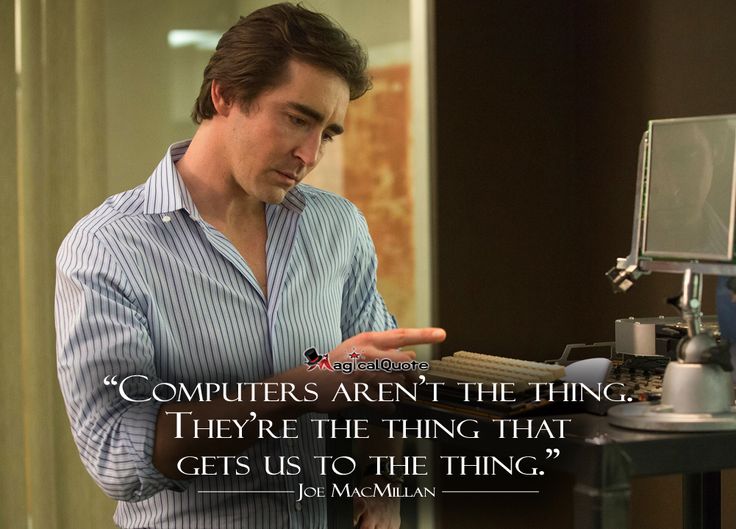
    Snow Crash remains one of my favourite books in the genre, and it would only be a slight exaggeration to say that this book does for nanotechnology what the former did for the internet – give a fantastic perspective of the possibilities. I have to confess that Stephenson’s books are not the easiest to read- as anyone who has attempted The Baroque Cycle would agree to – but what I give him the most credit for is his scope of imagination. That matter compiler, (MC) which is one of the standard technologies in this book, is probably an advanced form of 3D printing, and this book was written in 1995!

    From a plot perspective, there are at least two main protagonists. Nell, who escapes from domestic abuse with the help of her brother and gets a copy of the Primer, a book that adapts to the life conditions of the reader, and was originally made at the behest of an ‘Equity Lord’ for his granddaughter to propel her towards a more interesting life. (read subversive ideas) John Percival Hackworth, the architect of the Primer, who begins to be used by two separate forces to meet their own objectives. The story primarily focuses on Nell’s ‘evolution’ after she gets the Primer and Hackworth’s journey after he hands over the Primer. (more…)

  • Wills and ways

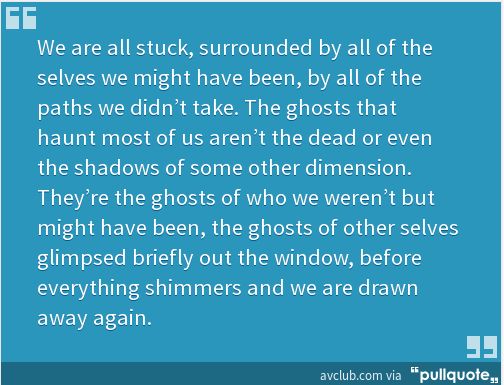
    It seems I never tire of writing about choices! Mad Men, and its reviews, is the reason for the latest bout of thinking on the subject. Very specifically, S7E6 and the review at AV Club. As the show nears its end, it is easy to see how each character’s choices have led them to a particular point. Much like our own lives. This, from the review, pretty much sums it up

    Clipboard02 (more…)

  • Oliver’s Pizzas

    First published in Bangalore Mirror

    The name Oliver immediately reminds me of Charles Dickens’ character and his famous words “Please sir, I want some more.” Ironically, I came *this* close to uttering those very words, thanks to a little ‘bait and switch’. Allow me to explain. Oliver’s has become quite famous in the Whitefield area for their pizzas and when I heard that they had an expanded menu, I decided to check it out immediately. Unfortunately, Oliver’s had a twist in store for me and the said menu wasn’t yet operational.

    But hey, there was beer, pizza, pasta and more waiting to be had, so we settled down. The ambiance is as casual as it can get – a nondescript alley that leads to a house converted into a friendly neighbourhood joint. At some point during the meal, thanks to the combined effect of the spirits, friends, and soulful Knopfler tunes, I looked up, hoping for a profound moment of star gazing, and end up staring at tarpaulin! Actually, on Friday nights, even these moments could be occasional, as the George Michael song you’ve been listening to suddenly gets a Savage Garden touch and Guns N’ Roses uncharacteristically begins asking questions about Alice. No, it isn’t the beer talking, it’s what happens when Oliver’s excellent playlist collides with the voices of people who think they are singers, all thanks to the karaoke nights at Opus next door! And it’s all good fun!

    The starters on the menu have not been designed for a starring role, that’s for the pizzas and the beer, so you’ll be looking at the likes of Chicken Wings and Chilly Paneer. We began with a different-sounding Spicy Kim’s chicken. It was spicy as promised but had a rather strong thing going on with mustard. The Pepper Chicken was rather mild in comparison, had some salt bombs and was fried a little too much. Spicy Potato Wedges were up next and they probably should’ve spent more time in the kitchen getting baked. The Cajun Chicken Fingers, on the other hand, were superbly cooked and left no room for complaints.

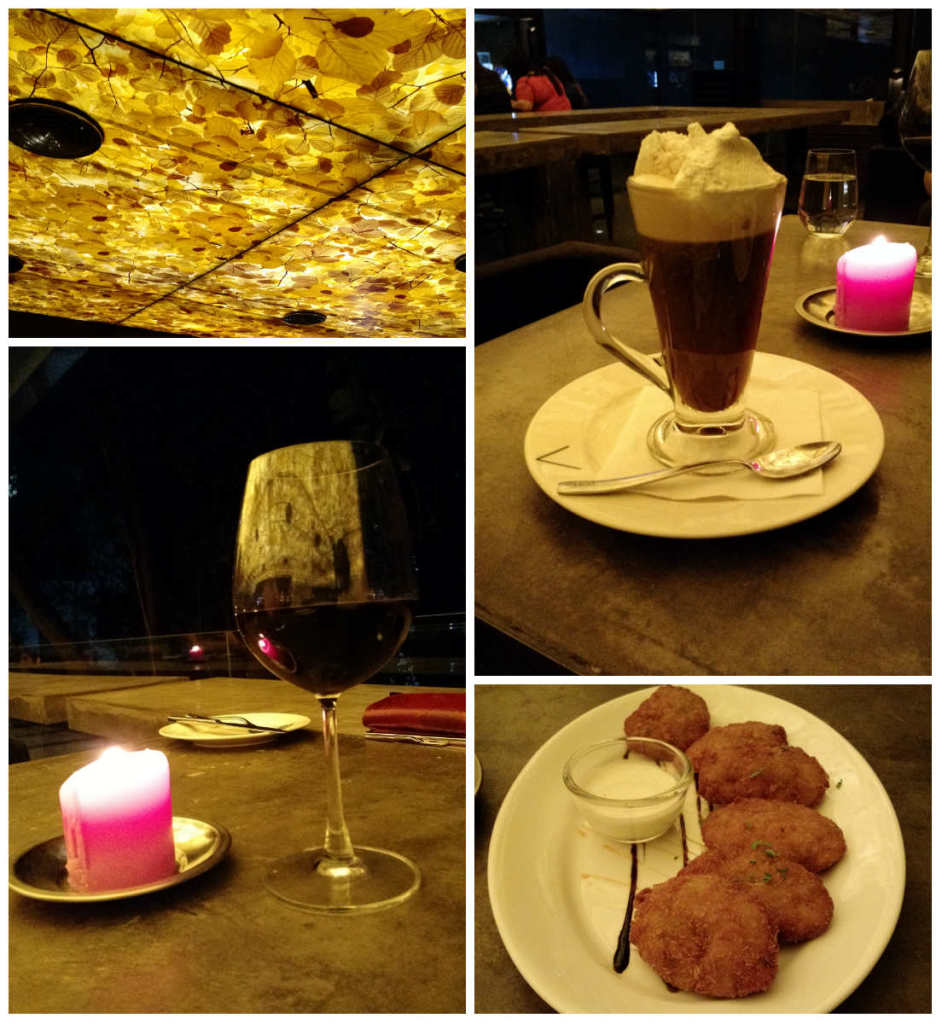
    collage1 (more…)

  • Brand Interfaces

    A couple of months ago, I had written a post on the inevitable ambient future of what we now call the internet, and the role of AI in it. The post was mostly on the rapidly changing nature of interfaces. The ones we actively interact with – mobile, VR/AR, gesture/haptic based tech – and the relatively more ambient ones like a certain kind of wearables and IoT. In that post, the argument was that Google was best placed to tie together data from mobile, social, sensor, location etc and give it context with the help of AI. (Hello, Alphabet!) As this Wired post states, Google is not a search company, it is a machine learning company. Do read about Google Brain while you’re at it! It has a role in several Google products we use, and shows the potential of what is possible when machine learning really works on content surfacing.

    But all that is only context setting. Something that has been occupying a lot of my mind space these days is the impact of these continuing developments on brand communication and distribution. For years, the limitations of traditional media have forced brands to communicate to lumpy masses of ‘target audiences’. As the internet transitions into a much more ambient an ubiquitous form, all of brand marketing will be digital either overtly or under the hood. But even digital’s early versions have been on the same path, with incremental changes based on intent/interest. That, I think, is about to change fast. This superb article on the same subject puts it really well – we need not simply digital strategies but strategies for a digital world. It also explores the technological and platform advances that will allow frictionless experiences for consumers and what it means for brands.  (more…)

  • Frankly Spooking

    Sriramana Muliya

    I must first confess a little bias – I have known the author virtually for around a decade now, as Phatichar, his blogger handle.
    He has tried at least two kinds of fiction genres here – sketch stories (or perhaps flash fiction) and short stories. The first kind does away with any setting or build up – they are just scenes or slices which begin and end abruptly. That’s not a problem, it’s the way it is supposed to work. 🙂 The last five stories could be categorised as short stories – lengthier, with more complex plots and a more concrete narrative flow.

    There are mainly three things I like about this book. The first is the simplicity of the language. I’m not sure if it’s a conscious effort or just a natural way of writing, but irrespective of that, it works very well. A big word or a complex sentence could have easily spoiled the gripping narratives. The second is the imagination – the sheer scale of scenarios, names, occupations, characters and their descriptions is admirable. Depending on your ‘palate’, you might consider some spooky, some scary and some as just a good story. That leads me to the last point – the structure of the book. (more…)