Month: March 2026

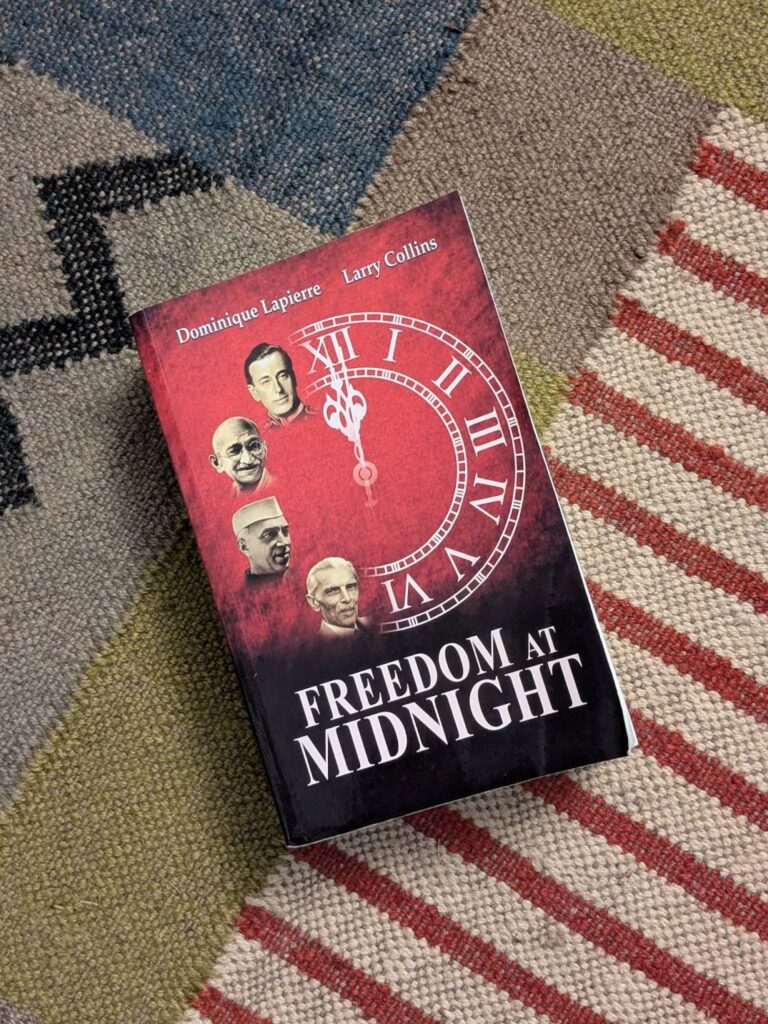
  • Freedom at Midnight

    Larry Collins, Dominique Lapierre

    It’s ironical that I picked up Freedom at Midnight thanks to the show, but this is how history needs to be written. Larry Collins and Dominique Lapierre have created a meticulously researched account of the final year of British rule in India – starting with the appointment of Lord Mountbatten as the last viceroy of India and ending with the funeral of Mahatma Gandhi.

    But it isn’t dry history, it is almost like a cinematic view of the events that led to the partition of India and its independence in 1947. The narrative is gripping, the prose is eloquent, and the descriptions vivid enough to make one actually feel it’s playing out in real time.

    Through a combination of interviews, archival research, and narrative storytelling, Freedom at Midnight brings to life the key players and tragic choices of that defining year. The Congress, the Muslim league and its leaders, the princely states and their colourful rulers, the machinery of the Raj, all come to life.

    So too do the places – Delhi, Punjab, Bengal. And the British’s summer capital Simla, and how supplies and earlier, even people, were carried up steep mountains by porters each year. The book’s strength lies in its ability to weave together high-level politics and decisions with the (affected) human stories. From the opulence of the British Raj to the celebrations across the nation to the brutal massacres of partition, it is a vast canvas, both geographically and emotionally.

    Freedom at Midnight is written like a thriller – the pace never slackens, even as it moves in and out of complex political drama, the horrors of large-scale violence, and the moving stories of people caught in the upheavals. If one had to pick, Lord Louis Mountbatten stands out. And so does Gandhi.

    Admittedly, the prose does point to a Raj romanticism and the authors have a bias for both the gentlemen. But I don’t think that takes away from the enormity of the task at hand, and they respectively achieved. Appointed the last Viceroy of India, Mountbatten is portrayed with as charming, burdened with the unenviable task of overseeing the end of empire. Gandhi is inimitable – both saintly and stubborn, a man of deep moral conviction navigating a world descending into chaos.

    Jawaharlal Nehru emerges as idealistic and modern, while Muhammad Ali Jinnah is painted in darker shades – stubborn, brilliant and aloof. The quietly important VK Menon, the strong and efficient Vallabhai Patel, an adamant Churchill, kind and gracious Lady Edwina Mountbatten, all play pivotal roles.

    Freedom at Midnightvividly brings out the price of freedom – on a date hastily (in hindsight) decided by Mountbatten in the spur of the moment – the chaos of partition, the failure of political leadership to prevent communal violence, and the limits of British imperial power.

    It captures the horrors of the time – the trainloads of corpses, the mass migrations, and the unspeakable violence between Hindus, Muslims, and Sikhs. It is possible to simultaneously feel for the decision-makers and the moral cross they had to bear, and for the people who faced the realities stemming from those decisions. They were all just humans, caught in a particular time in history.

    Freedom at Midnight is a fascinating read with a level of detailing that’s quite astounding for the enormousness of the canvas. In my Bibliofiles 2025 long list.

    (Not by design, but Freedom at Midnight is indeed a worthy book for review #400 on Goodreads)

    Notes & Quotes from Freedom at Midnight


    1. Mountbatten’s last act as Viceroy was to promote the wife of the Nawab of Palampur to the rank of Highness. She was an Australian and had been denied that rank because she was not of Indian blood. Years later, she asked for the author’s autograph after a lecture in Geneva. Mountbatten also used the debt 3 years later to ensure the navy kept its customs’ privileges because the Collector of Customs had previously been the Nawab’s British Resident – Sir William Croft.
    2. The first British to land in India was William Hawkins, captain of the galleon Hector
    3. Cows were deemed sacred to protect them from slaughter during times of famine
    4. One of the people released thanks to the Irwin pact was Gurcharan Singh, right when he was about to be hanged. He became Gandhi’s follower and would be the person to hold Gandhi in his last moments. Irony!
    5. Gandhi refused to save his wife because the drug would have to be administered intravenously, and that went counter to his principle – natural cures
    6. “You will never know how much it costs the Congress to keep that old man in poverty” ~ Sarojini Naidu, because many in the crowds around Gandhi were Congress folks, to protect him
    7. The Nizam of Hyderabad combined his passions for photography and pornography to amass what was believed to be the most extensive collection in India!
    8. When Jinnah first announced the formation of Pakistan, his inability to speak Urdu meant that the only words he said in the language (after the announcement in English) was Pakistan Zindabad. Many people didn’t realise the language switch and thought he said ‘Pakistan’s in the bag’!
    9. Mountbatten decided on the transfer of power date in the spur of the moment, when asked by a journalist. Same date as the unconditional surrender of the Japanese in WW2 in his previous role
    10. So banal and petty was the bureaucracy of partition that dictionaries were split from A-K and L-Z and taken to separate countries!
    11. The man who had articulated the idea of Pakistan was Rahmat Ali in 1933, and at that point, Jinnah vehemently refused to be party to it
    12. To the orthodox Hindu, the navel is the body’s frontier – for acts above it, right hand, for acts below, the left.
    13. By giving Gurdaspur to India, Radcliffe also gave it land access to Kashmir, changing that state’s destiny
    14. Nehru and Patel were stunned in the early days of partition horrors. They asked Mountbatten to come back and take charge, and it became an Emergency Committee
    15. Pakistan blatantly lied about the Pathan force it had sent to take over Kashmir. Ironically, their sacking and rape of the nuns of the Franciscan Missionaries of Mary delayed them and allowed the Indian army to take control.
    16. India held back Pakistan’s share of the overall money – 550 million rupees, courtesy the Kashmir issue
    17. Immediately after partition, there were refugees chanting “Let Gandhi die” (I am assuming Murdabad and not anything this drastic) as he fasted for peace
    18. A few weeks before his assassination, Gandhi’s last fast for peace was almost fatal. His ask – a peace charter which had to be signed by all key political and social organisations – was an impossibility that the leaders managed to accomplish just in time.
    19. Godse and co, tried to assassinate Gandhi once before. They failed, and part of their attempt was a bomb going off. The enquiry, led by DJ Sanjevi, was an exercise in incompetence. One of the cops, UH Rana, even had the identities of the would be assassins, but didn’t share them in time.
    20. Two crucial people were missing on the day of the assassination. Sushila Nayar, his doctor who always walked ahead of him, was in Pakistan, making preparations for Gandhi’s planned visit. D.W. Mehra, the policeman who was assigned to protect him, had been called away for other duties.
    21. Jinnah’s condolence message called Gandhi one of the greatest men produced by the Hindu community. When pointed out that Gandhi’s dimensions went beyond his religion, he insisted on retaining the line.
    22. Jinnah’s tuberculosis diagnosis was a well-kept secret, and so was his life expectancy – a few months. If Mountbatten had known this, he would have delayed the transfer of power because he was confident of swaying the other League leaders, and Partition might have been avoided.
    23. Roy Bucher prepared two funerals for Gandhi. The first was in Yeravada Jail in 1942, but Gandhi ‘declined to attend’ after somehow surviving his 21-day fast! His actual funeral was also prepared by Lt. Gen. Sir Roy Bucher.
    Freedom at Midnight
  • Cena, Character & Chips

    I recently watched John Cena’s Peacemaker S2. To my mind, DC’s best recent work, Joaquin Phoenix’s Joker notwithstanding. It aired around the same time as John Cena’s WWE retirement tour, and I couldn’t help but notice the overlap of Cena’s WWE persona and the character – flawed, often clueless, but fundamentally good-hearted. Not everyone saw it that way though. A minority commented on his past politics in WWE, how he’d used his power to hold others back. Fair, I thought. But incomplete.

    (more…)
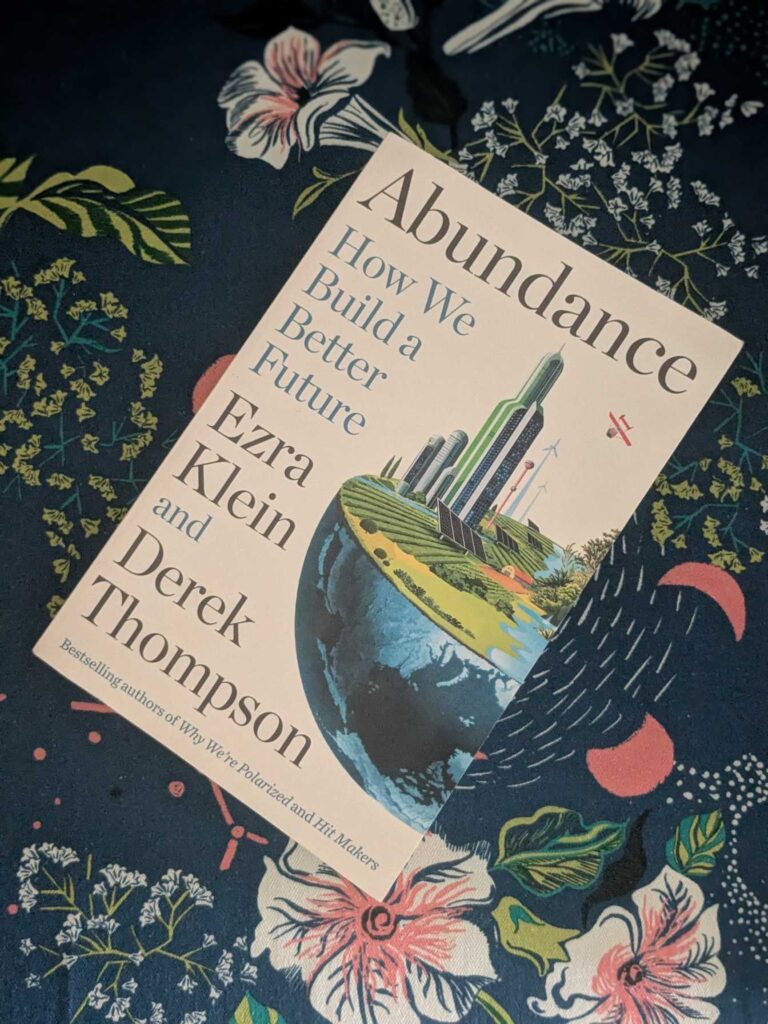
  • Abundance

    Ezra Klein, Derek Thompson

    Just so we are clear, the scope of this book is only the US, the rest of the world will have to figure its own way to abundance, though we might learn a few tricks from this. Ezra Klein and Derek Thompson wonder why, for all its enormous wealth and technological capability, the US cannot address the fundamental human problems of hunger, homelessness, life-threatening diseases, and fuel an equitable world with clean energy.

    Indeed, the introductory chapter ‘Beyond scarcity’ does imagine an utopian world really well. And it’s clear that it isn’t technology that is stopping us. Sigh.

    Through the analysis of political, economic and cultural ethos across decades, they trace the ‘how we got here’ to a scarcity-driven politics, not from the conservative right that likes to keep the government out of most things, but from the so-called progressives on the left. They identify a decades-long shift beginning in the 1970s – when American liberals became more concerned with process than outcomes, enforcing strict zoning codes, environmental regulations, and costly infrastructure mandates that, in real life, put the brakes on growth.

    I remember reading this point of view in Francis Fukuyama’s Political Order and Political Decay, where he says “there is too much law and too much ‘democracy’ relative to the American state capacity”. That it has now become a vetocracy, with economically powerful special interest groups and the judicial arm having hijacked the system and preventing reforms. Of course, given his leaning, it probably came from a different sentiment.

    A central theme is the critique of process and proceduralism. The book argues that when the Democratic-leaning coalition ties itself to onerous permitting processes, it inadvertently bolsters housing shortages, dilapidated transit systems, and underinvested public utilities – a supply problem across all infrastructure, leading to people at lower rungs being gated out. This can be seen now as a regulatory impasse in many liberal jurisdictions, where well-meaning (in isolation) rules and community objections prioritise preventing ‘bad’ development over enabling ‘good’ development.

    Klein and Thompson present their solution into an ‘Abundance Agenda,’ a Third Way framework aimed at rebalancing social goals and regulatory safeguards. This agenda aspires to dismantle needless barriers while preserving essential protections and build economic dynamism without sacrificing equity. A middle ground to a progressive movement fearful of change and a conservative movement allergic to any government action.

    While I liked the synthesis idea, the ‘how’ is not even a thought beyond a few small examplesof when such an approach has worked. Clearly, the challenges at higher scale would be massively different. These are diverse problems- housing, climate change, research , innovation, and mass deployment of this ‘abundance. I also wonder how capitalism would react to it. Elite capture of every resource has been a recurrent phenomenon, what is their take on an abundant life for everyone? Can humans really live without classes and status?

    Having said that, this is a very accessible and thought-through book. It provides an excellent systematic flow through the five chapters – each, with its own narrative of what is happening with examples, why it is happening seen through the lens of historical, economical and cultural contexts, and what can be done (directionally) to remedy it.

    Quotes & Notes from Abundance

    1. The fascinating story of Katalin Karikó and mRNA in ‘Invent’ (p 129)
    2. Operation Warp Speed (OWS) is one of the best examples of solving at scale. The creation and distribution of Covid vaccines in ‘Deploy’ (p 184)
    3. “It was as if liberals took a bicycle apart to fix it, but never quite figured out how to get it running properly again.” Paul Sabin

    Abundance 
Ezra Klein, Derek Thompson
  • Kannur

    Kannur was only a vague plan for some other time, until Theyyam became a bucket list item for D. Then we got hold of a schedule and a guide and landed in Kannur. Well, actually our Kannur flight got canceled, and we landed in Calicut, but that was a minor inconvenience. Passing by many places we only knew by name was a nice experience too.

    Where to stay in Kannur

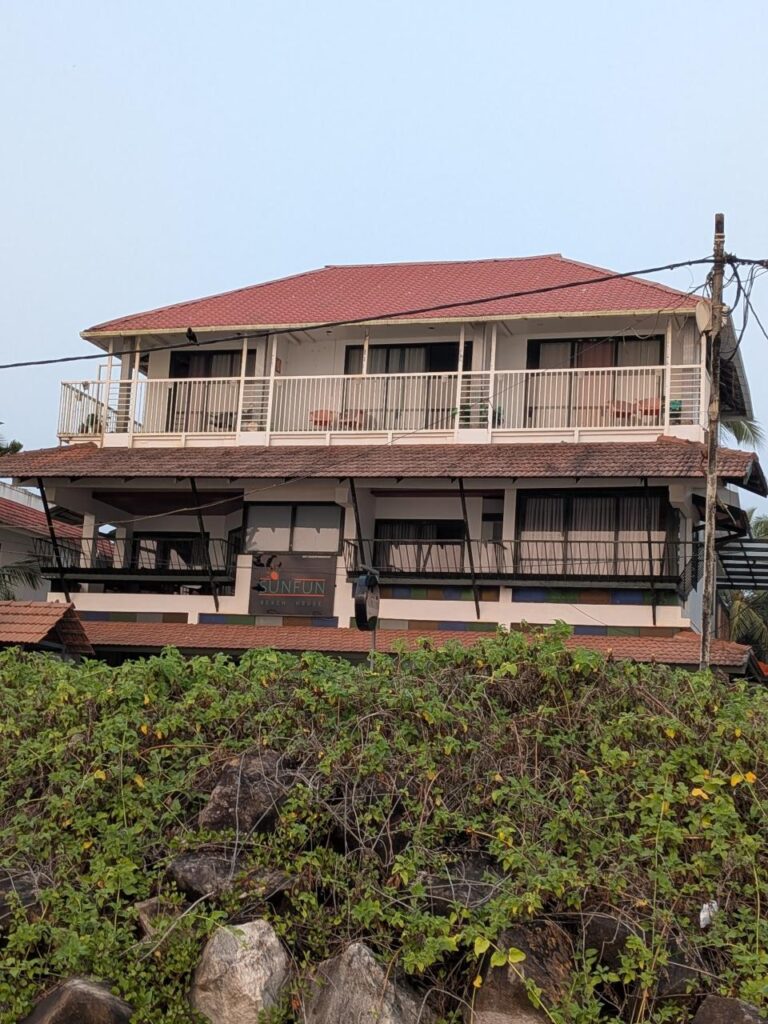
    We had originally booked a place called Anansa Boutique Hotel but they canceled us a couple of months before the trip. Ah well. That got us to Sunfun. Our room was on the top floor, and only just ok, but the rooms on the first floor looked a lot better.
    They don’t have a restaurant, but Kishore can help you with a simple breakfast. Alternately you could walk to Anansa’s restaurant, about 10 minutes away.

    There are a couple of other new hotels closer to the town centre.

    Sunfun Beach House Kannur

    What to see/do in Kannur

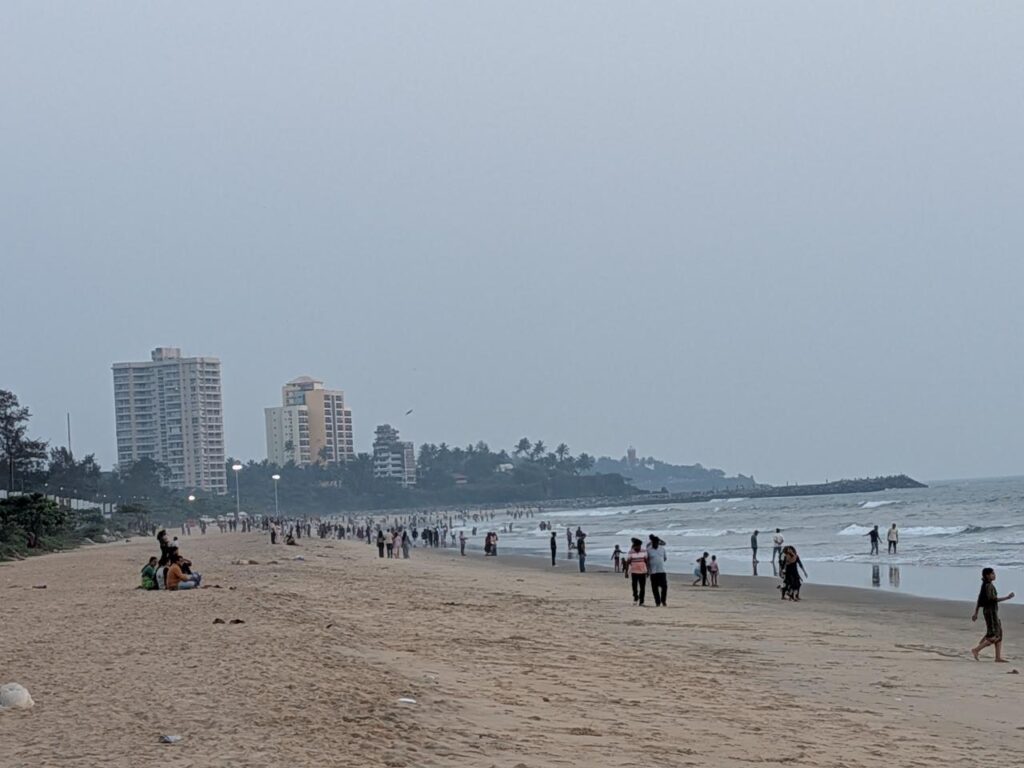
    The good part about Sunfun and Anansa is that you simply cross the road and you’re on Payyambalam Beach. It’s quite serene, but also has maddening traffic on weekends.

    Payyambalam Beach Kannur

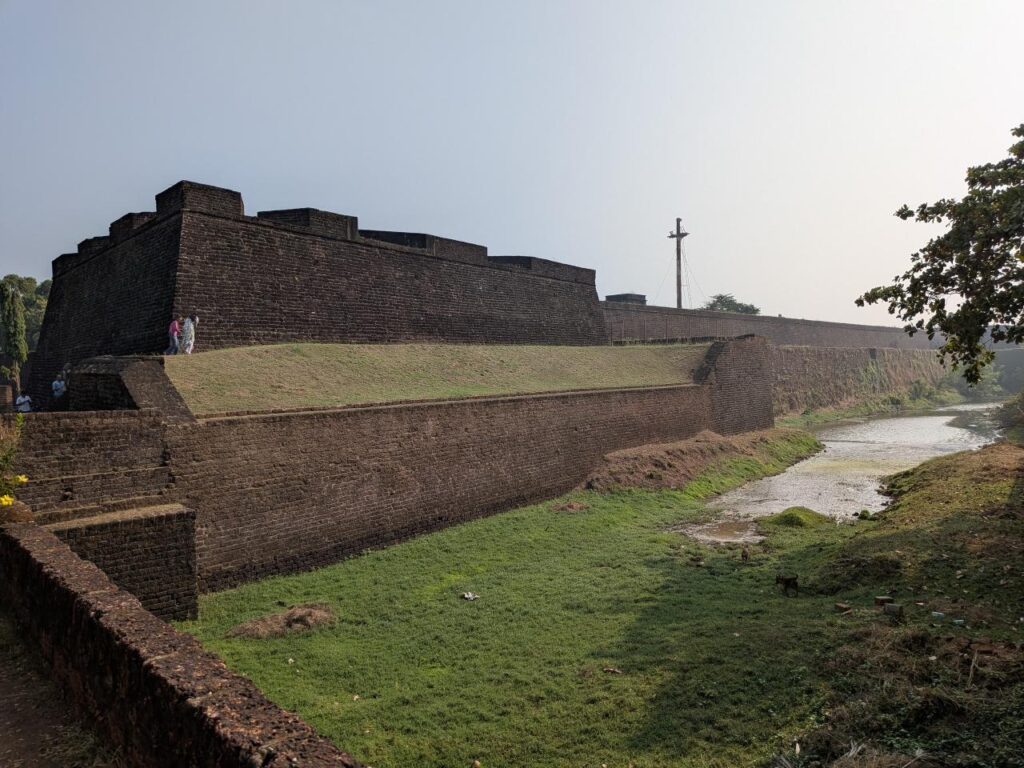
    Kannur (St. Angelo) fort did remind us of the one in the neighbouring district – Bekal, but the latter was prettier.
    St. Angelo Fort, Kannur
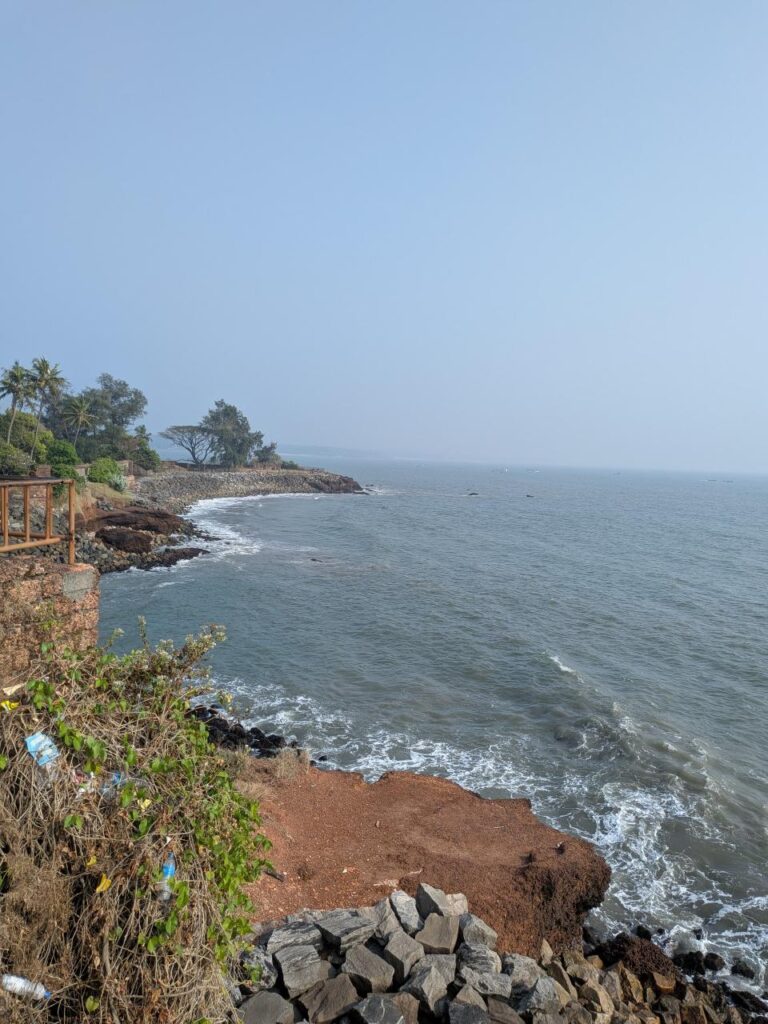
    This one does have its share of good views though.

    St. Angelo Fort, Kannur

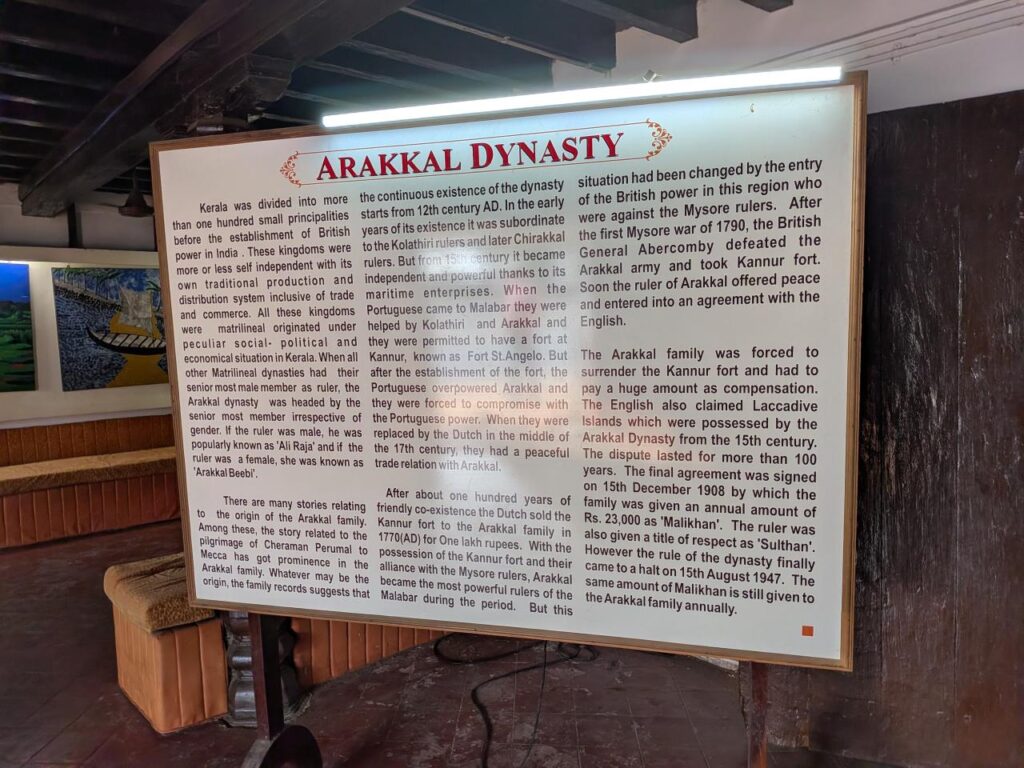
    The Arakkal Museum wasn’t in the plan, but we saw the signboard and I remembered them mentioned as unique in a Manu S Pillai book. I looked it up and it turned out that the matrilineal system meant they also had female rulers. That meant D had to see it.

    Arakkal Museum

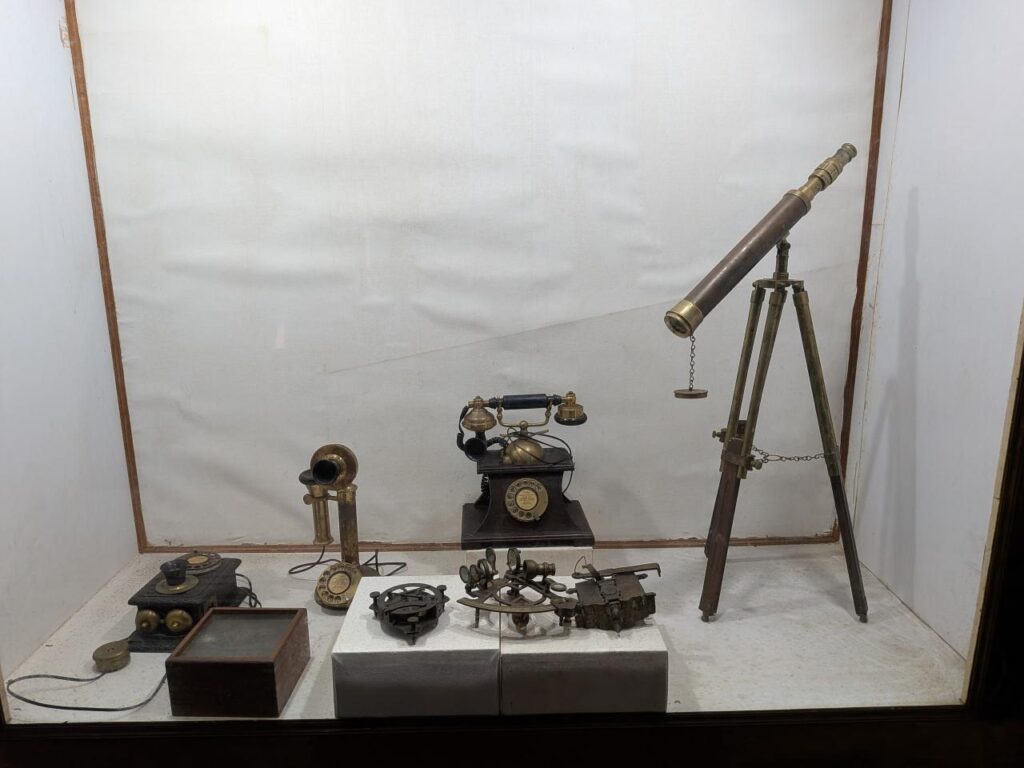
    I wished I could take all these home!

    Arakkal Museum

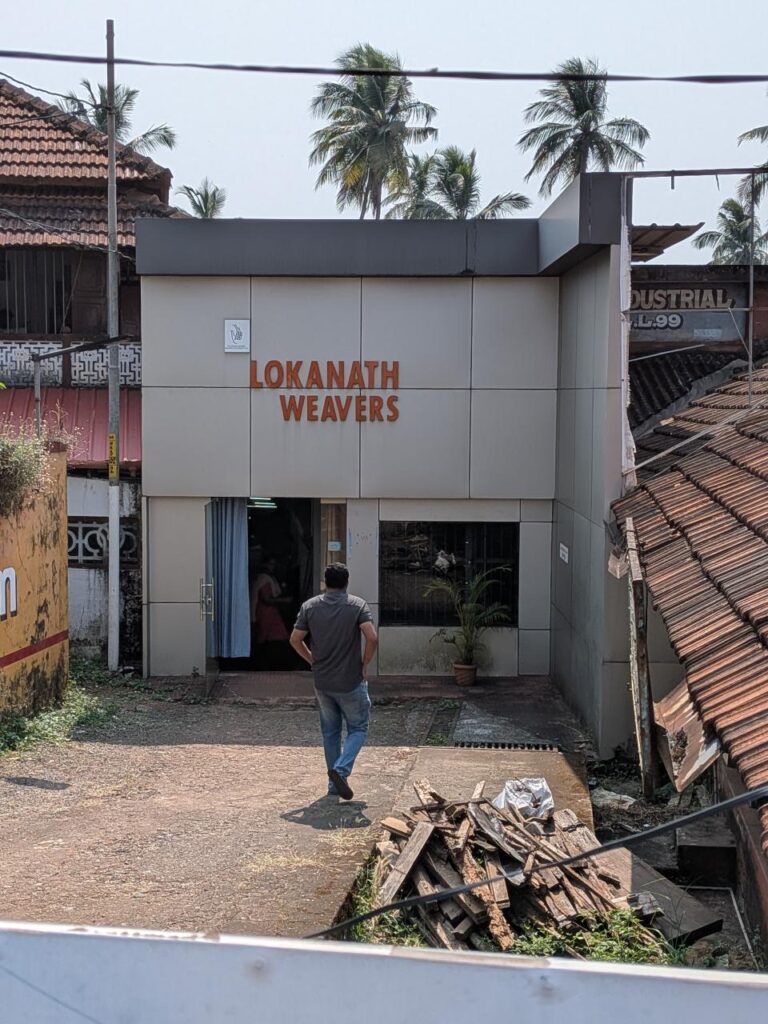
    The weavers cooperatives were a big pillar in Kannur’s community, but over the years, modernisation and the younger generation’s lack of interest in this work has meant there are not many around.

    Lokanath Weavers

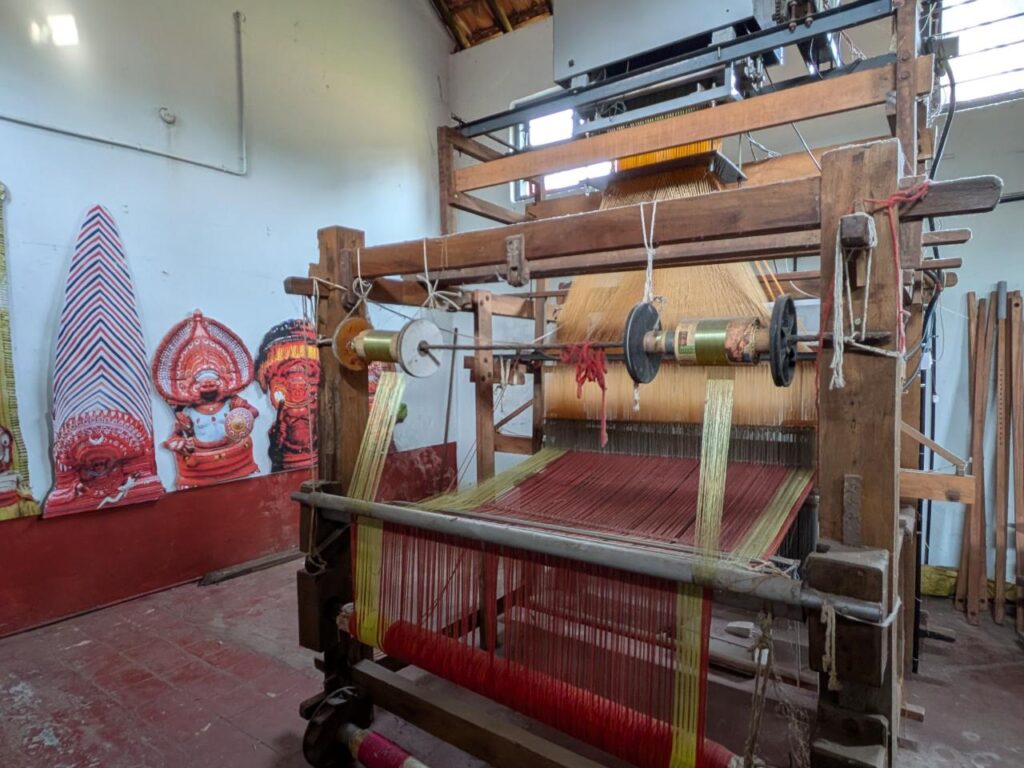
    Lokanath Weavers continue to be around and their products too are in demand, but their heydays are probably behind them.

    Lokanath Weavers

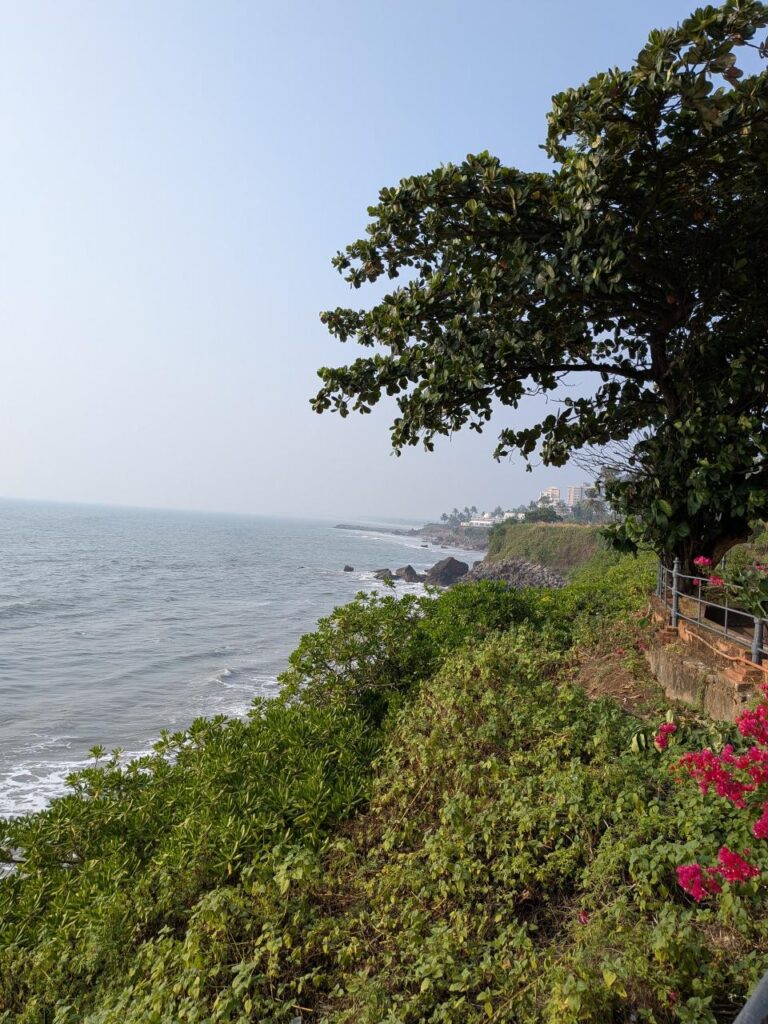
    The Cliff Walkway near the Lighthouse is another place for splendid views.

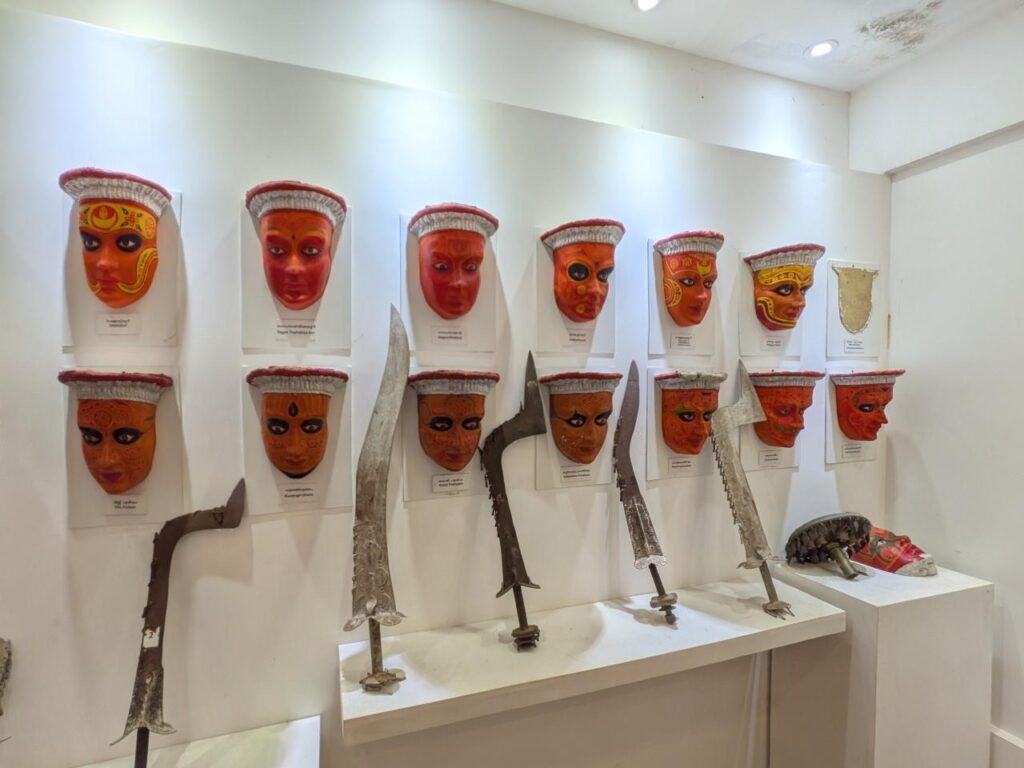
    The Chirakkal Folklore Museum is a good place to visit if you’re interested in Theyyam origin stories. You will need a guide though. During the trip, our guide explained how Theyyam origin stories of two kinds – one connected to hindu puranas and avatars and the other deeply grounded in local history.

    There are about 400+ kinds of theyyams, but only around 100 are performed. There is amazing scope for storytelling and showcasing, but judging by what I saw, I have doubts on whether that will happen. And that’s sad.

    Chirakkal Folklore Museum

    From what I understand, Theyyam began as a tribal ritual to remind and transmit the relationship of man with nature. As humans moved out of the forests, it was assimilated into the Hindu pantheon and larger society when consolidation began.

    What is happening now is another level of consolidation as money pours in – traditions are thrown to the side, and there are communal forces trying to sanitise Hinduism into a culture that can be manipulated by Hindutva at will.

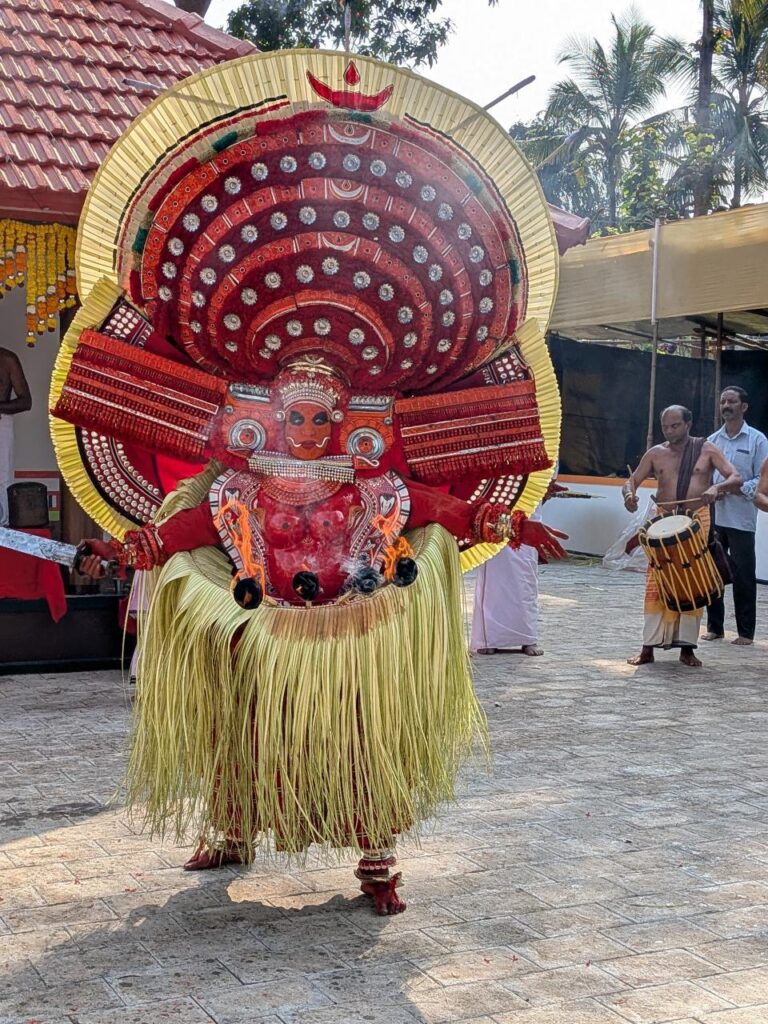
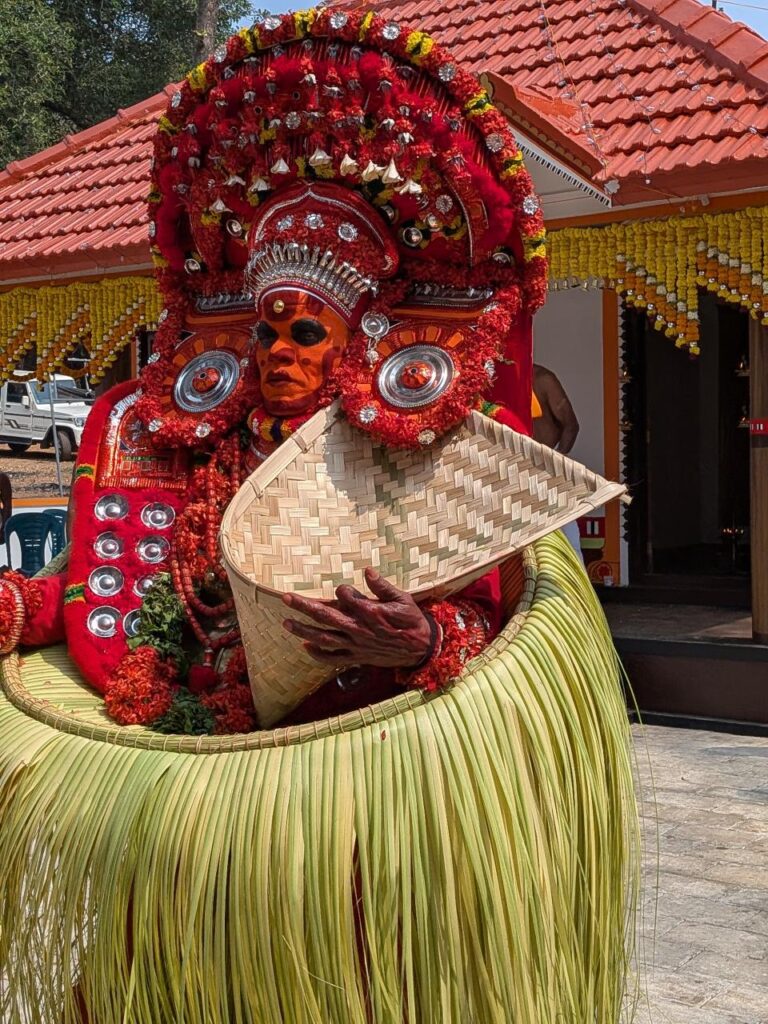
    We spent an entire morning watching different kinds of Theyyams.

    As you can see from the costume, this one is related to the harvest.

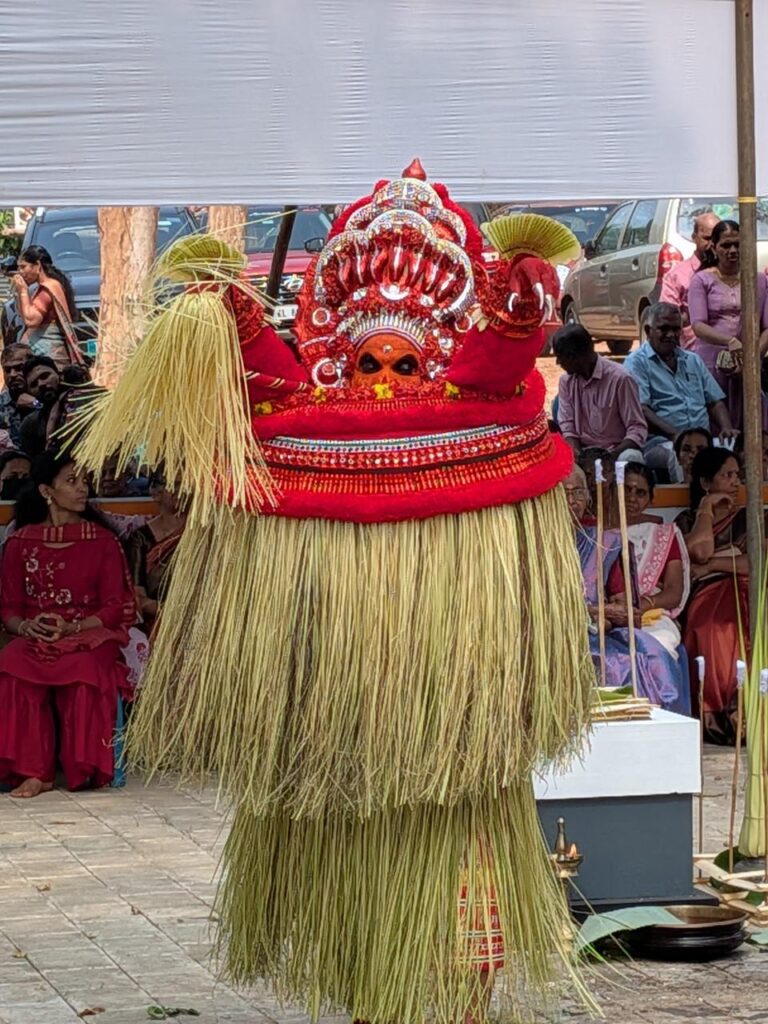
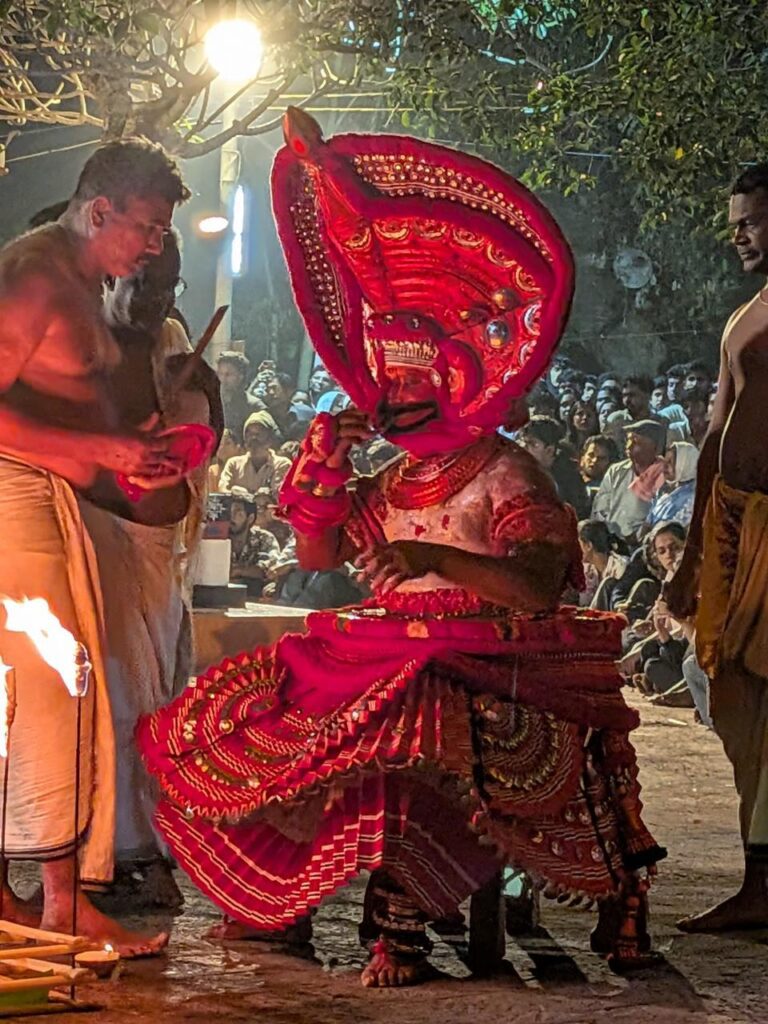
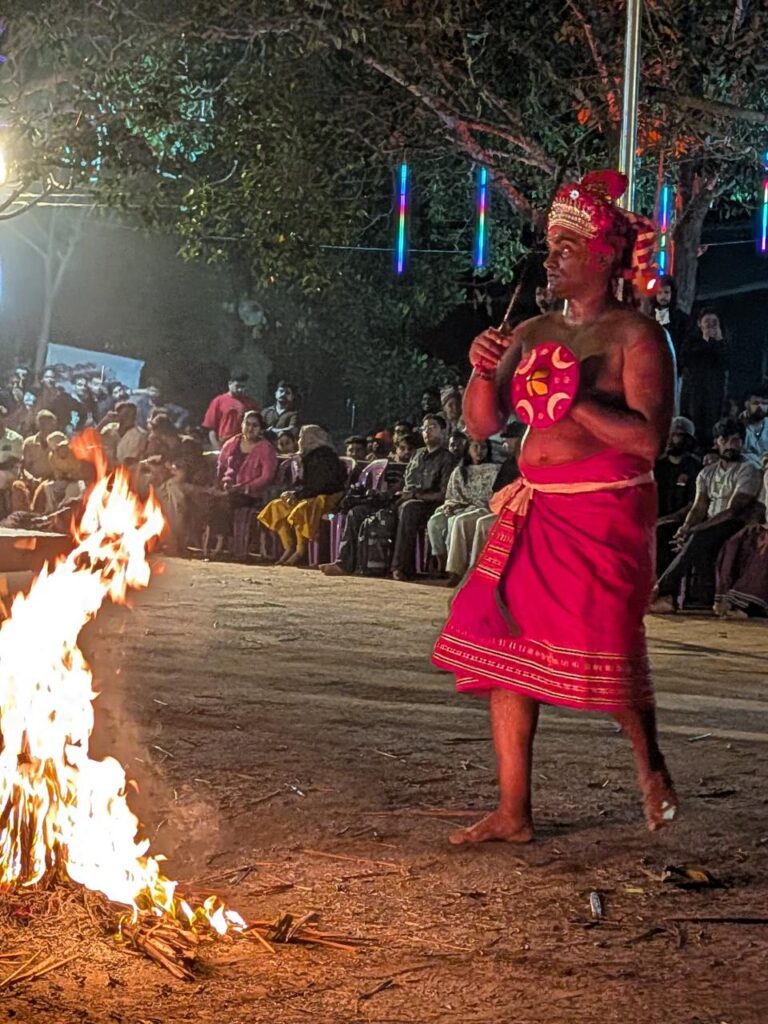
    We also made a 2AM trip for the night version, an hour or so away.

    There was a huge crowd already there but we managed to get seats.

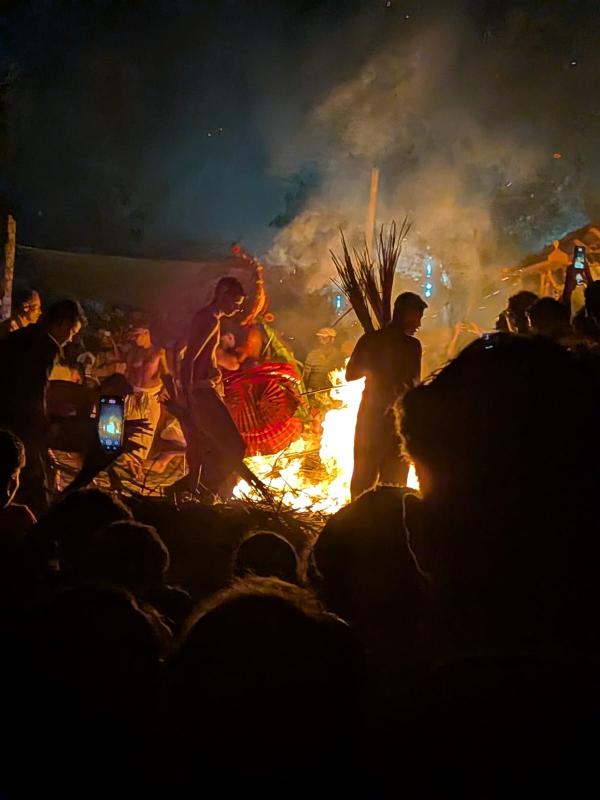
    But seeing the fire walk was a struggle thanks to the ballooning crowd.

    What and where to eat in Kannur

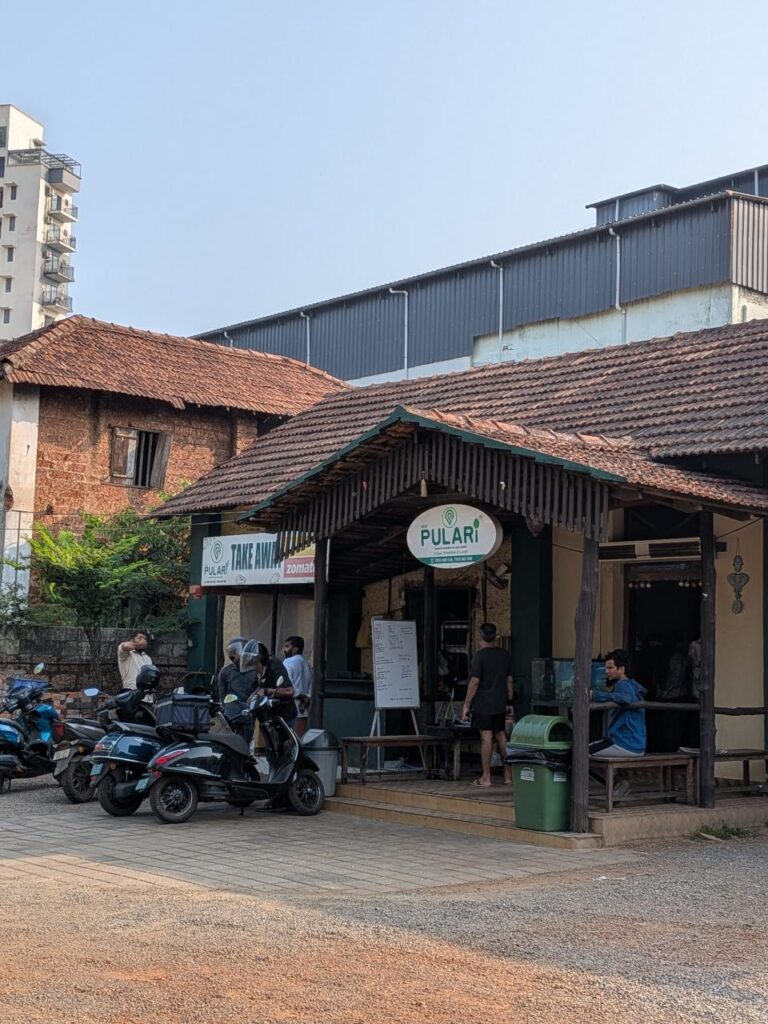
    We only had a breakfast at (New) Pulari, but I loved the ambience and the Appam + Egg Roast. We would have happily eaten here again but there were just too many places to try!

    New Pulari Kannur

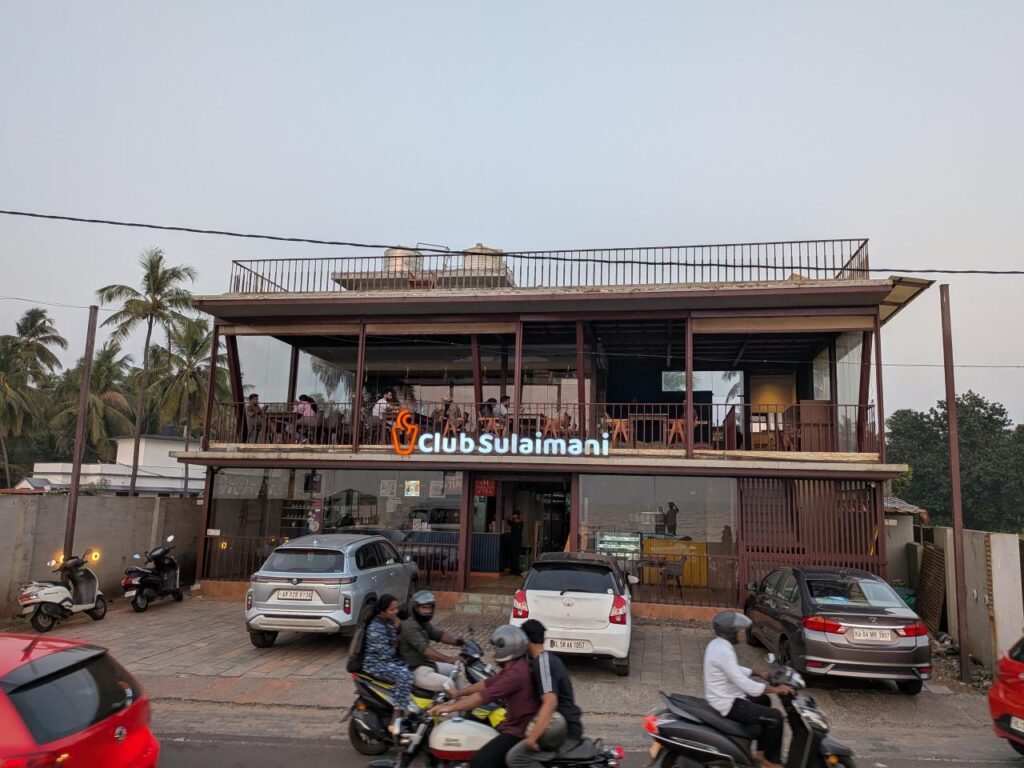
    This was a place we did repeat, but for tea, and the fantastic view when you’re sitting upstairs.

    Club Sulaimani Kannur

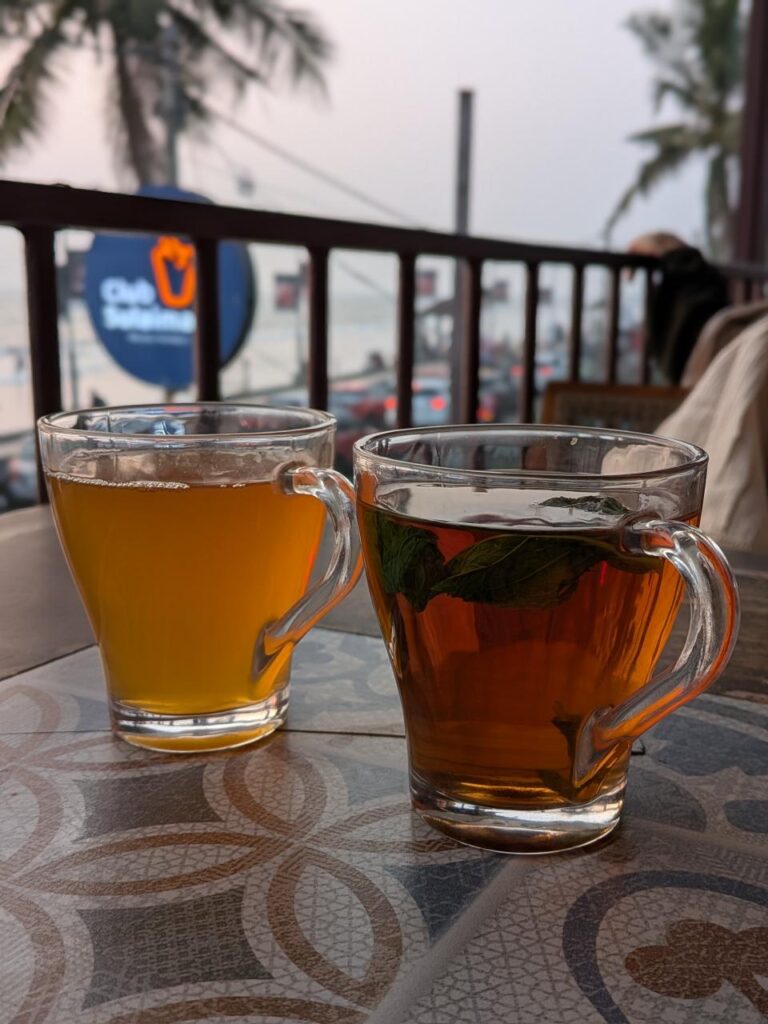
    There are a ton of tea options, but we kept it simple.

    Club Sulaimani Kannur

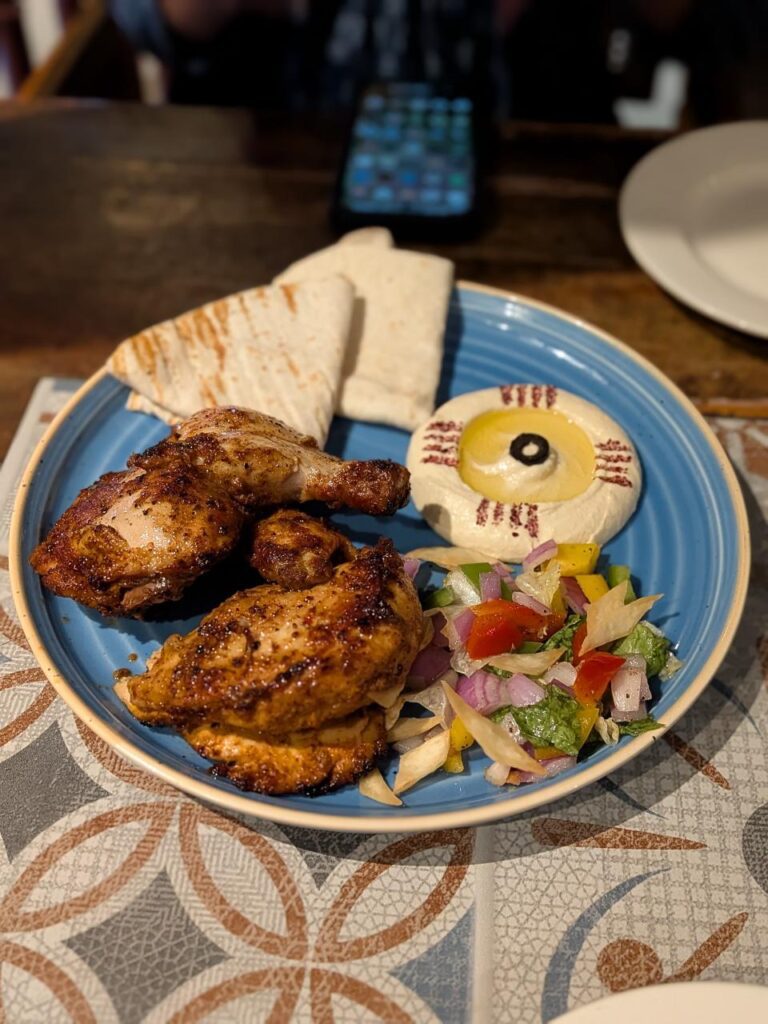
    The Lebanese Chicken with hummus we tried out once for dinner wasn’t too bad.

    Club Sulaimani Kannur

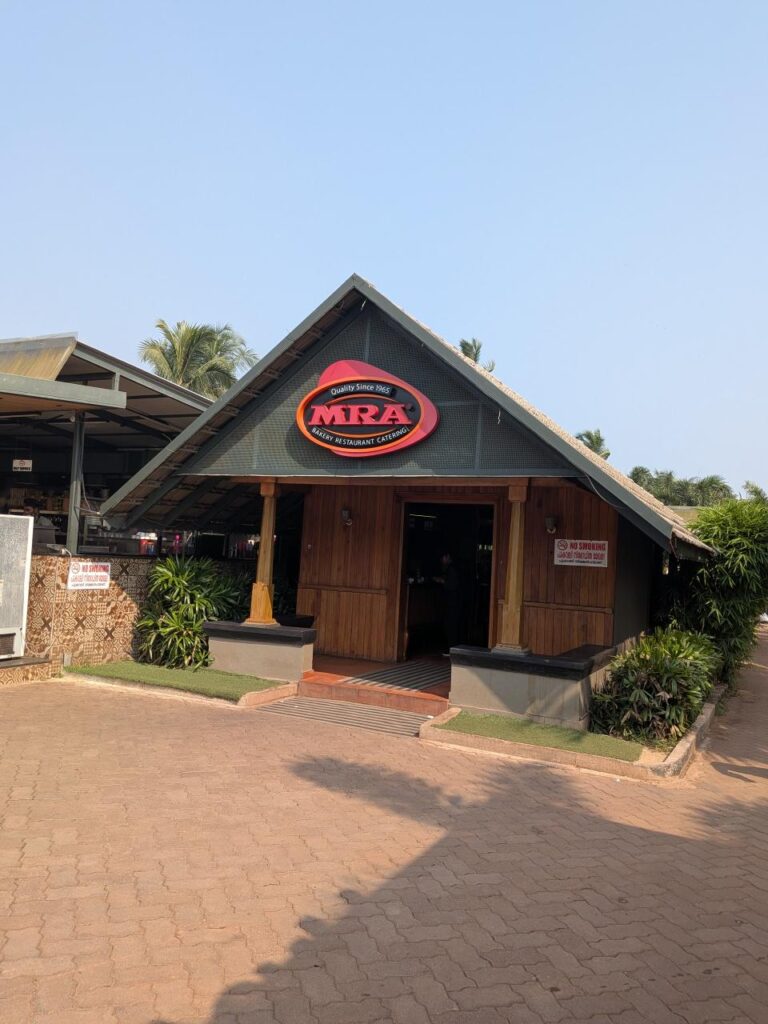
    MRA was our lunch spot in Pazhayangadi after our morning Theyyam visit.

    MRA Pazhayangadi

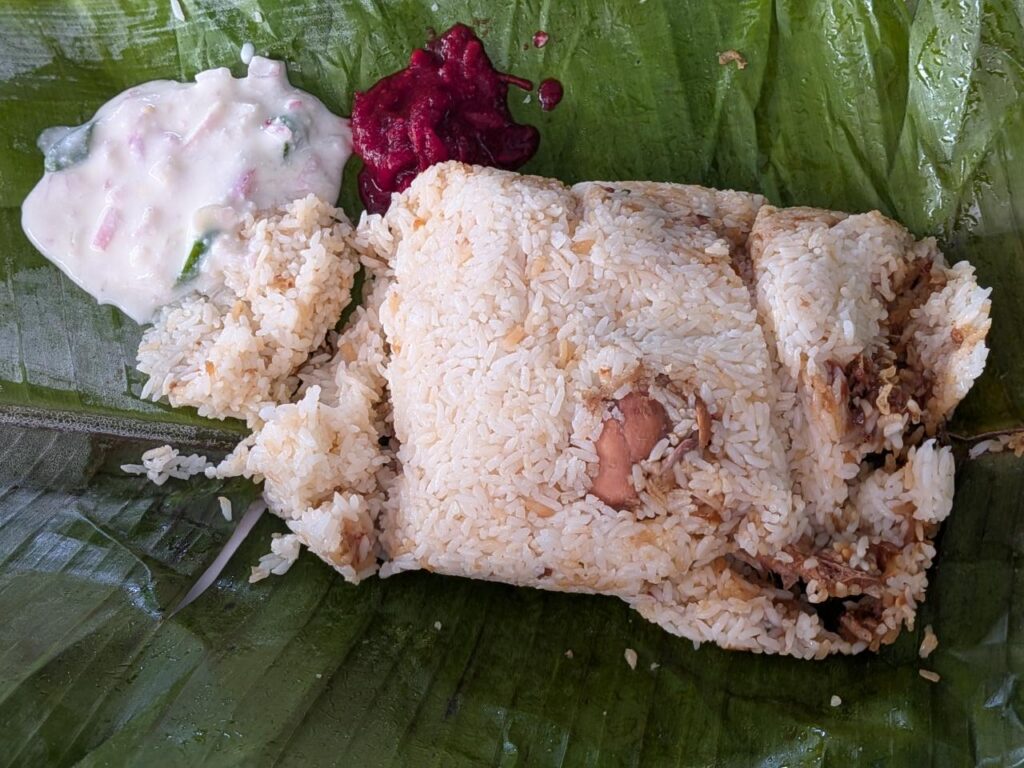
    Biriyani (as we spell it out in Keral Pradesh) is always a good idea, and this one had a very different rice. The burning issue here though, and one we argued with our guide, was that the chicken biryani did not have a boiled egg. As we told him, we felt cheated because the Malabar Chicken Biryani is supposed to have resolved the chicken or egg in the biryani context!

    MRA Pazhayangadi

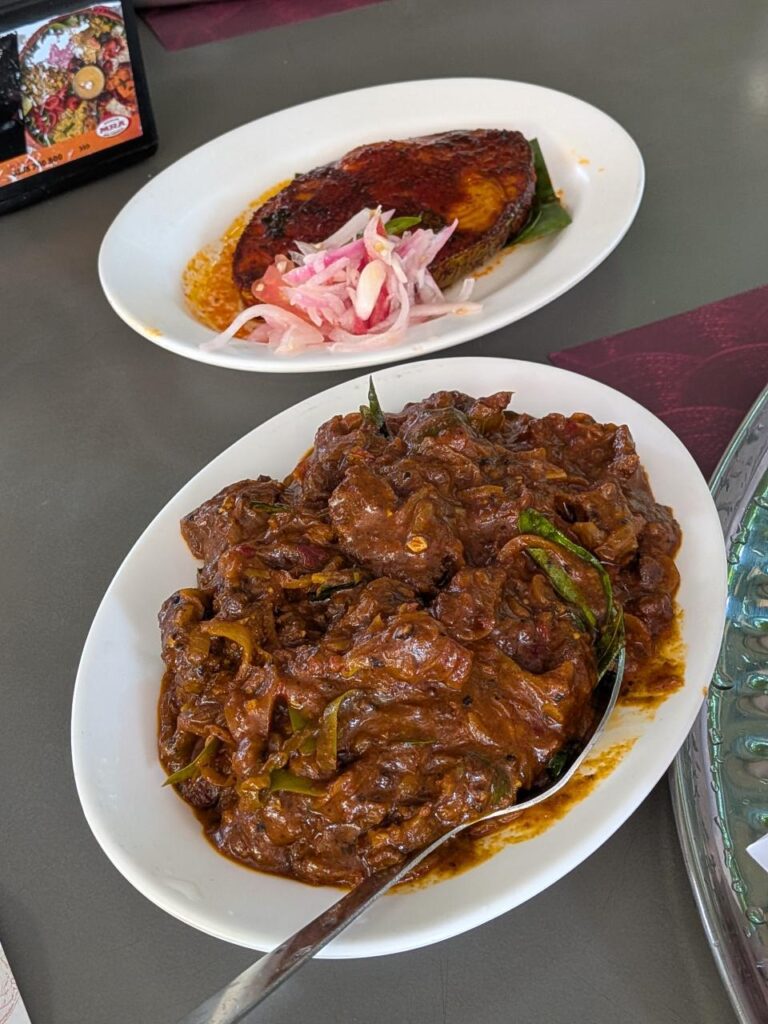
    Beef is also always a good idea, and so is a fish fry. They also have a branch in Kannur, but the ratings don’t seem great.

    MRA Pazhayangadi

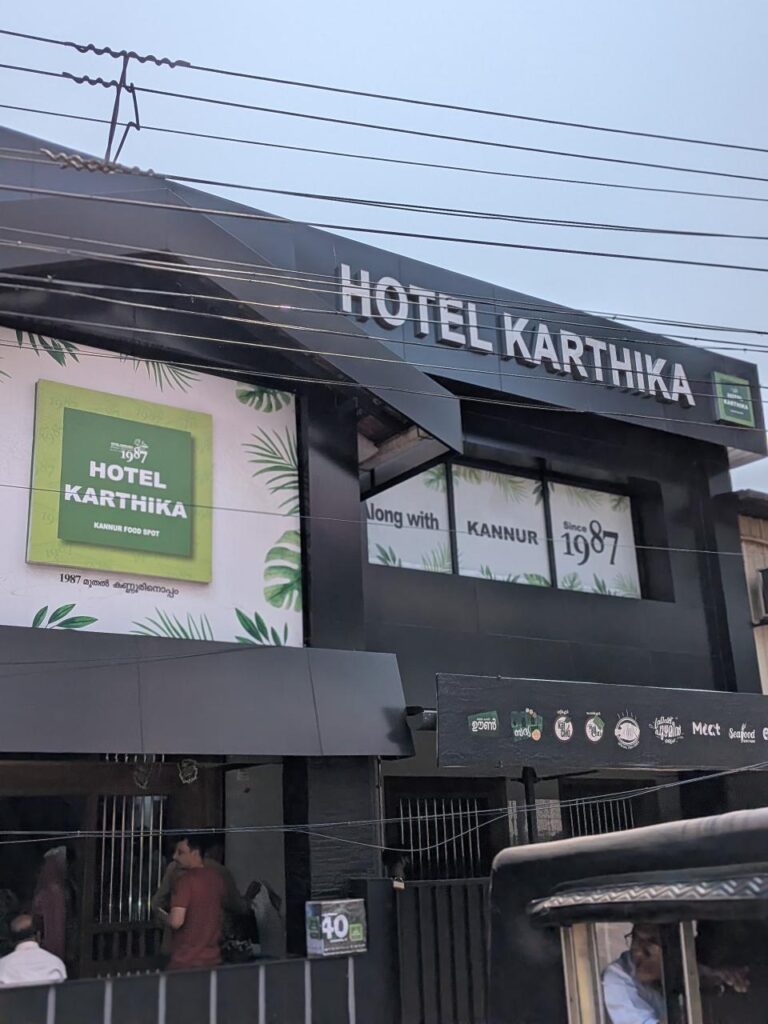
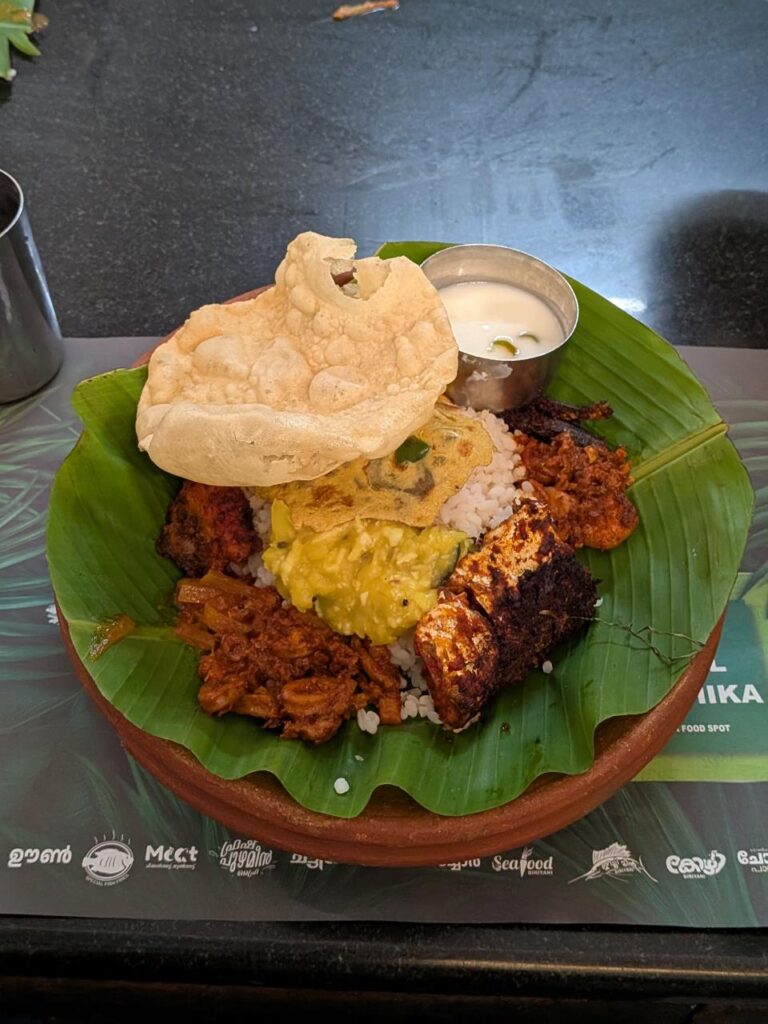
    Hotel Karthika took the honours for our favourite meal during the trip.

    Hotel Karthika Kannur

    To begin with, they had the Chatti Choru, which was practically an aquarium with some four kinds of fishes, squid and prawn for the princely sum of Rs.220! Yes, unlimited rice, sambar etc too. And the women serving staff have a very motherly ‘eat more’ attitude to them. Absolutely charming!

    Hotel Karthika Kannur

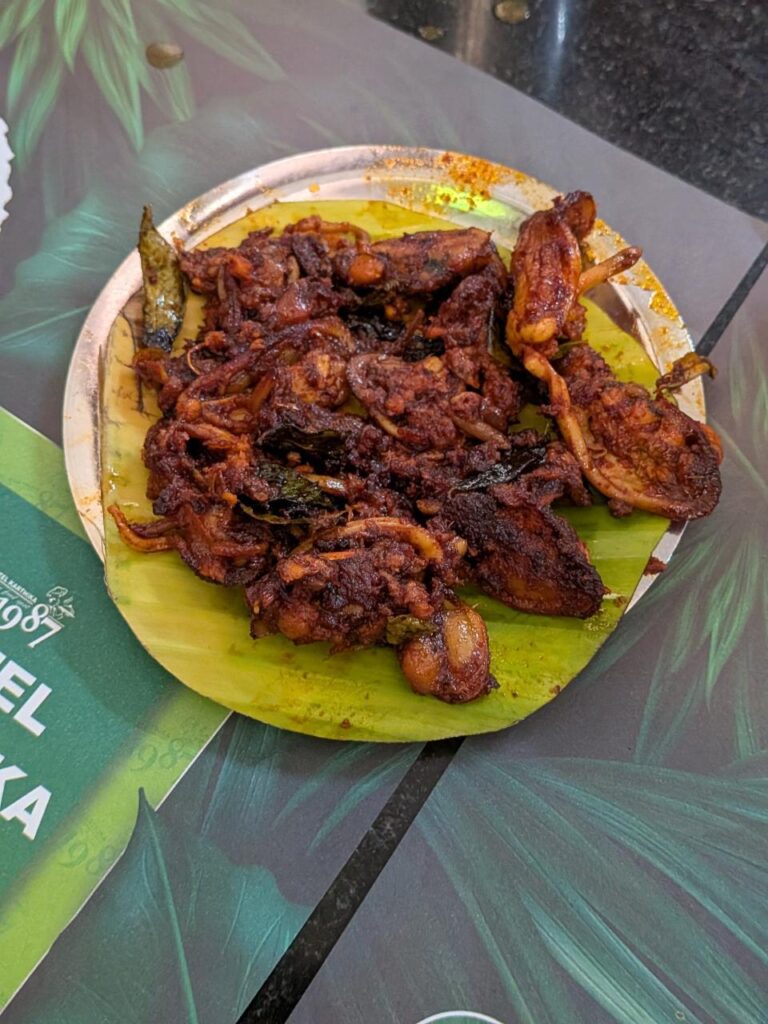
    We also asked for Kallumakkaya (mussels, which was D’s go-to food here) The food was just fabulous, but the chatti choru gets over fast, so be there by 12.30.

    Hotel Karthika Kannur

    Since we wanted fewer carbs for dinner, we went to Naura Bistro, which though has only a handful of tables, from ambience and quality of food could easily have been Bangalore.

    Naura Bistro Kannur

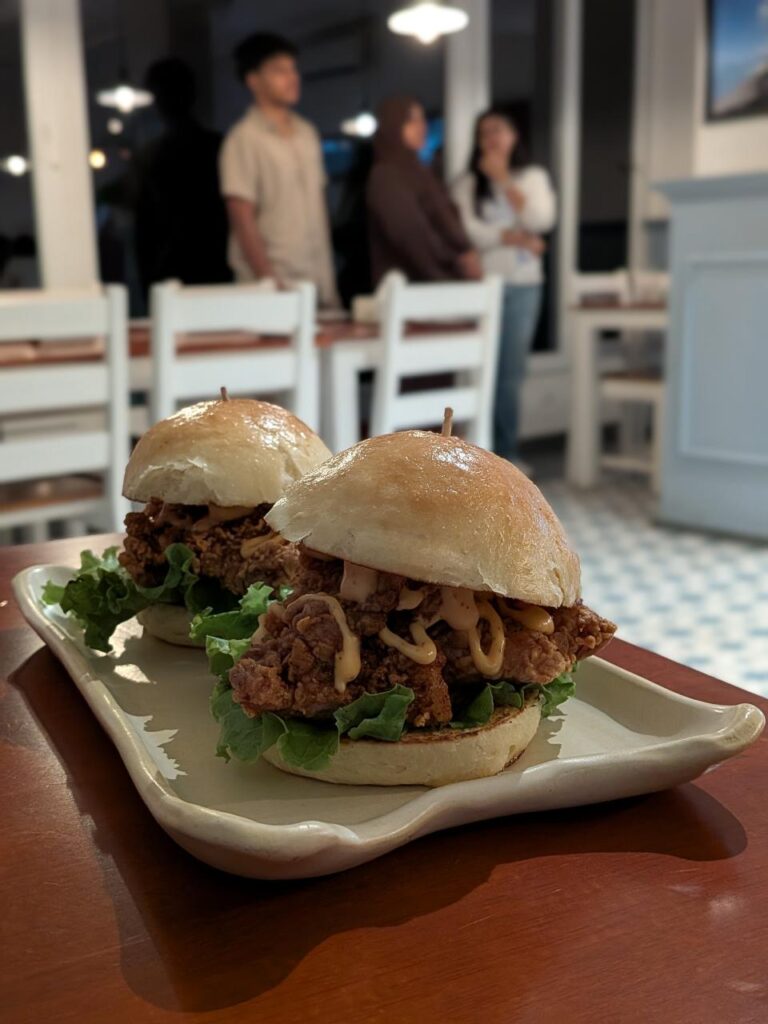
    The Chicken Sliders were delish. In the background, you can see people waiting for a table. That was common!

    Naura Bistro Kannur

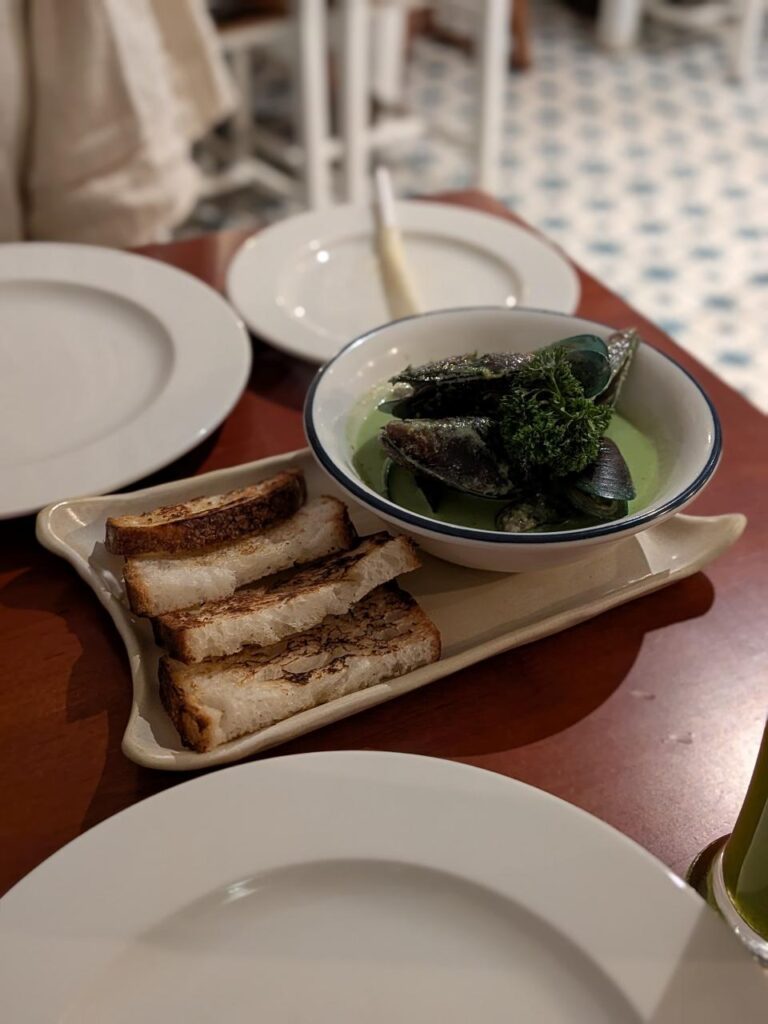
    Steamed Mussels, of course. This had a nice Thai broth that added great flavour.

    Naura Bistro Kannur

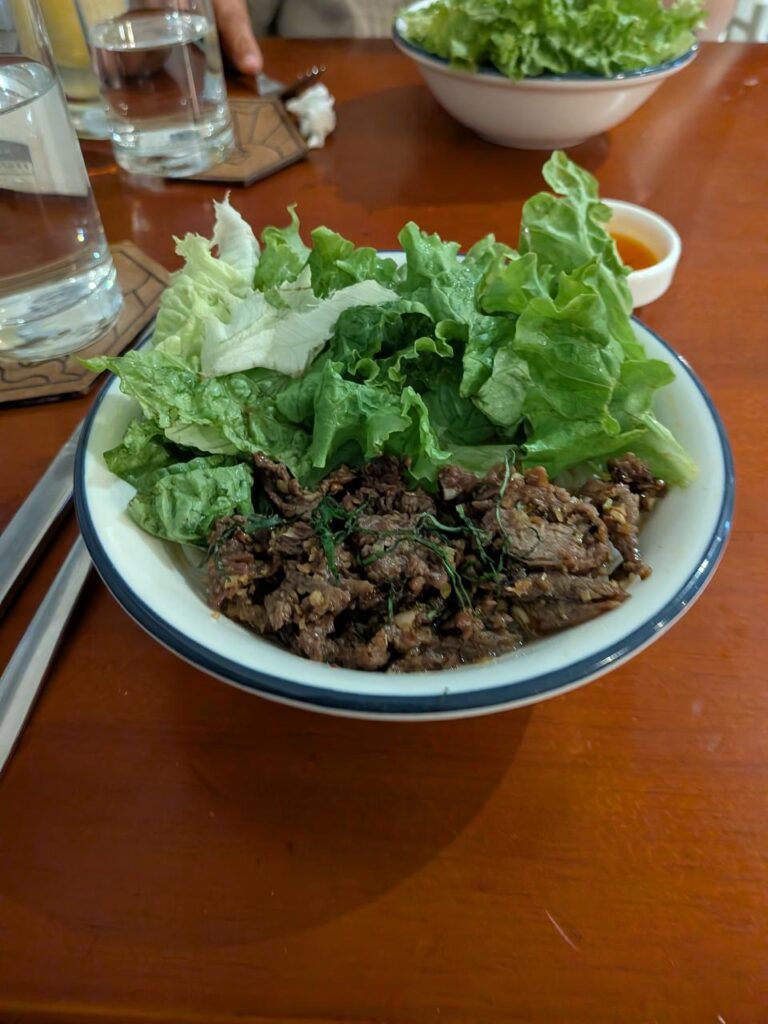
    The Vietnamese Beef Noodle spoiled the party though. Not because it wasn’t tasty, but they made us wait for an hour!

    Naura Bistro Kannur

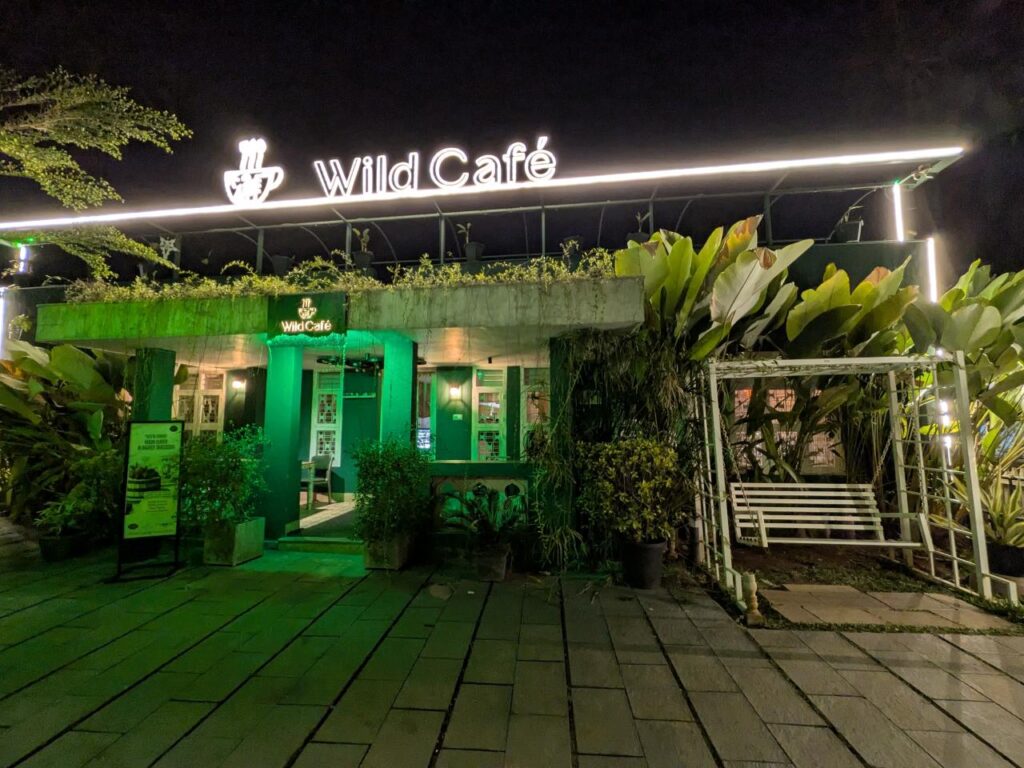
    Wild Cafe is another pretty place for dinner. Again, very cosmo vibes.

    Wild Cafe Kannur

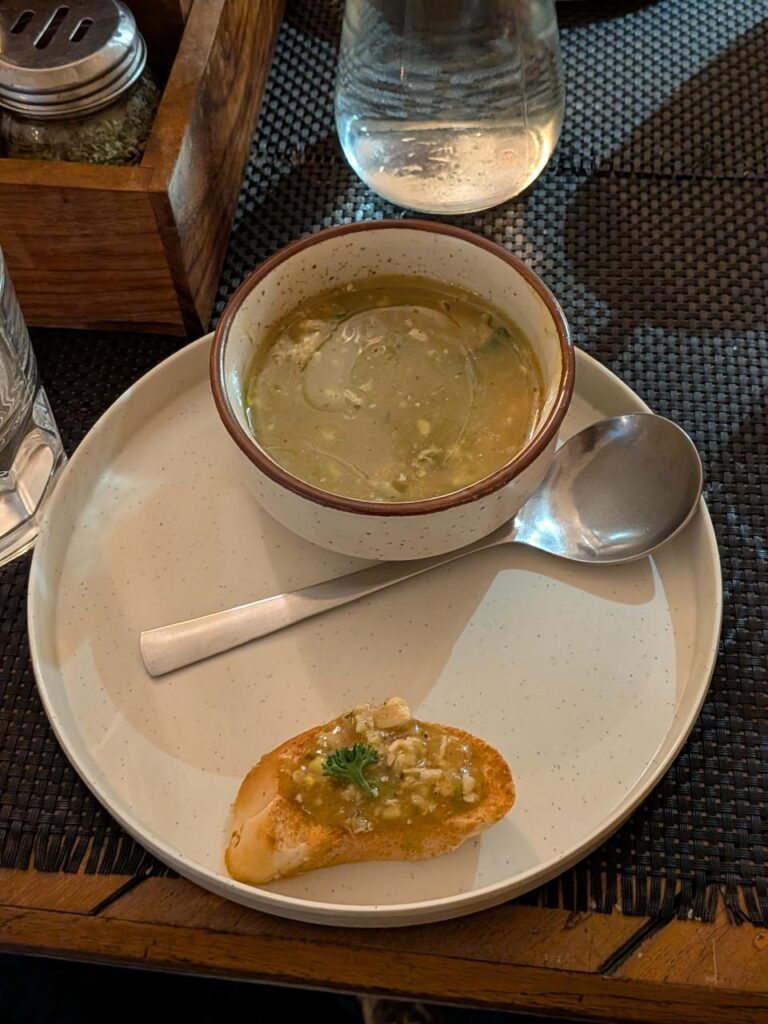
    The Indi Chicken soup is amazingly spicy. Highly recommended.

    Wild Cafe Kannur

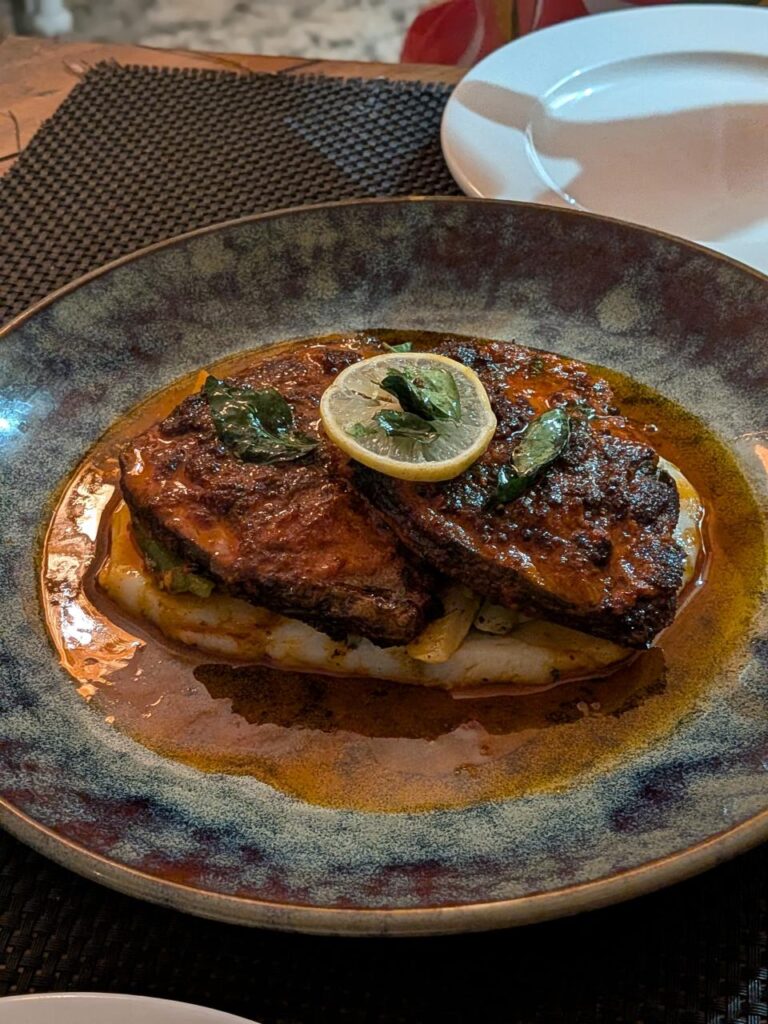
    South Indi Seer fish for mains – Indian spices, spicy butter sauce and mashed potatoes aren’t the most common combo, but they really make it work.

    Wild Cafe Kannur

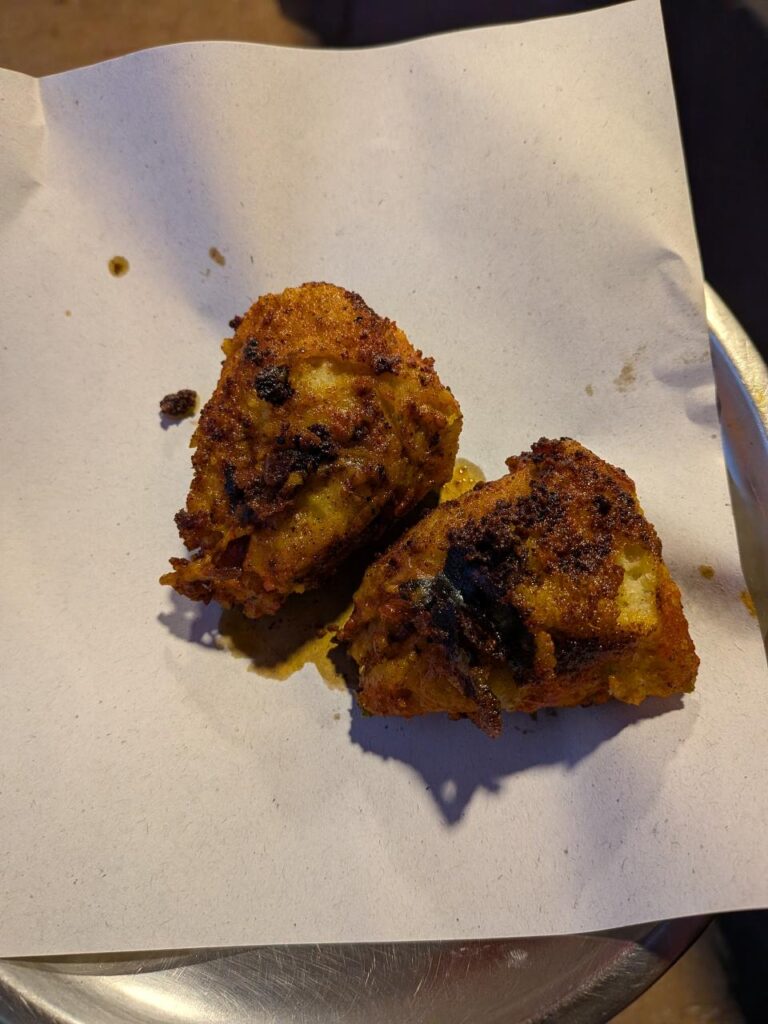
    This is Kallumakkaya Nirachathu, which you can find on the roadside stalls very near Sunfun. Mussels, ground rice and spice, fried.

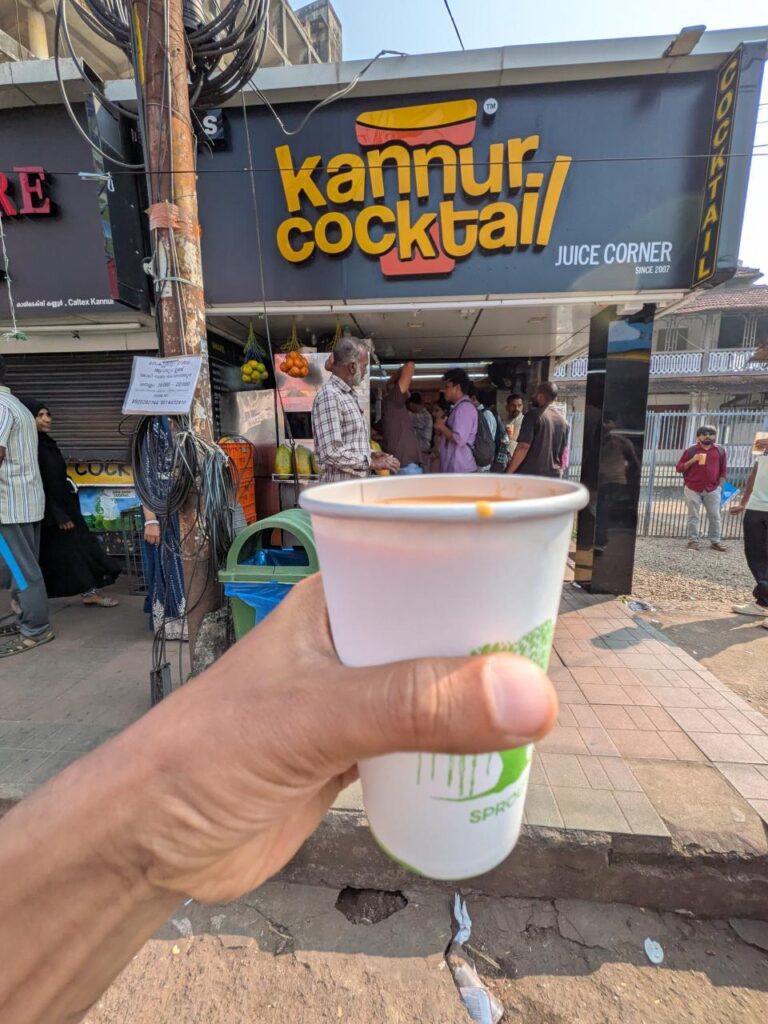
    Kannur Cocktail was a revelation. I absolutely disliked the ingredients – papaya, carrot – but boy, this was thick and yum!

    Kannur Cocktail

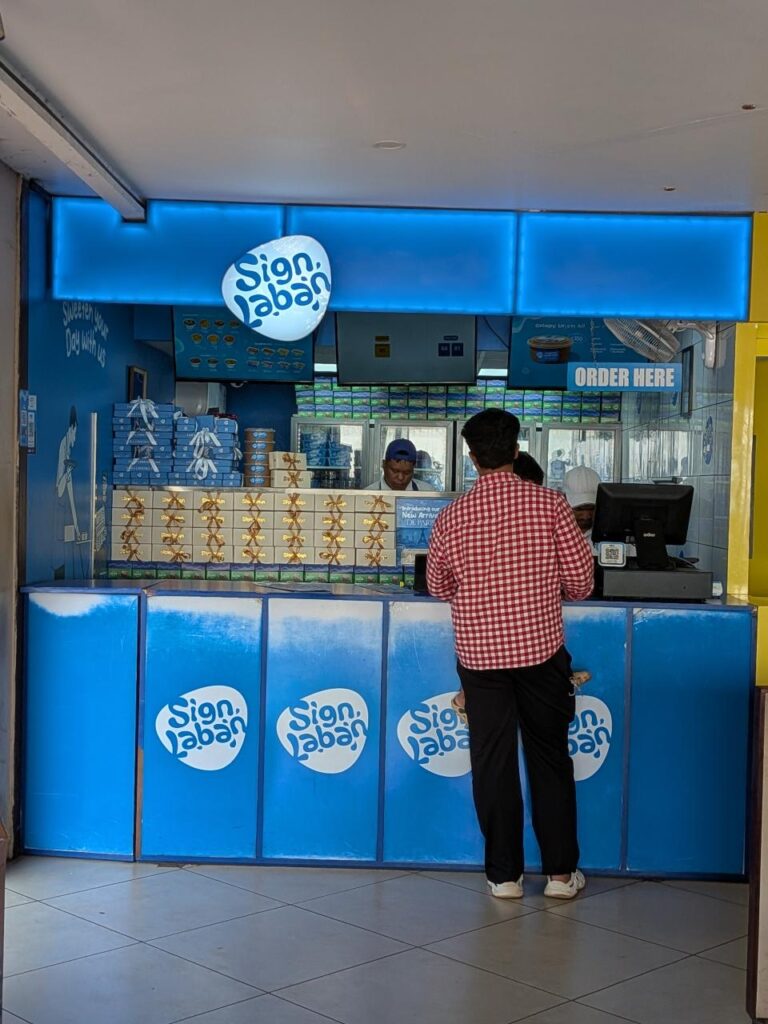
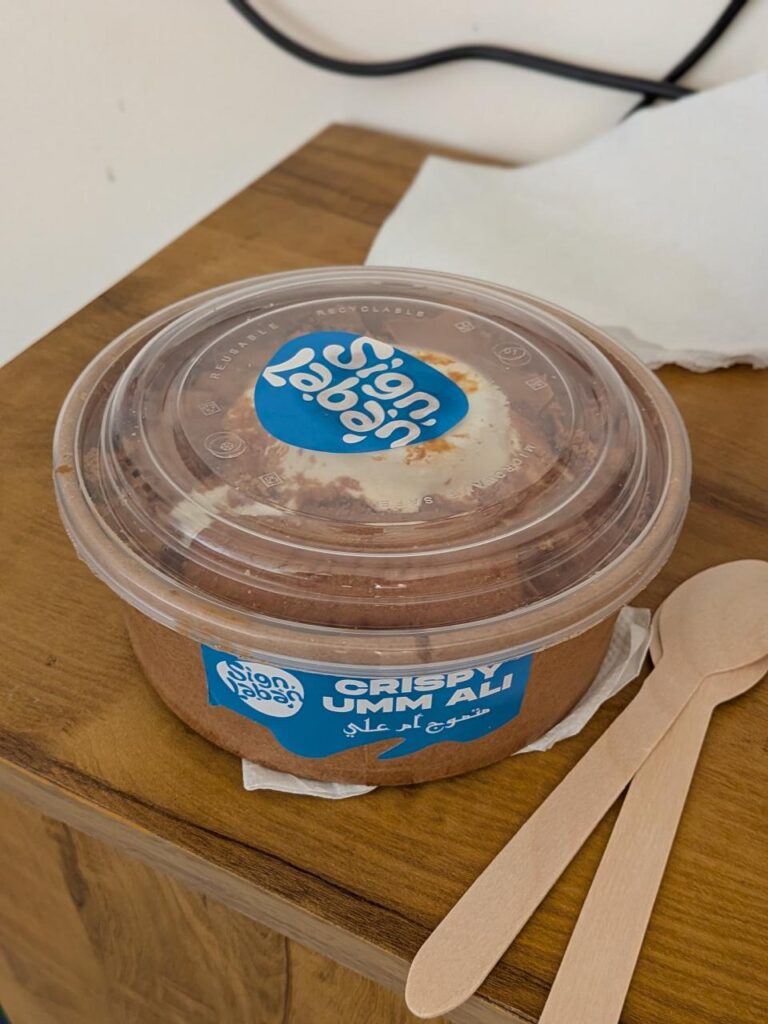
    The kids were drooling around Sign Laban, so we decided to figure this out.

    Sign Laban Kannur

    Desserts from Egypt, turns out. We finally settled on the Umm Ali, and it was fantastically heavy, even when shared by two people!

    Sign Laban Kannur

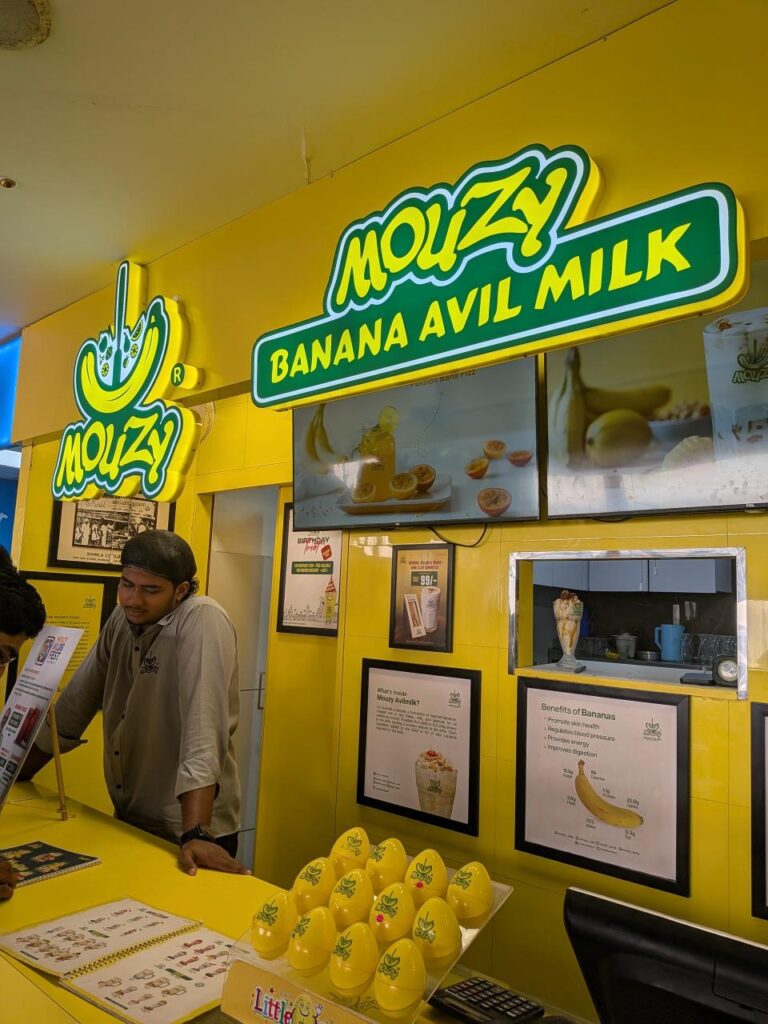
    Though our guide pooh-poohed it as more Calicut than Kannur, I had to try Banana Avil Milk. Mouzy was our best shot.

    Mouzy Banana Avil Milk

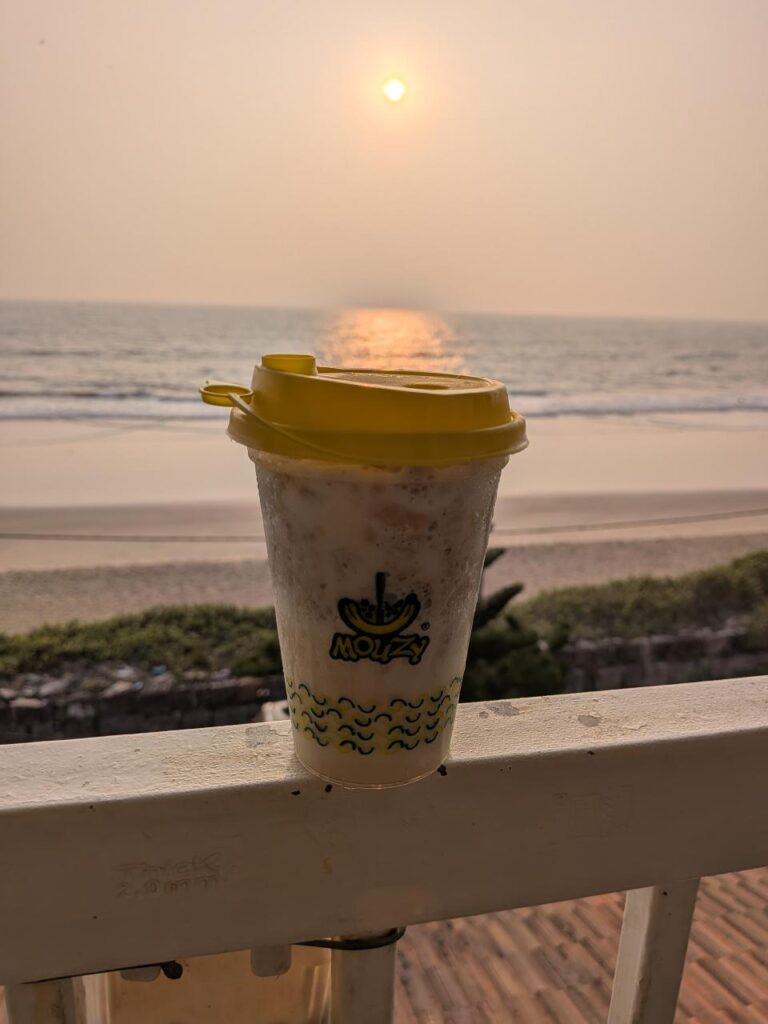
    I absolutely loved it, practically a meal in itself.

    Mouzy Banana Avil Milk

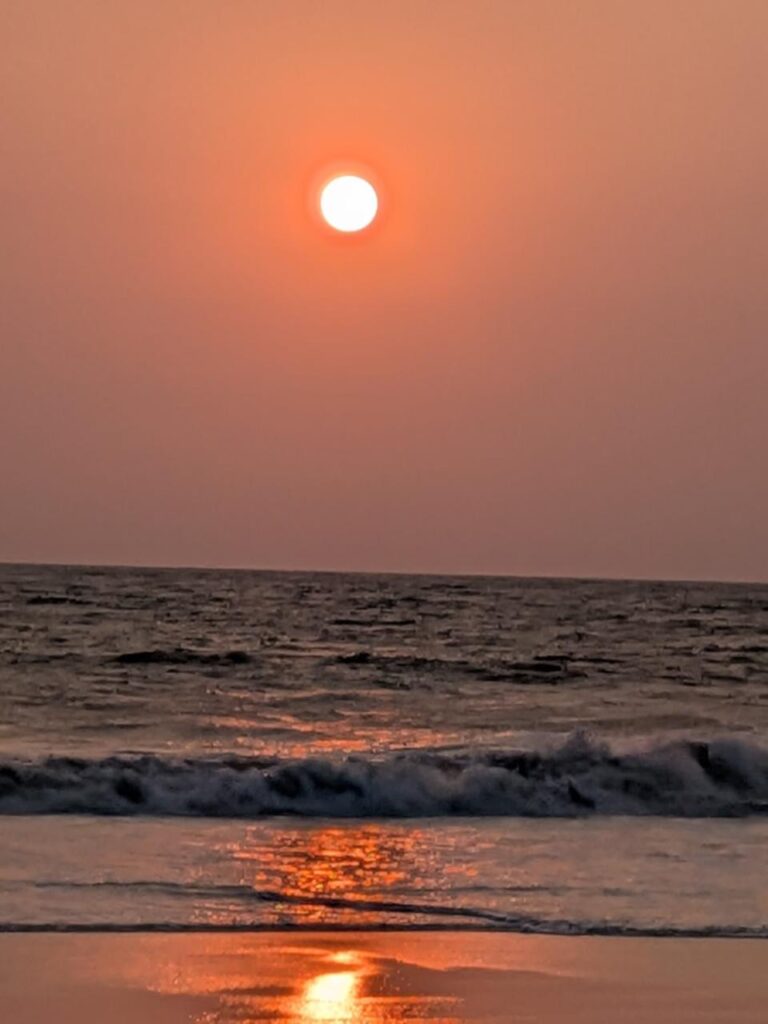
    Kannur did cheat us out of the last minutes of every sunset, thanks to clouds, but we did enjoy them, especially on weekdays when you have the place practically all to yourself.

    Our perception of Kannur was dated – political violence and hartals. I found it to be quite a lovely town now. Fantastic community vibes, because it is not really very large. People jogging, cycling along the beach on a Sunday! The guide told us that after that they go to Pulari for breakfast, and sure enough, I saw one person whom I had spotted earlier walking on the beach.

    I think the people are well represented by three auto rides we took there. The first refused to take more than Rs.30 from us. When he showed three fingers, my Bangalore mind talked me into taking out 300. Both of us looked at each other as though we had lost it!

    The second charged us double rate, the guide said 9PM was the cut-off, and before we got in, he was arguing with the person in front of us on exactly that.

    The last auto was arranged by Kishore (he is fantastic) and he was late. He apologised, and during the ride we began chatting about his daughter, who was a nursing student in Bangalore. He told us about his visit, and how he loved the pace of Bangalore when compared to Kannur. We were both seeing green grass on each others’ sides. He also told us how he had now started taking tourists around. When we said we had come to watch Theyyam, he said that he had visited Paravur (Cochin), and there he saw ‘our people’ (upper caste) doing a version.

    I think, as travellers, we managed to get quite a flavour of the place. And loved it. To the point, where D and I even discussed living there on rent for a year to see how much we would like it as residents. 🙂