Month: November 2024

  • Schooled for life

    One of the things I spend a lot of time reflecting on is my own OS or wiring, and its updates. In a recent conversation with D, courtesy a college reunion (25 years!) I realised that I have very, very few friends from school and college whom I stay in touch with. Why was that, I wondered.

    I don’t have many memories of my first school – Std 1 and 2. I remember the uniform vividly, and the prizes I won. I have forgotten what they were for though. I have a flood of memories about my second school – Std 3 to 7. Probably because I think they were my best days. I was almost always ranked first in class, I sang, recited poetry, was part of the quiz team, and even played hockey! What I remember most was how accommodating the teachers were when I had to miss classes for practice and competitions. Many of them actively encouraged me to pursue the things I showed some interest and talent in.

    And it went beyond that. There was something in the people I knew then. I remember how once, there was some competition in a different school, and G, my classmate and biggest competitor for the first rank in class, hadn’t advanced to the final round and yet stayed back so she could drop me at home. I shifted schools after 7th because we were moving to a different part of town. Immediately after my exams, I also had a minor surgery. R, my Hindi teacher, visited me in the hospital with her husband. What I remember most, thus, is the kindness.

    I have to admit that I don’t think I repaid it much. After I had shifted schools, I participated in some competition, now representing my new school. My old teachers were there too, and being the uber shy idiot I am, I didn’t even acknowledge them. How bad they must have felt!

    I didn’t like my new school at all. Somehow I just didn’t fit in. They prioritised academics at the cost of everything else, and there was very little space for the other things I enjoyed. While I made a few friends, the camaraderie I had in my other school just wasn’t there. On hindsight, maybe mom’s illness was also playing on my mind.

    I think it also had to do with the kind of neighbourhoods I lived in. Before we shifted, we lived in a university campus. Largely egalitarian – people working in the same place, living in similar quarters, earning within the same range, enjoying the same facilities and so on. When we moved to the city, the house itself was one of the smallest in the street, though I don’t think I paid it that much attention. The inequalities in general were bigger, something that reflected in the kids at school too. The in-groups were stronger, and I feel it to this day in WhatsApp groups.

    It wasn’t that there weren’t kind people there – I remember how M consoled me for hours after mom passed away. I went to ridiculous movies with R,A and S. I had a good friend V, who had a terrible accident and was in pain for months. I used to visit him in the hospital and his relatives used to make me sing. Yes, facepalm. I used to guiltily look at V even as I sang. At reunions (which I mostly avoid) and in the WhatsApp group, I see a totally different person. Someone I cannot relate to at all. Maybe his wiring changed after that accident, and the mental and physical anguish it caused. The change in me after 10th was quite drastic. Mom’s death pretty much unleashed a wicked sense of humour, which was my armour until recently.

    I think, after her death, and later, when my grandmother moved to my uncle’s place during my engineering days, my subconscious probably decided that relationships had a shelf life. That friends were that, only in a certain context. When it came down to it, I was the only person I could depend on. It took D and most of my life to get over that.

    Then again, as the joke goes

    Jesus miracle friends
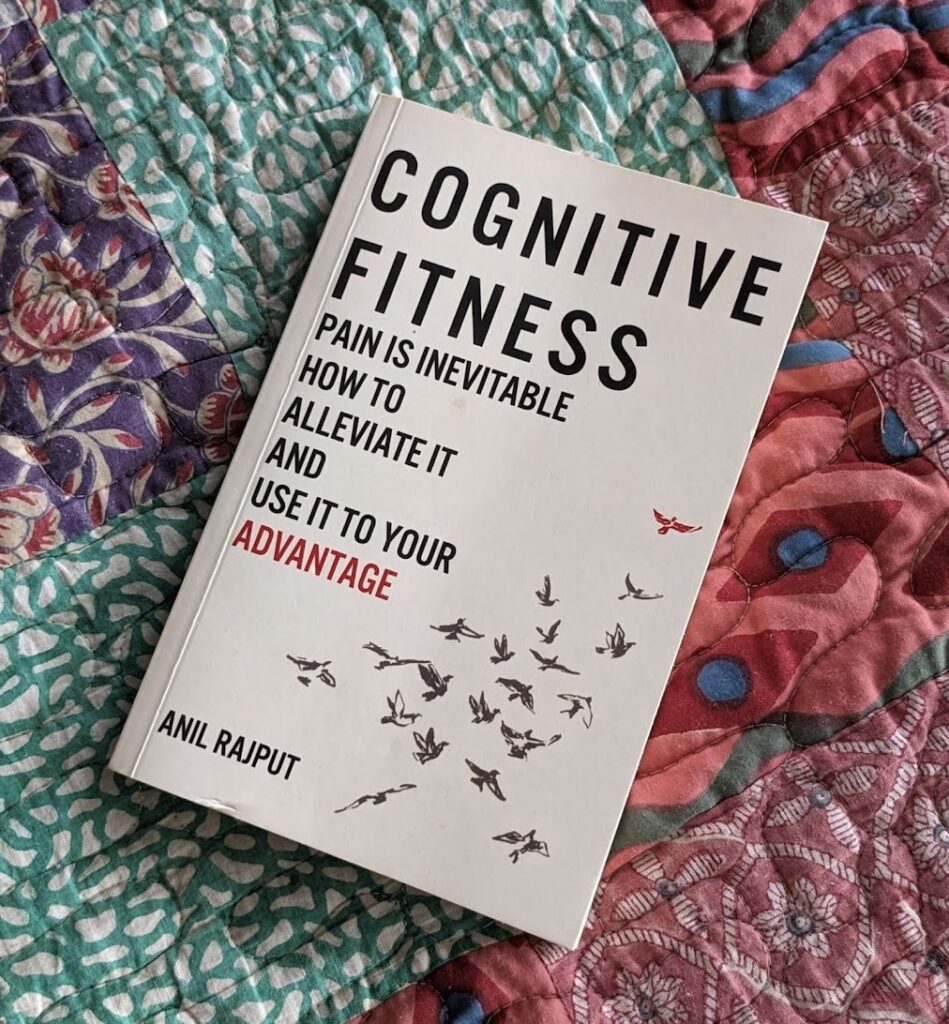
  • Cognitive Fitness: Pain Is Inevitable. How to Alleviate It and Use It to Your Advantage

    Anil Rajput

    Some books just happen to me, this is one of those. It found me. I really liked the framing – cognitive fitness. An analogy based on physical fitness. If I had to sum it all up, I’d say this is a scientific (with a little bit of philosophy) take on mindfulness. Though I am not sure that word is even used once, in the book. In the author’s words, “cognitive fitness is the leadership that holds perceptions, thoughts, emotions, actions, motivations, imagination, and illusory intelligence in such a way that suffering is minimal and happiness is possible.

    Indeed, as with the Buddha, Anil Rajput is also of the opinion that pain is inevitable. As the second part of the title states, the idea is to alleviate it, and even use it to our advantage. It is interesting that an obsessive desire for pleasure, or an inability to endure pain, are both conducive to pain, not pleasure. Also, the absence of pain is not enough for happiness.

    The book has seven chapters which goes into several related areas. In the first chapter, the author points out the purpose of pain and pleasure – both pain and pleasure are feedback mechanisms, and they aren’t really our end goals, though we don’t always perceive it that way. In general pain motivates you to think, act, and solve a problem, while pleasure tells you that you’re on the right path. This feedback can be flawed too, for instance, the instant pleasure of drug abuse actually creates long term pain! This chapter also brings up the complexity of individual, social, and natural aspects of life, as well as nihilism and its inherent contradiction.
    The second chapter shifts focus to our bounded brain and its component parts, pitched against the world of infinite information it can never completely grasp. And thus, the inevitability of illusions and ignorance, including ones in perception, cognition, and emotion that emerge from the imperfect information processing of the neural circuits. We fill in details where we don’t have any, and our ignorance also makes us overconfident. He points out how animals never commit suicide. Our evolution beyond survival seems to have given us this unique concept.

    The third chapter is about the psychology of pain and pleasure, the deception of our own emotions, and how pain can be actually used to get clarity. This chapter has a very interesting portion on the life cycle of pleasure – desire (wanting) that might lead to happiness (if we end up liking what we desired – we need not), and how that happiness decreases over time due to habituation and might even disappear, which then leads to the next desire. The hedonistic treadmill. “Desire is wanting, not liking, and that makes all the difference.

    Psychological pain is an indication that our subjective map of the world needs a revision. The good news is that the brain does have a powerful cognitive immune system, which reduces the effects of suffering – self-affirmation, self-deception, positive illusions, dissonance reduction and defence mechanisms. But it is interesting that the brain focuses more on negatives than positives -because it was essential to save us in the early days of humanity, as compared to say, the pleasure of say, a better mate. We could always have the latter later!
    The important point raised in this chapter is how the ability to endure pain is a requirement to minimise it! Think of it exactly like the muscle you exercise, so as to strengthen it. Except, you wouldn’t go looking for pain, but enduring it and learning from it when it appears is important. The key antidotes to pain are hope, equanimity and courage, which take us away from the fear and panic that lies behind the pain. When we think coolly, we realise that from a survival perspective, the latter is needed only in a physical fight or flight. The rest is emotional, and we can learn to manage it.

    Chapter 4 is about how the brain can be its own worst enemy, and we need to be able to control it to some extent to flourish. This chapter has an interesting portion on conditioning – classic, which is a response to a stimulus (a soldier who returns from war has anxiety when hearing a helicopter even within a safe city) and operant, which is learned by punishment and reward (kid being rewarded for good behaviour). We also learn from observation, and it can be implicit or explicit.

    This chapter also points out how the sub-conscious brain is built for speed and is therefore also prone to wrong judgment. Interesting that our memory can be implicit or explicit. The former is the collection of procedural memory (cognitive and motor skills) and priming (perception enhanced by stimulus). Explicit memory is divided into episodic memory (your experiences) and semantic memory (your knowledge). We make our maps of the world early – a subjective, simple and limited map of the objective, complex and infinite universe. A map critical to make sense of the world. But many times, we find it difficult to change in the face of a challenge, and facts supporting it.

    The next chapter is about the psychology of physical action, the efficiency of cognitive action, and the importance of a subjective purpose and meaning, which motivates us to face the chaos and uncertainties. This also prevents our emotions being hijacked by fear and panic. In this context, it is interesting that rewards are of two kinds – consummatory (moment) and incentive (better future). It is also interesting that when mechanical skills are required, thinking about the reward betters performance, whereas when cognitive skills are required, that thinking might derail us. This is especially so because in many cases, the rewards are not completely in our hands. Only the effort is.

    Chapter 6 is about the importance of focus and how meditation can help. And the final chapter is about how knowledge acquisition on a regular basis is the first step to taking some amount of control over all this.

    As he rightly points out, “we live in a socioeconomic world with a biological body, among other known and unknown things, and problem in our life can be because of multiple factors in multiple domains, many of which may or may not be in our direct or indirect control.” And that is why cognitive fitness is important.

    I really liked ‘the book Cognitive Fitness for the material and perspectives it contains. However, I do think, it could have done with a better editor. That doesn’t take away from the content though. It’s in my long list of 2023’s favourite reads.

    Cognitive Fitness by Anil Rajput
  • Armenia

    From Tbilisi to Yerevan via…

    I think this was the first time we crossed a border by road. On a relative scale, the two rounds of checks – one out of Georgia and the other into Armenia – did not take too long. The Armenian security was a little concerned about our alcohol content into the country, but her colleague let us pass saying ‘tourists’. 😀 I forgot the thumb rule of not putting more than one large bottle in a suitcase.

    Soon as you cross the border, there is a point at which you can see Azerbaijan literally on the other side of a fence!

    The journey itself takes around 5 hours, but we had stops. We started at 9.30 and reached Yerevan around 6. On the way…

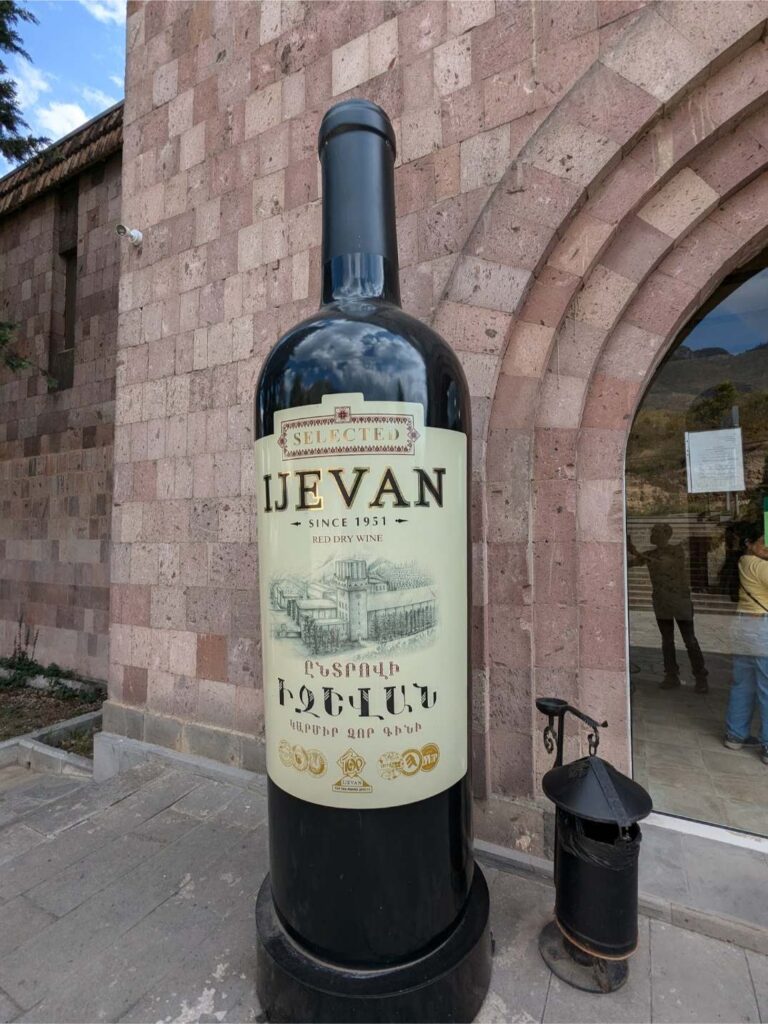
    The Ijevan Wine-Brandy Factory was part of the tour. It is named after the town. The town’s current name Ijevan, and its name (until 1919) Karavansara, both mean “inn”.

    Ijevan, Armenia

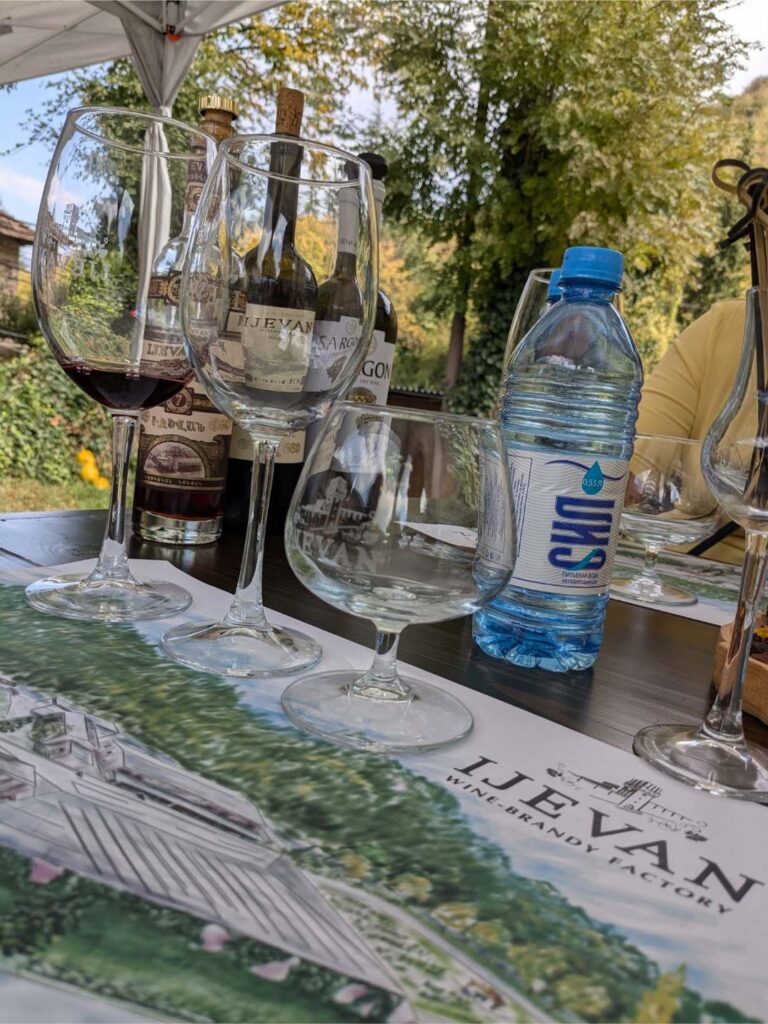
    During the tasting, D had a bit of vodka and some wine. For a change, I consumed less, but wonderful cognac! The smell in those storage rooms. Sigh.

    Ijevan, Armenia

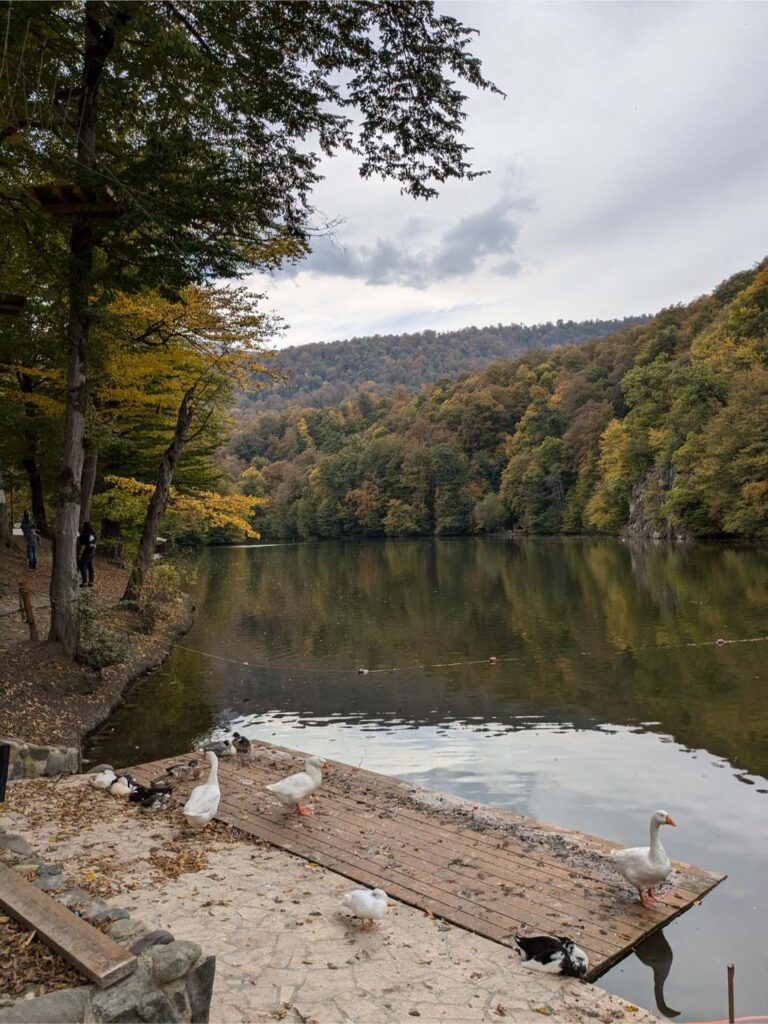
    Lake Parz, part of the Dilijan National Park, was our next stop. Armenian Ooty/Nainital but a little more peaceful, and the same family crowd. More than the lake itself, it’s the path to it that’s mesmerising. As per our driver, that stretch is an Insta reel hit in Armenia 🙂

    Lake Parz, Armenia

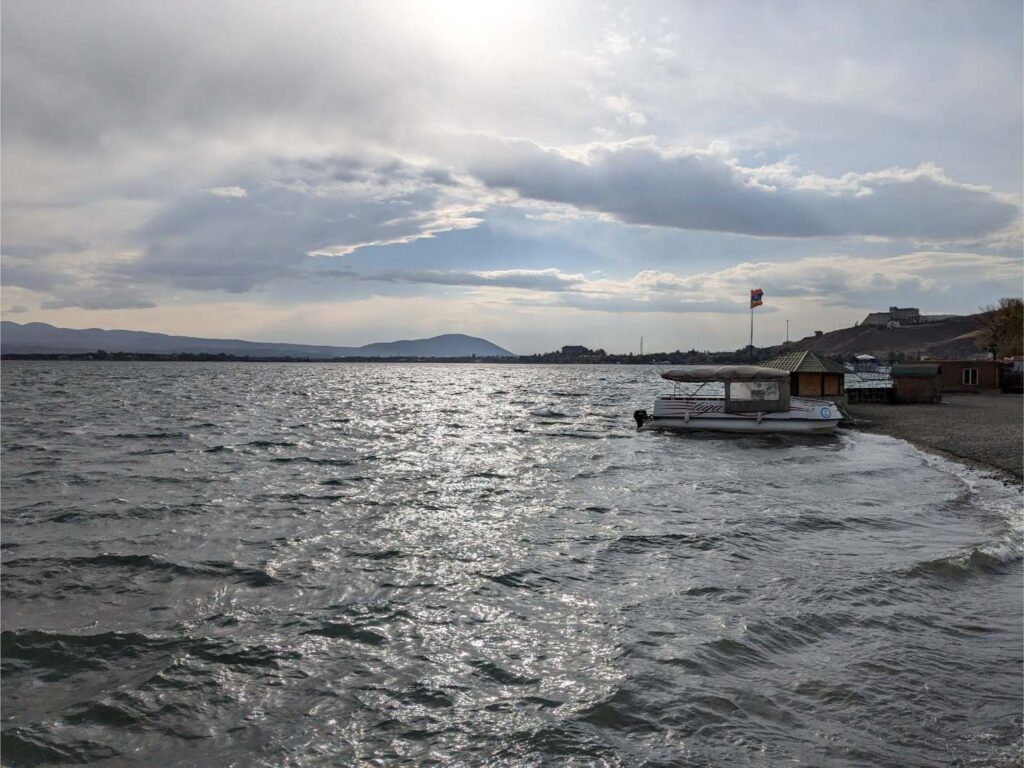
    But what I found to be the cold, Nordic levels of beauty (which I prefer) was Lake Sevan. The crowds were at the monastery, so there were very few people around.

    Lake Sevan, Armenia

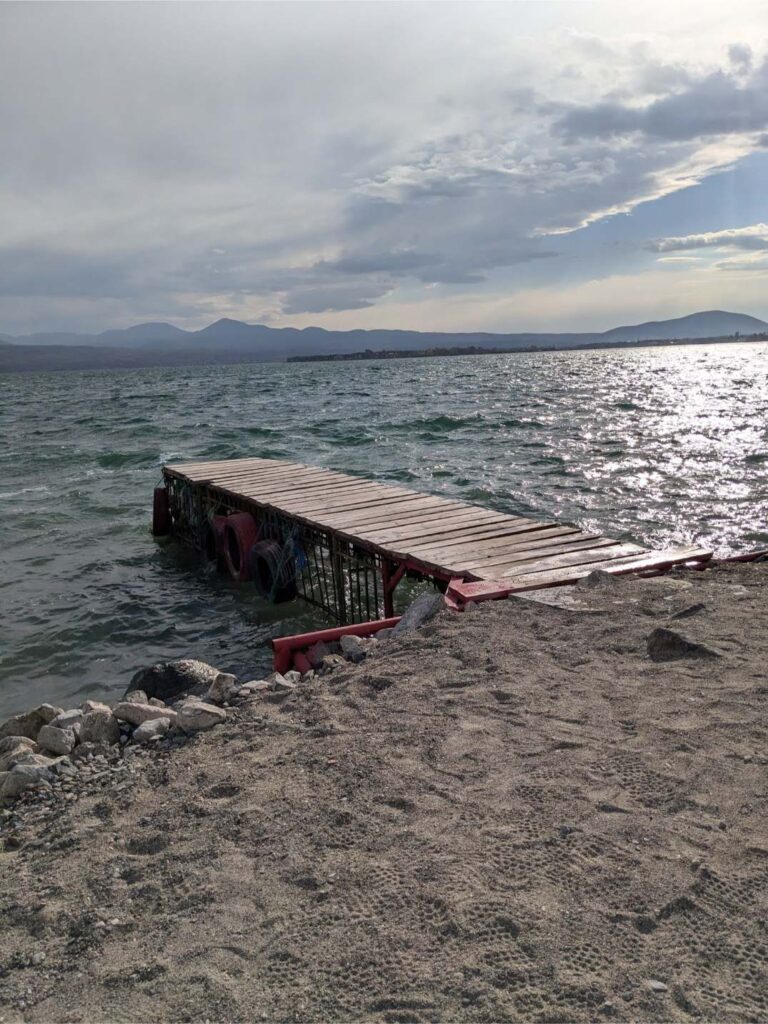
    Ethereal.

    Lake Sevan, Armenia

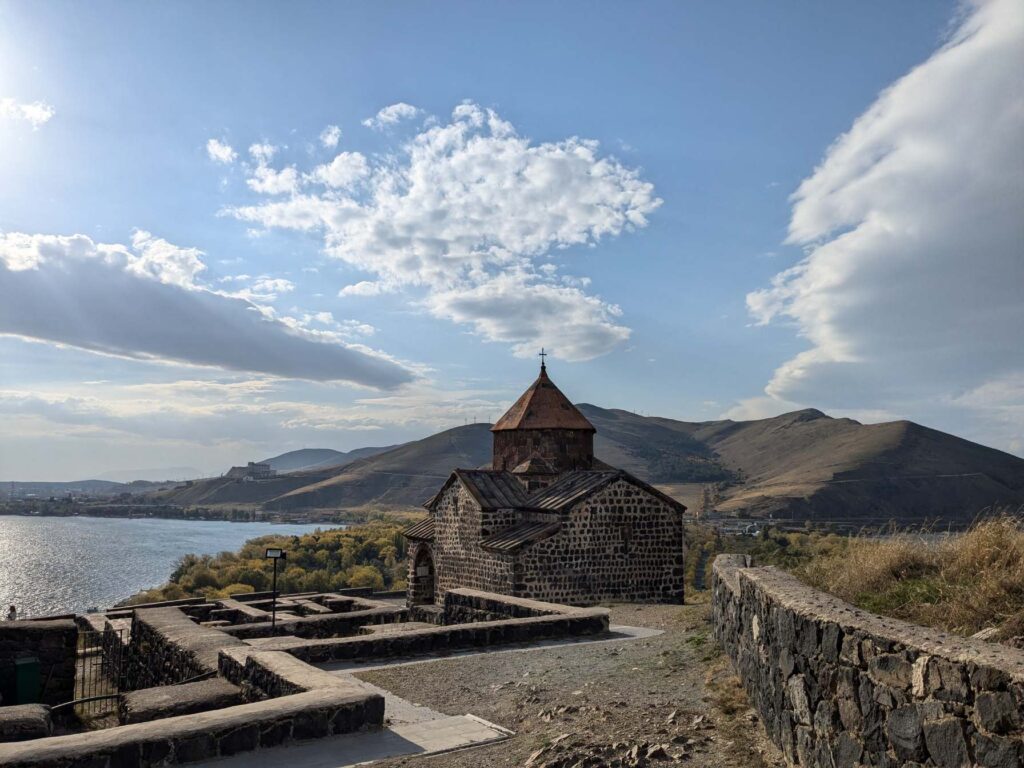
    The Sevanavank Monastery is a bit of a climb. 🙂 But the views are out of this world.

    Sevanavank Monastery, Armenia

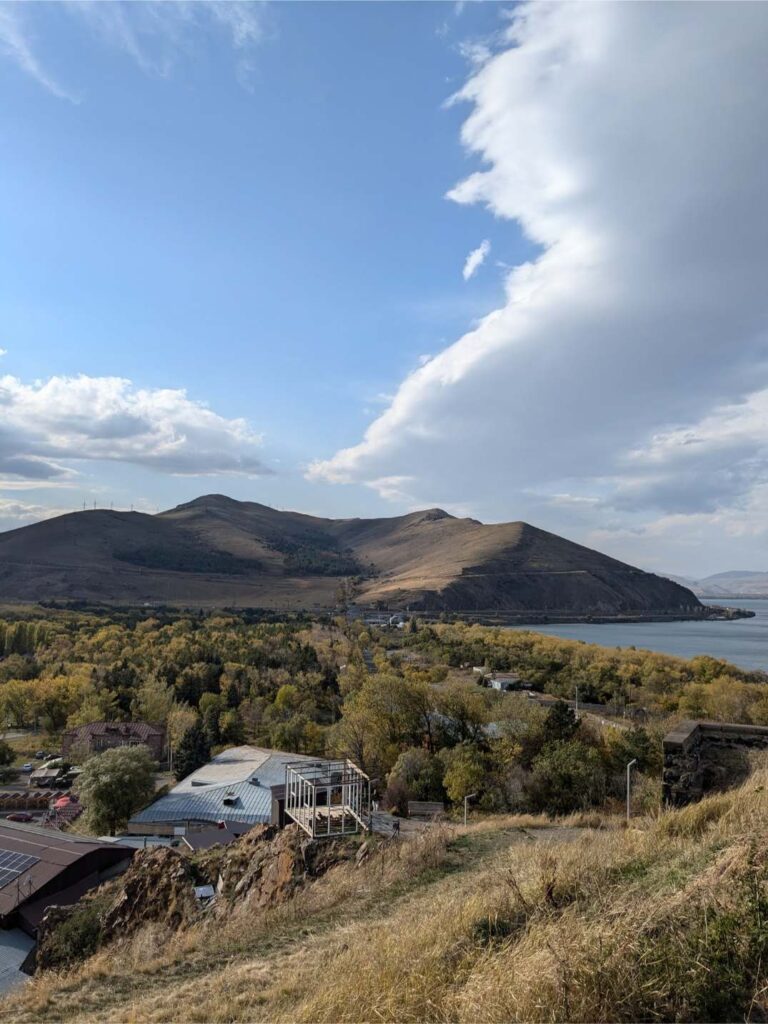
    This doesn’t capture the half of it.

    Sevanavank Monastery, Armenia

    We passed a place named Gagarin, founded in 1955, and named after the cosmonaut.

    Yerevan

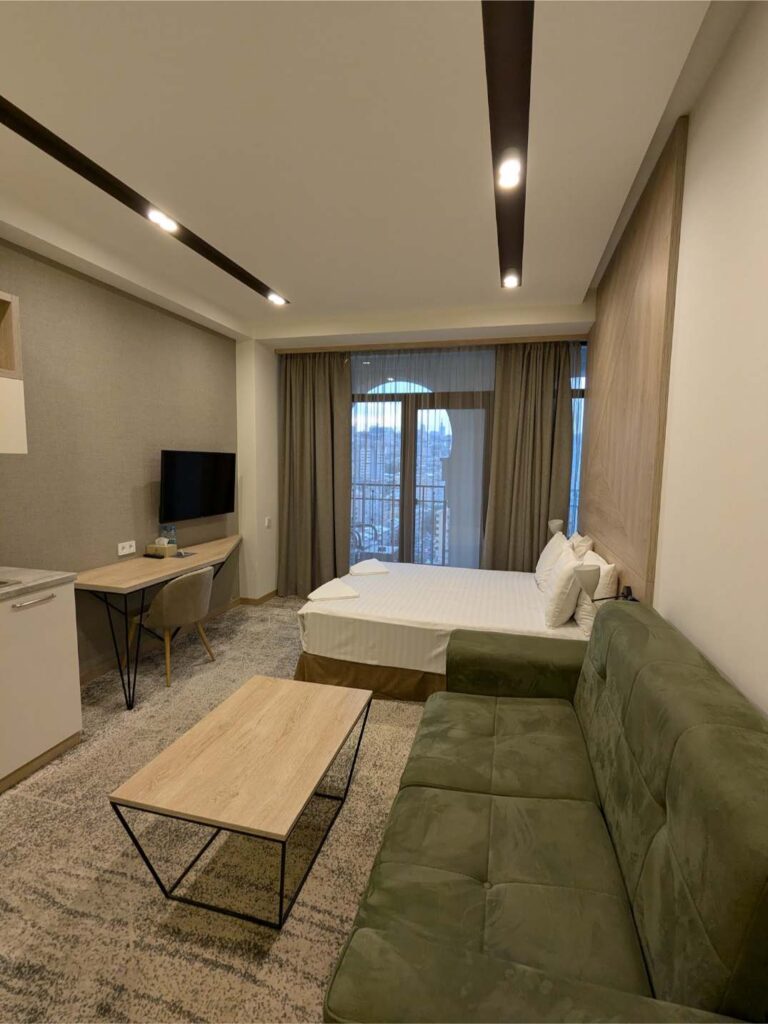
    The Rooftop ApartHotel was where we stayed. The room per se was fine. Breakfast is served in the room, we didn’t enjoy that much.

    Rooftop ApartHotel, Yerevan

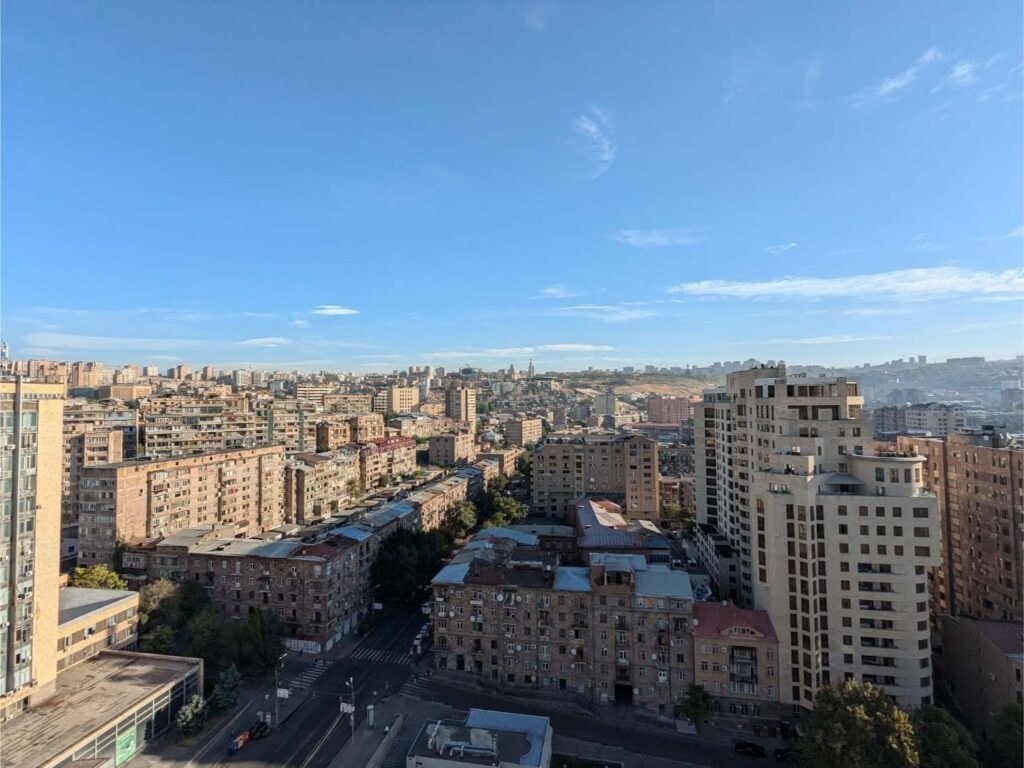
    The views though were amazing. By day…

    Rooftop ApartHotel, Yerevan

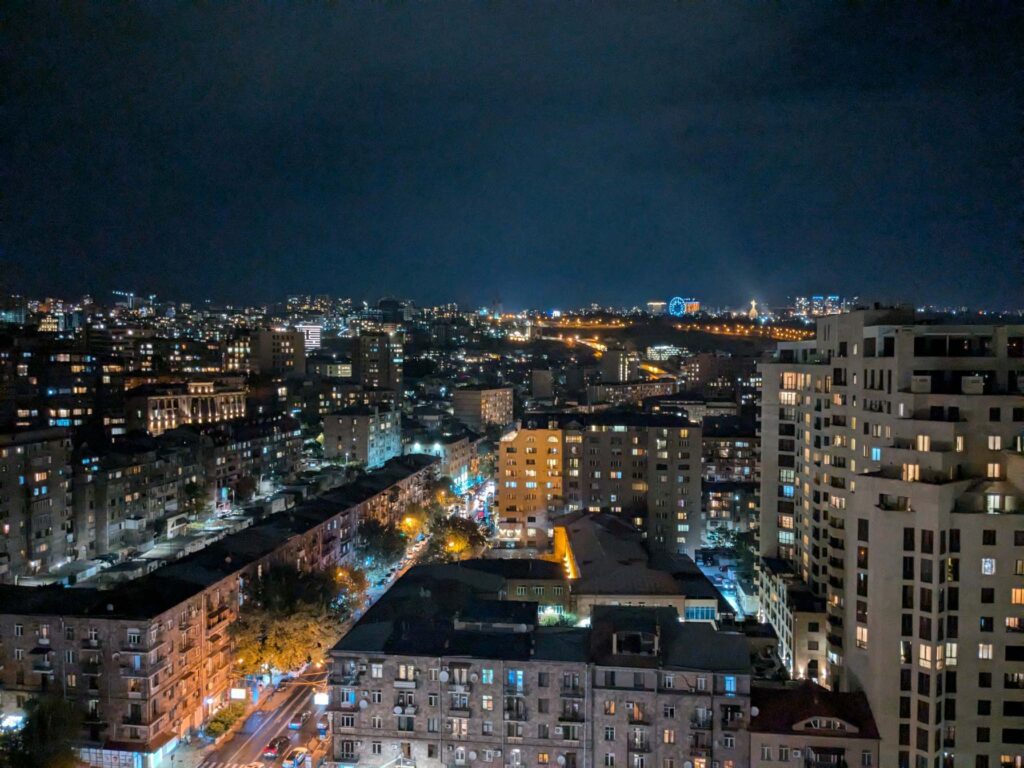
    …and by night.

    Rooftop ApartHotel, Yerevan

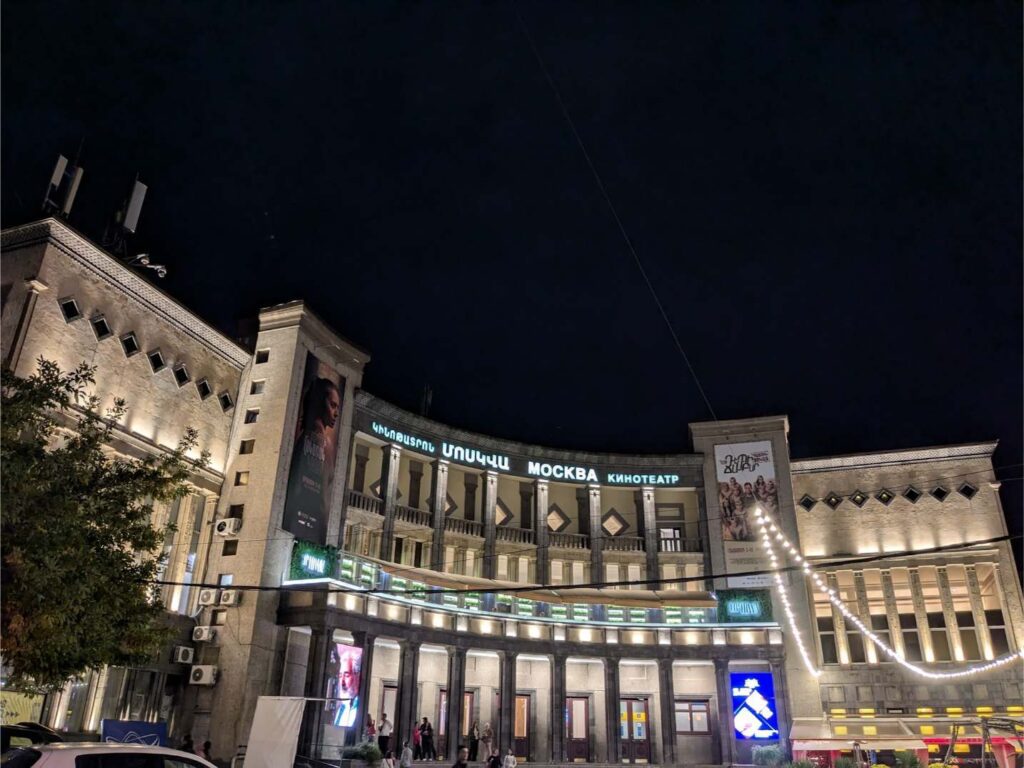
    We walked around in the evening, and saw the Moscow Cinema

    Moscow Cinema, Yerevan

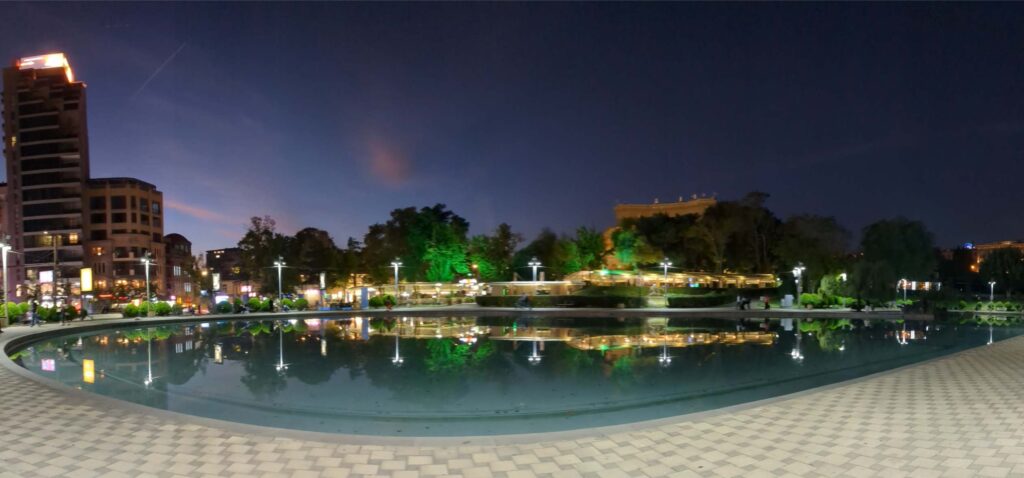
    Swan Lake, which is a great place to just sit and watch people.

    Swan Lake, Yerevan

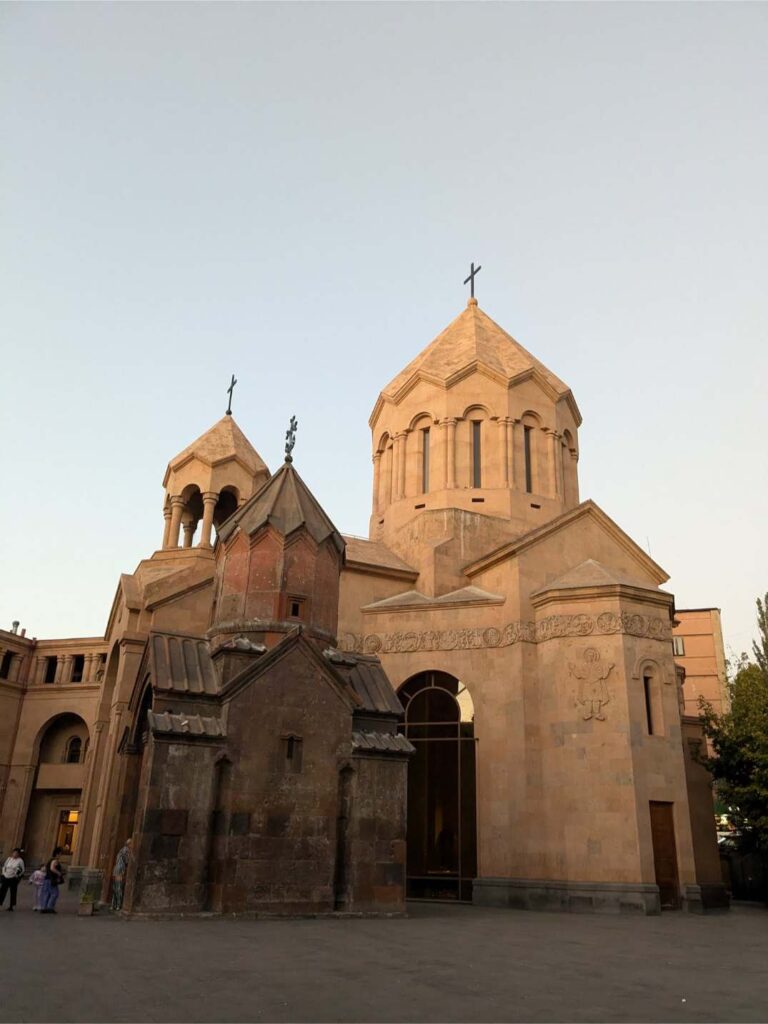
    It was too dark to see the St. Astvatsatsin Kathoghike Church that day, so we dropped by the next evening, after the day tour.

    St. Astvatsatsin Kathoghike Church, Yerevan

    The last day of the vacation was spent walking around Yerevan on our own. Ok, a bit of GG taxi too.

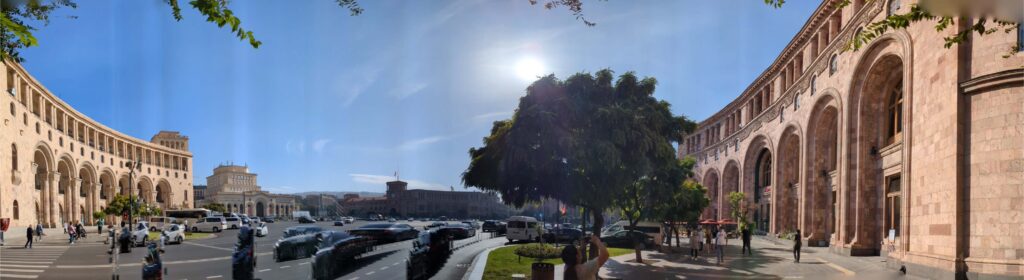
    The Republic Square is quite a hub of activity.

    Republic Square, Yerevan

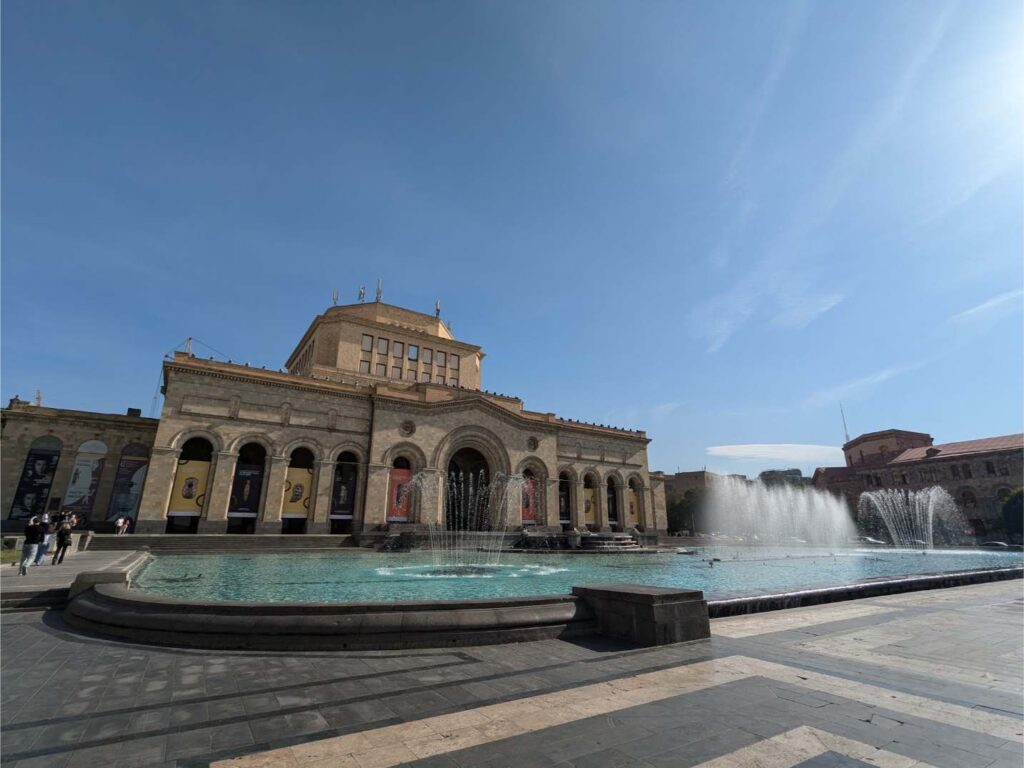
    The History Museum of Armenia is right there.

    History Museum of Armenia, Yerevan

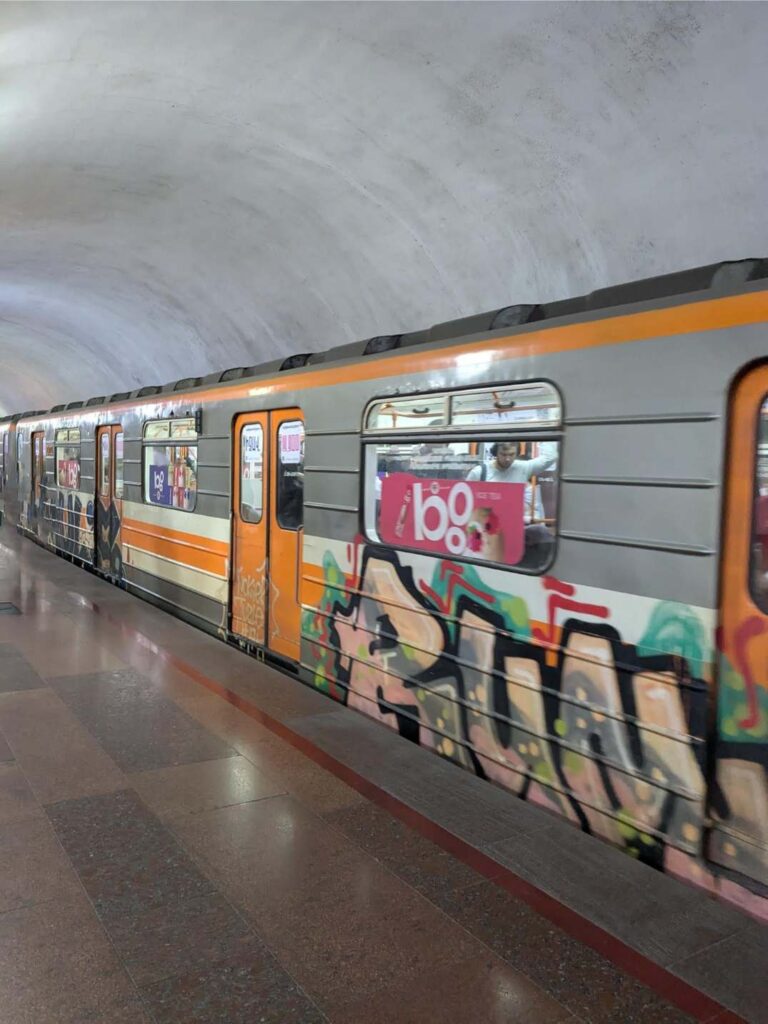
    But our destination, again, was the metro.

    Yerevan Metro

    Almost like a toy train. And a guard forbade me from taking pictures. So much KGB feels :p

    Yerevan Metro

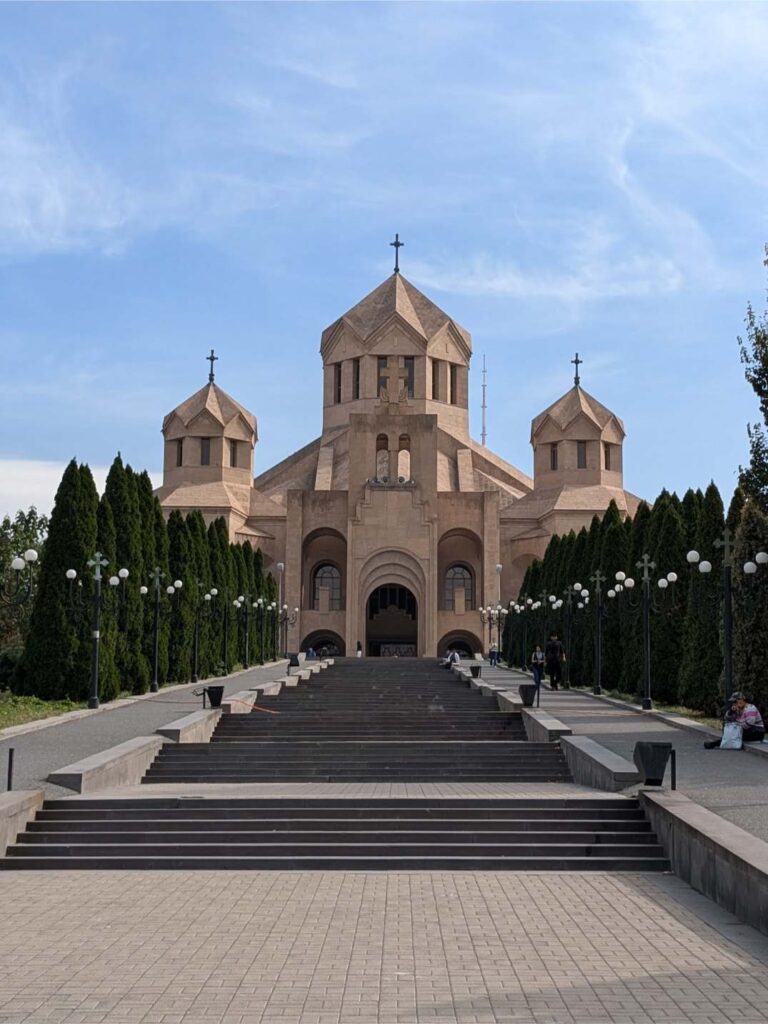
    Saint Gregory The Illuminator Cathedral is quite a different architectural style.

    Saint Gregory The Illuminator Cathedral, Yerevan

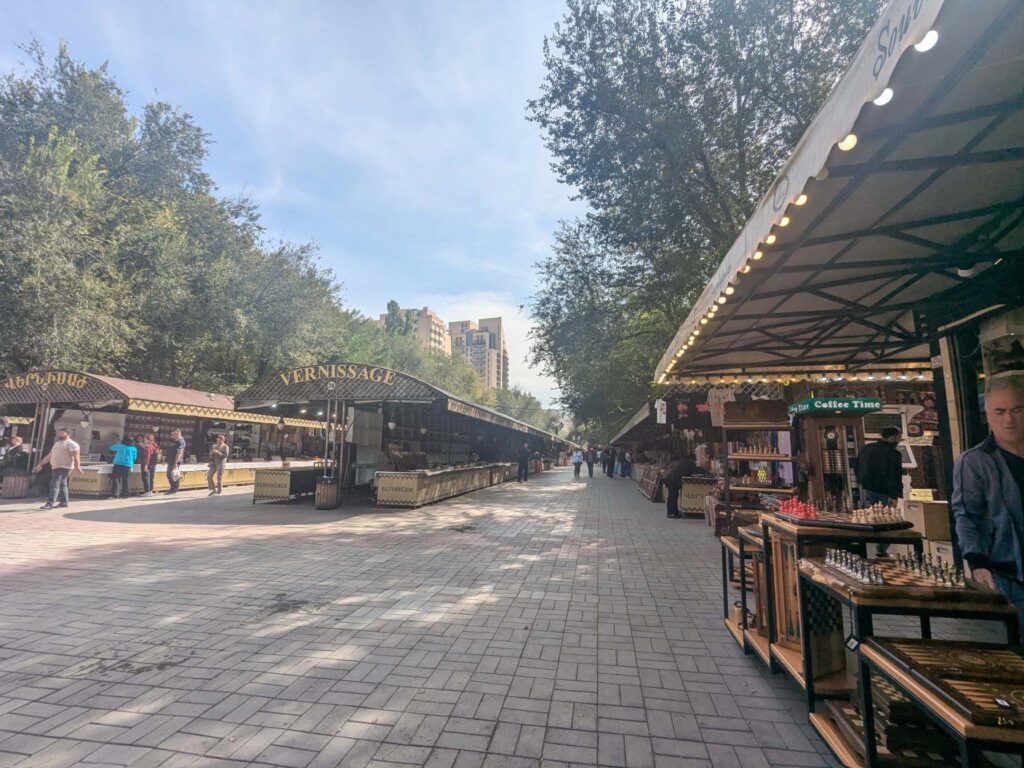
    It’s a short walk to the Vernissage, in case you want to buy souvenirs.

    Vernissage Market, Yerevan

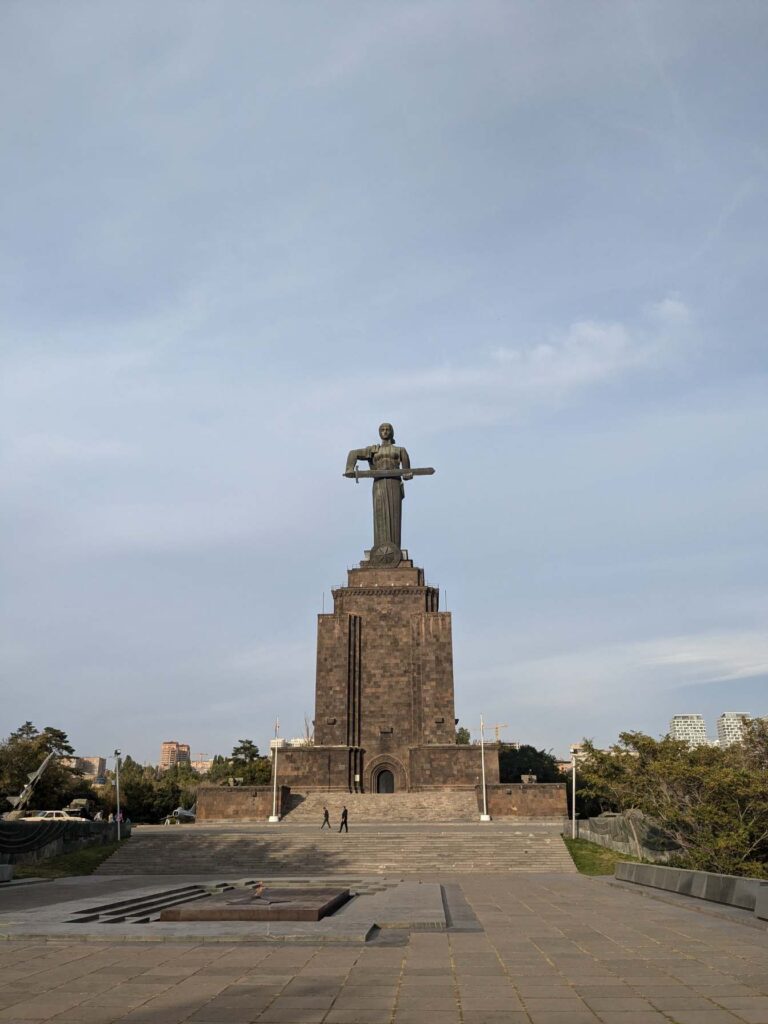
    After lunch and a nap, we took a cab to the Mother Armenia Monument.

    Mother Armenia Monument, Yerevan

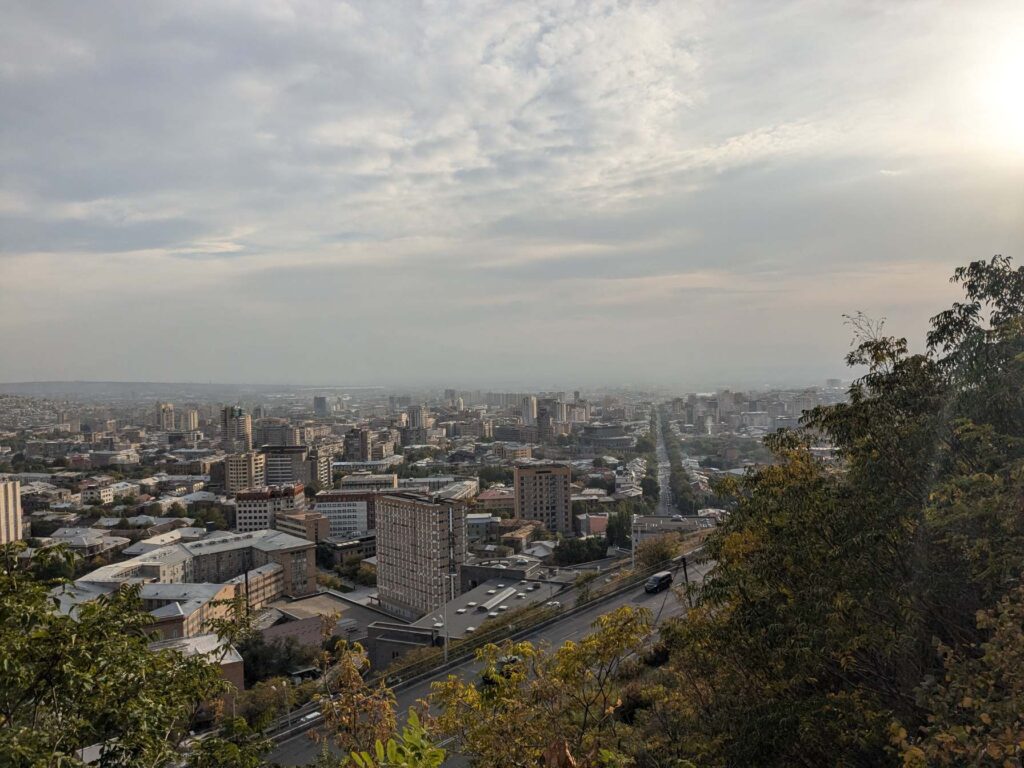
    It offers a great view of the city.

    Mother Armenia Monument, Yerevan

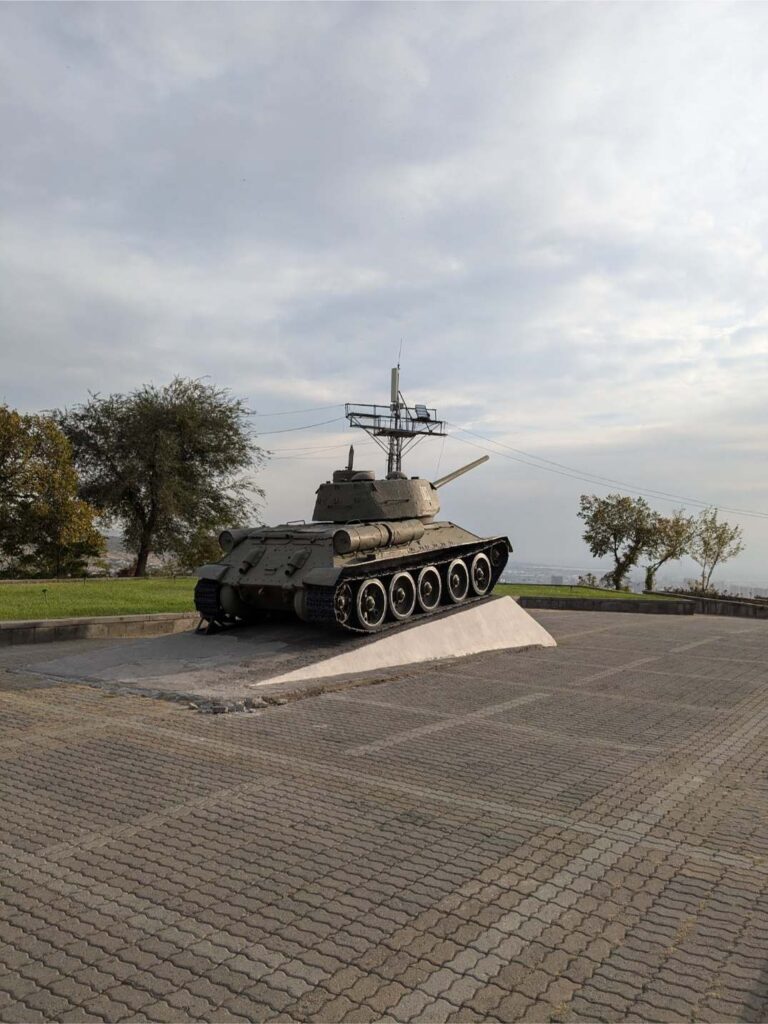
    ..and has displays of weaponry!

    Mother Armenia Monument, Yerevan

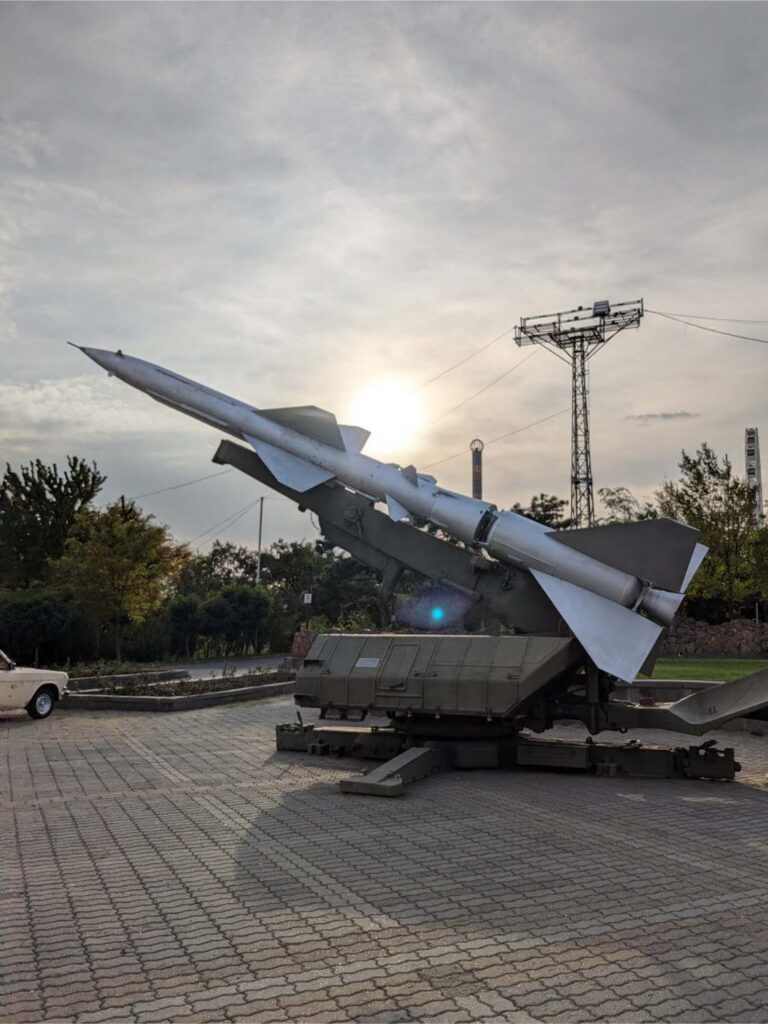
    Missiles in a car park!

    Mother Armenia Monument, Yerevan

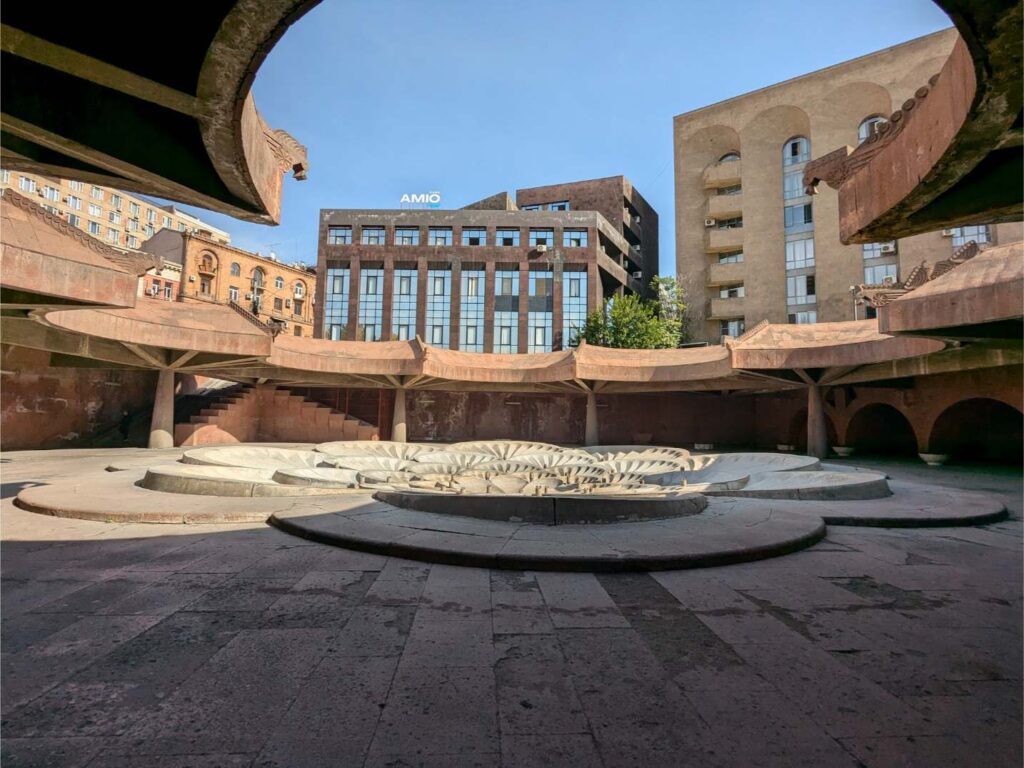
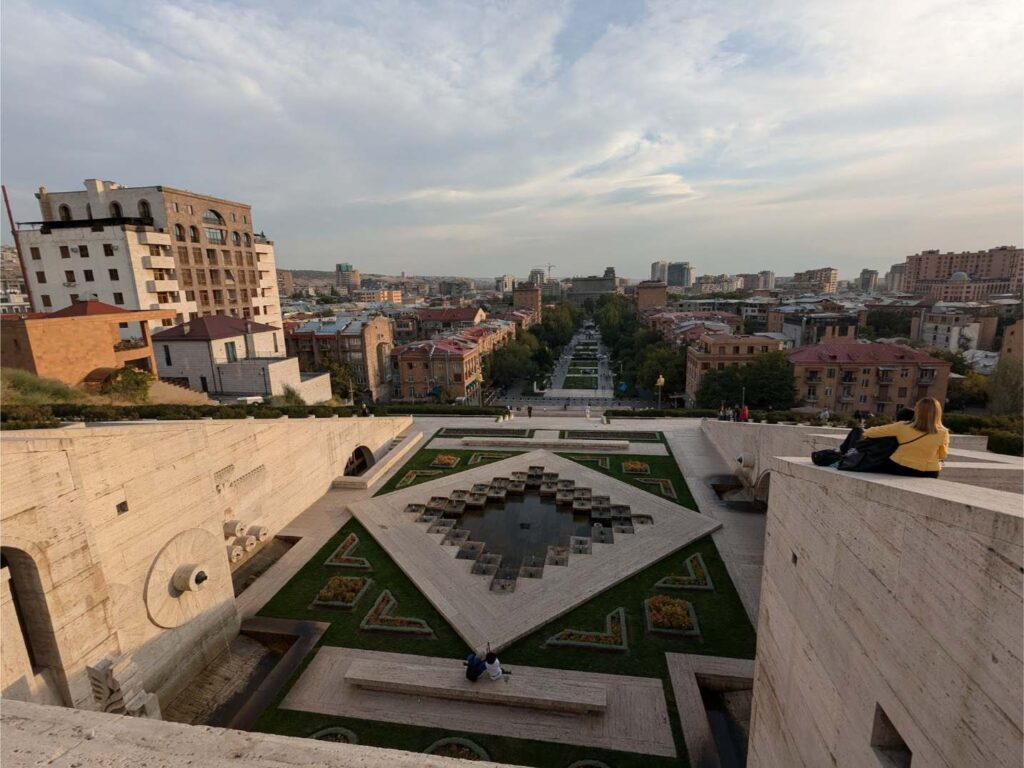
    We then took a cab back to the Cascade Complex.

    Cascade Complex, Yerevan

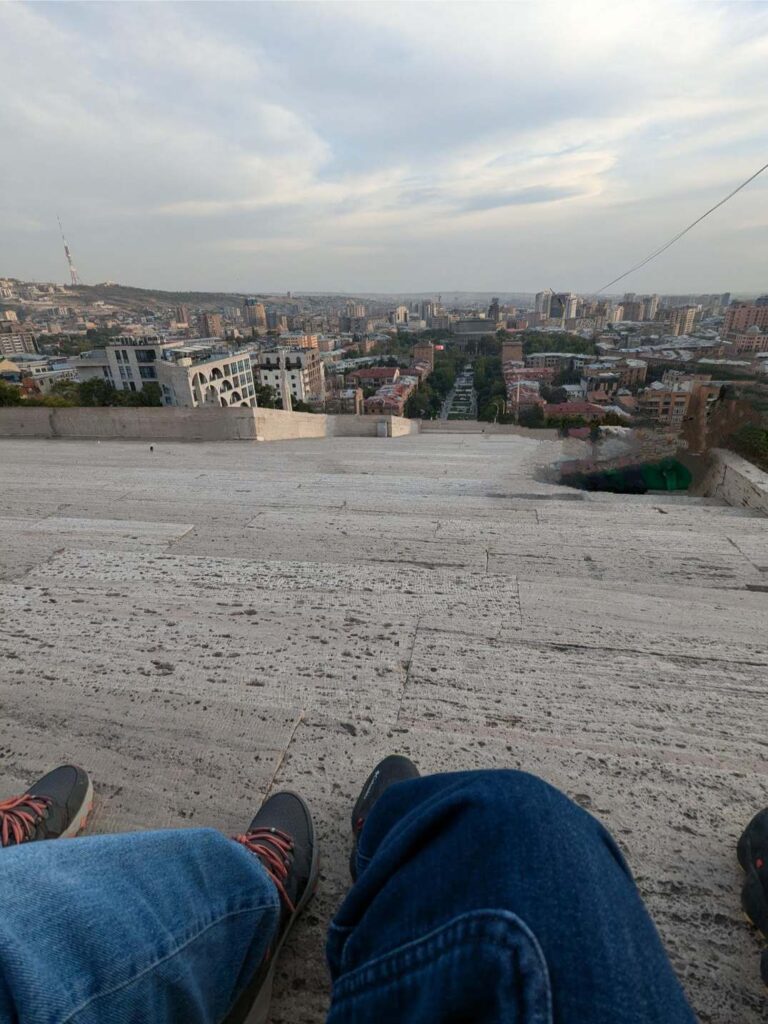
    And if you are ok with a climb, you can sit in peace for a lovely snapshot of the city.

    Cascade Complex, Yerevan

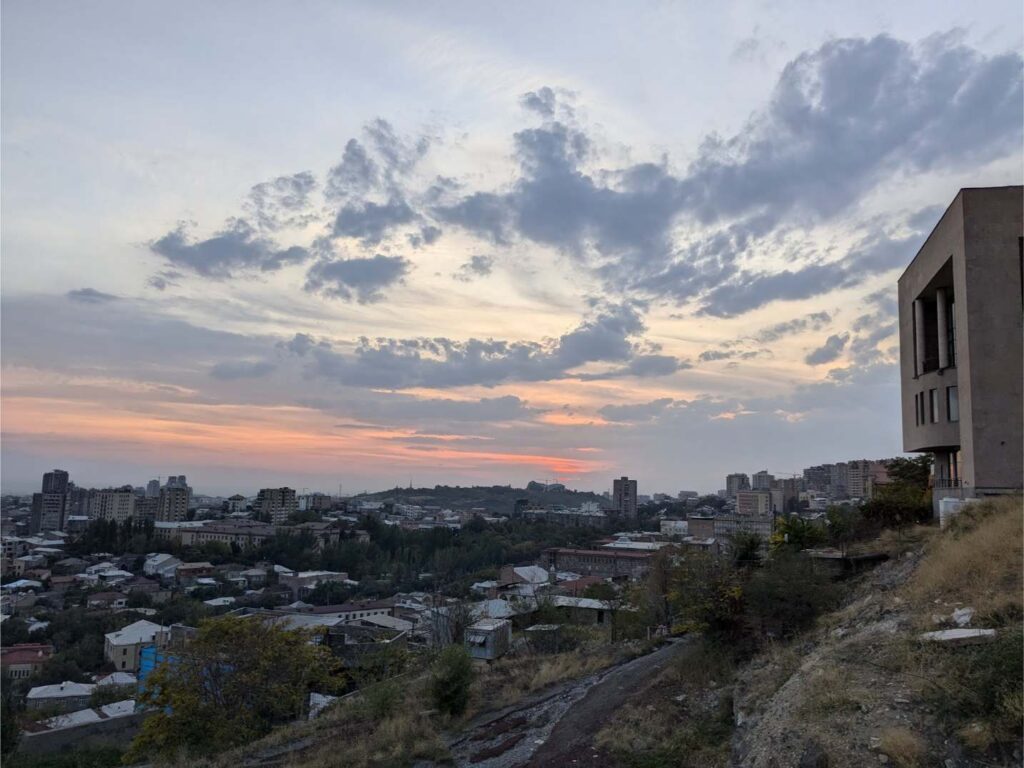
    The sun was only mildly cooperative

    Cascade Complex, Yerevan

    But we make do with what we have

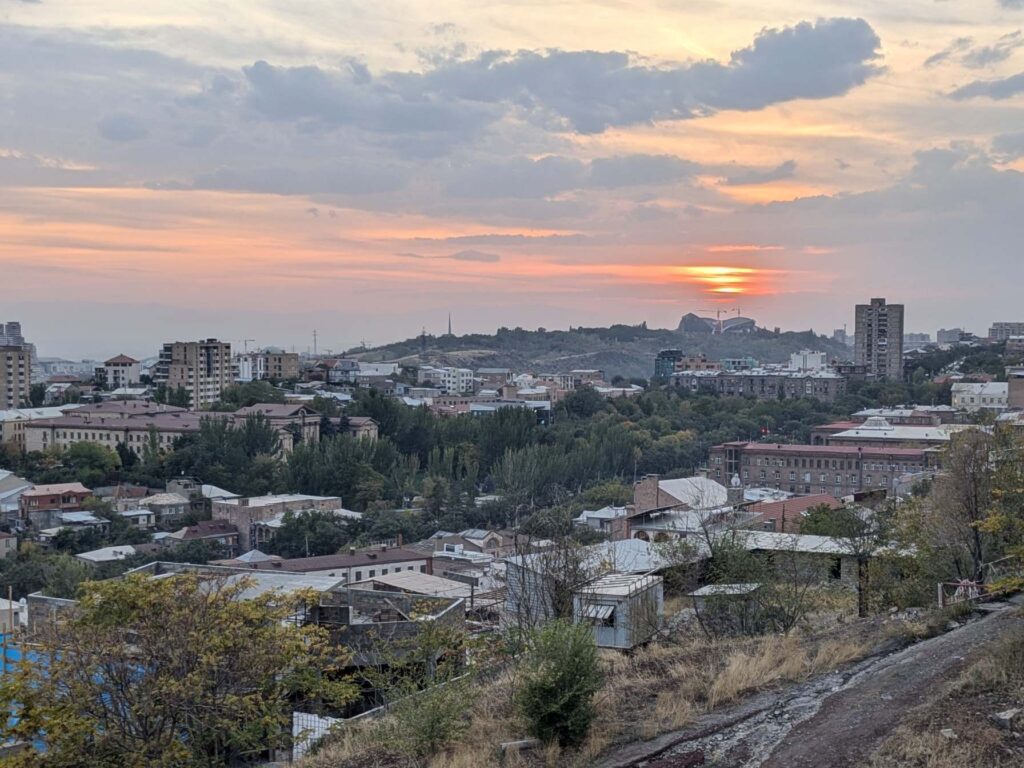
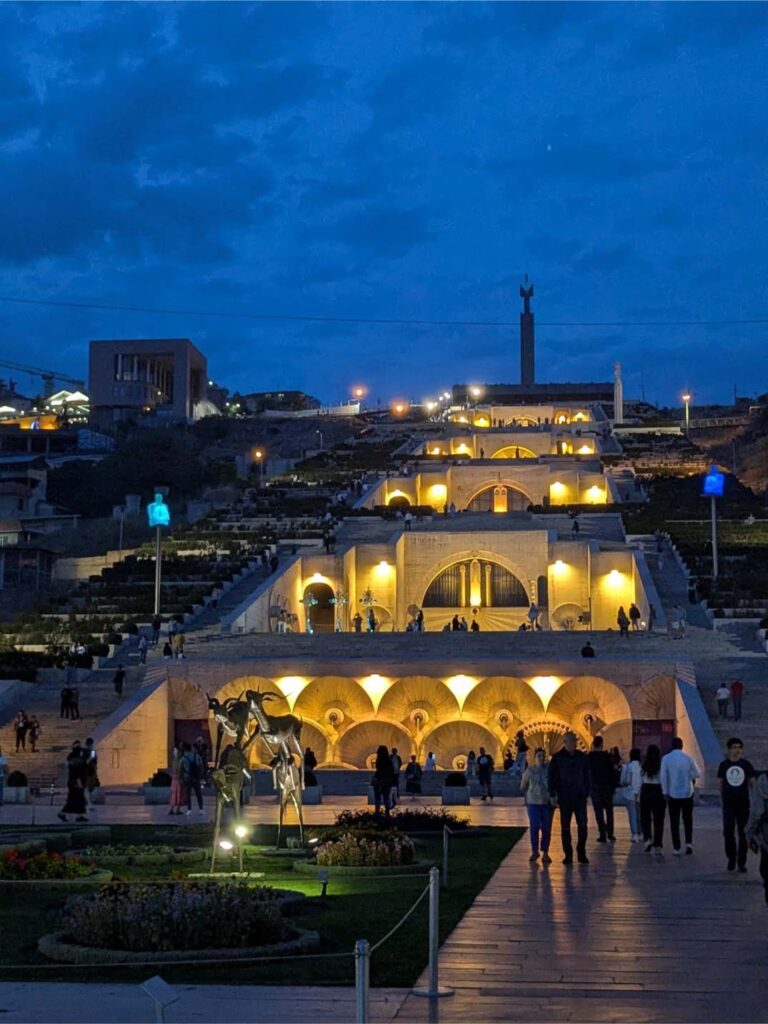
    The Complex is beautiful after sunset

    Cascade Complex, Yerevan

    Out of Yerevan

    On our second day in Armenia, we went on a day trip to a few places just outside Yerevan.

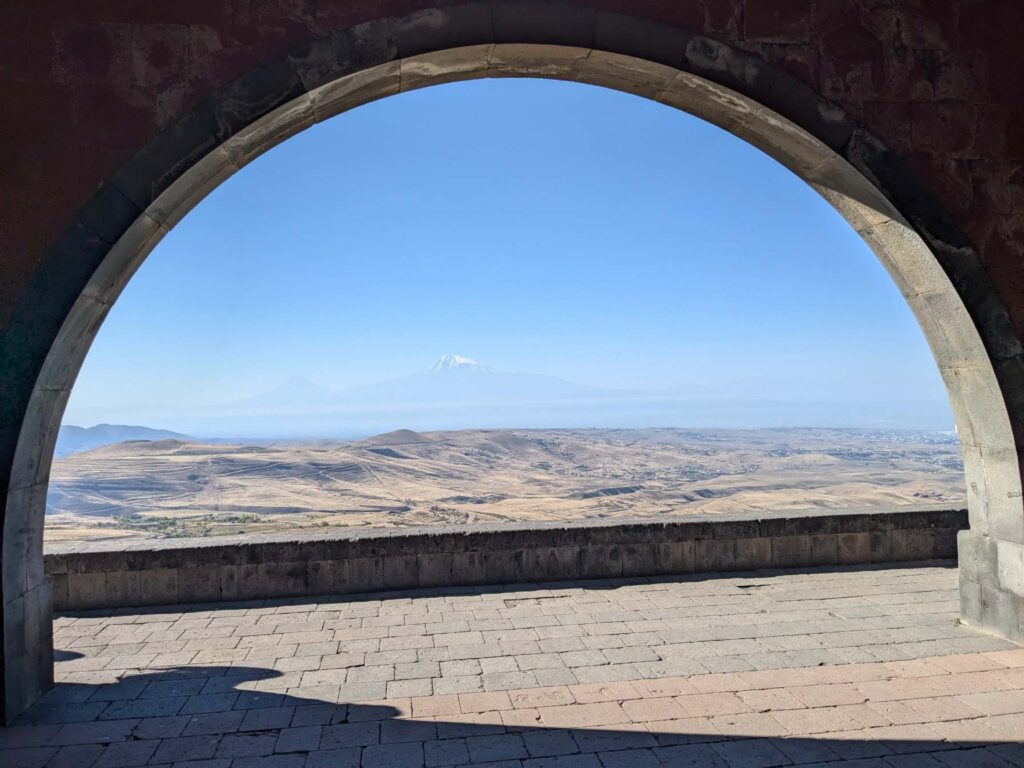
    Charent’s Arch was the first stop. It gives a feel of Mount Ararat being suspended in air. Very crowded!

    Charent's Arch, Armenia

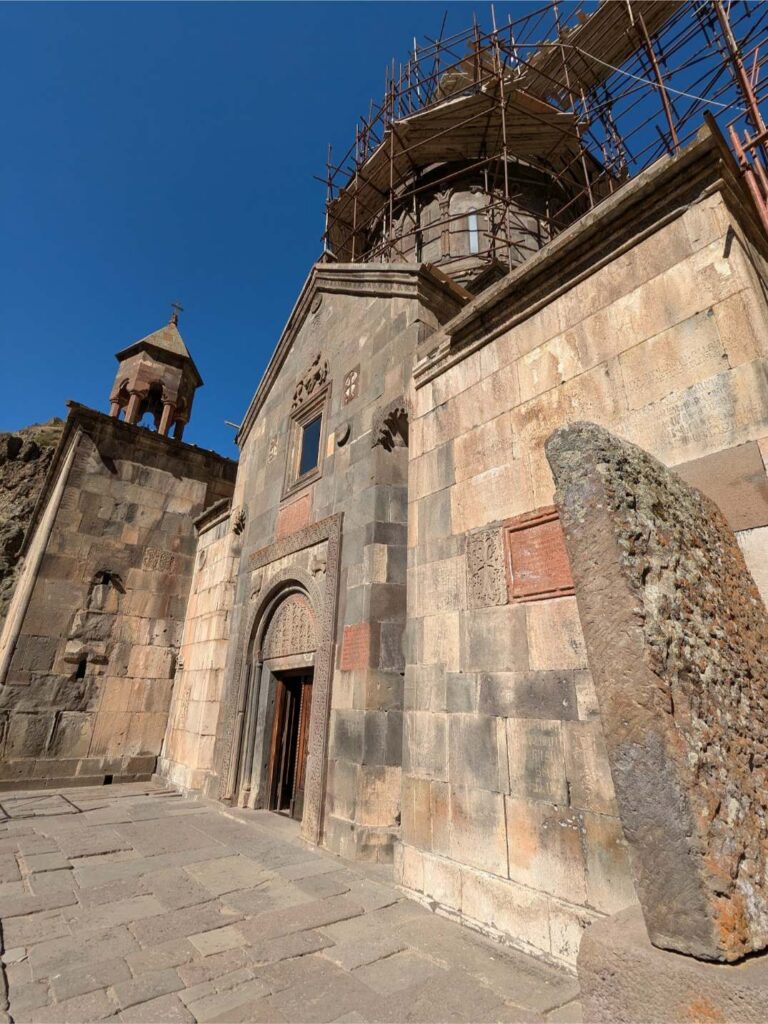
    The next stop was The Monastery of Geghard, which was, as is usually the case when we visit, being renovated!

    The Monastery of Geghard, Armenia

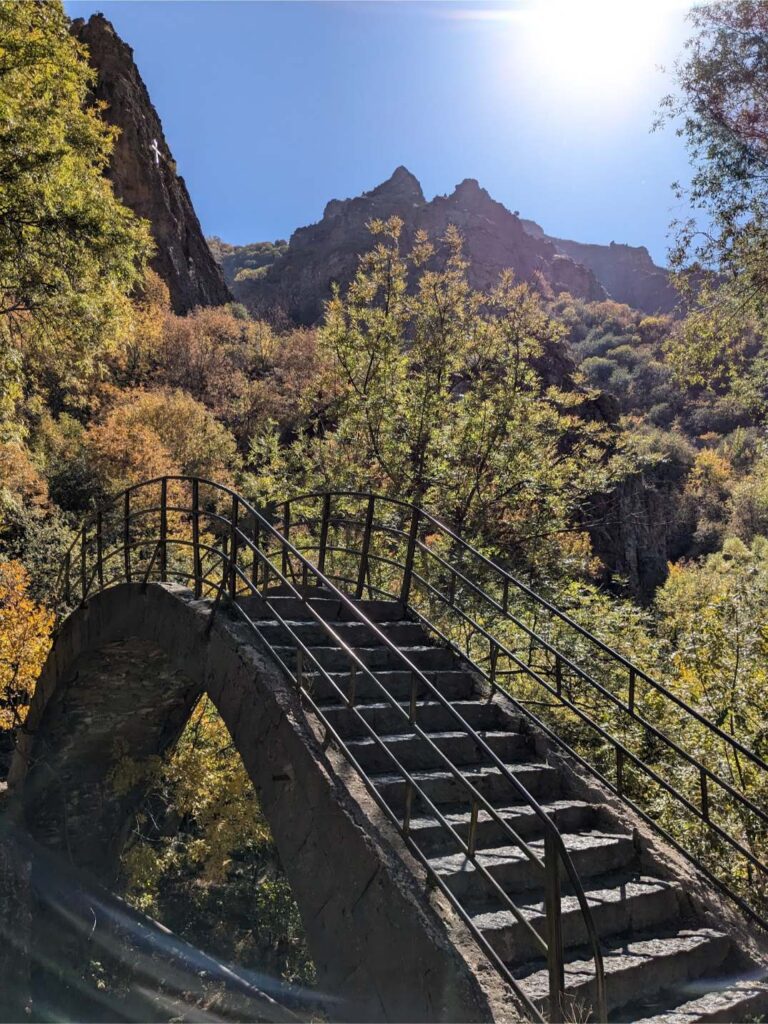
    At least the view was pretty.

    The Monastery of Geghard, Armenia

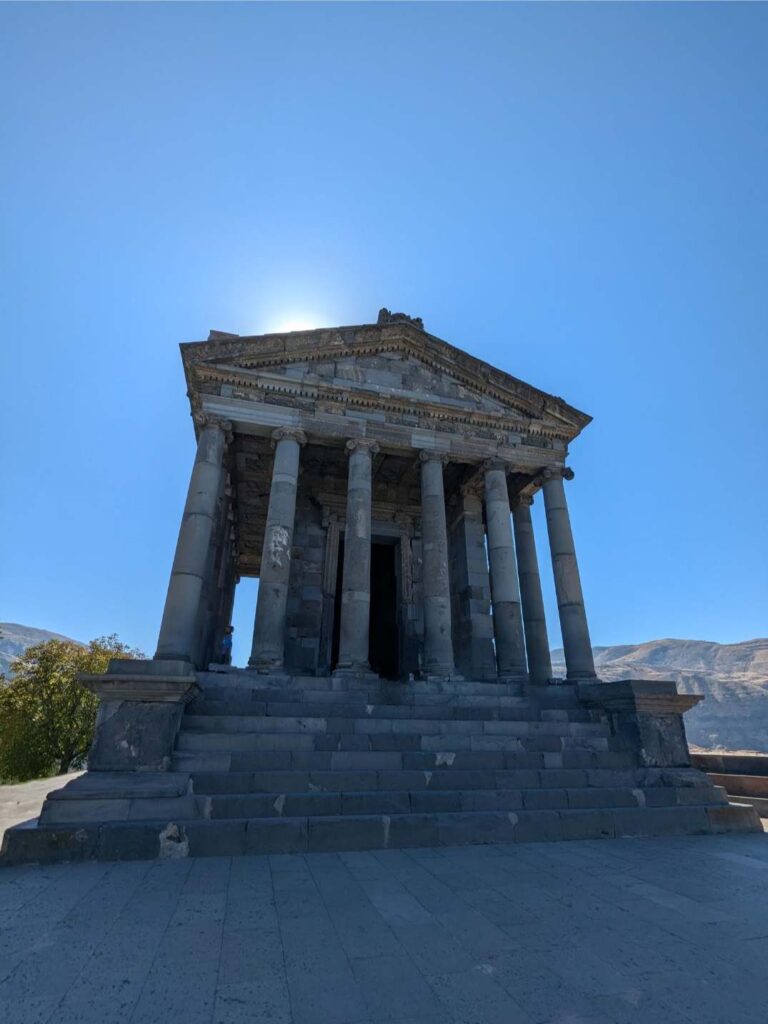
    Garni Temple was next. Special because it is the only standing Greco-Roman colonnaded building in Armenia

    Garni Temple, Armenia

    Again, lovely views as you walk around.

    Garni Temple, Armenia

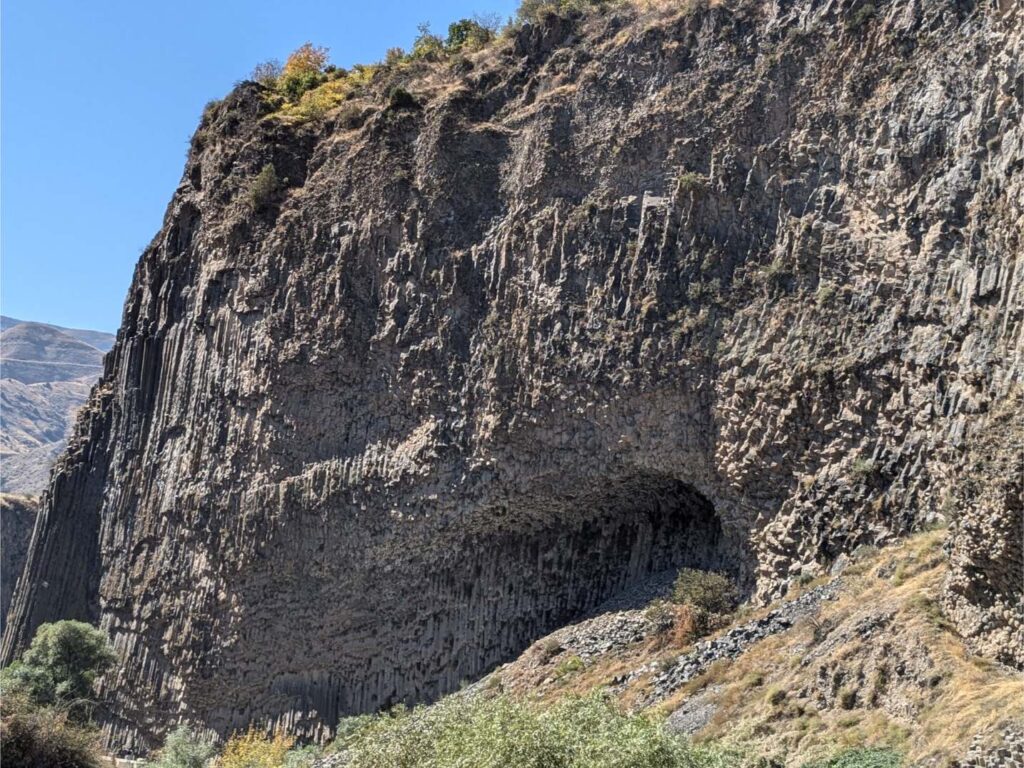
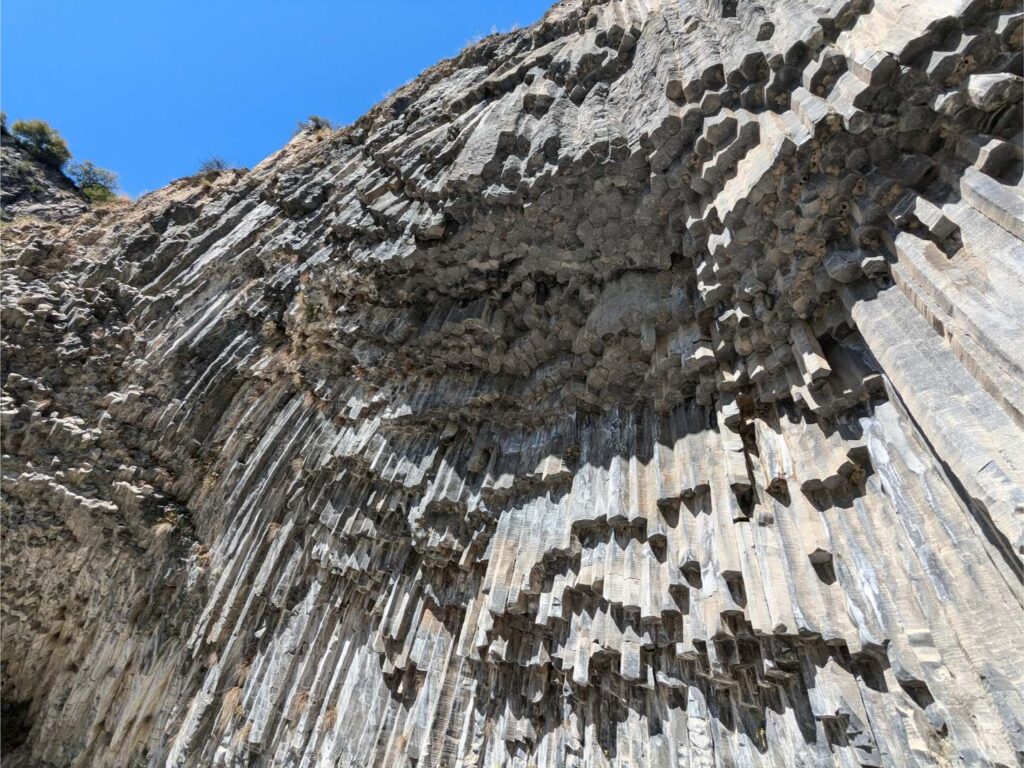
    The Symphony of Stones was D’s special addition to the plan. This natural monument is supposedly the result of the collapse of the volcanic rocks.

    Symphony of Stones, Armenia

    Symmetric hexagon and pentagon basalt columns, practically hanging out.

    Symphony of Stones, Armenia

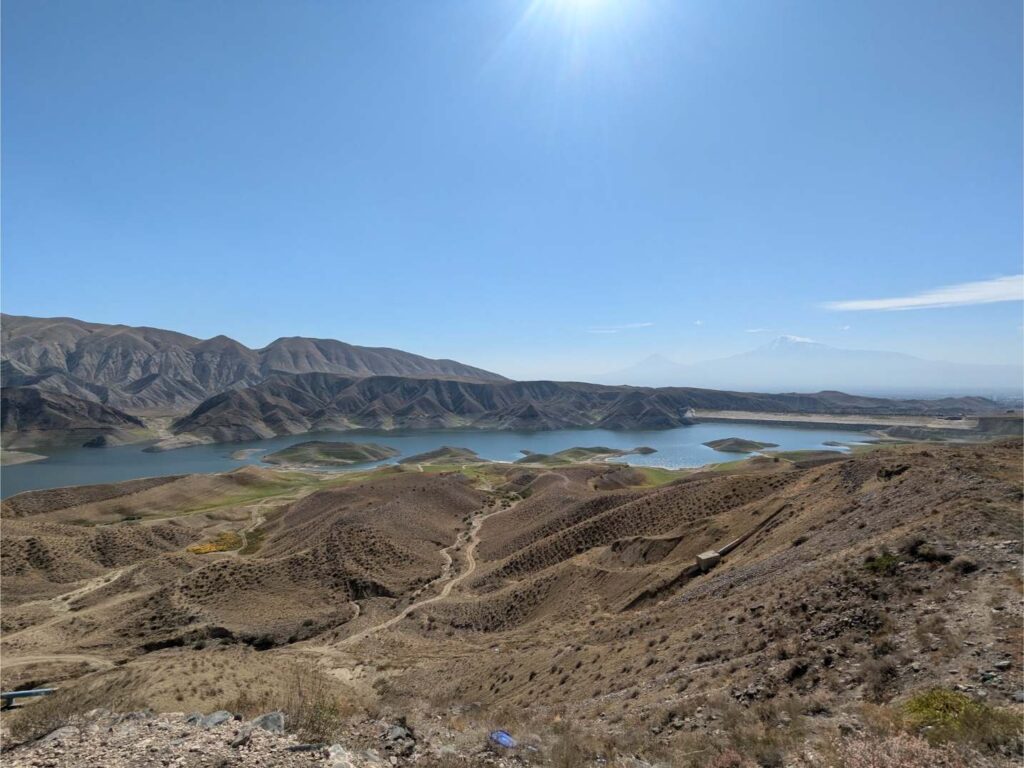
    The Azat Reservoir viewpoint had no one around save a dog. Breathtaking.

    Azat Reservoir, Armenia

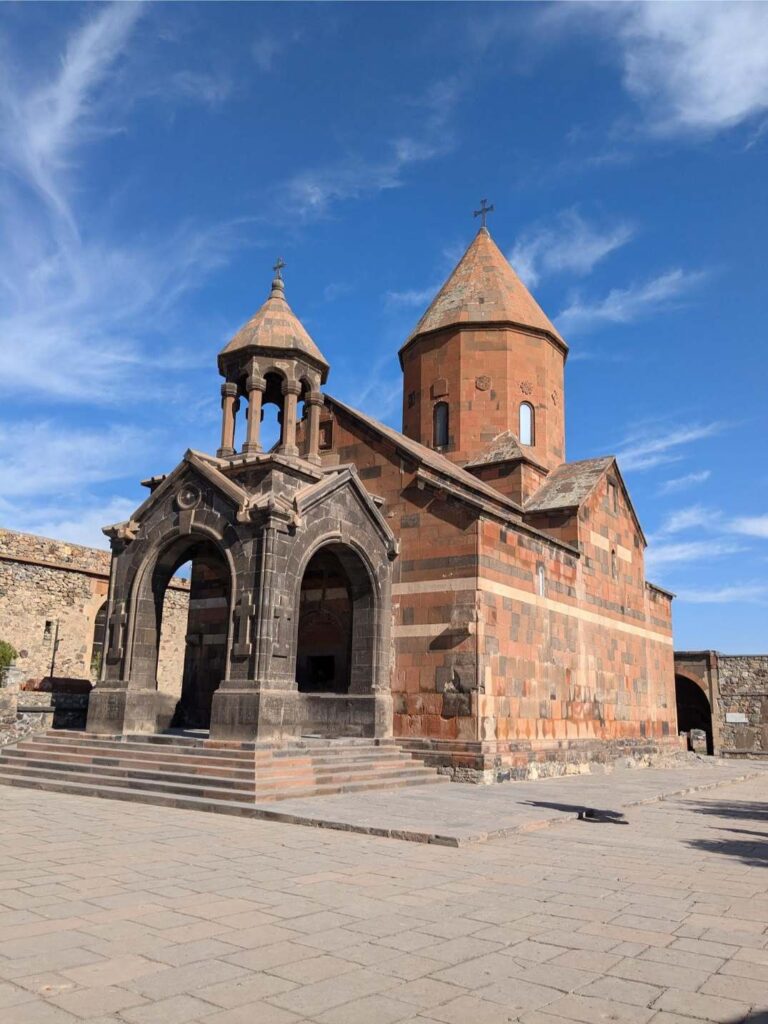
    Khor Virap was the last stop, and we attended a wedding there. 🙂

    Khor Virap, Armenia

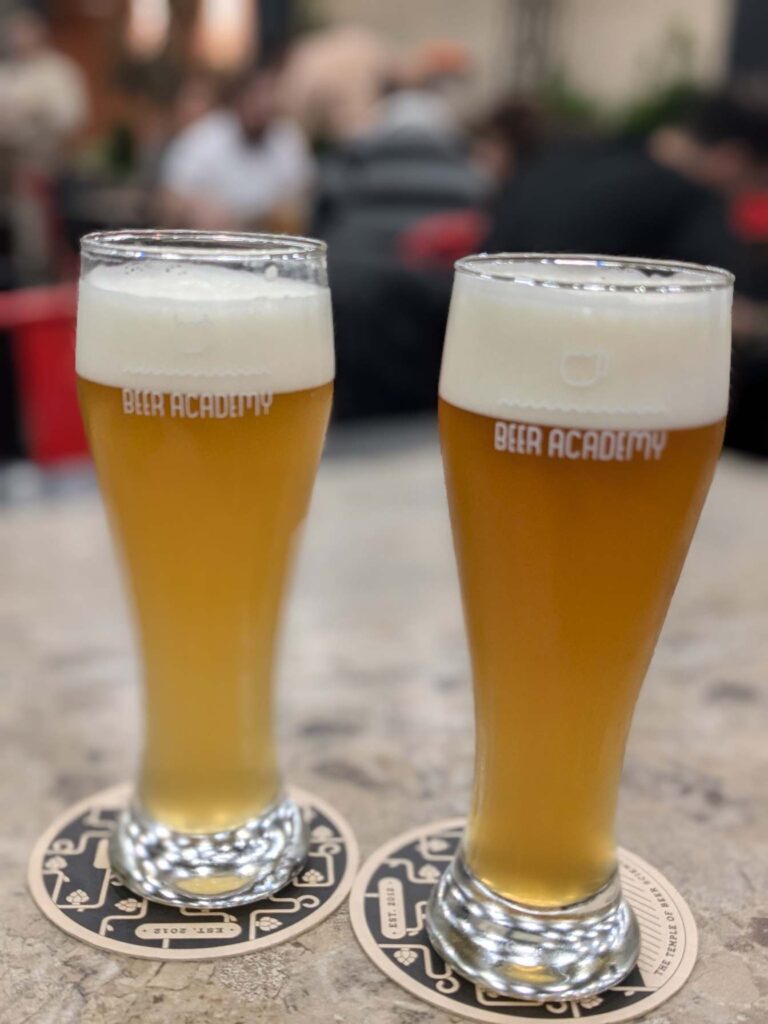
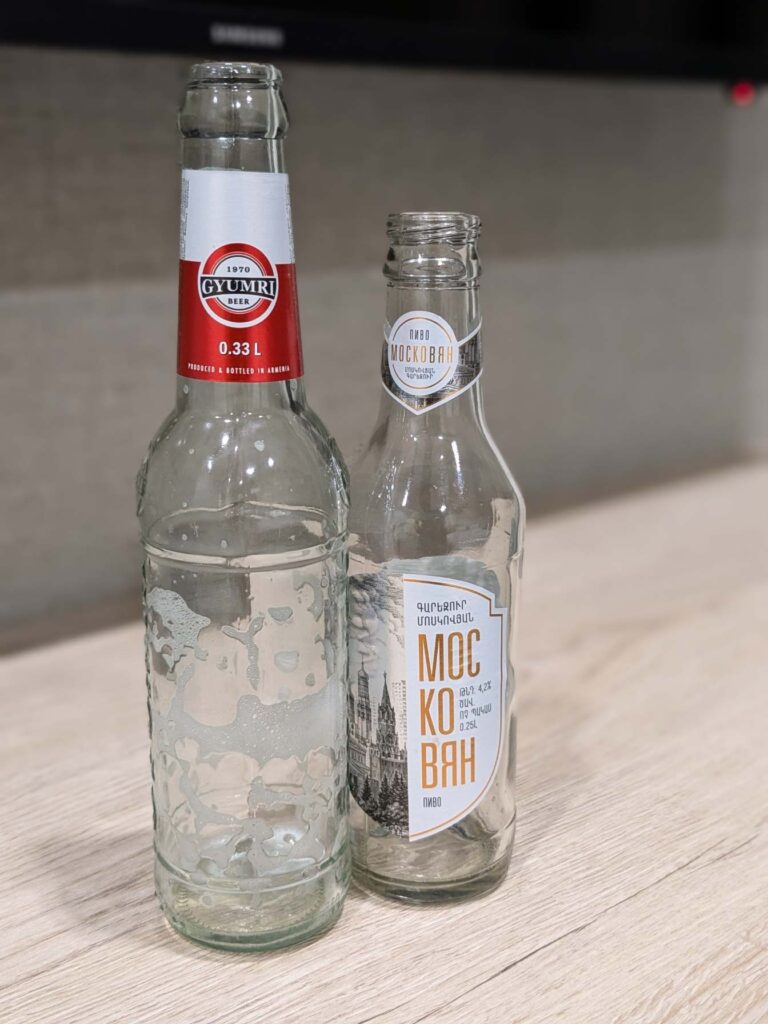
    Our first meal in Armenia, after a lunch at a food court on the way, was dinner at the Beer Academy Ethnograph. Decent beer.

    Beer Academy Ethnograph, Yerevan

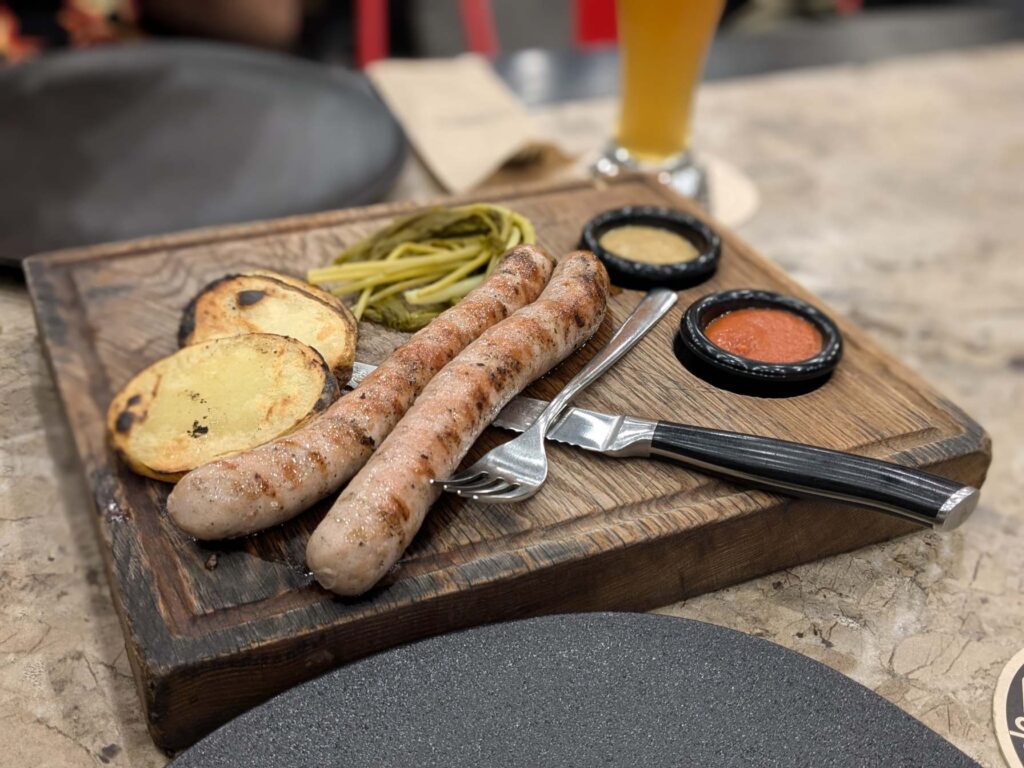
    ..and good pork.

    Beer Academy Ethnograph, Yerevan

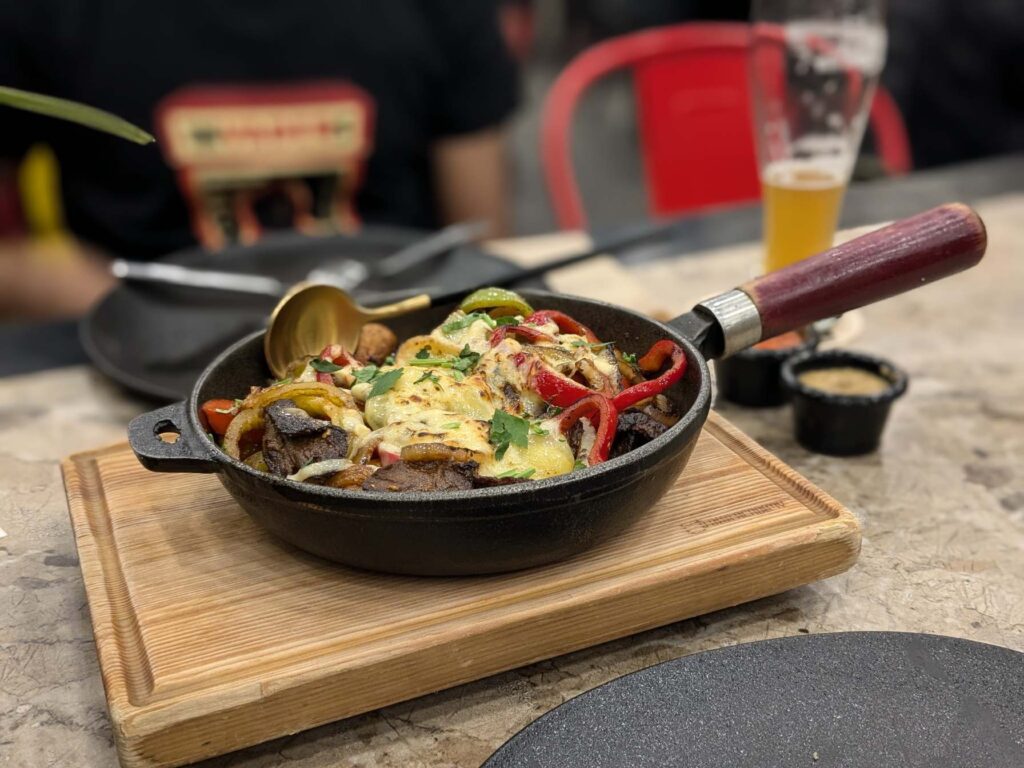
    Craving flavours, we went for the Fajitas next, which was excellent.

    Beer Academy Ethnograph, Yerevan

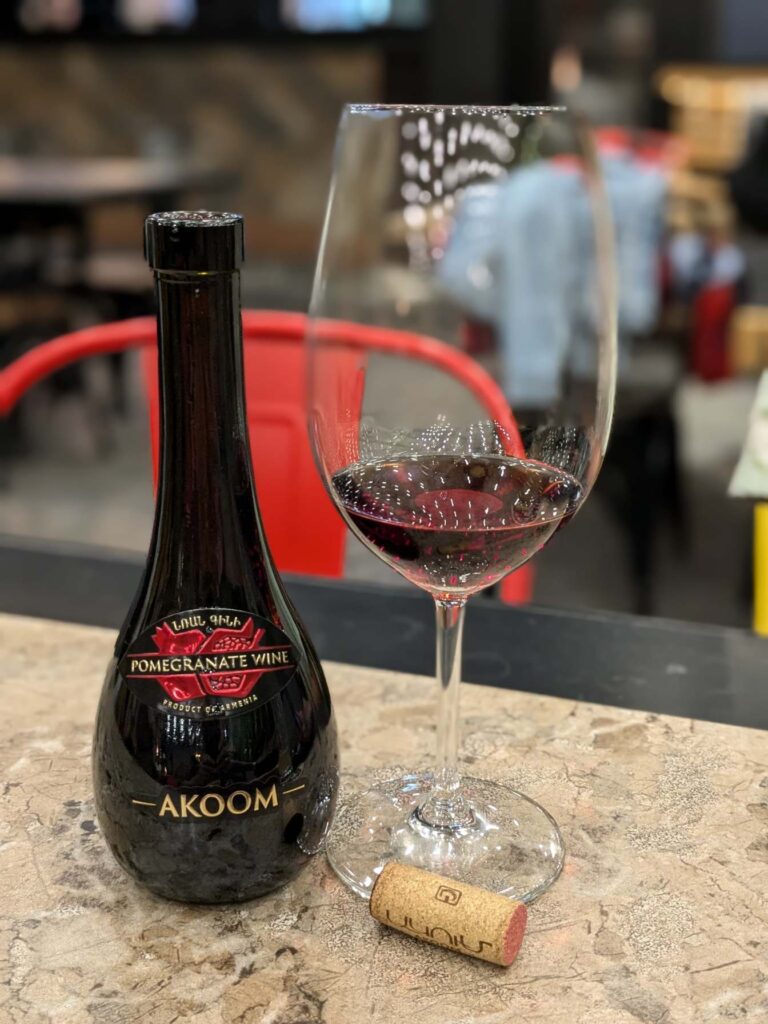
    D tried and loved the pomegranate wine. I loved the bottling.

    Beer Academy Ethnograph, Yerevan

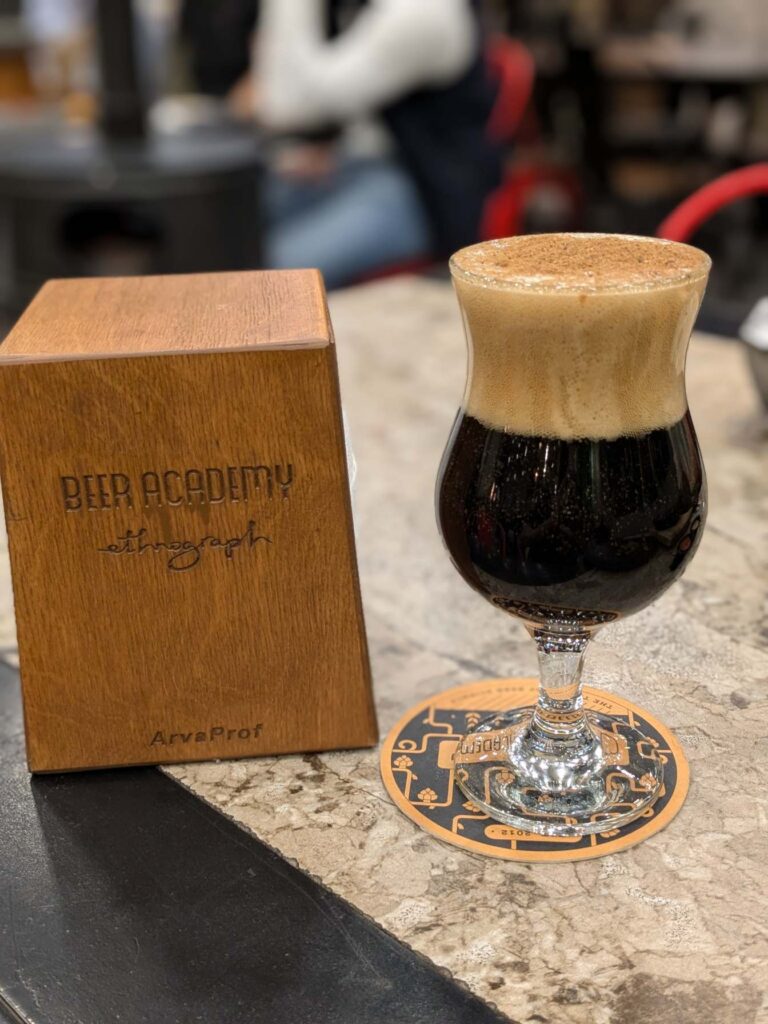
    And I tried a hot and sweet Dunkel, which wasn’t as bad as I expected. 😀

    Beer Academy Ethnograph, Yerevan

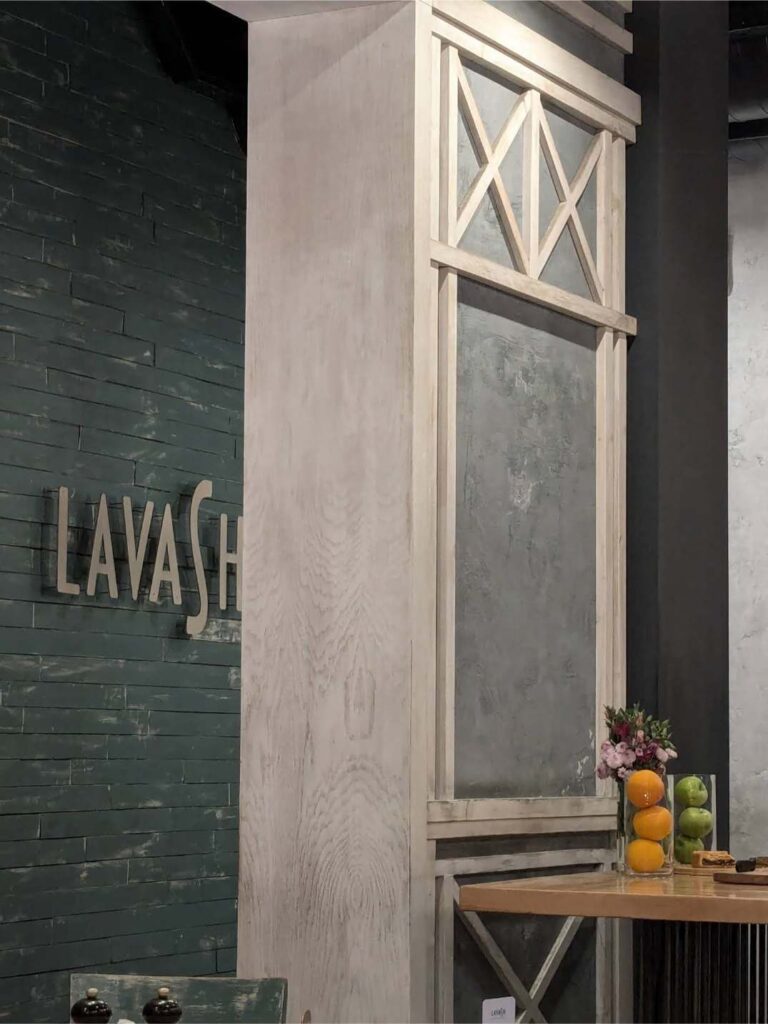
    Lavash had been our first choice on the first evening, but they said they don’t have a table, though we offered to wait. Mildly racist vibes. We anyway booked a table for the next evening.

    Lavash, Yerevan

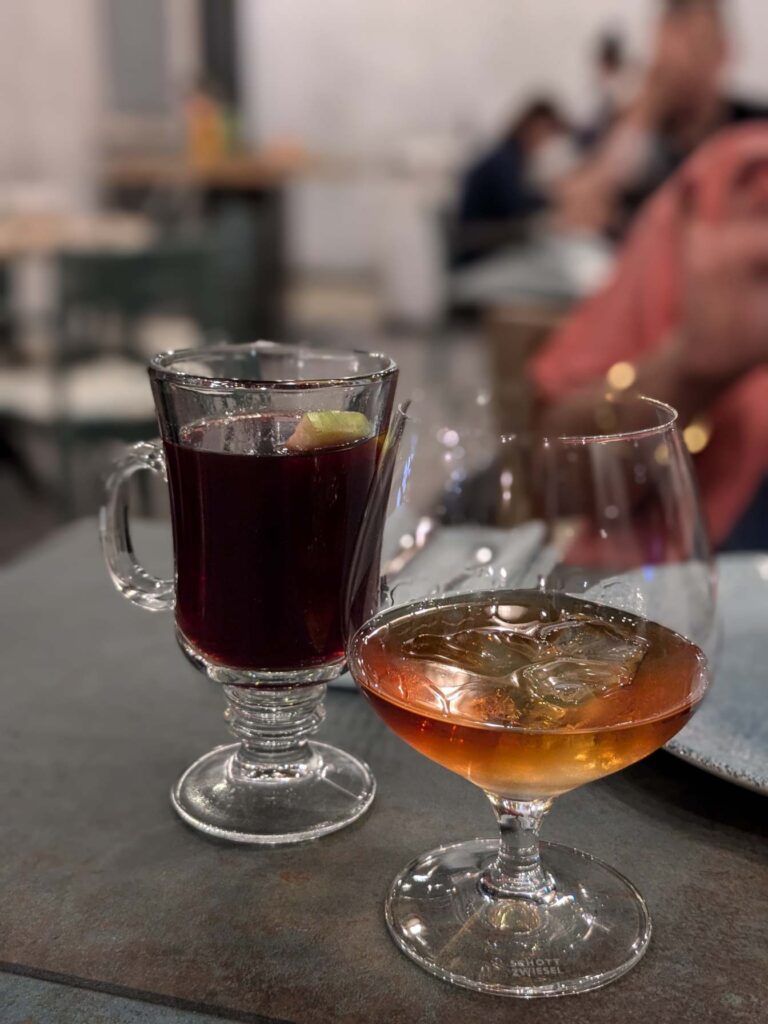
    Mulled wine for D. And I tried the Ararat brandy.

    Lavash, Yerevan

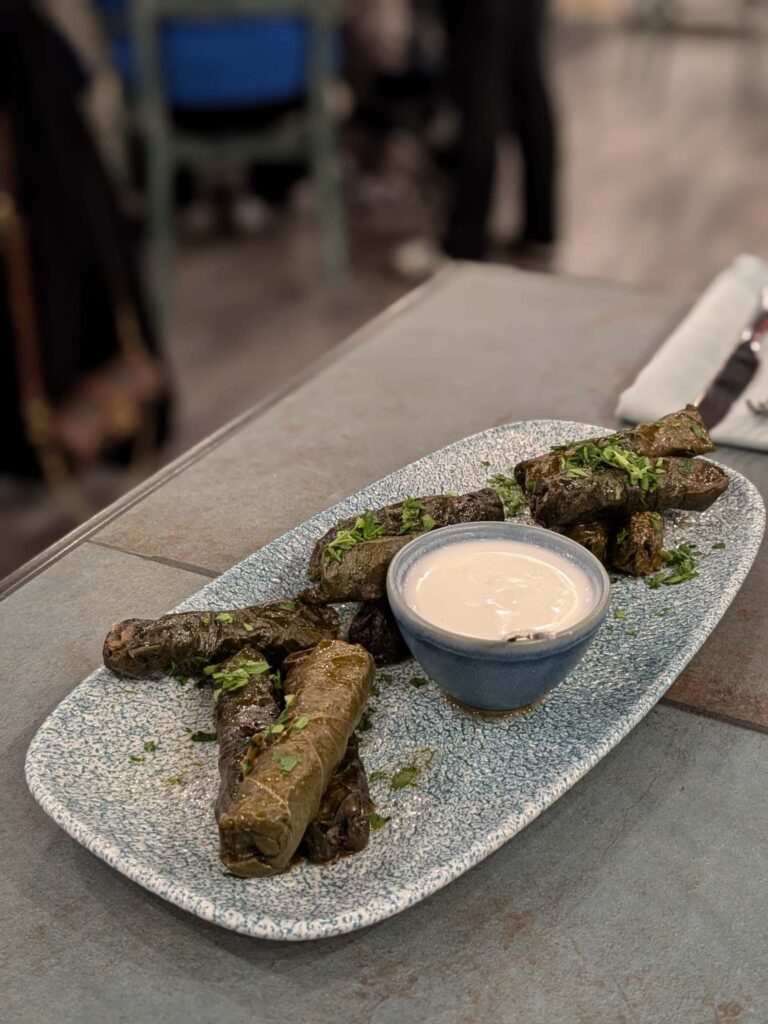
    Tolma with grape leaves. Beef, rice, spices, matzoon (yogurt) inside. Must try.

    Lavash, Yerevan

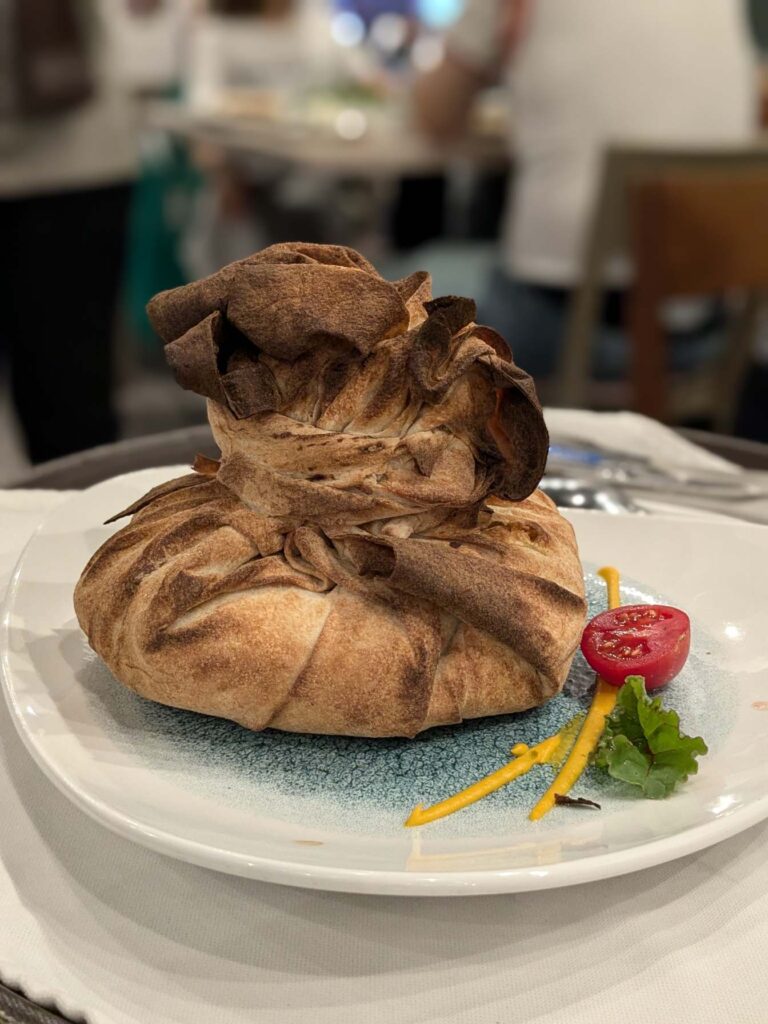
    Khurjin. Break the dough on top to get to the lamb and vegetables. Super stuff.

    Lavash, Yerevan

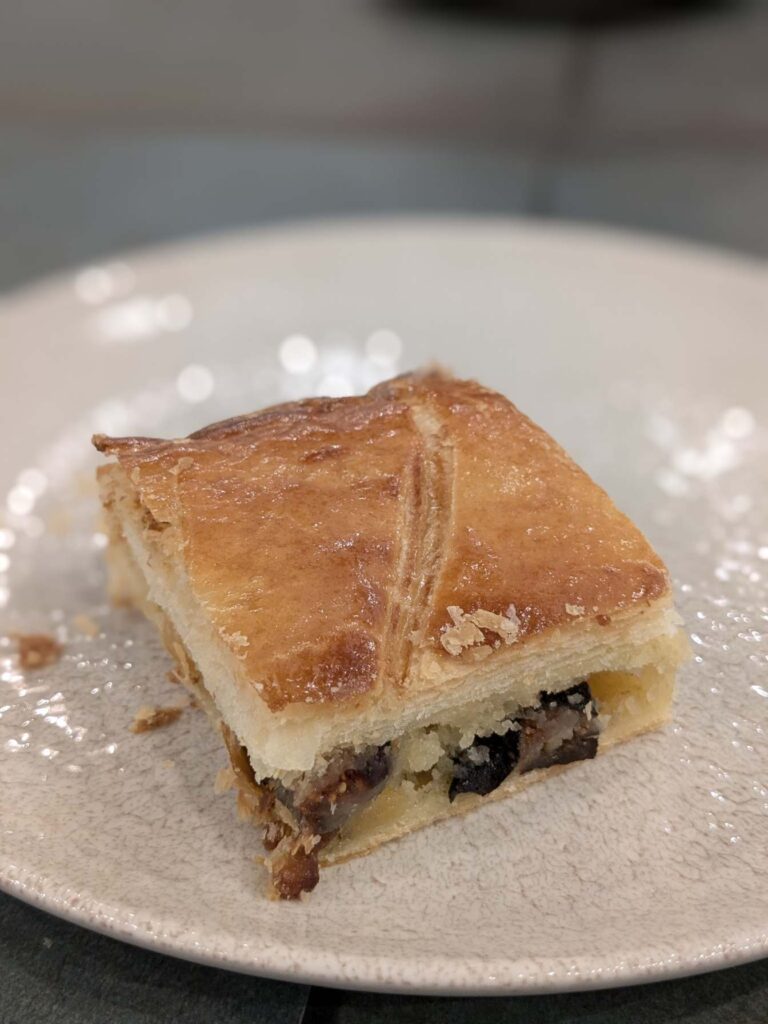
    Guinness Record Gata for dessert.

    Lavash, Yerevan

    As you sit on the balcony watching the skyline at night, though I wouldn’t recommend either, unless you’re a Kingfisher fan.

    Armenia

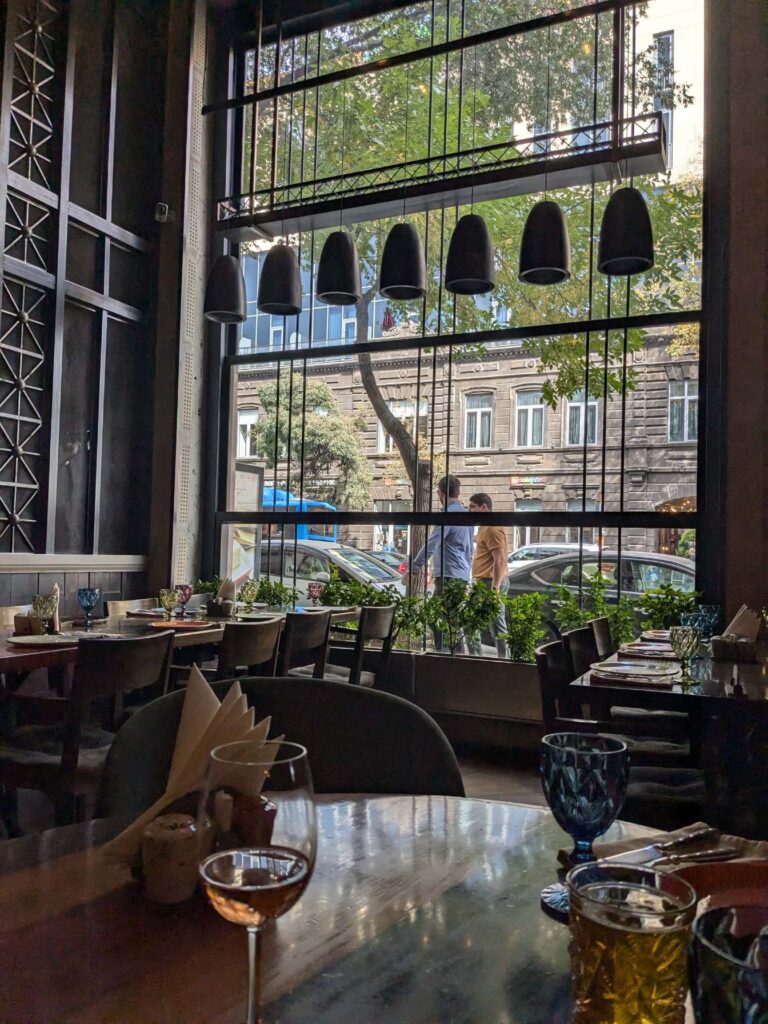
    Sherep wasn’t our first choice, but it was located conveniently and had a good rep. And if you ignore the racist vibes, you’ll be fine. We spent two hours there, mostly thanks to an overall lethargy among the staff to serve our table.

    Sherep, Yerevan

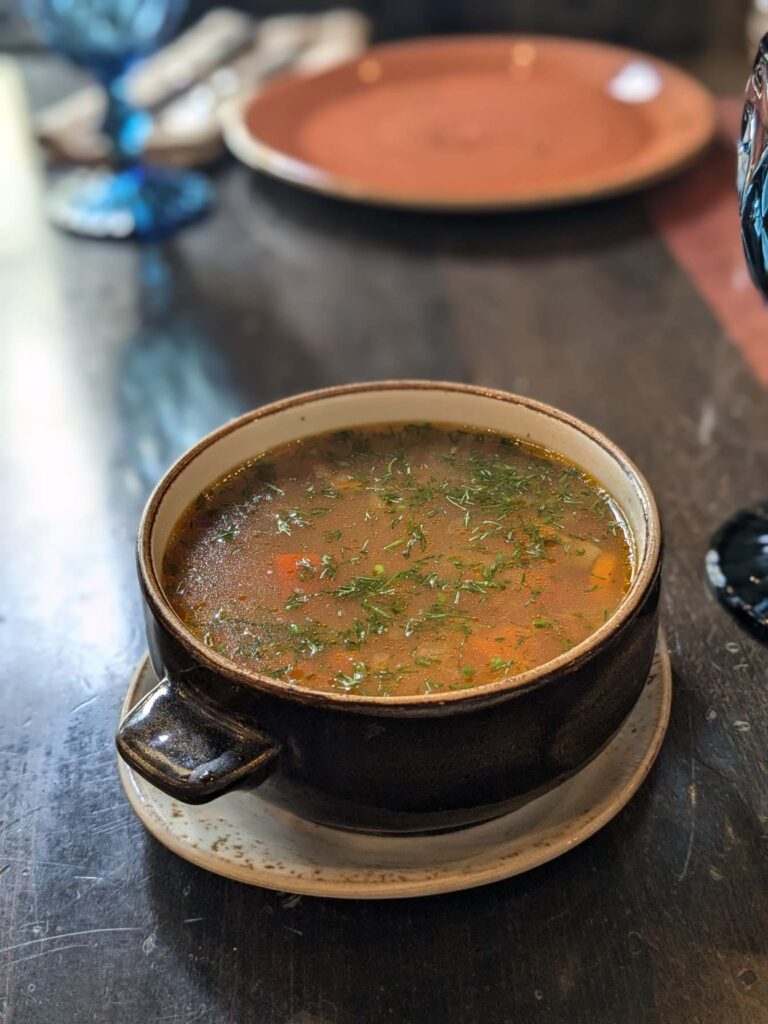
    Solyanka, of Russian origin, to begin with

    Sherep, Yerevan

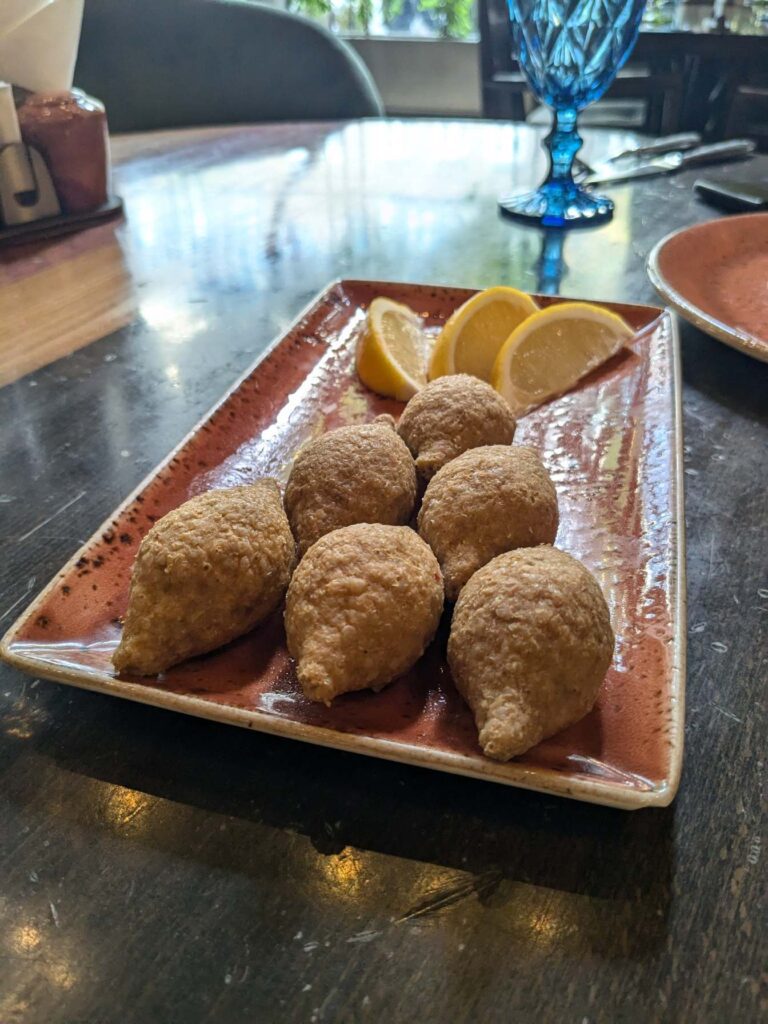
    Ishli Kyufta (beef)

    Sherep, Yerevan

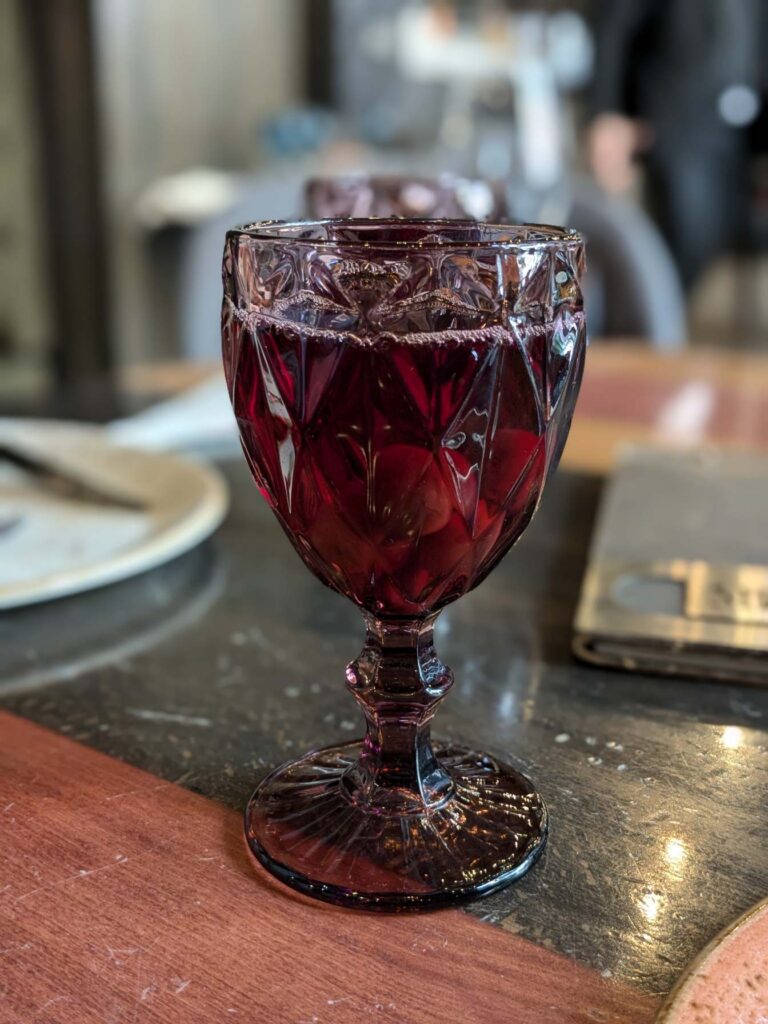
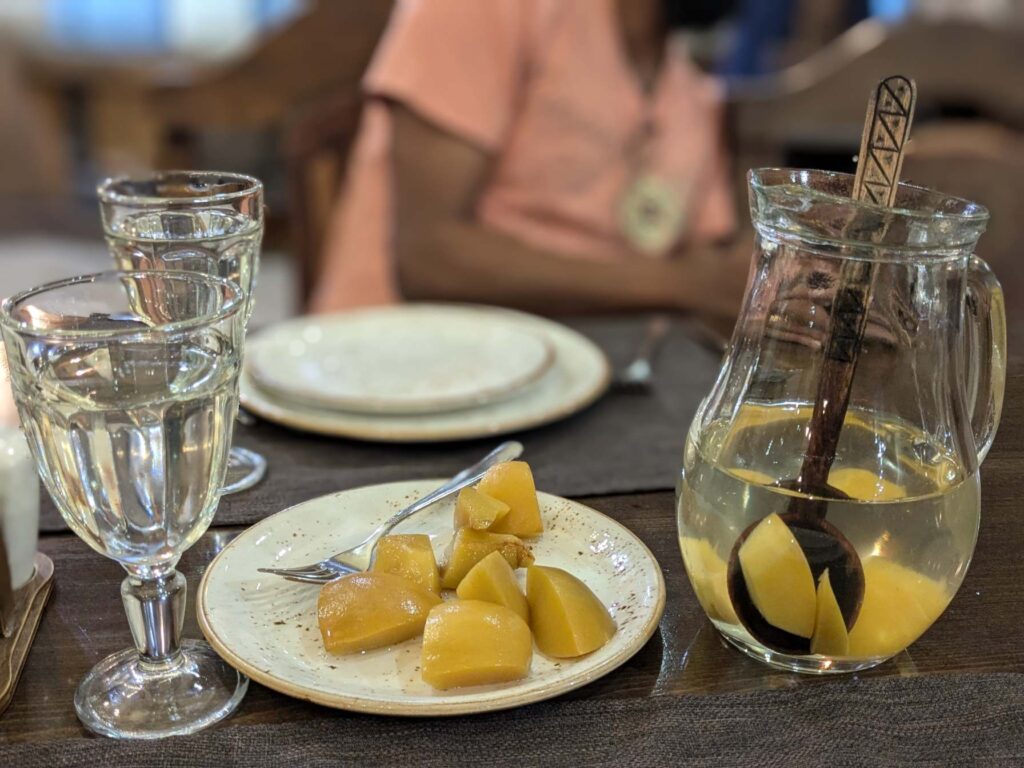
    Compote is really a comfort when you don’t want alcohol

    Sherep, Yerevan

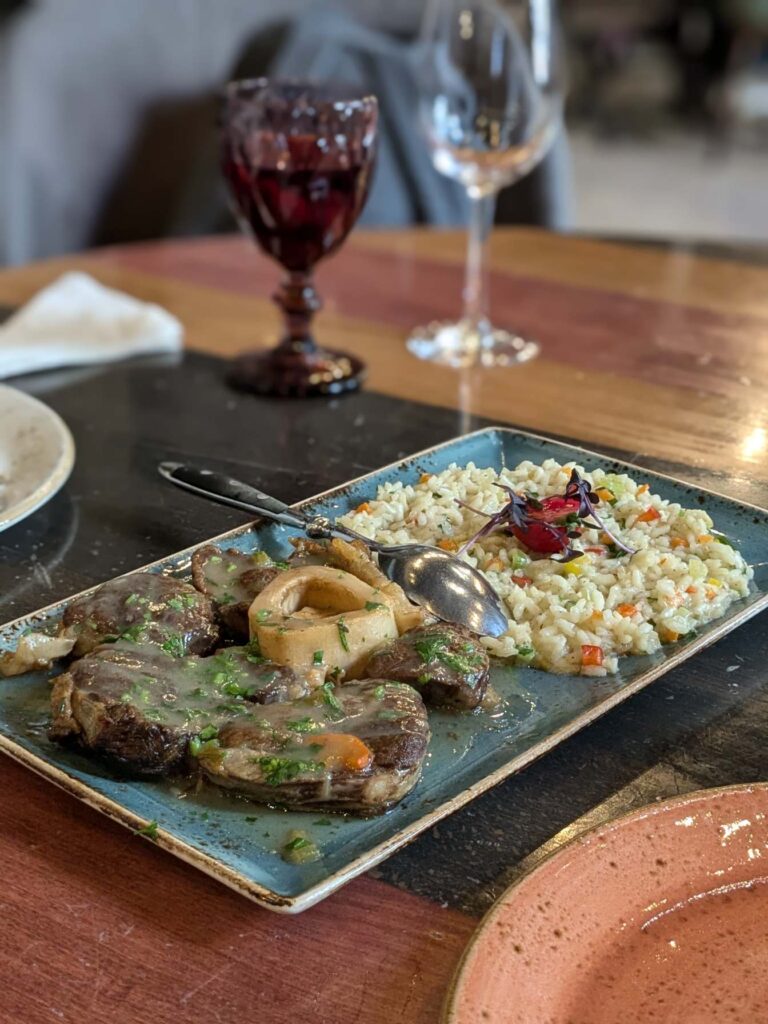
    Ossobuco (veal) with risotto

    Sherep, Yerevan

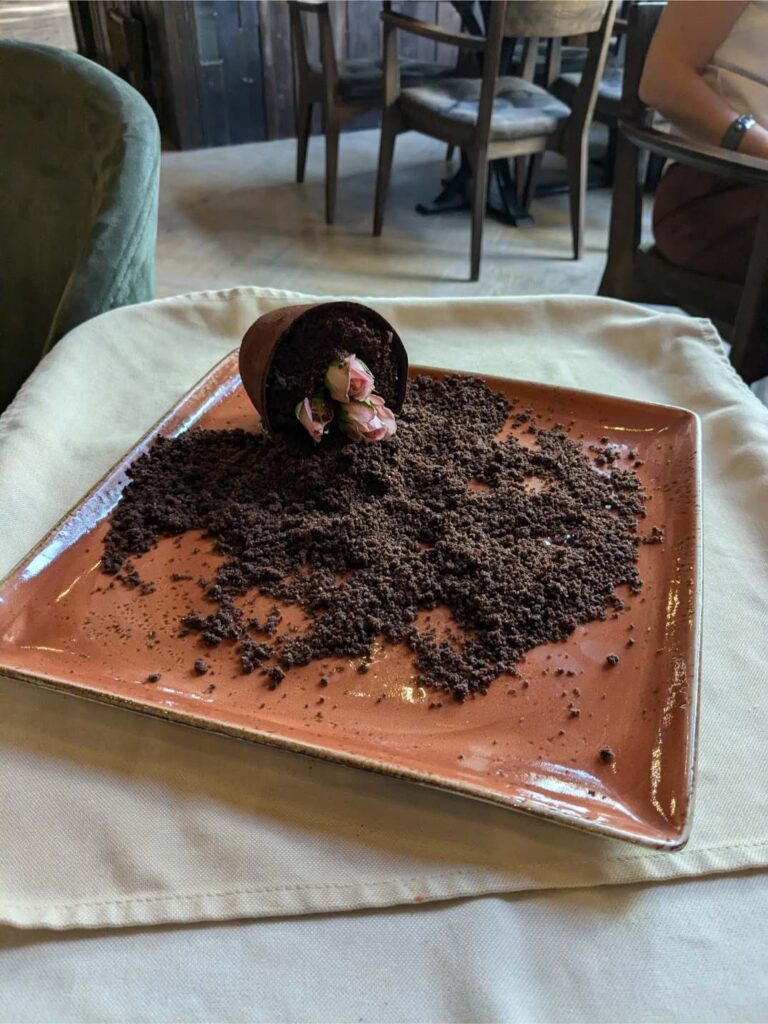
    Broken Flower pot for a sweet ending.

    Sherep, Yerevan

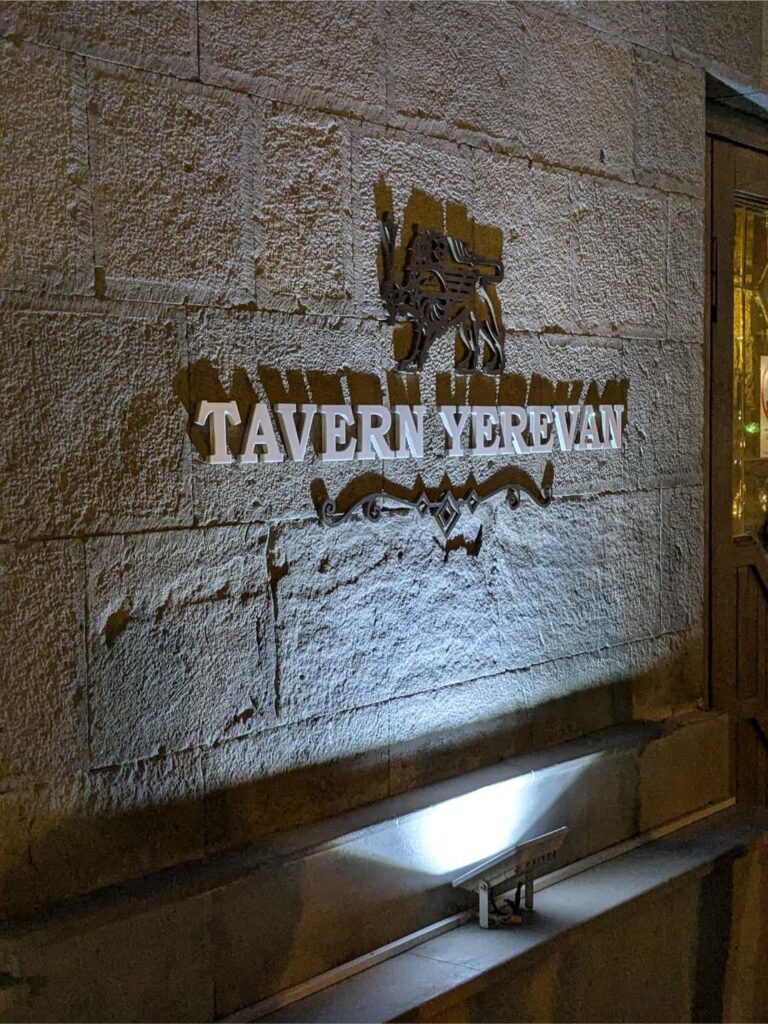
    Dinner on the final night of our vacation at Tavern Yerevan. This was recommended by our driver to be a place where one could get real Armenian food, and not the touristy versions. This was priced below the others. A good time to note how the prices at the places above are almost 10x that of a food court!

    Tavern Yerevan, Teryan St, Yerevan

    When there is compote, it was now a no-brainer.

    Tavern Yerevan, Teryan St, Yerevan

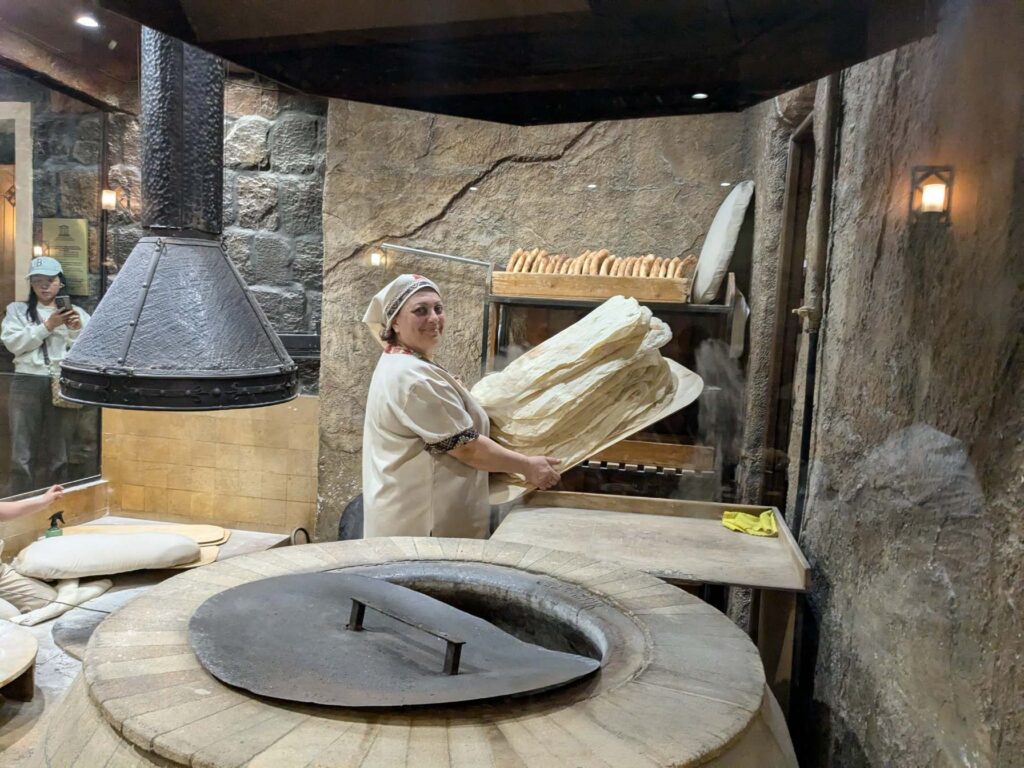
    D went around to see how lavash was made. 🙂

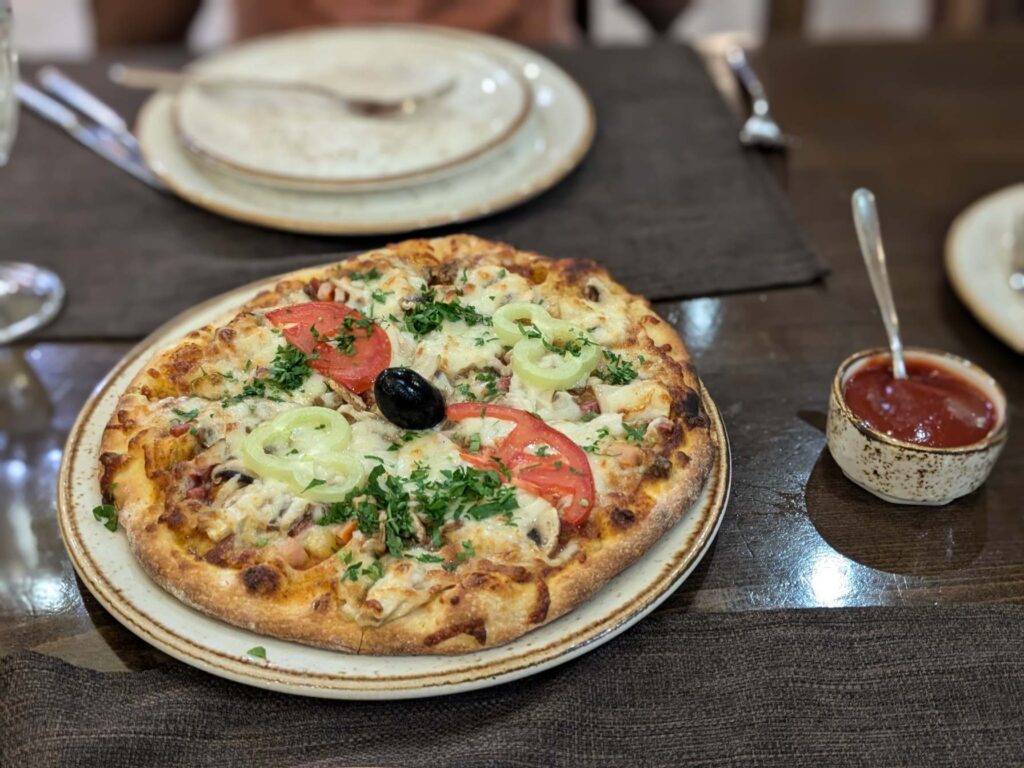
    Pizza was almost homemade, and delicious.

    Tavern Yerevan, Teryan St, Yerevan

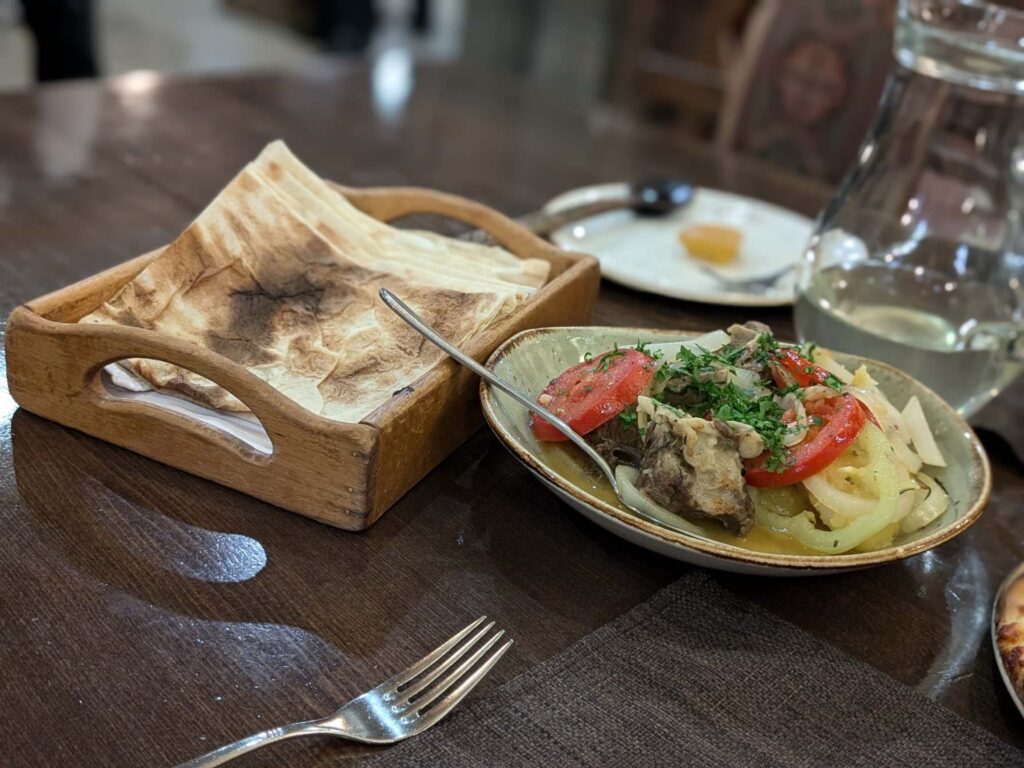
    A beef dish the sauce of which D was slurping, feat. Lavash.

    Tavern Yerevan, Teryan St, Yerevan

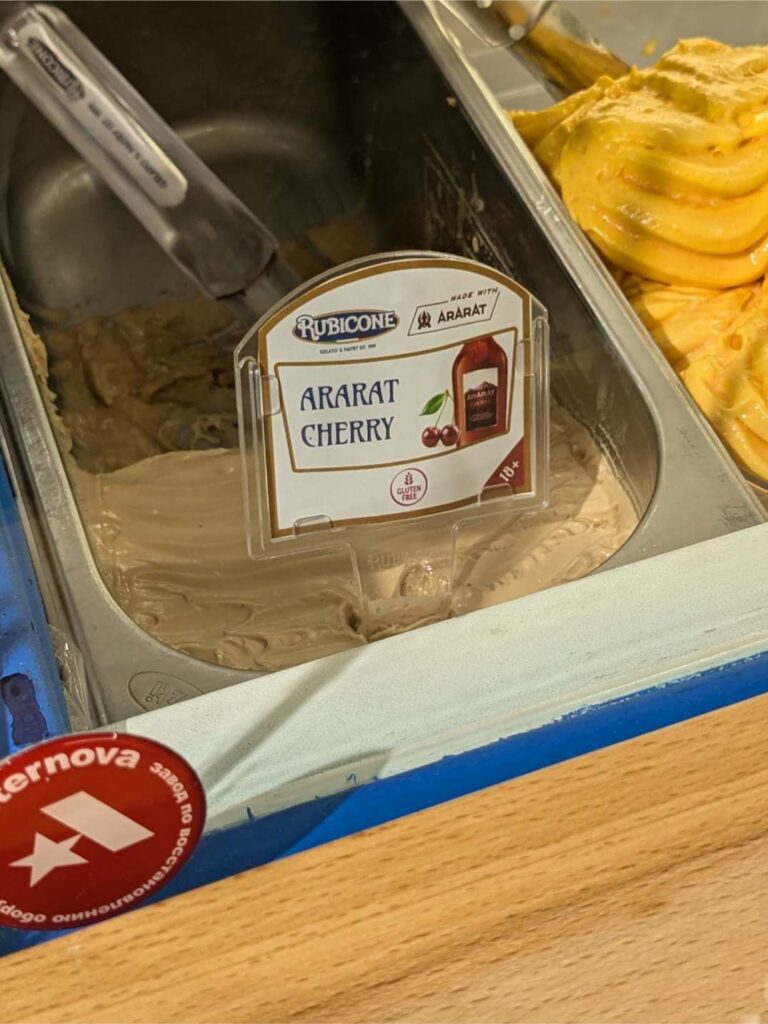
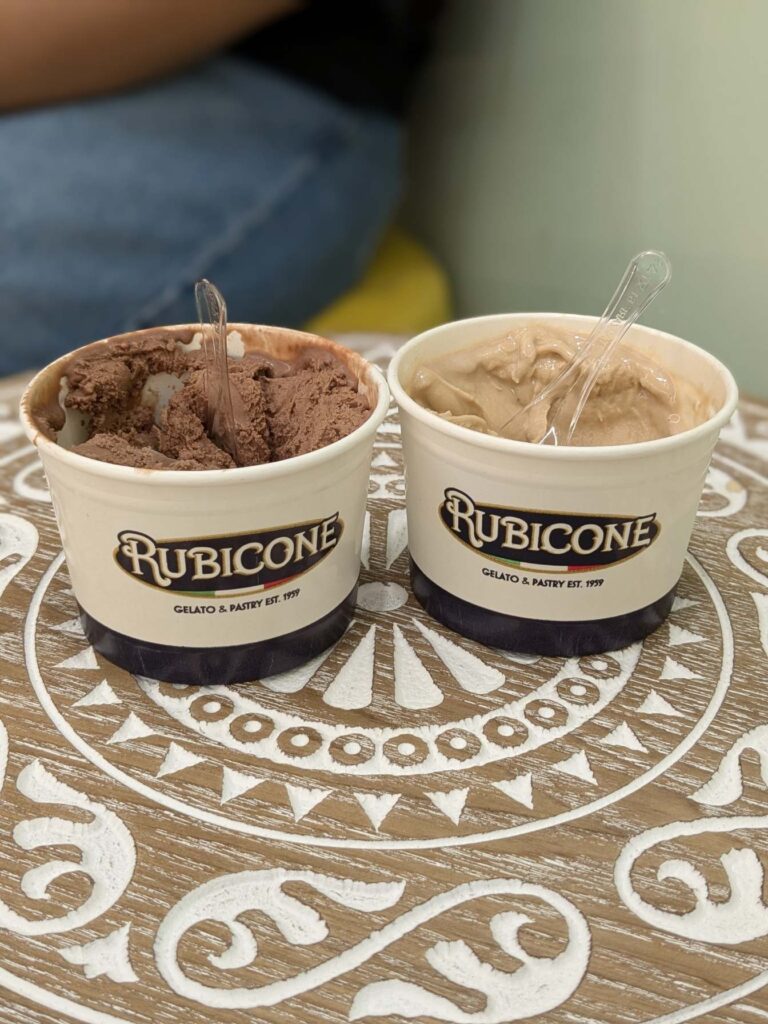
    Rubicone Gelato had brandy ice cream!

    Rubicone Gelato, Yerevan

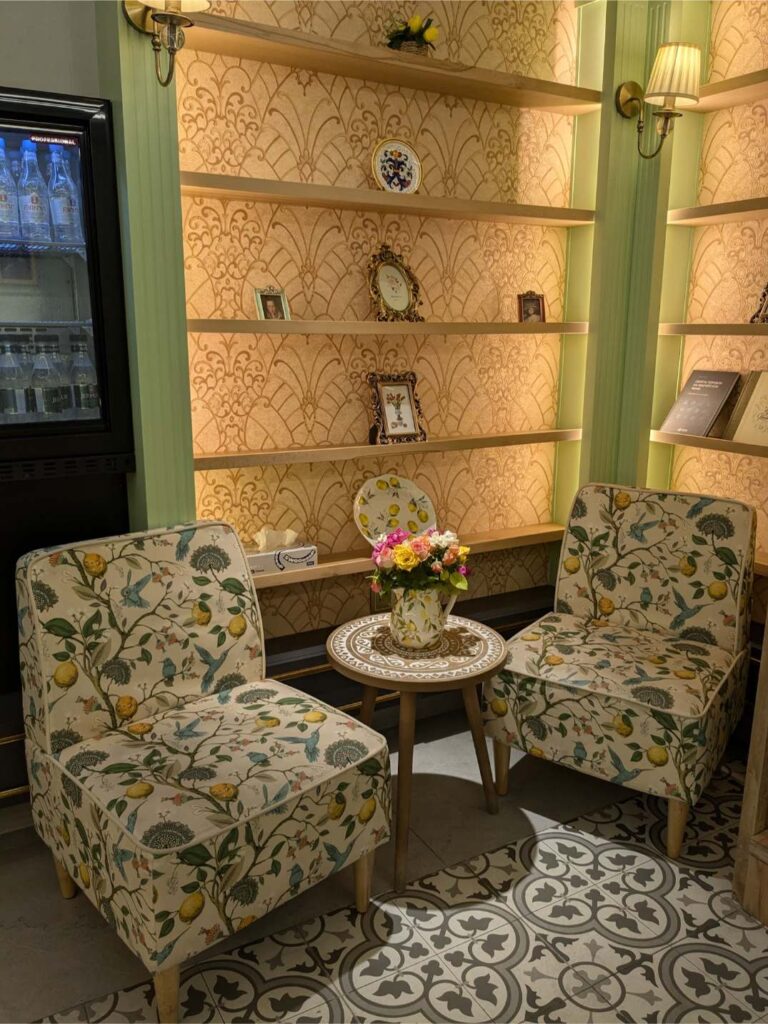
    In a lovely setting.

    Rubicone Gelato, Yerevan

    And thus we got a sweet end to the trip!

    Rubicone Gelato, Yerevan

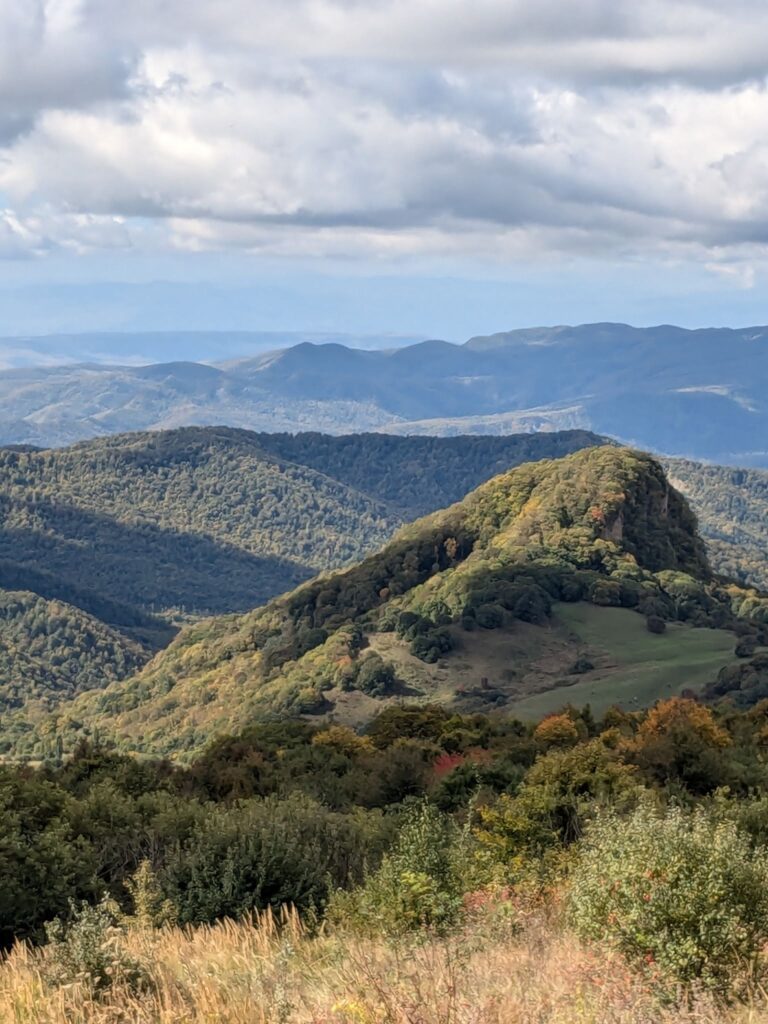
    Compared to Georgia, I felt that the non-Yerevan part of Armenia was poorer – clothes, vehicles, the crowd, the shops and the kinds of things sold etc. Almost as they have not really figured out their way after the Soviet exit. There is definitely a natural beauty that can be appealing, but Georgia wins on the variety of that too.

    The income disparity is evident once you are in Yerevan. Yerevan, I thought, was a typical city, though obviously with its own cultural norms. We even visited their oldest mall – the Dalma Garden Mall. 🙂 I found the city a lot more structured than the winding charm of Tbilisi’s Old Town. The Soviet influence here, I felt, was a lot more than in Tbilisi. But that’s also because we didn’t spend time in that part of Tbilisi. Most people do just a day trip, but I think we spent the right amount of time in Armenia, which is 3 days.

  • Georgia : Kakheti, Uplistsikhe, Mtskheta, Kazbegi & more

    continued from Georgia : Tbilisi

    Beyond Tbilisi, we stayed in the Kakheti region, and went on day trips to Uplistsikhe, Mtskheta, and Gori, and another to Kazbegi and Ananuri, going right up to Stepantsminda, which is less than a dozen kilometres from the Russian border.

    Georgia is quite blessed by nature and its natural beauty and greenery is fantastic. This was on our way to Kakheti.

    Caucasus, Georgia

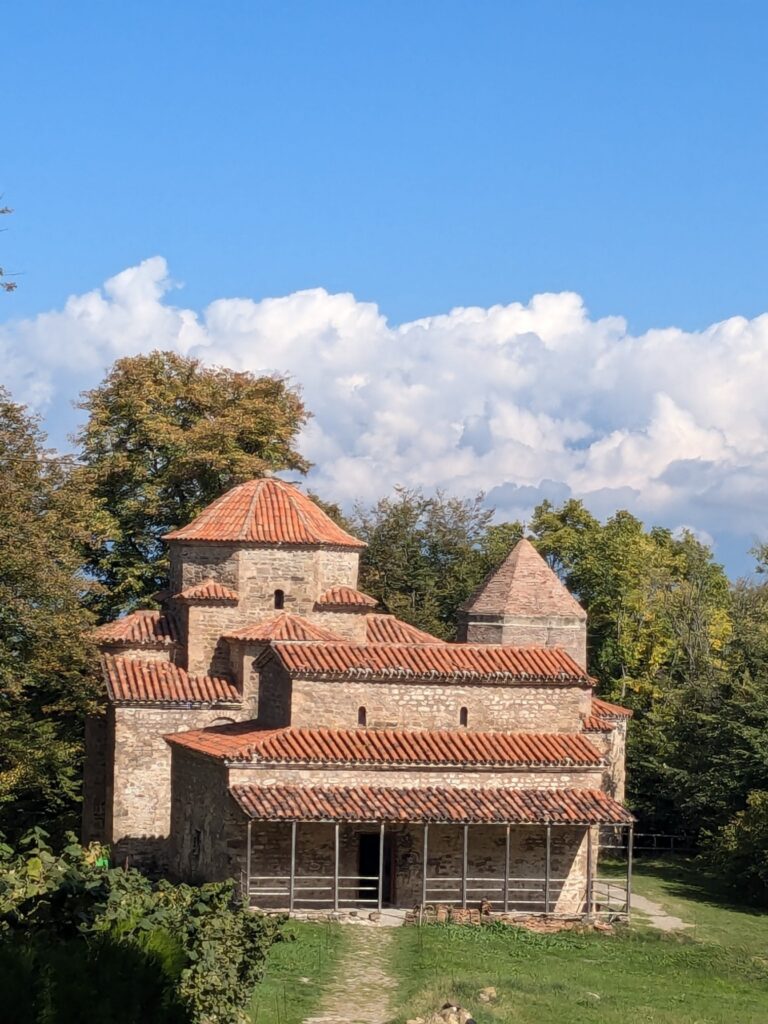
    Georgia has plenty of monasteries because this was one of the first countries to which Christianity spread. It was also the third country to become officially Christian. This is the older version of the Shuamta Monastery – Dzveli. Our driver-guide talked through the long drive on Georgia’s connection with Biblical mentions, and in general, the history, people, and culture of Georgia.

    Dzveli Shuamta's Monastery, Georgia

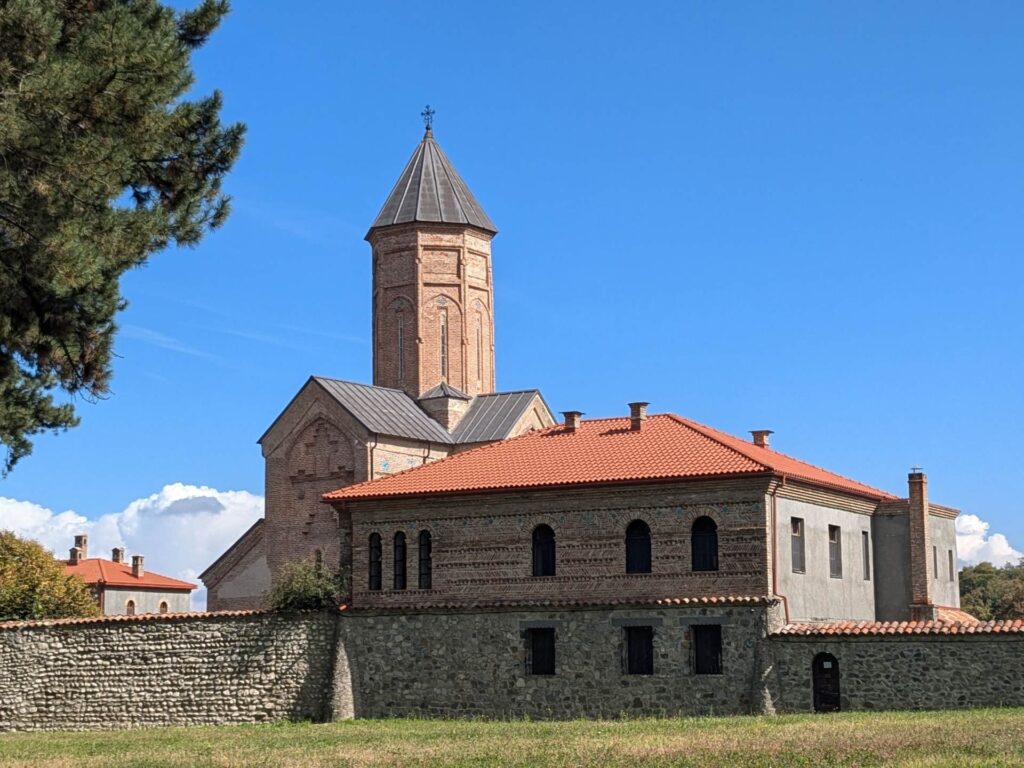
    Nearby is the Akhali Shuamta, made in the 16th century. These are extremely serene places, and even when crowded, folks are very aware of where they are, and do their best not to disturb others. You can also walk around the monastery grounds, some of which include forests.

    Akhali Shuamta, Georgia

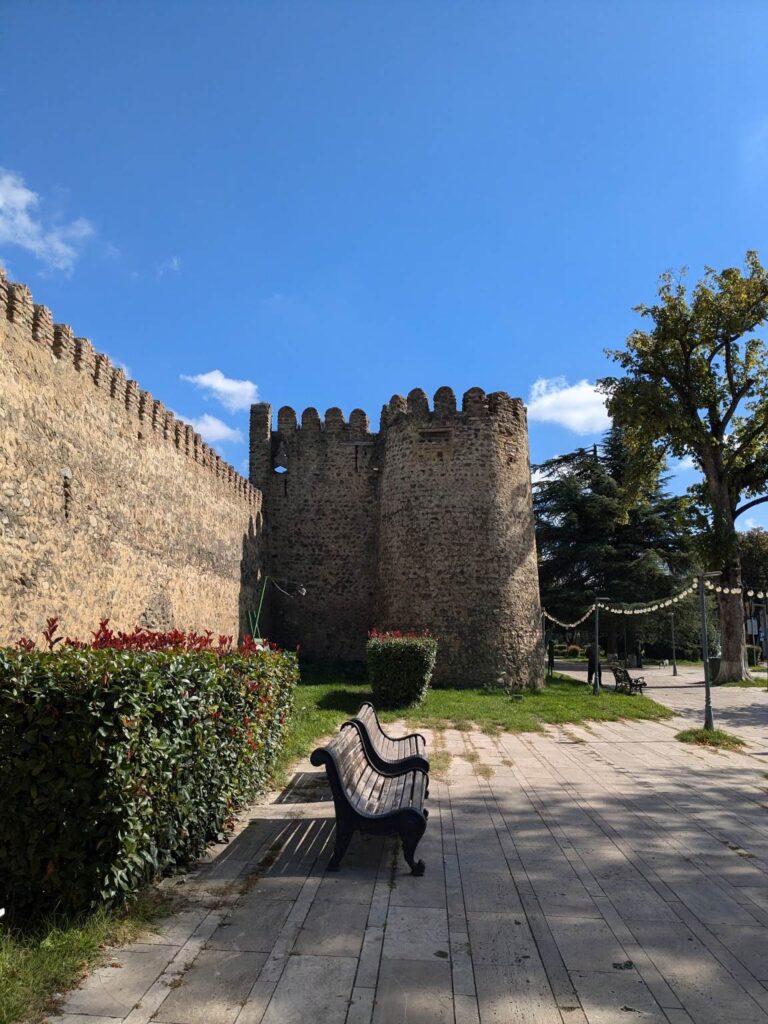
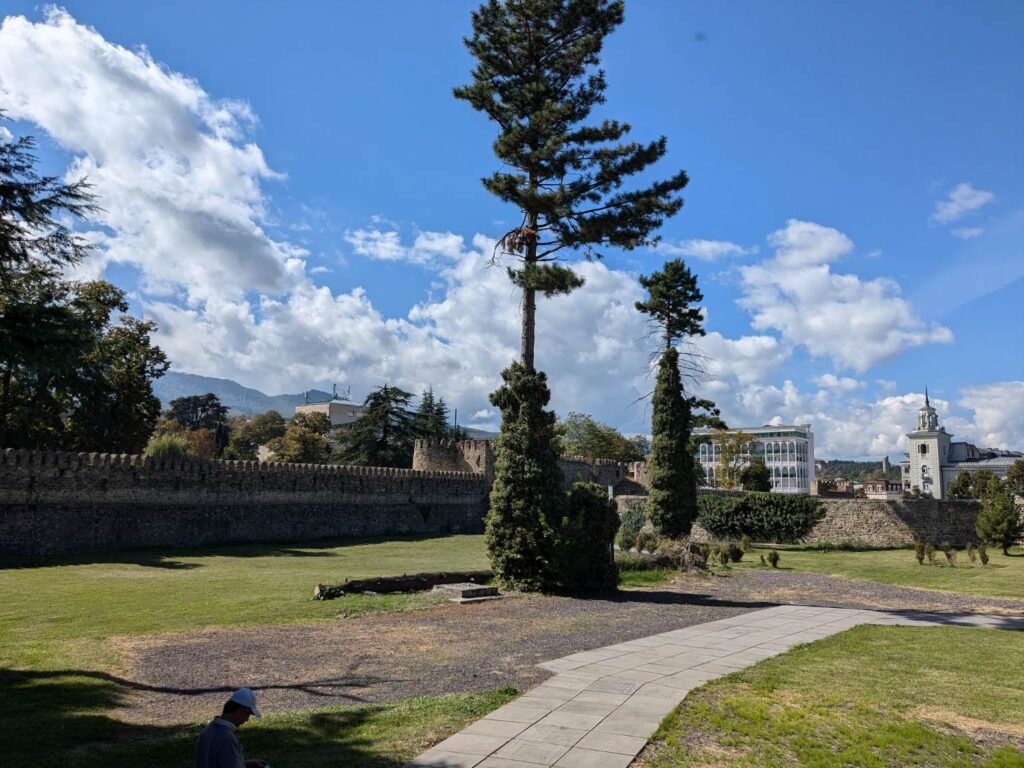
    The Batonis Tsikhe, and Telavi’s version of the city walls. Telavi was also a quiet place, though I suspect people were waiting for the evening to start the celebrations, a version of the one that was happening in Tbilisi.

    Batonis Tsikhe, Telavi

    The grounds of the Batonis Tsikhe were also pleasant and devoid of visitors. So.much.peace. There was also a music college right outside.

    Batonis Tsikhe, Telavi

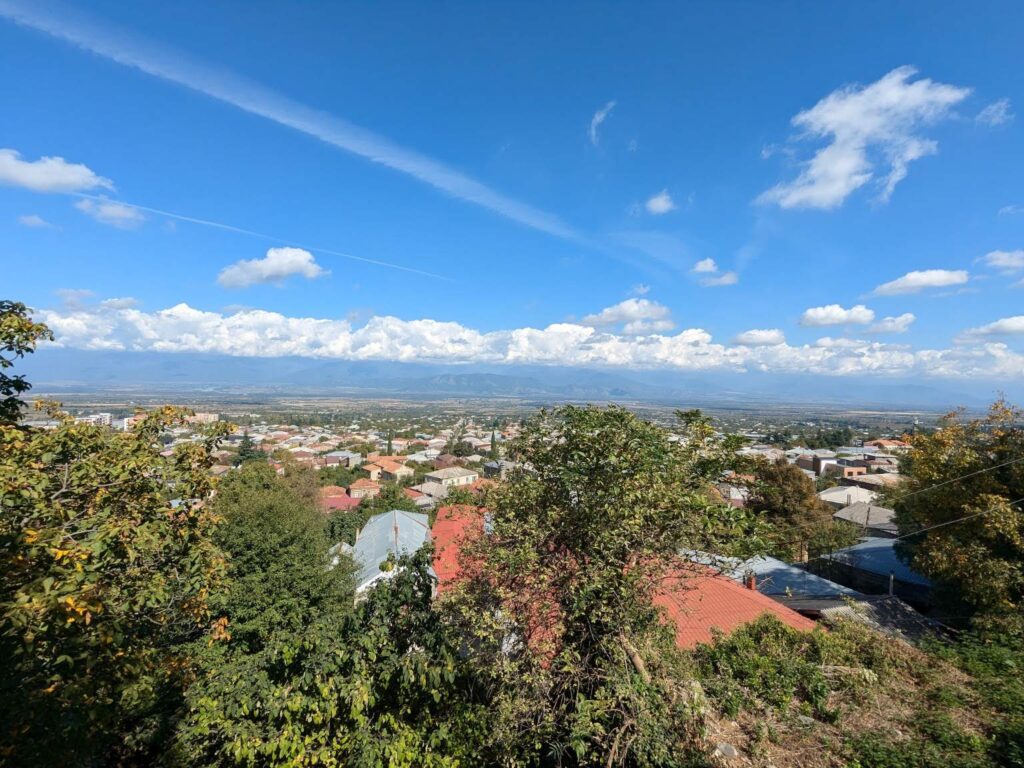
    The best part was the fantastic view of the Kakheti region. So clearly visible.

    Batonis Tsikhe, Telavi

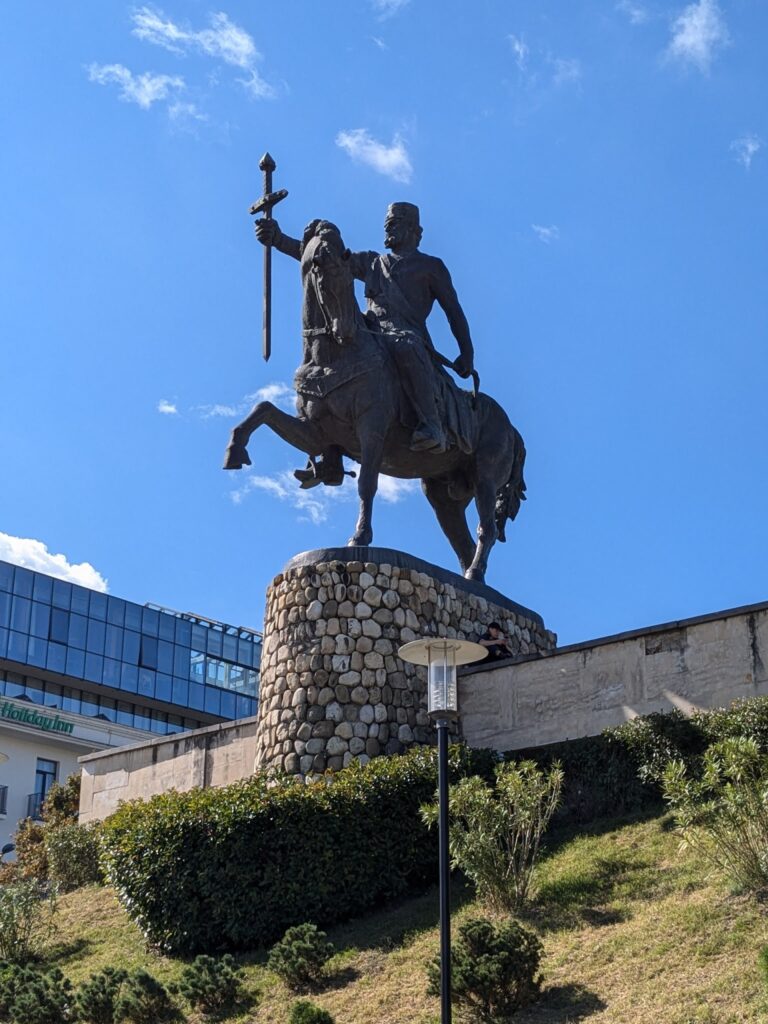
    King Erekle II is quite a hero to the local populace, for uniting Georgia and trying to modernise it. To the extent our driver-guide named his son after him!

    Statue of King Erekle (Heraclius) II in Telavi, Georgia.

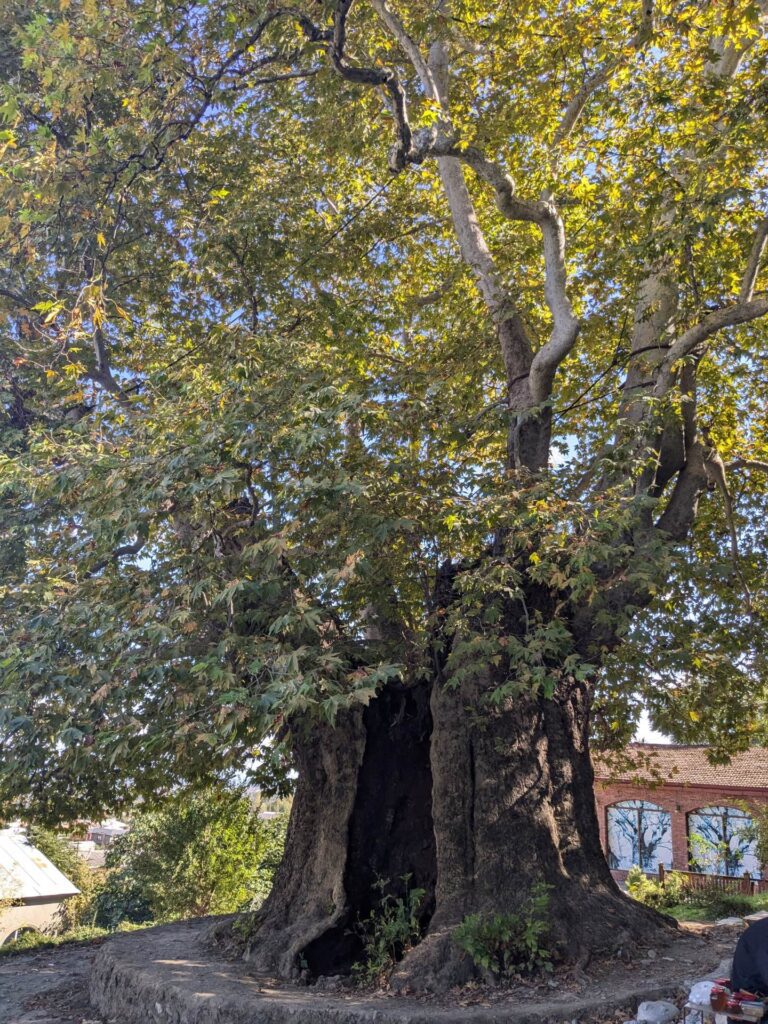
    The Giant Plane Tree in Telavi. Delivers exactly what it says. There is also a ‘family of snails’ installation near it, a metaphorical reference to time probably.

    Giant Plane Tree, Telavi

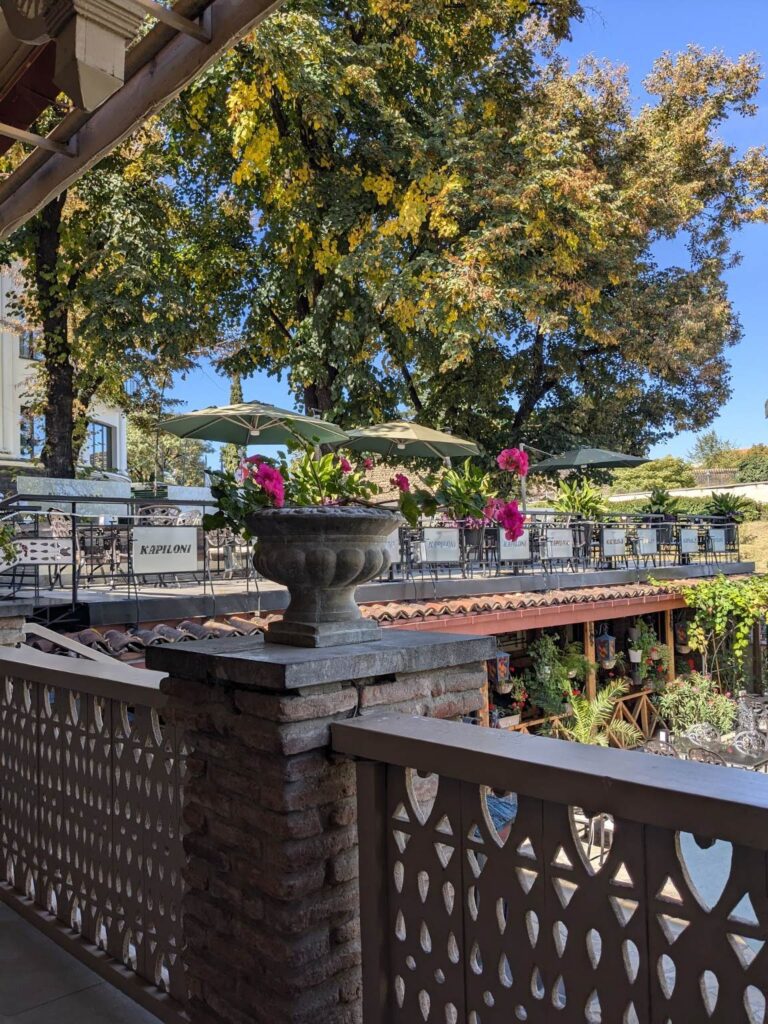
    Lunch in Telavi was at Kapiloni, and if you sit under those umbrellas, you get a good view.

    Kapiloni, Telavi

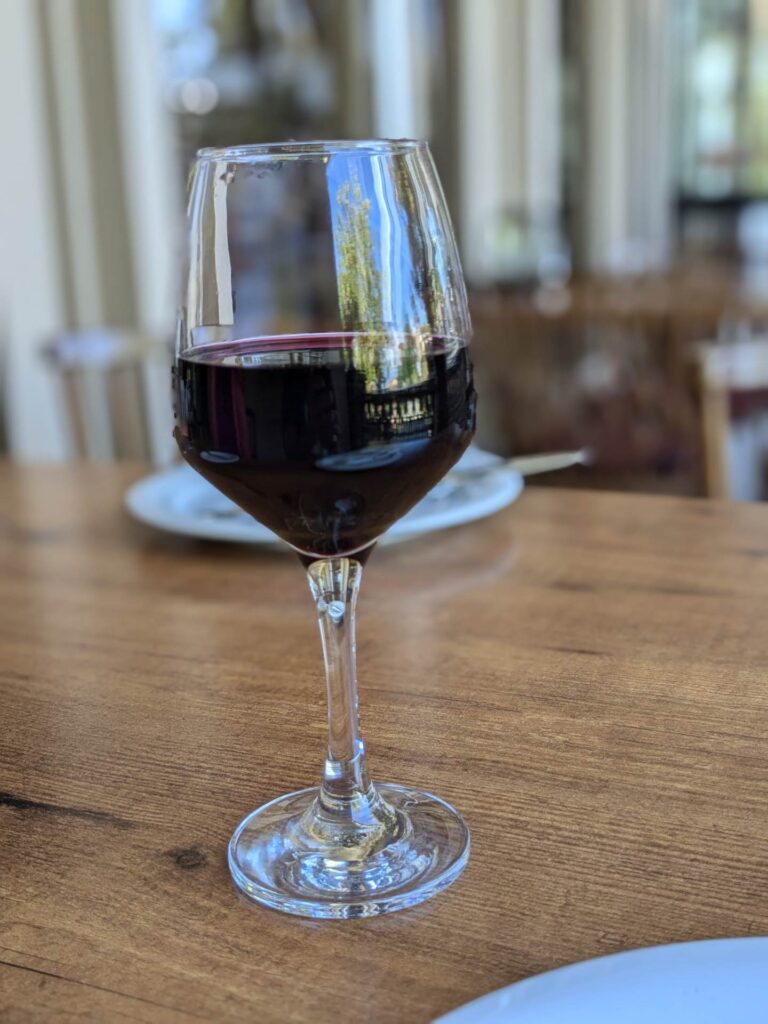
    We had wine…

    Kapiloni, Telavi

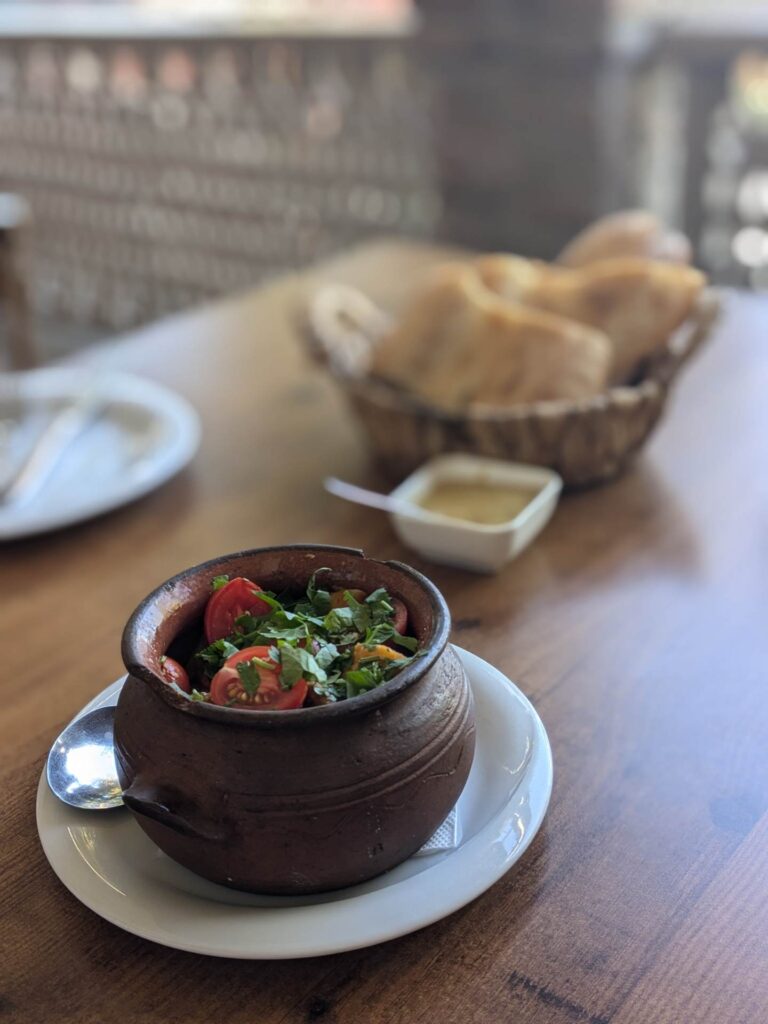
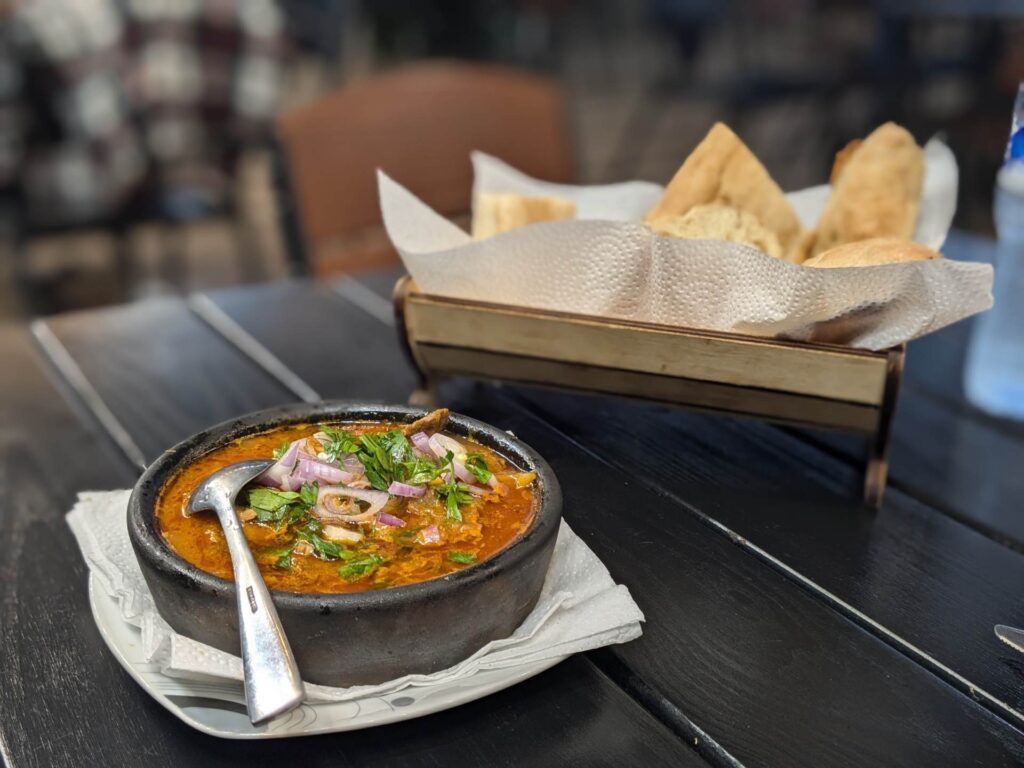
    … a delicious, flavourful Veal Chanakhi with local bread…

    Kapiloni, Telavi

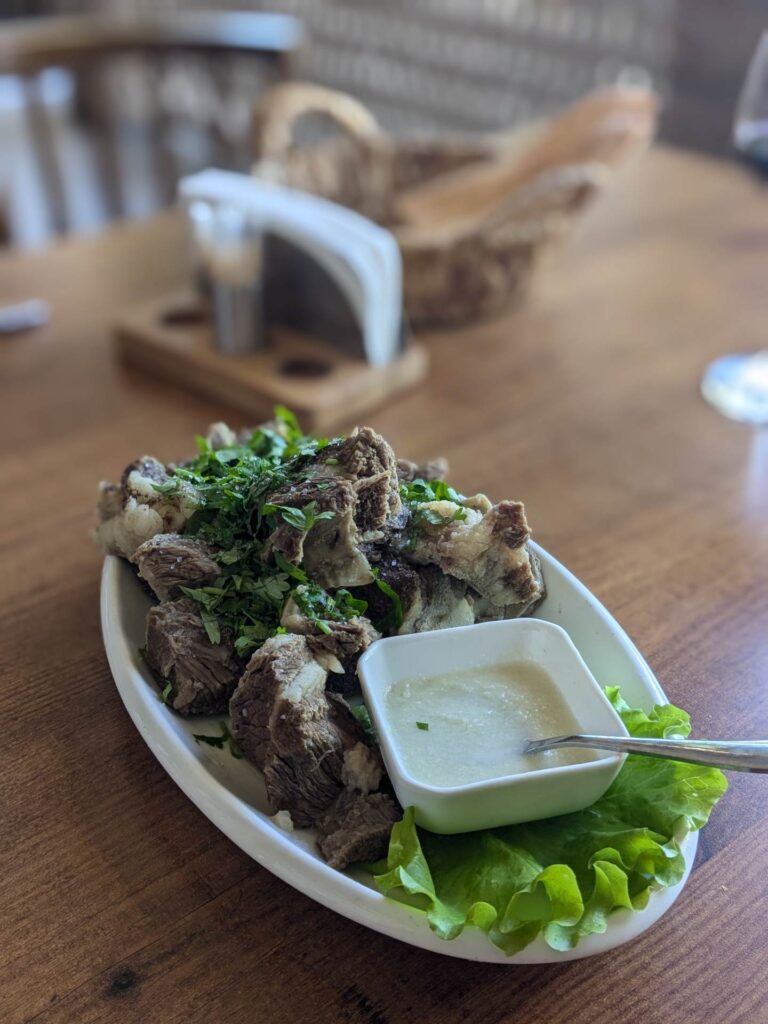
    … and Khashlama – superbly boiled beef

    Kapiloni, Telavi

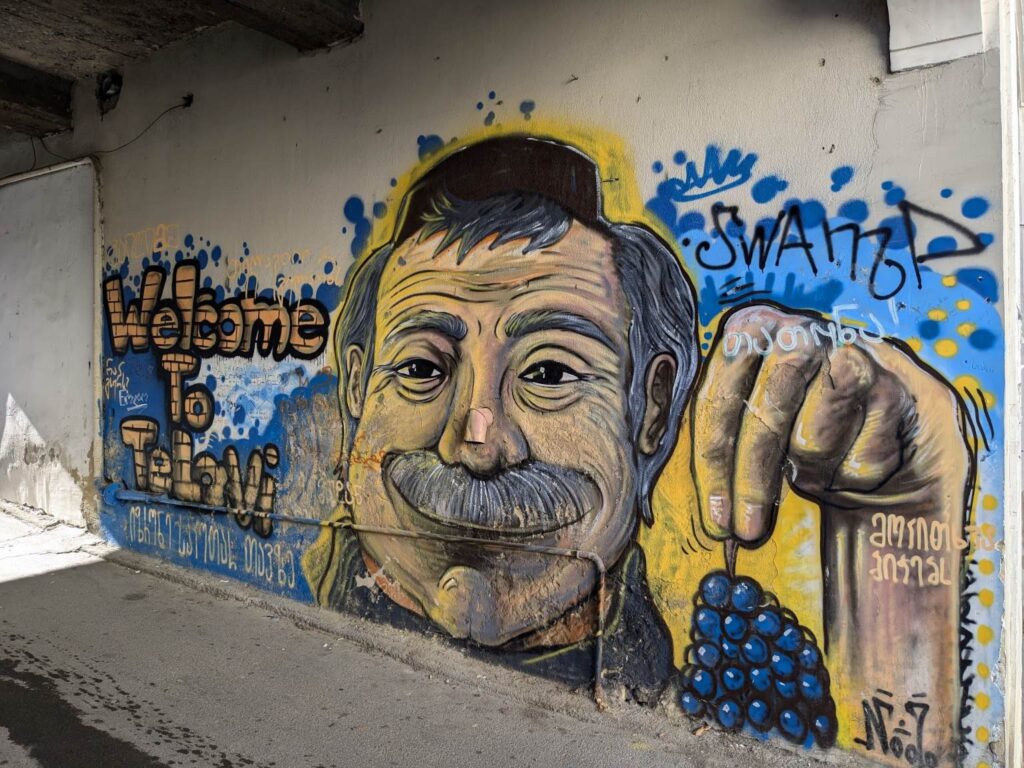
    Street art in Telavi as we wandered around

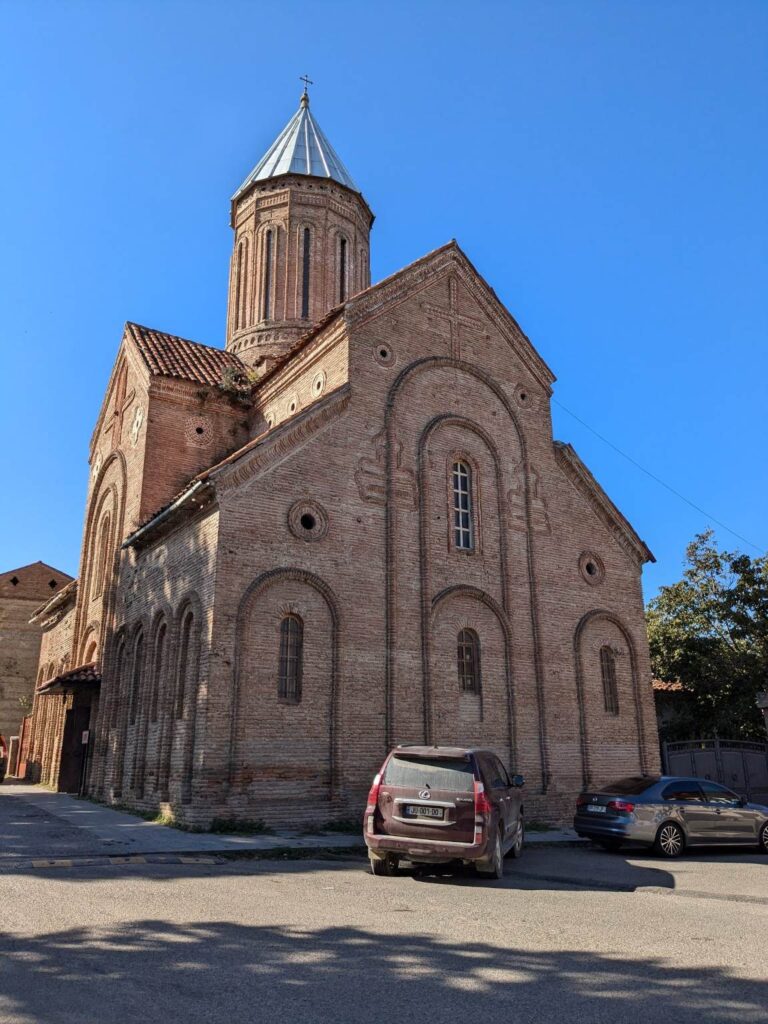
    Theotokos Church isn’t what we came to see, but hey…

    Theotokos Church in Telavi

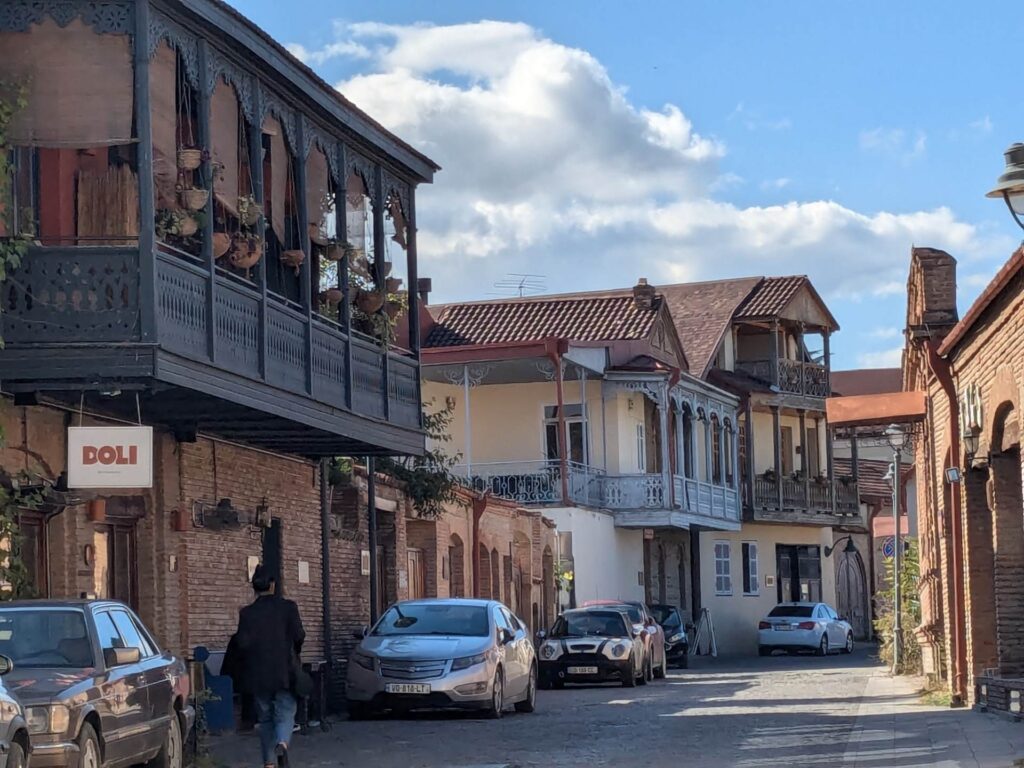
    …it was very near to the old balconies

    Old Balcony, Telavi

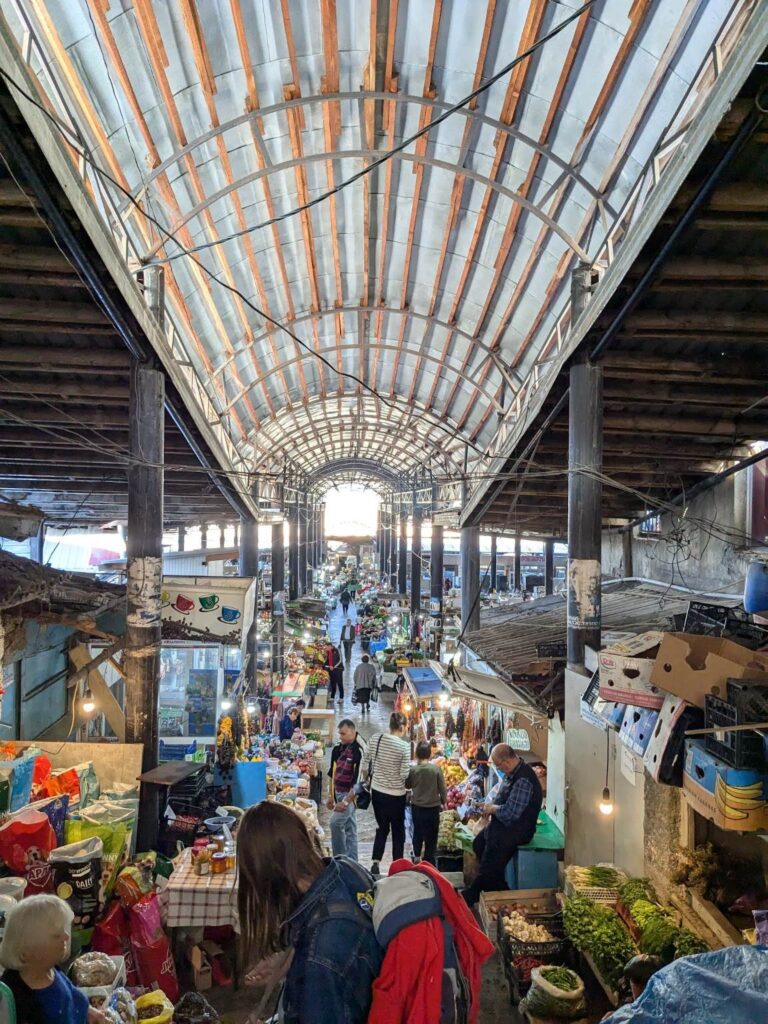
    The Telavi market. Unless you like produce, nothing to see here 🙂

    Telavi Market

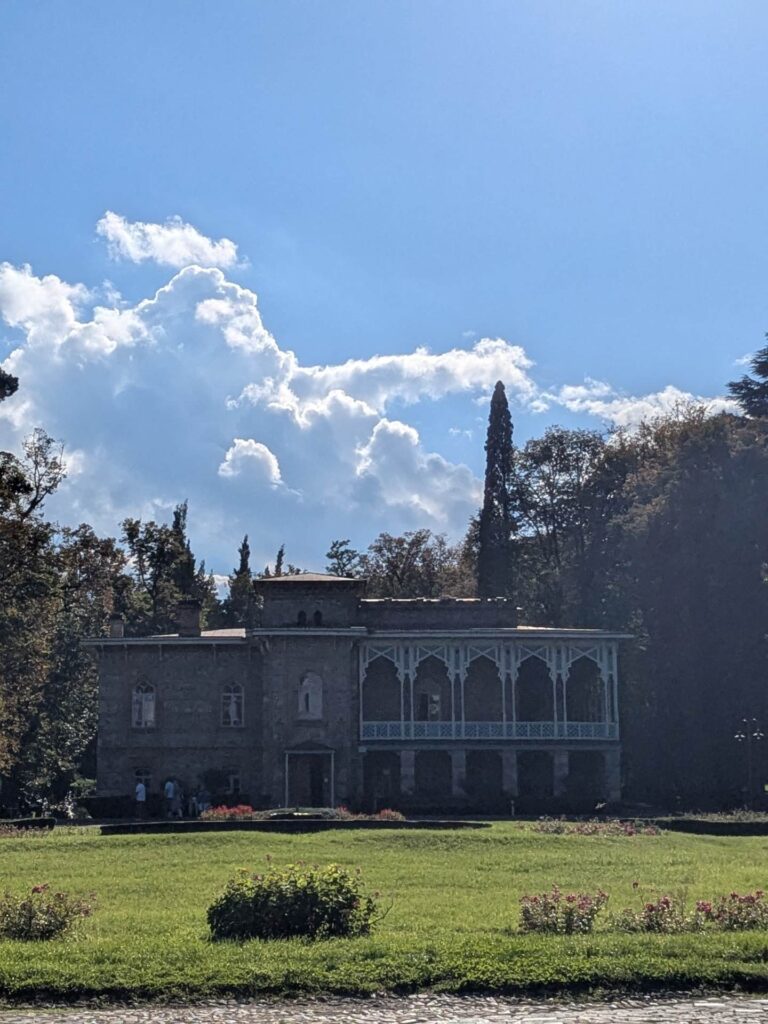
    Tsinandali Estate. D toured while I napped in the car!

    Tsinandali Estate, Telavi

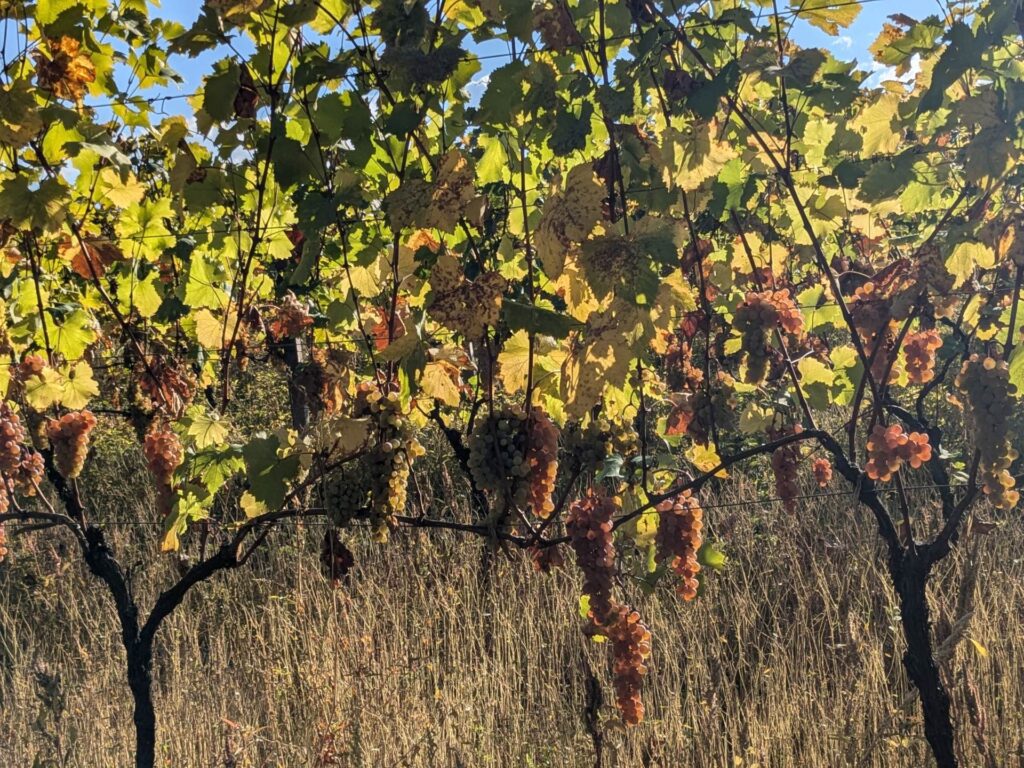
    It was grapes season, so our guide even got us to pluck some randomly from someone’s garden! We could see trucks carrying loads to be made into wine.

    Kakheti, Georgia

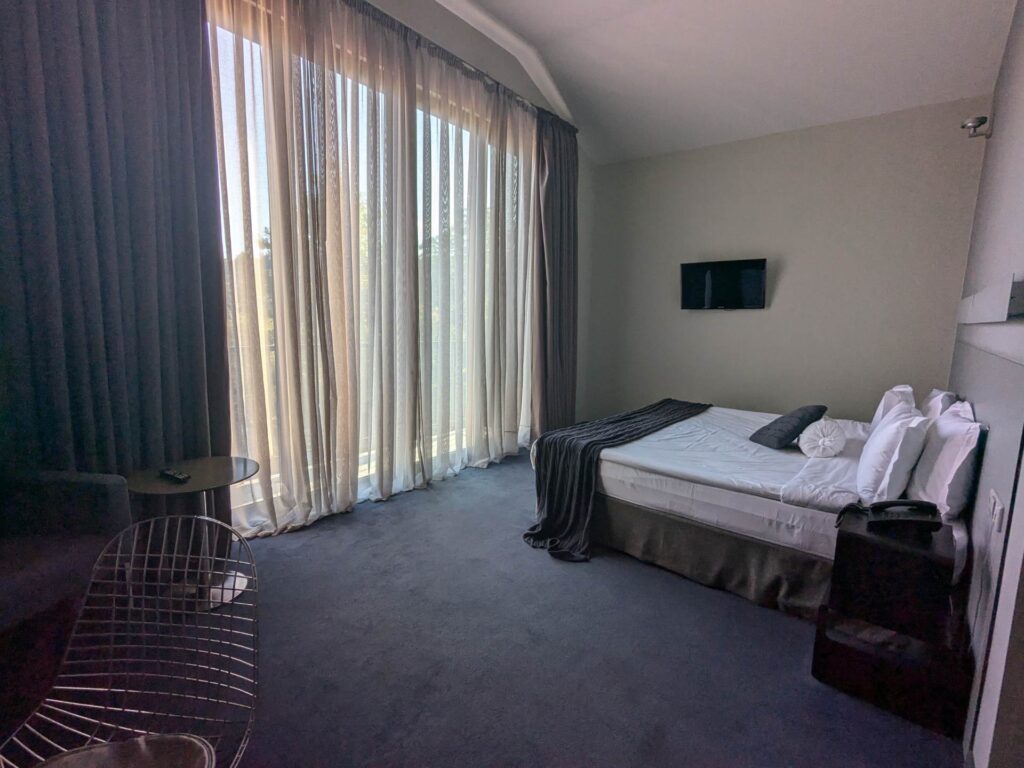
    Kabadoni Boutique Hotel is where we stayed in Sighnaghi. They ‘missed’ telling us that the air conditioning was set to winter mode and so we ended up spending a warm night here! The breakfast and the coffee was good though.

    Kabadoni Boutique Hotel, Sighnaghi

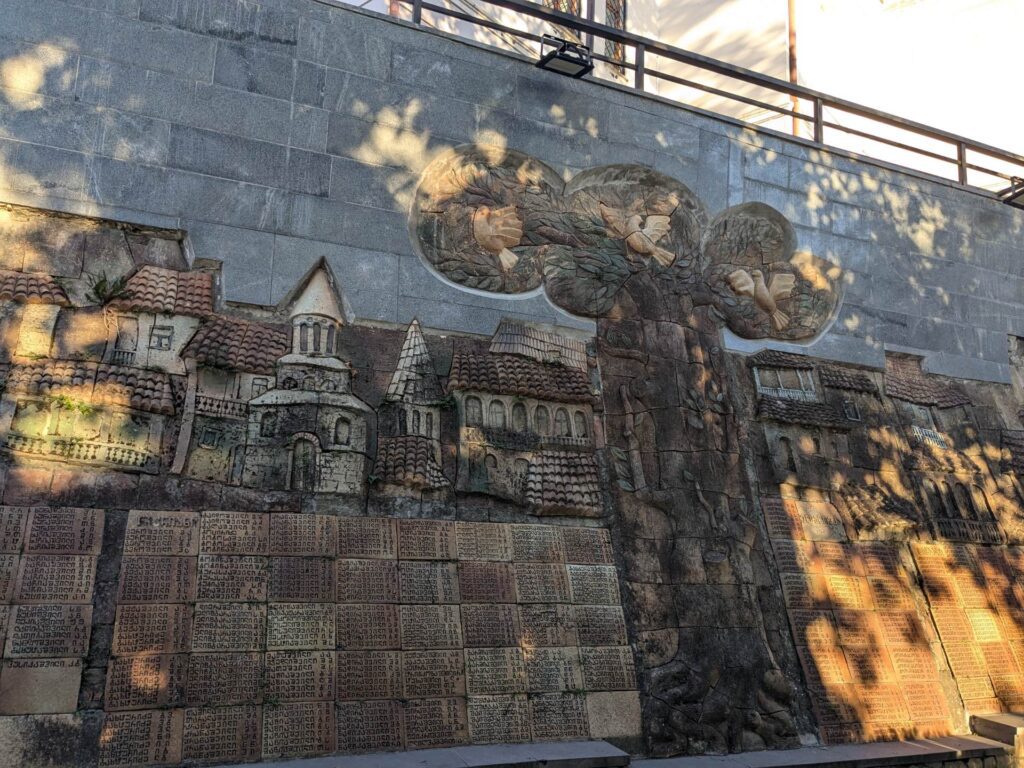
    The World War II Memorial was right next door. Georgia lost practically half its population in the war.

    World War II Memorial Sighnaghi

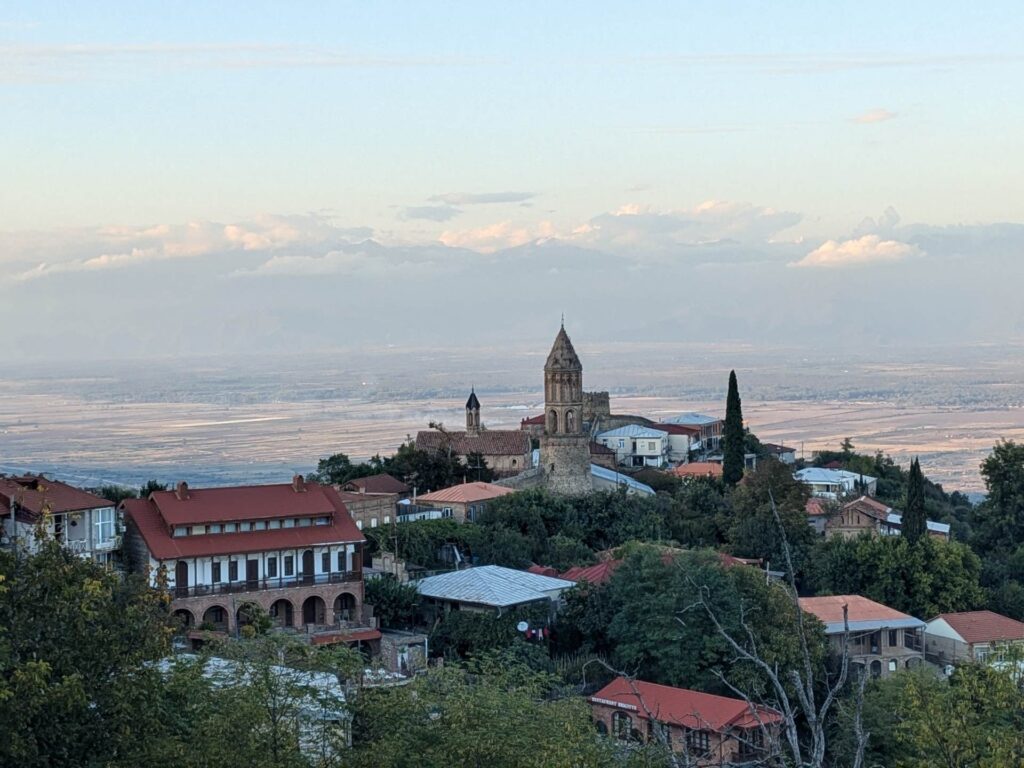
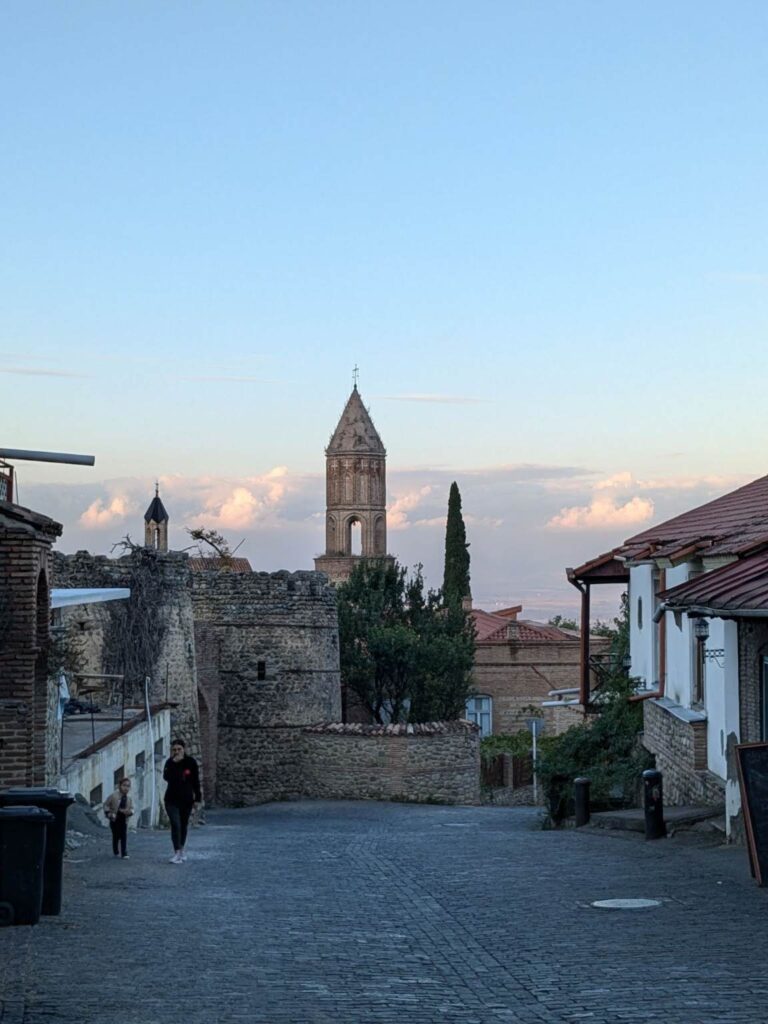
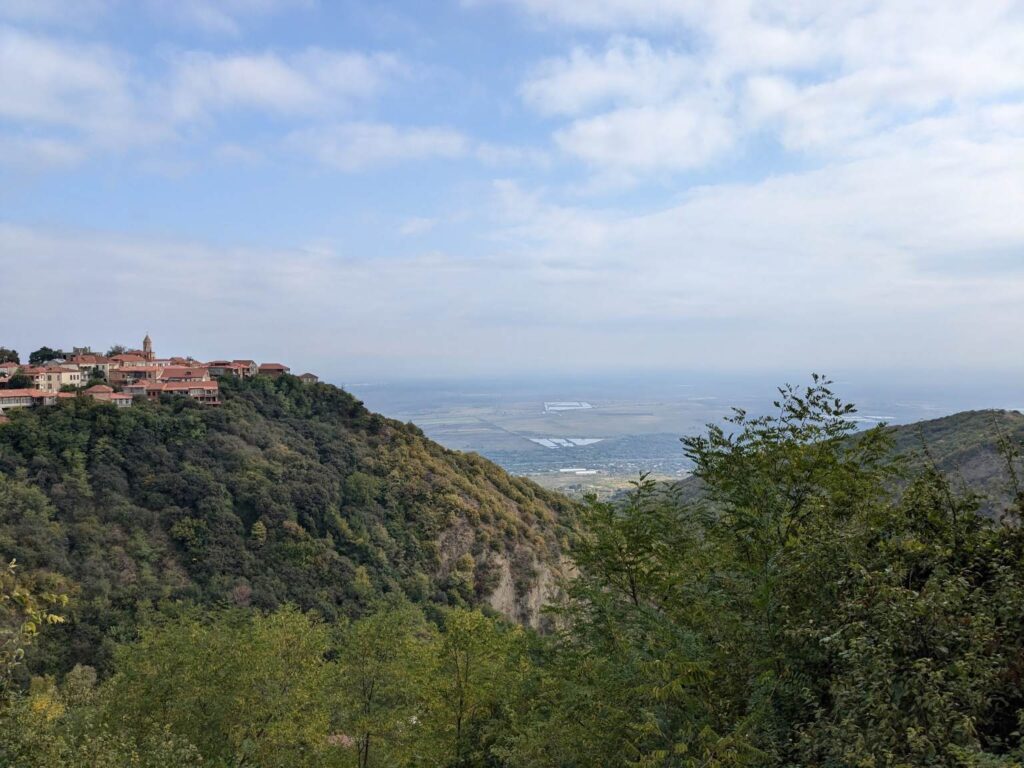
    Sighnaghi has views to die for, and the hotel terrace was a perfect vantage point.

    Sighnaghi, Georgia

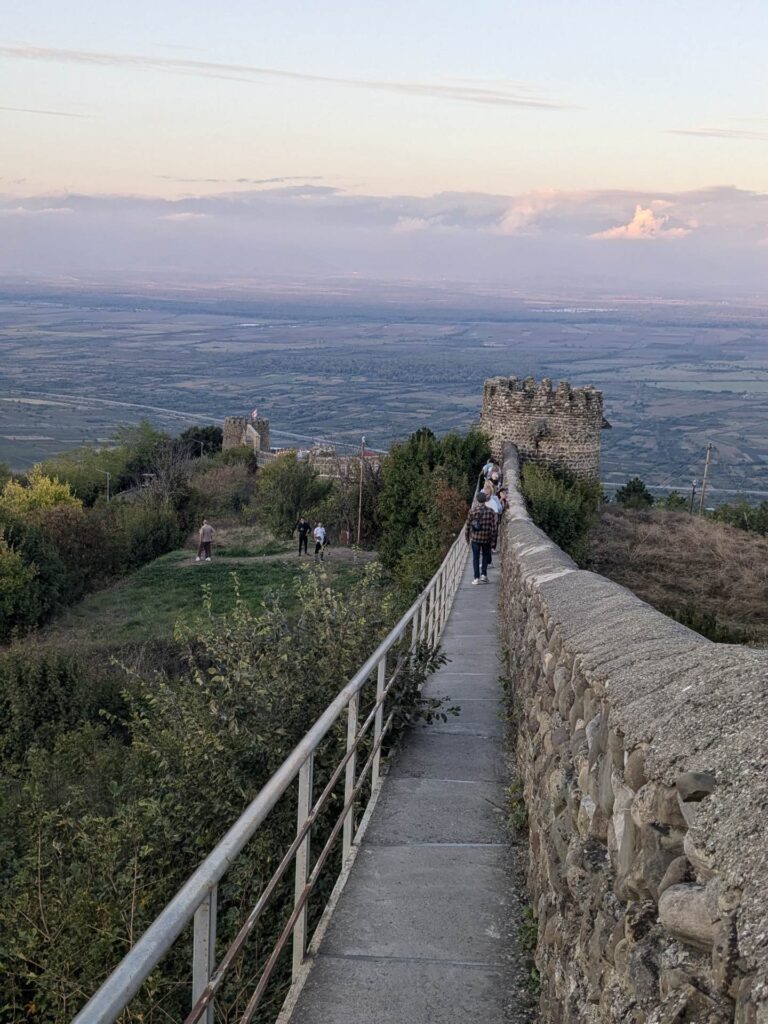
    The City Walls are a popular attraction. Some walking to do though.

    City Wall, Sighnaghi

    But if you do walk, you get some beautiful sights.

    City Wall, Sighnaghi

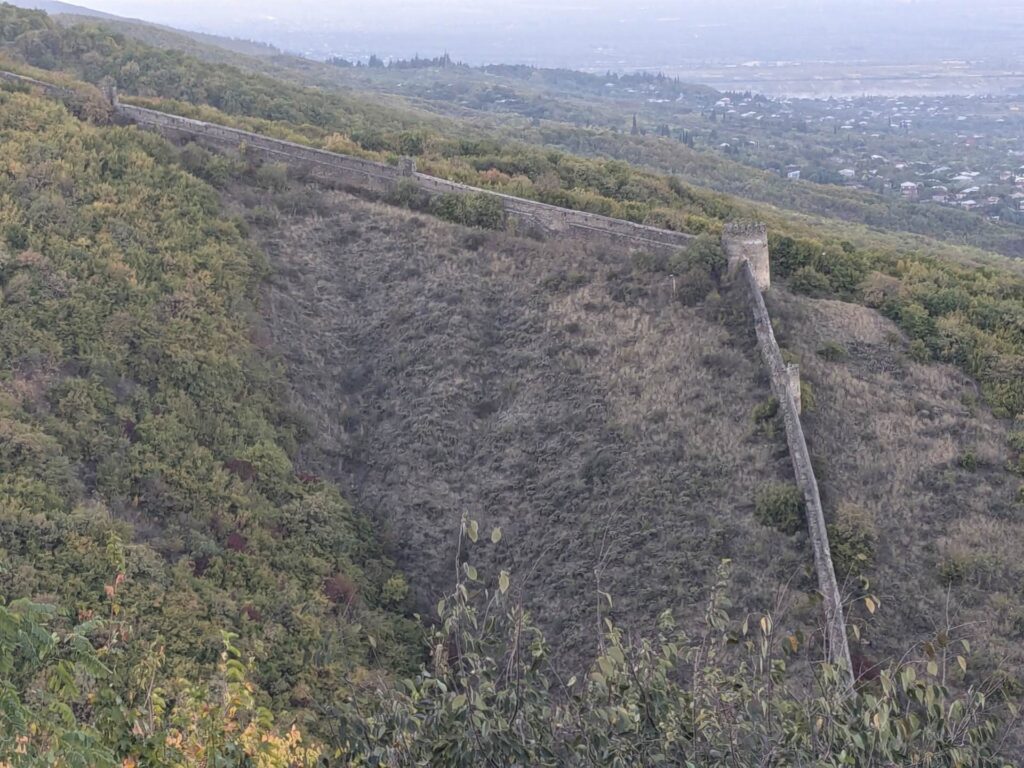
    No, we didn’t walk the entire 5 kilometres!

    City Wall, Sighnaghi

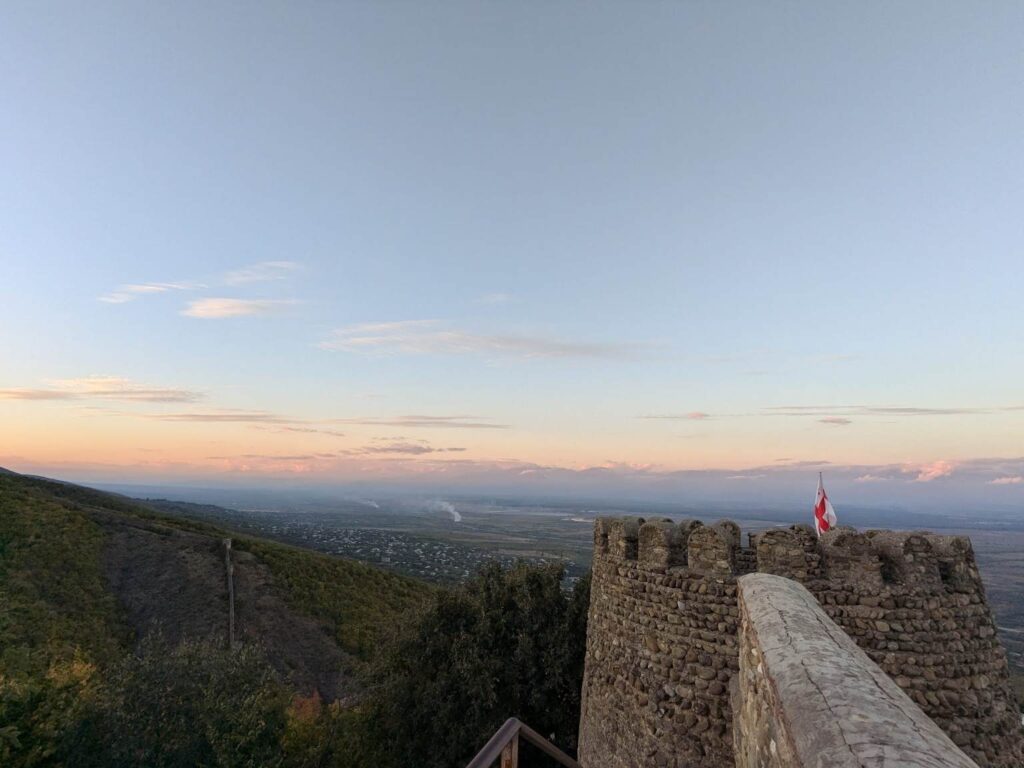
    Time for the sun and us to get down.

    City Wall, Sighnaghi

    Dinner was pretty boring though we finally tried the Beef Ostri. I suspect it was a poor version.

    Beef Ostri

    We walked around at around 8 and it was reasonably desolate. Sighnaghi is quite the village with just enough restaurant options. Since department stores sell all kinds of addiction – fast food, cigarettes, alcohol – that was where kids seemed to hang out most!

    Off the next morning, after one last look. From a fantastic vantage point on the way to Bodbe.

    Sighnaghi, Georgia

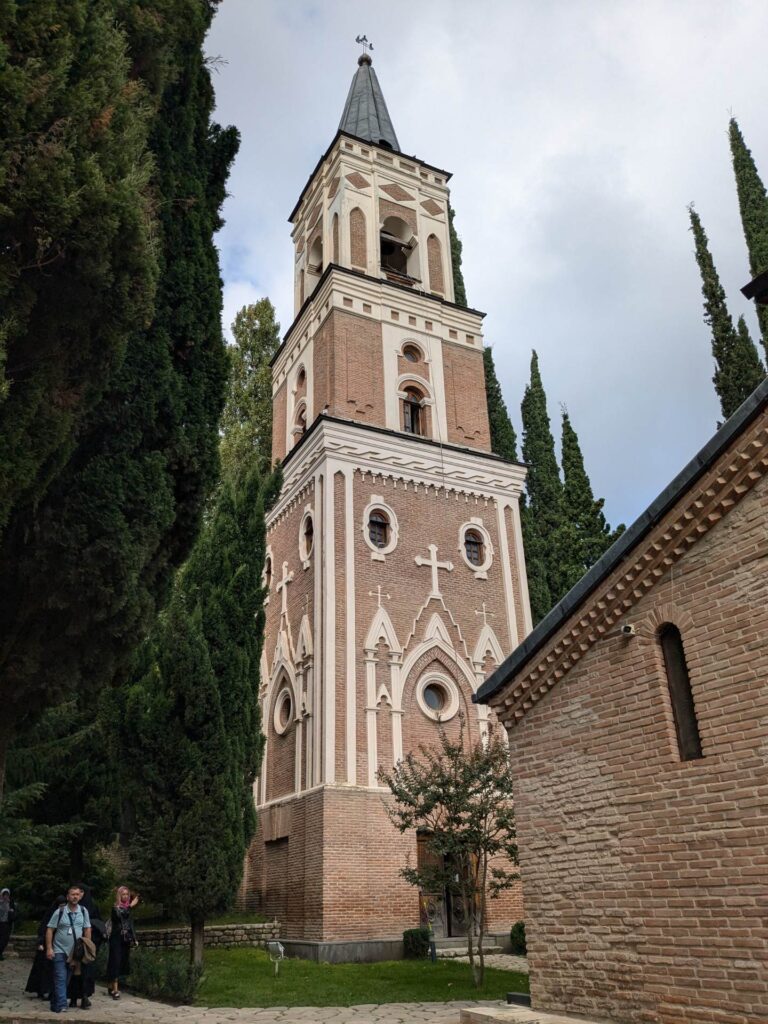
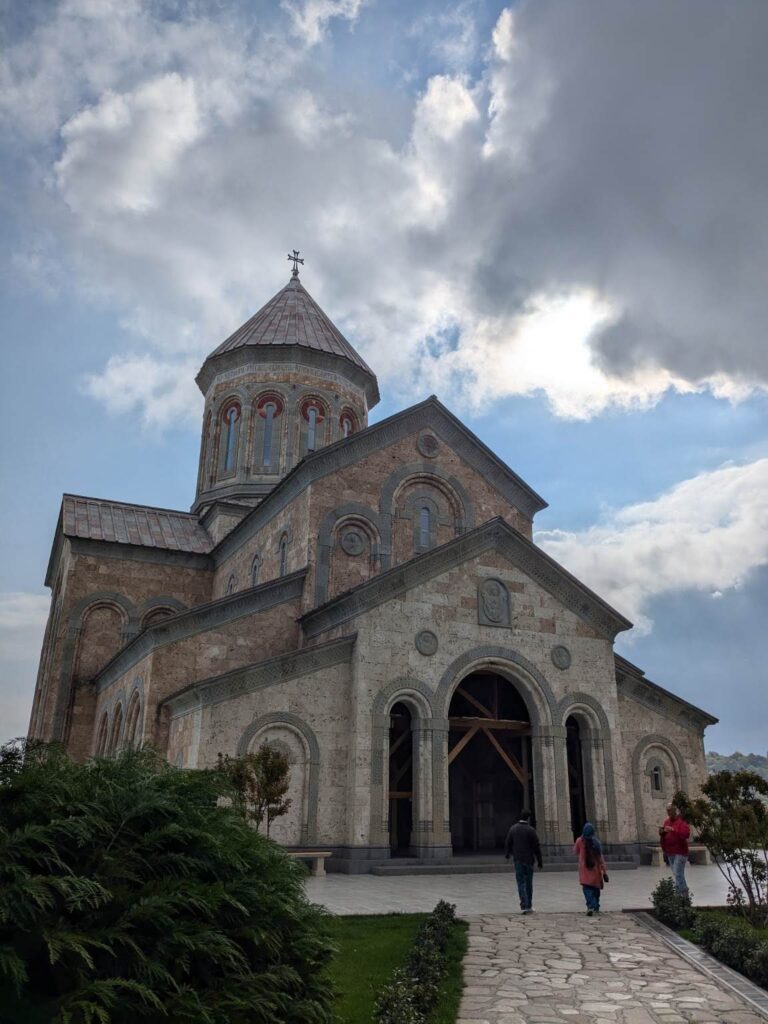
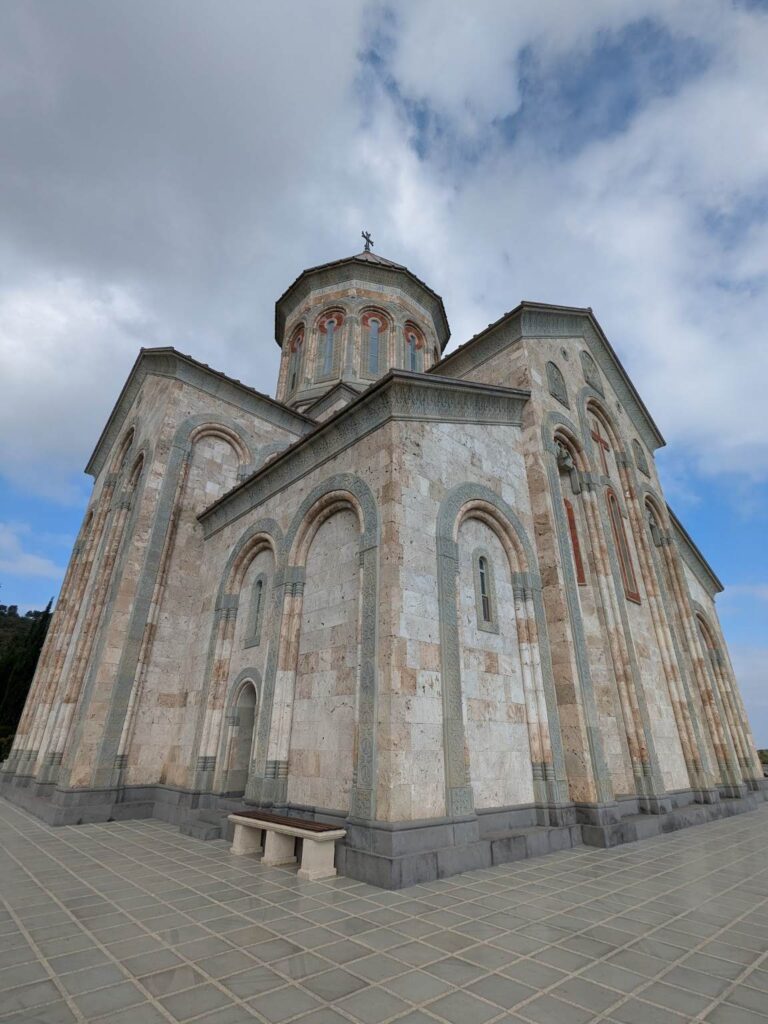
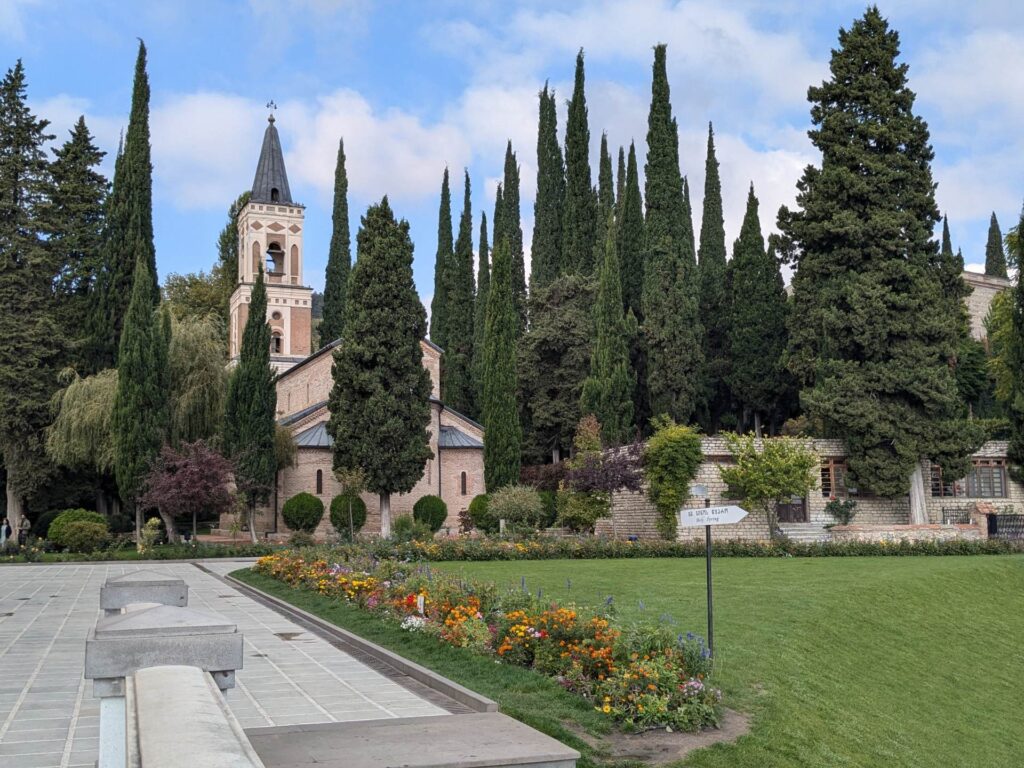
    Bodbe Monastery of Saint Nino. Started to get crowded even (relatively) early in the morning.

    Bodbe Monastery of Saint Nino, Georgia

    One way to look at it…

    Bodbe Monastery of Saint Nino, Georgia

    …and the other

    Bodbe Monastery of Saint Nino, Georgia

    The entire place is quite serene. The nuns maintain some very pretty gardens, grow their own vegetables, and even sell some of it.

    Bodbe Monastery of Saint Nino, Georgia

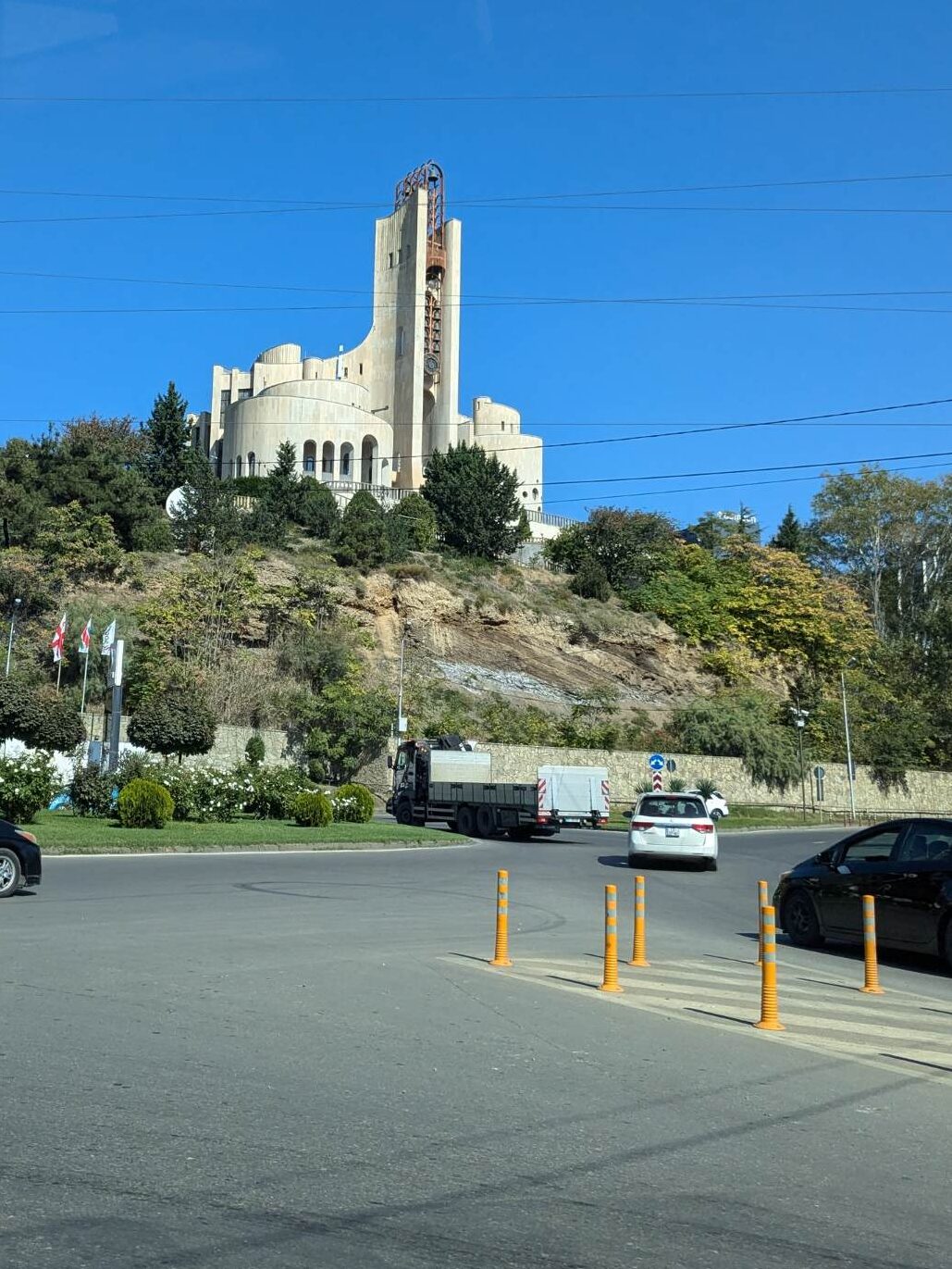
    The Wedding Palace that we saw while getting back into Tbilisi. From above, its plan has both erm, males and females, well represented. Like some churches that do it more subtly.

    Wedding Palace, Tbilisi

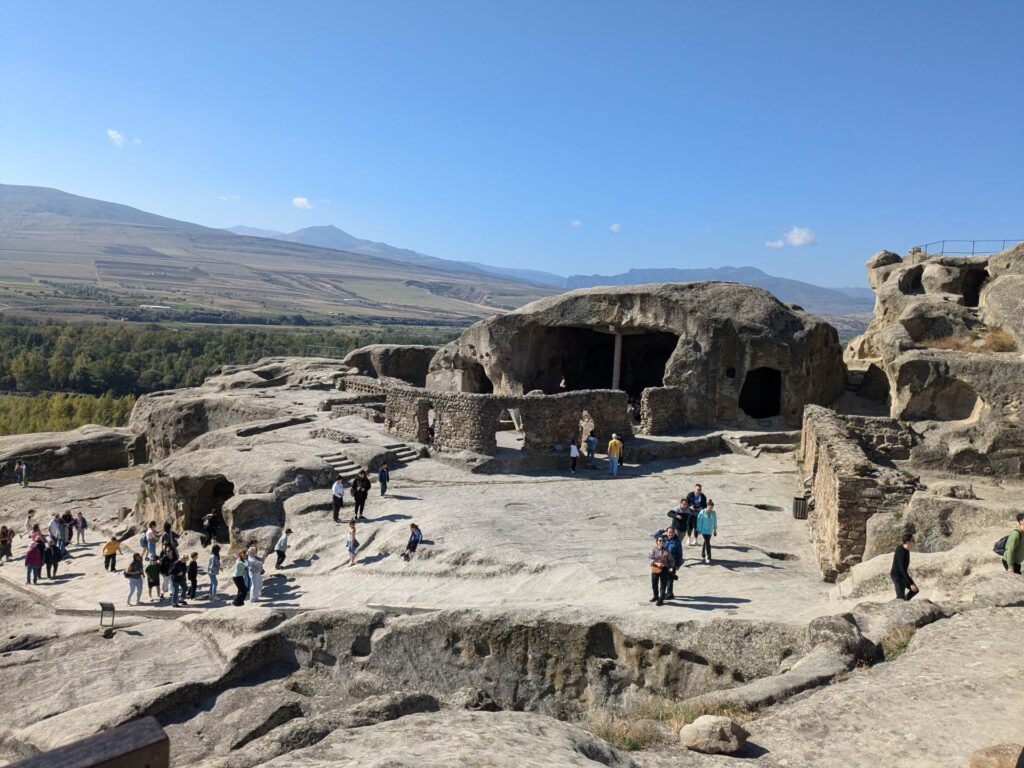
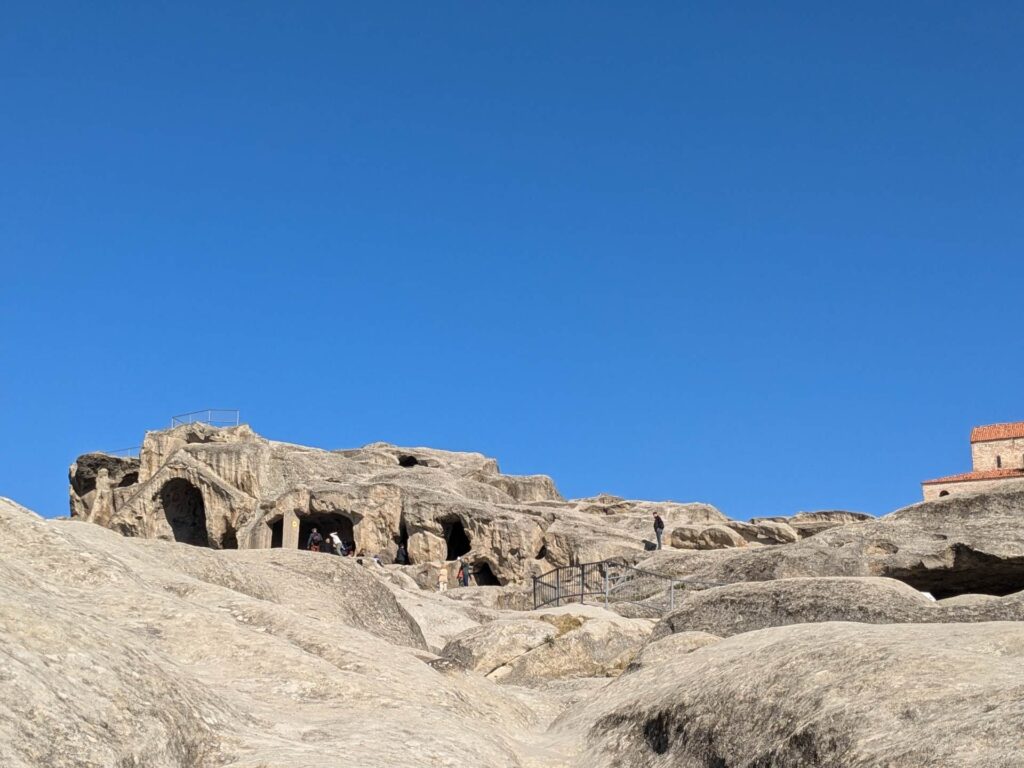
    Uplistsikhe, the city of caves.

    Uplistsikhe, Georgia

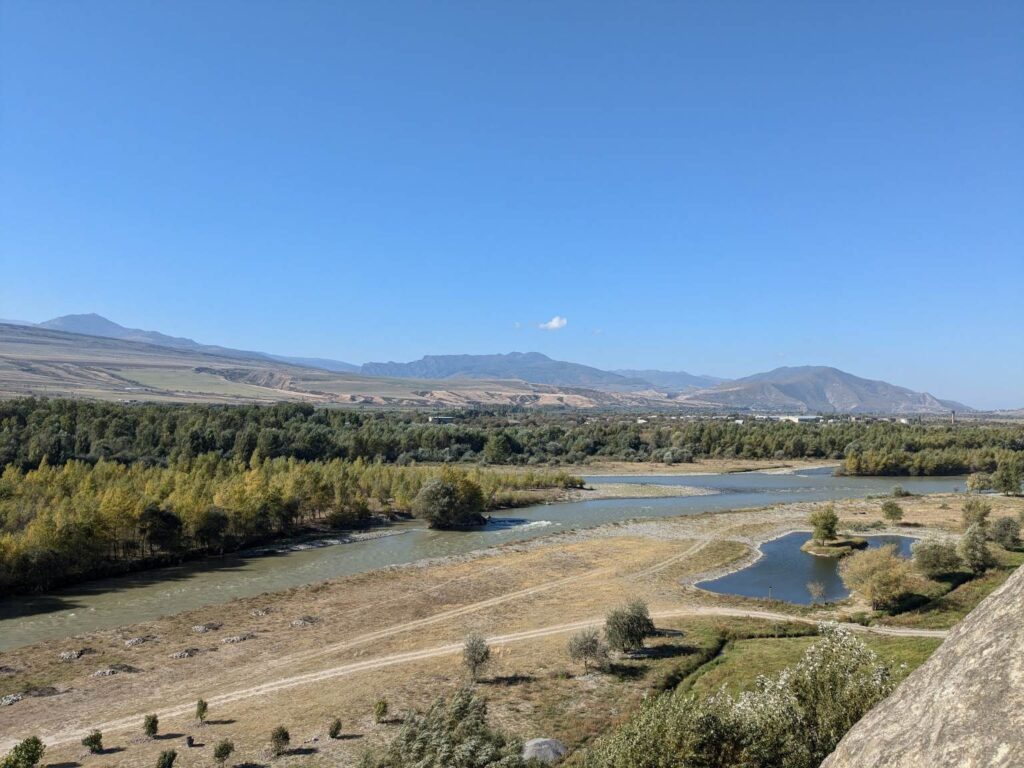
    The view was lovely.

    Uplistsikhe, Georgia

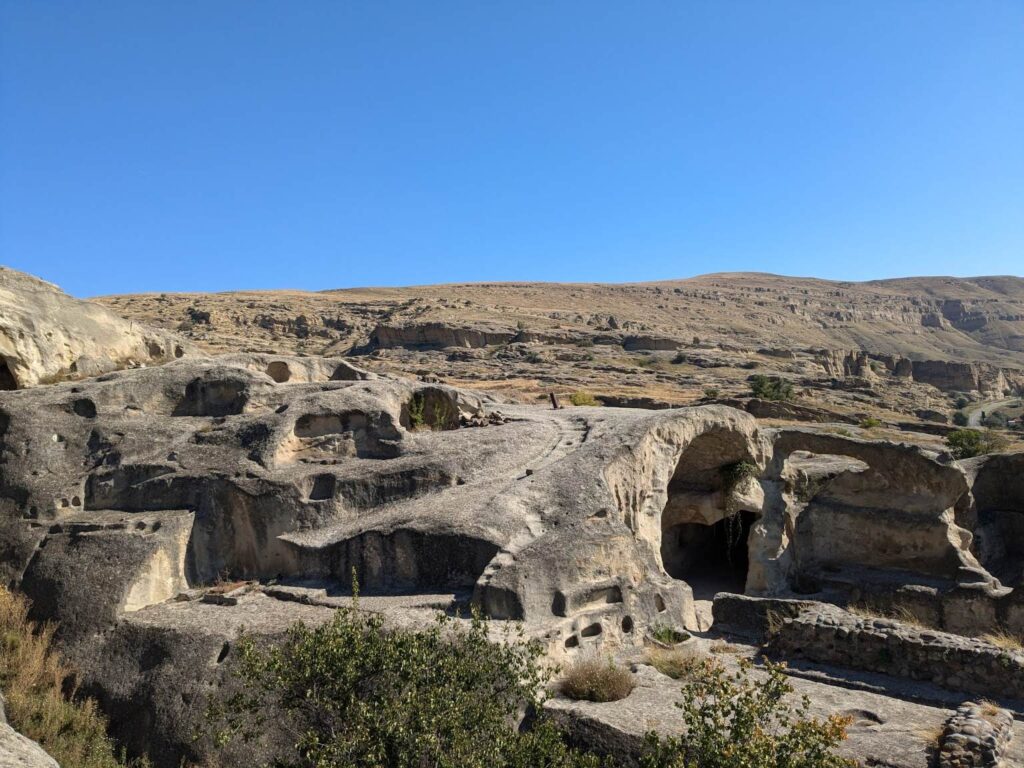
    Classism was around even then – larger caves for richer folks, more rooms, proximity to pharmacy, located higher etc.

    Uplistsikhe, Georgia

    There were even capsules dug into the ground as prison cells. You could just about stand, no space to sit/lie down, and guards peeing down on you!

    Uplistsikhe, Georgia

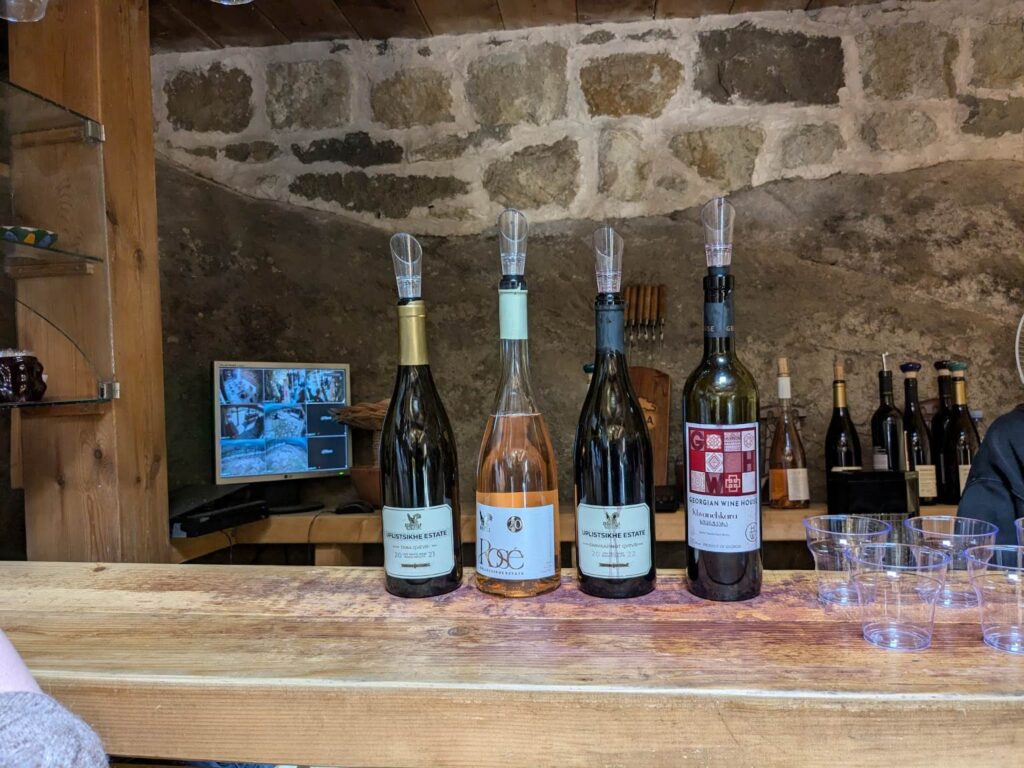
    Georgians take pride in the fact that they were the first in wine making – 6000 BCE! We had a wine tasting session within the caves. The one on the right is Khvanchkara, apparently Stalin’s favourite. Mildly sweet, and ugh.

    Uplistsikhe, Georgia

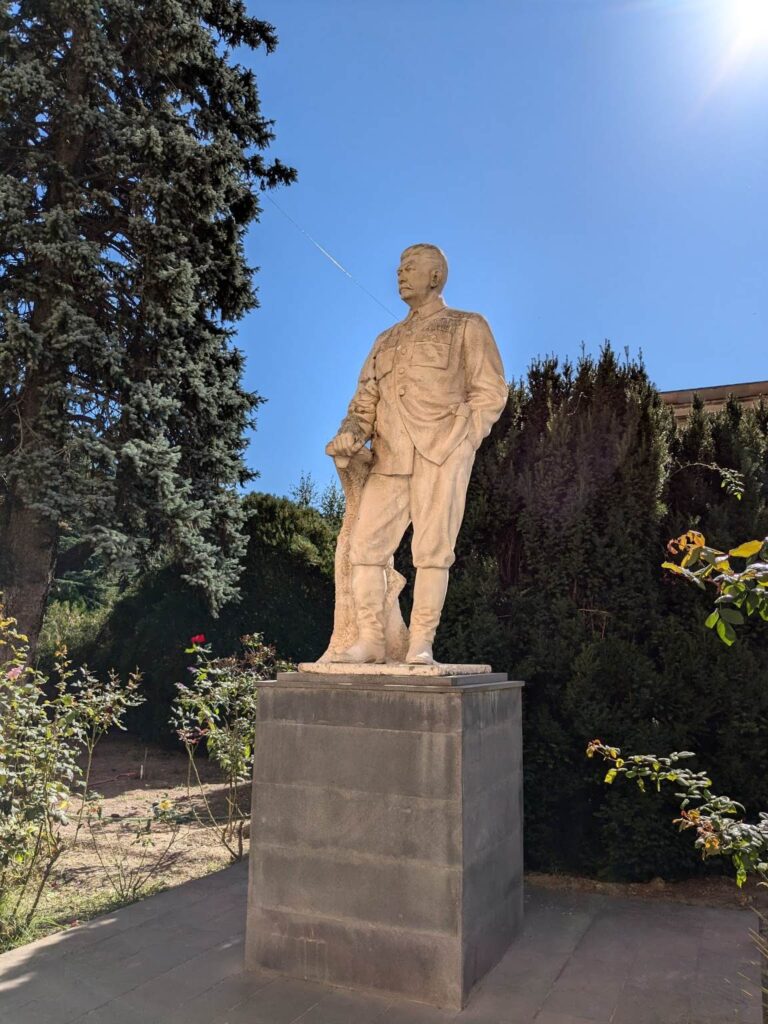
    Speaking of Stalin, we visited his hometown Gori (how apt), and the museum dedicated to him there.

    Stalin Museum, Gori

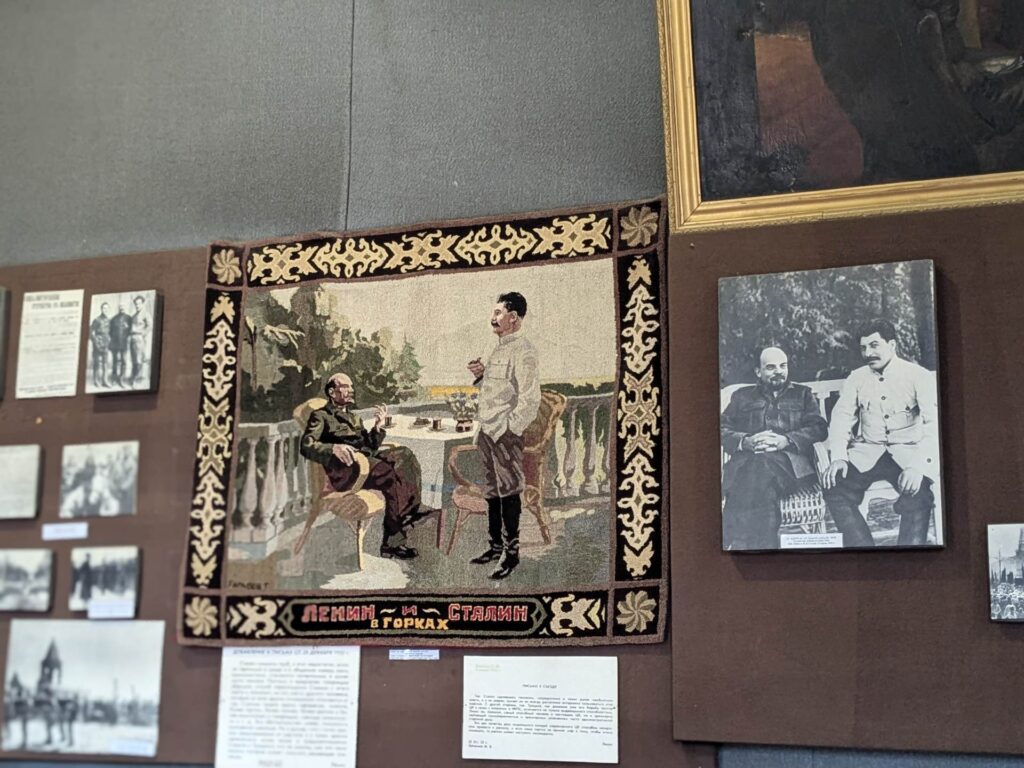
    He tried his best to do a bunch of things in photos and paintings. For one, keep his short height a ‘secret’, by standing only when others are seated/shorter than him, or remaining seated when taller folks are standing. He also had the remnants of a skin disease (that had killed his brother) on one side of his face, but he forbade photos of that. The museum also houses the one photo that does show it.
    Stalin Museum, Gori

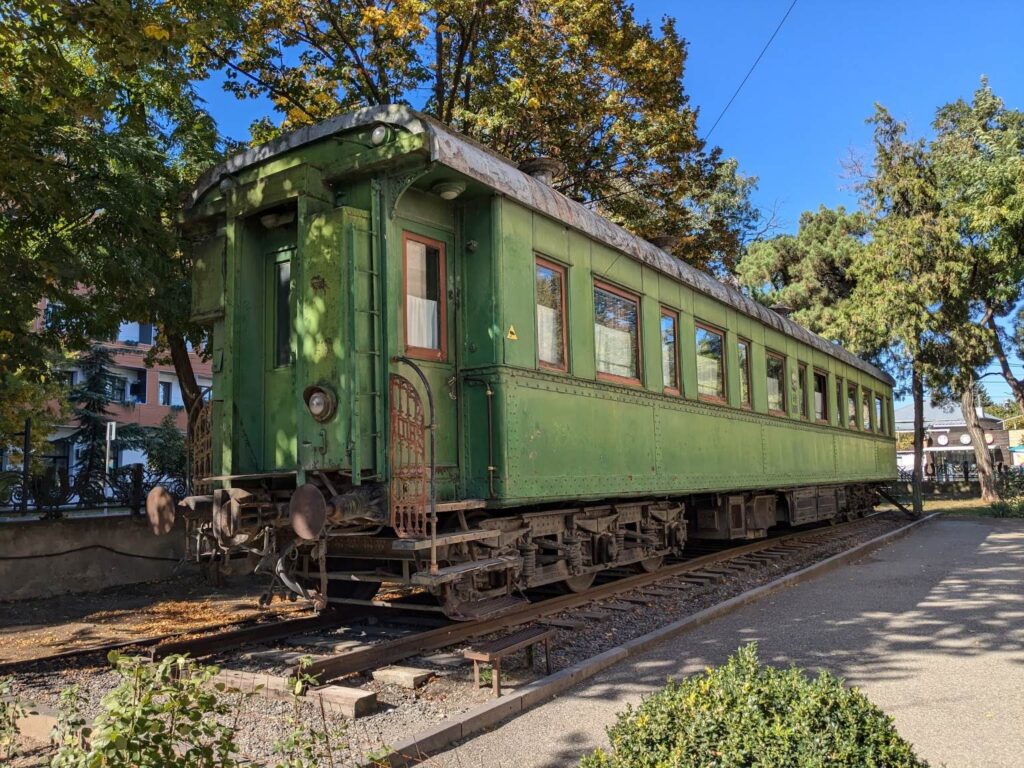
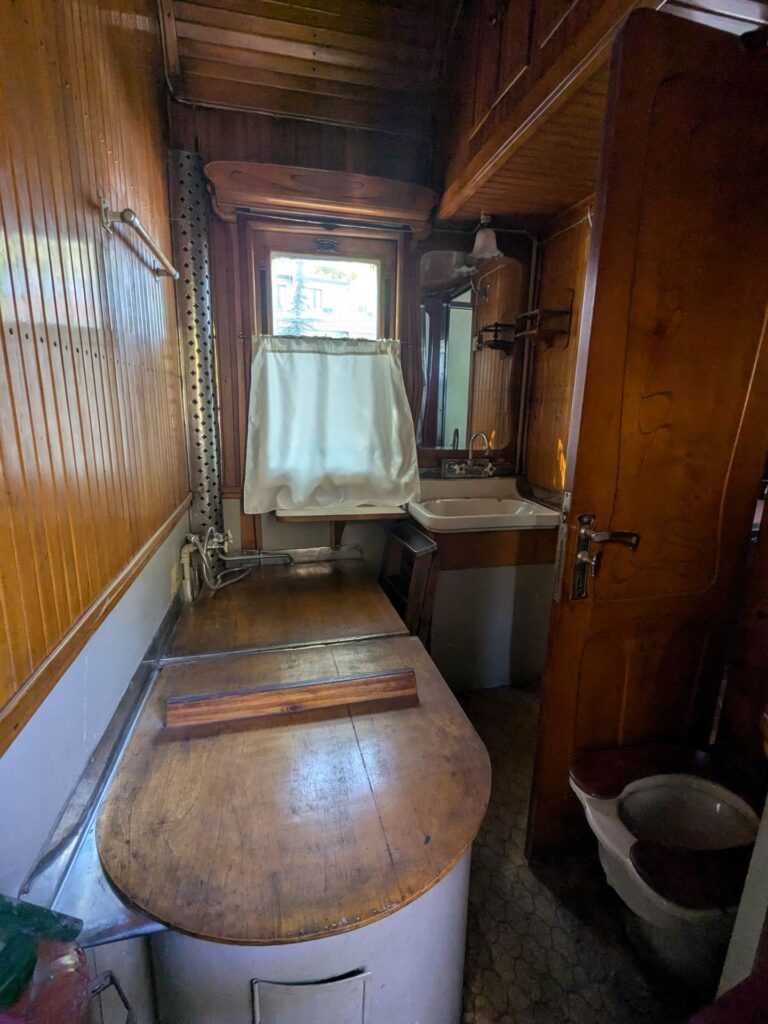
    He dreaded flying, and went everywhere by train. This is his favourite coach. Has everything that a home-office needs.

    Stalin Museum, Gori

    Including a loo. A good time to bring up that a lot of Georgia’s revenue, I think, comes from charging to use the loo. This time we paid to see the loo.
    Stalin Museum, Gori

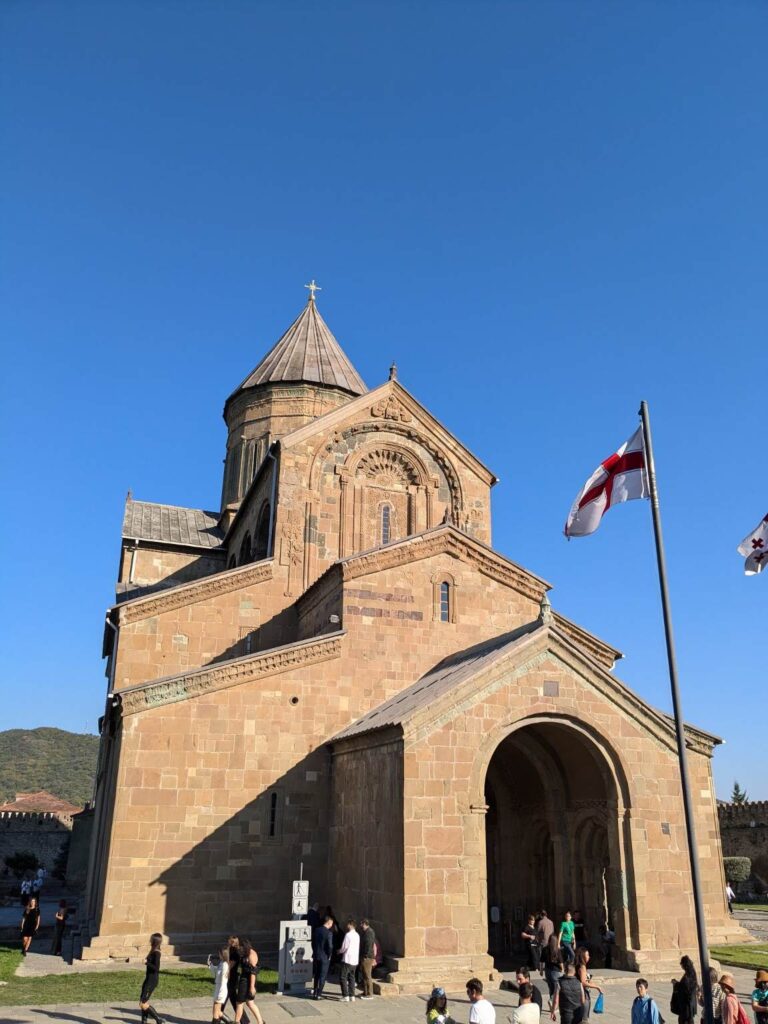
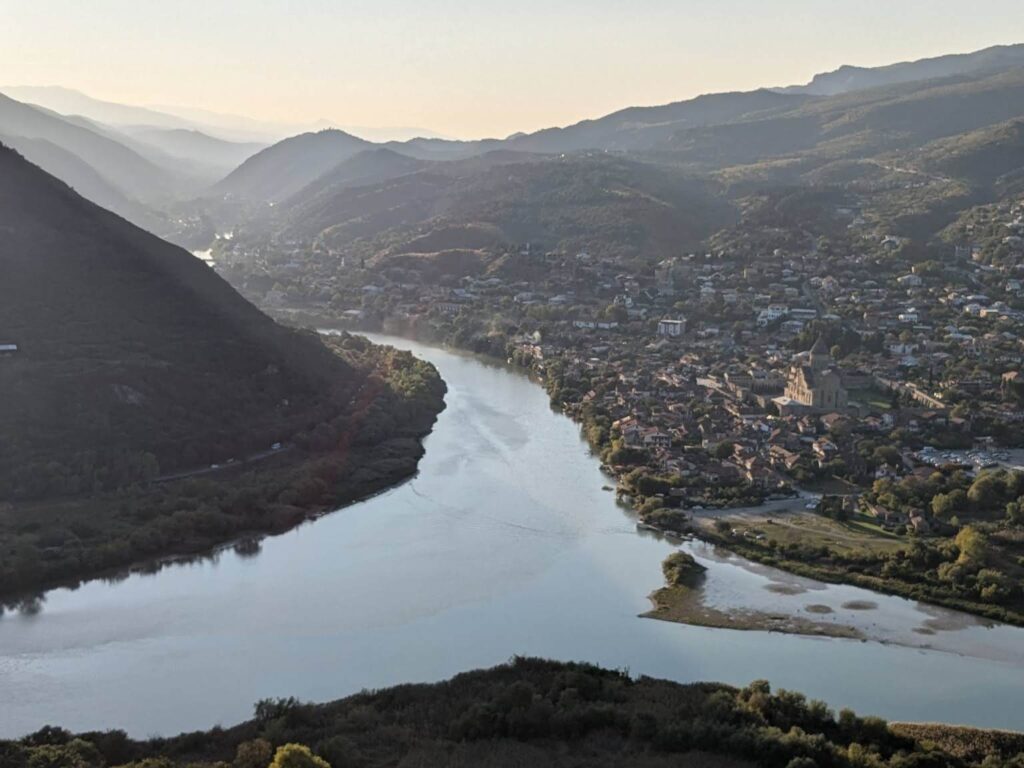
    The Svetitskhoveli Cathedral in Mtskheta. This place was the original capital of Georgia.

    Svetitskhoveli Cathedral, Mtskheta, Georgia

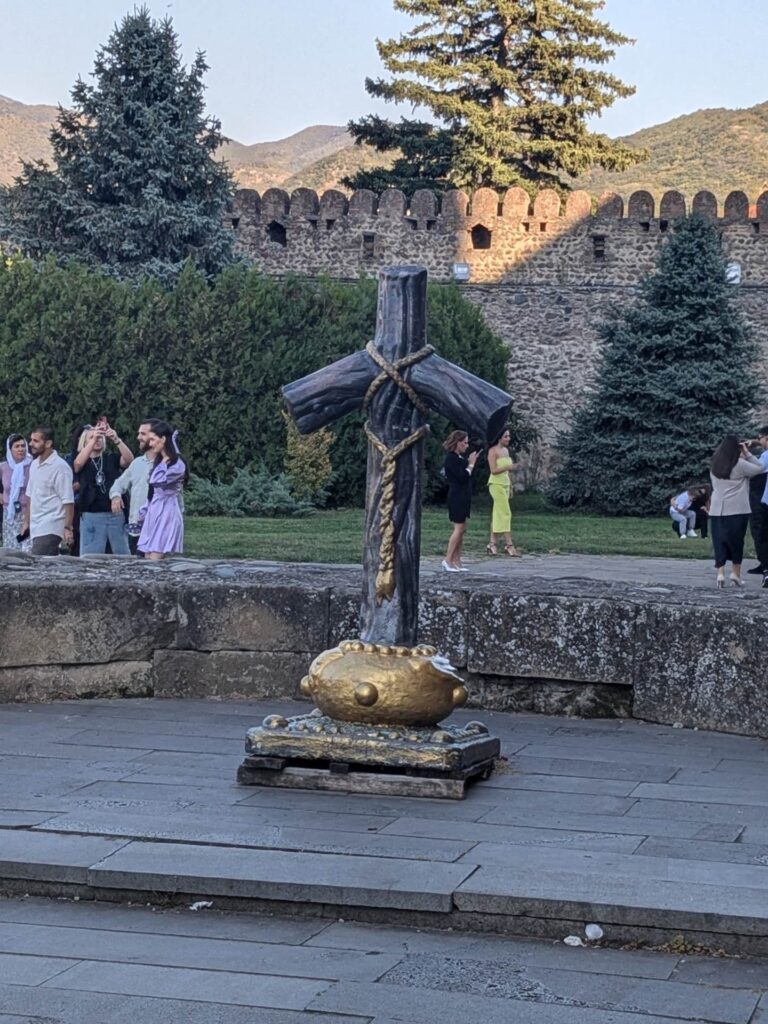
    A different kind of cross.

    Svetitskhoveli Cathedral, Mtskheta, Georgia

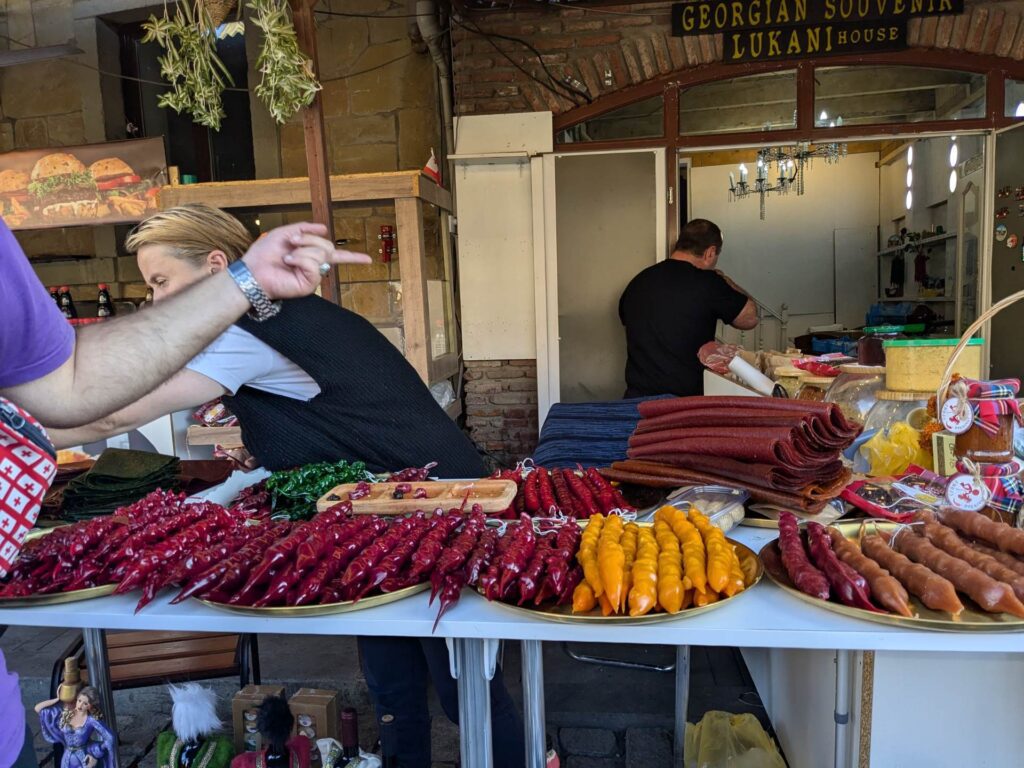
    Churchkela, which Georgians usually make in autumn when the primary ingredients, grapes and nuts, are harvested. Made with that and flour. Lasts long, is filling, and easy to carry. Made first for soldiers, apparently.

    Churchkhela

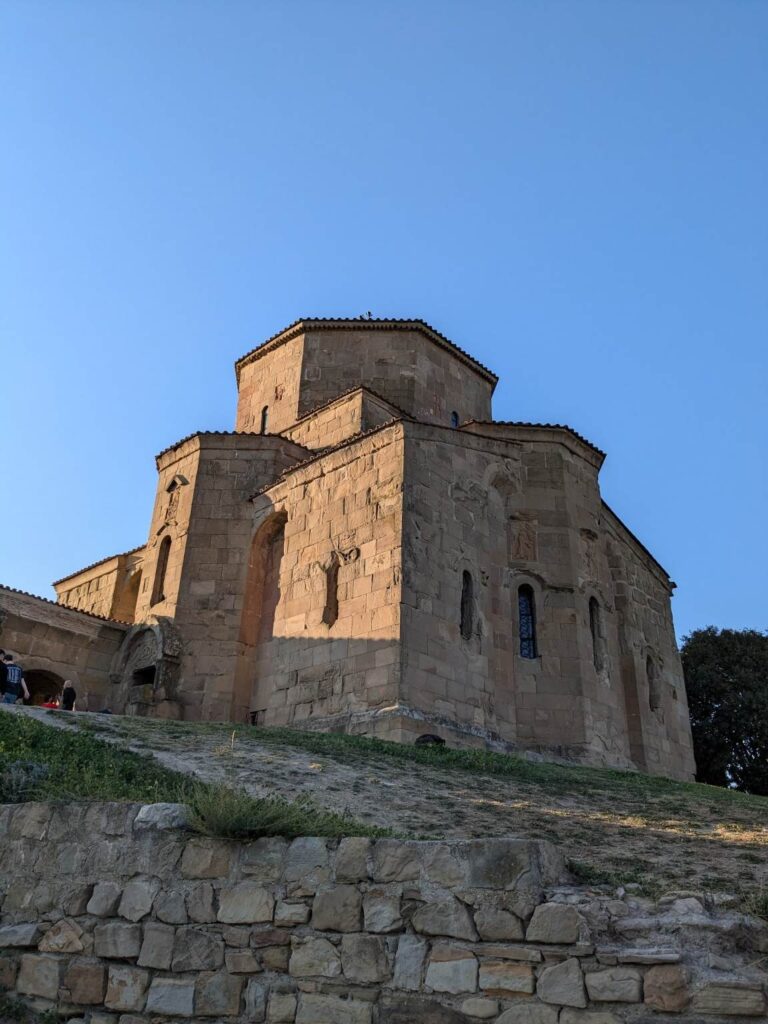
    Jvari Monastery, one of the oldest churches around.

    Jvari Monastery, Georgia

    Straight out of LOTR.

    Jvari Monastery, Georgia

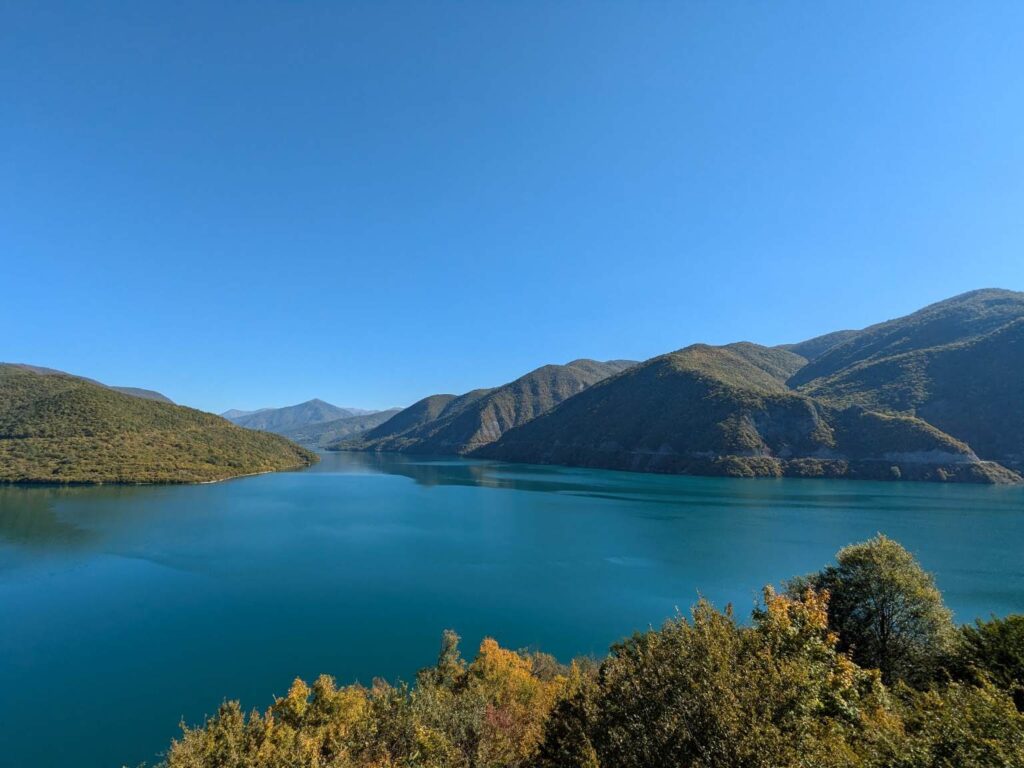
    The Zhinvali Water Reservoir view point. The colour of that water!

    Zhinvali Water Reservoir, Georgia

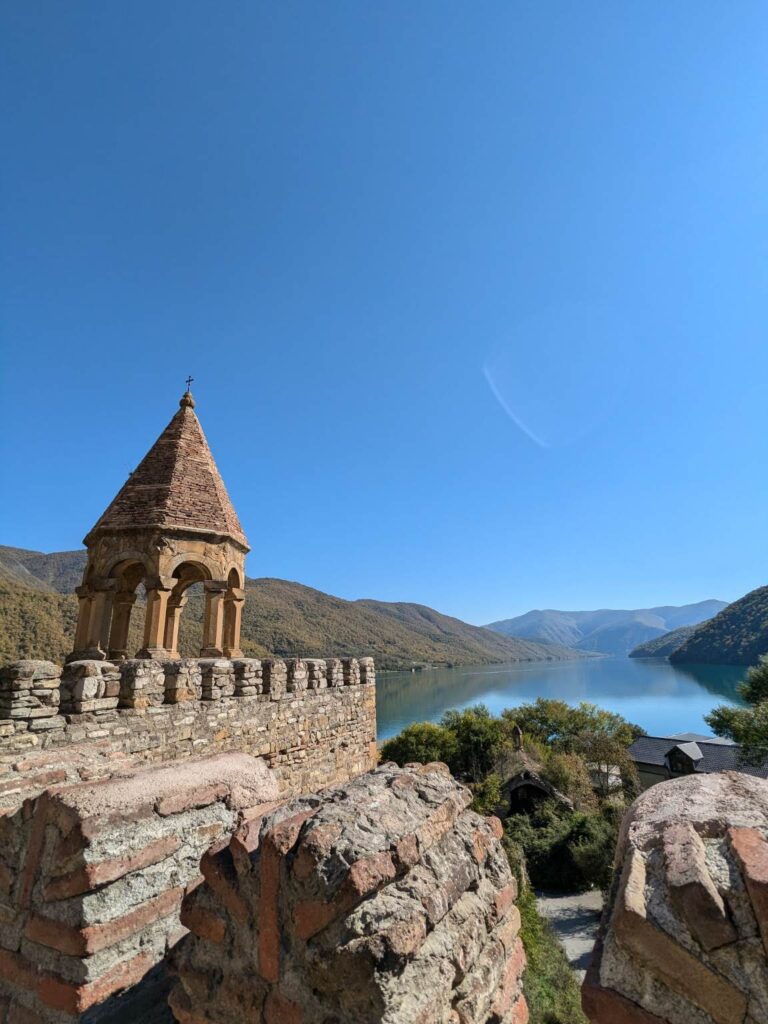
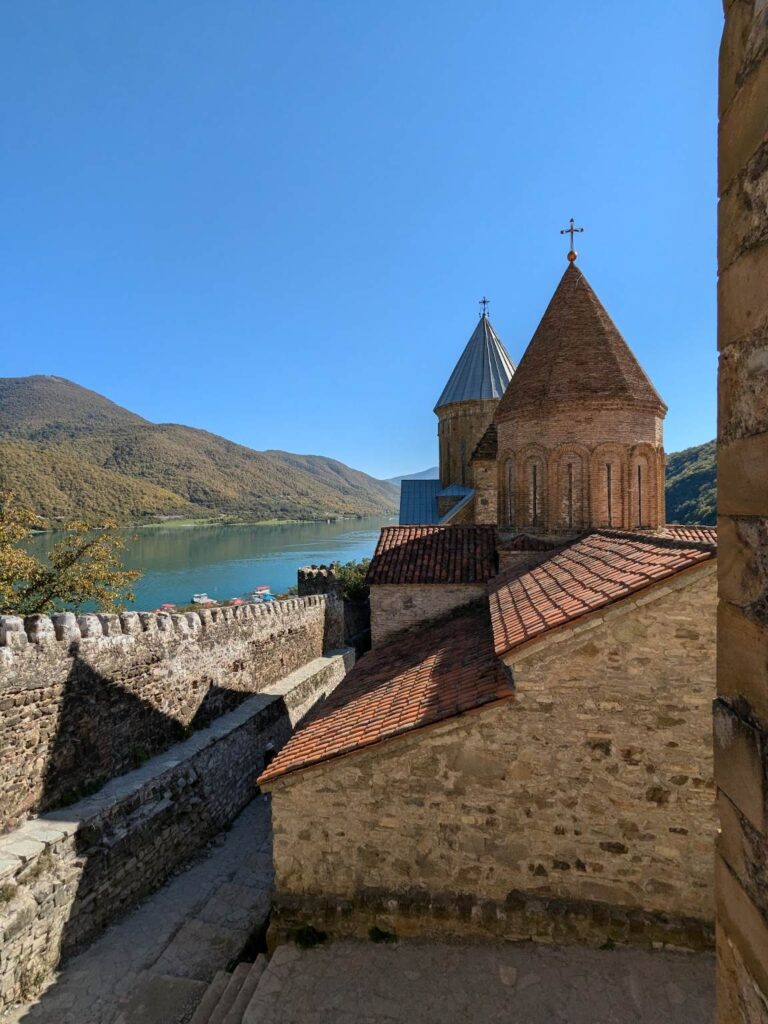
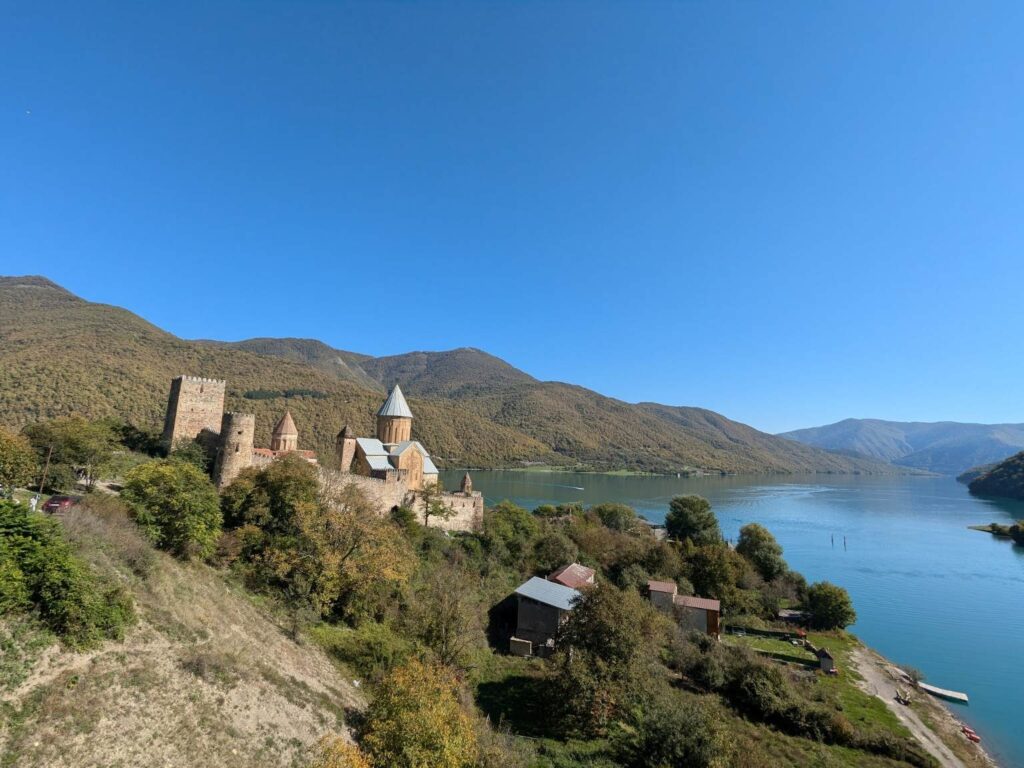
    Climb a bit at the Ananuri Fortress Complex…

    Ananuri Fortress Complex, Georgia

    …and you get a great view.

    Ananuri Fortress Complex, Georgia

    You could also walk to the bridge nearby.

    Ananuri Fortress Complex, Georgia

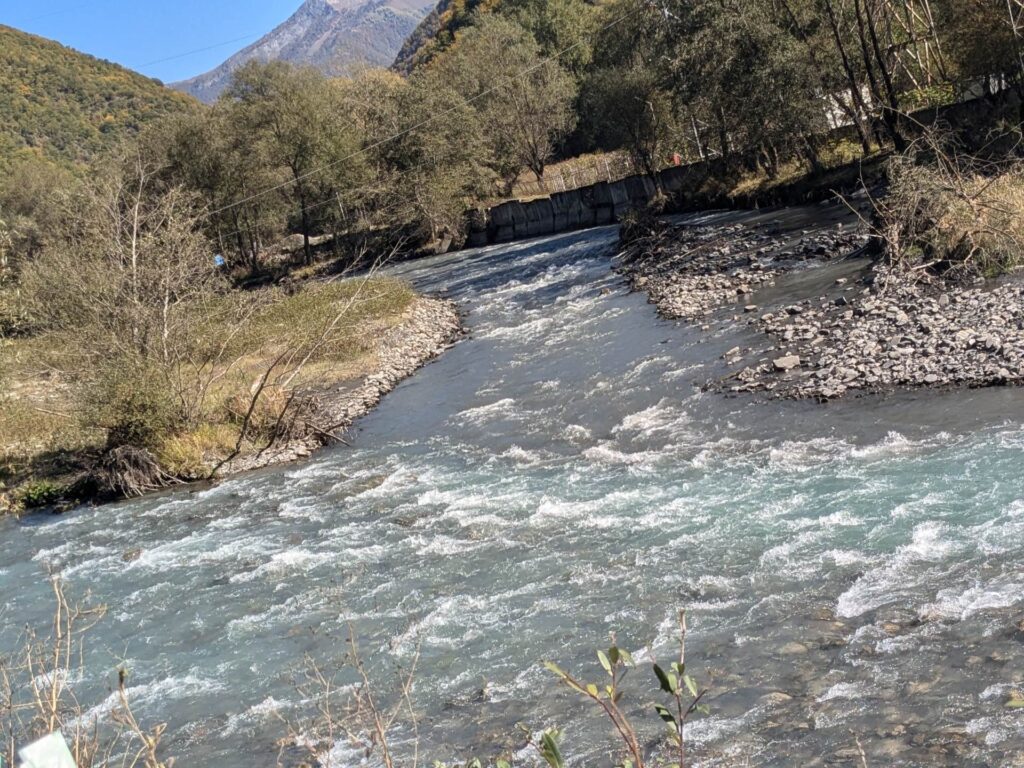
    If you look closely, you can see the White Aragvi and Black Aragvi rivers trying to mix.

    White Aragvi, Black Aragvi, Georgia

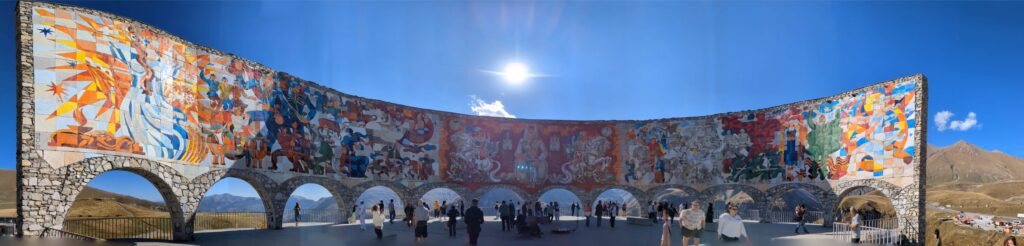
    The Georgia-Russia Friendship Monument.

    Georgia-Russia Friendship Monument

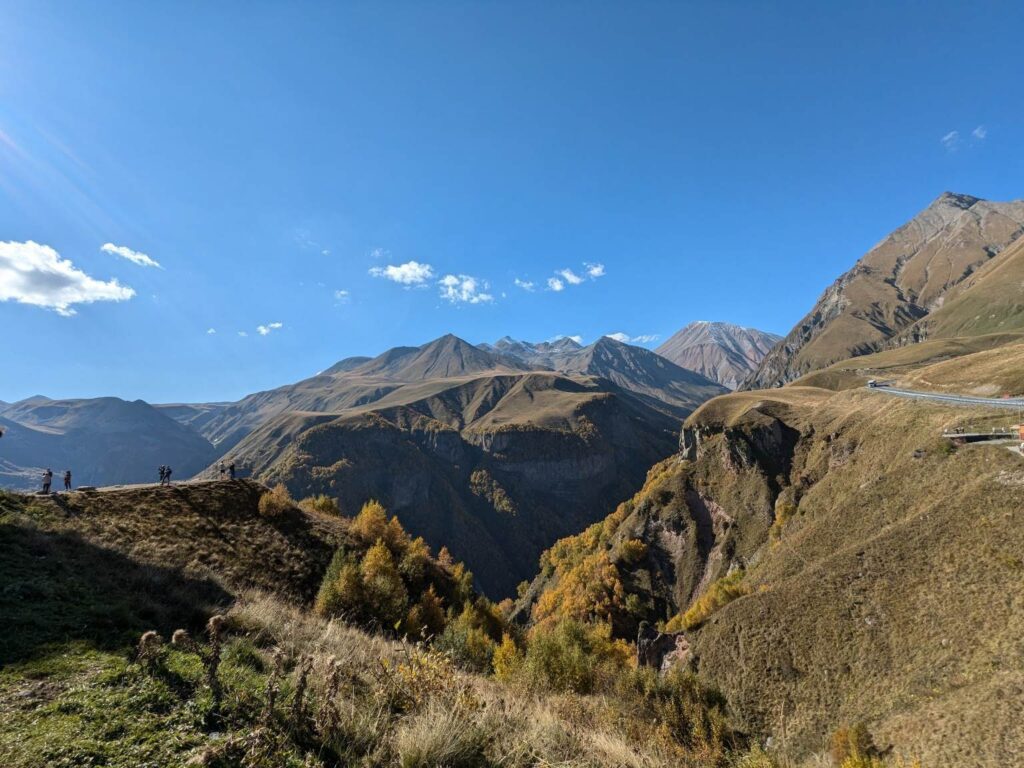
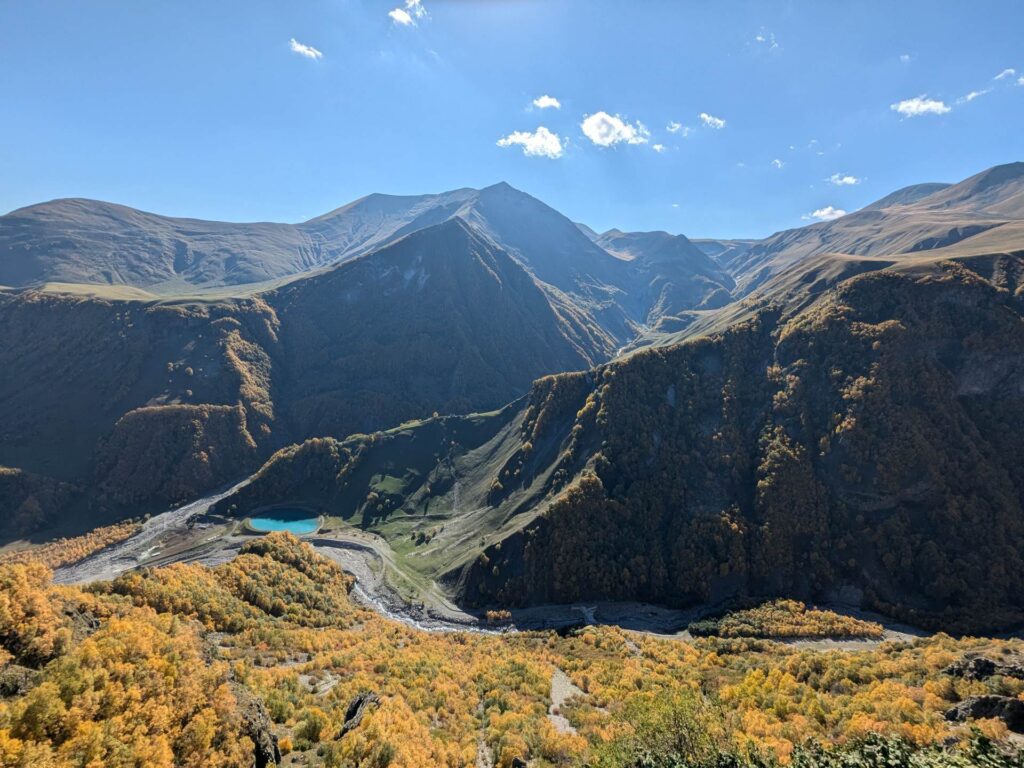
    But really, it’s the views here that is the thing to see.

    Georgia-Russia Friendship Monument

    360 degrees of astounding panorama.

    Georgia-Russia Friendship Monument

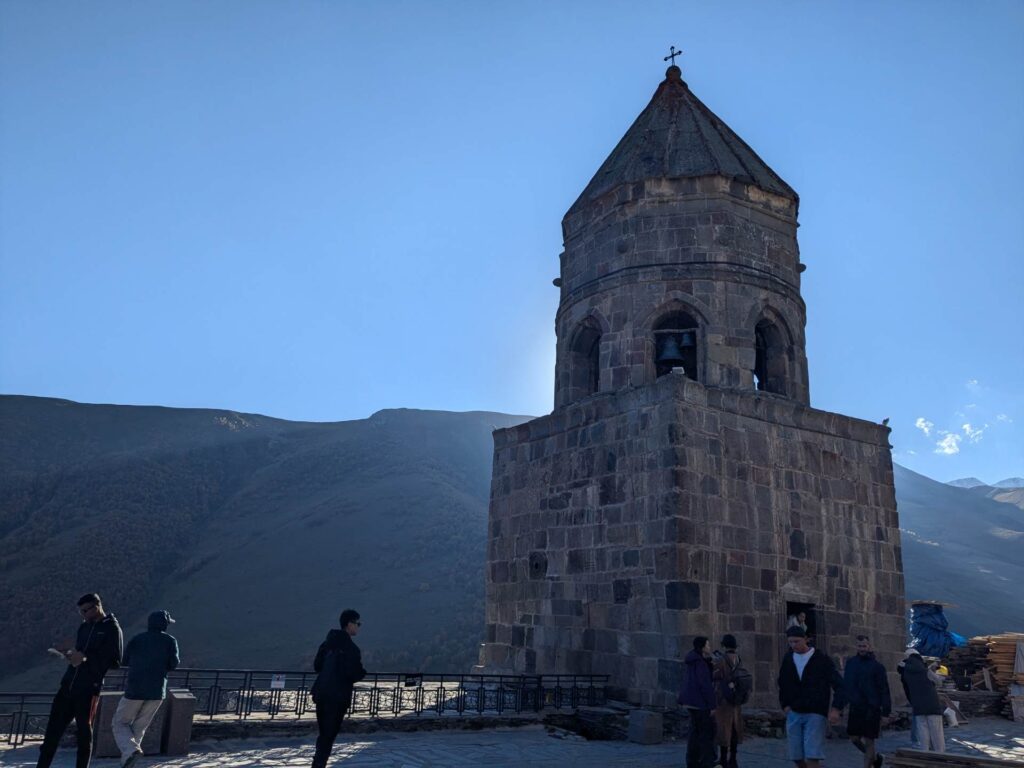
    The Gergeti Trinity Church in Stepantsminda is quite the climb.

    Gergeti Trinity Church, Stepantsminda, Georgia

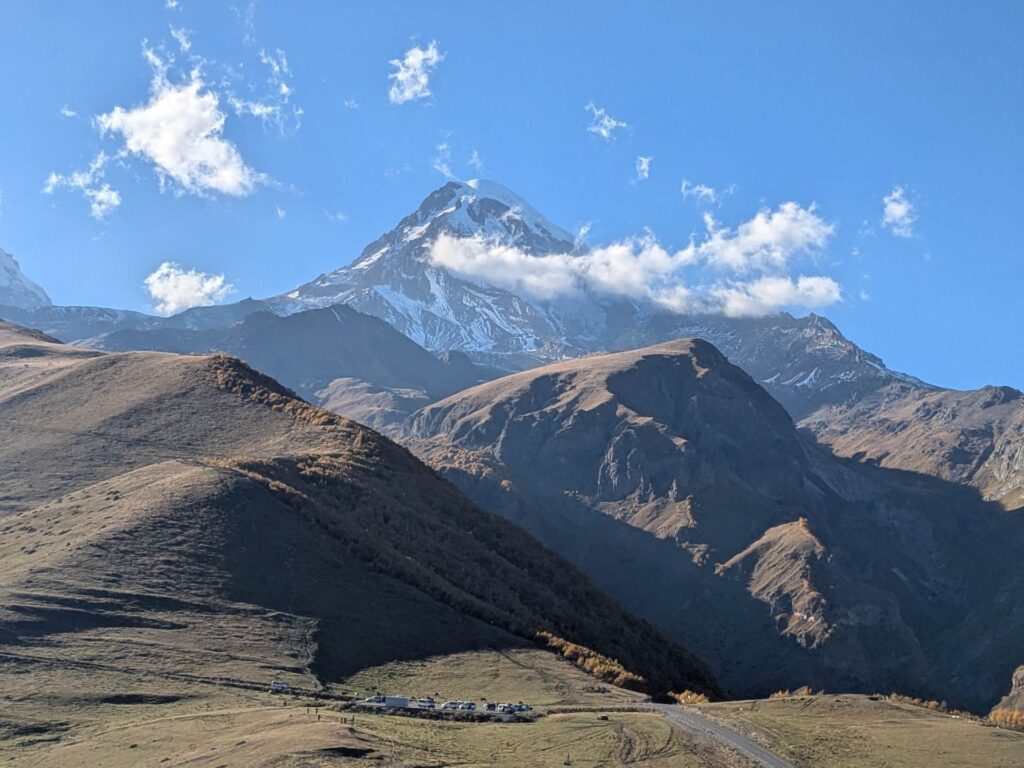
    But you do get to see Mount Kazbegi in all its splendour.

    Mount Kazbegi, Georgia

    If you like nature, the feel of Old Towns in Europe, are experimental with food, and especially if you’re fond of wine, Georgia needs to be on your list. It has a bit of everything, is easily accessible and there are enough day tours for you to get a good feel of the place.

    And when you’re ready to plan, this is the best guide to the country that I have seen.