Month: September 2022

  • Boteco

    We put off our visit by a few months because of two reasons. One, Boteco had replaced Permit Room, one of our favourite places, and I was in mourning. Two, given the mortality rates of restaurants in Bangalore, we were waiting to see if it’d survive at least a quarter. It did, and because we heard good things, and also since Commissariat Road is slightly farther off than Rio even by Whitefield standards, we decided to use the low-traffic Independence Day weekend to make the trip. Worked well, because we walked in at 6.50PM for a 7PM reservation, and given old habits, blamed the traffic.

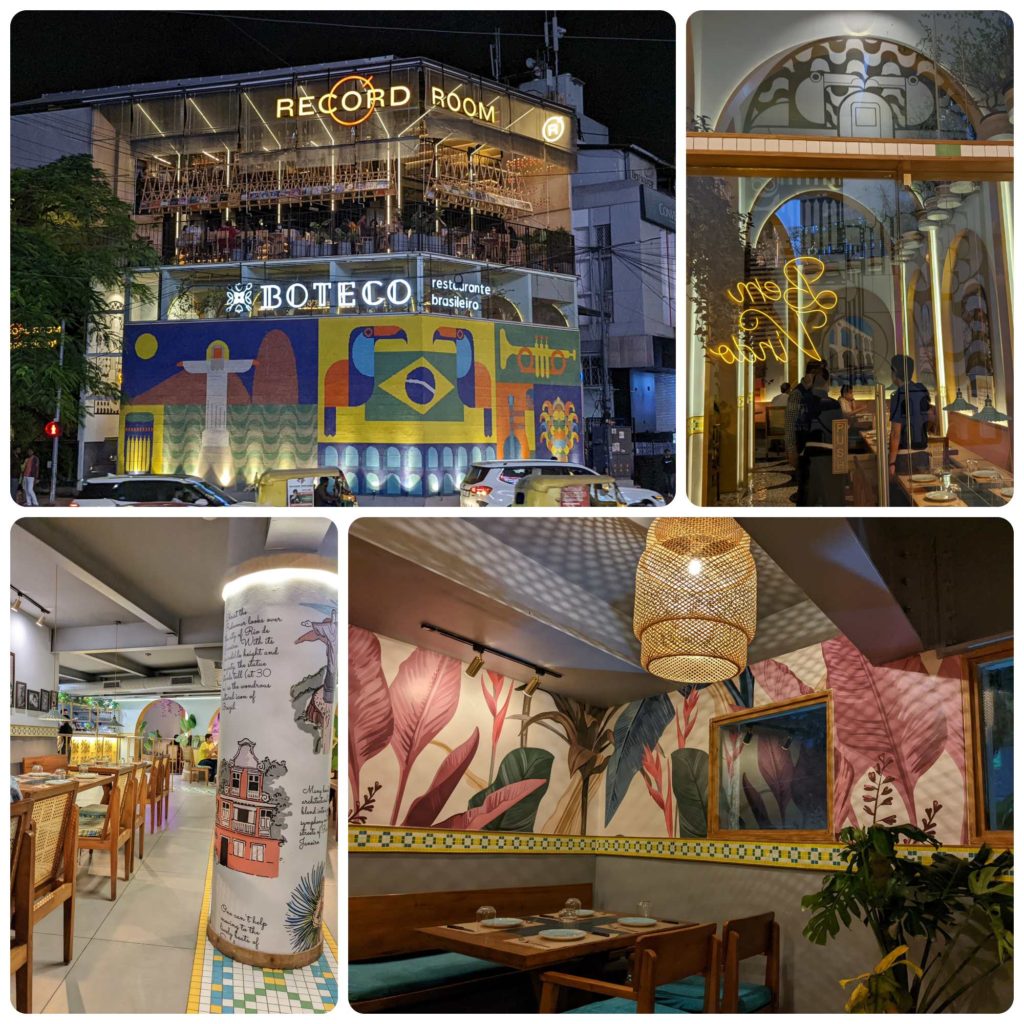
    The murals outside as well as the ones on the pillars inside the restaurant all scream Brazil. Christ the Redeemer, the flag, the arches, Copacabana beach, the music and the mosaic all do a lot to create the ambience and feel of a Rio neighbourhood. The plants, some of the wall designs, and the colours also add a tropical touch. All I missed was my youth, when I used to shamelessly walk around inside restaurants and click pics. These days, we are both subdued and discreet. Sigh.
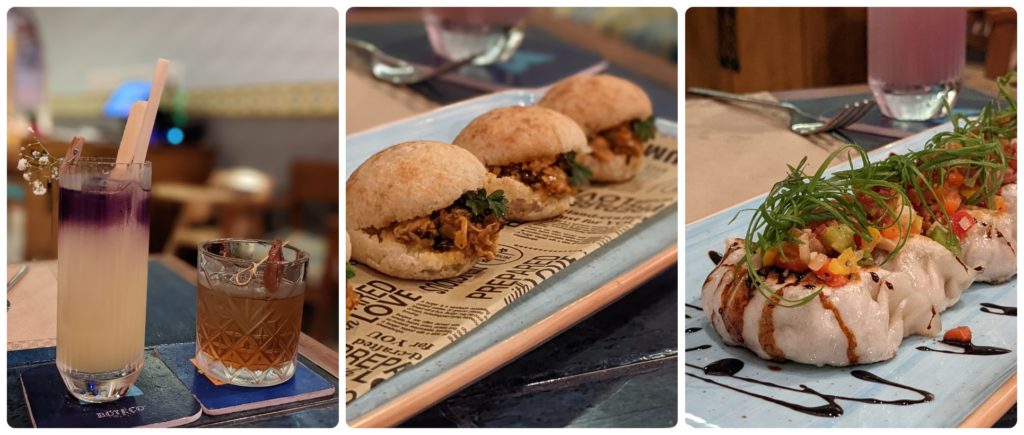
    D got herself a Summer Punch, so we could get a taste of Cachaça – a distilled spirit from fermented sugarcane juice. The cocktail also had lime, Butterfly Pea Flower Tea and pickle brine – altogether a refreshing drink. I went for a Fig-Ure Me Out, which, as expected, turned out to be a fig version of the Old Fashioned.

    Everything was a must-try since the cuisine was unique, so we had to be very choosy. We began with the Pão de queijo – cheese bread made with tapioca flour and Dutch Gouda cheese. We tried it with a spicy chicken filling, which was moderately spicy and quite tasty. The Roasted Belgian Pork Belly Dumplings had to be tried. The pork, though advertised as spicy, wasn’t, but between the caramel drizzle, and the veg garnish, this wasn’t too bad.
    The mains contest finally boiled down to the house special Meatloaf and the Feijoada. Since the latter was the national dish of Brazil, we decided to go for it. The Brazilian version of the originally Portuguese dish is made with black beans. But more importantly, it has pork, pork sausage and bacon. Its look was reminiscent of a mini Khow suey though the taste obviously was vastly different. Served with rice, and an almost tricolour set of condiments, and yes, the orange, we quite liked this though our palate considered it to be on the bland side.

    The dessert options were limited, and we tried the Quindim – the Brazilian coconut and egg custard. Again, the flavours were subtle, but we didn’t mind. Middle age!
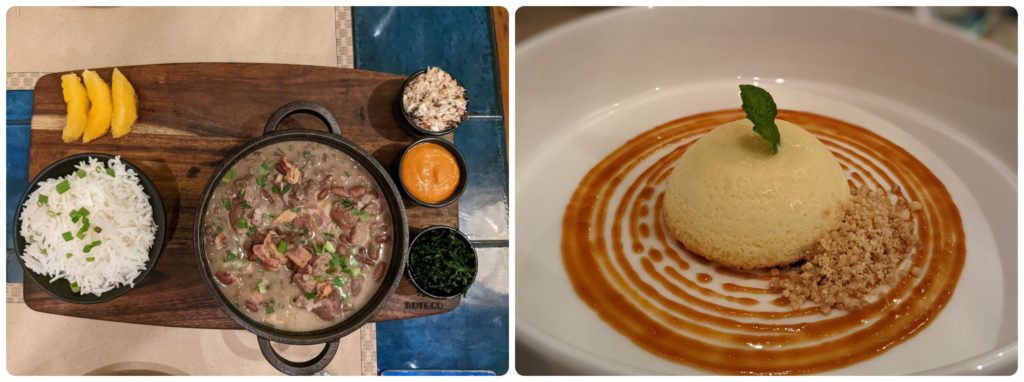
    The portion sizes were actually the right size for us, though this was something we saw lots of murmurs against in reviews. After we saw the giant dessert plate coming towards us, followed by the quick realisation that most of it was white space, I can understand the sentiment. But this isn’t an all-you-can-eat establishment. That too is understandable.

    What I didn’t understand though was the service being totally unapologetic about giving us the wrong bill. Brazil is the fifth largest country in the world, but portraying an SRK attitude of “bade bade deshon mein...” is quite a put off. The (correct) bill left us lighter by Rs.4000. There aren’t a lot of options for this cuisine in Bangalore, so you might as well give it a shot.

    Boteco, 16/3, Ground Floor, Commissariat Road, opp Garuda Mall Ph: 08792045444
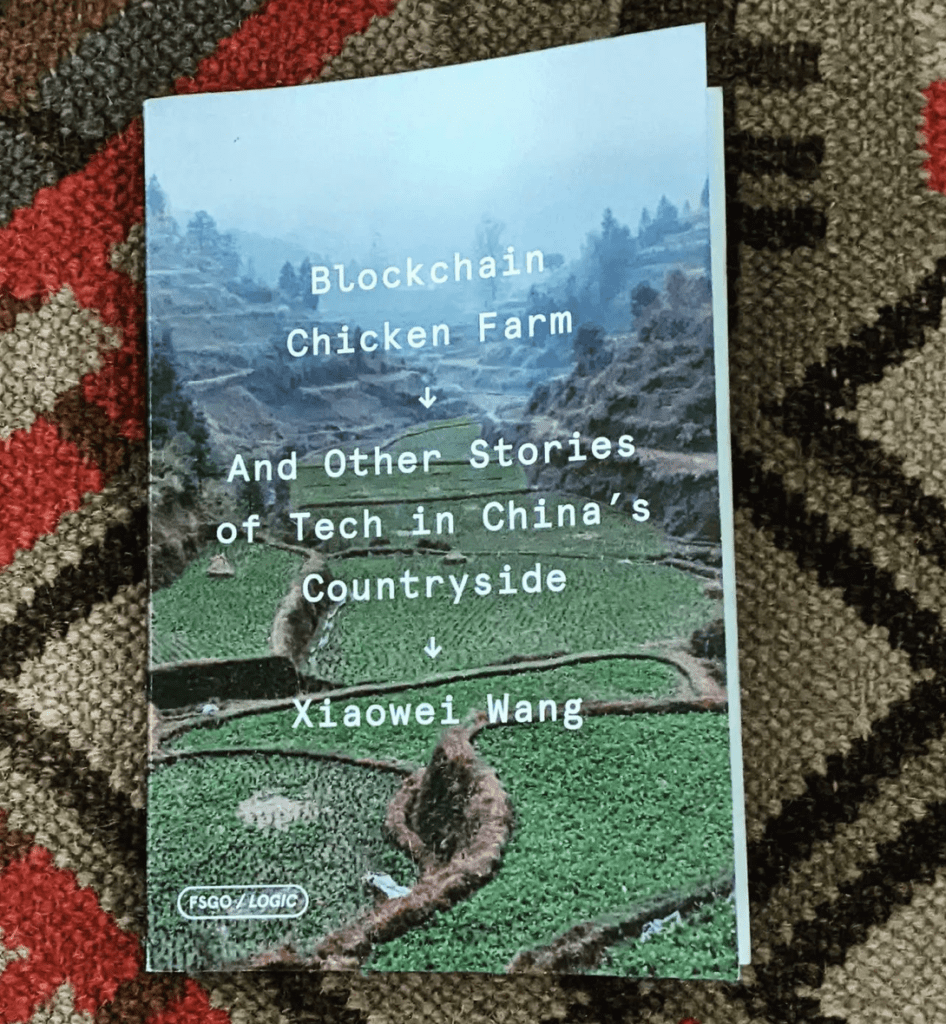
  • Blockchain Chicken Farm: And Other Stories of Tech in China’s Countryside

    Xiaowei Wang

    I bought the book because it had two keywords that interested me – blockchain and China. But as the ‘stories’ went from swine to finally pearls, I realised that the title probably doesn’t do justice to the multiple themes that surface in the book and makes it, a rich and nuanced read. 
    The introduction points us to ‘metronormativity’ – the idea that rural people and culture are ‘backward, conservative and intolerant, and that the only way to live with freedom is to leave the countryside for highly connected urban oases.’ Further, that internet, technology and media will educate and save them by allowing more experiences and chances of a better livelihood. The book is a challenge to all parts of this construct. It also pushes back on binary classifications we employ – digital/physical, natural/man-made and so on. 

    ‘Ghosts in the Machine’ sets the context as we read about how under Deng Xiaoping in the 1980’s, the country began imagining a uniquely Chinese future, and set the ball rolling for the rise of companies like Huawei and Alibaba. In parallel, there’s the rise of TVEs (Town and Village Enterprises) over the prevalent SOEs (State Owned Enterprises), and a potential ‘agrarian transition’ that would result in industrialised agriculture, which would need lesser manpower. This would have social, environmental and political ramifications. 

    ‘Blockchain farm in the middle of nowhere’ touches upon the surveillance state, non-explicit censorship, and ‘the shadowy unease that looms over public conversations.’. It begins with the foodsheds in Shanghai and moves to the contrast (or not) between the dangers of cost-cutting in the food industry, and the gloss of ‘blockchain chicken’ (Bubuji/GoGoChicken). The latter uses ‘a chicken Fitbit of sorts’ on the ankle of chicken which allows a buyer to know the provenance of a chicken, and even see streaming live footage that can be accesses via a QR code! But despite this, the future is uncertain because the tech is on hire, and overhead costs are high. Can blockchain make food safety records tamper-proof by creating a distributed system? Perhaps, but there are many challenges including legibility and thus, access. 

    In ‘When AI farms pigs’, we are introduced to Alibaba’s ET Agricultural Brain that aims to transform agriculture to ‘help create China’s pork miracle’. It brings out how, despite AI’s potential to radically help humans, the current economics of AI makes it a corporate AI model that is all about scale and efficiency. 

    ‘Buffet Life’ explores the alternate careers that Chinese youth are taking up. Case in point – drone operators. This is backed by a (state backed) system that is now bridging the gap between urban and rural education, creating the infrastructure for it and thereby also providing new means of livelihood.

    In ‘Made in China’, there is a very insightful take on what ‘innovation’ means and how it is predominantly evaluated through a Western lens. China is forging its own path in ‘innovation’, trying to break away from cheap products at industrialised scale. ‘Shanzai’ is changing its earlier connotation to an ecosystem that’s open source, and operating at hyper speed, steamrolling through the IP version favoured by the West, and forcing conversations on access and civility. The agricultural version of this approach is Rice Harmony, and its method of collective, organic rice farming. There is also the fascinating tale of Naomi Wu, a self-proclaimed cyborg, and an internet star. 

    ‘No one can predict the future’ is as much about policing as it is about community and identity, and the difference between ‘safety’ and ‘security’. It is interesting how many people working in the domain view surveillance as a technical problem to be solved without thinking of the related consequences. There is also a mention of ‘criminal villages’, the Chinese version of India’s Jamtara. 

    ‘Gone shopping in the mountain stronghold’ relates how ‘Rural Revitalisation’ relies on technology and the internet to build rural entrepreneurship ecosystems. The rural playbook of Taobao is a phenomenon, one that is transforming the rural landscape, literally and metaphorically. Others like JD.com and Pinduoduo are replicating this too. And thanks to this, there is a reverse migration to the village. But many of these platforms are unregulated, resulting in safety issues – everything from getting sick from food purchases to a cab driver raping and killing a passenger. 

    ‘Welcome to my pearl party’ is the one I found most poignant. While the story is about pearl farming in China leading to an MLM sales machinery in the US, the underlying socio-cultural dimension of it – the human need for belonging and care – is what makes it an affecting read. This also features a ‘subversive’ version of Peppa Pig, or rather it becoming a mascot for those who are rebelling against the part of society which has everything and sets the rules – shehui ren culture. 

    While these are all set in different parts of China, there are themes that I could see were universal – ‘…the plague of being old and lonely. As younger generations leave villages, hometowns and even the country to chase after careers and jobs, and the tightening noose of inequality squeezes leisure time, the elderly are left to their own devices.”

    Blockchain, and fantastic perspectives of China were indeed part of the mix, but Xiaowei Wang delivered far more. Travelogue, technology, culture and community, future and sometimes even a bit of contemplative philosophy, I really wouldn’t want to slot this book in any particular genre, and that’s probably what makes it a compelling and fulfilling read.

    P.S. In the penultimate page, the author, sitting in a HongKong bar, amidst the protests, writes about reports of a zootonic disease from mainland China causing flu-like symptoms in humans causing unease because the memory of SARS still being recent!

  • Kochi Chronicles – Part 3

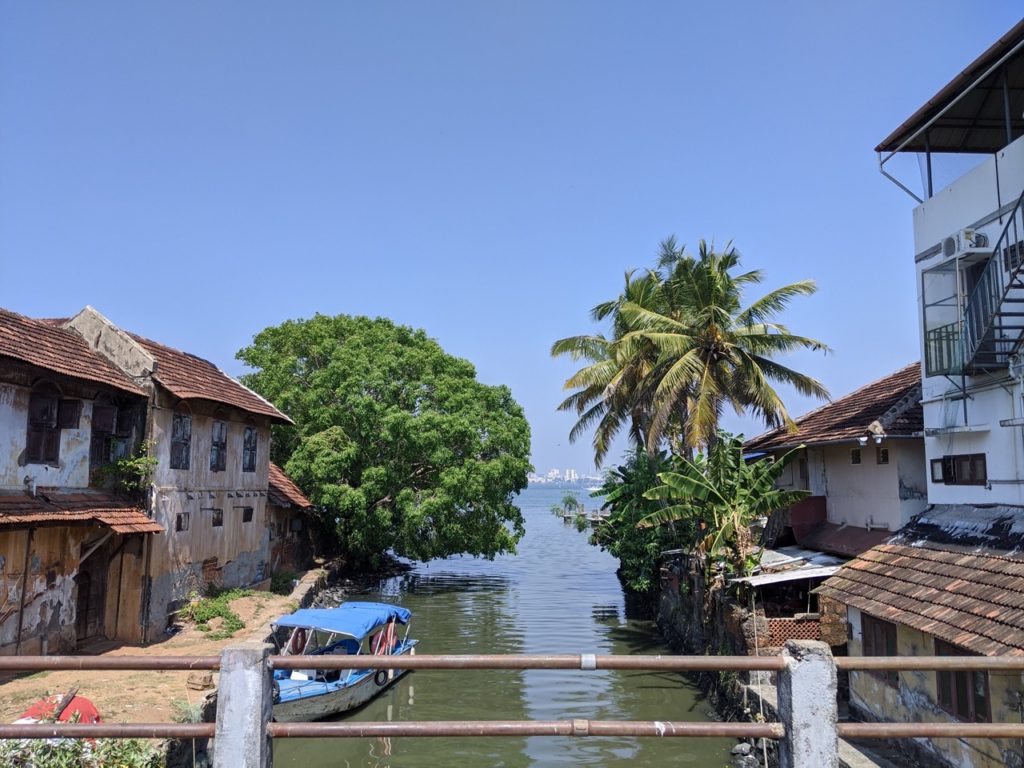
    Where we play tourists at home! This is from 2020.

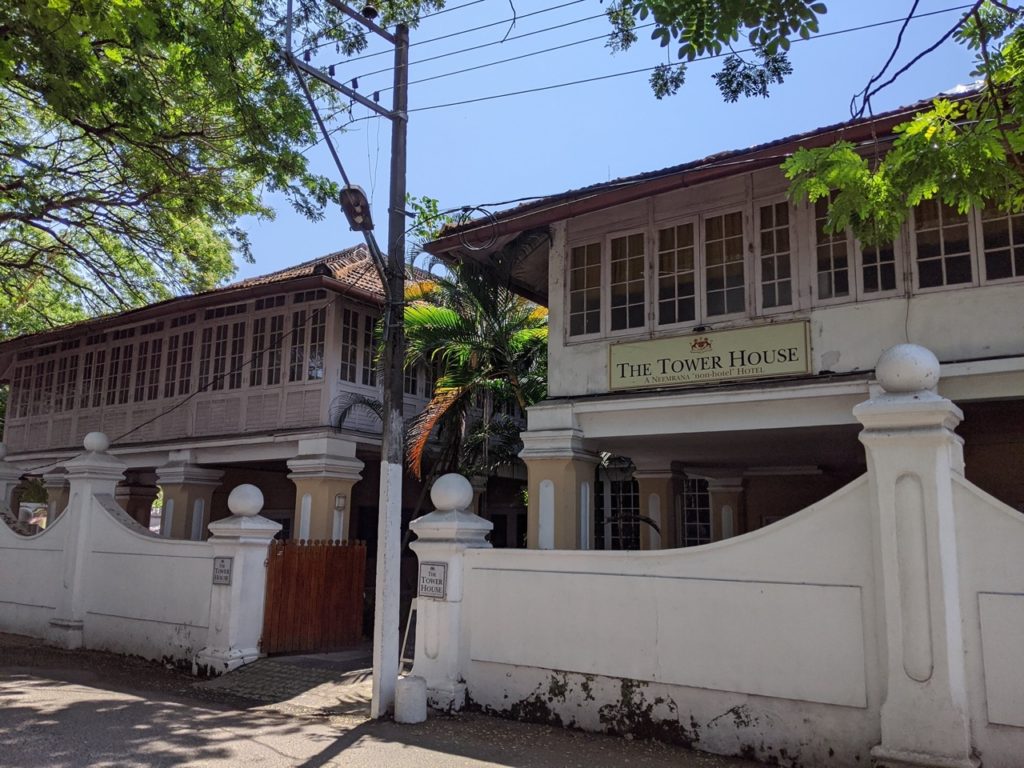
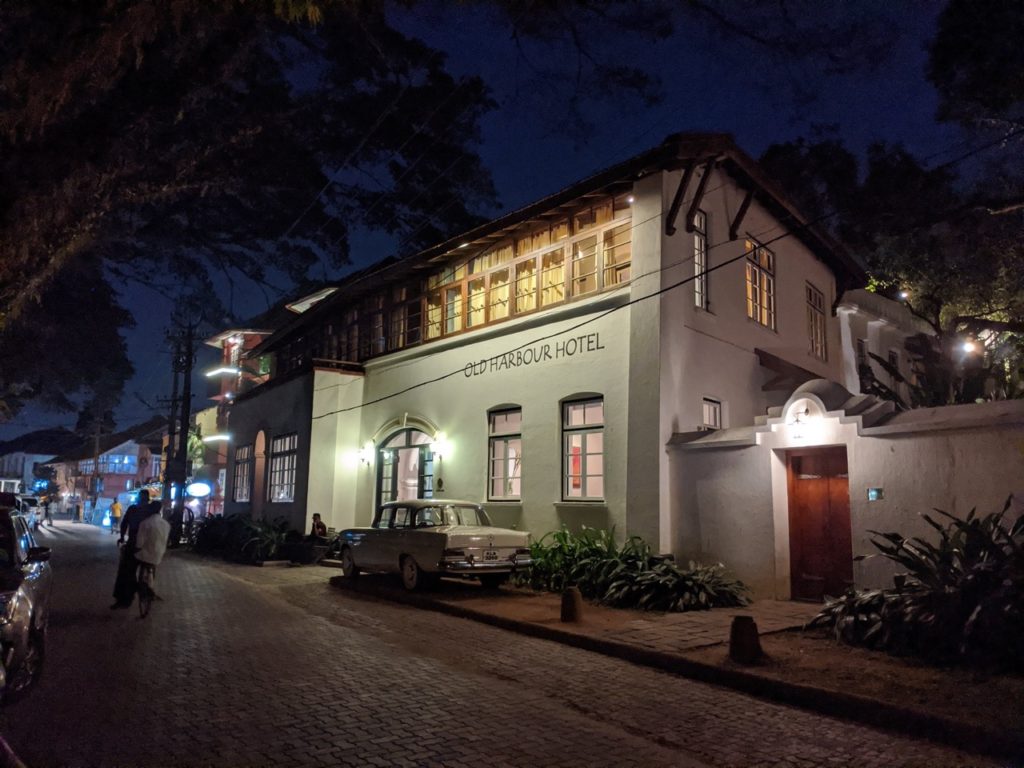
    The Tower House is part of Neemrana Hotels
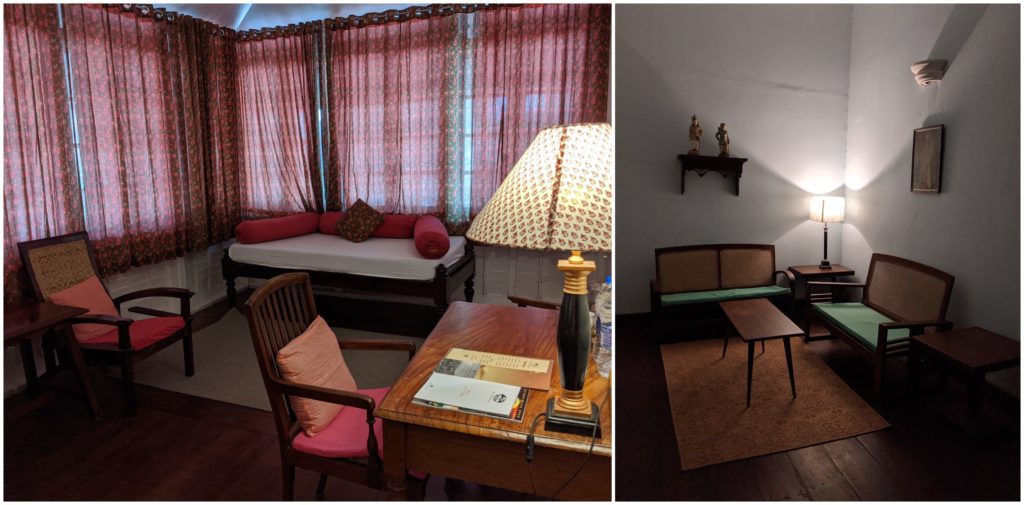
    Except for the psychedelic fish tank, very colonial indeed!
    Comfortable rooms, very old school! Look at that wicker!
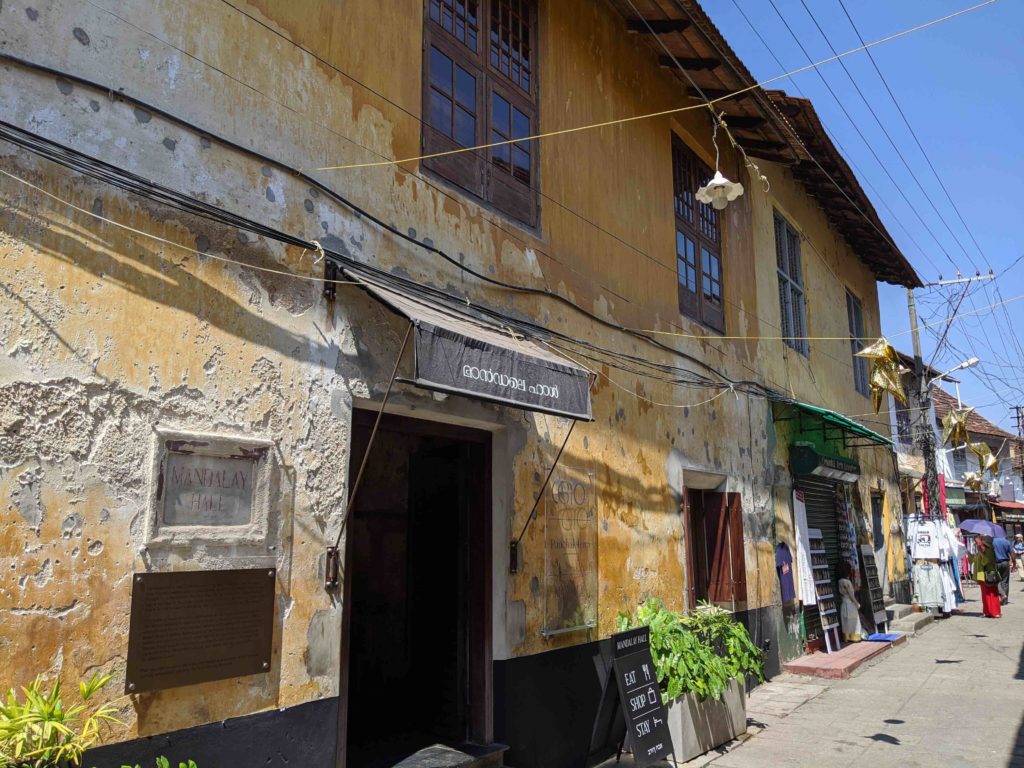
    Don’t go by the cover. This is a boutique hotel – The Postcard Mandalay Hall
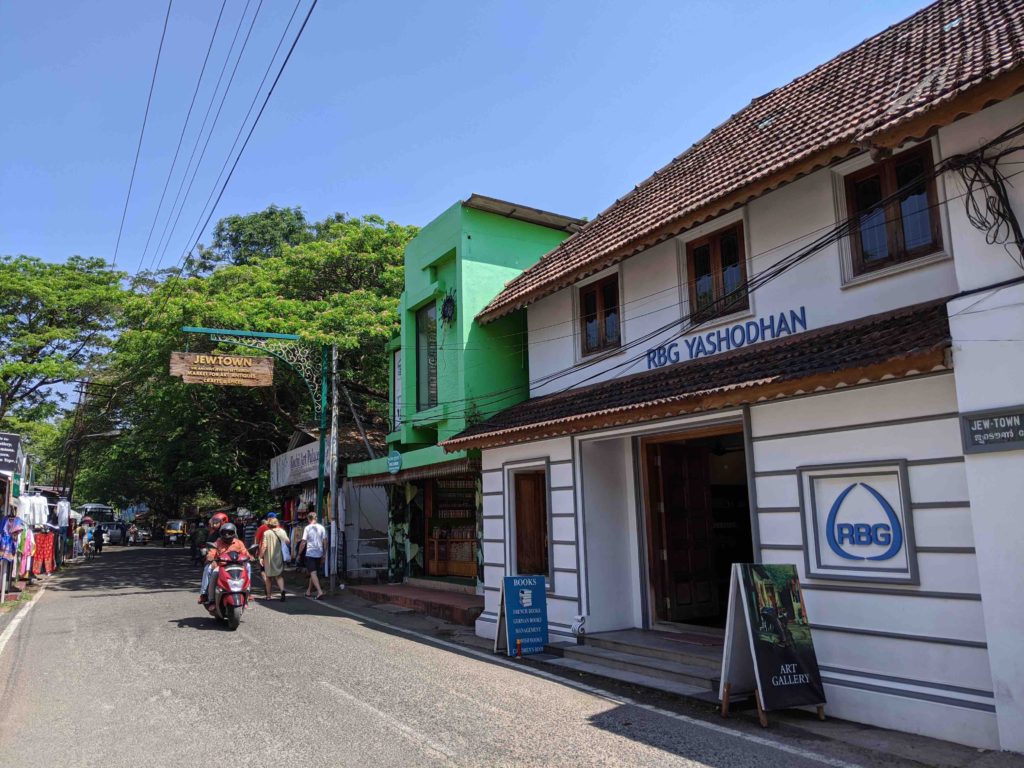
    And we’re in jew Town
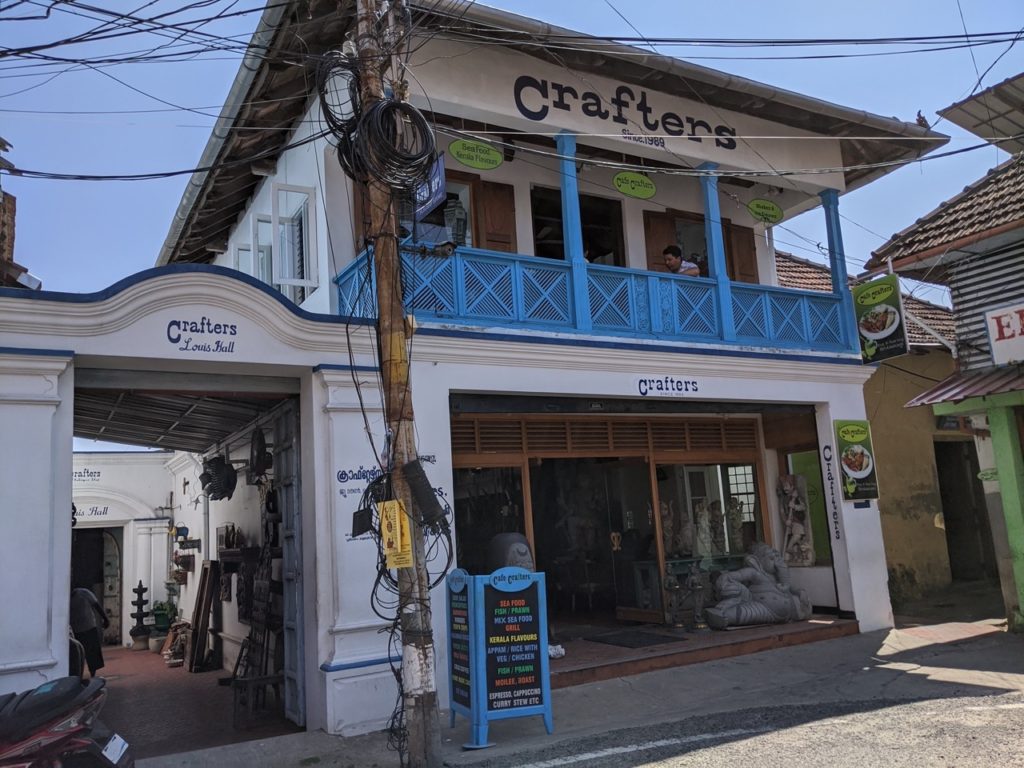
    Fort House restaurant for lunch
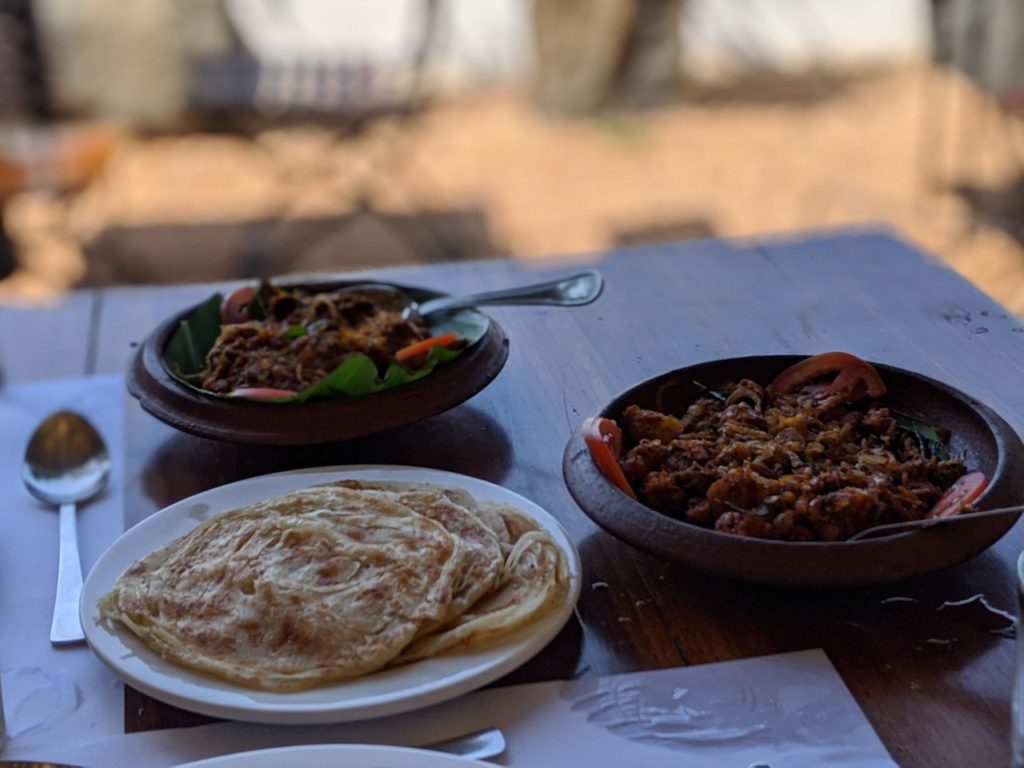
    When in Kerala, gau for Porotta + beef!
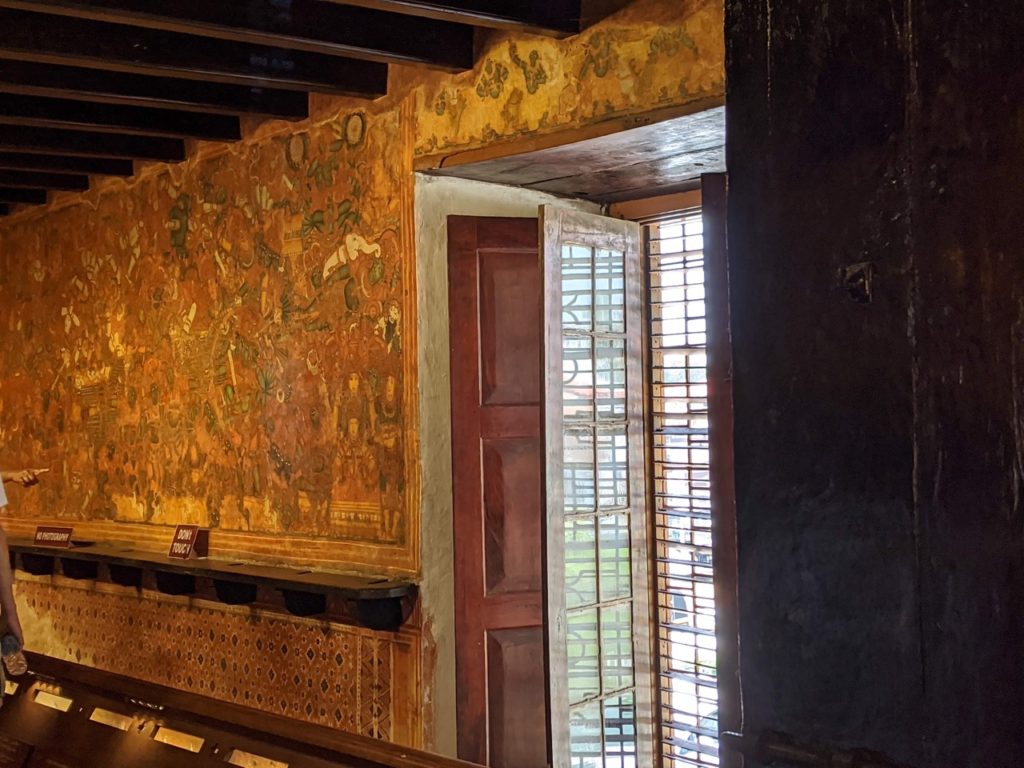
    Mattancherry Palace
    I wish they maintained the frescoes, and the place in general, better
    Random tea break, because we have seen this spot upstairs in many movies 😀
    Only look, no touch. The place is only for posh tourists.
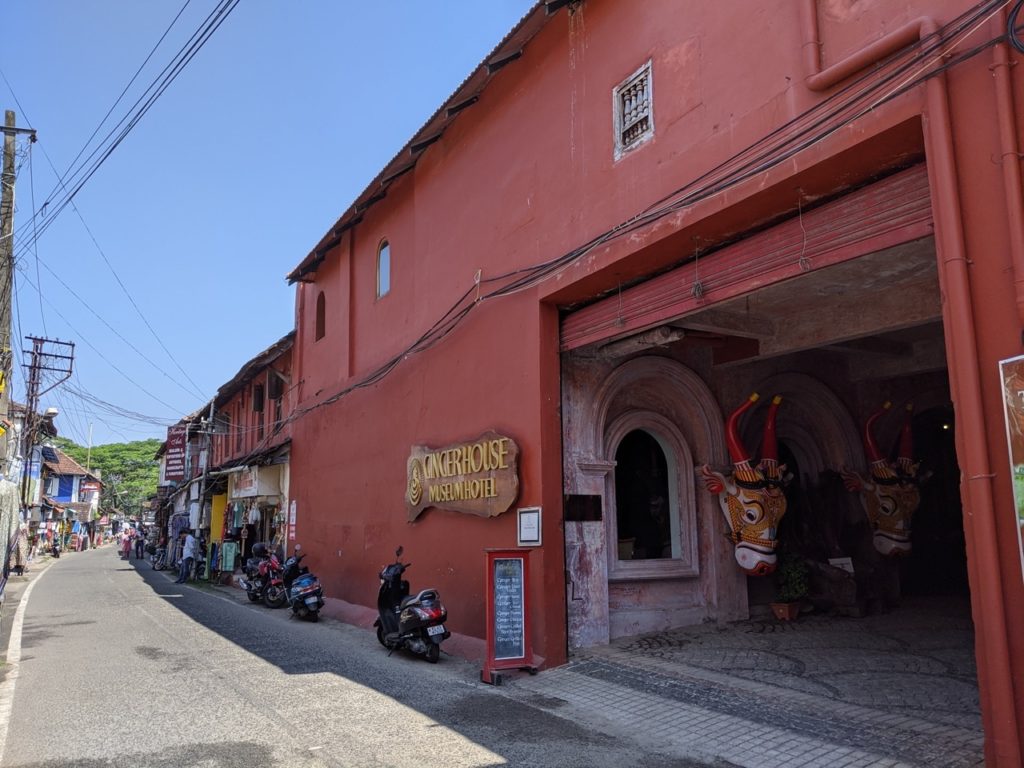
    Might be old, but still very pretty!
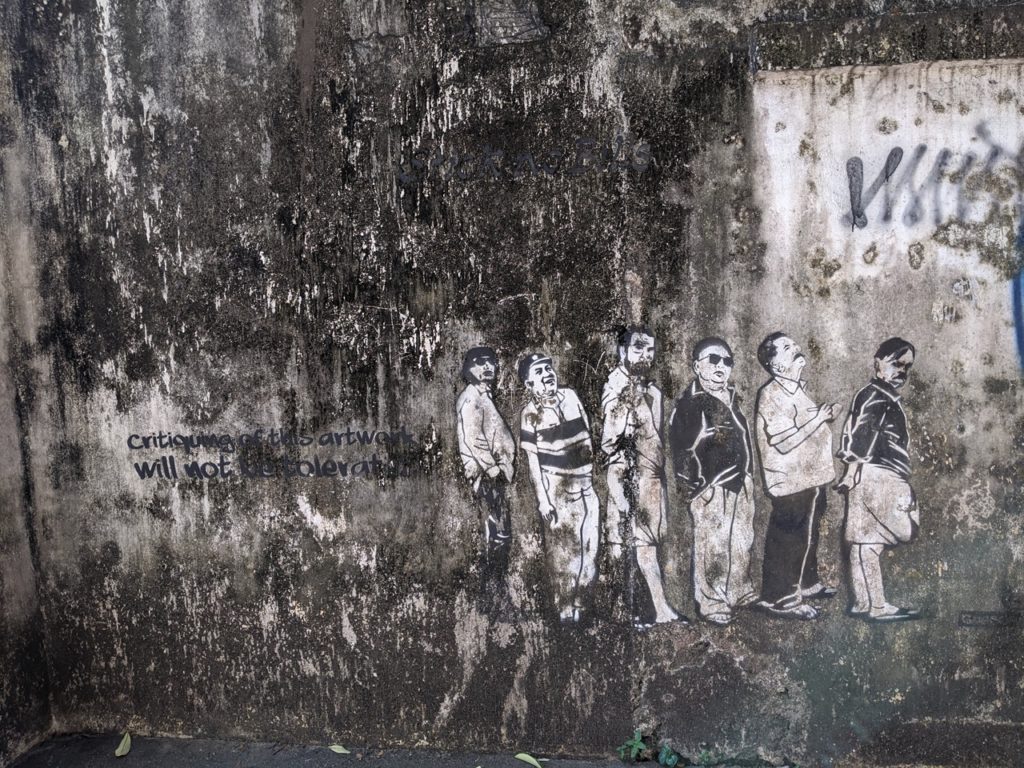
    Some of the street art remains. This one is my favourite!
    Chinese fishing nets. Check.
    Yet to meet a sunset I haven’t liked
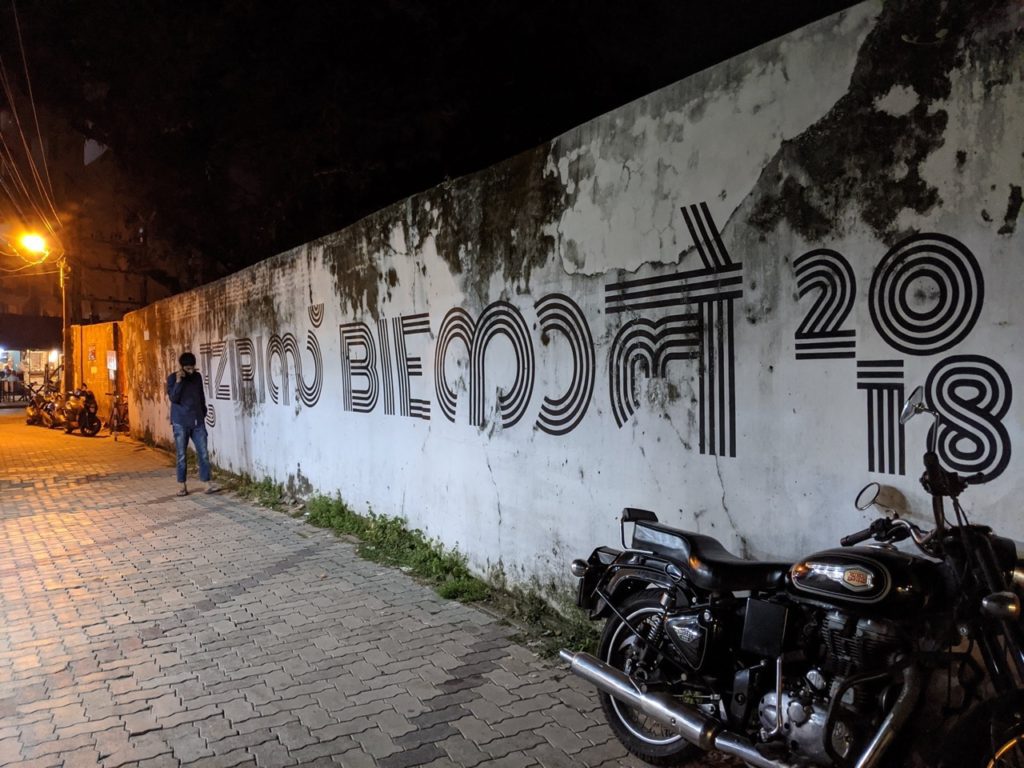
    The Biennale that revitalised Kochi
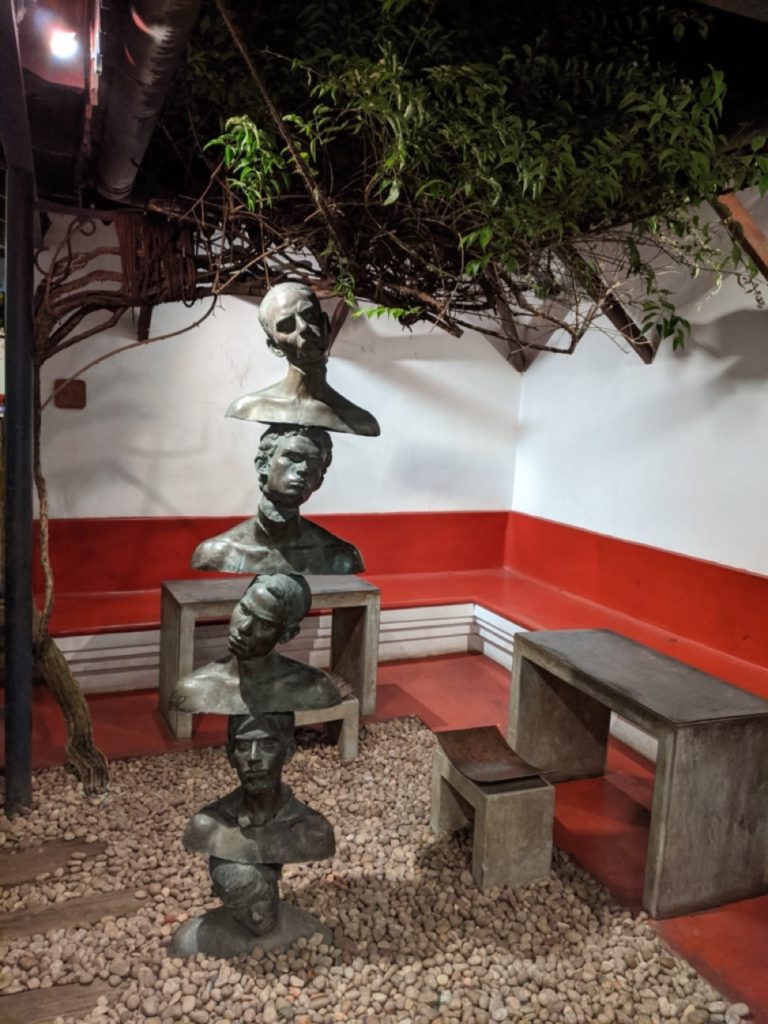
    All 5 heads agree that Kashi Cafe is a good spot for dinner
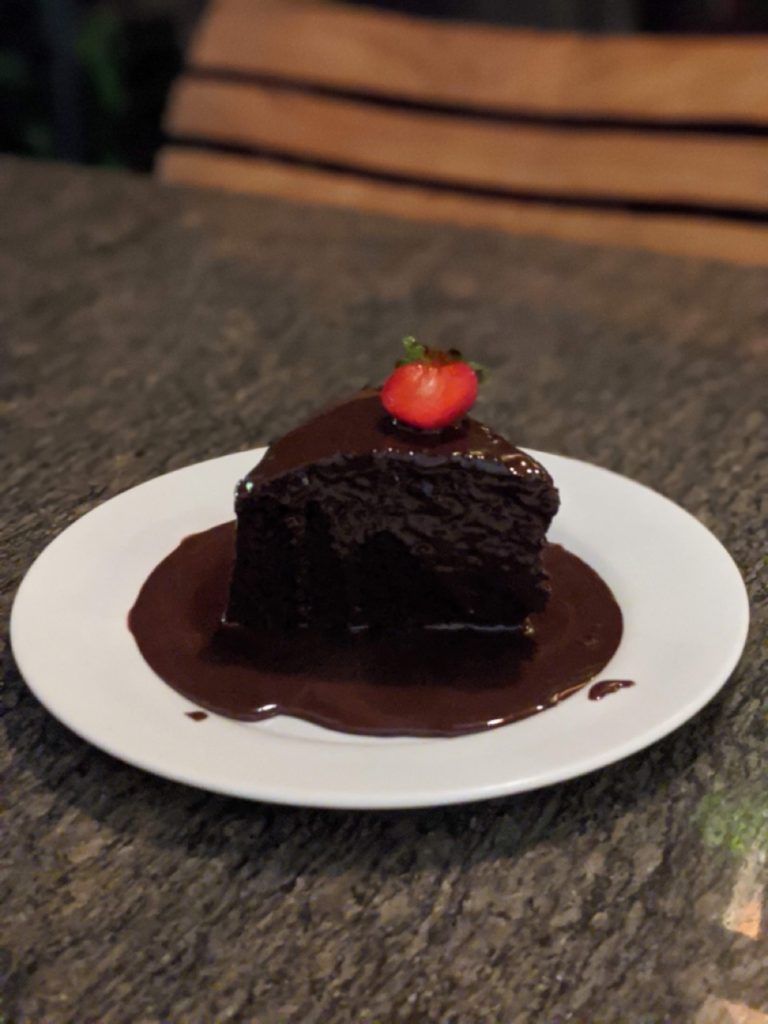
    The brownie is good, but the nostalgia is the clincher 🙂
    Old school is so cool!
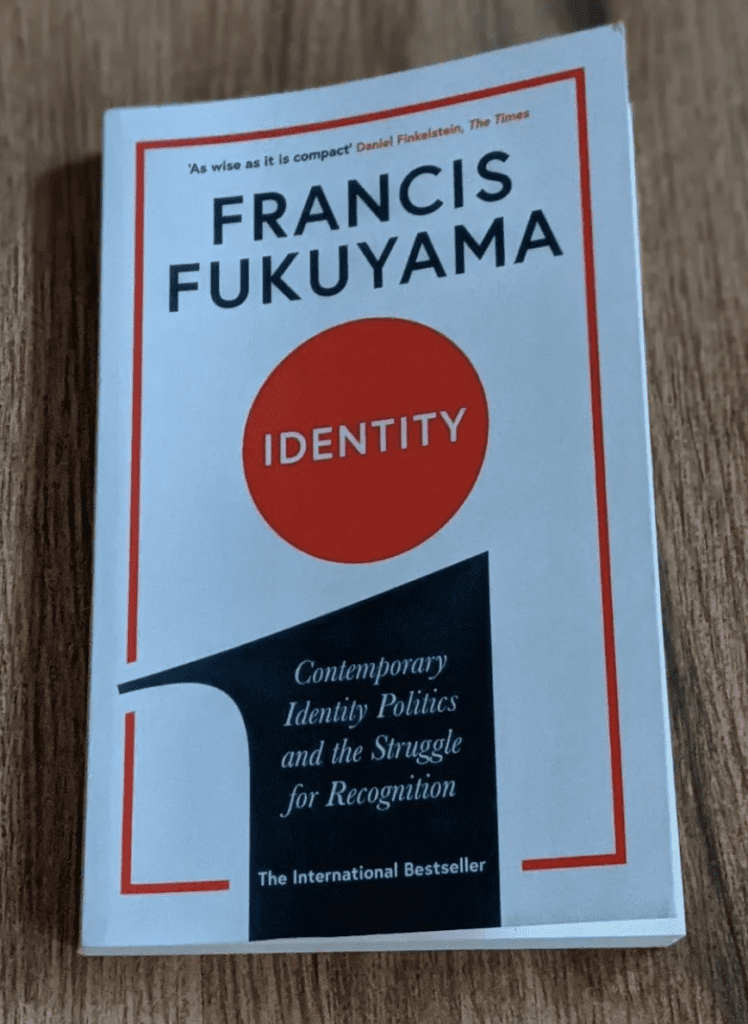
  • Identity: Contemporary Identity Politics and the Struggle for Recognition

    Francis Fukuyama

    Francis Fukuyama did a fantastic job of framing the history of geopolitics in the two-part Political Order series. At a very broad level, most people agree that liberal democracies are the best form of governance and are ‘moving towards Denmark’. However, there are critical exceptions, like Russia and China, and there has also been a revival of (hyper)nationalism. A related area is contemporary identity politics. This is what he attempts to unravel in the book.

    Early in the book, he points out that liberal democracies have not solved for thymos – ‘the part of the soul that craves recognition of dignity’. Whether it’s a large nation like Russia or China, or smaller segments in US, Britain etc, the common link is an identity that they feel has not been given adequate recognition. The segments could be based on religion, gender, ethnicity, sexual orientation, and so on. In all cases, the conflict is around an inner self whose worth and dignity is not recognised by an external world. With the modern world laying a lot of importance on authenticity, anger and hate are not far away.

    The first few chapters are around the evolution of identity – from Plato’s Republic to Luther’s Protestant reformation and capacity for moral choice to which Rousseau added expression of personal experiences and feelings that were suppressed by society at large. As we moved away from agrarian societies with a strict hierarchy to technology-driven societies with multiple social classes, pluralism, diversity, and choice emerged and identity started becoming increasingly complex. By early nineteenth century, there was a fork – universal recognition of individual rights, and collective recognition. Nationalism and religion have been the largest aggregators of the latter, and he offers an excellent perspective on the parallels between Nazism and Islam fundamentalism to show how they’re grounded on the same principles. 

    The latter led to a narrative of a historic culture being undermined by ‘others’ around. That’s the area that everyone from Modi to Shinzo Abe to Islamic fundamentalists have exploited. Meanwhile, the former led to a ‘therapeutic society’ catering to the emotional requirements of individuals and raising self esteem. The question to any group thus becomes ‘do you want to be treated the same or different’.

    The thrust in the rest of the book is about the need for dialogue and discourse and how identity politics could hamper that. There are examples of the US, EU and the solutions to their current problems around identity and politics. The good part is that the story thus far has been viewed through a multidisciplinary lens and is elegantly thought through. But the challenge that Fukuyama faces is that while there are very few arguments one can make on how the path to the current state has been framed, by definition the subject of identity is nuanced, and one could argue that it cannot be attributed to a single factor like thymos. Note, arguable only because it could be that things like economics, caste etc are dimensions of thymos. 

    The hope is that he writes a second part – a forward-looking one that captures how contemporary phenomena like social media, increasing wealth disparity, gender fluidity etc affects identity and its politics, and what it means to society and culture as we ‘progress’.