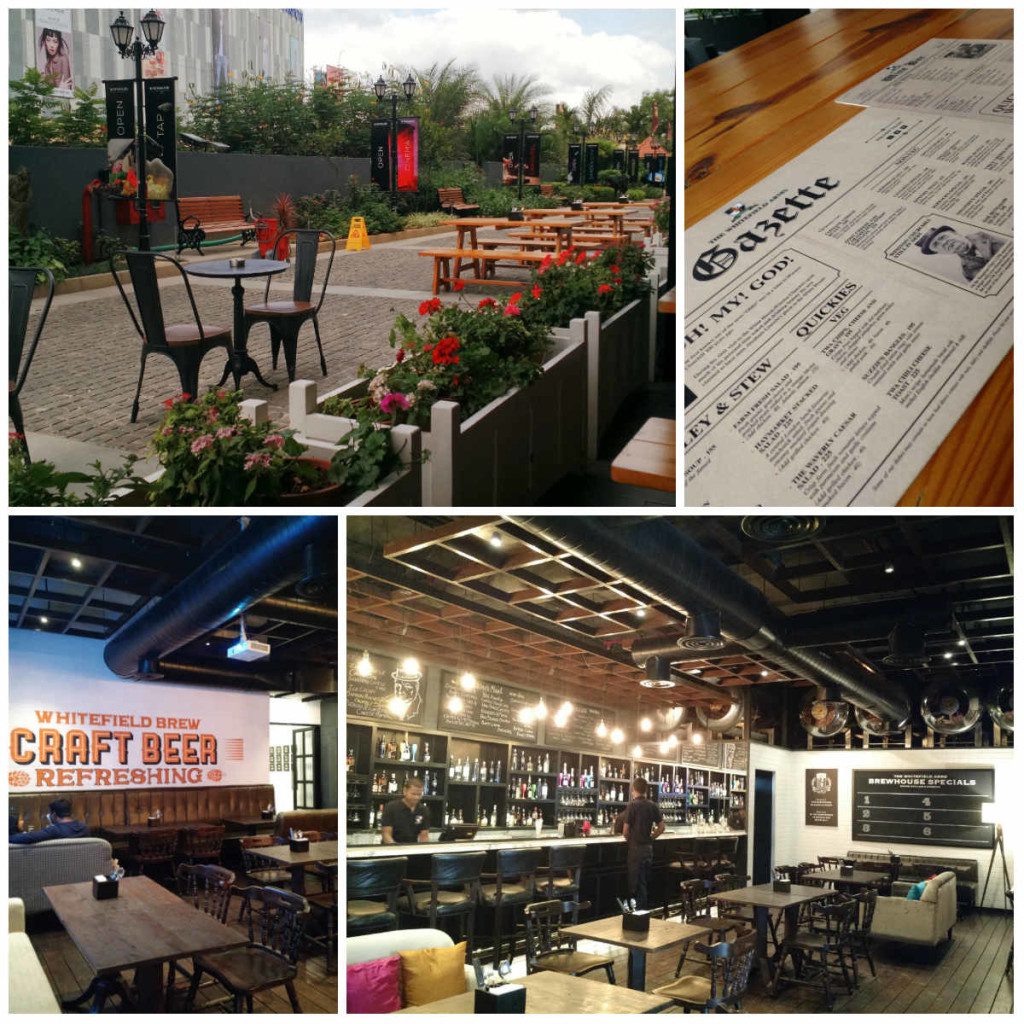
Another microbrewery in the neighbourhood is always welcome, but hold your horses, the brewery will only open in October is still not open. We couldn’t, so we visited back in August, one Sunday afternoon. The place can be accessed from inside the mall as well as through a tiny path between VR and Phoenix City Malls. There’s outdoor and indoor seating. The theme is colonial – the crest, and the dishes in the menu – though the seating is a little more modern. Wood is the primary element in the seating – benches and chairs – though the section inside does have a few plush sofas. The weather was pleasant, with a nice breeze, and the inside seemed like a refrigerator, so we chose to sit outside.
Month: October 2016
-
The Whitefield Arms
-
Please find detached
“Between stimulus and response, there is a space. In that space is our power to choose our response. In our response lies our growth and our freedom.” ~ Viktor E. Frankl
This quote has been a favourite since I first read it, and creating that space is something that I not only constantly try to work on, but also write about – the challenges and the learning. However, this post is on a tangent – what if we delay the stimulus itself? Yes, I admit it’s quite impossible to do that with people, but what about consumption in general? Given that we are now debating the direction(s) of the ‘arrow of time’, there’s no better time to discuss that space. After all, in my consumption, I am what is called the ‘observer’, and I’m the one creating the moment of interaction.
That wouldn’t be a problem, except for the increasing dominance of the urgent over the important. Seth Godin had a very interesting post titled “Spectator sports” about how we have taken the discourse around things of significance to the level of spectator sports because we can “vent without remorse.” A longer read in context is Helen Boaden’s commentary on the state of journalism as she retires from BBC Radio. The devices, features and services popping up around me indicate that ephemerality is trending upward. Think about the cycle – watch something live on TV, tweet about it/post on FB/Whatsapp, someone has a comment, a discussion ensues, and somehow inexplicably reaches generic areas of conflict like religion or liberalism (a variation of Godwin’s law, if you will) before the next cycle starts. Rinse, repeat. Did we have a discussion aimed at understanding each others’ perspective and expanding a worldview? More often than not, not! (more…)
-
Last Man in Tower
Aravind Adiga
Vishram Society, and its original version – Tower A – is not a symbol of modernity, nor of comfort. But despite the peeling paint and the patchy water supply, the building and its residents represent an “unimpeachably pucca’ middle class residential cooperative. Inaugurated in the 50s on Nehru’s birthday, the originally Christian residents showed their secular spirit and openness by allowing Hindus, and Muslims later. A monument of times past, that is how one could describe the place whose character is etched out really well by the author.
He sets up the plot really well by showing the tiny chinks in the otherwise abundant neighbourliness that exists in the apartment complex. From the respected Masterji to the security guard Ram Khare, and the Puris and Kidwais and Regos in between, the author quickly starts peeling open the characters, and the veneer. (more…)
-
There is no middle path?
Will Durant is a pleasure to read, and it has largely to do with the succinct way in which he expresses complex thoughts, be it in history or philosophy. In The Lessons of History (by him and Ariel Durant) I found this idea particularly thought provoking –

Very intuitively, I have always thought the ideas of freedom and equality as ends which are allied. But a bit more thought, and helped by the Durants’ arguments, and it is quite evident that they aren’t. This reminded me of something I’d written about five years ago on happiness vs peace of mind. (read the very interesting comments by Surekha on it) (more…)
-
Flying Spaghetti Monster
First published in Bangalore Mirror
In a world where zealots prescribe diets instead of deities, the Flying Spaghetti Monster appears in the skyline as a beacon of hope. For those unfamiliar with the subject, the Flying Spaghetti Monster is the deity of the “Church of the Flying Spaghetti Monster” or “Pastafarianism”, a legally recognised religion in at least three countries, in addition to being an internet phenomenon! 100 feet Road, Indiranagar, (map) has now been blessed by its presence, (rather, a restaurant inspired by it) and if there’s a deity that can reduce the traffic on that road (which happened the day we visited) it must indeed be a powerful one. This was manifested once again during our dinner – we had the place to ourselves when we got in, but by the time we left, the faithful had filled up every seat available. This, on a Friday night, without the influence of alcohol! Glory be to FSM!
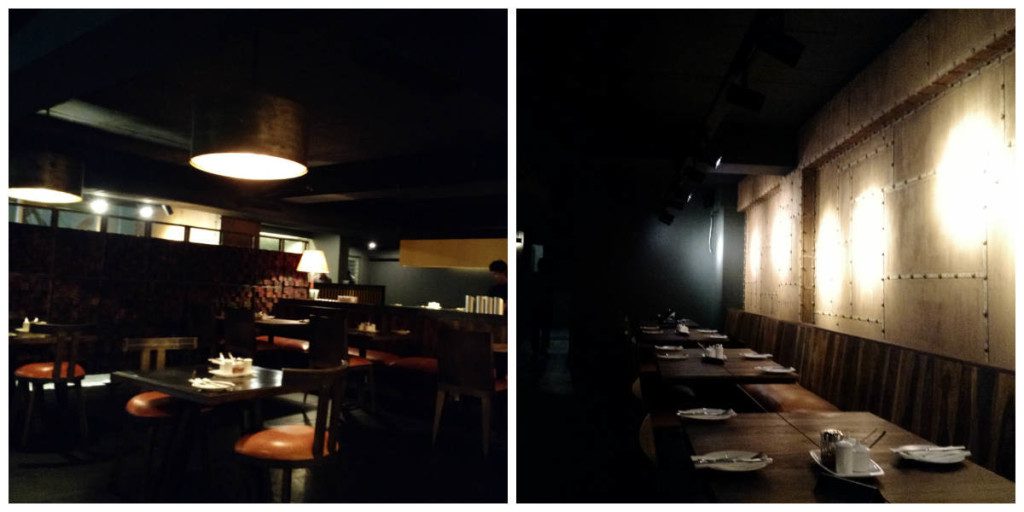
The ambiance is in keeping with the soberness that a faith requires – no fancy use of colours, just wood, well placed lighting, and comfortable seating that allows one to reflect on the menu, take a note of the insatiable desires of one’s appetite, and humbly appeal to a higher power to satisfy those cravings. The menu however, revealed the playful nature of the deity – “substitute bacon with bacon. ha!” (Pasta D:33), even as it strengthened one’s faith – “Vegetables are interesting, but lack a sense of purpose when unaccompanied by a good cut of meat”. By now, all we wanted to do was partake!