Month: July 2012

  • Brand experiences

    Twitter’s event based hashtag pages (as opposed to brand based) made me think about brands as experiences. In another era, the ‘experience’ was restricted to a limited number of media vehicles (and I include non-social network WOM too) and the actual touch-feel, pre or post purchase, including retail outlets. But times have changed – social, media and technological platforms have increased the experience touchpoints manifold.

    A big fallout of this, with relation to brands, is the challenge they face on building a cohesive (no, not consistent) experience across these hugely varying platforms. We’re still at an early stage in this and though many brands like Starbucks have taken this challenge head on, others will probably take time to adjust to this flux that seems like a permanent state from now on.

    An interesting meta version of this, to me, is what is happening with Facebook. Product is more or less brand in this case. The Open Graph and the ubiquitous Like button had set a good stage for the network, but the recent business push (read Ads) and the “Mobile is to Facebook what social is to Google” death mumbles seem to be testing FB’s ability to adapt to the ever changing landscape. I am a very mild user of Path, but I sometimes wonder if it or others like it is the future because of its obvious comfort levels with the smartphone.

    But I also wonder if Facebook will split its services (like Messenger already – remember Beluga) and build specific value with an assortment of contexts eg. photography, (Instagram) location (Gowalla) and so on with the social layer working ‘quietly’ in the background. Facebook is also moving from the Like button, whose ‘meaning’ remains divided between marketers and consumers 🙂 , to (reported) Want, Purchased, Donate buttons that allow better consumer expressions and also allow brands (and FB) to contextualise experiences. These are only a couple of example of how Facebook is trying to evolve. In Facebook’s negotiation of its landscape, I think there will be lessons for brands -(whether FB succeeds or not) on adapting to platforms, consumption and technology itself, and creating a brand/product experience that uses these to its own advantage.

    until next time, advance booking

  • No kidding

    The debate on twitter, some time back, on the subject of kids on Junior MasterChef Australia was an interesting one to watch. I have no definitive opinion on it, and I understand that it can be debated both ways. So, just a few perspectives.

    I watched the show for a few days, and was amazed by the skill displayed by the kids. I also found the judges being very careful with their words. (they can be scathing as the ‘regular’ MasterChef show would prove) The kids seemed to be having fun. I don’t know if the elimination grind got to them. I don’t know how the entire experience would affect them – irrespective of them being winners or losers.

    What I do think is that in many ways, the show is preparing these kids for the world – for making choices, (I’m reasonably sure none of them have been forced to come here) chasing a passion, the consequences – winning and losing, fame and despair, public scrutiny and the loss of privacy, dealing with judgments passed by others and so on. And that goes for all sorts of reality shows – dance shows with scantily clad kids included. Any opinion I have against dance shows is a judgment based on my baggage, and objectively, I can’t be sure that dancing (of any kind in any attire) < cooking. I could be flawed in my rationale, but that’s like saying Vidya Balan’s performance in The Dirty Picture is somehow lesser than Sanjeev Kapoor’s erm, Dal Makhani.

    I am not a parent, so I can only talk from the perspective of a child that I once was. 🙂 We didn’t have reality television then, but we had non televised competitions, and I have been a participant. Music, debate, hockey, quizzing, cricket, dumb charades – I’ve represented  my school/college in all of these. I was lucky enough to be encouraged in most of these (very few got the point of Dumb C 🙂 ) by my parents and teachers. I can only dimly imagine the sacrifices my parents might have made for letting me pursue these and my other indulgences – voracious reading, for example. 🙂

    I do believe that most parents want the best for their children, though the way they show it could be seen and judged in different ways. Parents have no inkling of what the world will become, though they pretend to. They make choices based on their experiences, their perspectives of the future, and their desires for their children. I have a choice to make now too – I could blame my parents for not making me focus completely on studies. (for example) Who knows, I might have gotten in and out of an IIT/M and might have finally written a book. 😉 Or I could be thankful for the choices they made for me, and for the experiences that gave me. I, for one,  am indeed thankful, and think that these paths gave me valuable perspectives – with regards to all the ‘preparation for the world’ points I had listed earlier. There can be no A/B testing for all this, you realise. 🙂

    The fun part is that somewhere along the way, I started writing a bit. This blog has been around for more than 9 years, I write 2 newspaper columns. I haven’t been trained for any of this. Whether the story has a fairy tale ending is completely subjective and dependent on many factors that are beyond the parents’ or the child’s control, or imagination. The parents and the children are living some great moments. Perhaps that’s all there is to it.

    until next time, show stopper

  • Khaaja Chowk

    The review was first published in Bangalore Mirror.

    Indiranagar suddenly seems to have caught this second wind, as far as new restaurants go.  Suddenly there’s a spate of new restaurants, and on one building, (the same as Girias – map) if you manage to go higher than ‘High on Thai’, you’ll find Khaaja Chowk. Valet parking available, and there’s reasonable space for 2 wheelers nearby.
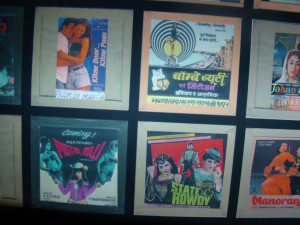
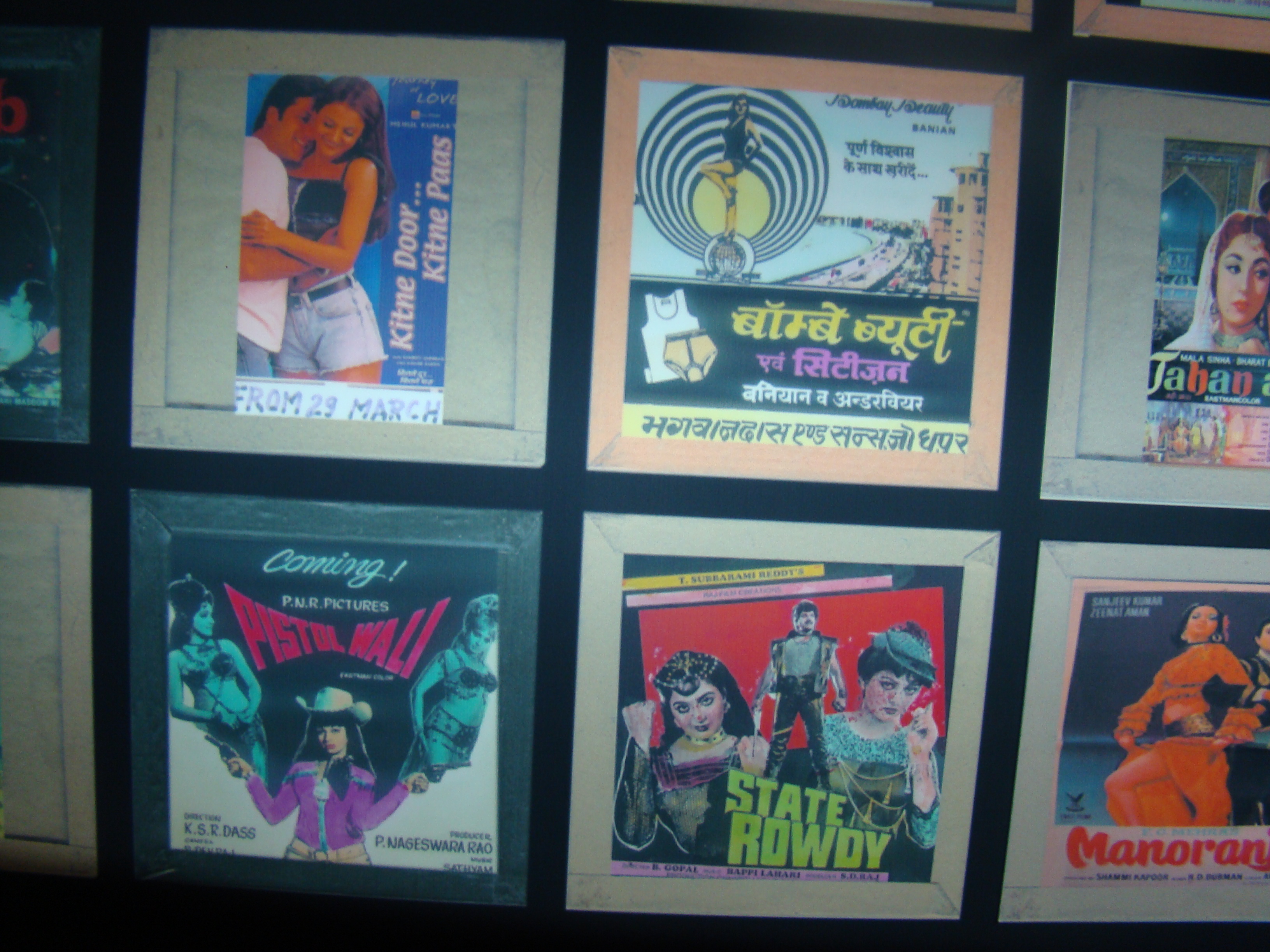
    Kitschy chic makes for a good oxymoron, and I’d probably use the décor of Khaaja Chowk as its poster child. Posters are exactly where we’ll start, the ones I was caught gaping at, and then clicking away furiously. If you love Bollywood as I do, there’s no way you’d miss the chance to capture micro posters of ‘Shaitan Mujrim’, ‘Pistol Wali’ and so on!  Or you could take a step back and walk up the last flight of stairs that lead to the restaurant on the third floor, its walls adorned with framed retro matrimonial columns, lottery tickets and matchbox covers!

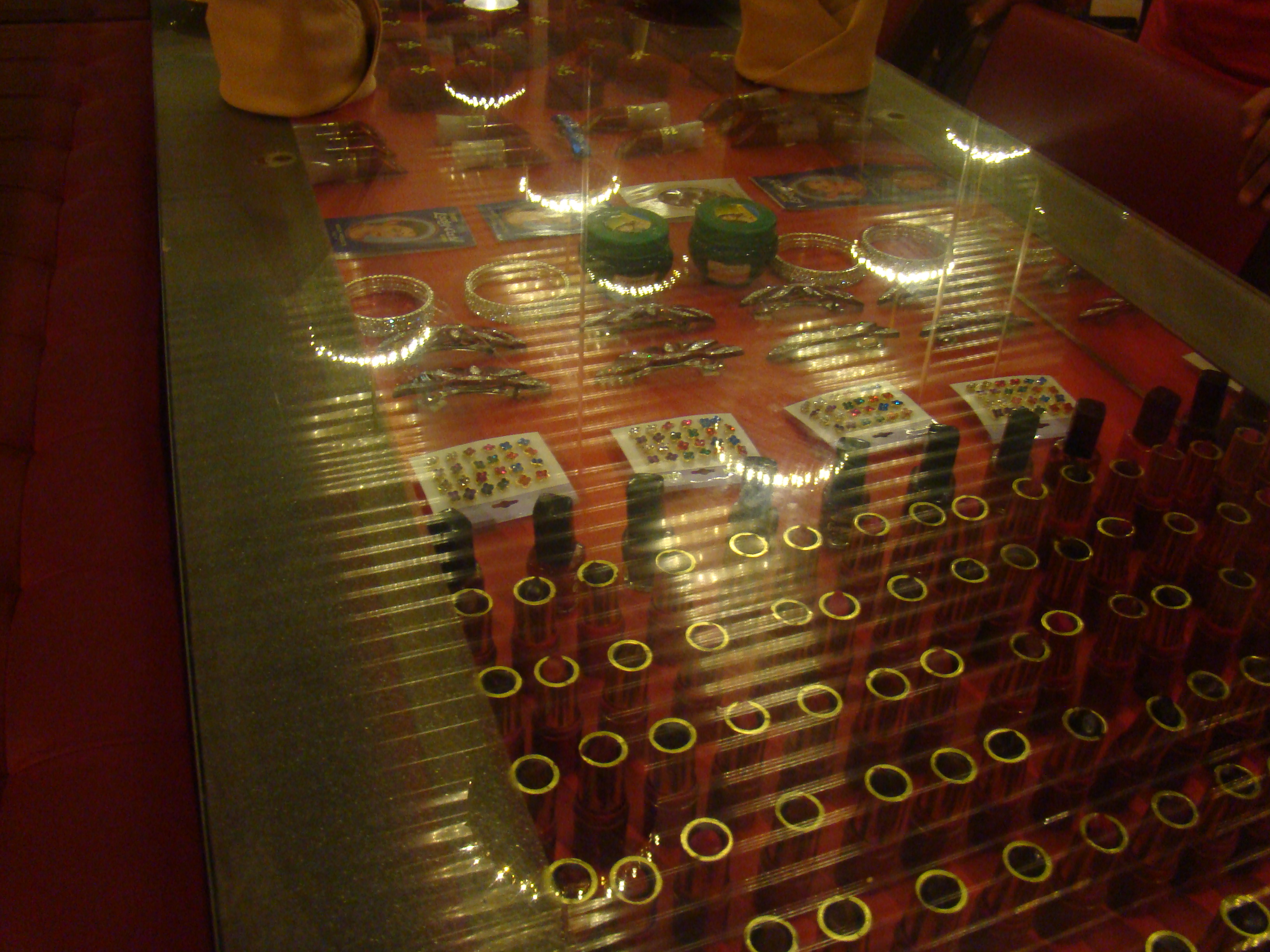
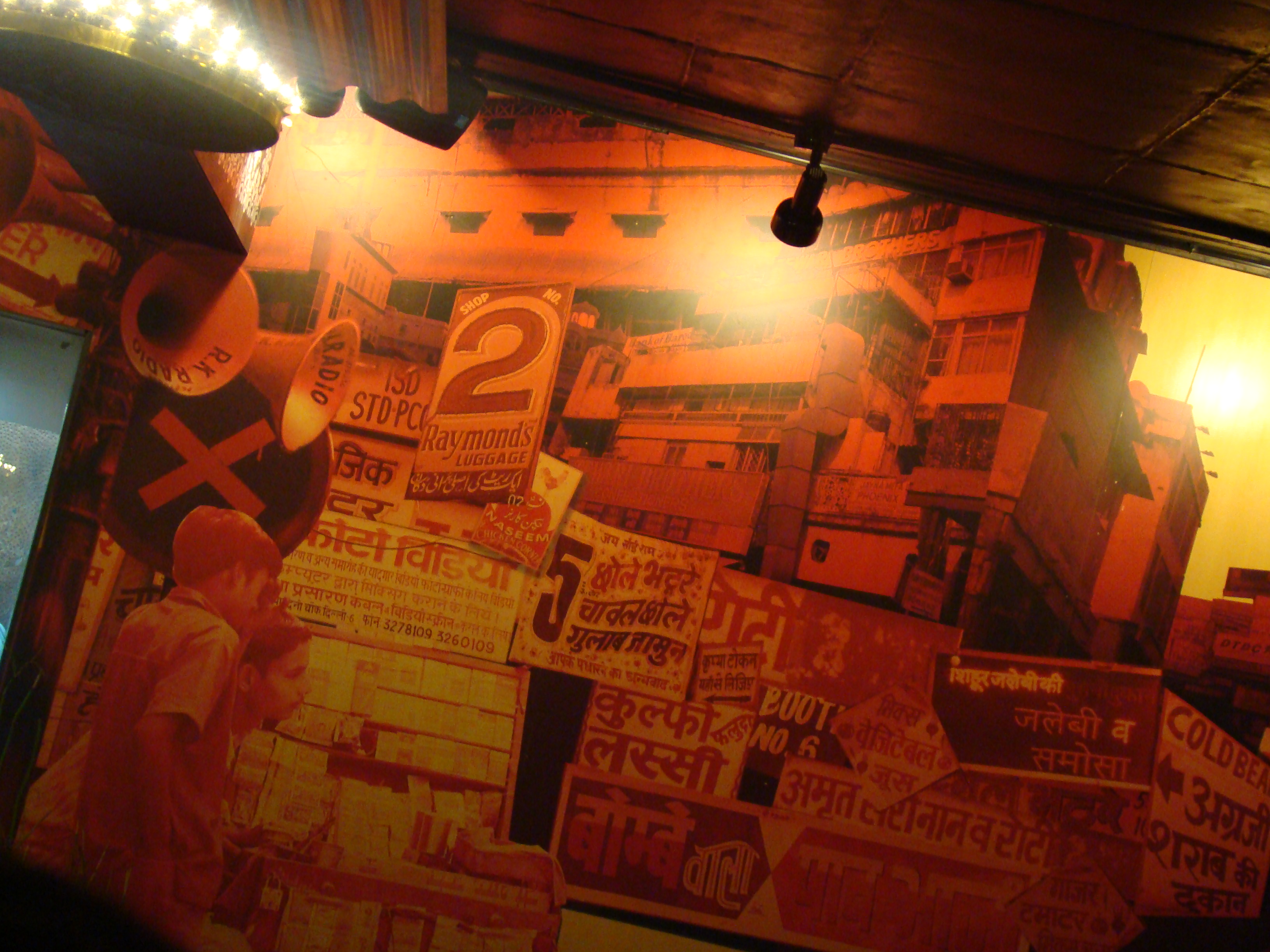
    There’s no escape once you’re inside either! Internet darlings like ‘Child Bear’ and ‘Lick-her-Shop’ take their rightful place alongside more to-the-point shop hoarding graphics like ‘Angrezi Sharab ki Dukaan’. You’d also want to check out that special table with bindis, clips and nail polish sets under a glass top. The auto rickshaw tables deserve a special mention, perfect for a group of 4, though we didn’t sit there because it was quite late and feared whether we’d finally be asked to pay one-and-a-half times the bill. The person to thank for all the above is Vikram Nair, who started the chain of restaurants several years ago in Gurgaon and brought it to Bangalore a month and a half back. Interesting trivia is that his sister is Mira Nair, no, not a namesake, the filmmaker herself.


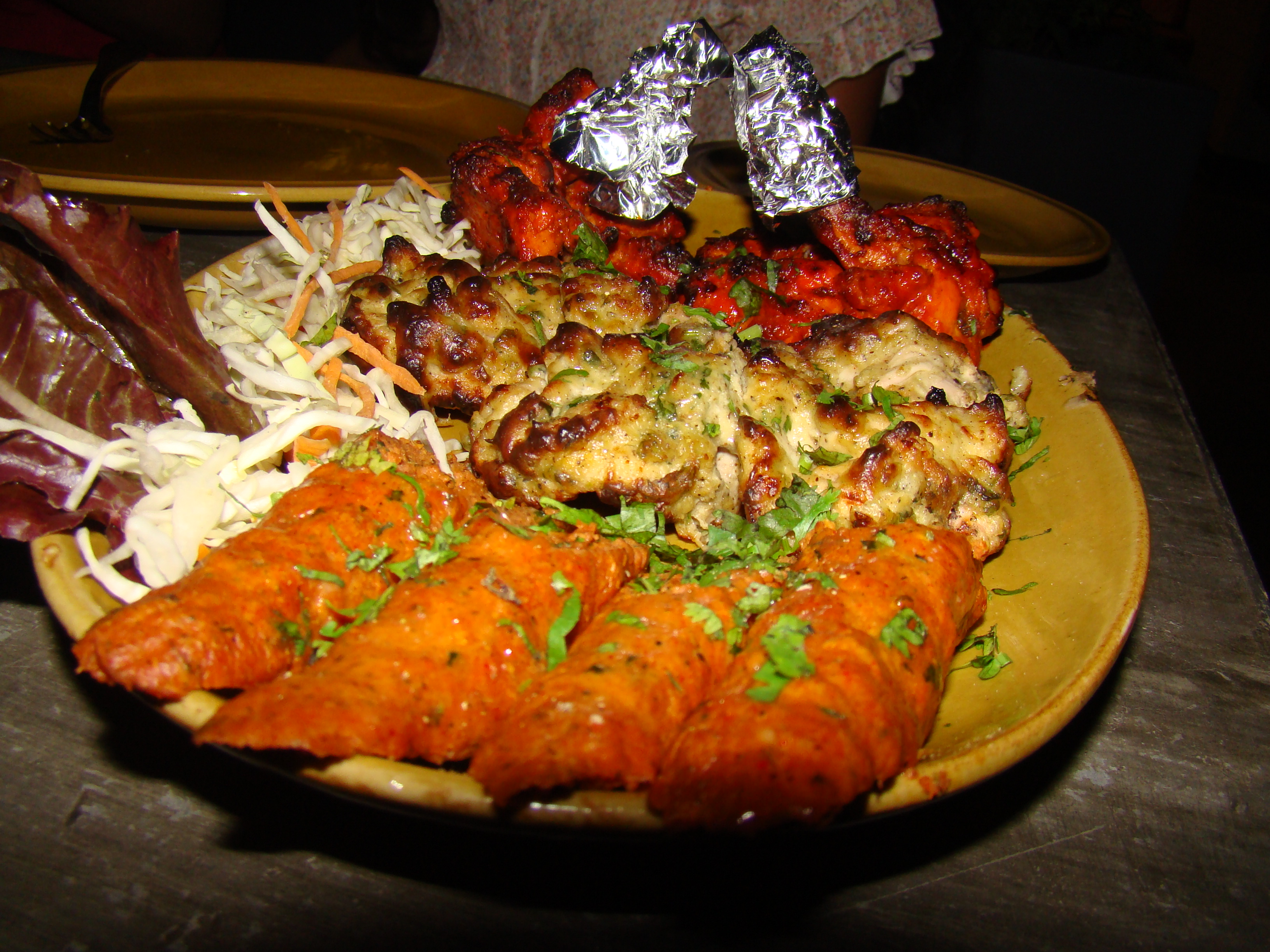
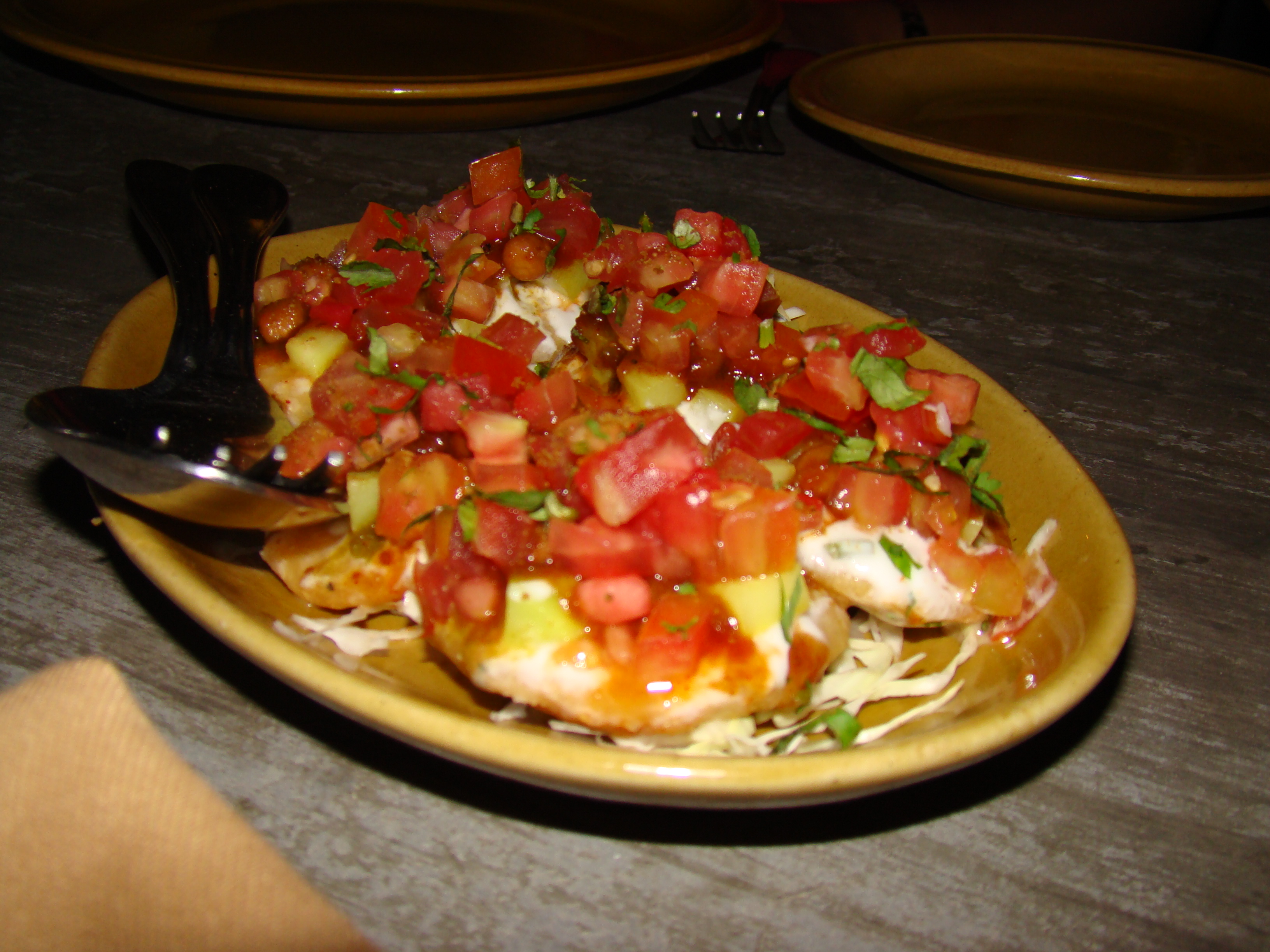
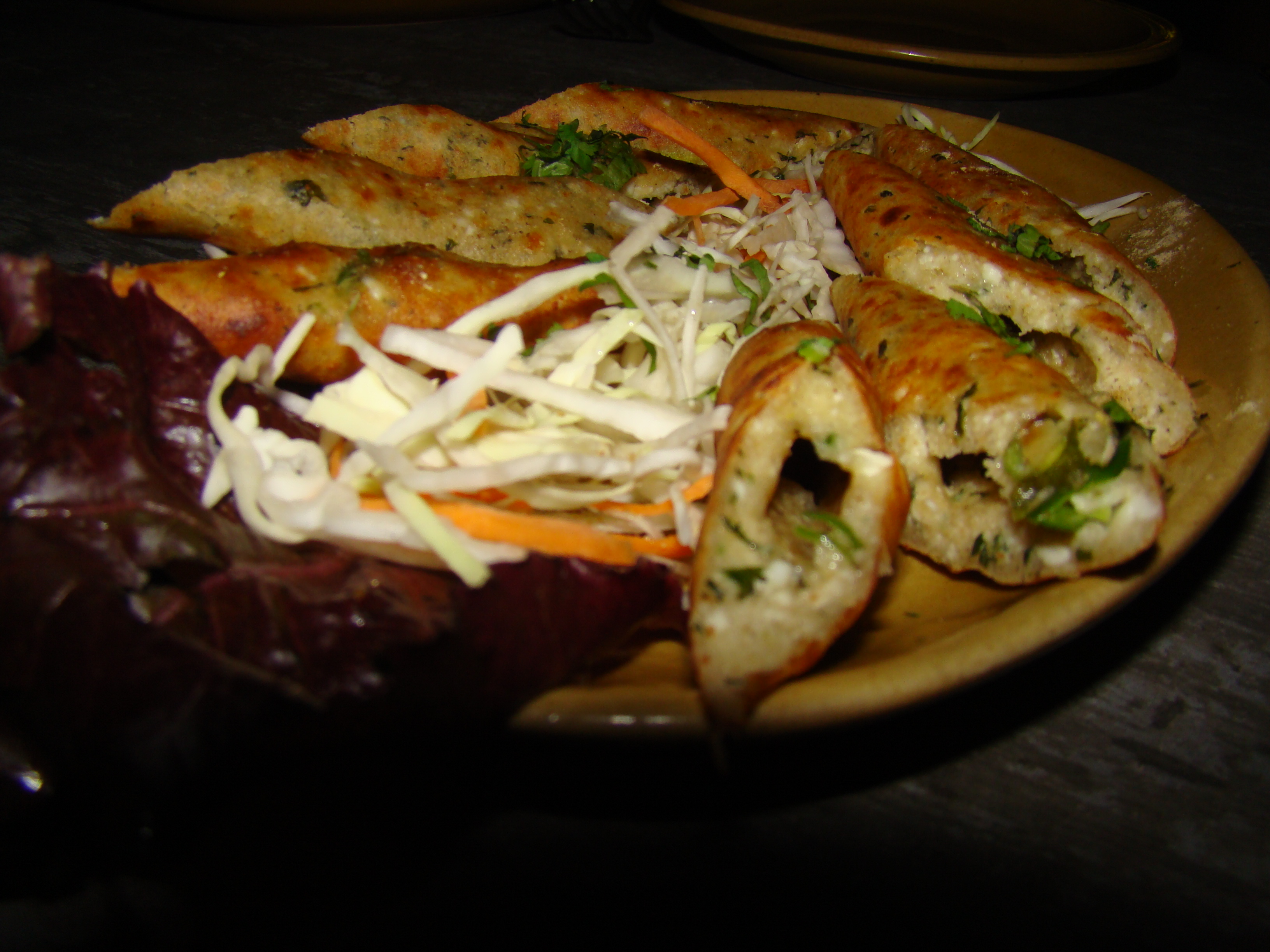
    It was difficult to get the visual treat to take a backseat, but we finally managed to get down to business with a Cheese Chilli Seekh Kabab, a Khaaji ki Chaat and a Non Veg Kabab Platter. The chaat turned out to be standard papdi chaat fare, save the sev, and with a cabbage signature! The chilli dominated the Cheese Chilli kabab and the cheese was relegated to the background in terms of flavour, but is highly recommended if you don’t mind some spice. The non veg platter consists of Chicken Banno Kabab, Chicken Burrah Kabab and Mutton Seekh Kabab. The Burrah Kabab was the best of the lot, mildly spicy and juicy. The Seekh lost out only because it was slightly crumbly, though its flavours were just right. The Banno Kabab was subtle to the point of being bland, and was the least favourite. We also tried a sweet lassi to wash it all down, but that was quite a disappointment, mostly thanks to the sour curd! The other drink we tried was the Virgin Mary Masala – standard tomato juice and Worcestershire sauce but with a green chillies and masala desi twist that made the drink special.


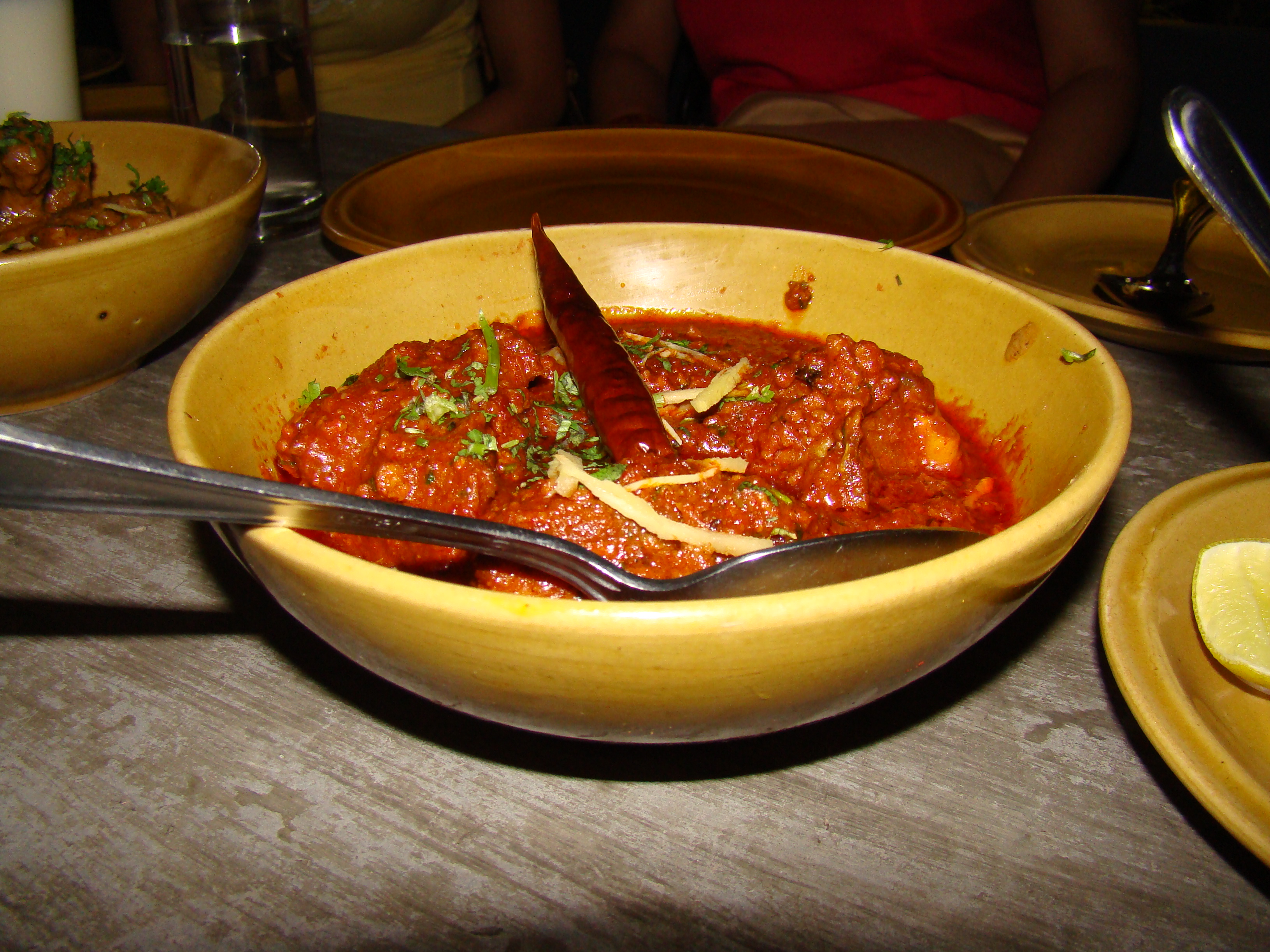
    The menu seems a toned down version of the one available at other outlets of the chain. Quite surprisingly for the crowd involved, the dish that became an instant favourite was a vegetarian one – the Makhmali Kofta curry, a white cashew based gravy that was mildly spicy and creamy and had koftas that just smoothly slide down. The Chicken Chengezi is not as fiery as its name makes it out to be and is supposed to be only mildly spicy. It was exactly that, but had a slight tan (for a dish supposed to be made in milk and cream) and was missing the boiled egg. However, it was well cooked and quite tasty. The Rara Gosht was the least impressive – the gravy was too greasy for our liking and the meat was unevenly cooked, actually mostly rubbery. The naans were standard and if you like spice, you might want to try the Rogni Naan. The Matka Biryani – Chicken came late to the party but got a good response – subtle flavours, not greasy and succulent chicken pieces.

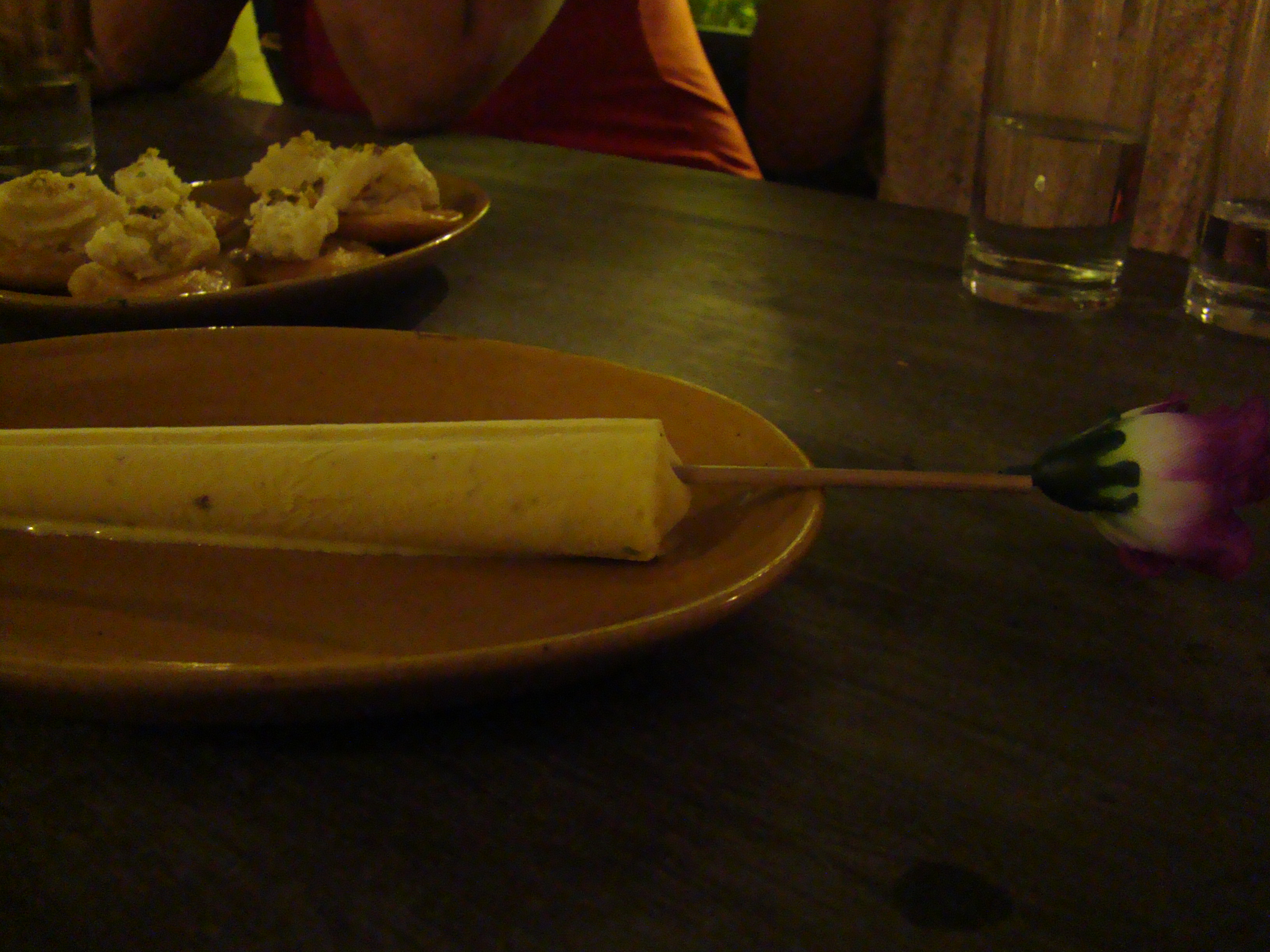
    The Rabri Khaaja and the Rocket Kulfi were the standout items in the menu, so we decided to test them out. The Kulfi’s flowery presentation needs a special mention and it also turned out reasonably well, though quite subtle. We liked the Rabri Khaaja more though, thanks to its combination of a crunchy base and a malai based topping.


    A mocktail, a lassi, a non-veg starter, a couple of naans, a veg and non-veg dish for the main course, and a shared kulfi would cost approx 1,200 inclusive of taxes. We had perfect weather for an under-the-sky meal, and all the seating options –even the ones inside – have their own charm, in addition to the unique overall ambiance. Add to it, the serendipity of rediscovering 90s Bollywood songs, and we have a box office winner. The only villain in the piece was the tardy service once the place got crowded. Which reminds me, it’s probably a good idea to reserve in advance, the place does get crowded. The meal started and ended well, though the main course could have been better. For all of this, you should definitely drop in at least once. If not a chakka, at least a chauka is guaranteed.

    Khaaja Chowk, No-276, 100 feet Road, HAL 2nd Stage, Indiranagar, Ph: 080- 40920585

  • Deconstructing a viral

    Google’s Project Glass demo was the best product demo I’d ever seen. The sheer possibilities with such a device was amazing, but in essence, it was the theatrics that impressed. Everyone I shared it with shared it on.

    It made me think of the concept of a viral. From many murmurs I have heard around me, “Let’s make a viral” has only evolved, not died. The question of what makes a content viral is also asked when 2 or more marketers/social media practitioners are present. I find it a bit ironic that sometimes when ‘virals’ are named, I can’t recollect them. I first thought this was just me, until I figured out otherwise from other blank looks. But that’s not surprising, considering our increasingly fragmented consumption patterns across media platforms.

    I realised lately that if reach were the only parameter, then every TVC/newspaper ad, by sheer consumption, is a ‘viral’. So, a necessary caveat is that the reach has to be through peer sharing. But what good is an eminently enjoyable creative if it does zilch for the business? The viral is thus walking that exact balance between entertainment and brand objective. But would our current definition of a viral deem the Project Glass demo a candidate? I don’t think so. Nor would flipping on the Open Graph on a website and allowing multiple contextual actions to go across newsfeeds and Timelines.

    And that’s where the evolution is interesting – because technology is slowly moving from being an ‘enabler’ (euphemism for cheap means of distribution – YouTube/Facebook, I always felt) to being the best tool to weave in the brand story, and an inherent part of the experience. It goes beyond just social platforms and into Augmented Reality, NFC and other legacy/new technologies. I saw quite a few examples (via) – Buy the World a Coke, Red Tomato Pizza’s fridge magnet, even Amex-Twitter and one of my favourites for quite a while now – Nike+. Would we call these virals? I don’t know, but they were shared, seen, and tied in neatly with the brand experience. So probably what needs to evolve now is the marketer’s mindset on what he/she defines as a viral. The opportunity and the challenge is that when everyone’s a publisher, the marketer’s real job is to make it more share-worthy – conceptually and practically. That hasn’t changed. 🙂

    Since we’re on arguable territory here, do chime in.

    until next time, viral ‘producting’ as opposed to viral marketing?

  • Realty Check 2

    The area was perfect. They called the number mentioned at the site, to be told that the price was Rs.13000 per sq.ft! The plan was simple – get a friend everyday to call up and start laughing hysterically as soon as the builder quoted the price. Hopefully, sense would prevail and the price would come down!

    until next time, remember Part 1?