Month: July 2011

  • Turquoise – The Indian

    It does sound a little like a movie dubbed into Bollywood, but hey, it’s a restaurant and the name matters only so much. The review first appeared in Bangalore Mirror, and I’ve had enough of ‘blue’ wordplay. 😀

    This is located above Mom&Me on the road leading from Intermediate Ring Road to JNC (map) and is one of the twin Turquoise restaurants. The European is on the floor below, and you can find my micro review on 4sq. 🙂 Valet parking is available.

    The turquoise theme is prominent in the decor and the chandeliers creating the shape of a musical note makes for an elegant picture. For seating, you could lounge on the comfortable sofas or choose the more functional, yet tastefully done regular furniture. The gigantic dragonfly near the bar is an attention grabber. Bollywood remixes playing in the background and a TV screen offer ‘entertainment’.

    The menu begins with a few standard shorba options, and then offers a decent range of kababs. Thereafter, in addition to some standard and some not-so-standard main course Indian fare, there is also a page devoted to Parsi favourites. For once, there seems to be a balance between vegetarian and non-vegetarian options. The rotis section manages to offer a few unique options, but the desserts section is limited and sticks to the regular favourites. The Indian is a resto-lounge, and seems to have a well stocked bar and a collection of mocktails. The Turquoise Smoothie we tried turned out just fine.
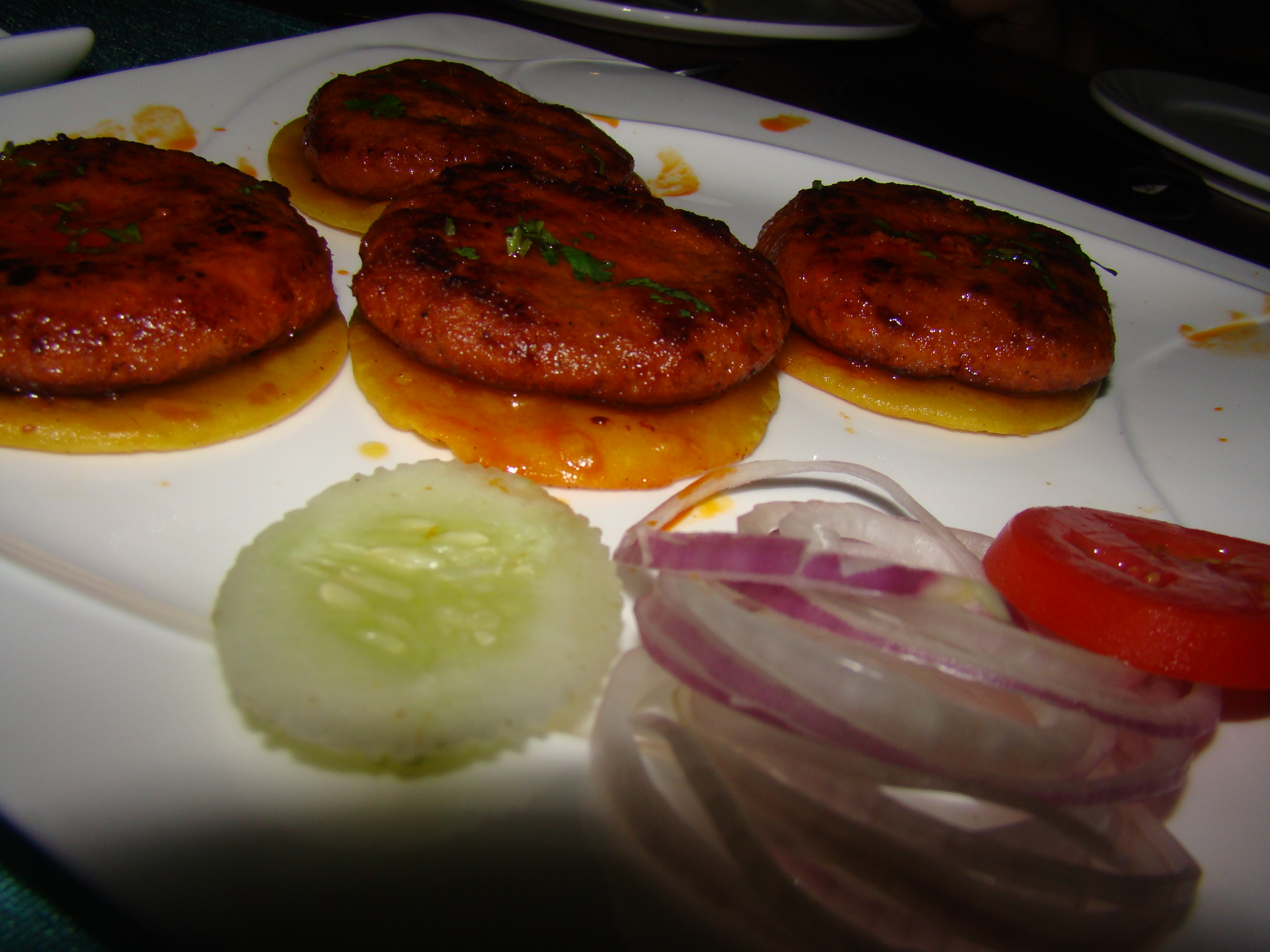
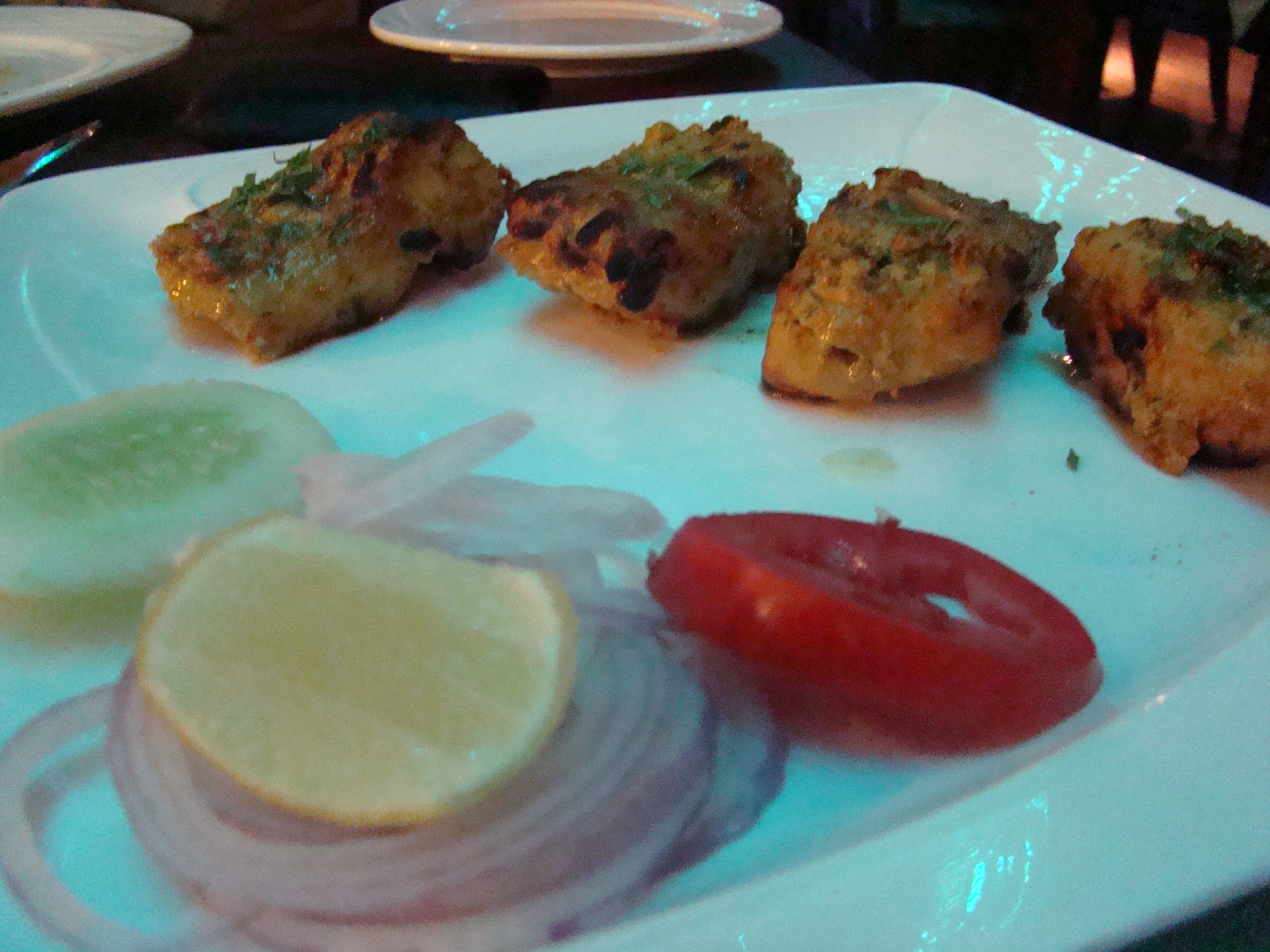
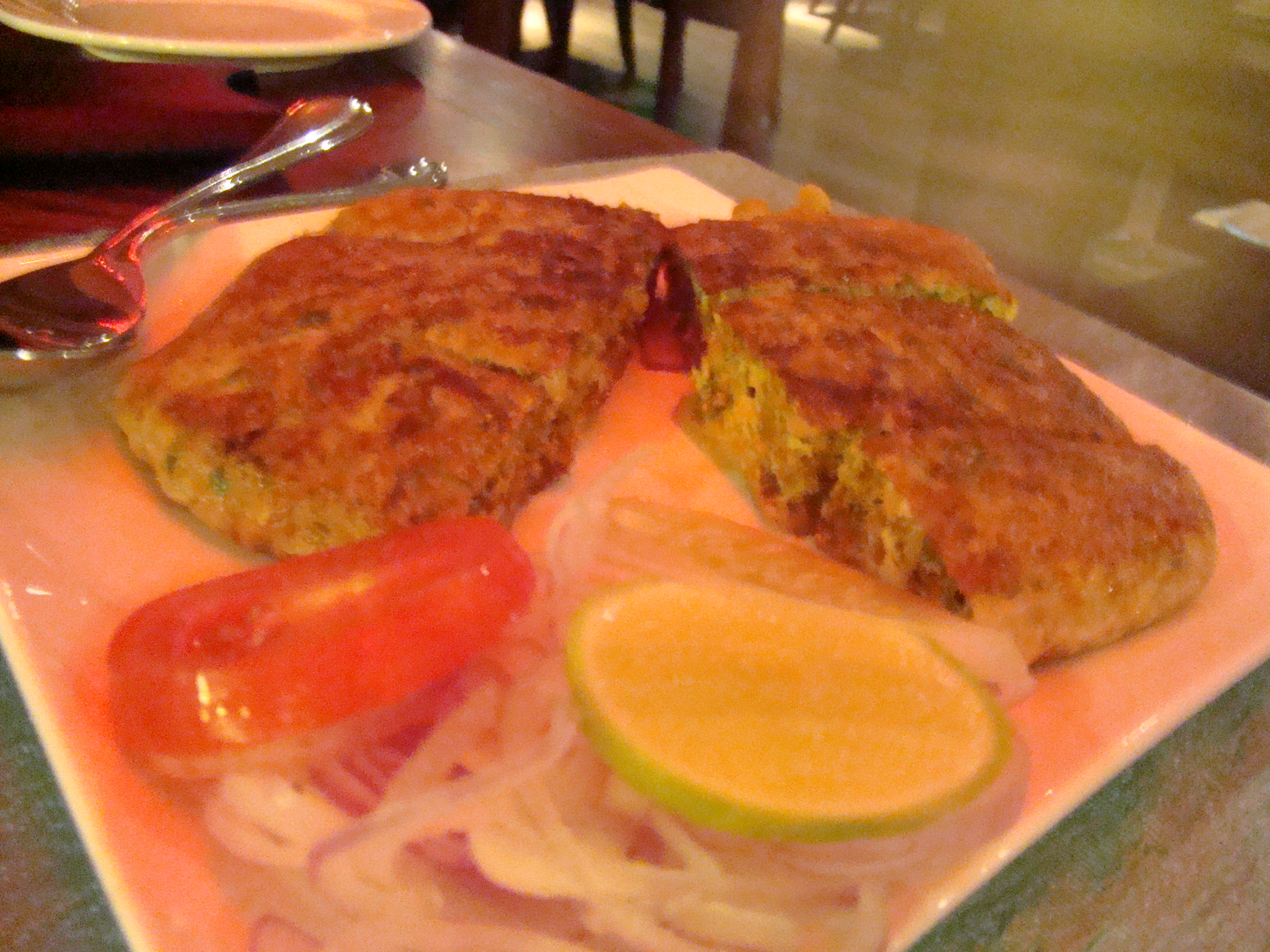
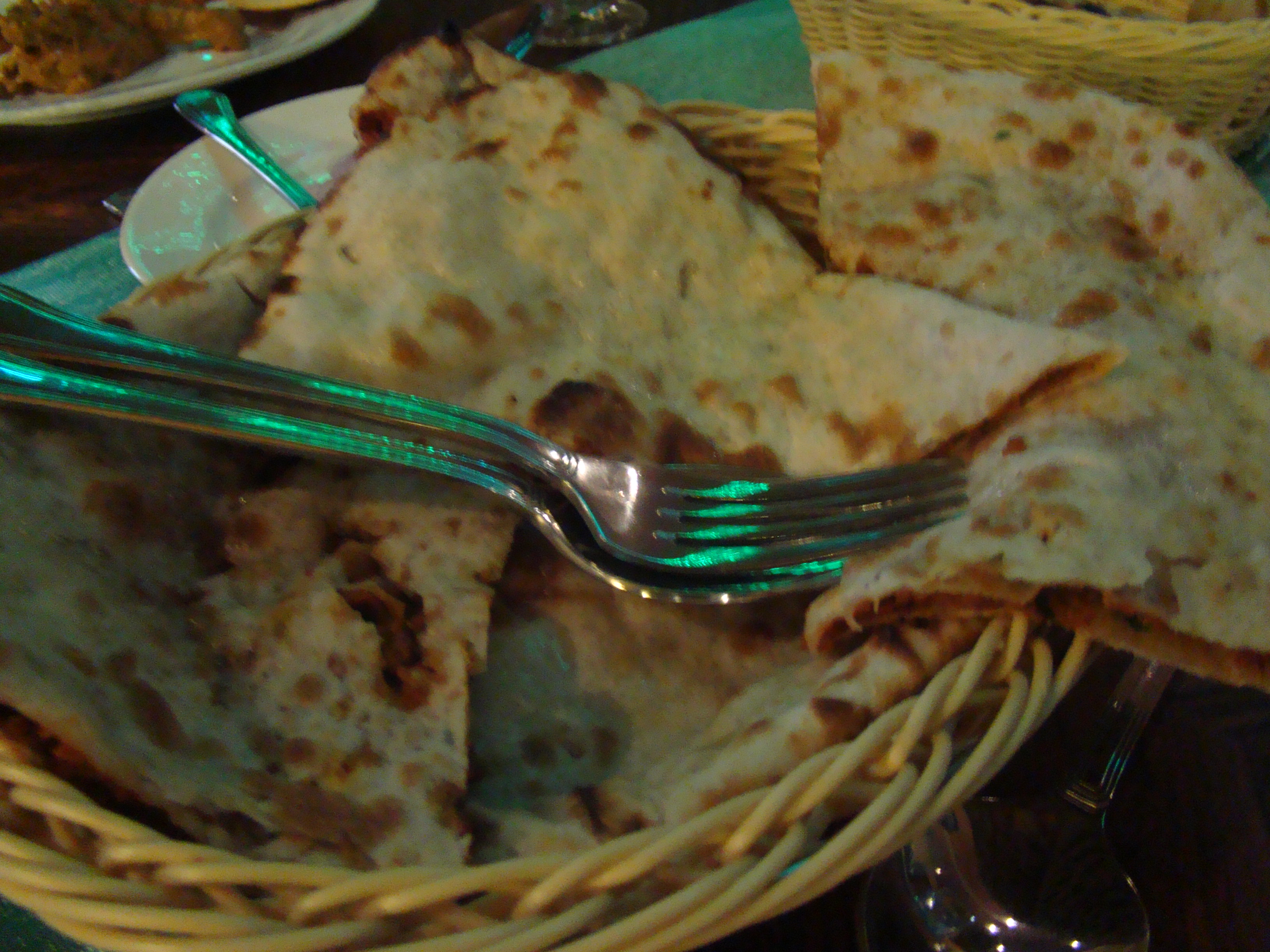
    The Galawati Kabab, a patty of tava fried lamb mince marinated in spices and served on a mini paratha, didn’t quite get to the ‘melt in your mouth’ level but managed to live up to its billing of a signature dish. But the Baida Roti with kheema and eggs stuffed in a pancake and tava fried proved to be the unanimous favourite.You really must try this. The Aatish e Aloo – stuffed potatoes – managed to start a spicy Bollywood conversation, but the dish itself was quite bland. The Mahi Afghani Tikka, Calcutta Betki chunks with coriander, yoghurt and cream, too went into the same category.
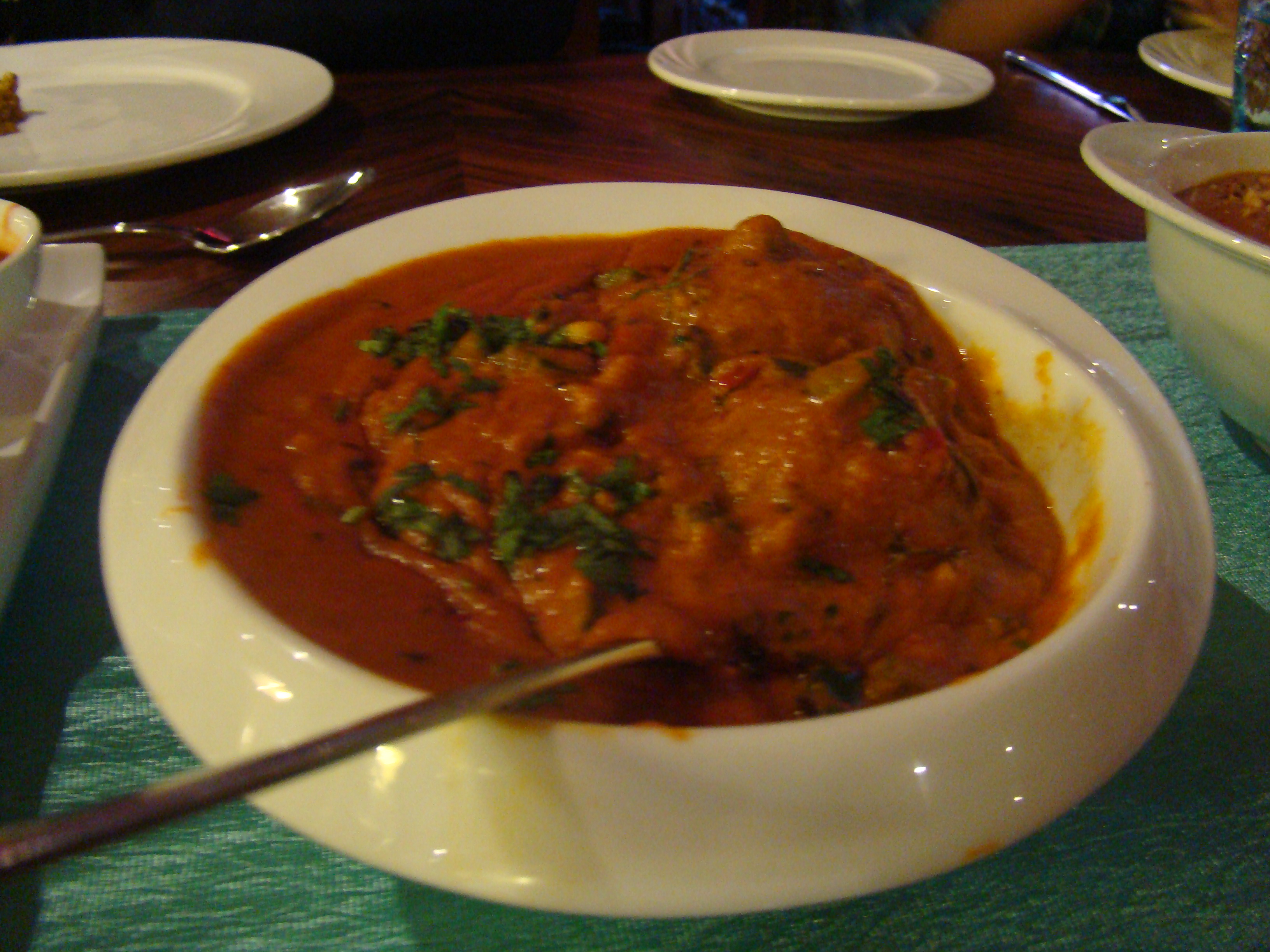
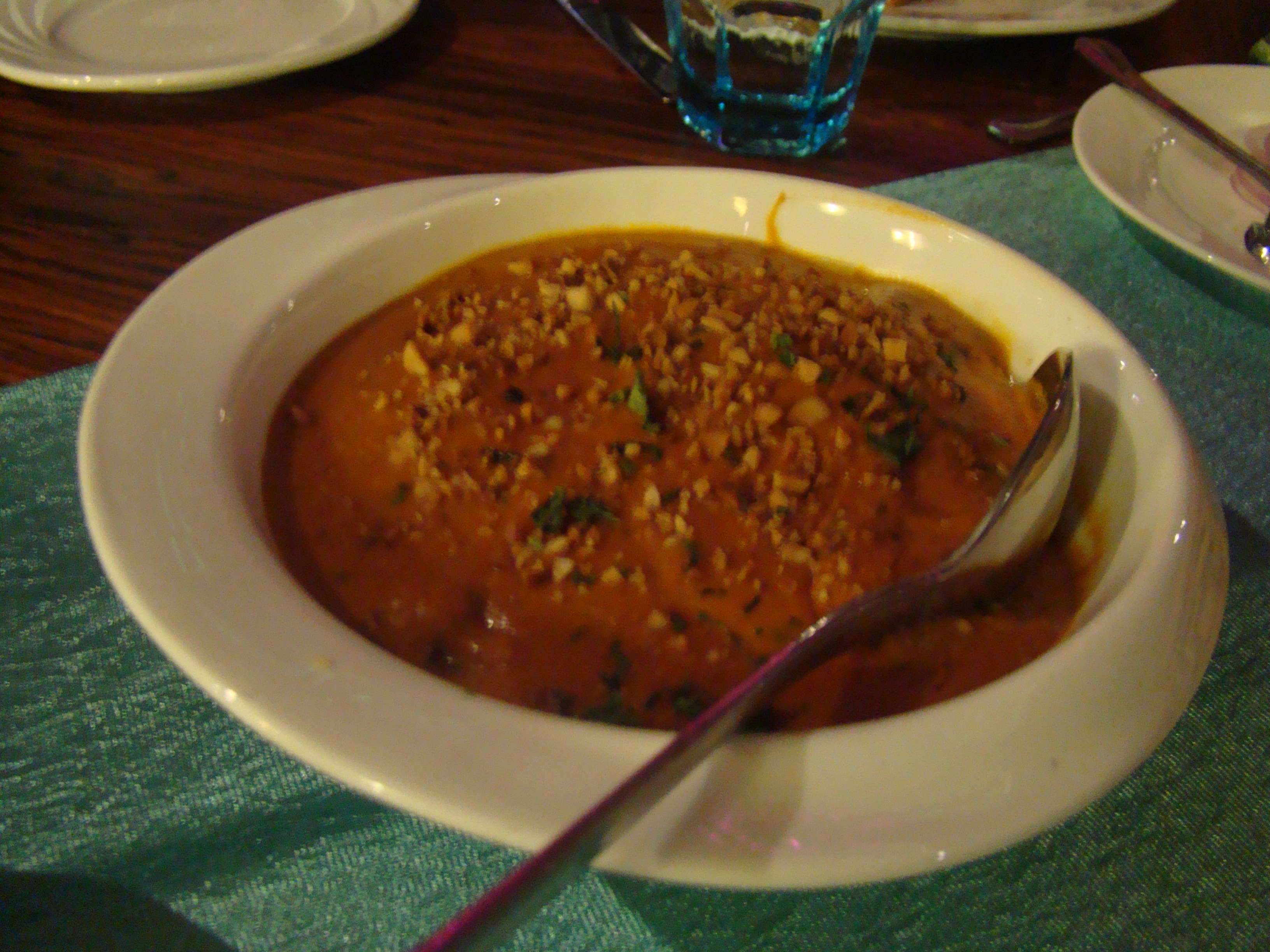
    In the main course, the Zardari Kofta in a nut-based gravy was the pick, followed by the Murgh Makhani. The Hyderabadi Lagan ka Murgh with the cashew nut gravy had sounded right, but fell short of expectations. The efforts of the Dum Pukht Aloo’s gravy, to salvage the dish’s reputation proved futile.The Naan Baluchistan with a minced meat stuffing, and the Khameeri Roti were both excellent, the Gosht ki Dum Biriyani was reasonably good, and the flavourful Jeera Rice was appreciated too. The Qubani ka Meetha didn’t do much to sweeten the dessert deal though. The biggest disappointment was when we were told that most Parsi dishes required advance notice. Even in the other sections, we missed out the ones we really wanted to try – the Naan Changeezi, the Turkish Baklava, to name a few.

    The service was courteous to begin with, but began to display an overboard version of ‘maa ka pyar’ while the food was being served. They insisted on disproportionately filling up our plates. The billing took us almost half an hour. On the cost front, a non-veg starter, a main course with a veg and non-veg dish along with a few rotis, and a dessert would set you back by `1,200. Considering the options available in the vicinity, this is on the higher side.

    Turquoise’s Indian version has its share of tasty fare, but given its location –  where a stone thrown would most likely land on a restaurant – they need to better their act. The non availability of dishes and a torturous wait for the bill left us blue, like that Akshay Kumar movie.

    Turquoise, 2nd & 3rd Floor, (Above Mom & Me), Shop #9, 5th Block Koramangala, Bangalore 560095, Ph: 65776588

  • Brands and Plus points

    Considering that I tweeted this sometime back, and found this a great read, this post is not on the pros-cons/ how to use Google Plus or on the lines of 'why I am getting out of Facebook and hopping into bed with Google Plus'. These are just thoughts based on a query I asked on and about the platform a couple of days back.

    The context: I observed that, on my Plus stream ( I have 'circled' about 150 people), a few people were sharing the same content they did on Twitter and LinkedIn, presented the same way as well. I could understand why they would use these as distribution networks because it is difficult to accurately predict who catches what in busy streams. But what did surprise me was this content being shared as 'Public' on Google Plus, when it is very easy to create circles of people with common interest and share accordingly. (using earlier interactions on other networks or even what they share on Plus) And so I asked

    Predictably, the most insightful comment came from generic propecia online no prescription 1

    twitter.com/#!/misentropy” target=”_blank”>Iqbal, who nailed it with “we are used to the environment defining the limits of who we share with – rather than having the ability to choose and consciously picking one set of people over another, every time we have something to say.” In this context, I remembered an excellent post by JP Rangaswami on the subject of filters, publishers and subscribers. While I agree with his summation that “We can only fix filter failure by providing subscribers with better filters, by providing publishers with tools that allow subscribers to filter better“, I did feel that in the interim, till the environment (/infrastructure) is able to deliver this at least to a certain degree of satisfaction (it's a dynamic scenario, not likely to be completely perfect), publishers (us) should filter our output too.

    All of this led me to a comparison of this scenario to that of brands as publishers. Thanks to traditional media platforms, brands had an environment which to a large extent defined the what/who/where/how of marketing communication. Few brands have been able to cope with the explosion of platforms and the freedom, choices and protocols that come with it. As consumers become filters and learn selective broadcast, exploring and navigating the platforms might be a good idea for brands, but it might be a better idea to (also) invest in a content-communication infrastructure which can be customised to meet both the dynamics – the brand's messaging needs and the consumer's sharing habits. (in the brand's context)

    until next time, helpless to help+ 🙂

    zp8497586rq
  • A People Person?

    Scott Adams’ post titled “People who don’t need people” (via Surekha) reminded me of Asimov’s Spacers, the first humans to emigrate to space, and their life on Aurora, the first of the worlds they settled. Scott Adams predicts that “we will transfer our emotional connections from humans to technology, with or without actual robots. It might take a generation or two, but it’s coming. And it probably isn’t as bad as it sounds.

    In the huge canvas that Asimov had created, the Spacers chose low population sizes and longer lifespans (upto 400 years) as a means to a higher quality of living, and were served by a large number of robots. As per wiki, “Aurora at its height had a population of 200 million humans and 10 billion robots.

    These days, as I experience the vagaries of the cliques and weak ties – not just Malcolm Gladwell’s much flogged social media version, but even real life ones, I can’t help but agree with Scott Adams that it won’t be as bad as it sounds. I probably wouldn’t mind it at all.

    When I feel like a freak
    When I’m on the other end of someone’s mean streak
    People make fun I’ve got to lose myself
    Take my thin skin and move it somewhere else

    I’m setting myself up for the future
    Looking for the chance that something good might lie ahead
    I’m just looking for the possibilities
    In my mind I’ve got this skin I can shed

    Scott Adams began his post noting that humans are overrated. Sometimes, I wonder whether humanity is, and whether losing our current perceptions of it would actually make a difference. (earlier post on the subject)

    Lyrics: Invisible, Bruce Hornsby

    until next, bot.any

  • 99games

    Ever wondered who makes those awesome games for the iPhone? Meet 99Games, one of the major players, with many t

    op AppStore games to its credit. In conversation with the founder Rohith Bhat.

    [scribd id=60829020 key=key-20dkpswy77bchw37wyas mode=list]

    zp8497586rq
  • Empire of the Moghul: Raiders from the North

    Alex Rutherford

    The first of the ‘Empire of the Moghul’ series, which begins in 1494 when the 12 year old Babur is suddenly forced to become king of Ferghana, on the death of his father. Babur feels a strong sense of destiny and is convinced that fate has something special in store for him. His ancestry, which include Timur and Genghis Khan, only reinforces this belief.

    But the events that follow his coronation prove to be a roller coaster ride and he is forced to reconsider his future. From being king of a small state to the ruler of Samarkhand, to being a king without a throne, Babur is thrown into situations which provide him valuable life lessons, all of which would help him establish the Mughal dynasty in Hindustan.

    Rutherford (mostly) remains true to history but has embellished a few characters to liven up the tale. From the Shah of Persia to ordinary foot soldiers, Rutherford manages to show their role in the life and thinking of Babur, quite effectively. The notes state that he has traveled to most of the places mentioned in the book. That is perhaps what has helped him to appreciate and give vivid descriptions of places, events and even people, making it easier for the reader to visualise the richness and grandeur of the ancient rulers, their royal abodes, and even the trials and tribulations that the land forces its inhabitants to live through. Relying perhaps on the Baburnama, Rutherford succeeds in balancing and showcasing Babur, the emperor, as well as Babur, the person.

    In essence, a good read, especially for those who have an interest in history, and for those who don’t, read it as you would, a regular story, it does justice on that front too.