Year: 2010

  • Sikkim Day 3 – Tea, Gangtalk, and the legend of Pawan Chamling

    The alternate plan we chose consisted of the tea estates in South Sikkim, and the Padmasambhava statue in Namchi. Our driver was the same, and that’s when we figured that we still didn’t know his name. Our expectations of a unique local name evaporated at the mention of ’Prakash’. We followed the same route as the day before, this time though, Prakash offered a lift to some lady friend/relative of his. The sign on the road that said ‘Welcome to Nathula and the old Silk Route’ seemed to be mocking us.

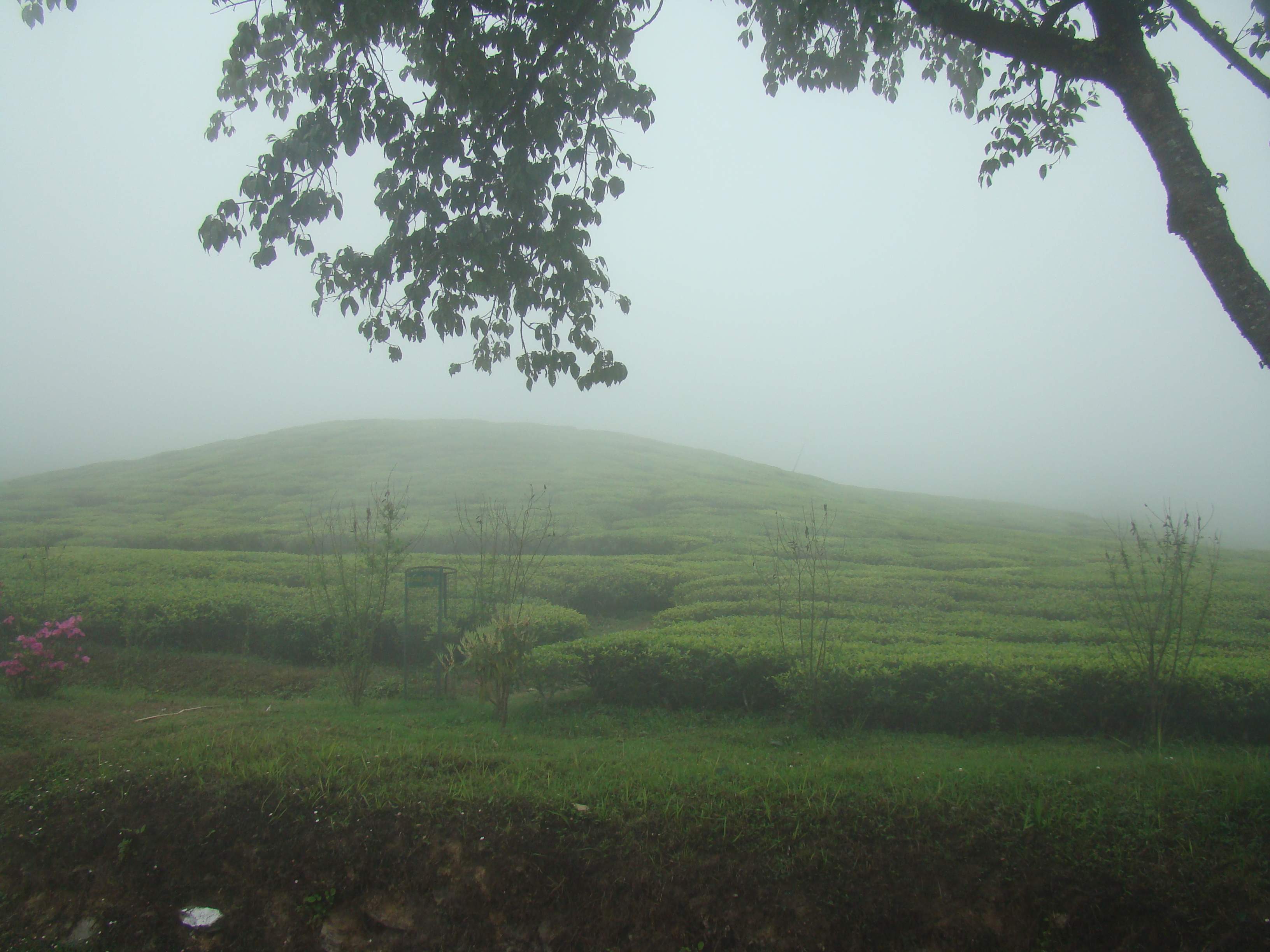
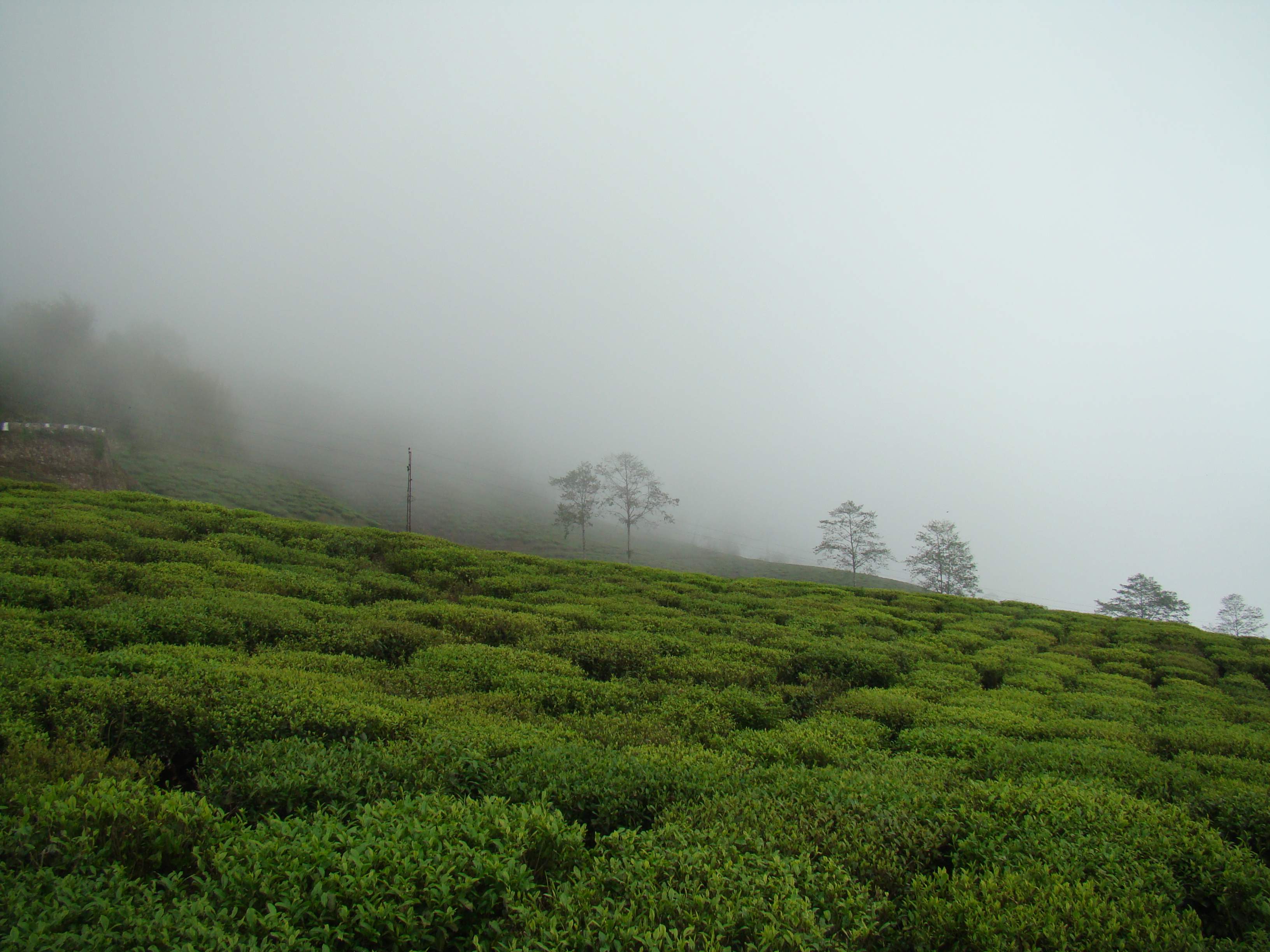
    The tea estates were actually more peaceful than Rumtek, as we watched the workers, laden with baskets, moving slowly.
    1 2

    httpv://www.youtube.com/watch?v=s7OdfkZfmsA

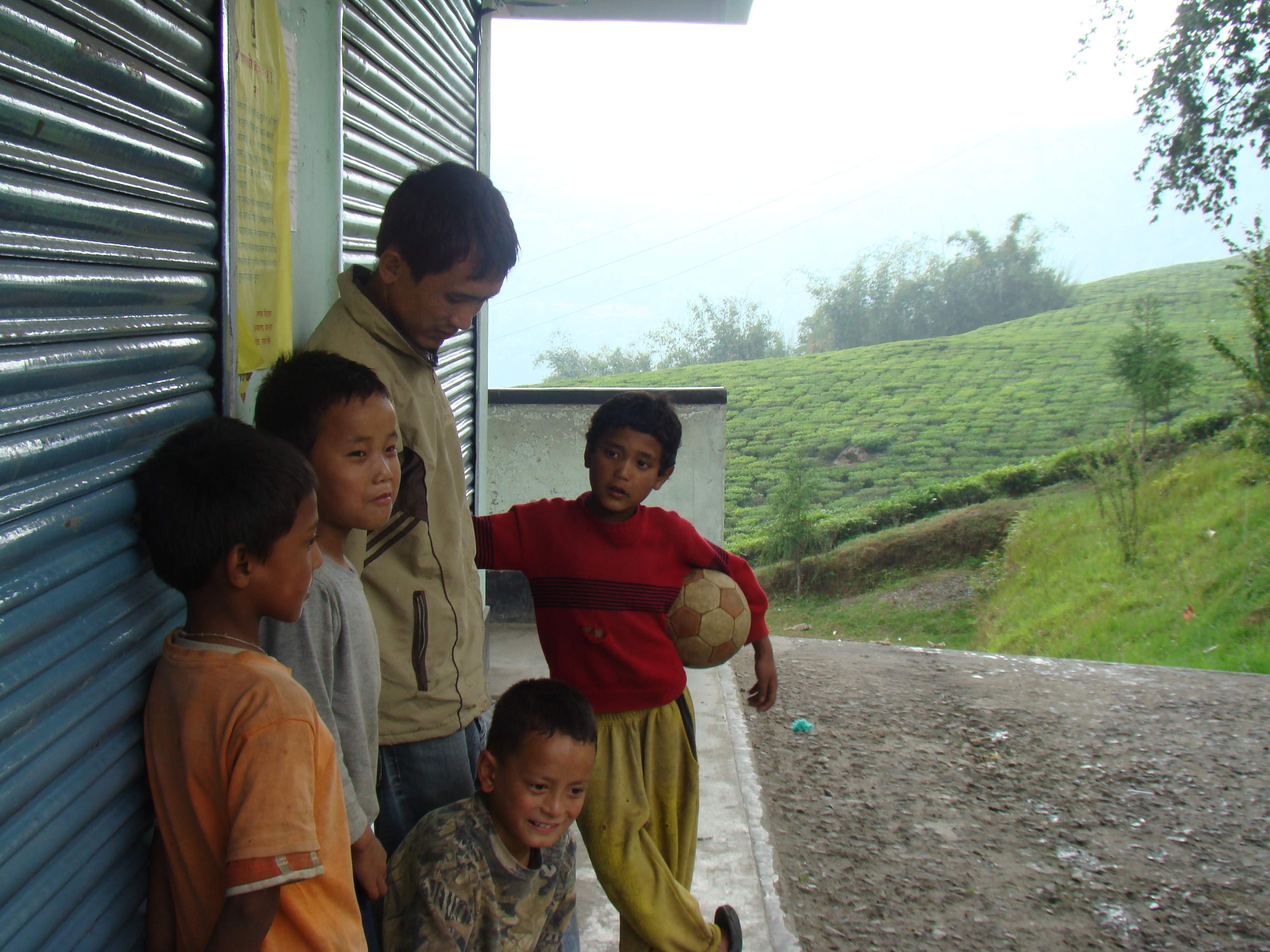
    The rain insisted on greeting us again, and the tea estates and Namchi were shrouded in mist, just before the clouds opened. The kids didn’t seem too unhappy about having to stop their football game though. 🙂 The break meant that I even tried my hand at doing what  I’ve seen Twilight Fairy and Ashu Mittal do amazingly well.
    6 5

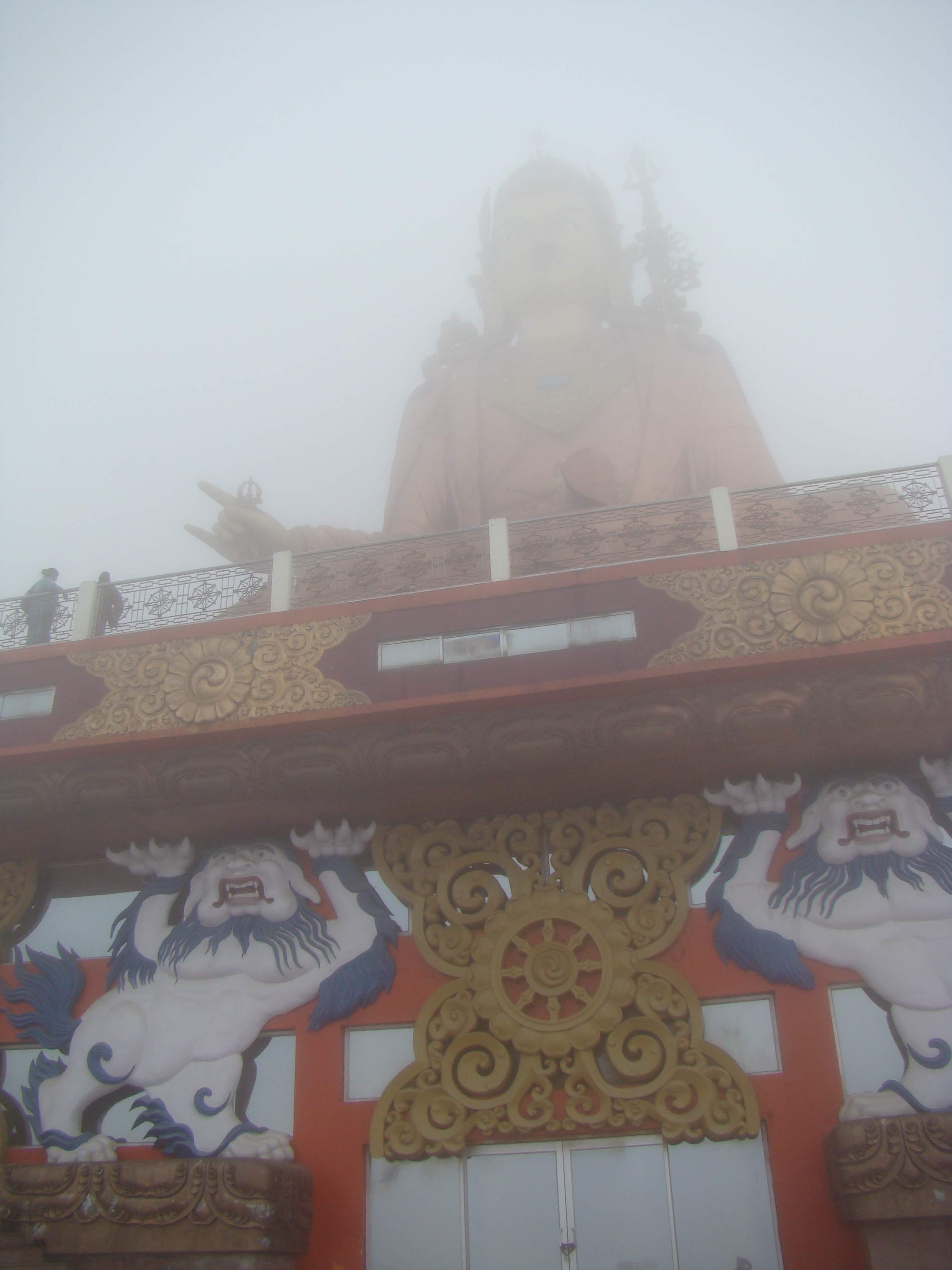
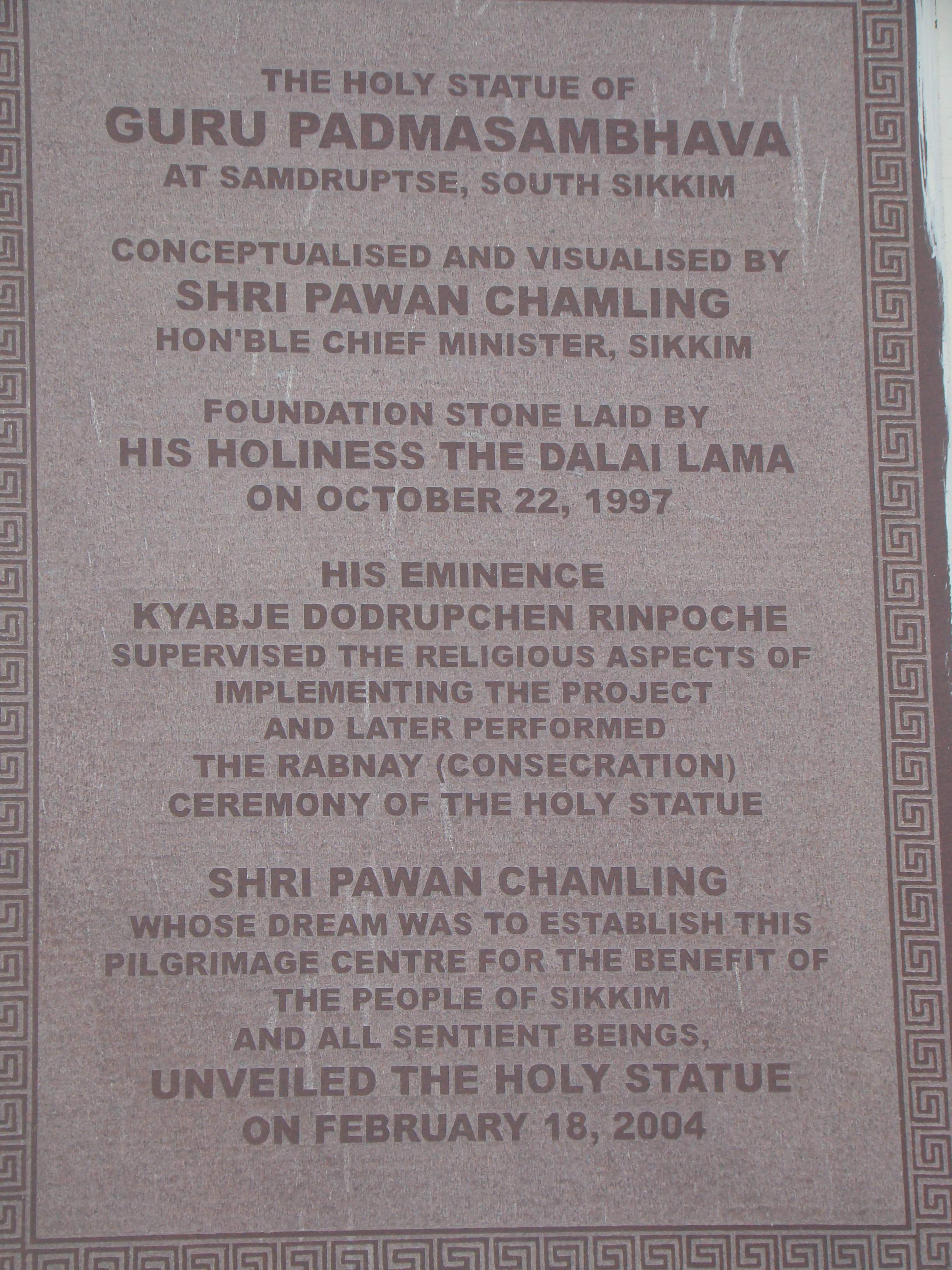
    Meanwhile, the mists meant that even the tall, all seeing statue couldn’t have had a view worth talking about. Pawan Chamling made his first appearance as the man who had conceptualised the entire statue idea. Thankfully, he didn’t do a Mayawati. Thereafter, we would behold this name on many bridges and other constructions. To borrow an old Escotel ad line “Only the rain covers Sikkim more than Pawan Chamling does”
    3 4

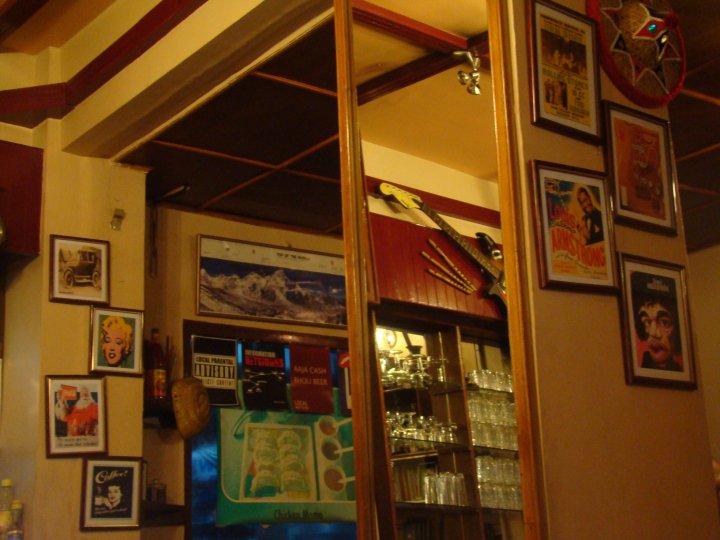
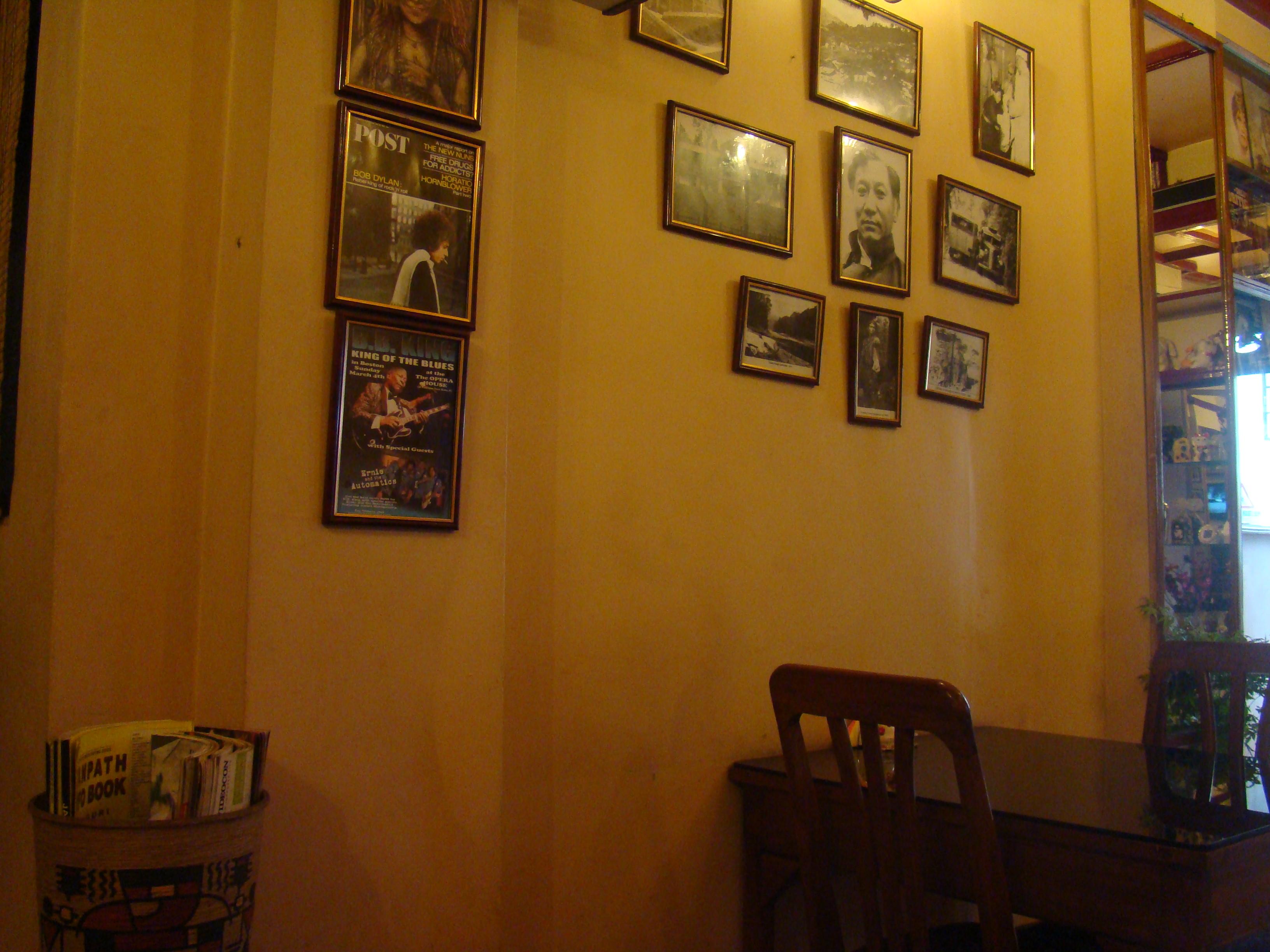
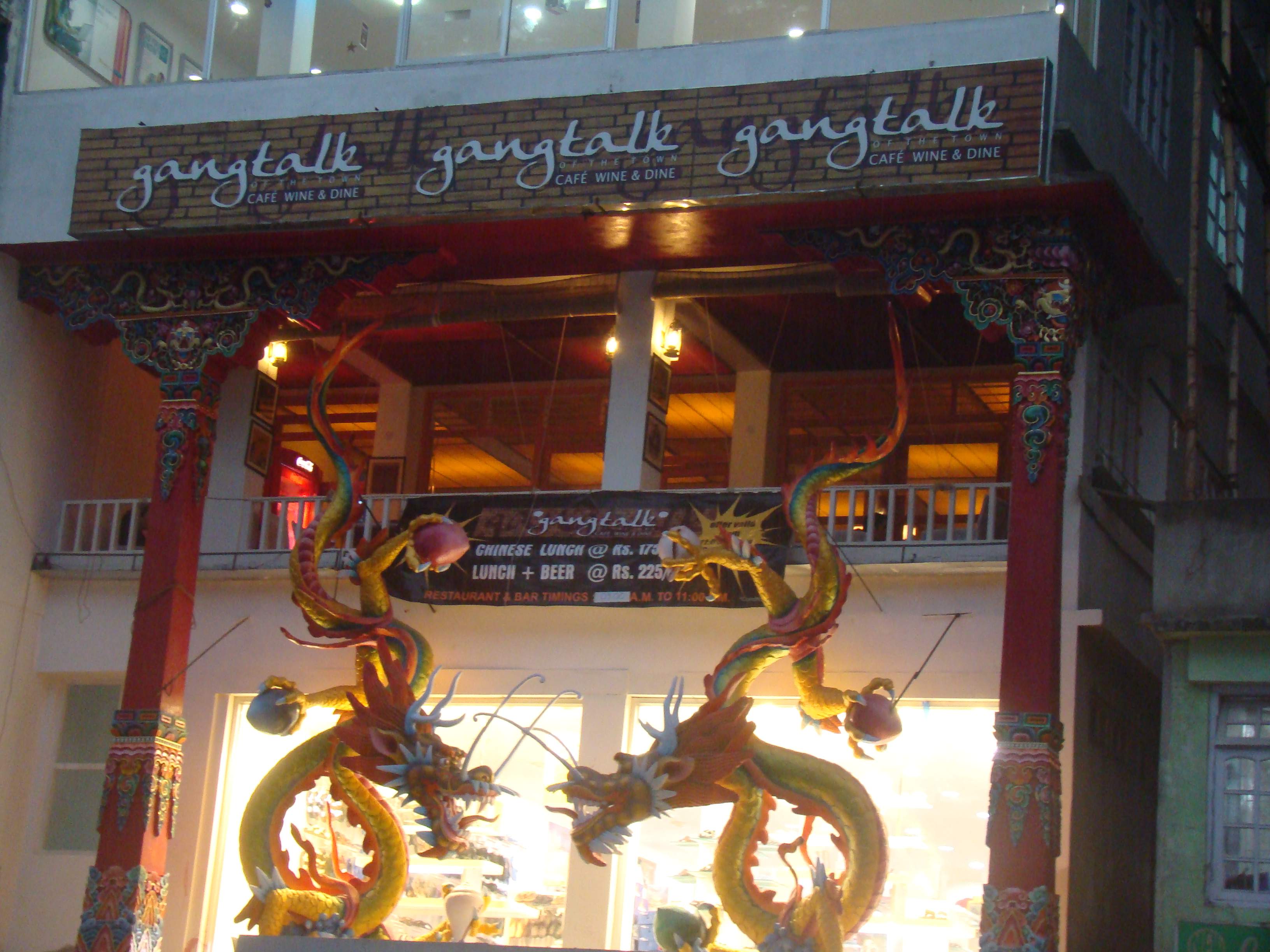
    We arrived late at Gangtok, at about 3, and were famished. We decided to drop in at Gangtalk. Though we initially got a seat inside, we managed to shift to one that offered a good view of MG Marg. By the time we got our food, it was almost 4. It turned out that they had other burning issues to tackle in the kitchen, literally. We spent our time looking at the Bollywood posters on display – Teesri Manzil, Guide, and hey, Karz. I looked at D, and she glared back. There was a raucous group at the neighboring table. A kitty party, we thought, and points were being given for the most absurd cackle that could be generated. If ever a ‘Gangtok Times’ were launched, this crowd would probably populate Page 3. My prayers, Gangtok. The meal was redeemed by a superb Khwa Sye (sic). (Khao Soi) The owners were quite apologetic about the delay, and we saw the scene enacted at many other tables. We were the last set, it meant we had a longer chat. They promised that if we returned for dinner, they would redeem themselves.

    We had planned to catch the ropeway in the evening. We reached there at 4.40, and learned that though the information that it was open till 5 was right, ticket sales stopped at 4.30. We trudged back, to a place where I clicked ’the bull in the china shop’, even as D bought herself a nice handbag, and finally ended up across the street  (from Gangtalk) at Baker’s Café. Mostly for the MG Marg view. We were lucky enough not to get a seat that offered the view, because the other side had an even more splendid view.. of the mountains.
    7 8

    Surrounded mostly by foreigners and giggly high school girls, yet another music related nostalgic journey was triggered as I listened to ‘The Power of Love’ and ‘I want to know what love is’. The girls seemed to be enjoying it much, and I wondered whether these songs would always appeal to an age in life and stand the test of time, despite other entrants in the music scene.

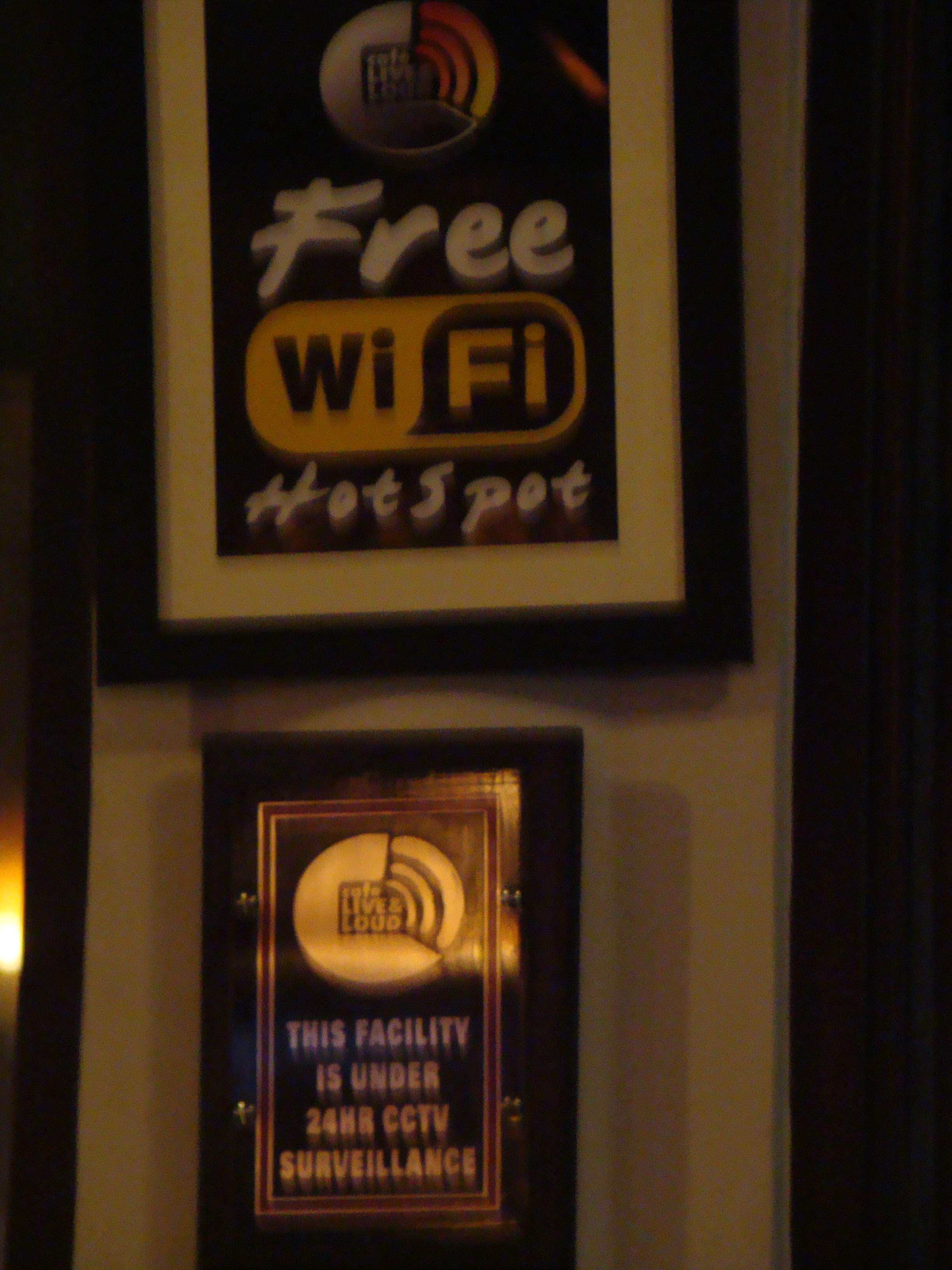
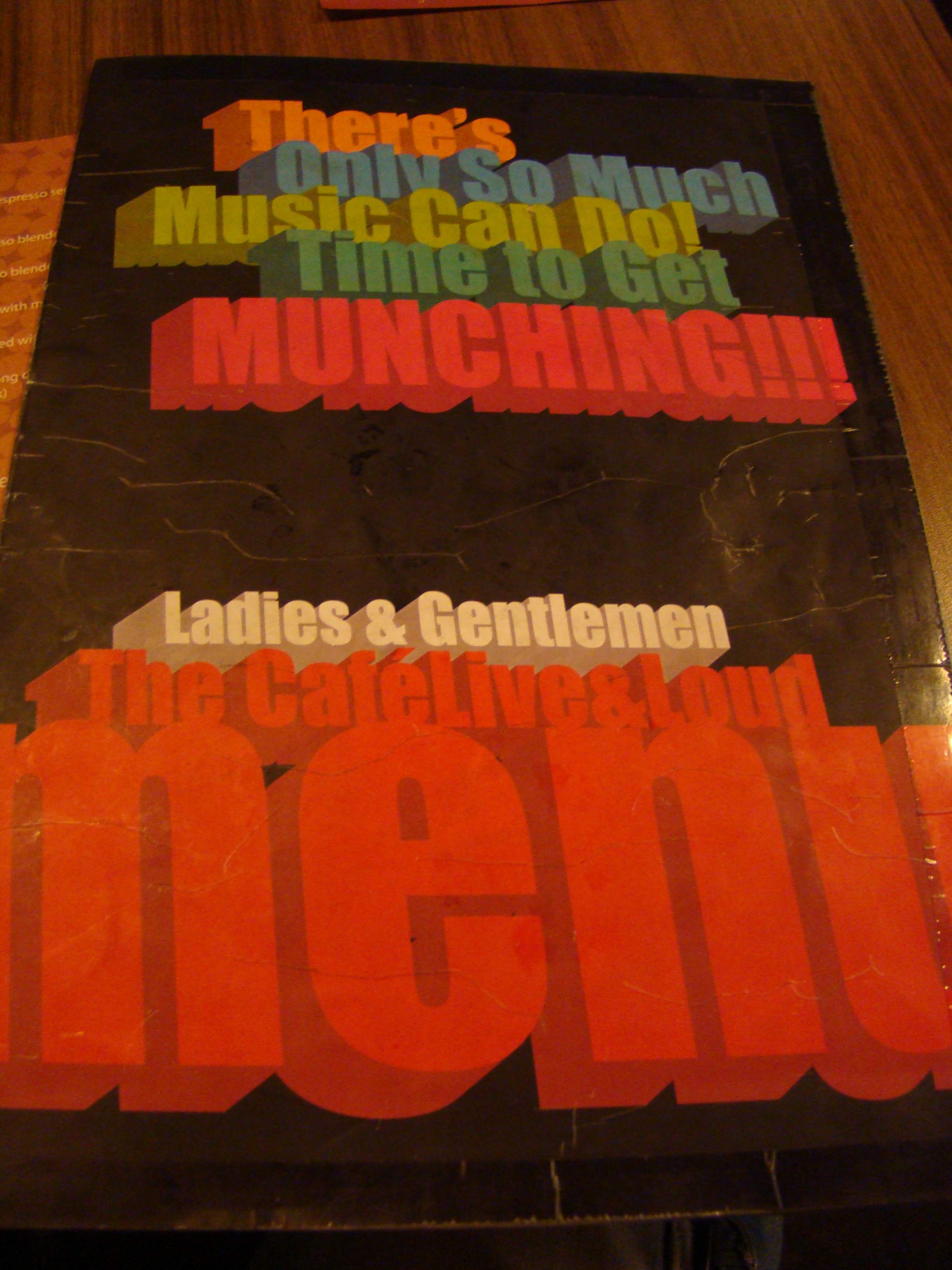
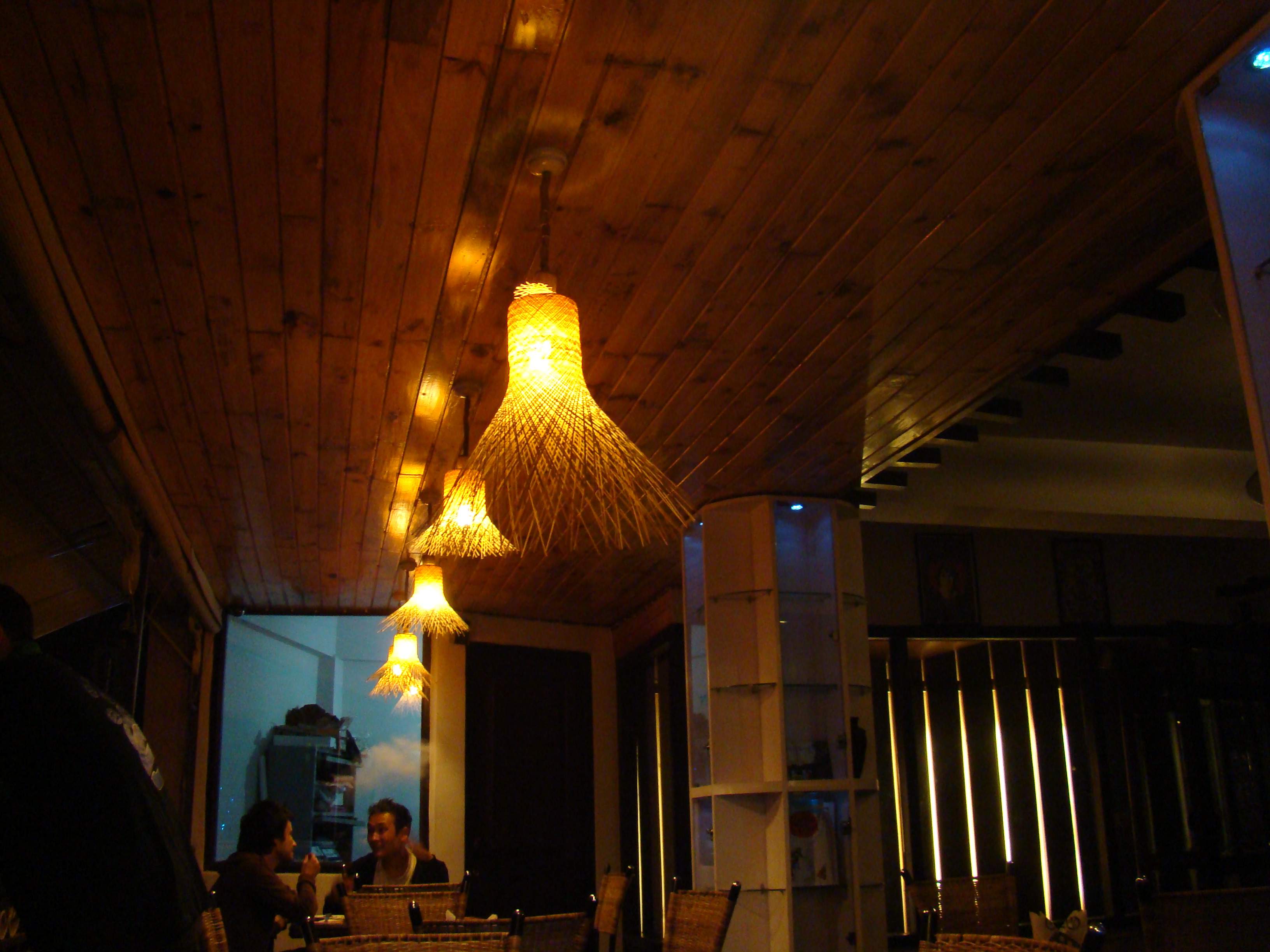
    We arrived at Mintokling, struggling for breath, and caught glimpses of  poor Shashi Tharoor also struggling to retain his post. Dinner was at Café Live & Loud, and the chilly pork was awesome. Another place with a great ambiance. They’ll probably remember me too, when they get their internet bill.
    9 10 11

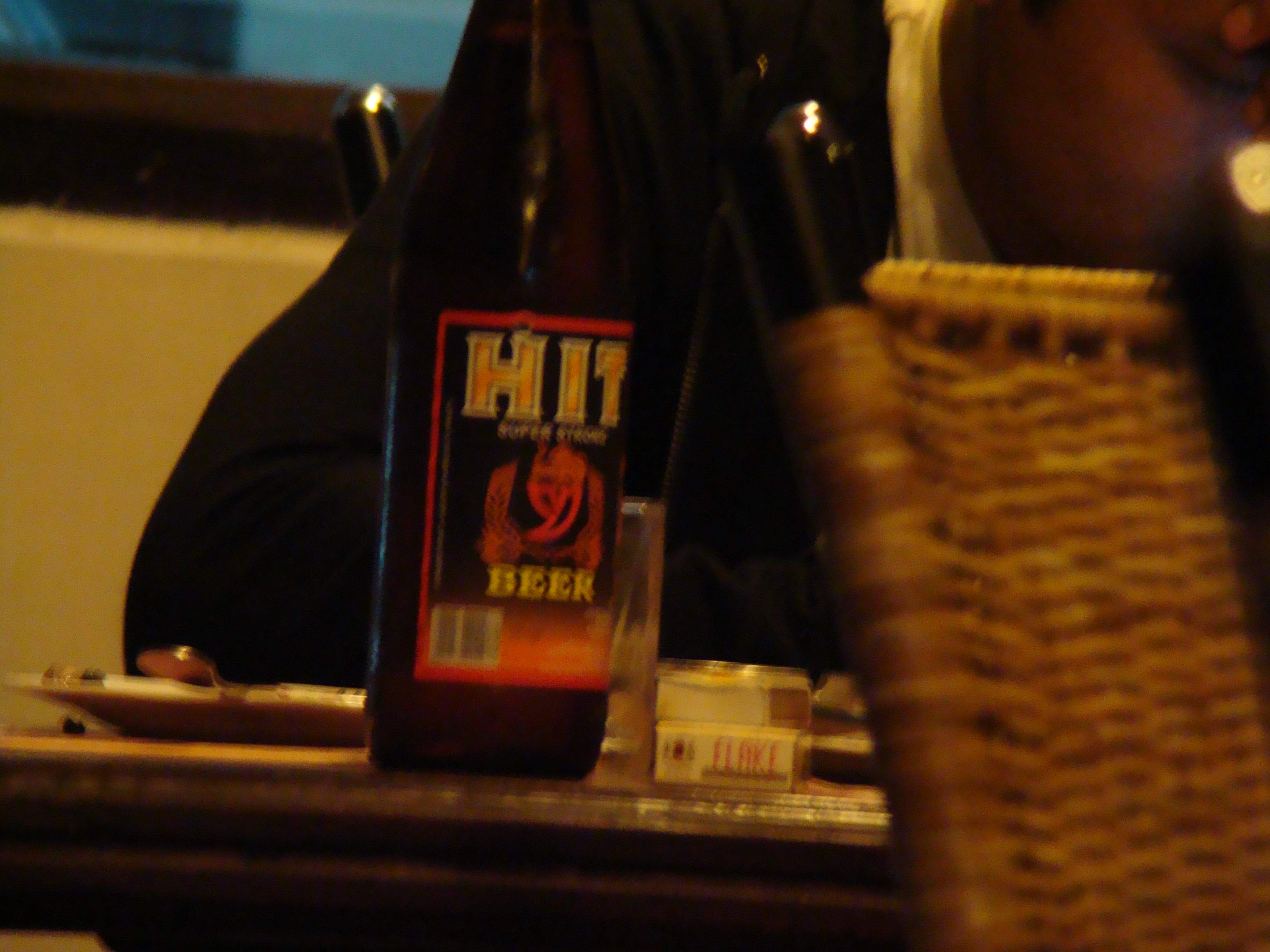
    Reciprocally, D would remember them later at night too, as her cheese pizza retraced its path. I wondered if she  had sampled the massively popular, Danny Denzongpa owned ‘Hit’ beer  (he also owns an alcohol brand called ‘He-Man’) when I was looking at the ‘pure’ Gujarati restaurant across the road.
    12

    For now, we hit the bed.

    13

  • Sufi

    We first visited Sufi in its earlier location on Wind Tunnel road. That was a while back. I remember it shifted to Residency Road for a short while, and then disappeared, until resurfacing in what is rapidly becoming the mecca of restaurants in Bangalore – our very own Koramangala. As the name might suggest, Sufi serves Persian cuisine, and also sells Persian art and craft. Its quite easy to find, since it is housed in the same building as Empire, on the 5th floor. Here’s a map. You’ll need to go to the Empire Hotel (ground floor, not the restaurant entrance) reception and take the elevator.

    Sufi seems more like a palatial living room than a restaurant. The ambiance, with carpets, paintings, urns, lamps, tapestries, and cushioned divans and chairs, seems straight out of some vintage Bollywood haveli. That’s meant in a nice, charming way. 🙂 Its non-a/c, though I wonder if its a temporary arrangement keeping the rains in mind, and the power cuts. The seating is well spaced, but it didn’t matter much since we were the only visitors. Meanwhile, Iranian pop (guess) plays in the background. By the time we left (about an hour later) there were about 4-5 more groups, but that still left quite a few tables free.

    And now the menu. It is mostly Persian, but has an optimised Indian section too. The Persian part provides a large number of options, though I’m not expert enough to figure out if its comprehensive. There are a couple of soup choices in veg and non veg each. (Rs.85-120). The appetisers consist mostly of salads – veg and non.veg. (Rs.75-250) There’s also a Mazzeh (mini entree) section, mostly veg. (Rs.50-80). Now for the meatier portion of the menu. Kababs – beef (Rs.250-300), lamb (Rs.300-350), chicken (Rs.175-300) and kabab-e-daryayee – sea food (fish – Rs.400, prawn – Rs.550) and what must be a gigantic chef’s platter, with all of the above, at Rs.1200.

    The main course options start with the Chelo Kababs – rice and kababs combination, the rice prepared in several stages, while kababs are mixed with herbs and spices, and broiled till they are juicy and tender. They are available in beef (Rs.300-375), lamb (Rs.375-425), chicken (Rs.350) and Daryayee (sea food at Rs.475)

    There are also a couple of Khoresht (gravy) options in veg (Rs.200) and non veg (Rs.250), which are served with naan, and their combos with rice (Chelo Khoresht) – veg (Rs.250), and non veg (Rs.300-400). Finally there are the polo/chelo options – prepared in several stages, the rice is fluffy and tender, and saffron, xereshk, pistachio and badam are used for flavoring and decoration. Apparently, the chef sometimes uses assorted food items like yogurt, egg yolk, saffron, naan, potatoes, pumpkin and other vegetables to create a golden crust (tah deeg) at the bottom of the vessel. There are veg (Rs.200) and non veg (Rs.300-375) options. Like I mentioned, there is also an Indian section with quite a few veg and non veg options – including sea food, with the usual suspects in tandoori and gravies.

    We took inspiration from the quote at the bottom of one of the menu pages, attributed to an unnamed Sufi mystic – “I’ve been on a diet for 2 weeks, and all I’ve lost is 2 weeks”, and started with a Doogh – a unique Persian drink made of homemade yogurt and herbs mixed with sparkling soda. (Rs.55). It tastes mostly like buttermilk, but what makes the difference is the soda, which adds a nice fizz. This, coupled with a mint flavor makes it worth a try. One glass sufficient for two people actually.

    Since we planned on a Chelo Kabab for the main course, we decided to try a soup. The Soup-e-jo (non veg, reminded me of cup of woe..hmm) is a barley (jo in Persian) based soup with carrot, milk and boneless chicken pieces. At the risk of getting flogged, this actually tasted like sambar with chicken. 😐 You can safely give it a pass.

    Our main course consisted of the ‘Chalo Kabab e Negindar’ – grilled mince meat of beef and lamb, topped with chicken pieces, garnished with vegetables and served with basmati saffron rice, and a ‘Khoresht e ghayne’, lamb pieces and lentil cooked in a special tomato gravy and topped with fried potato strips. We started with the latter, served with a naan. It had a very strong lemon flavor. I wondered why, until D pointed out that what I had figured as meat, was actually a lemon. As the description indicates, its meat in dal. I’d say you’re better off choosing the palak based gravy. The pieces were juicy and tender though, and made a reasonably good combination with the naan. The kababs were very good. D felt that the rice could’ve been flavoured better, especially since rice and kababs make a very dry combination. I survived using the butter provided with the rice, and chillies, onion and the remnants of the Doogh. 😀

    To complete the meal, you could try the Persian tea (Rs.30). Its apparently served in small cups, without milk and sugar. Sugar cubes are provided though. You’re supposed to keep it behind your teeth, while sipping your tea, so that the sugar dissolves slowly and sweetens the tea. If you don’t find that weet enough, you could choose from a couple of dessert (shirini) options – sholezard, made of saffron, sugar and rice, or the ranginak, made of flour, dates, cinnamon, walnut etc. We were too stuffed to try either. And oh yes, can’t forget the hookahs, available in coffee (Rs.350) and fruit (Rs.325) flavors.

    The service is decent, fast, and helps you in choosing too. All of the above cost us just over Rs.1000, including a 10% service charge and taxes. Visit once for a truly different menu and ambiance.

    Sufi, 103, 5th floor, Empire Building, 5th block, Koramangala. Ph: 65901177

    PS. Anniversary dinner, and also opened for me, the ‘Superstar’ badge on Foursquare 😀

  • Sikkim Day 2 – Mixed Signals

    We began the day slightly late, since we had minimal plans. Fresh from the giant momo experience from the day before, we decided to go out for breakfast and the Sonam Delek on Tibet Road ensured that we were well fed, though they did seem surprised that someone from outside (not a guest staying there) would choose their place for breakfast.

    We set off for Rumtek monastery soon afterwards. The Alto snaked its way through Deorali and Ranipool, and finally reached Rumtek, where the parking space was already full with arriving and departing visitors. A small climb got us to the monastery where the monks seemed to be having a lunch break. We were lucky enough to take a look at the sanctum before it too closed for an hour. It also meant that the silence in the small room was disrupted by a visitor shouting from the window to her companions below to come quickly. The monk in charge tried to dissuade her repeatedly and finally gave up.

    pic1 pic2

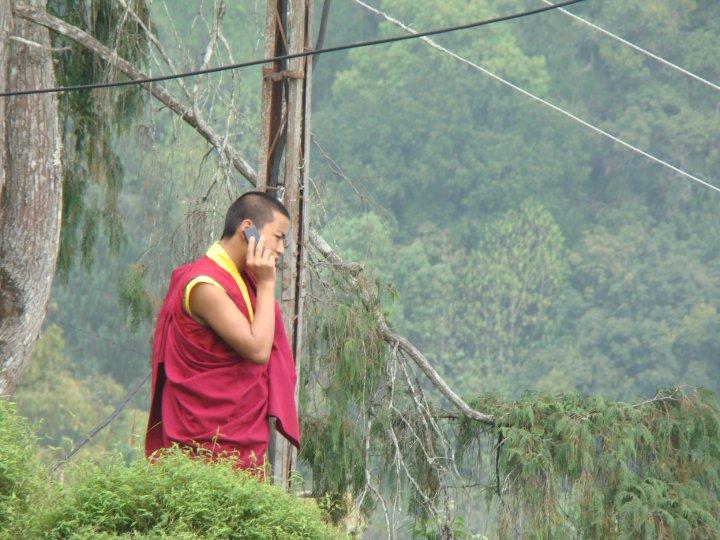
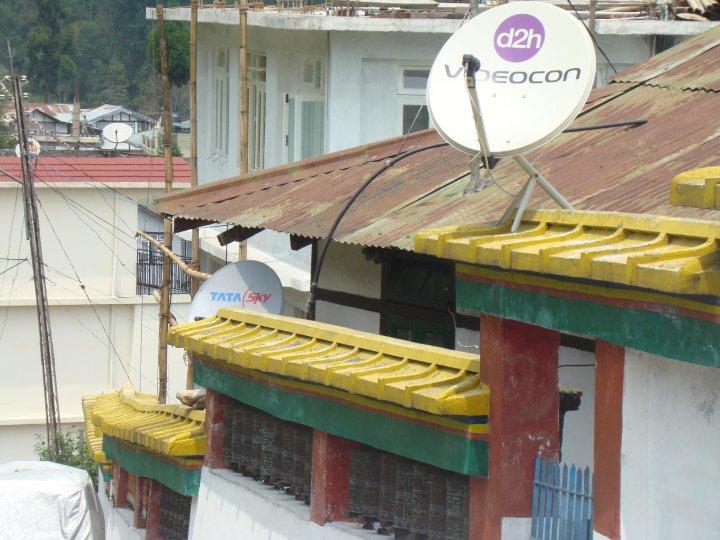
    We walked around a bit and took a few snaps. The title of this post has a lot to do with the scenes there. The monasteries in Leh were places which awed us with their silence. A sense of peace was all pervasive, not just in the way it was reflected in the face of monks, and the grace in their interactions with us, but in our own selves too. Rumtek seemed to be fighting a losing battle with what is popularly known as progress. Monks with cell phones, prayer wheels and satellite dishes side by side, and the way inhabitants seemed to be basking in the attention of tourists.

    We stopped on the way back and D was delighted to try out a Sikkim dress at Shanti View point. Photographs and even a ‘behind the scenes’ video followed. We reached Gangtok just in time for lunch. The beef at Allen’s kitchen (opposite Dominos Pizza) was highly recommended online, and we decided to give it a try. Unfortunately, Allen told us that he had stopped serving beef since many of his clientele had objections, but the pork momos, Thai red curry combo, the chicken chowmein, and the banana milk shake in the end meant that we had no reason to complain. This wonderful place, which oozed character, was one of the most redeeming happenings in the trip. I showed Allen the print outs that extolled the beef he used to serve. He could sense our disappointment and even offered to get it for us the next day.  Amazing place, and an awesome guy. If ever you go to Gangtok, make sure you drop in here.

    pic1 pic2 pic3 pic4 pic5

    As we stepped out of Allen’s kitchen, our biggest enemy made its presence felt. I have been in downpours in Kerala, and the ones in Sikkim match them in intensity and duration. Gangtok has this nice navigation structure, which might be common in hill towns, I guess. Though the roads loop, there are stairways between roads for pedestrians. We emerged out of one straight into the Gandhi path, okay, MG Marg, where people were busy sheltering themselves. We waited a while staring at my ‘status’ …….

    pic6

    ….and then plodded into Lal Bazaar, several floors of everything from vegetables to apparel. A mall of roadside vendors, if you will. They however didn’t seem very interested in us purchasing anything. D wondered if it had anything to do with the way the people of the region are treated in the rest of India. I thought it had to do with their revenue coming from foreigners.

    Music band merchandise (I remembered some twitter folk when I saw a ‘Lamb of God’ bag), luxury brands, all can be found here. A few hours later, we left, with my newly acquired army fatigue design umbrella, and the amazing lightness of being sheltered from the torrential rains. We dropped in at Cacao, a decent coffee shop, from where we could watch MG Marg,as they watched us.

    pic7

    D discovered the ‘hot lemon with honey’ and I played safe with a hot chocolate. I was still muttering about the attitude of the shopkeepers when I asked for the bill. The girl smiled and told us to wait a while, since there wasn’t much we could achieve while it was raining so heavily.

    pic8

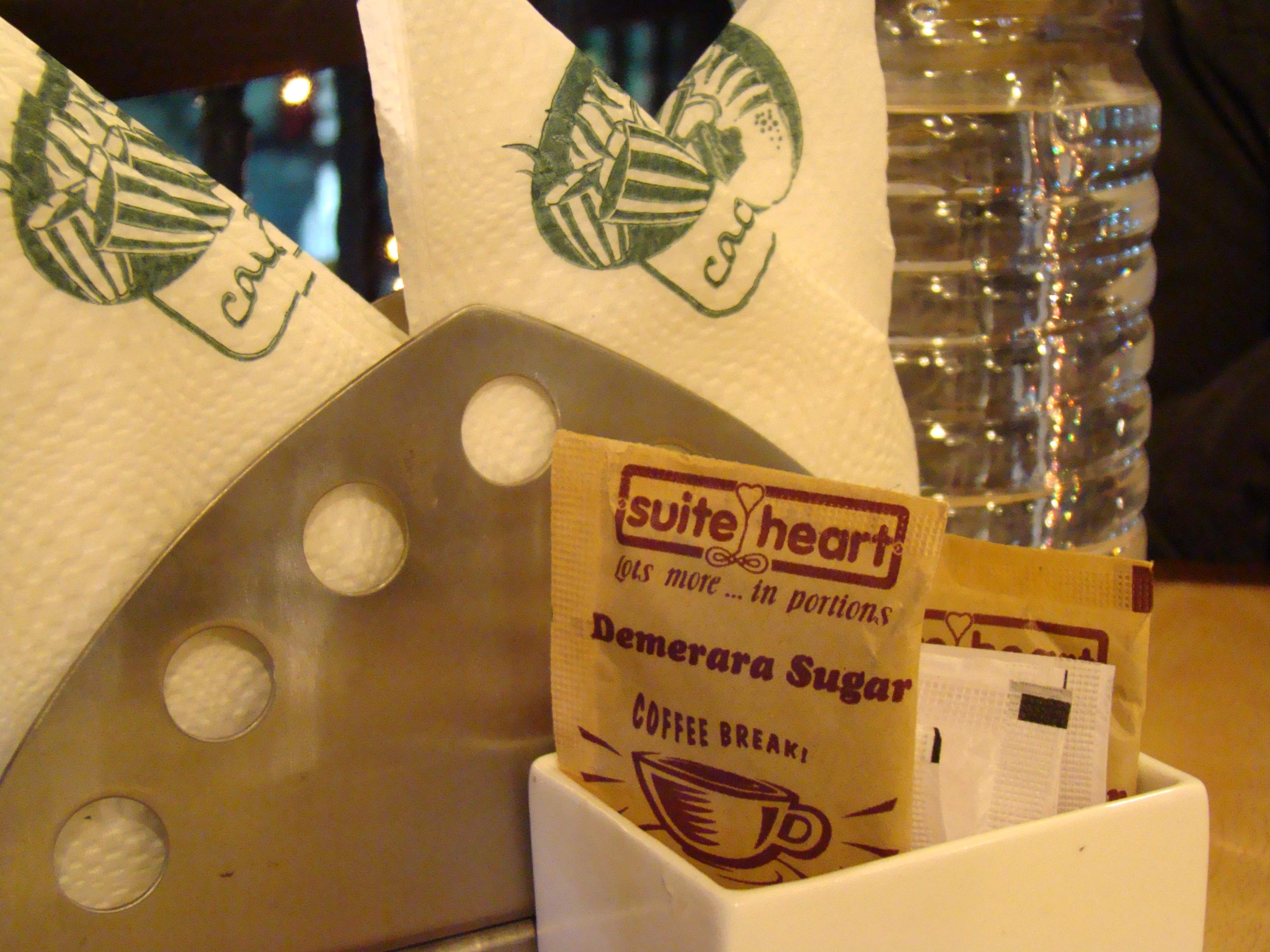
    Suite Heart indeed. 🙂 We walked out a little later, and arrived panting at Mintokling. The amazing heaviness of steep climbs!! A small nap later, we were ready for dinner.

    Tangerine was another place recommended on the web. It was close by, on Tibet Road again, and we reached the subterranean restaurant (3 levels below the entrance) remembering that we would have to climb up after the meal.  Tangerine took me back in time with its music – Lobo, Air Supply, Foreigner etc made a decent setting, though we had to wait forever for the food to arrive. Thankfully, it was decent enough not to warrant another set of complaints. 😀

    Sometime in between, our Day 3 plan got completely scrapped thanks to the rain, and we got busy choosing from alternate plans.

  • Sikkim Day 1 – Uninstall Driver.. please

    As my friend Partha Jha (who has made it a habit to get into my vacation posts) would agree, there are many ways to see kim. ‘Off for some GangTalk’, said my status message on 15th, and that’s where it would start. That’s also where we end the silly wordplay, almost. 🙂

    Two flights took us over 2500 km from Bangalore, and landed us in Bagdogra in West Bengal, the nearest airport, about 120 kms from Gangtok, an estimated road journey of 4 hours, that began at 3.30 pm. At the airport, we noticed this father’s touching concern for his daughter’s health – never too early to start exercising..

    httpv://www.youtube.com/watch?v=zvgaaYZsi8g

    We crossed Siliguri, and stopped at a roadside shop for some much needed nutrition. Sivok served us a decent chaat and chai. That’s the name of a place, by the way. 🙂

    The climb began slowly as we uneventfully crossed Rambi (no Stallone jokes okay!) and Teesta. There was a minor roadblock at Malli, at the bazaar, but thankfully all was well in a few minutes. Darkening sky, mountains looming in the distance, the lights of the dam construction on the Teesta river, twisting roads, small roadside temples, perfect time for a small nap when suddenly the car stereo began playing ‘Ek Haseena thi’, from Karzzz. I asked D if she had anything in mind, and she told me not to drive her crazy at the beginning of a vacation.

    The drive was quite a learning experience, as D and I now know ‘Kamini ki dastaan’ (the lyrics of the song above), and the Bachna ae Haseeno title track completely. There were a couple of others too, but for my own good, my brain seems to have cordoned off the area. We heard these about 5 times each, as they mimicked the looping mountain roads. Just when I was about to sing along and scar the driver for life, some primal instinct made him turn it off.

    At Rangpo, where Sikkim began, the driver asked us to answer with a nearby town’s name if the cops asked us where we were from. When I asked him the reason, he said they were strict about not allowing in people from Nepal. D and I looked at each other to confirm our features and skin tone, and nodded to acknowledge the driver’s supreme intellect. We pretended to be asleep when we stopped at the border, in case we answered in Nepali accidentally.

    To distract him from playing more music and havoc, we quizzed him on the various places in Gangtok we planned to visit, and he confidently gave us the respective distances from our hotel. It turned out later that the joke was on us – he was the one distracting us from his utter lack of knowledge of where the hotel in Gangtok was!! That meant that we took an extra hour to reach Mintokling, our campaign headquarters. Sometime during the journey, we were informed that due to heavy rains, our Day 2 plan of Nathula, and Tsongpo lake would not happen. Since we had one more day in Gangtok, we asked for the Day 2 and 3 plans to be interchanged.

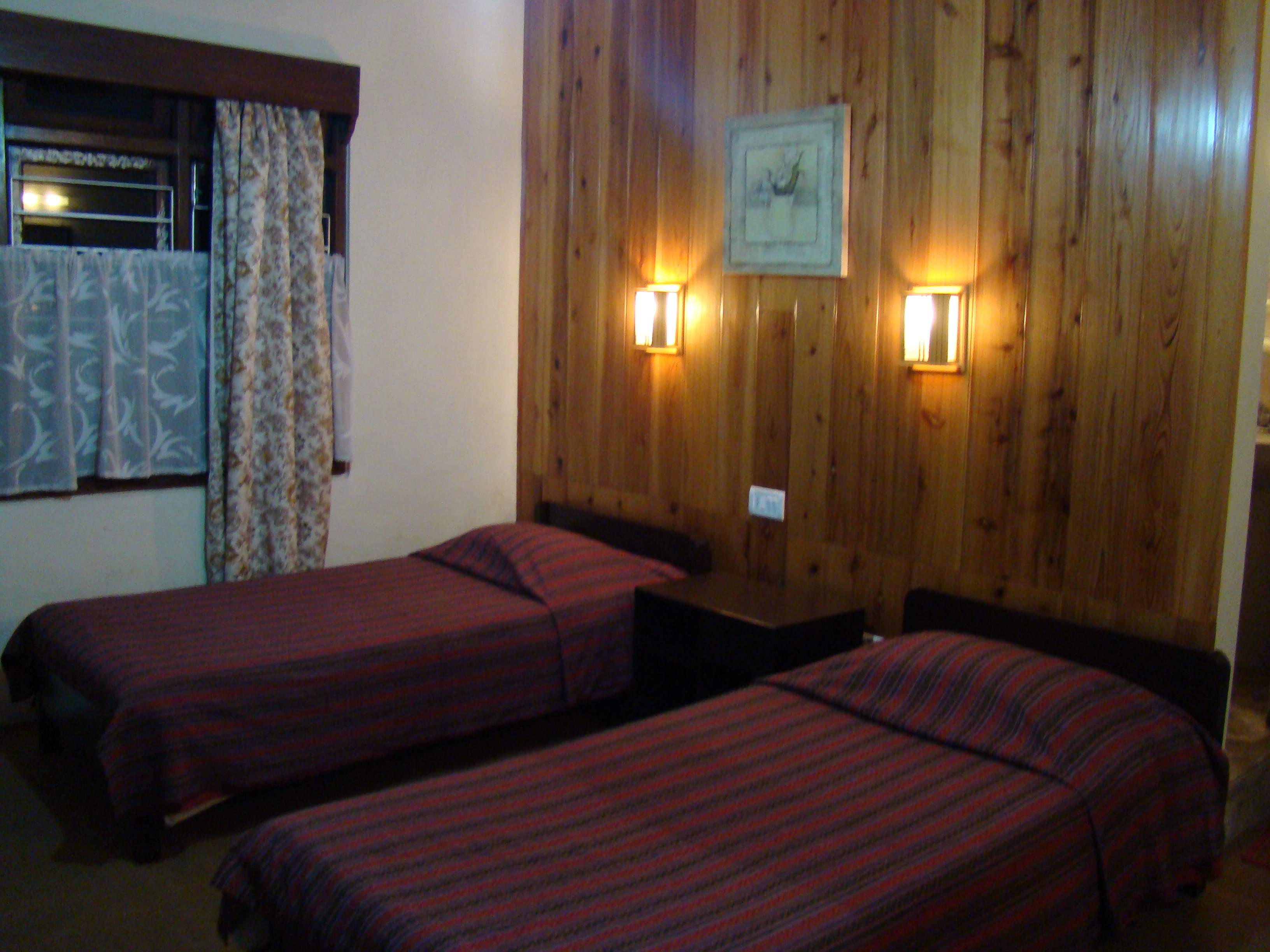
    Mintokling turned out to be an excellent place to stay, and we were thankful for its small restaurant. We ordered dinner, starting with momos and including a special Sikkim dish to go with the rotis. We confirmed that the dish had a gravy, and were met with an enthusiastic “yes, thick gravy“. The small detail that wasn’t mentioned was that the ‘thick gravy’ was enclosed in a super momo structure. A branch of peace was offered in the form of dal, and we left it at that.

    The day ended on a high, as I found 2 Malayalam channels on the telly. It is somehow comforting to hear many people speak one’s language, when one has had an eventful day like the one above.

  • Endurance Models

    I’d ended last week’s post wondering about the role of durability in the design of communication and organisational structures. Dina has continued the discussion on her blog, adding on some very pertinent questions. Do visit and add on to this very interesting thought flow.

    I got myself three threads of thought in her post. One, the dependency (of one product on another’s durability) factor, highlighted by the classic example of Twitter, where app developers have been flummoxed by recent events. (Twitter buying out Atebits and making Tweetie a free app for iPhone). Two, brands needing to create enduring, sustainable relationships, and being agile and flexible, because neither consumers nor their relationships are ‘static’. And therefore, three, durability is morphing.

    Before we dig into all of them, a small point of view. While one one hand, Twitter buying out services/competing with them could be seen as very Google like, and something that kills innovation in my book, I do have faith in Twitter and believe it won’t go the way Google has. (Simplistically) Unlike Google, which practically kills (eg. Dodgeball, jaiku), Twitter has just removed one entry barrier (paying for the service) for Tweetie’s adoption. As for Fred Wilson’s post, i can only remind you (again) of Godin’s description of Twitter – a protocol, and that’s why I completely buy the argument in the post on creating something entirely new on top of Twitter. (a contra view on Twitter being a protocol, informative read)

    This, you would notice, is a thought that continues from Dina’s point on dependency. But there’s a link to the second point as well – creating enduring, sustaining relationships and being flexible. The services which (to quote Fred Wilson) were ‘filling holes’ were (IMO) way too dependent on twitter. They were only providing a value, which Twitter had not deemed as a priority at a particular point in time. Not sustainable.

    Now, social gaming is one of the opportunities that Fred Wilson notes. So, look at Zynga. Their creations acquired massive adoption because of Facebook. They keep making more games, running them on Facebook, but simultaneously, also made farmville.com, with integrated FB Connect, and offers them more flexibility to provide more value. More importantly, the genre is perhaps not something FB is likely to get its hands dirty in anytime soon. Slightly more sustainable. Look at Foursquare. Standalone, but with Twitter and Facebook integrated very well. A level higher on sustainability. So the point is, the durability would be a function of how these platforms are used, dependency is proportional to the value provided.

    Morphing. Though the usage of social media by organisations is a subject that is discussed often (including on this blog), I thought this post by Tac Anderson articulated it extremely well. He discusses three strategies used by the enterprise – the one off approach that isn’t integrated with any existing system/process; optimising social media for business – with clear resources, roles and responsibilities; optimising business for social media. The first and second areas are where most companies operate. The third is a business organisation optimised for social media (technology and culture). He points out that Netflix, Google, Amazon have built businesses optimised for the web, and doesn’t see a business that has successfully implemented it wrt social media. He does say that it may not make sense for a company to throw out an existing strategy and build another around social media, but the ones with the third approach will be the next Google/Amazon. Another good read on the subject is Tom Fishburne’s ‘The new product waterfall‘.

    It is debatable whether an organisation can move from approach 2 towards 3.  But I do think that the morphed versions of durability will emerge from business structures that are built to be comfortable with and are therefore in a position to take advantage of the tools and platforms of social media. That is most likely the way to create enduring, sustainable relationships in a scenario of changing consumer and communication dynamics.

    until next time, the durability of this thread on the blog ends here 🙂

    PS: Won’t have to endure a post next week. Back in a fortnight 😉