Year: 2010

  • Lankan reams – Day 3 – Kandy

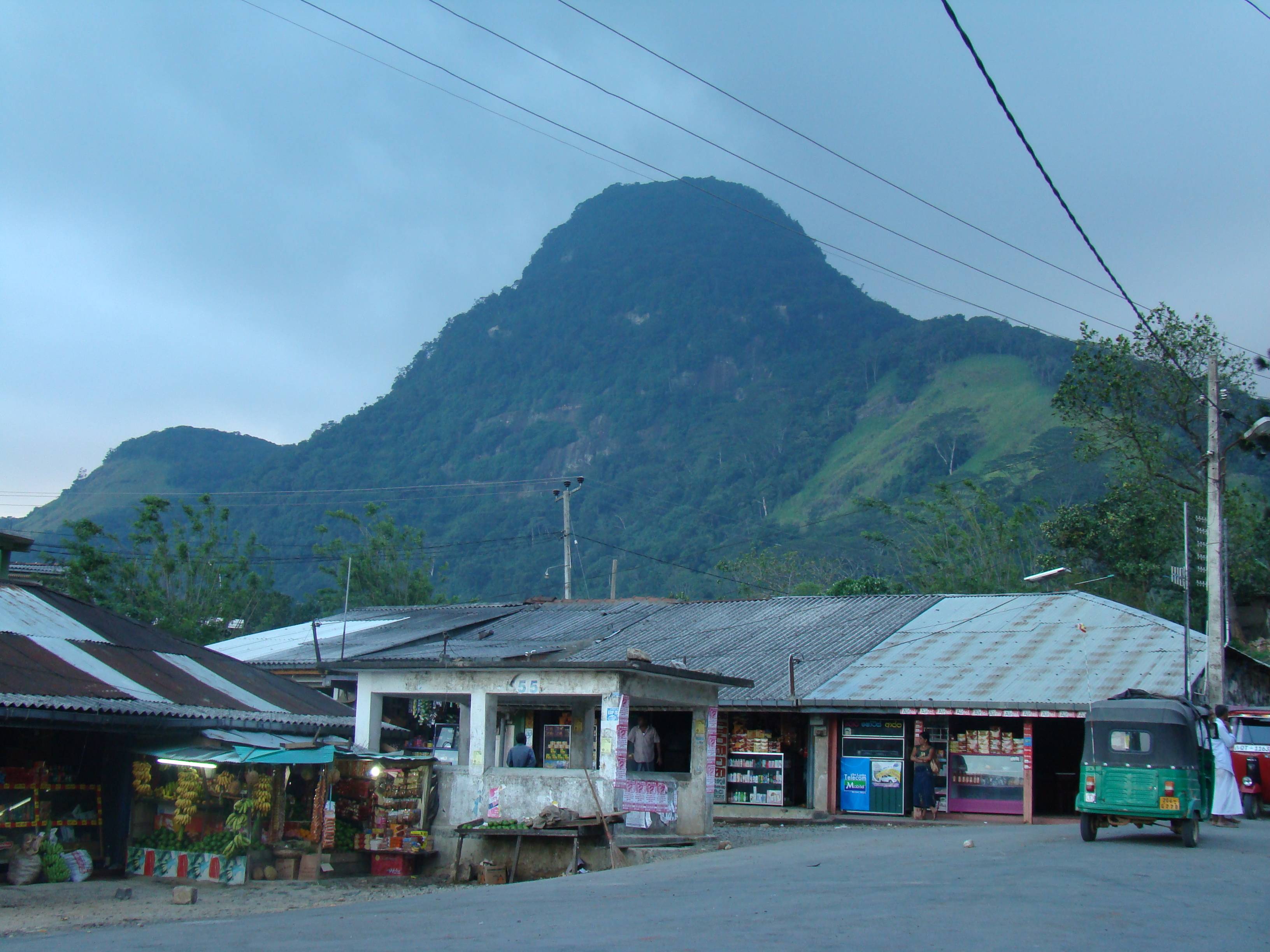
    After two days of early starts, this one was more relaxed, since the only agenda for the day was the Tooth Relic Temple. Okay, and some hazy culinary plans. Breakfast was a pleasant affair, largely because I got to have Milk Rice and chicken curry with some amazing onion based chutneys! Breakfast, imagine! Sigh.

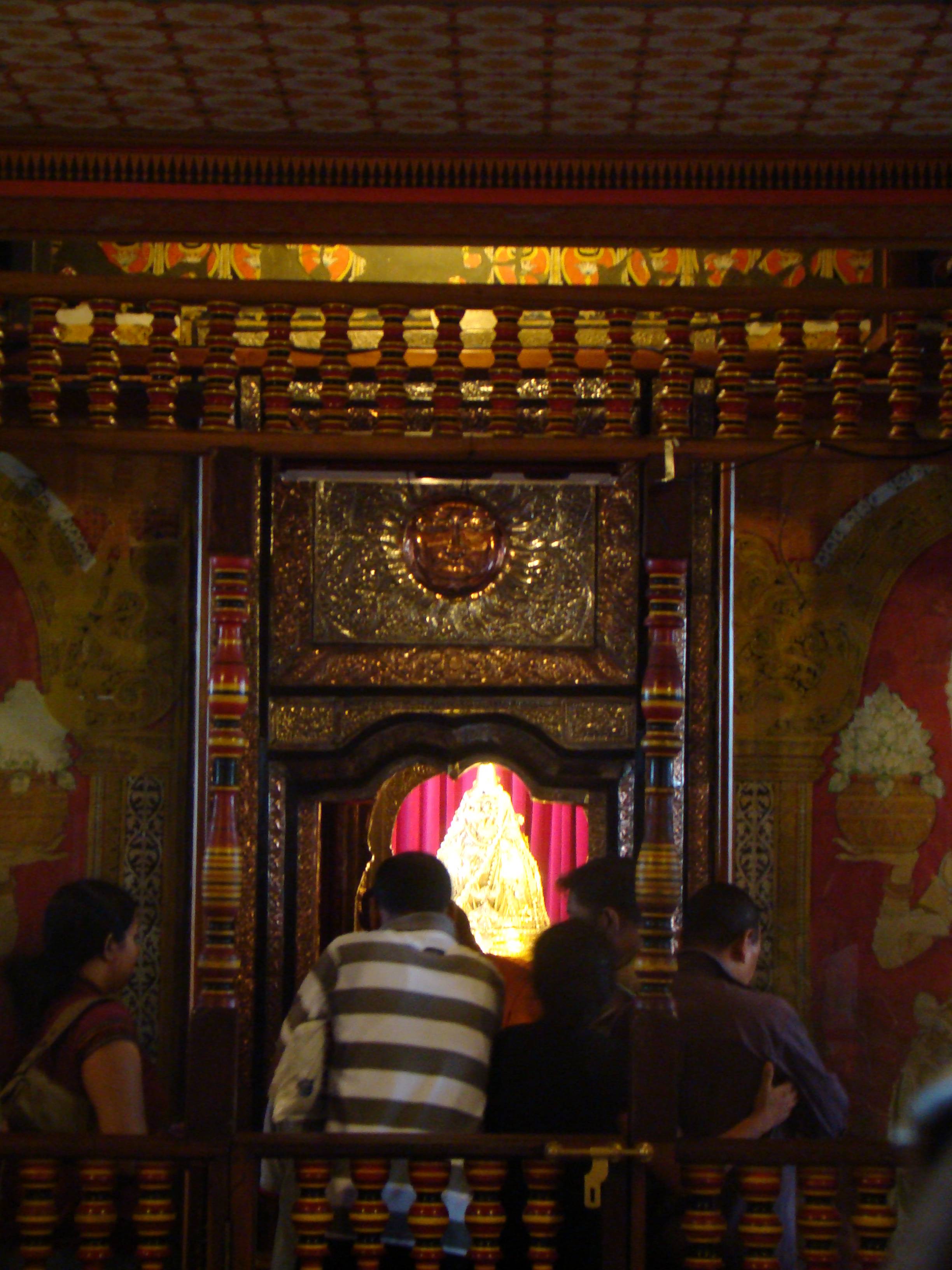
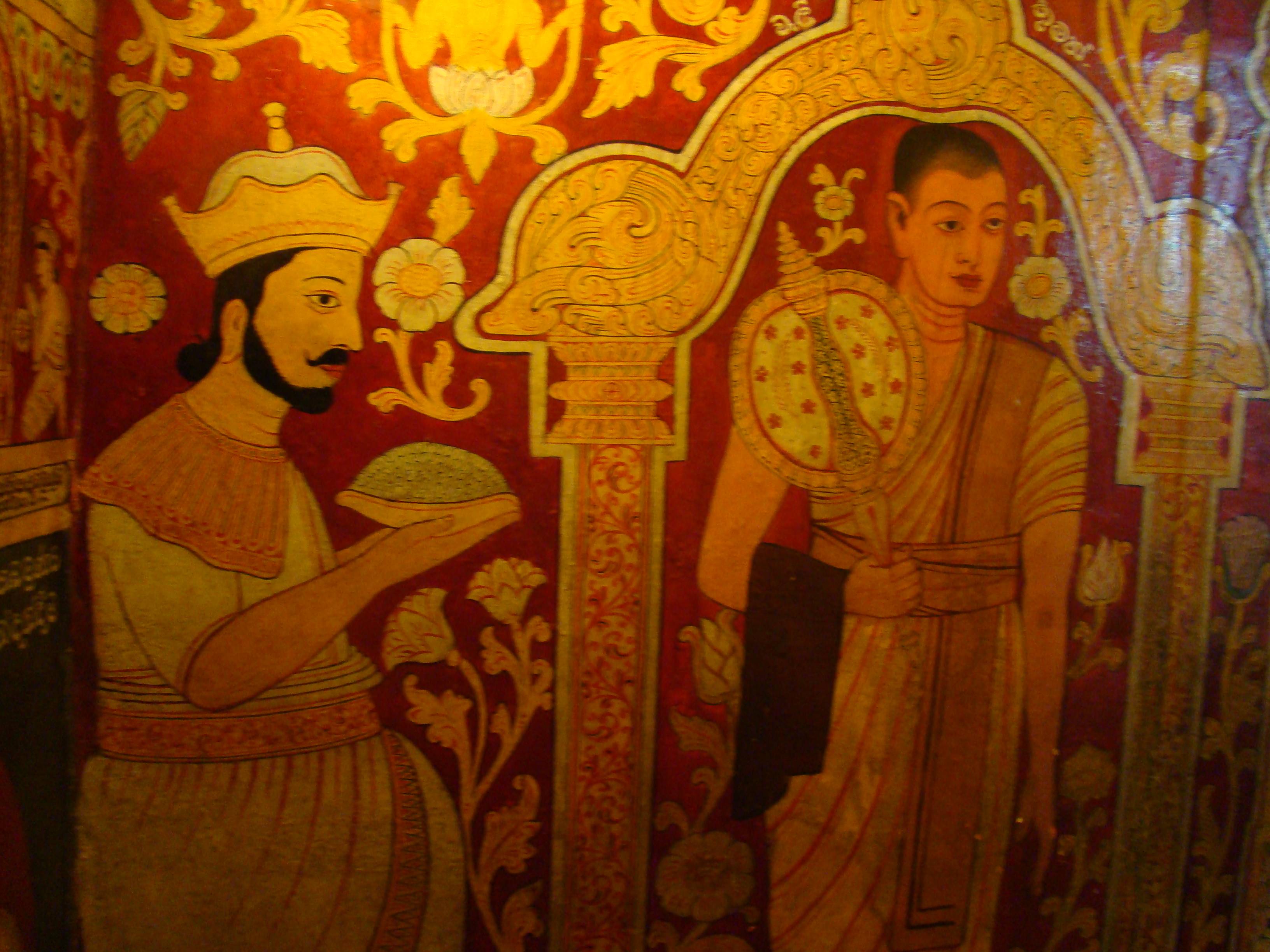
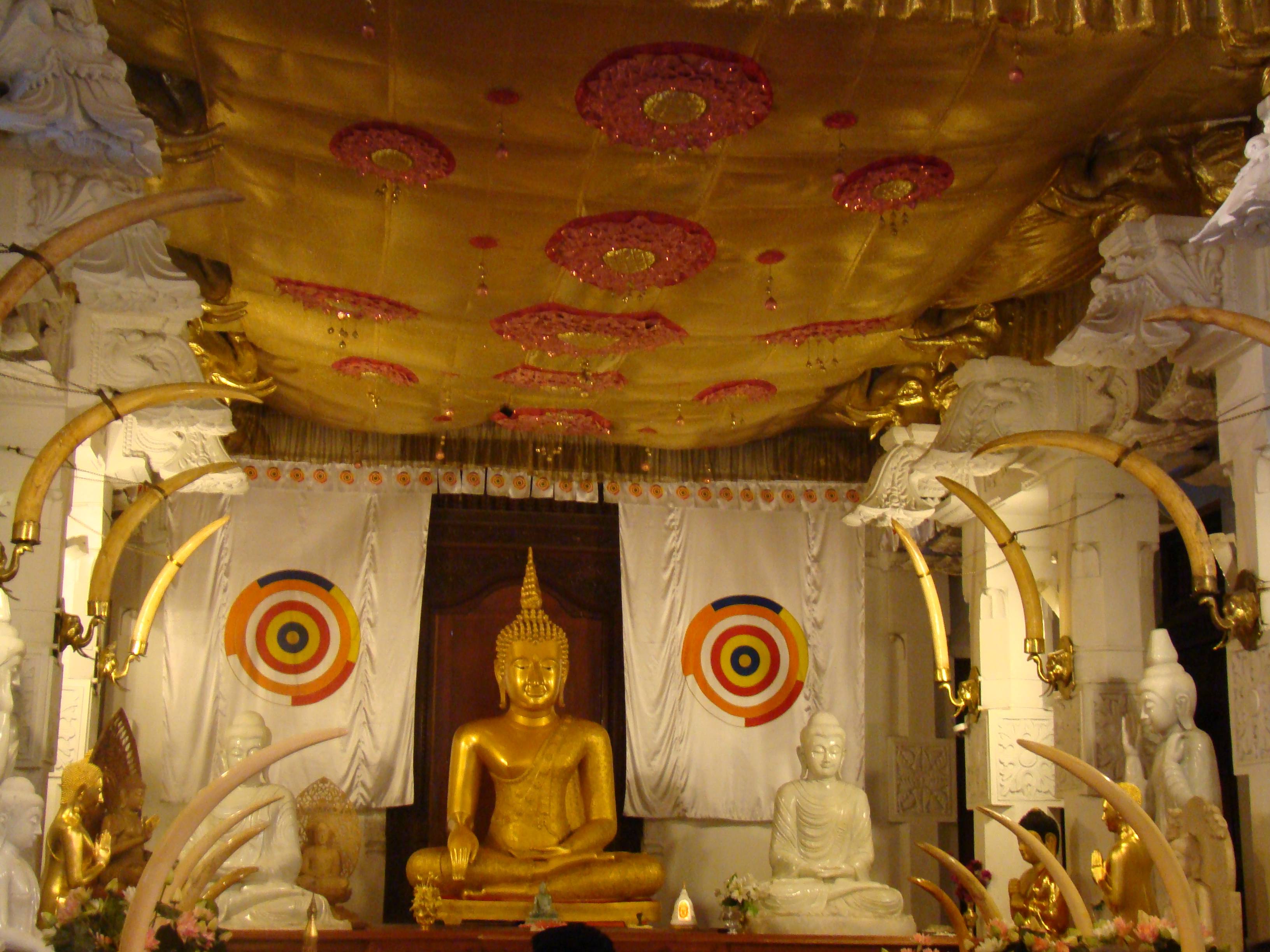
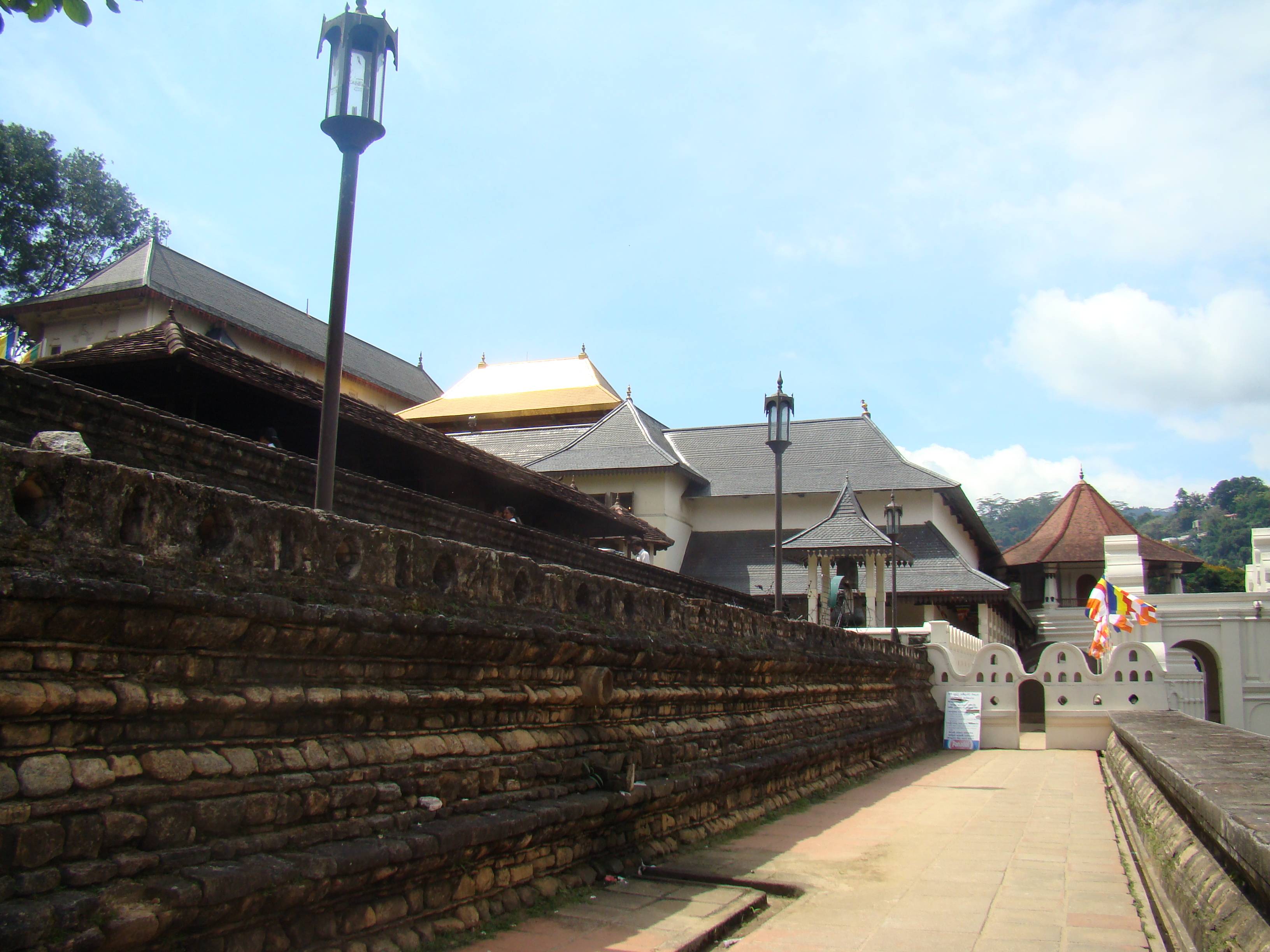
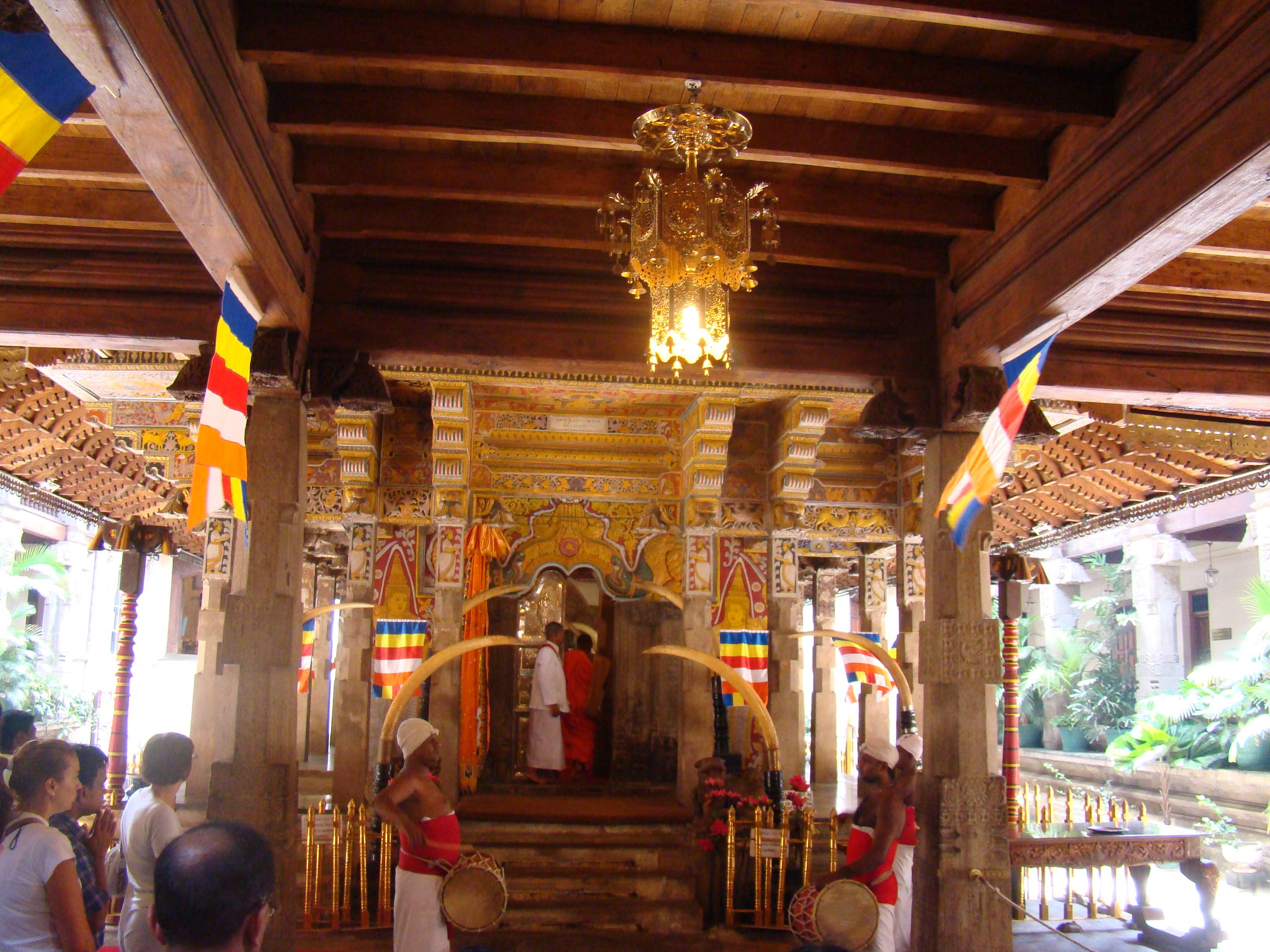
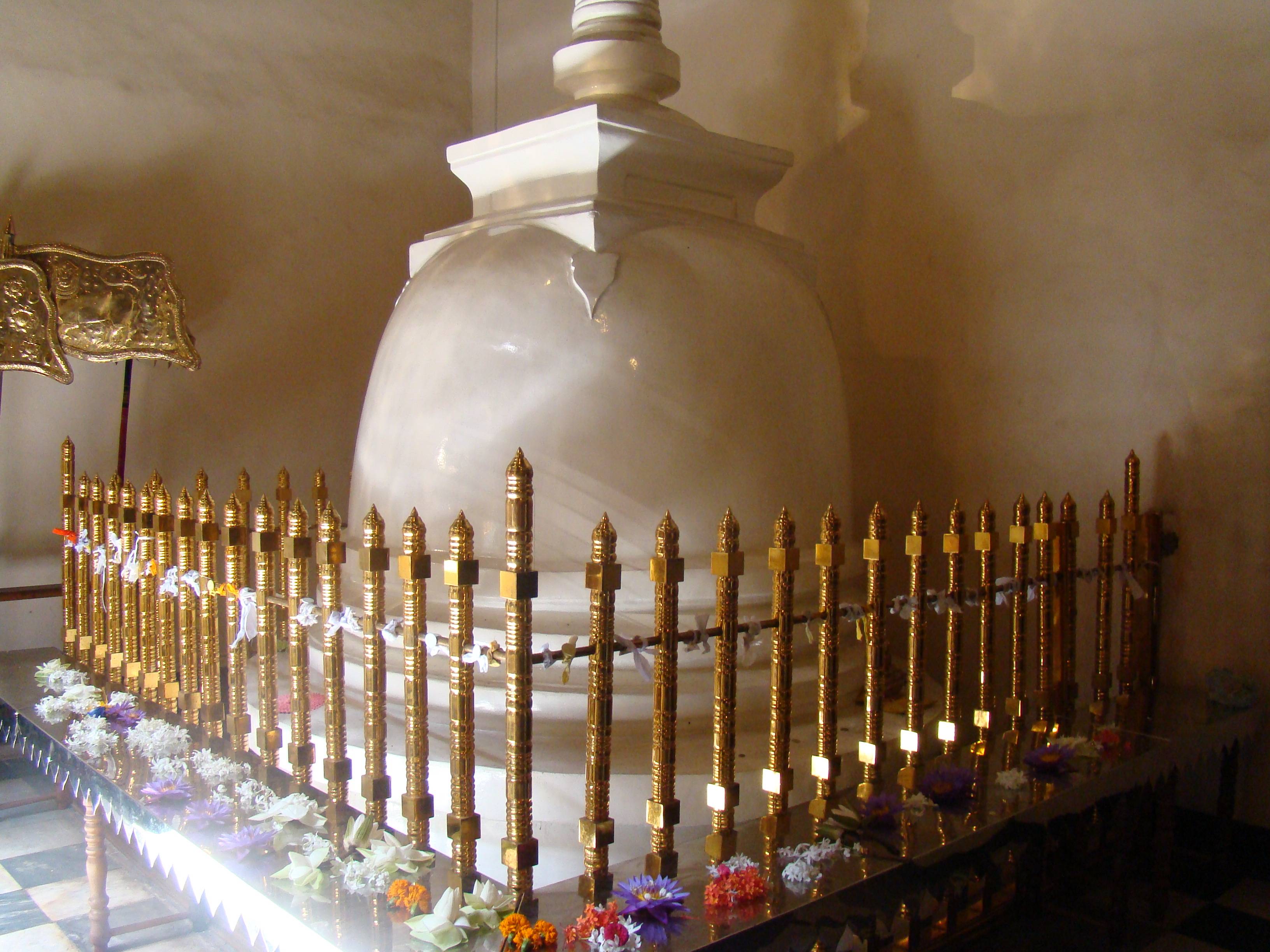
    The Tooth relic Temple is probably why Kandy is known as the heart of Buddhism in Lanka. There seemed to be three prayers that were open to the public – Dawn, Morning and Dusk. Security was quite high. The LTTE had done of their suicide bomb acts here too.

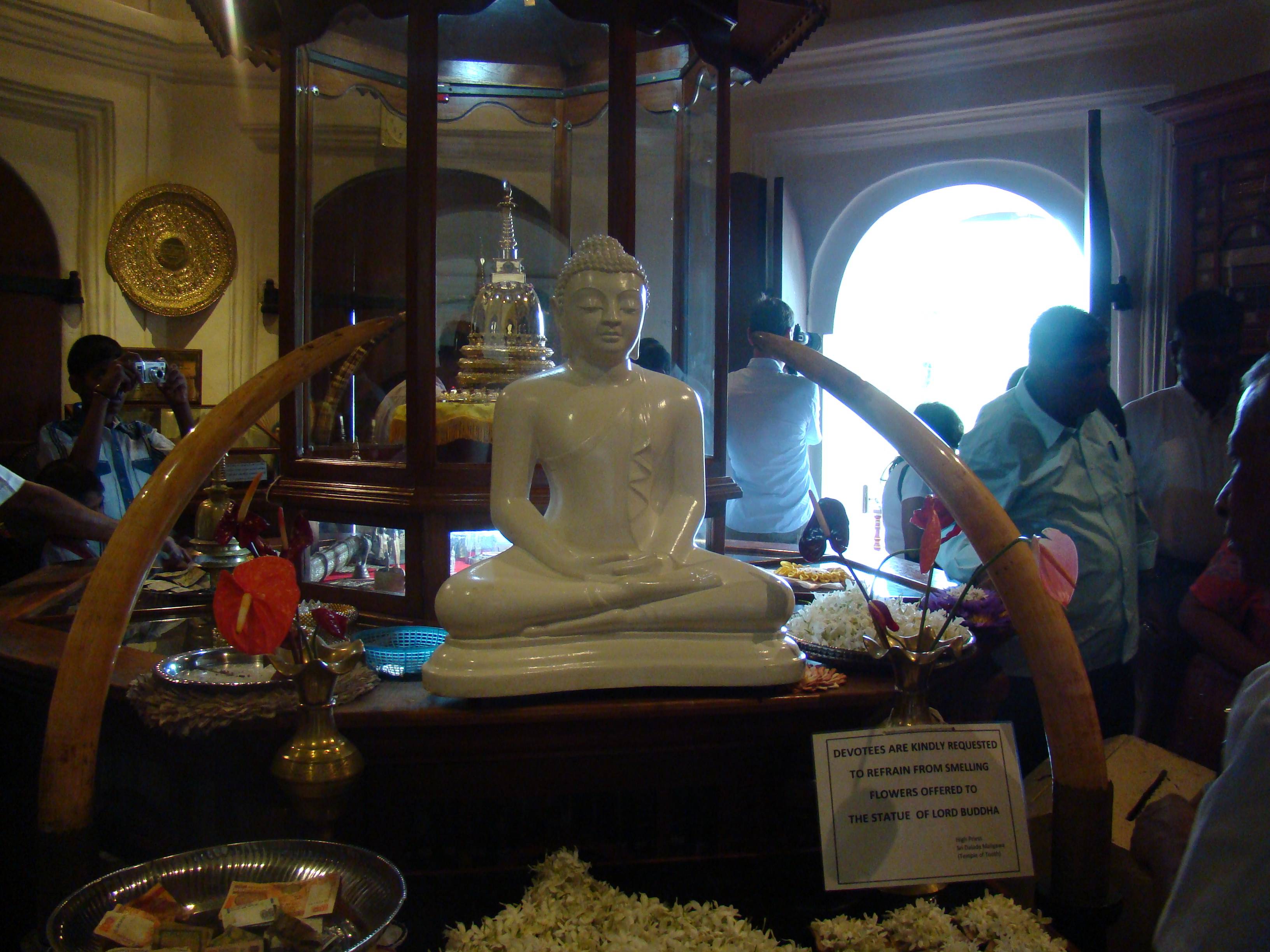
    The word ‘temple’ is used rightly, because considering the rush, it was like say Guruvayoor or Sabarimala, in India. To me, this place nailed Buddhism clearly as a religion. I somehow doubt that was what the Buddha had in mind. So, like most religions, interpretations rule, and when you disagree, you form a new sect. ‘Ahimsa’ is interpreted enough to allow non-vegetarianism, just another way of life. I like to believe in one’s own notion of faith,Β  but it was difficult to miss the fact that a tooth was being worshiped. It also struck me that Buddhism in Lanka was a sort of passed on faith. The Buddha never went to Lanka and Buddhism came to Lanka long after the Buddha died. Perhaps it is because I am an Indian Hindu and used to ‘owning’ my gods that this thought came to me. Anyway, thanks to my high expectations of Buddhism, its Lanka version and the ochre / bright orange clad monks didn’t command the respect their counterparts in Leh did. Cameraman was on auto-mode.
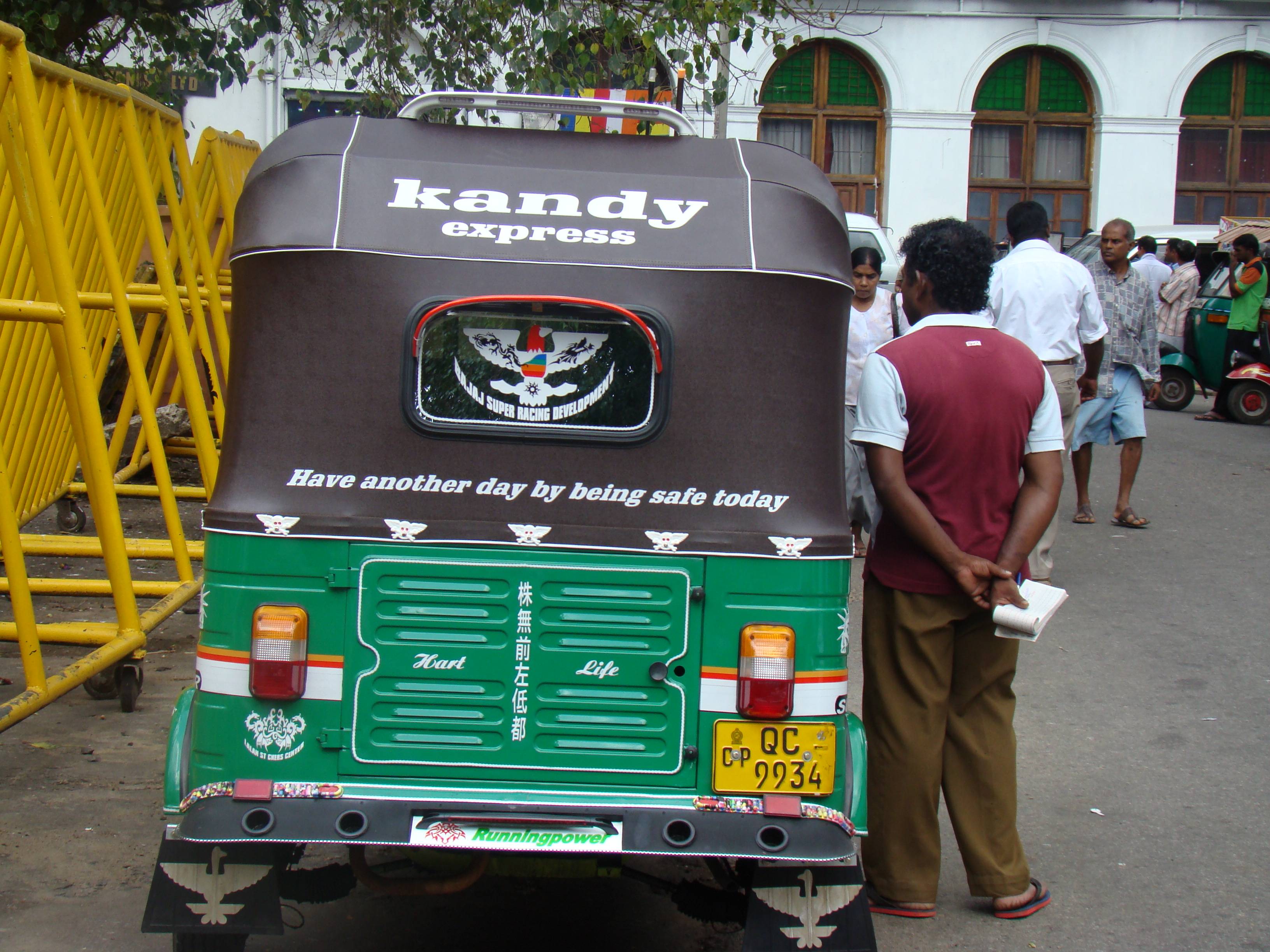
    Though we didn’t take the Kandy Express, we managed to climb up the hill and visit two tourist shopping destinations the guide recommended. The first was a Batik store, where they showed us the entire process after which D went into a shopping frenzy. She was revived much later, after we’d also finished the wood workshop and gallery. If you’re willing to suffer a little on the ‘authenticity’ retailΒ  setting, you’d actually find the Odel ( a retail chain) store in Colombo a better place to buy knickknacks.
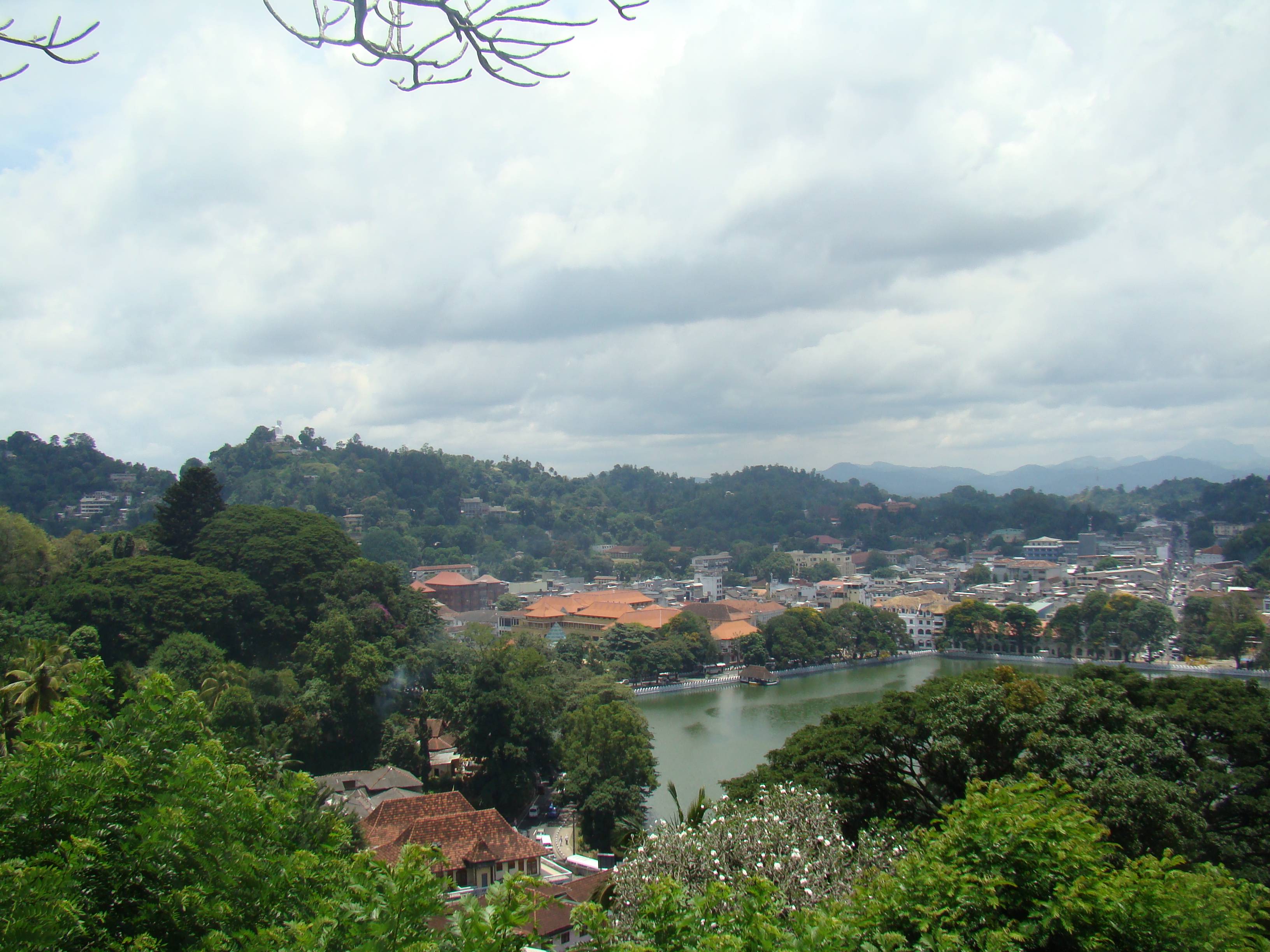
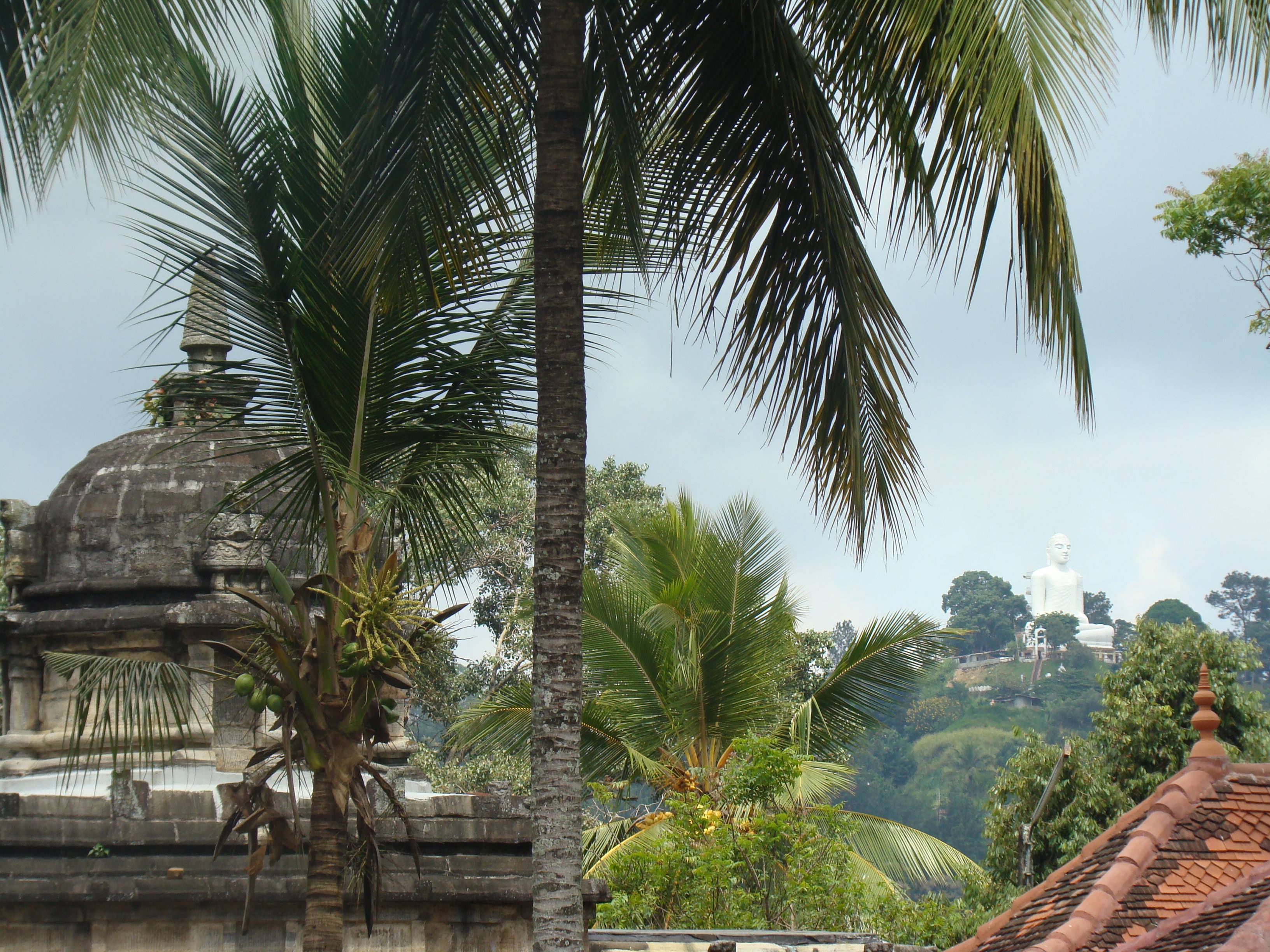
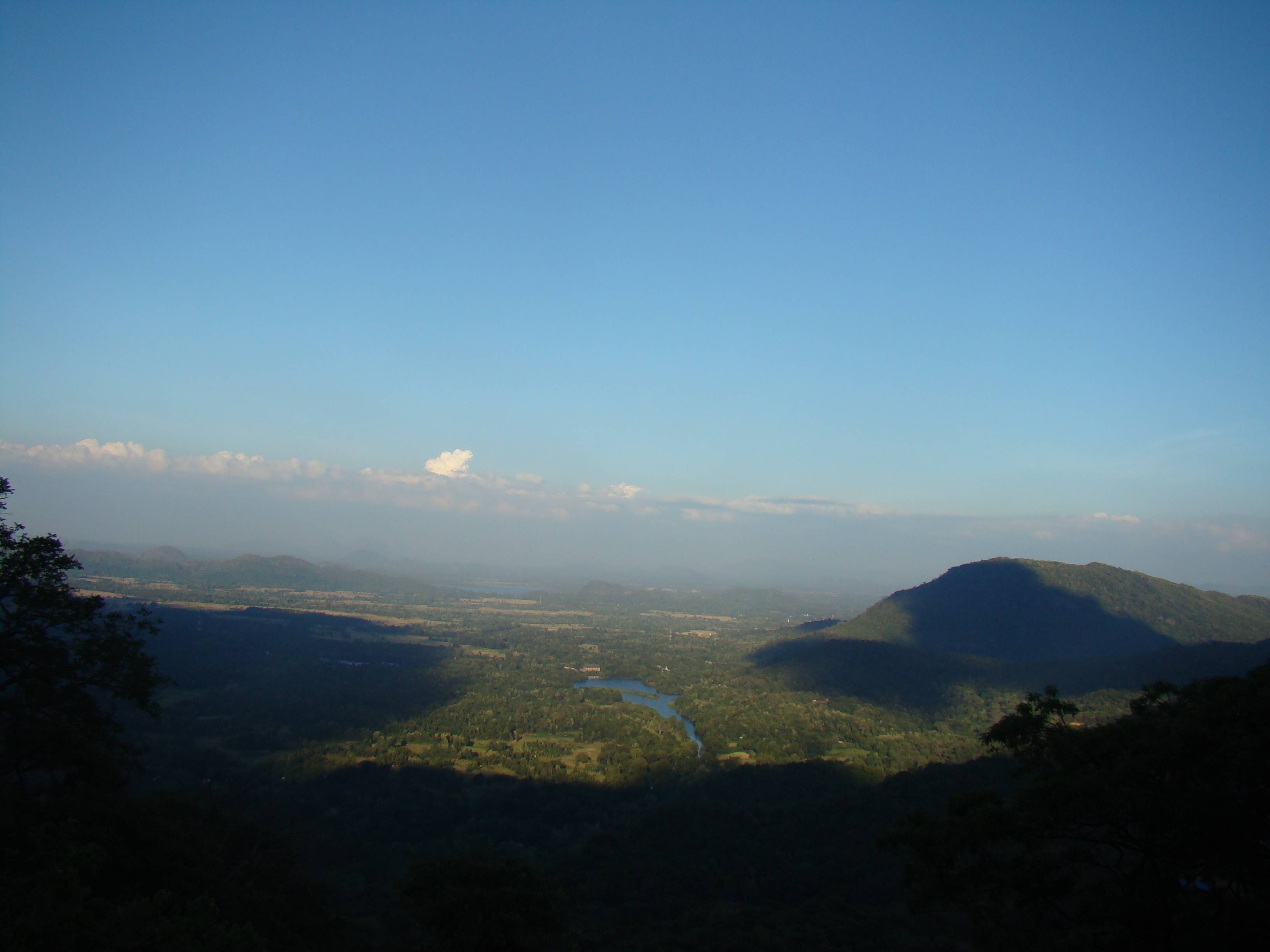
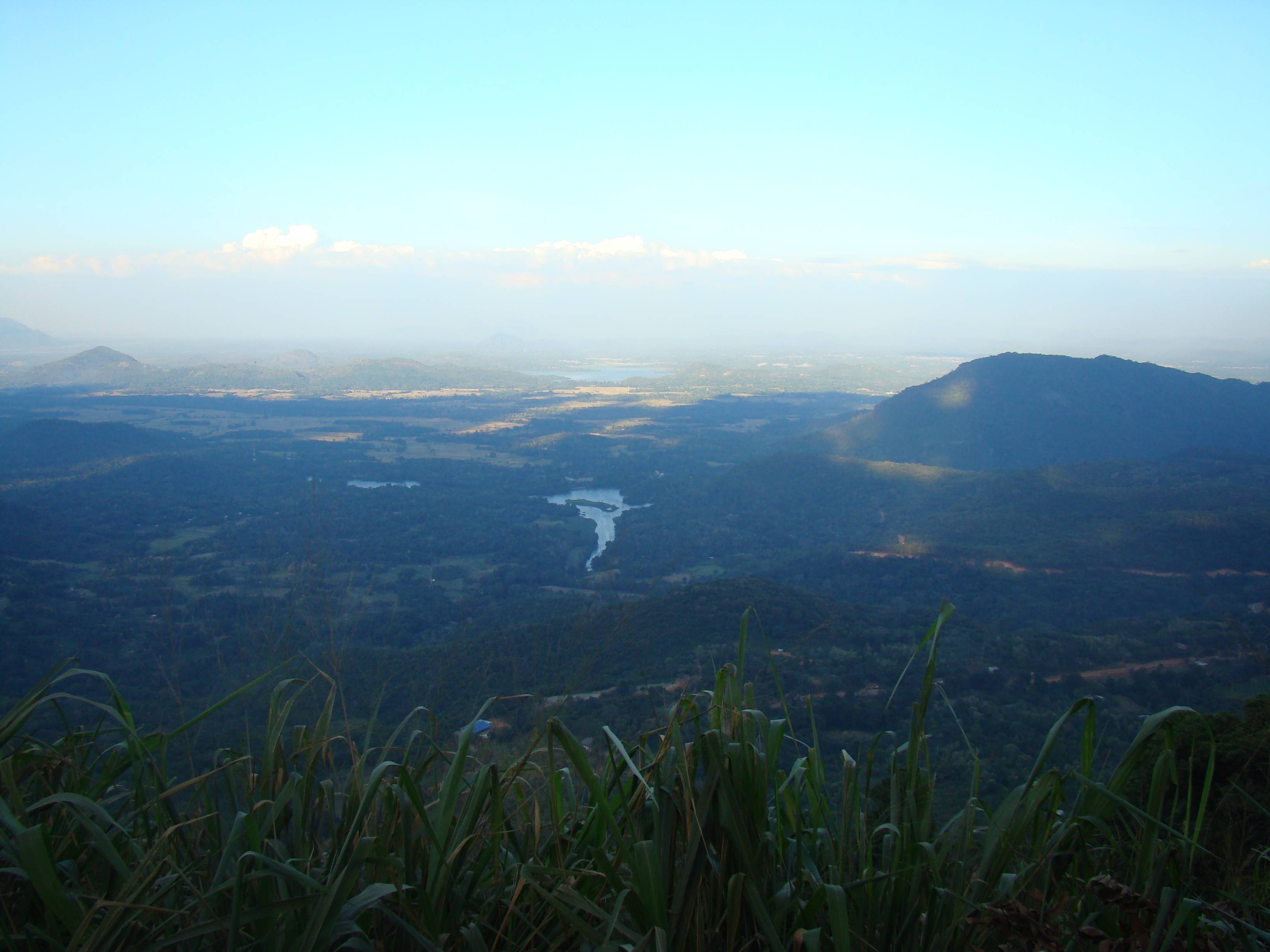
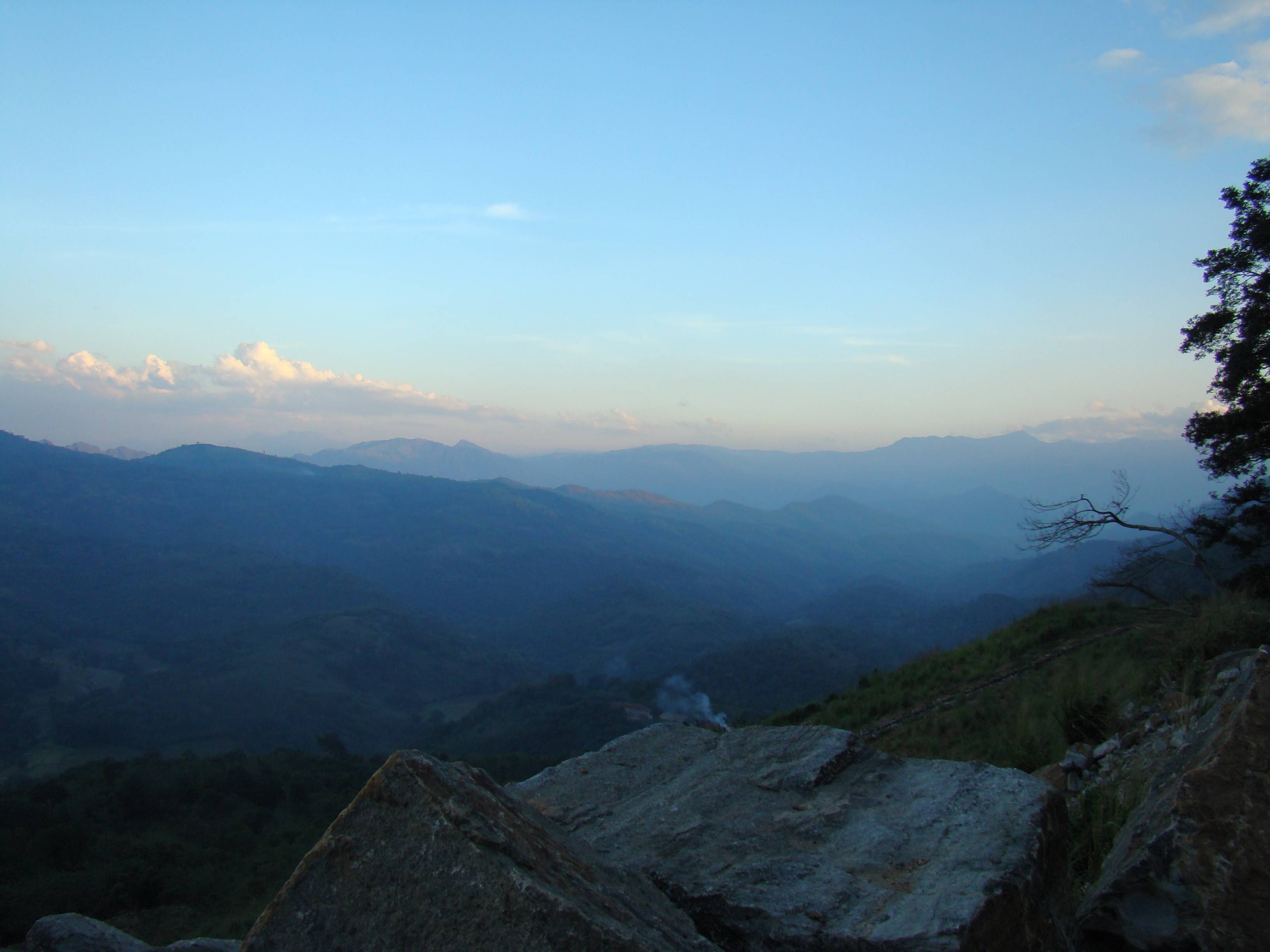
    Arthur Seat offered a splendid view of Kandy city. We had lunch at a place called Oak Ray – strictly ok, and then moved on to a jewelry store to learn about gems. My eyes were opened wide, not from amazement, but to prevent them from closing. To be fair, the gemstone mining process was interesting. Siesta mode is auto activated whenever I’m on vacation!
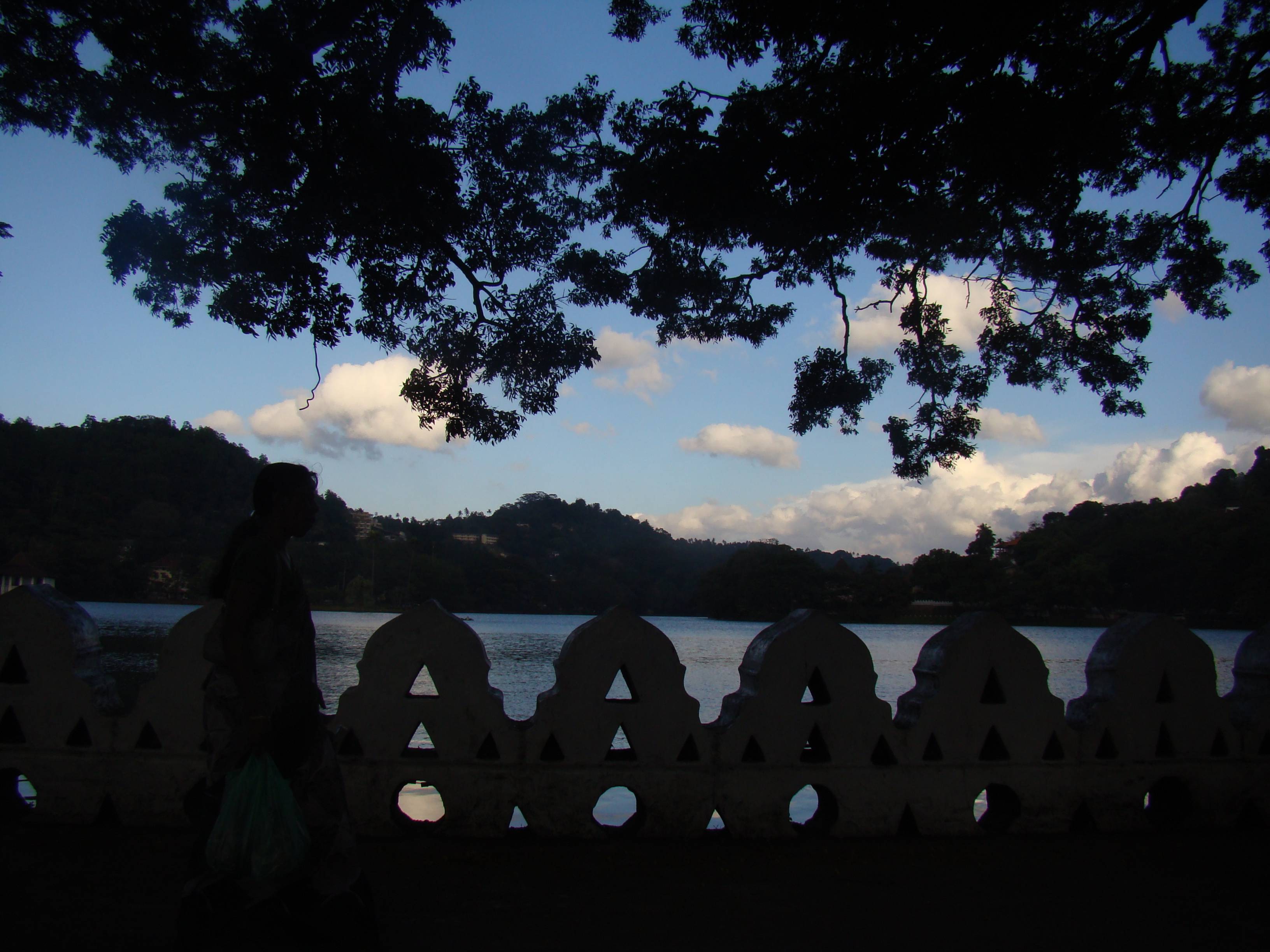
    In the evening, we decided to walk a bit. Kandy reminded me a little of Trichur, where almost everything of note is located near that massive round. In this case its the Kandy lake. The mango juice at Bakehouse, touted on travel wiki as phenomenal was a few notches south of ordinary!! We also roamed inside the open market, but it was just like any other. The Kandy lake is really a pretty picture at night, and we sat on a non-bird-toilet bench and watched life pass by, passing comments, noticing the co-existence of Lankan and Indian sari wearing styles and scoffing at people sporting umbrellas in the twilight.
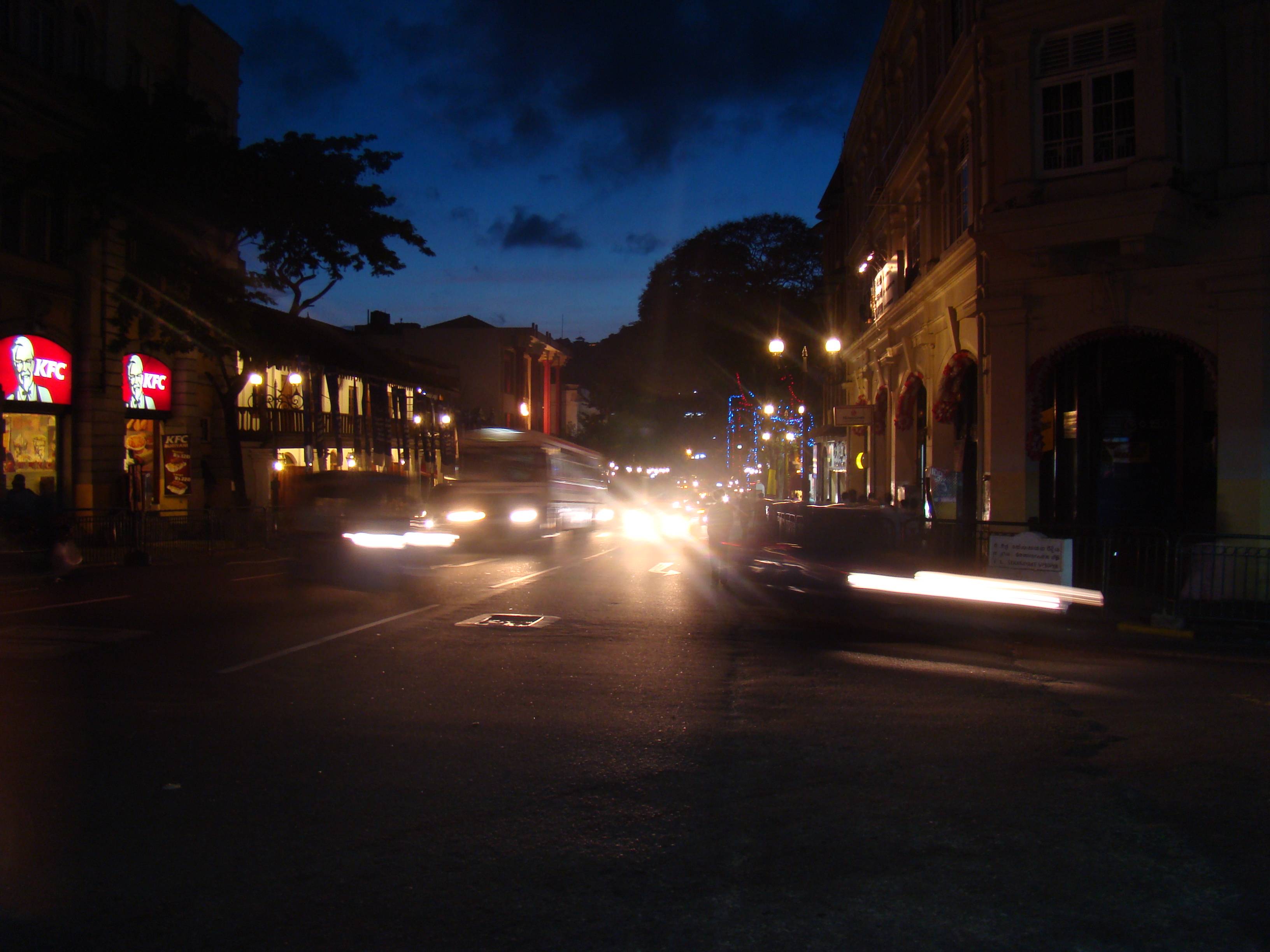
    When it was time for dinner, we were in a quandary. The Lyon’s cafe was highly recommended in travel wiki, as was Devon. We didn’t like the setting of the former much and the Captain’s Table restaurant in the latter semmed to serve only Indian and Chinese. We finally climbed up to ‘The Pub’ above Bakehouse, and watched Kandy life pass by as Bakehouse redeemed itself with a fabulous dinner. We also tasted Lankan Arrack (made from coconut) via a cocktail called Elephant’s Kiss. It was quite bad, and D wasn’t thrilled when I wondered whether there had been a typo – after all K and P are pretty close on the keyboard! Everyone – Kandy people, D, crows – had their revenge when a large splotch of fresh crow shit was discovered on the back of my tee.

    Star World and Masterchef were sorely missed, and we went to sleep early, since the next day required a transformation from city and zen to beachbumming.

    Next up Day 4. Click for Days 0, 1 and 2.

    PS: Thia also happens to be Post # 800 on this blog. Thanks for reading. πŸ™‚

  • Internet and People States

    The Economist has an excellent read titled ‘The Future of the Internet‘, where it details the possibility of a Balkanisation of the internet, by forces such as Network Operators, countries, and closed platforms. Quite an irony, as they point out, since the internet was supposed to be a great unifier.

    I realised that so far we had been dealing with entities that had a geographical constraint – all forms of media, languages, culture etc. When brands entered alien markets, they adapted to suit the needs of the local population – sometimes in terms of communication, sometimes in terms of the product/service itself.Β  So I guess, it would be futile to expect that we would solve a challenge of this magnitude soon, considering that the internet has been around for only a relatively short amount of time. (cool infographic)

    But what struck me was that though the factors mentioned above are indeed distinct and relevant ones, what about users? Thanks to the long tail of content, people are able to get content tailor-made to their requirement, more often that not. They are also able to create content and share it with specific people. When I see e-groups, closed blogs, newsletters, and increasing privacy options on existing networks, I wonder how much of Balkanisation already exists thanks to users, who control a lot of the where, what and to whom content is shared. I connect with different people on different networks and share different relationships with them basis different contexts and interests, and except for minor overlaps b/w Facebook – Twitter and Twitter – Foursquare, they are all almost separate worlds. And its not just the where and the what, its also the when – I have Orkut friends discovering Facebook, Facebook and LinkedIn friends/connections discovering Twitter, Twitter followers discovering Foursquare, GReader friends discovering Quora, when my usage and behaviour on these networks would be completely different from theirs thanks to relatively early adoption.

    The other question is how would brands be affected by a Balkanised internet. Would all their users exist in the same place and time? How does it affect communication? Product, or service, how many brands can be like Apple, who are the nearest to being a ‘state’ in themselves? How many can actually build and sustain that? How much of it depends on the nature of the product and how much of it on the people connections (or social gestures)? Would integration and consistency of communication matter then?

    But then I realise that despite the user Balkanisation, we have our means of communication and transportation open. When push comes to shove, perhaps it will be too unprofitable for any entity to remain Balkanised, irrespective of their own vested interests? We live in hope. πŸ™‚

    until next time, 800th post at the other blog πŸ™‚

  • Lankan Reams – Day 2 – Sigiriya, Sita Kotuwa

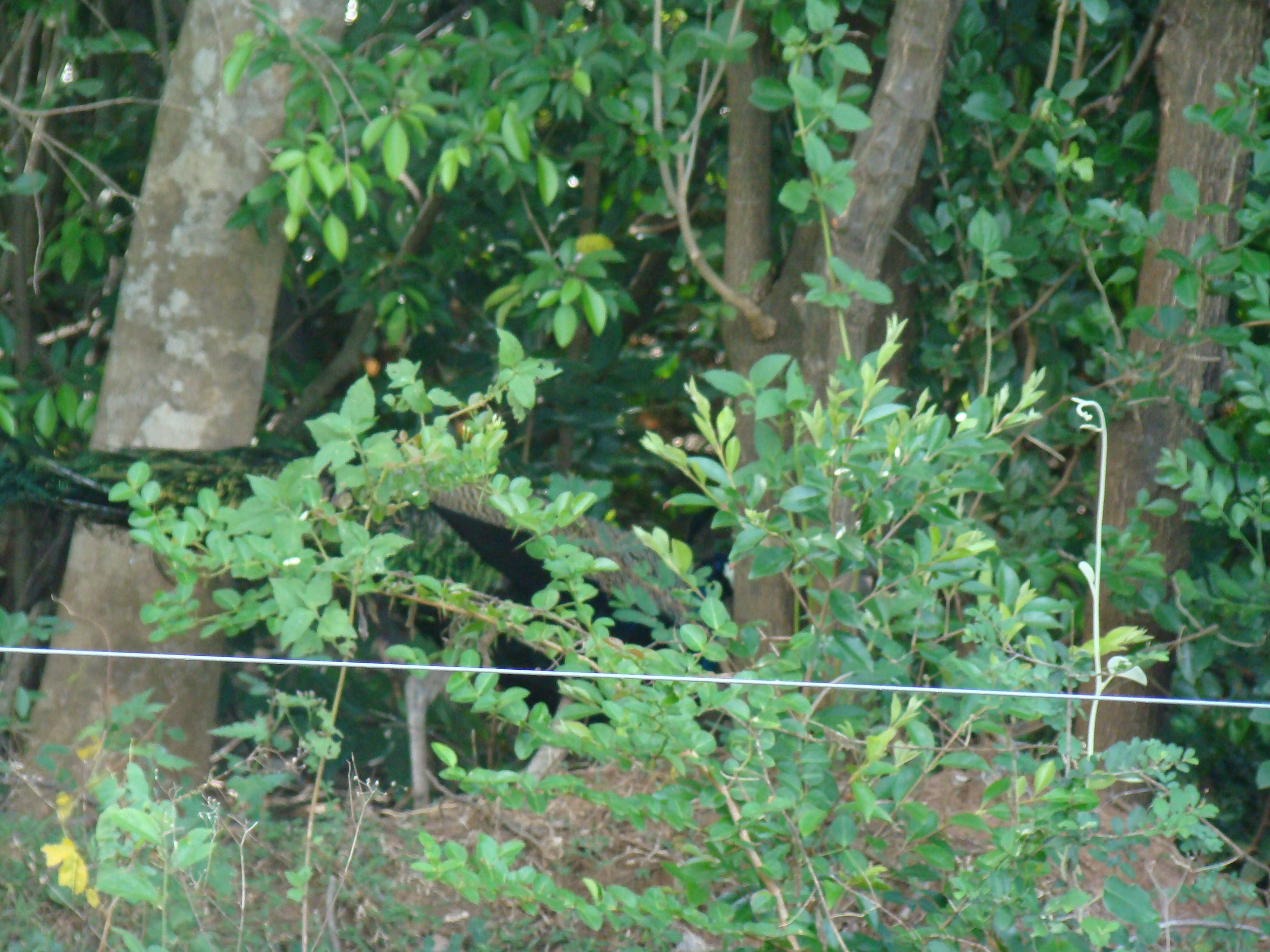
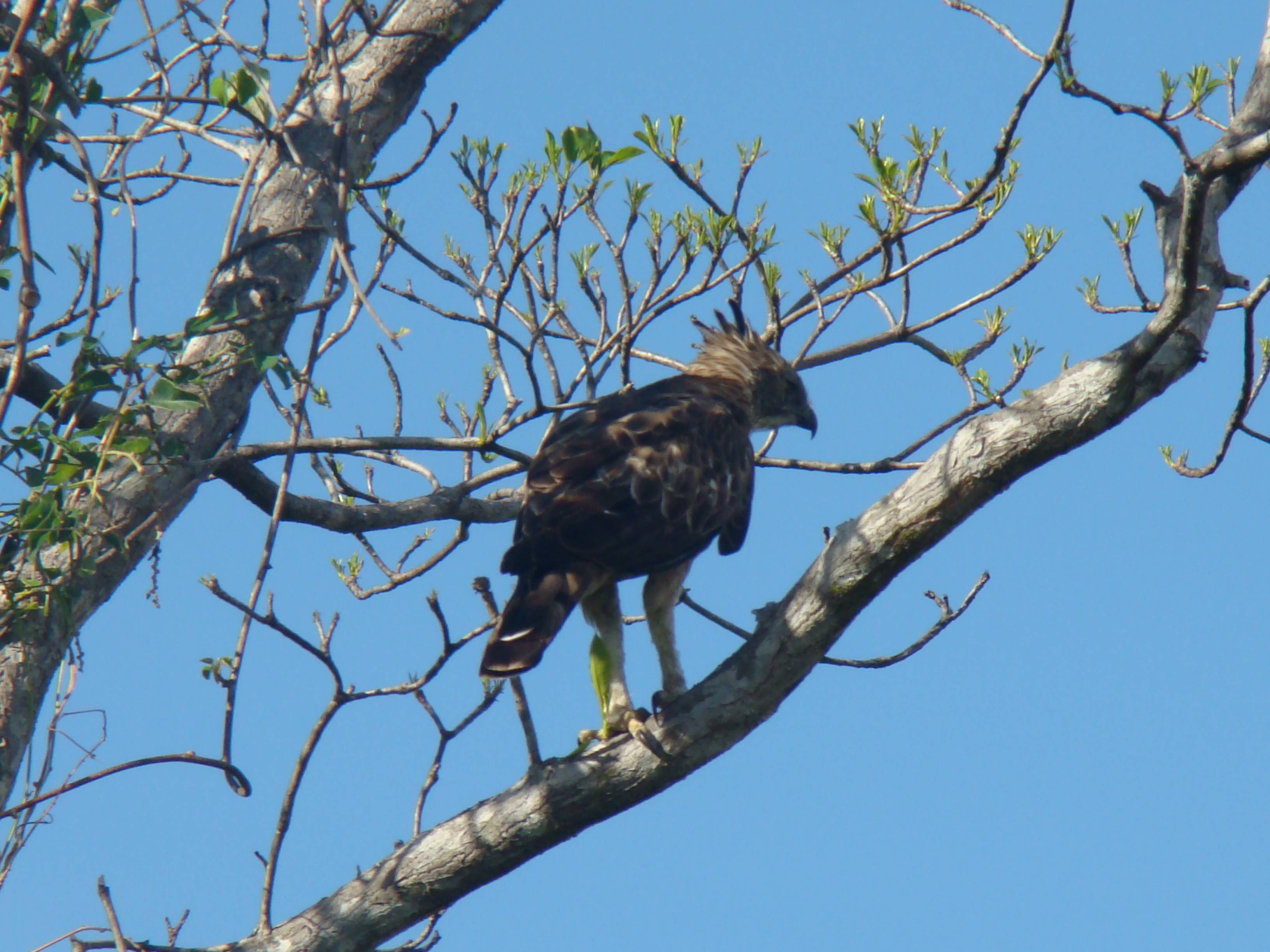
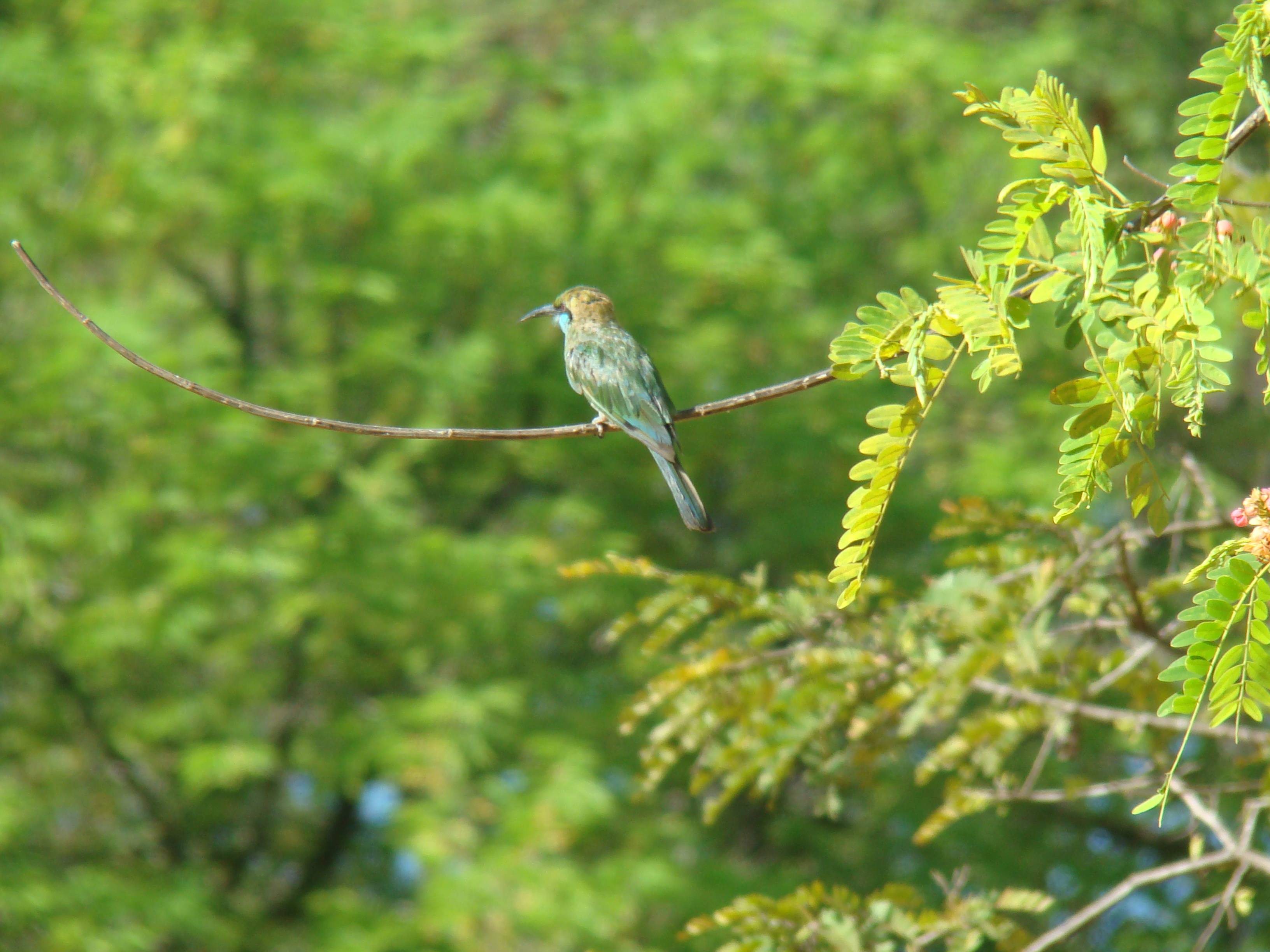
    After another hearty breakfast, we started out for Sigiriya, which we’d heard was quite an uplifting experience. It was only half an hour away, and we almost got a peacock to pose on the way. Our consolation prizes were a hawk-eagle and a bee eater.

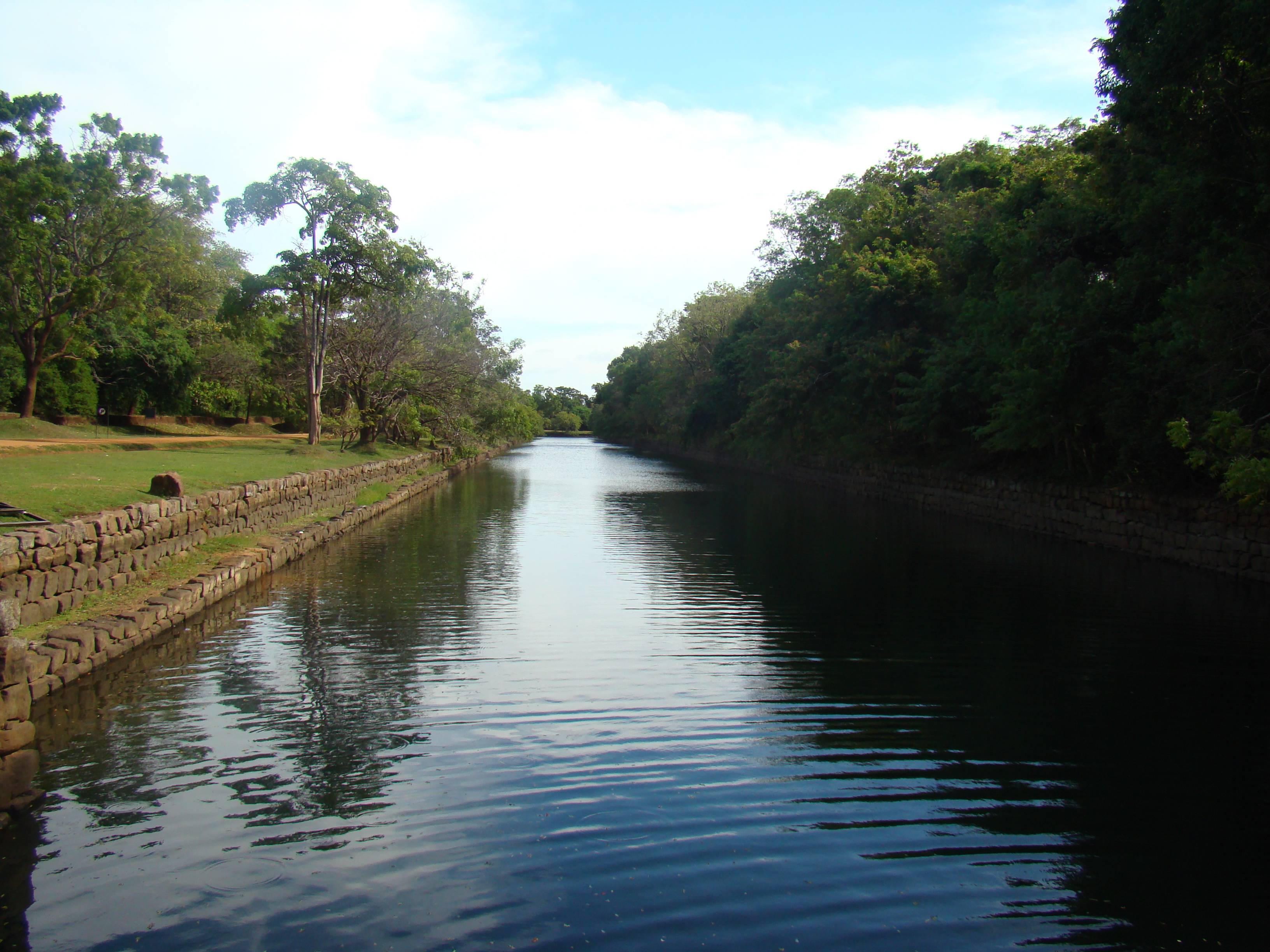
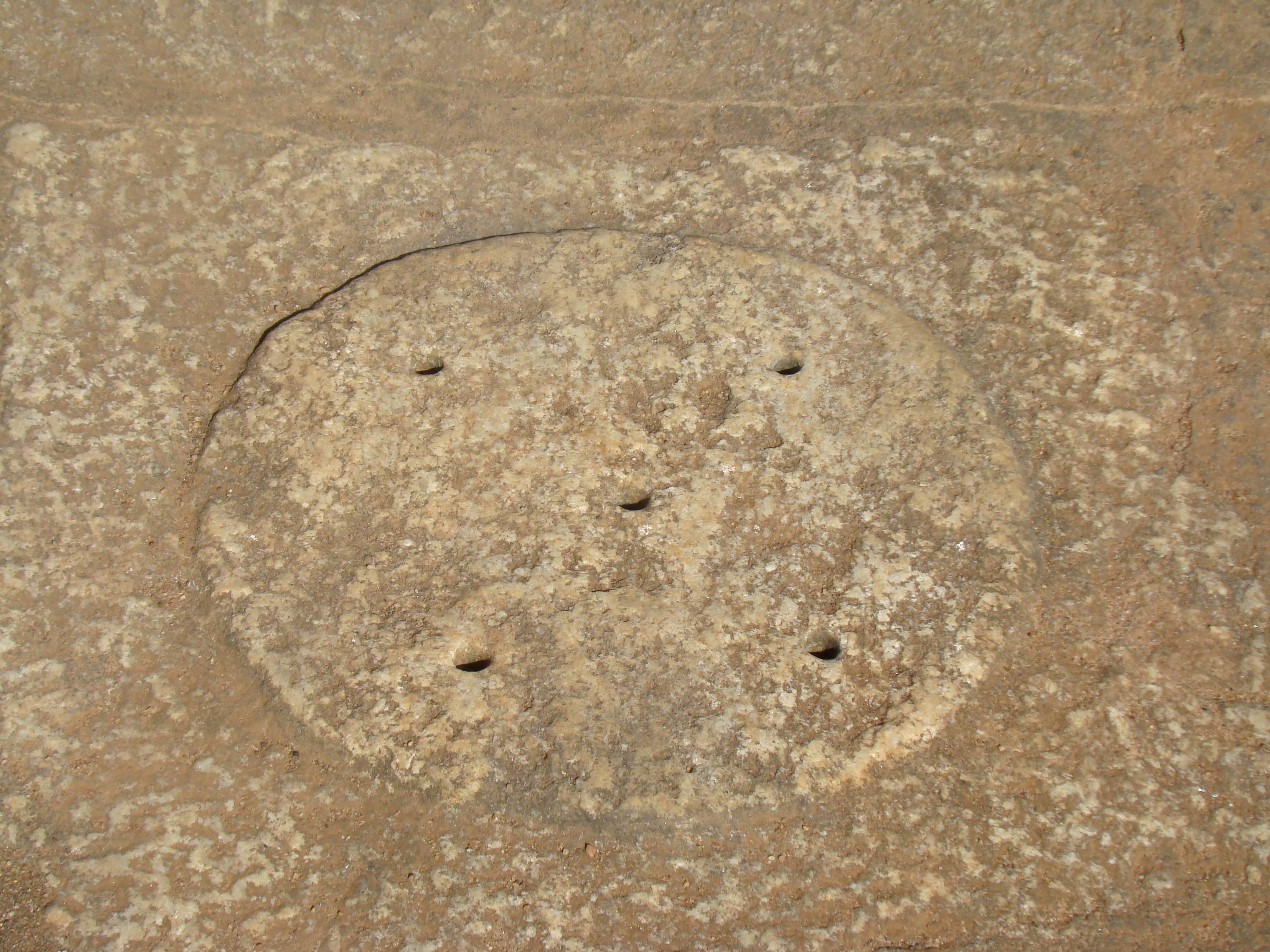
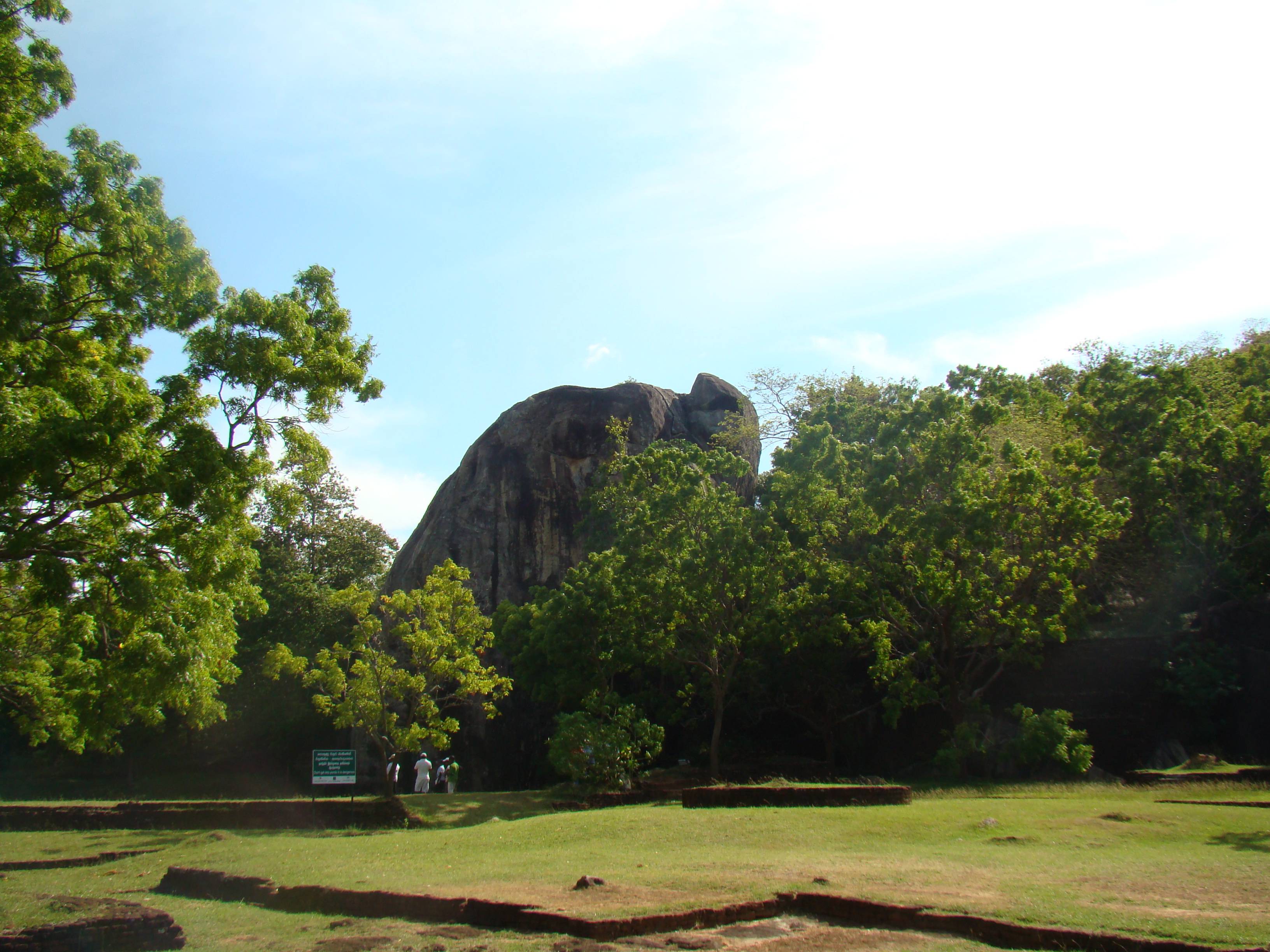
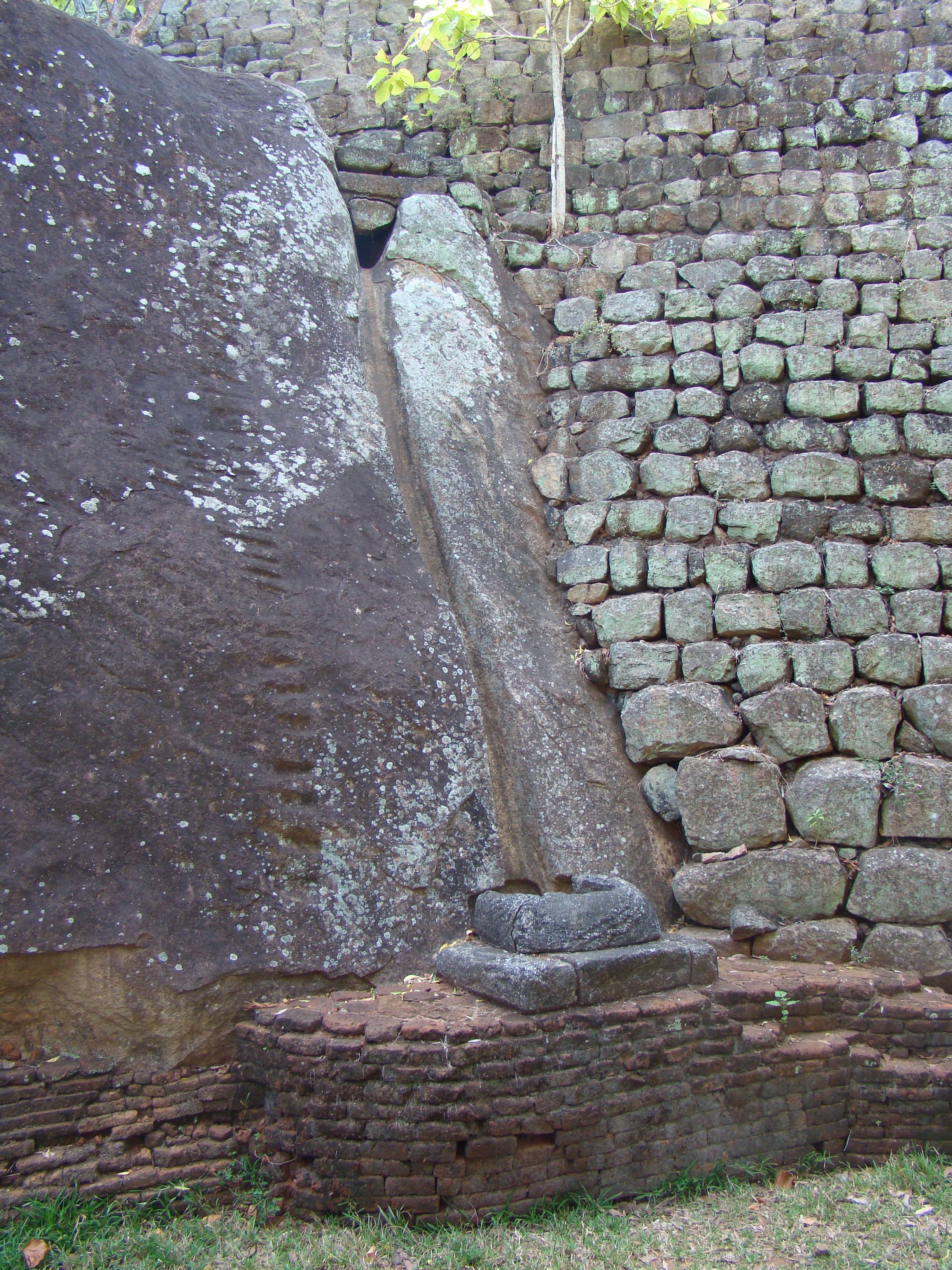
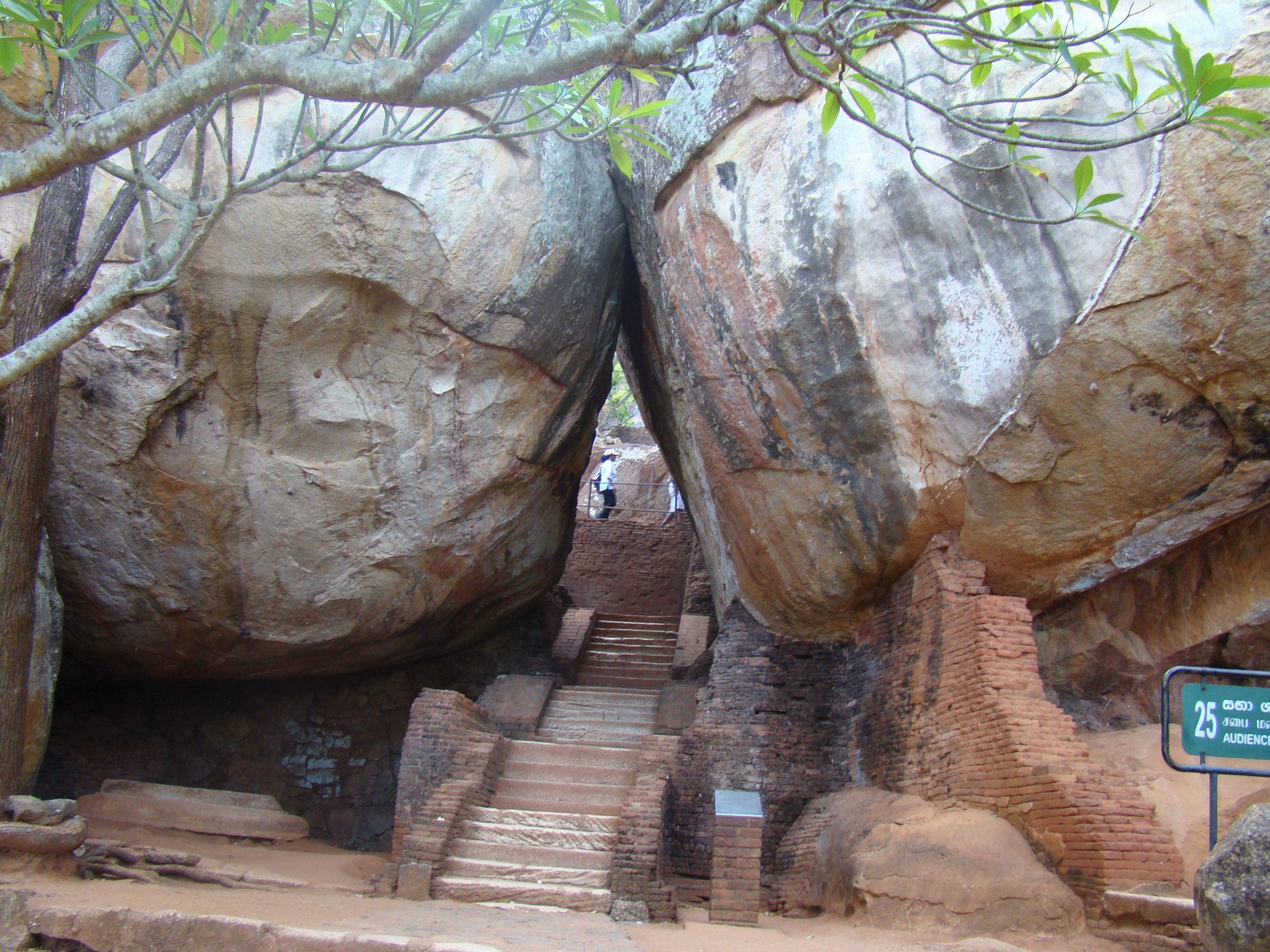
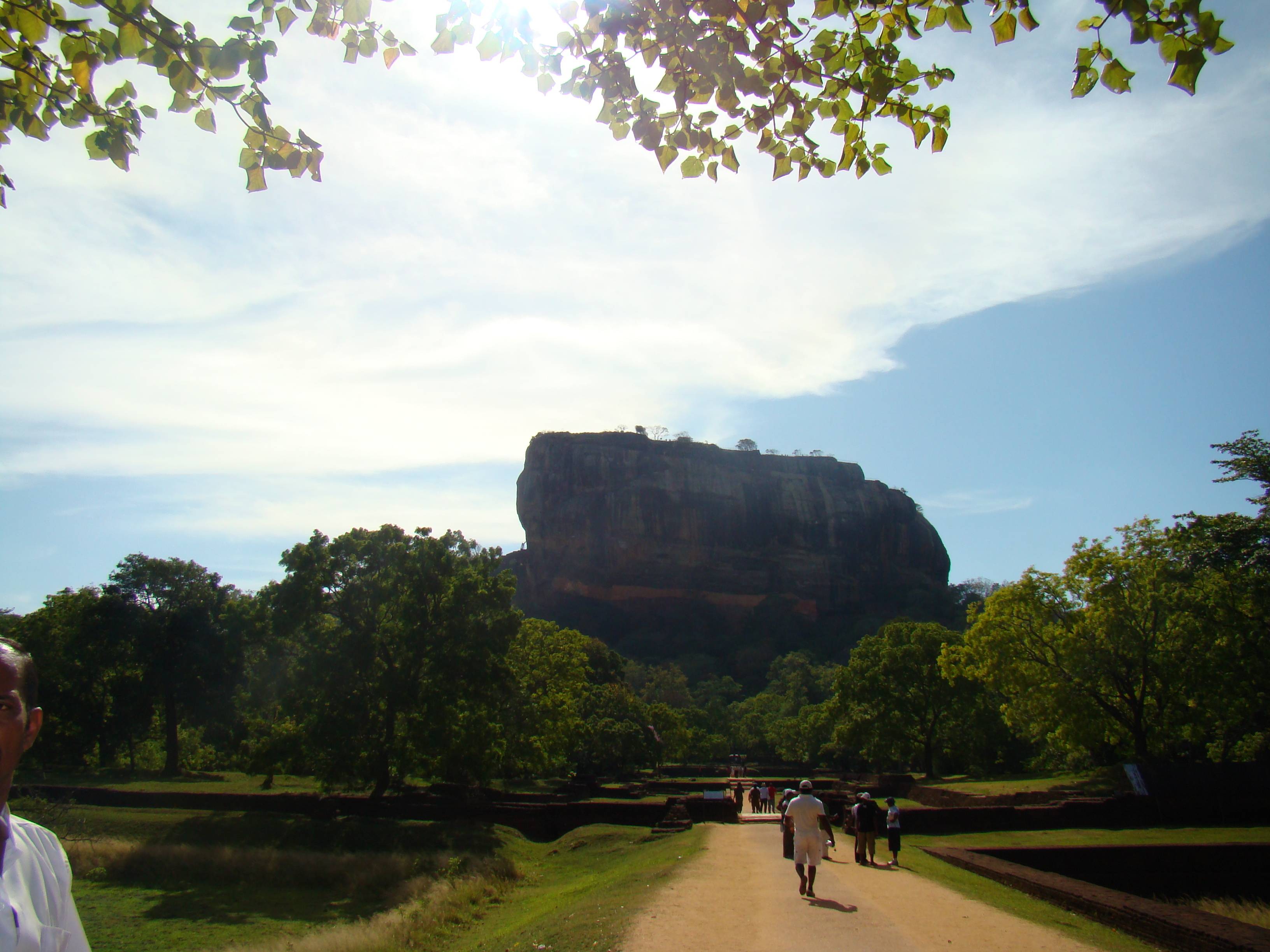
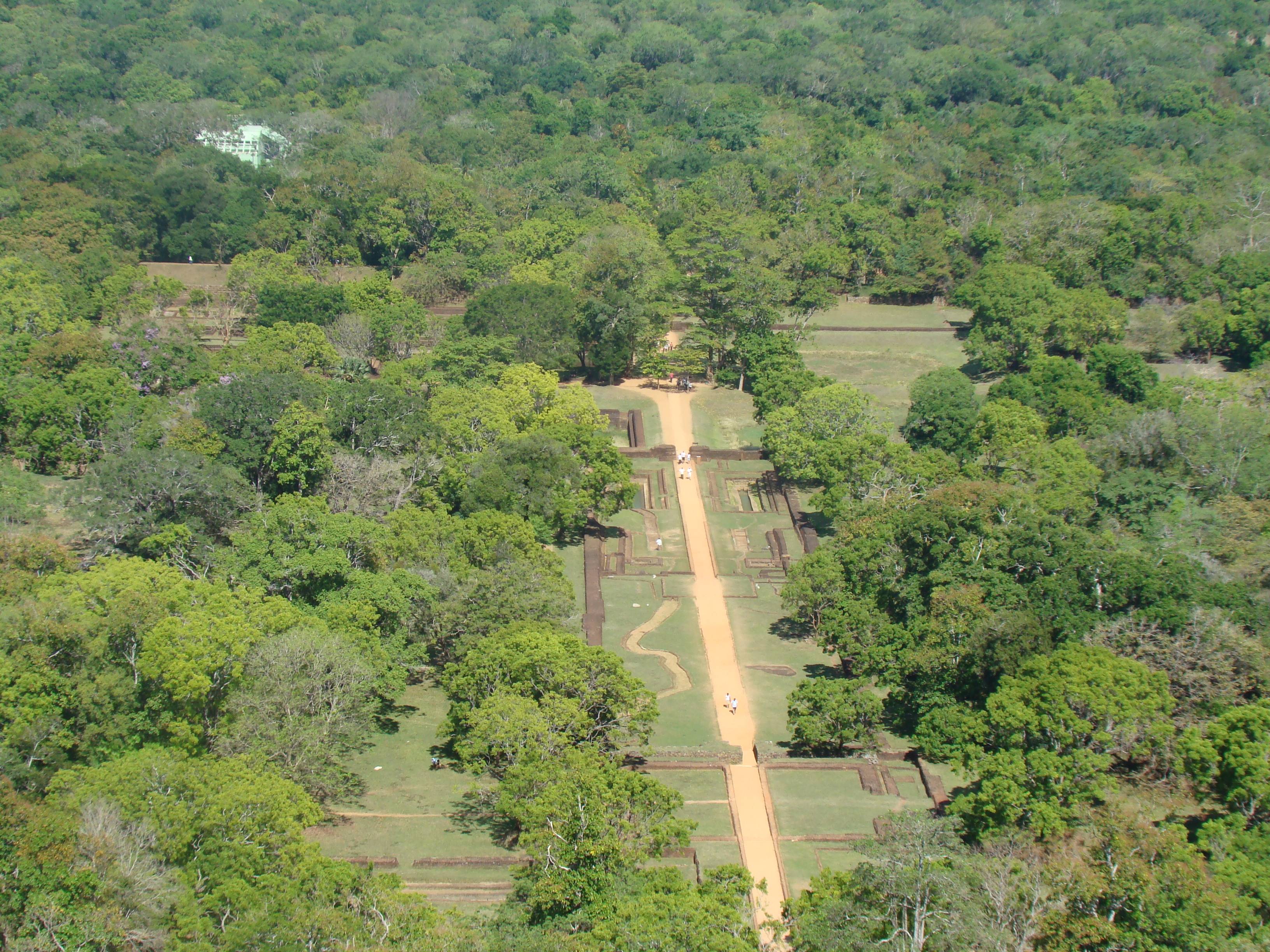
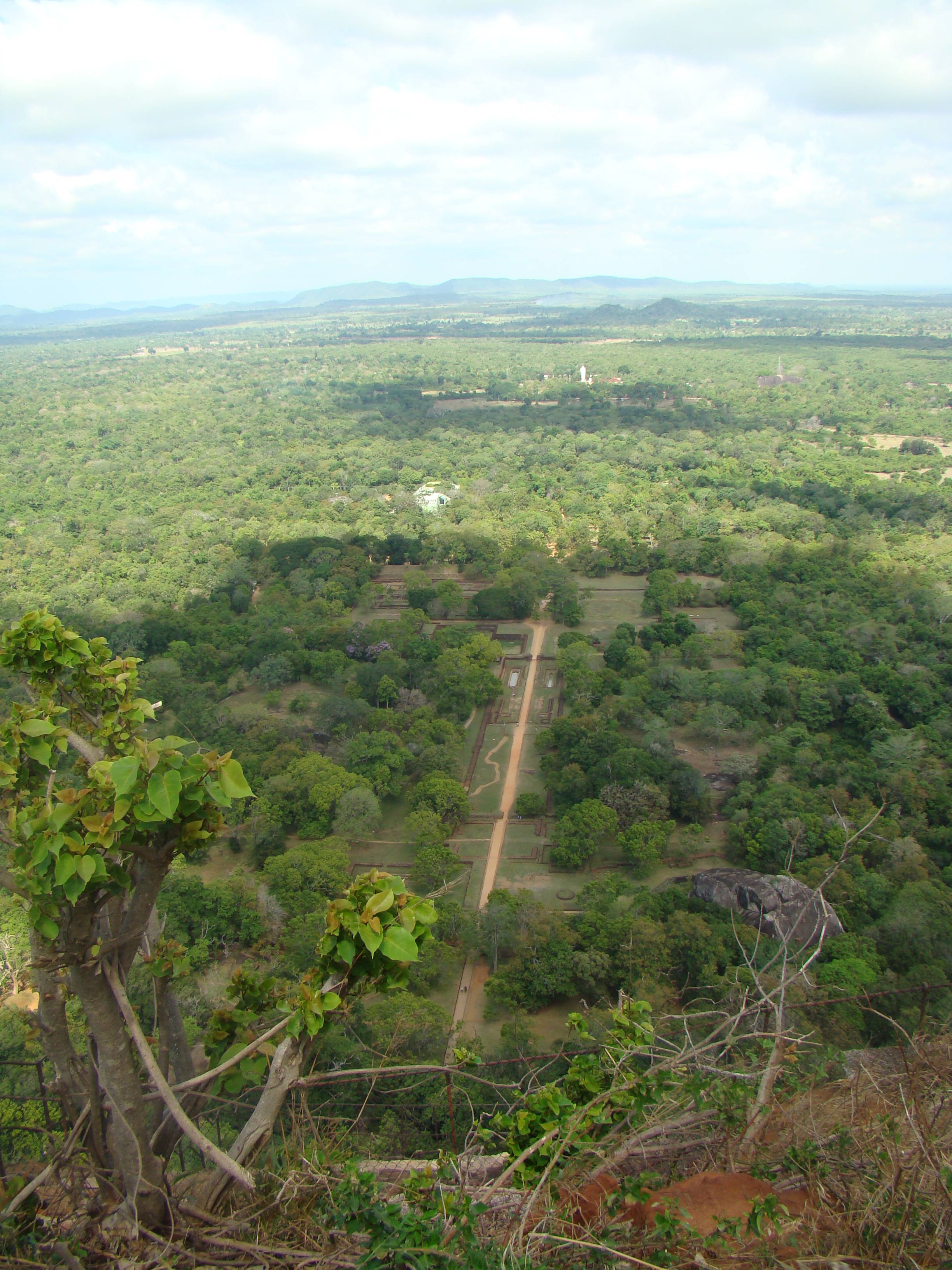
    At Sigiriya, we got ourselves a specialist guide, recommended to us by our own guide, who I said would be sleeping while we climbed. We posed by the inner moat, which allegedly had crocodiles. This high security was because our friend King Kashyapa (from yesterday’s Habarana reference) had much to fear. Allegedly, the only good thing he seems to have done is building this magnificent place. The gardens are at three levels – water, boulder and terraced.A few snaps from the first two. The hole-stone is actually a fountain, which still works, the architecture using only the water’s own force to push it up.

    The first view of the Sigiriya Rock is awe inspiring and scary at the same time, the latter because you have to climb it. Right till the very top, braving shaky looking spiral steps, small and steep staircases, with many a pause in between to catch the breath, and the magnificent views. Since the pictures don’t do full justice, I tried a video too.

    httpv://www.youtube.com/watch?v=bZJ-vH_2RbM

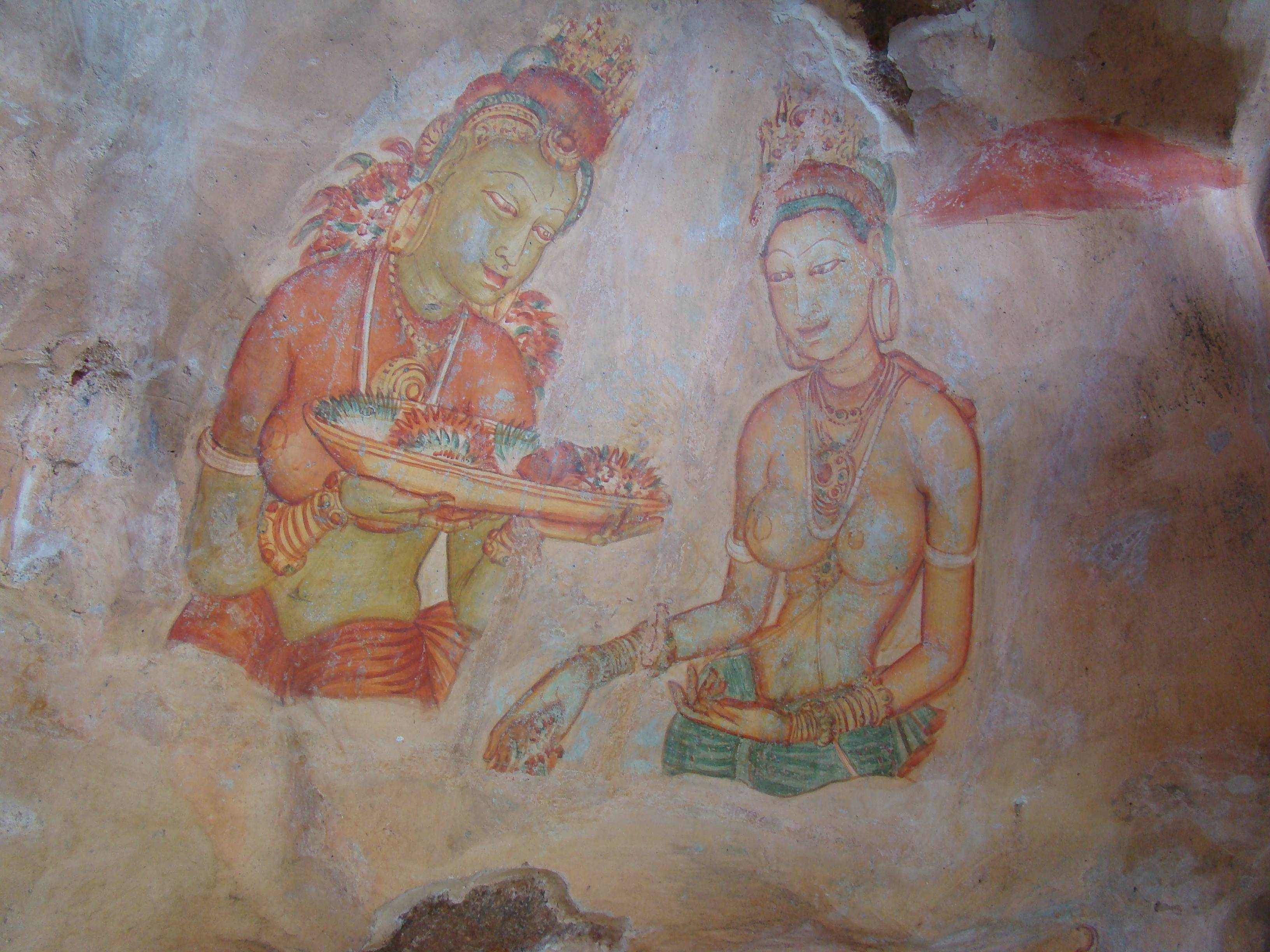
    The first big stop is to watch the slightly NSFW frescos – of the 500 concubines our friend Kashyapa kept in his palace, and quite apparently, many of them roamed about topless. From the frescos its easy to see that all sorts of races and nationalities had a representation in his palace. We then climb down a spiral stairway to reach the next attraction.

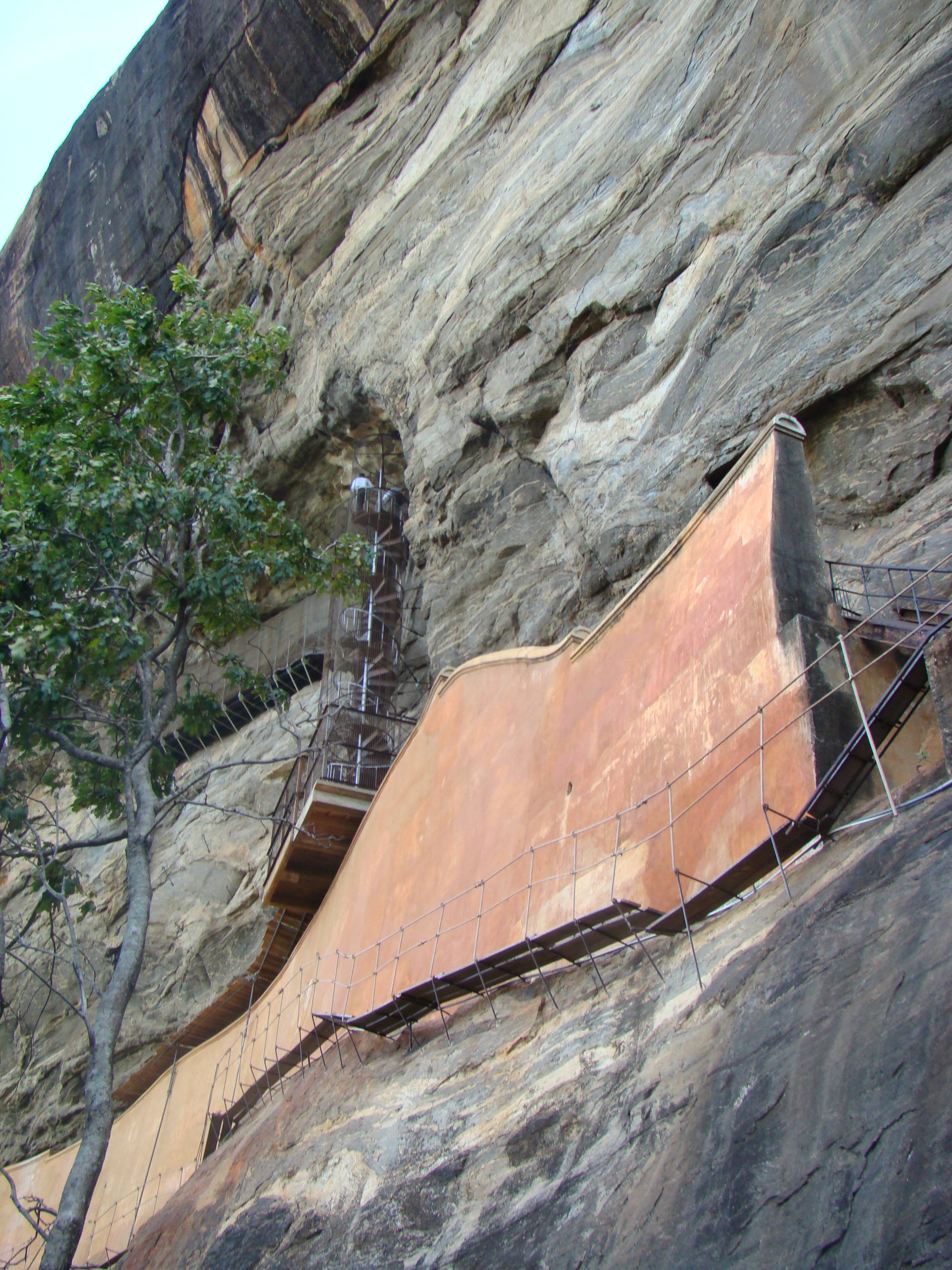
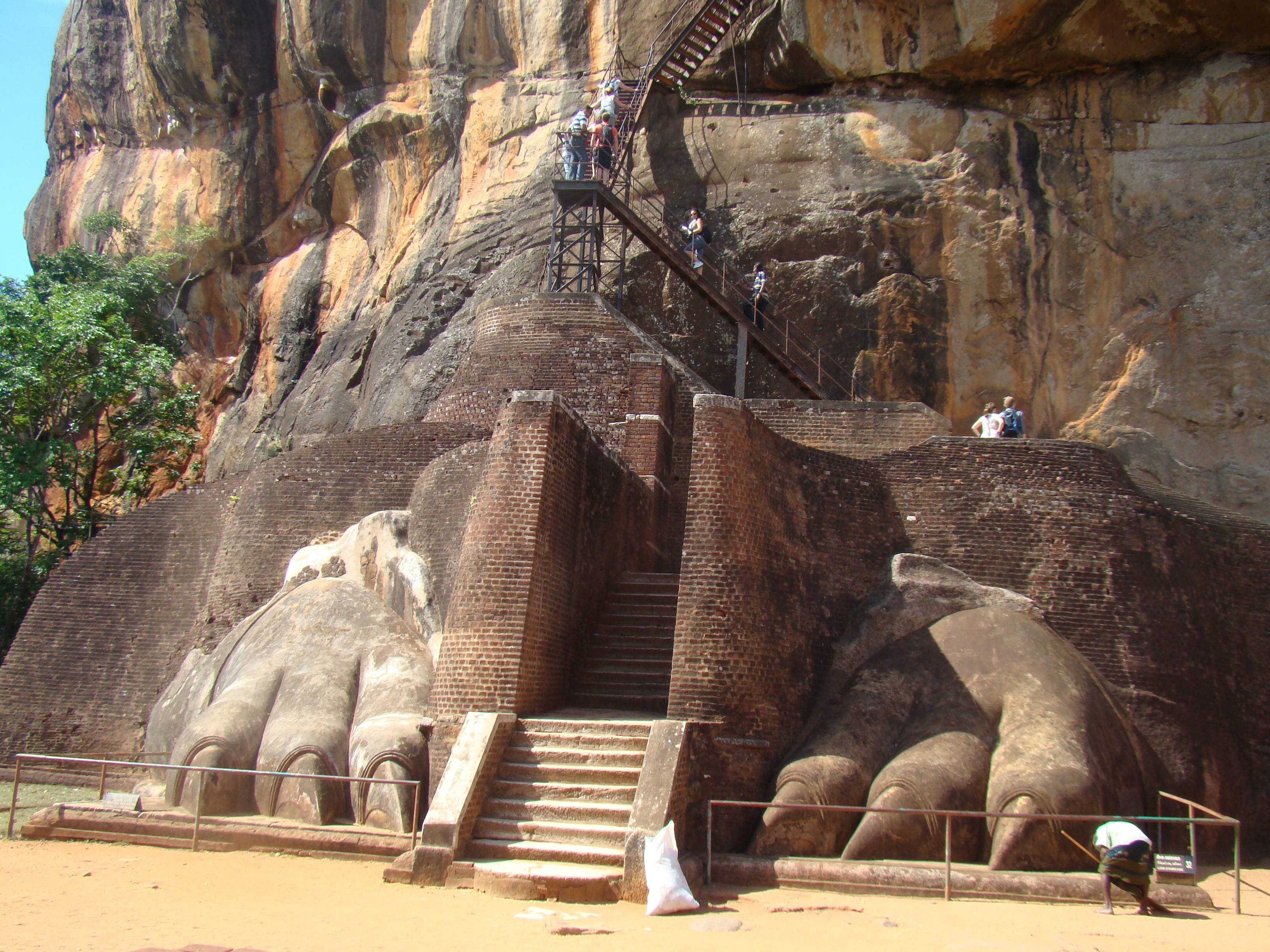
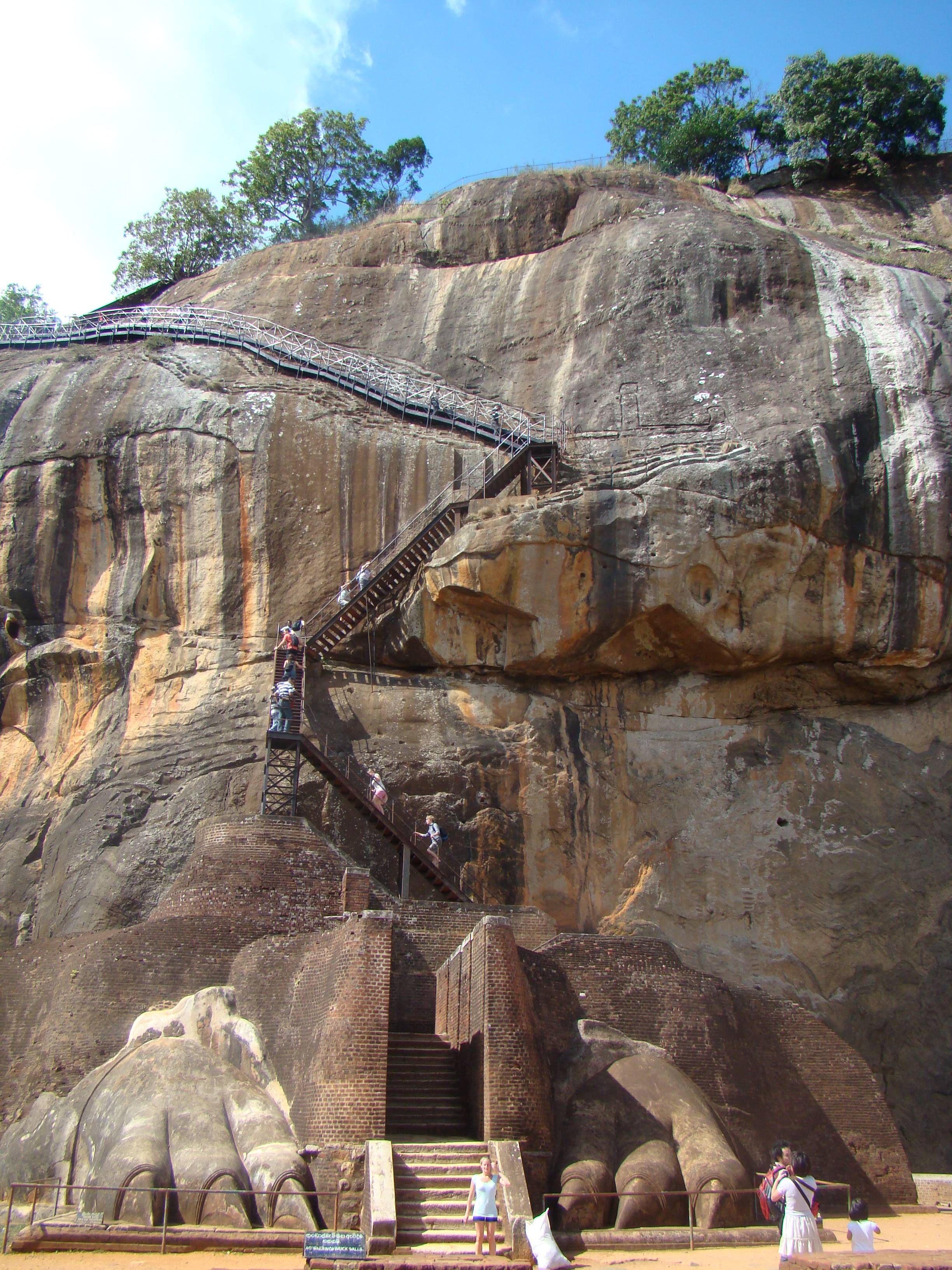
    The next stop is the Mirror Wall, so called because of its shiny surface. Several generations, unfortunately, chose this place to proclaim their love. Thankfully, there are no heart signs, though someone did practice their English alphabet. This is what it looks like from the outside.And then we climb again, until we reach the lion’s paws, where the last stage starts.

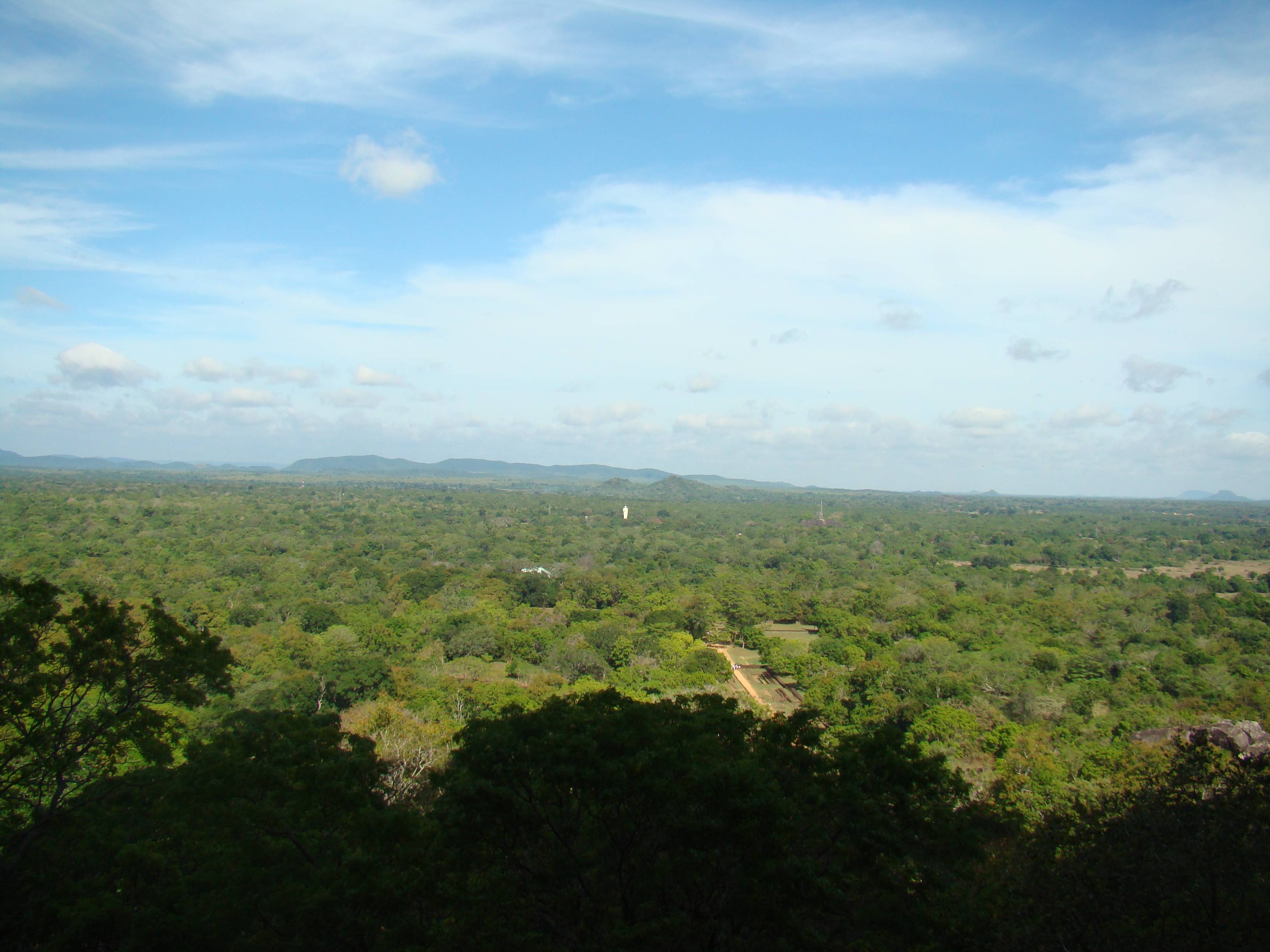
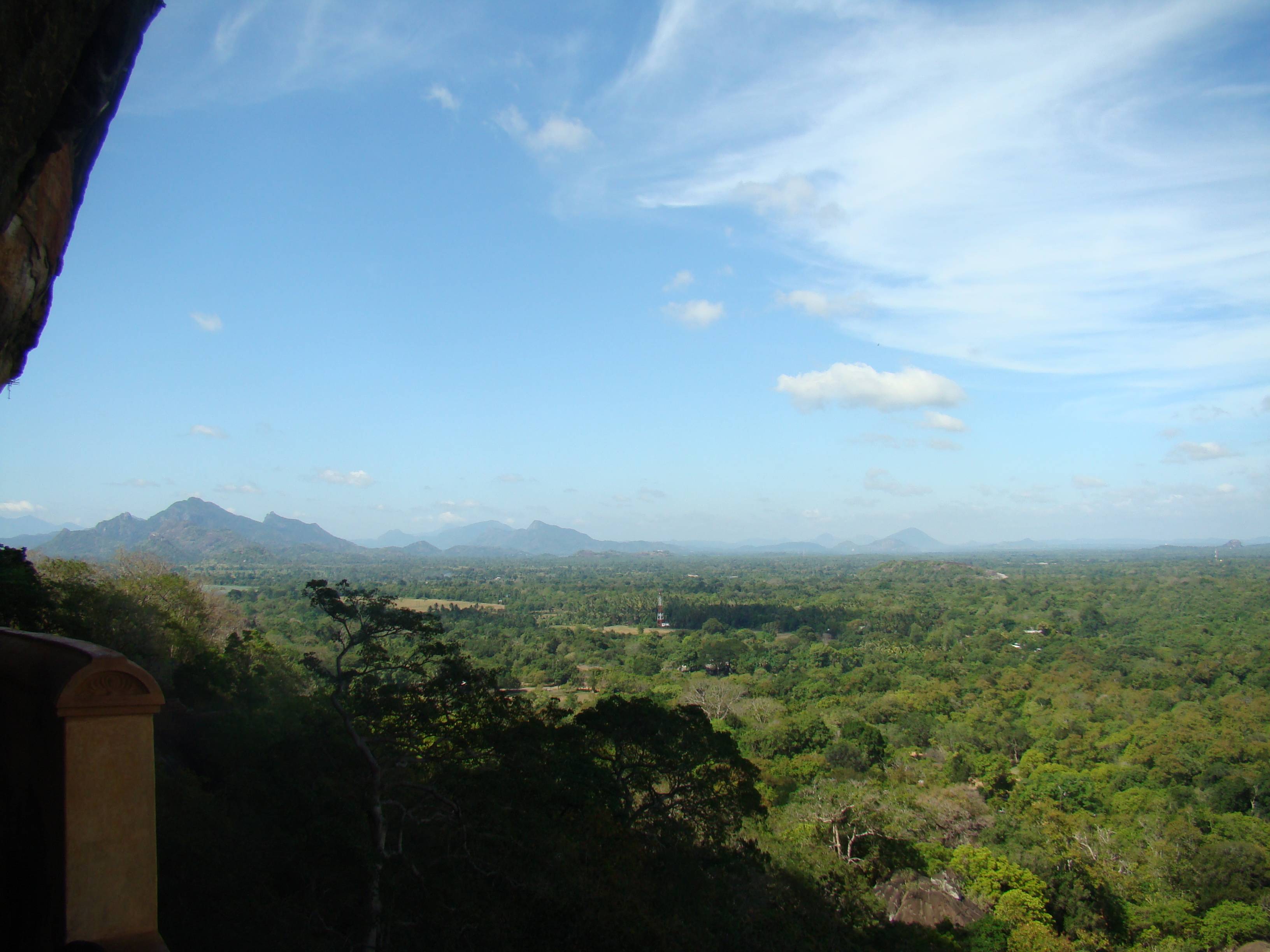
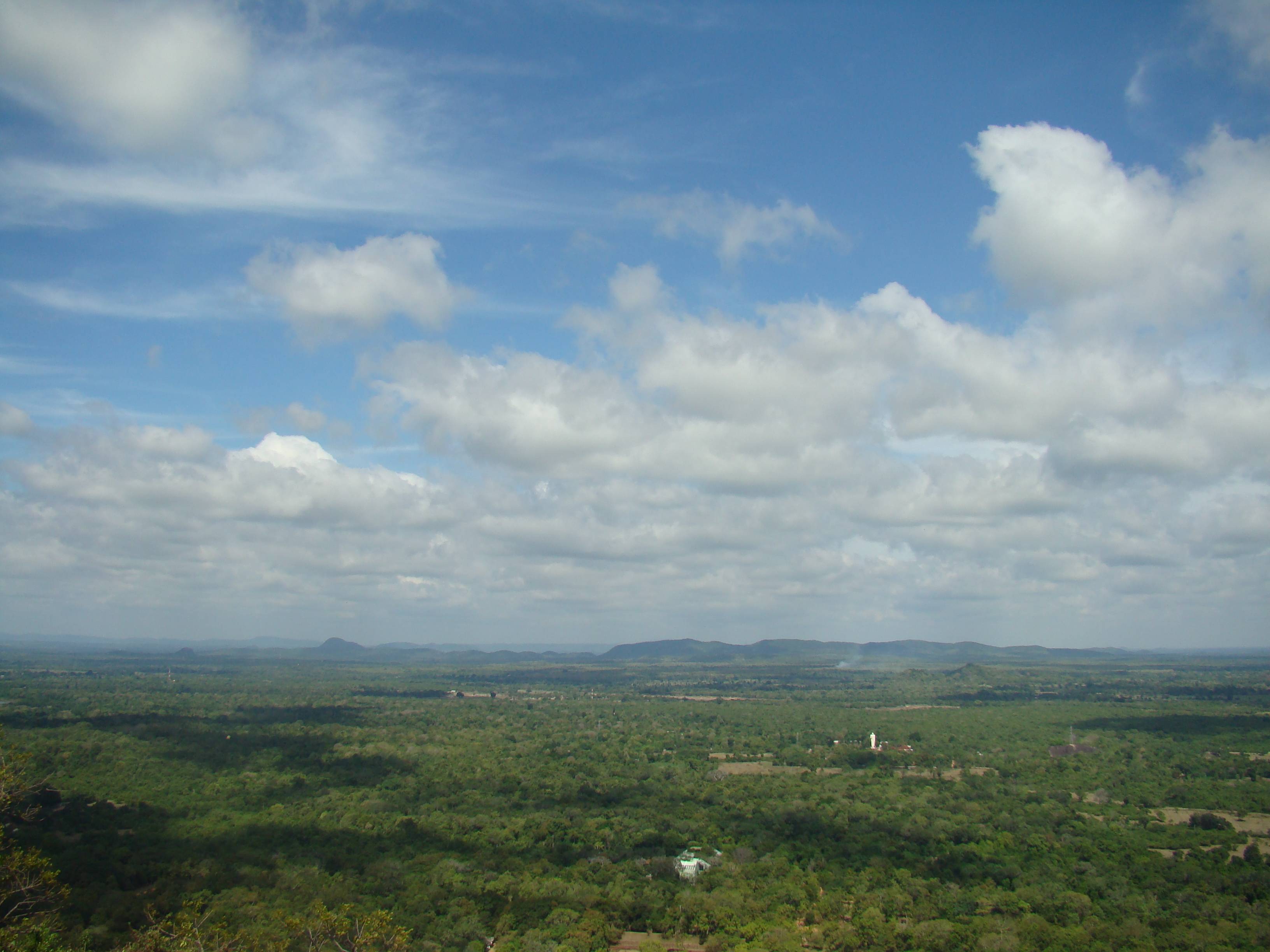
    This is quite a hellish climb, especially if you have a problem with heights. The only solace is the breathtaking view from the top. And like most climbs, this one manages to give you a satisfaction at the end that’s difficult to describe.

    httpv://www.youtube.com/watch?v=Fcv8NohJeXc

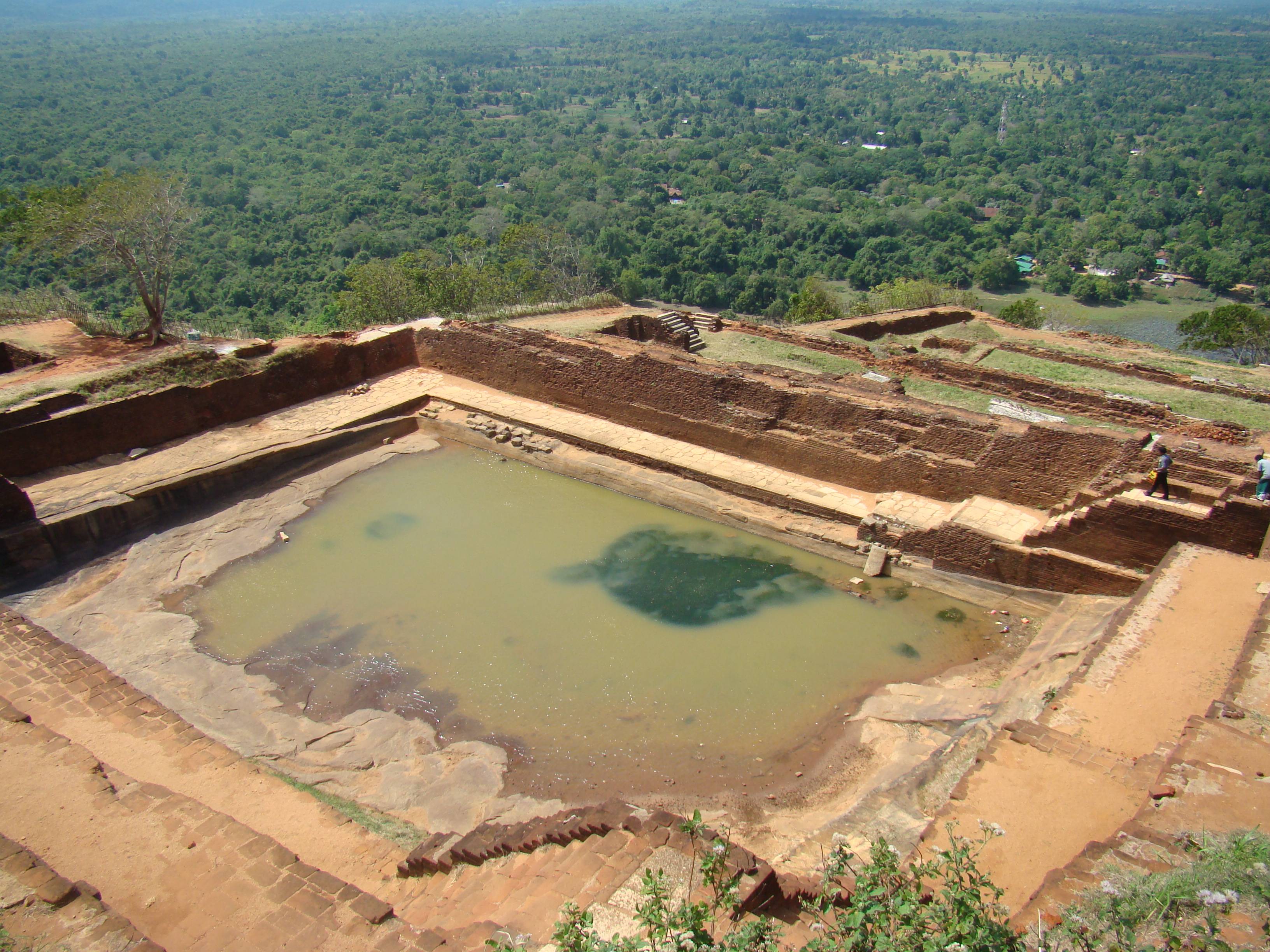
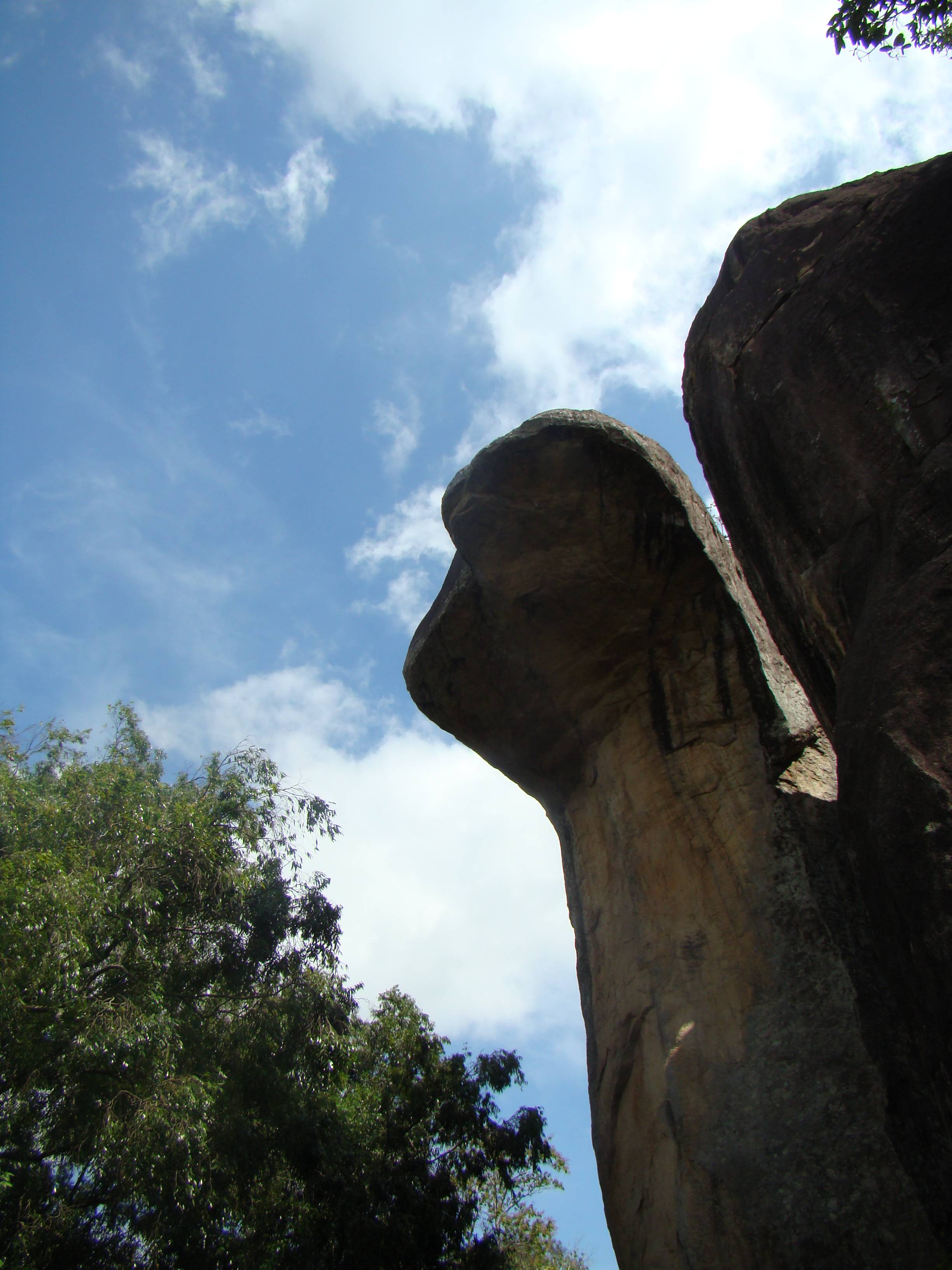
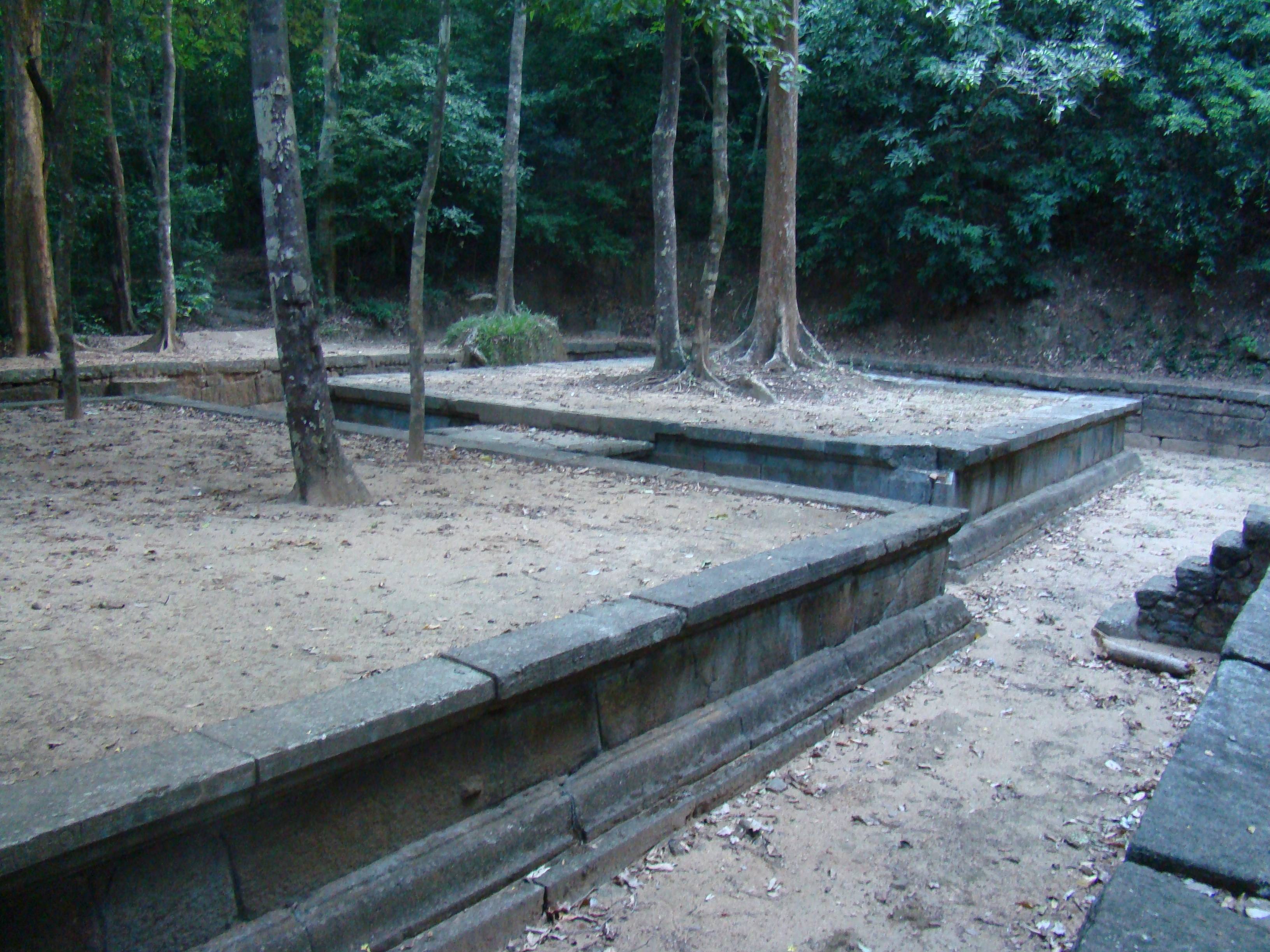
    On the way down, we saw among other things, Kashyapa’s swimming pool, throne, and the Cobra Hood cave, although I did think the last one looked straight out of ‘Planet of the Apes’.

    When we got back, our original guide told us that he had found out the route to my principal agenda of this vacation – some Ramayana sites. We eagerly got in, and in half an hour got completely lost.Β  We also realised that the guide had assumed that a visit to these places knocked out Dambulla from our plan. It was now a long detour, so we moved on. The place was pretty scenic though, and offset our irritation quite a bit. But the wandering also meant that though we did visit Laggala, Dunuvila, Weragantota and Yahangala, we never actually located the exact sites, which required treks. In case you plan to do this, double check that your operator knows these sites very well. Ours obviously didn’t, mostly because these sites are not in the regular tourist’s itinerary.

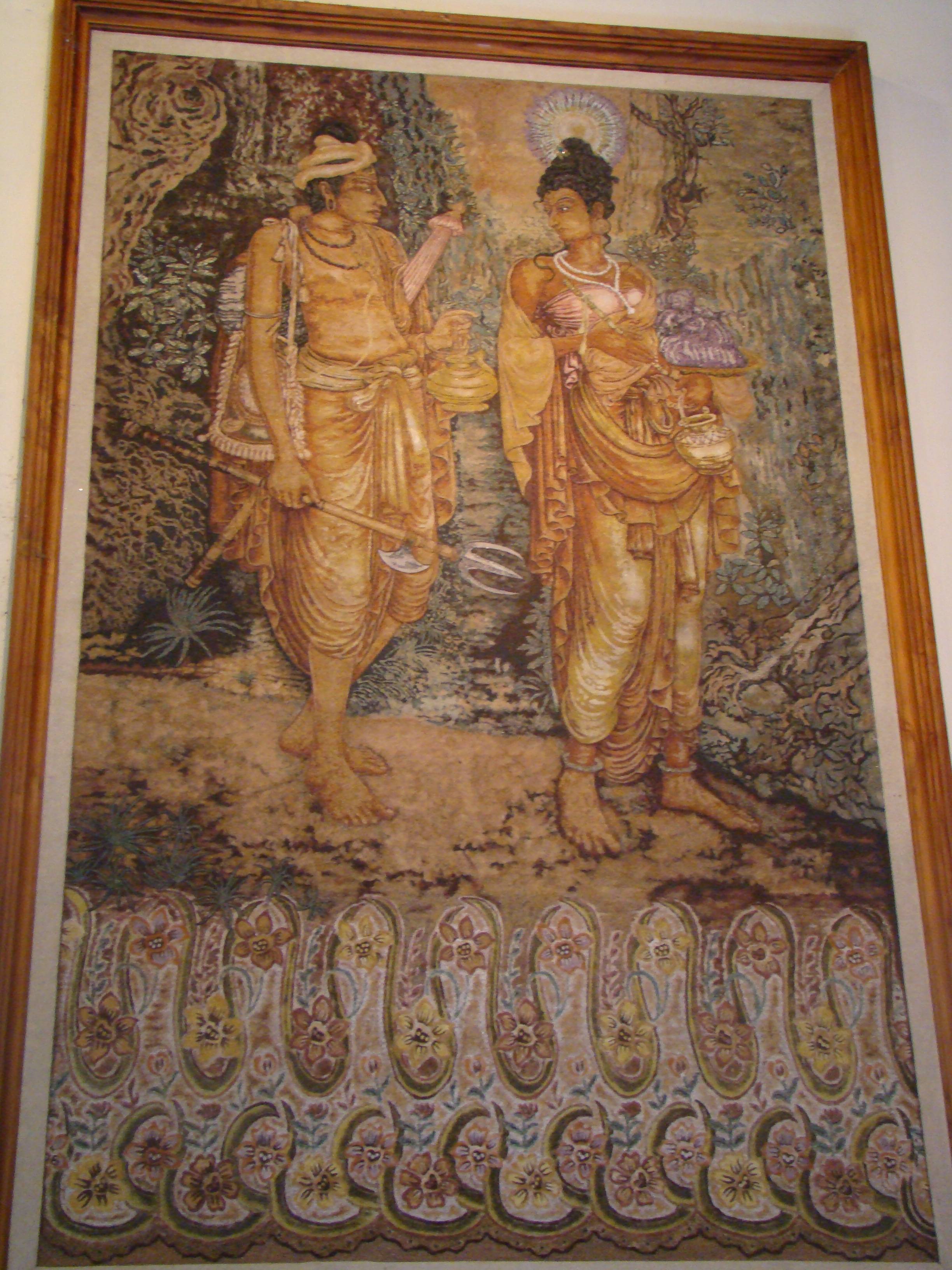
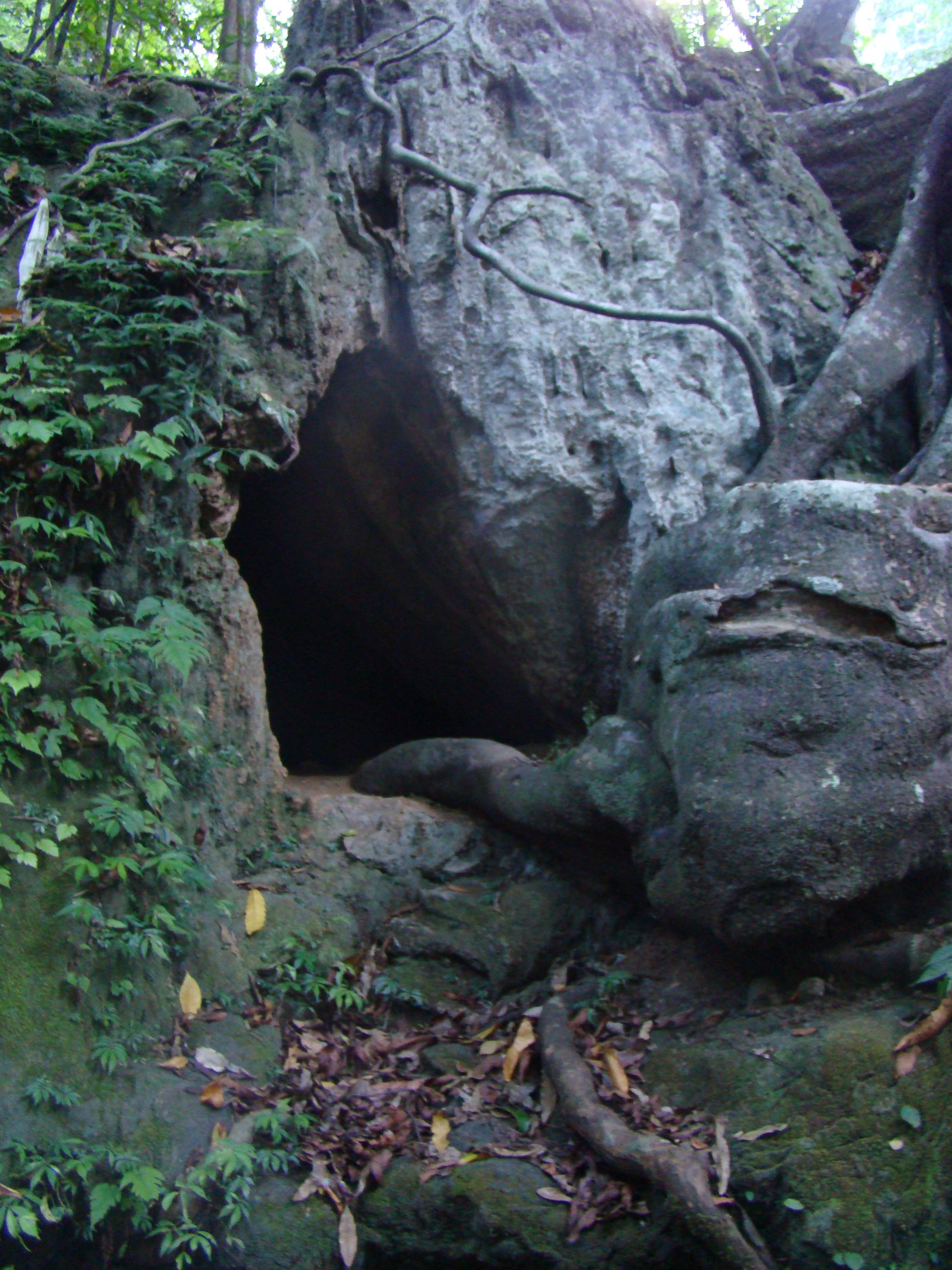
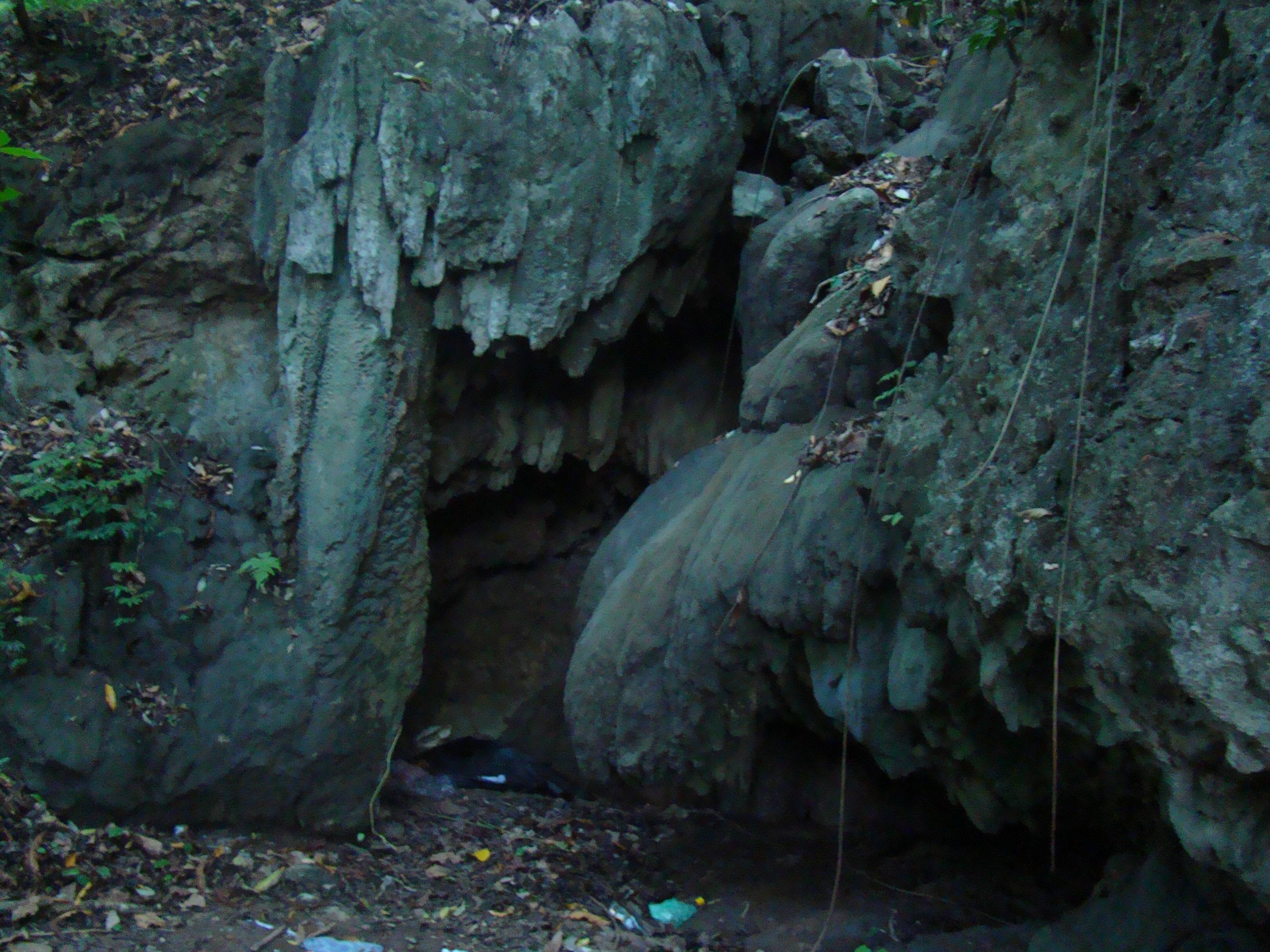
    The redemption came in the form of Sita Kotuwa, her first temporary prison. This place was also used by Buddhist monks later. Its easy to understand why. Its quite a trek, and a slippery one at that. But in the end, we safely reached our destination. And then we had a stroke of luck. The caretaker of this archaeological site told our guide that the caves used by Ravana and Sita were a walkable distance away, but the path was very slippery and it would be tough. But we were more than happy to see them. And see we did! When epic meets reality, its indescribable. Epic awesomeness.

    It surprised me that Ravana made a stop here, when his principal areas seemed closer to Ella. Ella is situated quite in the interior, and it means that unlike the comics’ depiction, itΒ  wasn’t on the seaside and it required a long trek to reach Lanka’s capital. From the stories floating around, the Pushpak seemed to have developed a problem. Gurulapotha had a repair centre, and was nearby, hence the stop. It was all real, in some form!!! I have promised myself an exclusive Ramayana trip.. someday!

    The guest house there was a really sad story. A typical old government place that you would encounter in mofussil India. Hardly anyone visited and revenue was minimal. No facilities, they said, the new traveler lists air-condioners, internet and a television in the room as mandatory. They gave us milky tea and said that a few Indians had visited a few weeks back. The Lankans, I was beginning to realise, are doing a lot for the Buddhist heritage structures, and the later kings, but no one seemed interested in Ravana. I wondered if it was because of Hindus being a minority – 7%.

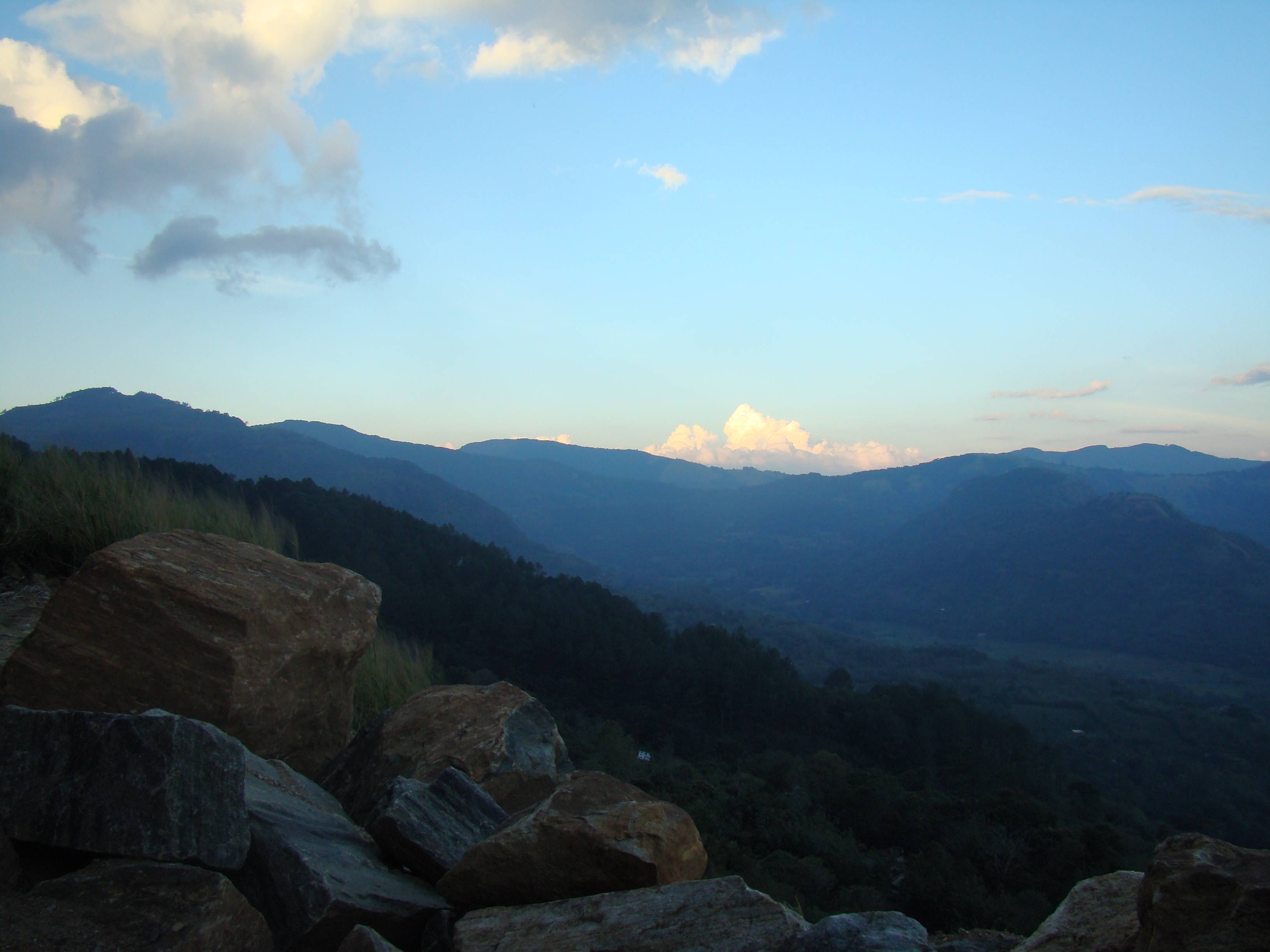
    We took the road to Kandy, curves and vista all the way, discussing car manufacturers and shopping options with our guide, and even Bangalore’s metro, once we realised that our guide was a ground technician with SriLankan Airlines earlier, and had gone on a Tokyo – Osaka bullet train.

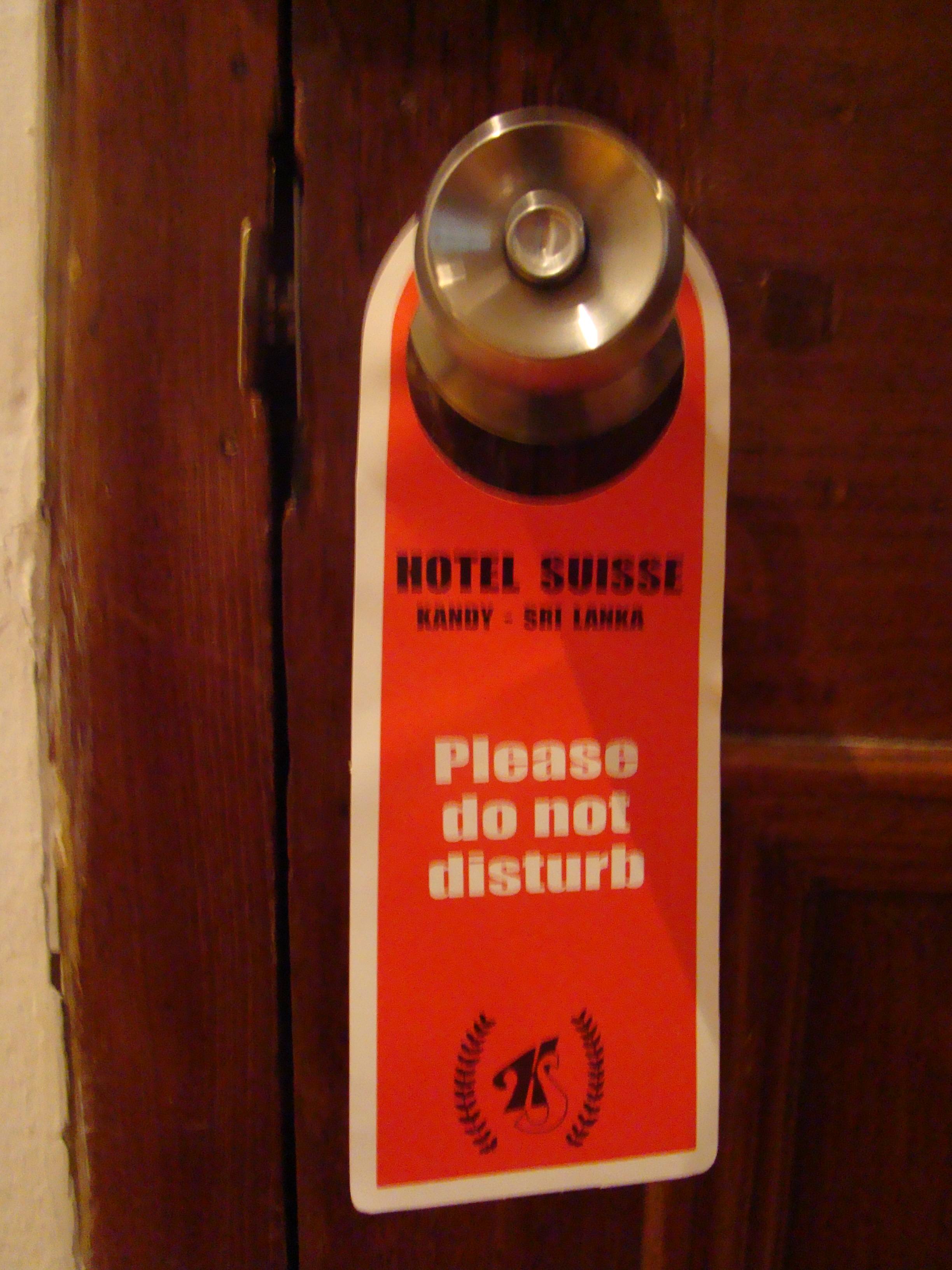
    The Hotel Suisse at Kandy had a huge colonial hangover, but nothing to complain about. This was easily the most tiring day of the vacation, and in the end, our feelings were best expressed by

    Coming up – Day 3. And in case you missed them,Β  here are Days 0 and 1.

  • Lankan Reams – Day 1 – Anuradhapura

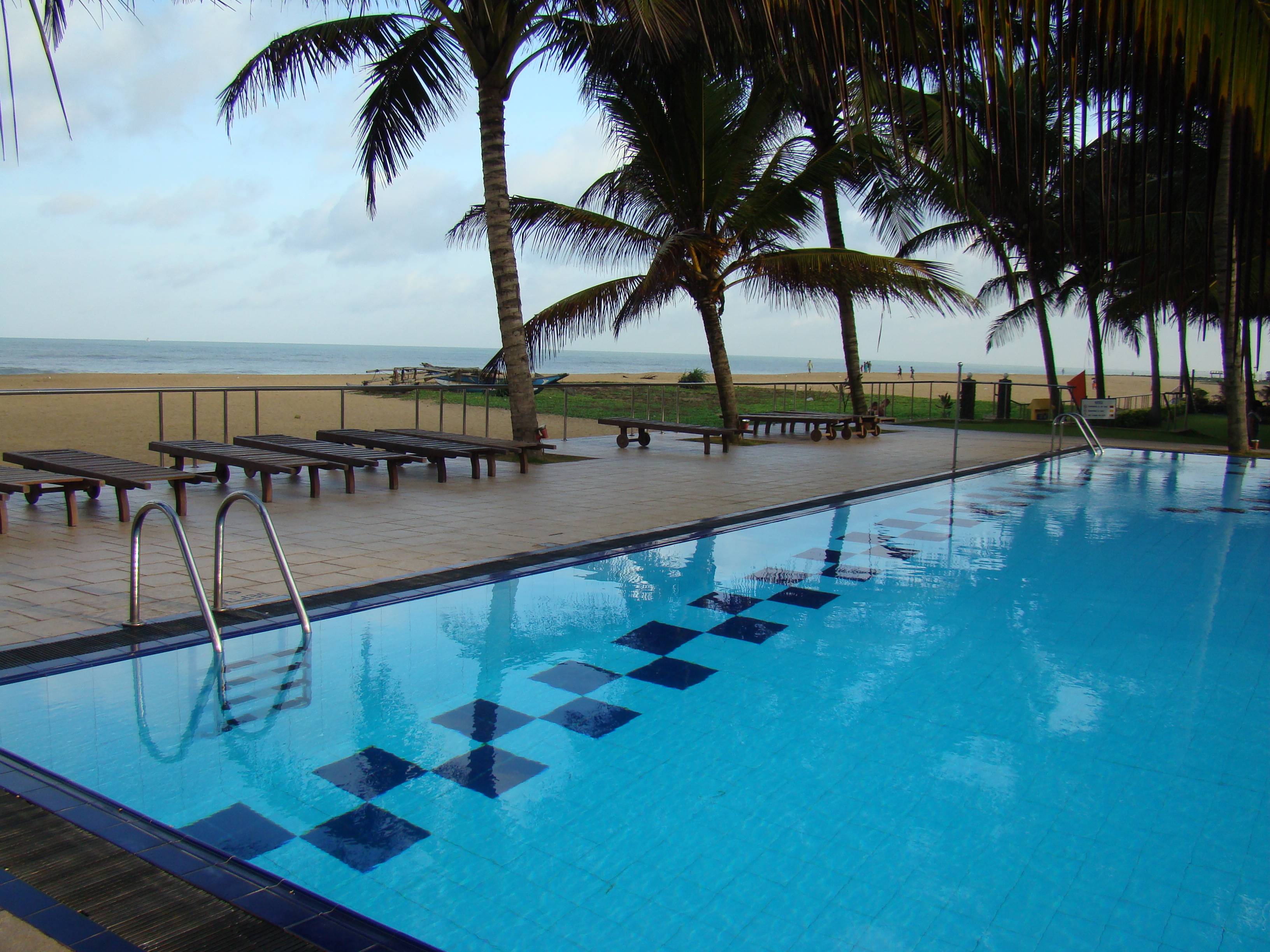
    The Negombo beach, which had seemed an undifferentiated black mass at 11 pm – the night before, was actually quite a decent one. Unfortunately, we couldn’t spend a lot of time here, since we had a long journey to what is called the Cultural Triangle. But I still had time to fully and delightfully digest the fact that Muttaappam and Fish Curry was considered part of a legit breakfast in Lanka, at least if we went by the hotel spread, which even otherwise, was quite awesome, with Pittu (Puttu), and string hoppers (Idiappam)

    We started out and saw several kids in uniforms, which was surprising on a Sunday. Turned out it was for Sunday school and apparently, the Lankans call Negombo ‘Little Rome’. We passed a place that sounded just like home – Kochchikade. The skies were absolutely postcard, and they reminded me of the Twitter background. πŸ™‚ There was a lot of construction happening on the roads we passed.

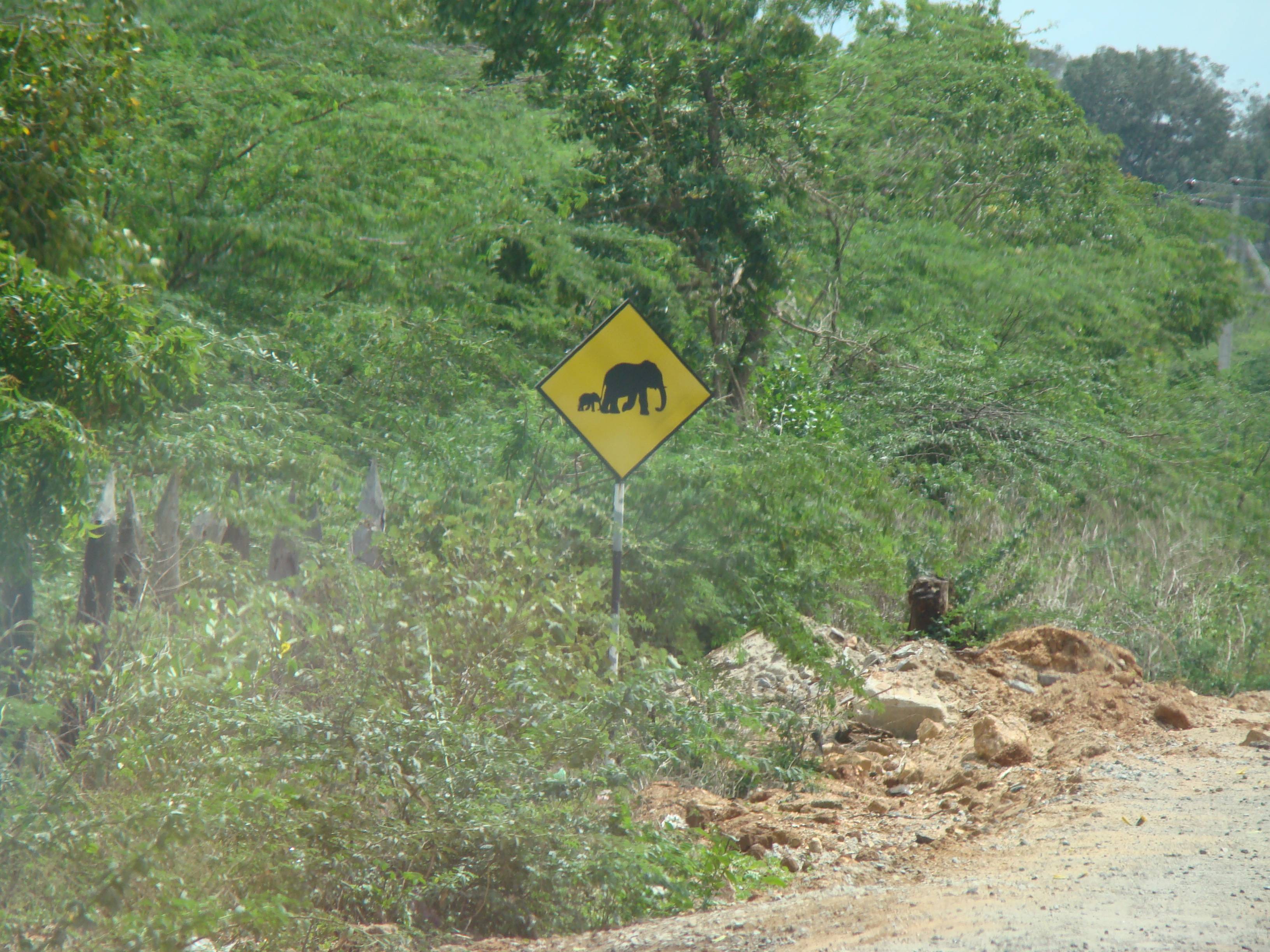
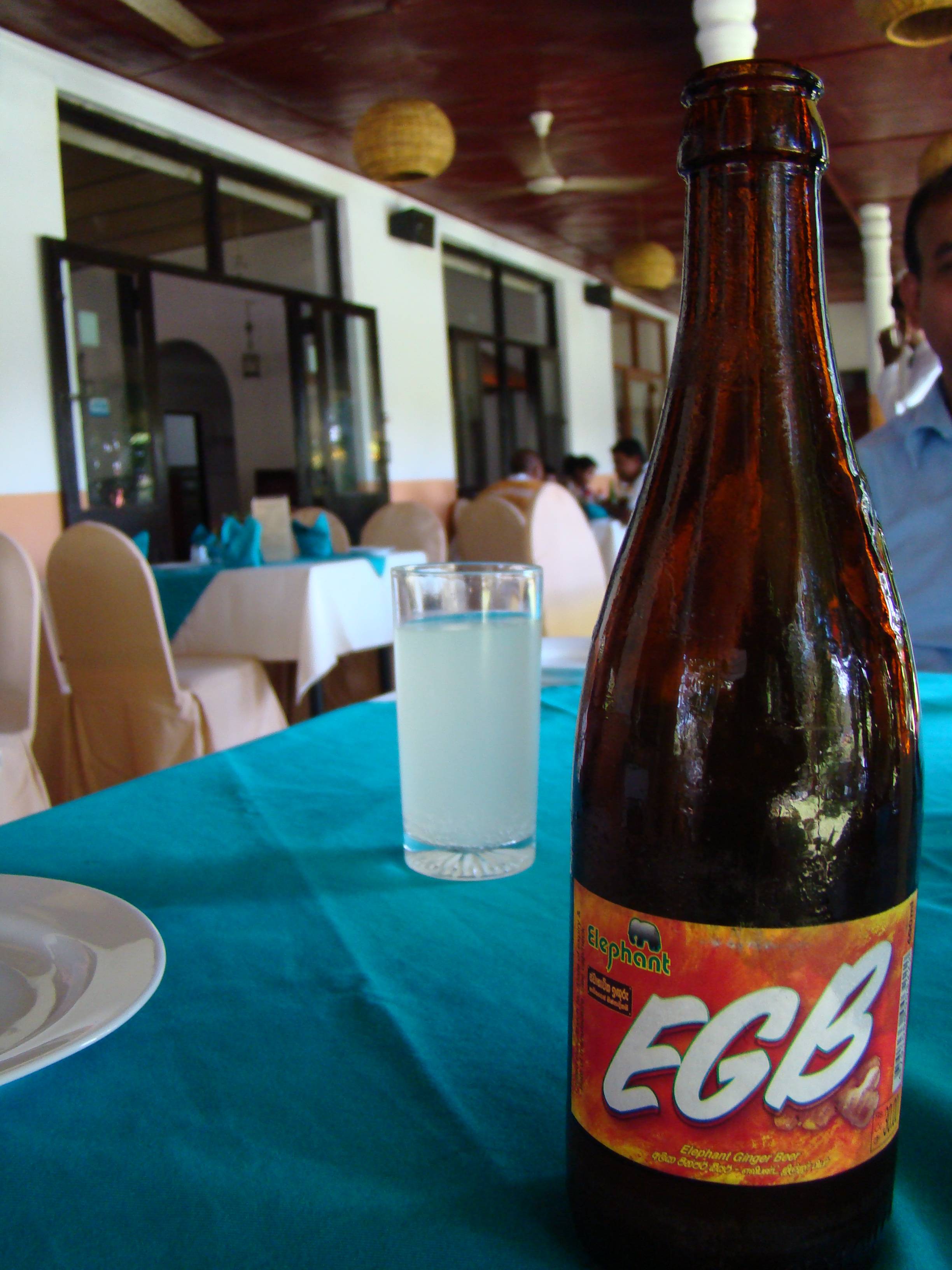
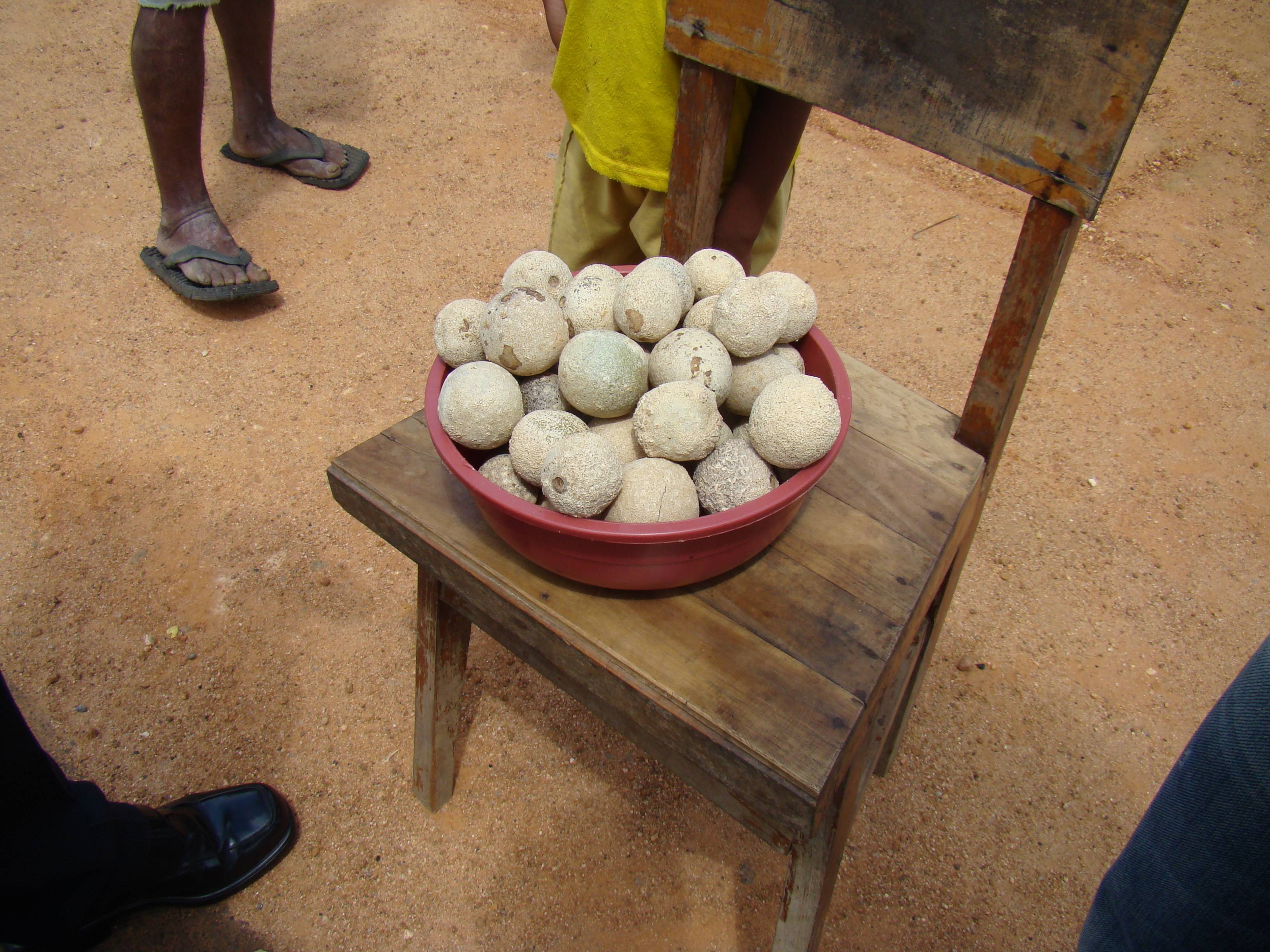
    This seemed to be the second most common kind of elephant here, the first of course, being EGB. After Puttalam, which had a bustling Sunday market, we tested out a unique fruit called wood apple. Knock it on the floor to open it, and we get a sour, tangy, rarely sweet and honestly horrible taste. But many people make a living selling this – apparently the juice is very tasty. Though I encountered it later, the fruit had left a bitter taste in my mouth, and I didn’t dare try the juice.

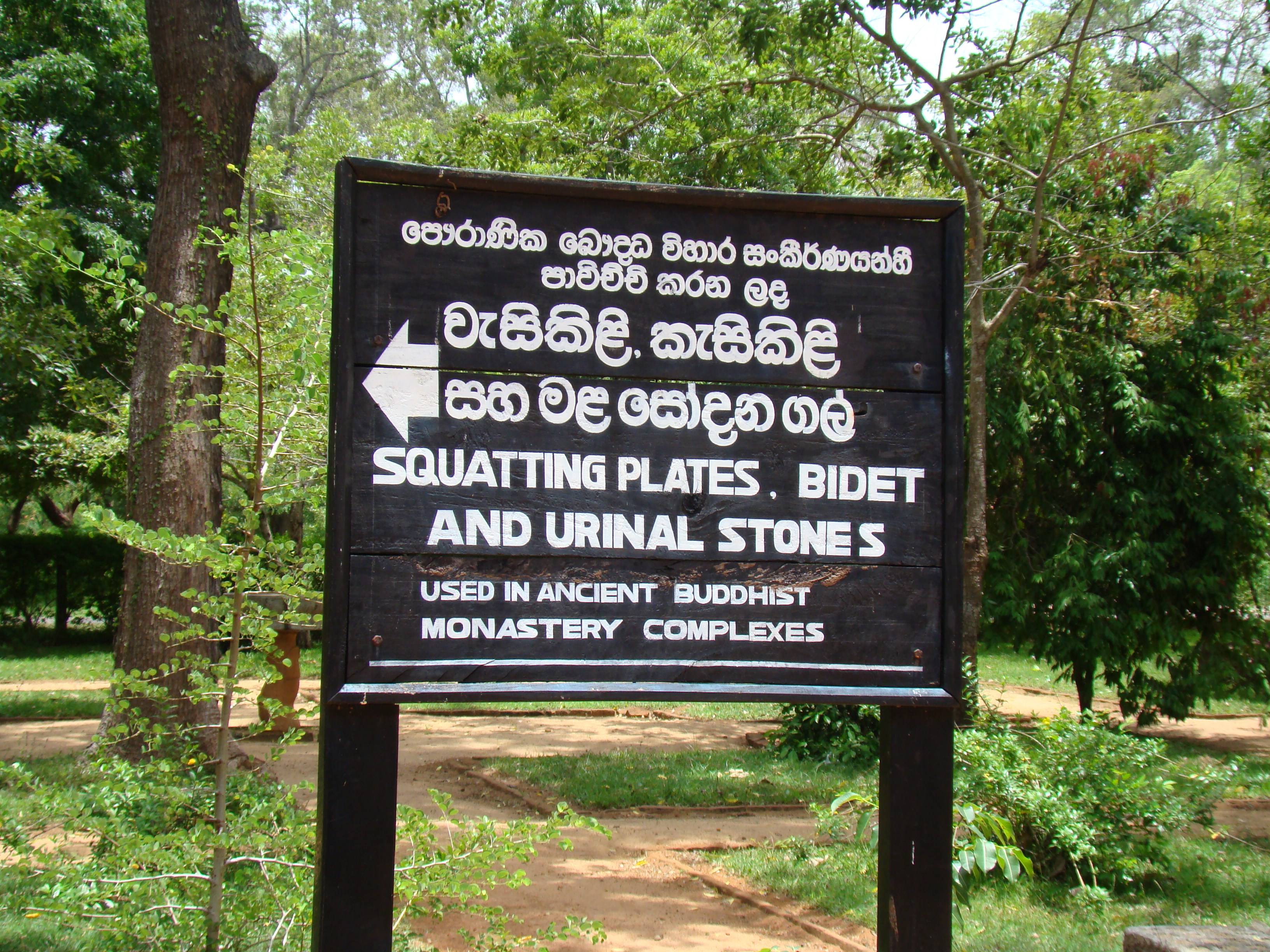
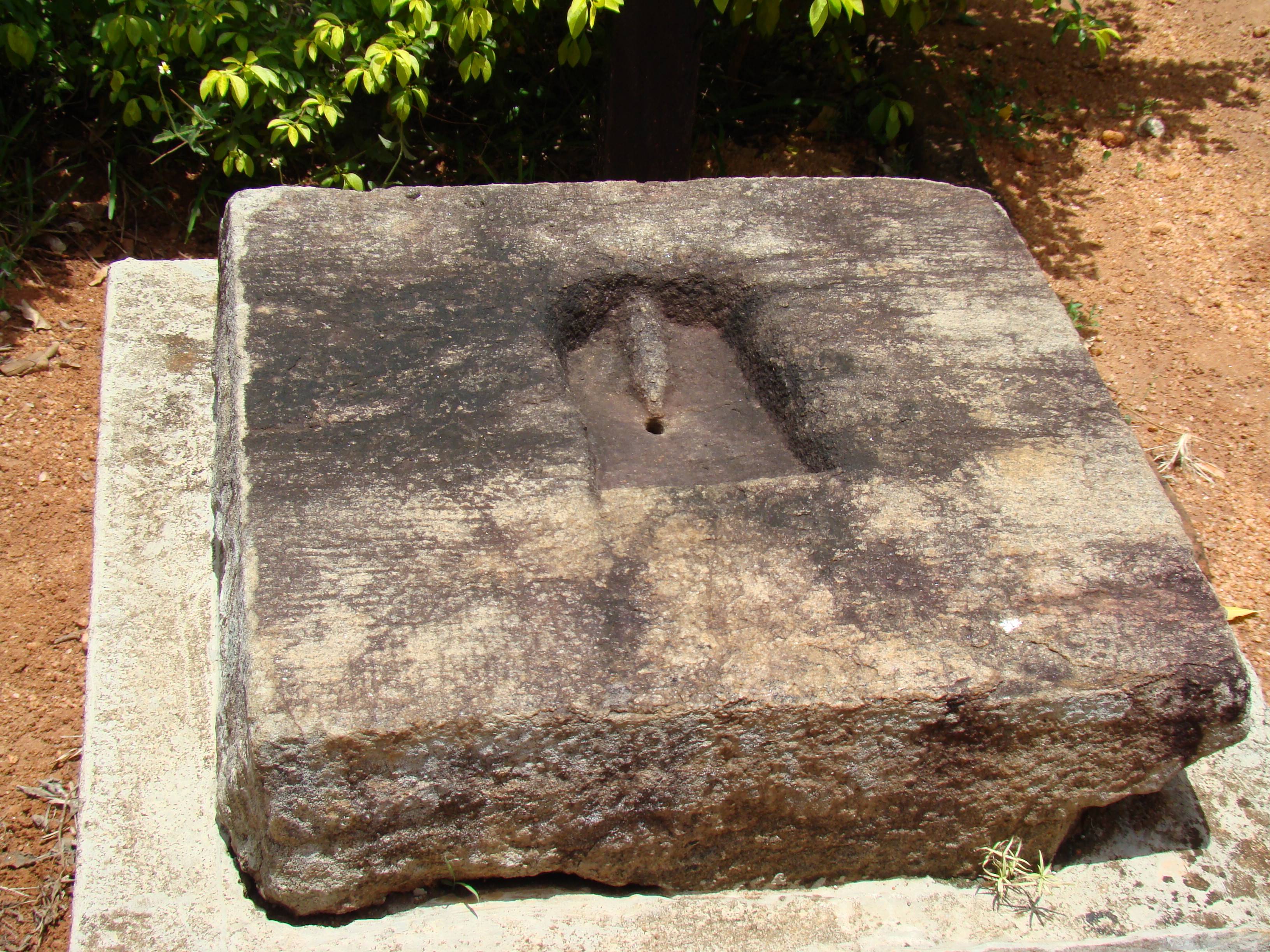
    Finally after about 3.5 hours, we reached Anuradhapura, and took a full pass for the cultural triangle, costing SL Rs.2825 per head, after the 50% discount for SAARCy countries. On hindsight, it might be better to figure out the individual costs of the places you plan to visit, since most of the biggies (Sigiriya, Tooth Relic Temple, for instance) are not covered. The tickets were bought in the Museum, where a self appointed guide, showed us, among other things, the ‘pee pee’ and ‘poo poo’ systems used by early Buddhist monks. At the end of it all, I felt quite sad for the old woman, jabbering away about a past that few seemed to be interested in.

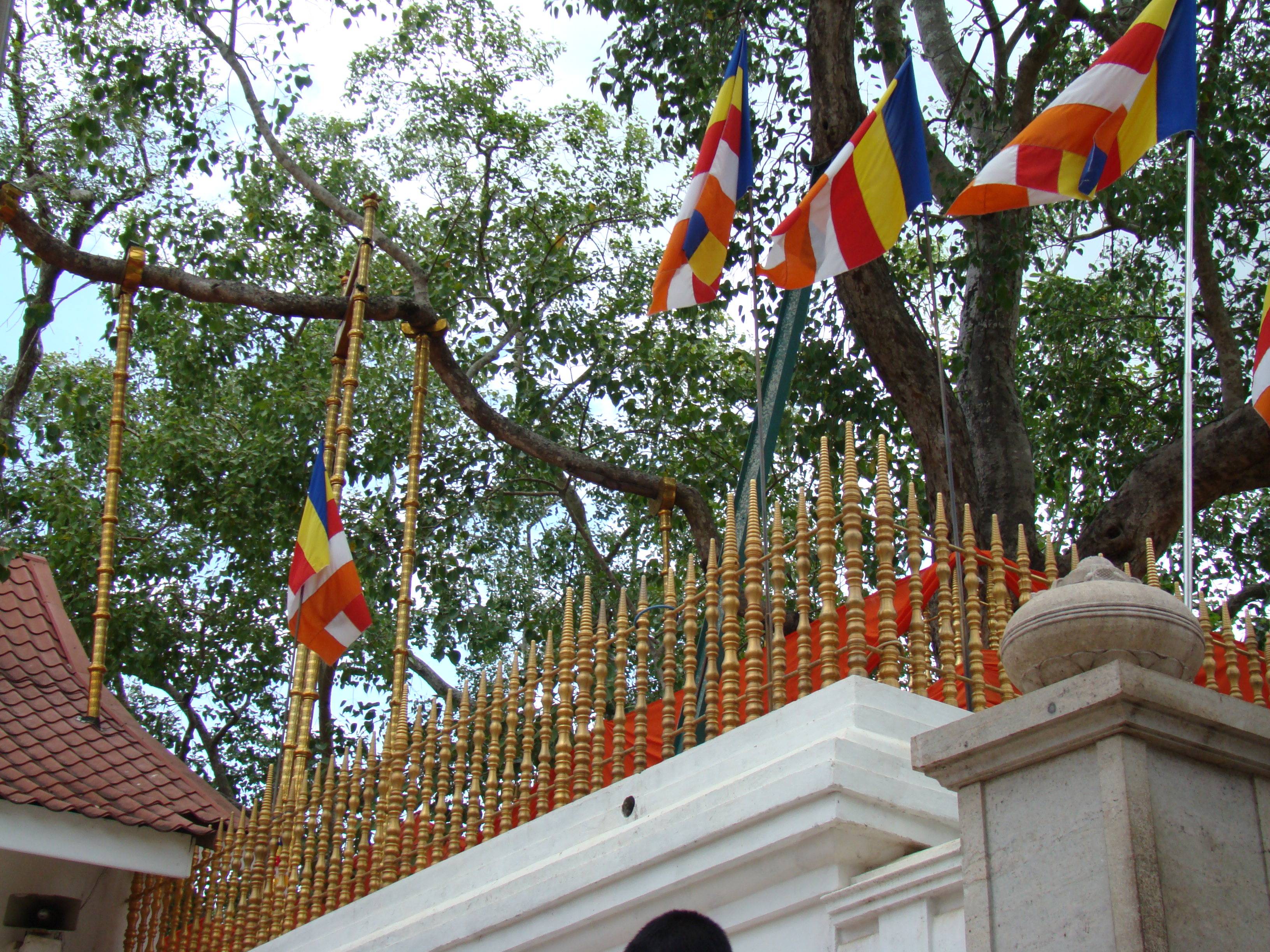
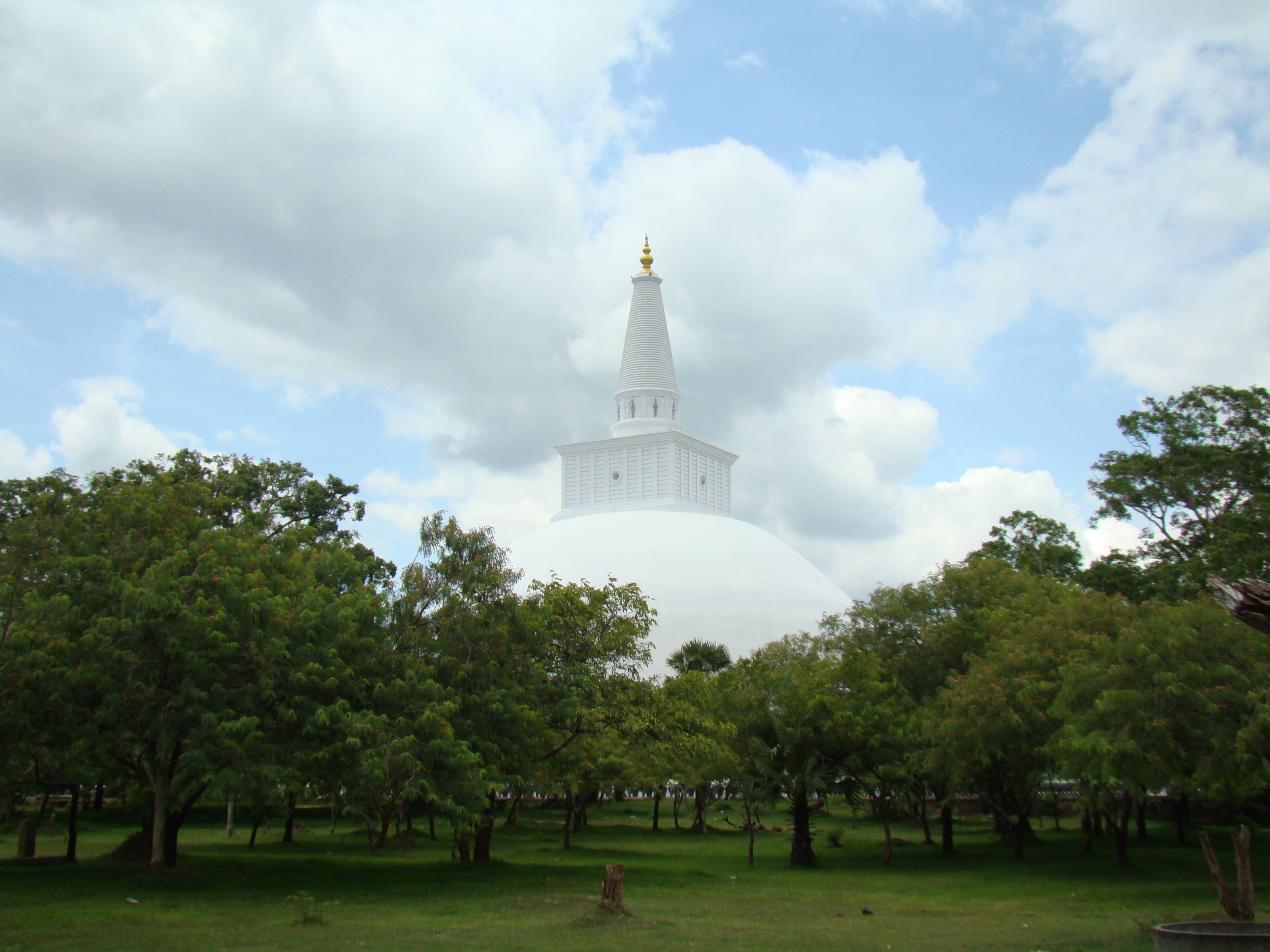
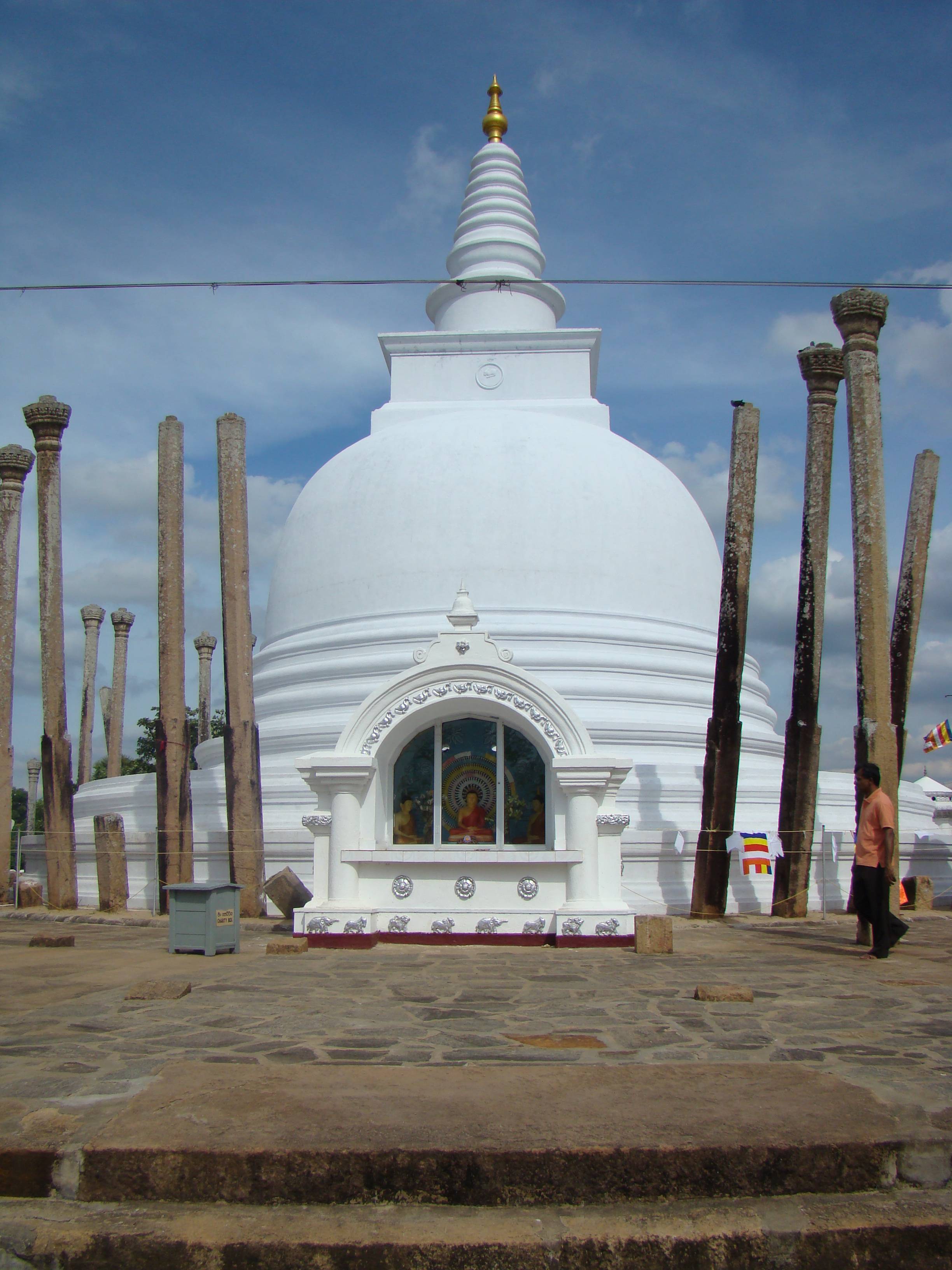
    Anuradhapura, sacred city and ancient capital, where if you threw the proverbial stone, you’d hit a stupa, and that stone was a freaking relic, mind you! So we saw the Sri Maha Bodhi tree, the oldest angiosperm, which was also the scene of an LTTE massacre about 25 years back. Ruvanveli Mahaseya, white and bright, and very click friendly.

    We then decided to get ourselves us some lunch. The Anuradhapura Resthouse was busy with some VIP, and we finally reached The Grand, which gave us pork, chicken, along with the Lankan version of meals, a vanilla flavoured banana shake, and a distant view of Mihintale, which would be later in the day.

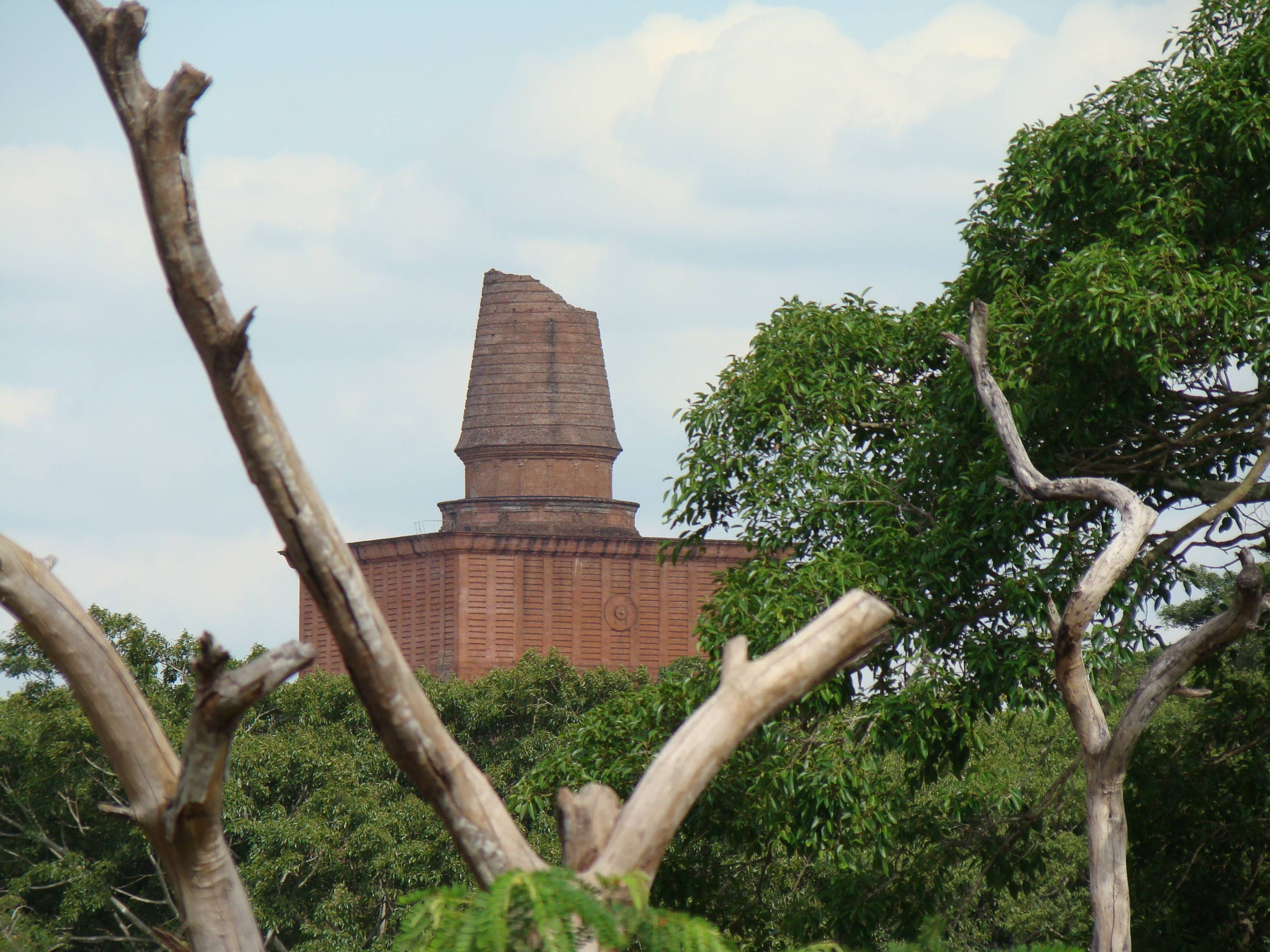
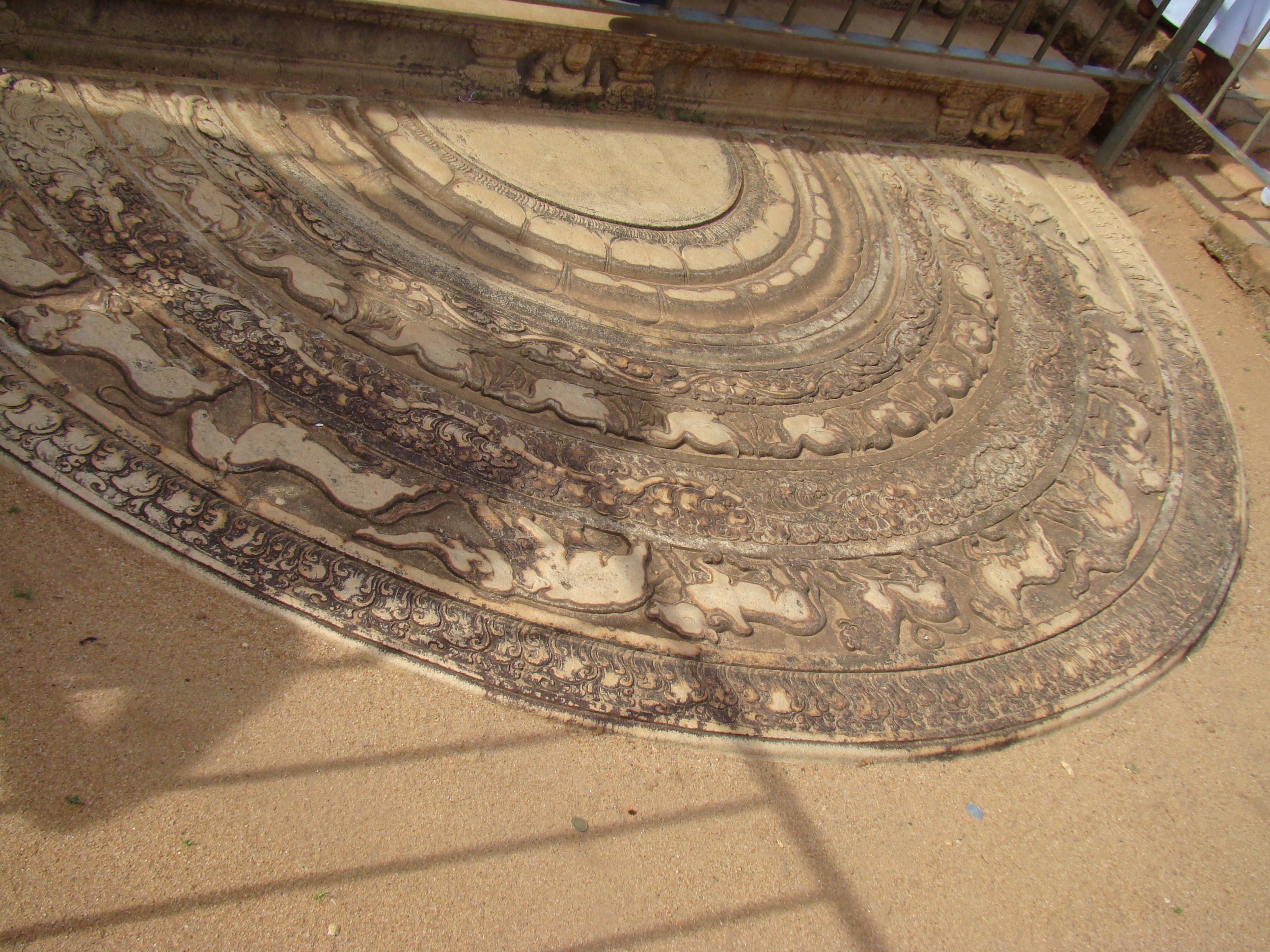
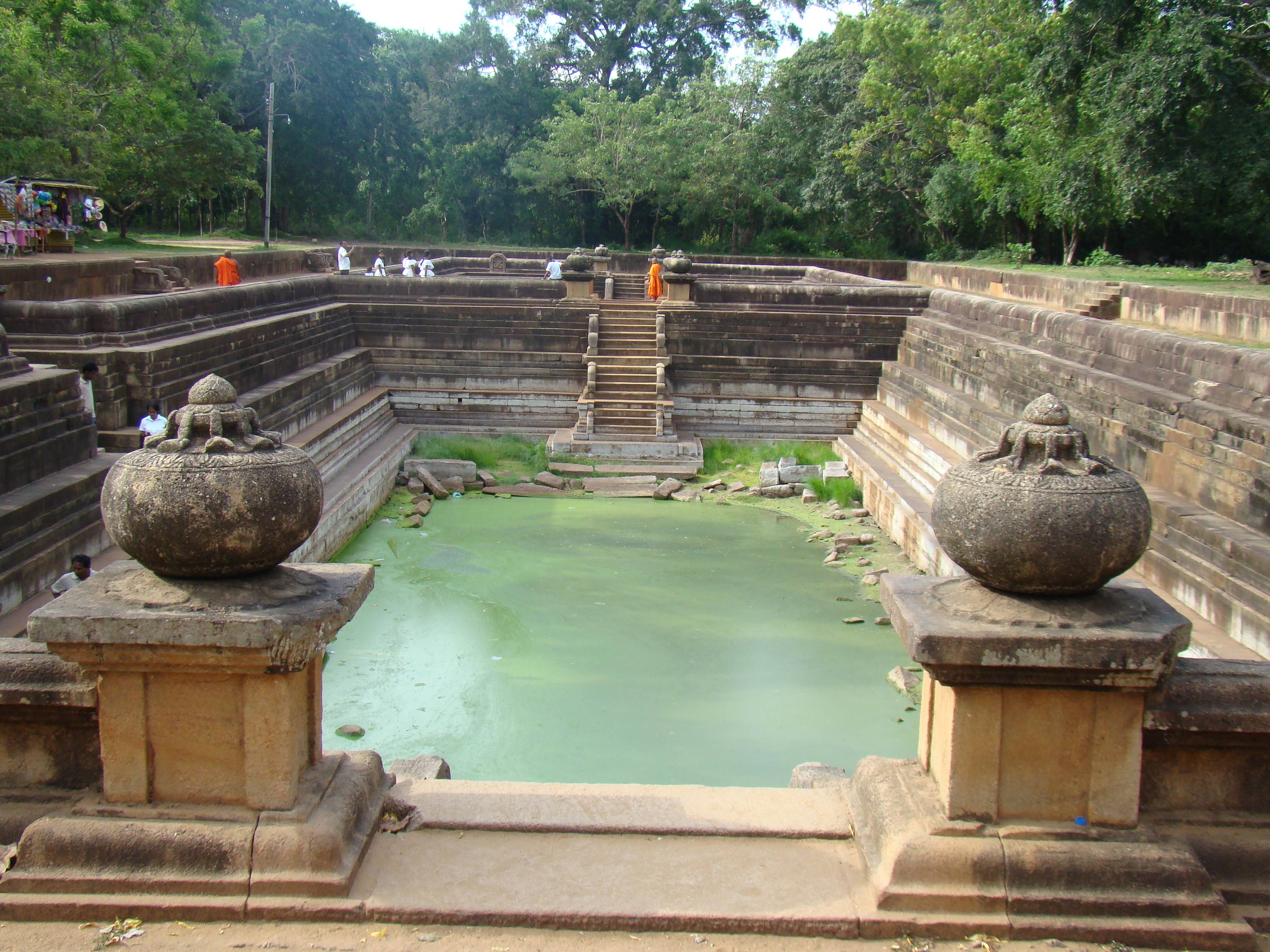
    After lunch, we zipped through Thuparamaya Dagoba, Jetavanaramaya – made of over 90 million bricks, Abhayagiri Dagoba, the Moonstone (where another family watched us closely), and the Twin Ponds. The stupas were slowly causing a stupor and we decided to move on to Mihintale.

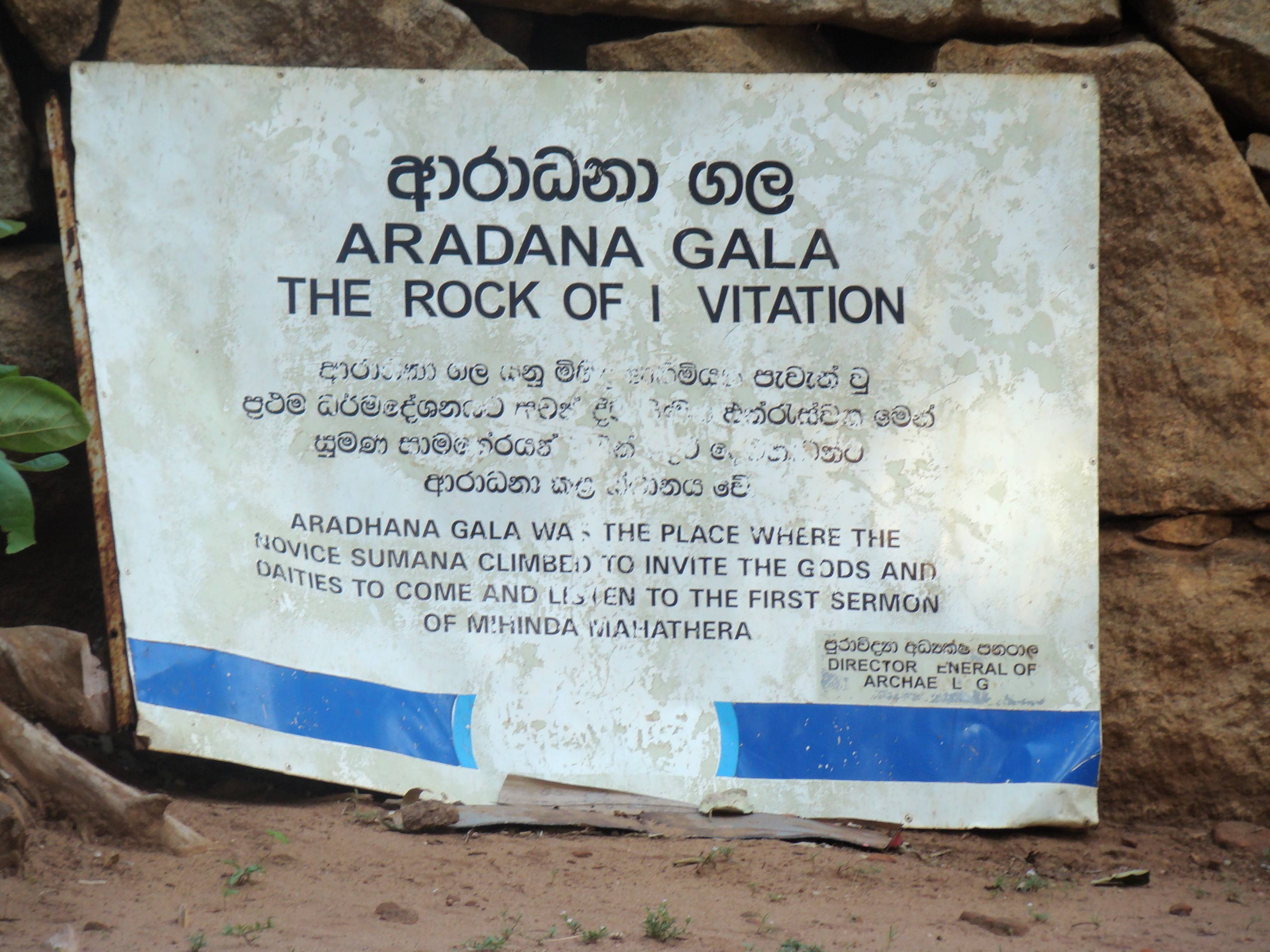
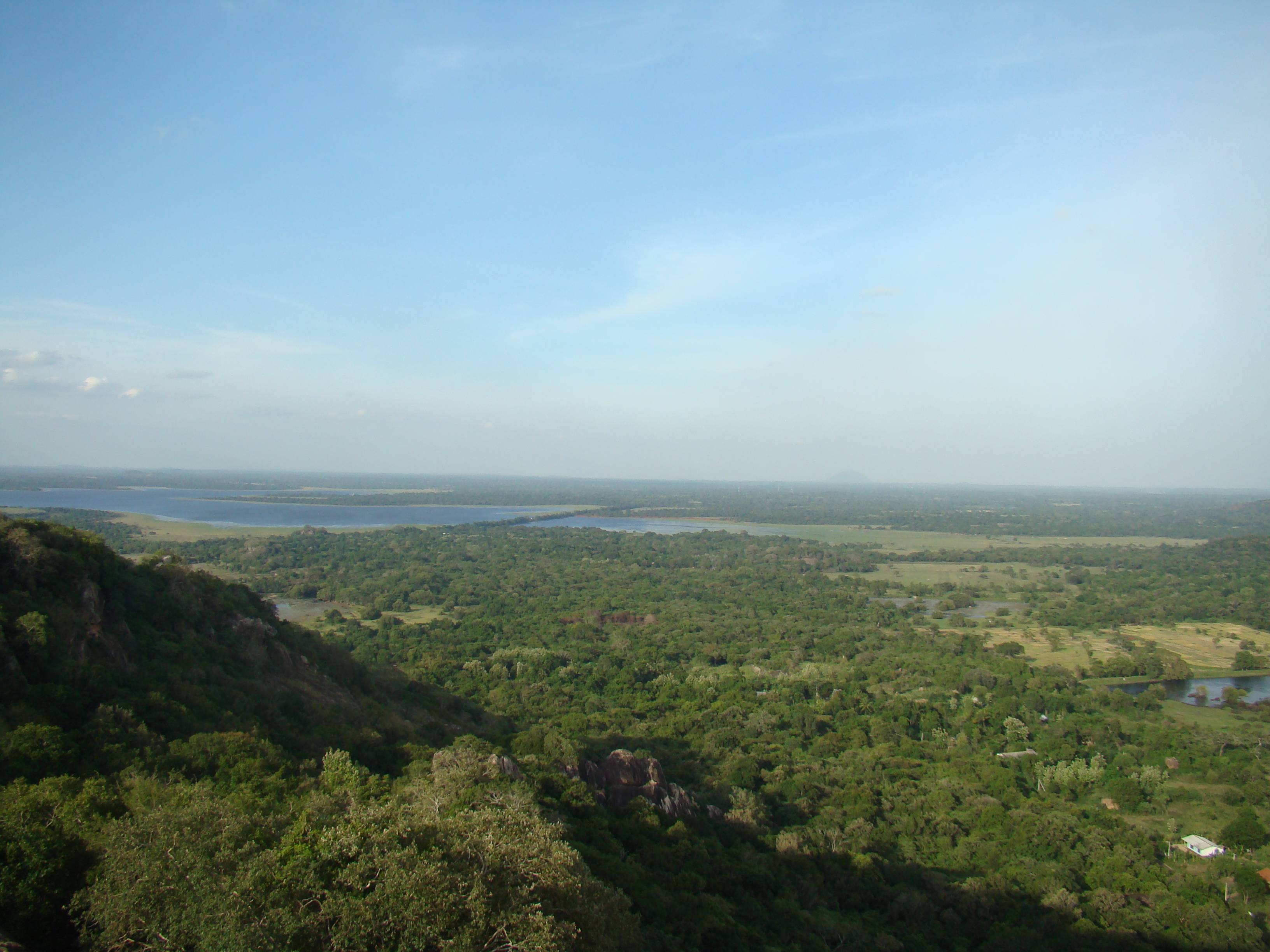
    This was only about half an hour away, and is absolutely the place to go to if you’re afraid of heights. In fact, it is a good initiation ceremony for Sigiriya. The climb to Aradana Gala, where the novice invited the gods to come down and listen to the sermon of Mihinda, consists mostly of steps built into the rock face in ancient times, and is at such a height that you can believe the gods are at shouting distance. Spectacular view, which is difficult to capture when you’re praying to the above gods to let you hang on longer!!

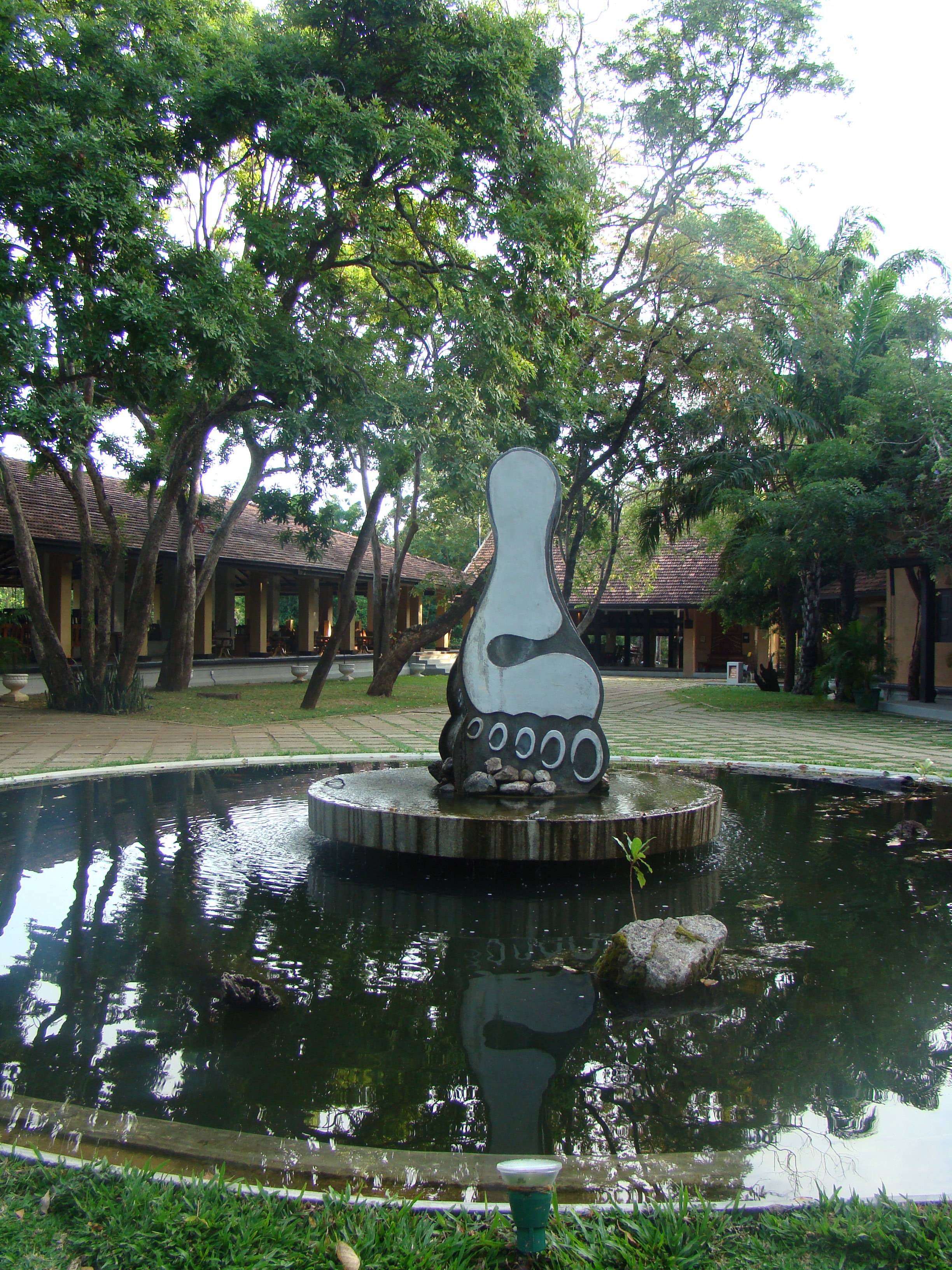
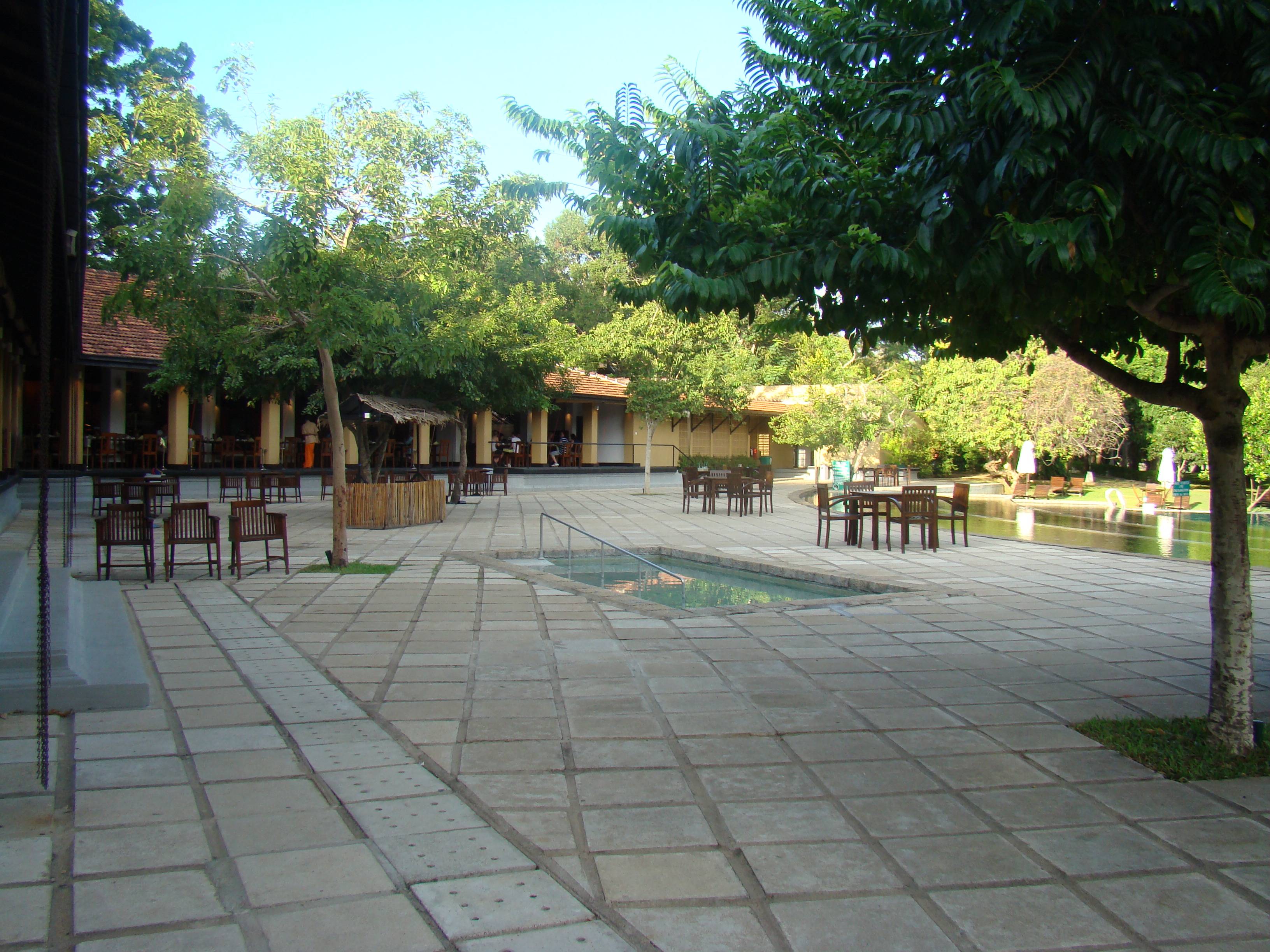
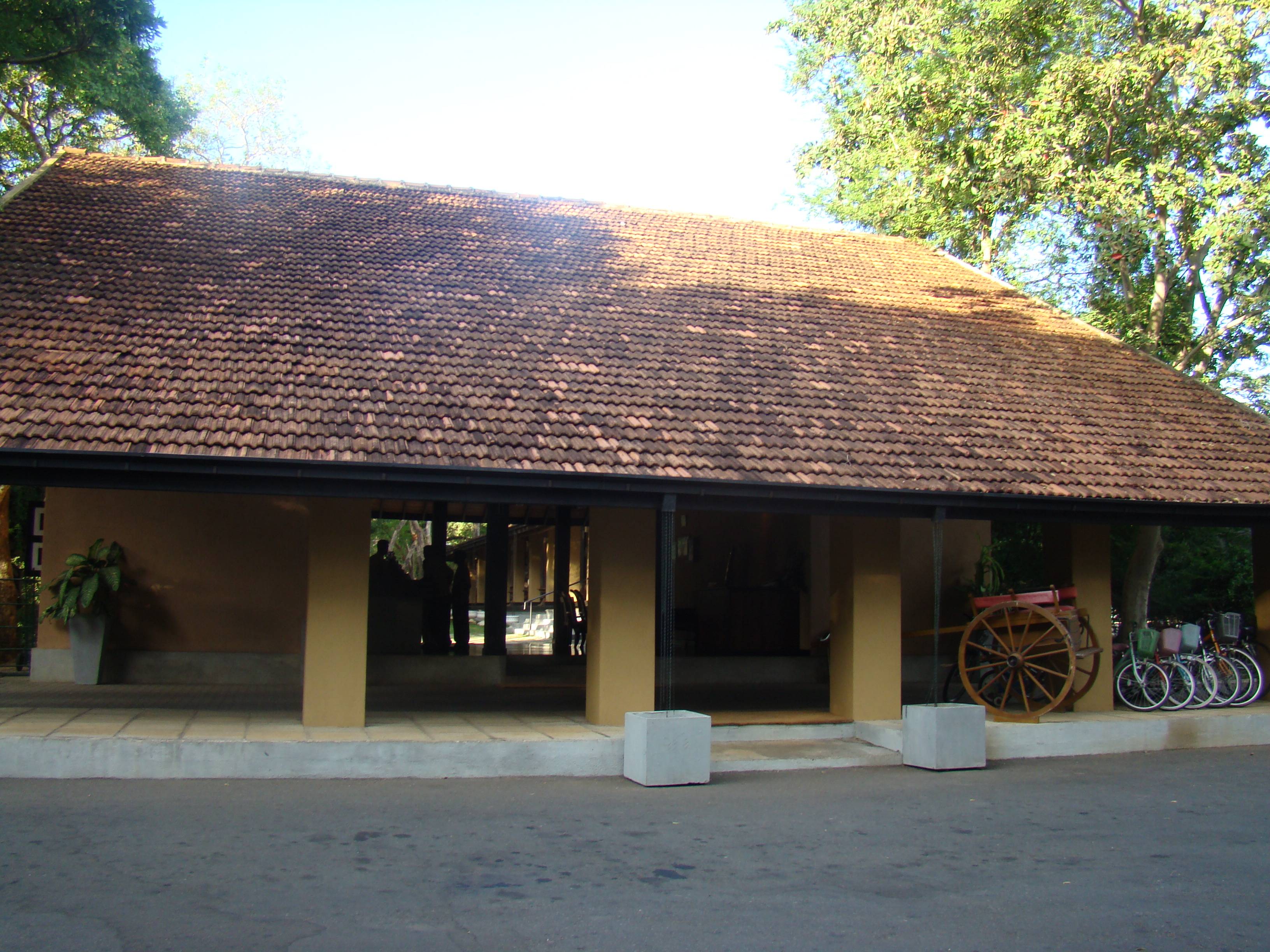
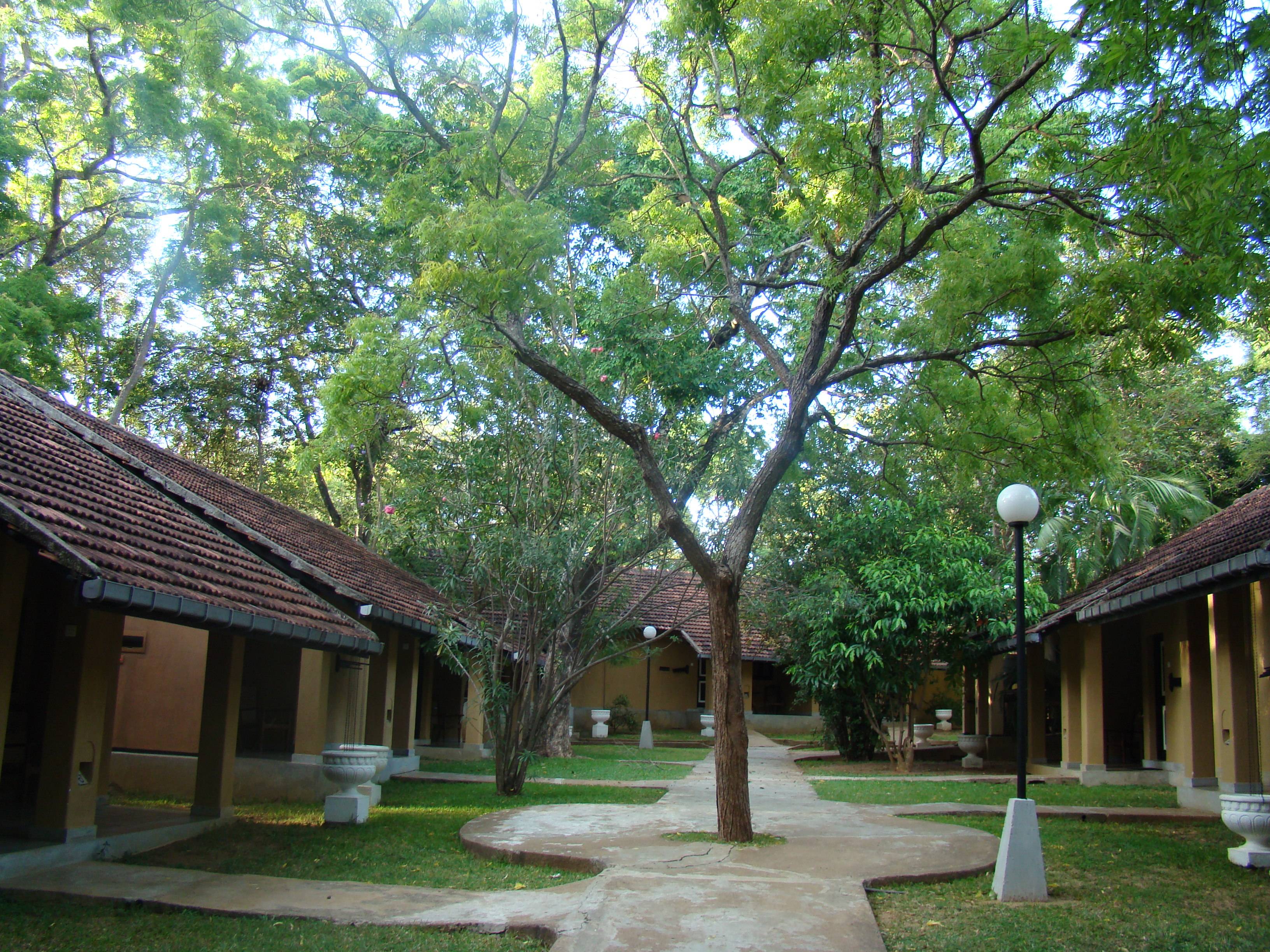
    We started off to Habarana, which was our halt for the night. Chaaya Village proved to be the most awesome resort in our vacation. A special thanks to our tour guys who offered to upgrade us to this place when they got a good discount. Even the pics at their own site don’t do them full justice. There’s an excellent story about Habarana itself, all of which you can catch here.

    The other thing you can catch later is Day 3. In case you missed Day 0, its here.

  • Lankan Reams – Day 0 – SriLankan Airlines and Negombo

    ..and now its tradition to have my vacations flagged off by a Partha Jha wordplay. πŸ™‚ He didn’t disappoint this time either, and rewarded my cryptic goodbye with this.

    The road trip to our offsite airport wasn’t really adventurous, despite our driver’s best slow moving efforts. He wished us a happy journey though, that was a nice touch. In spite of the mildly irritating form factor, migration proved to be a simple business.

    The SriLankan Airlines thankfully provided more avenues for cheap fun. If Air Deccan had a poor cousin, this one would be it. They did serve a ‘standard’ meal, and we use the word ‘standard’ loosely here, and I scared D by hinting that the mounds of potato would give us a loosie in the sky, or worse, during the vacation.

    But I’m being mean, sorry, they weren’t really bad, though the craft did need some upholstery maintenance. I felt bad for the staff, and could understand their sad expression, which was mostly thanks to a raucous beer crowd, whose in-flight entertainment consisted of shooting pictures of themselves with free Carlsberg, with many retakes, all freshly canned. It also gave us a free nostalgia trip – buses to and from Kerala. There was this other guy in front of us with a hoodie – he kept looking up, I think he was apprehensive of leaks, couldn’t really blame him.

    We arrived safely, mostly because D doesn’t let me speak during flights. Wait a second, I now realise she mostly doesn’t let me speak. Hmm. Currency change was a breeze, because we had been warned by our tour organiser that the newly symbolic Rupee would be difficult to convert, and so we’d carried $.

    Meanwhile, our guide was waiting for us, and I identified parts of my name from several others. He took us to the parking lot, which had a retro feel to it. For instance, ours was a full fledged Toyota which could seat about a dozen people, and reminded me of the ‘kidnap’ cars Amjad Khan used in 80s Bollywood.
    On the way to Negombo, where we were to stay the night, it wasΒ  like a surreal India – Hutch saying ‘Hi’ alongside a Samsung Corby, and an Airtel fighting for attention. That reminded me of the Uniconnect card I got, thanks to booking through Cleartrip. Sorry Cleartrip, we both did what was expected of us, no controversy here. πŸ˜‰

    The Camelot Beach Hotel at Negombo was neat enough, and though we sensed a fish smell near the reception, the long corridor was free of it. The room was quite good, and once we had cracked the plug point secrets, all was well. Meanwhile, instead of a television, we had a radio with good old fashioned knobs, and we rocked ourselves to sleep listening to the roar of the sea and “I’m gonna live forever“.

    More pics here, and coming soon Part 2 πŸ™‚